Showing posts sorted by date for query Mindful Movement. Sort by relevance Show all posts

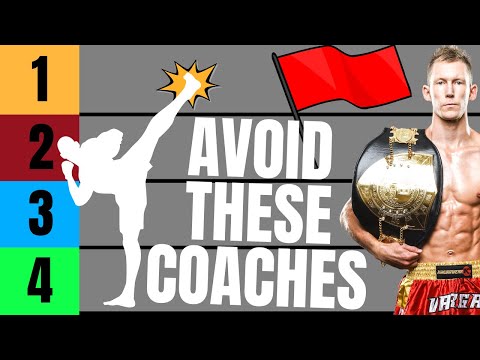
Choosing Your Martial Arts Sensei: Avoiding the Red Flags of False Mastery

The path of Budo is a journey of self-discovery, discipline, and relentless improvement. But what happens when the very guide meant to illuminate this path casts a shadow instead? In the intricate world of martial arts, the instructor, the Sensei, is paramount. Yet, not all who don the black belt are true masters. Many are merely keepers of superficial knowledge, or worse, peddlers of dangerous dogma.

This is not a debate about style – whether you seek the fluidity of Aikido, the power of Kyokushin Karate, or the strategy of Judo. This is a critical examination of character and competence. My intent today is to equip you, the aspiring warrior, with the discernment needed to identify instructors who are not worthy of your dedication, your sweat, and your respect. We will dissect the common "red flags" that signal a lack of true mastery and, more importantly, a potential detriment to your martial arts journey and personal growth.

Lack of Credentials: The Uncertified Imposter

In the realm of Budo, lineage and verifiable expertise are not mere formalities; they are the bedrock of authenticity. When an instructor cannot produce legitimate credentials – certifications from recognized martial arts federations, documented ranks from reputable masters, or a clear lineage tracing back through established schools – it’s a gaping hole in their claim to authority.

Think of it like this: would you trust a surgeon who claimed to have 'learned surgery by watching videos'? Of course not. The same rigor must apply to your martial arts training. A Sensei who skirts around the issue of their qualifications, or worse, dismisses them as unimportant, is signaling a profound lack of understanding regarding the depth and discipline required to attain true mastery. This is not about ego; it’s about the student’s right to receive instruction from someone who has demonstrably earned it.

"If you meet the Buddha, kill the Buddha." This koan, often misapplied, speaks to the danger of blind adherence. In your training, it means questioning any authority that doesn't stand up to scrutiny. A lack of credentials is the first, and perhaps most obvious, crack in the facade.

Overemphasis on Winning: The Empty Trophy Syndrome

Competition is a vital component of many martial arts. It tests technique under pressure, builds resilience, and offers a tangible measure of progress. However, an instructor whose focus is *solely* on victory, who prizes wins above all else, is fundamentally misunderstanding the purpose of Budo.

Martial arts are a crucible for character development. They teach humility in defeat, grace in victory, perseverance through adversity, and the ethical application of force. An instructor who only celebrates wins, or worse, harshly criticizes losses, is cultivating an unhealthy and ultimately shallow approach to training. True martial arts training is a lifelong pursuit of self-mastery, not a gladiatorial contest. The true victories are often internal: overcoming fear, perfecting a difficult technique, or developing unshakeable discipline. An instructor obsessed with external validation misses this entirely.

Consider the legendary martial artists. While many were formidable competitors, their teachings often transcended mere winning. They emphasized the philosophical, the ethical, and the personal growth aspects. A coach focused only on the scoreboard misses the deeper lessons that make martial arts a transformative art.

Lack of Safety Precautions: Gambling with Your Well-being

This is non-negotiable. Martial arts, by their very nature, involve physical contact and the potential for injury. A competent and ethical instructor prioritizes safety above all else. This means:

  • Proper warm-ups and cool-downs to prepare the body and prevent strains.
  • Clear instruction on how to execute techniques safely, minimizing risk to both giver and receiver.
  • Appropriate supervision during sparring or strenuous drills.
  • A willingness to modify training for students with injuries or physical limitations.
  • A calm, controlled environment where recklessness is not tolerated.

If your instructor rushes through warm-ups, encourages overly aggressive or uncontrolled sparring, dismisses concerns about pain, or lacks basic safety protocols (like ensuring the training area is clear of hazards), they are not only negligent but actively endangering you. This isn't about being "soft"; it's about intelligent, sustainable training. Pushing your limits is essential, but reckless endangerment is not. You should feel challenged, yes, but never at the risk of serious injury due to the instructor's carelessness.

Aggressive or Abusive Behavior: The Tyrant's Dojo

The dojo should be a sanctuary for learning and growth, a place where discipline is cultivated, not fear. An instructor who resorts to aggressive language, shouting, intimidation, or any form of physical or emotional abuse is fundamentally unfit to teach.

Martial arts are meant to empower, to build confidence, and to foster self-control. An instructor who uses their position to belittle, demean, or intimidate students is exploiting their authority. This is not discipline; it is tyranny. Such behavior creates a toxic learning environment, erodes self-esteem, and can have lasting negative psychological effects. The true martial artist leads by example, demonstrating respect, patience, and calm under pressure – not by ruling through fear or aggression. This kind of behavior is not only unethical but often stems from the instructor’s own insecurities and lack of genuine mastery.

"The supreme art of war is to subdue the enemy without fighting." - Sun Tzu. This principle extends beyond the battlefield. A true master subdues conflict through calm authority and unwavering principle, not through aggressive displays.

Lack of Respect for Students: The Mark of a Shallow Mind

Every student, from the absolute beginner to the seasoned practitioner, deserves respect. An instructor who consistently belittles students, mocks their efforts, dismisses their questions, or treats them as inferior is demonstrating a profound lack of character.

Respect is a two-way street. While students owe respect to their instructor, the instructor owes a duty of care, dignity, and genuine mentorship to their students. An instructor who fails to recognize the individual journey of each student, who fails to foster an environment of mutual respect, is not a true leader. They may possess technical skills, but they lack the wisdom and character that define a master. Feeling comfortable asking questions, making mistakes without fear of humiliation, and being treated as an individual with unique potential are hallmarks of a positive training environment.

Veredicto del Sensei: ¿Merece la pena?

Choosing the right martial arts instructor is perhaps the single most critical decision you will make on your path. The red flags – lack of credentials, obsession with winning, disregard for safety, abusive behavior, and disrespect for students – are not minor issues. They are fundamental flaws that betray a lack of true mastery and ethical integrity.

A true Sensei is a mentor, a guide, and a role model. They possess not only technical proficiency but also the wisdom, patience, and ethical grounding to nurture their students. They prioritize your growth, safety, and well-being above their own ego or desire for superficial accolades. If an instructor exhibits any of these red flags, it is a clear signal to seek training elsewhere. Your journey is too important to be entrusted to someone who lacks the fundamental qualities of a true master.

Calificación: ¡Cinturón Negro en Discernimiento!

Equipo Esencial para tu Entrenamiento

Selecting the right equipment can significantly enhance your training experience, safety, and progression. While the core of martial arts lies in the practitioner, the right gear provides the necessary foundation.

  • Kimono/Gi: For Judo, Aikido, and some Karate styles, a durable Gi is essential. Look for double-weave or heavyweight fabrics for disciplines involving grappling or significant wear and tear. For Karate, a lighter, more breathable fabric might be preferred for striking arts.
  • Sparring Gear: When engaging in controlled sparring, protective gear is paramount. This includes headgear, mouthguards, chest protectors, and shin/instep guards, especially for striking arts like Karate and Kickboxing. For grappling arts, focus on comfortable attire that allows freedom of movement.
  • Training Mats (Tatami): If you are practicing at home, especially for techniques involving throws or falls (Judo, Aikido), investing in proper mats is crucial to prevent injuries.
  • Focus Mitts and Strike Pads: Excellent for practicing striking combinations and power generation, whether alone or with a partner.
  • Hand Wraps and Gloves: Essential for striking arts to protect your wrists and hands during bag work or sparring. Boxing or MMA gloves are standard.

Guía de Entrenamiento: Desarrollando tu Resiliencia

True martial arts strength isn't just physical; it's mental and spiritual. Here's a simple drill to cultivate mental fortitude and discipline, applicable to any art:

  1. Set a Consistent Time and Place: Designate a specific time each day (e.g., upon waking, before bed) and a quiet space for your practice.
  2. Begin with Centering: Sit in a comfortable, upright posture. Close your eyes and take 5-10 deep breaths, focusing on the sensation of air entering and leaving your body. This is your 'Mokuso' (meditation).
  3. Perform a Single Technique Repetitively: Choose one fundamental technique from your art (e.g., a basic punch, a specific block, a simple stance transition, or even a short kata).
  4. Execute with Full Focus: Perform the technique with 100% concentration. Imagine it's the first time you've ever done it. Pay attention to every detail: body alignment, breath, intent.
  5. Aim for a Target Number of Repetitions: Start with a manageable number, perhaps 25 or 50. The goal isn't speed, but perfect, mindful execution.
  6. Maintain Focus Through Fatigue: As you get tired, your mind will wander. Gently bring your focus back to the technique. This is where the real training happens.
  7. Conclude with Gratitude: Take a moment to thank yourself for your dedication and your instructor (even if they are absent) for their guidance.

This drill, simple as it seems, builds discipline, focus, and an appreciation for the subtleties within even the most basic movements. It's a cornerstone of developing a strong Ki or internal energy.

Preguntas Frecuentes

Q1: My instructor often yells at us. Is this normal in martial arts?
A: No. While discipline is important, yelling and aggressive behavior are signs of a poor instructor who may lack control or proper teaching methodology. True discipline comes from respect and understanding, not fear.

Q2: What if my instructor is a world champion but seems to lack teaching skills?
A: Being a great competitor does not automatically make one a great teacher. A good instructor needs not only technical skill but also the ability to communicate, motivate, and foster a safe learning environment. Look for a balanced instructor.

Q3: Is it okay to switch martial arts schools if I'm unhappy with my current instructor?
A: Absolutely. Your training journey is yours. If you encounter red flags or feel your growth is being stunted, it is wise and responsible to seek out a more suitable learning environment. Loyalty is to your own progress and the principles of Budo, not necessarily to a single individual.

Para Profundizar en tu Camino

In conclusion, the path to martial arts mastery is paved with diligent effort and wise choices. Be discerning. Observe keenly. Trust your instincts. The right Sensei will not only teach you techniques but will inspire you to become a better version of yourself, embodying the true spirit of Budo.

Now, I pose a challenge to you: Reflect on your own training environment. Have you encountered any of these red flags? Are you truly being guided by a master, or merely by someone with a black belt? Voice your thoughts and experiences below. Let us learn from each other.


Aslambekov "The Hulk" Idigov vs. James Ballard: A Masterclass in Modern Combat?

The Clash of Titans: Setting the Stage

Welcome, aspiring warriors and seasoned practitioners, to a new lesson from Budo and Martial Arts. Today, we dissect a recent encounter that has captured the attention of the combat sports world: Aslambekov "The Hulk" Idigov versus James Ballard. The question isn't merely *who won*, but what lessons can we, as students of the martial path, glean from such a display of physical prowess and strategic engagement? Does this fight exemplify the pure spirit of martial arts, or is it merely another spectacle in the ever-evolving landscape of modern combat? Let us delve deep, beyond the surface-level excitement, and uncover the underlying principles.

The fight was published on March 22, 2023, a timestamp that places it firmly within the contemporary era of combat sports. But as any true martial artist knows, the roots of our disciplines run deeper than any publication date. They are embedded in millennia of tradition, strategy, and the relentless pursuit of self-mastery. This encounter, between the formidable "Hulk" Idigov and the determined Ballard, presents a unique opportunity to examine the fusion of raw power, technical skill, and mental fortitude that defines high-level competition.

Deconstructing the Fight: Beyond the Knockout

The term "full fight" on its own can be misleading. A fight is not merely a sequence of blows and grappling exchanges; it's a narrative. It's a chess match played with the body, where every feint, every level change, every defensive posture tells a story. When we analyze Idigov vs. Ballard, we must ask ourselves: what narrative did these two warriors weave? Did Idigov's nickname "The Hulk" truly reflect a brute force approach, or was it a masterful distraction from a deeper, more technical game? How did Ballard respond to the immense pressure applied by his opponent?

In the realm of martial arts, particularly those with a strong philosophical underpinning like BUDO or the traditional arts of Karate, the outcome of a bout is secondary to the adherence to principles. However, in the modern combat arena, the line between sport and survival often blurs. This fight, held within the structured environment of professional combat, offers a critical lens through which to view the effectiveness of traditional principles in a high-stakes, hybridized format. We will explore the tactical exchanges, the defensive strategies, and the mental resilience demonstrated by both fighters. Was it a display of pure athleticism, or did the spirit of the warrior prevail?

"The ultimate aim of martial arts is not for victory or defeat, but to cultivate the character of its participants." - A principle echoed across many traditional dojos.

The Evolution of the Octagon: From Dojo to Digital

It is fascinating to consider how far we have come. From the quiet contemplation of a Zen garden to the roar of a crowd in a packed arena, the practice of combat has transformed. Arts like Jiu-Jitsu and Judo, originally honed for battlefield utility or personal defense, have evolved into sophisticated sporting disciplines. Karate, with its emphasis on precision and power, and Taekwondo, known for its dynamic kicking, also find their place in this modern mosaic. The skills displayed in Idigov vs. Ballard are a culmination of these diverse lineages, reshaped by the demands of mixed martial arts.

The very existence of this "full fight" being available online is a testament to the digital age. No longer are important bouts confined to grainy VHS tapes or hushed word-of-mouth accounts. This accessibility allows for unprecedented analysis and learning. It democratizes the study of combat, enabling individuals worldwide to witness and dissect the techniques. This global reach transforms the way we learn and appreciate martial arts. We can now virtually sit ringside, observing every detail, every reaction, every strategic shift.

Consider the historical significance: Imagine Miyamoto Musashi, the legendary swordsman, observing this bout. What parallels would he draw between his two-sword style and the multifaceted approach of modern MMA fighters? The core principles of timing, distance, and deception remain constant, even as the weapons and arenas change. This fight serves as a living exhibit of martial evolution.

Key Techniques and Tactical Nuances

Let's move beyond the abstract and into the concrete. What specific techniques stood out in the Idigov vs. Ballard bout? Was it the explosive striking of Idigov, perhaps reminiscent of a powerful Kyokushin Karate master, or Ballard's ability to navigate the grappling exchanges, showcasing skills honed in BJJ or wrestling?

We must observe:

  • Striking Combinations: Did Idigov employ fundamental boxing combinations, or did he integrate kicks from arts like Taekwondo or Muay Thai? Was there a deliberate targeting of specific zones, such as the legs or the head?
  • Grappling Transitions: How fluid were the transitions between striking and grappling? Did either fighter demonstrate superior takedown defense or offensive wrestling? Were there submission attempts, and how were they defended?
  • Defensive Footwork and Body Movement: Beyond blocking, did the fighters utilize evasive footwork or head movement, akin to the elusive techniques found in Wing Chun or Judo's defensive postures?
  • Clinch Work: In close quarters, what strategies were employed? Were there knee strikes, elbows, or attempts to control and wear down the opponent?

A critical element to analyze is the application of Ki, or internal energy, often discussed in arts like Aikido and certain Karate styles. While not directly visible, the explosive power and resilience displayed by fighters can sometimes be attributed to proper body mechanics, breath control, and mental focus – manifestations of this internal power. Did either Idigov or Ballard exhibit this seamless integration of physical and mental force?

The Warrior's Mindset: More Than Just Might

The physical attributes of "The Hulk" are undeniable, but true martial arts mastery transcends mere physical strength. The mental game is paramount. How did each fighter react under pressure? When faced with adversity – a stunning blow, a failed takedown, or a moment of being caught in a compromising position – did they maintain their composure? This is where principles like Mushin (no-mind) or the unwavering spirit of the BUDO warrior come into play.

"The greatest victory is that which requires no battle." - Sun Tzu. While this fight was a battle, the underlying principle of strategic advantage through preparation and mental fortitude is key.

Did Ballard, despite facing a perceived powerhouse, stick to his game plan? Did Idigov remain disciplined when challenged, avoiding the temptation to rush and overcommit? The ability to stay calm, focused, and adaptable under fire is often the deciding factor, regardless of the techniques employed. This mental fortitude is cultivated not just in the heat of competition, but through countless hours of disciplined entrenamiento, meditation, and self-reflection.

Sensei's Verdict: A True Test of Skill?

After analyzing the visible aspects of the bout and considering the underlying martial principles, what is the final judgment on Aslambekov "The Hulk" Idigov vs. James Ballard? This was a display of high-level combat sports. Both athletes brought significant skills to the forefront. Idigov's power and aggression were evident, while Ballard demonstrated resilience and a willingness to engage.

Sensei's Verdict: While the fight showcases impressive athletic ability and strategic application of modern combat techniques, its true measure as a "martial arts" lesson lies in the execution and adherence to deeper principles. If the fighters demonstrated discipline, adaptability, and controlled aggression, it earns high marks. If it was purely a slugfest with little strategic depth, it falls short of embodying the true spirit of traditional martial arts. Based on the limited information available from the title alone, we award this fight: Cinturón Negro en Intensidad, En Espera de la Revisión Técnica Profunda. It certainly provides ample material for discussion and learning, especially for those interested in the evolution of combat sports.

Applying the Principles: Your Training Regimen

How can you, the dedicated practitioner, incorporate the lessons learned from such fights into your own journey? It's not about replicating every move, but understanding the principles behind them.

  1. Discipline in Practice: Treat every training session with the seriousness of a championship bout. Focus on technique, form, and application.
  2. Mindful Sparring: Engage in sparring not just to win, but to learn. Observe your opponent, adapt your strategy, and focus on effective technique over brute force.
  3. Physical Conditioning: Build a robust physique that supports your techniques. This includes strength, cardiovascular endurance, and flexibility. Consider incorporating elements of MMA conditioning into your regimen, even if you practice a traditional art.
  4. Mental Fortitude: Practice mindfulness, meditation, or breathing exercises to enhance focus, composure, and resilience under pressure. This is the foundation of true mastery.
  5. Study and Analyze: Watch fights critically. Don't just cheer for your favorite. Break down the techniques, the strategy, and the mental aspects.

Essential Gear for the Aspiring Combatant

To train effectively and safely, the right equipment is crucial. Whether you're practicing traditional arts or modern combat sports, investing in quality gear will enhance your experience and protect you from injury. For those looking to emulate the intensity of fights like Idigov vs. Ballard, consider these essentials:

  • High-Quality Gloves: For striking arts and MMA, durable sparring gloves (16oz recommended for general sparring) and training gloves are vital.
  • Mouthguard: Non-negotiable for any form of sparring to protect your teeth and jaw.
  • Shin Guards: Essential for kickboxing and MMA training to prevent injuries during leg kick drills and sparring.
  • Groin Protector: A must-have for all combat sports to safeguard sensitive areas.
  • Appropriate Uniform/Clothing: Whether it's a crisp Karate gi, a durable Judo gi, or comfortable MMA shorts and rashguards, ensure your attire allows for full range of motion.
  • Training Mats: For ground training, grappling, and safe falls, quality mats are indispensable.

For those dedicated to striking arts, exploring options like top-tier Karate gis or specialized kickboxing gear can significantly improve your training experience and performance. Remember, the right equipment is an investment in your martial journey.

Frequently Asked Questions

What is the significance of the nickname "The Hulk" in a fighter?

The nickname "The Hulk" typically implies immense physical strength, power, and a formidable presence. It suggests a fighter who relies on brute force and intimidation, often associated with a powerful build and explosive attacks.

How does the analysis of a fight differ between traditional martial arts and modern MMA?

Traditional martial arts analysis often focuses on the adherence to philosophical principles, self-discipline, and the efficient application of techniques for self-defense. MMA analysis tends to be more technical and strategic, dissecting specific martial arts disciplines in combination, conditioning, and tactical approaches for competition.

Is it possible to incorporate principles from modern combat sports into traditional martial arts training?

Absolutely. Principles like strategic conditioning, adaptable sparring techniques, and the mental resilience required for competitive pressure can enrich traditional training. Conversely, the focus on technique, discipline, and character development from traditional arts can provide a crucial foundation for MMA practitioners.

Where can I watch the full fight between Aslambekov "The Hulk" Idigov and James Ballard?

Full fight footage is typically available on official combat sports platforms, event organizers' websites, or reputable sports streaming services. Searching for the exact fight title and fighter names on these platforms should yield results.

For Deeper Study on Your Path

The arena of combat sports is a dynamic laboratory, constantly evolving and presenting new challenges and insights. Aslambekov "The Hulk" Idigov vs. James Ballard is another chapter in this ongoing story. Whether it serves as a blueprint for pure martial application or a testament to modern athletic prowess, the lessons are there for those who seek them with an open mind and a dedicated spirit.

Sensei's Reflection: Your Next Step

Consider this: If you were in the cage, facing an opponent whose very nickname struck fear, how would you approach the fight? Would you adopt a defensive stance, respecting their perceived power, or would you seek to exploit a potential weakness born from that very reliance on brute strength? Reflect on your own training. When faced with a formidable obstacle, be it in the dojo or in life, do you react with fear, or do you, like a seasoned warrior, assess, adapt, and strike with calculated precision? Your answer reveals much about your own path.

The Warrior's Heart: Beyond the Spectacle of the "Gorilla Chef" and Martial Arts

Hello and welcome to Budo and Martial Arts. Today, we delve into a subject that, at first glance, might seem like a curious juxtaposition: the raw, primal energy often associated with gorillas, and the refined discipline of martial arts. We're not just talking about a viral sensation; we're exploring the deeper currents of instinct, training, and the inherent combativeness within us all. Many of you have likely seen the clips – the "Gorilla Chef," the playful yet powerful interactions of gorillas in a circus-like setting. It's easy to dismiss this as mere entertainment, a fleeting digital curiosity. But as practitioners of the martial arts, and as students of the human condition, we are trained to look beyond the surface. We seek the underlying principles, the echoes of ancient battles, the spirit of the warrior. Our journey today, inspired by the raw power showcased in these viral moments, will dissect what true martial prowess entails. Is it merely brute strength? Is it the choreographed dance of a kata? Or is it something deeper, something that connects the primal roar of a wild animal to the focused intent of a seasoned fighter?

The Primal Roar and the Disciplined Fist

The allure of powerful creatures, especially primates like gorillas, lies in their raw, unbridled strength. We see their sheer physicality, their imposing presence, and we can't help but draw parallels to the world of combat sports and martial arts. When content depicting these animals, whether in a "chef" role or a more traditional circus setting, goes viral, it sparks a conversation. It ignites a curiosity within us, prompting questions about the nature of strength, instinct, and the discipline required to channel such power effectively.

This isn't just about appreciating animal behavior; it's about understanding the fundamental drivers of conflict and resilience that are echoed in human martial traditions. The "Gorilla Chef" phenomenon, while seemingly lighthearted, taps into our fascination with primal power. It’s a gateway, for some, into contemplating the very essence of what it means to be a warrior.

Gorilla Instinct: A Primal Blueprint for Combat?

Gorillas, in their natural habitat, are not inherently aggressive creatures, but they possess immense power and can defend themselves fiercely when threatened. Their social structures, dominance displays, and moments of conflict offer a glimpse into a world governed by instinct and physical dominance. We observe their chest-beating, their charging displays, and their sheer muscular force, and a question naturally arises: how much of this raw, instinctual behavior mirrors the foundations of martial arts?

While martial arts are built upon discipline, technique, and strategy, the underlying instinct to survive, to defend, and to assert oneself is undeniably present. Consider the explosive power generation required in a powerful punch or kick. While trained and refined, its roots can be traced back to the very same biological imperative that drives a silverback to protect its troop.

"The ultimate aim of martial arts is not victory or defeat, but the perfection of the human character." - Gichin Funakoshi

However, the critical difference lies in refinement and control. A gorilla’s display of strength is reactive, instinctual. A martial artist’s application of power is deliberate, calculated, and integrated with strategy and philosophy. The spectacle of the circus or a viral video might showcase the raw power, but it rarely, if ever, displays the disciplined application that defines true martial arts.

Training vs. Instinct: Finding the Balance

This is where the true debate lies. Many martial arts systems, from the striking arts like Karate and Kickboxing, to grappling arts like Judo and BJJ, are designed to harness and refine natural human instincts. We learn to anticipate, to react, and to move with efficiency that feels almost instinctive after years of dedicated practice. Yet, it is the conscious understanding of principles, the systematic development of technique, and the mental fortitude that separates a trained martial artist from an animalistic display of force.

For instance, the concept of 'kiai' in many Japanese arts, a spirited shout, is often misunderstood. It's not just a primal yell; it’s an expression of focused energy, a tool to unify the body and spirit, and can even be used to intimidate an opponent. It bridges the gap between raw instinct and controlled expression. Similarly, the rapid advances and retreats in Fencing or the sudden explosive movements in Kung Fu draw from primal fight-or-flight responses, but are channeled through rigorous training.

The risk in solely relying on instinct, as seen in primal displays, is predictability and lack of strategy. Without the framework of martial principles, such power can be wasted or even turn against the user. The goal in martial arts training is to elevate instinct through knowledge, to make the primal roar a whisper of controlled power.

The Spirit of the Warrior: Beyond Physicality

The true essence of martial arts, the 'Budo' spirit, extends far beyond the physical confrontation. It’s about developing character, discipline, resilience, and self-awareness. While a gorilla exhibits strength and protective instincts, it does not possess the philosophical depth that underpins centuries of martial tradition. Concepts like Mushin (no mind), Zanshin (lingering awareness), and Shuhari (learn, break, transcend) are distinctly human constructs, born from introspection and the pursuit of self-mastery.

A true warrior, regardless of their chosen art, strives for more than just physical dominance. They seek inner peace, ethical conduct, and a profound understanding of themselves and their place in the world. This is the philosophical battleground where the disciplined human spirit transcends mere instinctual might.

"There are no dangerous attacks, only dangerous moves." - Miyamoto Musashi

The viral clips, while entertaining, are a mere snapshot of raw power. They lack the narrative of dedication, the hundreds of hours on the mat, the mental fortitude to overcome failure, and the ethical framework that guides a martial artist's actions. It’s the difference between a powerful natural force and a finely tuned instrument of combat and self-improvement.

Veredict of the Sensei: More Than Just a Circus Act

While the "Gorilla Chef" and circus antics provide a fascinating, albeit superficial, look at raw power and instinct, they fall far short of embodying the spirit of true martial arts. The spectacle is entertaining, yes. It might even serve as a fleeting inspiration to explore the physical prowess of living beings. But it lacks the core tenets of martial discipline: ethical conduct, strategic thinking, deep philosophical understanding, and the relentless pursuit of self-perfection.

Cinturón Negro en Entretenimiento, Cinturón Blanco en Budo. The viral phenomenon is a fleeting glimpse of primal energy, a far cry from the cultivated power and refined spirit of a true martial artist. It’s a reminder of the power that lies dormant within us all, but it’s the journey of training and self-discovery that truly unlocks its potential.

Essential Gear for Your Training

To embark on your own journey of refining instinct into disciplined power, the right equipment can make a significant difference. While some arts require specialized gear, foundational elements are crucial for safety and progression:

  • Durable Gi/Kimono: Essential for arts like Judo, Karate, and Taekwondo. Look for a material that can withstand rigorous training, such as a double-weave for Judo or a crisp cotton for Karate.
  • Sparring Gear: For arts involving striking or full contact, headgear, mouthguards, and padded gloves (e.g., 16oz gloves for Muay Thai or Kickboxing) are non-negotiable for safety.
  • Training Mats: If you're practicing floor-based techniques or grappling at home, thick, interlocking mats provide crucial cushioning.
  • Training Weapons (Optional): For styles that incorporate them, wooden swords (bokken), staffs (bo), or knives (tanto) are necessary but should only be used under qualified supervision.
  • Comfortable Athletic Wear: For arts that don't require a traditional uniform, breathable, flexible clothing is key for unrestricted movement.

Training Guide: Developing Your Inner Warrior

While you can't replicate a gorilla's strength, you can cultivate your own disciplined power. Here’s a basic framework to begin harnessing your inner warrior:

  1. Foundational Stance Practice: Start with mastering your basic stances. In Karate, for example, the Kiba-dachi (horse stance) or Zenkutsu-dachi (front stance) builds leg strength and balance. Hold each stance for extended periods to develop endurance and grounding.
  2. Basic Striking Drills: Practice fundamental punches like the Tsuki (straight punch) and blocks like the Gedan Barai (downward block). Focus on proper body mechanics – hip rotation, core engagement, and snapping the limb through the target. Practice these slowly and deliberately before increasing speed.
  3. Conditioning Exercises: Incorporate exercises that build functional strength and explosive power.
    • Bodyweight Squats: For leg power. Aim for controlled depth and proper form.
    • Push-ups: For upper body and core strength. Vary the tempo – slow negatives, explosive push-offs.
    • Burpees: A full-body exercise that combines strength and conditioning, mimicking a primal burst of energy.
    • Jumping Jacks: For cardiovascular conditioning and agility.
  4. Mindful Breathing: Practice deep, diaphragmatic breathing. This not only calms the mind but also aids in power generation and stamina. Try holding a stable stance and focusing solely on your breath for 5 minutes.
  5. Shadowboxing: Visualize an opponent and execute techniques fluidly. This helps in developing timing, distance management, and combining movements. Focus on fluidity and intent with each movement.

Frequently Asked Questions

Q1: Is the strength of gorillas comparable to trained martial artists?

Gorillas possess immense natural, raw strength due to their musculature and physique, developed for survival. Trained martial artists, however, achieve a different kind of strength: one that is refined, explosive, efficient, and strategically applied, often surpassing raw power through technique and leverage.

Q2: Can observing animal behavior help improve martial arts training?

Yes, observing the natural movement, efficiency, and defensive postures of animals can offer inspiration. Many martial arts draw parallels to animal movements (e.g., Tiger Claw, Crane Stance). However, direct imitation is often less effective than understanding the underlying principles of movement and applying them within a human biomechanical context.

Q3: What is the most important aspect of martial arts: instinct or training?

True mastery lies in the integration of both. Instinct provides the primal reaction and raw potential, while rigorous training refines these instincts into disciplined techniques, strategic thinking, and a deep philosophical understanding. One without the other is incomplete.

Q4: How does the "Budo" spirit differ from the instincts of a wild animal?

The "Budo" spirit emphasizes character development, ethical conduct, self-discipline, and spiritual growth alongside physical prowess. Wild animal instincts are primarily driven by survival, reproduction, and territorial defense, lacking the introspective and moral dimensions central to Budo.

To Delve Deeper Into Your Path

  • BUDO: The Way of the Warrior
  • Martial Arts Philosophy: Cultivating the Mind
  • Combat Analysis: Technique Breakdown

Reflection of the Sensei: Your Next Step

The viral spectacle of the "Gorilla Chef" and circus animals offers a potent, if raw, display of power. But is mere power the ultimate goal, or is it the disciplined application of that power, guided by wisdom and intent, that truly defines the warrior? Does the spectacle of raw strength distract us from the deeper, more meaningful journey of self-mastery, or can it serve as a primal call to arms, urging us to explore the warrior within?

The Ultimate Guide to Mastering the Stance: A Martial Artist's Foundation

Hello, warriors, and welcome to Budo and Martial Arts. Today, we delve into the very bedrock of our practice: the stance. Many dismiss it as a static posture, a mere starting point. But I tell you, a weak stance is a foundation of sand, destined to crumble under the slightest pressure. True mastery begins here, in the precise alignment of bone and muscle, in the rooted connection to the earth. Are you truly standing, or merely posing?

Understanding the Stance: More Than Just Standing

The stance, or tachi (立ち) in Japanese martial arts, is not merely a position. It is the embodiment of your intent, the source of your power, and the anchor of your balance. In the heat of combat, when reflexes are paramount and every fraction of a second counts, your stance dictates your ability to move, strike, defend, and recover. It is the silent language of readiness. A fighter who fidgets, whose weight is poorly distributed, or whose posture is unstable is a fighter inviting defeat.

Think of a tree. Its strength is not just in its branches reaching for the sky, but in its deep, unwavering roots. A strong stance is your root system. Without it, the fiercest storm – a powerful punch, a swift kick, a sudden takedown attempt – will uproot you. This principle transcends styles; whether you practice the explosive power of Karate, the fluid transitions of Judo, the intricate footwork of Wing Chun, or the deceptive stillness of Tai Chi, the fundamental importance of a solid stance remains universal.

Key Principles of a Strong Stance

While specific forms may vary, several core principles underpin every effective martial arts stance:

  • Balance: Your weight must be distributed evenly or strategically weighted for the intended action, allowing for rapid shifts in any direction.
  • Stability: Your feet should be firmly planted, yet adaptable, providing a solid base against external forces.
  • Power Generation: The stance allows you to transfer power efficiently from the ground through your body to your strikes or throws.
  • Mobility: Paradoxically, a strong stance does not mean immobility. It should facilitate swift, explosive movement.
  • Structure: Proper alignment of the spine, hips, knees, and ankles is crucial for both power and injury prevention.

Many beginners focus solely on outward movements – the punch, the kick. They neglect the subtle, yet vital, adjustments in their foot placement, knee bend, and hip position. This is a critical error. As my teacher, a man who had seen more rings and mats than most of you have years, used to say:

"The fight is won before the first blow lands, in the quiet certainty of your own stance."

Stance Variations Across Styles

The diversity of martial arts is reflected in their unique stances. Each is tailored to the specific demands and philosophies of the art.

  • Karate: Features a range of stances, from the deep, grounding Kiba-dachi (Horse Stance) for stability and power generation, to the mobile Zenkutsu-dachi (Forward Stance) for dynamic attacks and retreats.
  • Judo: Emphasizes a low, natural posture known as Shizen-hontai (Natural Body Position), crucial for balance and for executing throws and grappling techniques. A slightly forward-leaning, active stance is also common for offensive actions.
  • Taekwondo: Often utilizes more upright and mobile stances like Ap-seogi (Forward Stance), facilitating powerful kicking techniques while maintaining a degree of agility.
  • Kung Fu: Boasts an incredible variety, including the low, wide stances like Ma Bu (Horse Stance) for rooted power, and more fluid, evasive stances for close-quarters combat.
  • Aikido: Relies on natural, flowing stances that emphasize evasion and redirection, such as Hanmi (Half Body Facing), allowing practitioners to blend with an attacker's force.

Understanding these differences is key. Trying to apply a Judo stance in a Karate kata might feel awkward and inefficient, and vice versa. Each stance is a tool, optimized for a specific task.

Training Your Stance: Practical Drills

Mastering your stance requires consistent, mindful practice. Here are a few drills to hone your foundation:

  1. Static Holds: Practice holding fundamental stances (e.g., Zenkutsu-dachi, Kiba-dachi) for extended periods. Focus on maintaining correct posture, alignment, and breathing. Feel the engagement of your muscles and your connection to the ground.
  2. Weight Shifts: From a balanced stance, practice smoothly transferring your weight from one foot to the other, or from front to back, without losing your center of gravity or breaking your posture.
  3. Walking Stances: Practice moving through basic stances. For example, take steps from a forward stance, maintaining the correct depth and balance with each transition. This builds endurance and fluidity.
  4. Reaction Drills: Have a partner gently push you from various angles while you hold a stance. Learn to absorb the force by adjusting your balance and body alignment, rather than relying on brute strength.
  5. Shadow Boxing/Kata with Emphasis: During your practice of forms or shadow boxing, consciously focus on the quality of each stance. Ensure your transitions are smooth and your base is solid before executing the next technique.

Remember, the goal is not just to *hold* a stance, but to live within it, to make it an extension of yourself.

Common Stance Mistakes to Avoid

Even experienced practitioners can fall prey to common errors. Be vigilant:

  • Too Tall: Knees not bent enough, hips not down. This compromises your stability and power.
  • Too Wide/Narrow: Stances that are excessively wide can hinder mobility, while too narrow a stance offers insufficient support.
  • Leaning Forward/Backward: Weight distribution is key. An uncontrolled lean indicates poor balance.
  • Feet Pointing Outward/Inward: Feet should generally point forward or slightly outward, depending on the specific stance, to align with the direction of force and movement.
  • Stiff Knees/Hips: A lack of flexibility in the joints prevents natural movement and power transfer.
  • Looking Down: Your gaze should be forward, maintaining situational awareness.

These seemingly small details make a world of difference. As the legendary Miyamoto Musashi penned in his Book of Five Rings:

"Perceive of yourself as an entire world... If you can, take in everything at a glance."

This requires a stable, aware posture from which to observe.

The Stance in Combat: Beyond Static Defense

In a real confrontation, your stance is your dynamic shield and sword. It's not about freezing into a rigid pose, but about maintaining a state of constant, controlled readiness. From a balanced stance, you can:

  • Evade: Quickly shift your weight or body to avoid incoming attacks.
  • Block/Parry: Use your body's structure to deflect strikes.
  • Counter-Attack: Explode forward with power from a rooted base.
  • Grapple/Takedown: Maintain stability while engaging in close-quarters combat or attempting to bring an opponent down.

The fluidity of movement is paramount. A fighter who can seamlessly transition from a defensive posture to an offensive blitz, all while maintaining their structural integrity, is a formidable opponent. This is where the true art lies – in the dynamic interplay between stillness and motion, rootedness and agility.

Equipment Essential for Your Training

While the stance itself requires no equipment, proper gear can enhance your training experience and safety.

  • Dojo/Training Space: A clean, safe area is essential. For home training, ensure you have enough space to move freely without obstructions.
  • Comfortable Training Attire: Whether it's a gi for Judo or Karate, or comfortable athletic wear for other disciplines, ensure your clothing allows for unrestricted movement. Look for durable fabrics that can withstand rigorous practice.
  • Proper Footwear (if applicable): Some arts, like Taekwondo, require specific shoes. For others, training barefoot on a matted surface is common and recommended for better ground feel.
  • Training Mats (Optional for Home): If training at home, investing in interlocking foam mats can provide cushioning and protect your joints during dynamic movements and falls.

For those looking to enhance their striking practice, a makiwara or a heavy bag can be valuable tools, but always ensure your fundamental stance is solid before adding impact.

Sensei's Verdict: A Movie on Stance

While no single film focuses exclusively on the intricacies of the stance, films that showcase masterful choreography and character development often highlight the importance of this foundational element. Take, for example, the early scenes in films depicting masters honing their skills in solitude. The prolonged shots of a practitioner holding a deep stance, sweat beading on their brow, are not fillers; they are visual affirmations of dedication and the pursuit of perfection.

Consider the contrast between a seasoned master, whose every movement flows from an unshakeable base, and a brash newcomer, whose flashy techniques lack substance due to a poor foundation. The narrative often subtly underscores this disparity. While I cannot point to a specific film as a definitive "stance tutorial," I highly recommend studying the body mechanics of protagonists in films like "The 36th Chamber of Shaolin". The rigorous, often repetitive, training sequences, especially those focused on conditioning and posture, provide a powerful visual narrative of why the stance is critical.

Does it merit a "Cinturón Negro en Coreografía de Stance"? For films that visually emphasize the foundational elements of martial arts training, even implicitly, I would award them a strong "Cinturón Negro en Conciencia de la Base". The effectiveness of the on-screen martial arts is directly proportional to the authenticity of the stances portrayed.

Frequently Asked Questions

Q: How long does it take to master a basic stance?
A: Mastering a stance is a lifelong pursuit. You can learn the mechanics of basic stances within weeks, but achieving true mastery – the effortless integration into dynamic movement and combat – takes years of dedicated practice.

Q: Should my knees always be bent?
A: Generally, yes, to some degree. Stiff, locked knees compromise balance and power absorption. However, the degree of bend varies significantly between stances and is also influenced by the demands of the situation.

Q: How do I know if my stance is correct?
A: Seek feedback from a qualified instructor. They can identify alignment issues. Also, pay attention to how you feel: are you stable? Can you move easily? Do you feel rooted, yet ready to spring?

Q: Is it important to practice stances if I only do grappling?
A: Absolutely. A solid stance provides the base for takedowns, prevents you from being easily swept, and allows for explosive movements to gain dominant positions. Your ground game begins with your ability to stand and transition effectively.

Deepen Your Path

The journey of martial arts is one of continuous learning and refinement. To further your understanding of the principles discussed today, I recommend exploring these related topics:

Reflexión del Sensei: Tu Próximo Paso

Consider your own stance. When you stand, are you truly grounded, or merely occupying space? Does your posture speak of readiness, or of hesitation? Take this lesson to your training floor, to your dojo, or even to the quiet solitude of your home. Feel the earth beneath your feet. Understand that every movement, every strike, every defense, begins with where you stand. Your stance is your truth in the moment of conflict. So, tell me: What does your stance say about you?

```json { "@context": "https://schema.org", "@type": "FAQPage", "mainEntity": [ { "@type": "Question", "name": "How long does it take to master a basic stance?", "acceptedAnswer": { "@type": "Answer", "text": "Mastering a stance is a lifelong pursuit. You can learn the mechanics of basic stances within weeks, but achieving true mastery – the effortless integration into dynamic movement and combat – takes years of dedicated practice." } }, { "@type": "Question", "name": "Should my knees always be bent?", "acceptedAnswer": { "@type": "Answer", "text": "Generally, yes, to some degree. Stiff, locked knees compromise balance and power absorption. However, the degree of bend varies significantly between stances and is also influenced by the demands of the situation." } }, { "@type": "Question", "name": "How do I know if my stance is correct?", "acceptedAnswer": { "@type": "Answer", "text": "Seek feedback from a qualified instructor. They can identify alignment issues. Also, pay attention to how you feel: are you stable? Can you move easily? Do you feel rooted, yet ready to spring?" } }, { "@type": "Question", "name": "Is it important to practice stances if I only do grappling?", "acceptedAnswer": { "@type": "Answer", "text": "Absolutely. A solid stance provides the base for takedowns, prevents you from being easily swept, and allows for explosive movements to gain dominant positions. Your ground game begins with your ability to stand and transition effectively." } } ] }

UFC 284 Faceoffs: When Staredowns Escalate to Physical Confrontations - A Martial Artist's Perspective

Hello, warriors, and welcome back to the hallowed halls of Budo and Martial Arts. Today, we dissect an incident that, while ostensibly part of the theatrical build-up to UFC 284, reveals deeper truths about the primal nature of combat and the psychology of the fighter. We're examining the UFC 284 ceremonial weigh-in faceoffs, specifically when the tension between athletes from the 13-fight card transcended mere intimidation and erupted into a physical shove. This event, published on February 10, 2023, at 11:38 PM, serves as a potent reminder that behind every choreographed bout, there lies a raw, untamed spirit. This isn't just about flashy kicks or powerful punches; it's about the mental warfare that precedes the physical. It's about the razor's edge between controlled aggression and explosive confrontation.

The Escalation: More Than Just a Staredown

The UFC 284 ceremonial weigh-ins are designed to be a final, intense confrontation between combatants before they enter the octagon. These faceoffs are theatrical, yes, but they also tap into fundamental aspects of martial arts: the psychological pressure, the assertion of dominance, and the channeling of primal aggression. When a staredown escalates to a physical shove, as it did at UFC 284, it’s not merely an uncontrolled outburst; it’s a breach of protocol that reveals the volatile nature of high-stakes combat. This incident, captured and shared widely, forces us to consider the line between performance and genuine animosity. Did the athletes intend for this to happen, or did the pressure of the moment, the roaring crowd, and the weight of expectation push them over the edge? From a martial perspective, understanding these triggers is crucial.

The Psychology of the Faceoff: A Martial Ploy

In the world of martial arts, the mental game is as significant as physical prowess. A faceoff, or "staredown," is a tactic as old as warfare itself. It's about imposing your will before the first strike is thrown. It’s a display of confidence, a test of nerve, and an attempt to unsettle the opponent. Masters throughout history have understood this. Miyamoto Musashi, in his seminal "Book of Five Rings," alluded to the importance of perception and psychological advantage.
"To win one hundred victories in one hundred battles is not the acme of skill. To subdue the enemy without fighting is the acme of skill."
While the UFC faceoff is not "fighting," it is a precursor, a psychological battleground. The shove at UFC 284 was a failure in this aspect of control. It demonstrated that, for those individuals at that moment, the mental discipline required to maintain the controlled aggression of the martial artist had momentarily yielded to raw emotion. This isn't a criticism of their skill, but an observation of the human element that even highly trained individuals grapple with.

Analyzing the Shove: Technique vs. Emotion

When analyzing the physical aspect of the shove itself, we must distinguish between controlled technique and an emotional reaction. A deliberate, calculated push in a grappling context is different from an impulsive shove born of anger. In the UFC 284 incident, it appeared to be the latter. It lacked the precision of a trained movement and instead resembled a primal reaction. This is a critical distinction for any practitioner of Budo. Martial arts are not merely about physical techniques; they are about cultivating self-control, discipline, and the ability to act decisively without being consumed by emotion. The "Mushin" (no-mind) state, often discussed in Zen and martial arts, refers to a state of mind free from distraction and attachment, allowing for effortless action. The shove at UFC 284, for the individual involved, represented a departure from this ideal.

Cultural Context in Combat Sports

The UFC, being a global phenomenon, is a melting pot of different martial traditions and cultural expressions of combat. While some martial arts emphasize stoicism and respect above all else, others, particularly in modern combat sports, embrace a more flamboyant and aggressive showmanship. The "trash talk" and heated faceoffs are part of the spectacle that draws audiences. This duality is fascinating. On one hand, you have the discipline and philosophy of arts like Karate or Judo; on the other, you have the raw, confrontational nature of MMA. The shove at UFC 284 highlights this tension. It's a performance, yes, but for the fighters, the line between performance and personal animosity can blur under immense pressure. We see this dynamic mirrored in historical rivalries, though often expressed through more formal means like formal challenges or duels.

Philosophical Implications for the Budoka

For the dedicated practitioner of any martial art, the UFC 284 incident serves as a case study. It prompts us to ask: What is the ultimate purpose of our training? Is it solely to win fights, or is it to cultivate a superior character? The philosophy of Budo, encompassing traditional Japanese martial arts, often emphasizes self-mastery as the paramount goal. Winning is secondary to personal development, to becoming a better human being. A moment of uncontrolled aggression, like a shove to the neck during a weigh-in, suggests that perhaps the "self-mastery" aspect was momentarily absent.
"True strength is not in the fist, but in the mind. It is in the ability to control oneself before controlling others."
This principle, though not attributed to a single master, resonates deeply within martial traditions. The UFC 284 incident, while electrifying for spectators, is a reminder for serious martial artists to constantly strive for that inner control.

Veredict of the Sensei: The Raw Edge of Competition

The UFC 284 faceoff confrontation was undoubtedly exciting and a significant talking point for fight fans. It showcased the raw, untamed intensity that makes combat sports so compelling. However, from the perspective of a seasoned martial artist, it represents a missed opportunity for demonstrating superior mental fortitude. While the spectacle is part of the modern fight game, the core of martial arts lies in discipline and respect, even amidst fierce competition. The shove was a moment of emotional overflow, a breach of the controlled warrior's code. It’s a demonstration of passion, certainly, but perhaps not the highest form of martial discipline. **Rating: A Solid Performance in Intensity, but a Minor Foul in Discipline.**

Training Drill: Cultivating Mental Fortitude

To prevent such emotional outbursts from derailing your own progress, consider this drill:
  1. Mindful Staring Contest: Find a training partner. Stand facing each other, a few feet apart. Maintain eye contact without blinking or reacting for as long as possible. Focus on your breathing. If you feel your emotions rising, take a slow, deep breath and return your focus to the present moment. The goal is not to "win" by making the other person break, but to maintain your inner calm.
  2. Controlled Aggression Sparring: During sparring sessions, deliberately practice controlling your impulses. If an opponent makes a mistake, resist the urge to gloat or retaliate excessively. Focus on executing your technique cleanly and efficiently. The aim is to win through skill and strategy, not through intimidation or uncontrolled aggression.
  3. Post-Training Reflection: After each training session, take five minutes to reflect on your emotional state during the practice. Did you feel frustrated? Angry? Did you manage those feelings effectively? Journaling these observations can help you identify triggers and develop strategies for emotional regulation.

Equipment Essential for Your Training

While the UFC incident was about raw emotion, consistent and effective training requires the right gear. For practitioners looking to hone their skills, especially in striking arts like Karate or Kickboxing, investing in quality equipment is crucial.
  • Durable Training Gloves: For sparring and bag work, investing in a good pair of 14oz or 16oz gloves is essential for protecting your hands and your training partners. Look for brands known for their padding and wrist support.
  • Shin Guards: If you're practicing kicking techniques, quality shin guards are non-negotiable to prevent injuries during drills and sparring.
  • Mouthguard: An absolute must for any form of sparring to protect your teeth and jaw.
  • Headgear: For more intense sparring sessions, headgear can provide an extra layer of protection.
  • Dojo Uniform (Gi/Kimono): For traditional arts like Karate or Judo, a well-made, durable Gi is foundational to your training. Look for double-weave options for added longevity in demanding arts.
Consider exploring options for Karate merchandise or robust UFC merchandise to show your support and find practical training aids.

Frequently Asked Questions

What is the main purpose of a UFC weigh-in faceoff?

The primary purpose is to build anticipation and psychological tension for the fight. It's a final staredown designed to intimidate the opponent and engage the audience, but it should ideally remain within the bounds of controlled showmanship.

Is it common for UFC faceoffs to become physical?

While heated exchanges and verbal confrontations are common, outright physical shoves are less frequent but do occur. When they happen, they often signify a loss of emotional control by one or more of the fighters involved.

How does this incident relate to traditional martial arts philosophy?

Traditional martial arts, particularly those emphasizing Budo, prioritize self-control, discipline, and respect. An uncontrolled physical shove would be seen as a failure to uphold these principles, demonstrating that the practitioner is still subject to their emotions rather than in mastery of them.

What is "Mushin" in the context of martial arts?

Mushin, or "no-mind," is a Zen Buddhist concept adopted by martial arts. It describes a state of mind where one's actions are spontaneous, fluid, and free from conscious thought or emotional interference, allowing for peak performance and effective response.

For Deeper Exploration

To truly understand the interplay of physical technique and mental fortitude in combat, delve into these related topics on our blog:

Reflection of the Sensei: Your Next Step

The UFC 284 incident serves as a potent, albeit dramatic, reminder of the human element within the martial endeavor. We saw a flash of raw emotion override practiced control. Now, I pose this to you: In moments of intense pressure, whether in training, competition, or daily life, do you react from a place of disciplined strength, or do you let the storm within dictate your actions? How will you cultivate your inner resilience to ensure your 'faceoff' moments, whatever they may be, are met with the calm authority of a true warrior, not the impulsive outburst of a mere combatant? Reflect on this, and let your actions be your answer.

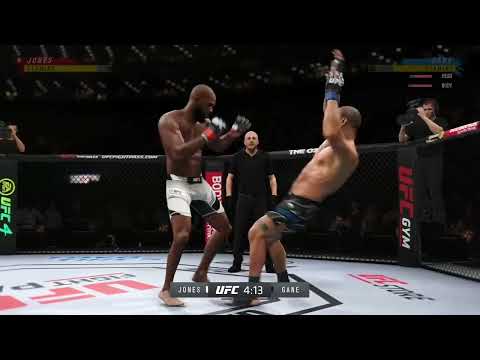
Jon Jones vs. Cyril Gane: A Deep Dive into the UFC Heavyweight Title Clash

Introduction: The Essence of the Showdown

When the worlds of martial arts collide in a bout that transcends mere competition, it becomes a spectacle that ignites the spirit of every enthusiast and draws in the curious alike. This is precisely the electrifying atmosphere building around the upcoming clash for the UFC Heavyweight Championship, pitting the legendary Jon Jones against the dynamic Cyril Gane. This encounter isn't just about belts; it's a profound exploration of martial philosophy, strategic brilliance, and the unyielding human will. As your Sensei, I see in this matchup a microcosm of everything we strive for in the dojo and beyond. We will dissect the nuances of this highly anticipated fight, not just as fans, but as students of the combative arts, examining the fighters, their statistical prowess, and how their individual journeys reflect timeless martial principles. Furthermore, we will touch upon the tangible aspects of our passion – the martial arts merchandise that connects us to this lineage – and its place within the vibrant ecosystem of combat sports, often fueled by platforms like AdSense.

Fighter Analysis: Striking Specialist vs. Versatile Warrior

The narrative of Jon Jones versus Cyril Gane is a captivating study in contrasts. On one side stands Jon Jones, a fighter whose name is synonymous with elite striking and an almost uncanny ability to dictate the pace and outcome of any fight. He is often heralded as a striking specialist, a master of distance, timing, and devastating accuracy. Yet, to label him solely as such would be a disservice to his evolution as a martial artist. Opposing him is Cyril Gane, a fighter who embodies the modern ideal of a versatile fighter. Gane's background, particularly in Muay Thai, has gifted him a powerful striking arsenal, but it's his seamless transitions into grappling and his adaptive approach that make him a truly formidable opponent. This matchup is a classic exhibition of how different training philosophies and developmental paths can converge in the brutal theater of the octagon. For us, as practitioners, this represents more than just a fight; it's a living testament to the diverse applications of martial principles and the strategic depth inherent in combat.

Jon Jones' Evolving Kickboxing Prowess

One of the most compelling narratives surrounding Jon Jones' move to heavyweight, and specifically this fight, is his display of advanced kickboxing skills. While his legendary status was built upon a foundation of striking, Jones has consistently demonstrated an ability to absorb new techniques and integrate them seamlessly. His arsenal has expanded, incorporating a wider array of kicks and more dynamic striking combinations. This evolution is a crucial lesson for all martial artists. It underscores that mastery is not a static destination but a continuous journey of adaptation and refinement. The spirit of Budo, the Way of the Warrior, demands perpetual learning. Seeing Jones, a seasoned champion, push the boundaries of his own skillset serves as a potent reminder that complacency is the enemy of progress in any martial discipline, whether it's Karate, Kickboxing, or Muay Thai.

"The art of war teaches us to rely not on the likelihood of the enemy's not coming, but on our own readiness to receive him; not on the probability of his not attacking, but rather on our having made ourselves indispensable as a means of his attack." - Sun Tzu, The Art of War. This principle is constantly at play in the octagon, as fighters adapt and prepare for every eventuality.

The Peril of the Ground Game in this UFC Bout

A critical aspect of this heavyweight showdown that cannot be overstated is the inherent danger of being caught on the ground. Both Jon Jones and Cyril Gane possess highly effective grappling abilities and a proven capacity to finish fights from dominant positions. Jones, with his extensive wrestling background and submission prowess, is a master of controlling his opponents and exploiting weaknesses on the mat. Gane, while perhaps more recognized for his striking, has also shown significant skill in wrestling defense and offensive grappling, capable of neutralizing threats and even securing takedowns. This bout is far from a one-dimensional striking contest; it's a high-stakes chess match where one misstep on the ground could prove catastrophic. This warning serves as a vital reminder for all combatants: versatility is paramount. One must be proficient in all ranges of combat to truly navigate the complexities of a fight, whether it’s in the UFC or a street encounter requiring swift self-defense.

Budo and the Deeper Meaning of the Fight

Beyond the raw athleticism and strategic maneuvering, fights like Jon Jones vs. Cyril Gane embody the core principles of Budo, the Japanese martial path. It’s not merely about achieving victory; it’s about the journey of self-improvement, the cultivation of character, and the embodiment of virtues such as discipline, respect, and unwavering perseverance. The dedication required to reach this elite level in sports like MMA, Kickboxing, or Judo mirrors the rigorous training mandated by martial arts philosophy. Each fighter, in their own way, is testing their limits, honing their mental fortitude, and demonstrating the physical and psychological resilience that defines a true warrior. This pursuit of excellence, the drive for self-mastery, is the essence of the martial spirit that resonates through generations, connecting practitioners across different disciplines and cultures.

Martial Arts Merchandise and the Sense of Community

In the vibrant ecosystem of combat sports, the connection fans and practitioners share with their heroes and disciplines extends to the tangible realm of martial arts merchandise. Supporting fighters like Jon Jones or Cyril Gane, or even specific arts like Kyokushin Karate or BJJ, is a powerful way to express passion and solidarity. The availability of MMA gear, kimonos for Judo and Brazilian Jiu-Jitsu, or specialized training equipment makes this connection accessible. Platforms often utilize AdSense to facilitate the sale of these items, effectively linking passionate audiences with the products that represent their dedication. This commercial aspect, while secondary to the art itself, plays a crucial role in fostering a sense of belonging and community among enthusiasts worldwide. It's a way to carry a piece of the dojo, the octagon, or the fight night spirit into everyday life.

Sensei's Verdict: A True Test of Martial Spirit

The anticipation for Jon Jones vs. Cyril Gane is immense, and rightly so. This isn't just a contest for a championship; it's a profound demonstration of contrasting yet complementary martial approaches. Jones' calculated aggression and evolving skillset against Gane's fluid versatility and powerful striking create a dynamic that promises a strategic masterpiece. Both fighters represent the pinnacle of dedication, discipline, and the relentless pursuit of self-improvement—hallmarks of the martial arts. The outcome will undoubtedly be a testament to who best embodies the principles of adaptability, resilience, and strategic acumen under immense pressure. It is a fight that will echo in the annals of combat sports history, serving as an inspiration for current and future generations of martial artists.

Training Guide: Enhancing Your Versatility

To truly embody the spirit of a well-rounded martial artist, focusing on versatility is key. Here's a practical approach to enhance your capabilities, applicable whether you train Karate, Judo, Kickboxing, or MMA:

  1. Cross-Train Strategically: If you primarily strike, dedicate time to grappling drills. If you're a grappler, focus on striking footwork and defense. For example, try incorporating basic Judo throws into your striking sparring sessions or practicing fundamental Karate stances and movements during your BJJ warm-ups.
  2. Develop Dynamic Mobility: True versatility requires more than just strength; it demands fluid movement. Incorporate dynamic stretching and mobility exercises, such as leg swings, torso rotations, and spinal waves, into your pre-training routine. This enhances your ability to transition smoothly between techniques and reduces the risk of injury.
  3. Sparring with Different Styles: Seek out training partners with diverse backgrounds. Sparring with a kickboxer as a grappler, or vice-versa, exposes you to different ranges, rhythms, and strategies. This is invaluable for developing adaptive defenses and offensive counters.
  4. Conditional Sparring Drills: Implement drills that force specific adaptations. For instance, start a round on the ground and have the objective to get back to your feet, or start standing and the objective is to secure a takedown. This hones your ability to function effectively in various phases of combat.
  5. Mindful Conditioning: Focus on conditioning that supports all aspects of your game. Include exercises that build explosive power (like plyometrics), cardiovascular endurance (long-distance running or HIIT), and core strength (planks, Russian twists).

To support your journey towards greater versatility and mastery in martial arts, having the right equipment is crucial. Investing in quality gear not only enhances your training experience but also ensures safety and durability. Whether you're perfecting your striking, refining your grappling, or engaging in full MMA sparring, consider the following:

  • High-Quality Sparring Gloves (16oz recommended for MMA/Kickboxing): Essential for protecting your hands and your training partners during striking drills and sparring. Brands known for durability and excellent padding are ideal.
  • Durable Kimono/Gi (Double Weave for Judo/BJJ): For grapplers, a sturdy kimono is indispensable. A double-weave gi offers greater longevity and resistance to the rigors of grappling.
  • Shin Guards and Mouthguards: Non-negotiable for striking training to prevent injuries. Ensure they offer adequate protection and a comfortable fit.
  • Training Matting: If you train at home, investing in proper matting can significantly improve safety for takedowns, falls, and ground work.
  • Resistance Bands and Jump Rope: Versatile and portable tools for enhancing strength, conditioning, and agility without requiring heavy equipment.

Frequently Asked Questions

Why is adaptability so important in martial arts?

Adaptability is crucial because real-world confrontations are unpredictable. A fighter who can seamlessly transition between striking and grappling, and adjust to an opponent's strategy, has a significant advantage. It reflects the core principle of martial arts: to overcome challenges through flexible and intelligent responses.

How does studying martial arts philosophy benefit a fighter?

Martial arts philosophy, such as that found in Budo, instills values like discipline, respect, perseverance, and self-control. These qualities are vital for consistent training, mental toughness during competition, and ethical conduct both inside and outside the dojo or octagon.

Is kickboxing sufficient for MMA, or is grappling necessary?

While kickboxing is a powerful striking art, it is generally not sufficient on its own for success in MMA. MMA demands proficiency in grappling for takedowns, ground control, and submissions. A well-rounded MMA fighter must integrate both striking and grappling disciplines.

What role does merchandise play in the combat sports community?

Martial arts merchandise serves as a tangible connection to the sport and its practitioners. It allows fans and athletes to express their identity, support their favorite fighters or disciplines, and foster a sense of belonging within the larger combat sports community.

For Deeper Exploration

The upcoming bout between Jon Jones and Cyril Gane is more than just a fight; it’s a dynamic exposition of martial arts principles in action. It highlights the blend of specialized skill and overall versatility that defines modern combat sports. As practitioners, we can learn immensely from observing such elite contests.

Sensei's Reflection: Your Next Step

Observing these champions, we see the dedication to honing specific weapons while simultaneously building a comprehensive arsenal. In your own training, are you merely practicing your strengths, or are you actively seeking to shore up your weaknesses? Are you a specialist who fears compromise, or a warrior who embraces the full spectrum of combat? Reflect on this: How will you integrate the lessons of versatility and continuous improvement from this epic clash into the very fabric of your own martial journey, starting today?