Showing posts sorted by date for query Mental Game in Combat Sports. Sort by relevance Show all posts

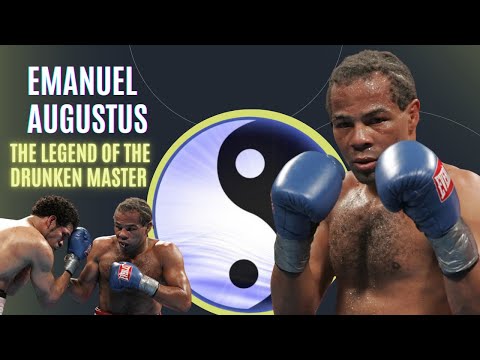
Emanuel Augustus: The Unconventional Legacy of the Drunken Master

Introduction: The Enigma of the Drunken Master

In the vast, often predictable landscape of combat sports, certain figures emerge not just as competitors, but as phenomena. They defy convention, shatter expectations, and leave an indelible mark on the collective consciousness of fans and practitioners alike. Emanuel Augustus, affectionately known as "The Drunken Master," is precisely such a figure. His career wasn't merely a series of wins and losses; it was a living testament to the unpredictable beauty and profound philosophy that can be found within the martial arts. This piece delves into the electrifying career of a fighter who didn't just participate in bouts, but orchestrated performances, blending raw aggression with an almost balletic grace that left audiences breathless. Join us as we revisit the path of a true martial arts legend whose unconventional style became his greatest weapon.

Unleashing the Drunken Master: More Than a Moniker

The adoption of the moniker "Drunken Master" by Emanuel Augustus was far from a mere marketing gimmick. Born Emanuel Burton, he drew inspiration from the iconic martial arts films that celebrated seemingly chaotic, yet devastatingly effective, fighting styles. This wasn't about mimicking a character; it was about embodying a philosophy. Augustus infused his fighting with a unique brand of agility, fluidity, and an almost maddening unpredictability. His movements often appeared disjointed, his stance unorthodox, leaving opponents struggling to anticipate his next move. This bewildering array of techniques – a chaotic dance of offense and defense – was the hallmark of his style, allowing him to showcase a skill set that transcended traditional boxing or kickboxing, demonstrating that true mastery can often lie just beyond the veil of perceived disorder.

"The most effective way to confuse an opponent is to be unpredictable. If they cannot read you, they cannot counter you." - A principle exemplified by Augustus.

The Artistry of Combat: A Symphony of Unpredictability

Augustus transcended the role of a mere pugilist; he was a kinetic artist. His fighting style was a masterful fusion, drawing threads from boxing, kickboxing, and the raw pragmatism of street fighting. His footwork was legendary – a constant, elusive dance that made him a difficult target. His punches, delivered with surprising speed and power, often came from unexpected angles. This wasn't just about throwing hands; it was about understanding angles, timing, and the psychological warfare inherent in combat. Emanuel Augustus embodied a profound Martial Philosophy, displaying not just aggression, but also immense respect for his opponents, unwavering discipline in his preparation, and the indomitable spirit of a warrior honed through countless hours of Martial Arts Training.

His approach challenged the rigid structures of conventional fighting. Many practitioners today still strive to replicate his signature elusiveness, a testament to the enduring effectiveness of his unorthodox methods. The core of his success lay in his ability to remain fluid and adaptable, a principle central to many BUDO disciplines.

The Fight of a Lifetime: A Masterclass Against Mayweather

Throughout his storied career, Emanuel Augustus graced the ring with a multitude of unforgettable contests. These weren't just fights; they were spectacles, ranging from brutal slugfests that tested the mettle of both combatants to technically brilliant displays of skill. He consistently delivered the kind of excitement that fuels the passion of Fight Fans worldwide.

Perhaps one of his most widely recognized and respected performances came during his bout against Floyd Mayweather Jr. In this encounter, Augustus didn't just compete; he showcased the full spectrum of his unique brilliance. Despite the eventual outcome, his performance earned him deep admiration, not only from the spectators but also from Mayweather himself, a rarity in the highly competitive world of professional boxing. It was a fight that highlighted Augustus's resilience and his ability to hang with the absolute elite, even with a style that defied convention. This particular fight remains a significant piece of the Fighter Legacy.

Legacy and Influence: Inspiring a Generation

Emanuel Augustus's legacy extends far beyond the statistics of his fight record. His profound impact resonates deeply within the Martial Arts Community. His unwavering dedication to his craft, his perseverance through significant adversity, and his sheer, unadulterated passion for fighting served as a powerful inspiration to countless aspiring athletes. Many fighters today incorporate elements of his distinctive style – that unpredictable movement, the creative striking angles – into their own training regimes. He proved that there isn't just one way to be a champion, fostering a generation that dares to think outside the traditional fighting box.

His influence is a prime example of how unique styles can push the boundaries of established sports. This is a core tenet we explore at BYAM, where we celebrate the diverse paths to mastery.

Building a Martial Arts Community: The BYAM Approach

At BYAM Budo y Artes Marciales, our mission mirrors the spirit of pioneers like Augustus: to cultivate and celebrate a vibrant global Martial Arts Community. We firmly believe that the journey of a martial artist is enriched when shared. We encourage our members to engage in robust discussions, share their personal training experiences, and forge connections with fellow enthusiasts from diverse backgrounds and disciplines. Whether you practice Judo, Karate, MMA, or any other art, your voice is valued here. Together, we can uphold the rich traditions, explore profound philosophies, and dissect the intricate techniques that define the world of martial arts.

Exploring Our Merchandise: Gear for Your Journey

As you immerse yourself in the world of martial arts, drawing inspiration from figures like Emanuel Augustus, it's crucial to have the right tools to support your dedication. Explore our exclusive Martial Arts Merchandise collection. We offer a curated selection of high-quality training equipment, apparel, and accessories designed to enhance your martial arts journey. From durable kimonos and sparring gear to specialized conditioning tools, our collection supports your pursuit of excellence and ensures you have the necessary support for your training regimen. Investing in quality gear is an investment in your own progress.

Join the Martial Arts Movement: Embrace the Warrior Within

The enduring legacy of Emanuel Augustus serves as a potent reminder of the transformative power inherent in martial arts training. It transcends mere physical combat, fostering discipline, resilience, and self-awareness. Whether you are a seasoned practitioner with years of experience or a curious beginner standing at the threshold of this incredible world, there is unequivocally a place for you within our growing community. Let us unite under the banner of our shared passion, exchange invaluable knowledge, and collectively grow stronger. By embracing the principles exemplified by masters like Augustus, we continue to explore the boundless possibilities that the martial arts offer.

This is your invitation to join the JoinTheMovement and discover the warrior spirit within yourself.

Sensei's Verdict: Did Augustus Master the Art of Fighting?

Emanuel Augustus didn't just fight; he performed. He brought a level of artistry and unpredictability to the ring that few have ever matched. While the term "Drunken Master" might conjure images of a brawler, Augustus was anything but. He was a strategist, a tactician, and a master of misdirection. His ability to absorb punishment, adapt mid-fight, and consistently come back with creative and effective offense was extraordinary. He faced top-tier competition and, while not always victorious, he rarely failed to impress or make his opponents work for every second of every round. His influence on subsequent fighters, who looked to his unconventional methods for inspiration, speaks volumes. He proved that true mastery isn't always about following the rules, but about understanding them so deeply that you can bend them to your will.

Verdict: A True Master of Unconventional Combat, earning a definitive "Cinturón Negro en Coreografía y Caos Controlado". His fights were living lessons in adaptability and the psychological edge.

Training Like Augustus: Embracing the Unconventional

Training like Emanuel Augustus is not for the faint of heart, nor is it about simply mimicking his movements. It's about internalizing his philosophy: unpredictability, adaptability, and relentless pressure.

  1. Develop Unconventional Footwork: Practice constant lateral movement, incorporate subtle shifts in weight, and develop rhythm changes. Think less about a stable stance and more about always being ready to pivot, evade, or explode forward.
  2. Master Angles of Attack: Don't always attack directly. Practice striking from angles that your opponent is unlikely to expect. This requires a deep understanding of body mechanics and spatial awareness.
  3. Cultivate Defensive Evasion: Augustus was known for his ability to slip punches and avoid damage. Focus on head movement, upper body flexibility, and using your entire frame to evade incoming strikes rather than just blocking.
  4. Embrace Fluid Transitions: Move seamlessly between offense and defense. A defensive maneuver should be able to transition instantly into a counter-attack. Don't "reset" unnecessarily.
  5. Study Various Styles: Like Augustus, draw inspiration from multiple disciplines. Understanding the fundamentals of boxing, kickboxing, and even grappling will provide a broader toolkit. Explore BJJ and Judo for grappling insights and Kickboxing for striking diversity.
  6. Train Your Chin and Body: Augustus absorbed significant punishment. While avoiding damage is key, developing resilience through conditioning and controlled sparring is also part of the equation. Incorporate body conditioning drills and focus on neck strength.
  7. Mental Fortitude: The most crucial element is the mental game. Develop the ability to stay calm under pressure, adapt to unexpected situations, and maintain confidence even when things aren't going your way. This is where Mental Game training and Inner Strength become paramount.

Frequently Asked Questions

  1. Who was Emanuel Augustus?
    Emanuel Augustus, born Emanuel Burton, was a highly unorthodox and entertaining American professional boxer and kickboxer, famously nicknamed "The Drunken Master" for his elusive and unpredictable fighting style.
  2. What made his fighting style unique?
    His style was characterized by unusual footwork, creative angles of attack, fluid transitions between offense and defense, and a remarkable ability to evade punches, often resembling the movements seen in martial arts films inspired by "drunken" styles.
  3. Who did Emanuel Augustus famously fight?
    He had notable bouts against numerous high-level opponents, including a widely recognized fight against Floyd Mayweather Jr., where he showcased his distinctive skills and earned respect despite the outcome.
  4. What is his lasting impact on martial arts and combat sports?
    Augustus inspired a generation of fighters with his resilience, unique approach, and dedication. He demonstrated that effective fighting doesn't always adhere to conventional norms and encouraged a more creative and adaptable mindset within the combat sports community.

Deepen Your Path

To further enrich your understanding and training:

Sensei's Reflection: Your Next Step

Augustus taught us that the most effective techniques are often born from a deep understanding of principles, allowing for creative adaptation rather than rigid adherence. He embraced chaos, not as a lack of control, but as a higher form of control that eludes conventional understanding.

Your challenge: In your next training session, identify one aspect of your technique that feels too rigid, too predictable. How can you introduce a subtle element of unpredictability, a shift in rhythm or angle, without sacrificing effectiveness? Can you find your own "drunken master" within the structure of your art?

``` ```json { "@context": "https://schema.org", "@type": "FAQPage", "mainEntity": [ { "@type": "Question", "name": "Who was Emanuel Augustus?", "acceptedAnswer": { "@type": "Answer", "text": "Emanuel Augustus, born Emanuel Burton, was a highly unorthodox and entertaining American professional boxer and kickboxer, famously nicknamed \"The Drunken Master\" for his elusive and unpredictable fighting style." } }, { "@type": "Question", "name": "What made his fighting style unique?", "acceptedAnswer": { "@type": "Answer", "text": "His style was characterized by unusual footwork, creative angles of attack, fluid transitions between offense and defense, and a remarkable ability to evade punches, often resembling the movements seen in martial arts films inspired by \"drunken\" styles." } }, { "@type": "Question", "name": "Who did Emanuel Augustus famously fight?", "acceptedAnswer": { "@type": "Answer", "text": "He had notable bouts against numerous high-level opponents, including a widely recognized fight against Floyd Mayweather Jr., where he showcased his distinctive skills and earned respect despite the outcome." } }, { "@type": "Question", "name": "What is his lasting impact on martial arts and combat sports?", "acceptedAnswer": { "@type": "Answer", "text": "Augustus inspired a generation of fighters with his resilience, unique approach, and dedication. He demonstrated that effective fighting doesn't always adhere to conventional norms and encouraged a more creative and adaptable mindset within the combat sports community." } } ] }

Takanoyama Shuntarō: The "Small But Mighty" Master of Judo Throws in Sumo

Introduction: The Anomaly of Takanoyama

Have you ever watched a martial artist, seemingly outmatched by their opponent's size and strength, still emerge victorious? This isn't magic; it's the elegant application of technique, timing, and an indomitable spirit. In the world of Sumo, a sport often defined by sheer mass, one wrestler stood out, not for his bulk, but for his brilliance. Takanoyama Shuntarō, hailing from the Czech Republic, shattered expectations, proving that in combat, as in life, technique and tenacity can indeed conquer brute force. This analysis dives deep into his arsenal, dissecting the throws that made him a beloved figure and a testament to the "small but mighty" principle.

Takanoyama's Unique Journey: Defying Sumo's Giants

Takanoyama Shuntarō, born Martin Koselecta, carved a unique path in the hallowed dohyo of professional Sumo. As a European venturing into a deeply traditional Japanese sport, he faced an uphill battle from the outset. The average weight of a top-division Makuuchi wrestler often exceeds 150 kg. Takanoyama, however, consistently competed in the 80-100 kg range. This stark physical disparity could have been a career-ending limitation. Instead, it became his greatest teacher, forcing him to hone an exceptional understanding of leverage, timing, and evasive footwork. His speed and mastery of judo principles, a natural fit for his agile frame, allowed him to outmaneuver and defeat opponents who dwarfed him. He wasn't just a novelty; he was a strategic genius on the mat.

Technique Breakdown: The Arsenal of a Smaller Wrestler

The brilliance of Takanoyama lay in his ability to execute techniques that maximized his advantages while neutralizing his opponents' size. He didn't rely on overwhelming power; he employed precision and speed. Let's examine some of his signature finishes that consistently saw him victorious:

Kote-nage (Armlock Throw)

Takanoyama's kote-nage was a masterclass in deception and leverage. The core of this technique involves establishing a firm grip on the opponent's wrist (kote). From there, instead of forcing the throw, he artfully used the opponent's own forward momentum or attempted forward movement against them. A swift rotation of his body, combined with a pulling action on the captured wrist, redirected their energy, causing them to lose balance and be thrown over his back or to the side. This is a classic judo throw, but Takanoyama's execution, particularly the precise timing and angle, made it devastatingly effective against larger sumo wrestlers.

Koshi-guruma (Hip Wheel)

Another technique that highlights his judo background is the koshi-guruma. This throw involves wrapping one of Takanoyama's legs around the opponent's hip, creating a fulcrum. With a simultaneous pull forward and a powerful twist of his torso, he would elevate and unbalance his opponent, using his hip as the pivot point. The momentum generated would send the larger wrestler crashing down. The effectiveness here lies in getting the leg placement correct and generating the rotational force quickly, preventing the opponent from stabilizing or counteracting.

Oshi-dashi (Push Out)

While Takanoyama excelled in throwing techniques, his oshi-dashi, or push out, was a pure display of his speed and agility. This technique requires an explosive burst of energy to drive the opponent backward. Takanoyama, with his lighter frame, could generate rapid forward pressure. He would use quick, powerful shoves, often targeting the opponent's upper body and shoulders, to force them out of the ring. His ability to maintain balance and drive forward while his opponent was attempting to resist or counter was crucial to its success. It’s a testament to his conditioning and lower body strength.

Sukuinage (Beltless Arm Throw)

This technique, often seen in judo, involves an arm throw where the grip is established differently, often without a traditional belt grip. Takanoyama would secure a grip on his opponent's arm and, using a scooping motion with his body, throw them over his hip. The key here is to get under the opponent's center of gravity and use their own weight to complete the throw. His agility allowed him to make the necessary adjustments to create the throwing angle, turning a potential disadvantage into an offensive opportunity. It’s a dynamic throw that requires excellent body control.

Uchimuso (Inner Thigh Throw)

Takanoyama's mastery of judo skills shone through in his uchimuso. This throw involves attacking the opponent's legs or inner thigh area. He would use his grappling ability to secure a grip, often on the opponent's leg or gi near the thigh. With a precise hip movement and a lifting or sweeping action, he would unbalance the opponent, using their own forward pressure or stability against them. This technique requires significant timing and the ability to get low and deep, something Takanoyama was adept at, allowing him to execute it even against much larger opponents.

Beyond Technique: The Mental Game

What truly set Takanoyama apart, and what offers the most profound lessons for any martial artist, was his mental fortitude. He entered a sport steeped in tradition, where size was king, and had to overcome not only his physical limitations but also potential cultural barriers. His ability to persevere through rigorous training, maintain focus, and execute complex techniques under pressure is a testament to his inner strength and dedication. He proved that a warrior's heart and a sharp mind are often more critical than sheer physical dominance.

"In the martial path, it is not the size of the warrior that matters, but the size of their heart."

This adage resonates deeply when we consider Takanoyama's career. He embodied this philosophy, turning perceived weaknesses into strengths through sheer willpower and intelligent application of skill.

Lessons for Every Budoka: Perseverance and Adaptability

The journey of Takanoyama Shuntarō offers invaluable lessons for every practitioner of martial arts, regardless of their style or size. His career is a powerful reminder that:

  • Technique over Brute Force: Superior technique, timing, and leverage can overcome significant size and strength disparities.
  • Adaptability is Key: Understanding your own physical attributes and adapting your strategy and techniques accordingly is crucial for success.
  • Mental Strength is Paramount: True mastery is forged not just in the body, but in the mind. Perseverance, discipline, and a positive attitude are essential tools.
  • Embrace Challenges: Difficulties, whether physical limitations or external obstacles, can be catalysts for growth and innovation.

As martial artists, we face our own challenges, whether it's mastering a difficult technique breakdown, improving our mental strength, or simply staying dedicated. Takanoyama’s story encourages us to push past our perceived limits and continually refine our skills and our spirit.

Cross-Training: Expanding Your Martial Horizon

While Takanoyama's primary discipline was Sumo, his effective use of judo principles demonstrates the power of cross-training. For martial artists today, broadening one's skillset beyond a single discipline is not just beneficial, it's increasingly essential. Exploring different combat sports and martial arts can:

  • Introduce new strategic perspectives.
  • Develop different physical attributes (e.g., grappling, striking, flexibility).
  • Enhance problem-solving skills on the mat.
  • Provide a more well-rounded understanding of combat.

Whether it's incorporating Judo throws into your BJJ, understanding striking principles from Kickboxing for your Muay Thai training, or learning defensive strategies from Aikido, the martial world is interconnected. Embracing this diversity makes you a more complete and adaptable fighter.

Essential Gear for Your Training

To effectively train in disciplines like Judo, Sumo, or any other martial art, having the right equipment is crucial. For Judo practitioners, a high-quality Judo gi is paramount. Look for a durable, double-weave gi that can withstand the rigors of throws and grappling. For those interested in simulating Sumo or practicing specific throwing drills, sturdy mats are essential for safety. Consider investing in:

  • High-Quality Judo Gi: Look for brands known for durability and fit. A good gi enhances grip and withstands pulling forces.
  • Training Mats: Essential for safe practice of throws, falls (ukemi), and groundwork.
  • Wrestling Shoes: For styles that require precise footwork and grip on the mat.
  • Resistance Bands: Excellent for strength and conditioning, mimicking pulling and pushing motions relevant to grappling.

Exploring gear can also lead you to discover resources like specialized training manuals or online courses focused on specific technique breakdowns.

Frequently Asked Questions

What made Takanoyama unique in Sumo?

Takanoyama Shuntarō was unique due to his significantly smaller stature compared to his peers, competing between 80-100 kg in a sport dominated by wrestlers over 150 kg. He compensated with exceptional speed, agility, and judo-based techniques.

What are some key Judo techniques Takanoyama utilized?

He effectively employed techniques such as Kote-nage (armlock throw), Koshi-guruma (hip wheel), Sukuinage (beltless arm throw), and Uchimuso (inner thigh throw), adapting them for the Sumo ring.

How did Takanoyama overcome his size disadvantage?

He leveraged his speed, agility, and precise execution of Judo throws. His strategy focused on outmaneuvering opponents, using their momentum against them, and exploiting openings rather than relying on brute strength.

What broader lessons can martial artists learn from Takanoyama?

Martial artists can learn about the importance of technical mastery, adaptability, mental fortitude, perseverance in the face of adversity, and the strategic advantage of speed and timing over sheer size.

For Deeper Insight

Sensei's Reflection: Your Next Step

Takanoyama's story is more than just a series of successful throws; it's a living testament to the power of a determined spirit. He demonstrated that the physical ring of a dojo, or the clay of the dohyo, is but one arena. The true battlefield often lies within, where the fight against doubt and limitation is waged. Ask yourself:

"When faced with an opponent, or a challenge, that seems insurmountable due to size or perceived advantage, do you instinctively shrink, or do you instinctively seek the angle, the leverage, the technique that will allow you to prevail?"

Reflect on this. True martial arts mastery isn't just about knowing techniques; it's about embodying the spirit to apply them when it matters most. Now, let your actions speak louder than your thoughts.

```

Henry Cejudo vs. Marlon Moraes: A Masterclass in Combat Strategy at UFC 238

The Unseen War: Beyond the Octagon's Roar

The clash between Henry Cejudo and Marlon Moraes at UFC 238 wasn't just a fight; it was a high-stakes chess match played out with fists, feet, and the formidable power of **wrestling** and **striking**. While the result saw Cejudo victorious, emerging as the new UFC Bantamweight Champion, the true lesson lies not just in the knockout, but in the strategic evolution and the philosophical underpinnings of combat that were on full display. Many fans see only the flash and the fury, the **knockout power** and the **grappling** exchanges, but a true student of the martial way, a **budoka**, looks deeper. They analyze the **mental game**, the **discipline**, and the subtle shifts in momentum that dictate the outcome of such intense **battles**. This wasn't merely a **fight**; it was a testament to decades of rigorous **training** and the relentless pursuit of mastery.

Cejudo's Legacy: From Olympic Gold to MMA King

Henry Cejudo's journey is a saga of dedication that transcends mere athletic achievement. As an Olympic gold medalist in freestyle wrestling, Cejudo brought an unparalleled level of mat control and **explosive takedowns** to the **MMA** arena. His record, a formidable 16-2-0, speaks volumes, but it's his fight IQ and adaptability that truly set him apart. He’s not just a wrestler; Cejudo honed his **striking** skills to a lethal degree, weaving together a potent arsenal of punches, kicks, and knees. He embodies the principle that mastery in one domain can be powerfully amplified when integrated with another. This synergy is the hallmark of a true martial artist, constantly evolving and integrating new knowledge. For those aspiring to excel, consider the importance of a well-rounded **training** regimen. A solid foundation in **wrestling** or **judo**, combined with dynamic **kickboxing** or **Karate** techniques, can create an unstoppable force.

Moraes: The Striking Maestro's Challenge

Marlon Moraes, a Brazilian warrior with a professional record of 22-6-1, arrived at UFC 238 as a seasoned contender, a former WSOF Bantamweight Champion renowned for his exceptional **striking skills**. With 17 wins by KO/TKO, Moraes possessed the kind of fight-ending power that kept opponents constantly on edge. His **defensive skills** were equally impressive, a testament to meticulous **training** designed to nullify an opponent's attack. He made it incredibly difficult for fighters to land clean shots, a crucial aspect of survival and victory in any **combat sport**. The dynamic between Cejudo's wrestling prowess and Moraes's striking excellence set the stage for a classic confrontation, a true test of different martial philosophies.

The Strategic Dance: Deconstructing Cejudo vs. Moraes

The initial exchanges were a strategic dance, a palpable tension filling the arena. Cejudo, true to his roots, immediately sought to close the distance, aiming for the clinch and the inevitable takedown that has defined much of his career. However, Moraes, with his keen understanding of range and timing, displayed superb **takedown defense**. He managed to keep the **fight** standing, a critical objective against a renowned wrestler. The first round saw Moraes utilize his powerful leg kicks, which visibly seemed to impact Cejudo's mobility. This was a smart tactic, aiming to blunt the wrestler's offensive capabilities. Yet, the hallmark of a champion isn't just skill, but the ability to adapt. In the second round, Cejudo made the crucial adjustments. He began to time his entries more effectively, finally breaching Moraes's defenses and securing a takedown. Once on the ground, the dynamic shifted dramatically. Cejudo's control was absolute, his **ground-and-pound** relentlessly targeting Moraes. This phase of the fight underscored a fundamental principle in **Budo**: once you have your opponent where you want them, exploit the advantage with decisive action. The third round saw Cejudo continuing his dominance, blending his wrestling with effective striking. Moraes, though resilient, appeared to be tiring, a common consequence of defending relentless takedowns and absorbing ground strikes. The **ki** flow seemed to be with Cejudo. The decisive moment arrived in the fourth round. Cejudo landed a powerful knee strike that sent Moraes crashing to the canvas. This was the **knockout** that fans craved, the definitive punctuation to a masterful performance. The follow-up ground strikes led to the referee's stoppage, crowning Cejudo the new champion. This victory wasn't just about raw power; it was about strategic evolution, demonstrating that even a fighter known for one discipline can conquer another with dedication and intelligent application of skills.

Veredicto del Sensei: ¿Merece la pena?

This **fight** is a prime example of how a well-rounded martial artist, who understands the interplay between different disciplines, can overcome specialized talent. Cejudo's victory over Moraes is a **lesson in strategy**, showcasing the importance of adaptability and the integration of **wrestling** and **striking**. For any **martial arts** enthusiast, this bout is a must-watch, not just for the excitement, but for the deep tactical insights it offers. It’s a clear demonstration that while **specialization** has its merits, true mastery lies in the ability to blend and adapt. Cejudo earned his **Cinturón Negro en Combate Estratégico**.

Equipo Esencial para tu Entrenamiento

To emulate the dedication and skill displayed by these warriors, the right **equipment** is paramount. Whether you're focusing on **wrestling**, **striking**, or a blend of disciplines, investing in quality gear is an investment in your own **training** and safety.
  • Guantes de MMA: Look for gloves that offer a good balance of protection for striking and dexterity for **grappling**. 16oz gloves are generally recommended for sparring sessions to ensure adequate padding.
  • Kimono de Judo o Jiu-Jitsu: For those focusing on ground **fighting** and **wrestling**, a durable, double-weave kimono (gi) is essential. It needs to withstand the rigors of constant pulling and grappling.
  • Protector Bucal: Non-negotiable for any form of sparring or intense **training**. Protect your teeth and jaw.
  • Espinilleras y Guantes de Kickboxing/Karate: If your **training** leans more towards **striking**, invest in proper shin guards and sparring gloves to prevent injuries.
  • Protector Genital: A vital piece of **equipment** for all male practitioners involved in any combat sport.
For those looking to deepen their understanding of martial principles, consider exploring foundational texts. The wisdom within books like "The Book of Five Rings" by Miyamoto Musashi offers insights that are as relevant to the **Octagon** as they are to any **battlefield**.

Guía de Entrenamiento: Integrando Wrestling y Striking

Aspiring fighters often struggle to bridge the gap between **wrestling** and **striking**. This exercise, inspired by the strategic shifts seen in Cejudo's performance, aims to improve your transitions and overall combat effectiveness.
  1. Warm-up (15 mins): Begin with dynamic stretching and light cardio. Focus on movements that simulate both striking and wrestling actions – hip rotations, leg swings, arm circles, torso twists.
  2. Striking Drills (10 mins): Practice combinations like jab-cross-hook, followed by a low kick. Focus on footwork and maintaining a balanced stance. Alternate between offensive drills and defensive drills (e.g., slipping punches, blocking kicks).
  3. Wrestling Entries (10 mins): Practice level changes and shooting for double-leg or single-leg takedowns. Focus on explosiveness and driving through the takedown. Imagine you are attacking a stationary opponent.
  4. Transition Drills (15 mins): This is the core of the drill.
    • Start in a striking stance. Throw a combination (e.g., jab-cross). As your opponent (or a partner) attempts to defend or counter, immediately transition into a takedown attempt.
    • If the takedown is defended, immediately pop back up to your striking stance and prepare to strike.
    • Alternatively, if you are taken down, practice effective get-ups (e.g., technical stand-up) while defending against ground-and-pound or submissions.
    • Work on clinching from striking range, transitioning to knees or elbows, and then potentially to a takedown if the opportunity arises.
  5. Sparring (10 mins): Engage in light, controlled sparring, focusing specifically on making these transitions. Don't worry about winning; focus on executing the *transition* from striking to wrestling and back.
  6. Cool-down and Stretching (5 mins): Static stretching, holding each stretch for 30 seconds.
Remember, consistency is key. Integrating these phases smoothly takes time and dedicated practice. The goal is to make these transitions second nature, a fluid response rather than a conscious decision.

Future Fights: What Lies Ahead?

Cejudo's victory was a crowning achievement, leading him to announce his retirement – a decision that, while understandable, left fans yearning for more. Yet, his hints at a potential return keep the flame of possibility alive. The UFC landscape is always shifting, and a fighter of Cejudo’s caliber can never truly be counted out. His legacy is secure, but the allure of one more **fight** often calls to the warrior’s spirit. For Marlon Moraes, this loss represents not an end, but a challenging crossroads. He remains a formidable force in the Bantamweight division, possessing the skills and the heart to bounce back. His journey will be watched closely, as he seeks to re-establish himself against the division's top contenders. Who will be his next opponent? This uncertainty is part of the thrill of **combat sports**. The path to redemption is often harder than the initial climb, but it yields a far greater reward.

Preguntas Frecuentes

What is Henry Cejudo's primary martial arts background?

Henry Cejudo is an Olympic gold medalist in freestyle **wrestling**. This background heavily influences his **MMA** style, focusing on takedowns and control.

How did Marlon Moraes typically win his fights?

Marlon Moraes is known for his exceptional **striking skills**, with a significant number of his wins coming by KO/TKO.

Was the fight between Cejudo and Moraes a close contest?

While Moraes displayed resilience and dangerous striking, Cejudo's strategic adjustments and **wrestling** advantage allowed him to gain control, ultimately leading to a TKO victory in the fourth round.

What does "TKO" mean in MMA?

TKO stands for Technical Knockout. It occurs when the referee stops the **fight** because one fighter is deemed unable to safely continue, even if they are not fully unconscious.

Does Cejudo's retirement mean he will never fight again?

While Cejudo has announced retirement, he has also hinted at a possible return. The world of **martial arts** often sees champions make comebacks.

Para Profundizar en tu Camino

  • BUDO: Explore the broader philosophy and principles behind martial disciplines.
  • MMA: Dive deeper into the world of Mixed Martial Arts, its history, and its stars.
  • DefensaPersonal: Understand how techniques learned in sports translate to real-world self-defense scenarios.

Reflexión del Sensei: Tu Próximo Paso

Cejudo conquered the **Octagon** by blending his wrestling dominance with sharpened striking. He didn't just fight; he strategized, he adapted, he overcame. This is the essence of true martial artistry. It is not merely about possessing skills, but about knowing *when* and *how* to apply them, and importantly, how to evolve when faced with adversity. So I ask you, my students, and all who seek mastery: When you face your own challenges – be it on the mat, in the ring, or in the complex arenas of life – do you adapt, or do you crumble? Do you possess the foresight to shift your strategy when your initial approach falters, or do you cling to a failing method with the stubbornness of a novice? The true warrior doesn't just throw punches; they understand the rhythm of the battle, the ebb and flow of power, and can transition seamlessly from attack to defense, from strategy to instinct. Consider this your **koan** for the week. ``` ```json { "@context": "https://schema.org", "@type": "FAQPage", "mainEntity": [ { "@type": "Question", "name": "What is Henry Cejudo's primary martial arts background?", "acceptedAnswer": { "@type": "Answer", "text": "Henry Cejudo is an Olympic gold medalist in freestyle wrestling. This background heavily influences his MMA style, focusing on takedowns and control." } }, { "@type": "Question", "name": "How did Marlon Moraes typically win his fights?", "acceptedAnswer": { "@type": "Answer", "text": "Marlon Moraes is known for his exceptional striking skills, with a significant number of his wins coming by KO/TKO." } }, { "@type": "Question", "name": "Was the fight between Cejudo and Moraes a close contest?", "acceptedAnswer": { "@type": "Answer", "text": "While Moraes displayed resilience and dangerous striking, Cejudo's strategic adjustments and wrestling advantage allowed him to gain control, ultimately leading to a TKO victory in the fourth round." } }, { "@type": "Question", "name": "What does \"TKO\" mean in MMA?", "acceptedAnswer": { "@type": "Answer", "text": "TKO stands for Technical Knockout. It occurs when the referee stops the fight because one fighter is deemed unable to safely continue, even if they are not fully unconscious." } }, { "@type": "Question", "name": "Does Cejudo's retirement mean he will never fight again?", "acceptedAnswer": { "@type": "Answer", "text": "While Cejudo has announced retirement, he has also hinted at a possible return. The world of martial arts often sees champions make comebacks." } } ] }

AI vs. The Fist: Has Artificial Intelligence Earned Its Black Belt in Boxing?

The Unlikely Sparring Partner

The ancient discipline of BUDO and the raw, explosive art of boxing have always shared a spiritual and physical kinship. Think of the dedication, the relentless pursuit of perfection, the almost meditative focus required to master striking. Now, picture a new contender stepping into this age-old arena: Artificial Intelligence. Forget about mere algorithms; we're talking about AI that's not just learning to punch, but learning to deliver a knockout blow. Is this the dawn of a new era in combat sports, or a mere technological curiosity? Prepare yourselves, for this is not just about code; it's about the very evolution of the fight.

"True boxing is a matter of instinct and intelligence. You must react, not think." - A sentiment often echoed, but what happens when machines begin to mimic that instinct?

The question is no longer *if* AI can box, but *how* it learns, and more importantly, what it means for us, the practitioners and observers of martial arts. We delve into this fascinating intersection, dissecting the technology and its implications with the precision of a well-executed jab.

Beyond Programming: The Neural Network's Dojo

Let's dispel a common misconception immediately: teaching an AI to box isn't as simple as writing a script that says "punch, punch, dodge." That’s like expecting a student to master the Sai after reading a manual. The reality is far more intricate, employing sophisticated machine learning techniques. At its core lies the power of deep neural networks. Imagine these networks as vast digital dojos, where AI studies not just individual movements, but the intricate patterns, timing, and strategic flow of countless real-world bouts.

By analyzing colossal datasets – thousands upon thousands of hours of professional boxing matches, capturing every feint, every combination, every defensive maneuver – the AI begins to discern the underlying principles of striking power and accuracy. It learns contextually, much like a human student observing a master. This isn't programming; it’s emergent learning, a digital evolution of combat prowess.

Enter Dactyl: A Machine with a Punch

The company at the forefront of this technological marvel is OpenAI, a name that has sent ripples through the AI community. Their creation, an AI system known as Dactyl, is not just a participant; it's a formidable force. Reports suggest Dactyl has demonstrated the capability to deliver punches with such devastating force that it has even managed to score knockouts against seasoned professional boxers during training simulations. How can a system, devoid of flesh and bone, achieve such a feat?

The answer, again, lies in the relentless optimization through machine learning. Dactyl has been trained on an immense digital library of boxing data. This exhaustive analysis allows it to understand the biomechanics of a powerful punch – the hip rotation, the core engagement, the speed of the arm extension – with a precision that can surpass even human intuition. It’s a digital echo of the perfect strike, refined through data.

This advancement raises profound questions about the future of combat and training. Could AI become the ultimate sparring partner, pushing human athletes to their absolute limits?

The Human Element: Where Code Meets Consciousness

However, as with any technological leap, we must temper enthusiasm with a dose of reality. AI, despite its impressive strides, still operates within a framework of data and algorithms. The true essence of combat, especially in disciplines like Karate or boxing, is more than just physical execution. It's about the intangible qualities that define a warrior.

Can AI truly replicate the strategic depth of reading an opponent's subtle body language? Can it anticipate a sudden shift in momentum born from sheer grit or desperation? The intuitive understanding, the psychological warfare inherent in a fight – these are domains where human consciousness, emotion, and lived experience still reign supreme. A machine can simulate a punch, but can it feel the pressure of the crowd, the sting of a blow, or the unwavering will to overcome?

"The true martial artist is one who has conquered himself." - This level of self-mastery, forged through struggle and introspection, remains a distinctly human endeavor.

While AI can learn patterns, it doesn't possess the lived experience of overcoming adversity, the fear that must be confronted, or the sheer willpower that separates a champion from a contender. This is where the human element continues to hold its unique power in the world of martial arts and battle.

The Digital Sensei: AI as a Coach

Beyond direct competition, the most immediate and perhaps most valuable application of AI in combat sports lies in its potential as a sophisticated training tool. Imagine an AI system acting as a tireless, objective coach, analyzing every aspect of an athlete's performance in real-time.

This AI could meticulously track an athlete's stance, punch speed, footwork efficiency, and defensive reactions. Based on this granular data, it could provide personalized feedback, identify weaknesses, and suggest specific drills to bridge those gaps. For amateur athletes, especially those without consistent access to elite coaching, this could be revolutionary. It democratizes high-level analysis, offering insights that were once the exclusive domain of seasoned masters.

Consider the application in BUDO, where precision and efficiency are paramount. An AI could help refine katas, correct posture, and ensure the optimal application of force. This is not about replacing human coaches, but augmenting their capabilities, providing a data-driven layer to traditional wisdom.

Stepping into the VR Ring

The fusion of AI with virtual reality (VR) opens up even more exciting possibilities. Imagine stepping into a VR environment where you can spar with an AI opponent that adapts to your style, learns your tendencies, and provides a hyper-realistic challenge. This isn’t just a game; it’s a powerful training simulation.

VR boxing simulations, powered by AI, could offer athletes a safe yet incredibly effective way to prepare for real-world confrontations. They could practice specific strategies, test new techniques, and build ring generalship without the physical toll or risk of injury associated with constant sparring. This technology could revolutionize how fighters prepare for major events, offering an unparalleled level of immersive training.

Furthermore, for the general public, these AI-driven VR experiences could offer an engaging and accessible way to experience the thrill of boxing and martial arts, fostering a broader appreciation for these disciplines.

Sensei's Verdict: Boxing's Future, Coded or Cultivated?

AI's foray into boxing is undeniably impressive, showcasing the power of machine learning to mimic and even, in certain quantifiable aspects, surpass human physical capabilities. The ability of systems like Dactyl to deliver knockout power is a testament to technological advancement. However, as a lifelong student and practitioner of the martial arts, I must emphasize that the spirit of combat, the true art of the fight, encompasses more than just the physical strike. It's about resilience, strategy born from experience, the psychological battle, and the inner journey of self-mastery.

AI can be a powerful tool – a digital sensei for training, a fascinating subject for simulation. But the heart of boxing, the raw courage and the refined technique honed through years of sweat and dedication, remains profoundly human. For now, AI earns a respectable Cinturón Verde en Simulación de Combate, demonstrating immense potential as an analytical and training tool, but it has yet to earn the master's black belt of true martial understanding.

Essential Gear for Your Own Training Journey

While we marvel at AI's boxing prowess, let's not forget the foundation of human training. To truly engage with the physical and mental demands of striking arts, the right equipment is crucial:

  • Quality Boxing Gloves: For sparring, 16oz gloves offer the best balance of protection for both you and your partner.
  • Hand Wraps: Essential for wrist and knuckle support during heavy bag work or pad sessions.
  • Mouthguard: Non-negotiable for any form of sparring or high-intensity training to protect your teeth and jaw.
  • Durable Training Shoes: Lightweight and providing good grip for footwork.
  • Professional Coaching: The most critical "equipment" – guidance from experienced martial artists and boxers.

Investing in quality KarateMerchandise or boxing gear is a commitment to your own development.

Frequently Asked Questions

Can AI truly understand the "spirit" of martial arts?

Currently, AI excels at pattern recognition and data analysis. It can simulate techniques and predict outcomes based on learned data, but it lacks consciousness, emotion, and the lived experience that form the "spirit" or "philosophy" of martial arts like BUDO.

Will AI replace human boxers or martial artists?

It's highly unlikely AI will fully replace human athletes. While AI can be a superior training tool and formidable opponent in simulations, the inherent human elements of competition, such as psychological resilience, adaptation, and the pursuit of self-mastery, remain unmatched.

How can AI help in martial arts training?

AI can significantly enhance training by providing objective performance analysis, personalized feedback, injury prevention insights, and creating realistic virtual sparring environments. It can act as an invaluable supplementary tool for coaches and athletes.

What are the ethical considerations of AI in combat sports?

Ethical concerns include fairness in competition, the potential for AI-assisted cheating, data privacy, and the dehumanization of combat if AI becomes too dominant. Responsible development and clear regulations are crucial.

Is AI boxing purely about power, or also technique?

While the initial focus has been on generating power, advanced AI systems learn complex techniques by analyzing vast amounts of data. This includes footwork, combinations, defensive strategies, and timing – demonstrating a growing capacity for technical proficiency.

Deepen Your Understanding

The intersection of technology and martial arts is a rapidly evolving field. To further explore this fascinating territory, consider these resources:

  • Fight Analysis: Understanding the strategic and technical aspects of combat.
  • Martial Philosophy: Exploring the deeper meanings and principles behind the practice.
  • Training: Resources on effective methods for human athletes.

The journey of martial arts is one of constant learning and adaptation. Whether human or artificial, the pursuit of excellence in combat continues to push boundaries.

Reflection of the Sensei: Your Next Step

We've seen AI learn to mimic the power of a punch, a feat that challenges our understanding of skill and intelligence. But does the ability to execute a devastating strike equate to true mastery? Consider this: If a machine can learn to hit harder than any human through data alone, what does that say about the true value of *your* dedication, *your* discipline, and the years of sweat you invest in honing your own craft? Is the "knockout power" of AI a threat, an opportunity, or simply a mirror reflecting the ever-expanding potential of what can be learned and achieved? Ponder this deeply, and let your training be your answer.

``` ```json { "@context": "https://schema.org", "@type": "FAQPage", "mainEntity": [ { "@type": "Question", "name": "Can AI truly understand the \"spirit\" of martial arts?", "acceptedAnswer": { "@type": "Answer", "text": "Currently, AI excels at pattern recognition and data analysis. It can simulate techniques and predict outcomes based on learned data, but it lacks consciousness, emotion, and the lived experience that form the \"spirit\" or \"philosophy\" of martial arts like BUDO." } }, { "@type": "Question", "name": "Will AI replace human boxers or martial artists?", "acceptedAnswer": { "@type": "Answer", "text": "It's highly unlikely AI will fully replace human athletes. While AI can be a superior training tool and formidable opponent in simulations, the inherent human elements of competition, such as psychological resilience, adaptation, and the pursuit of self-mastery, remain unmatched." } }, { "@type": "Question", "name": "How can AI help in martial arts training?", "acceptedAnswer": { "@type": "Answer", "text": "AI can significantly enhance training by providing objective performance analysis, personalized feedback, injury prevention insights, and creating realistic virtual sparring environments. It can act as an invaluable supplementary tool for coaches and athletes." } }, { "@type": "Question", "name": "What are the ethical considerations of AI in combat sports?", "acceptedAnswer": { "@type": "Answer", "text": "Ethical concerns include fairness in competition, the potential for AI-assisted cheating, data privacy, and the dehumanization of combat if AI becomes too dominant. Responsible development and clear regulations are crucial." } }, { "@type": "Question", "name": "Is AI boxing purely about power, or also technique?", "acceptedAnswer": { "@type": "Answer", "text": "While the initial focus has been on generating power, advanced AI systems learn complex techniques by analyzing vast amounts of data. This includes footwork, combinations, defensive strategies, and timing – demonstrating a growing capacity for technical proficiency." } } ] }

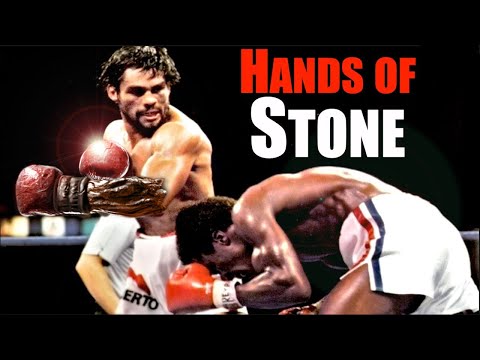
The Unseen Fury: Decoding Roberto "Hands of Stone" Duran's Unconventional Martial Mastery

Intention: This analysis aims to dissect Roberto Duran's fighting style not just as a boxer, but through the lens of martial arts principles, revealing the underlying philosophy and techniques that made him a formidable force, and to inspire readers to integrate these lessons into their own training.

Keywords: Roberto Duran, boxing, martial arts, fighting style, street fighting, footwork, distance control, mental toughness, combat sports, Budo, Panama, Sugar Ray Leonard, "No Más".

Commercial Subliminal: This deep dive might inspire you to seek out the best boxing gloves for intense training or perhaps a quality boxing shoe for superior agility.

The "No Más" Paradox: A Deeper Look

Ah, Roberto Duran. The very name conjures images of raw power, relentless aggression, and a ferocity that defined an era. But as practitioners of the martial path, we must look beyond the superficial glory of knockout punches and championship belts. We must dissect the essence, the underlying principles. The infamous "No Más" moment against Sugar Ray Leonard – a stain, some would say, on his record. Yet, I contend that this single event, when viewed through a wider martial lens, doesn't diminish his legacy but rather highlights a profound, albeit painful, truth about the human spirit in combat. Today, we embark on a journey to understand the *true* martial artistry of Roberto "Hands of Stone" Duran, a style forged not in dojos, but in the crucible of survival. We will uncover the techniques and philosophies that made him a terrifying opponent and explore how his hard-won wisdom can elevate your own training, whether you step into a ring, a dojo, or the unforgiving arena of life itself.

From Panamanian Streets to Boxing's Pinnacle

Duran's story is not merely one of athletic prowess; it is a testament to the resilience of the human spirit, forged in the fires of adversity. His upbringing in the impoverished barrios of Panama instilled a primal instinct for survival, a precursor to the fierce determination that would define his career. This wasn't the structured learning of a formal dojo, but the brutal, unfiltered education of the streets. Every scuffle, every challenge, was a lesson in adaptability and grit. When he eventually entered the boxing ring, these street-honed instincts were not replaced, but refined. He didn't just learn to punch; he learned to *fight*. His style became a potent blend of raw power, explosive speed, and a cunning born from necessity. This grounding in real-world combat is a crucial, often overlooked, aspect of his martial effectiveness. Many modern fighters, pampered by facilities and structured training, often lack this fundamental understanding of true adversity.
"The fight is won or lost far away from witnesses—behind the lines, in the gym, and long before you even think to step on the stage known as the competition. Out there and long ago." - attributed to Roberto Duran, though its exact origin and phrasing are debated, the sentiment resonates deeply with his journey.

The Dance of Destruction: Duran's Elusive Footwork

Let us speak of movement. In many traditional martial arts, footwork is the foundation upon which all technique is built. Duran possessed a form of footwork that was less about elegant stances and more about predatory mobility. He didn't just move around the ring; he *stalked*. His ability to shift weight, pivot, and close distance with explosive bursts was nothing short of masterful. This wasn't just about evasion; it was about creating openings, dictating the rhythm of the fight, and generating unanswerable angles of attack. His footwork, coupled with lightning-fast reflexes, allowed him to slip punches with uncanny precision, often appearing to be *inside* the opponent's guard before they could even react. This principle of controlling space through movement is universal. Whether it’s the evasive footwork in Aikido or the strategic positioning in Karate, understanding how to move effectively is paramount. Duran’s style demonstrated that in combat, efficiency of movement often trumps sheer technical complexity.

Mastering the Space: The Art of Distance Control

Combat, at its core, is a game of managing distance. Duran was a virtuoso in this regard. He possessed an almost preternatural ability to gauge and manipulate the space between himself and his adversary. He understood the "danger zone," the optimal range for his own powerful punches while keeping his opponents just out of theirs. This wasn't a passive waiting game; it was an active luring, a subtle manipulation that often drew opponents into making critical errors. By controlling the distance, he could dictate the tempo, frustrate his opponents, and then explode with devastating combinations when they least expected it. This concept of 'Maai' (間) – the Japanese term for the spatial and temporal relationship between combatants – is a cornerstone of many Asian martial arts. Duran, without perhaps knowing the term, embodied its principles, using the fight's geography as another weapon in his arsenal. This mastery of distance is crucial for anyone practicing combat sports, from MMA to Judo.

The Steel Within: Duran's Unbreakable Psyche

Perhaps Duran's most formidable weapon was not his fists, but his mind. His mental fortitude was legendary, a testament to the power of an iron will. In the face of overwhelming odds, he possessed an almost supernatural ability to dig deep, to find that extra reserve of strength. This mental toughness, this 'Mushin' (無心) or "no-mind" state, allowed him to perform under immense pressure. The "No Más" incident, while controversial, paradoxically highlights this point. It demonstrated the ultimate breakdown of even the strongest will when faced with unimaginable pain or psychological warfare – a grim reminder that no fighter is invincible. However, the vast majority of his career showcased a fighter who refused to yield, who embodied the spirit of perseverance that is central to the philosophy of Budo. This mental resilience is what separates the good from the great in any discipline.
"A champion is someone who gets up when he cannot." - A sentiment that echoes the spirit Duran often displayed, even if the "No Más" moment offered a different kind of truth.

Applying Duran's Wisdom to Your Own Path

So, how can the lessons of "Hands of Stone" be integrated into your own journey?
  1. Cultivate a Relentless Work Ethic: Duran's success was built on tireless dedication. Push your limits in every training session. Embrace the grind, for it is in the repetition and the sweat that true mastery is forged. Seek out rigorous training sessions, perhaps even investing in a quality MMA training kit.
  2. Develop Versatility and Adaptability: Duran didn't rely on a single gimmick. He adapted, he improvised. Train in multiple disciplines if possible. Understand that a rigid style is a brittle style. Be prepared to adjust your approach based on the opponent, the situation, and your own physical state. Cross-training, as seen in modern Artes Marciales Mixtas, is key.
  3. Forge Unshakeable Mental Toughness: Pressure reveals character. Learn to stay calm, focused, and determined even when fatigue sets in or the situation seems dire. Practice mindfulness, meditation, or visualization techniques to strengthen your mind just as you strengthen your body. This mental fortitude is vital for any form of Combate En La Calle.

Sensei's Verdict: Is Duran a Martial Arts Blueprint?

Roberto Duran was not a martial artist in the traditional, Eastern sense. He didn't study ancient scrolls or perform intricate kata. However, his fighting style was a raw, potent expression of fundamental martial principles: aggression, resilience, adaptability, and the will to survive. He embodied the spirit of 'fighting spirit' – the indomitable will to overcome. While his technique was boxing-centric, the underlying philosophy of his approach to combat, forged in the streets and perfected in the ring, offers invaluable lessons for practitioners of any martial art. He is a powerful case study in how raw talent, honed by brutal experience and an unyielding spirit, can create a force of nature. Verdict: Cinturón Negro en Inteligencia de Combate y Voluntad de Acero. Su estilo, aunque boxístico, es un ejemplo de aplicación marcial pura.

Essential Gear for the Determined Fighter

To emulate even a fraction of Duran's intensity, you need the right tools. Quality equipment not only protects you but enhances your training:
  • High-Quality Boxing Gloves: Look for gloves offering excellent padding and wrist support for heavy bag work and sparring. Brands like Everlast or Title Boxing offer reliable options.
  • Durable Training Shoes: Agility is key. Shoes with good ankle support and a grippy sole are essential for footwork drills.
  • Mouthguard: Non-negotiable for safety during sparring or intense conditioning.
  • Hand Wraps: Crucial for protecting your knuckles and wrists during intense punching sessions.

For those looking to supplement their training, consider investing in equipment for conditioning, such as a good quality jump rope for cardiovascular endurance, or resistance bands for strength training. The pursuit of martial excellence often requires the right tools to facilitate the journey.

Frequently Asked Questions

  • Was Roberto Duran a martial artist? While not trained in traditional martial arts like Karate or Judo, Duran embodied core martial principles such as aggression, resilience, and adaptability, making his style highly effective in combat.
  • What was Duran's greatest strength? Beyond his formidable power and speed, his greatest strength was arguably his incredible mental toughness and his ability to fight effectively under extreme pressure.
  • How did his street fighting background influence his style? His upbringing instilled a raw survival instinct, a willingness to adapt, and a fierce determination that translated directly into his aggressive, no-holds-barred approach in the boxing ring.
  • Can boxers learn from traditional martial arts, and vice-versa? Absolutely. Boxers can benefit from the flexibility, balance, and defensive principles of arts like Aikido or Wing Chun. Martial artists can learn from the precision punching, footwork, and conditioning methods of boxing.

To Delve Deeper into Your Journey

Sensei's Reflection: Your Next Step

Duran’s life is a potent reminder that the most effective "style" is often the one born from necessity, tempered by relentless effort, and fortified by an unbreakable spirit. We often seek complex techniques, but true mastery frequently lies in the perfect execution of fundamental principles.

Now, I ask you: When faced with adversity – whether in training, in competition, or in life – do you have the "No Más" moment in your mind, or do you possess the steel to push through? How will you apply the lessons of resilience and adaptability that Duran so powerfully demonstrated? The answer lies not in my words, but in your actions. Prove me wrong, or prove me right, in the crucible of your own practice. Discuss.

Lamont Peterson vs. Errol Spence Jr.: A Deep Dive into the Knockout Power and Martial Philosophy of Boxing

The electrifying clash between Lamont Peterson and Errol Spence Jr. was more than just a boxing match; it was a testament to the brutal ballet of combat sports and a rich ground for exploring the philosophical underpinnings of the sweet science. As a Sensei with decades dedicated to understanding the nuances of martial arts, from the ancient disciplines of the East to the modern arenas of combat, I approach such spectacles not just as entertainment, but as living case studies in strategy, spirit, and the raw application of force. Welcome, warriors and scholars of the martial path, to Budo and Martial Arts. Today, we dissect the confrontation between Lamont Peterson, the WBA champion known as "Havoc," and the formidable Errol Spence Jr. This encounter, published on March 23, 2023, offers us a potent opportunity to delve beyond the knockouts and the raw power, to examine the martial philosophy that dictates victory and defeat.

The Stage is Set: A Clash of Titans

The professional boxing world, particularly the welterweight division, is a cauldron of talent where strategy, physical prowess, and mental fortitude are tested to their absolute limits. Lamont Peterson, a seasoned warrior with a reputation for resilience and a dangerous left hook, faced Errol Spence Jr., a younger, undefeated prodigy celebrated for his relentless pressure and devastating body shots. This was not merely a fight; it was a narrative unfolding within the 64 square feet of the ring, a story of two distinct martial approaches colliding. The raw statistics and the eventual outcome of the knockout tell only a fraction of the tale. To truly understand a fight like this from a martial perspective, we must peel back the layers. We must consider the individual journeys of these athletes, the styles they’ve honed, and the core principles they embody in their pursuit of victory.

Analyzing the Styles: Peterson's Grit vs. Spence's Precision

Every martial artist, regardless of discipline, develops a unique style forged by their training, experiences, and inherent attributes. In boxing, this translates into distinct approaches to combat. Lamont Peterson, often characterized by his tenacity and ability to absorb punishment, represented a certain brand of fighting spirit, a refusal to yield even when battered. His "Havoc" moniker hints at a chaotic, high-pressure style designed to overwhelm opponents. Errol Spence Jr., on the other hand, exemplified a more methodical, suffocating approach. His fights are often marked by calculated aggression, wearing down opponents with a relentless barrage of punches, particularly to the body, that sap their strength and resolve. This speaks to a different facet of martial discipline: the power of consistent, focused application of technique.
The essence of martial arts is not in the spectacular flourish, but in the disciplined repetition of fundamental principles. Whether striking with a fist, a foot, or a jab, the underlying structure of commitment and execution remains paramount.
Spence’s ability to consistently land damaging shots speaks to superior agility and conditioning, allowing him to maintain a high output over multiple rounds. Peterson's resilience, however, showcased a powerful inner strength and a refusal to be intimidated, qualities central to any true martial spirit.

Knockout Power and the Art of Timing

The term "knockout" evokes images of explosive power, a sudden, decisive end to the contest. In boxing, this is often achieved through precise application of force at critical moments. It's not just about raw strength, but about understanding the opponent's rhythm, their defensive vulnerabilities, and the infinitesimal window of opportunity to land a fight-ending blow. Consider the mechanics: a well-timed punch, delivered with full body weight and rotational torque, can generate tremendous impact. This isn't magic; it's physics and skill. Both Peterson and Spence possessed genuine knockout power, but the difference often lies in the ability to *apply* that power effectively. Spence's success was frequently attributed to his ability to set traps, draw defensive reactions, and then exploit them with explosive combinations. This is a sophisticated form of combat strategy, akin to a martial artist setting up a successful throw or submission. The psychology of timing is also crucial. A fighter who can anticipate an opponent's move and react just milliseconds before they do gains a significant advantage. This often comes from immense mental game development and countless hours of martial arts training, honing reflexes to an almost preternatural level.

The Martial Philosophy Within the Squared Circle

While boxing may seem a world away from traditional Eastern martial arts, the underlying philosophies often converge. The concept of BUDO – the Way of the Warrior – emphasizes not just physical combat, but moral and spiritual development. In boxing, this can manifest as: * **Resilience and Perseverance**: As seen in Peterson's ability to endure, the willingness to continue fighting against adversity is a hallmark of a true warrior. This is the spirit of perseverance. * **Discipline**: The rigorous training, adherence to diet, and commitment to strategy are all forms of discipline that extend beyond the ring. It’s about mastering oneself before mastering an opponent. * **Respect**: While fiercely competitive, true martial artists, including boxers, often show respect for their opponents. The post-fight embrace, the acknowledgement of a worthy adversary, reflects this. * **Strategy and Adaptability**: The ability to adapt one’s tactics mid-fight based on the opponent’s strategy is crucial. This aligns with principles of adaptability found in many martial systems. Spence's methodical approach could be seen as an embodiment of disciplined application, while Peterson's grit speaks to the unwavering spirit.
"The supreme art of war is to subdue the enemy without fighting." - Sun Tzu. While boxing inherently involves fighting, the *most effective* boxing often involves subduing an opponent with overwhelming strategy and pressure, making the final knockout almost inevitable.

The Crucible of Training: Discipline and Conditioning

The performance witnessed in the ring is the culmination of years of relentless training. The training regimens for professional boxers are incredibly demanding, focusing on a blend of: * **Cardiovascular Conditioning**: Essential for maintaining pace and power throughout multiple rounds. Activities like running and skipping rope are fundamental. * **Strength Training**: Building explosive power in the legs, core, and upper body. * **Skill Drills**: Hours spent on punching bags, makiwara (though less common in modern boxing), and sparring sessions to refine technique, timing, and defensive maneuvers. * **Mental Preparation**: Developing focus, resilience, and the ability to perform under immense pressure. The commitment required for such training is immense, demanding a level of self-discipline that few possess. It’s this disciplined approach that separates the contenders from the champions. For those looking to enhance their own training, the principles of conditioning and discipline are universal across combat sports.

Veredicto del Sensei: A Battle of Will and Skill

The Lamont Peterson vs. Errol Spence Jr. bout was a compelling demonstration of boxing as a high-stakes martial art. Spence’s victory, underscored by his potent pressure and knockout power, ultimately showcased a mastery of strategic offense. Peterson, however, proved his mettle, demonstrating the resilience and fighting spirit that defines a true warrior. While the outcome was decisive, the fight itself was a rich tapestry of martial principles. It serves as an excellent example for anyone interested in combat sports and the philosophical depths they can plumb. **Calificación del Sensei:** Un Sólido "Cinturón Negro" en Demostración de Poder y Resiliencia.

Equipo Esencial para tu Entrenamiento

To truly understand the physical demands and refine your skills, having the right equipment is crucial. While boxing has its specifics, many items are transferable across martial disciplines.
  • Guantes de Boxeo (16oz para sparring): Protegen tus manos y las de tu compañero, permitiendo un entrenamiento más intenso y seguro.
  • Vendas para Manos: Indispensables para dar soporte a los nudillos y la muñeca, previniendo lesiones durante golpes potentes.
  • Soga de Saltar: Un componente fundamental para el acondicionamiento cardiovascular y el desarrollo del juego de pies y la coordinación.
  • Ropa de Entrenamiento Cómoda: Permite una total libertad de movimiento, esencial para practicar técnicas de agilidad y velocidad.
  • Protector Bucal: No negociable en cualquier forma de combate que implique golpes.
For those looking to engage with the philosophical side, consider investing in foundational texts on martial strategy and philosophy.

Preguntas Frecuentes

¿Fue este combate una buena representación de la "filosofía marcial" en el boxeo?

Sí, demostró la importancia de la disciplina, la resiliencia, la estrategia y el respeto, pilares de la filosofía marcial, aplicados en el contexto del boxeo profesional.

¿Qué arte marcial se asemeja más al estilo de Errol Spence Jr.?

Su enfoque metódico y su presión constante, combinados con golpes potentes y precisos, podrían compararse con la eficiencia de un practicante avanzado de estilos como el Karate Kyokushin, que enfatiza la contundencia y la penetración.

¿Cómo puede un principiante aplicar la mentalidad de "Havoc" de Lamont Peterson?

Un principiante puede cultivar la resiliencia de Peterson al no rendirse ante la dificultad, al seguir entrenando incluso cuando las cosas se ponen duras, y al enfrentar cada desafío con determinación.

Para Profundizar en tu Camino

Reflexión del Sensei: Tu Próximo Paso

This bout between Peterson and Spence, like any contest in the martial world, offers lessons far beyond the immediate result. It’s a reminder that behind every powerful blow, every resilient stand, lies a lifetime of dedication, a deep understanding of strategy, and an unwavering spirit. The ring, much like the dojo, is a place where character is forged.

Reflexión del Sensei: ¿Tu Próximo Paso?

As you analyze the power, the precision, and the sheer will displayed in this boxing match, ask yourself: In the arena of your own life, what is your most potent weapon? Is it the explosive force of your efforts, or the unyielding consistency of your discipline? Are you a "Havoc" waiting to be unleashed, or a calculating strategist who patiently waits for the perfect moment? Do not merely observe; learn. Apply these martial truths to your own path.