Showing posts sorted by date for query MMA gloves. Sort by relevance Show all posts

Budo's True Warriors: 6 Undeniable Signs You're More Than Just a Fighter

Martial arts. The very word evokes images of disciplined warriors, breathtaking techniques, and ancient traditions. For centuries, disciplines like Karate, Taekwondo, Judo, and Jiu-Jitsu have shaped not just bodies, but spirits across the globe. Yet, in the crucible of combat and competition, a critical distinction emerges: the difference between a mere 'fighter' and a 'true martial artist'. The latter transcends the physical exchange, embodying the profound principles of Budo – a way of life, a path of constant self-cultivation. Are you just engaging in combat, or are you truly walking the path? Let us examine the signs, the undeniable hallmarks, that separate the skilled combatant from the authentic martial artist.

The Unseen Strength: Humility

Many enter the martial world driven by ego, a desire to prove their superiority. This is the mark of a fighter. A true martial artist, however, carries their victories with quiet grace and their defeats with profound reflection. Humility is not weakness; it is the bedrock upon which true mastery is built. Such individuals harbor a deep respect for their training partners and opponents, understanding that each encounter is an opportunity to learn and refine. They recognize that the journey of martial arts is a lifelong pursuit, an endless horizon of self-improvement. They know that every Black Belt started as a white belt, and that even the most accomplished master has more to discover. This internal acknowledgment prevents arrogance and fosters continuous growth.

"Mastering others is strength. Mastering yourself is true power." - Lao Tzu

Think about your last sparring session. Did you focus on dominating, or on understanding your opponent's movements and your own reactions? The answer reveals much.

Master of the Self: Self-Control

The heat of a fierce exchange, the adrenaline surge, the frustration of a missed technique – these are the moments that test the mettle of any combatant. A fighter might lash out, become reckless, or crumble under pressure. A true martial artist, however, possesses formidable self-control. Their discipline extends beyond the dojo walls; it is an intrinsic part of their being. They understand that raw emotion is a chaotic force that clouds judgment and leads to critical errors. By mastering their emotions, they maintain clarity, precision, and strategic thinking, even when pushed to their limits. This mastery allows them to respond rather than react, to choose the most effective course of action rather than being swept away by impulse.

Consider the famed discipline of Kyokushin Karate. Its practitioners are trained to endure immense physical and mental pressure, not by succumbing to pain, but by harnessing their inner fortitude. This is self-control in action.

The Sacred Fire: Respect for the Art

Fighters often view martial arts solely as a means to an end – victory, self-defense, or physical conditioning. A true martial artist, however, views their chosen discipline as something sacred. They delve into its origins, study its history, understand its cultural context, and honor its traditions. This deep appreciation for the art itself transforms practice from mere repetition into a ritual of reverence. They understand that the techniques and philosophies passed down through generations are not arbitrary; they are the distilled wisdom of countless practitioners who faced similar challenges. This respect fuels their dedication and ensures they preserve and transmit the essence of the art, not just its physical manifestations.

Are you merely learning moves, or are you seeking to understand the lineage and philosophy behind them? A quick search for the history of Aikido or the development of Karate can offer profound insights into this respect.

Body and Mind: The Dual Pursuit of Fitness

Physical prowess is undoubtedly crucial in any martial pursuit. A fighter understands the necessity of a strong physique. But a true martial artist recognizes that their body is merely the vessel for their art; it must be both a powerful weapon and a finely tuned instrument. This requires holistic physical and mental fitness. They engage in rigorous training not just to build muscle or endurance, but to enhance coordination, agility, speed, and resilience. Simultaneously, they cultivate their mental faculties – sharpening focus, improving strategic thinking, and building mental toughness. This dual pursuit ensures they are not only capable of delivering powerful strikes or executing complex techniques but are also mentally prepared to adapt, strategize, and overcome any obstacle.

This integrated approach mirrors the philosophy behind many Budo disciplines, where the mind and body are seen as interconnected pathways to mastery.

The Unyielding Spirit: Perseverance

The path of the martial artist is rarely smooth. There will be plateaus, injuries, setbacks, and moments of doubt. A fighter might quit when faced with overwhelming adversity. A true martial artist embodies perseverance. They understand that struggle is not an endpoint but a catalyst for growth. They greet challenges not with despair, but with determination. Each failed attempt, each painful defeat, becomes a lesson learned, a stepping stone towards eventual success. This resilience, this refusal to surrender, is a testament to their inner strength and their unwavering commitment to the journey. They understand that true mastery is forged in the fires of hardship.

Think of the legendary careers of fighters like Jon Jones or Cyril Gane; their resilience in the face of intense pressure and competition is a prime example of this principle.

The Warrior's Heart: Kindness and Compassion

Perhaps the most profound differentiator: a fighter might wield their skills for dominance or personal gain. A true martial artist, however, understands that power comes with responsibility. They possess a heart of kindness and compassion. Their skills are honed not for wanton aggression, but for the protection of others and the betterment of the world. They use their abilities judiciously, never seeking to inflict unnecessary harm. They embody the principle that true strength lies not in the ability to destroy, but in the capacity to protect and uplift. This ethical compass guides their actions both inside and outside the dojo, making them not just skilled practitioners, but positive forces in society.

"The object of the do is to seek perfection of character." - Jigoro Kano

This sentiment is echoed across many martial traditions, emphasizing that the ultimate goal of training is personal development and service to others.

Gear Up for Your Journey

To truly embody the principles of Budo, the right equipment can be an invaluable ally. Whether you are honing your striking power, refining your grappling, or maintaining your physical and mental conditioning, quality gear makes a difference. Consider investing in:

  • Durable Uniforms (Gi/Kimono): Essential for traditional arts like Judo and Karate. Look for materials that can withstand rigorous training, such as a double-weave Judo gi or a sturdy Karate gi.
  • Protective Sparring Gear: For arts involving full contact, investing in high-quality MMA gloves, headgear, and shin guards is paramount for safe and effective training.
  • Training Equipment: A good quality punching bag or a makiwara can significantly improve your striking power and technique at home.
  • Comfortable Training Apparel: For conditioning or arts that require more freedom of movement, comfortable and breathable training shorts and t-shirts are a must.

At BYAM Budo y Artes Marciales, we understand the importance of quality gear. Explore our extensive collection of uniforms, protective equipment, and training accessories designed to support your journey towards martial arts mastery.

Frequently Asked Questions

What is Budo?

Budo, literally meaning "martial way," refers to the philosophies and practices of Japanese martial arts that focus on self-cultivation, discipline, and spiritual development, beyond mere combat effectiveness. It's a way of life.

Is there a difference between a fighter and a martial artist?

Yes, significantly. A fighter primarily focuses on winning combat encounters. A true martial artist integrates the physical skills with ethical principles, self-discipline, humility, and continuous personal growth, viewing their art as a path to self-perfection.

Can anyone become a true martial artist?

Absolutely. While talent can play a role, the core of being a true martial artist lies in the consistent application of principles like humility, self-control, respect, perseverance, and compassion. It's a journey available to anyone dedicated to the path.

How important is physical fitness in Budo?

Extremely important, but it's only half the equation. Budo emphasizes both physical conditioning (strength, speed, endurance, agility) and mental conditioning (focus, strategy, emotional control, resilience). One without the other is incomplete.

Can martial arts principles be applied outside of training?

Indeed. The principles of Budo – discipline, respect, perseverance, humility – are designed to be integrated into all aspects of life, leading to personal growth and a more positive impact on the world.

For Deeper Exploration on Your Path

Reflexion del Sensei: Your Next Step

We've examined the qualities that elevate a practitioner from a mere combatant to a true martial artist. Now, look inward. Are you merely going through the motions, or are you striving for genuine embodiment? If you recognize yourself in these signs, how can you further cultivate them in your daily life, both on and off the mat? If you see the fighter, what specific, actionable steps can you take starting *today* to nurture the seeds of Budo within you?

``` ```json { "@context": "https://schema.org", "@type": "FAQPage", "mainEntity": [ { "@type": "Question", "name": "What is Budo?", "acceptedAnswer": { "@type": "Answer", "text": "Budo, literally meaning \"martial way,\" refers to the philosophies and practices of Japanese martial arts that focus on self-cultivation, discipline, and spiritual development, beyond mere combat effectiveness. It's a way of life." } }, { "@type": "Question", "name": "Is there a difference between a fighter and a martial artist?", "acceptedAnswer": { "@type": "Answer", "text": "Yes, significantly. A fighter primarily focuses on winning combat encounters. A true martial artist integrates the physical skills with ethical principles, self-discipline, humility, and continuous personal growth, viewing their art as a path to self-perfection." } }, { "@type": "Question", "name": "Can anyone become a true martial artist?", "acceptedAnswer": { "@type": "Answer", "text": "Absolutely. While talent can play a role, the core of being a true martial artist lies in the consistent application of principles like humility, self-control, respect, perseverance, and compassion. It's a journey available to anyone dedicated to the path." } }, { "@type": "Question", "name": "How important is physical fitness in Budo?", "acceptedAnswer": { "@type": "Answer", "text": "Extremely important, but it's only half the equation. Budo emphasizes both physical conditioning (strength, speed, endurance, agility) and mental conditioning (focus, strategy, emotional control, resilience). One without the other is incomplete." } }, { "@type": "Question", "name": "Can martial arts principles be applied outside of training?", "acceptedAnswer": { "@type": "Answer", "text": "Indeed. The principles of Budo – discipline, respect, perseverance, humility – are designed to be integrated into all aspects of life, leading to personal growth and a more positive impact on the world." } } ] }
The Unveiled Truths: Decoding Knife Fighting Concepts from Ancient Arts to Modern Combat

The glint of steel, the dance of survival. Knife fighting, a brutal and often misunderstood facet of combat, has echoed through history. But how do we reconcile the raw, primal nature of blade combat with the structured discipline of martial arts? This isn't about flashy moves for the silver screen; it's about understanding principles that have preserved lives for centuries.

Many approach knife fighting seeking a quick fix, a secret technique. I tell you now, the true strength lies not in a single move, but in the unwavering foundation of one's martial spirit and the intelligent application of time-tested principles. Are you ready to look beyond the superficial and delve into the heart of effective blade combat?

Ancient Roots and Modern Interpretations

The video you're referring to, filmed over five years ago, isn't merely a demonstration; it's a bridge connecting eras. It showcases how concepts honed in the crucible of historical combat continue to resonate. We speak of traditions like Historic European Martial Arts (HEMA), with its sword and dagger work, and the intricate, often deadly, systems found within old-school Japanese Martial Arts such as Tantojutsu (the art of the dagger) and Aikijujutsu.

These ancient disciplines were not born in sterile dojos but in the harsh realities of self-preservation, warfare, and duels. They emphasized efficiency, economy of motion, and an understanding of anatomy and leverage that is timeless. The application of armor in historical combat forced practitioners to develop techniques that could overcome these defenses, techniques that, when stripped of their historical context and adapted, remain incredibly relevant.

"The supreme art of war is to subdue the enemy without fighting." - Sun Tzu, The Art of War. While this adage speaks of strategy, it also underscores the ultimate goal: survival. In knife combat, preventing the engagement is the highest victory.

The essence of these old ways was often about controlling the weapon arm, creating openings through precise timing and movement, and exploiting vulnerabilities with devastating effect. AARES Combatives Research's contribution lies in reinterpreting these principles for a contemporary audience, demonstrating their application in modern scenarios, often within the context of armored training – a critical element for safe and effective skill development.

AARES Combatives Research: A Modern Master's Perspective

AARES Combatives Research, the expert behind this valuable resource, understood a crucial truth: martial arts are not static relics. They are living, evolving disciplines. His instructional project, aimed at military and law enforcement personnel, was not about creating aggressive fighters, but about imparting a functional understanding of extreme close-quarters combat. The success of such a project speaks volumes about the clarity and efficacy of his methodology.

His modern application of ancient knife fighting concepts is a testament to his deep understanding. He doesn't just show *how* to use a knife; he teaches *why* certain movements are effective, drawing parallels to the strategic thinking embedded in HEMA and Japanese traditions. This approach elevates the material from mere technique demonstration to a comprehensive lesson in martial philosophy.

This focus on modern application is vital. The battlefield, the street, or even a training scenario presents unique challenges. Understanding how historical masters dealt with similar problems – be it an armored opponent or a grappling entanglement involving a blade – provides a robust framework for developing adaptable skills. The insights offered are not just about self-defense but about a deeper comprehension of BUDO and the warrior's mindset.

Core Principles: Stance, Footwork, and Disarming

At the heart of any effective combat system, especially one involving such a lethal tool as a knife, lie fundamental principles. The video meticulously emphasizes these:

  1. Strong Stance and Body Positioning: This is the bedrock. A proper stance provides stability, allowing for explosive movement and effective defense. It’s not just about planting your feet; it's about presenting a difficult target while maintaining the ability to generate power and shift angles rapidly. Think of the rootedness of a Karate practitioner or the balanced mobility of a Judoka.
  2. Agile Footwork: In knife combat, distance management is paramount. Your feet are your first line of defense and offense. The ability to move in, out, and laterally with speed and precision can mean the difference between life and death. This is where concepts from Aikido, with its emphasis on circular movement and evasion, or the dynamic footwork seen in MMA, become incredibly relevant.
  3. Disarming Techniques: While often sensationalized, disarming is a high-risk, high-reward maneuver. It requires impeccable timing, understanding of leverage, and a willingness to enter a dangerous range. The principles are rooted in joint locks, redirection of force, and simultaneous attack and defense – concepts present in various martial arts disciplines, from Judo throws to BJJ submissions, adapted for the presence of a blade.
  4. Defense Against an Armed Attacker: This encompasses a holistic approach. It involves awareness, de-escalation (if possible), creating distance, and if conflict is unavoidable, understanding how to disrupt the attacker's balance and weapon control. This is where the tactical thinking from Self Defense training meets the practical application of martial skills.

The video does an excellent job of breaking down these elements, showing how they interrelate. It’s a clear demonstration that effective fight is not just about brute force, but about intelligence, technique, and the ability to execute under pressure.

The Philosophy of Training: Beyond the Blade

What truly sets apart a martial artist from someone who merely knows a few moves is the underlying philosophy. AARES Combatives Research’s work implicitly touches upon this. The commitment to creating instructional content, the methodical approach to teaching, and the emphasis on understanding the *why* behind techniques all point to a deeper dedication to the artes marciales.

Knife fighting training, especially when incorporating armored drills, teaches invaluable lessons about:

  • Risk Assessment: Understanding the inherent dangers involved and learning to mitigate them.
  • Precision and Control: The necessity of exact movements to avoid catastrophic error.
  • Mindset Under Pressure: Maintaining calm and tactical thinking when faced with extreme threat. This is the core of Mental Game development.
  • Adaptability: Recognizing that no two encounters are identical and requiring the ability to adjust strategies on the fly.
"Even in the deadliest of encounters, the mind must be a calm ocean, reflecting the sky with perfect clarity." - A principle passed down through generations of BUDO practitioners.

This comprehensive approach transforms the practitioner. It’s not just about learning to fight with a knife; it’s about developing resilience, discipline, and a profound respect for the tools and techniques of combat. The value extends far beyond the combative application, fostering personal growth and Self Improvement.

Essential Equipment for Your Training

Engaging with knife fighting concepts, especially those involving live blades or armored sparring, requires specific safety and training equipment. Investing in the right gear is not a luxury; it is a necessity for safe and effective practice.

  • Training Knives: Made from durable, yet blunted materials (like rubber or hardened plastic), these are essential for practicing techniques without causing injury. Look for models that mimic the weight and balance of real blades.
  • Protective Gear: When engaging in any form of sparring, especially with training knives, protective gear is non-negotiable. This includes:
    • Headgear: To protect against impacts.
    • Groin Protector: Essential for all male practitioners.
    • Hand/Forearm Protection: Padded gloves and guards to absorb impact and prevent abrasions.
    • Body Armor/Padded Suits: For armored drills, specific padded suits or vests designed to simulate blunt force trauma are crucial. These are vital for practicing techniques that involve close contact and weapon retention/acquisition.
  • First Aid Kit: Always have a comprehensive first aid kit readily accessible during any training session.

For those interested in specific brands or types, consulting with experienced instructors or reputable Martial Arts Merchandise suppliers can provide tailored recommendations based on the specific training methodology you are following.

Frequently Asked Questions

What is Tantojutsu?

Tantojutsu is a traditional Japanese martial art focused on the use of the tanto, a short sword or dagger. It often emphasizes close-quarters combat, joint locks, and grappling techniques adapted for situations involving a blade.

Is knife fighting practical for self-defense?

While the video demonstrates practical applications, engaging in knife combat is inherently dangerous. The focus in self-defense should always be on avoiding conflict, de-escalation, and escape. If avoidance is impossible, then the principles of defense, which may include disarming or using a weapon if legally justified and ethically sound, become critical. However, training for such scenarios requires expert guidance and safety precautions.

How does armor change knife fighting techniques?

Armor necessitates different approaches. Direct thrusts might be ineffective against heavier protection, pushing practitioners to focus on vital points, joint manipulation, or grappling to create openings. It also forces a greater understanding of leverage and control to overcome the defender's mobility limitations.

Are old martial arts concepts still relevant today?

Absolutely. The core principles of movement, timing, leverage, and understanding human anatomy are universal and timeless. Modern martial arts and combative systems often reinterpret and adapt these ancient concepts to contemporary threats and training methodologies.

Further Learning on Your Path

The journey into understanding the intricacies of martial arts is a continuous one. To deepen your knowledge and broaden your perspective, explore these related topics:

Veredicto del Sensei: ¿Merece la pena?

Este análisis de las técnicas de lucha con cuchillo, arraigado en la sabiduría de las artes marciales históricas y presentado a través de una lente moderna, es un recurso de valor incalculable. No se trata de glorificar la violencia, sino de comprender las realidades del combate y honrar la disciplina que requiere. AARES Combatives Research ha creado una obra que va más allá de la mera instrucción técnica; es una lección de historia marcial, estrategia y mentalidad. Si buscas una comprensión profunda y matizada de cómo los principios antiguos se aplican a las amenazas modernas, este contenido es un Cinturón Negro en Divulgación Marcial.

Reflexión del Sensei: Tu Próximo Paso

Ahora, te enfrentas a esta sabiduría. Las técnicas están ahí, los principios están expuestos. Pero la verdadera maestría no se encuentra en la observación pasiva, sino en la aplicación activa. ¿Cómo integrarás la lección de la simplicidad estratégica en tu propio entrenamiento, sea cual sea el arte que practiques? ¿Te detendrás a considerar la raíz histórica de tus movimientos o te conformarás con la superficie? El camino del guerrero exige una curiosidad insaciable y una reflexión constante. Considera esto: ¿cuál es el 'arma' más peligrosa que llevas contigo, y cómo la has estado entrenando?

Para Profundizar en tu Camino

Choosing Your Martial Arts Sensei: Avoiding the Red Flags of False Mastery

The path of Budo is a journey of self-discovery, discipline, and relentless improvement. But what happens when the very guide meant to illuminate this path casts a shadow instead? In the intricate world of martial arts, the instructor, the Sensei, is paramount. Yet, not all who don the black belt are true masters. Many are merely keepers of superficial knowledge, or worse, peddlers of dangerous dogma.

This is not a debate about style – whether you seek the fluidity of Aikido, the power of Kyokushin Karate, or the strategy of Judo. This is a critical examination of character and competence. My intent today is to equip you, the aspiring warrior, with the discernment needed to identify instructors who are not worthy of your dedication, your sweat, and your respect. We will dissect the common "red flags" that signal a lack of true mastery and, more importantly, a potential detriment to your martial arts journey and personal growth.

Lack of Credentials: The Uncertified Imposter

In the realm of Budo, lineage and verifiable expertise are not mere formalities; they are the bedrock of authenticity. When an instructor cannot produce legitimate credentials – certifications from recognized martial arts federations, documented ranks from reputable masters, or a clear lineage tracing back through established schools – it’s a gaping hole in their claim to authority.

Think of it like this: would you trust a surgeon who claimed to have 'learned surgery by watching videos'? Of course not. The same rigor must apply to your martial arts training. A Sensei who skirts around the issue of their qualifications, or worse, dismisses them as unimportant, is signaling a profound lack of understanding regarding the depth and discipline required to attain true mastery. This is not about ego; it’s about the student’s right to receive instruction from someone who has demonstrably earned it.

"If you meet the Buddha, kill the Buddha." This koan, often misapplied, speaks to the danger of blind adherence. In your training, it means questioning any authority that doesn't stand up to scrutiny. A lack of credentials is the first, and perhaps most obvious, crack in the facade.

Overemphasis on Winning: The Empty Trophy Syndrome

Competition is a vital component of many martial arts. It tests technique under pressure, builds resilience, and offers a tangible measure of progress. However, an instructor whose focus is *solely* on victory, who prizes wins above all else, is fundamentally misunderstanding the purpose of Budo.

Martial arts are a crucible for character development. They teach humility in defeat, grace in victory, perseverance through adversity, and the ethical application of force. An instructor who only celebrates wins, or worse, harshly criticizes losses, is cultivating an unhealthy and ultimately shallow approach to training. True martial arts training is a lifelong pursuit of self-mastery, not a gladiatorial contest. The true victories are often internal: overcoming fear, perfecting a difficult technique, or developing unshakeable discipline. An instructor obsessed with external validation misses this entirely.

Consider the legendary martial artists. While many were formidable competitors, their teachings often transcended mere winning. They emphasized the philosophical, the ethical, and the personal growth aspects. A coach focused only on the scoreboard misses the deeper lessons that make martial arts a transformative art.

Lack of Safety Precautions: Gambling with Your Well-being

This is non-negotiable. Martial arts, by their very nature, involve physical contact and the potential for injury. A competent and ethical instructor prioritizes safety above all else. This means:

  • Proper warm-ups and cool-downs to prepare the body and prevent strains.
  • Clear instruction on how to execute techniques safely, minimizing risk to both giver and receiver.
  • Appropriate supervision during sparring or strenuous drills.
  • A willingness to modify training for students with injuries or physical limitations.
  • A calm, controlled environment where recklessness is not tolerated.

If your instructor rushes through warm-ups, encourages overly aggressive or uncontrolled sparring, dismisses concerns about pain, or lacks basic safety protocols (like ensuring the training area is clear of hazards), they are not only negligent but actively endangering you. This isn't about being "soft"; it's about intelligent, sustainable training. Pushing your limits is essential, but reckless endangerment is not. You should feel challenged, yes, but never at the risk of serious injury due to the instructor's carelessness.

Aggressive or Abusive Behavior: The Tyrant's Dojo

The dojo should be a sanctuary for learning and growth, a place where discipline is cultivated, not fear. An instructor who resorts to aggressive language, shouting, intimidation, or any form of physical or emotional abuse is fundamentally unfit to teach.

Martial arts are meant to empower, to build confidence, and to foster self-control. An instructor who uses their position to belittle, demean, or intimidate students is exploiting their authority. This is not discipline; it is tyranny. Such behavior creates a toxic learning environment, erodes self-esteem, and can have lasting negative psychological effects. The true martial artist leads by example, demonstrating respect, patience, and calm under pressure – not by ruling through fear or aggression. This kind of behavior is not only unethical but often stems from the instructor’s own insecurities and lack of genuine mastery.

"The supreme art of war is to subdue the enemy without fighting." - Sun Tzu. This principle extends beyond the battlefield. A true master subdues conflict through calm authority and unwavering principle, not through aggressive displays.

Lack of Respect for Students: The Mark of a Shallow Mind

Every student, from the absolute beginner to the seasoned practitioner, deserves respect. An instructor who consistently belittles students, mocks their efforts, dismisses their questions, or treats them as inferior is demonstrating a profound lack of character.

Respect is a two-way street. While students owe respect to their instructor, the instructor owes a duty of care, dignity, and genuine mentorship to their students. An instructor who fails to recognize the individual journey of each student, who fails to foster an environment of mutual respect, is not a true leader. They may possess technical skills, but they lack the wisdom and character that define a master. Feeling comfortable asking questions, making mistakes without fear of humiliation, and being treated as an individual with unique potential are hallmarks of a positive training environment.

Veredicto del Sensei: ¿Merece la pena?

Choosing the right martial arts instructor is perhaps the single most critical decision you will make on your path. The red flags – lack of credentials, obsession with winning, disregard for safety, abusive behavior, and disrespect for students – are not minor issues. They are fundamental flaws that betray a lack of true mastery and ethical integrity.

A true Sensei is a mentor, a guide, and a role model. They possess not only technical proficiency but also the wisdom, patience, and ethical grounding to nurture their students. They prioritize your growth, safety, and well-being above their own ego or desire for superficial accolades. If an instructor exhibits any of these red flags, it is a clear signal to seek training elsewhere. Your journey is too important to be entrusted to someone who lacks the fundamental qualities of a true master.

Calificación: ¡Cinturón Negro en Discernimiento!

Equipo Esencial para tu Entrenamiento

Selecting the right equipment can significantly enhance your training experience, safety, and progression. While the core of martial arts lies in the practitioner, the right gear provides the necessary foundation.

  • Kimono/Gi: For Judo, Aikido, and some Karate styles, a durable Gi is essential. Look for double-weave or heavyweight fabrics for disciplines involving grappling or significant wear and tear. For Karate, a lighter, more breathable fabric might be preferred for striking arts.
  • Sparring Gear: When engaging in controlled sparring, protective gear is paramount. This includes headgear, mouthguards, chest protectors, and shin/instep guards, especially for striking arts like Karate and Kickboxing. For grappling arts, focus on comfortable attire that allows freedom of movement.
  • Training Mats (Tatami): If you are practicing at home, especially for techniques involving throws or falls (Judo, Aikido), investing in proper mats is crucial to prevent injuries.
  • Focus Mitts and Strike Pads: Excellent for practicing striking combinations and power generation, whether alone or with a partner.
  • Hand Wraps and Gloves: Essential for striking arts to protect your wrists and hands during bag work or sparring. Boxing or MMA gloves are standard.

Guía de Entrenamiento: Desarrollando tu Resiliencia

True martial arts strength isn't just physical; it's mental and spiritual. Here's a simple drill to cultivate mental fortitude and discipline, applicable to any art:

  1. Set a Consistent Time and Place: Designate a specific time each day (e.g., upon waking, before bed) and a quiet space for your practice.
  2. Begin with Centering: Sit in a comfortable, upright posture. Close your eyes and take 5-10 deep breaths, focusing on the sensation of air entering and leaving your body. This is your 'Mokuso' (meditation).
  3. Perform a Single Technique Repetitively: Choose one fundamental technique from your art (e.g., a basic punch, a specific block, a simple stance transition, or even a short kata).
  4. Execute with Full Focus: Perform the technique with 100% concentration. Imagine it's the first time you've ever done it. Pay attention to every detail: body alignment, breath, intent.
  5. Aim for a Target Number of Repetitions: Start with a manageable number, perhaps 25 or 50. The goal isn't speed, but perfect, mindful execution.
  6. Maintain Focus Through Fatigue: As you get tired, your mind will wander. Gently bring your focus back to the technique. This is where the real training happens.
  7. Conclude with Gratitude: Take a moment to thank yourself for your dedication and your instructor (even if they are absent) for their guidance.

This drill, simple as it seems, builds discipline, focus, and an appreciation for the subtleties within even the most basic movements. It's a cornerstone of developing a strong Ki or internal energy.

Preguntas Frecuentes

Q1: My instructor often yells at us. Is this normal in martial arts?
A: No. While discipline is important, yelling and aggressive behavior are signs of a poor instructor who may lack control or proper teaching methodology. True discipline comes from respect and understanding, not fear.

Q2: What if my instructor is a world champion but seems to lack teaching skills?
A: Being a great competitor does not automatically make one a great teacher. A good instructor needs not only technical skill but also the ability to communicate, motivate, and foster a safe learning environment. Look for a balanced instructor.

Q3: Is it okay to switch martial arts schools if I'm unhappy with my current instructor?
A: Absolutely. Your training journey is yours. If you encounter red flags or feel your growth is being stunted, it is wise and responsible to seek out a more suitable learning environment. Loyalty is to your own progress and the principles of Budo, not necessarily to a single individual.

Para Profundizar en tu Camino

In conclusion, the path to martial arts mastery is paved with diligent effort and wise choices. Be discerning. Observe keenly. Trust your instincts. The right Sensei will not only teach you techniques but will inspire you to become a better version of yourself, embodying the true spirit of Budo.

Now, I pose a challenge to you: Reflect on your own training environment. Have you encountered any of these red flags? Are you truly being guided by a master, or merely by someone with a black belt? Voice your thoughts and experiences below. Let us learn from each other.

Henry Cejudo vs. Marlon Moraes: A Masterclass in Combat Strategy at UFC 238

The Unseen War: Beyond the Octagon's Roar

The clash between Henry Cejudo and Marlon Moraes at UFC 238 wasn't just a fight; it was a high-stakes chess match played out with fists, feet, and the formidable power of **wrestling** and **striking**. While the result saw Cejudo victorious, emerging as the new UFC Bantamweight Champion, the true lesson lies not just in the knockout, but in the strategic evolution and the philosophical underpinnings of combat that were on full display. Many fans see only the flash and the fury, the **knockout power** and the **grappling** exchanges, but a true student of the martial way, a **budoka**, looks deeper. They analyze the **mental game**, the **discipline**, and the subtle shifts in momentum that dictate the outcome of such intense **battles**. This wasn't merely a **fight**; it was a testament to decades of rigorous **training** and the relentless pursuit of mastery.

Cejudo's Legacy: From Olympic Gold to MMA King

Henry Cejudo's journey is a saga of dedication that transcends mere athletic achievement. As an Olympic gold medalist in freestyle wrestling, Cejudo brought an unparalleled level of mat control and **explosive takedowns** to the **MMA** arena. His record, a formidable 16-2-0, speaks volumes, but it's his fight IQ and adaptability that truly set him apart. He’s not just a wrestler; Cejudo honed his **striking** skills to a lethal degree, weaving together a potent arsenal of punches, kicks, and knees. He embodies the principle that mastery in one domain can be powerfully amplified when integrated with another. This synergy is the hallmark of a true martial artist, constantly evolving and integrating new knowledge. For those aspiring to excel, consider the importance of a well-rounded **training** regimen. A solid foundation in **wrestling** or **judo**, combined with dynamic **kickboxing** or **Karate** techniques, can create an unstoppable force.

Moraes: The Striking Maestro's Challenge

Marlon Moraes, a Brazilian warrior with a professional record of 22-6-1, arrived at UFC 238 as a seasoned contender, a former WSOF Bantamweight Champion renowned for his exceptional **striking skills**. With 17 wins by KO/TKO, Moraes possessed the kind of fight-ending power that kept opponents constantly on edge. His **defensive skills** were equally impressive, a testament to meticulous **training** designed to nullify an opponent's attack. He made it incredibly difficult for fighters to land clean shots, a crucial aspect of survival and victory in any **combat sport**. The dynamic between Cejudo's wrestling prowess and Moraes's striking excellence set the stage for a classic confrontation, a true test of different martial philosophies.

The Strategic Dance: Deconstructing Cejudo vs. Moraes

The initial exchanges were a strategic dance, a palpable tension filling the arena. Cejudo, true to his roots, immediately sought to close the distance, aiming for the clinch and the inevitable takedown that has defined much of his career. However, Moraes, with his keen understanding of range and timing, displayed superb **takedown defense**. He managed to keep the **fight** standing, a critical objective against a renowned wrestler. The first round saw Moraes utilize his powerful leg kicks, which visibly seemed to impact Cejudo's mobility. This was a smart tactic, aiming to blunt the wrestler's offensive capabilities. Yet, the hallmark of a champion isn't just skill, but the ability to adapt. In the second round, Cejudo made the crucial adjustments. He began to time his entries more effectively, finally breaching Moraes's defenses and securing a takedown. Once on the ground, the dynamic shifted dramatically. Cejudo's control was absolute, his **ground-and-pound** relentlessly targeting Moraes. This phase of the fight underscored a fundamental principle in **Budo**: once you have your opponent where you want them, exploit the advantage with decisive action. The third round saw Cejudo continuing his dominance, blending his wrestling with effective striking. Moraes, though resilient, appeared to be tiring, a common consequence of defending relentless takedowns and absorbing ground strikes. The **ki** flow seemed to be with Cejudo. The decisive moment arrived in the fourth round. Cejudo landed a powerful knee strike that sent Moraes crashing to the canvas. This was the **knockout** that fans craved, the definitive punctuation to a masterful performance. The follow-up ground strikes led to the referee's stoppage, crowning Cejudo the new champion. This victory wasn't just about raw power; it was about strategic evolution, demonstrating that even a fighter known for one discipline can conquer another with dedication and intelligent application of skills.

Veredicto del Sensei: ¿Merece la pena?

This **fight** is a prime example of how a well-rounded martial artist, who understands the interplay between different disciplines, can overcome specialized talent. Cejudo's victory over Moraes is a **lesson in strategy**, showcasing the importance of adaptability and the integration of **wrestling** and **striking**. For any **martial arts** enthusiast, this bout is a must-watch, not just for the excitement, but for the deep tactical insights it offers. It’s a clear demonstration that while **specialization** has its merits, true mastery lies in the ability to blend and adapt. Cejudo earned his **Cinturón Negro en Combate Estratégico**.

Equipo Esencial para tu Entrenamiento

To emulate the dedication and skill displayed by these warriors, the right **equipment** is paramount. Whether you're focusing on **wrestling**, **striking**, or a blend of disciplines, investing in quality gear is an investment in your own **training** and safety.
  • Guantes de MMA: Look for gloves that offer a good balance of protection for striking and dexterity for **grappling**. 16oz gloves are generally recommended for sparring sessions to ensure adequate padding.
  • Kimono de Judo o Jiu-Jitsu: For those focusing on ground **fighting** and **wrestling**, a durable, double-weave kimono (gi) is essential. It needs to withstand the rigors of constant pulling and grappling.
  • Protector Bucal: Non-negotiable for any form of sparring or intense **training**. Protect your teeth and jaw.
  • Espinilleras y Guantes de Kickboxing/Karate: If your **training** leans more towards **striking**, invest in proper shin guards and sparring gloves to prevent injuries.
  • Protector Genital: A vital piece of **equipment** for all male practitioners involved in any combat sport.
For those looking to deepen their understanding of martial principles, consider exploring foundational texts. The wisdom within books like "The Book of Five Rings" by Miyamoto Musashi offers insights that are as relevant to the **Octagon** as they are to any **battlefield**.

Guía de Entrenamiento: Integrando Wrestling y Striking

Aspiring fighters often struggle to bridge the gap between **wrestling** and **striking**. This exercise, inspired by the strategic shifts seen in Cejudo's performance, aims to improve your transitions and overall combat effectiveness.
  1. Warm-up (15 mins): Begin with dynamic stretching and light cardio. Focus on movements that simulate both striking and wrestling actions – hip rotations, leg swings, arm circles, torso twists.
  2. Striking Drills (10 mins): Practice combinations like jab-cross-hook, followed by a low kick. Focus on footwork and maintaining a balanced stance. Alternate between offensive drills and defensive drills (e.g., slipping punches, blocking kicks).
  3. Wrestling Entries (10 mins): Practice level changes and shooting for double-leg or single-leg takedowns. Focus on explosiveness and driving through the takedown. Imagine you are attacking a stationary opponent.
  4. Transition Drills (15 mins): This is the core of the drill.
    • Start in a striking stance. Throw a combination (e.g., jab-cross). As your opponent (or a partner) attempts to defend or counter, immediately transition into a takedown attempt.
    • If the takedown is defended, immediately pop back up to your striking stance and prepare to strike.
    • Alternatively, if you are taken down, practice effective get-ups (e.g., technical stand-up) while defending against ground-and-pound or submissions.
    • Work on clinching from striking range, transitioning to knees or elbows, and then potentially to a takedown if the opportunity arises.
  5. Sparring (10 mins): Engage in light, controlled sparring, focusing specifically on making these transitions. Don't worry about winning; focus on executing the *transition* from striking to wrestling and back.
  6. Cool-down and Stretching (5 mins): Static stretching, holding each stretch for 30 seconds.
Remember, consistency is key. Integrating these phases smoothly takes time and dedicated practice. The goal is to make these transitions second nature, a fluid response rather than a conscious decision.

Future Fights: What Lies Ahead?

Cejudo's victory was a crowning achievement, leading him to announce his retirement – a decision that, while understandable, left fans yearning for more. Yet, his hints at a potential return keep the flame of possibility alive. The UFC landscape is always shifting, and a fighter of Cejudo’s caliber can never truly be counted out. His legacy is secure, but the allure of one more **fight** often calls to the warrior’s spirit. For Marlon Moraes, this loss represents not an end, but a challenging crossroads. He remains a formidable force in the Bantamweight division, possessing the skills and the heart to bounce back. His journey will be watched closely, as he seeks to re-establish himself against the division's top contenders. Who will be his next opponent? This uncertainty is part of the thrill of **combat sports**. The path to redemption is often harder than the initial climb, but it yields a far greater reward.

Preguntas Frecuentes

What is Henry Cejudo's primary martial arts background?

Henry Cejudo is an Olympic gold medalist in freestyle **wrestling**. This background heavily influences his **MMA** style, focusing on takedowns and control.

How did Marlon Moraes typically win his fights?

Marlon Moraes is known for his exceptional **striking skills**, with a significant number of his wins coming by KO/TKO.

Was the fight between Cejudo and Moraes a close contest?

While Moraes displayed resilience and dangerous striking, Cejudo's strategic adjustments and **wrestling** advantage allowed him to gain control, ultimately leading to a TKO victory in the fourth round.

What does "TKO" mean in MMA?

TKO stands for Technical Knockout. It occurs when the referee stops the **fight** because one fighter is deemed unable to safely continue, even if they are not fully unconscious.

Does Cejudo's retirement mean he will never fight again?

While Cejudo has announced retirement, he has also hinted at a possible return. The world of **martial arts** often sees champions make comebacks.

Para Profundizar en tu Camino

  • BUDO: Explore the broader philosophy and principles behind martial disciplines.
  • MMA: Dive deeper into the world of Mixed Martial Arts, its history, and its stars.
  • DefensaPersonal: Understand how techniques learned in sports translate to real-world self-defense scenarios.

Reflexión del Sensei: Tu Próximo Paso

Cejudo conquered the **Octagon** by blending his wrestling dominance with sharpened striking. He didn't just fight; he strategized, he adapted, he overcame. This is the essence of true martial artistry. It is not merely about possessing skills, but about knowing *when* and *how* to apply them, and importantly, how to evolve when faced with adversity. So I ask you, my students, and all who seek mastery: When you face your own challenges – be it on the mat, in the ring, or in the complex arenas of life – do you adapt, or do you crumble? Do you possess the foresight to shift your strategy when your initial approach falters, or do you cling to a failing method with the stubbornness of a novice? The true warrior doesn't just throw punches; they understand the rhythm of the battle, the ebb and flow of power, and can transition seamlessly from attack to defense, from strategy to instinct. Consider this your **koan** for the week. ``` ```json { "@context": "https://schema.org", "@type": "FAQPage", "mainEntity": [ { "@type": "Question", "name": "What is Henry Cejudo's primary martial arts background?", "acceptedAnswer": { "@type": "Answer", "text": "Henry Cejudo is an Olympic gold medalist in freestyle wrestling. This background heavily influences his MMA style, focusing on takedowns and control." } }, { "@type": "Question", "name": "How did Marlon Moraes typically win his fights?", "acceptedAnswer": { "@type": "Answer", "text": "Marlon Moraes is known for his exceptional striking skills, with a significant number of his wins coming by KO/TKO." } }, { "@type": "Question", "name": "Was the fight between Cejudo and Moraes a close contest?", "acceptedAnswer": { "@type": "Answer", "text": "While Moraes displayed resilience and dangerous striking, Cejudo's strategic adjustments and wrestling advantage allowed him to gain control, ultimately leading to a TKO victory in the fourth round." } }, { "@type": "Question", "name": "What does \"TKO\" mean in MMA?", "acceptedAnswer": { "@type": "Answer", "text": "TKO stands for Technical Knockout. It occurs when the referee stops the fight because one fighter is deemed unable to safely continue, even if they are not fully unconscious." } }, { "@type": "Question", "name": "Does Cejudo's retirement mean he will never fight again?", "acceptedAnswer": { "@type": "Answer", "text": "While Cejudo has announced retirement, he has also hinted at a possible return. The world of martial arts often sees champions make comebacks." } } ] }

Martial Arts & Combat Sports: A Necessary Legal Accord

Welcome, dedicated students of the path. Before we delve into the intricacies of technique, the philosophy of the warrior, or the analysis of combat, we must first establish the foundational principles that govern our interaction here. Just as a boxer respects the rules of the ring, and a swordsman adheres to the etiquette of the duelist, we must understand the legal framework that surrounds our digital dojo. This is not a mere formality; it is a crucial aspect of responsible engagement within the realm of martial arts and combat sports. Consider this your initial briefing on the 'rules of engagement' for our shared space.

Understanding the Stakes: Beyond the Dojo

The pursuit of martial arts and combat sports is a journey that demands respect, discipline, and an unwavering commitment to self-improvement. It is a path often fraught with challenges, both physical and mental. While we strive to foster a community of warriors dedicated to honing their skills and sharing knowledge, it is imperative to acknowledge that the very nature of these disciplines carries inherent risks. Our aim is to empower you with information, inspiration, and a platform for discussion, but this platform operates within a real-world context that necessitates clear understanding and agreement on certain terms. This legal accord is designed to protect both you, the user, and the integrity of our platform, ensuring that our collective pursuit of Budo remains constructive and safe.

By entering this digital arena, you, the esteemed practitioner, signify your unreserved agreement to these terms and conditions. This is your sworn oath to our virtual dojo. Before you engage in any discussion, consume any information, or participate in any community activity, it is paramount that you meticulously review these stipulations. Should any clause herein not align with your principles, we respectfully request that you withdraw your presence from our website. Ignorance of these terms is not a valid defense; it is a failing in your readiness to engage responsibly.

"The foundation of a warrior’s strength lies not only in their physical prowess but also in their clarity of mind and adherence to principles, both spoken and unspoken." - A principle echoed through generations of Budo.

Scope of Information: Accuracy and Risk

The information disseminated here is intended for general enlightenment, a guiding light for your martial journey. We dedicate considerable effort to ensure that the content – whether it be technical breakdowns of Judo throws, historical insights into Kyokushin Karate, or strategic analyses of MMA bouts – is both accurate and current. However, as any seasoned martial artist knows, absolute certainty is a rare commodity. Therefore, we make no absolute representations or warranties, express or implied, regarding the completeness, exactitude, veracity, applicability, or perpetual availability of the information, products, services, or any related graphical elements presented on this website for any specific purpose. Any trust you place in such information is solely your responsibility. Remember, in the heat of combat, relying solely on theoretical knowledge without practical application can be perilous.

We bear no liability for any loss or damage, direct, indirect, consequential, or otherwise, arising from the use or inability to use this website, including, but not limited to, loss of data, profits, or any other form of material or immaterial damage.

Our website may feature pathways leading to external domains, other dojos and training grounds across the digital landscape. These links are provided for your exploration, but understand this: they are not under our dominion. We exercise no control over the nature, content, or continuous availability of these external sites. The inclusion of any link does not imply endorsement or agreement with the views propagated within them. It is your duty, as a discerning warrior, to critically assess the value and reliability of any external resource you encounter.

We also acknowledge that technical disruptions can occur. Every endeavor is made to maintain our website’s smooth operation. However, we shall not be held accountable for temporary unavailability stemming from technical issues beyond our reasonable control. Consider it akin to a momentary lapse in your guard; it can happen, but swift recovery is key.

User-Generated Content and Community Discourse

This platform may host user-generated content, such as insightful comments and spirited forum discussions. While we champion the open exchange of ideas within our community, we do not endorse or assume responsibility for the content of these contributions. We reserve the right to moderate, and indeed remove, any material that is deemed inappropriate, offensive, or detrimental to the constructive atmosphere we cultivate. Engage with respect, debate with conviction, but always with the honor of the warrior.

Martial Arts and Combat Sports Warning

A critical component of our mission is to discuss and analyze martial arts and combat sports, including information that may relate to training, techniques, and even the sale of associated materials. It is vital to understand that engaging in these disciplines is inherently dangerous. Such activities carry a significant risk of injury, and in extreme circumstances, even more severe consequences. We strongly advise seeking guidance from a qualified, certified professional instructor before embarking on any martial arts or combat sports training. Your safety and well-being are paramount. This disclaimer is not intended to discourage your passion, but to ground it in reality and encourage responsible practice. For those interested in exploring foundational training methods, consider investigating resources on Beginner Workout or No Equipment workouts if gym access is limited, but always prioritize professional instruction.

"The difference between a skilled martial artist and a reckless brawler often lies in the understanding and respect for risk, coupled with the wisdom to mitigate it."

Fair Use Doctrine in the Martial Arts Context

In our analysis and commentary, particularly in sections like Fight Analysis or historical deep dives, we may utilize copyrighted material under the doctrine of "Fair Use." This principle, codified in Section 107 of the U.S. Copyright Act, permits limited use of copyrighted works for purposes such as criticism, commentary, news reporting, teaching, scholarship, and research. The balance tips towards fair use when the use is non-profit, educational, or personal. For instance, quoting excerpts from a seminal text like Miyamoto Musashi's The Book of Five Rings for illustration in a discussion on Bushido, or analyzing a specific technique from a bout for educational purposes, falls within this doctrine.

Key factors considered for fair use include:

  • The purpose and character of the use, including whether it's commercial or non-profit educational.
  • The nature of the copyrighted work.
  • The amount and substantiality of the portion used relative to the whole work.
  • The effect of the use on the potential market for or value of the copyrighted work.

While the line between fair use and infringement can be nuanced, our intention is always to inform, educate, and foster deeper understanding within the martial arts community, adhering strictly to the spirit and letter of these guidelines. This approach allows us to discuss historical fights or techniques without infringing on intellectual property rights, promoting learning for enthusiasts of styles like Karate Kyokushin and Judo.

Privacy Policy for the Warrior

As devoted practitioners of martial arts and martial philosophy, we deeply understand the sanctity of privacy and the paramount importance of safeguarding personal information. Our commitment is to provide a secure and trustworthy online environment. Therefore, we uphold our privacy policy with the same rigor we apply to our training.

Information Collection and Use: When you join our community, we may collect information such as your name or email address to enhance your experience, respond to your inquiries, deliver newsletters, or facilitate access to resources related to MMA and combat sports. This is done to serve you better, not to exploit your data.

Information Sharing and Disclosure: Your privacy is respected. We will never sell, rent, or share your personal information with third parties without your explicit consent. Disclosure will only occur in response to legal mandates, court orders, or to protect our rights and property.

Cookies and Tracking Technologies: Like many digital dojos, we employ cookies to refine user experience, analyze traffic, and personalize content. These are small data files that help us remember your preferences. You maintain control through your browser settings.

Security: The security of your information is a high priority. We implement robust measures against unauthorized access. However, no digital system is impenetrable. We cannot guarantee absolute security, but we assure you of our diligent efforts.

Changes to this Policy: This policy may be revised periodically. We encourage you to revisit it to stay informed.

Contact Us: Should you have questions or concerns, do not hesitate to reach out. Your feedback strengthens our resolve.

Essential Gear for Your Training

While our focus is often on the intangible aspects of martial arts – discipline, strategy, philosophy – the right equipment can significantly enhance your training experience and safety. For practitioners engaging in striking arts like Karate or Kickboxing, investing in quality protective gear is non-negotiable. For grappling disciplines such as Judo or BJJ, the appropriate uniform and training aids are crucial.

  • Sparring Gloves (16oz recommended): Essential for any striking martial art training involving contact. Protect your hands and your partner.
  • Shin Guards: Crucial for kickboxing and Muay Thai training to prevent injuries during leg kick drills.
  • Mouthguard: A non-negotiable piece of protective equipment for all combat sports.
  • Gi/Kimono: For Judo, BJJ, and Aikido, a durable, well-fitting gi is fundamental. Consider double-weave for longevity in rigorous training.
  • Headgear: Recommended for high-intensity sparring in sports like Taekwondo or Boxing.
  • Training Mats (if applicable): For practicing falls, throws, or ground techniques safely at home.

Remember, investing in good equipment is an investment in your longevity as a martial artist. Explore options for Karate Merchandise or specialized Martial Arts Merchandise to find reliable gear.

Frequently Asked Questions

1. Is this website a substitute for professional legal advice?

No. This legal disclaimer provides general terms of use. It is not a substitute for professional legal counsel. If you have specific legal concerns, consult with a qualified legal professional.

2. Can I link to your website from my own martial arts blog?

Yes, provided your link respects our terms of use and does not imply endorsement or association where none exists. We encourage sharing knowledge within the community.

3. What happens if I violate these terms?

Violation of these terms may result in the suspension or termination of your access to our website and community features. Repeated offenses demonstrate a lack of respect for the established order.

4. Do you use my data for advertising?

We collect data to improve user experience and content. We do not sell your personal information to third-party advertisers. Please refer to our Privacy Policy for detailed information.

For Deeper Understanding

Reflection of the Sensei: Your Next Step

We have traversed the necessary legal terrain, much like clearing the debris from the training grounds before a crucial sparring session. Understanding these terms is not about limiting your engagement, but about ensuring it is conducted with clarity, respect, and responsibility. Just as a martial artist must understand the boundaries of the ring, the lines of the kata, and the ethics of combat, you must understand the framework that governs our shared space.

Now, I pose this question to you: How does understanding these legal parameters influence your perception of participating in online martial arts communities? Does it breed caution, or does it foster a greater sense of order and trust? Reflect on this, and let your considered response guide your future interactions here and beyond.

``` ```json { "@context": "https://schema.org", "@type": "FAQPage", "mainEntity": [ { "@type": "Question", "name": "Is this website a substitute for professional legal advice?", "acceptedAnswer": { "@type": "Answer", "text": "No. This legal disclaimer provides general terms of use. It is not a substitute for professional legal counsel. If you have specific legal concerns, consult with a qualified legal professional." } }, { "@type": "Question", "name": "Can I link to your website from my own martial arts blog?", "acceptedAnswer": { "@type": "Answer", "text": "Yes, provided your link respects our terms of use and does not imply endorsement or association where none exists. We encourage sharing knowledge within the community." } }, { "@type": "Question", "name": "What happens if I violate these terms?", "acceptedAnswer": { "@type": "Answer", "text": "Violation of these terms may result in the suspension or termination of your access to our website and community features. Repeated offenses demonstrate a lack of respect for the established order." } }, { "@type": "Question", "name": "Do you use my data for advertising?", "acceptedAnswer": { "@type": "Answer", "text": "We collect data to improve user experience and content. We do not sell your personal information to third-party advertisers. Please refer to our Privacy Policy for detailed information." } } ] }

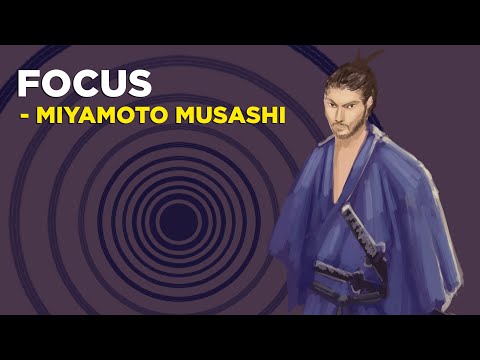
Miyamoto Musashi's Unyielding Focus: 7 Pillars of a Warrior's Mindset

The path of the warrior is not merely one of physical prowess, but of an ironclad mind. In the annals of martial history, few names resonate with the same electrifying intensity as Miyamoto Musashi. This legendary swordsman, a figure almost mythical in his prowess, was not just a master of the blade; he was a profound philosopher whose discipline transcended the dueling grounds to permeate every facet of his existence. His life, a testament to unwavering dedication, offers a profound blueprint for achieving mastery, not just in combat, but in life itself. This discourse will delve into the very essence of Musashi's wisdom, extracting seven core principles that forged his legendary focus. We will dissect these tenets not as abstract theories, but as actionable strategies for the modern practitioner striving for peak performance and mental fortitude. Are you truly ready to understand the mindset that separated a legend from the mere multitude?

Table of Contents

The Enigma of Miyamoto Musashi: More Than Just a Swordsman

Musashi was not born into privilege; he emerged from the crucible of constant conflict, participating in over sixty duels before the age of thirty, emerging victorious from each. His magnum opus, the *Dokkōdō* (The Way of Walking Alone), and his seminal work, *The Book of Five Rings* (*Go Rin No Sho*), are not merely treatises on swordsmanship. They are profound philosophical guides. His mastery over the *Niten Ichi-ryū* (Two Heavens as One style), a dual-wielding technique, is legendary. Yet, his true genius lay in his ability to distill the essence of combat and life into principles that resonate across centuries and disciplines. His pursuit of the "Way" (*Do*) was holistic, encompassing not just the physical clash but the mental, spiritual, and artistic dimensions. This is the foundation upon which his teachings of focus are built.

Pillar 1: Forge Your True North – The Quest for Passion

Musashi’s first decree is an absolute imperative: **Find your passion and commit to it with an unwavering spirit.** This is not a casual suggestion; it is the bedrock of all sustained effort. He understood that true dedication springs from a deep-seated resonance with one's chosen path. When your endeavor aligns with your soul's calling, the arduous climb becomes a compelling journey. This alignment fuels the relentless drive needed to overcome obstacles that would deter the uninspired. Consider the countless hours a martial artist dedicates to perfecting a single technique, be it a precise karate kata, a devastating judo throw, or the elusive BJJ grappling exchange. This devotion is not born from obligation, but from a profound love for the craft. This is the essence of finding your passion. It transforms grueling martial arts training from a chore into a calling.
"If you understand the Way of strategy, you can see the Way in all things."
— Miyamoto Musashi

Pillar 2: The Siren Song of Distraction – Renouncing Fleeting Pleasures

In an era saturated with instant gratification, Musashi’s admonition to **avoid short-term pleasures** is more potent than ever. He recognized these "pleasures" as insidious thieves of potential, luring individuals away from their loftier aspirations with the promise of fleeting comfort. These distractions, whether the ephemeral dopamine hit of social media or the immediate gratification of indulgence, create a psychological fog, obscuring long-term objectives. The disciplined warrior understands that true fulfillment lies not in momentary ease, but in the hard-won satisfaction of achieving meaningful goals. This requires the fortitude to say "no" to the immediate and to embrace the arduous path towards lasting reward. The modern warrior must cultivate this discernment, understanding that every moment spent chasing trivialities is a moment stolen from the pursuit of mastery.

Pillar 3: The Full Spectrum of Effort – No Half Measures

Musashi’s third pillar is a stark declaration: **Never undertake any task with half-hearted effort.** Mediocrity is the enemy of progress, and a half-committed spirit breeds a culture of indifference. He understood that the *quality* of our effort directly dictates the *outcome*. To engage with anything less than your full capacity is to invite failure, not through external forces, but through internal deficiency. This principle is fundamental to any rigorous training regimen. Whether you are practicing Kyokushin Karate drills, honing your kickboxing combinations, or performing conditioning exercises, the intensity and focus you bring to each repetition are paramount. This holistic application of effort builds not just skill, but character – a resolute commitment that bleeds into every aspect of your life.

Pillar 4: The Cleansing Fire – Releasing the Burden of Resentment

The warrior’s mind must be a clear battlefield, unburdened by the toxic weight of negativity. Musashi’s teaching to **let go of resentments and grudges** is crucial. Holding onto bitterness is akin to self-poisoning; it corrodes mental clarity, saps emotional energy, and actively hinders progress. These lingering resentments create internal conflict, distracting from the focused pursuit of objectives. True strength lies not in holding onto past grievances, but in the wisdom to learn from them and move forward. For the martial artist, this translates to shedding animosity towards rivals or past defeats. Instead, one must channel that energy into constructive training and self-improvement, allowing the pursuit of mastery to burn brighter than any lingering flame of anger.
"Grasping the sword, with a spirit of determination and courage, strike as though you were going to cut the enemy in two."
— Miyamoto Musashi

Pillar 5: The Unwritten Page – Embracing a Future Free of Regret

Musashi’s wisdom extends to our temporal perspective. He implored his followers to **not regret anything.** Regret is a backward-facing emotion, tethered to the past, that paralyzes forward momentum. It consumes valuable mental resources that should be directed towards present action and future planning. The lessons learned from past missteps are invaluable, but dwelling on them breeds stagnation. The disciplined mind, like the focused warrior, is always looking ahead. Past battles inform strategy, but they do not define the outcome of the next confrontation. By extracting lessons from experience without succumbing to regret, one cultivates resilience and a proactive mindset, essential for navigating the unpredictable currents of life and combat.

Pillar 6: The Chasm Between Desire and Purpose – Avoiding the Traps of Love and Lust

Musashi’s teachings also touch upon the potent distractions of primal urges. He advised to **not chase love or lust.** While human connection and desire are natural, their unchecked pursuit can derail the disciplined path. Chasing fleeting romantic or physical affections can divert focus from one’s primary goals, leading to wasted energy and emotional turmoil. The true warrior understands the difference between healthy connection and consuming obsession. Prioritizing one's chosen "Way," whether it be martial mastery, artistic creation, or philosophical inquiry, demands a clear focus that can be easily compromised by the erratic pursuit of passionate, yet potentially transient, desires. This doesn't advocate for asceticism, but for the prioritization of purpose over impulse.

Pillar 7: The River of Life – Accepting the Unforeseen

Finally, Musashi’s philosophy culminates in the acceptance of life's inherent unpredictability. He taught the importance of **accepting life as it happens.** Life is a dynamic, often chaotic, force. Our attempts to exert absolute control are often futile and lead to frustration. The truly resilient individual learns to adapt and flow with the currents of existence. For the martial artist, this translates to adaptability in combat. An opponent’s unexpected move, a change in the fight’s dynamics – these require a calm, accepting mind capable of immediate adjustment. Instead of resisting the unpredictable, the disciplined practitioner embraces it, finding strength in flexibility and resilience. This acceptance does not imply passivity, but rather a clear-eyed understanding of what is within our control and what is not, allowing us to focus our energy effectively.

Veredicto del Sensei: ¿La Sabiduría de Musashi Sigue Vigente?

The teachings of Miyamoto Musashi are not mere historical curiosities; they are timeless principles for cultivating an unshakeable focus. In a world clamoring for our attention with a thousand fleeting stimuli, his seven pillars offer a robust framework for mental discipline. Whether you are training in Aikido, honing your Judo skills, or engaging in intense MMA sparring, Musashi's wisdom provides the mental bedrock for true mastery. His principles are a stark reminder that the greatest battles are often fought within the confines of our own minds. This article does not just explain his teachings; it presents a direct challenge to adopt them. The wisdom of the "Way of Walking Alone" is a martial art in itself, demanding practice and unwavering commitment. Calificación: Cinturón Negro en Sabiduría Marcial.

Guía de Entrenamiento: Ejercicio de Visualización Musashi

This exercise is designed to internalize Musashi's principles, enhancing your focus and mental resilience.
  1. Preparation: Find a quiet space where you won't be disturbed. Sit or stand in a comfortable posture, perhaps a natural fighting stance or a meditative posture like Zazen. Close your eyes and take several deep, calming breaths. Visualize your target or goal with utmost clarity – a specific technique, a competition outcome, a personal project.
  2. Integrate Pillar 1 (Passion): Feel the deep-seated passion for this goal. Imagine yourself succeeding not because you have to, but because this is your chosen path, your "Way." See the joy and fulfillment it brings.
  3. Resist Distractions (Pillar 2): As you focus on your goal, imagine distractions appearing – tempting noises, intrusive thoughts, the allure of immediate gratification. Visualize yourself calmly acknowledging them and then letting them pass, like clouds in the sky, without engaging.
  4. Full Effort Visualization (Pillar 3): Envision yourself performing the actions required to achieve your goal with absolute dedication. See every movement, every thought, every effort executed with maximum intensity and precision. There is no room for laziness; only full commitment.
  5. Release Negativity (Pillar 4): If any feelings of past resentment or frustration arise, visualize them as dark smoke. Breathe them out and watch them dissipate, leaving your mind clear and unburdened.
  6. Future Focus (Pillar 5): Picture yourself looking towards the future, a blank page. Acknowledge any past mistakes as learning experiences, but consciously let go of regret. Your focus is entirely on the present action and the path ahead.
  7. Purpose Over Impulse (Pillar 6): Imagine fleeting desires (lust, immediate pleasure) as tempting paths branching off your main "Way." Acknowledge their existence but firmly commit to staying on your dedicated path, recognizing that true satisfaction comes from achieving your core purpose.
  8. Embrace the Flow (Pillar 7): Visualize the unpredictable nature of your journey. See unexpected challenges or changes arise. Instead of resisting, visualize yourself adapting gracefully, like water flowing around a rock, maintaining your core focus and adjusting your strategy.
  9. Completion: Hold the image of your focused, disciplined self achieving your goal. Take a few more deep breaths, feeling the power of this mental state. When you are ready, slowly open your eyes, bringing this heightened focus back into your physical reality.

Recursos para Profundizar en el Budo

To truly embody the principles of the warrior, access to the right knowledge and tools is crucial. Investing in your development is investing in yourself.
  • Essential Reading: For a deep dive into Musashi's philosophy, seek out translations of "The Book of Five Rings" and "The Dokkōdō." These texts are foundational for understanding his approach to strategy and life. Consider also delving into "The Hagakure" for insights into the samurai spirit.
  • Training Gear: While Musashi's focus was mental, proper training equipment enhances physical practice. For striking arts like Karate or Kickboxing, investing in quality boxing gloves and protective gear is paramount for safe and effective homeworkout sessions. For grappling arts such as Judo or BJJ, a durable judo gi is indispensable.
  • Mindfulness Tools: Incorporate meditation aids like comfortable meditation cushions or simply dedicate a quiet corner in your home for reflection. The key is consistency, not costly equipment.

Preguntas Frecuentes

  • Q: How did Musashi apply these principles to art and other fields?
    A: Musashi viewed strategy as a universal principle. His discipline in swordsmanship mirrored his approach to painting, calligraphy, and even gardening, emphasizing meticulous observation, decisiveness, and absolute commitment in all endeavors.
  • Q: Is Musashi's advice applicable to modern, non-combat professions?
    A: Absolutely. The principles of focus, dedication, avoiding distractions, and consistent effort are universally applicable to any profession or personal pursuit aiming for excellence.
  • Q: How can I start applying Musashi's teachings if I'm a complete beginner?
    A: Begin with one principle at a time. For instance, dedicate yourself to practicing one new skill (a physical technique, a piece of knowledge) with full effort daily for a week. Observe your internal state and results.
  • Q: What is the significance of "The Way of Walking Alone"?
    A: It signifies self-reliance, independent thought, and the pursuit of mastery without external validation or adherence to conventional paths. It's about forging your unique journey.

Para Profundizar en tu Camino

Reflexión del Sensei: Tu Próximo Paso

Musashi spent his life honing his "Way." He did not achieve mastery by dabbling, but by diving headfirst into the deep waters of his chosen path. Now, consider this: What is *your* "Way"? And more critically, are you approaching it with the same ferocity of focus that Miyamoto Musashi brought to the battlefield of his life? Or are you allowing the siren songs of distraction and half-hearted effort to dilute your potential? The choice, as always, rests with you. Prove your commitment. ```json { "@context": "https://schema.org", "@type": "FAQPage", "mainEntity": [ { "@type": "Question", "name": "How did Musashi apply these principles to art and other fields?", "acceptedAnswer": { "@type": "Answer", "text": "Musashi viewed strategy as a universal principle. His discipline in swordsmanship mirrored his approach to painting, calligraphy, and even gardening, emphasizing meticulous observation, decisiveness, and absolute commitment in all endeavors." } }, { "@type": "Question", "name": "Is Musashi's advice applicable to modern, non-combat professions?", "acceptedAnswer": { "@type": "Answer", "text": "Absolutely. The principles of focus, dedication, avoiding distractions, and consistent effort are universally applicable to any profession or personal pursuit aiming for excellence." } }, { "@type": "Question", "name": "How can I start applying Musashi's teachings if I'm a complete beginner?", "acceptedAnswer": { "@type": "Answer", "text": "Begin with one principle at a time. For instance, dedicate yourself to practicing one new skill (a physical technique, a piece of knowledge) with full effort daily for a week. Observe your internal state and results." } }, { "@type": "Question", "name": "What is the significance of \"The Way of Walking Alone\"?", "acceptedAnswer": { "@type": "Answer", "text": "It signifies self-reliance, independent thought, and the pursuit of mastery without external validation or adherence to conventional paths. It's about forging your unique journey." } } ] }