Showing posts sorted by date for query Jon-Jones. Sort by relevance Show all posts

Budo's True Warriors: 6 Undeniable Signs You're More Than Just a Fighter

Martial arts. The very word evokes images of disciplined warriors, breathtaking techniques, and ancient traditions. For centuries, disciplines like Karate, Taekwondo, Judo, and Jiu-Jitsu have shaped not just bodies, but spirits across the globe. Yet, in the crucible of combat and competition, a critical distinction emerges: the difference between a mere 'fighter' and a 'true martial artist'. The latter transcends the physical exchange, embodying the profound principles of Budo – a way of life, a path of constant self-cultivation. Are you just engaging in combat, or are you truly walking the path? Let us examine the signs, the undeniable hallmarks, that separate the skilled combatant from the authentic martial artist.

The Unseen Strength: Humility

Many enter the martial world driven by ego, a desire to prove their superiority. This is the mark of a fighter. A true martial artist, however, carries their victories with quiet grace and their defeats with profound reflection. Humility is not weakness; it is the bedrock upon which true mastery is built. Such individuals harbor a deep respect for their training partners and opponents, understanding that each encounter is an opportunity to learn and refine. They recognize that the journey of martial arts is a lifelong pursuit, an endless horizon of self-improvement. They know that every Black Belt started as a white belt, and that even the most accomplished master has more to discover. This internal acknowledgment prevents arrogance and fosters continuous growth.

"Mastering others is strength. Mastering yourself is true power." - Lao Tzu

Think about your last sparring session. Did you focus on dominating, or on understanding your opponent's movements and your own reactions? The answer reveals much.

Master of the Self: Self-Control

The heat of a fierce exchange, the adrenaline surge, the frustration of a missed technique – these are the moments that test the mettle of any combatant. A fighter might lash out, become reckless, or crumble under pressure. A true martial artist, however, possesses formidable self-control. Their discipline extends beyond the dojo walls; it is an intrinsic part of their being. They understand that raw emotion is a chaotic force that clouds judgment and leads to critical errors. By mastering their emotions, they maintain clarity, precision, and strategic thinking, even when pushed to their limits. This mastery allows them to respond rather than react, to choose the most effective course of action rather than being swept away by impulse.

Consider the famed discipline of Kyokushin Karate. Its practitioners are trained to endure immense physical and mental pressure, not by succumbing to pain, but by harnessing their inner fortitude. This is self-control in action.

The Sacred Fire: Respect for the Art

Fighters often view martial arts solely as a means to an end – victory, self-defense, or physical conditioning. A true martial artist, however, views their chosen discipline as something sacred. They delve into its origins, study its history, understand its cultural context, and honor its traditions. This deep appreciation for the art itself transforms practice from mere repetition into a ritual of reverence. They understand that the techniques and philosophies passed down through generations are not arbitrary; they are the distilled wisdom of countless practitioners who faced similar challenges. This respect fuels their dedication and ensures they preserve and transmit the essence of the art, not just its physical manifestations.

Are you merely learning moves, or are you seeking to understand the lineage and philosophy behind them? A quick search for the history of Aikido or the development of Karate can offer profound insights into this respect.

Body and Mind: The Dual Pursuit of Fitness

Physical prowess is undoubtedly crucial in any martial pursuit. A fighter understands the necessity of a strong physique. But a true martial artist recognizes that their body is merely the vessel for their art; it must be both a powerful weapon and a finely tuned instrument. This requires holistic physical and mental fitness. They engage in rigorous training not just to build muscle or endurance, but to enhance coordination, agility, speed, and resilience. Simultaneously, they cultivate their mental faculties – sharpening focus, improving strategic thinking, and building mental toughness. This dual pursuit ensures they are not only capable of delivering powerful strikes or executing complex techniques but are also mentally prepared to adapt, strategize, and overcome any obstacle.

This integrated approach mirrors the philosophy behind many Budo disciplines, where the mind and body are seen as interconnected pathways to mastery.

The Unyielding Spirit: Perseverance

The path of the martial artist is rarely smooth. There will be plateaus, injuries, setbacks, and moments of doubt. A fighter might quit when faced with overwhelming adversity. A true martial artist embodies perseverance. They understand that struggle is not an endpoint but a catalyst for growth. They greet challenges not with despair, but with determination. Each failed attempt, each painful defeat, becomes a lesson learned, a stepping stone towards eventual success. This resilience, this refusal to surrender, is a testament to their inner strength and their unwavering commitment to the journey. They understand that true mastery is forged in the fires of hardship.

Think of the legendary careers of fighters like Jon Jones or Cyril Gane; their resilience in the face of intense pressure and competition is a prime example of this principle.

The Warrior's Heart: Kindness and Compassion

Perhaps the most profound differentiator: a fighter might wield their skills for dominance or personal gain. A true martial artist, however, understands that power comes with responsibility. They possess a heart of kindness and compassion. Their skills are honed not for wanton aggression, but for the protection of others and the betterment of the world. They use their abilities judiciously, never seeking to inflict unnecessary harm. They embody the principle that true strength lies not in the ability to destroy, but in the capacity to protect and uplift. This ethical compass guides their actions both inside and outside the dojo, making them not just skilled practitioners, but positive forces in society.

"The object of the do is to seek perfection of character." - Jigoro Kano

This sentiment is echoed across many martial traditions, emphasizing that the ultimate goal of training is personal development and service to others.

Gear Up for Your Journey

To truly embody the principles of Budo, the right equipment can be an invaluable ally. Whether you are honing your striking power, refining your grappling, or maintaining your physical and mental conditioning, quality gear makes a difference. Consider investing in:

  • Durable Uniforms (Gi/Kimono): Essential for traditional arts like Judo and Karate. Look for materials that can withstand rigorous training, such as a double-weave Judo gi or a sturdy Karate gi.
  • Protective Sparring Gear: For arts involving full contact, investing in high-quality MMA gloves, headgear, and shin guards is paramount for safe and effective training.
  • Training Equipment: A good quality punching bag or a makiwara can significantly improve your striking power and technique at home.
  • Comfortable Training Apparel: For conditioning or arts that require more freedom of movement, comfortable and breathable training shorts and t-shirts are a must.

At BYAM Budo y Artes Marciales, we understand the importance of quality gear. Explore our extensive collection of uniforms, protective equipment, and training accessories designed to support your journey towards martial arts mastery.

Frequently Asked Questions

What is Budo?

Budo, literally meaning "martial way," refers to the philosophies and practices of Japanese martial arts that focus on self-cultivation, discipline, and spiritual development, beyond mere combat effectiveness. It's a way of life.

Is there a difference between a fighter and a martial artist?

Yes, significantly. A fighter primarily focuses on winning combat encounters. A true martial artist integrates the physical skills with ethical principles, self-discipline, humility, and continuous personal growth, viewing their art as a path to self-perfection.

Can anyone become a true martial artist?

Absolutely. While talent can play a role, the core of being a true martial artist lies in the consistent application of principles like humility, self-control, respect, perseverance, and compassion. It's a journey available to anyone dedicated to the path.

How important is physical fitness in Budo?

Extremely important, but it's only half the equation. Budo emphasizes both physical conditioning (strength, speed, endurance, agility) and mental conditioning (focus, strategy, emotional control, resilience). One without the other is incomplete.

Can martial arts principles be applied outside of training?

Indeed. The principles of Budo – discipline, respect, perseverance, humility – are designed to be integrated into all aspects of life, leading to personal growth and a more positive impact on the world.

For Deeper Exploration on Your Path

Reflexion del Sensei: Your Next Step

We've examined the qualities that elevate a practitioner from a mere combatant to a true martial artist. Now, look inward. Are you merely going through the motions, or are you striving for genuine embodiment? If you recognize yourself in these signs, how can you further cultivate them in your daily life, both on and off the mat? If you see the fighter, what specific, actionable steps can you take starting *today* to nurture the seeds of Budo within you?

``` ```json { "@context": "https://schema.org", "@type": "FAQPage", "mainEntity": [ { "@type": "Question", "name": "What is Budo?", "acceptedAnswer": { "@type": "Answer", "text": "Budo, literally meaning \"martial way,\" refers to the philosophies and practices of Japanese martial arts that focus on self-cultivation, discipline, and spiritual development, beyond mere combat effectiveness. It's a way of life." } }, { "@type": "Question", "name": "Is there a difference between a fighter and a martial artist?", "acceptedAnswer": { "@type": "Answer", "text": "Yes, significantly. A fighter primarily focuses on winning combat encounters. A true martial artist integrates the physical skills with ethical principles, self-discipline, humility, and continuous personal growth, viewing their art as a path to self-perfection." } }, { "@type": "Question", "name": "Can anyone become a true martial artist?", "acceptedAnswer": { "@type": "Answer", "text": "Absolutely. While talent can play a role, the core of being a true martial artist lies in the consistent application of principles like humility, self-control, respect, perseverance, and compassion. It's a journey available to anyone dedicated to the path." } }, { "@type": "Question", "name": "How important is physical fitness in Budo?", "acceptedAnswer": { "@type": "Answer", "text": "Extremely important, but it's only half the equation. Budo emphasizes both physical conditioning (strength, speed, endurance, agility) and mental conditioning (focus, strategy, emotional control, resilience). One without the other is incomplete." } }, { "@type": "Question", "name": "Can martial arts principles be applied outside of training?", "acceptedAnswer": { "@type": "Answer", "text": "Indeed. The principles of Budo – discipline, respect, perseverance, humility – are designed to be integrated into all aspects of life, leading to personal growth and a more positive impact on the world." } } ] }
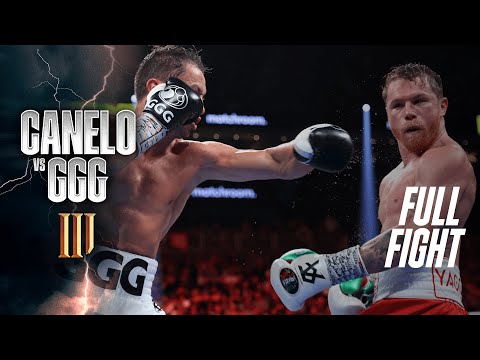
FULL FIGHT ANALYSIS: Canelo vs. GGG III - A Masterclass or a Missed Opportunity?

The sweet science. Boxing. For millennia, humanity has found a primal, captivating rhythm in the clash of fists, a testament to skill, heart, and sheer will. It’s a dance of strategy and power, where every feint, every jab, every uppercut tells a story of dedication and pain. But in the modern arena, amidst the glitz and the hype, how often do we witness true martial artistry, a genuine test of the warrior's spirit? Too often, the spectacle overshadows the substance.

Enter Saúl 'Canelo' Álvarez and Gennadiy 'GGG' Golovkin. Their saga is more than just a rivalry; it's a narrative woven into the fabric of contemporary boxing, a chapter that fans have devoured, debated, and desperately craved more of. Their first two encounters were seismic events, etched in controversy and leaving an insatiable thirst for a definitive conclusion. Today, we dissect their third dance, not just as a boxing match, but as a potential lesson in the enduring principles of combat. Was it a final, masterful demonstration of Budo principles, or a poignant reminder of how the game can sometimes betray the art?

The History: A Trilogy Forged in Controversy

The saga began on September 16, 2017. The air crackled with anticipation. Canelo Álvarez, the Mexican phenom, met Gennadiy Golovkin, the "Triple G" terror from Kazakhstan. This wasn't just a fight; it was a clash of titans, a stylistic chess match played at a furious pace. The bout, a brutal, back-and-forth war, ended in a split draw.

A draw? For many, it felt like an injustice. Spectators, pundits, and fellow martial artists scrutinized the scorecards, many convinced Golovkin had done enough to secure victory. The visceral impact of Golovkin's power shots, the relentless pressure he applied, seemed to eclipse Canelo's more tactical, albeit potent, counter-punching. This controversial outcome, rather than satiating the fanbase, ignited a bonfire of demand for a rematch. It highlighted a recurring theme in combat sports: the subjective nature of judging and the enduring power of raw aggression versus calculated defense. This is a debate that echoes through countless martial disciplines, from the striking arts of Karate to the intricate throws of Judo.

The Rematch: Canelo's Ascent, GGG's Stride

One year later, on September 15, 2018, the stage was set for redemption. The anticipation was even greater, the stakes higher. The rematch delivered another high-octane affair, a testament to both fighters' grit and skill. This time, the narrative shifted. Canelo, adapting and growing, clinched a majority decision victory.

Yet, even in victory, the controversy lingered. Arguments persisted that Golovkin's consistent output and powerful blows warranted a different result. It’s a familiar dilemma: does the cleaner, more technically precise fighter win, or the one who imposes his will and lands the heavier blows? This dance between technical merit and overwhelming force is a core philosophical question in martial arts. How does one truly measure victory when both participants display such profound mastery and warrior spirit? The debates raged on, ensuring that the desire for a final, unambiguous chapter remained.

Canelo vs. GGG III: The Anticipation and the Reality

The boxing world held its breath. A potential third fight between these two warriors was the stuff of dreams for fight fans. Both fighters, acknowledging their storied history, expressed openness to a rubber match. Canelo, by then firmly established as the undisputed king of the super-middleweight division, saw it as a chance to definitively close the book on his greatest rival. Golovkin, older but no less dangerous, viewed it as his final opportunity to reclaim his perceived throne and etch his name in boxing immortality against the man who had twice denied him undisputed victory.

On September 17, 2022, it finally happened. The trilogy was complete. But this time, the story felt different. Canelo, despite a hand injury he sustained early in the fight, controlled the bout with calculated aggression. His defense was tighter, his counter-punches sharp, and his ring generalship masterful. Golovkin, while still possessing his signature power and a warrior's heart, struggled to impose his will against a more seasoned and defensively astute Canelo. The unanimous decision for Álvarez was clear, decisive, and largely uncontroversial. The debate this time wasn't about who won, but rather about the aged warrior facing his prime.

Style vs. Substance: A Martial Perspective

From a martial artist's perspective, the Canelo-Golovkin rivalry offers a rich tapestry of contrasting philosophies. Canelo embodies the astute counter-puncher, a master of timing, distance, and calculated risk. His style is reminiscent of a skilled swordsman, waiting for the opponent's opening to deliver a decisive, precise strike. He understands the importance of defense not just as a means of avoiding damage, but as a platform for offense. This echoes principles found in **Tai Chi**, where yielding and redirecting an opponent's force is paramount.

Golovkin, on the other hand, is the embodiment of relentless pressure and concussive power. His "Triple G" moniker isn't just for show; his punches carry the weight of a sledgehammer. He represents the direct, overwhelming force, a style that demands unwavering commitment and a chin of granite. This approach shares similarities with the powerful, forward-moving strategies seen in some styles of **Kyokushin Karate** or the unyielding advance of a **Sumo** wrestler.

The third fight showcased Canelo’s evolution. He demonstrated that while power is a formidable weapon, the strategic application of skills – defense, timing, and adapting to an opponent's weaknesses – can overcome sheer aggression, especially as a fighter ages. It's a lesson that transcends boxing, a principle observed across numerous disciplines, from the fluid movements of **Aikido** to the strategic positioning in **Judo**.

"The supreme art of war is to subdue the enemy without fighting." - Sun Tzu, The Art of War. While Canelo didn't win without a fight, his strategic control in the third bout demonstrated a masterful subduing of GGG's strengths.

Beyond the Trilogy: The Ever-Evolving World of Combat

While the Canelo-Golovkin saga captured the boxing world's imagination, it’s crucial to remember that the landscape of combat sports is vast and ever-changing. Exciting matchups are constantly brewing across various disciplines. Consider the heavyweight boxing clashes, such as the highly anticipated bouts featuring **Tyson Fury** and **Deontay Wilder**, each bringing a unique blend of power and personality to the ring. These fights remind us that raw power and the "knockout punch" remain a thrilling, albeit unpredictable, element in combat.

The rise of **Mixed Martial Arts (MMA)**, with its fusion of striking, grappling, and submission arts, has further broadened the definition of a complete fighter. Athletes like **Jon Jones** and **Cyril Gane** showcase incredible versatility, blending techniques from **Muay Thai**, **Brazilian Jiu-Jitsu (BJJ)**, **Wrestling**, and **Karate** into a formidable arsenal. This cross-disciplinary approach mirrors the ancient martial philosophies that encouraged the study of multiple weapons and fighting styles to achieve true mastery. The ability to seamlessly transition between striking and grappling, as seen in fights at **UFC** events, demonstrates a holistic understanding of combat that few single-discipline fighters can match.

Equipo Esencial para tu Entrenamiento

For aspiring boxers and martial artists seeking to emulate the dedication and skill displayed by Canelo and Golovkin, proper training equipment is paramount. Investing in the right gear not only enhances performance but also significantly reduces the risk of injury. Here’s a foundational list:

  • Guantes de Boxeo/MMA (14-16oz): Essential for sparring and heavy bag work to protect your hands and wrists.
  • Vendas para Manos: Crucial for added wrist and knuckle support during intense training sessions.
  • Protector Bucal: Non-negotiable for any form of sparring or competitive fighting to protect your teeth and jaw.
  • Protector de Ingle: Vital for protecting sensitive areas during sparring.
  • Kimono (Judo/BJJ): For grappling-focused disciplines, a durable gi is essential for practicing throws and groundwork. Look for high-quality, double-weave fabrics for longevity.
  • Cuerda de Saltar: An indispensable tool for improving footwork, coordination, and cardiovascular endurance – a staple for any fighter’s conditioning.
  • Saco de Boxeo o Pera Loca: For developing power, speed, and accuracy in striking.
  • Rodilleras y Coderas: Useful for conditioning drills and protecting against impact during certain training exercises.

Whether you're training in boxing, **Judo**, **Karate**, or **BJJ**, the right equipment is an investment in your journey. Consider exploring specialized **Karate Merchandise** or **MMA Gear** from reputable brands to ensure quality and durability.

Guía de Entrenamiento: El "Golovkin Jab" y la "Canelo Counter"

Let's break down two fundamental elements that defined the early exchanges between these titans. While complex strategies are involved, understanding these core concepts can elevate your own training.

  1. El Jab de Golovkin (La Presión Constante):
    • Posición: Mantén una guardia sólida, pies bien plantados, ligeramente separados, rodillas flexionadas.
    • El Movimiento: Extiende tu brazo de lanzar (generalmente el izquierdo para un diestro) rápidamente, girando ligeramente la muñeca al contacto para maximizar el impacto. Tu cuerpo debe transferir peso hacia adelante de manera sutil.
    • El Propósito: No es solo un golpe de alcance; es para medir distancia, mantener al oponente a raya, interrumpir su ritmo y preparar golpes más potentes. GGG lo usaba implacablemente para dictar el espacio.
    • Entrenamiento: Practica miles de jabs contra un saco pesado, enfocándote en la velocidad, la extensión completa y la rápida retracción a la guardia. Visualiza a tu oponente y golpea puntos específicos.
  2. La Contra de Canelo (El Golpe Preciso en el Momento Justo):
    • Posición: Similar a la guardia de boxeo, pero con una mayor flexibilidad y movilidad en la parte superior del cuerpo.
    • El Movimiento: Permite que el oponente lance su golpe (ej. un jab o un recto). En el instante en que su puño sale, usa tu guardia para bloquear, desviar, o incluso deslizarte ligeramente, y contraataca con un golpe potente (un gancho o un recto) a un punto vulnerable. La clave es la sincronización perfecta.
    • El Propósito: Capitalizar el error del oponente, castigar su ofensiva y tomar el control de la pelea. Canelo es un maestro en encontrar la brecha y golpear con autoridad.
    • Entrenamiento: El *sparring* es crucial aquí. Trabaja con un compañero que entienda el concepto de lanzar golpes específicos. Practica el bloqueo/desvío y contraataque simultáneamente. Usa el "espejo" (golpear solo cuando el compañero golpea) para refinar el tiempo.

Dominar estos elementos requiere innumerables horas de práctica dedicada, la filosofía de perseverancia y la disciplina que son pilares de las **Artes Marciales Mixtas (MMA)** y del **Budo** en general.

"The difference between a novice and a master is not that the master never makes mistakes, but that the master learns from every mistake. The master has failed more times than the novice has even tried." - Bruce Lee. This philosophy underpins the entire journey of martial arts mastery.

Veredicto del Sensei: ¿Merece la pena?

The Canelo vs. Golovkin trilogy is a landmark achievement in modern boxing. While the first two fights were marred by controversial decisions, they showcased an incredible rivalry between two supremely talented warriors. The third fight, though perhaps lacking the same level of back-and-forth drama, provided a definitive conclusion and a masterclass in boxing strategy from Canelo Álvarez. From a martial perspective, it served as a powerful reminder that while raw power and aggression are potent forces, the disciplined application of skill, timing, and strategic defense often prevails, especially in the twilight of a legendary career.

Calificación del Sensei: Cinturón Negro en Rivalidad, Maestro en Estrategia.

Preguntas Frecuentes

  • ¿Por qué fue tan controvertida la primera pelea entre Canelo y Golovkin?
    La controversia se debió principalmente a las tarjetas de los jueces. Muchos observadores creían que Golovkin había ganado claramente, pero la pelea terminó en un empate dividido, lo que dejó a muchos sintiendo que se le robó la victoria.
  • ¿Fue la tercera pelea tan emocionante como las dos primeras?
    Si bien la tercera pelea fue estratégicamente fascinante y demostró la maestría de Canelo, muchos fanáticos la encontraron menos emocionante que las dos primeras, que fueron batallas más reñidas y llenas de acción impredecible.
  • ¿Qué aprendemos de la técnica de ambos peleadores desde una perspectiva marcial?
    Canelo demuestra la importancia de la defensa, el tiempo y el contraataque preciso, similar a las tácticas de algunos estilos de Karate y Judo. Golovkin representa la fuerza bruta, la presión implacable y la búsqueda del nocaut, un enfoque visto en disciplinas como el Kyokushin Karate. La trilogía ilustra cómo diferentes filosofías marciales pueden coexistir y competir en el mismo ring.
  • ¿Es probable que haya una cuarta pelea entre Canelo y Golovkin?
    Dada la edad de Golovkin y la dominante victoria de Canelo en la tercera pelea, una cuarta contienda parece muy improbable. Canelo ha indicado que desea continuar consolidando su legado en otras divisiones, mientras que GGG podría estar considerando el final de su carrera.

Para Profundizar en tu Camino

Reflexión del Sensei: Tu Próximo Paso

The roar of the crowd, the sweat, the exhaustion, the controversy, and ultimately, the definitive victory. This trilogy offered more than just punches; it offered lessons. Canelo's strategic adaptation and Golovkin's unyielding spirit are echoes of timeless martial principles. But now, I ask you:

When the final bell rings in your own life's battles, will you be remembered for your raw power, or for the wisdom and adaptability with which you navigated the storm? How will *you* write the final chapter of your own saga?

``` ```json { "@context": "https://schema.org", "@type": "FAQPage", "mainEntity": [ { "@type": "Question", "name": "Why was the first fight between Canelo and Golovkin so controversial?", "acceptedAnswer": { "@type": "Answer", "text": "The controversy stemmed from the judges' scorecards. Many observers believed Golovkin had clearly won, but the fight ended in a split draw, leaving many feeling he was robbed of a victory." } }, { "@type": "Question", "name": "Was the third fight as exciting as the first two?", "acceptedAnswer": { "@type": "Answer", "text": "While strategically fascinating and showcasing Canelo's mastery, many fans found the third fight less exciting than the first two, which were closer, more unpredictable battles." } }, { "@type": "Question", "name": "What can we learn from both fighters' techniques from a martial perspective?", "acceptedAnswer": { "@type": "Answer", "text": "Canelo demonstrates the importance of defense, timing, and precise counter-punching, akin to strategies in Karate and Judo. Golovkin embodies raw power, relentless pressure, and the pursuit of a knockout, a style seen in disciplines like Kyokushin Karate. The trilogy illustrates how different martial philosophies can compete effectively." } }, { "@type": "Question", "name": "Is a fourth fight between Canelo and Golovkin likely?", "acceptedAnswer": { "@type": "Answer", "text": "Given Golovkin's age and Canelo's dominant performance in the third fight, a fourth bout seems highly improbable. Canelo aims to solidify his legacy in other divisions, while GGG may be considering retirement." } } ] }

Jon Jones: Un Análisis Marcial de la Dominancia y la Controversia

¿Qué define a un "ganador" en las artes marciales? ¿Es la acumulación de cinturones y trofeos, o es la resonancia de un espíritu indomable que trasciende la victoria superficial? En el crisol del arte marcial, la leyenda de Jon Jones se alza, no solo por sus innumerables triunfos en el octágono, sino por la compleja amalgama de destreza técnica, intelecto estratégico y la sombra persistente de la controversia que lo acompaña. Hoy, como Sensei y crítico del combate, desentrañaremos los hilos que tejen esta figura polarizante del MMA, examinando su ascenso, sus reinados y las lecciones que su carrera ofrece a todo aquel que transita el camino del guerrero.

Tabla de Contenidos

Los Primeros Pasos: Sembrando las Semillas de la Dominancia

La trayectoria de Jon Jones en las artes marciales mixtas comenzó en 2008, un lienzo en blanco esperando ser pintado con la audacia y la habilidad que lo caracterizarían. Antes de que su nombre resonara en los estadios de la UFC, Jones demostró un potencial crudo en promociones regionales. Su firma con la UFC en 2009 no fue un mero trámite, sino la apertura de un portal hacia la élite del combate. Incluso con una experiencia limitada en el circuito profesional, su adaptabilidad y su visión de combate —una mezcla poco ortodoxa de golpeo impredecible y grappling aplastante— le permitieron escalar rápidamente. El joven contendiente no solo demostró talento, sino una inteligencia marcial innata, descifrando oponentes con una facilidad desconcertante. Para 2011, ya estaba listo para desafiar por el cetro de la división semipesada contra Mauricio "Shogun" Rua.

Coronación y Defensa: El Rey de los Semipesados

El primer reinado de Jon Jones como campeón semipesado de la UFC es un capítulo que resuena en la historia del deporte. No fue simplemente una victoria; fue una demostración de supremacía. Defendió su título contra titanes de la división, nombres como Rashad Evans, Vitor Belfort y Chael Sonnen. Cada combate era un examen de su dominio, y Jones lo superaba con una calma inquietante. Su estilo, una amalgama de fuerza física, velocidad sorprendente y una técnica depurada, lo convertía en un adversario casi imposible de descifrar. Sus codos voladores, sus patadas giratorias y su capacidad para controlar el combate en el suelo establecieron un nuevo estándar de excelencia.
"La victoria no se trata de vencer a los demás, sino de superarse a uno mismo." - Un principio que parece resonar en la mentalidad de Jones, al menos en su apogeo.

El Desafío Gustafsson: Una Batalla por el Alma del Campeón

Sin embargo, ninguna leyenda se forja sin enfrentar pruebas de fuego. El enfrentamiento contra Alexander Gustafsson en UFC 165 fue más que una defensa de título; fue un espejo que reflejó las profundidades del coraje y la resistencia de Jones. Gustafsson, con su boxeo fluido y su alcance, empujó a Jones a sus límites, despojándolo de su invencibilidad percibida y forzándolo a una guerra visceral. Jones salió victorioso, pero la batalla fue tan reñida y agotadora que la llamada a una revancha inmediata se hizo sentir con fuerza. Este combate no solo demostró la tenacidad de Jones, sino que también humanizó al campeón, revelando que incluso los más grandes pueden ser llevados al borde.

Las Sombras y el Regreso: Un Campeón a Prueba de Balas

El segundo reinado de Jones como campeón semipesado intensificó su aura de invencibilidad, con victorias sobre Daniel Cormier, Anthony Johnson y Glover Teixeira que parecían confirmar su estatus de imparable. Pero el destino, a menudo cruel en el mundo de las artes marciales, intervino. En 2015, su reinado llegó a un abrupto y polémico final. La gravedad de sus acciones fuera del octágono, incluyendo un incidente de atropello y fuga, resultó en la desposesión de su título y una suspensión indefinida.
Su regreso en 2016 estuvo marcado por una sombra de controversia. Tras asegurar un título interino contra Ovince Saint Preux, una revancha esperada contra Daniel Cormier en UFC 200 se desmoronó días antes del evento debido a un positivo por sustancias prohibidas. A pesar de estos reveses, la resiliencia de Jones es innegable. Recuperó el título contra Cormier en UFC 214, solo para ser despojado nuevamente tras otro positivo por rendimiento. Esta dualidad —su genio en el combate frente a sus tropiezos personales— define una parte crucial de su narrativa.

Ascenso a la Cima: El Desafío del Peso Pesado

En 2021, un nuevo capítulo se abrió con el anuncio del ascenso de Jon Jones a la división de peso pesado. Esta transición era esperada por muchos, una señal de que el "rey semipesado" buscaba nuevos horizontes y desafíos que pusieran a prueba aún más su legendaria habilidad. La anticipación rodea su debut en esta categoría, donde su tamaño, fuerza y un arsenal técnico ya probado sugieren la posibilidad de un dominio similar. La visión de Jones convirtiéndose en el primer peleador en ostentar títulos en múltiples divisiones de UFC es un poderoso incentivo que electrifica a la comunidad de las MMA.

La Filosofía Oculta de Jon Jones

Más allá de las técnicas específicas, la esencia de Jon Jones como artista marcial reside en su adaptabilidad y su capacidad para analizar y contrarrestar a sus oponentes en tiempo real. No es un peleador que se aferre rígidamente a un solo estilo; es un camaleón táctico. Su uso del codo y la rodilla en clinch, su agresividad en el grappling y su alcance efectivo de golpeo, todo se combina para crear un enigma difícil de resolver para sus adversarios. La clave de su éxito no reside solo en el poder físico, sino en su capacidad para cambiar el ritmo, mezclar niveles y explotar las debilidades. Esto es un reflejo de la máxima del BUDO: la adaptabilidad es la verdadera fuerza.
"El arte de la guerra es de vital importancia para el Estado. Es una cuestión de vida o muerte, un camino hacia la supervivencia o la destrucción. Por lo tanto, debe ser estudiado a fondo." - Sun Tzu. Si bien Jones opera en un escenario moderno, esta antigua sabiduría sobre la importancia del estudio y la estrategia es fundamental para su éxito.

Lecciones Prácticas para el Budoka Moderno

El camino de Jon Jones ofrece valiosas lecciones para cualquier practicante de artes marciales, independientemente de su disciplina:
  1. Adaptabilidad Estratégica: No te cases con un solo estilo. Aprende a mezclar y combinar técnicas de diferentes disciplinas (como se ve en su MMA) para crear un repertorio más completo y efectivo.
  2. Inteligencia de Combate: Observa a tus oponentes. Identifica sus patrones, sus puntos débiles y explótalos. El combate es tanto mental como físico.
  3. Dominio de Múltiples Distancias: Un gran artista marcial es competente en el striking de larga y media distancia, así como en el grappling y el combate cuerpo a cuerpo. Practica la transición fluida entre estas fases.
  4. Resiliencia Mental: Las derrotas y las controversias son inevitables. La verdadera fortaleza reside en la capacidad de aprender de los errores, levantarse y seguir adelante con determinación.
  5. Visión a Largo Plazo: Busca siempre el siguiente desafío, el crecimiento continuo. Jones, al moverse a peso pesado, demuestra que la complacencia es el primer paso hacia la decadencia.

Equipo Esencial para tu Entrenamiento

Para aquellos inspirados por la dedicación y la búsqueda de la maestría de figuras como Jon Jones, el equipo adecuado es un componente crucial. Si bien las artes marciales mixtas son un deporte complejo, ciertos elementos básicos son indispensables para un entrenamiento seguro y efectivo, ya sea en un gimnasio especializado o en tu propio espacio. Para empezar a simular algunos de los fundamentos del combate y el entrenamiento físico, considera lo siguiente:
  • Guantes de Entrenamiento (16oz): Fundamentales para el sparring, protegen tus manos y las de tu compañero. Busca marcas reconocidas por su durabilidad y soporte.
  • Protector Bucal: Indispensable para cualquier tipo de sparring o combate para prevenir lesiones dentales y mandibulares.
  • Espinilleras: Esenciales para la práctica de pateo, protegen tus tibias de golpes y abrasiones.
  • Kimono/Gi (para Judo o BJJ): Si tu camino marcial incluye disciplinas de agarre como el Judo o el Brazilian Jiu-Jitsu, un kimono de buena calidad es una inversión fundamental. Busca tejidos resistentes como el doble tejido para mayor durabilidad.
  • Saco de Boxeo o Pera de Velocidad: Para refinar tu técnica de golpeo y desarrollar potencia y resistencia.
  • Esterilla de Entrenamiento: Si entrenas en casa, una esterilla proporciona amortiguación para ejercicios de suelo, caídas y estiramientos.
Estos elementos, aunque básicos, son la base sobre la cual se construyen las habilidades marciales. Busca siempre equipo que cumpla con los estándares de seguridad y que esté diseñado para la disciplina que practicas.

Veredicto del Sensei: ¿El Mejor de Todos los Tiempos?

Jon Jones es, sin lugar a dudas, un prodigio del combate, un artista marcial de una habilidad y una inteligencia táctica excepcionales. Su dominio en la división semipesada es un testimonio de su genio deportivo. Sin embargo, la etiqueta de "el mejor de todos los tiempos" (GOAT) es un título que exige una consideración profunda. La presencia de controversias significativas, incluidas las violaciones antidopaje, inevitablemente empaña su legado deportivo para muchos. En el camino marcial, la integridad y el espíritu de lucha limpio son tan importantes como la victoria en sí. Desde una perspectiva puramente técnica y competitiva, su argumento es robusto. Pero como maestro, debo enfatizar que la verdadera grandeza en las artes marciales se mide no solo por los títulos, sino por el carácter, la disciplina y el respeto que se demuestra, dentro y fuera del combate. Jon Jones representa una lección compleja: la brillantez puede coexistir con profundas fallas. Es un campeón, sí, pero su historia nos recuerda que el camino del guerrero es un aprendizaje constante, una batalla contra los oponentes externos y, quizás lo más importante, contra uno mismo. Le doy un **Cinturón Negro en Destreza Táctica, pero una Advertencia de Bandera Roja en Integridad**.

Preguntas Frecuentes

  • ¿Por qué se considera a Jon Jones uno de los mejores luchadores de MMA? Su dominio prolongado en la división semipesada de la UFC, con múltiples defensas de título contra oponentes de élite y un récord impresionante, lo posicionan como uno de los contendientes más fuertes para el título de GOAT en MMA.
  • ¿Cuáles fueron las principales controversias que rodearon a Jon Jones? Las controversias más notables incluyen violaciones de las políticas antidopaje de la UFC, incidentes de atropello y fuga, y altercados públicos, que llevaron a la desposesión de títulos y suspensiones.
  • ¿Podrá Jon Jones tener éxito en la división de peso pesado? Dada su habilidad probada, tamaño y experiencia, muchos analistas creen que Jones tiene el potencial de ser un contendiente importante en la división de peso pesado, buscando quizás unificar títulos.
  • ¿Qué lecciones se pueden aprender del estilo de lucha de Jon Jones? Su estilo enfatiza la adaptabilidad, el uso inteligente del alcance, la combinación de golpeo y grappling, y una notable capacidad para controlar el ritmo del combate.

Para Profundizar en tu Camino

Reflexión del Sensei: Tu Próximo Paso

La carrera de Jon Jones nos confronta con una verdad incómoda: la perfección es una ilusión, tanto en el arte marcial como en la vida. ¿Cómo navegas tú en tu propio camino cuando te enfrentas a tus propias fallas o a las imperfecciones de aquellos a quienes admiras? ¿Buscas solo la victoria limpia, o reconoces la complejidad del espíritu humano en su búsqueda de la maestría? Medita sobre esto. El verdadero arte marcial no reside solo en el dominio del cuerpo, sino en la rectificación continua del espíritu.

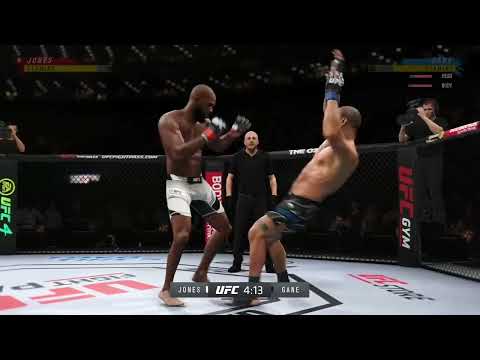
Jon Jones vs. Cyril Gane: A Deep Dive into the UFC Heavyweight Title Clash

Introduction: The Essence of the Showdown

When the worlds of martial arts collide in a bout that transcends mere competition, it becomes a spectacle that ignites the spirit of every enthusiast and draws in the curious alike. This is precisely the electrifying atmosphere building around the upcoming clash for the UFC Heavyweight Championship, pitting the legendary Jon Jones against the dynamic Cyril Gane. This encounter isn't just about belts; it's a profound exploration of martial philosophy, strategic brilliance, and the unyielding human will. As your Sensei, I see in this matchup a microcosm of everything we strive for in the dojo and beyond. We will dissect the nuances of this highly anticipated fight, not just as fans, but as students of the combative arts, examining the fighters, their statistical prowess, and how their individual journeys reflect timeless martial principles. Furthermore, we will touch upon the tangible aspects of our passion – the martial arts merchandise that connects us to this lineage – and its place within the vibrant ecosystem of combat sports, often fueled by platforms like AdSense.

Fighter Analysis: Striking Specialist vs. Versatile Warrior

The narrative of Jon Jones versus Cyril Gane is a captivating study in contrasts. On one side stands Jon Jones, a fighter whose name is synonymous with elite striking and an almost uncanny ability to dictate the pace and outcome of any fight. He is often heralded as a striking specialist, a master of distance, timing, and devastating accuracy. Yet, to label him solely as such would be a disservice to his evolution as a martial artist. Opposing him is Cyril Gane, a fighter who embodies the modern ideal of a versatile fighter. Gane's background, particularly in Muay Thai, has gifted him a powerful striking arsenal, but it's his seamless transitions into grappling and his adaptive approach that make him a truly formidable opponent. This matchup is a classic exhibition of how different training philosophies and developmental paths can converge in the brutal theater of the octagon. For us, as practitioners, this represents more than just a fight; it's a living testament to the diverse applications of martial principles and the strategic depth inherent in combat.

Jon Jones' Evolving Kickboxing Prowess

One of the most compelling narratives surrounding Jon Jones' move to heavyweight, and specifically this fight, is his display of advanced kickboxing skills. While his legendary status was built upon a foundation of striking, Jones has consistently demonstrated an ability to absorb new techniques and integrate them seamlessly. His arsenal has expanded, incorporating a wider array of kicks and more dynamic striking combinations. This evolution is a crucial lesson for all martial artists. It underscores that mastery is not a static destination but a continuous journey of adaptation and refinement. The spirit of Budo, the Way of the Warrior, demands perpetual learning. Seeing Jones, a seasoned champion, push the boundaries of his own skillset serves as a potent reminder that complacency is the enemy of progress in any martial discipline, whether it's Karate, Kickboxing, or Muay Thai.

"The art of war teaches us to rely not on the likelihood of the enemy's not coming, but on our own readiness to receive him; not on the probability of his not attacking, but rather on our having made ourselves indispensable as a means of his attack." - Sun Tzu, The Art of War. This principle is constantly at play in the octagon, as fighters adapt and prepare for every eventuality.

The Peril of the Ground Game in this UFC Bout

A critical aspect of this heavyweight showdown that cannot be overstated is the inherent danger of being caught on the ground. Both Jon Jones and Cyril Gane possess highly effective grappling abilities and a proven capacity to finish fights from dominant positions. Jones, with his extensive wrestling background and submission prowess, is a master of controlling his opponents and exploiting weaknesses on the mat. Gane, while perhaps more recognized for his striking, has also shown significant skill in wrestling defense and offensive grappling, capable of neutralizing threats and even securing takedowns. This bout is far from a one-dimensional striking contest; it's a high-stakes chess match where one misstep on the ground could prove catastrophic. This warning serves as a vital reminder for all combatants: versatility is paramount. One must be proficient in all ranges of combat to truly navigate the complexities of a fight, whether it’s in the UFC or a street encounter requiring swift self-defense.

Budo and the Deeper Meaning of the Fight

Beyond the raw athleticism and strategic maneuvering, fights like Jon Jones vs. Cyril Gane embody the core principles of Budo, the Japanese martial path. It’s not merely about achieving victory; it’s about the journey of self-improvement, the cultivation of character, and the embodiment of virtues such as discipline, respect, and unwavering perseverance. The dedication required to reach this elite level in sports like MMA, Kickboxing, or Judo mirrors the rigorous training mandated by martial arts philosophy. Each fighter, in their own way, is testing their limits, honing their mental fortitude, and demonstrating the physical and psychological resilience that defines a true warrior. This pursuit of excellence, the drive for self-mastery, is the essence of the martial spirit that resonates through generations, connecting practitioners across different disciplines and cultures.

Martial Arts Merchandise and the Sense of Community

In the vibrant ecosystem of combat sports, the connection fans and practitioners share with their heroes and disciplines extends to the tangible realm of martial arts merchandise. Supporting fighters like Jon Jones or Cyril Gane, or even specific arts like Kyokushin Karate or BJJ, is a powerful way to express passion and solidarity. The availability of MMA gear, kimonos for Judo and Brazilian Jiu-Jitsu, or specialized training equipment makes this connection accessible. Platforms often utilize AdSense to facilitate the sale of these items, effectively linking passionate audiences with the products that represent their dedication. This commercial aspect, while secondary to the art itself, plays a crucial role in fostering a sense of belonging and community among enthusiasts worldwide. It's a way to carry a piece of the dojo, the octagon, or the fight night spirit into everyday life.

Sensei's Verdict: A True Test of Martial Spirit

The anticipation for Jon Jones vs. Cyril Gane is immense, and rightly so. This isn't just a contest for a championship; it's a profound demonstration of contrasting yet complementary martial approaches. Jones' calculated aggression and evolving skillset against Gane's fluid versatility and powerful striking create a dynamic that promises a strategic masterpiece. Both fighters represent the pinnacle of dedication, discipline, and the relentless pursuit of self-improvement—hallmarks of the martial arts. The outcome will undoubtedly be a testament to who best embodies the principles of adaptability, resilience, and strategic acumen under immense pressure. It is a fight that will echo in the annals of combat sports history, serving as an inspiration for current and future generations of martial artists.

Training Guide: Enhancing Your Versatility

To truly embody the spirit of a well-rounded martial artist, focusing on versatility is key. Here's a practical approach to enhance your capabilities, applicable whether you train Karate, Judo, Kickboxing, or MMA:

  1. Cross-Train Strategically: If you primarily strike, dedicate time to grappling drills. If you're a grappler, focus on striking footwork and defense. For example, try incorporating basic Judo throws into your striking sparring sessions or practicing fundamental Karate stances and movements during your BJJ warm-ups.
  2. Develop Dynamic Mobility: True versatility requires more than just strength; it demands fluid movement. Incorporate dynamic stretching and mobility exercises, such as leg swings, torso rotations, and spinal waves, into your pre-training routine. This enhances your ability to transition smoothly between techniques and reduces the risk of injury.
  3. Sparring with Different Styles: Seek out training partners with diverse backgrounds. Sparring with a kickboxer as a grappler, or vice-versa, exposes you to different ranges, rhythms, and strategies. This is invaluable for developing adaptive defenses and offensive counters.
  4. Conditional Sparring Drills: Implement drills that force specific adaptations. For instance, start a round on the ground and have the objective to get back to your feet, or start standing and the objective is to secure a takedown. This hones your ability to function effectively in various phases of combat.
  5. Mindful Conditioning: Focus on conditioning that supports all aspects of your game. Include exercises that build explosive power (like plyometrics), cardiovascular endurance (long-distance running or HIIT), and core strength (planks, Russian twists).

To support your journey towards greater versatility and mastery in martial arts, having the right equipment is crucial. Investing in quality gear not only enhances your training experience but also ensures safety and durability. Whether you're perfecting your striking, refining your grappling, or engaging in full MMA sparring, consider the following:

  • High-Quality Sparring Gloves (16oz recommended for MMA/Kickboxing): Essential for protecting your hands and your training partners during striking drills and sparring. Brands known for durability and excellent padding are ideal.
  • Durable Kimono/Gi (Double Weave for Judo/BJJ): For grapplers, a sturdy kimono is indispensable. A double-weave gi offers greater longevity and resistance to the rigors of grappling.
  • Shin Guards and Mouthguards: Non-negotiable for striking training to prevent injuries. Ensure they offer adequate protection and a comfortable fit.
  • Training Matting: If you train at home, investing in proper matting can significantly improve safety for takedowns, falls, and ground work.
  • Resistance Bands and Jump Rope: Versatile and portable tools for enhancing strength, conditioning, and agility without requiring heavy equipment.

Frequently Asked Questions

Why is adaptability so important in martial arts?

Adaptability is crucial because real-world confrontations are unpredictable. A fighter who can seamlessly transition between striking and grappling, and adjust to an opponent's strategy, has a significant advantage. It reflects the core principle of martial arts: to overcome challenges through flexible and intelligent responses.

How does studying martial arts philosophy benefit a fighter?

Martial arts philosophy, such as that found in Budo, instills values like discipline, respect, perseverance, and self-control. These qualities are vital for consistent training, mental toughness during competition, and ethical conduct both inside and outside the dojo or octagon.

Is kickboxing sufficient for MMA, or is grappling necessary?

While kickboxing is a powerful striking art, it is generally not sufficient on its own for success in MMA. MMA demands proficiency in grappling for takedowns, ground control, and submissions. A well-rounded MMA fighter must integrate both striking and grappling disciplines.

What role does merchandise play in the combat sports community?

Martial arts merchandise serves as a tangible connection to the sport and its practitioners. It allows fans and athletes to express their identity, support their favorite fighters or disciplines, and foster a sense of belonging within the larger combat sports community.

For Deeper Exploration

The upcoming bout between Jon Jones and Cyril Gane is more than just a fight; it’s a dynamic exposition of martial arts principles in action. It highlights the blend of specialized skill and overall versatility that defines modern combat sports. As practitioners, we can learn immensely from observing such elite contests.

Sensei's Reflection: Your Next Step

Observing these champions, we see the dedication to honing specific weapons while simultaneously building a comprehensive arsenal. In your own training, are you merely practicing your strengths, or are you actively seeking to shore up your weaknesses? Are you a specialist who fears compromise, or a warrior who embraces the full spectrum of combat? Reflect on this: How will you integrate the lessons of versatility and continuous improvement from this epic clash into the very fabric of your own martial journey, starting today?

Budo's Verdict: Ayala vs. Gonzalez - A Raw Look at Boxing's Unscripted Drama

The roar of the crowd, the glint of sweat under the arena lights, the primal dance of two warriors facing off – this is the essence of combat sports. But beyond the spectacle, what truly defines a fight? Is it the flawless technique, the thunderous knockout, or the unwavering spirit that refuses to yield? Today, we delve into the raw, unvarnished reality of a boxing match: Gaston Ayala vs. Cristian Gonzalez. This isn't just about highlights; it's about dissecting the very soul of the battle.

The Essence of the Bout

The matchup between Gaston Ayala and Cristian Gonzalez, presented as a boxing event, serves as a microcosm of the broader world of combat. While boxing itself is a specific discipline, the underlying principles of dedication, strategy, and mental fortitude are universal across all martial arts. We're not just watching punches thrown; we're observing the culmination of countless hours of training, sacrifice, and the relentless pursuit of self-mastery.

Boxing, in its purest form, is a brutal ballet. It demands incredible physical conditioning, lightning-fast reflexes, and an iron will. Every jab, hook, and uppercut is a product of intense repetition and a deep understanding of timing and distance. This particular fight, while perhaps not reaching the legendary status of Ali-Frazier, offers valuable insights for any practitioner of the martial path.

"The supreme art of war is to subdue the enemy without fighting." - Sun Tzu

While Sun Tzu's wisdom speaks of strategic victory, a boxing ring is where that strategy is put to the ultimate test, often resulting in a direct confrontation. The "highlights" reel often focuses on the decisive moments, the knockdowns, and the explosive exchanges. But the true story lies in the rounds leading up to them, the subtle shifts in momentum, and the mental battles waged between each fighter.

Dissecting the Combat: Technique vs. Tenacity

In analyzing the encounter between Ayala and Gonzalez, we must move beyond the mere spectacle. From a martial perspective, it's crucial to observe the application of technique. Did Ayala employ superior footwork to create openings? Did Gonzalez demonstrate effective defensive strategies, such as the peek-a-boo guard or the Philly shell? These are the elements that separate mere brawlers from true martial artists.

We're looking for:

  • Stance and Balance: Was their base solid? Did they maintain their center of gravity throughout exchanges? A fighter who can't stay balanced is a fighter who will fall.
  • Punching Mechanics: Were punches thrown with proper hip rotation and body weight transfer? Or were they arm punches, lacking power and efficiency?
  • Defensive Awareness: Beyond simply blocking, did they utilize slips, rolls, and upper body movement to evade strikes?
  • Ring Generalship: Who dictated the pace and controlled the center of the ring? This often indicates a superior understanding of boxing strategy.

It's easy to be swayed by raw power or a dramatic knockdown. However, a seasoned martial eye seeks the underlying principles. A clean, economical combination that scores points is often more impressive, from a technical standpoint, than a wild flurry that misses its mark. We need to ask: was this a display of masterful boxing, or a testament to sheer grit and determination? Often, it's a potent mix of both.

The training required for such a fight is immense. It involves not just punching bags and sparring, but conditioning, strength work, and mental preparation. The endurance displayed in later rounds, when fatigue sets in, is as critical as the explosive power of an early knockout punch.

Beyond the Punch: The Mindset of a Warrior

The true martial artist understands that combat is as much a mental game as it is physical. A boxer's mindset is crucial. How does one handle adversity when knocked down? Does the spirit break, or does it ignite a fiercer resolve? This is where the concept of Ki, or internal energy, becomes relevant, even in a sport not explicitly focused on it.

A fighter who displays unwavering courage after absorbing heavy blows demonstrates a profound inner strength. This mental resilience, the ability to push past pain and doubt, is a hallmark of any serious martial practitioner. It's the "never give up" spirit that transcends specific techniques or styles.

"Defeat is not the opposite of success, it’s part of success." - Unknown Martial Artist

In the context of Ayala vs. Gonzalez, observing how each fighter reacted to being pressured is key. Did they adapt their strategy, or did they cling to what wasn't working? This adaptability is a core tenet of martial philosophy. The ability to flow like water, to bend without breaking, is a sign of true mastery.

Boxing's Place in the Martial Tapestry

While often viewed as a separate entity, boxing occupies a significant space within the broader martial arts landscape. It is one of the oldest forms of codified combat. Its influence can be seen in the striking techniques of many other disciplines, and its focus on disciplined training and competition has inspired generations.

The discipline required to become a competent boxer mirrors the dedication needed for any traditional art form. The endless hours spent perfecting a single punch, the sacrifice of social life for training, the mental fortitude to face opponents – these are shared values across the martial spectrum. Whether it's the sharp, precise movements of boxing or the flowing circularity of Aikido, the underlying commitment is the same.

Consider the evolution of Artes Marciales Mixtas (MMA). Boxing remains a foundational striking art within MMA. Fighters like Jon Jones and Cyril Gane, renowned for their MMA prowess, have backgrounds that often incorporate boxing techniques, demonstrating the enduring relevance of the sport. The raw power of a boxing knockout is a spectacle that continues to captivate audiences worldwide.

It's important to distinguish between the sport of boxing and its application in other contexts. While the rules of a boxing match are specific, the principles of striking, defense, and conditioning are transferable. This is why studying fights like Ayala vs. Gonzalez can be beneficial, even for practitioners of arts like Karate or Judo. It's about understanding different facets of combat.

Veredicto del Sensei: Is This a True Test of Martial Prowess?

Gaston Ayala vs. Cristian Gonzalez, as presented, is a clear demonstration of the sport of boxing. It showcases the dedication, the physical demands, and the mental fortitude inherent in this ancient discipline. From a pure boxing perspective, it offers an exciting display of skill and heart. However, to assess it as a "true test of martial prowess" in the broadest sense requires context.

If the question is whether it exemplifies the core principles of disciplined training, courage under fire, and strategic application of technique – then yes, it largely succeeds. The raw combat elements are undeniable. However, boxing operates within a strict rule set that limits its scope compared to arts designed for self-defense or broader combat scenarios.

Rating: 3.5 out of 5 Black Belts in Raw Combat Intensity.

While the fight delivers on excitement and demonstrates the dedication of the athletes, its applicability as a singular "martial" experience is confined to the realm of boxing. It's a powerful spectacle, but lacks the versatility found in more comprehensive martial systems.

Essential Equipment for Your Training

To truly engage with the spirit of any martial art, including the discipline that fuels boxers, the right equipment is paramount. Whether you're in a dojo, a boxing gym, or training at home, quality gear enhances both performance and safety.

  • Boxing Gloves: For sparring, 14-16oz gloves are standard for most weight classes to protect both hands and your partner. For bag work, 10-12oz gloves offer a good balance of protection and feedback.
  • Hand Wraps: Essential for protecting the metacarpals and wrists during intense training.
  • Mouthguard: A non-negotiable piece of safety equipment for any form of sparring or live-contact training.
  • Jump Rope: An excellent tool for cardiovascular conditioning and developing footwork, crucial for boxing and many other martial arts.
  • Focus Mitts and Thai Pads: If training with a partner, these are invaluable for practicing combinations and defensive maneuvers.
  • Durable Training Shoes: Offering good ankle support and grip, essential for dynamic movements.

Investing in quality martial arts merchandise is an investment in your training journey. It shows respect for the art and ensures you can train safely and effectively.

Frequently Asked Questions

What makes boxing a martial art?

Boxing is considered a martial art due to its emphasis on disciplined training, codified techniques, strategic combat, and the development of physical and mental attributes like discipline, courage, and resilience. While its scope is focused on punching, its roots and the dedication required place it within the martial tradition.

How does boxing differ from other martial arts?

The primary difference lies in its rule set and focus. Boxing strictly prohibits kicks, grappling, and strikes below the belt, focusing solely on punching with gloved hands. Other martial arts, like Karate, Taekwondo, Judo, or BJJ, incorporate a wider range of techniques, including kicks, throws, joint locks, and ground fighting.

Can boxing techniques be useful for self-defense?

Absolutely. Boxing's emphasis on powerful punching, evasive footwork, head movement, and defensive blocking provides a solid foundation for self-defense, especially in close-range encounters. However, it's crucial to supplement boxing training with other skills (like grappling or situational awareness) for comprehensive self-protection.

What is the importance of "highlights" in fight analysis?

Highlights offer a quick, exciting glimpse into the most impactful moments of a fight – knockdowns, impressive combinations, or dramatic comebacks. However, for a true martial understanding, they are insufficient. They often omit the strategic buildup, defensive nuances, and conditioning efforts that define a fighter's performance over the entire bout.

To Dive Deeper Into Your Journey

  • Kickboxing vs. Boxing: A Technical Showdown
  • The Role of Discipline in Mastering Any Martial Art
  • MMA Training: How Boxing Fits into the Modern Warrior's Arsenal

The confrontation between Gaston Ayala and Cristian Gonzalez is more than just a fight; it's a testament to the human spirit's capacity for struggle and triumph. It reminds us that every discipline, from the most complex martial art to the focused intensity of boxing, demands a profound commitment.

Reflexión del Sensei: Tu Próximo Paso

We've dissected the combat, explored the philosophy, and considered boxing's place in the vast world of martial arts. Now, I pose this question to you, the dedicated practitioner: In your own training, are you merely going through the motions, or are you actively seeking to understand the deeper principles that bind all martial disciplines? Are your "highlights" truly representative of your commitment, or do they mask the quiet hours of dedication that truly forge a warrior?

``` ```json { "@context": "https://schema.org", "@type": "FAQPage", "mainEntity": [ { "@type": "Question", "name": "What makes boxing a martial art?", "acceptedAnswer": { "@type": "Answer", "text": "Boxing is considered a martial art due to its emphasis on disciplined training, codified techniques, strategic combat, and the development of physical and mental attributes like discipline, courage, and resilience. While its scope is focused on punching, its roots and the dedication required place it within the martial tradition." } }, { "@type": "Question", "name": "How does boxing differ from other martial arts?", "acceptedAnswer": { "@type": "Answer", "text": "The primary difference lies in its rule set and focus. Boxing strictly prohibits kicks, grappling, and strikes below the belt, focusing solely on punching with gloved hands. Other martial arts, like Karate, Taekwondo, Judo, or BJJ, incorporate a wider range of techniques, including kicks, throws, joint locks, and ground fighting." } }, { "@type": "Question", "name": "Can boxing techniques be useful for self-defense?", "acceptedAnswer": { "@type": "Answer", "text": "Absolutely. Boxing's emphasis on powerful punching, evasive footwork, head movement, and defensive blocking provides a solid foundation for self-defense, especially in close-range encounters. However, it's crucial to supplement boxing training with other skills (like grappling or situational awareness) for comprehensive self-protection." } }, { "@type": "Question", "name": "What is the importance of \"highlights\" in fight analysis?", "acceptedAnswer": { "@type": "Answer", "text": "Highlights offer a quick, exciting glimpse into the most impactful moments of a fight – knockdowns, impressive combinations, or dramatic comebacks. However, for a true martial understanding, they are insufficient. They often omit the strategic buildup, defensive nuances, and conditioning efforts that define a fighter's performance over the entire bout." } } ] }

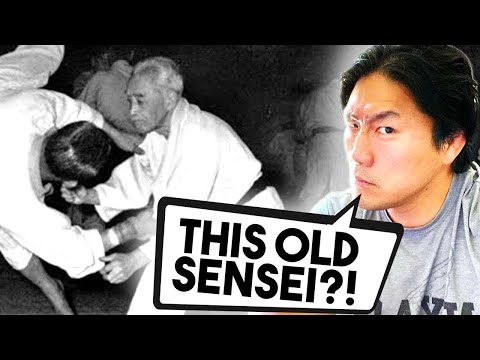
Did the "God of Judo" Meet His Match? A Deep Dive into Shintaro Higashi's Invincibility

The annals of martial arts are filled with legends, whispers of warriors whose prowess seemed to defy the very laws of human limitation. Among these titans, the moniker "God of Judo" evokes an almost mythical aura. But does such invincibility truly exist? Today, we dissect the legend of Shintaro Higashi, a figure whose name resonates with power and mastery, and we ask: was he truly untouchable on the tatami? Prepare for a critical examination, not just of a man, but of the very concept of invincibility in the brutal theatre of combat.

Table of Contents

The Myth of Invincibility: A Martial Illusion?

We often crave the idea of a perfect warrior, an undefeated champion whose every move is a testament to absolute skill. This is a powerful narrative, deeply embedded in our fascination with combat sports and martial traditions. It’s a narrative that elevates practitioners to demigods, placing them beyond the realm of human error. But as a seasoned observer of the artes marciales, I must caution against such romanticism. Invincibility is a seductive myth, often born from selective storytelling and a misunderstanding of the true nature of conflict and mastery. Today, we will peel back the layers of legend surrounding Shintaro Higashi, the self-proclaimed "God of Judo," and question whether this title was earned through genuine, unassailable dominance, or if it's a product of historical bias and the inherent drama of the fight.

"The supreme art of war is to subdue the enemy without fighting." - Sun Tzu, The Art of War

The very notion of "invincible" in a physical confrontation is a dangerous fallacy. Every fighter, no matter how skilled, faces moments of vulnerability. The true measure of a master lies not in never losing, but in how they learn, adapt, and persevere through defeat. We will explore Higashi's place within this context, examining the techniques, philosophy, and perhaps even the controversies that shaped his legacy.

Shintaro Higashi: Beyond the Nickname

Before we can dissect the claim of invincibility, we must first understand the man. Shintaro Higashi is a name that evokes respect within the Judo community. While specific details of his competitive record might be debated or lost to the passage of time, the "God of Judo" nickname suggests a period of extraordinary dominance or a revolutionary impact on the art. Was this a self-appointed title, or a mantle bestowed by peers and admirers? Understanding the *why* behind such a powerful moniker is crucial to our analysis. It speaks to a perceived perfection in his application of Judo principles.

My own journey, documented through the Martial Arts Journey YouTube channel, began with a profound disillusionment with Aikido. After dedicating 14 years to its practice, including a decade running my own dojo, I found its promises unfulfilled in the face of real-world application. This led me to the rigorous, practical world of MMA at Straight Blast Gym Headquarters. It’s this transition, from a seemingly esoteric art to the raw, direct confrontation of mixed martial arts, that fuels my critical perspective. I approach legends like Higashi not with blind reverence, but with the discerning eye of someone who has sought tangible effectiveness in combat.

Analyzing the Foundation: Judo's Core Principles

Judo, founded by Jigoro Kano, is more than just throws and grappling; it is a discipline built on principles of maximum efficiency and mutual welfare. The effective application of seiryoku zenyo (maximum efficiency) and jita kyoei (mutual welfare) are paramount. A true master of Judo, one worthy of divine comparison, would embody these principles with unparalleled grace and power.

Consider the fundamentals::

  • Grip Strength (Kumi-kata): The foundation of all Judo techniques. A superior grip dictates control and initiates attacks.
  • Balance and Kuzushi: The art of breaking an opponent's balance before executing a technique. This is where the true strategy of Judo lies.
  • Leverage and Body Mechanics: Utilizing hip and body movement to maximize force, often negating an opponent's size advantage.
  • Transitions: Seamless movement between standing techniques (nage-waza) and groundwork (ne-waza).

A "God of Judo" would presumably have perfected each of these elements to an extent rarely, if ever, seen. Their kumi-kata would be inescapable, their kuzushi instantaneous, and their transitions fluid as water. But perfection, as I've learned in my own Martial Arts Journey, is an ever-receding horizon.

The Reality Check: Flaws in the "Invincible" Narrative

The term "invincible" is problematic in any combat scenario. Even the most decorated champions in MMA, men like Jon Jones or Georges St-Pierre, have faced significant challenges and even defeats. In Judo, where the margin for error can be razor-thin, the idea of absolute invincibility is even more tenuous. Factors such as an opponent's specific strategy, a momentary lapse in concentration, or even an unforeseen injury can shatter the illusion of invulnerability.

"In the heat of battle, there is no room for abstract principles, only for instinct and honed reflexes." - A paraphrase of a common sentiment among fighters.

When evaluating Higashi, we must ask critical questions: What era did he dominate? Who were his primary rivals? Were the rules of engagement then comparable to modern Judo? Often, legendary status is built on victories against a specific cohort of competitors, within a particular rule set. The narrative of invincibility can sometimes overshadow the evolution of the art itself. For instance, the advancements in grappling and conditioning seen in modern BJJ and MMA would present a formidable challenge to any fighter from a previous generation, regardless of their perceived historical dominance. The question then becomes: how would Higashi fare against the current landscape of combat? This is a question that fuels much debate in the Martial Arts Community.

The True Essence of Budo: More Than Just Winning

The ultimate goal of Budo, the "martial way," transcends mere victory or defeat. It is a path of self-cultivation, discipline, and spiritual development. If Shintaro Higashi was indeed a master, his legacy should not solely rest on whether he was "invincible" in a competitive sense, but on his embodiment of Budo principles. Did he foster respect? Did he contribute to the ethical development of his students? Did his practice cultivate inner strength and resilience?

My own realization that Aikido, despite its aesthetic appeal and philosophical depth, failed to deliver on its practical promises in combat was a painful but necessary step in my own Martial Arts Journey. This led me to embrace MMA, a discipline that, while brutal, demands a level of honesty about effectiveness that is often absent in more traditional arts. The "God of Judo" title, if it implies an unflinching pursuit of truth in combat, aligns with this Budo ideal. However, if it implies an unassailable ego, it falls short of true mastery.

This pursuit of efficacy is what drives many to explore different martial disciplines. Whether it's the raw power of Kyokushin Karate, the technical wizardry of BJJ, or the explosive striking of Kickboxing, the common thread is the search for effective methods of combat and self-improvement. My own transition to MMA was an attempt to find that definitive answer.

Equipment Essentials for Your Judo Training

To truly understand and practice Judo, the right equipment is crucial. While mastery comes from within, the tools of the trade facilitate learning and safe training. For any aspiring Judoka, investing in quality gear is a fundamental step in their Martial Arts Training.

  • Judo Gi (Kimono): A durable, well-fitting Judo gi is paramount. Look for a double-weave or heavy-weight gi for enhanced durability during grappling. Ensure it meets IJF regulations if you plan to compete. Consider brands known for quality, like Adidas or Mizuno, for a gi that will last through countless training sessions.
  • Belts: While seemingly simple, the belt signifies rank and dedication. Ensure it's sturdy and will hold its shape.
  • Footwear: Training often occurs barefoot on mats, but for hygiene and specific drills, clean indoor training shoes might be necessary.
  • Mouthguard: Especially crucial for sparring (randori) to protect your teeth and jaw.
  • Optional: Headgear and Foot Pads: Some advanced training or specific drills might benefit from protective gear, though typically not standard for competition Judo.

Exploring the world of Karate Merchandise or Martial Arts Merchandise can often lead you to discover high-quality Judo equipment as well. The right gear can significantly enhance your training experience.

Frequently Asked Questions

Is Shintaro Higashi still alive and active in Judo?

Information regarding Shintaro Higashi's current activity can be sparse. Historical figures in martial arts often step away from public life after their competitive careers, focusing on teaching or personal pursuits. Verifying his current status would require deep diving into specific Judo federations or historical martial arts archives.

What makes a Judo practitioner considered a "master"?

A Judo master is typically recognized for deep technical knowledge, a profound understanding of Judo principles, pedagogical skill in teaching others, and a lifelong dedication to the art and its philosophy (Budo). They often exhibit exceptional control, timing, and strategy, rather than just raw physical power.

How does modern MMA compare to traditional Judo in terms of effectiveness?

Modern MMA integrates techniques from various martial arts, including Judo, Boxing, Muay Thai, and BJJ. While Judo provides a formidable foundation for throws and groundwork control, MMA's holistic approach, combining striking and diverse grappling, creates a different kind of effectiveness. A skilled Judoka can certainly be dangerous in an MMA context, but they must adapt to striking and a broader range of submission techniques.

Can anyone truly be "invincible" in combat?

No. Invincibility is a myth. Every practitioner, no matter how skilled, faces the possibility of defeat due to countless variables: an opponent's skill, strategy, luck, physical condition, or even a simple mistake. Mastery in martial arts is about continuous improvement, resilience, and the pursuit of knowledge, not about achieving an unattainable state of invulnerability.

Sensei's Reflection: Your Next Move

The legend of the "God of Judo" serves as a potent symbol, but it also prompts a vital question for every practitioner: what does true mastery entail? Is it the myth of invincibility, or the relentless pursuit of self-improvement, discipline, and effectiveness that defines a martial artist? Higashi's story, real or embellished, forces us to confront our own definitions of success on the mat and in life.

Now, consider this: In your own training, are you chasing the illusion of perfection, or are you embracing the struggle, the learning, and the inevitable setbacks as the true path to growth? Are you preparing for the opponent you *expect*, or the one who might truly test the limits of your "invincibility"?

Reflexión del Sensei: Tu Próximo Paso

The legend of the "God of Judo" invites us to ponder: Is true mastery found in the absence of defeat, or in the unyielding spirit that rises after every fall? When you step onto the mat, or face a challenge in life, are you seeking to be unassailable, or are you cultivating the resilience to adapt, learn, and overcome whatever comes your way? What is the most crucial element a legendary Judoka must possess beyond their physical prowess?

Now it is your turn. Are you ready to challenge the myth of invincibility in your own practice? Share your thoughts and your own definitions of martial mastery in the comments below. Let the debate begin!

For Further Exploration on Your Path

``` GEMINI_METADESC: Explore the legend of Shintaro Higashi, the \"God of Judo.\" Was he truly invincible? A critical analysis of Judo mastery, Budo philosophy, and the reality of combat.

Traditional Martial Artist vs. Fighter vs. Self-Defense Expert: A Sensei's Unflinching Analysis

Hello and welcome, aspiring warriors and seasoned practitioners. Today, we tackle a question that echoes through dojos, gyms, and the streets: What truly defines a martial artist? Are you a custodian of ancient traditions, a relentless competitor in the arena of combat sports, or a pragmatic expert in the harsh realities of self-defense? Or perhaps, a confluence of all three?

This is not a question for the faint of heart, nor one with a simple, universally accepted answer. The paths diverge, each demanding unique skills, philosophies, and sacrifices. Many enter the martial world seeking one, only to find themselves drawn to another. Some attempt to master all, a feat requiring extraordinary dedication and a clear understanding of their ultimate goals.

In this analysis, we will dissect these distinct archetypes, exposing their core principles, their strengths, their limitations, and the very essence of their practice. Prepare yourselves, for we will not shy away from controversy, and we will demand introspection. This is for YOU, the dedicated individual seeking clarity on your own journey.

The Guardian of Tradition: The Traditional Martial Artist

The traditional martial artist is often seen as the keeper of flame. Their path is steeped in history, culture, and a philosophy that transcends mere physical combat. Arts like Karate-do, traditional Kung Fu styles (e.g., Shaolin, Wing Chun), Judo, Aikido, or Kendo fall under this umbrella.

Core Principles:

  • Discipline and Respect: The dojo is a sanctuary. Respect for the master, training partners, and the art itself is paramount.
  • Character Development: The goal is not just to win fights, but to forge a better person. Concepts like Mushin (no mind), Zanshin (continuous awareness), and Seiryoku Zenyo (maximum efficiency, minimum effort) are central.
  • Holistic Training: This includes physical conditioning, technical mastery, mental fortitude, and often, spiritual or philosophical growth.
  • Preservation of Techniques: Katas, forms, and traditional drills are meticulously practiced, not just for their combat application, but as a historical record and a method of cultivating intricate body mechanics.

The Question of Efficacy:

Herein lies the great debate, the very fire that ignites passionate arguments. "Does traditional Karate really work in a street fight?" "Is Aikido just beautiful movement with no practical application?" These are valid questions, often posed by those who have only a superficial understanding or by fighters who have tested their skills against real-world aggression.

The truth, as always, is nuanced. Traditional arts were developed in specific socio-historical contexts. Many have evolved, consciously or unconsciously, away from direct combat efficacy towards sport or self-perfection. However, to dismiss them entirely is a grave error. The underlying principles of body mechanics, balance, timing, and focus are timeless.

"The ultimate aim of martial arts is not the victory or defeat, but the perfection of the human character." - Often attributed to Okinawan Karate masters.

The efficacy often lies not in the direct replication of a kata against a trained attacker, but in the profound internal development that traditional training fosters. It cultivates a resilient mind, an observant spirit, and a body trained to move with efficiency. The direct application may require adaptation, blending, and a willingness to engage with modern realities, but the foundation is invaluable.

The Unforgiving Arena: The Fighter

The fighter, in contrast, exists primarily in the realm of competition. Think of Mixed Martial Arts (MMA), Boxing, Kickboxing, Brazilian Jiu-Jitsu (BJJ) grappling tournaments, Muay Thai, or even competitive Judo.

Core Principles:

  • Dominance and Victory: The primary objective is to defeat an opponent within a rule set.
  • Specialization and Adaptation: Fighters often specialize in certain ranges or disciplines (striking, grappling) but must also develop a broad skill set to compete in formats like MMA.
  • Performance Under Pressure: Training is geared towards simulating fight conditions – stress, fatigue, and the adrenaline rush.
  • Rule-Based Efficacy: Techniques are honed for effectiveness within the established rules of the sport, which often preclude certain dangerous tactics for safety and spectacle.

The Modern Warrior:

The modern fighter is a testament to intense physical conditioning, strategic thinking, and an unwavering competitive spirit. They are the gladiators of our age, displaying incredible athleticism and bravery. The skills developed in these disciplines are undeniably potent in a one-on-one confrontation, especially when the rules are absent.

However, the fighter's mindset is predominantly competitive. Their training, while rigorous, is often focused on overcoming a specific opponent within a defined framework. This can sometimes lead to a gap when confronted with the chaotic, unpredictable nature of real-world violence. A skilled boxer might struggle with a determined wrestler who takes them down, or an MMA fighter might find their grappling defense insufficient against an untrained assailant's desperate, wild attack.

The emphasis on sport also means that certain highly effective, yet dangerous, techniques from traditional arts (e.g., vital point strikes, joint manipulations intended to maim) are often excluded or downplayed.

Survival Instinct: The Self-Defense Expert

The self-defense expert operates under a different, and arguably more critical, mandate: survival. This practitioner focuses on the most efficient and effective ways to neutralize a threat and escape danger, regardless of the opponent's skill level or the context.

Core Principles:

  • Threat Assessment and De-escalation: The first line of defense is avoiding conflict. Awareness, avoidance, and verbal de-escalation are crucial.
  • Simplicity and Directness: Techniques must be easy to learn, remember, and execute under extreme stress. Complex sequences are liabilities.
  • Gross Motor Skills: Training focuses on movements that are effective even when adrenaline is high and fine motor skills are compromised.
  • No Rules, No Holds Barred: The goal is to end the threat as quickly as possible, using any means necessary, including less conventional or "dirty" tactics if legally justifiable.
  • Focus on Vulnerable Targets: Eyes, throat, groin, knees – areas that can quickly incapacitate an attacker are prime targets.

The Pragmatist:

Self-defense is not about looking good or winning points; it's about getting home safe. Experts in this field often draw from a diverse pool of knowledge, incorporating elements from various martial arts, tactical training, and even psychology. They understand that a street confrontation is not a match. It's a violent encounter where the stakes are life and death.

"In a real fight, there are no referees. The only goal is to survive." - A common sentiment among self-defense instructors.

The challenge for the self-defense expert is maintaining a keen edge. Without the regular pressure of competition or the structured refinement of traditional practice, skills can atrophy. Furthermore, the legal ramifications of using excessive force are a constant consideration.

The Overlap and the Synergy: Where Paths Converge

It is a fallacy to believe these categories are mutually exclusive. The most formidable martial artists often possess elements of all three.

  • The Fighter with Traditional Roots: Many elite MMA fighters have backgrounds in Karate, Judo, or Taekwondo. They leverage the power, balance, and discipline learned in these arts, adapting them to the modern combat sports environment. Think of Jon Jones’s devastating use of oblique kicks, a technique with roots in traditional striking.
  • The Traditionalist who Competes: Some traditional martial artists actively participate in sport-based competitions (e.g., Karate kumite, Judo randori) to test and refine their techniques. This often leads to a more dynamic and practical expression of their art.
  • The Self-Defense Expert's Diverse Toolkit: A true self-defense expert will likely have studied striking (boxing, Muay Thai), grappling (BJJ, wrestling), and perhaps even weapon defenses, integrating the most effective tools for survival. They might also understand the psychological conditioning cultivated in traditional arts.

The synergy arises when one understands the principles behind the techniques, not just the techniques themselves. Balance, timing, leverage, commitment, and mental fortitude are universal. A fighter can learn the importance of character from a traditional master; a traditionalist can gain a sharper edge in application from a fighter; and both can benefit from the pragmatic, survival-oriented mindset of a self-defense expert.

Choosing Your Path, Or Forging a New One

So, which path is right for you? The answer depends entirely on your personal goals:

  • For Character and Lifelong Development: Embrace the path of the Traditional Martial Artist. Seek arts that emphasize philosophy, discipline, and self-improvement alongside physical training.
  • For Competition and Physical Prowess: Become a Fighter. Dive into MMA, boxing, grappling, or Muay Thai. Test your mettle against others and push your physical limits.
  • For Practical Survival: Focus on Self-Defense. Seek out reputable programs that prioritize realistic scenarios, de-escalation, and effective, simple techniques for ending threats.

However, do not be confined by these labels. The greatest masters often transcend them. They study tradition, they compete to hone their skills, and they understand the grim realities of violence. They forge their own path, a testament to their dedication and adaptability.

Veredicto del Sensei: ¿Arte Marcial o Espectáculo?

From my vantage point, steeped in decades of observation and practice, the distinction is crucial. Traditional martial arts, when taught with integrity, offer a profound path to self-mastery and character refinement. They are a living history. However, to survive in the modern world, one must acknowledge the evolution of combat.

The fighter pushes the boundaries of human performance within competitive frameworks. Their dedication is admirable, and their skills are undeniably potent. Yet, often, the emphasis shifts from self-perfection to victory, sometimes at the expense of deeper philosophical underpinnings.

Self-defense, on the other hand, is a stark, unforgiving mirror reflecting the brutal realities that exist outside the dojo or arena. It demands practicality above all else.

My ultimate judgment? True mastery lies in understanding the essence of each. It is about cultivating the discipline and philosophy of the traditionalist, possessing the effectiveness and pressure-tested skills of the fighter, and maintaining the pragmatic, survival-oriented mindset of the self-defense expert. The goal is not to be *just* one, but to integrate the most potent elements from all, creating a well-rounded, adaptable individual ready for any challenge life may present.

Cinturón Negro en Perspectiva Crítica. El espectáculo tiene su lugar, pero la profundidad del arte marcial reside en la aplicación integral de sus principios.

Equipo Esencial para tu Entrenamiento

Regardless of the path you choose, certain equipment can significantly enhance your training and understanding. Investing wisely is part of your commitment.

  • Gi/Kimono: Essential for Judo and Brazilian Jiu-Jitsu. For Karate and Taekwondo, a durable, lightweight gi is standard. Look for double-weave options for BJJ for longevity.
  • Boxing Gloves: Crucial for striking arts like Boxing, Kickboxing, and Muay Thai. A 16oz pair is standard for sparring, offering good knuckle protection.
  • Shin Guards & Mouthguard: Non-negotiable for sparring in kickboxing and MMA to prevent injuries.
  • Training Partner: While solo training is vital, a consistent, skilled training partner is invaluable for pressure testing techniques and sparring.
  • Training Dummy (e.g., BOB): Useful for practicing striking combinations and some grappling entries without a partner.
  • Protective Cup: Essential for any training involving grappling or full-contact striking.
  • Budo & Martial Arts Books: For those focused on tradition and philosophy, foundational texts on Bushido or specific martial philosophies are indispensable.

Guía de Entrenamiento: Integrando Conceptos

To bridge the gap between these archetypes, consider incorporating the following into your training:

  1. Morning Meditation (Zen Spirit): Dedicate 10-15 minutes each morning to Zazen or mindful breathing. Cultivate focus, stillness, and self-awareness – foundational for all martial paths.
  2. Sparring with Varied Partners: Seek out training partners with different backgrounds – a traditional Karateka, a BJJ practitioner, a boxer. This exposes you to diverse strategies and techniques.
  3. Scenario-Based Drills: Practice self-defense scenarios. Start with awareness, move to verbal de-escalation, and then to physical response. Focus on escaping and controlling the situation, not prolonged combat.
  4. Kata/Form Study with Application Focus: If you practice traditional forms, actively analyze the potential combat applications. Discuss with your instructor and training partners how these movements could be adapted for modern threats or competitive scenarios.
  5. Conditioning for All Ranges: Ensure your conditioning program includes strength, cardiovascular endurance, and explosive power relevant to both striking and grappling. Include drills that simulate fatigue under stress.
  6. Study the Rulesets: If you compete, understand your sport's rules. If you focus on self-defense, understand the legal aspects of using force. This intellectual discipline is part of martial prowess.

Preguntas Frecuentes

  1. Can a traditional martial artist realistically defend themselves against a modern fighter?

    It depends on the individual's training, adaptation, and the specific context. A highly skilled traditionalist with practical application training can be effective, but they must be willing to adapt their techniques beyond stylized forms.

  2. Is MMA the most effective form of self-defense?

    MMA is incredibly effective for one-on-one combat within its rule set. However, real-world self-defense involves unpredictable variables (multiple attackers, weapons, environmental hazards) that MMA training alone may not fully address. Pure self-defense systems often prioritize de-escalation and escape more heavily.

  3. Is it possible to excel in all three areas simultaneously?

    It is extremely challenging due to the time and specialization required for each. However, by focusing on the underlying principles and integrating cross-training, one can develop a comprehensive skillset that draws from all three disciplines.

  4. What is the role of 'Ki' or 'Chi' in these different disciplines?

    In traditional arts, 'Ki' is often seen as vital life force, cultivated for internal strength, health, and advanced techniques (e.g., Aikido's power generation). In competitive fighting, the concept is often less emphasized, with focus placed on tangible biomechanics and energy systems. Self-defense practitioners may view it as the mental energy and resolve needed to survive a threat.

Para Profundizar en tu Camino

Reflexión del Sensei: Tu Próximo Paso

The journey through the martial world is not a destination, but an ongoing process of discovery and refinement. You have been presented with the distinct paths of the traditionalist, the fighter, and the self-defense expert. But these are not immutable castes; they are facets of a larger diamond.

Consider this: If your life were suddenly in danger, and the only tool you possessed was the culmination of your training, would it be enough? Would it be efficient? Would it be decisive? Would it reflect the character you strive to embody?

Now, look inward. Where does your current training lead you? Are you merely performing techniques, or are you forging a resilient spirit? Are you preparing for a competition, or for the unforgiving unpredictability of life itself? The answer lies not in the style you practice, but in the depth of your understanding and the unwavering commitment to your own evolution.

Do not simply *practice* martial arts. Live them. Integrate them. Become a student of life, a warrior of principle, and a guardian of your own destiny. The true art is not in the punch or the kick, but in the wisdom you gain along the way.

``` GEMINI_METADESC: Explore the critical differences between traditional martial artists, competitive fighters, and self-defense experts. Which path aligns with your goals? A deep dive by Sensei.