Showing posts sorted by date for query Agility. Sort by relevance Show all posts

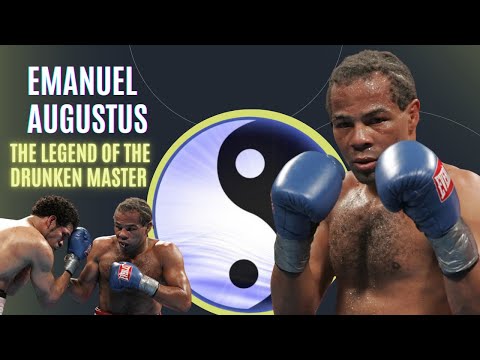
Emanuel Augustus: The Unconventional Legacy of the Drunken Master

Introduction: The Enigma of the Drunken Master

In the vast, often predictable landscape of combat sports, certain figures emerge not just as competitors, but as phenomena. They defy convention, shatter expectations, and leave an indelible mark on the collective consciousness of fans and practitioners alike. Emanuel Augustus, affectionately known as "The Drunken Master," is precisely such a figure. His career wasn't merely a series of wins and losses; it was a living testament to the unpredictable beauty and profound philosophy that can be found within the martial arts. This piece delves into the electrifying career of a fighter who didn't just participate in bouts, but orchestrated performances, blending raw aggression with an almost balletic grace that left audiences breathless. Join us as we revisit the path of a true martial arts legend whose unconventional style became his greatest weapon.

Unleashing the Drunken Master: More Than a Moniker

The adoption of the moniker "Drunken Master" by Emanuel Augustus was far from a mere marketing gimmick. Born Emanuel Burton, he drew inspiration from the iconic martial arts films that celebrated seemingly chaotic, yet devastatingly effective, fighting styles. This wasn't about mimicking a character; it was about embodying a philosophy. Augustus infused his fighting with a unique brand of agility, fluidity, and an almost maddening unpredictability. His movements often appeared disjointed, his stance unorthodox, leaving opponents struggling to anticipate his next move. This bewildering array of techniques – a chaotic dance of offense and defense – was the hallmark of his style, allowing him to showcase a skill set that transcended traditional boxing or kickboxing, demonstrating that true mastery can often lie just beyond the veil of perceived disorder.

"The most effective way to confuse an opponent is to be unpredictable. If they cannot read you, they cannot counter you." - A principle exemplified by Augustus.

The Artistry of Combat: A Symphony of Unpredictability

Augustus transcended the role of a mere pugilist; he was a kinetic artist. His fighting style was a masterful fusion, drawing threads from boxing, kickboxing, and the raw pragmatism of street fighting. His footwork was legendary – a constant, elusive dance that made him a difficult target. His punches, delivered with surprising speed and power, often came from unexpected angles. This wasn't just about throwing hands; it was about understanding angles, timing, and the psychological warfare inherent in combat. Emanuel Augustus embodied a profound Martial Philosophy, displaying not just aggression, but also immense respect for his opponents, unwavering discipline in his preparation, and the indomitable spirit of a warrior honed through countless hours of Martial Arts Training.

His approach challenged the rigid structures of conventional fighting. Many practitioners today still strive to replicate his signature elusiveness, a testament to the enduring effectiveness of his unorthodox methods. The core of his success lay in his ability to remain fluid and adaptable, a principle central to many BUDO disciplines.

The Fight of a Lifetime: A Masterclass Against Mayweather

Throughout his storied career, Emanuel Augustus graced the ring with a multitude of unforgettable contests. These weren't just fights; they were spectacles, ranging from brutal slugfests that tested the mettle of both combatants to technically brilliant displays of skill. He consistently delivered the kind of excitement that fuels the passion of Fight Fans worldwide.

Perhaps one of his most widely recognized and respected performances came during his bout against Floyd Mayweather Jr. In this encounter, Augustus didn't just compete; he showcased the full spectrum of his unique brilliance. Despite the eventual outcome, his performance earned him deep admiration, not only from the spectators but also from Mayweather himself, a rarity in the highly competitive world of professional boxing. It was a fight that highlighted Augustus's resilience and his ability to hang with the absolute elite, even with a style that defied convention. This particular fight remains a significant piece of the Fighter Legacy.

Legacy and Influence: Inspiring a Generation

Emanuel Augustus's legacy extends far beyond the statistics of his fight record. His profound impact resonates deeply within the Martial Arts Community. His unwavering dedication to his craft, his perseverance through significant adversity, and his sheer, unadulterated passion for fighting served as a powerful inspiration to countless aspiring athletes. Many fighters today incorporate elements of his distinctive style – that unpredictable movement, the creative striking angles – into their own training regimes. He proved that there isn't just one way to be a champion, fostering a generation that dares to think outside the traditional fighting box.

His influence is a prime example of how unique styles can push the boundaries of established sports. This is a core tenet we explore at BYAM, where we celebrate the diverse paths to mastery.

Building a Martial Arts Community: The BYAM Approach

At BYAM Budo y Artes Marciales, our mission mirrors the spirit of pioneers like Augustus: to cultivate and celebrate a vibrant global Martial Arts Community. We firmly believe that the journey of a martial artist is enriched when shared. We encourage our members to engage in robust discussions, share their personal training experiences, and forge connections with fellow enthusiasts from diverse backgrounds and disciplines. Whether you practice Judo, Karate, MMA, or any other art, your voice is valued here. Together, we can uphold the rich traditions, explore profound philosophies, and dissect the intricate techniques that define the world of martial arts.

Exploring Our Merchandise: Gear for Your Journey

As you immerse yourself in the world of martial arts, drawing inspiration from figures like Emanuel Augustus, it's crucial to have the right tools to support your dedication. Explore our exclusive Martial Arts Merchandise collection. We offer a curated selection of high-quality training equipment, apparel, and accessories designed to enhance your martial arts journey. From durable kimonos and sparring gear to specialized conditioning tools, our collection supports your pursuit of excellence and ensures you have the necessary support for your training regimen. Investing in quality gear is an investment in your own progress.

Join the Martial Arts Movement: Embrace the Warrior Within

The enduring legacy of Emanuel Augustus serves as a potent reminder of the transformative power inherent in martial arts training. It transcends mere physical combat, fostering discipline, resilience, and self-awareness. Whether you are a seasoned practitioner with years of experience or a curious beginner standing at the threshold of this incredible world, there is unequivocally a place for you within our growing community. Let us unite under the banner of our shared passion, exchange invaluable knowledge, and collectively grow stronger. By embracing the principles exemplified by masters like Augustus, we continue to explore the boundless possibilities that the martial arts offer.

This is your invitation to join the JoinTheMovement and discover the warrior spirit within yourself.

Sensei's Verdict: Did Augustus Master the Art of Fighting?

Emanuel Augustus didn't just fight; he performed. He brought a level of artistry and unpredictability to the ring that few have ever matched. While the term "Drunken Master" might conjure images of a brawler, Augustus was anything but. He was a strategist, a tactician, and a master of misdirection. His ability to absorb punishment, adapt mid-fight, and consistently come back with creative and effective offense was extraordinary. He faced top-tier competition and, while not always victorious, he rarely failed to impress or make his opponents work for every second of every round. His influence on subsequent fighters, who looked to his unconventional methods for inspiration, speaks volumes. He proved that true mastery isn't always about following the rules, but about understanding them so deeply that you can bend them to your will.

Verdict: A True Master of Unconventional Combat, earning a definitive "Cinturón Negro en Coreografía y Caos Controlado". His fights were living lessons in adaptability and the psychological edge.

Training Like Augustus: Embracing the Unconventional

Training like Emanuel Augustus is not for the faint of heart, nor is it about simply mimicking his movements. It's about internalizing his philosophy: unpredictability, adaptability, and relentless pressure.

  1. Develop Unconventional Footwork: Practice constant lateral movement, incorporate subtle shifts in weight, and develop rhythm changes. Think less about a stable stance and more about always being ready to pivot, evade, or explode forward.
  2. Master Angles of Attack: Don't always attack directly. Practice striking from angles that your opponent is unlikely to expect. This requires a deep understanding of body mechanics and spatial awareness.
  3. Cultivate Defensive Evasion: Augustus was known for his ability to slip punches and avoid damage. Focus on head movement, upper body flexibility, and using your entire frame to evade incoming strikes rather than just blocking.
  4. Embrace Fluid Transitions: Move seamlessly between offense and defense. A defensive maneuver should be able to transition instantly into a counter-attack. Don't "reset" unnecessarily.
  5. Study Various Styles: Like Augustus, draw inspiration from multiple disciplines. Understanding the fundamentals of boxing, kickboxing, and even grappling will provide a broader toolkit. Explore BJJ and Judo for grappling insights and Kickboxing for striking diversity.
  6. Train Your Chin and Body: Augustus absorbed significant punishment. While avoiding damage is key, developing resilience through conditioning and controlled sparring is also part of the equation. Incorporate body conditioning drills and focus on neck strength.
  7. Mental Fortitude: The most crucial element is the mental game. Develop the ability to stay calm under pressure, adapt to unexpected situations, and maintain confidence even when things aren't going your way. This is where Mental Game training and Inner Strength become paramount.

Frequently Asked Questions

  1. Who was Emanuel Augustus?
    Emanuel Augustus, born Emanuel Burton, was a highly unorthodox and entertaining American professional boxer and kickboxer, famously nicknamed "The Drunken Master" for his elusive and unpredictable fighting style.
  2. What made his fighting style unique?
    His style was characterized by unusual footwork, creative angles of attack, fluid transitions between offense and defense, and a remarkable ability to evade punches, often resembling the movements seen in martial arts films inspired by "drunken" styles.
  3. Who did Emanuel Augustus famously fight?
    He had notable bouts against numerous high-level opponents, including a widely recognized fight against Floyd Mayweather Jr., where he showcased his distinctive skills and earned respect despite the outcome.
  4. What is his lasting impact on martial arts and combat sports?
    Augustus inspired a generation of fighters with his resilience, unique approach, and dedication. He demonstrated that effective fighting doesn't always adhere to conventional norms and encouraged a more creative and adaptable mindset within the combat sports community.

Deepen Your Path

To further enrich your understanding and training:

Sensei's Reflection: Your Next Step

Augustus taught us that the most effective techniques are often born from a deep understanding of principles, allowing for creative adaptation rather than rigid adherence. He embraced chaos, not as a lack of control, but as a higher form of control that eludes conventional understanding.

Your challenge: In your next training session, identify one aspect of your technique that feels too rigid, too predictable. How can you introduce a subtle element of unpredictability, a shift in rhythm or angle, without sacrificing effectiveness? Can you find your own "drunken master" within the structure of your art?

``` ```json { "@context": "https://schema.org", "@type": "FAQPage", "mainEntity": [ { "@type": "Question", "name": "Who was Emanuel Augustus?", "acceptedAnswer": { "@type": "Answer", "text": "Emanuel Augustus, born Emanuel Burton, was a highly unorthodox and entertaining American professional boxer and kickboxer, famously nicknamed \"The Drunken Master\" for his elusive and unpredictable fighting style." } }, { "@type": "Question", "name": "What made his fighting style unique?", "acceptedAnswer": { "@type": "Answer", "text": "His style was characterized by unusual footwork, creative angles of attack, fluid transitions between offense and defense, and a remarkable ability to evade punches, often resembling the movements seen in martial arts films inspired by \"drunken\" styles." } }, { "@type": "Question", "name": "Who did Emanuel Augustus famously fight?", "acceptedAnswer": { "@type": "Answer", "text": "He had notable bouts against numerous high-level opponents, including a widely recognized fight against Floyd Mayweather Jr., where he showcased his distinctive skills and earned respect despite the outcome." } }, { "@type": "Question", "name": "What is his lasting impact on martial arts and combat sports?", "acceptedAnswer": { "@type": "Answer", "text": "Augustus inspired a generation of fighters with his resilience, unique approach, and dedication. He demonstrated that effective fighting doesn't always adhere to conventional norms and encouraged a more creative and adaptable mindset within the combat sports community." } } ] }

Takanoyama Shuntarō: The "Small But Mighty" Master of Judo Throws in Sumo

Introduction: The Anomaly of Takanoyama

Have you ever watched a martial artist, seemingly outmatched by their opponent's size and strength, still emerge victorious? This isn't magic; it's the elegant application of technique, timing, and an indomitable spirit. In the world of Sumo, a sport often defined by sheer mass, one wrestler stood out, not for his bulk, but for his brilliance. Takanoyama Shuntarō, hailing from the Czech Republic, shattered expectations, proving that in combat, as in life, technique and tenacity can indeed conquer brute force. This analysis dives deep into his arsenal, dissecting the throws that made him a beloved figure and a testament to the "small but mighty" principle.

Takanoyama's Unique Journey: Defying Sumo's Giants

Takanoyama Shuntarō, born Martin Koselecta, carved a unique path in the hallowed dohyo of professional Sumo. As a European venturing into a deeply traditional Japanese sport, he faced an uphill battle from the outset. The average weight of a top-division Makuuchi wrestler often exceeds 150 kg. Takanoyama, however, consistently competed in the 80-100 kg range. This stark physical disparity could have been a career-ending limitation. Instead, it became his greatest teacher, forcing him to hone an exceptional understanding of leverage, timing, and evasive footwork. His speed and mastery of judo principles, a natural fit for his agile frame, allowed him to outmaneuver and defeat opponents who dwarfed him. He wasn't just a novelty; he was a strategic genius on the mat.

Technique Breakdown: The Arsenal of a Smaller Wrestler

The brilliance of Takanoyama lay in his ability to execute techniques that maximized his advantages while neutralizing his opponents' size. He didn't rely on overwhelming power; he employed precision and speed. Let's examine some of his signature finishes that consistently saw him victorious:

Kote-nage (Armlock Throw)

Takanoyama's kote-nage was a masterclass in deception and leverage. The core of this technique involves establishing a firm grip on the opponent's wrist (kote). From there, instead of forcing the throw, he artfully used the opponent's own forward momentum or attempted forward movement against them. A swift rotation of his body, combined with a pulling action on the captured wrist, redirected their energy, causing them to lose balance and be thrown over his back or to the side. This is a classic judo throw, but Takanoyama's execution, particularly the precise timing and angle, made it devastatingly effective against larger sumo wrestlers.

Koshi-guruma (Hip Wheel)

Another technique that highlights his judo background is the koshi-guruma. This throw involves wrapping one of Takanoyama's legs around the opponent's hip, creating a fulcrum. With a simultaneous pull forward and a powerful twist of his torso, he would elevate and unbalance his opponent, using his hip as the pivot point. The momentum generated would send the larger wrestler crashing down. The effectiveness here lies in getting the leg placement correct and generating the rotational force quickly, preventing the opponent from stabilizing or counteracting.

Oshi-dashi (Push Out)

While Takanoyama excelled in throwing techniques, his oshi-dashi, or push out, was a pure display of his speed and agility. This technique requires an explosive burst of energy to drive the opponent backward. Takanoyama, with his lighter frame, could generate rapid forward pressure. He would use quick, powerful shoves, often targeting the opponent's upper body and shoulders, to force them out of the ring. His ability to maintain balance and drive forward while his opponent was attempting to resist or counter was crucial to its success. It’s a testament to his conditioning and lower body strength.

Sukuinage (Beltless Arm Throw)

This technique, often seen in judo, involves an arm throw where the grip is established differently, often without a traditional belt grip. Takanoyama would secure a grip on his opponent's arm and, using a scooping motion with his body, throw them over his hip. The key here is to get under the opponent's center of gravity and use their own weight to complete the throw. His agility allowed him to make the necessary adjustments to create the throwing angle, turning a potential disadvantage into an offensive opportunity. It’s a dynamic throw that requires excellent body control.

Uchimuso (Inner Thigh Throw)

Takanoyama's mastery of judo skills shone through in his uchimuso. This throw involves attacking the opponent's legs or inner thigh area. He would use his grappling ability to secure a grip, often on the opponent's leg or gi near the thigh. With a precise hip movement and a lifting or sweeping action, he would unbalance the opponent, using their own forward pressure or stability against them. This technique requires significant timing and the ability to get low and deep, something Takanoyama was adept at, allowing him to execute it even against much larger opponents.

Beyond Technique: The Mental Game

What truly set Takanoyama apart, and what offers the most profound lessons for any martial artist, was his mental fortitude. He entered a sport steeped in tradition, where size was king, and had to overcome not only his physical limitations but also potential cultural barriers. His ability to persevere through rigorous training, maintain focus, and execute complex techniques under pressure is a testament to his inner strength and dedication. He proved that a warrior's heart and a sharp mind are often more critical than sheer physical dominance.

"In the martial path, it is not the size of the warrior that matters, but the size of their heart."

This adage resonates deeply when we consider Takanoyama's career. He embodied this philosophy, turning perceived weaknesses into strengths through sheer willpower and intelligent application of skill.

Lessons for Every Budoka: Perseverance and Adaptability

The journey of Takanoyama Shuntarō offers invaluable lessons for every practitioner of martial arts, regardless of their style or size. His career is a powerful reminder that:

  • Technique over Brute Force: Superior technique, timing, and leverage can overcome significant size and strength disparities.
  • Adaptability is Key: Understanding your own physical attributes and adapting your strategy and techniques accordingly is crucial for success.
  • Mental Strength is Paramount: True mastery is forged not just in the body, but in the mind. Perseverance, discipline, and a positive attitude are essential tools.
  • Embrace Challenges: Difficulties, whether physical limitations or external obstacles, can be catalysts for growth and innovation.

As martial artists, we face our own challenges, whether it's mastering a difficult technique breakdown, improving our mental strength, or simply staying dedicated. Takanoyama’s story encourages us to push past our perceived limits and continually refine our skills and our spirit.

Cross-Training: Expanding Your Martial Horizon

While Takanoyama's primary discipline was Sumo, his effective use of judo principles demonstrates the power of cross-training. For martial artists today, broadening one's skillset beyond a single discipline is not just beneficial, it's increasingly essential. Exploring different combat sports and martial arts can:

  • Introduce new strategic perspectives.
  • Develop different physical attributes (e.g., grappling, striking, flexibility).
  • Enhance problem-solving skills on the mat.
  • Provide a more well-rounded understanding of combat.

Whether it's incorporating Judo throws into your BJJ, understanding striking principles from Kickboxing for your Muay Thai training, or learning defensive strategies from Aikido, the martial world is interconnected. Embracing this diversity makes you a more complete and adaptable fighter.

Essential Gear for Your Training

To effectively train in disciplines like Judo, Sumo, or any other martial art, having the right equipment is crucial. For Judo practitioners, a high-quality Judo gi is paramount. Look for a durable, double-weave gi that can withstand the rigors of throws and grappling. For those interested in simulating Sumo or practicing specific throwing drills, sturdy mats are essential for safety. Consider investing in:

  • High-Quality Judo Gi: Look for brands known for durability and fit. A good gi enhances grip and withstands pulling forces.
  • Training Mats: Essential for safe practice of throws, falls (ukemi), and groundwork.
  • Wrestling Shoes: For styles that require precise footwork and grip on the mat.
  • Resistance Bands: Excellent for strength and conditioning, mimicking pulling and pushing motions relevant to grappling.

Exploring gear can also lead you to discover resources like specialized training manuals or online courses focused on specific technique breakdowns.

Frequently Asked Questions

What made Takanoyama unique in Sumo?

Takanoyama Shuntarō was unique due to his significantly smaller stature compared to his peers, competing between 80-100 kg in a sport dominated by wrestlers over 150 kg. He compensated with exceptional speed, agility, and judo-based techniques.

What are some key Judo techniques Takanoyama utilized?

He effectively employed techniques such as Kote-nage (armlock throw), Koshi-guruma (hip wheel), Sukuinage (beltless arm throw), and Uchimuso (inner thigh throw), adapting them for the Sumo ring.

How did Takanoyama overcome his size disadvantage?

He leveraged his speed, agility, and precise execution of Judo throws. His strategy focused on outmaneuvering opponents, using their momentum against them, and exploiting openings rather than relying on brute strength.

What broader lessons can martial artists learn from Takanoyama?

Martial artists can learn about the importance of technical mastery, adaptability, mental fortitude, perseverance in the face of adversity, and the strategic advantage of speed and timing over sheer size.

For Deeper Insight

Sensei's Reflection: Your Next Step

Takanoyama's story is more than just a series of successful throws; it's a living testament to the power of a determined spirit. He demonstrated that the physical ring of a dojo, or the clay of the dohyo, is but one arena. The true battlefield often lies within, where the fight against doubt and limitation is waged. Ask yourself:

"When faced with an opponent, or a challenge, that seems insurmountable due to size or perceived advantage, do you instinctively shrink, or do you instinctively seek the angle, the leverage, the technique that will allow you to prevail?"

Reflect on this. True martial arts mastery isn't just about knowing techniques; it's about embodying the spirit to apply them when it matters most. Now, let your actions speak louder than your thoughts.

```

Taekwondo at Home: A 20-Minute Beginner's Blueprint for Fitness and Flexibility

Have you ever watched the lightning-fast kicks and disciplined stances of Taekwondo masters and thought, "I could never do that"? Or perhaps you believe true martial arts training demands a formal dojo and expensive equipment. I stand before you today to shatter that illusion. The essence of Budo, the Way of the Warrior, isn't confined by walls or limited by what you own. It resides within, waiting to be awakened.

Taekwondo, a Korean martial art renowned for its spectacular kicks and rigorous discipline, is often perceived as inaccessible to the beginner. But I tell you, the seeds of mastery are sown in the simplest of movements. This isn't just about physical prowess; it's about forging mental fortitude, unwavering self-discipline, and a keen awareness of your own capabilities. Are you truly seeking to improve your fitness, unlock your flexibility, and build the foundational agility that underpins all effective combat skills? Then prepare yourself. Today, we embark on a journey – a 20-minute Taekwondo-inspired workout you can perform in your own living space, requiring nothing but your will and your body. This is your first step, but it is a step taken with the precision of a *Dollyo Chagi* and the power of a focused punch.

The Prelude: Warming Up the Warrior's Body

Before the first strike, before the first block, comes the most crucial element of any training session: the warm-up. Neglect this, and you invite weakness, inefficiency, and potentially, injury – the ultimate saboteur of a martial artist's journey. We are not machines; we are living, breathing vessels of energy, and energy must be channeled, not forced. Think of this as preparing your battlefield, ensuring every muscle fiber, every joint, is ready for the controlled explosion of movement.

  1. Jogging in Place (2-3 minutes): Elevate your heart rate. Feel the blood begin to flow, carrying oxygen to your extremities. This isn't a sprint; it's a gentle awakening, a steady increase in tempo.
  2. Dynamic Stretches:
    • Toe Touches: Standing or seated, reach for your toes. Feel the stretch in your hamstrings. This isn't about touching your toes; it's about engaging the posterior chain.
    • Arm Circles: Forward and backward, small and large. Loosen the shoulders, the core of your striking power.
    • Lunges: Step forward, bending both knees to 90 degrees. Feel the stretch in your hip flexors and quads. This prepares your legs for the power generation needed in kicks.

This phase is your mental preparation as much as your physical one. As you move, visualize the techniques to come. Clear your mind of distractions. You are in the dojo now.

The Core of the Practice: Essential Taekwondo Movements

Many believe Taekwondo is solely about elaborate kicks. While they are its hallmark, the foundation lies in precise stances, powerful punches, and intelligent blocking. This workout focuses on the fundamental movements that form the bedrock of any Taekwondo practitioner's skillset. We will refine your ability to generate power, maintain balance, and protect yourself, all without needing a heavy bag or a sparring partner. Remember, the true opponent is often within – complacency, doubt, and lack of technique.

1. The Swift Front Kick (Ap Chagi)

The Ap Chagi is the quintessential Taekwondo kick. It is direct, fast, and can be used for both offense and defense. Its power comes not just from leg extension, but from the full-body engagement that drives it forward. Imagine striking a vital point with the ball of your foot.

  1. Assume a natural stance, feet shoulder-width apart, a slight bend in your knees. Maintain a strong core.
  2. Lift your right knee towards your chest, chambering the kick. Keep your body balanced.
  3. Extend your right leg forward with a snapping motion, striking with the ball of your foot (or heel, depending on the target and purpose). Aim for a specific point.
  4. Retract your leg quickly, bringing your knee back towards your chest.
  5. Return your foot to the starting position.
  6. Repeat with the left leg.
  7. Perform 10 repetitions on each leg. Focus on control and form over speed.

2. The Devastating Roundhouse Kick (Dollyo Chagi)

The Dollyo Chagi is perhaps the most recognized Taekwondo kick, known for its power and versatility. It requires hip rotation and a precise trajectory to maximize impact. This isn't just a leg swing; it's a transfer of energy originating from your core.

  1. Start in the same natural stance.
  2. Lift your right knee, chambering the kick as you would for a front kick.
  3. As you begin to extend your leg, pivot on your left foot (the supporting leg). Rotate your hips explosively.
  4. Bring your right leg around in a circular, horizontal path, striking with the instep or the ball of your foot. Your heel should lead the motion initially.
  5. Bring your leg back along the same path, retracting your knee.
  6. Return your foot to the ground.
  7. Repeat with the left leg.
  8. Perform 10 repetitions on each leg. Feel the hip rotation; it's the engine of this kick.

3. The Piercing Side Kick (Yeop Chagi)

The Yeop Chagi is a linear, powerful kick that travels horizontally. It's known for its destructive potential, often used to break through an opponent's guard or impart significant force. Control is paramount here, as the trajectory is unforgiving.

  1. From your natural stance, lift your right knee, turning it outwards so your thigh is parallel to the ground.
  2. Pivot on your left foot, turning your body slightly sideways.
  3. Extend your right leg straight out to the side with a powerful, slicing motion. Strike with the edge of your foot (your blade).
  4. Retract your leg along the same path, bringing your knee back.
  5. Return your foot to the ground.
  6. Repeat with the left leg.
  7. Perform 10 repetitions on each leg. Focus on keeping your supporting leg firm and your chamber controlled.

4. The Focused Punch (Jireugi)

While Taekwondo emphasizes kicks, the punch remains a critical tool. A well-placed Jireugi can create openings, disrupt an opponent, or deliver a finishing blow. The power comes from your hips and core, channeled through a straight fist.

  1. Assume a natural fighting stance, slightly staggered.
  2. Form a tight fist with your right hand, thumb outside.
  3. Twist your hips and shoulders as you extend your right arm forward in a straight line, aiming for a target at chest or face level. Your fist should rotate as it extends, ending palm down.
  4. Bring your arm back to its starting position with control.
  5. Repeat with your left hand.
  6. Perform 10 repetitions with each hand. Visualize striking through your target, not just at it.

5. The Steadfast Block (Makgi)

Defense is not passive; it is an active engagement designed to neutralize an incoming threat. Taekwondo blocks, or Makgi, are designed to deflect, parry, or absorb strikes. This simple block trains basic defensive mechanics.

  1. Adopt a stable stance.
  2. Raise your right arm to shoulder height, forearm vertical, creating a barrier. Your elbow should be slightly bent.
  3. Simultaneously, bring your left arm across your body, elbow bent, ready to defend the other side.
  4. Lower your arms slowly to the starting position.
  5. Switch sides: Raise your left arm to shoulder height, bringing your right arm across your body.
  6. Perform 10 repetitions with each arm. Focus on the solidity of the block and maintaining your balance.

The Respite: Cooling Down and Recovery

The battle is over, but the warrior's work is not. Just as a blacksmith cools a freshly forged blade to temper its strength, so too must you cool your body to aid recovery and prevent stiffness. This is where flexibility truly begins to blossom, where the body repairs and grows stronger.

  1. Walking in Place (2-3 minutes): Gradually decrease your heart rate. Let your breathing return to normal.
  2. Static Stretches: Hold each stretch for 20-30 seconds.
    • Hamstring Stretches: Lie on your back and pull one knee towards your chest, then extend your leg upwards.
    • Quad Stretches: Stand and pull your heel towards your glutes, keeping your knees together.
    • Shoulder Stretches: Cross one arm across your body, gently pulling it closer with the other.

This cool-down is not an afterthought; it is integral to your progress, fostering resilience and preparing you for the next session.

Your First Victory: Embracing the Path

You have completed your first 20-minute Taekwondo-inspired workout. This is not merely exercise; it is the foundational practice of a martial art that has shaped warriors for centuries. You’ve done it at home, with no equipment, proving that dedication and a willingness to learn are the most potent tools in any practitioner's arsenal. This routine is designed to ignite your fitness, enhance your flexibility, and build the agility vital for dynamic movement.

The path of the martial artist is one of continuous learning. Master these fundamental movements, and you will find yourself ready to explore the deeper complexities of Taekwondo and its underlying philosophy. Always remember the golden rules: warm up diligently, cool down thoroughly, and practice with intent.

Consider this your initial *Dan Bon* – your first rank. It signifies not an end, but a beginning. The real challenge lies not in completing this single workout, but in the consistency of your practice.

Reflection of the Sensei: Your Next Step

This workout is but a single strike in a lifetime of practice. Do you believe that mastering these basic techniques is sufficient for actual self-defense? Or does the true art of Taekwondo, in your eyes, lie solely in its competitive aspects? I challenge you to contemplate this: Where does the true power of a martial art reside – in its flashy displays, or in its practical application and the character it builds? Your answer, and how you choose to train, will define your journey.

Frequently Asked Questions

1. Can I really get fit doing this workout at home?

Absolutely. Consistency is key. While this 20-minute routine is a fantastic starting point, performing it regularly will significantly improve your cardiovascular health, muscular endurance, and overall fitness. For advanced training, you might eventually consider equipment like a kicking shield or training dummies, but the foundation is built here.

2. I'm not flexible at all. Is Taekwondo suitable for me?

Taekwondo is excellent for improving flexibility. The dynamic warm-up and static cool-down stretches are specifically designed to increase your range of motion over time. Don't be discouraged by initial limitations; the practice itself is the solution. Many beginner workouts focus on gradual improvement.

3. How often should I do this workout?

For beginners, aiming for 3-4 times a week is a good starting point. Allow for rest days to let your body recover and adapt. As you progress, you can increase the frequency or duration, or incorporate more advanced martial arts training routines.

4. What's the difference between Taekwondo and Karate?

While both are striking martial arts, Taekwondo is renowned for its high, acrobatic kicks and emphasis on leg techniques, whereas Karate often features more powerful, linear hand strikes and lower stances. Both arts build discipline and physical conditioning, but their technical focus differs. Exploring resources on Kyokushin Karate versus Taekwondo can highlight these distinctions.

5. How do I progress from here?

Once you're comfortable with these basic movements, focus on perfecting your form, increasing repetitions, and exploring variations. Seek out a qualified instructor if possible. You can also delve into resources like Budo philosophy or specific technique breakdowns available through channels dedicated to martial arts community content.

``` ```json { "@context": "https://schema.org", "@type": "FAQPage", "mainEntity": [ { "@type": "Question", "name": "Can I really get fit doing this workout at home?", "acceptedAnswer": { "@type": "Answer", "text": "Absolutely. Consistency is key. While this 20-minute routine is a fantastic starting point, performing it regularly will significantly improve your cardiovascular health, muscular endurance, and overall fitness. For advanced training, you might eventually consider equipment like a kicking shield or training dummies, but the foundation is built here." } }, { "@type": "Question", "name": "I'm not flexible at all. Is Taekwondo suitable for me?", "acceptedAnswer": { "@type": "Answer", "text": "Taekwondo is excellent for improving flexibility. The dynamic warm-up and static cool-down stretches are specifically designed to increase your range of motion over time. Don't be discouraged by initial limitations; the practice itself is the solution. Many beginner workouts focus on gradual improvement." } }, { "@type": "Question", "name": "How often should I do this workout?", "acceptedAnswer": { "@type": "Answer", "text": "For beginners, aiming for 3-4 times a week is a good starting point. Allow for rest days to let your body recover and adapt. As you progress, you can increase the frequency or duration, or incorporate more advanced martial arts training routines." } }, { "@type": "Question", "name": "What's the difference between Taekwondo and Karate?", "acceptedAnswer": { "@type": "Answer", "text": "While both are striking martial arts, Taekwondo is renowned for its high, acrobatic kicks and emphasis on leg techniques, whereas Karate often features more powerful, linear hand strikes and lower stances. Both arts build discipline and physical conditioning, but their technical focus differs. Exploring resources on Kyokushin Karate versus Taekwondo can highlight these distinctions." } }, { "@type": "Question", "name": "How do I progress from here?", "acceptedAnswer": { "@type": "Answer", "text": "Once you're comfortable with these basic movements, focus on perfecting your form, increasing repetitions, and exploring variations. Seek out a qualified instructor if possible. You can also delve into resources like Budo philosophy or specific technique breakdowns available through channels dedicated to martial arts community content." } } ] }

Budo's True Warriors: 6 Undeniable Signs You're More Than Just a Fighter

Martial arts. The very word evokes images of disciplined warriors, breathtaking techniques, and ancient traditions. For centuries, disciplines like Karate, Taekwondo, Judo, and Jiu-Jitsu have shaped not just bodies, but spirits across the globe. Yet, in the crucible of combat and competition, a critical distinction emerges: the difference between a mere 'fighter' and a 'true martial artist'. The latter transcends the physical exchange, embodying the profound principles of Budo – a way of life, a path of constant self-cultivation. Are you just engaging in combat, or are you truly walking the path? Let us examine the signs, the undeniable hallmarks, that separate the skilled combatant from the authentic martial artist.

The Unseen Strength: Humility

Many enter the martial world driven by ego, a desire to prove their superiority. This is the mark of a fighter. A true martial artist, however, carries their victories with quiet grace and their defeats with profound reflection. Humility is not weakness; it is the bedrock upon which true mastery is built. Such individuals harbor a deep respect for their training partners and opponents, understanding that each encounter is an opportunity to learn and refine. They recognize that the journey of martial arts is a lifelong pursuit, an endless horizon of self-improvement. They know that every Black Belt started as a white belt, and that even the most accomplished master has more to discover. This internal acknowledgment prevents arrogance and fosters continuous growth.

"Mastering others is strength. Mastering yourself is true power." - Lao Tzu

Think about your last sparring session. Did you focus on dominating, or on understanding your opponent's movements and your own reactions? The answer reveals much.

Master of the Self: Self-Control

The heat of a fierce exchange, the adrenaline surge, the frustration of a missed technique – these are the moments that test the mettle of any combatant. A fighter might lash out, become reckless, or crumble under pressure. A true martial artist, however, possesses formidable self-control. Their discipline extends beyond the dojo walls; it is an intrinsic part of their being. They understand that raw emotion is a chaotic force that clouds judgment and leads to critical errors. By mastering their emotions, they maintain clarity, precision, and strategic thinking, even when pushed to their limits. This mastery allows them to respond rather than react, to choose the most effective course of action rather than being swept away by impulse.

Consider the famed discipline of Kyokushin Karate. Its practitioners are trained to endure immense physical and mental pressure, not by succumbing to pain, but by harnessing their inner fortitude. This is self-control in action.

The Sacred Fire: Respect for the Art

Fighters often view martial arts solely as a means to an end – victory, self-defense, or physical conditioning. A true martial artist, however, views their chosen discipline as something sacred. They delve into its origins, study its history, understand its cultural context, and honor its traditions. This deep appreciation for the art itself transforms practice from mere repetition into a ritual of reverence. They understand that the techniques and philosophies passed down through generations are not arbitrary; they are the distilled wisdom of countless practitioners who faced similar challenges. This respect fuels their dedication and ensures they preserve and transmit the essence of the art, not just its physical manifestations.

Are you merely learning moves, or are you seeking to understand the lineage and philosophy behind them? A quick search for the history of Aikido or the development of Karate can offer profound insights into this respect.

Body and Mind: The Dual Pursuit of Fitness

Physical prowess is undoubtedly crucial in any martial pursuit. A fighter understands the necessity of a strong physique. But a true martial artist recognizes that their body is merely the vessel for their art; it must be both a powerful weapon and a finely tuned instrument. This requires holistic physical and mental fitness. They engage in rigorous training not just to build muscle or endurance, but to enhance coordination, agility, speed, and resilience. Simultaneously, they cultivate their mental faculties – sharpening focus, improving strategic thinking, and building mental toughness. This dual pursuit ensures they are not only capable of delivering powerful strikes or executing complex techniques but are also mentally prepared to adapt, strategize, and overcome any obstacle.

This integrated approach mirrors the philosophy behind many Budo disciplines, where the mind and body are seen as interconnected pathways to mastery.

The Unyielding Spirit: Perseverance

The path of the martial artist is rarely smooth. There will be plateaus, injuries, setbacks, and moments of doubt. A fighter might quit when faced with overwhelming adversity. A true martial artist embodies perseverance. They understand that struggle is not an endpoint but a catalyst for growth. They greet challenges not with despair, but with determination. Each failed attempt, each painful defeat, becomes a lesson learned, a stepping stone towards eventual success. This resilience, this refusal to surrender, is a testament to their inner strength and their unwavering commitment to the journey. They understand that true mastery is forged in the fires of hardship.

Think of the legendary careers of fighters like Jon Jones or Cyril Gane; their resilience in the face of intense pressure and competition is a prime example of this principle.

The Warrior's Heart: Kindness and Compassion

Perhaps the most profound differentiator: a fighter might wield their skills for dominance or personal gain. A true martial artist, however, understands that power comes with responsibility. They possess a heart of kindness and compassion. Their skills are honed not for wanton aggression, but for the protection of others and the betterment of the world. They use their abilities judiciously, never seeking to inflict unnecessary harm. They embody the principle that true strength lies not in the ability to destroy, but in the capacity to protect and uplift. This ethical compass guides their actions both inside and outside the dojo, making them not just skilled practitioners, but positive forces in society.

"The object of the do is to seek perfection of character." - Jigoro Kano

This sentiment is echoed across many martial traditions, emphasizing that the ultimate goal of training is personal development and service to others.

Gear Up for Your Journey

To truly embody the principles of Budo, the right equipment can be an invaluable ally. Whether you are honing your striking power, refining your grappling, or maintaining your physical and mental conditioning, quality gear makes a difference. Consider investing in:

  • Durable Uniforms (Gi/Kimono): Essential for traditional arts like Judo and Karate. Look for materials that can withstand rigorous training, such as a double-weave Judo gi or a sturdy Karate gi.
  • Protective Sparring Gear: For arts involving full contact, investing in high-quality MMA gloves, headgear, and shin guards is paramount for safe and effective training.
  • Training Equipment: A good quality punching bag or a makiwara can significantly improve your striking power and technique at home.
  • Comfortable Training Apparel: For conditioning or arts that require more freedom of movement, comfortable and breathable training shorts and t-shirts are a must.

At BYAM Budo y Artes Marciales, we understand the importance of quality gear. Explore our extensive collection of uniforms, protective equipment, and training accessories designed to support your journey towards martial arts mastery.

Frequently Asked Questions

What is Budo?

Budo, literally meaning "martial way," refers to the philosophies and practices of Japanese martial arts that focus on self-cultivation, discipline, and spiritual development, beyond mere combat effectiveness. It's a way of life.

Is there a difference between a fighter and a martial artist?

Yes, significantly. A fighter primarily focuses on winning combat encounters. A true martial artist integrates the physical skills with ethical principles, self-discipline, humility, and continuous personal growth, viewing their art as a path to self-perfection.

Can anyone become a true martial artist?

Absolutely. While talent can play a role, the core of being a true martial artist lies in the consistent application of principles like humility, self-control, respect, perseverance, and compassion. It's a journey available to anyone dedicated to the path.

How important is physical fitness in Budo?

Extremely important, but it's only half the equation. Budo emphasizes both physical conditioning (strength, speed, endurance, agility) and mental conditioning (focus, strategy, emotional control, resilience). One without the other is incomplete.

Can martial arts principles be applied outside of training?

Indeed. The principles of Budo – discipline, respect, perseverance, humility – are designed to be integrated into all aspects of life, leading to personal growth and a more positive impact on the world.

For Deeper Exploration on Your Path

Reflexion del Sensei: Your Next Step

We've examined the qualities that elevate a practitioner from a mere combatant to a true martial artist. Now, look inward. Are you merely going through the motions, or are you striving for genuine embodiment? If you recognize yourself in these signs, how can you further cultivate them in your daily life, both on and off the mat? If you see the fighter, what specific, actionable steps can you take starting *today* to nurture the seeds of Budo within you?

``` ```json { "@context": "https://schema.org", "@type": "FAQPage", "mainEntity": [ { "@type": "Question", "name": "What is Budo?", "acceptedAnswer": { "@type": "Answer", "text": "Budo, literally meaning \"martial way,\" refers to the philosophies and practices of Japanese martial arts that focus on self-cultivation, discipline, and spiritual development, beyond mere combat effectiveness. It's a way of life." } }, { "@type": "Question", "name": "Is there a difference between a fighter and a martial artist?", "acceptedAnswer": { "@type": "Answer", "text": "Yes, significantly. A fighter primarily focuses on winning combat encounters. A true martial artist integrates the physical skills with ethical principles, self-discipline, humility, and continuous personal growth, viewing their art as a path to self-perfection." } }, { "@type": "Question", "name": "Can anyone become a true martial artist?", "acceptedAnswer": { "@type": "Answer", "text": "Absolutely. While talent can play a role, the core of being a true martial artist lies in the consistent application of principles like humility, self-control, respect, perseverance, and compassion. It's a journey available to anyone dedicated to the path." } }, { "@type": "Question", "name": "How important is physical fitness in Budo?", "acceptedAnswer": { "@type": "Answer", "text": "Extremely important, but it's only half the equation. Budo emphasizes both physical conditioning (strength, speed, endurance, agility) and mental conditioning (focus, strategy, emotional control, resilience). One without the other is incomplete." } }, { "@type": "Question", "name": "Can martial arts principles be applied outside of training?", "acceptedAnswer": { "@type": "Answer", "text": "Indeed. The principles of Budo – discipline, respect, perseverance, humility – are designed to be integrated into all aspects of life, leading to personal growth and a more positive impact on the world." } } ] }

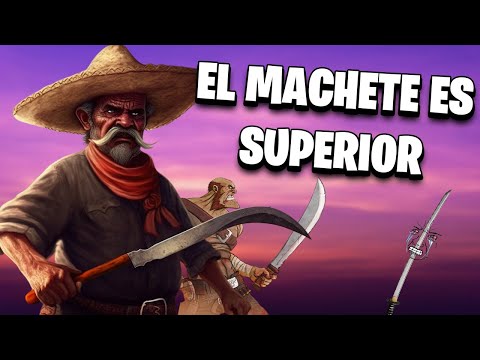
¿Machete vs. Katana? El Filo de la Verdad en el Campo de Batalla y en la Vida

¡Atención, budokas y guerreros de teclado! Hoy desempolvamos una vieja discusión, esa que resurge cada vez que un meme de "abuelo luchando contra el diablo con su machete oxidado" inunda las redes. Nos adentramos en un terreno polémico: ¿Es el humilde machete, esa herramienta de labranza que muchos subestiman, realmente superior a la mítica katana? En BYAM Budo y Artes Marciales, no tememos desafiar las leyendas. Prepárense, porque vamos a desmantelar el mito de la katana y a reivindicar el poder multifacético del machete.

El Mito de la Katana y la Realidad del Machete

La katana, ese sable curvo de hoja única, ha sido elevada a la categoría de arma casi mística en la cultura popular. Su silueta elegante, su asociación con los samuráis, y su supuesta precisión letal la han cimentado en el imaginario colectivo como el pináculo de las armas blancas. Pero, ¿cuánto de esto es mito y cuánto de verdad?

Hoy, desde el corazón de BYAM Budo y Artes Marciales, nos proponemos descorrer el velo. No negamos la historia y el arte de la katana, pero sí cuestionamos su supuesta supremacía. Vamos a confrontarla con un arma a menudo relegada a la categoría de herramienta agrícola o de combate de baja estofa: el machete. Su linaje, su funcionalidad en el mundo real y su impacto histórico merecen un análisis tan riguroso como el de cualquier arte marcial tradicional.

La pregunta que planea es clara: ¿El machete, ese fiel compañero de tantos en Latinoamérica y otras regiones, eclipsa a la katana en eficacia y relevancia práctica? La respuesta podría sorprender a muchos puristas y aficionados a las katanas de museo.

Un Arma de Raíces Profundas: La Historia del Machete

El machete no es una invención moderna ni un capricho latinoamericano. Su diseño, optimizado para cortar vegetación densa, tiene raíces que se hunden profundamente en la historia de las herramientas y las armas primitivas. Si bien los memes lo asocian con "abuelos luchando contra el diablo", su verdadera historia es la de la supervivencia, la expansión y la lucha diaria.

"La herramienta que separa el grano de la paja es la que marca la diferencia entre el éxito y el fracaso en la vida." - Una máxima de la sabiduría campesina.

Su popularidad global se disparó con la colonización española, que introdujo variantes y fomentó su uso masivo en las plantaciones. Desde entonces, el machete ha sido una constante en la historia de América Latina. Fue el arma del campesino rebelde, del jornalero explotado y, sí, también del combatiente en guerras de independencia y conflictos civiles. Su presencia es tan ubicua que es difícil imaginar la historia de la región sin él.

A diferencia de la katana, cuya evolución está intrínsecamente ligada a la clase guerrera samurái y a un contexto cultural específico, el machete es un arma del pueblo. Nació de la necesidad, se perfeccionó por la utilidad y se adoptó por su eficacia en infinidad de escenarios, desde el campo de batalla hasta la defensa personal en el entorno rural.

Más que un Arma: El Machete como Herramienta y Símbolo Cultural

Aquí es donde la comparación se vuelve realmente interesante y donde el machete comienza a mostrar su verdadera envergadura. La katana, en su concepción más pura, es un arma de combate de alta precisión. Requiere entrenamiento específico, una mentalidad particular y un contexto de duelo o guerra. El machete, en cambio, es multifacético. Es una herramienta de trabajo indispensable para millones de personas.

En muchas zonas rurales de Latinoamérica, el manejo del machete no es solo una habilidad de combate, es una competencia vital. Abre caminos en la selva, cosecha alimentos, construye refugios y, por supuesto, defiende el hogar y la vida ante depredadores o amenazas humanas. Esta integración diaria en la vida de las personas le otorga una versatilidad que la katana, por su naturaleza y finalidad, simplemente no posee.

Su importancia cultural es innegable. Se ha incrustado en danzas folclóricas, ceremonias y rituales, convirtiéndose en un símbolo de identidad, resistencia y laboriosidad. Piensen en esto: ¿cuántas danzas folclóricas incorporan la katana de manera orgánica? El machete no es solo un vestigio histórico; es una parte viva de la cultura.

Cara a Cara: ¿Cuál Filo es Más Letal y Versátil?

Analicemos la hoja, el alma de cada arma. La katana, con su curvatura y filo extremadamente agudo, está diseñada para cortes rápidos y profundos, buscando incapacitar al oponente con la mínima exposición. Es el arma del espadachín, donde la técnica y la precisión son primordiales.

El machete, por otro lado, presenta una hoja generalmente más ancha y con una curvatura diferente, a menudo optimizada para cortes más contundentes y con mayor peso detrás del impacto. Esta configuración le permite:

  • Mayor Potencia de Corte: La masa y el diseño del machete facilitan cortes más potentes, capaces de atravesar no solo carne sino también madera o incluso hueso con la fuerza adecuada.
  • Versatilidad de Agarre: Su mango, usualmente más robusto, permite una variedad mayor de agarres y palancas, lo que lo hace útil en situaciones de lucha cuerpo a cuerpo más "sucias" y menos formales que el duelo de samuráis.
  • Uso como Palanca o Maza: En un apuro, un machete robusto puede ser usado para bloquear, desviar o incluso golpear con el plano de la hoja o el dorso, algo impensable con la delicada katana.

Si bien la katana puede ser superior en un duelo uno contra uno bajo reglas específicas, en la anarquía del combate real, donde la improvisación y la contundencia son clave, el machete ofrece una gama de aplicaciones mucho más amplia y efectiva. Su capacidad para realizar cortes devastadores y su resistencia lo convierten en un adversario formidable.

Democratizando el Acero: La Economía del Machete

Aquí tocamos un punto crucial que a menudo se pasa por alto en las comparaciones románticas de armas históricas. El mercado y la accesibilidad de un arma son factores determinantes en su relevancia y su impacto a lo largo del tiempo.

Las katanas, especialmente las de alta calidad forjadas con técnicas tradicionales, son objetos de lujo. Su producción es costosa y su adquisición está, en muchos casos, reservada a coleccionistas o practicantes adinerados. Son armas que adornan paredes tanto como empuñan manos.

El machete, en cambio, es un arma de masas. Se produce en volúmenes industriales, se vende en ferreterías, mercados locales y tiendas de agricultura. Su precio es accesible para la gran mayoría de la población mundial. Esto no solo significa que más personas tienen acceso a él para defensa o trabajo, sino que su presencia histórica y su impacto en la vida cotidiana son exponencialmente mayores.

Este factor de accesibilidad es fundamental. Un arma que está al alcance de todos, que se usa a diario y que está integrada en la sociedad, tiene una relevancia práctica mucho mayor que un objeto de élite, por muy hermoso o históricamente significativo que sea.

Veredicto del Sensei: ¿Cinturón Negro o Falla en los Fundamentos?

He sido testigo de innumerables debates sobre la eficacia de armas y estilos, y he entrenado con practicantes que empuñan tanto el acero pulido como el acero rústico. La katana es un arte en sí misma, un testamento a la habilidad y la estética del guerrero japonés. Su legado es innegable.

Sin embargo, desde una perspectiva pragmática, de utilidad en el mundo real y de impacto histórico-social, el machete emerge como el vencedor indiscutible en esta comparativa. Su versatilidad como herramienta, su potencia en el combate improvisado, su accesibilidad y su arraigo cultural lo elevan por encima de la katana como un arma de mayor relevancia práctica.

La katana es un símbolo de una era pasada, una obra de arte funcional. El machete es un compañero constante, una herramienta de supervivencia y un arma democrática. Si buscamos eficacia cruda y aplicabilidad en el amplio espectro de la vida y el combate, mi veredicto es claro: El machete, en su humilde pero efectiva gloria, supera a la mítica katana.

Equipo Esencial para tu Entrenamiento

Si bien este análisis compara armas históricas y herramientas, la disciplina marcial se nutre del entrenamiento y la mejora constante. Para aquellos que buscan perfeccionar su técnica y condición física, contar con el equipo adecuado es fundamental. Aquí les dejo una lista de elementos que considero esenciales para un entrenamiento integral:

  • Kimono de Judo o Jiu Jitsu Resistente: Ideal para trabajar agarres, proyecciones y resistencia. Un buen kimono de doble tejido (#judoskills) te permitirá entrenar sin preocuparte por desgarros.
  • Guantes de MMA de 16oz: Si bien hablamos de armas blancas, la preparación física para el combate es universal. Estos guantes son perfectos para el sparring, permitiendo tanto golpeo como agarre.
  • Protector Bucal: La seguridad es primordial, incluso en entrenamientos simulados.
  • Esterilla de Entrenamiento: Para ejercicios de suelo, caídas y rutinas de acondicionamiento físico en casa (#AtHomeWorkout).
  • Cuerda de Saltar de Alta Resistencia: Un clásico para mejorar la agilidad (#Agility), la resistencia cardiovascular y la coordinación.

Recuerden, la herramienta no hace al maestro, pero el maestro se asegura de tener las mejores herramientas para su arte.

Taller Práctico: Simulación de Movimientos Básicos

Aunque no trabajemos con machetes o katanas en un dojo tradicional, los principios de corte, bloqueo y movimiento son transferibles. Aquí les presento un ejercicio de simulación para trabajar la conciencia corporal y la potencia de movimiento, adaptable a cualquier practicante de artes marciales:

  1. Calentamiento Dinámico (5-10 minutos): Movilidad articular completa, rotaciones de torso, círculos de brazos y piernas.
  2. Posición Fundamental ( Kamae): Adopta una postura estable, similar a una guardia de combate o de trabajo. Pies separados al ancho de hombros, rodillas ligeramente flexionadas, peso centrado.
  3. Simulación de Corte Descendente: Imagina que empuñas un machete. Eleva tus brazos por encima de la cabeza, como si sostuvieras el arma con ambas manos. Con un movimiento fluido y coordinado, desciende el "arma" hacia un objetivo imaginario frente a ti, girando el torso para generar potencia. Siente la tensión en tus músculos oblicuos y la transferencia de peso.
  4. Simulación de Corte Horizontal: Desde la posición fundamental, lleva tus manos a un lado del cuerpo, simulando empuñar el arma. Realiza un corte potente hacia el frente, a la altura de la cintura o el pecho, usando la rotación del torso y la cadera.
  5. Bloqueo Circular: Imagina un ataque inminente. Con un movimiento amplio y controlado de tus brazos, simula un bloqueo circular descendente o ascendente, como si desviaras un golpe.
  6. Movimientos de Desplazamiento: Integra los cortes y bloqueos con pasos fluidos hacia adelante, atrás y laterales. Mantén siempre una base estable y la conciencia de tu centro.
  7. Resistencia y Repetición: Realiza cada movimiento de 10 a 15 repeticiones, enfocándote en la calidad y la potencia. Descansa brevemente y repite el ciclo 3-4 veces.

Este ejercicio, al igual que el entrenamiento con pesas (#Fuerza) o ejercicios de agilidad (#Workout), ayuda a desarrollar la potencia, la coordinación y la disciplina necesarias en cualquier disciplina marcial.

Preguntas Frecuentes

1. ¿Es seguro entrenar con machetes reales?

Absolutamente NO. El entrenamiento con armas reales requiere supervisión experta en entornos controlados y con equipo de protección adecuado. Lo que hemos discutido aquí es la concepción teórica y la aplicabilidad, no la práctica sin precauciones.

2. ¿Entonces, el Aikido es inútil contra un machete?

Frente a un arma contundente como un machete, la eficacia de cualquier arte marcial dependerá enormemente de la habilidad del practicante, la distancia y la sorpresa. Las técnicas de Aikido que involucran desarme o control del oponente son teóricamente aplicables, pero el riesgo de ser alcanzado por el arma es extremadamente alto.

3. ¿Qué diferencia hay entre un machete y un cuchillo grande?

Aunque comparten similitudes, el machete suele ser más largo, más pesado y con una hoja más ancha, diseñado para un corte más potente y para abrirse paso entre vegetación. Un cuchillo grande (o "kukri", por ejemplo) puede tener un diseño más especializado para el combate o para tareas específicas.

4. ¿Dónde puedo aprender sobre la historia de armas como la katana o el machete?

Recomiendo consultar museos de armas, bibliotecas especializadas en historia militar y cultural, y libros escritos por historiadores reconocidos en el campo de las armas blancas y la historia latinoamericana. También existen documentales rigurosos que abordan estos temas.

5. ¿Se pueden usar memes para analizar la superioridad de un arma?

Los memes son una forma de humor y comentario social, no un método de análisis riguroso. Sin embargo, a veces, un meme pegadizo puede reflejar una creencia popular o iniciar una discusión interesante, como en este caso. ¡Pero que no se nos olvide la seriedad de las artes marciales!

Para Profundizar en tu Camino

La fascinación por las armas blancas y la historia marcial es profunda. Si este análisis te ha picado la curiosidad, te invito a explorar estos recursos dentro de nuestro blog:

Reflexión del Sensei: Tu Próximo Paso

Hemos deconstruido la imagen idealizada de la katana y honrado la practicidad y la profundidad histórica del machete. Pero, más allá de la herramienta, ¿qué nos dice esta comparación sobre cómo abordamos la vida? ¿Nos dejamos llevar por la apariencia y el mito, o buscamos la sustancia y la utilidad real en nuestras decisiones, en nuestro entrenamiento, en nuestras relaciones? La próxima vez que empuñes una herramienta, una pesa, o incluso tu propio intelecto, pregúntate: ¿estoy eligiendo el arma del espectáculo o la del guerrero pragmático?

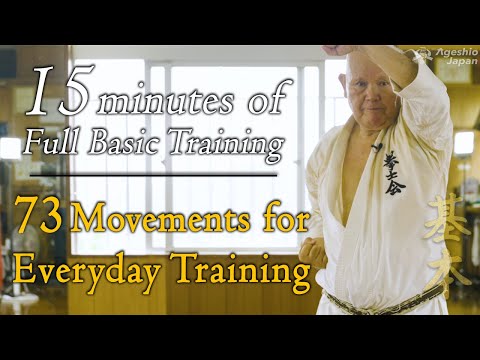
Mastering the Fundamentals: A Deep Dive into 73 Okinawan Karate Movements with Hanshi Yoshimasa Kakazu

Introduction: The Essence of Okinawan Karate

Let us be blunt. In the cacophony of modern martial arts, where flashy techniques and fleeting popularity often overshadow true substance, the purity of Okinawan Karate can seem like a distant echo. Yet, for those who seek the bedrock of a martial path, the original teachings from the birthplace of Karate are an unparalleled treasure. Today, we dissect a compelling resource: the instructional video featuring the esteemed Shorin-ryu Hanshi 10th dan, Yoshimasa Kakazu. This isn't just another exercise video; it's a portal into the very soul of Karate, a testament to the power of fundamentals.

The promise? 73 basic movements, designed for daily practice, right in your home. But can a 15-minute routine truly distill centuries of martial wisdom? Can the essence of Karate be captured and transmitted through a screen? We delve deep to answer these questions, examining not just the techniques, but the philosophy underpinning them, as presented by a master who embodies the spirit of the Okinawan dojo.

Part 1: Building the Foundation – 24 Essential Movements

Kakazu Sensei wastes no time. The video opens with a powerful assertion: Karate is not confined to the meticulously swept floors of a dojo. It is a way of life, a practice that can and *should* permeate every aspect of our existence, starting with dedicated daily training. This is the first lesson: consistency over intensity. A daily 15-minute commitment, performed with full intent (zanshin), is far more potent than sporadic, exhaustive sessions.

The initial 24 movements are the very scaffolding of Karate. Forget gratuitous flair; here we find the raw materials:

  • Punches: Straight, powerful extensions of the body, emphasizing correct fist formation and the generation of force from the hips and core. It's not just about punching the air; it's about projecting power through an imaginary opponent.
  • Blocks: The forearm is the primary instrument, but the entire body must engage. These aren't passive deflections; they are active deflections designed to redirect force, control distance, and set up counter-offensives.
  • Kicks: Precision, speed, and a sharp, snapping motion are paramount. Kakazu Sensei demonstrates kicks that are not only powerful but also economical, conserving energy while maximizing impact.
  • Footwork: The foundation of all movement. The drills focus on maintaining balance, changing direction efficiently, and covering distance without telegraphing intentions. This is the dance of combat, the silent conversation of movement.

Observe the hikite (pulling hand) – it's not merely for show; it's integral to hip rotation and power generation. Notice the rootedness of the stances; they are not static postures but dynamic platforms from which explosive movement can originate. This is where the martial artist learns to be both an immovable object and an unstoppable force.

"The true purpose of Karate is to build character, discipline, and a strong mind. Techniques are merely the means to this end." - A principle echoed by many Okinawan masters.

Part 2: Expanding the Arsenal – 27 Advanced Techniques

Once the foundational blocks are solid, Kakazu Sensei introduces a new layer of complexity and application. The next 27 movements delve into closer-range combat, requiring a higher degree of spatial awareness and coordination.

  • Elbow Strikes: These are devastating weapons when used correctly. The video emphasizes generating power through short, explosive movements, often using the entire body's weight.
  • Knee Strikes: Similar to elbow strikes, knee strikes demand precision and timing, particularly effective in clinching situations.
  • Throws: While Karate is primarily known for strikes, its Okinawan roots include effective grappling and throwing techniques (nage-waza). These movements teach balance disruption and leveraging an opponent's momentum against them.

This section is a critical reminder that Karate is a complete martial art. To dismiss its grappling and close-quarters aspects is to misunderstand its lineage. The integration of these techniques with the striking arsenal creates a truly formidable practitioner, capable of adapting to a variety of combat scenarios. Mastering these requires not just physical repetition but a mental shift – understanding leverage, timing, and the geometry of conflict.

Part 3: Refining the Craft – 22 Combinations and Flow

The final 22 movements are where the art truly begins to coalesce. This isn't just about individual techniques anymore; it's about the seamless transition between them, the creation of fluid combinations that overwhelm an opponent.

Here, we see the application of principles learned earlier:

  • Combinations: Punch-block-kick sequences, or more complex chains that exploit openings created by prior movements. The focus is on natural transitions, minimizing wasted motion and maximizing offensive pressure.
  • Advanced Kicks: More complex kicks, perhaps incorporating spins or multiple chambers, demanding greater flexibility and control.
  • Agility Drills: Movements designed to enhance speed, explosive power, and the ability to change direction instantly.

This is the stage where the practitioner moves from simply executing techniques to *applying* them with intent and strategy. It’s about developing Ki – the vital energy – and channeling it through precise, powerful actions. The sheer number of movements (73 in total) might seem daunting, but the beauty lies in their interconnectedness. Each movement is a building block, and these final combinations are the masterpiece taking shape.

Veredicto del Sensei: ¿Vale la Pena Ver el Video?

Cinturón Negro en Enseñanza de Fundamentos. This video is a valuable asset for any Karate practitioner, regardless of style or experience level. Kakazu Sensei's instruction is clear, precise, and imbued with the authority of decades of dedicated practice. The emphasis on fundamental movements and daily home practice is a timely reminder in an era often obsessed with novelty. While seeing the techniques in person at the Kenshikai dojo in Okinawa would undoubtedly offer deeper insights, this video provides an excellent, accessible foundation. It doesn't replace a qualified instructor, but it powerfully supplements home training.

Guía de Entrenamiento: Integrando los Movimientos de Kakazu Sensei

To truly benefit from the 73 movements, a structured approach is essential. Here’s how to integrate them into your daily regimen:

  1. Part 1 (Days 1-7): Focus exclusively on the first 24 movements. Practice each movement 10-20 times, ensuring correct form, balance, and power generation. Pay close attention to the hip rotation and breathing.
  2. Part 2 (Days 8-14): Integrate the next 27 movements. Spend time understanding the mechanics of elbow/knee strikes and the basic principles of throws. Ensure your foundational techniques remain sharp.
  3. Part 3 (Days 15-21): Introduce the final 22 movements. Focus on linking techniques smoothly. Practice combinations slowly at first, then gradually increase speed.
  4. Week 4 Onwards: Cycle through all 73 movements, aiming for fluidity and power. Use the video as a reference but strive to perform from memory. Incorporate applications (bunkai) mentally or with a training partner.
  5. Daily Practice: Even 15 minutes daily is better than hours once a week. Maintain Zanshin throughout your practice.

Recursos para Profundizar en tu Camino Marcial

To truly embody the principles of Okinawan Karate, consider these resources:

  • Kimono de Karate de Alta Calidad: Look for kimonos de doble tejido designed for durability and freedom of movement. A well-fitting gi enhances your practice.
  • Guantes de Entrenamiento: For sparring practice, investing in guantes de 16oz para sparring can protect your hands and your partner's.
  • Libros sobre Bushido y Filosofía Marcial: Understanding the warrior's code is as crucial as physical training. Explore texts on Bushido and the philosophy of the samurai.
"Karate is a lifetime pursuit. There is no end to learning, only constant improvement." - Attributed to many Karate masters.

Preguntas Frecuentes

¿Es necesario tener experiencia previa en Karate para seguir este video?

No, aunque tener una base ayuda, el video está diseñado para ser accesible. La claridad de Kakazu Sensei permite a los principiantes comenzar a construir una base sólida. Sin embargo, se recomienda buscar instrucción presencial para correcciones personalizadas.

¿Puedo realmente mejorar mi Karate solo con este video y práctica en casa?

Este video es una herramienta excelente para el entrenamiento diario y la mejora de los fundamentos. Sin embargo, para un desarrollo marcial completo, la guía de un instructor calificado en un dojo es insustituible para el sparring, el bunkai (aplicaciones) y la corrección técnica detallada.

¿Qué significa "Shorin-ryu Hanshi 10th dan"?

"Shorin-ryu" es uno de los estilos principales de Karate Okinawense. "Hanshi" es un título honorífico otorgado a maestros de alto nivel (generalmente 8º Dan o superior) con décadas de experiencia. "10th dan" indica el rango más alto posible en la mayoría de las organizaciones de Karate.

¿Por qué tantos movimientos básicos en Karate?

Los movimientos básicos (Kihon) son los cimientos sobre los que se construye todo el arte. Dominar el Kihon asegura potencia, precisión, equilibrio y eficiencia, principios cruciales para cualquier técnica, por compleja que sea.

¿Es la práctica de Karate útil para la defensa personal real?

El Karate tradicional, especialmente cuando se entrena con aplicaciones prácticas y se enfoca en la mentalidad combativa, puede ser muy efectivo para la defensa personal. Sin embargo, la efectividad depende en gran medida de la calidad del entrenamiento y del enfoque del practicante. Estilos como el Kyokushin (Karate Kyokushin) a menudo incluyen entrenamiento más enfocado en el combate real.

Para Profundizar en tu Camino

```