Showing posts sorted by relevance for query different martial arts. Sort by date Show all posts

Wu-Tang Collection: A Deep Dive into the Martial Spirit of "Chivalrous"

The Echoes of the Northern Song Dynasty

The Wu-Tang Collection, a veritable treasure trove for aficionados of classic martial arts cinema, often presents us with films that are more than just entertainment; they are windows into a bygone era, glimpses into the disciplined world of the warrior. Today, we turn our analytical gaze upon Chivalrous, a film that, while perhaps not a household name, carries the weight of its genre with a certain gravity. Directed by George Chi and featuring a cast including Lo Meng, Yan Xi, and Derek Kwok, this cinematic offering transports us to the turbulent Northern Song Dynasty. Here, amidst the grandeur of the Xuanwu Order, four martial arts families engage in a fierce struggle for dominance. But beyond the on-screen battles, what true martial spirit does Chivalrous embody? Does it merely showcase empty theatrics, or does it resonate with the deeper principles of Budo? Join me, your Sensei, as we dissect this film not just as viewers, but as practitioners seeking the essence of the martial way.

Deconstructing the Battle for Supremacy

The premise of Chivalrous is a classic martial arts trope: the clan war. The Xuanwu Order, a venerable institution, becomes the crucible where the destinies of four prominent martial arts families are forged through conflict. This setup immediately begs the question: what specific martial arts traditions are represented, and how do they clash? The narrative, though ostensibly about power struggles, is the canvas upon which the true art is painted. The film promises a visual spectacle of rivalries, alliances, and betrayals, all underscored by the movement and techniques of seasoned warriors. As a critic deeply rooted in the practical application and philosophical underpinnings of combat sports and martial arts, I look for authenticity, strategic depth, and the transmission of core values. The "supremacy in the martial world" isn't just about who can land the most blows, but who embodies the superior understanding of combat, strategy, and self-mastery. The question isn't merely "who wins?", but "how do they win, and what does that victory say about their art?"

The Dance of the Warrior: Choreography and Authenticity

The heart of any martial arts film lies in its fight choreography. In Chivalrous, with directors like George Chi at the helm and actors known for their physical prowess, we expect a certain standard. The film purports to depict the struggles between different martial arts families. This implies a diversity of styles, each with its own distinct visual language and strategic approach. Are the movements crisp, believable, and demonstrative of genuine techniques, or are they overly stylized and divorced from reality? I pay close attention to the flow of combat. Does it resemble a chaotic brawl, or a strategic exchange where each move has a purpose and a counter? The use of weaponry, the close-quarters grappling, and the striking techniques – all must be evaluated. Is there evidence of styles like Kung Fu, Karate, or perhaps even elements of Judo or BJJ, albeit historically anachronistic? The authenticity of the execution is paramount. Even in a historical setting, the fundamental principles of balance, leverage, and timing should be discernible. If the choreography relies too heavily on wire-fu or overly exaggerated movements that defy physics, the martial integrity of the film is compromised. This is where many films falter, becoming mere action spectacles rather than genuine martial arts narratives.

"True martial arts are not about winning every fight, but about striving for perfection of character and the development of a spirit that is unbreakable." - A principle often echoed by masters across disciplines.

The interaction between Lo Meng and his co-stars will be crucial here. Lo Meng, in particular, has a filmography that often showcases a solid foundation in martial arts. His performance, and that of Yan Xi and Derek Kwok, will be a key indicator of whether the film prioritizes genuine martial expression or mere dramatic flair. The way they engage, parry, and strike speaks volumes about their training and the director's vision.

Beyond the Fist: Underlying Martial Philosophy

While the visual spectacle of combat is undeniable, the true resonance of a martial arts film often lies in its philosophical underpinnings. The title itself, Chivalrous, hints at a code of conduct, a set of ethics that should guide the actions of these warriors. The concept of 'chivalry' in a martial context transcends mere politeness; it speaks to honor, righteousness, and the responsible use of power. In the Northern Song Dynasty, the 'martial world' was not just a battlefield but a complex social structure governed by its own unwritten laws. The struggle for supremacy by these four families should, ideally, reflect a deeper exploration of these principles. Are the characters motivated by greed and ego, or by a desire to uphold justice and protect the innocent? Does the film explore the concept of Mushin – the "no-mind" state of effortless action – or the principles of Bushido, even if not explicitly named as such? The dedication to a martial path often involves immense sacrifice, discipline, and a constant internal struggle. A film that merely depicts external conflict without touching upon this internal dimension often feels superficial. I look for moments of introspection, instances where a character grapples with the morality of their actions, or displays a profound understanding of the interconnectedness of life and combat. This is what elevates a martial arts film from a mere action flick to a profound exploration of the human spirit.

Veredicto del Sensei: Does "Chivalrous" Earn Its Black Belt?

Evaluating Chivalrous through the lens of a seasoned martial artist and film critic presents a nuanced picture. The film undoubtedly taps into the rich tradition of historical martial arts cinema, presenting a narrative of clan warfare and the pursuit of dominance. The setting of the Northern Song Dynasty and the core conflict between four martial arts families provide a fertile ground for showcasing diverse fighting styles. However, the true measure of its success lies in the execution. Based on the premise and the known quality of some of its participants, we can anticipate competent, if not revolutionary, fight choreography. The presence of actors like Lo Meng suggests a degree of authentic martial movement will likely be present. The philosophical depth, though hinted at by the title "Chivalrous," remains to be seen. Does it merely serve as a backdrop for action, or does it genuinely explore themes of honor, duty, and the ethical use of martial prowess?

Overall Assessment: Chivalrous is a solid entry within the martial arts genre, particularly for those who appreciate historical settings and classic clan rivalries. It offers competent action and a glimpse into the competitive spirit that drives martial artists. While it may not redefine the genre, it successfully delivers on the promise of martial conflict and honor.

Classification: A commendable performance, but perhaps not a legendary one. It’s a well-executed demonstration of foundational techniques. It doesn't break new ground, but it respects the traditions it portrays.

Training: Embracing the Spirit of Competition

The spirit of competition seen in films like Chivalrous can be a powerful motivator for your own training. While your dojo may not be a battlefield for clan supremacy, the drive to improve, to test your skills, and to overcome challenges is universal. Here’s how to channel that competitive energy constructively:

  1. Set Clear Goals: Just as the families in the film strive for dominance, define what you want to achieve. Is it mastering a specific kata, improving your sparring record, or achieving a higher rank?
  2. Embrace Sparring: Regular sparring with training partners is the closest you'll get to a real test. Focus on applying techniques learned, understanding timing, distance, and strategy. Remember, the goal is mutual improvement, not just victory.
  3. Analyze Your Performance: After sparring or training sessions, reflect. What worked? What didn’t? Where did you make mistakes? This self-assessment is critical for growth, just as a commander would review battle plans.
  4. Study Different Styles: The film depicts different families fighting. In your training, understanding the strengths and weaknesses of various martial arts can broaden your perspective. Consider cross-training in kickboxing, grappling, or other related arts.
  5. Cultivate Resilience: You will lose rounds, you will make mistakes, and you will face opponents who seem superior. The key is not to be defeated, but to learn from every setback. This resilience is the core of the martial spirit.
  6. Respect Your Opponent: True chivalry extends to the training floor. Treat your training partners and opponents with respect, acknowledging their effort and skill. The spirit of competition should never overshadow the spirit of camaraderie.

While Chivalrous is steeped in historical martial arts, modern training requires appropriate gear to ensure safety and effectiveness. Investing in quality equipment is a mark of respect for your art and yourself.

  • Durable Training Uniform (Gi/Kimono): For arts like Judo, Karate, or Aikido, a sturdy, double-weave gi is essential. It must withstand rigorous grappling and striking. Look for brands known for their longevity and comfort. Karate merchandise often includes high-quality gi options.
  • Sparring Gloves: Whether you’re practicing kickboxing, MMA, or conditioned sparring in Karate, appropriate gloves are crucial for protecting your hands and your partner’s face. For MMA training, 4oz to 6oz gloves are common. For heavier striking arts like Kyokushin Karate, specialized sparring gloves offer more padding.
  • Mouthguard: Non-negotiable for any form of sparring or live training. A good mouthguard can prevent serious dental injuries.
  • Shin Guards: Essential for kickboxing and Muay Thai, and highly recommended for Karate sparring involving leg kicks.
  • Training Mats (Tatami/Roll-out Mats): For home training, especially if you practice throws, groundwork, or dynamic falls, investing in quality mats is vital to prevent injuries.
  • Training Weapons (if applicable): If your art involves weapons (e.g., Kali, Fencing, Kendo), ensure you use safe training versions – wooden bokken, foam kali sticks, or padded fencing foils.

Preguntas Frecuentes

  • Q: What martial arts styles are depicted in "Chivalrous"?
    A: While not explicitly detailed, the film implies a historical Chinese martial arts context, likely encompassing various traditional Kung Fu styles common during that era. The focus is more on the inter-family rivalry than specific stylistic breakdowns.
  • Q: Is Lo Meng a skilled martial artist?
    A: Yes, Lo Meng is a veteran actor known for his extensive experience in martial arts films, often demonstrating a strong foundation in traditional Chinese martial arts.
  • Q: What is the historical context of the Northern Song Dynasty in martial arts?
    A: The Northern Song Dynasty (960-1127 AD) was a period of significant cultural and military development in China. While specific martial arts lineages from that exact period are debated, it was a time when various regional fighting systems were evolving and being codified.
  • Q: How does the film "Chivalrous" relate to the Wu-Tang Clan?
    A: The "Wu-Tang Collection" refers to a curated series of classic martial arts films often distributed or popularized by individuals or groups associated with the iconic hip-hop group Wu-Tang Clan, who are renowned for their deep appreciation and influence from martial arts culture.

Para Profundizar en tu Camino

"The opponent is your teacher. Through him, you can learn to overcome yourself." - A sentiment that resonates across all martial disciplines.

The allure of films like Chivalrous lies in their ability to ignite the imagination and stir the martial spirit within us. They remind us of the dedication, the discipline, and the code of honor that define true warriors. But as practitioners, we must go beyond passive viewing. We must internalize the lessons, apply the principles, and strive to embody the chivalry and martial integrity on and off the training floor.

Reflexión del Sensei: Tu Próximo Paso

After dissecting Chivalrous, a question lingers: In our modern world, saturated with fleeting trends and instant gratification, how do we cultivate the long-term dedication and ethical framework that the title "Chivalrous" implies? Is it enough to simply mimic the moves on screen, or must we truly embody the warrior's heart in our daily lives? Consider this: If your life were a martial arts film, what would be the central theme of your 'story,' and how would your actions demonstrate your commitment to that theme?

``` GEMINI_METADESC: An in-depth martial arts critique of the Wu-Tang Collection film 'Chivalrous', analyzing its choreography, authenticity, and adherence to martial principles. Featuring director George Chi and cast Lo Meng, Yan Xi, and Derek Kwok.

PRIDE FC 4 (1998): A Deep Dive into a Martial Arts Milestone

Hello, fellow warriors and martial arts aficionados! You've stumbled upon a treasure trove, a place where the spirit of Budo meets the raw intensity of combat. Today, we dissect a true relic of the early days of mixed martial arts: **PRIDE FC 4**, held at the Tokyo Dome on October 11, 1998. Forget the gloss and the manufactured drama; we're here for the unadulterated art of fighting. Many of you clicking on this post likely carry the same question: What made PRIDE FC, and specifically events like PRIDE 4, such a monumental force in martial arts history? Was it the fighters? The format? Or perhaps something more profound, a deeper connection to the very essence of combat? This isn't just a recap; it's a critical examination of what made this event, and the promotion, a legend. We'll delve into the matchups, dissect the techniques, and ponder the philosophical implications of these battles. So, buckle up. This is your dojo, and I am your Sensei.

Table of Contents

The Roster: A Glimpse into Fighting Royalty

PRIDE FC 4 was more than just a collection of fights; it was a curated exhibition of some of the most compelling figures in the burgeoning world of MMA. The card, meticulously put together by the PRIDE organizers, showcased a blend of established legends and rising stars, promising a night of diverse martial arts disciplines clashing. Here’s a look at the full lineup as it unfolded, a testament to the promotional prowess and the depth of talent they managed to attract:
  • Igor Vovchanchyn vs. Gary Goodridge (Approx. 1:18 into the broadcast)
  • Akira Shoji vs. Wallid Ismail (Approx. 09:29)
  • Daijiro Matsui vs. Sanae Kikuta (Approx. 23:03)
  • Kazushi Sakuraba vs. Allan Goes (Approx. 57:20)
  • Satoshi Honma vs. Naoki Sano (Approx. 1:31:19)
  • Alexander Otsuka vs. Marco Ruas (Approx. 1:43:52)
  • Mark Kerr vs. Hugo Duarte (Approx. 2:07:34)
  • Rickson Gracie vs. Nobuhiko Takada (Approx. 2:40:33)
This lineup reads like a who's who of early MMA, each fighter bringing their unique martial arts background and fighting style to the legendary PRIDE ring. It was a deliberate choice, designed to pit different combat philosophies against each other.

Vovchanchyn vs. Goodridge: A Clash of Titans

The highly anticipated bout between Igor Vovchanchyn and Gary Goodridge set the tone for the evening. Vovchanchyn, the relentless Ukrainian powerhouse, was already a fearsome reputation in the world of striking and submission grappling. His opponent, Gary Goodridge, a formidable Dutch-Canadian fighter, brought a background in Muay Thai and kickboxing, alongside formidable strength.
Their encounter was a stark illustration of contrasting styles: Vovchanchyn's aggressive, overwhelming pressure against Goodridge's powerful striking and submission defense. This fight was not merely about who landed the cleaner shot, but about the strategic application of different martial arts principles under extreme duress. The sheer physicality and will displayed by both fighters were a hallmark of the era, a brutal dance of dominance.

Sakuraba vs. Goes: The Gracie Hunter's Early Steps

For many, Kazushi Sakuraba was the enigmatic "Gracie Hunter," a fighter who would go on to challenge and defeat members of the legendary Brazilian Jiu-Jitsu family. At PRIDE FC 4, his bout against Allan Goes offered a glimpse into the technical prowess that would define his career. Sakuraba, a judoka with a deep understanding of submission grappling, employed his signature blend of defensive wrestling and opportunistic submissions. Goes, representing a more traditional grappling approach, provided a stern test. The fight was a chess match on the mat, showcasing the intricate details of ground fighting that often go unnoticed by the casual observer. It was a demonstration of how refined techniques, honed through years of dedicated practice, could overcome raw power or brute force. This bout was a microcosm of the strategic depth PRIDE FC sought to highlight.

Mark Kerr's Dominance: The "Smashing Machine" Unleashed

Mark Kerr, the Olympic wrestling silver medalist, was an absolute force of nature in his early MMA career. Dubbed "The Smashing Machine," his power, combined with his wrestling pedigree, made him a terrifying prospect for any opponent. His fight against Hugo Duarte at PRIDE FC 4 was a clear demonstration of this dominance. Kerr's strategy was simple and brutally effective: close the distance, secure a takedown, and utilize his superior strength and ground-and-pound to overwhelm his opponent. Duarte, a capable fighter, found himself unable to counter Kerr's relentless assault. This bout highlighted the impact of collegiate and Olympic-level wrestling on the professional MMA scene, proving that takedowns and control could be as decisive as any strike.

Beyond the Knockout: The Spirit of PRIDE

PRIDE FC was never just about the spectacle; it was about the philosophy of combat. The promotion fostered an environment where different martial arts were not just tested, but celebrated. This was evident in the respect shown between fighters, the diverse skill sets on display, and the organizational ethos that valued honor and tradition.
"In the martial arts, the greatest victory is to conquer oneself." - Bruce Lee
This quote, though not specific to PRIDE, encapsulates the spirit that should permeate any true martial arts endeavor. PRIDE FC 4, in its own way, embodied this. Fighters pushed their limits, not just against opponents, but against their own perceived limitations. The raw, unadulterated competition forced introspection and growth, embodying the Budo spirit. The inclusion of styles ranging from judo and wrestling to Muay Thai and potentially karate (though less prominently featured on this specific card) created a unique melting pot. Each fighter was an ambassador for their art, and their performance contributed to the broader understanding of martial arts effectiveness and beauty.

Sensei's Verdict: Was PRIDE FC 4 a True Martial Arts Spectacle?

PRIDE FC 4 was undoubtedly a pivotal event, not just for the organization, but for the evolution of mixed martial arts. It showcased fighters at the peak of their physical and mental prowess, battling with a ferocity and skill that defined an era. The matchups were carefully chosen, offering compelling stylistic clashes that demonstrated the effectiveness of diverse martial arts. However, as a "Sensei" dedicated to the deeper principles of Budo, I must ask: Did it fully represent the philosophical core of martial arts, or was it primarily a sporting spectacle? The intensity, the skill, and the sheer will to win were undeniable. Fighters like Vovchanchyn and Sakuraba exemplified martial arts dedication. Yet, the focus was undeniably on the contest, the victory, and the entertainment value. The deeper, often solitary, journey of self-mastery that is central to traditional martial arts was, by necessity, secondary. Therefore, my verdict is this: **Cinturón Negro en Exhibición de Combate, Cinta Blanca en Filosofía Marcial Profunda.** PRIDE FC 4 was a masterclass in combat sports promotion and athletic competition. It provided invaluable lessons in strategy, resilience, and the raw application of martial arts techniques. It gave us unforgettable moments and legendary fighters. But let us not mistake the roar of the crowd for the quiet introspection of the dojo. The true martial artist constantly seeks to balance the outer battle with the inner one.

Equipo Esencial para tu Entrenamiento

To truly embody the spirit of these warriors, the right equipment is crucial. Whether you're training striking, grappling, or a blend of both, investing in quality gear is paramount.
  • Guantes de MMA: For protection during sparring and to mimic competition conditions. Look for adjustable straps for wrist support.
  • Kimono de Judo o Jiu-Jitsu: A durable, double-weave gi is essential for grappling training. It withstands intense pulling and resisting.
  • Protector Bucal: Non-negotiable for any form of combat training to prevent dental injuries.
  • Espinilleras y Guantes de Boxeo: For striking drills and Muay Thai training, ensuring safety for both you and your training partners.
  • Esterillas de Entrenamiento: If you train at home, a good set of interlocking mats provides necessary cushioning for takedowns and falls.
Investing in proper **artes marciales equipo** not only enhances your training experience but also signals your commitment to the art.

Preguntas Frecuentes

  • ¿Cuándo se celebró PRIDE FC 4?
    PRIDE FC 4 took place on October 11, 1998.
  • ¿Dónde se celebró PRIDE FC 4?
    It was held at the Tokyo Dome in Japan.
  • ¿Quiénes fueron los comentaristas principales?
    While specific commentators varied, the voice of PRIDE often included figures like Mauro Ranallo and, in later years, Stephen Quadros, bringing their unique energy to the broadcasts. For this early event, local Japanese commentators were prominent.
  • ¿Qué hizo especial a PRIDE FC?
    PRIDE FC was known for its unique ruleset (allowing soccer kicks and stomps in earlier events), its grand entrances, its commitment to showcasing a wide array of martial arts, and its epic matchups, often featuring larger fighters and longer rounds than its Western counterparts.

Para Profundizar en tu Camino

* The Glorious, Chaotic History of PRIDE FC * Kazushi Sakuraba: The Gracie Hunter's Greatest Battles * Igor Vovchanchyn: Documenting the Power of the "Ice Cold" Destroyer

Reflexión del Sensei: Tu Próximo Paso

PRIDE FC 4 presented a canvas where diverse martial arts collided, each fighter a brushstroke of history. But the true art of the warrior isn't just in the fight itself, but in the discipline, the introspection, and the relentless pursuit of self-improvement that extends far beyond the ring or the mat. Consider this: If you were to face an opponent whose sole purpose was to expose a weakness in your chosen art, how would you prepare? Would you solely focus on offense, or would you fortify your defenses to an impenetrable degree? This is the constant dialogue between action and contemplation, the outer and the inner, that defines the path of Budo. How do you ensure your training cultivates both the fighter and the philosopher within? ``` GEMINI_METADESC: PRIDE FC 4 (1998) analysis: Dive deep into the historic MMA event with expert martial arts insights. Explore fights, fighters, and the underlying Budo philosophy.

PRIDE FC 6 (1999): A Martial Masterpiece or a Gory Spectacle?

Welcome, warriors and scholars of the Way! You've stumbled upon a deep dive into a pivotal moment in combat sports history: PRIDE FC 6, held at the Yokohama Arena on July 4th, 1999. Today, we dissect this event not merely as a collection of fights, but as a crucible where martial arts principles met raw, unadulterated combat. Forget your sanitized MMA promotions; PRIDE was a different beast, a testament to the visceral, often brutal, application of martial skill. But does its legacy hold up under the scrutinizing gaze of a true martial arts critic? Let's find out.

Table of Contents

A New Era of Combat

PRIDE FC 6 wasn't just another fight card; it was a declaration of intent. In 1999, the landscape of mixed martial arts was still being shaped, and PRIDE stepped onto the scene with a distinct flavor. It embraced the spectacle, the larger-than-life personalities, and, crucially, the diverse martial arts traditions that fueled its fighters. This event was a melting pot, showcasing not only grappling prowess but also striking from various disciplines. It was a raw, unfiltered look at what happens when different fighting philosophies collide on the grandest stage. The question for us, as students of the martial way, is: did it represent a genuine advancement in our understanding of combat, or was it merely a brutal display of aggression?

The Fights That Defined a Generation

Let's break down the card, not just by time stamps, but by the martial significance of each bout. PRIDE FC 6 featured a lineup that would become synonymous with the promotion’s daring approach to matchmaking. This wasn't about creating predictable mismatches; it was about pitting contrasting styles against each other, often with dramatic results.

Malenko vs. Inoue: A Struggle for Dominance

Carl Malenko, a practitioner of catch wrestling, faced Egan Inoue, a judoka and Brazilian Jiu-Jitsu practitioner. This bout epitomized the early PRIDE philosophy: pitting distinct grappling backgrounds against one another. The outcome often hinged on which fighter could impose their rules – the mat-based submissions of Jiu-Jitsu or the transitional, limb-targeting attacks of catch wrestling.

Newton vs. Matsui: Technical Prowess on Display

Carlos Newton, known for his Judo and submission skills, took on Daijiro Matsui. Newton was a trailblazer, seamlessly blending takedowns with submission offense. Matsui, while perhaps less heralded internationally, brought his own brand of fighting spirit. This bout was a prime example of how Judo's throws and controls could transition into effective ground fighting, a key element that PRIDE helped popularize.

Vovchanchyn vs. Carlos Barreto: The Unstoppable Force Meets the Immovable Object

Igor Vovchanchyn, a legendary striking powerhouse with a background in combat sambo, met Carlos Barreto, a formidable BJJ black belt. This was a classic striker vs. grappler matchup, a cornerstone of MMA. Vovchanchyn's devastating power was legendary, while Barreto was known for his submission defense and ability to grind out opponents. The tension in a fight like this is palpable, representing the eternal debate: can power and aggression overcome superior technique, or vice-versa?
"The ultimate aim of martial arts is not physical prowess, but the development of a knightly character." - Jigoro Kano, Founder of Judo. While PRIDE often tested the limits of brutality, the underlying principle of character development remained, even if masked by raw combat.

Kurosawa vs. Nobuaki Kakuda: The Karate Clash

This bout stands out as a unique inclusion: a pure Karate vs. Karate match, albeit with Kakuda’s unique brand of full-contact Karate incorporating striking with his hands and feet, and a showman's flair. Hiroki Kurosawa was a respected Karateka. This was a rare opportunity to see striking arts of a similar lineage compete directly in the PRIDE ring, highlighting the differences in their application and philosophy. Did it showcase the explosive power of Karate, or did it expose its limitations in a mixed-rules environment?

Akira Shoji vs. Guy Mezger: A Battle of Styles

Akira Shoji, a Japanese fighter with a reputation for heart, faced American Kenpo Karate and Brazilian Jiu-Jitsu practitioner Guy Mezger. This bout represented the clash of Japanese fighting spirit against American MMA acumen. Shoji embodied the warrior ethos, often fighting through adversity, while Mezger was a seasoned competitor known for his well-rounded skills.

Naoya Ogawa vs. Gary Goodridge: The Heavyweight Collision

Naoya Ogawa, an Olympic Judo medalist, stepped into the brutal world of MMA against Gary Goodridge, a powerful heavyweight with a background in kickboxing and BJJ. This was a clash of titans, showcasing how Olympic-level grappling translated to the unforgiving rules of PRIDE. Goodridge was known for his knockout power, making this a high-stakes encounter where a single mistake could be fatal.

Kazushi Sakuraba vs. Ebenezer Fontes Braga: The Gracie Hunter's Prelude

Kazushi Sakuraba, "The Gracie Hunter," was at the height of his fame, known for his uncanny ability to defeat members of the legendary Gracie family. He faced Ebenezer Fontes Braga, a BJJ practitioner. While Braga was not a direct Gracie opponent, this fight was significant as it showcased Sakuraba's grappling acumen and his unique, almost dance-like, approach to submissions, often bewildering his opponents. His style was a blend of professional wrestling and submission grappling, a testament to his innovative approach.

Mark Kerr vs. Nobuhiko Takada: The Pinnacle of PRIDE's Drama

This main event between Mark Kerr, the "Smashing Machine," and Nobuhiko Takada, a puroresu legend and the face of PRIDE, was more than just a fight; it was a narrative. Kerr, a collegiate wrestling champion, was a force of nature, while Takada represented the established Japanese martial arts establishment. The build-up, the theatricality, and the sheer contrast in their backgrounds made this a focal point of the event, encapsulating PRIDE's ability to weave compelling stories around its contests.

Veredict of the Sensei: Was PRIDE FC 6 a True Test of Martial Arts?

PRIDE FC 6 was a raw, visceral, and undeniably impactful event. It delivered on its promise of showcasing diverse martial arts in high-stakes combat. The inclusion of a Karate vs. Karate bout, the clash of Judo against Catch Wrestling, and the perennial Striker vs. Grappler narratives were all present. However, we must analyze this through the lens of *true* martial arts development. While the event demonstrated incredible courage, resilience, and technical application, it also reveled in the brutality. The focus was often on the spectacle and the knockout, sometimes at the expense of the deeper philosophical tenets that underpin traditional martial arts. Did it advance martial arts? Yes, in terms of showcasing the effectiveness of various disciplines in a competitive, high-pressure environment. It highlighted the efficacy of submission grappling and the power of well-executed striking combinations. Was it the *pinnacle* of martial arts representation? That's where the debate lies. For those seeking the philosophical depth, the character refinement, and the spiritual growth that defines many traditional arts, PRIDE FC 6 might feel like a distant echo. Yet, for its demonstration of "real-world" combat effectiveness and the courage displayed by its warriors, it undeniably earned its place in history. **Cinturón Negro en Espectáculo Brutal, Medalla de Bronce en Filosofía Profunda.**

Equipo Esencial para tu Entrenamiento

To truly understand the martial arts showcased at PRIDE FC 6, dedicated training is paramount. Here's some essential gear to enhance your journey:
  • Guantes de MMA: For sparring and striking practice, ensuring hand protection while allowing for grappling. Look for 4-6 oz.
  • Rashguards: Essential for grappling disciplines like BJJ and Judo, providing comfort and preventing mat burn.
  • Protector Bucal: Non-negotiable for any striking or sparring activity to protect your teeth and jaw.
  • Espinilleras: Crucial for Karate and Kickboxing training to protect your shins during kicking drills.
  • Kimono/Gi de Judo o BJJ: For foundational grappling training. Invest in a durable, double-weave kimono for longevity, especially if you plan on serious Judo or BJJ.

Frequently Asked Questions

What was PRIDE FC known for?

PRIDE FC was renowned for its unique ruleset, larger-than-life fighters, dramatic entrances, and its willingness to book exciting, often brutal, matchups between fighters from diverse martial arts backgrounds. It was seen as a more "wild west" version of MMA compared to its contemporaries.

Was PRIDE FC real fighting?

Yes, PRIDE FC featured legitimate mixed martial arts contests governed by a specific set of rules. While it emphasized spectacle, the fights themselves involved highly skilled athletes competing seriously.

What martial arts were most prominent in PRIDE FC?

PRIDE FC showcased a wide array of martial arts, including Brazilian Jiu-Jitsu, Judo, Karate, Kickboxing, Muay Thai, Sambo, Wrestling, and Japanese professional wrestling (Puroresu), among others.

How did PRIDE FC differ from the UFC?

PRIDE FC often featured a more open ruleset (e.g., allowing soccer kicks and stomps to grounded opponents in its early days), had a different presentation style emphasizing Japanese culture and drama, and frequently booked heavier weight classes and inter-style super fights that were less common in the UFC at the time.

To Delve Deeper into Your Journey

Reflexión del Sensei: Tu Próximo Paso

PRIDE FC 6 offered a potent brew of combat effectiveness and raw human drama. It pushed the boundaries of what was accepted in competitive fighting, forcing us to question the efficacy of different martial arts against each other. But as you leave the spectacle of the ring behind, I ask you: In your own training, are you seeking mere victory, or are you forging the character of a true warrior? Is your technique a tool for control, or a weapon of uncontrolled aggression? Reflect on the spirit behind the strike, the intention behind the submission. Where does your true path lie? ``` GEMINI_METADESC: Explore PRIDE FC 6 (1999) with a critical martial arts perspective. Analyze fights, styles, and the event's legacy in combat sports history.

Luibel Lomparte: A Master's Legacy in the World of Martial Arts

Welcome, dedicated practitioners and curious minds, to Budo and Martial Arts. Today, we delve into the profound world of Luibel Lomparte, a figure whose name resonates with dedication, depth, and an unyielding commitment to the martial way. As we explore his contributions, remember that understanding the essence of any art form, especially the martial arts, requires more than just observing techniques; it demands an immersion into the philosophy, the history, and the spirit that breathes life into every movement.

Our journey today is not merely about a name, but about a philosophy embodied. Lomparte's work, as we'll dissect, represents a significant current in the vast ocean of martial practices. Are you ready to understand what makes a martial artist truly exceptional? Let us begin.

Who is Luibel Lomparte?

Luibel Lomparte is more than just a practitioner; he is a torchbearer for the authentic principles of Budo and martial arts. His influence, particularly noted around the publication date of January 25, 2023, stems from a deep-seated understanding of the disciplines he champions. The digital space, often filled with fleeting trends, benefits immensely from figures like Lomparte who provide a steadfast anchor to tradition while embracing the evolution of combat sports and self-defense. He represents a bridge between the ancient wisdom of the East and the modern realities of physical and mental combat.

In a world obsessed with the superficial, Lomparte’s dedication to the "most complete and updated martial arts blog on the internet" speaks volumes. This isn't just about being current; it's about the relentless pursuit of knowledge and the sharing of that wisdom. It’s a commitment that mirrors the very core of martial arts: continuous learning and refinement.

The Essence of Budo in Lomparte's Teachings

The term "Budo" itself signifies the "martial way." It transcends mere fighting techniques, encompassing ethical conduct, spiritual development, and the cultivation of character. Lomparte’s teachings, as observed in his prolific work, consistently emphasize this holistic approach. He doesn't just teach you how to throw a punch or execute a sweep; he guides you to understand the 'why' behind the 'what'.

Consider the philosophical underpinnings. Many modern martial arts have become increasingly sport-focused, sometimes at the expense of their deeper meanings. Lomparte, however, seems to champion a return to the roots, where discipline, respect, and self-mastery are paramount. This focus is crucial for anyone looking to develop not just a capable body, but a resilient mind.

"The martial way is a path of continuous learning. To stop learning is to cease being a martial artist." - A principle echoed in Lomparte's dedication.

His commitment to providing updated content suggests an understanding that martial arts are not static. They evolve, adapt, and integrate new knowledge. Yet, this evolution must always be grounded in the timeless principles that give them their power and meaning. This is the delicate balance Lomparte strives to maintain.

Analyzing Lomparte's Approach to Martial Arts Training

What distinguishes a truly effective martial arts training regimen? It's the integration of physical conditioning, technical proficiency, strategic thinking, and mental fortitude. Lomparte's work, by aiming for comprehensiveness, touches upon all these facets.

From the fundamental Karate techniques to the intricate Jiu-Jitsu grappling, and the explosive power required in Kickboxing, a well-rounded martial artist must draw from various disciplines. Lomparte's blog, by covering this breadth, implicitly encourages practitioners to explore beyond their primary art. This cross-training is vital for developing adaptability and a deeper understanding of combat dynamics. It’s this very versatility that defines modern Artes Marciales Mixtas (MMA) and is a testament to the enduring principles of combat efficiency.

For those focused on specific outcomes, such as self-defense or competitive success, Lomparte’s updated content likely provides insights into current training methodologies. This includes understanding the tactical advantages of certain combat scenarios, whether it’s standing fight or ground grappling. His platform serves as a valuable resource for honing skills applicable to a wide range of real-world situations and sporting arenas.

The Role of Philosophy and Mentality

Beyond the physical, the true battlefield often lies within the mind. Concepts like 'Ki' (energy), 'Mushin' (no mind), and 'Zanshin' (lingering awareness) are not mere abstract ideas; they are critical components of effective martial arts practice. Lomparte's commitment to updating his blog suggests a recognition that mental training is as crucial as physical training.

The discipline required to train consistently, the resilience to overcome setbacks, and the focus to execute techniques under pressure are all cultivated through a strong mental game. It's this internal strength that separates a mere fighter from a true martial artist. The philosophical texts, such as Miyamoto Musashi's "The Book of Five Rings," offer timeless wisdom on strategy and mindset that remains relevant today. Lomparte's work, by consistently providing rich content, implicitly guides readers toward this deeper understanding.

"Empty your mind, be formless, shapeless. Like water. If you put water into a cup, it becomes the cup. You put water into the bottle and it becomes the bottle. You put it into the teapot, it becomes the teapot. Now water can flow or it can crash. Be water, my friend." - Bruce Lee, a sentiment that resonates deeply within the philosophy of Budo.

Developing such mental clarity is not an overnight process. It requires dedicated practice, much like honing a physical technique. It involves introspection, meditation, and a willingness to confront one's own limitations.

Lomparte's Impact on the Martial Arts Community

In the interconnected world of the 21st century, the impact of a dedicated martial arts resource like Lomparte's blog cannot be understated. It serves as a central hub, aggregating information and fostering a sense of community among practitioners worldwide. Through his efforts, individuals gain access to knowledge that might otherwise be scattered or inaccessible.

The emphasis on being "complete and updated" is key here. It signifies a commitment to accuracy and relevance, essential in fields that are constantly evolving. Whether you're a beginner exploring options in Kyokushin Karate or an experienced practitioner of BJJ seeking advanced techniques, Lomparte's platform aims to cater to a broad spectrum of interests and skill levels.

His dedication to social media and directing traffic to his main page demonstrates an understanding of modern outreach. This allows him to connect with a wider audience, further promoting the values and practices of martial arts. This kind of consistent engagement is what builds lasting influence and supports the growth of the global Martial Arts Community.

Equipment Essential for Your Training

While the spirit and technique are paramount, the right equipment can significantly enhance your training experience and safety. For any serious martial artist, investing in quality gear is a wise decision. Consider these essentials:

  • Durable Gis: For arts like Judo and Karate, a sturdy Karate Gi or Judo Gi made from quality material is crucial. Look for double-weave options for increased longevity, especially if you engage in heavy sparring.
  • Sparring Gear: Depending on your art, this may include MMA gloves (16oz for sparring is standard), shin guards, headgear, and mouthguards. Safety first, always.
  • Training Mats: For ground work or dynamic movements, especially in styles like BJJ or Judo, having appropriate mats can prevent injuries and improve practice.
  • Focus Mitts and Pads: Essential for striking drills, allowing practitioners to refine power, accuracy, and timing.
  • Resistance Bands: Versatile for strength and conditioning, particularly useful for no-equipment or at-home workouts.

Choosing the right equipment can be daunting. For a comprehensive overview, exploring reputable Martial Arts Merchandise providers is recommended. Remember, proper gear not only protects you but also facilitates better technique execution.

Training Guide: Basic Striking Drills

Mastering the fundamentals is the bedrock of any martial art. Here's a simple yet effective drill focusing on basic striking, adaptable for various disciplines. Remember to perform these drills with proper form and control, focusing on precision over speed initially.

  1. Stance and Footwork: Begin in your fighting stance. Practice moving forward, backward, and laterally while maintaining balance. Ensure your weight distribution is correct and your guard is up.
  2. Jab Practice: From your stance, extend your lead hand in a straight line towards your target. Retract it quickly to your guard position. Focus on snapping the punch rather than pushing. Perform 2-3 sets of 15-20 repetitions.
  3. Cross Practice: Rotate your hips and shoulders as you extend your rear hand in a straight line. Ensure your power comes from your core rotation, not just your arm. Alternate this with jabs. Perform 2-3 sets of 15-20 repetitions.
  4. Hook Practice: With a slight bend in your elbow, bring your lead arm across your body in a horizontal arc towards your target. Keep your elbow at roughly a 90-degree angle. Perform 2-3 sets of 15-20 repetitions.
  5. Uppercut Practice: From a slightly lower position, drive your lead or rear hand upwards in a vertical arc towards your target. Focus on power generation from the legs and hips. Perform 2-3 sets of 15-20 repetitions.
  6. Combination: Combine the above strikes into simple sequences, such as Jab-Cross or Jab-Cross-Hook. Start slowly and gradually increase speed as your coordination improves.

Important Note: Always warm up thoroughly before starting any training session and cool down afterwards. If you are unsure about proper technique, seek guidance from a qualified instructor. This drill is a basic introduction and should be adapted to the specific rules and techniques of your chosen martial art.

Frequently Asked Questions

Q1: What is the primary focus of Luibel Lomparte's martial arts content?
A1: Luibel Lomparte's content aims to provide comprehensive and updated information on a wide range of martial arts, emphasizing the principles of Budo, training methodologies, and the philosophy behind the practice.

Q2: Is Lomparte's blog suitable for beginners?
A2: Yes, the blog's aim for completeness and updates suggests it caters to a broad audience, likely including beginners looking to understand the fundamentals and explore different martial arts.

Q3: How does Lomparte's work contribute to the martial arts community?
A3: By serving as a central, updated resource and utilizing social networks, Lomparte fosters community, disseminates knowledge, and connects practitioners globally.

Q4: What does 'Budo' mean in the context of martial arts?
A4: Budo, the "martial way," signifies a holistic approach that includes not only physical techniques but also ethical conduct, spiritual development, and the cultivation of character.

Reflection of the Sensei: Your Next Step

Luibel Lomparte's dedication to the expansive world of martial arts, as evidenced by his pursuit of creating a complete and updated resource, challenges us all. He reminds us that the journey of a martial artist is perpetual. Are you content with simply learning a few techniques, or are you prepared to embrace the lifelong path of the martial way? Do the methods and philosophies presented resonate with your own training, or do you find yourself questioning the path forward? The true lesson lies not just in absorbing information, but in applying it, refining it, and ultimately, making it your own.

Now, the floor is yours. Does Lomparte's comprehensive approach inspire you, or do you believe some arts are best left untouched by the modern 'update'? Where do you see the future of martial arts heading, and is Luibel Lomparte leading the charge or simply documenting the parade? Let the debate begin.

To Deepen Your Journey

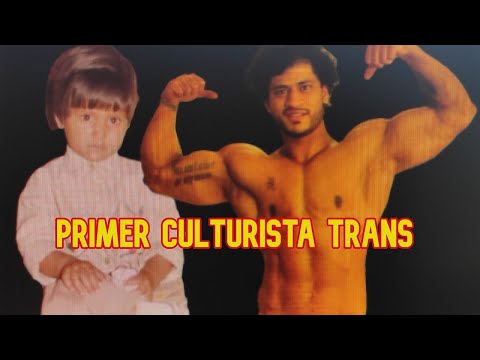
The Girl Who Underwent Surgery to Become a Bodybuilder: A Martial Arts Perspective

Introduction: Redefining Strength

Hello and welcome, students of the Way. Today, we venture into a topic that may initially seem far removed from the traditional dojo: the story of a young girl who chose surgery to pursue a career in bodybuilding. As practitioners of Budo and the myriad martial arts, we are constantly seeking to understand the essence of strength, discipline, and the human form's potential. Is this pursuit of physical perfection through radical means a testament to the indomitable human spirit, or a deviation from the core principles we hold dear? Let us delve into this compelling narrative, not just as observers, but as critical thinkers steeped in the philosophy and practice of the martial ways.
"True strength is not merely the absence of weakness, but the mastery of one's own being." - A principle often echoed in the halls of disciplined training.
Our journey today is about exploring the boundaries of physical transformation and questioning what it truly means to embody strength in its purest form. It’s a conversation starter, a challenge to our preconceptions, and an invitation to see the martial spirit in unexpected places.

The Unconventional Path: Beyond Traditional Aesthetics

The narrative of a young woman opting for surgical procedures to achieve a bodybuilding physique is, without question, unconventional. In many martial arts traditions, the ideal physique is often one of functional efficiency – lean, powerful, and agile, honed through relentless training rather than cosmetic intervention. Aesthetics take a backseat to utility; a fighter's body is a tool for survival and combat, not a canvas for sculpted perfection. However, to dismiss this pursuit outright would be a disservice to the fundamental principle of dedication. Bodybuilding, at its highest level, demands an extraordinary level of discipline, meticulous planning, and an unwavering commitment to pushing physical limits. These are qualities we deeply respect and cultivate in our own martial journeys. The question arises: does the *method* of achieving this physique invalidate the *spirit* of dedication? This is where our critical analysis must begin.

Martial Arts and Physical Transformation: A Synergistic Relationship?

The relationship between martial arts and physical transformation is as old as the arts themselves. From the Shaolin monks to the Greco-Roman wrestlers, the pursuit of physical prowess has always been intertwined with martial discipline. Yet, the *nature* of this transformation is key. Martial arts training aims to develop a body that is not only strong but also resilient, adaptable, and responsive. It’s about cultivating *Qi* (or Ki), the vital life force, which is believed to flow through and empower the body. This is a holistic approach, where mind, body, and spirit are developed in unison.
"The strength of a warrior is not in his muscles alone, but in the spirit that drives them." - Musashi's ethos, emphasizing the mind's command over the body.
In contrast, while bodybuilding undeniably requires immense effort, its primary focus is on hypertrophy and a specific aesthetic. Surgical intervention, while a tool, represents a different pathway to achieving that aesthetic. Can this pathway, when combined with the discipline of training, foster a spirit that resonates with martial principles? Or does it represent a fundamental divergence? This is a debate that ignites the very core of what we consider "martial."

Philosophical Considerations: The Warrior's Body

The concept of the "warrior's body" in martial arts is multifaceted. It’s a body forged in the crucible of training, capable of enduring pain, delivering devastating force, and adapting to unpredictable combat scenarios. It embodies *Mushin* (no-mind) and *Zanshin* (lingering awareness). This is a body that is a direct extension of the practitioner's will and spirit. When we consider the bodybuilder, we see a different kind of perfection – one that is often achieved through a combination of genetics, rigorous training, strict nutrition, and, in some cases, the aforementioned surgical enhancements. The intent behind these transformations is crucial. Is the intent to become a more formidable martial artist, or is it to achieve a specific visual ideal? Perhaps the most provocative question is: can a body altered by surgery still embody the *organic* development and resilience cultivated through traditional martial arts? Does it diminish the authenticity of the "fight" inherent in the training? Or, can the discipline required to recover from surgery and then train to the peak of bodybuilding serve as a unique, albeit unconventional, form of martial perseverance?

The Role of Surgery in the Pursuit of Excellence

Surgery, when viewed through a clinical lens, is a medical intervention. In the context of athletic or aesthetic pursuits, it can be seen as a tool to overcome physical limitations or to accelerate the achievement of a desired physique. In bodybuilding, this might involve procedures to enhance muscle definition or symmetry. From a martial perspective, this is where the debate truly ignites. Many martial arts philosophies emphasize the acceptance and mastery of one's natural form, or its refinement through effort and conditioning. The idea of "natural" vs. "augmented" strength is a significant point of contention. If the goal is to compete in bodybuilding, then surgery might be viewed as a strategic choice within that specific competitive domain. But if the implied aspiration is to embody the qualities of a martial artist – resilience, functional power, and adaptability – then the reliance on surgery raises questions about the depth and authenticity of the physical development. Is this a shortcut, or a different path to self-mastery?

Training Regimen and Discipline: The Core of Mastery

Regardless of the chosen path, the cornerstone of any true martial pursuit, or indeed any demanding physical discipline, is unwavering discipline and an exceptional training regimen. The individual in question, by undertaking surgery and then dedicating themselves to bodybuilding, demonstrates a profound level of commitment. The recovery from surgery itself requires immense fortitude and adherence to strict protocols. Following this with the grueling demands of bodybuilding training – precise nutrition, intensive workouts, and mental fortitude to push past discomfort – speaks volumes about their dedication. This level of commitment is a trait universally admired in the martial arts community. We see this same dedication in athletes who overcome severe injuries to return to competition, or in practitioners who spend decades perfecting a single technique. The *form* of the challenge may differ, but the *spirit* of perseverance and the cultivation of self-control are universal. This is where the narrative transcends the superficial and touches upon the core of what makes a warrior.

Equipment Essential for Your Training

While the focus of this narrative is on the individual's journey, effective training, whether for bodybuilding or martial arts, often benefits from appropriate equipment. For those pursuing strength and muscle development, particularly in a gym setting, certain gear can enhance performance and safety.
  • Weightlifting Gloves: Protect hands and improve grip during heavy lifting sessions, crucial for maximizing workout volume.
  • Lifting Straps: Aid in pulling exercises by reducing grip fatigue, allowing focus on the target muscle groups.
  • Weightlifting Belt: Provides core support during heavy compound lifts, helping to stabilize the spine and prevent injury.
  • Knee Sleeves or Wraps: Offer warmth and compression for the knees, beneficial for squats and other leg-dominant exercises.
  • Durable Training Shoes: Shoes with a stable, flat sole are essential for lifting, providing a solid base of support.
  • Resistance Bands: Versatile for warm-ups, cool-downs, and supplementary resistance work to target specific muscle groups.
For martial artists, the requirements differ, often emphasizing mobility and protection. For instance, practitioners of Judo or Karate would invest in specialized kimonos (`gi`). Those engaging in striking arts might require padded gloves or headgear for sparring. The underlying principle remains: the right tools support the practitioner's dedication. Exploring best kimonos for Judo or high-quality training gear can be a wise investment for any serious practitioner.

Frequently Asked Questions

Q1: Is it possible for someone who has had surgery to become a genuine martial artist? A1: The definition of "genuine martial artist" is often debated. If martial arts are defined by physical technique, discipline, and a code of conduct, then yes, it is possible. However, some traditions place a strong emphasis on organically developed physical prowess and resilience. Q2: How does the dedication required for bodybuilding compare to that required for martial arts? A2: Both demand immense discipline, sacrifice, and perseverance. Bodybuilding focuses intensely on physical aesthetics and muscular development, while martial arts often integrate physical training with mental, spiritual, and philosophical development. Q3: Can surgery enhance a martial artist's capabilities? A3: In specific therapeutic contexts (e.g., reconstructive surgery after injury), it can restore function. However, elective surgery purely for aesthetic enhancement in martial arts is not typically aligned with traditional philosophies, which often favor natural development. Q4: What is the role of "natural" versus "augmented" physical attributes in martial arts? A4: Traditional martial arts generally value attributes honed through natural training and inherent potential. While some augmentation through diet or specialized conditioning is accepted, significant reliance on surgical intervention for aesthetic or perceived performance gains is often viewed critically.

Veredict of the Sensei: A Question of Intent

This story presents a fascinating dichotomy. On one hand, the sheer dedication, discipline, and resilience required for both undergoing surgery and then pursuing peak bodybuilding form are undeniable and resonate with the spirit of perseverance that is central to Budo. This individual has clearly committed to a path of extreme self-challenge. However, from a purist martial arts perspective, the reliance on surgical intervention as a primary means to achieve a physique raises profound questions. The journey of a martial artist is traditionally about transforming the self from within, cultivating strength, resilience, and character through arduous, often uncomfortable, training. The body becomes a testament to that internal journey. Therefore, while I respect the dedication demonstrated, my "Veredict of the Sensei" is one of **Ambiguity, leaning towards Caution**. It is a testament to human determination, but the *intent* behind the transformation and its ultimate alignment with the holistic development sought in martial arts remain subjects for deep contemplation. It prompts us to ask: what is the ultimate goal of our physical pursuits? Is it the external form, or the internal transformation it represents? Cinturón Negro en Disciplina, pero ¿en Espíritu Marcial?

Further Learning on Your Path

For those who wish to explore the deeper aspects of martial arts philosophy, training, and discipline, consider delving into these related topics:

Reflection of the Sensei: Your Next Step

This narrative pushes us to confront our definitions of strength and dedication. The individual's path is unique, diverging significantly from traditional martial training. My question to you, warrior, is this: **If you were presented with a "shortcut" that promised rapid physical results, but deviated from the principles you hold dear, would you take it? Or would you reaffirm your commitment to the arduous, yet ultimately more profound, path of organic self-mastery?** Ponder this not just in your mind, but in the very fiber of your training. ``` GEMINI_METADESC: Explore the martial arts perspective on extreme physical transformation. Analyzing a bodybuilder's journey via surgery, this post questions discipline, strength, and the warrior's spirit.

One Piece's Ashura Doji vs. Jack: A Battle of Will or Just a Cartoon Brawl?

Introduction: Beyond the Screen

Welcome, disciples, to the hallowed grounds of Budo and Martial Arts. Today, we cast our gaze not upon the polished dojo floor or the blood-stained canvas of a championship bout, but upon the digital realm. The question before us is whether a spectacle like the fight between Ashura Doji and Jack from "One Piece" – a battle that has ignited discussions among fans – holds any true martial merit, or if it is merely another animated frenzy destined to be forgotten.

Many of you, seeking the raw essence of combat and the profound philosophies that underpin it, stumbled upon this content. You may have been drawn by the sheer spectacle, the promise of a "full fight," or the captivating visuals. But as your Sensei, I must guide you to look deeper. Is this a true representation of the warrior's path, or a distorted echo?

The Clash of Titans: Ashura Doji and Jack

Ashura Doji, a formidable samurai from the Wano Country arc, and Jack the Drought, one of Kaido's most brutal commanders, represent power and brute force within the "One Piece" narrative. Their confrontations are depicted as titanic struggles, filled with immense destruction and sheer, unadulterated aggression. Ashura Doji, embodying the spirit of a bygone era of warriors, faces Jack, a relentless and cruel antagonist.

Their clashes are not merely physical; they are woven into the fabric of the story's conflict, symbolizing the struggle between tradition and destruction, loyalty and tyranny. The animation aims to convey the sheer destructive power each character wields, with impacts that shake the very foundations of their fictional world.

Analyzing the Choreography: Art or Anarchy?

From a martial arts perspective, the first question must be about the choreography. When we observe real combat arts – be it Karate, Judo, Kung Fu, or even modern MMA – there is an underlying logic, a flow dictated by physics, biomechanics, and strategic intent. Attacks are launched with purpose, defenses are executed with efficiency, and movement is economical.

In the case of Ashura Doji vs. Jack, the animation often prioritizes exaggerated impacts and physics-defying feats. While visually stunning, these moments can stray far from the principles of effective martial engagement. We see massive energy blasts, characters surviving impacts that would pulverize a real human, and movements that defy anatomical limitations. This is not to say there's no artistry; the animators are undoubtedly skilled in creating exciting sequences. However, the "martial" aspect often takes a backseat to the "art" of spectacle. The speed, the power, the sheer scale—these are amplified to serve the narrative, not necessarily to reflect the practical application of martial techniques.

"The true warrior is the one who knows when to fight and when not to fight." - Bruce Lee

This principle is often lost in such animated battles, where the narrative demands that characters fight until they can no longer stand, regardless of strategic advantage or personal risk. The concept of Sen-no-sen (attacking the opponent's attack) or Go-no-sen (countering after blocking) becomes less about timing and precision, and more about overwhelming power versus overwhelming defense.

Philosophical Undertones: The Warrior's Spirit in Fiction

Despite the visual liberties, fiction, even animated fight sequences, can explore fundamental aspects of the warrior's ethos. Ashura Doji's character, in particular, is steeped in the traditions of the samurai. His actions, even in an exaggerated context, can reflect concepts like Bushido – the way of the warrior. Concepts such as loyalty, honor, and the willingness to sacrifice oneself for a greater cause are often central to his motivations.

Jack, on the other hand, embodies a different kind of "warrior" – one driven by pure, unadulterated might and a nihilistic desire to destroy. His approach lacks the ethical framework that defines traditional martial philosophies. The conflict between them, therefore, can be seen as a microcosm of larger philosophical debates within martial traditions: the difference between true strength rooted in character and strength that is merely destructive force.

The narrative explores themes of resilience. Both characters endure incredible punishment. In a real fight, the ability to withstand blows, to continue fighting when injured, is crucial. While the degree of resilience shown in "One Piece" is beyond human capacity, the underlying principle of Gaman (endurance) and perseverance is undeniably present.

Real-World Application: What Can We Learn?

So, what practical lessons can a serious martial artist glean from a fight like Ashura Doji vs. Jack? The answer is nuanced. We cannot directly replicate the anime's physics or superpowers. However, we can observe the:

  • Intensity and Commitment: The sheer dedication these characters show to their objectives, even when outmatched or injured, is a powerful narrative tool for illustrating commitment. In training, this translates to pushing your limits.
  • Strategic Positioning (Simplified): While often chaotic, there are moments where characters attempt to gain advantageous positions or exploit openings. This can be a basic reminder of the importance of spatial awareness in any fight.
  • Psychological Warfare: The "aura" of power and intimidation that both characters project, while amplified, touches upon the mental aspect of combat. A warrior's mindset can be as formidable as their physical prowess.

However, it is crucial to distinguish this from practical technique. The specific strikes, blocks, and superhuman leaps are narrative devices, not instructional material. Relying on such portrayals for actual self-defense or combat training would be, to put it mildly, a grave error. As I often tell my students, the most dangerous opponent is not the one who hits hardest, but the one who understands timing, distance, and strategy – principles often obscured by the spectacular in anime.

Veredicto del Sensei: Does This Digital Duel Earn a Black Belt?

Let's be direct. The fight between Ashura Doji and Jack is a piece of entertainment, a vibrant and dynamic scene designed to thrill viewers of "One Piece." It showcases incredible imagination and visual storytelling. However, as a representation of practical martial arts principles, it falls short. The exaggerated physics, the lack of adherence to real-world biomechanics, and the narrative-driven nature of the conflict mean it cannot be considered a valid martial arts lesson in technique or strategy.

It earns points for illustrating themes of warrior spirit, resilience, and intense commitment, which can be inspiring. But in terms of actionable combat knowledge? It's more like a flashy exhibition than a fundamental training session.

Rating: A Folded Kimono in the Dust (High Entertainment Value, Low Martial Arts Instruction)

Equipment Essential for Your Training

While anime fights may not teach you how to throw a punch, proper training does require the right gear. Investing in quality equipment is not about looking the part; it's about safety, effectiveness, and respect for the art.

  • Durable Uniforms (Gi/Kimono): For arts like Judo, Karate, and BJJ, a sturdy uniform is paramount. Look for double-weave or reinforced stitching for longevity, especially for grappling arts.
  • Sparring Gear: When the time comes for controlled combat, headgear, mouthguards, shin guards, and appropriate sparring gloves (e.g., 16oz for boxing/kickboxing, specialized sparring gloves for BJJ) are non-negotiable for safety.
  • Training Mats (Tatami/Puzzle Mats): Essential for arts involving throws, takedowns, or groundwork to prevent injuries.
  • Striking Equipment: Punching bags, focus mitts, and kicking shields are vital for developing power, speed, and accuracy in striking arts.

Resources to Deepen Your Journey

To truly understand the depth of martial arts, beyond the visual flair of animation, one must delve into foundational texts and historical accounts. The path of the warrior is a lifelong study.

  • "The Book of Five Rings" by Miyamoto Musashi: A seminal work on strategy and philosophy from a legendary swordsman. Essential reading for any student of combat.
  • Biographies of Great Masters: Understanding the lives and philosophies of figures like Gichin Funakoshi (Karate), Jigoro Kano (Judo), or even modern figures who bridge the gap between tradition and sport, offers invaluable insight.
  • Documentaries on Traditional Martial Arts: Seek out well-researched documentaries that explore the history, techniques, and cultural significance of specific arts.

Frequently Asked Questions

Is the fight choreography in "One Piece" realistic?

No, the fight choreography in "One Piece" is highly exaggerated and often defies the laws of physics and human anatomy to create visually spectacular entertainment. It is not intended as a realistic depiction of martial arts.

What martial arts principles can be observed in anime fights?

While techniques are often unrealistic, anime fights can sometimes illustrate broader martial principles such as commitment, resilience, the importance of mindset, and the symbolic representation of conflict between different philosophies (e.g., honor vs. brutality).

Can I learn martial arts by watching "One Piece"?

You can gain inspiration and perhaps an appreciation for the *spirit* of combat, but you cannot learn actual martial arts techniques or strategies from "One Piece." Practical training under qualified instructors is essential.

What is the difference between a fictional fight and a real martial arts match?

Real martial arts matches and self-defense scenarios are governed by physics, human physiology, and strategic principles focused on efficiency and effectiveness. Fictional fights prioritize narrative, spectacle, and emotional impact, often disregarding realistic limitations.

What makes a martial arts fight "authentic"?

Authenticity in martial arts fighting comes from adherence to biomechanical principles, strategic application of techniques, control, timing, and the demonstration of skills honed through rigorous, practical training. It prioritizes effectiveness and safety within a given context (e.g., sport rules, self-defense scenarios).

Further Exploration of Your Path

The journey into the depths of martial arts is vast and continuous. If the analysis of combat, whether real or fictional, has sparked a deeper interest within you, consider exploring these related topics:

Reflection del Sensei: Your Next Step

You have witnessed the spectacle, analyzed the technique (or lack thereof), and considered the philosophical echoes within a fictional battle. Now, I pose this to you: When the roar of the crowd, or the dramatic score of an anime, fades, what truly distinguishes the warrior? Is it the power of their blows, or the clarity of their intent and the unwavering discipline behind each movement, whether in a dojo, on a battlefield, or in the quiet of their own mind?

Now it is your turn. Do you believe there is value in dissecting fictional combat for martial insights, or is it a waste of a warrior's time? Challenge me in the comments below. Let your conviction be your guide.

``` ```json { "@context": "https://schema.org", "@type": "FAQPage", "mainEntity": [ { "@type": "Question", "name": "Is the fight choreography in \"One Piece\" realistic?", "acceptedAnswer": { "@type": "Answer", "text": "No, the fight choreography in \"One Piece\" is highly exaggerated and often defies the laws of physics and human anatomy to create visually spectacular entertainment. It is not intended as a realistic depiction of martial arts." } }, { "@type": "Question", "name": "What martial arts principles can be observed in anime fights?", "acceptedAnswer": { "@type": "Answer", "text": "While techniques are often unrealistic, anime fights can sometimes illustrate broader martial principles such as commitment, resilience, the importance of mindset, and the symbolic representation of conflict between different philosophies (e.g., honor vs. brutality)." } }, { "@type": "Question", "name": "Can I learn martial arts by watching \"One Piece\"?", "acceptedAnswer": { "@type": "Answer", "text": "You can gain inspiration and perhaps an appreciation for the *spirit* of combat, but you cannot learn actual martial arts techniques or strategies from \"One Piece.\" Practical training under qualified instructors is essential." } }, { "@type": "Question", "name": "What is the difference between a fictional fight and a real martial arts match?", "acceptedAnswer": { "@type": "Answer", "text": "Real martial arts matches and self-defense scenarios are governed by physics, human physiology, and strategic principles focused on efficiency and effectiveness. Fictional fights prioritize narrative, spectacle, and emotional impact, often disregarding realistic limitations." } }, { "@type": "Question", "name": "What makes a martial arts fight \"authentic\"?", "acceptedAnswer": { "@type": "Answer", "text": "Authenticity in martial arts fighting comes from adherence to biomechanical principles, strategic application of techniques, control, timing, and the demonstration of skills honed through rigorous, practical training. It prioritizes effectiveness and safety within a given context (e.g., sport rules, self-defense scenarios)." } } ] }