Showing posts sorted by relevance for query Resilience in Combat Sports. Sort by date Show all posts

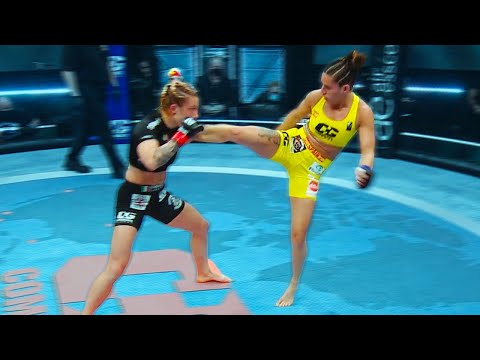
The Age-Old Question: Men vs. Women in Combat Sports – Who Reigns Supreme?

The roar of the crowd, the clash of wills, the sheer physical and mental fortitude displayed in combat sports – it's a spectacle that has captivated humanity for millennia. From ancient gladiatorial contests to the modern octagon, the primal drive to test oneself against another is undeniable. But as these disciplines have evolved, so too has the conversation around participation. Today, we confront a question that sparks fierce debate, ignites passionate arguments, and often leads to flawed assumptions: Men vs. Women in combat sports – who truly *does it better*? This isn't merely about who possesses greater brute strength, a common, and often lazy, line of reasoning. It’s about strategy, technique, adaptability, and the very spirit of the martial path. As a seasoned Sensei, I've dedicated my life to understanding the nuances of combat, both in its raw, physical manifestation and its deeper philosophical underpinnings. I've witnessed firsthand the dedication required to master an art, the discipline forged in the crucible of training, and the indomitable will that separates the true practitioner from the dabbler. Welcome to Budo and Martial Arts. We are here to dissect this complex issue, not with conjecture, but with an analytical eye trained by years of study and practice. This isn't just another superficial article; it's a deep dive into the realities of gender in combat sports, challenging preconceived notions and seeking a more enlightened understanding.

Table of Contents

The Primal Question: Beyond Brute Force

When the subject of combat arises, an immediate, almost instinctual comparison is drawn between male and female capabilities. This stems from a deeply ingrained societal perception that prioritizes physical strength as the ultimate determinant of combat effectiveness. However, anyone who has spent significant time in a dojo, on a mat, or in the ring knows that such a simplistic view is profoundly misleading. Martial arts, in their purest form, are about leverage, timing, strategy, and the efficient application of force. While undeniable physiological differences exist, to assert that these inherently make one gender "better" at combat sports is to ignore the vast spectrum of skills and attributes that contribute to victory.

The question isn't who hits harder, but who can impose their will, outsmart their opponent, endure more, and adapt to the ever-changing dynamics of a fight. It's about the relentless pursuit of mastery, a journey that transcends biological sex.

A Glimpse into History: Martial Arts Through the Ages

Historically, many martial arts traditions were predominantly male-dominated, often stemming from their origins as battlefield techniques or samurai disciplines. This historical context has unfortunately shaped perceptions for centuries. However, a closer examination reveals that women have always played a role, albeit often unacknowledged or relegated to the shadows. From the stealth and espionage of female ninja to the development of specific self-defense systems designed for women, their contributions are undeniable, even if not always recorded in grand historical texts.

Consider the philosophy of BUDO itself – the Way of the Warrior. It’s a path of self-improvement, not solely conquest. This path emphasizes character development, discipline, and the cultivation of inner strength. These are attributes that know no gender. The ancient principles of strategy, such as those espoused by Sun Tzu, are universally applicable. The subtle movements and deceptive tactics employed in arts like Judo or Aikido demonstrate that intelligence and skill can overcome raw power.

"The supreme art of war is to subdue the enemy without fighting." - Sun Tzu

The very concept of "martial arts" encompasses a wide array of disciplines, each with its own emphasis. Karate, with its powerful strikes, Jiu-Jitsu (BJJ), focusing on grappling and submissions, and striking arts like Kickboxing and Taekwondo all present different challenges and demand varied skill sets.

The Science of Combat: Understanding Physiological Nuances

It would be disingenuous to ignore physiological differences. On average, adult males possess greater muscle mass, bone density, and higher levels of testosterone, which can translate to advantages in raw power, speed, and aggression. These factors are undeniably relevant in combat sports, particularly in weight classes where the margin for error is slim.

However, focusing solely on these averages paints an incomplete picture. Women often exhibit greater flexibility, superior endurance, and a potentially higher pain threshold. Furthermore, training can significantly mitigate or even overcome perceived physiological disadvantages. A highly skilled female practitioner can, through superior technique and strategy, defeat a less skilled male opponent of significantly greater size and strength. The notion that women are inherently "weaker" fighters fails to account for the adaptability and ingenuity that are hallmarks of martial arts.

The development of specific training regimens tailored to maximize an individual's potential, regardless of gender, is crucial. This includes conditioning for power, speed, agility, and crucially, resilience. The effectiveness of a fighter is a complex equation, and physiology is but one variable.

Technique Over Testosterone: Where Skill Dominates

This is where the true debate lies. In a hypothetical, no-rules, no-holds-barred confrontation between an average male and an average female, strength might indeed be a significant factor. But martial arts, especially in their competitive and self-defense applications, are rarely that abstract. They are refined systems where technique is paramount.

Consider the intricate submissions in BJJ. A skilled grappler can use leverage and anatomical knowledge to control and submit an opponent much larger than themselves. Think of the precision striking in Karate or Muay Thai; a perfectly timed counter-punch or kick can end a fight regardless of the recipient's gender. In MMA, the blending of striking and grappling demands a holistic skill set where technical proficiency can often trump raw power. The ability to anticipate, defend, and counter effectively are learned skills, honed through thousands of hours of dedicated practice.

A practitioner who has mastered the principles of timing, distance management, and leverage can exploit an opponent's weaknesses far more effectively than someone relying solely on physical might. This is the essence of "smart fighting," a concept championed by many great masters.

The Warrior's Mind: Unseen Strength

Perhaps the most overlooked, yet most critical, component of combat sports is the mental game. Discipline, focus, resilience, tactical thinking, and the ability to remain calm under pressure are attributes that define a true warrior. These are cultivated through rigorous training and a deep understanding of the martial philosophy.

The concept of Ki (or Qi) in many Eastern traditions speaks to this internal energy and focus. The ability to achieve a state of "Mushin" (no-mind) allows a fighter to react instinctively and effectively, unburdened by thought or emotion. This mental fortitude is not exclusive to any gender. In fact, women have historically been recognized for their perseverance and ability to overcome adversity through mental strength. The pressure of competition, the sting of defeat, and the drive to improve are universal experiences for any serious athlete, male or female.

"The mind is the most important part of fighting." - Bruce Lee

The psychological aspect of combat – the ability to withstand punishment, maintain composure, and execute a game plan under duress – is often the deciding factor. It is here that the playing field can become significantly more level.

The Rise of the Female Warrior: Breaking Barriers

The landscape of combat sports has undergone a seismic shift in recent decades. Women are not just participating; they are excelling at the highest levels. Organizations like the UFC have fully integrated women's divisions, showcasing incredible talent and athleticism. Fighters like Ronda Rousey, Amanda Nunes, Joanna Jędrzejczyk, and Valentina Shevchenko are not just considered great female fighters; they are considered among the greatest fighters, period.

Their success has shattered stereotypes and inspired a new generation. They demonstrate the same dedication, skill, and fighting spirit as their male counterparts, often with a unique flair and strategic depth. The increased visibility of female athletes in Artes Marciales Mixtas, Judo, Karate, and boxing has proven that talent and dedication are the true currency of combat sports.

This evolution is a testament to the breaking down of old barriers and the recognition that the pursuit of martial excellence is a human endeavor, not a gendered one. The discourse is shifting from "Can women fight?" to "Who is the best fighter?"

Debunking Common Myths and Misconceptions

Let's address some persistent myths:

  • Myth: Women are too emotional to be effective fighters. Reality: Emotional control is a skill trained in martial arts for everyone. While emotional responses can vary, discipline is the goal for all practitioners. Many male fighters exhibit aggressive or emotionally charged behavior.
  • Myth: Men's fighting styles are inherently more powerful and effective. Reality: Effectiveness is determined by skill, strategy, and adaptation, not just power. A well-executed technique can neutralize superior physical attributes.
  • Myth: Women's divisions are less exciting or competitive. Reality: The quality of competition in women's combat sports is exceptionally high, with thrilling bouts and incredible displays of skill. Many fans find these fights to be more technically focused and strategically rich.
  • Myth: Self-defense is inherently more difficult for women. Reality: Self-defense is about leverage, technique, and awareness, not brute strength. Many martial arts specifically teach women how to effectively defend themselves against larger assailants.

These myths often stem from a lack of understanding of martial arts principles and a societal bias that underrates female capabilities. True mastery of any martial art requires dedication, discipline, and intelligence, qualities found in practitioners of all genders.

The Case for Mixed Combat Sports

The question of "who does it better" becomes even more nuanced when considering the potential for truly mixed contests. While direct male-vs-female competition in professional sports often raises safety concerns due to physiological differences, the spirit of martial arts can thrive in other formats. Training together, sparring across genders (with appropriate safety measures), and learning from each other's approaches can lead to a richer and more comprehensive understanding of combat.

The very act of training together, with the understanding of different strengths and weaknesses, fosters respect and pushes individuals to adapt. A male fighter learning to use more technique against a flexible female opponent, or a female fighter developing explosive power through training with male partners, benefits both parties. This cross-pollination of skills is invaluable for holistic martial development.

Gear Up for Your Training Journey

Whether you're just starting or are a seasoned practitioner, having the right equipment is crucial for effective and safe training. The quality of your gear can significantly impact your performance and longevity in the martial arts.

  • High-Quality Kimonos/Gi: For grappling arts like Judo and BJJ, a durable, double-weave gi is essential. Look for brands known for their rip-stop material and reinforced stitching.
  • Durable Training Mats: Investing in good quality MartialArtsTraining mats will protect you during falls and sparring sessions, reducing the risk of injury.
  • Protective Gear: Sparring in striking arts necessitates headgear, mouthguards, shin guards, and groin protection. For MMA, padded gloves are also a must.
  • Training Weights and Resistance Bands: Essential for strength and conditioning, allowing you to build power and endurance relevant to your chosen discipline.
  • Focus Mitts and Strike Shields: Crucial for striking practice, improving accuracy, speed, and power.

Remember, while equipment is important, it is merely a tool. Your dedication and training are what truly matter.

Sensei's Verdict: Beyond the Binary

To ask "Who does it better?" between men and women in combat sports is to fundamentally misunderstand the nature of martial arts. It's a flawed question that seeks a simplistic answer to a complex reality. Both men and women possess unique strengths and potential weaknesses. Success in combat is not determined by gender, but by dedication, skill, strategy, mental fortitude, and relentless practice.

The true victory lies not in a gendered comparison, but in the individual's journey towards self-mastery. The art is in the disciplined pursuit, the overcoming of personal limitations, and the embodiment of the warrior's spirit. We should celebrate the incredible achievements of athletes across all genders, recognizing their commitment and skill. The evolution of women in combat sports is a triumph for humanity, demonstrating that the path of the warrior is open to all who have the courage and discipline to walk it.

Frequently Asked Questions

Q1: Are men physically stronger than women on average?

Yes, on average, adult males tend to have greater muscle mass, bone density, and testosterone levels, which can contribute to greater raw strength and power. However, this is an average, and individual variations are significant.

Q2: Can a woman defeat a man in a real fight or competition?

Absolutely. In a real fight or a sanctioned competition with appropriate weight classes and rules, a highly skilled female practitioner can defeat a less skilled or unprepared male opponent by utilizing superior technique, strategy, and leverage.

Q3: What martial arts are best for self-defense for women?

Martial arts that emphasize leverage, joint locks, and quick escapes, such as Brazilian Jiu-Jitsu, Judo, Krav Maga, and Aikido, are often recommended for women as they can be highly effective against larger, stronger opponents.

Q4: Does gender influence the mental aspect of fighting?

While societal conditioning might present different behavioral tendencies, the core mental attributes required for combat sports – discipline, focus, resilience – are universal and can be cultivated by any individual, regardless of gender.

Deeper Dives into the Martial Path

Reflexión del Sensei: Tu Próximo Paso

The next time you witness a combat sport event, or even when you train yourself, I urge you to look beyond the superficial comparison of gender. Instead, ask yourself: What strategy is being employed? How is leverage being used? What mental discipline is on display? Is this practitioner embodying the true spirit of the martial path, striving for self-improvement above all else? True mastery knows no gender; it is a testament to the individual's unwavering dedication and the profound depth of the arts we practice.

``` GEMINI_METADESC: Critical analysis of men vs. women in combat sports. Explore physiological differences, technical mastery, mental fortitude, and the rise of female warriors. Who truly excels?
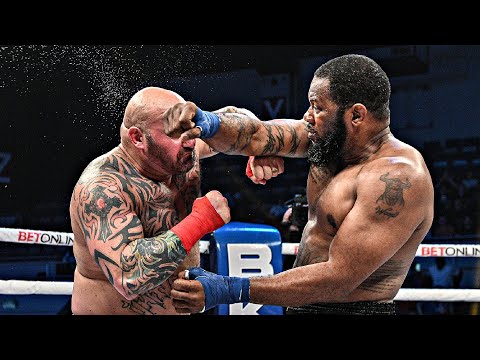

The Unforeseen Warrior: Analyzing the BKFC Upset of Burns vs. Tate

What is called by many as the biggest upset in BKFC! Josh Burns faced Frank Tate in the main event from BKFC 17! This contest wasn't just a display of raw power, but a stark reminder that in the unyielding arena of combat sports, the script can be rewritten in an instant. The very notion of an "upset" challenges our preconceived notions of dominance and can ignite fierce debate among fight enthusiasts. Does it diminish the victor's skill, or highlight the underdog's hidden potential? The roar of the crowd, the clash of bare knuckles, the visceral drama of the BKFC – it all coalesces into a spectacle that demands our attention, especially from a martial arts perspective. Beyond the spectacle, however, lies the deeper narrative of strategy, resilience, and the ever-present possibility of the unexpected. This bout, in particular, serves as a potent case study.

A Shifting Landscape: BKFC and the Art of Bare-Knuckle Combat

BKFC, or Bare Knuckle Fighting Championship, has carved a unique niche in the modern combat sports landscape. It strips away the layers of protective gear, leaving only the fundamental elements of striking and defense. This raw, unadulterated form of combat, while perhaps not as technically intricate as some traditional martial arts, demands a different kind of courage and precision. The stakes are undeniably higher with every landed blow. The fight between Josh Burns and Frank Tate was a pivotal moment, not just for the participants, but for the perception of the sport itself. When an outcome defies expectations, it forces us to re-evaluate what we understand about skill, preparation, and the unpredictable nature of a fight. This is where the true art of combat analysis begins – looking beyond the result to understand the "how" and "why."

The Main Event: Tate's Challenge and Burns' Resilience

The original fight card for BKFC 17 featured Joey Beltran against Frank Tate in the main event. However, the narrative that truly captured the imagination, and indeed caused a stir, was the performance of Josh Burns. When an underdog like Burns steps into the ring against a seemingly more favored opponent, the underlying narrative often centers on their journey, their training, and their unwavering belief.
The question that lingers is not just *who* won, but *how* they navigated the complexities of the fight. Did Burns employ a specific strategy learned from years of dedicated entrenamiento? Did Tate underestimate the raw grit and ki that Burns brought to the ring? These are the dialogues we must engage in to truly appreciate the martial spirit at play.

Unpacking the Tactics: What We Saw in the Ring

While the original broadcast might have focused on the shock value, a deeper martial arts analysis can reveal the tactical nuances. For instance, how did Burns manage distance? What was his defensive posture against Tate's offensive flurries? In bare-knuckle boxing, timing, head movement, and the ability to absorb punishment are as crucial as the power of a punch. Consider the principles derived from historical martial arts. The ability to adapt to an opponent's strengths and exploit their weaknesses is a timeless lesson. A fighter who can maintain composure under pressure, even when seemingly outmatched, demonstrates a profound level of mental fortitude – a core tenet of BUDO.
"The supreme art of war is to subdue the enemy without fighting." - Sun Tzu. While this fight was a physical contest, the psychological battle leading up to and during the bout is equally significant. Burns' victory could be seen as a triumph of mental preparation as much as physical prowess.

The "Upset" Factor: More Than Just a Surprise

The term "upset" in combat sports often carries a dual meaning. On one hand, it signifies a deviation from predicted outcomes, exciting the purists and casual observers alike. On the other, it can prompt a critical re-examination of the fighters involved and the very nature of prediction in combat. Could this have been an instance where years of disciplined artes marciales training, perhaps in a less publicized discipline, gave Burns an edge in resilience or adaptability that was underestimated? We must always consider that the journey to the ring is rarely as straightforward as a win-loss record suggests.

Training Regimens and Philosophical Underpinnings

Understanding the training methodologies behind fighters like Burns and Tate is key to appreciating their performances. While BKFC focuses on striking, the underlying conditioning, agility drills, and mental preparation are often drawn from a broader spectrum of martial arts principles. A fighter might possess the raw power for a knockout, but without the discipline to maintain a consistent training regimen, the ability to absorb pressure, and the mental clarity to execute a plan, that power can be rendered ineffective. This is where the philosophy of BUDO – the way of the warrior – comes into play, emphasizing not just physical skill but character development and self-mastery.

The Role of Strategy in Bare-Knuckle Combat

In a sport where a single punch can end the fight, strategy is paramount. It's not just about throwing heavy shots; it's about setting traps, controlling the center of the ring, and managing energy reserves. The fight between Burns and Tate likely involved a complex dance of offensive and defensive maneuvers, perhaps influenced by different martial backgrounds. If Tate relied on a particular offensive style, how did Burns counter it? Did he employ footwork reminiscent of traditional boxing or perhaps incorporate evasive techniques more akin to some Karate or Jiu-Jitsu defensive postures? Analyzing these elements allows us to move beyond mere spectacle and into the realm of genuine martial arts analysis.

Beyond the BKFC Ring: Lessons for All Practitioners

The "upset" in this BKFC bout offers valuable lessons for anyone involved in martial arts or combat sports:
  • The Underdog Factor: Never underestimate the power of preparation, heart, and a well-executed strategy.
  • Adaptability is Key: The ability to adjust one's approach mid-fight can be the difference between victory and defeat.
  • Mental Fortitude: The psychological aspect of combat is as crucial as the physical. Staying calm under pressure is a hallmark of a seasoned warrior.
  • The Ever-Evolving Nature of Combat: What we consider an "upset" today might be the norm tomorrow as fighters continue to innovate and push boundaries.
This fight serves as a potent reminder that in the dynamic world of combat sports, the unexpected is always a possibility. It’s this unpredictability that fuels our passion and keeps us engaged, eager to witness the next chapter unfold.

Veredicto del Sensei: ¿Merece la pena?

This BKFC bout, particularly the narrative surrounding Josh Burns' performance, is a fascinating case study in combat sports dynamics. While not a traditional martial arts contest in the vein of Karate or Judo, it showcases the raw, unadulterated application of striking power and resilience under extreme pressure. The "upset" factor adds a layer of intrigue that sparks debate. For those interested in the broader spectrum of combat and the psychology of fighting, it's a compelling watch. It reminds us that heart, grit, and a sound strategy can often overcome perceived disadvantages. Calificación: Cinturón Negro en Psicología del Combate

Equipo Esencial para tu Entrenamiento

While BKFC is bare-knuckle, many practitioners looking to improve their striking and conditioning might benefit from specific gear.
  • Hand Wraps: Essential for protecting your knuckles and wrists during any striking training.
  • Boxing Gloves: For sparring sessions, 14-16oz gloves are standard for safety.
  • Mouthguard: Non-negotiable for any form of combat or high-impact training to protect your teeth and jaw.
  • Jump Rope: A classic tool for improving cardiovascular fitness, agility, and footwork – fundamental for any fighter.
  • Duffel Bag: To carry all your essential entrenamiento gear to the gym or dojo.

Recursos para Profundizar

To further understand the nuances of combat sports and martial philosophy:
  • Explore the history of striking arts in our article on Karate.
  • Delve into the mental game with our insights on BUDO and the warrior's spirit.
  • Discover the tactical side of Artes Marciales Mixtas.

Preguntas Frecuentes

What is BKFC?

BKFC stands for Bare Knuckle Fighting Championship, a professional combat sports promotion that features boxing matches with no gloves.

What makes a fight an "upset"?

An upset occurs when a competitor who is considered the underdog, often with lower odds or a less impressive record, defeats a favored opponent.

Is bare-knuckle fighting a martial art?

While BKFC is a form of combat sport, traditional martial arts like Karate, Judo, or Kung Fu often involve a broader philosophical and technical scope, including forms, weapon training, and defensive principles beyond pure striking.

How important is conditioning in BKFC?

Crucial. Without gloves, fighters must rely on precise power and defense. Excellent cardiovascular conditioning and the ability to absorb impact are vital for lasting through rounds.

Where can I watch BKFC fights?

BKFC events are typically available via pay-per-view through their official website or other designated streaming platforms.

Para Profundizar en tu Camino

"Victory is reserved for those who are willing to pay the price." - Bruce Lee. This adage resonates deeply when analyzing any combat sport, especially one as demanding as bare-knuckle fighting. The price is paid in sweat, discipline, and an unwavering commitment to one's craft.

Reflexión del Sensei: Tu Próximo Paso

The echoes of the crowd may fade, but the lessons learned in the crucible of combat endure. This BKFC bout, with its unexpected twist, serves as a powerful metaphor for life. Are you the favorite, coasting on past glories, or the underdog, honing your skills in the shadows, ready to seize your moment? In your training, in your challenges, in your daily life – how do you prepare for the fight that no one sees coming? ``` GEMINI_METADESC: Analyze the BKFC upset of Josh Burns vs. Frank Tate from a martial arts perspective. Explore strategy, conditioning, and the true meaning of an upset in combat sports.

The Unseen Grin: When Combat Sports Crackle with Unexpected Humor

The gladiatorial arenas of Mixed Martial Arts (MMA) and the storied rings of Boxing are often painted with grim determination, raw power, and the unflinching pursuit of victory. We expect sweat, blood, and the thunderous roar of crowds. But what happens when, amidst the high stakes and primal intensity, the curtain of seriousness momentarily lifts, revealing a flash of sheer, unadulterated absurdity? Welcome, warriors and combat sports aficionados, to a realm where the fierce discipline of the BUDO tradition collides with the unpredictable, often hilarious, realities of combat. You might think the path of a martial artist or a pugilist is solely paved with rigorous training and stoic resolve. Yet, I, your Sensei, have witnessed firsthand that even within the most disciplined practices, moments of levity can emerge, reminding us that even the most formidable warriors are, at heart, human. Today, we delve into the unexpected – the side of MMA and Boxing that rarely makes the highlight reels of knockouts, but is etched in the memories of those who lived it, and those who were lucky enough to witness it. We're not just talking about a funny face after a missed punch; we're talking about incidents that defy logic, champion the ridiculous, and leave you roaring with laughter. May 17, 2022, the digital echoes of the internet whispered about the lighter side of combat. While official publications might focus on the technical breakdowns or the brutal efficiency of a fight, we, here at Budo and Martial Arts, believe in a holistic view. True mastery encompasses not just the physical and mental, but also the ability to find humor in the struggle, a testament to resilience and a balanced spirit. This isn't merely a compilation; it's a lesson in perspective. It's a reminder that the journey through artes marciales and combat sports is as much about the shared human experience, including its laughable moments, as it is about the quest for perfection. So, prepare yourselves, for we are about to explore the 20 funniest moments that have unfolded within the squared circle and the octagon.

The Unconventional Path to Victory: Beyond the Knockout

The allure of combat sports often lies in their decisive outcomes: the knockout, the submission, the points victory. We dissect techniques, study strategies, and admire the sheer physical prowess. However, the narrative of a fight is rarely linear. It's a dynamic interplay of skill, will, and often, sheer, unscripted chaos.
It is within this chaos that humor often blossoms. A misplaced step, an overzealous celebration, an unexpected interruption – these are the seeds of comedic gold in the serious business of fighting. These moments serve as a crucial reminder that behind the stoic masks and warrior personas, there are individuals navigating the pressure cooker of competition with all the grace, or sometimes, the hilarious clumsiness, that comes with being human.

What Makes These Moments So Memorable?

You might ask, "Sensei, why dedicate an article to humor in such a serious discipline?" My answer is simple: authenticity. The most profound teachings often come wrapped in unexpected packages. These moments are not a detraction from the sport; they are, in fact, a testament to its vibrant, unpredictable nature. They remind us of the following: * **Humanity in Extremis**: Even in the heat of battle, nerves fray, instincts override training, and sometimes, the most logical action becomes the most absurd. * **The Unexpected Nature of Sport**: No amount of preparation can account for every single possibility. Sometimes, the universe itself throws a curveball, and the only response is laughter. * **Resilience and Perspective**: The ability to laugh at oneself or at an absurd situation, even after a tough loss or a close call, is a sign of immense mental fortitude. This is a principle deeply ingrained in BUDO. * **Shared Experience**: These moments become folklore, shared stories that bond fans and athletes alike, creating a richer tapestry of the sport beyond mere wins and losses. Let's not forget the sheer entertainment value. While we respect the dedication and sacrifice of every competitor, there's a unique joy in witnessing moments that break the tension and remind us that at its core, sport is also about passion, spectacle, and yes, fun.

The Lineage of Laughter: A Historical Perspective

While the modern era of MMA and Boxing has provided a fertile ground for comedic incidents, the roots of humor in combat run deep. Ancient wrestling matches likely had their share of unexpected tumbles and exaggerated groans that elicited chuckles from the spectators. The very nature of close-quarters combat, with its inherent unpredictability, has always been a breeding ground for the unplanned and, thus, the amusing. Consider the philosophy behind some traditional martial arts. The concept of "Mushin" (no-mind) isn't just about being devoid of thought in combat; it's also about letting go, about being present in the moment, which can, at times, lead to spontaneous reactions that are far from the calculated precision we often associate with martial arts. Even in the disciplined forms like Karate, where katas are meticulously practiced, the application in sparring can sometimes lead to unexpected outcomes. A perfectly executed block might be followed by an opponent stumbling in a comical fashion, or a powerful strike might miss its mark in a way that is, frankly, hilarious.
"The essence of the martial way is to be a warrior. But a warrior also has a spirit that can find levity, even in the face of adversity. To be unable to laugh is to be defeated before the battle truly begins." - A paraphrase of a principle often echoed by many traditional masters.
These moments are not a sign of disrespect for the opponent or the sport. Rather, they are flashes of genuine human reaction that, in retrospect, become part of the rich narrative of combat sports. They highlight the thin line between fierce competition and the absurdity of physical endeavors.

Navigating the Absurdity: Key Elements of Comedic Moments in Combat

What transforms a simple mistake into a genuinely funny moment in the ring or octagon? It's a confluence of factors, often amplified by the high-stakes environment: * **The Element of Surprise**: An unexpected slip on a wet canvas, a fighter getting tangled in the ropes in a bizarre way, or a sudden, almost theatrical reaction to a minor sting. * **Exaggerated Reactions**: The primal scream of pain that sounds more like a yelp, the frantic dance of avoidance that looks more like a clumsy jig, or the triumphant roar that turns into a choked gasp. * **Miscommunication or Technical Glitches**: Referee interventions gone awry, unexpected pauses in the action due to equipment malfunction, or moments where fighters seem to be operating on completely different wavelengths. * **The "So Close, Yet So Far" Factor**: A fighter nearly landing a spectacular move, only to fall short in a way that's both impressive and hilariously anticlimactic. * **Unintentional Physical Comedy**: This is often the most potent. Fighters, despite their incredible athleticism, are still subject to the laws of physics. A slip, a stumble, an awkward landing – these can be inherently funny when viewed outside the context of life-or-death combat. These are the moments that, when strung together, create a narrative of humor that complements the more serious aspects of MMA and Boxing. They are the breathers, the punctuation marks that remind us that these are not robots, but highly trained individuals performing under immense pressure, and sometimes, that pressure leads to priceless results.

A Sensei's Perspective on Finding Humor in the Fight

As a practitioner and observer of BUDO and combat sports for many years, I've come to understand that the ability to find humor, particularly in adversity, is a sign of true strength. It’s not about mocking the struggle, but about acknowledging the inherent unpredictability and the human element within it. Think of a well-placed kick in Karate. It requires precision, timing, and power. But what if the opponent, in a desperate attempt to evade, performs a series of evasive maneuvers that look more like a comedic ballet than a defensive strategy? The technical execution might be flawed in that moment, but the human reaction, the sheer desperation and unexpectedness, can be undeniably humorous. This is why these moments are valuable. They teach us that victory isn't always about flawless execution; it's about adapting, about persevering, and sometimes, about laughing when things go unexpectedly awry. It's a lesson in not taking oneself too seriously, a principle that resonates across all forms of martial arts, from the striking arts like Kickboxing to the grappling disciplines like Judo and BJJ. The focus on "funny moments" is not to diminish the skill or danger involved. Instead, it’s to celebrate the full spectrum of human experience within these demanding fields. It shows that even in the face of intense physical and mental challenge, there is room for levity, for shared laughter, and for the recognition of the sheer, sometimes comical, effort involved in pushing human limits.

Equipo Esencial para tu Entrenamiento

While we're discussing the lighter side of combat, let's not forget that the foundation of any serious pursuit in MMA, Boxing, or any martial art lies in proper preparation and equipment. Even for casual sparring or training, having the right gear can make the difference between a productive session and a painful one.
  • Guantes de Boxeo/MMA: Essential for protecting your hands and your training partners. For Boxing, 10-16 oz is standard. For MMA, consider gloves with finger openings.
  • Casco de Entrenamiento: Crucial for sparring, especially in Boxing and Muay Thai, to prevent head injuries.
  • Espinilleras: Protect your shins during sparring in striking arts like Muay Thai and Kickboxing.
  • Kimono de Judo o Jiu-Jitsu (Gi): For grappling arts, a durable Gi is fundamental. Look for double-weave options for increased longevity and resistance to rips.
  • Protector Bucal: A non-negotiable piece of safety equipment for any form of sparring.
  • Vendas para Manos: To provide extra support and protection for your wrists and hands before putting on gloves.
Investing in quality equipment is not just about comfort; it's about safety and longevity in your training journey. It allows you to focus on technique and, yes, even on finding those unexpected moments of humor, without unnecessary risks.

Preguntas Frecuentes

What defines a "funny" moment in MMA or Boxing?

A funny moment in combat sports is typically an incident that deviates significantly from the expected seriousness of the fight, often involving an element of surprise, exaggerated physical reaction, or unintentional slapstick comedy.

Are these moments disrespectful to the sport?

Not necessarily. While context is key, many such moments stem from genuine human reactions under pressure. They can highlight the unpredictability of combat and serve to humanize the athletes, rather than disrespecting the sport itself.

How can humor benefit a fighter?

The ability to find humor, especially in adversity, is a sign of mental resilience. It can help athletes cope with pressure, learn from mistakes without dwelling on them, and maintain a balanced perspective on competition.

Is there a difference in the types of funny moments between MMA and Boxing?

While both sports can produce hilarious incidents, MMA, with its broader range of techniques and unpredictable transitions, often offers a wider variety of comedic possibilities, from bizarre grappling exchanges to unexpected walk-offs.

Where can I find more of these moments?

Compilations of funny moments in MMA and Boxing are widely available on platforms like YouTube. Searching for phrases like "funniest MMA moments" or "boxing bloopers" will yield many results.

Para Profundizar en tu Camino

* La Filosofía Profunda del Budo: Más Allá del Combate * Consejos de Entrenamiento para MMA: Eleva tu Juego * Historia y Evolución del Karate: Un Legado Vivo

Veredicto del Sensei: ¿Merece la pena reír?

Absolutely. The moments we've alluded to, and those found in compilations of "funniest moments," are not mere distractions from the gravitas of combat sports. They are integral threads in the rich tapestry of human endeavor. They remind us that behind the warrior facade lies a human being, capable of both incredible feats and unexpected, often hilarious, stumbles. Finding humor in these situations fosters resilience, perspective, and a deeper appreciation for the unpredictable nature of competition. It's a testament to the fact that even in the most intense environments, the human spirit can find levity, a crucial element for enduring the rigors of training and competition. So yes, it is absolutely worth it to pause, to watch, and to laugh. It’s a different kind of training, one for the soul.

Reflexión del Sensei: Tu Próximo Paso

Consider this: in your own training, whether it's on the mats, in the ring, or in life's broader challenges, how do you react when the unexpected happens? Do you crumble, or do you find a moment of levity, a chance to learn, and to move forward with renewed spirit? The most profound lessons are often hidden within the moments we least expect. Are you truly observing, or merely reacting? The path of mastery requires both. ``` GEMINI_METADESC: Explore the lighter side of MMA and Boxing, uncovering the 20 funniest moments that reveal the human side of combat sports and the importance of humor in martial arts.

Strikeforce: Destruction (2008) - A Martial Critic's Analysis

Strikeforce: Destruction, held at the HP Pavilion in San Jose on November 21, 2008, was more than just a collection of fights; it was a snapshot of a burgeoning era in combat sports. This event, broadcast to the world, featured a series of bouts that showcased raw talent, strategic prowess, and the undeniable grit required to compete at the highest level. Today, we delve into the core of this event, dissecting not just the outcomes, but the underlying martial principles, the conditioning, and the sheer will displayed by these warriors.

As a practitioner and student of the martial ways for decades, I approach events like Strikeforce: Destruction not just as a spectator, but as a critic. My eyes are trained to see beyond the surface-level action, to analyze the kime (focus and finishing power) in a strike, the balance in a takedown, and the mental fortitude that separates victory from defeat. This event offers a fertile ground for such analysis, pitting diverse skill sets against each other, forcing adaptation and revealing character.

Let's dissect the key matchups and explore what they reveal about the state of modern combat sports and the timeless principles that govern them.

Luke Rockhold vs. Nik Theotikos

The evening kicked off with a glimpse of future middleweight potential in Luke Rockhold facing Nik Theotikos. At this stage, Rockhold was already demonstrating the athleticism and striking precision that would define his career. The encounter, though brief, highlighted the critical importance of:

  • Range Management: Rockhold's ability to control distance was evident. He dictated where the fight took place, keeping Theotikos at the end of his strikes.
  • Combinational Striking: The fluidity of Rockhold's punches and kicks, thrown in rapid succession, is a testament to dedicated training and a deep understanding of offensive sequencing.
  • Defensive Awareness: While offensive prowess is key, Rockhold's head movement and footwork indicated an awareness of incoming threats, a fundamental aspect of any martial art.

Theotikos, on the other hand, faced an uphill battle against a technically superior opponent. His approach, while perhaps brave, lacked the strategic depth to counter Rockhold's attack. This fight serves as a microcosm for countless matchups: the necessity for a well-rounded skill set against a specialist.

Joe Riggs vs. Luke Stewart

Joe Riggs, a veteran of the sport, brought his experience into the cage against Luke Stewart. Fights involving seasoned competitors often offer a masterclass in pacing and strategy. Riggs's performance here would likely have emphasized:

  • Fight IQ: A veteran's ability to read an opponent, adapt on the fly, and exploit weaknesses is a crucial element that transcends raw physical talent.
  • Grit and Conditioning: When fights go into the later rounds, sheer willpower and cardiovascular endurance become paramount. Riggs has historically shown he possesses this deep well of resilience.
  • Clinch Work and Ground Control: While the fight might have been striking-focused, understanding how to control an opponent in the clinch or on the ground is vital.

Stewart, potentially facing a more experienced fighter, would have needed to bring speed, aggression, and a clear game plan to overcome Riggs's established presence. This bout underscores that in combat sports, experience is a powerful weapon.

Kim Couture vs. Lina Kvokov

The women's divisions have seen exponential growth since 2008, and bouts like Kim Couture vs. Lina Kvokov were pivotal in paving the way. This fight would have been a test of:

  • Heart and Determination: Stepping into the cage requires immense courage. For female fighters, especially in the earlier days of major promotions, this was amplified.
  • Technical Application: Regardless of gender, the application of techniques—whether strikes, grappling, or submissions—determines the outcome.
  • Adaptability: How did each fighter respond when their initial game plan was disrupted? This is where true martial character is revealed.

Analyzing such bouts allows us to appreciate the journey of women in professional MMA and the dedication required to compete.

Duane Ludwig vs. Yves Edwards

This matchup was a collision of striking titans. Duane Ludwig, known for his devastating Muay Thai and kickboxing background, against Yves Edwards, a formidable force in his own right, promised fireworks. This was a prime example of:

"In striking, power is often born from precision and timing, not just brute force. A well-placed elbow or a perfectly timed knee can end a fight instantly."
  • Muay Thai Precision: Ludwig's pedigree in the "Art of Eight Limbs" means his strikes—punches, kicks, elbows, and knees—are delivered with expert technique and power.
  • Strategic Striking Exchanges: Fights between high-level strikers are chess matches of feints, counters, and calculated aggression. Each move is designed to set up the next or to punish an opponent's error.
  • Durability and Chin: In fights where both participants possess significant knockout power, the ability to withstand heavy shots is as crucial as landing them.

Edwards, a veteran known for his aggressive style and submission skills, would have presented a multifaceted threat, ensuring this bout was a true test of skill and will.

Renato Sobral vs. Bobby Southworth

Renato "Babalu" Sobral is a name synonymous with elite Brazilian Jiu-Jitsu and a formidable presence in the light heavyweight division. Facing Bobby Southworth, this bout was a classic styles clash, likely highlighting:

  • Grappling Superiority: Sobral's BJJ black belt meant he sought to take the fight to the ground, where his submission expertise could shine. The effectiveness of his takedowns and ground control would be paramount.
  • Takedown Defense: Southworth's primary objective would be to keep the fight standing, utilizing his striking and defensive wrestling to avoid Sobral's formidable ground game.
  • Submission Hunting: If the fight hit the mat, Sobral would be actively seeking chokes and joint locks, demonstrating the devastating efficiency of ground fighting.

This matchup is a prime illustration of the adage: "If you can't stand up, you can't strike; if you can't stay up, you can't defend." The interplay between striking defense and takedown offense is a fundamental dynamic in MMA.

Scott Smith vs. Terry Martin

Scott Smith is a fighter etched in the memories of many fans for his incredible resilience and never-say-die attitude, particularly his legendary trilogy with Cung Le. His fight against Terry Martin at Destruction was another chapter in his career defined by:

  • Unrelenting Pressure: Smith was known for his ability to absorb punishment and keep coming forward, often turning the tide of a fight with sheer determination.
  • Power Punching: While not always the most technically refined striker, Smith possessed significant knockout power, capable of turning out the lights with a single shot.
  • Clutch Performance: His ability to find victory when seemingly on the brink of defeat is what made him such a compelling figure. This often stems from a deep reserve of mental strength.

Terry Martin, a powerful striker in his own right, would have needed to maintain discipline and avoid getting drawn into a brawl where Smith’s resilience could be an advantage. This fight is a powerful reminder that in combat, the fight is never over until the referee calls it.

Veredict of the Sensei: Does Strikeforce: Destruction Strike True?

Strikeforce: Destruction (2008) stands as a solid entry in the promotion's history, showcasing a mix of established talent and rising stars. While some bouts may have been more technically proficient than others, the event collectively delivered on the promise of exciting combat sports. The matchups were generally well-made, offering diverse styles and compelling narratives. For fans of MMA looking to understand the landscape of the late 2000s and witness performances that helped shape future champions, this event is certainly worth revisiting.

Overall Rating: Cinturón Negro en Entretenimiento y Desarrollo de Talento

Essential Equipment for Your Training

To truly appreciate the dedication and physical demands placed upon these athletes, it's crucial to equip yourself properly for your own martial arts journey. Whether you're focusing on striking, grappling, or a blend like MMA, the right gear makes a significant difference.

  • High-Quality Gloves: For striking training, invest in durable gloves (14-16oz recommended for sparring) that offer adequate protection for your hands and your training partners. Brands like Fairtex or Hayabusa are reputable choices.
  • Durable Training Gear: For grappling arts like BJJ or Judo, a sturdy gi is essential. Look for double-weave fabrics for longevity. For MMA training, consider specialized shorts and rash guards that allow for freedom of movement and are resistant to tears.
  • Protective Equipment: Mouthguards are non-negotiable for any combat sport. Shin guards are vital for kickboxing and Muay Thai training to prevent injuries.
  • Training Mats: If you're training grappling at home, puzzle mats or a dedicated grappling mat can provide a safer surface than hardwood floors.
  • Jump Rope: An inexpensive yet incredibly effective tool for cardiovascular conditioning, crucial for the endurance displayed by fighters like those in Strikeforce.

Frequently Asked Questions

What is Strikeforce?
Strikeforce was an American combat sports promotion primarily focused on mixed martial arts (MMA) and kickboxing, active from 2002 to 2013. It was known for featuring many high-level fighters and events before its acquisition by the UFC.
Who is Luke Rockhold?
Luke Rockhold is a former Strikeforce Middleweight Champion and former UFC Middleweight Champion, known for his striking prowess, grappling skills, and athletic physique.
What makes a fighter "resilient" like Scott Smith?
Resilience in a fighter refers to their ability to withstand damage, overcome adversity, and continue fighting effectively even when seemingly defeated. It's a combination of physical toughness, mental fortitude, and an unwavering will to win.
What is the importance of conditioning in MMA?
Conditioning is paramount in MMA as fights can be physically demanding, requiring strength, endurance, speed, and power for extended periods. Proper conditioning allows fighters to maintain their technique and strategic effectiveness throughout the bout.

To Dive Deeper Into Your Journey

This event is but one chapter in the vast book of martial arts and combat sports. To truly understand the depth and breadth of this world, explore these related topics:

The principles on display at Strikeforce: Destruction—skill, strategy, conditioning, and sheer heart—are universal. They echo through the halls of dojos and gyms worldwide. The question is, how will you apply these lessons to your own path?

Reflection of the Sensei: Your Next Step

You have seen the grit, the technique, and the will to overcome. Now, ask yourself: When faced with overwhelming odds in your life, do you crumble, or do you find that inner reservoir of strength to push forward? Is your preparation as rigorous as that of a professional fighter, or do you settle for mere adequacy? The true measure of a martial artist is not just in their ability to fight, but in how they face every challenge, both inside and outside the arena.

``` GEMINI_METADESC: Analyze Strikeforce: Destruction (2008) from a martial critic's perspective. Explore fight breakdowns, conditioning, and principles of combat sports.

Hero's 4 (2006): A Deep Dive into a Martial Arts Spectacle

Hello and welcome, warriors, to Budo and Martial Arts. Today, we dissect a significant event in the annals of combat sports: Hero's 4, held on March 15, 2006, at the venerable Nippon Budokan in Tokyo. This wasn't just another fight night; it was a crucible where diverse martial disciplines collided, showcasing raw power, technical prowess, and the indomitable spirit that defines the warrior. But as with all representations of combat, the question lingers: how well does it truly capture the essence of the martial path?

You are watching Hero's 4 (2006), an event that, while presented through the lens of combat sports, offers much for the discerning martial artist to analyze. Forget the sensationalism for a moment, and let us approach this with the critical eye of a seasoned practitioner. We will delve into the bouts, the underlying philosophies, and the very nature of showcasing martial arts to a global audience. This is more than just a recap; it's a lesson in understanding the art behind the fight.

Match Analysis: The Heart of Hero's 4

Hero's 4 was a tapestry woven with individual battles, each a microcosm of contrasting styles and temperaments. Let's break down some of the key encounters:

  • Melvin Manhoef vs. Shungo Oyama (6:27): Manhoef, a fearsome striker known for his devastating power, against Oyama, a judoka with a tenacious ground game. This matchup immediately highlighted a classic stylistic clash. The question here isn't just who won, but how effectively each fighter adapted to the other's domain. Did Oyama's grappling nullify Manhoef's striking, or did the "Mad Man" land one of his signature bombs? A true test of adaptability.
  • Jerome Le Banner vs. Jimmy Ambriz (18:11): Le Banner, a legend in kickboxing with immense physical presence, faced Ambriz, a powerful American fighter. This bout promised explosive exchanges. The pure power versus power dynamic is always compelling, but it's the subtle footwork, the feints, and the defensive strategies that separate true martial artists from mere brawlers.
  • Kazuyuki Miyata vs. Erikas Petraitis (26:01): Miyata, known for his wrestling background and explosive style, against Petraitis. Wrestling in MMA and combat sports is often the foundation upon which striking and submissions are built. Observing Miyata's approach, we can infer much about the integration of wrestling principles into a more modern combat context.
  • Caol Uno vs. Rich Clementi (35:58): Uno, a seasoned Japanese fighter with a reputation for technical skill, faced Clementi. This often represents a battle of finesse versus raw aggression, or technical submission grappling against adaptable striking. The outcome here speaks volumes about the evolution of mixed martial arts.
  • Heath Herring vs. Gary Goodridge (53:22): Two heavy hitters known for their toughness and willingness to engage. Battles like these, while perhaps less technically intricate, showcase immense heart and resilience. It’s in these exchanges that we see the sheer will to endure, a cornerstone of the BUDO.
  • Yoshihiro Akiyama vs. Tokimitsu Ishizawa (1:04:44): Akiyama, a charismatic fighter with judo and striking skills, against Ishizawa. The performance of fighters like Akiyama often embodies the dynamism and spectacle that draws crowds, but also the need for well-roundedness.
  • Min Soo Kim vs. Yoshihisa Yamamoto (1:16:16): Another pairing that likely showcased contrasting skill sets, pushing the athletes to their limits and revealing their preparedness.
  • Genki Sudo vs. Ole Laursen (1:32:26): Sudo was known for his unconventional style and showmanship, often blending martial arts with performance art. This bout would be a fascinating study in how personality and martial skill intersect. Laursen's approach would provide the necessary counterpoint for analysis.
  • Hideo Tokoro vs. Yoshinori Ikeda (1:56:58): The final bout on this card, often reserved for a high-impact matchup, showcasing the best of what the event had to offer. The pacing and strategy in the final fight can often be a reflection of the event's overall narrative.

Each of these pairings, beyond the win or loss, offers a glimpse into the training methodologies, the strategic thinking, and the sheer physical conditioning required for high-level combat sports. We must ask ourselves: Are these fighters merely athletes, or do they embody the deeper principles of martial arts? The answer often lies not just in the victory, but in the manner of the fight.

"The supreme art of war is to subdue the enemy without fighting." - Sun Tzu

The Principle of Kiyoshi Matsui: Beyond the Knockout

While not explicitly featured in every bout, the spirit of masters like Kyokushin Karate's founder, Kyokushin Karate's founder, Kiyoshi Matsui, permeates the world of martial arts. Matsui's philosophy emphasizes unbreakable spirit, physical conditioning pushed to the extreme, and the pursuit of self-perfection through rigorous training. Observing the fighters at Hero's 4, one must consider how many truly embrace this philosophy.

Is the goal solely victory, a spectacular knockout, or a quick submission? Or is there an underlying commitment to pushing one's limits, enduring hardship, and demonstrating respect for the opponent and the art itself? The difference between a contest and a true martial endeavor lies in this fundamental intention. A fighter embodying Matsui's principles would showcase not just skill, but unwavering resolve, demonstrating a deep understanding of BUDO – the Way of the Warrior.

We can speculate that bouts featuring fighters with strong judo or Karate backgrounds, like those potentially seen here, would carry this inherent discipline. However, the rapid evolution of combat sports means that raw athleticism and strategic game planning often take precedence. This is not to diminish the athletes, but to critically assess the context in which their skills are displayed.

Filmmaking vs. The Fight: Authenticity on Screen

The presentation of martial arts in any format, be it a live event, a documentary, or even a fictional film, is crucial. Hero's 4, as a recorded event, presents a particular challenge. While the UFC and similar organizations have mastered the art of fight promotion, creating an environment that is both thrilling and potentially misleading for the uninitiated. The editing, the camera angles, the commentary – all contribute to the narrative.

As martial artists, we look beyond the spectacle. We analyze the footwork, the timing of strikes, the defensive transitions, and the strategic application of techniques. Does the camera capture the subtle movements that lead to an opening? Or does it solely focus on the explosive moments, potentially trivializing the years of dedication required to master such skills?

It's a delicate balance. The goal of such events is to entertain, but the hope for any true martial artist is that the fundamental principles of combat are not lost in translation. The inclusion of placeholders like `

` suggests that this event was originally presented with rich visual media, which would have amplified its impact but also its potential for selective narrative framing. Without that media, we are left to reconstruct the experience through our understanding of the fighters and the art.

Sensei's Verdict: Is Hero's 4 a Champion of Martial Arts Cinema?

Hero's 4, as a combat sports event, undeniably delivered excitement and showcased formidable athletes. However, when viewed through the lens of pure martial arts philosophy, its efficacy is debatable. It represents a significant step in the evolution of modern combat sports, demonstrating the integration of various disciplines. Yet, the emphasis on rapid-fire action and definitive finishes can sometimes overshadow the deeper, more nuanced aspects of martial training: patience, discipline, and the cultivation of inner strength.

It’s a potent display of physical prowess and competitive spirit, but does it inspire the pursuit of self-mastery in the way a traditional dojo practice might? Perhaps not directly. It’s a demonstration of skills honed, rather than a direct teaching of the Way.

Classification: A compelling Combat Sports spectacle that serves as a valuable case study for understanding modern MMA, but falls short of being a profound treatise on the philosophical depth of traditional Martial Arts. It’s a powerful punch, but not necessarily a perfectly executed kata.

Essential Gear for Your Training

To truly appreciate and engage in the world of martial arts, whether practicing or observing, having the right gear is paramount. Proper equipment not only enhances performance and safety but also fosters a deeper connection to the disciplines you pursue.

  • High-Quality Training Uniform (Gi/Kimono): For disciplines like Judo, Karate, or Brazilian Jiu-Jitsu (BJJ), a durable, well-fitting Gi is essential. Look for double-weave or heavyweight fabrics for grappling arts, and lighter, breathable materials for striking arts. Investing in a good Karate Gi or Martial Arts Merchandise is a sign of commitment.
  • Sparring Gloves: For striking arts like Kickboxing or MMA, appropriate sparring gloves (16oz is common for heavyweights) are crucial for protecting your hands and your training partners.
  • Mouthguard: Non-negotiable for any form of sparring or competitive combat. Protect your teeth and jaw.
  • Shin Guards: Essential for Muay Thai, Kickboxing, and some Taekwondo training to prevent injuries during kicks.
  • Training Mats (Tatami): If you are training grappling at home or need a safer surface for falling, tatami mats provide the necessary cushioning and grip.
  • Training Weights and Resistance Bands: For enhancing strength and conditioning, especially for At Home Workout sessions.

Remember, the best equipment is an extension of your will to train. Browse for reputable Martial Arts Merchandise that aligns with your chosen path.

Frequently Asked Questions

  • What martial arts were represented at Hero's 4?
    The event featured a mix of styles common in mixed martial arts, including striking (Kickboxing, Karate), grappling (Judo, Wrestling), and submissions, reflecting the diverse training backgrounds of the fighters.
  • Is Hero's 4 considered a pure martial arts event or a combat sports event?
    Hero's 4 is primarily classified as a combat sports event, similar to MMA organizations. While it showcases techniques derived from various martial arts, its format and objectives align more closely with competitive sports than traditional martial arts philosophy.
  • What is the significance of the Nippon Budokan as a venue?
    The Nippon Budokan is a highly respected arena in Tokyo, Japan, historically associated with martial arts championships, particularly in Judo and Karate. Hosting an event there lends a degree of prestige and cultural weight.
  • How does the presentation of fighters in events like Hero's 4 compare to traditional martial arts training?
    Events like Hero's 4 focus on competition and entertainment, often highlighting aggression and spectacle. Traditional martial arts training emphasizes discipline, self-improvement, character development, and often, a more philosophical approach to conflict and life, which may not be fully conveyed in a fight broadcast.
  • Can watching fights like those in Hero's 4 be motivational for martial arts training?
    Yes, watching high-level athletes compete can be incredibly motivational, showcasing dedication, skill, and resilience. However, it's crucial for practitioners to differentiate between the competitive aspect and the deeper ethical and philosophical tenets of their chosen art.

Deepen Your Journey

To truly grasp the multifaceted world of martial arts, explore these related topics:

Sensei's Reflection: Your Next Step

Hero's 4 presented a whirlwind of action, a testament to the physical capabilities and competitive spirit of its participants. We’ve dissected the bouts, pondered the underlying principles, and assessed its place in the broader martial arts landscape. But the true measure of our engagement with these events lies not just in observation, but in introspection.

Sensei's Reflection: Your Next Step

Did the raw power on display ignite a fire within you to push your own physical limits? Or did the strategic interplay of styles inspire you to delve deeper into the technical nuances of your chosen art? More importantly, beyond the roar of the crowd and the final bell, do you recognize the echo of the BUDO, the Way of the Warrior, in these performances? Reflect on this: How can you integrate the discipline, resilience, and adaptability witnessed here into the more subtle, yet profound, battles you face daily, both within yourself and in the world around you?

``` GEMINI_METADESC: Analyze Hero's 4 (2006) from a Sensei's perspective. Dive deep into fight analysis, martial philosophy, and its place in combat sports history.

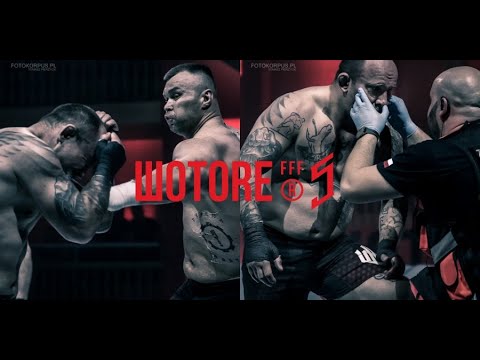
Szymon Szynkiewicz vs. Robert Maruszak: A Martial Artist's Analysis of the WOTORE 5 Encounter

Welcome, fellow practitioners and aficionados of the martial path. Today, we dissect not just a fight, but a moment that underscores the unpredictable nature of combat and the resilience required of a true warrior. We delve into the WOTORE 5 encounter between Szymon Szynkiewicz and Robert Maruszak, an event that, while perhaps not destined for the annals of legendary martial arts cinema, offers potent lessons for anyone dedicated to the pursuit of combative excellence. This bout, published on May 31, 2022, presents a stark reminder that the theoretical mastery of techniques can often collide with the harsh realities of physical exertion and unforeseen circumstances. As your Sensei, I aim to peel back the layers of this confrontation, moving beyond mere win or loss to examine the underlying principles, the tactical decisions, and the sheer grit displayed – or perhaps, the resilience tested to its breaking point. This is Budo and Martial Arts, and we are here to explore the depth of combat, not just its surface. Prepare yourselves for a critical examination, a lesson forged in the crucible of experience.

Table of Contents

The Unfolding Drama: What Happened?

The WOTORE 5 event featured a SuperFight pitting Szymon Szynkiewicz against Robert Maruszak. In a turn of events that often characterizes the raw intensity of combat sports, the fight concluded prematurely. Robert Maruszak was declared the victor after Szymon Szynkiewicz was forced to withdraw due to an injury sustained during the bout. This outcome, while decisive, often leaves more questions than answers about the potential trajectory of the contest had it continued to its natural conclusion.
The immediate aftermath of such an event is a mixture of relief for the victor and commiseration for the vanquished. However, for those who study the martial arts, it is an opportunity to delve deeper. What led to the injury? Was it a result of a specific technique, a moment of imbalance, or simply the cumulative effect of an intense exchange? These are the questions we will explore.

Tactical Breakdown: Maruszak vs. Szynkiewicz

While detailed play-by-play analysis is limited without extensive footage and commentary from the event itself, we can infer certain aspects based on the outcome. A fighter withdrawing due to injury often indicates either a sudden, debilitating blow or a pre-existing condition exacerbated by the rigors of competition. Robert Maruszak, emerging victorious, likely demonstrated effective aggression or sound defensive strategy that put Szynkiewicz in a compromising position. In bare-knuckle or less-padded combat formats like WOTORE, the impact of strikes can be significantly higher, making precision and timing paramount. A well-placed strike can incapacitate an opponent, or as in this case, contribute to an injury that ends the fight. Conversely, Szymon Szynkiewicz's performance, despite the unfortunate end, would have been characterized by his own attempts to impose his will. The nature of his injury is key: was it a twisted ankle from a poorly landed kick, a shoulder injury from a takedown attempt, or a more direct impact from a strike? Understanding this can shed light on the tactical exchange that preceded it. For instance, a fighter attempting to grapple might expose themselves to strikes, while a pure striker might be vulnerable to unexpected takedowns.
"Victory is never final, failure is never fatal. It is the courage to continue that counts." - Winston Churchill
This sentiment rings particularly true in cases of injury. The true test of a martial artist often lies not in their ability to win, but in their spirit when faced with adversity.

The Warrior's Curse: Understanding Injury in Combat

Injury is an ever-present specter in the world of combat sports and martial arts. It is the double-edged sword of intense physical discipline: the pursuit of peak physical conditioning makes the body stronger, but also more susceptible to damage when forces exceed its capacity. From a martial arts perspective, an injury during a fight can be attributed to several factors: * **Technical Flaw:** A poorly executed technique, whether offensive or defensive, can create openings for injury. This might include landing awkwardly after a jump, missing a block and taking a direct hit, or failing to maintain proper posture during a grappling exchange. * **Overexertion/Fatigue:** As fatigue sets in, precision diminishes, and the body's ability to absorb impact or recover from strain is compromised. What might have been a manageable twist or impact when fresh can become a fight-ending injury. * **Unforeseen Circumstances:** Sometimes, an injury occurs due to sheer bad luck – a freak accident, a slippery surface, or an opponent capitalizing on a moment of momentary distraction. * **Cumulative Damage:** In combat sports, fighters endure repeated impacts. An injury might not be the result of a single event but the culmination of previous blows and stresses. For Szymon Szynkiewicz, the injury served as a harsh interruption. The resilience of a martial artist is tested not only in their ability to deliver punishment but also in their capacity to endure and, if necessary, to recover and return stronger. This setback, however unfortunate, becomes a part of his journey, a scar that tells a story of commitment and the inherent risks of the path chosen.

WOTORE 5: A Platform for Raw Combat

WOTORE positions itself as a platform that emphasizes raw, often bare-knuckle, combat. This format strips away much of the padding and protective gear found in more traditional martial arts or boxing, amplifying the impact and the potential for dramatic outcomes. Events like WOTORE 5 serve as a testing ground for fighters who wish to test their mettle in a more primal environment. The appeal of such events lies in their unadulterated display of fighting spirit. While lacking the refined technique of Olympic-level Taekwondo or the intricate grappling of elite BJJ, WOTORE offers a glimpse into the fundamental drive to overcome an opponent through physical confrontation. From a martial arts critical perspective, these events can be viewed through several lenses: * **A Test of Primal Instinct:** How do fighters react when stripped of modern protective gear? Does instinct take over? * **The Efficacy of Striking:** In bare-knuckle fighting, the effectiveness of punches and kicks is magnified. Which styles or techniques prove most devastating? * **The Role of Conditioning:** Without padding, fighters must possess exceptional conditioning to withstand repeated blows and maintain offensive pressure. While the technical purity might be debated, the courage to step into the WOTORE arena and face an opponent head-on is undeniable. It’s a testament to the enduring human desire to test oneself in direct conflict.

Lessons for the Modern Budoka

The encounter between Szynkiewicz and Maruszak, though ending abruptly, offers several invaluable lessons for any dedicated martial artist: * **Respect for the Unpredictability of Combat:** No matter how well-prepared, a fight can take unexpected turns. Injuries, sudden shifts in momentum, and the sheer will of an opponent are factors that cannot be entirely controlled. * **The Importance of Injury Prevention:** While injuries are sometimes unavoidable, proper training methodology, conditioning, and attention to technique can significantly reduce the risk. A strong foundation is the best defense against physical breakdown. * **Resilience in the Face of Setback:** How a fighter responds to adversity, be it a knockdown or an injury, defines their character. The ability to persevere, learn, and return stronger is the hallmark of true mastery. * **The Spirit of the Warrior:** Beyond technique, the martial path is about cultivating an indomitable spirit. This includes mental fortitude, the courage to face challenges, and the discipline to overcome personal limitations.
"The martial way is not only a way of fighting. It is a way of life. It requires continuous training and dedication, not just in the dojo, but in every aspect of your existence." - A principle often echoed by Karate masters.
This fight serves as a microcosm of these broader principles. It reminds us that the journey of a martial artist is rarely a straight line to victory.

Veredicto del Sensei: A Test of Will

Assessing this bout from a purely technical standpoint is challenging without a comprehensive review of the footage. However, the outcome speaks volumes about the inherent risks and the unpredictable nature of combat. Robert Maruszak secured the win, but the circumstances highlight the fragility of the human body under duress. From a martial artist's perspective, while Maruszak is the victor on paper, the true measure of a fighter is often how they handle adversity. Szymon Szynkiewicz's withdrawal due to injury, while ending his participation, does not diminish his courage in stepping into the ring. The WOTORE format itself demands a significant level of bravery. **Cinturón Negro en Resiliencia: La Voluntad de Continuar** This encounter receives a "Cinturón Negro en Resiliencia" not for the technical fireworks, but for the stark reminder it provides about the warrior's spirit. It underscores that victory is not always about dominance, but sometimes about enduring and, crucially, the will to return after defeat or setback. A valuable, albeit harsh, lesson from WOTORE 5.

Training Equipment for Peak Performance

To mitigate risks and maximize performance in any martial art, the right equipment is crucial. While WOTORE emphasizes a raw approach, proper training gear is essential for conditioning and skill development:
  • Training Gloves (14-16oz): Essential for any striking discipline to protect your hands during bag work, pad drills, and sparring.
  • Hand Wraps: Always use hand wraps under gloves for added wrist and knuckle support.
  • Mouthguard: A non-negotiable item for any form of sparring or competition to protect your teeth and jaw.
  • Shin Guards: Crucial for kickboxing and Muay Thai training to protect against painful leg strikes.
  • Groin Protector: A vital piece of safety equipment for any combat sport.
  • Durable Training Apparel: Comfortable and flexible clothing that allows a full range of motion, such as rash guards and fight shorts.
  • Training Mats: For grappling arts or any training involving falls and groundwork, mats are essential for safety.
Investing in quality equipment is an investment in your longevity as a martial artist. It allows you to train harder, smarter, and safer, ultimately enhancing your ability to pursue mastery. For those interested in improving their striking conditioning, consider exploring #Workout and #AtHomeWorkout routines.

Preguntas Frecuentes

  • What is WOTORE?
    WOTORE is a combat sports promotion that often features bare-knuckle fights, emphasizing raw and intense confrontations between fighters.
  • Why did Szymon Szynkiewicz have to withdraw?
    Szymon Szynkiewicz withdrew from the fight due to an injury sustained during his bout against Robert Maruszak.
  • How does injury impact a martial artist's career?
    Injuries can be significant setbacks, requiring physical rehabilitation and mental fortitude to overcome. However, they can also provide valuable lessons in resilience and lead to a stronger return.
  • What can be learned from a fight that ends due to injury?
    Such fights teach us about the unpredictable nature of combat, the importance of injury prevention through proper training, and the critical role of a warrior's spirit in overcoming adversity.

Para Profundizar en tu Camino

To truly grasp the depth and breadth of martial arts, continuous learning is paramount. Explore these related topics within our extensive library:
  • #FightAnalysis: Deconstruct key moments in combat sports history.
  • #BUDO: Understand the philosophical underpinnings of martial ways.
  • #MartialArtsTraining: Discover effective training methodologies for various disciplines.

Reflexión del Sensei: Tu Próximo Paso

The WOTORE 5 bout between Szynkiewicz and Maruszak is a stark tableau, a raw display of combat's unforgiving nature. Maruszak's victory is etched, but Szynkiewicz’s withdrawal due to injury leaves a lingering question: Had the fight continued, would a different narrative have unfolded? Or did the injury itself become the ultimate opponent, a silent force that dictates the outcome? Now, I pose this to you: In your own training, when faced with a moment of pain, fatigue, or unexpected difficulty, what is your immediate response? Do you push through, adapting and overcoming, or do you falter? How do you cultivate the mental resilience to face not just an opponent, but the internal battles that truly define a martial artist? Share your thoughts, your struggles, and your triumphs in the comments below. Let us forge wisdom together. ``` GEMINI_METADESC: Análisis crítico del combate WOTORE 5 entre Szymon Szynkiewicz y Robert Maruszak. Descubre las lecciones de resiliencia, lesiones y el espíritu guerrero desde la perspectiva de un Sensei.