Showing posts sorted by relevance for query #BUDO. Sort by date Show all posts

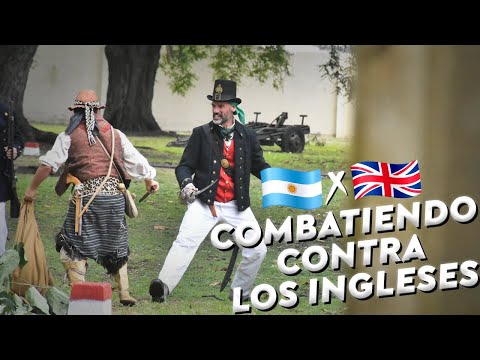
The Crucible of Conflict: Reenacting the English Invasions - A Warrior's Perspective

Do you seek to understand the spirit of historical combat? To grasp the raw essence of conflict beyond the sterile dojo mat or the digital screen? For too long, the true nature of martial engagement, the grit, the strategy, the sheer will to survive, has been diluted by modern interpretations. This vlog entry, however, takes us on a journey not just through a historical reenactment, but through the very principles that underpin every true martial art. We are not merely observers; we are participants in the ongoing dialogue of combat history.

Table of Contents

The Call to Arms: Historical Reenactment and Martial Integrity

The very act of reenactment is a double-edged sword in the eyes of a true martial artist. On one hand, it offers a tangible connection to the past, a physical manifestation of historical conflicts that can illuminate the strategies and spirit of bygone eras. On the other, there's the ever-present danger of it devolving into mere theatre, a superficial display lacking the visceral truth of combat. This particular vlog explores an event that delves into the historical invasions of English forces, a scenario ripe for examination of both historical accuracy and the underlying martial principles. As we step into this arena, we must ask: does the reenactment capture the *kiai* – the spirit, the intent – of the original conflict, or is it a hollow echo? The very tag #BUDO suggests an aspiration towards this deeper understanding.

A Glimpse into the Past

This chronicle follows a day dedicated to preparing for and participating in a significant historical reenactment. It’s a journey that begins with the personal ritual of preparation – the donning of attire, the mental centering – a prelude to stepping into a simulated battlefield. The initial moments, the travel, the quiet anticipation, are as crucial to the martial artist as the clash itself. It is in these transitions that focus is sharpened, and the mind aligns with the body’s purpose.
"The warrior prays before the battle. He does not pray for victory, but for strength to endure." - A principle echoed across countless warrior traditions.

The Dance of Steel: El Arte de la Esgrima Criolla

The narrative quickly moves to a specific martial discipline: "Clases de Esgrima Criolla." This is where the heart of martial analysis truly begins. Esgrima Criolla, a form of fencing rooted in the combat traditions of the region, often involving sabre or cutlass, presents a fascinating case study. Unlike the formalized dueling of European aristocracy, Criolla fencing likely incorporated more practical, battlefield-oriented techniques. We must consider: * **Weapon Handling:** How effectively are the period weapons utilized? Is there a sense of weight, balance, and lethal intent behind each movement? * **Footwork and Stance:** Does the practitioner demonstrate a stable, adaptable base? Is their movement fluid and economical, conserving energy while maintaining offensive and defensive posture? * **Engagement and Distance:** How do they manage the distance between themselves and their opponent? Are they able to control the engagement, dictating the terms of the encounter? * **Application of Techniques:** Beyond mere parries and thrusts, are there signs of transitions into grappling, disarms, or more brutal close-quarters combat often necessitated by historical battles? The very essence of #combat and #fight is encapsulated in these skills. A true Esgrima Criolla class would not just teach movements, but the philosophy of engagement, the reading of an opponent, and the decisiveness required to prevail.

Echoes of Battle: The Military History Museum Event

The core of the vlog is the recreación of the English invasions at the Museo Histórico Militar. This is where the abstract principles of Esgrima Criolla are placed within a broader historical context. The success of such a reenactment, from a martial perspective, hinges on several critical factors: * **Tactical Coherence:** Is the formation of troops logical? Do the movements of groups reflect historical military tactics? Are commands clear and followed with discipline? * **Authenticity of Engagement:** While not real combat, the *simulated* clash should convey the chaos, the desperation, and the structured aggression of battle. Are the interactions between individuals and groups believable? * **The Warrior's Mentality:** Beyond the physical execution, do the participants *embody* the spirit of the warriors they represent? This is where the concept of #BUDO, the Way of the Warrior, is truly tested. Is there a shared commitment to the narrative and the *intent* of the conflict? * **Respect for the Fallen:** Even in reenactment, there's a profound lesson to be learned about the cost of war. The solemnity of the occasion, the respect shown for the historical event, is as important as the action itself. The length dedicated to this portion (01:17 to 03:54) suggests a significant focus on the event itself. It is within these minutes that we can analyze the choreography, the commitment, and the overall effectiveness of the historical portrayal. The #history tags are central here, but the #battle and #martialarts elements are what give it true weight.

Modern Mettle: A Momentary Diversion

The brief detour into "Momento Tik Tok" (04:06) serves as a stark contrast. While social media platforms like TikTok can be used for disseminating martial arts knowledge, they often prioritize brevity and entertainment over depth. It’s a reminder of the challenges in bridging the gap between the serious pursuit of martial disciplines and the demands of modern digital engagement. This transition highlights how even dedicated martial artists must navigate the contemporary landscape, balancing their core pursuits with the need for broader reach. It's a nod to the #news and #community aspects of the martial arts world, but one that must be approached with discernment.

Sensei's Verdict: Does the Spirit Endure?

This vlog, while presented as a personal log, offers a valuable insight into the intersection of history, martial arts, and public engagement. The reenactment of the English invasions, particularly with the focus on Esgrima Criolla, provides a rare opportunity to witness historical combat principles brought to life. **The spirit of martial arts, the essence of #BUDO and #combat, is most effectively conveyed when there is a genuine commitment to understanding the underlying principles, not just mimicking the surface actions.** The clarity of the Esgrima Criolla instruction is promising, suggesting a dedication to technique. The question remains, however, whether the broader reenactment truly captured the relentless intensity and strategic nuance of historical warfare, or if it was primarily a historical spectacle. For participants and observers alike, the true takeaway is the reminder that martial arts, in all their forms—historical, modern, combative, or philosophical—demand respect, discipline, and a constant pursuit of deeper understanding. The vlog successfully captures a moment where these elements converge, albeit briefly. **Rating: Cinturón Negro en Curiosidad Histórica, Naranja en Profundidad Marcial.**

Honing Your Edge: Essential Training for Historical Combat

To truly prepare for the demands of historical combat reenactment or study, a multifaceted training regimen is essential. This goes beyond simply wielding a prop weapon.
  1. Physical Conditioning: Develop robust cardiovascular endurance for sustained periods of activity. Build functional strength, focusing on core stability, grip strength, and explosive power. Practice agility and balance to navigate uneven terrain and maintain posture under duress.
  2. Weapon-Specific Drills: Master the fundamentals of the weapon being used (e.g., saber, sword). Focus on proper grip, stance, footwork, thrusts, cuts, and blocks. Practice drills that simulate common combat scenarios.
  3. Simulated Sparring: Engage in controlled sparring sessions with safety gear. This is crucial for developing timing, distance management, reaction speed, and the ability to adapt to an opponent’s movements.
  4. Historical Research and Tactical Study: Understand the context of the battles you are reenacting. Study historical tactics, formations, and the typical engagements of the period. This knowledge informs movement and decision-making.
  5. Mental Fortitude: Cultivate focus, discipline, and resilience. The ability to remain calm under simulated pressure is paramount. Practice visualization techniques to mentally rehearse scenarios.
  6. Understanding of Historical Attire and Equipment: Learn how to move effectively while wearing period clothing and potentially armor. Understand the limitations and advantages these might impose.

Essential Equipment for Your Training

While the vlog focuses on a specific historical event, for those inspired to train in related disciplines, certain equipment is invaluable.
  • Protective Gear: For sparring or advanced drills, invest in high-quality protective gear. This includes padded swords (synthetic or specially designed training weapons), robust sparring masks, gloves, chest protectors, and shin guards. Safety is non-negotiable.
  • Period-Appropriate Training Weapons: If focusing on Esgrima Criolla or similar styles, acquiring well-balanced training replicas of sabres or cutlasses is key. Ensure they are designed for safe practice.
  • Durable Workout Apparel: Comfortable, flexible clothing that allows for a full range of motion is essential for conditioning and drills. Think breathable fabrics that can withstand rigorous activity.
  • A Solid Training Space: Whether it's a dedicated martial arts dojo, a cleared space in your home, or an outdoor area, ensure you have adequate room to move freely and safely.
  • Reference Books and Resources: For deeper study, acquire texts on historical fencing, military history of the era, and martial philosophy. Good books on #BUDO and #martialarts history can provide invaluable context.

Frequently Asked Questions

  • What is Esgrima Criolla?

    Esgrima Criolla refers to a style of fencing that developed in the Río de la Plata region, often drawing from Iberian traditions but adapted to local conditions and weaponry, typically involving sabres or cutlasses for practical combat.
  • Is historical reenactment a true martial art?

    While reenactment itself is not a martial art, it can be a valuable tool for studying and *applying* historical martial arts principles. Its effectiveness depends on the participants' dedication to authenticity and the underlying martial spirit.
  • How can I find historical reenactment groups?

    Research local historical societies, military history museums, and online communities dedicated to historical reenactment. Many groups focus on specific eras and regions.
  • What are the risks involved in reenactment?

    The primary risks stem from the use of prop weapons and the physical exertion. Proper training, safety protocols, and adherence to rules set by organizers are crucial to minimize these risks.

To Dive Deeper into Your Path

Sensei's Reflection: Your Next Step

We have traversed the simulated battlegrounds, witnessed the clash of steel, and considered the spirit that fuels such endeavors. The reenactment, like any martial practice, is a mirror reflecting our own commitment to understanding and embodying the principles we seek. It is easy to be swept up in the spectacle, but the true lesson lies in the preparation, the execution, and the reflection that follows. Now, consider this: If you were to participate in such a reenactment, not as an actor, but as a warrior embodying your chosen art, what single principle from your training would you prioritize above all others, and why? Would it be the tactical awareness of #MMA, the precise footwork of #Karate, the grounded stability of #Judo, or the relentless spirit of #Kyokushin? The true test is not the portrayal, but the internalization. Go forth and find your answer. GEMINI_METADESC: Explore a historical reenactment of the English Invasions, analyzing Esgrima Criolla and the warrior spirit. Learn about training and equipment for combat history.

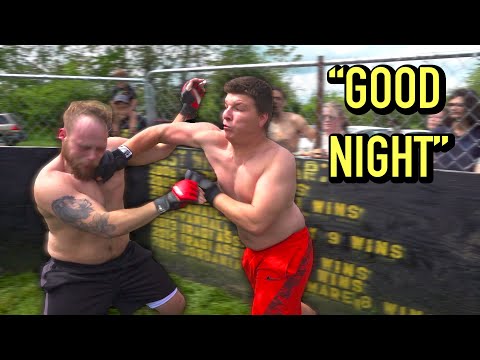
Budo & Martial Arts: Streetbeefs | Bobby Knuckles vs. Ronan - A Raw Look at Settling Disputes**

Welcome, warriors, to another profound exploration within the hallowed halls of Budo and Martial Arts. Today, we descend into a realm that often blurs the lines between sport, necessity, and raw human conflict: the world of unsanctioned, yet legally framed, combat. We're dissecting the phenomenon of Streetbeefs, specifically focusing on the bout between Bobby Knuckles and Ronan. But this isn't just about a single fight. It's about the underlying philosophy, the desperate need for an outlet, and the potent questions it raises about conflict resolution in the modern age.

The Genesis of Streetbeefs: From Beefs to Gloves

The genesis of Streetbeefs, as articulated by its founder, Scarface, is rooted in a grim observation: escalating disputes in his community were leading to severe, often life-altering, violence. The documentary "Guns to Gloves" and features in ESPN The Magazine paint a picture of a man seeking a practical, albeit unconventional, solution. The core concept is deceptively simple: replace the chaos of knives, guns, and gang-involved brawls with a regulated, one-on-one, gloved confrontation. This isn't merely about entertainment; it's presented as a vital societal pressure valve.

The website and associated social media channels, including those of @Lord Besteban, are not just platforms for promoting fights. They are the nexus of this burgeoning community, a digital extension of what Scarface terms "Satan's Backyard." The explicit statement that "OUR MATCHES ARE 100% LEGAL. ALL PARTICIPANTS MUST BE 18 OR OLDER" is crucial. It frames Streetbeefs not as lawlessness, but as a managed, albeit raw, form of conflict resolution operating within the letter, if not always the spirit, of the law. The aim is to de-escalate, to offer an alternative that prevents fatalities and incarceration, fostering instead camaraderie and understanding—a true #BUDO in its most primal sense of disciplined action.

Analyzing Bobby Knuckles vs. Ronan: Beyond the Brawl

While the original content provides the names of the combatants, Bobby Knuckles and Ronan, and the context of their bout being published on May 23, 2020, a deeper martial arts analysis requires more than just the event details. We must infer the nature of the confrontation. Streetbeefs, by its very definition, often pits individuals with genuine personal grievances against each other. This isn't a meticulously trained sparring session; it's a crucible where raw aggression meets the necessity of imposed rules.

In a fight like Bobby Knuckles vs. Ronan, we would typically observe a blend of styles. Given the promotion's focus on boxing and MMA elements, expect to see rudimentary boxing techniques, perhaps some wild grappling exchanges, and a heavy emphasis on heart and conditioning. The term "Bobby Knuckles" itself evokes images of untrained, powerful strikes – a testament to raw power rather than refined technique. Ronan, by contrast, might represent a slightly more controlled, yet equally determined, approach. The "purely for sport" matches stand apart from "REAL beef," and it's the latter that offers the most potent, if brutal, insight into human conflict.

The effectiveness of such bouts lies not in the technical brilliance of the participants, but in their resolve and ability to withstand pressure. We see a raw display of #combat, where mental fortitude is as critical as physical prowess. The lack of extensive martial arts training in many participants means that fundamental principles of distance, timing, and defense often take a backseat to sheer will and the adrenaline of the moment. This is where the spectacle becomes both compelling and concerning.

"I've settled hundreds of disputes in our area with this method, and hope to settle THOUSANDS more, all while entertaining my viewers." - Scarface, Streetbeefs Founder

The Philosophical Underpinnings: A Safer Outlet?

The core philosophy behind Streetbeefs presents a fascinating paradox. On one hand, it champions discipline and regulated conflict, moving away from lethal weapons and indiscriminate violence. On the other, it inherently relies on aggression and confrontation. This is where the discussion transcends mere #fight analysis and delves into the realm of #martialphilosophy.

Is Streetbeefs a legitimate evolution of conflict resolution, a modern interpretation of dueling, or simply a way to monetize aggression? Scarface's intention to "provide a safer outlet for aggressive young men and women to solve disagreements without killing each other or going 2 jail" is a noble goal. It acknowledges the primal need for dominance and resolution that traditional martial arts also seek to address, albeit through a more structured and ethical framework. The emphasis on forming bonds and lasting friendships within the "club" suggests a community aspect that goes beyond the individual bouts.

However, one must question the long-term impact. Does offering a regulated outlet for aggression truly neutralize it, or does it simply provide a platform for its expression, potentially glorifying it? This is a debate that resonates deeply within the martial arts community. While traditional #BUDO emphasizes self-control, humility, and the avoidance of conflict where possible, Streetbeefs operates on the premise that conflict is inevitable and must be channeled. The question remains: does channeling it through a spectacle truly diminish its destructive potential, or merely reframe it?

Cultural Impact and the Spectacle

Streetbeefs has carved out a significant niche online, attracting viewers drawn to the raw, unvarnished nature of these encounters. The mention of being featured in The New York Times and ESPN The Magazine underscores its cultural resonance. It taps into a primal fascination with combat, a theme as old as humanity itself. The "Satan's Backyard" moniker, the "Demon Boys Boxing" channels, and the explicit merchandise all contribute to a distinct aesthetic – one that leans into the darker, more visceral aspects of human nature.

The fusion of genuine disputes with entertainment is a potent combination. It offers viewers a glimpse into conflict resolution stripped bare of professional sports' polish. While some matches are "purely for sport," the inclusion of "REAL beef" injects a level of consequence and emotional intensity that professional fights often struggle to replicate. This rawness is, undoubtedly, a major draw for its audience. The **#BUDOYArtesMarciales** blog aims to dissect such phenomena, understanding the motivations behind them and their place within the broader landscape of martial arts and combat sports.

This phenomenon also raises questions about the ethics of spectating. Are we merely passive observers, or do we, by consuming and sharing this content, inadvertently encourage such confrontations? The line between observing a societal pressure release and endorsing potentially harmful behavior is fine and often blurred in the digital age. The **#CommunityOfWarriors** spirit Scarface cultivates might be genuine, but it exists within a framework that is inherently confrontational.

Training Considerations for Unsanctioned Combat

For those who find themselves drawn to participating in events like Streetbeefs, or even those who wish to understand the demands, specific training considerations arise. While formal martial arts training is beneficial, the environment of Streetbeefs often requires a different kind of preparation.

1. Conditioning is King: Without the refined techniques of professional fighters, endurance and sheer physical grit become paramount. High-intensity interval training (HIIT) and extensive cardiovascular work are essential. Think of the type of **#conditioning** that prepares you for prolonged, intense effort rather than technical exchanges.

2. Basic Striking Proficiency: While formal technique might be secondary, knowing how to throw a basic punch (jab, cross, hook) and avoid being hit effectively is crucial. Boxing fundamentals are invaluable here. The concept of "knowing your limits" is vital, understanding when to press and when to conserve energy.

3. Mental Fortitude: This is perhaps the most critical element. The ability to manage adrenaline, overcome fear, and push through pain is developed through consistent practice and by confronting one's own limitations. This is where the spiritual development aspect of martial arts, even in this raw form, comes into play. The **#MentalGame** is everything.

4. Understanding the Ruleset: Each Streetbeefs event operates under specific rules. Understanding these—what's allowed, what's forbidden, the referee's role—is non-negotiable. This is the most basic form of respecting the discipline, even if it's a discipline forged in backyard brawls.

Essential Equipment for Your Training

While Streetbeefs often emphasizes raw confrontation, proper equipment is non-negotiable for safety and performance, both in training and in actual bouts. For those serious about preparing for such encounters, or even for general **#MartialArtsTraining**, the following are essential:

  • Boxing Gloves (16oz Recommended): For sparring and actual bouts. Lighter gloves increase the risk of injury for both participants. These are crucial for reducing knockout power slightly and protecting hands.
  • Mouthguard: Absolutely essential to protect your teeth, jaw, and prevent concussions. A custom-fitted mouthguard is ideal.
  • Groin Protector (Cup): In any combat sport, protecting this vulnerable area is paramount.
  • Hand Wraps: Worn under boxing gloves, these provide crucial support to the wrist and hand bones, preventing fractures and sprains.
  • Shin Guards: If incorporating kicks or MMA-style sparring, these protect against bruising and cuts.
  • Headgear: For high-impact sparring, headgear can significantly reduce the risk of cuts and superficial injuries.
  • Durable Training Attire: Comfortable shorts and t-shirts that allow for a full range of motion are necessary.

Investing in quality **#MartialArtsMerchandise** and training gear is not a luxury; it is a fundamental aspect of responsible training and injury prevention. This is where the practical side of **#BUDO** meets the reality of **#combat**.

Veredicto del Sensei: Brutal Honesty or Necessary Evil?

Streetbeefs presents a complex ethical and philosophical challenge. On one hand, Scarface's initiative is a bold attempt to mitigate the lethal consequences of street violence by offering a controlled, albeit raw, alternative. The commitment to legality and participant safety (within the context of a fight) is commendable. It provides an outlet, a community, and a spectacle that undeniably entertains.

However, as a practitioner and student of true #Budo, I must remain critical. The glorification of violence, even when regulated, is a slippery slope. While it may prevent some deaths, does it truly instill the principles of self-control, humility, and the avoidance of conflict that are the cornerstones of traditional martial arts? The emphasis on "winning the beef" rather than mastering oneself is a significant divergence. It’s a raw, often brutal, testament to human nature's need to resolve disputes, but it lacks the deep ethical framework that defines martial arts as a path to self-improvement.

Streetbeefs offers a fascinating case study in conflict resolution and the primal appeal of combat. It is, in its own way, a form of #fight culture, raw and unfiltered. But it is not, by any traditional definition, a martial art. It is a necessary evil for some, perhaps, but a far cry from the disciplined pursuit of perfection that defines the true martial path.

Rating: 3 out of 5 **"Gloves of Necessity"** - Necessary for its intended purpose, but lacking the soul of martial arts.

Frequently Asked Questions

What is the main purpose of Streetbeefs?

The main purpose of Streetbeefs, according to its founder, is to provide a legal and safer alternative for individuals with disputes to settle their differences through one-on-one combat, thereby reducing real-world violence involving weapons and gangs.

Are Streetbeefs matches professional fights?

No, Streetbeefs matches are described as amateur exhibitions. While participants may have some fighting experience, they are not professional athletes in the traditional sense, and the events are not sanctioned professional sporting contests.

What kind of training is recommended for Streetbeefs participants?

Participants are recommended to focus on raw conditioning, basic boxing and MMA techniques, mental fortitude to handle adrenaline and fear, and a thorough understanding of the specific event rules.

How does Streetbeefs differ from traditional martial arts?

Traditional martial arts focus on self-improvement, discipline, humility, and conflict avoidance. Streetbeefs focuses on channeling aggression to resolve disputes through combat, prioritizing an outlet for conflict over the broader philosophical development of the individual.

To Further Your Journey

``` GEMINI_METADESC: Explore the raw reality of Streetbeefs with Bobby Knuckles vs. Ronan. An in-depth analysis from a martial arts perspective on conflict, sport, and the Budo spirit.

The Unseen Warrior: Mastering Active Recovery for Peak Martial Arts Performance

The true battlefield is not always the one where fists fly. It's also the one within, the constant struggle against fatigue, stiffness, and the subtle decay that even the most dedicated training can inflict. Many a promising martial artist has faltered, not from a lack of skill or spirit, but from neglecting the crucial art of recovery. This is where the warrior's wisdom truly shines: understanding that rest and active restoration are not weaknesses, but strategic maneuvers as vital as any well-executed strike. This guide delves into a 15-20 minute full-body active recovery workout, a vital component for any practitioner of #BUDO, #MMA, or any discipline demanding peak physical and mental readiness.

The Warrior's Rest: Why Active Recovery is Non-Negotiable

In the relentless pursuit of martial mastery, the body endures immense stress. Stiffness and soreness are not badges of honor; they are signals. Heeding them with strategic active recovery prevents injury, accelerates healing, and sharpens performance. Think of it as sharpening your blade after each encounter. This routine, designed to be performed between intense training days, focuses on invigorating the body without taxing it, promoting blood flow, and restoring suppleness. It’s about keeping the engine running smoothly, not redlining it. Ignoring this phase is akin to a samurai leaving his armor unmaintained – a recipe for disaster when the next clash comes.

The Eight Pillars: Strength for Resilience

This segment focuses on foundational strength movements, utilizing bodyweight to engage major muscle groups and build intrinsic resilience. These are not about maximal strength, but about controlled, functional movement that reinforces your kinetic chain. Remember, even the most advanced techniques rely on a robust, responsive body.

  1. Bodyweight Squats: Ground yourself like a mountain. Focus on depth and controlled descent and ascent. This builds foundational strength in the legs and core, crucial for stable stances and powerful transitions. Intención del Budoka: Mejorar la estabilidad en la postura y la potencia de las piernas para movimientos explosivos.
  2. Push-ups: The universal test of upper body strength. Maintain a rigid torso, engaging your core as if bracing for impact. This fortifies your arms, chest, and shoulders, vital for blocking, striking, and controlling opponents. Palabras clave marciales: Técnica de empuje, fuerza del core.
  3. Lunges (Alternating): Mimic the dynamic shifting of weight in combat. Step forward with control, ensuring your front knee tracks over your ankle. This enhances balance and strengthens the legs and hips, enabling swift footwork. Concepto marcial: Movimiento dinámico del cuerpo.
  4. Plank: The ultimate test of core integrity. Hold your body in a straight line from head to heels, engaging every abdominal and back muscle. This builds the "Girdle of Strength" that connects your upper and lower body, essential for power transfer and injury prevention. Términos relacionados: Fortalecimiento del core, estabilidad.
  5. Glute Bridges: Activate your posterior chain. Lie on your back, feet flat, and lift your hips, squeezing your glutes at the peak. This awakens the muscles responsible for power generation in kicks and takedowns. Palabras clave LSI: Cadena posterior, activación de glúteos.
  6. Bird-Dog: Enhances core stability and balance while promoting contralateral limb coordination. Extend opposite arm and leg while keeping your torso still. Concepto filosófico: Coordinación mente-cuerpo.
  7. Supermans: Strengthen the erector spinae muscles along your spine, crucial for maintaining upright posture and resisting hyperextension. Lie prone and lift opposite arm and leg simultaneously. Términos: Espalda baja, fortalecimiento postural.
  8. Inchworms: A dynamic movement that combines hamstring stretching with core engagement and upper body strength. Walk your hands out to a plank position and then walk your feet towards your hands. Práctica relacionada: Calentamiento dinámico, flexibilidad de isquiotibiales.

The Willow's Dance: Mobility for Fluidity

Stretching and mobility work are not about simply touching your toes; they are about unlocking the body's natural range of motion, essential for fluid techniques and injury prevention. Remember, a rigid practitioner is an easily broken one. Think of the bamboo that bends in the wind, not the oak that snaps.

  1. Quad Stretch: Stand tall, grasp your ankle and gently pull your heel towards your glute, feeling the stretch in the front of your thigh. Keep your hips pushed forward. This releases tension in a key area for kicking and powerful stances. Palabras clave: Flexibilidad de cuádriceps, recuperación muscular.
  2. Hamstring Stretch (Seated or Standing): Reach towards your toes, keeping your back as straight as possible. Hold and breathe. Supple hamstrings are critical for high kicks and explosive leg movements. Términos LSI: Isquiotibiales, elasticidad.
  3. Hip Flexor Stretch (Kneeling Lunge): In a low lunge, gently push your hips forward, keeping your torso upright. This counteracts the tightness often developed from prolonged sitting or intense squatting/kicking. Concepto relacionado: Movilidad de cadera, liberación de tensión.
  4. Thoracic Spine Rotations: On your hands and knees, place one hand behind your head and rotate your torso, bringing your elbow towards your wrist, then opening up towards the ceiling. Improves upper back mobility, crucial for rotational power. Términos: Movilidad torácica, rotación del tronco.
  5. Cat-Cow Stretch: Transition smoothly between arching and rounding your spine. This synchronizes breath with movement, promoting spinal health and flexibility. Términos: Movilidad espinal, sincronización respiratoria.
  6. Shoulder Rolls and Arm Circles: Gentle rotations to increase blood flow and range of motion in the shoulder joint. Essential for striking arts and grappling. Palabras clave: Salud del hombro, rango de movimiento.
  7. Calf Stretches (Gastroc and Soleus): Perform both with a straight leg (gastroc) and a slightly bent leg (soleus) against a wall. Vital for footwork and absorbing impact. Términos: Flexibilidad de gemelos, tobillos fuertes.
  8. Child's Pose: A restorative pose that gently stretches the back and hips while promoting relaxation and mindfulness. Concepto filosófico: Descanso meditativo, conexión con el cuerpo.

Sensei's Guidance: Adapting for Your Path

Not every practitioner is built the same. A seasoned #Kyokushin Karateka will have different needs than a #BJJ practitioner. The key is listening to your body. If a movement feels too strenuous, modify it. For squats, reduce the depth. For push-ups, perform them on your knees. If a stretch causes pain, ease off. The goal is gentle restoration, not pushing limits. Palabras clave LSI: Modificaciones de ejercicios, escucha corporal.

Modifications are not signs of weakness, but of intelligent training. A true master adapts to the terrain. For instance, a grappler might spend more time on hip mobility and thoracic rotations, while a striker might focus on quadriceps and hamstring flexibility. Pause the video, as suggested, and hold stretches that target your tightest areas. This personalized approach ensures you're addressing your specific needs, maximizing the benefits of this recovery session.

"The more you sweat in training, the less you bleed in battle." This principle applies to recovery too. The effort you put into active recovery prevents the "bleeding" of injury and fatigue later on.

Veredicto del Sensei: Essential for the Dedicated

This active recovery routine is far more than just a workout; it's a strategic component of a martial artist's arsenal. It embodies the principle of #Budo - the Way of the Warrior - recognizing that discipline extends beyond the dojo floor into the critical phases of restoration. It's a no-excuse, accessible method to combat the inevitable stiffness and soreness that comes with rigorous training, ensuring you return to your practice stronger, more resilient, and more fluid. If you are serious about your martial arts journey, integrating this type of recovery is not optional – it is a requirement for long-term progress and peak performance.

Calificación del Sensei: ¡Cinturón Negro en Recuperación Activa!

Essential Equipment for Your Training

While this routine is designed for minimal equipment, a few items can enhance your experience and optimize your recovery:

  • Comfortable Workout Mat: Provides cushioning and grip for floor exercises and stretches. Essential for preventing discomfort on hard surfaces.
  • Resistance Bands: Can be incorporated into some strength exercises for added resistance or used for assisted stretching to deepen mobility work. Look for a set with varying resistance levels.
  • Foam Roller: An excellent tool for self-myofascial release, targeting trigger points and further aiding muscle recovery.
  • Water Bottle: Staying hydrated is paramount for muscle function and recovery.

Frequently Asked Questions

Q1: How often should I perform this active recovery workout?
A1: Ideally, perform this 2-3 times per week, especially on days following particularly intense training sessions or when you notice significant stiffness.

Q2: Can I do this on a rest day?
A2: Absolutely. Active recovery on a rest day helps promote circulation and reduce stiffness without adding significant fatigue.

Q3: What if I'm a complete beginner?
A3: Focus on the fundamental movement patterns. Reduce the range of motion or repetitions as needed, and prioritize proper form over quantity. Modifications are key.

Q4: Can this routine replace my warm-up?
A4: No, this is designed for active recovery. A dynamic warm-up before training should still be performed to prepare your body for immediate exertion.

To Deepen Your Path

Mastering the martial way involves understanding all facets of its practice, including the often-overlooked aspects of physical conditioning and mindful recovery. To further enrich your journey, explore these related concepts:

Reflexión del Sensei: Tu Próximo Paso

This routine provides the 'how'. But the 'why' lies in your commitment. Are you willing to dedicate these few minutes not just to moving your body, but to truly listening to its needs? Or will you continue to push until an injury forces you to stop? The choice, as always, rests with the warrior.

GEMINI_METADESC: Master active recovery with this 15-20 min warrior's workout. Enhance mobility, build resilience, and prevent injury for peak #BUDO & #MMA performance. Essential for serious practitioners.

The Warrior's Crucible: Alan Belcher's BKFC Transformation and the True Spirit of Combat

The roar of the crowd, the scent of anticipation, the raw, unadulterated dance of combat. These are the elements that draw us to the arenas, to witness the primal struggle that defines so much of human endeavor. But what truly separates a mere spectacle from a testament to the martial spirit? Is it the ferocity of the strike, the strategic mastery of the clinch, or something far more profound? Today, we dissect the transformation of Alan Belcher, a name synonymous with tenacious MMA, as he stepped into the unforgiving crucible of bare-knuckle boxing at BKFC 20 against the formidable Tony Lopez. This isn't just about a fighter changing disciplines; it's about the enduring essence of the warrior.

Unveiling the Warrior's Path: Belcher's BKFC Debut

Alan Belcher, a veteran whose powerful striking and submission prowess made him a feared opponent in MMA promotions, made a daring foray into the world of bare-knuckle boxing at BKFC 20. His opponent, Tony Lopez, was no stranger to the brutal realities of this discipline, known for his resilience and warrior spirit. The very act of stepping into the ring without gloves, with only the calloused skin and honed technique as defense, is a testament to a fighter's commitment to the ultimate test of will and skill. This transition speaks volumes about Belcher's inherent drive to push his limits and confront fear head-on, a core tenet of #BUDO and the broader #MartialArtsJourney.

The transition from MMA to bare-knuckle is not a trivial one. The gloves, while offering some protection, also alter the dynamics of striking and grappling. Bare-knuckle demands a different kind of precision, a heightened awareness of distance, and an almost unimaginable fortitude to withstand the impact of unprotected blows. It strips away some of the technical layers of MMA, exposing the raw, unyielding spirit of the combatant. It’s a dive into the deep end of #CombateCuerpoACuerpo, testing the mettle in its most fundamental form. We often see fighters evolve, but this particular shift represents a profound test of character and #InnerStrength.

BKFC 20: A Clash of Titans and the Evolution of the Fighter

BKFC 20 showcased a card brimming with potential, but the encounter between Alan Belcher and Tony Lopez stood out as a focal point. It represented a clash not just of styles, but of legacies. For Belcher, it was a chance to prove that his warrior spirit, forged in the octagon, could translate to a different, arguably more primitive, arena. For Lopez, it was an opportunity to defend his territory against a high-profile newcomer.

The fight itself, while a significant event, serves as a microcosm for a larger discussion about fighter transformation. We saw Belcher apply his power and strategic thinking, adapting to the unique demands of bare-knuckle. This event, originally scheduled for August 20th, 2021, highlighted the continuous evolution within combat sports, a theme that resonates deeply with the principles of #Perseverance and #SelfImprovement that are central to any martial art.

It’s crucial to understand that this wasn't merely a superficial change. Stepping into the bare-knuckle arena is a conscious decision to embrace a more primal form of combat. It requires an immense amount of bravery and a deep understanding of the risks involved. This is where the line between a sport and a true test of warrior spirit blurs, making events like BKFC 20 fascinating case studies for anyone interested in the psychology of #Fighters and the human capacity for facing adversity. The inherent risks also bring a heightened sense of authenticity to the contest, a quality often sought by fans of #MMA and #CombatSports alike.

Beyond the Bare Knuckle: Belcher's Continued Journey and BKFC Fight Night Jackson

The narrative didn't end with Belcher's BKFC debut. His return to action at Fight Night Jackson on January 29th, 2022, facing Bobo O'Bannon, underscores the dedication required to remain at the forefront of this demanding sport. This event in Mississippi, held at the Jackson Convention Complex, further solidified the growing presence of bare-knuckle boxing, offering a platform for warriors to test their mettle in a raw, unvarnished format.

The fight card for this event was stacked, featuring a welterweight championship bout between Elvin Brito and Kaleb Harris, promising a night of intense action. The co-main event, featuring Belcher against O'Bannon, was highly anticipated, and the additional nine bare-knuckle bouts ensured a full spectrum of combat sports excitement. This demonstrates the expanding landscape of #CombatSports and the diverse avenues available for athletes to showcase their skills.

Events like BKFC Fight Night Jackson are vital for the growth of disciplines that demand such extraordinary courage and commitment. They provide opportunities for seasoned veterans and rising stars alike to prove their worth. For fans of the raw, unscripted drama of combat, these events offer an unparalleled experience, tapping into the ancient human fascination with the warrior's duel. It's a reminder that the spirit of combat, in its purest form, continues to captivate audiences worldwide, driving interest in #MartialArtists and the #WarriorPhilosophy.

The Anatomy of Transformation: What Drives a Fighter to Adapt?

Alan Belcher's journey is a powerful illustration of a fighter's innate drive for evolution. What compels an athlete, already established in one discipline, to step into a new and potentially more dangerous arena? Several factors come into play:

  • The Pursuit of a Pure Test: Bare-knuckle boxing strips away many of the layers of modern MMA, offering a more direct and primal test of skill, heart, and resilience. It appeals to those who seek the most fundamental form of combat.
  • Challenging Limitations: True warriors are never content. They constantly seek new mountains to climb, new ways to test their mettle and prove their capabilities. This is the essence of #SelfMastery.
  • The Lure of a Different Kind of Glory: While MMA offers fame and fortune, the raw, visceral nature of bare-knuckle combat provides a unique and potent form of recognition and accomplishment.
  • A Deeper Connection to History: Bare-knuckle boxing is a return to the roots of combat sports, echoing historical duels and tests of strength that have captivated humanity for millennia. It connects to a primal instinct, a core aspect of the #BUDO life.

This drive for adaptation and self-discovery is a universal theme, not confined to the fighting realm. It is the very essence of growth, whether in physical training, mental discipline, or philosophical understanding. It’s about embracing challenges that push you beyond your perceived limits. This concept is central to the #MartialArtsJourney, reminding us that progress often lies just outside our comfort zone.

Veredicto del Sensei: ¿Merece la pena?

The transition of a fighter like Alan Belcher into bare-knuckle boxing is, without question, a testament to the unyielding spirit of the warrior. It's not about glorifying violence, but about acknowledging the courage, discipline, and resilience required to face such a raw and fundamental test. Belcher's willingness to step into the crucible of BKFC demonstrates a deep commitment to his craft and an unwavering pursuit of self-challenge. It’s a display of **"Cinturón Negro en Coraje"** for embracing the unknown and confronting fear with strategic intent.

Equipo Esencial para tu Entrenamiento

While bare-knuckle boxing requires minimal equipment in the ring, the preparation for such a demanding discipline is extensive and relies on foundational training. To emulate the dedication of fighters like Alan Belcher, consider the following:

  • Guantes de Entrenamiento y Sparring: Essential for developing striking power and endurance safely during MMA or kickboxing preparation. Look for quality sparring gloves (14-16oz).
  • Protector Bucal: Non-negotiable for any form of combat training to protect your teeth and jaw.
  • Kimono de Judo/BJJ (si aplica): For fighters who cross-train, a durable gi is crucial for grappling practice. A double-weave gi is recommended for longevity.
  • Hombreras y Protecciones de Cabeza: Useful for specific drills to simulate impact and refine defensive techniques in MMA or boxing training.
  • Pesas y Equipo de Fuerza: For building the foundational strength necessary for powerful strikes and the endurance to withstand prolonged combat.
  • Cuerda de Saltar: An indispensable tool for improving footwork, coordination, and cardiovascular conditioning, crucial for fighters in any discipline.

Guía de Entrenamiento: Desarrollando la Resiliencia del Guerrero

The mental and physical fortitude required for bare-knuckle boxing is honed through rigorous, multi-faceted training. Here's a practical approach:

  1. Fundamentos de Striking: Master the basics of punches (jab, cross, hook, uppercut) and kicks (if applicable to your base art). Focus on precision, power generation from the hips, and proper form. Practice on heavy bags and with pads.
  2. Acondicionamiento Físico Intensivo: Incorporate high-intensity interval training (HIIT), circuit training, and long-distance cardiovascular work. Focus on building endurance for multiple rounds and explosive power for single, decisive strikes.
  3. Sparring Estratégico: Engage in sparring sessions that simulate the intensity and pace of bare-knuckle fighting. This involves controlled striking with emphasis on defense, distance management, and reaction time. Adapt drills to focus on hand protection and blocking.
  4. Fortalecimiento de Manos y Muñecas: Gradually incorporate exercises like rice bucket training, grip strengtheners, and specific wrist conditioning drills to prepare your hands for impact. Consult with a coach or physical therapist for safe progression.
  5. Preparación Mental y Visualización: Practice mindfulness and visualization techniques. Imagine yourself in challenging scenarios, executing techniques effectively, and maintaining composure under pressure. This builds the #MentalGame essential for combat.
  6. Recuperación Activa: Prioritize sleep, nutrition, stretching, and active recovery methods like foam rolling. A warrior is only as strong as their ability to recover and adapt.

Preguntas Frecuentes

¿Es el bare-knuckle boxing más peligroso que el MMA?

El bare-knuckle boxing presenta riesgos elevados debido a la falta de protección en las manos, lo que puede llevar a lesiones más severas y fracturas. Sin embargo, el MMA, con sus múltiples disciplinas (striking, grappling, sumisiones), conlleva su propio conjunto de riesgos significativos. La peligrosidad es alta en ambos, pero la naturaleza de las lesiones puede diferir.

¿Por qué un luchador de MMA se pasaría al bare-knuckle?

Los luchadores pueden hacer esta transición en busca de una prueba más pura de habilidad de combate, para desafiar sus límites, por la emoción de un nuevo comienzo, o por una conexión con las raíces históricas del combate. También puede ser una oportunidad para una carrera diferente o un cambio de ritmo.

¿Qué habilidades del MMA son más transferibles al bare-knuckle?

La potencia de golpeo, la gestión de la distancia, la resistencia cardiovascular, la fuerza mental, la capacidad de absorber golpes y la estrategia general de combate son altamente transferibles. Las habilidades de agarre (grappling) son menos relevantes directamente, pero la fuerza y el control corporal que se desarrollan son beneficiosos.

¿Cómo se prepara un peleador para la ausencia de guantes?

La preparación se centra en fortalecer las manos y muñecas, refinar la técnica de golpeo para maximizar la efectividad con el mínimo de riesgo de lesión, y desarrollar una resistencia psicológica aún mayor para soportar el dolor y la presión del combate sin la amortiguación de los guantes.

¿Representa el bare-knuckle una evolución o una involución en las artes marciales?

Es un debate complejo. Algunos lo ven como un retorno a las raíces más crudas del combate, una prueba de espíritu fundamental. Otros lo consideran una involución, alejándose de las técnicas más refinadas y seguras que se han desarrollado en las artes marciales modernas. El verdadero valor reside en la disciplina, el coraje y el respeto que los practicantes demuestren.

Para Profundizar en tu Camino

"El Kendo es la vida, el combate es la muerte." - Anónimo Zen. Esta profunda declaración nos recuerda que la disciplina del guerrero no es solo para la batalla, sino para la forma en que vivimos nuestras vidas.

Reflexión del Sensei: Tu Próximo Paso

Alan Belcher's journey into bare-knuckle boxing is a powerful narrative of courage and adaptation. It begs the question: what "bare-knuckle" challenge does your own training present? Are you avoiding the aspects of your martial art that are uncomfortable, that demand a raw confrontation with your limitations? Or are you, like the true warrior, willing to step into the arena of your own self-improvement, no matter how intimidating the path may seem?

¿Qué habilidad o aspecto de tu propio entrenamiento has estado evitando, y cómo puedes comenzar a enfrentarlo con la misma audacia que un guerrero en el cuadrilátero?

``` GEMINI_METADESC: Explore Alan Belcher's BKFC debut, BKFC Fight Night Jackson, and the warrior spirit in combat sports. Analyze MMA transitions and the true essence of fighting.

The Unyielding Spirit: Analyzing Sean Strickland's Tactical Dominance Over Uriah Hall

In the unforgiving arena of mixed martial arts, few battles are won by sheer chance. They are forged in the crucible of relentless training, strategic brilliance, and an unshakeable will to conquer. The recent clash between Sean Strickland and Uriah Hall at UFC Vegas 47 was a prime example of this martial truth. After five grueling rounds, Strickland emerged victorious via unanimous decision, a testament to his tactical prowess and unwavering resolve. This victory wasn't merely a win; it was a masterclass in controlled aggression and strategic attrition, offering invaluable lessons for any practitioner of combat arts.

The Strategic Crucible: Setting the Stage

Sean Strickland, known for his relentless pressure and often controversial outspokenness, faced a seasoned and dangerous striker in Uriah Hall. Hall, a veteran with a knack for spectacular knockouts, presented a significant threat. Yet, Strickland's game plan was executed with surgical precision. He didn't seek a dramatic finish; he aimed for methodical dismantling. This fight, set to headline UFC Vegas 47, was more than just a matchup; it was a philosophical contest between two distinct approaches to combat.

"In combat, victory is not always found in the thunderclap of a knockout, but in the persistent drip that erodes the stone," a wise old master once told me. Strickland's performance against Hall embodied this principle. He understood that while Hall possessed the power to end the fight instantly, Strickland had the conditioning and the mental fortitude to weather any storm and systematically break down his opponent.

Strickland's Blueprint: The Art of Control

Strickland's strategy revolved around imposing his will and dictating the pace of the fight. His jab was a constant irritant, used not just to score points but to establish range and disrupt Hall's rhythm. He maintained a high output, forcing Hall to constantly defend and expend energy. This wasn't about flashy techniques; it was about fundamental dominance.

His defensive wrestling was also key. Time and again, when Hall attempted to create distance or launch his potent strikes, Strickland would close the gap, clinch, and stifle the attack. This control nullified much of Hall's offensive potential and wore him down. In martial arts, controlling the center of the ring, and more importantly, the opponent's space and momentum, is paramount. Strickland exemplified this.

Uriah Hall's Perilous Path

Uriah Hall, despite his immense talent, found himself struggling to implement his game. Strickland's suffocating pressure left little room for Hall to set up his powerful strikes. When Hall did manage to land, Strickland absorbed them with a stoic demeanor, a testament to his conditioning and chin. Hall's challenge was to find a way to generate power and land his fight-ending shots against an opponent who refused to give him the necessary space or time.

This highlights a common pitfall for powerful strikers: if they cannot dictate the terms of engagement, their primary weapon becomes neutralized. The martial arts teach us that adaptability is as crucial as raw power. Hall, while formidable, appeared to be caught in Strickland's tactical web, struggling to break free and reassert his offensive capabilities.

Round-by-Round Breakdown: A Battle of Wills

The fight unfolded as a strategic chess match. In the early rounds, Strickland established his jab and used his footwork to maintain a forward pressure that kept Hall on the defensive. Hall looked for opportunities to counter, but Strickland's calculated approach minimized the openings.

As the fight progressed into the middle rounds, Strickland's volume striking began to take its toll. Hall's output decreased, and Strickland continued to press, landing combinations and controlling the clinch whenever necessary. The sheer physicality and consistent pressure were wearing Hall down.

The championship rounds saw Strickland maintain his composure and continue to execute his game plan. While Hall, true to his warrior spirit, never completely gave up, Strickland's dominance was evident. The unanimous decision was a clear reflection of his superior performance throughout the contest.

The Martial Philosophy: More Than Just a Fight

This bout serves as a potent reminder of the deeper principles embedded within the martial arts. It's not just about who hits harder, but who can withstand the pressure, adapt to adversity, and execute a strategy consistently. Strickland's victory underscores the value of:

  • Discipline: Adhering to a game plan even when faced with adversity.
  • Conditioning: The physical stamina to maintain a high output for an entire fight.
  • Mental Fortitude: The ability to absorb damage and remain focused, never breaking.
  • Tactical Intelligence: Understanding your opponent and exploiting their weaknesses.

Uriah Hall's resilience also speaks volumes about the warrior's spirit. Even when outmatched tactically, he continued to fight, showcasing the importance of never giving up. This is the essence of #Budo, the way of the warrior, which emphasizes not just skill, but character and perseverance.

"The supreme art of war is to subdue the enemy without fighting." - Sun Tzu, The Art of War

While Strickland did fight, his strategic approach aimed to subdue Hall's strengths before the fight even reached its most dangerous exchanges. He controlled the narrative of the fight, making Hall react rather than act.

Training Implications: Lessons from the Octagon

For practitioners of any combat sport, this fight offers tangible takeaways:

  • Develop your jab: A strong, consistent jab can be your most valuable offensive and defensive tool.
  • Work on your clinch control: Learning to manage space and stifle an opponent in the clinch is crucial, especially against dangerous strikers.
  • Prioritize conditioning: The ability to maintain intensity throughout a fight is often the deciding factor. Don't let your technique fail due to fatigue.
  • Train for pressure: Sparring with partners who consistently apply forward pressure will prepare you for fighters like Strickland.

Strickland's success is a clear indicator that a well-rounded, pressure-based style can overcome even the most explosive individual talent. This is a crucial understanding for anyone serious about their #MartialArtsJourney.

Sensei's Verdict: A Masterclass in Modern Budo

Sean Strickland's performance against Uriah Hall was not just a victory; it was a demonstration of modern #BUDO in action within the highly competitive landscape of the #UFC. He approached the fight with a strategic mindset, emphasizing control, conditioning, and relentless pressure over flashy, high-risk techniques. While Hall possesses the 'knockout power' that often captures the imagination, Strickland's 'unanimous decision' win is a testament to the effectiveness of calculated execution and unwavering mental fortitude.

He successfully neutralized Hall's primary weapons by controlling the distance and pace, a hallmark of a tactically superior fighter. This wasn't just about fighting; it was about applying martial principles in a high-stakes environment. Strickland earned his win not through brute force alone, but through intelligent application of fundamental combat skills.

Rating: 5 out of 5 KOs for Tactical Execution.

Essential Gear for Your Training

To emulate the dedication and performance of fighters like Sean Strickland and Uriah Hall, the right equipment is crucial. Investing in quality gear ensures safety, enhances performance, and respects the tradition of martial arts.

  • High-Quality MMA Gloves: For both striking and grappling training, ensure your gloves offer adequate protection for your hands and wrists. Look for options suitable for sparring and bag work.
  • Durable Training Shorts: Lightweight and flexible shorts allow for maximum range of motion during kicks and grappling.
  • Mouthguard: Non-negotiable for any combat sport training to protect your teeth and jaw.
  • Shin Guards: Essential for Muay Thai and Kickboxing drills to protect against leg kicks and condition your shins.
  • Wrestling Shoes: If your training heavily involves grappling, specialized wrestling shoes offer superior grip and ankle support.

For those looking to deepen their understanding of striking, consider specialized equipment like heavy bags for power development or speed bags for hand-eye coordination.

Frequently Asked Questions

  • What is Sean Strickland's fighting style? Sean Strickland is known for his pressure fighting style, characterized by a high output of punches, excellent conditioning, and effective clinch work. He often overwhelms opponents with volume and relentless forward movement.
  • What is Uriah Hall known for? Uriah Hall is a powerful and dynamic striker, renowned for his spectacular knockout power and creative, often unorthodox, striking techniques. He has a history of delivering highlight-reel finishes.
  • How long was the fight between Strickland and Hall at UFC Vegas 47? The fight between Sean Strickland and Uriah Hall at UFC Vegas 47 went the full five rounds, lasting the championship distance.
  • What is "Budo"? Budo translates to "the way of the warrior" and encompasses the philosophy, ethics, and practices of traditional Japanese martial arts. It emphasizes not only physical technique but also spiritual and mental development, discipline, and self-mastery.

To Further Your Path

Reflexión del Sensei: Tu Próximo Paso

Strickland's victory is a stark reminder that in the grand theatre of combat, strategy, discipline, and unwavering spirit often trump raw, untamed power. He did not merely defeat Uriah Hall; he dissected him. Now, I ask you:

When facing an opponent whose strengths seem insurmountable, do you seek to match their power, or do you forge a path of strategic attrition, chipping away until their foundation crumbles? How will you apply this lesson of controlled dominance in your own training, not just in combat, but in life?

Share your thoughts and insights below. Do you agree with my assessment, or do you see a different truth in this contest? Prove your point.

``` GEMINI_METADESC: Analyze Sean Strickland's tactical mastery over Uriah Hall at UFC Vegas 47. Learn about pressure fighting, strategy, and the Budo philosophy of combat.

黄正利:跆拳道影坛的“腿王”,武术的实战价值与电影的虚幻表现

引言:腿王黄正利的银幕传奇

在浩瀚的武术电影世界里,有些名字如同一记迅猛的鞭腿,划破长空,留下深刻的印记。黄正利,一个充满传奇色彩的名字,他不仅仅是韩国跆拳道的“祖师爷”之一,更是香港武打电影黄金时代不可或缺的“腿王”。当我们将目光投向这位以惊人腿法闻名遐迩的影坛巨星时,我们看到的不仅仅是银幕上的精彩绝伦,更是一个武道家在不同领域探索与碰撞的缩影。有人说他“踹飞成龙一颗牙”,这话语带着江湖的野性与对实战的追问,也揭示了我们今天探讨的核心:武术的实战价值如何在电影的虚幻表现中被放大、扭曲,又或是被忠实地传承?本文将深入剖析黄正利的技艺,探讨电影武打与真实武道之间的微妙关系,以及武道精神在现代社会中的意义。

技术分析:黄正利的腿法之道

黄正利(Hwang Jang-lee)的技艺,很大程度上源于他对跆拳道的精湛掌握。跆拳道,这门源自朝鲜半岛的古老武术,以其丰富多样的腿法技击而闻名于世。黄正利将这种技法带入了电影,他的表演风格充满了力量、速度和令人难以置信的灵活性。 * **踢击的艺术 (Kicking Art)**: 黄正利的踢击具有极高的技术含量。他擅长各种高难度踢法,如旋风腿(Tornado Kick)、凌空踢(Aerial Kick)和连环踢(Combination Kicks)。他的动作干净利落,充满了爆发力,能够在瞬间完成复杂的腿部动作。 * **高度与速度 (Height and Speed)**: 他的踢击高度常常超越常人想象,能够轻松触及比自己头部更高的目标。这种惊人的弹跳力和腿部控制力,在训练场上需要数十年如一日的艰苦磨练。 * **实用性与表演性 (Practicality vs. Performance)**: 在真实的格斗中,腿法虽然是重要的攻击手段,但其应用范围和时机受到诸多限制。黄正利在电影中的表现,无疑将腿法的观赏性推向了极致。他能够在狭小的空间内完成大幅度的踢击,这在真实的对抗中是极其危险且难以实现的。
“在实战中,每一次出腿都必须有明确的目的,速度、力量、角度,无一不是为了击败对手。电影则是在此基础上,加入了节奏、观赏性和戏剧性。”
我们必须认识到,电影中的“踢飞一颗牙”固然有其戏剧冲突的成分,但也反映了黄正利腿法的强大威力。然而,将电影中的表演直接等同于真实的格斗技击,则是一种片面的理解。

电影与现实:武术在银幕上的变形记

武打电影的魅力在于它将我们普通人难以企及的身体极限和格斗技巧,以一种视觉化的方式呈现出来。黄正利正是这一艺术形式的杰出代表。但我们必须审视,这种呈现是否完全符合武术的本质? * **动作的夸张与简化**: 为了增强视觉冲击力,电影往往会对真实的格斗技巧进行夸张和简化。例如,一个简单的踢击可能被放慢、重复,甚至配上特殊的音效,使其显得更加震撼。 * **规则的缺失与虚构**: 真实的武术比赛,无论是 #Judo#Karate 还是 #MMA,都有严格的规则限制。电影中的打斗则往往不受这些限制,常常出现一些在现实中极少发生或不可能发生的对抗场景。 * **故事情节的需要**: 电影中的打斗是为了推动剧情发展,塑造英雄形象,或是制造冲突。武术在这里成为了讲故事的工具,其“实战性”服从于叙事的需要。 黄正利参与的电影,如《少林与武当》、《鬼马双星》等,都充分展现了他高超的腿法技巧,为观众带来了无与伦比的视觉享受。但我们也要理解,他在银幕上的每一次腾空、每一次踢击,都是经过精心编排和设计的。这并不贬低他的武术功底,而是承认电影作为一种艺术形式的特质。

武道精神:实战与表演的界限

“武道,不仅仅是技巧的展现,更是心性的磨砺。” — 某位匿名武术大师
黄正利作为跆拳道的先驱,他的职业生涯本身就体现了武道精神的某些侧面。即便是在电影中,他也展现了对动作精确性的追求,以及作为一名表演者对观众负责的态度。然而,真正的武道精神,其核心在于“实战”与“修身”。 * **实战的残酷性**: 真实的格斗绝非儿戏。每一次对抗都伴随着受伤的风险,胜利的喜悦与失败的痛苦交织。黄正利在电影中的“踢飞成龙一颗牙”的传闻,即使带有夸张成分,也暗示了武术动作可能带来的真实伤害。 * **修身养性**: 许多传统武术,如 #KarateKyokushin#Judo#BUDO,都强调通过训练来提升个人的品德、意志和心智。这包括 #Autodisciplina#Perseverance、尊重对手以及对“空”的理解。 * **武道与功夫的区别**: 有时,我们将黄正利的银幕形象与中国传统的“功夫”概念相提并论。然而,一些学者和武术家认为,“武道”更侧重于个人修养和对生命真谛的探索,而“功夫”则更偏向于技巧的展现和技艺的精湛。黄正利的跆拳道,更倾向于“武道”的范畴。 #MartialArtsJourney 是一条漫长的道路,它要求我们区分表演与实战,理解技巧背后的哲学,并在每一次训练中不断反思和进步。

必备装备:提升腿法训练的利器

想要像黄正利那样拥有出色的腿法,除了艰苦的训练,合适的装备也至关重要。这些装备不仅能保护你,还能帮助你更有效地掌握动作要领。
  • 跆拳道道服 (Taekwondo Dobok): 选择透气性好、耐磨的道服,确保在进行大幅度踢击时不会受到束缚。
  • 护腿 (Shin Guards): 在进行力量性踢击训练或实战对抗时,护腿是保护小腿免受撞击和擦伤的关键装备。
  • 护裆 (Groin Protector): 保护腹股沟区域,这是腿法中一个脆弱但至关重要的部位。
  • 训练用脚靶 (Training Kicking Shields): 用于练习踢击的力量、速度和精度。
  • 力量训练器械 (Strength Training Equipment): 如深蹲架、哑铃、弹力带等,可以帮助你增强腿部和核心力量,这是高难度踢击的基础。
  • 柔韧性训练工具 (Flexibility Training Tools): 如瑜伽垫、拉伸带,对于提高腿部柔韧性,完成高踢至关重要。
投资于合适的 #KarateMerchandise 或跆拳道装备,是认真对待训练的体现,也是对自己负责的表现。

深入探索:武术电影与理论

黄正利的电影生涯,是武术与电影文化结合的绝佳案例。如果你对这个话题感兴趣,不妨深入研究以下领域: * 武术电影史: 了解香港武打电影的黄金时代,黄正利以及其他武术明星(如 #成龙)是如何塑造了这一流派。 * 跆拳道技术解析: 深入学习跆拳道的踢法、步法和基本功。可以参考相关书籍或观看 #UFC#MMA 比赛,理解在不同规则下腿法的运用。 * 武道哲学: 阅读 #BUDO 相关的书籍,如宫本武藏的《五轮书》,理解武士道精神、 #Bushido 的内涵,以及 #Zen 禅宗思想对武道的影响。 #BudoLife 的探索永无止境,而电影和理论书籍是连接你我与武术大师们思想的重要桥梁。

武道审判:黄正利在影史上的地位

黄正利无疑是武术电影史上的一位传奇人物,尤其是在腿法领域,他树立了一个难以逾越的标杆。他将跆拳道的强大威力与电影的视觉艺术完美结合,为观众带来了无数经典的瞬间。 **武道审判**: **腿王称号,实至名归。** 尽管电影表演与真实格斗之间存在差异,但黄正利的技艺和影响力是毋庸置疑的。他不仅是一位出色的武术家,更是一位成功的电影人,他的作品激励了无数后人去探索武术的奥秘。他证明了,当技术、力量、速度与表演艺术相结合时,可以创造出震撼人心的艺术作品。

常见问题解答

1. 黄正利是否真的踢掉了成龙的牙齿?

关于此事的真实性,存在不同的说法。一些传闻和采访提到过类似事件,但官方的、确凿的证据并不充分。在武打电影的拍摄过程中,受伤是常有的事,这可能是该传闻的由来。

2. 跆拳道的腿法在真实的格斗中有多大用处?

跆拳道的腿法在实战中非常有价值,尤其擅长中远距离的攻击。然而,在近身缠斗或面对规则限制极少的街头格斗时,单纯依赖高踢腿可能会受到限制,需要配合步法、拳法和摔法。

3. 黄正利在现实生活中也是跆拳道大师吗?

是的,黄正利是韩国跆拳道的资深大师,被认为是该运动在香港推广的重要人物之一,拥有很高的武术造诣。

4. 黄正利的电影风格与李小龙、成龙有何不同?

李小龙的电影更侧重于展现真实、刚猛的格斗技巧和哲学思想,强调“以无法为有法”。成龙的电影则以惊险的特技、幽默的表演和“以巧破力”的动作设计著称。黄正利则以其独特、高超且极具观赏性的腿法,在武打电影中开辟了自己的一片天地,他的人物形象也常常带有反派的冷酷和强大。

5. 学习武术对个人有什么好处?

学习武术不仅能增强体质,提高身体的协调性和反应能力,还能培养坚韧不拔的意志、 #SelfMastery#Disciplina 和尊重他人的品德。它是一种身心兼修的 #TransformativeExperience

为深入探索你的武道之路

武道反思:你是否只看到了银幕上的“王”,而忽略了背后的“道”?

黄正利的光芒,照亮了武术电影的辉煌,也让我们得以窥见腿法艺术的极致。然而,当掌声与赞美落下,当电影的剪辑与特效隐去,你是否会追问,在那每一次凌厉的出腿背后,隐藏着怎样的汗水、磨难与对武道本身的敬畏?你是否能区分银幕上的“无敌”,与生命中真正的“强大”? 现在,轮到你了。你认为武术在电影中的呈现,是传承还是扭曲?黄正利的腿法,在实战的语境下,又能达到怎样的境界?在这场关于武术与电影的辩论中,你的立场是什么?在评论区留下你的见解,让我们一同切磋,一同成长。 ``` GEMINI_METADESC: 深度解析跆拳道大师黄正利的电影传奇,探讨其腿法技术、武术实战价值与银幕表现的差异。

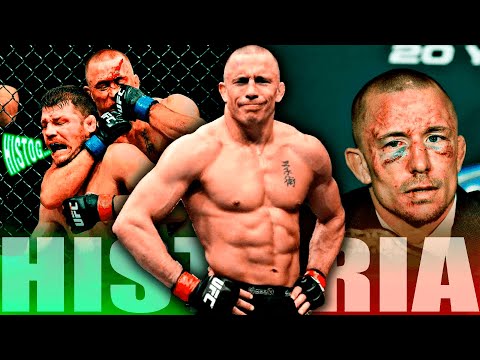
Georges St-Pierre: El Arquitecto Implacable del Ascenso Inquebrantable en las Artes Marciales Mixtas

El Enigma del Campeón: Georges St-Pierre

¿Qué distingue a un simple campeón de una leyenda viva en el universo de las artes marciales mixtas (MMA)? ¿Es la cantidad de victorias, la dominancia en múltiples divisiones, o esa rara cualidad de dejar el deporte en la cima, antes de que el declive sea inevitable? En el panteón de los guerreros que han forjado su nombre en el octágono, pocos resuenan con la fuerza y la elegancia de Georges St-Pierre, conocido universalmente como GSP. Este análisis no es una mera biografía; es una disección profunda de un atleta que trascendió el deporte para convertirse en un estudio de caso sobre dedicación, adaptabilidad y la búsqueda incansable de la maestría. ¿Cómo un joven de Quebec se convirtió en "Captain Canada" y definió una era en el UFC, manteniendo un nivel de excelencia casi inaudito? Acompáñenme en este viaje para desentrañar el ascenso y el legado de uno de los más grandes.

Orígenes de un Guerrero: De Saint-Isidore a la Cima del UFC

La historia de Georges St-Pierre es un testimonio del poder de la disciplina arraigada desde la juventud. Nacido en Saint-Isidore, Quebec, GSP no se encontró con las MMA de la noche a la mañana. Su camino comenzó en las disciplinas fundamentales del Budo: Karate Kyokushin, y posteriormente Muay Thai y Jiu-Jitsu Brasileño. Estas bases técnicas fueron cruciales. El Kyokushin, conocido por su riguroso entrenamiento de combate a contacto completo, forjó una resistencia y una dureza mental que lo acompañarían durante toda su carrera. Su entrada al UFC fue más que un debut; fue el inicio de una revolución táctica. Desde sus primeras peleas, GSP demostró una inteligencia de combate excepcional, una capacidad para estudiar a sus oponentes y explotar sus debilidades con una precisión quirúrgica. No era el peleador más espectacular en cuanto a nocauts fulminantes, pero su dominio era absoluto. Implementó una estrategia de "pelear inteligente", minimizando los riesgos y maximizando las oportunidades.
"La diferencia entre la maestría y la mediocridad no reside en el talento innato, sino en la perseverancia ante la adversidad y la voluntad de aprender de cada error." - Un principio que GSP encarnó a la perfección.
Su ascenso no estuvo exento de tropiezos. La derrota ante Matt Serra en 2007, un resultado sorpresivo que conmocionó al mundo de las MMA, se convirtió en uno de los puntos de inflexión más importantes de su carrera. En lugar de desmoronarse, GSP regresó con una ferocidad renovada y una humildad que lo impulsó a pulir aún más sus habilidades. Volvió para vengarse, demostrando que el verdadero campeón no es el que nunca cae, sino el que se levanta más fuerte cada vez.

La Evolución Constante: El Maestro de la Adaptación Táctica

Una de las facetas más admirables de GSP fue su capacidad para evolucionar. En una era donde las MMA se volvieron cada vez más especializadas, GSP se negó a ser encasillado. Si bien sus raíces estaban en el striking del Karate y el Muay Thai, su desarrollo en el grappling, bajo la tutela de entrenadores como John Danaher, lo transformó en un peleador completo. Observen su lucha: no era un grappler de sumisión puro como los que vemos en el #bjj, ni un luchador de desarticulación como los de #lucha olímpica. GSP integró el derribo y el control de lona como extensiones de su striking, utilizando la presión para desgastar a sus oponentes y crear aperturas. Su "wrestling" defensivo era casi impenetrable, negando a los grapplers de élite la oportunidad de llevar la pelea al suelo a su favor. La comparación con otros grandes como #JonJones o #CyrilGane revela patrones distintos de dominio. Mientras Jones es un innovador impredecible y Gane un maestro del movimiento y la distancia, GSP era el estratega por excelencia. Analizaba a sus rivales hasta el último detalle, construyendo planes de juego personalizados que rara vez fallaban. Esta adaptabilidad táctica es lo que lo mantuvo en la cima durante tantos años, enfrentando diversas amenazas dentro del peso welter y luego, brevemente, en el peso medio.

Análisis del Arsenal: La Ciencia del Combate de GSP

El "Capitán Canadá" no solo dominaba en la teoría, sino que su aplicación práctica era impecable. Su jab era una herramienta devastadora, no solo para marcar puntos o preparar golpes, sino para controlar la distancia y dictar el ritmo del combate. Combinaba este jab con patadas bajas y medias, desgastando las piernas de sus oponentes y limitando su movilidad. Su juego de derribos, una combinación de wrestling y Judo, era de una eficiencia asombrosa. No se trataba de derribos llamativos, sino de ejecuciones precisas y control total una vez en el suelo. Su capacidad para neutralizar amenazas en el suelo era legendaria, y su "ground and pound" era metódico, diseñado para acumular daño y asegurar la victoria sin arriesgarse innecesariamente.
"En el combate, la simplicidad bien ejecutada vence a la complejidad caótica. GSP entendía que la forma más directa de ganar es la más eficiente."
Su ética de trabajo es legendaria. Se rumorea que entrenaba hasta el agotamiento, perfeccionando cada movimiento, cada defensa, cada estrategia. Esta dedicación se reflejaba en su condición física superior, su resistencia inagotable y su capacidad para mantener un alto nivel de rendimiento durante cinco asaltos. Es este nivel de compromiso lo que separa a los atletas amateurs de los profesionales de élite, y GSP era la personificación de este principio.

Más Allá del Octágono: La Filosofía del Guerrero

Lo que a menudo se pasa por alto al hablar de GSP es la filosofía del #BUDO que impregnaba su carrera. Más allá de ser un atleta de élite, GSP encarnaba el respeto, la disciplina y la automejora continua. Su comportamiento fuera del octágono era tan ejemplar como su desempeño dentro de él. Nunca se vio envuelto en polémicas innecesarias, prefiriendo centrarse en su entrenamiento y en el respeto hacia sus oponentes. Su enfoque en el "mental game" y la #Autodisciplina fue clave. Comprendía que la batalla se gana tanto en la mente como en el cuerpo. Su capacidad para manejar la presión, para recuperarse de las derrotas y para mantener la calma bajo fuego es un testimonio de su fortaleza mental. Esto es algo que todos los practicantes de artes marciales, sin importar su estilo, pueden y deben aspirar a cultivar. El #MentalStrength es tan crucial como cualquier #Fuerza física o técnica.

Veredicto del Sensei: ¿Un Mito Viviente?

Georges St-Pierre no es solo un ex-campeón; es un arquetipo del peleador moderno de MMA que entiende la ciencia, el arte y la filosofía del combate. Su carrera es un monumento a la adaptabilidad, la inteligencia y la disciplina. Demostró que la victoria no siempre proviene del golpe más potente o de la sumisión más vistosa, sino de la preparación meticulosa, la ejecución impecable y la voluntad inquebrantable de triunfar. Calificarlo es casi un insulto a su trayectoria. Si tuviera que acuñar un término, diría que GSP es **"Cinturón Negro Honorífico en Estrategia de Combate y Liderazgo Marcial"**. Su legado va más allá de los cinturones que ostentó; reside en la inspiración que proporciona a innumerables artistas marciales y atletas en todo el mundo.

Equipo Esencial para tu Entrenamiento

Para aquellos inspirados por la dedicación de GSP y que desean llevar su entrenamiento al siguiente nivel, el equipo adecuado es fundamental. Si bien la inteligencia y la técnica son primordiales, el material correcto puede mejorar el rendimiento y la seguridad.
  • Guantes de Entrenamiento de MMA: Busca guantes con buen acolchado para proteger tus manos y las de tu compañero de sparring. Un peso de 4 a 6 oz es común para #ArtesMarcialesMixtas.
  • Protector Bucal: Indispensable para proteger tus dientes y prevenir conmociones.
  • Espinilleras y Empeineras: Esenciales para el entrenamiento de #Kickboxing y #KarateKyokushin, protegen contra patadas y golpes.
  • Kimono (Gi): Si estás explorando el #Judo o el #BJJ, un kimono resistente y de buen ajuste es crucial. Para #Judo, un gi de doble tejido es ideal.
  • Protector Genital (Cup): Una medida de seguridad básica pero vital en cualquier deporte de contacto.
  • Ropa de Entrenamiento de Compresión: Ayuda a la circulación y reduce la fatiga muscular durante sesiones intensas de #EntrenamientoDeMMA o #AtHomeWorkout.

Para Profundizar en tu Camino

Si la historia de Georges St-Pierre te ha cautivado y deseas explorar más a fondo los pilares del #BUDO y la mentalidad de los guerreros, te invito a consultar estos artículos:

Preguntas Frecuentes

  • ¿Fue Georges St-Pierre el mejor peso welter de todos los tiempos?
  • Muchos argumentan que sí, basándose en su largo reinado, sus defensas exitosas y su dominio sobre una división increíblemente competitiva. Su capacidad para adaptarse y vencer a una variedad de oponentes lo coloca en esa conversación.

  • ¿Qué arte marcial practicaba GSP principalmente?
  • GSP comenzó en Karate Kyokushin y luego se expandió a Muay Thai, Jiu-Jitsu Brasileño y Lucha Olímpica. Su habilidad radicaba en la integración y aplicación de todas estas disciplinas en el contexto de las MMA.

  • ¿Por qué se retiró Georges St-Pierre?
  • GSP se retiró y regresó varias veces. Sus retiros iniciales se debieron a problemas de salud (como la colitis ulcerosa) y a la búsqueda de nuevos desafíos. Su último regreso para ganar el título de peso medio demostró su determinación, pero las razones para colgar los guantes definitivamente están ligadas a su deseo de cerrar su carrera en sus propios términos y explorar otros intereses.

  • ¿Qué lecciones podemos aprender de la carrera de GSP?
  • Las lecciones son múltiples: la importancia de la adaptabilidad, la necesidad de una preparación mental y física rigurosa, el valor de la humildad ante la derrota, y la búsqueda constante de la mejora. Su carrera es un modelo de profesionalismo y dedicación.

Reflexión del Sensei: Tu Próximo Paso

La historia de Georges St-Pierre es un faro de lo que es posible cuando el talento se une a una ética de trabajo inquebrantable y una mente enfocada. Su camino es un recordatorio de que el verdadero arte marcial reside no solo en la técnica, sino en el carácter forjado a través del esfuerzo.

Reflexión del Sensei: Tu Próximo Paso

Observa tus propias rutinas. ¿Dónde puedes aplicar una mayor precisión? ¿En qué área de tu entrenamiento o de tu vida te resistes a evolucionar? La próxima vez que te enfrentes a un desafío, pregúntate: "¿Cómo abordaría GSP esta situación? No en términos de golpes o derribos, sino en términos de preparación, adaptabilidad y enfoque mental." El verdadero combate se libra en el interior. Ahora, ve y aplica esta lección. ``` GEMINI_METADESC: Descubre la fascinante historia de Georges St-Pierre (GSP), el legendario campeón de MMA. Analizamos su ascenso, técnica, filosofía y legado como "Captain Canada".