Showing posts sorted by relevance for query #entrenamiento. Sort by date Show all posts

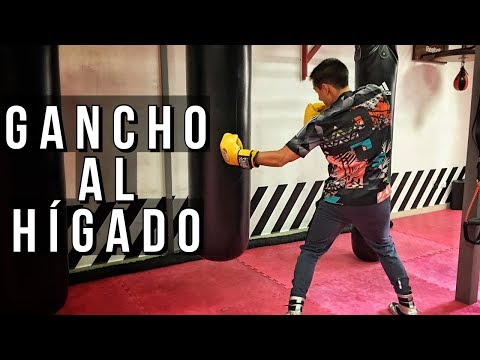
El Gancho al Hígado: El Golpe que Rompe la Voluntad y Sus Secretos Tácticos

El KO Silencioso: ¿Por Qué el Gancho al Hígado es Tan Devastador?

En el fragor del combate, el impacto directo en el rostro o el plexo solar suelen acaparar la atención. Sin embargo, existe un golpe que, sin ser espectacularmente visible, puede desmantelar a un oponente de forma casi instantánea: el gancho al hígado. Este golpe, a menudo subestimado por el aficionado, es una herramienta fundamental en el arsenal de cualquier artista marcial serio, ya sea boxeador, peleador de MMA o practicante de otras disciplinas de combate. Pero, ¿qué lo hace tan letal? ¿Por qué su impacto resonará en cada fibra de su ser? La respuesta reside en la anatomía humana y en el estratégico punto ciego del oponente. El hígado, situado en la parte superior derecha del abdomen, es un órgano vital responsable de numerosas funciones metabólicas. Sin embargo, su protección ósea es mínima; solo un borde inferior de las costillas torácicas ofrece una barrera precaria. Un golpe preciso al hígado no solo causa un dolor agudo e insoportable, sino que desencadena una respuesta refleja devastadora: una caída abrupta de la presión arterial, náuseas intensas, mareos e incluso una pérdida momentánea de la consciencia. Es el KO silencioso, el golpe que paraliza la voluntad tanto como el cuerpo.

La Intención del Budoka: Dominar el Arte del Golpe al Hígado

La intención de cualquier budoka que busca aprender sobre el gancho al hígado es clara: dominar una técnica de combate que, si se ejecuta correctamente, puede ser decisiva. No se trata solo de generar dolor, sino de aplicarlo de manera inteligente, aprovechando las aperturas y desmantelando la capacidad de lucha del adversario. Para un practicante serio, esto implica comprender la mecánica del golpe, su posicionamiento estratégico y cómo integrarlo en combinaciones efectivas. Mi labor como Sensei es guiarte más allá de la simple técnica, hacia la comprensión profunda de su aplicación. Hoy, desentrañaremos los secretos de este golpe, desde su lanzamiento correcto hasta el análisis de su impacto en el combate real.

Tabla de Contenidos

¿Por Qué Duele Tanto el Gancho al Hígado? La Ciencia del Dolor

Como he mencionado, el hígado, al estar mal protegido anatómicamente, es un objetivo vulnerable. Un gancho bien lanzado, impactando en la zona correcta (generalmente entre la quinta y séptima costilla, en el lado derecho del oponente), provoca una onda de choque que viaja directamente al órgano. Esta onda desencadena la liberación masiva de adrenalina y la contracción refleja de los músculos del diafragma y abdominales, resultando en una sensación de ahogo y un dolor punzante que puede dejar a cualquiera sin aliento. Más allá del dolor físico, el golpe al hígado es una táctica psicológica devastadora. Rompe la confianza del oponente, lo hace dudar de su capacidad de defensa y, en muchos casos, lo expone a un ataque posterior al quedar desequilibrado o en estado de shock. En el #combate, la mente es tan importante como el cuerpo. El gancho al hígado ataca ambas facetas.
"El verdadero guerrero no es el que golpea más fuerte, sino el que sabe dónde y cuándo golpear. La precisión es la virtud suprema del atacante." - Miyamoto Musashi (adaptado)

El Arte de Lanzar el Gancho al Hígado Correctamente

La ejecución del gancho al hígado no es un simple movimiento de brazo. Requiere una base sólida, una rotación corporal potente y una trayectoria de golpe precisa. Aquí te presento los pasos fundamentales para un lanzamiento efectivo, un conocimiento esencial para cualquier practicante de #artesmarciales:
  1. Posición de Guardia Sólida: Mantén una guardia equilibrada, con los pies firmemente plantados en el suelo, las rodillas ligeramente flexionadas y el tronco preparado para rotar. Tu defensa debe estar alta, protegiendo tu rostro.
  2. Rotación del Tronco: La potencia no viene del brazo, sino de la rotación de las caderas y el torso. Gira tu cuerpo hacia el lado del golpe, transfiriendo el peso de la pierna trasera a la delantera.
  3. El Movimiento del Brazo: El brazo que lanza el gancho debe moverse en un plano horizontal, casi paralelo al suelo. Dobla el codo formando un ángulo de 90 grados, como si estuvieras intentando golpear un saco de arena que cuelga a tu lado.
  4. Impacto Preciso: El objetivo es golpear con los nudillos (los dos primeros, idealmente) o el borde del guante en la zona hepática del oponente. La trayectoria debe ser corta y directa.
  5. Recuperación Rápida: Tras el impacto, recupera tu guardia inmediatamente. No dejes tu brazo extendido ni expuesto; esto puede ser aprovechado por tu oponente.
Este golpe demanda una gran concentración. El error común es lanzar el golpe desde una posición desequilibrada o con un movimiento demasiado abierto, lo que lo hace predecible y fácil de contrarrestar. La práctica constante, el #entrenamiento de #condicionamiento y la repetición del #kata o forma adecuada son cruciales.

A Qué Distancia se Debe Lanzar el Golpe

La distancia es un factor crítico. El gancho al hígado es, por naturaleza, un golpe de media a corta distancia. Si estás demasiado lejos, tu golpe será débil y predecible, y tu oponente tendrá tiempo de defenderse o contraatacar. La distancia ideal se logra cuando el oponente está lo suficientemente cerca para que tu brazo pueda alcanzarlo con la potencia generada por la rotación del tronco, pero no tan cerca como para que tu movimiento sea bloqueado o que tú quedes expuesto a un contraataque inmediato. Piensa en la longitud de tu antebrazo y la extensión natural de tu gancho. Si tu codo ya está extendido al máximo o si tienes que "buscar" al oponente, estás demasiado lejos. **¿Cómo medir esta distancia en combate?** * Cuando tu oponente baja su guardia para lanzar un golpe o tras haber esquivado el suyo. * Cuando ambos están en una fase de "presión", intentando ganar terreno. * Después de lanzar un golpe directo a la cabeza que obligue al oponente a retroceder o levantar la guardia. Un buen análisis de #UFC o #MMA te mostrará cómo los peleadores experimentados crean estas oportunidades de distancia.

Análisis Táctico: El Gancho al Hígado en la Élite

Los grandes maestros del #boxeo y las #ArtesMarcialesMixtas conocen y utilizan el gancho al hígado como una estrategia para desgastar y finalizar combates. Observa a figuras como Canelo Álvarez, Gennady Golovkin o Khabib Nurmagomedov en sus enfrentamientos. No es un golpe que lancen a ciegas; lo integran tácticamente. **Ejemplo de aplicación táctica:** 1. Un peleador lanza una serie de golpes rectos o jabs a la cabeza del oponente, obligándolo a mantener la guardia alta. 2. Mientras el oponente se defiende arriba, el atacante acorta la distancia, se posiciona a un lado y lanza el gancho al hígado, aprovechando la apertura creada por la guardia defensiva. 3. El impacto paraliza al oponente. El atacante, entonces, puede rematar con otro golpe a la cabeza o asegurar la sumisión si está en el suelo. Este tipo de análisis es vital. No se trata solo de "pegar duro", sino de entender el ajedrez humano del combate. El gancho al hígado es una pieza clave en este tablero.
"La fuerza de un arte marcial no reside solo en su capacidad de infligir daño, sino en su potencial para crear apertura y control." - Bruce Lee (adaptado)

Combinaciones Devastadoras con el Gancho al Hígado

El gancho al hígado es potente por sí solo, pero su verdadero potencial se desata cuando se integra en combinaciones. Aquí te presento algunas ideas que puedes practicar bajo la supervisión de un instructor cualificado:
  • La Clásica Doble Amenaza: Jab (mano adelantada) a la cara, seguido de un recto (mano trasera) a la cabeza, y rematar con el gancho al hígado con la mano adelantada (esta requiere más técnica y precisión). O, más comúnmente, Jab a la cara, seguido de un gancho al hígado con la mano trasera.
  • El Engaño Frontal: Lanzar un golpe a la cabeza del oponente, haciendo que levante la guardia, y luego cambiar rápidamente al gancho al hígado.
  • Secuencia de Desgaste: Una serie de golpes al cuerpo (costillas, abdomen bajo) para desgastar la resistencia del oponente, culminando con el gancho al hígado cuando su defensa flaquea.
  • Combinación con Uppercut: Un uppercut para levantar la barbilla del oponente y, en la misma rotación, cambiar al gancho al hígado mientras su cuerpo se mueve hacia atrás.
Recuerda, la clave está en la fluidez y la economía de movimiento. Cada golpe debe prepararte para el siguiente, y la recuperación debe ser instantánea.

Consideraciones Éticas y de Entrenamiento

Si bien el gancho al hígado es una técnica de gran eficacia, es fundamental recordar su poder destructivo. En el contexto de #defensapersonal, puede ser un golpe decisivo para neutralizar una amenaza grave. Sin embargo, en el entrenamiento, la seguridad es primordial. * Sparring Controlado: Al practicar con un compañero, es vital usar equipo de protección adecuado (guantes, protectores bucales, protectores de costillas si es posible). El objetivo es aprender la técnica, no lesionar a tu compañero. El golpe debe ser aplicado con control, o simulado, para evitar daños innecesarios. * Instrucción Calificada: Este tipo de golpes deben ser enseñados por instructores con experiencia, que puedan guiarte en la técnica y en las consideraciones de seguridad. El #entrenamiento de #MMA y #boxeo a menudo incluye el trabajo específico de estos golpes. * Conciencia del Riesgo: Entender la potencia de este golpe implica una gran responsabilidad. Un mal uso o una aplicación innecesaria pueden tener consecuencias graves. La filosofía detrás de las artes marciales, el #BUDO, no es solo la de la destrucción, sino la de la #superaciónpersonal y el control. Un verdadero artista marcial aplica su conocimiento con sabiduría y respeto.

Veredicto del Sensei: ¿Arma Secreta o Riesgo Calculado?

El gancho al hígado, sin lugar a dudas, merece el estatus de "arma secreta" en el arsenal de cualquier combatiente. Su capacidad para neutralizar a un oponente de forma rápida y, a menudo, sin previo aviso, lo convierte en una herramienta táctica invaluable. Sin embargo, su potencia intrínseca y la vulnerabilidad del objetivo lo convierten también en un *riesgo calculado*. Para que sea un arma secreta y no un error estratégico, debe ser dominado con maestría. Esto implica: * Precisión sobre Potencia Bruta: Un gancho al hígado bien colocado pero sin fuerza es mejor que un golpe potente y mal dirigido. * Timing Perfecto: Lanzarlo en el momento justo, aprovechando las aperturas, es crucial. * Integración Táctica: Saber cuándo y cómo usarlo dentro de un plan de combate más amplio. Dominar el gancho al hígado te eleva de ser un simple agresor a un estratega del combate. Es un golpe que demuestra que entiendes la anatomía, la psicología y la táctica del enfrentamiento. **Calificación del Sensei:** "Cinturón Negro en Táctica de Combate"

Equipo Esencial para tu Entrenamiento

Para dominar el gancho al hígado y optimizar tu entrenamiento de combate, contar con el equipo adecuado es fundamental. No se trata solo de protección, sino de simular las condiciones de combate real de forma segura.
  • Guantes de Boxeo/MMA: Indispensables para proteger tus manos y las de tu compañero durante el sparring. Busca guantes de entre 14oz y 16oz para entrenamientos generales y guantes más ligeros (10-12oz) si se simulan combates de menor impacto. La calidad del acolchado es clave.
  • Protectores Bucales: Absolutamente esenciales para proteger tus dientes, mandíbula y, lo más importante, para prevenir conmociones cerebrales. Un buen ajuste es vital.
  • Vendas para Manos: Antes de usar los guantes, las vendas protegen los huesos y articulaciones de tus manos y muñecas, previniendo lesiones comunes que podrían detener tu entrenamiento.
  • Sacos de Boxeo Pesados: Para practicar la potencia y la rotación del tronco. Asegúrate de que esté bien anclado y sea lo suficientemente pesado para absorber tu fuerza.
  • Pera de Boxeo (Speed Bag): Ayuda a mejorar la coordinación mano-ojo, el ritmo y la resistencia de los brazos, habilidades complementarias para la ejecución de golpes rápidos.
  • Escudo de Entrenamiento (Pao): Ideal para trabajar con un entrenador o compañero, permitiendo practicar la precisión del gancho al hígado de forma segura y recibiendo retroalimentación directa sobre la técnica.
Invertir en equipo de calidad es invertir en tu propia #seguridad y progresión marcial. Busca marcas reconocidas en el mundo del #kickboxing y #boxeo.

Guía de Entrenamiento: Ejercicio de Rotación de Tronco para Potencia

La potencia del gancho al hígado reside en la rotación del tronco. Aquí tienes un ejercicio simple pero efectivo para desarrollar esta capacidad:
  1. Preparación: Párate con los pies separados a la anchura de los hombros, las rodillas ligeramente flexionadas y el core activado. Levanta los brazos como si estuvieras en guardia.
  2. Rotación Inicial: Gira tu torso hacia un lado (ej. hacia la derecha), manteniendo las caderas relativamente estables. Imagina que estás girando un volante de coche.
  3. Punto de Impacto Imaginario: En el punto de máxima rotación, visualiza un objetivo a la altura de tu hígado (tu propio flanco derecho).
  4. Golpe de Simulación: Con un movimiento explosivo, lanza un "gancho" imaginario hacia ese punto, girando todo el cuerpo. El movimiento debe ser controlado y fluido, no forzado.
  5. Recuperación: Vuelve lentamente a la posición inicial, manteniendo el control.
  6. Repetición: Realiza 10-15 repeticiones en un lado, descansa 30 segundos, y luego cambia de lado. Haz 3-4 series.
Este ejercicio, practicado regularmente, mejorará significativamente la potencia y la velocidad de tu gancho al hígado. Es un pilar para el desarrollo de la #Fuerza y la #Resistencia.

Preguntas Frecuentes

¿Puedo lanzar un gancho al hígado con la mano adelantada?

Sí, es posible y es una técnica avanzada. Requiere una excelente mecánica corporal y un timing impecable para evitar exponerse demasiado. Se usa a menudo para sorprender al oponente.

¿El gancho al hígado es efectivo contra oponentes más grandes?

Definitivamente. Su efectividad se basa en la anatomía, no en la masa muscular. Un golpe preciso al hígado puede neutralizar incluso a un oponente significativamente más grande.

¿Qué debo hacer si mi oponente intenta golpearme el hígado?

Mantén la guardia apretada, especialmente la mano del lado del golpe. Una ligera rotación del tronco hacia atrás puede desviar parte del impacto. El contragolpe rápido es a menudo la mejor defensa.

¿Es el gancho al hígado una técnica prohibida en algunas disciplinas?

En el boxeo profesional y amateur, los golpes al cuerpo que no sean a las zonas designadas (incluyendo el hígado) están permitidos. En MMA, la mayoría de las ligas también lo permiten. Sin embargo, siempre verifica las reglas específicas de la organización.

¿Cómo puedo entrenar la resistencia al golpe al hígado?

El entrenamiento de #resistencia se logra a través de la mejora de la musculatura abdominal y la práctica constante de #sparring bajo supervisión. Una dieta balanceada y un buen acondicionamiento físico general también contribuyen.

Para Profundizar en tu Camino

Reflexión del Sensei: Tu Próximo Paso

Hemos desentrañado los secretos del gancho al hígado, desde su ciencia hasta su aplicación táctica. Ahora, la pregunta no es solo si puedes lanzarlo, sino si entiendes cuándo y por qué hacerlo. El verdadero maestro no solo ejecuta la técnica, sino que comprende su *propósito* dentro del gran tapiz del combate. ¿Estás listo para integrar este conocimiento en tu propio camino marcial? ¿O te conformarás con golpes que solo buscan la gloria visual, ignorando el KO silencioso que puede ganar la batalla? Reflexiona: ¿dónde reside tu verdadero poder como artista marcial? Gemini_METADESC: Domina el gancho al hígado, el golpe más devastador y subestimado en el boxeo y MMA. Aprende su técnica, distancia ideal, análisis táctico y combinaciones efectivas con este análisis del Sensei. Gemini_LABELS: Budo, MMA, Artes Marciales, Boxeo, Golpe al Hígado, Táctica de Combate, Defensa Personal, Análisis de Lucha, Kickboxing

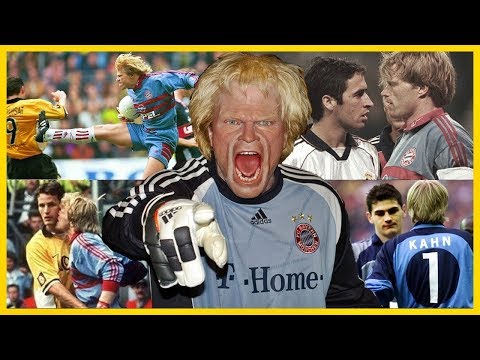
Oliver Kahn: The Unyielding Warrior of German Football

The Iron Will: More Than Just a Goalkeeper

The roar of the crowd, the tension on the pitch, the sheer will to not concede a single goal. This is the arena where legends are forged, and few have embodied raw, unadulterated fighting spirit quite like Oliver Kahn. While the world knows him as the formidable German goalkeeper, a closer look reveals a mindset, a ferocity, and a dedication that transcends the boundaries of football and echoes the principles found in the deepest traditions of Budo and martial arts. My students often ask me about the true essence of a warrior, and while we may train with fists and feet, the mental fortitude required is universal. Kahn, in his own domain, was a master of this inner combat.
The history of this hostile and feared German custodian is a testament to the power of sheer determination. His presence alone was enough to intimidate opponents. He wasn't just playing a game; he was defending his territory with the ferocity of a lion guarding its pride. This uncompromising attitude, this refusal to yield, is a trait I've seen in the most seasoned practitioners of Karate Kyokushin and in the stoic discipline of Judo. It's the embodiment of `Mushin` – the mind without mind, reacting instinctively and powerfully to any threat.
"Kahn’s intensity on the field was legendary. He was a leader, a warrior who demanded excellence not just from himself, but from his entire team. This is the hallmark of true mastery."
His career was not without its controversies, but even in moments of perceived aggression, there was an undeniable conviction. He played with his heart on his sleeve, his emotions fueling his performance. This raw, unfiltered passion, when channeled correctly, can be an incredible asset. In the dojo, we learn to control our emotions, to use them as fuel rather than let them consume us. Kahn, perhaps unknowingly, demonstrated this delicate balance on the grandest stage.

From the Pitch to the Dojo: Parallels in Warrior Spirit

The common thread weaving through elite athletes and dedicated martial artists is a profound understanding of sacrifice, discipline, and the unyielding pursuit of self-improvement. Oliver Kahn's journey is a prime example. He didn't just show up to play; he prepared. He trained with an intensity that became his trademark. This relentless dedication to his craft mirrors the daily grind of a martial artist honing their skills. Consider the `kata` – the pre-arranged forms practiced in Karate and other arts. They are not mere dances; they are simulations of combat, practiced thousands of times to ingrain techniques into muscle memory. Kahn's countless hours in training, perfecting his reflexes, his positioning, his command of the penalty area, were his own form of `kata`. He was preparing for battle, for the moment the fight came to him.

The Mental Fortitude of a Champion

What truly set Kahn apart was his mental resilience. The goalkeeper position in football is unique. One mistake, one moment of hesitation, can decide the fate of a match. This is a pressure cooker environment, demanding unwavering focus and the ability to bounce back from setbacks instantaneously.
"The greatest glory in living lies not in never falling, but in rising every time we fall." - Nelson Mandela
This wisdom is as applicable to a goalkeeper facing a penalty shootout as it is to a martial artist enduring a grueling sparring session or facing defeat in a tournament. Kahn embodied this. He would dust himself off, glare at the opposition, and stand ready for the next challenge. This refusal to be broken, this inherent `fighting spirit`, is the bedrock of true martial character. It’s the spirit that drives us to continue, even when every fiber of our being screams to stop. This is the core of what we teach in #BUDO and #MartialArts.

Beyond the Game: Lessons for the Modern Warrior

Oliver Kahn's legacy extends far beyond his remarkable saves and leadership on the football field. He serves as a powerful metaphor for anyone striving for excellence in their chosen field, especially those who walk the path of martial arts. * **Unwavering Commitment**: Kahn's dedication to his training and his team was absolute. * **Emotional Control (and Channeling)**: He displayed intense emotion, but it rarely compromised his performance. This is a difficult balance to strike. * **Leadership by Example**: His presence commanded respect and inspired his teammates. * **Resilience in the Face of Adversity**: He never shied away from challenges and always bounced back stronger. His intensity, his determination, his sheer will to win – these are qualities we cultivate in the dojo. Whether you are practicing #Karate, #Judo, #BJJ, or any other discipline, the mental game is paramount. The physical techniques are only as strong as the mind behind them.

Kahn's Impact on the Pitch: A Tactical Masterclass

From a tactical perspective, Kahn was a game-changer. His ability to read the game, anticipate plays, and organize his defense was exceptional. He wasn't just a shot-stopper; he was a strategic commander on the field. This proactive approach, this ability to see the 'flow' of the battle, is something that advanced martial artists strive for. It’s the difference between reacting to an attack and dictating the terms of the engagement. In MMA, for instance, fighters like Jon Jones or Cyril Gane demonstrate this strategic depth, constantly analyzing their opponent and adapting their tactics. Kahn's presence in the box was similar – a constant tactical threat and defensive anchor.

Veredicto del Sensei: ¿Merece la pena la Furia?

Oliver Kahn's on-field persona was that of a fierce warrior, a "Titan" as he was often called. Was his intensity always controlled? Perhaps not by conventional standards. But did it serve him and his team? Absolutely. His brand of controlled aggression and unshakeable self-belief made him one of the greatest goalkeepers of all time. He understood the psychological aspect of the game, using his imposing presence and fierce determination to gain an edge. His legacy is a powerful reminder that true strength comes from within. It’s about having the courage to face your fears, the discipline to prepare relentlessly, and the resilience to rise after every fall. He may not have thrown a punch or executed a submission, but Oliver Kahn’s spirit was undeniably that of a champion warrior. He earns a **Cinturón Negro en Determinación y Liderazgo en la Cancha**.

Equipo Esencial para tu Entrenamiento

While Oliver Kahn didn't need specific martial arts gear, his dedication to peak physical condition is something every practitioner should emulate. For those serious about their training, the right equipment can make a significant difference:
  • Guantes de Entrenamiento de Calidad: Para sesiones de sparring intensas, especialmente si practicas #Kickboxing o #ArtesMarcialesMixtas.
  • Kimono de Judo o Jiu-Jitsu Resistente: Un buen gi es crucial para el grappling. Busca tejidos duraderos que soporten el rigor de los entrenamientos.
  • Protecciones Adecuadas: Cascos, protectores bucales y espinilleras son vitales para entrenar de forma segura, especialmente en #combate.
  • Ropa Deportiva Transpirable: Para mantenerte cómodo durante largas sesiones de #entrenamiento, ya sea en el dojo o en casa con un #AtHomeWorkout.
  • Zapatillas de Deporte con Buen Agarre: Esenciales para deportes de combate que implican mucho movimiento en el suelo, como el #bjj.
## Guía de Entrenamiento: Cultivando la Mentalidad de Kahn Although we cannot replicate Kahn's exact football training, we can certainly adopt his mental approach. Here’s a simple exercise to cultivate that unyielding spirit:
  1. Define tu "Portería": Identifica tu objetivo principal en tu entrenamiento de artes marciales o en tu vida. ¿Qué quieres defender? ¿Qué quieres lograr?
  2. Visualiza la "Amenaza": Reconoce tus debilidades o los desafíos que te impiden alcanzar tu meta. No huyas de ellos; míralos de frente.
  3. Practica la "Reacción Rápida": En tus entrenamientos, enfócate en reaccionar instintivamente a los ataques o desafíos. No pienses, simplemente actúa. Esto mejora la #Agility y la #Coordination.
  4. Simula "Presión": Durante el sparring o sesiones de alta intensidad, simula que cada movimiento cuenta. Entrena bajo una presión controlada para acostumbrarte a la exigencia.
  5. Desarrolla la "Resiliencia Post-Golpe": Después de cada error, cada caída, o cada técnica fallida, levántate inmediatamente. Sacúdete el polvo y prepárate para la siguiente ronda. La #Perseverance es clave.
  6. Lidera con tu Espíritu: Incluso si entrenas solo, infunde cada movimiento con tu intención y determinación. Sé el líder de tu propio entrenamiento.
## Preguntas Frecuentes

¿Por qué se considera a Oliver Kahn un "guerrero"?

Oliver Kahn es visto como un guerrero por su intensidad inquebrantable, su liderazgo feroz en el campo, su valentía ante el peligro y su negativa a rendirse, características comunes en los practicantes de artes marciales.

¿Qué paralelismos existen entre el fútbol y las artes marciales en términos de mentalidad?

Ambos requieren una disciplina rigurosa, una preparación mental sólida, la capacidad de recuperarse de los fracasos y una voluntad inquebrantable para competir y mejorar continuamente. La gestión de la presión es crucial en ambos dominios.

¿Podría Oliver Kahn haber sido un buen artista marcial?

Dada su mentalidad competitiva, su fuerza física y su espíritu indomable, es plausible que Kahn hubiera destacado en disciplinas de combate que valoran la agresividad controlada y la determinación, como el #Kyokushin Karate o incluso el #MMA.

¿Qué lección principal podemos aprender de Oliver Kahn para nuestro entrenamiento?

La lección más importante es la importancia de la #MentalStrength y la #Resistencia. Nunca te rindas ante un desafío, entrena con propósito y lucha por tus objetivos con toda tu pasión y determinación.

Para Profundizar en tu Camino

"El corazón es el que marca la diferencia. No la técnica, no la fuerza, sino el corazón." - Oliver Kahn
In the realm of #MartialArts, we speak of "Shin" – the heart, the spirit. Kahn's relentless spirit embodied this perfectly, proving that the fight within is often more crucial than the fight without.

Reflexión del Sensei: Tu Próximo Paso

Kahn's journey teaches us that the battlefield can take many forms. Whether it's a football pitch, a dojo mat, or the challenges of daily life, the warrior's spirit remains the same: face your fears, train with unwavering dedication, and never, ever stop rising. Now, I pose this to you: What 'goal' are you defending in your life right now? And what is the first, unyielding step you will take today to defend it, channeling the spirit of the Iron Kahn? Discuss below. ``` GEMINI_METADESC: Explore the warrior spirit of Oliver Kahn, the legendary German goalkeeper, and discover the parallels between his intensity and the principles of Budo and martial arts.

UFC 284: Makhachev vs. Volkanovski - A Budoka's Analysis of a Modern Martial Clash

Ah, UFC 284. A card that promised a clash of titans, a true test of champions from different realms of combat. Many see it as a simple boxing match with kicks, but as any seasoned practitioner of the traditional martial ways knows, there's a universe of philosophy and technique beneath the surface of modern combat sports. Today, we dissect this pivotal event not just as fans of the octagon, but as students of the warrior's path. Was this merely a display of brute force, or did we witness the embodiment of true martial principles? Let us delve deep.

The Clash of Styles: Dagestani Power vs. The People's Champion

Islam Makhachev, the heir apparent to Khabib Nurmagomedov's legacy, represents the relentless, suffocating pressure of Dagestani wrestling. His base is Sambo and wrestling, arts that prioritize control, leverage, and the crushing weight of positional dominance. His strikes, while effective and improving, are often tools to set up his grappling – a pathway to ground control where he is a master predator. His ki, his inner energy, seems to flow with the unwavering force of a mountain river.

On the other side stood Alexander Volkanovski, the undisputed king of the UFC Featherweight division. A former rugby player, Volkanovski brings a unique blend of power, exceptional footwork, and a deep understanding of striking dynamics. His background in kickboxing and wrestling provides a well-rounded base, but it's his fight IQ, his ability to adapt mid-bout, and his sheer grit that set him apart. He is the embodiment of fighting smart, not just hard.

The initial intrigue surrounding this fight was immense: could Volkanovski's masterful striking and defensive wrestling nullify Makhachev's suffocating top-game? Or would Makhachev simply impose his will, drag the fight to the mat, and secure another dominant victory? This wasn't just a #battle; it was a strategic chess match played out with human bodies.

Technical Breakdown: Makhachev's Ground Game and Volkanovski's Resilience

From the opening bell, the intention was clear. Makhachev sought to close the distance, to initiate the clinch and work towards a takedown. Volkanovski, conversely, used his excellent head movement and lateral movement to keep the center of the octagon and pepper Makhachev with strikes. The early rounds showcased Volkanovski's exceptional defense against the takedown. He demonstrated an understanding of leverage and balance that surprised many, stuffing Makhachev's initial attempts with impressive technique.

However, the relentless pressure of Makhachev is something few can withstand indefinitely. In the championship rounds, Makhachev began to find success. His trips and sweeps became more potent, and he managed to secure crucial takedowns. Once on the ground, Makhachev was, as expected, a master of control. He pinned Volkanovski, worked for submissions, and minimized Volkanovski's ability to create space or launch effective counter-offensives. The skill on display was a testament to countless hours of #entrenamiento.

"In a real fight, the simplicity of movement, the economy of motion, is paramount. Makhachev’s grappling, though complex in its execution, stems from fundamentally simple principles of leverage and control, honed to absolute perfection."

What truly impressed, however, was Volkanovski's indomitable spirit. Even when taken down, controlled, and rocked in the later rounds, he refused to yield. His ability to survive dangerous positions and even threaten with submissions from his back showed a level of heart and resilience that transcends mere athletic prowess. This is the **spirit of the warrior**, the refusal to quit even when facing overwhelming odds. It’s this intangible quality that often defines true martial artists, regardless of their style.

Beyond the Octagon: What UFC 284 Teaches Us About True Martial Arts

The debate often arises: are modern MMA fighters true martial artists? In the context of UFC 284, I would argue yes, with caveats. Makhachev displays the dedication, discipline, and mastery of a specific combat system that is the hallmark of traditional arts. His pursuit of ground dominance mirrors the relentless pursuit of technique found in Judo or BJJ. His focus is unwavering, a pure manifestation of the Budo spirit.

Volkanovski, on the other hand, showcases the adaptability and strategic thinking that is crucial in any combative scenario. His ability to learn, adjust, and overcome challenges mid-fight speaks volumes about his martial mind. He embodies the principle of "Shuhari" – Shu (protect, follow), Ha (break, detach), Ri (transcend) – by mastering the fundamentals and then adapting them to his unique circumstances.

Yet, we must also consider what might be lost. The ritual, the philosophical depth, the emphasis on character development that permeates traditional martial arts like Karate or Aikido, are often secondary in the high-stakes world of professional MMA. The ki cultivated in traditional arts, focusing on internal harmony and connection, is channeled differently. Here, it’s about raw power, conditioning, and strategic application for victory. But does that negate their martial status? No. It simply highlights the diverse paths one can take on the journey of the warrior.

This fight reminds us that while the goal of self-defense or self-mastery might be shared, the methods and emphasis can differ vastly. It’s a testament to the evolution of combat and the human drive to push boundaries. The pursuit of excellence, however, remains constant, whether one is perfecting a kata or executing a submission.

Applying the Lessons: How to Integrate UFC 284 Insights into Your Training

For those who train in striking arts like Karate or Kickboxing, Volkanovski offers invaluable lessons in distance management, footwork, and defensive strategies against grappling. His ability to stay upright against Makhachev's onslaught is a masterclass in itself. Incorporate drills that focus on:

  • Lateral movement and head movement: Practice slipping punches and moving offline to avoid clinches.
  • Takedown defense: Work on sprawls, knee-to-chest defense, and fighting grips in the clinch.
  • Counter-striking: Develop the ability to land strikes while the opponent is initiating their offense.

For those focused on grappling arts like Judo, BJJ, or Sambo, Makhachev provides a living example of pressure, control, and submission hunting. His relentless pursuit of dominant positions is a blueprint for success on the ground. Focus on:

  • Clinch control: Learn to secure body locks, underhooks, and overhooks to dictate position.
  • Takedown execution: Refine your entries for single-leg, double-leg, and trip variations.
  • Ground and pound / positional dominance: Understand how to maintain top position, advance to better control, and set up submissions or strikes.

Crucially, both fighters exemplify the importance of **mental fortitude**. The ability to push through fatigue, to remain composed under pressure, and to never give up is perhaps the most vital lesson. This can be trained through intense sparring sessions, physical conditioning that tests your limits, and focused meditation or mindfulness practices to build inner strength.

Veredicto del Sensei: Did UFC 284 Uphold the Martial Spirit?

UFC 284 was a spectacle of elite athleticism and strategic combat. Islam Makhachev’s victory was a testament to the power and efficacy of his chosen martial path, while Alexander Volkanovski’s performance showcased the resilience and adaptability that define a true warrior. Did it uphold the martial spirit? Yes, but in a modern context. It demonstrated the evolution of combat, where specialization and cross-training have created a new breed of martial artist. It highlighted that while traditional arts may offer a deeper philosophical foundation, the relentless pursuit of victory and mastery in any arena requires discipline, courage, and an unwavering will to fight. It was a battle that left us with much to contemplate about the enduring nature of the combative spirit.

Cinturón Negro en Resiliencia y Adaptación

Equipo Esencial para tu Entrenamiento

To truly emulate the dedication shown by these athletes, having the right equipment is crucial. For striking training, consider:

  • Boxing Gloves: High-quality 16oz gloves for sparring are essential for safety and effective pad work.
  • Shin Guards: Protect yourself and your training partners during kick drills.
  • Mouthguard: Non-negotiable for any sparring to protect your teeth and jaw.

For grappling, you'll need:

  • BJJ Gi or Judo Gi: A durable, double-weave gi is recommended for longevity and proper grip training. Look for brands known for their reinforced stitching.
  • Wrestling Shoes: Lightweight and offering good traction for mat work.

Investing in good **martial arts merchandise** not only protects you but also signifies your commitment to your training.

Preguntas Frecuentes

¿Quién ganó la pelea principal de UFC 284?
Islam Makhachev ganó la pelea principal contra Alexander Volkanovski por decisión unánime.

¿Fue la pelea tan emocionante como se esperaba?
Sí, la pelea fue extremadamente reñida y considerada por muchos como una de las mejores peleas por el título de peso pluma en la historia de la UFC, yendo a decisión dividida.

¿Qué arte marcial practica principalmente Islam Makhachev?
Islam Makhachev practica Sambo y lucha, con un fuerte énfasis en el grappling y el control en el suelo.

¿Qué arte marcial practica principalmente Alexander Volkanovski?
Alexander Volkanovski tiene un trasfondo en kickboxing y lucha, con un estilo bien redondeado que combina golpes efectivos y defensa contra derribos.

¿Representa esta pelea la culminación del Budo moderno?
Representa una faceta del Budo moderno, enfocada en la competencia y la efectividad en un entorno específico. El Budo tradicional a menudo abarca aspectos filosóficos y de desarrollo personal más amplios.

Para Profundizar en tu Camino

This MMA news update was published at February 16, 2023. Support us: Subscribe, Comment, Like and Share. Thanks for watching... hello and welcome to Budo and Martial Arts.

Reflexión del Sensei: Tu Próximo Paso

Makhachev's suffocating pressure, Volkanovski's tenacious defense – two philosophies of combat laid bare. But in the quiet moments after the roar of the crowd subsides, what truly endures? Is it the victory, the technique, or the spirit with which the challenge was met? Consider this: When you face your own 'octagon' – be it a sparring match, a difficult task, or a moment of personal doubt – what will be your guiding principle? Will you impose your will like the mountain, or adapt and overcome like the flowing river? And more importantly, how will you cultivate the inner strength, the ki, to stand firm and fight with honor, regardless of the outcome?

STREETBEEFS FIGHTER INTERVIEWS: A Martial Scholar's Critique of Raw Combat

Hello, fellow practitioners and enthusiasts of the martial path. Welcome to Budo and AM. Today, we delve into a raw, unfiltered corner of the combat world with "STREETBEEFS FIGHTER INTERVIEWS." This isn't your typical dojo lecture, nor is it a polished documentary on ancient samurai philosophy. This is the visceral, often chaotic, realm of street brawls and the individuals who navigate them. Published on June 3, 2022, this content, while perhaps lacking the nuanced elegance of a well-executed kata, offers a stark, albeit controversial, glimpse into human aggression and the primal urge to survive.

The Allure of the Unsanctioned

What compels someone to watch, or worse, participate in, unsanctioned street fights? The intention behind seeking out content like "STREETBEEFS FIGHTER INTERVIEWS" can be multifaceted. For some, it's a morbid curiosity, a glimpse into the dark underbelly of society. For others, it’s a perverse fascination with raw, unadulterated aggression, a stark contrast to the structured discipline of traditional martial arts. As a scholar of the martial ways, I find it imperative to dissect this phenomenon not to endorse it, but to understand its appeal and, more importantly, to highlight the chasm that separates it from genuine Budo. The original post, devoid of deep analysis, simply welcomes viewers. But welcome to what, exactly? A display of uncontrolled violence? A testament to human resilience? Or a warning of societal breakdown? The intention of the original creator, as presented, is merely to announce the content and direct traffic. Our intention here is to provide context, critical analysis, and a martial perspective that elevates the discourse.

Deconstructing the "Streetbeefs" Phenomenon

The term "streetbeefs" itself evokes a certain image: conflict born from disputes, escalating from words to blows in an uncontrolled environment. Unlike organized combat sports like MMA, UFC, or even the structured duels of historical fencing, these encounters lack rules, referees, and a primary focus on technique over brute force. The "fighters" are often untrained or minimally trained individuals, driven by ego, anger, or desperation.
The original tags hint at a broad spectrum of martial arts (#artesmarciales, #BUDO, #lucha, #pelea, #entrenamiento, #historia, #fight, #battle, #martialarts, #karate, #jiujitsu, #taekwondo, #shaolin, #ki, #bjj, #ninjitsu, #kenpo, #combat, #sambo, #news, #judo, #aikido). While these terms are associated with combat, the reality of "streetbeefs" often bears little resemblance to the disciplined application of these arts. The raw, often clumsy, exchanges are a far cry from the precision of a well-executed O-soto-gari in Judo or the focused intensity of a Kyokushin Karate strike.
"The true warrior is not a born fighter, but one who has learned to control their inner turmoil." - A principle often forgotten in the heat of uncontrolled rage.
The core issue is the absence of *intent* beyond mere victory or inflicting harm. Budo, in its truest sense, is a path of self-improvement through rigorous physical and mental training. It emphasizes discipline, respect, humility, and the understanding of principles that extend far beyond the fighting arena. "Streetbeefs," conversely, often represents the antithesis of these values. It’s a primal expression of conflict, devoid of the philosophical underpinnings that define a martial artist.

Budo vs. Brutality: A Crucial Distinction

This is where the polemic truly begins. Can we, in any sense, consider these street confrontations as "martial"? I argue, emphatically, no. The distinction is not merely semantic; it is fundamental. * **Discipline**: Budo demands relentless self-discipline. Mastering a technique, a kata, or even the mental fortitude to face an opponent requires years of dedicated practice. Street fights are impulsive, driven by emotion. * **Respect**: A cornerstone of martial arts is respect – for your opponent, your teacher, and yourself. "Streetbeefs" often fosters contempt, aggression, and a lack of regard for the other person's well-being. * **Purpose**: The goal of Budo is self-perfection, character development, and sometimes, effective self-defense when all else fails. The purpose of a street fight is often to assert dominance, settle a score, or out of sheer, uncontrolled anger. * **Technique**: While some participants in street fights might possess rudimentary fighting skills, the encounters rarely showcase the refined techniques, timing, and strategy that define martial arts. It's often a chaotic exchange of wild swings and desperation moves. Consider the difference between a judoka executing a perfect O-goshi on the mat, aiming to control and subdue their opponent according to the principles of Judo, versus two individuals flailing wildly on asphalt, risking serious injury from the impact alone. The former is refined skill; the latter is often uncontrolled chaos.

When Does "Streetbeefs" Cross the Line?

This content raises a critical question: when does the exhibition of fighting skill, even if crude, become detrimental to the martial arts community? The original publisher's intent seems to be merely observational, yet the very act of showcasing such content can inadvertently glamorize violence. The lines are blurred, of course. Some individuals who participate in these fights may have backgrounds in martial arts. They might be testing their skills in a high-stakes, albeit illicit, environment. However, the crucial difference lies in the *intent* and the *consequences*. When training sessions for MMA or Karate involve safety precautions, controlled sparring, and a focus on learning, it's constructive. When "streetbeefs" lead to severe injury, legal repercussions, or further cycles of violence, it is destructive. We must ask: does this content promote a positive understanding of combat, or does it merely feed a voyeuristic appetite for violence?
"In the heat of a fight, the mind must be calm as still water." - A concept utterly lost in the raging storm of a street brawl.
The danger lies in conflating raw aggression with martial prowess. The ability to throw a punch or engage in a wrestling match does not automatically equate to mastery of a martial art. It can, in fact, be a perversion of it, showcasing the worst aspects of human conflict without the tempering influence of discipline and philosophy.

What Can We Learn (or Reject)?

From a purely analytical standpoint, observing such encounters can offer insights, though often grim ones: * **Primal Instincts**: It reminds us of the raw, primal aspects of human conflict that martial arts seek to channel and control. * **The Importance of Training**: It starkly highlights the effectiveness of dedicated, disciplined training. A single well-timed Karate technique or a solid Grappling entry can end a fight far more efficiently and safely than wild swinging. * **The Dangers of Uncontrolled Emotion**: It serves as a potent reminder of how anger and ego can cloud judgment, leading to dangerous situations. The principle of Mental Game mastery is paramount. However, for the earnest martial artist, the primary lesson is what to *reject*: the glorification of violence, the lack of respect, the reliance on brute force over skill, and the absence of any higher purpose. The pursuit of Ki, inner strength, or enlightenment is completely antithetical to the mindset that fuels these confrontations.

Sensei's Verdict: A Dangerous Mirage

Are "STREETBEEFS FIGHTER INTERVIEWS" a valid representation of martial arts? Absolutely not. They represent the uncontrolled, often tragic, byproduct of conflict when discipline, respect, and technique are absent. While the original post is a simple announcement, the content it points to risks misrepresenting the true spirit of the martial ways. **Sensei's Verdict: Fails the Fundamentals.** This content is a distraction, a detour into the gutter of combat. It offers no path to self-improvement and actively works against the principles of Budo. It’s a raw display of aggression, not a demonstration of martial art.

Essential Equipment for Your Training

While "streetbeefs" may not require specific gear beyond whatever clothing the participants are wearing, serious martial arts training demands appropriate equipment to ensure safety and effectiveness. Investing in the right gear is not a luxury; it's a necessity for progress and injury prevention.
  • Durable Gi (Kimono): For arts like Judo, Karate (especially Kyokushin), and Aikido. Look for reinforced seams and quality fabric that can withstand rigorous training. Karate merchandise often features high-quality Gis.
  • Sparring Gear: Headgear, mouthguards, shin guards, and chest protectors are crucial for safe sparring in arts like Kickboxing and MMA.
  • Training Gloves: For striking arts, well-padded gloves protect your hands and your training partners. Options range from 10oz for bag work to 16oz for sparring.
  • Training Mats (Tatami): Essential for arts involving throws and groundwork like BJJ and Judo, providing a safer surface for practice.
  • Training Weapons: For arts that incorporate weapons (Kendo, Aikido with bokken), safe, practice-grade weapons are indispensable.

Frequently Asked Questions

Q: Is watching "streetbeefs" content beneficial for martial artists?
A: Generally, no. While it can serve as a stark reminder of what uncontrolled violence looks like, it offers little in terms of learning technique, strategy, or philosophy. It risks glorifying violence and can be detrimental to the true spirit of Budo.

Q: What is the difference between a street fight and a martial arts competition?
A: The primary differences lie in rules, safety, intent, and philosophy. Competitions have established rules, referees, medical personnel, and a focus on skill and sportsmanship. Street fights are uncontrolled, lack safety measures, and are often driven by aggression, ego, or revenge.

Q: Can martial arts training help prevent street fights?
A: Yes. Discipline, self-control, situational awareness, and confidence gained through martial arts training can help individuals de-escalate potential conflicts and avoid dangerous confrontations. The goal of martial arts is not to seek fights, but to avoid them and, if necessary, end them swiftly and effectively.

To Dive Deeper into Your Path

To truly understand the martial path and its contrast with raw conflict, explore these resources:
  • BUDO: Understanding the broader philosophy and principles that guide martial disciplines.
  • Martial Philosophy: Exploring the ethical and spiritual dimensions of martial arts.
  • Self-Defense: Learning practical applications of martial arts for safety, distinct from street brawling.

Sensei's Reflection: Your Next Step

The raw, unfiltered nature of "STREETBEEFS FIGHTER INTERVIEWS" presents a stark image of conflict stripped bare. It's a mirror reflecting the darker impulses that martial arts strive to temper and transform. We are bombarded with images of aggression, and it is our duty as students and practitioners to discern truth from spectacle. The essence of Budo lies not in the force of the blow, but in the discipline of the hand that throws it, the mind that directs it, and the spirit that refrains from unnecessary violence.

Reflexión del Sensei: Tu Próximo Paso

When confronted with images of raw violence, do you feel a thrill of aggression, or a deep understanding of the uncontrolled chaos that true martial artists dedicate their lives to transcending? Does the spectacle incite your primal instincts, or does it serve as a potent reminder of the path of discipline and self-mastery you walk? Where does your true interest lie: in the fleeting chaos of the street, or the enduring journey of the dojo? ``` GEMINI_METADESC: A martial scholar's critical analysis of STREETBEEFS FIGHTER INTERVIEWS, differentiating raw combat from true Budo and its philosophical principles.

PRIDE FC 16: Beast from the East - A Martial Masterclass in the Ring

The roar of the crowd, the scent of anticipation, the clash of titans – these are the elements that define true martial arts spectacle. Today, we journey back to September 24, 2001, to the hallowed grounds of the Osaka Castle Hall for PRIDE Fighting Championships 16: "Beast from the East." This wasn't just another fight night; it was a crucible where diverse martial disciplines converged, tested, and, in some cases, were redefined under the unforgiving spotlight of professional combat. As your Sensei, I'm here to dissect this event not just as a fan, but as a critic of the martial spirit itself. Are you ready to learn?

Welcome to the Arena

Hello and welcome, true martial artists and curious minds, to Budo and AM. You are watching PRIDE FC 16 – "Beast from the East" (2001), an event that echoes through the annals of combat sports history. Published on May 2, 2022, this viewing transports us back to a pivotal moment. In the world of combat, a single event can illuminate the strengths and weaknesses of entire martial disciplines. PRIDE FC, in its golden era, was a master of showcasing these contrasts. Forget the sanitized versions of combat; this was raw, intense, and unyielding. Let us delve into the heart of this event and extract the lessons that still resonate today. Is PRIDE FC 16 merely a relic of the past, or a living testament to the evolution of martial arts? The answer lies in the crucible of the ring.

Gary Goodridge vs. Yoshiaki Yatsu: The Clash of Styles

The opening bout featured Gary Goodridge, a formidable heavyweight known for his brutal striking and formidable grappling, against Yoshiaki Yatsu, a Japanese professional wrestler with a reputation for toughness. This pairing immediately presented a classic styles clash. Goodridge, a product of disciplines like kickboxing and MMA, brought explosive power. Yatsu, on the other hand, represented the storied tradition of Japanese professional wrestling, a discipline that, while theatrical, emphasizes strength, leverage, and submission holds.

From a martial perspective, the critical question was: could Yatsu's grappling prowess and sheer grit overcome Goodridge's more refined, cross-trained attack? Goodridge's approach often involved overwhelming opponents with combinations, looking for the knockout or a dominant ground position. Yatsu's strategy likely revolved around clinching, imposing his physical strength, and perhaps even utilizing power slams. The ability to transition between stand-up and grappling is paramount in modern MMA, and this fight was an early testament to that necessity.

Key takeaway: The synergy between different martial arts is often the deciding factor. Can a specialist withstand the onslaught of a well-rounded fighter? This fight was the first interrogation.

Assuerio Silva vs. Yoshihisa Yamamoto: Power Meets Precision

Next, we saw Assuerio Silva, a Brazilian powerhouse with a background in capoeira and wrestling, face Yoshihisa Yamamoto, a Japanese fighter whose style was less clearly defined but often leaned towards aggressive striking. Silva's capoeira background offered a unique visual and tactical element – spinning kicks, evasive footwork, and unpredictable attacks. Yamamoto, however, was not one to be intimidated. He embodied the "never-say-die" spirit often seen in Japanese combatants.

This bout was a study in contrasts: the unorthodox, acrobatic precision of Silva versus the determined, perhaps more conventional, striking of Yamamoto. How does one defend against attacks that come from unexpected angles, delivered with the fluidity of a dance? Yamamoto's training likely focused on fundamental striking defense and counter-offense, but facing the sheer creativity of Silva would have been a unique challenge. This is where the concept of "Ki" (or Qi) in martial arts becomes relevant – not as a mystical force, but as the embodiment of one's fighting spirit and readiness. Yamamoto would need every ounce of his inner strength and focus to weather Silva's storm.

"The essence of martial arts is not just about striking or grappling, but about the ability to adapt and overcome the unexpected." - A principle often discussed among veteran coaches.

Murilo Rua vs. Daijiro Matsui: The Brazilian Uprising

Murilo "Ninja" Rua, a rising star from Brazil's renowned Chute Boxe Academy, stepped into the ring against Daijiro Matsui, a Japanese fighter known for his diverse skill set, including striking and submission attempts. Rua was a symbol of the new breed of MMA fighters emerging from Brazil, characterized by relentless aggression, powerful Muay Thai striking, and tenacious ground-and-pound. Matsui, while perhaps less heralded on the international stage, was a seasoned competitor who had faced many top-tier opponents.

This fight was significant as it highlighted the growing influence of Brazilian Jiu-Jitsu and Muay Thai on the global MMA landscape. Rua's aggressive style, a blend of striking and submissions, represented a significant evolution in combat. Matsui’s task was to disrupt Rua’s rhythm, utilize his own submission skills, and perhaps exploit any defensive gaps. The speed and ferocity with which Rua fought were hallmarks of the Chute Boxe style, a testament to intense #entrenamiento.

Ricardo Arona vs. Guy Mezger: The Strategic Battle

Ricardo Arona, a Brazilian Submission Wrestling champion, faced Guy Mezger, an American fighter with a background in Kickboxing and Shootfighting. Arona was a master strategist, known for his suffocating top control and meticulous fight planning. Mezger, a veteran of the early UFC and PRIDE, was known for his toughness, powerful punches, and ability to fight through adversity. This was a high-stakes chess match within the violent arena.

The intrigue here lay in Arona's ability to dictate the pace and location of the fight. His wrestling background allowed him to secure takedowns, and once on the ground, his BJJ expertise was formidable. Mezger, conversely, needed to keep the fight standing, utilize his striking to keep Arona at bay, and avoid the Brazilian's dangerous submission game. The effectiveness of a fighter's strategy hinges on their ability to impose their strengths while neutralizing their opponent's. Mezger had the experience, but Arona possessed the calculated precision that often wins these types of engagements. The importance of game planning in #EntrenamientoDeMMA cannot be overstated here.

Semmy Schilt vs. Akira Shoji: The Unconventional Warfare

Semmy Schilt, a Dutch kickboxer with a considerable size advantage and a background in Kyokushin Karate, was matched against Akira Shoji, a Japanese fighter renowned for his unorthodox style and incredible resilience. Shoji was known for his "bushido" spirit, often fighting through injuries and demonstrating a wide array of submission attempts and surprising strikes. Schilt, with his powerful kicks and striking defense honed in Kyokushin, presented a different kind of threat.

This bout was a fascinating clash between power-based striking and unpredictable, gritty fighting. Schilt's size and power were obvious advantages, but Shoji's resilience and unconventional attacks could neutralize pure physical strength. How does a disciplined striker like Schilt, with his roots in #Kyokushin, deal with an opponent who fights with such heart and unpredictable ferocity? This is where the mental game, the #MentalGame, becomes crucial. Shoji's ability to absorb punishment and continue fighting embodies the true warrior spirit that transcends mere technique.

Don Frye vs. Gilbert Yvel: Primal Aggression Unleashed

The co-main event featured Don Frye, an iconic American brawler with a background in wrestling and boxing, against Gilbert Yvel, a Dutch fighter known for his explosive power and often controversial, aggressive style. Frye was legendary for his no-nonsense approach, his toughness, and his willingness to engage in brutal slugfests. Yvel, nicknamed "The Hurricane," was a dangerous striker with knockout power in both hands and a penchant for spectacular finishes.

This fight promised pure, unadulterated combat. It wasn't about intricate submissions or technical striking; it was about raw aggression, willpower, and the ability to withstand punishment. Frye's wrestling base gave him an advantage in clinches and takedowns, but Yvel's striking power meant that even a single clean shot could end the fight. This is where the concept of #Fuerza and raw aggression take center stage. The "Beast from the East" moniker might as well have applied to this matchup, a true test of who could impose their will.

"In the heat of battle, technique can falter, but pure heart and the will to survive will always prevail." - A sentiment often expressed by fighters like Frye.

Antônio Rodrigo Nogueira vs. Mark Coleman: A Grudge Match for the Ages

The main event was a heavyweight collision between two absolute legends: Antônio Rodrigo "Minotauro" Nogueira and Mark Coleman. Nogueira, a Brazilian Jiu-Jitsu master and one of the greatest heavyweights of all time, was known for his incredible submission skills and ability to overcome adversity on the ground. Coleman, a former UFC champion and an Olympic wrestler, was a brute force, known for his powerful takedowns and devastating ground-and-pound. Their history was already etched in their previous encounter, making this a deeply personal #Combate.

This was more than just a fight; it was a battle for supremacy in the heavyweight division, a culmination of contrasting styles and fierce rivalry. Nogueira's technical brilliance on the mat against Coleman's raw wrestling power and aggression. The success of either fighter depended on their ability to impose their game. Could Nogueira survive Coleman's initial onslaught and secure a submission? Or would Coleman's wrestling dominate, leading to another ground-and-pound victory? The strategic nuances of #Grappling and wrestling were on full display, showcasing the pinnacle of heavyweight combat. This matchup perfectly encapsulated the essence of #BUDO and the warrior's journey.

Veredicto del Sensei: The Enduring Legacy of PRIDE 16

PRIDE FC 16: "Beast from the East" was more than just a collection of fights; it was a vibrant tapestry of martial arts woven together with raw courage and athletic brilliance. From the opening bell to the final submission, the event delivered a compelling narrative of how different disciplines collide and evolve. The fighters showcased not just their technical prowess but the indomitable spirit that defines a true warrior. While MMA has continued to evolve, the foundation laid by events like this, with their emphasis on diverse styles and compelling matchups, remains crucial. It was a night that celebrated the art of combat in its purest form. Cinturón Negro en Espectáculo y Combate.

Equipo Esencial para tu Entrenamiento

To truly understand and appreciate the commitment required by these athletes, proper training is paramount. Whether you're aiming for the grappling finesse of Nogueira, the striking power of Frye, or the unyielding spirit of Shoji, the right gear can make a significant difference.
  • Guantes de Entrenamiento (MMA/Sparring): For striking drills and sparring sessions, investing in quality MMA gloves (typically 4-6 oz for sparring, heavier for bag work) is essential to protect your hands and your training partners.
  • Protector Bucal (Mouthguard): Non-negotiable for any sparring or live drilling. Protect your teeth and reduce the risk of concussions.
  • Espinilleras (Shin Guards): Crucial for Muay Thai and kickboxing training to protect your shins from kicks and to deliver powerful kicks without injury.
  • Kimono/Gi para Jiu-Jitsu: If you're delving into the ground game, a durable BJJ gi is necessary for training and competition. Look for double-weave options for increased longevity, especially if you plan on facing opponents who employ tough grappling techniques.
  • Protector Genital (Groin Protector): An often overlooked but vital piece of safety equipment for both striking and grappling.
Investing in quality gear is a sign of respect for your own training and the martial arts themselves. It's a step towards embracing the discipline and dedication seen in fighters like those at PRIDE 16.

Preguntas Frecuentes

Is PRIDE FC 16 considered a landmark event in MMA history?

Yes, PRIDE FC 16 was a significant event that showcased the growing appeal and professionalism of mixed martial arts, featuring highly anticipated matchups and highlighting the diverse martial arts talent of the era.

What martial arts were most prominent at PRIDE FC 16?

The event featured a wide array of martial arts, including Brazilian Jiu-Jitsu, wrestling, Muay Thai, kickboxing, Kyokushin Karate, and Japanese professional wrestling, reflecting the diverse backgrounds of the fighters.

Was Antônio Rodrigo Nogueira's victory over Mark Coleman at PRIDE FC 16 controversial?

Their first fight at Pride 26 was controversial, but at PRIDE FC 16, Nogueira secured a submission victory via armbar in the second round, definitively answering their rivalry with a clean win.

What made PRIDE FC unique compared to other MMA organizations at the time?

PRIDE FC was known for its unique format (ring instead of a cage), its focus on heavyweight divisions, its highly produced intros and fighter presentations, and its ability to attract global talent, creating a distinct spectacle.

How did the "Beast from the East" theme influence the event?

The theme likely referred to the powerful fighters from Asia, particularly Japan, and the raw, untamed nature of combat presented at the event, hinting at the ferocity and strength of the competitors.

Para Profundizar en tu Camino

The world of combat sports is vast and interconnected. To truly grasp the significance of events like PRIDE FC 16, explore these related topics:

  • #BUDO: Understand the philosophical underpinnings of Japanese martial arts.
  • #ArtesMarcialesMixtas: Delve deeper into the history and evolution of MMA.
  • #KarateCommunity: Explore the roots of striking arts that influenced fighters.
  • #Grappling: Learn about the crucial ground fighting techniques seen in MMA.

Reflexión del Sensei: Tu Próximo Paso

We have witnessed the raw power, the strategic brilliance, and the sheer courage displayed at PRIDE FC 16. But the ultimate lesson lies not in the victories or defeats, but in the application of these martial principles to your own life. Do you approach challenges with the calculated precision of Arona, the relentless aggression of Frye, or the unyielding spirit of Shoji? How will you embody the "Beast from the East" in your own daily battles? Now, let the critique begin: Which fighter's approach resonates most with your own martial philosophy, and why? Speak your truth in the comments below. Your voice is part of this evolving dialogue. ``` GEMINI_METADESC: An in-depth martial arts critique of PRIDE FC 16: Beast from the East (2001), analyzing key fights, fighter strategies, and the enduring legacy of this iconic MMA event.

Kakashi Hatake vs. A Powerhouse: A Critical Look at Fictional Martial Prowess

Welcome, aspiring warriors and seasoned practitioners, to Budo and Martial Arts. Today, we delve into a spectacle that, while born from imagination, touches upon the very essence of combat prowess: a hypothetical clash between Kakashi Hatake from the Naruto universe and an unnamed but undeniably powerful adversary. This isn't merely about who wins; it's about dissecting the principles, the displayed techniques, and what we can glean from such fictional encounters to enrich our understanding of real-world martial arts.

The Allure of Fictional Combat

We live in an era where the lines between entertainment and edification often blur. The image of Kakashi Hatake, the perpetually calm and formidable ninja, engaging in a "power full fight" resonates with our innate fascination for skill, strategy, and overwhelming force. But beyond the visual spectacle, what does such a confrontation teach us? As martial artists, our focus must always be on extracting practical wisdom, even from the most fantastical scenarios. The *intent* behind such portrayals—showcasing skill, overcoming adversity, and the sheer thrill of combat—is a rich ground for analysis.

The prompt, "Kakashi Hatake vs powerful man and power full fight," published on March 16, 2023, hints at an event or a piece of media that highlights a significant confrontation. My task, as your Sensei, is not to simply recount the action, but to dissect it through the lens of authentic martial principles. We are here to explore the Budo, the philosophical and practical path of the warrior, and how it might be represented, even in its fictionalized form.

Deconstructing Kakashi's Arsenal: Jutsu as Martial Arts

Kakashi Hatake is renowned for his mastery of various Jutsu, techniques that, in essence, function as a highly specialized form of martial art. His signature move, the Chidori (One Thousand Birds), is a concentrated burst of lightning chakra, wielded as a piercing strike. This mirrors the concept of a focused, high-velocity offensive technique found in many real-world striking arts, aiming to overwhelm an opponent's defenses with sheer penetration power. Consider the speed and precision required, akin to a master swordsman delivering a decisive blow, or a boxer executing a perfectly timed straight punch.

Then there's his Sharingan (Copy Wheel Eye), which allows him to perceive chakra, mimic techniques, and gain unparalleled visual acuity. In a real combat context, this translates to an exceptional ability to read an opponent's movements, anticipate attacks, and adapt strategies on the fly. This mirrors the importance of Kime (focus, intensity) and Zanshin (awareness) in Japanese martial arts. The ability to 'copy' techniques, while supernatural, speaks to the martial artist's capacity for deep observation and rapid learning – a skill honed through countless hours of kumite (sparring) and kata (forms) practice.

Furthermore, Kakashi is adept at taijutsu (hand-to-hand combat), utilizing swift kicks and punches, often imbued with chakra for added impact. This foundation in physical combat is crucial. Even the most potent ninjutsu requires a solid physical base. This is a fundamental truth echoed across disciplines, from Karate to Muay Thai. Without strong conditioning and proper body mechanics, even the most advanced techniques are mere parlor tricks.

"The ultimate aim of martial arts is not the victory or defeat, but the perfection of the character of its practitioners." - Gichin Funakoshi, founder of Shotokan Karate. While Kakashi's world is one of battle, his discipline and constant self-improvement embody this principle.

The Unseen Powerhouse: What Defines a True Threat?

The description "powerful man" is intentionally vague, allowing our imagination to fill the void. Is this opponent a master of raw physical strength? A practitioner of forbidden arts? A titan of speed? In martial arts, a "powerful" opponent isn't just about brute force. True power lies in a combination of factors:

  • Technique (Waza): Skillful application of movement, leverage, and timing.
  • Strategy (Senjutsu): The art of anticipating, deceiving, and controlling the engagement.
  • Endurance (Taisei): The capacity to maintain peak performance over extended periods.
  • Mental Fortitude (Mushin - No Mind): The ability to act without hesitation or doubt, a state of focused awareness.
  • Adaptability (Henka): The capacity to adjust tactics based on the opponent's actions.

A truly formidable opponent, fictional or real, integrates these elements seamlessly. They don't just throw punches; they orchestrate an entire encounter. The effectiveness of Kakashi's own techniques would be tested against an opponent who understands distance, timing, and flow, not just raw power.

Choreography vs. The Cold Calculus of Combat

Cinema and anime often present fight sequences that are breathtaking but divorced from the brutal efficiency of real combat. A "power full fight" in fiction might involve elaborate animations, dramatic pauses, and seemingly limitless stamina. Real fights, particularly those where stakes are high, are often far more condensed, messy, and dictated by the first effective strike or mistake.

Consider the nuances: a well-executed grappling exchange in Judo or BJJ can end a fight without a single blow. A perfectly timed counter-attack in Karate or Kickboxing can create a knockout opportunity. Even the seemingly simple, direct approach of Kyokushin Karate emphasizes devastating power and resilience. The fictional fight likely emphasizes flashy jutsu, but a real-world encounter would hinge on fundamental principles: footwork, balance, structure, and exploiting weaknesses.

The inclusion of tags like #artesmarciales, #BUDO, #lucha, #pelea, #entrenamiento, and #historia suggests the original post aimed to connect fictional combat with these real-world disciplines. This is where our critical analysis truly begins.

Beyond the Jutsu: The Budo Spirit in Fiction

At its core, Budo is not just about fighting; it's about self-mastery, discipline, and the cultivation of a strong moral character. While Kakashi is a fictional ninja, his journey often embodies aspects of this path. His adherence to the rules of engagement (even as a ninja), his dedication to his students, and his willingness to sacrifice reflect a deeper commitment than mere combat prowess. The concept of Ki (or Qi), the vital life force, is central to many Eastern martial arts. While depicted as supernatural energy manipulation in Naruto, it fundamentally relates to harnessing internal energy for physical and mental power—a concept explored in practices ranging from Shaolin Kung Fu to internal Chinese martial arts.

"The way of the warrior is to accept death." - Miyamoto Musashi, The Book of Five Rings. This stark reminder from a legendary swordsman highlights the ultimate commitment inherent in the martial path, a commitment that fictional characters like Kakashi, in their own way, often have to confront.

Lessons for the Dojo: Applying Fictional Principles

So, what practical lessons can we draw from this fictional battle?:

  1. Observation is Key: Kakashi's Sharingan highlights the importance of keenly observing your opponent. Train to read body language, anticipate movements, and understand their tendencies.
  2. Master Your Core Techniques: Whether it's Chidori or a simple punch, focus on perfecting your fundamental skills. Power comes from efficient application, not just raw energy.
  3. Develop Adaptability: A single strategy rarely works against all opponents. Cultivate the ability to shift tactics and respond effectively to unexpected situations. This is honed through varied sparring sessions, including incorporating elements of grappling and different ranges of combat.
  4. Integrate Physical and Mental Training: Kakashi's ninja skills are a blend of physical prowess, strategic thinking, and mental fortitude. Ensure your training encompasses strength, conditioning, technique, and mental discipline.
  5. Understand the "Why": Beyond the techniques, always seek the underlying principles. Why does a certain movement work? What is the strategic advantage? This deeper understanding elevates practice to the level of true Budo.

Veredicto del Sensei: Where Fiction Meets Force

While the "Kakashi Hatake vs powerful man and power full fight" is an imaginary scenario, it serves as a potent illustration of martial concepts. Kakashi's abilities, though exaggerated, are rooted in principles of precision, speed, strategic thinking, and the use of specialized techniques. A "powerful man" represents the fundamental challenge of facing a capable adversary. The "power full fight" itself highlights the dynamic interplay between offense, defense, and adaptation.

If this were a real combat scenario, the outcome would depend on countless variables not present in fictional narratives. However, as a catalyst for discussion on martial arts principles, it is effective. It reminds us that the dedication to training, the mastery of technique, and the cultivation of a warrior's spirit—the very essence of BUDO—are timeless, whether applied in a ninja village or a dojo.

Rating: Cinturón Negro en Imaginación, Nivel Novato en Aplicación Real. A commendable exploration of martial concepts, albeit through a fictional lens. It sparks the imagination but requires critical translation to practical training.

Equipo Esencial para tu Entrenamiento

To truly embody the spirit of martial arts, having the right equipment is crucial for effective and safe training. Whether you are practicing Karate, Judo, BJJ, or any other discipline, investing in quality gear can make a significant difference in your progress and enjoyment.

  • Kimono/Gi: Essential for Judo, BJJ, and Aikido. Look for durable, double-woven fabrics for Judo and BJJ, and lighter, comfortable weaves for Aikido. Brands offering high-quality kimonos de judo are a good starting point.
  • Protective Gear: For sparring (kumite), consider padded gloves (e.g., guantes de 16oz para sparring for boxing/kickboxing), shin guards, headgear, and mouthguards. These are vital for minimizing injury.
  • Training Mats (Tatami): If you practice grappling arts or forms that involve throws and falls, investing in quality tatami mats provides necessary cushioning and safety.
  • Training Weapons: For arts that incorporate weapons (e.g., Karate with Bo staff, Kobudo), ensure you use safe, properly weighted practice versions.
  • Fitness Equipment: Resistance bands, jump ropes, and basic weights can supplement your martial arts training, enhancing strength, agility, and cardiovascular fitness.

Preguntas Frecuentes

¿Es posible aplicar las técnicas de Kakashi en la vida real?

Directamente, no. Las jutsu de Kakashi son sobrenaturales y parte de un universo de ficción. Sin embargo, los principios subyacentes—velocidad, precisión, anticipación, uso estratégico de energía (Ki)—son aplicables al entrenamiento de artes marciales reales.

¿Qué arte marcial se asemeja más a las habilidades de Kakashi?

Si bien ningún arte marcial real replica la versatilidad de un ninja, Kakashi's taijutsu, velocidad y enfoques de combate directo podrían tener paralelos con disciplinas como Ninjutsu (el arte histórico, no solo su representación popular), Karate (por su énfasis en golpes contundentes y velocidad), y Kickboxing (por la combinación de golpes y patadas). Su habilidad para copiar técnicas resalta la importancia de la observación y el aprendizaje en cualquier arte marcial.

¿Cuál es la importancia del concepto de Ki en las artes marciales?

El Ki (o Chi/Qi) representa la energía vital. En artes marciales, se cultiva a través de la respiración, la concentración y el movimiento para potenciar la fuerza física, la resistencia y el enfoque mental. No es magia, sino la optimización de la fisiología y la mente humanas.

¿Por qué es importante el entrenamiento de combate en la calle (CombateEnLaCalle)?

El CombateEnLaCalle se enfoca en la autodefensa en escenarios impredecibles y peligrosos. A diferencia de un dojo, no hay reglas, ni árbitros, y las circunstancias pueden ser letales. Un entrenamiento efectivo en esta área debe ser realista, práctico y enfocado en la supervivencia.

Para Profundizar en tu Camino

Reflexión del Sensei: Tu Próximo Paso

The confrontation between Kakashi and his powerful foe, though fictional, serves as a mirror to our own training. It highlights the perpetual quest for knowledge, the development of physical and mental discipline, and the understanding that true strength lies not just in power, but in wisdom and adaptability. The flashy displays are entertaining, but the fundamental principles—dedication to practice, respect for the opponent, and the pursuit of self-improvement—are what forge a true martial artist.

"The martial way is a daily task. It is a lifetime commitment." - A principle echoed across countless martial traditions.

Reflexión del Sensei: Tu Próximo Paso

Now, I pose this to you: In your own training, are you focusing solely on the "flashy jutsu," the spectacular moves that garner attention, or are you diligently building the foundational strength, the keen observational skills, and the unwavering mental fortitude that would allow you to face any "powerful man," whether in a fictional realm or the unforgiving reality of the street? Where does your true commitment lie?