Showing posts sorted by relevance for query #martialarts. Sort by date Show all posts

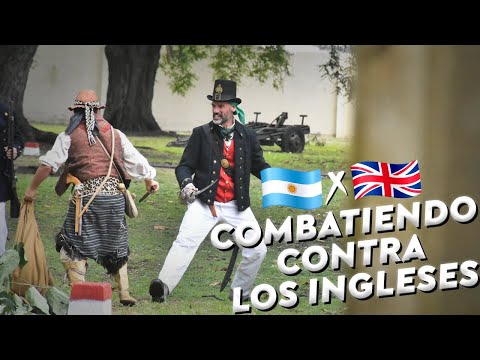
The Crucible of Conflict: Reenacting the English Invasions - A Warrior's Perspective

Do you seek to understand the spirit of historical combat? To grasp the raw essence of conflict beyond the sterile dojo mat or the digital screen? For too long, the true nature of martial engagement, the grit, the strategy, the sheer will to survive, has been diluted by modern interpretations. This vlog entry, however, takes us on a journey not just through a historical reenactment, but through the very principles that underpin every true martial art. We are not merely observers; we are participants in the ongoing dialogue of combat history.

Table of Contents

The Call to Arms: Historical Reenactment and Martial Integrity

The very act of reenactment is a double-edged sword in the eyes of a true martial artist. On one hand, it offers a tangible connection to the past, a physical manifestation of historical conflicts that can illuminate the strategies and spirit of bygone eras. On the other, there's the ever-present danger of it devolving into mere theatre, a superficial display lacking the visceral truth of combat. This particular vlog explores an event that delves into the historical invasions of English forces, a scenario ripe for examination of both historical accuracy and the underlying martial principles. As we step into this arena, we must ask: does the reenactment capture the *kiai* – the spirit, the intent – of the original conflict, or is it a hollow echo? The very tag #BUDO suggests an aspiration towards this deeper understanding.

A Glimpse into the Past

This chronicle follows a day dedicated to preparing for and participating in a significant historical reenactment. It’s a journey that begins with the personal ritual of preparation – the donning of attire, the mental centering – a prelude to stepping into a simulated battlefield. The initial moments, the travel, the quiet anticipation, are as crucial to the martial artist as the clash itself. It is in these transitions that focus is sharpened, and the mind aligns with the body’s purpose.
"The warrior prays before the battle. He does not pray for victory, but for strength to endure." - A principle echoed across countless warrior traditions.

The Dance of Steel: El Arte de la Esgrima Criolla

The narrative quickly moves to a specific martial discipline: "Clases de Esgrima Criolla." This is where the heart of martial analysis truly begins. Esgrima Criolla, a form of fencing rooted in the combat traditions of the region, often involving sabre or cutlass, presents a fascinating case study. Unlike the formalized dueling of European aristocracy, Criolla fencing likely incorporated more practical, battlefield-oriented techniques. We must consider: * **Weapon Handling:** How effectively are the period weapons utilized? Is there a sense of weight, balance, and lethal intent behind each movement? * **Footwork and Stance:** Does the practitioner demonstrate a stable, adaptable base? Is their movement fluid and economical, conserving energy while maintaining offensive and defensive posture? * **Engagement and Distance:** How do they manage the distance between themselves and their opponent? Are they able to control the engagement, dictating the terms of the encounter? * **Application of Techniques:** Beyond mere parries and thrusts, are there signs of transitions into grappling, disarms, or more brutal close-quarters combat often necessitated by historical battles? The very essence of #combat and #fight is encapsulated in these skills. A true Esgrima Criolla class would not just teach movements, but the philosophy of engagement, the reading of an opponent, and the decisiveness required to prevail.

Echoes of Battle: The Military History Museum Event

The core of the vlog is the recreación of the English invasions at the Museo Histórico Militar. This is where the abstract principles of Esgrima Criolla are placed within a broader historical context. The success of such a reenactment, from a martial perspective, hinges on several critical factors: * **Tactical Coherence:** Is the formation of troops logical? Do the movements of groups reflect historical military tactics? Are commands clear and followed with discipline? * **Authenticity of Engagement:** While not real combat, the *simulated* clash should convey the chaos, the desperation, and the structured aggression of battle. Are the interactions between individuals and groups believable? * **The Warrior's Mentality:** Beyond the physical execution, do the participants *embody* the spirit of the warriors they represent? This is where the concept of #BUDO, the Way of the Warrior, is truly tested. Is there a shared commitment to the narrative and the *intent* of the conflict? * **Respect for the Fallen:** Even in reenactment, there's a profound lesson to be learned about the cost of war. The solemnity of the occasion, the respect shown for the historical event, is as important as the action itself. The length dedicated to this portion (01:17 to 03:54) suggests a significant focus on the event itself. It is within these minutes that we can analyze the choreography, the commitment, and the overall effectiveness of the historical portrayal. The #history tags are central here, but the #battle and #martialarts elements are what give it true weight.

Modern Mettle: A Momentary Diversion

The brief detour into "Momento Tik Tok" (04:06) serves as a stark contrast. While social media platforms like TikTok can be used for disseminating martial arts knowledge, they often prioritize brevity and entertainment over depth. It’s a reminder of the challenges in bridging the gap between the serious pursuit of martial disciplines and the demands of modern digital engagement. This transition highlights how even dedicated martial artists must navigate the contemporary landscape, balancing their core pursuits with the need for broader reach. It's a nod to the #news and #community aspects of the martial arts world, but one that must be approached with discernment.

Sensei's Verdict: Does the Spirit Endure?

This vlog, while presented as a personal log, offers a valuable insight into the intersection of history, martial arts, and public engagement. The reenactment of the English invasions, particularly with the focus on Esgrima Criolla, provides a rare opportunity to witness historical combat principles brought to life. **The spirit of martial arts, the essence of #BUDO and #combat, is most effectively conveyed when there is a genuine commitment to understanding the underlying principles, not just mimicking the surface actions.** The clarity of the Esgrima Criolla instruction is promising, suggesting a dedication to technique. The question remains, however, whether the broader reenactment truly captured the relentless intensity and strategic nuance of historical warfare, or if it was primarily a historical spectacle. For participants and observers alike, the true takeaway is the reminder that martial arts, in all their forms—historical, modern, combative, or philosophical—demand respect, discipline, and a constant pursuit of deeper understanding. The vlog successfully captures a moment where these elements converge, albeit briefly. **Rating: Cinturón Negro en Curiosidad Histórica, Naranja en Profundidad Marcial.**

Honing Your Edge: Essential Training for Historical Combat

To truly prepare for the demands of historical combat reenactment or study, a multifaceted training regimen is essential. This goes beyond simply wielding a prop weapon.
  1. Physical Conditioning: Develop robust cardiovascular endurance for sustained periods of activity. Build functional strength, focusing on core stability, grip strength, and explosive power. Practice agility and balance to navigate uneven terrain and maintain posture under duress.
  2. Weapon-Specific Drills: Master the fundamentals of the weapon being used (e.g., saber, sword). Focus on proper grip, stance, footwork, thrusts, cuts, and blocks. Practice drills that simulate common combat scenarios.
  3. Simulated Sparring: Engage in controlled sparring sessions with safety gear. This is crucial for developing timing, distance management, reaction speed, and the ability to adapt to an opponent’s movements.
  4. Historical Research and Tactical Study: Understand the context of the battles you are reenacting. Study historical tactics, formations, and the typical engagements of the period. This knowledge informs movement and decision-making.
  5. Mental Fortitude: Cultivate focus, discipline, and resilience. The ability to remain calm under simulated pressure is paramount. Practice visualization techniques to mentally rehearse scenarios.
  6. Understanding of Historical Attire and Equipment: Learn how to move effectively while wearing period clothing and potentially armor. Understand the limitations and advantages these might impose.

Essential Equipment for Your Training

While the vlog focuses on a specific historical event, for those inspired to train in related disciplines, certain equipment is invaluable.
  • Protective Gear: For sparring or advanced drills, invest in high-quality protective gear. This includes padded swords (synthetic or specially designed training weapons), robust sparring masks, gloves, chest protectors, and shin guards. Safety is non-negotiable.
  • Period-Appropriate Training Weapons: If focusing on Esgrima Criolla or similar styles, acquiring well-balanced training replicas of sabres or cutlasses is key. Ensure they are designed for safe practice.
  • Durable Workout Apparel: Comfortable, flexible clothing that allows for a full range of motion is essential for conditioning and drills. Think breathable fabrics that can withstand rigorous activity.
  • A Solid Training Space: Whether it's a dedicated martial arts dojo, a cleared space in your home, or an outdoor area, ensure you have adequate room to move freely and safely.
  • Reference Books and Resources: For deeper study, acquire texts on historical fencing, military history of the era, and martial philosophy. Good books on #BUDO and #martialarts history can provide invaluable context.

Frequently Asked Questions

  • What is Esgrima Criolla?

    Esgrima Criolla refers to a style of fencing that developed in the Río de la Plata region, often drawing from Iberian traditions but adapted to local conditions and weaponry, typically involving sabres or cutlasses for practical combat.
  • Is historical reenactment a true martial art?

    While reenactment itself is not a martial art, it can be a valuable tool for studying and *applying* historical martial arts principles. Its effectiveness depends on the participants' dedication to authenticity and the underlying martial spirit.
  • How can I find historical reenactment groups?

    Research local historical societies, military history museums, and online communities dedicated to historical reenactment. Many groups focus on specific eras and regions.
  • What are the risks involved in reenactment?

    The primary risks stem from the use of prop weapons and the physical exertion. Proper training, safety protocols, and adherence to rules set by organizers are crucial to minimize these risks.

To Dive Deeper into Your Path

Sensei's Reflection: Your Next Step

We have traversed the simulated battlegrounds, witnessed the clash of steel, and considered the spirit that fuels such endeavors. The reenactment, like any martial practice, is a mirror reflecting our own commitment to understanding and embodying the principles we seek. It is easy to be swept up in the spectacle, but the true lesson lies in the preparation, the execution, and the reflection that follows. Now, consider this: If you were to participate in such a reenactment, not as an actor, but as a warrior embodying your chosen art, what single principle from your training would you prioritize above all others, and why? Would it be the tactical awareness of #MMA, the precise footwork of #Karate, the grounded stability of #Judo, or the relentless spirit of #Kyokushin? The true test is not the portrayal, but the internalization. Go forth and find your answer. GEMINI_METADESC: Explore a historical reenactment of the English Invasions, analyzing Esgrima Criolla and the warrior spirit. Learn about training and equipment for combat history.

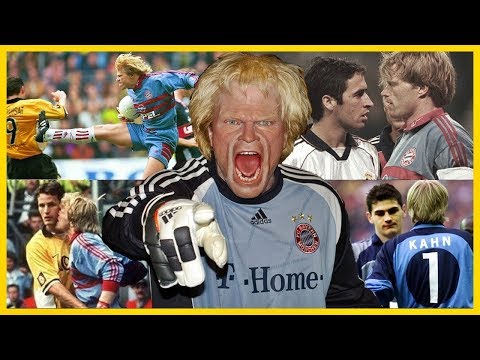
Oliver Kahn: The Unyielding Warrior of German Football

The Iron Will: More Than Just a Goalkeeper

The roar of the crowd, the tension on the pitch, the sheer will to not concede a single goal. This is the arena where legends are forged, and few have embodied raw, unadulterated fighting spirit quite like Oliver Kahn. While the world knows him as the formidable German goalkeeper, a closer look reveals a mindset, a ferocity, and a dedication that transcends the boundaries of football and echoes the principles found in the deepest traditions of Budo and martial arts. My students often ask me about the true essence of a warrior, and while we may train with fists and feet, the mental fortitude required is universal. Kahn, in his own domain, was a master of this inner combat.
The history of this hostile and feared German custodian is a testament to the power of sheer determination. His presence alone was enough to intimidate opponents. He wasn't just playing a game; he was defending his territory with the ferocity of a lion guarding its pride. This uncompromising attitude, this refusal to yield, is a trait I've seen in the most seasoned practitioners of Karate Kyokushin and in the stoic discipline of Judo. It's the embodiment of `Mushin` – the mind without mind, reacting instinctively and powerfully to any threat.
"Kahn’s intensity on the field was legendary. He was a leader, a warrior who demanded excellence not just from himself, but from his entire team. This is the hallmark of true mastery."
His career was not without its controversies, but even in moments of perceived aggression, there was an undeniable conviction. He played with his heart on his sleeve, his emotions fueling his performance. This raw, unfiltered passion, when channeled correctly, can be an incredible asset. In the dojo, we learn to control our emotions, to use them as fuel rather than let them consume us. Kahn, perhaps unknowingly, demonstrated this delicate balance on the grandest stage.

From the Pitch to the Dojo: Parallels in Warrior Spirit

The common thread weaving through elite athletes and dedicated martial artists is a profound understanding of sacrifice, discipline, and the unyielding pursuit of self-improvement. Oliver Kahn's journey is a prime example. He didn't just show up to play; he prepared. He trained with an intensity that became his trademark. This relentless dedication to his craft mirrors the daily grind of a martial artist honing their skills. Consider the `kata` – the pre-arranged forms practiced in Karate and other arts. They are not mere dances; they are simulations of combat, practiced thousands of times to ingrain techniques into muscle memory. Kahn's countless hours in training, perfecting his reflexes, his positioning, his command of the penalty area, were his own form of `kata`. He was preparing for battle, for the moment the fight came to him.

The Mental Fortitude of a Champion

What truly set Kahn apart was his mental resilience. The goalkeeper position in football is unique. One mistake, one moment of hesitation, can decide the fate of a match. This is a pressure cooker environment, demanding unwavering focus and the ability to bounce back from setbacks instantaneously.
"The greatest glory in living lies not in never falling, but in rising every time we fall." - Nelson Mandela
This wisdom is as applicable to a goalkeeper facing a penalty shootout as it is to a martial artist enduring a grueling sparring session or facing defeat in a tournament. Kahn embodied this. He would dust himself off, glare at the opposition, and stand ready for the next challenge. This refusal to be broken, this inherent `fighting spirit`, is the bedrock of true martial character. It’s the spirit that drives us to continue, even when every fiber of our being screams to stop. This is the core of what we teach in #BUDO and #MartialArts.

Beyond the Game: Lessons for the Modern Warrior

Oliver Kahn's legacy extends far beyond his remarkable saves and leadership on the football field. He serves as a powerful metaphor for anyone striving for excellence in their chosen field, especially those who walk the path of martial arts. * **Unwavering Commitment**: Kahn's dedication to his training and his team was absolute. * **Emotional Control (and Channeling)**: He displayed intense emotion, but it rarely compromised his performance. This is a difficult balance to strike. * **Leadership by Example**: His presence commanded respect and inspired his teammates. * **Resilience in the Face of Adversity**: He never shied away from challenges and always bounced back stronger. His intensity, his determination, his sheer will to win – these are qualities we cultivate in the dojo. Whether you are practicing #Karate, #Judo, #BJJ, or any other discipline, the mental game is paramount. The physical techniques are only as strong as the mind behind them.

Kahn's Impact on the Pitch: A Tactical Masterclass

From a tactical perspective, Kahn was a game-changer. His ability to read the game, anticipate plays, and organize his defense was exceptional. He wasn't just a shot-stopper; he was a strategic commander on the field. This proactive approach, this ability to see the 'flow' of the battle, is something that advanced martial artists strive for. It’s the difference between reacting to an attack and dictating the terms of the engagement. In MMA, for instance, fighters like Jon Jones or Cyril Gane demonstrate this strategic depth, constantly analyzing their opponent and adapting their tactics. Kahn's presence in the box was similar – a constant tactical threat and defensive anchor.

Veredicto del Sensei: ¿Merece la pena la Furia?

Oliver Kahn's on-field persona was that of a fierce warrior, a "Titan" as he was often called. Was his intensity always controlled? Perhaps not by conventional standards. But did it serve him and his team? Absolutely. His brand of controlled aggression and unshakeable self-belief made him one of the greatest goalkeepers of all time. He understood the psychological aspect of the game, using his imposing presence and fierce determination to gain an edge. His legacy is a powerful reminder that true strength comes from within. It’s about having the courage to face your fears, the discipline to prepare relentlessly, and the resilience to rise after every fall. He may not have thrown a punch or executed a submission, but Oliver Kahn’s spirit was undeniably that of a champion warrior. He earns a **Cinturón Negro en Determinación y Liderazgo en la Cancha**.

Equipo Esencial para tu Entrenamiento

While Oliver Kahn didn't need specific martial arts gear, his dedication to peak physical condition is something every practitioner should emulate. For those serious about their training, the right equipment can make a significant difference:
  • Guantes de Entrenamiento de Calidad: Para sesiones de sparring intensas, especialmente si practicas #Kickboxing o #ArtesMarcialesMixtas.
  • Kimono de Judo o Jiu-Jitsu Resistente: Un buen gi es crucial para el grappling. Busca tejidos duraderos que soporten el rigor de los entrenamientos.
  • Protecciones Adecuadas: Cascos, protectores bucales y espinilleras son vitales para entrenar de forma segura, especialmente en #combate.
  • Ropa Deportiva Transpirable: Para mantenerte cómodo durante largas sesiones de #entrenamiento, ya sea en el dojo o en casa con un #AtHomeWorkout.
  • Zapatillas de Deporte con Buen Agarre: Esenciales para deportes de combate que implican mucho movimiento en el suelo, como el #bjj.
## Guía de Entrenamiento: Cultivando la Mentalidad de Kahn Although we cannot replicate Kahn's exact football training, we can certainly adopt his mental approach. Here’s a simple exercise to cultivate that unyielding spirit:
  1. Define tu "Portería": Identifica tu objetivo principal en tu entrenamiento de artes marciales o en tu vida. ¿Qué quieres defender? ¿Qué quieres lograr?
  2. Visualiza la "Amenaza": Reconoce tus debilidades o los desafíos que te impiden alcanzar tu meta. No huyas de ellos; míralos de frente.
  3. Practica la "Reacción Rápida": En tus entrenamientos, enfócate en reaccionar instintivamente a los ataques o desafíos. No pienses, simplemente actúa. Esto mejora la #Agility y la #Coordination.
  4. Simula "Presión": Durante el sparring o sesiones de alta intensidad, simula que cada movimiento cuenta. Entrena bajo una presión controlada para acostumbrarte a la exigencia.
  5. Desarrolla la "Resiliencia Post-Golpe": Después de cada error, cada caída, o cada técnica fallida, levántate inmediatamente. Sacúdete el polvo y prepárate para la siguiente ronda. La #Perseverance es clave.
  6. Lidera con tu Espíritu: Incluso si entrenas solo, infunde cada movimiento con tu intención y determinación. Sé el líder de tu propio entrenamiento.
## Preguntas Frecuentes

¿Por qué se considera a Oliver Kahn un "guerrero"?

Oliver Kahn es visto como un guerrero por su intensidad inquebrantable, su liderazgo feroz en el campo, su valentía ante el peligro y su negativa a rendirse, características comunes en los practicantes de artes marciales.

¿Qué paralelismos existen entre el fútbol y las artes marciales en términos de mentalidad?

Ambos requieren una disciplina rigurosa, una preparación mental sólida, la capacidad de recuperarse de los fracasos y una voluntad inquebrantable para competir y mejorar continuamente. La gestión de la presión es crucial en ambos dominios.

¿Podría Oliver Kahn haber sido un buen artista marcial?

Dada su mentalidad competitiva, su fuerza física y su espíritu indomable, es plausible que Kahn hubiera destacado en disciplinas de combate que valoran la agresividad controlada y la determinación, como el #Kyokushin Karate o incluso el #MMA.

¿Qué lección principal podemos aprender de Oliver Kahn para nuestro entrenamiento?

La lección más importante es la importancia de la #MentalStrength y la #Resistencia. Nunca te rindas ante un desafío, entrena con propósito y lucha por tus objetivos con toda tu pasión y determinación.

Para Profundizar en tu Camino

"El corazón es el que marca la diferencia. No la técnica, no la fuerza, sino el corazón." - Oliver Kahn
In the realm of #MartialArts, we speak of "Shin" – the heart, the spirit. Kahn's relentless spirit embodied this perfectly, proving that the fight within is often more crucial than the fight without.

Reflexión del Sensei: Tu Próximo Paso

Kahn's journey teaches us that the battlefield can take many forms. Whether it's a football pitch, a dojo mat, or the challenges of daily life, the warrior's spirit remains the same: face your fears, train with unwavering dedication, and never, ever stop rising. Now, I pose this to you: What 'goal' are you defending in your life right now? And what is the first, unyielding step you will take today to defend it, channeling the spirit of the Iron Kahn? Discuss below. ``` GEMINI_METADESC: Explore the warrior spirit of Oliver Kahn, the legendary German goalkeeper, and discover the parallels between his intensity and the principles of Budo and martial arts.

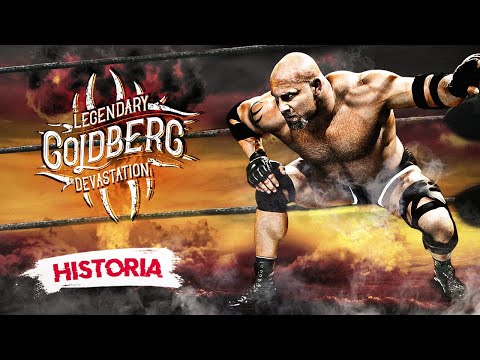
The Unrivaled Chronicle of Goldberg: From WCW's Dominance to WWE's Legacy (1996-2021)

Introduction: The Unstoppable Force

In the pantheon of professional wrestling, few names evoke sheer, unadulterated power quite like Goldberg. For over two decades, this former football star carved a path of destruction through WCW and WWE, becoming a symbol of overwhelming force and an iconic figure in the #wrestling and #martialarts landscape. But behind the explosive entrances and the devastating spear lies a story of grit, transition, and an enduring legacy. This isn't just a recap; it's an exploration of the man, the myth, the monster. How did a rookie with no prior wrestling experience become an instant sensation? What drove his dominance, and how did he adapt his persona to remain relevant across different eras?

For many, the name Goldberg is synonymous with an undefeated streak, a series of crushing victories that left opponents bewildered and fans roaring. This journey, spanning from his explosive WCW debut to his later WWE appearances, is a testament to a unique brand of showmanship and athleticism. We will delve into the very essence of his impact, analyzing not just his physical prowess but the psychological effect he had on the wrestling world. This is the chronicle of a warrior.

WCW's Genesis: The Birth of a Monster (1997-1999)

Bill Goldberg's entry into World Championship Wrestling in 1997 was unlike any other. Emerging from obscurity, he possessed an aura of raw, untamed energy. His amateur football background had instilled a discipline and physicality that translated remarkably well into the squared circle. Unlike many who spent years honing their craft in smaller promotions, Goldberg's rise was meteoric, characterized by a series of squash matches where he utterly dominated his opponents.

His signature "Jackhammer" powerbomb and the earth-shattering spear became legendary. The undefeated streak, a seemingly endless march of victories, captivated audiences. It wasn't just about winning; it was about the brutal efficiency with which he achieved victory. Each match was a spectacle of raw power, a demonstration of force that few could withstand. This period solidified his persona as an unstoppable force, a man who could walk into any arena and emerge victorious.

The intensity and power Goldberg brought to the ring were undeniable. It was a primal force that resonated with the audience, a stark contrast to the more technical styles prevalent at the time.

The psychology of his matches was simple yet effective: Goldberg would take punishment, absorb blows that would fell lesser men, and then unleash a fury that ended the contest. This "come from behind" element, though often executed quickly, added a layer of drama that kept fans on the edge of their seats. The thunderous roar of the crowd upon his entrance, the sheer anticipation of destruction – it was a phenomenon.

The WWE Leap: A New Era of Destruction (2003-2004)

Following the dissolution of WCW, the wrestling world waited with bated breath for Goldberg's next move. In 2003, he made his highly anticipated debut in World Wrestling Entertainment (WWE). The transition presented new challenges and opportunities. Could the force that dominated WCW replicate that success on WWE's grander stage? The answer, initially, was a resounding yes.

His WWE debut against The Rock was electric, setting the tone for his tenure. Goldberg quickly established himself as a top-tier threat, engaging in high-profile feuds with stars like Triple H and Shawn Michaels. His matches, though often brief, retained their signature intensity. The powerbomb and spear remained his go-to finishers, each delivered with the same ferocity.

However, the WWE landscape was different. The narrative structure, the roster depth, and the fan expectations presented a distinct challenge. While his initial impact was significant, his first run in WWE was relatively short-lived, culminating in a controversial match against Brock Lesnar at WrestleMania XX. Despite the end of this initial chapter, Goldberg had cemented his place in the WWE universe.

The Hiatus and the Triumphant Return (2004-2016)

After his departure from WWE in 2004, Goldberg took a significant hiatus from professional wrestling. The intense physical demands and the rigors of constant travel had taken their toll. This period allowed him to focus on other aspects of his life and career, including his passion for acting and motorsports.

Yet, the call of the squared circle proved too strong to ignore indefinitely. In 2016, at the age of 49, Goldberg made one of the most stunning returns in WWE history. The intervening years had done little to diminish his imposing presence. His comeback match against Brock Lesnar at Survivor Series 2016 was a brutal, swift demolition, erasing the memory of their previous encounter and reminding everyone of the power he still possessed. This return wasn't just a nostalgic appearance; it was a statement of enduring relevance and a testament to his physical conditioning.

This return sparked a new wave of opportunities, leading to championship pursuits and memorable confrontations that proved his legendary status was far from over. It demonstrated that while time passes, some forces remain eternally potent.

The Part-Time Beast: Reigniting the Flame (2016-2021)

Goldberg's subsequent runs in WWE were characterized by a strategic, part-time schedule. This approach allowed him to maintain his physical peak while delivering maximum impact during his appearances. He became a special attraction, a legend brought in for monumental clashes.

During this era, he captured the WWE Universal Championship, a significant achievement that underscored his continued ability to compete at the highest level. Feuds against Roman Reigns, Bobby Lashley, and Drew McIntyre showcased his enduring appeal and the effectiveness of his limited but powerful ring time. Each appearance was an event, a chance for fans to witness a true legend in action.

His rivalry with Bobby Lashley, in particular, led to one of his most dominant performances, culminating in a victory for the Universal Championship at WWE's Elimination Chamber event in 2021. This reign proved that even in his late 50s, Goldberg could still deliver the intensity and power that made him a global phenomenon.

Goldberg's Fighting Style: Simplicity and Raw Power

From a technical standpoint, Goldberg's in-ring style is a masterclass in simplicity and explosive execution. He eschewed complex sequences for devastating, impactful moves. His approach draws parallels to primal fighting styles, emphasizing raw power and overwhelming force over intricate technique. Think of the directness of a Muay Thai check or the explosive power of a Sumo wrestler's charge; Goldberg embodied a similar, albeit professional wrestling-specific, intensity.

His repertoire was limited but executed with unparalleled ferocity:

  • The Spear: A devastating running shoulder tackle that often sent opponents flying. Its effectiveness lay in its suddenness and the sheer impact.
  • The Jackhammer: A powerful scoop slam followed by a devastating powerbomb. This move was his definitive finisher, almost always signaling the end of a match.
  • The Military Press Slam: Often used to set up the Jackhammer, showcasing his incredible strength.

This style was incredibly effective in professional wrestling because it created a compelling narrative of an unstoppable force. Opponents rarely had an answer for his raw power, and the few times he appeared to be in trouble only heightened the drama before his inevitable comeback. It's a blueprint for impactful storytelling within the performance art of wrestling.

Legacy and Impact: More Than Just a Streak

Goldberg's legacy extends far beyond his famous undefeated streak. He became a benchmark for intensity and a symbol of what could be achieved through sheer physicality and a compelling persona. His impact on professional wrestling is undeniable:

  • Drawing Power: Goldberg consistently drew massive crowds and television ratings, proving his worth as a top-tier attraction.
  • Persona Creation: He demonstrated the power of a simple, impactful gimmick – the relentless monster – and how it could resonate universally.
  • Transitioning Styles: His ability to adapt from WCW's environment to WWE's, and later to a part-time attraction, speaks volumes about his enduring appeal.
  • Inspiration for Athletes: He inspired many crossover athletes, showing that a background in other sports could translate successfully into professional wrestling.

His career is a fascinating case study in sports entertainment, highlighting how raw charisma, physical presence, and a well-executed persona can transcend the technicalities of the ring. He proved that sometimes, the most effective approach is the most direct and powerful one.

"You're either Goldberg, or you're not." This simple, often-repeated phrase encapsulates the aura he commanded. He was unique, a force unlike any other.

Sensei's Verdict: A True Spectacle of Force

Goldberg's career is a fascinating narrative of raw power meeting professional wrestling. While not a technician in the traditional sense, his impact was immense, his persona unforgettable, and his victories, especially during his WCW run, legendary. He brought a primal energy that was both thrilling and terrifying for opponents.

For his ability to consistently deliver electrifying performances and maintain an aura of invincibility for so long, Goldberg earns a high mark. He wasn't just a wrestler; he was an event. His ability to command attention and deliver devastating performances, even later in his career, solidifies his status.

Sensei's Rating: Spear of Excellence

Essential Gear for Your Training

While Goldberg's in-ring style relied on raw power, proper training requires the right foundation and equipment. For those aspiring to build strength and conditioning for combat sports or general fitness, consider these items:

  • Weightlifting Gloves: For grip and hand protection during heavy lifting. Look for durable leather or synthetic materials.
  • Knee Sleeves: Essential for supporting your knees during squats, lunges, and other compound movements.
  • Lifting Belt: A good quality lifting belt can provide crucial core support during maximal lifts.
  • Comfortable Training Shoes: Flat-soled shoes are often preferred for stability during lifting.
  • Resistance Bands: Versatile for warm-ups, conditioning, and adding resistance to bodyweight exercises.

Frequently Asked Questions

Q1: What was Goldberg's undefeated streak in WCW?

A1: Goldberg's infamous undefeated streak in WCW lasted an astonishing 173-0 before he was eventually defeated by Kevin Nash.

Q2: Who did Goldberg defeat to win his first WWE Universal Championship?

A2: Goldberg defeated Kevin Owens at WWE Fastlane in 2017 to win his first Universal Championship.

Q3: Was Goldberg a legitimate fighter outside of professional wrestling?

A3: Before professional wrestling, Bill Goldberg had a successful career in professional football and then transitioned into amateur kickboxing before training for professional wrestling.

Q4: What is Goldberg's signature finishing move?

A4: His most iconic finishing move is the "Jackhammer," a devastating scoop slam followed by a powerbomb.

Further Learning on Your Path

To truly understand the world of combat sports and wrestling, continuous learning is key. Explore these related topics:

Facebook: Link
Instagram: Link
Contact Email: luchaymasperu@gmail.com

The story of Goldberg is a powerful reminder that in the arena of life, whether it's a wrestling ring or the daily grind, sheer will and focused power can overcome immense obstacles. He embodies a spirit of relentless pursuit.

Sensei's Reflection: Your Next Step

Goldberg's career is a spectacle of raw power and impactful simplicity. He demonstrated that a singular, potent message delivered with absolute conviction can shake the foundations of any industry. Now, consider this: In your own pursuits, are you seeking complexity where simplicity would suffice? Or are you, perhaps, lacking that one defining, devastating technique—that Spear or Jackhammer—that can cut through the noise and achieve your objective? Identify your core strengths, refine your most potent moves, and deliver them with the conviction of a warrior entering the ring. What is YOUR Jackhammer?

``` GEMINI_METADESC: Explore the legendary career of Bill Goldberg, from his WCW debut and undefeated streak to his impactful WWE returns. Analyze his raw power, iconic moves, and lasting legacy in this deep dive.

The Art of the Uppercut: Deconstructing Ciryl Gane's Knockout of Derrick Lewis at UFC 270

A clash of titans, a dance of power and precision – that's what the heavyweight division often promises, and at UFC 270, Ciryl Gane and Derrick Lewis delivered a spectacle that still echoes in the annals of #MMA. But beyond the raw power and the roar of the crowd, lies a deeper narrative of technique, strategy, and the philosophical underpinnings of combat. Today, we dissect not just a fight, but a masterclass in striking, focusing on Gane's decisive victory and what it means for the practitioner of martial arts. The intention behind this analysis is clear: to move beyond the superficial excitement of a knockout and delve into the technical and philosophical lessons that can be gleaned from elite-level #combatsports. For the aspiring #MartialArtist, the dedicated #fighter, or even the casual observer who appreciates the dedication required, understanding the "why" behind the "what" is paramount. We aim to dissect the strategy, the technique, and the sheer willpower that separated Gane from Lewis, offering insights applicable to your own #training and understanding of the #martialarts.

Table of Contents

Ciryl Gane vs. Derrick Lewis: The Stage is Set

The interim heavyweight title hung in the balance at UFC 265, a testament to the dynamic and often unpredictable nature of the #UFC heavyweight division. Ciryl Gane, with his background in French boxing and Muay Thai, represented a new breed of heavyweight – agile, technically proficient, and possessing a diverse striking arsenal. His opponent, Derrick Lewis, was the epitome of heavyweight power. Known for his concussive knockout ability and a resilience that has seen him come back from the brink countless times, "The Black Beast" is a constant threat, capable of ending a fight with a single, devastating blow. Gane’s journey to this point was marked by a methodical dismantling of opponents, utilizing his footwork and elusive movement to control distance and land strikes with precision. Lewis, on the other hand, embodies the "puncher's chance" – a dangerous reality in any combat sport where a single well-timed shot can alter the course of history. The narrative was set: speed and technique versus raw, unadulterated power.
"The fight is won or lost outside the ring, in the minds of men." - Sun Tzu
This ancient wisdom resonates deeply when considering such matchups. While physical prowess is undeniable, the mental fortitude, strategic preparation, and belief in one's own capabilities are often the deciding factors. Gane’s confidence, built on a foundation of rigorous training and a belief in his technical superiority, was palpable. Lewis’s stoicism and history of overcoming adversity hinted at a mental toughness forged in the fires of many battles.

The Anatomy of a Knockout: Technical Breakdown

The fight itself, while perhaps not as drawn out as some might have expected, was a textbook example of strategic striking. Gane secured the interim heavyweight title late in 2021, defeating Derrick Lewis via third-round knockout. This victory wasn't just a testament to his power, but more significantly, to his superior technical execution. Gane’s strategy was evident from the outset: use his superior movement and reach to keep Lewis at bay, frustrating his attempts to close the distance and land his signature heavy shots. He employed a constant stream of jabs and straights, gauging Lewis’s reactions and looking for openings. The key, however, was Gane’s ability to implement his game plan despite the looming threat of Lewis's power. He demonstrated exceptional ring generalship, controlling the pace and dictating the engagement. The fight-ending sequence was a beautiful, albeit brutal, display of striking artistry. Gane feigned a low kick, drawing Lewis’s guard down, and then pivoted seamlessly into a devastating right uppercut. This technique is a staple in disciplines like boxing and Muay Thai, and Gane’s execution was flawless. The uppercut, when landed correctly, travels vertically, targeting the chin and jawline. It's often thrown when an opponent is moving forward or is slightly bent over, making it incredibly difficult to defend.

Here's a breakdown of the key technical elements:

  • Feint: Gane’s initial low kick feint was crucial. It conditioned Lewis to expect strikes low, subtly lowering his defensive posture.
  • Pivot and Rotation: The seamless pivot allowed Gane to generate maximum torque and power from his hips and core, essential for a knockout blow.
  • Targeting the Chin: The uppercut's upward trajectory is designed to lift the opponent's head and disrupt their equilibrium, leading to a knockout.
  • Timing: The strike landed precisely as Lewis was perhaps preparing to launch his own attack or was recovering from the feint, leaving him vulnerable.
This wasn't a wild swing; it was a calculated, precisely timed strike born from hours of dedicated #MartialArtsTraining. It earned him Performance of the Night honors, and rightfully so. It showcased the difference between a powerful puncher and a skilled striker.

Philosophical Dimensions of the Heavyweight Bout

Beyond the physical exchange, there’s a profound philosophical element to bouts like these. The concept of "Mushin" – a state of mind where the mind is free from the ego, from fear, and from anger, allowing the body to react instinctively and perfectly – is often discussed in martial arts. In this fight, Gane’s calm demeanor and methodical approach suggest a high degree of mental clarity. He wasn't drawn into a brawl, he didn't succumb to the pressure of Lewis's power, nor the interim title on the line.
"True strength is not to have power, but to control it." - Unknown Master
This quote encapsulates Gane's performance. He possessed the power, but he controlled it, channeling it through precise technique rather than wild aggression. This controlled power is a hallmark of true mastery. Lewis, despite his power, struggled to impose his will against Gane's defensive acumen and superior striking angles. This highlights that in martial arts, raw power, while formidable, is often best utilized in conjunction with strategic thinking and technical application. The fight also underscores the principle of "Sen," a Japanese martial arts concept encompassing initiative and timing. Gane didn't just react; he actively sought to control the tempo and seize crucial moments, as evidenced by the fight-ending uppercut. He seized the initiative when he saw the opening, demonstrating the importance of proactive engagement in combat, not just reactive defense.

Veredict of the Sensei: A Masterclass in Striking

UFC 265's main event between Ciryl Gane and Derrick Lewis was a defining moment for Gane, showcasing his evolution as a top-tier heavyweight. His performance was a testament to disciplined striking, intelligent game planning, and the execution of a well-honed technique. This fight is a prime example of how technical proficiency can overcome brute force.

Cinturón Negro en Coreografía de Combate: Gane displayed an almost artistic approach to the fight, moving with a fluidity rarely seen in the heavyweight division. His ability to set up and land the fight-ending uppercut was near-perfect. This fight is a must-watch for anyone looking to understand modern striking strategy in #MMA. It’s a clear indication of why Gane was considered a future champion, and a harsh lesson for Lewis on the unforgiving nature of elite #combat.

Essential Training Equipment for Striking Arts

For any martial artist looking to emulate the precision and power displayed in this fight, the right equipment is crucial for safe and effective training. Whether you practice #Karate, #Kickboxing, #MuayThai, or #MMA, investing in quality gear can make a significant difference.
  • Boxing Gloves: For sparring, 16oz gloves are standard to protect both you and your training partners. For heavy bag work, consider 12oz or 14oz gloves. Look for brands known for durability and good wrist support.
  • Shin Guards: Essential for Muay Thai and kickboxing drills to absorb the impact of kicks and protect your shins.
  • Mouthguard: Non-negotiable for any contact training. A well-fitted mouthguard can prevent serious dental injuries.
  • Headgear: Recommended for sparring, especially for beginners, to minimize the risk of cuts and concussions.
  • Heavy Bag or Punch Mitts: Fundamental tools for developing power, speed, and accuracy.
  • Kimono (for Judo/BJJ): While not directly used in striking, a durable #Judo or #BJJ Gi is essential for grappling training, which often complements striking arts in #ArtesMarcialesMixtas.
For those looking to train at home without extensive equipment, focusing on bodyweight conditioning and shadowboxing is highly effective. Look for programs designed for #AtHomeWorkout and #NoEquipment training.

Training Guide: Developing Your Own Knockout Power

Power in striking isn't just about brute strength; it's about efficient application of force. Here’s a step-by-step guide to developing your own knockout power:
  1. Master the Fundamentals: Ensure your stance, footwork, and basic punches (jab, cross, hook, uppercut) are technically sound. Correct form is the foundation of power.
  2. Core Strength Training: A strong core is the engine of your power. Incorporate exercises like planks, Russian twists, and medicine ball throws.
  3. Explosive Movements: Practice plyometric exercises such as jump squats, medicine ball slams, and box jumps to develop explosive power.
  4. Heavy Bag and Pad Work: Focus on putting your whole body into each strike. Visualize the kinetic chain – from your toes, through your hips and core, to your fist. Don't just hit the bag; *drive* through it.
  5. Hip Rotation: Learn to generate power from hip rotation. Practice turning your hips over with each punch, transferring energy through your body.
  6. Proper Breathing: Exhale sharply with each strike. This not only aids in power generation but also protects your core.
  7. Timing and Precision: Practice hitting specific targets accurately. Power without accuracy is often wasted. Study the timing demonstrated by fighters like Gane.
  8. Sparring with Purpose: Sparring is where you integrate power training. Focus on landing controlled, powerful shots, rather than just flailing. Always prioritize safety.
Remember, consistency is key. Dedicate time to these drills regularly, and you will see improvements in your power and striking effectiveness.

Frequently Asked Questions

  • What is the difference between a knockout and a TKO in MMA? A knockout (KO) occurs when a fighter is rendered unconscious or unable to continue due to strikes. A Technical Knockout (TKO) happens when the referee stops the fight because a fighter is deemed unable to intelligently defend themselves, even if they are not fully unconscious.
  • How did Ciryl Gane’s background in French boxing influence his fight against Derrick Lewis? Gane’s extensive background in French boxing and Muay Thai provided him with superior footwork, a diverse striking arsenal, and the technical proficiency to outmaneuver and outstrike the more powerful Derrick Lewis.
  • Is the uppercut a powerful strike in other martial arts? Yes, the uppercut is a vital strike in many combat sports, including boxing, Muay Thai, and even some forms of Karate. Its effectiveness lies in its upward trajectory and ability to target the chin, often catching opponents off guard.
  • What are the mental aspects of heavyweight fighting? Heavyweight fighting demands immense mental fortitude due to the inherent power of the division. Fighters must manage the pressure of potentially being knocked out at any moment while maintaining composure and executing their game plan.

Deepen Your Journey

To continue expanding your knowledge of the martial world and the fighters who shape it, explore these related topics:

Reflection of the Sensei: Your Next Step

Gane’s victory over Lewis at UFC 270 was more than just a fight; it was a demonstration of how technique, strategy, and mental discipline can harmonize to achieve overwhelming success. But the true lesson lies not just in the final blow, but in the journey to deliver it. Now, consider this: In your own life, where do you rely solely on brute force or inherent talent, neglecting the refinement of technique and strategy? Are you so focused on the "knockout punch" that you miss the subtle, precise movements that could lead to a more assured victory? Reflect on how you can apply Gane's methodical approach and your own unique strengths to achieve your goals, not just with power, but with precision. The path of the martial artist is a constant pursuit of mastery, both within and outside the ring. GEMINI_METADESC: Deconstruct Ciryl Gane's knockout of Derrick Lewis at UFC 270. A deep dive into striking technique, martial arts philosophy, and training insights for MMA practitioners.

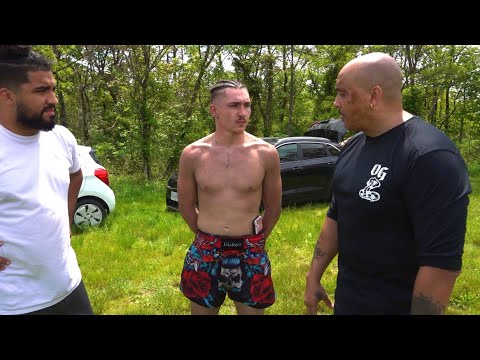
STREETBEEFS FIGHTER INTERVIEWS: A Martial Scholar's Critique of Raw Combat

Hello, fellow practitioners and enthusiasts of the martial path. Welcome to Budo and AM. Today, we delve into a raw, unfiltered corner of the combat world with "STREETBEEFS FIGHTER INTERVIEWS." This isn't your typical dojo lecture, nor is it a polished documentary on ancient samurai philosophy. This is the visceral, often chaotic, realm of street brawls and the individuals who navigate them. Published on June 3, 2022, this content, while perhaps lacking the nuanced elegance of a well-executed kata, offers a stark, albeit controversial, glimpse into human aggression and the primal urge to survive.

The Allure of the Unsanctioned

What compels someone to watch, or worse, participate in, unsanctioned street fights? The intention behind seeking out content like "STREETBEEFS FIGHTER INTERVIEWS" can be multifaceted. For some, it's a morbid curiosity, a glimpse into the dark underbelly of society. For others, it’s a perverse fascination with raw, unadulterated aggression, a stark contrast to the structured discipline of traditional martial arts. As a scholar of the martial ways, I find it imperative to dissect this phenomenon not to endorse it, but to understand its appeal and, more importantly, to highlight the chasm that separates it from genuine Budo. The original post, devoid of deep analysis, simply welcomes viewers. But welcome to what, exactly? A display of uncontrolled violence? A testament to human resilience? Or a warning of societal breakdown? The intention of the original creator, as presented, is merely to announce the content and direct traffic. Our intention here is to provide context, critical analysis, and a martial perspective that elevates the discourse.

Deconstructing the "Streetbeefs" Phenomenon

The term "streetbeefs" itself evokes a certain image: conflict born from disputes, escalating from words to blows in an uncontrolled environment. Unlike organized combat sports like MMA, UFC, or even the structured duels of historical fencing, these encounters lack rules, referees, and a primary focus on technique over brute force. The "fighters" are often untrained or minimally trained individuals, driven by ego, anger, or desperation.
The original tags hint at a broad spectrum of martial arts (#artesmarciales, #BUDO, #lucha, #pelea, #entrenamiento, #historia, #fight, #battle, #martialarts, #karate, #jiujitsu, #taekwondo, #shaolin, #ki, #bjj, #ninjitsu, #kenpo, #combat, #sambo, #news, #judo, #aikido). While these terms are associated with combat, the reality of "streetbeefs" often bears little resemblance to the disciplined application of these arts. The raw, often clumsy, exchanges are a far cry from the precision of a well-executed O-soto-gari in Judo or the focused intensity of a Kyokushin Karate strike.
"The true warrior is not a born fighter, but one who has learned to control their inner turmoil." - A principle often forgotten in the heat of uncontrolled rage.
The core issue is the absence of *intent* beyond mere victory or inflicting harm. Budo, in its truest sense, is a path of self-improvement through rigorous physical and mental training. It emphasizes discipline, respect, humility, and the understanding of principles that extend far beyond the fighting arena. "Streetbeefs," conversely, often represents the antithesis of these values. It’s a primal expression of conflict, devoid of the philosophical underpinnings that define a martial artist.

Budo vs. Brutality: A Crucial Distinction

This is where the polemic truly begins. Can we, in any sense, consider these street confrontations as "martial"? I argue, emphatically, no. The distinction is not merely semantic; it is fundamental. * **Discipline**: Budo demands relentless self-discipline. Mastering a technique, a kata, or even the mental fortitude to face an opponent requires years of dedicated practice. Street fights are impulsive, driven by emotion. * **Respect**: A cornerstone of martial arts is respect – for your opponent, your teacher, and yourself. "Streetbeefs" often fosters contempt, aggression, and a lack of regard for the other person's well-being. * **Purpose**: The goal of Budo is self-perfection, character development, and sometimes, effective self-defense when all else fails. The purpose of a street fight is often to assert dominance, settle a score, or out of sheer, uncontrolled anger. * **Technique**: While some participants in street fights might possess rudimentary fighting skills, the encounters rarely showcase the refined techniques, timing, and strategy that define martial arts. It's often a chaotic exchange of wild swings and desperation moves. Consider the difference between a judoka executing a perfect O-goshi on the mat, aiming to control and subdue their opponent according to the principles of Judo, versus two individuals flailing wildly on asphalt, risking serious injury from the impact alone. The former is refined skill; the latter is often uncontrolled chaos.

When Does "Streetbeefs" Cross the Line?

This content raises a critical question: when does the exhibition of fighting skill, even if crude, become detrimental to the martial arts community? The original publisher's intent seems to be merely observational, yet the very act of showcasing such content can inadvertently glamorize violence. The lines are blurred, of course. Some individuals who participate in these fights may have backgrounds in martial arts. They might be testing their skills in a high-stakes, albeit illicit, environment. However, the crucial difference lies in the *intent* and the *consequences*. When training sessions for MMA or Karate involve safety precautions, controlled sparring, and a focus on learning, it's constructive. When "streetbeefs" lead to severe injury, legal repercussions, or further cycles of violence, it is destructive. We must ask: does this content promote a positive understanding of combat, or does it merely feed a voyeuristic appetite for violence?
"In the heat of a fight, the mind must be calm as still water." - A concept utterly lost in the raging storm of a street brawl.
The danger lies in conflating raw aggression with martial prowess. The ability to throw a punch or engage in a wrestling match does not automatically equate to mastery of a martial art. It can, in fact, be a perversion of it, showcasing the worst aspects of human conflict without the tempering influence of discipline and philosophy.

What Can We Learn (or Reject)?

From a purely analytical standpoint, observing such encounters can offer insights, though often grim ones: * **Primal Instincts**: It reminds us of the raw, primal aspects of human conflict that martial arts seek to channel and control. * **The Importance of Training**: It starkly highlights the effectiveness of dedicated, disciplined training. A single well-timed Karate technique or a solid Grappling entry can end a fight far more efficiently and safely than wild swinging. * **The Dangers of Uncontrolled Emotion**: It serves as a potent reminder of how anger and ego can cloud judgment, leading to dangerous situations. The principle of Mental Game mastery is paramount. However, for the earnest martial artist, the primary lesson is what to *reject*: the glorification of violence, the lack of respect, the reliance on brute force over skill, and the absence of any higher purpose. The pursuit of Ki, inner strength, or enlightenment is completely antithetical to the mindset that fuels these confrontations.

Sensei's Verdict: A Dangerous Mirage

Are "STREETBEEFS FIGHTER INTERVIEWS" a valid representation of martial arts? Absolutely not. They represent the uncontrolled, often tragic, byproduct of conflict when discipline, respect, and technique are absent. While the original post is a simple announcement, the content it points to risks misrepresenting the true spirit of the martial ways. **Sensei's Verdict: Fails the Fundamentals.** This content is a distraction, a detour into the gutter of combat. It offers no path to self-improvement and actively works against the principles of Budo. It’s a raw display of aggression, not a demonstration of martial art.

Essential Equipment for Your Training

While "streetbeefs" may not require specific gear beyond whatever clothing the participants are wearing, serious martial arts training demands appropriate equipment to ensure safety and effectiveness. Investing in the right gear is not a luxury; it's a necessity for progress and injury prevention.
  • Durable Gi (Kimono): For arts like Judo, Karate (especially Kyokushin), and Aikido. Look for reinforced seams and quality fabric that can withstand rigorous training. Karate merchandise often features high-quality Gis.
  • Sparring Gear: Headgear, mouthguards, shin guards, and chest protectors are crucial for safe sparring in arts like Kickboxing and MMA.
  • Training Gloves: For striking arts, well-padded gloves protect your hands and your training partners. Options range from 10oz for bag work to 16oz for sparring.
  • Training Mats (Tatami): Essential for arts involving throws and groundwork like BJJ and Judo, providing a safer surface for practice.
  • Training Weapons: For arts that incorporate weapons (Kendo, Aikido with bokken), safe, practice-grade weapons are indispensable.

Frequently Asked Questions

Q: Is watching "streetbeefs" content beneficial for martial artists?
A: Generally, no. While it can serve as a stark reminder of what uncontrolled violence looks like, it offers little in terms of learning technique, strategy, or philosophy. It risks glorifying violence and can be detrimental to the true spirit of Budo.

Q: What is the difference between a street fight and a martial arts competition?
A: The primary differences lie in rules, safety, intent, and philosophy. Competitions have established rules, referees, medical personnel, and a focus on skill and sportsmanship. Street fights are uncontrolled, lack safety measures, and are often driven by aggression, ego, or revenge.

Q: Can martial arts training help prevent street fights?
A: Yes. Discipline, self-control, situational awareness, and confidence gained through martial arts training can help individuals de-escalate potential conflicts and avoid dangerous confrontations. The goal of martial arts is not to seek fights, but to avoid them and, if necessary, end them swiftly and effectively.

To Dive Deeper into Your Path

To truly understand the martial path and its contrast with raw conflict, explore these resources:
  • BUDO: Understanding the broader philosophy and principles that guide martial disciplines.
  • Martial Philosophy: Exploring the ethical and spiritual dimensions of martial arts.
  • Self-Defense: Learning practical applications of martial arts for safety, distinct from street brawling.

Sensei's Reflection: Your Next Step

The raw, unfiltered nature of "STREETBEEFS FIGHTER INTERVIEWS" presents a stark image of conflict stripped bare. It's a mirror reflecting the darker impulses that martial arts strive to temper and transform. We are bombarded with images of aggression, and it is our duty as students and practitioners to discern truth from spectacle. The essence of Budo lies not in the force of the blow, but in the discipline of the hand that throws it, the mind that directs it, and the spirit that refrains from unnecessary violence.

Reflexión del Sensei: Tu Próximo Paso

When confronted with images of raw violence, do you feel a thrill of aggression, or a deep understanding of the uncontrolled chaos that true martial artists dedicate their lives to transcending? Does the spectacle incite your primal instincts, or does it serve as a potent reminder of the path of discipline and self-mastery you walk? Where does your true interest lie: in the fleeting chaos of the street, or the enduring journey of the dojo? ``` GEMINI_METADESC: A martial scholar's critical analysis of STREETBEEFS FIGHTER INTERVIEWS, differentiating raw combat from true Budo and its philosophical principles.

The Unconventional Warrior: Yeferson Soteldo's Journey Beyond Stature

The martial path is often perceived as a rigid structure, dictated by physical prowess and unwavering strength. Yet, the true essence of Budo transcends mere physicality. It is a testament to the indomitable spirit, the tactical acumen, and the sheer will to overcome perceived limitations. Today, we delve into a narrative that, while not rooted in traditional dojos or combat arenas, embodies these very principles. We speak of Yeferson Soteldo, a footballer whose journey challenges the conventional notions of what it takes to succeed at the highest echelons of sport.

Soteldo: The Underdog's Rise

Yeferson Soteldo, much like a martial artist defying a larger, more experienced opponent, has navigated a career path marked by skepticism and doubt, primarily due to his stature. In a sport that often celebrates towering physiques and explosive power, Soteldo’s diminutive frame presented an immediate hurdle. The narrative of him being rejected by major European clubs, despite possessing a talent akin to footballing giants like Messi, resonates deeply with the struggles faced by many martial artists who must find unique ways to compensate for perceived physical disadvantages.

His story is not about a lack of opportunity, but about creating opportunities through sheer grit and exceptional skill. This is a narrative we've seen echoed throughout martial history, from the legendary figures who perfected speed and precision over brute force, to the countless unnamed practitioners who honed their craft in hidden dojos, proving that the size of the warrior matters less than the size of their heart and their technical mastery.

The Spirit of the Warrior: Resilience in Adversity

The core of any martial art lies not just in the techniques, but in the philosophy that underpins them. The concept of Mushin, a mind free from distraction and ego, is paramount. Soteldo, in his pursuit of footballing excellence, demonstrates this principle. He has faced criticism, potential setbacks, and the constant pressure of living up to comparisons, yet his performance on the field speaks volumes about his ability to remain focused on the task at hand.

"The spirit of Budo is not merely about victory, but about the unwavering pursuit of perfection, facing any challenge with an unflinching resolve." - A principle echoed in every disciplined fighter's journey.

This resilience, this refusal to be defined by external limitations, is the hallmark of a true warrior, regardless of their chosen battlefield. His journey reminds us that setbacks are not endpoints, but rather opportunities to learn, adapt, and return stronger.

Beyond Stature: Tactical Genius and Adaptability

In martial arts, a smaller practitioner often relies on superior timing, leverage, and strategy to overcome larger adversaries. Think of the intricate footwork of Wing Chun or the precise joint locks in Brazilian Jiu-Jitsu. Soteldo exhibits a similar tactical genius on the football pitch. His agility, his low center of gravity, and his quick bursts of speed are not just physical attributes; they are tools honed through intelligent application.

He uses his size to his advantage, making himself an elusive target, weaving through defenses with a fluidity that belies his physical constraints. This mirrors the philosophy of adapting techniques to one's own physique and capabilities, a lesson taught in every authentic martial arts curriculum. The ability to outthink, rather than overpower, is a crucial element in effective combat, both on the field and in the dojo.

Martial Arts Parallels: What Soteldo Teaches Us

The story of Yeferson Soteldo offers a profound lesson for every martial artist. It underscores the idea that physical dimensions are secondary to technical proficiency, mental fortitude, and strategic thinking. We often discuss the importance of Kiai, the unified spirit and energy, in martial arts. Soteldo’s on-field presence, his tenacity, and his ability to inspire his team can be seen as a form of 'Kiai' in the footballing world.

His journey is a testament to the principle that true strength lies within. It's about the dedication to endless practice, the refinement of skills, and the courage to face challenges head-on, irrespective of the odds. This is the very essence of the martial artist’s path: continuous self-improvement and the unwavering pursuit of mastery. The #fight for recognition, the #lucha against doubt, and the ultimate #battle to prove his worth all mirror the disciplined journey of a martial artist.

Veredict of the Sensei: A Masterclass in Determination

While Yeferson Soteldo may not wield a katana or execute a perfect roundhouse kick, his approach to his sport is undeniably steeped in the principles of Budo. His journey is a powerful reminder that talent, when coupled with relentless dedication and strategic adaptation, can shatter perceived limitations. He has demonstrated that the "size of the fight in the dog" often outweighs the "size of the dog in the fight."

Rating: 9.5/10 - A Masterclass in Overcoming Adversity. Soteldo earns high marks for his embodiment of the warrior spirit, his technical brilliance, and his inspiring resilience. He proves that the #martialarts philosophy is universal, transcending any single discipline.

Equipment Essential for Your Training

While Soteldo's primary "equipment" is his skill and determination, martial arts training often requires specific gear to ensure safety and optimize performance. Whether you're practicing striking arts, grappling, or a blend like MMA, the right equipment makes a significant difference.

  • Quality Kimono/Gi: For Judo and Brazilian Jiu-Jitsu, a durable, well-fitting gi is crucial. Look for double-weave fabrics for longevity, especially during intense Judo sparring.
  • Training Gloves: For striking disciplines like Karate, Kickboxing, or MMA, 16oz sparring gloves offer good protection for both hands and your training partners.
  • Mouthguard: Essential for protecting your teeth and jaw during any form of combat training, from Kyokushin Karate to MMA.
  • Shin Guards: Protect your shins from impact during sparring in disciplines involving kicks, such as Taekwondo or Kickboxing.
  • Training Mats: For home training, especially in grappling arts, simple interlocking mats can provide a safer surface for throws and groundwork.

Investing in quality gear is an investment in your training and your safety. It's a subtle way of showing respect for the art you practice, much like Soteldo respects the game of football.

Training Guide: Cultivating Mental Fortitude

Soteldo’s ability to perform under pressure and disregard his physical disadvantages is a testament to his mental strength. This is a skill that can be cultivated by any martial artist. Here's a guide to building your own mental resilience:

  1. Consistent Meditation Practice: Dedicate at least 10-15 minutes daily to mindfulness or Zazen meditation. Focus on your breath and observe your thoughts without judgment. This is key for developing mental clarity and focus.
  2. Visualization Techniques: Before training or competition, visualize yourself successfully executing techniques and overcoming challenges. Imagine the scenarios you might face and mentally rehearse your responses.
  3. Embrace Discomfort: Deliberately put yourself in slightly uncomfortable situations during training. This could be holding a difficult stance longer, sparring with a more skilled opponent, or practicing a technique repeatedly even when fatigued.
  4. Positive Self-Talk: Replace negative or self-defeating thoughts with affirmations. Instead of "I can't do this," try "I am learning and improving." This builds confidence and combats self-doubt.
  5. Debrief and Learn from Setbacks: After a difficult training session or a loss, don't dwell on the failure. Analyze what went wrong, identify areas for improvement, and focus on the lessons learned. This analytical approach is crucial for growth, much like Soteldo’s persistent drive.

This training isn't about winning every exchange, but about building the mental armor that allows you to face any challenge with confidence and composure. It is the foundation upon which all physical skills are built.

Frequently Asked Questions

  • Is Yeferson Soteldo actually considered as talented as Messi? Comparisons between players of vastly different styles and career trajectories are often subjective. While Soteldo possesses exceptional talent, particularly in his dribbling and agility, Messi's sustained dominance and statistical achievements place him in a unique tier. Soteldo's "Messi-like" talent refers to his raw skill and potential, rather than a direct equivalence in career accomplishments.
  • How does Soteldo's story relate to traditional martial arts? His journey highlights core martial arts philosophies: overcoming perceived weaknesses through skill and determination, mental resilience in the face of adversity, and strategic adaptation. It shows that the "warrior spirit" is not confined to physical combat disciplines.
  • What is the significance of "Budo" in this context? Budo is the Japanese term for martial ways, encompassing not just combat techniques but also the philosophical and spiritual development of the practitioner. Soteldo's story embodies the Budo spirit by focusing on inner strength, discipline, and continuous self-improvement, irrespective of physical attributes.
  • Does Soteldo play a specific martial arts style in football? While he doesn't practice a specific martial art, his style of play – characterized by agility, quick footwork, and elusiveness – shares tactical similarities with smaller, agile martial artists who rely on speed and technique to counter strength.

To Deepen Your Path

Reflection of the Sensei: Your Next Step

Is physical stature the ultimate determinant of success in any field, or is it the unyielding spirit and the mastery of one's craft that truly defines a champion? Consider how you allow perceived limitations to shape your own ambitions, both in your martial arts journey and in life.

``` GEMINI_METADESC: Explore Yeferson Soteldo's journey and how his footballing prowess embodies the spirit of Budo and martial arts principles, proving that determination trumps stature.