Showing posts sorted by relevance for query Training Methods. Sort by date Show all posts

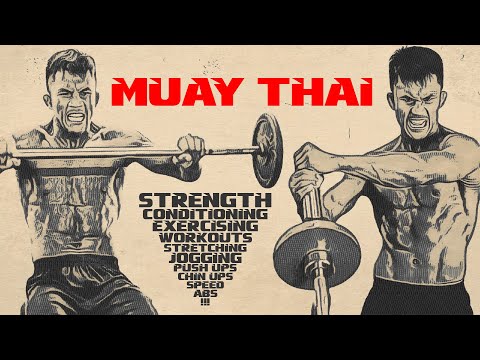
Mastering Muay Thai: The Ultimate Guide to Strength, Power, and Conditioning

Welcome, fellow warriors, to a session dedicated to the very engine of the Nak Muay: strength, power, and conditioning. Many approach their physical training as a mere afterthought, a grim necessity to endure rounds. But I tell you, true mastery of Muay Thai, of any combat art, is forged in the crucible of intelligent, targeted physical development. This isn't just about lifting weights; it's about building a weaponized body – resilient, explosive, and endlessly capable.

We often see fighters who possess incredible technique but lack the raw physical attributes to implement it effectively under pressure. Are you one of them? Do you find yourself gassed after a few intense exchanges? Does your power falter as the rounds progress? If so, this lesson is for you. We will dissect the core components of a potent Muay Thai physique, drawing from the wisdom of seasoned trainers and the hard-won experience of champions. Prepare to have your assumptions challenged and your training revolutionized.

Table of Contents

The Foundation: Why Physicality is Paramount in Muay Thai

A Nak Muay is not merely a technician of kicks and elbows; they are an embodiment of explosive power and unyielding resilience. In the brutal arena of Muay Thai, where every exchange can be decisive, raw physicality isn't a bonus – it's a prerequisite. A fighter must be explosive. Actions must be fast, delivered with devastating intent.

In both training and fighting, we learn to move with precision and speed, but critically, we must also move with explosive power. This requires a fundamentally different approach to training than one might adopt for mere general fitness. The muscular structure needs to be powerful, flexible, and fast. Big muscles, often pursued for aesthetic reasons, are of limited use if they are slow and cumbersome. This is the core philosophy that separates elite combat athletes from the merely fit.

Muay Thai and Muscle: Beyond Aesthetics

The discussion around strength training for combat sports, especially for an art as demanding as Muay Thai, often gets mired in misunderstandings. Many practitioners believe that building significant muscle mass will slow them down, hindering the lightning-fast movements and explosive power essential for the sport. This is a flawed perspective born from training for aesthetics rather than for function.

My years of working with a diverse range of athletes – from seasoned wrestlers like Piet Kanters and Henk van der Stoep, to professional rugby players and American football pros – have taught me a crucial lesson. Arthur Mulder, a brilliant athletic trainer and physiotherapist, was instrumental in shaping this understanding. The principles of strength training for combat are not aligned with those for bodybuilding. Every resistance training session must be built upon functional movements that directly translate to fighting prowess. We are not aiming for gargantuan biceps; we are aiming for a muscular structure that is powerful, flexible, and fast.

The Great Debate: Do We Really Need Jogging?

03:02 - This is a question that sparks fervent debate among coaches and athletes alike. Traditionalists often swear by long-distance jogging as a cornerstone of conditioning for any combat sport. However, when you analyze the physiological demands of Muay Thai – the short, intense bursts of power, the rapid footwork, the explosive clinch exchanges – the efficacy of steady-state cardio comes into question.

While jogging can improve general cardiovascular health and build a base level of aerobic fitness, it doesn't adequately replicate the specific energy systems utilized in a fight. The high-intensity, anaerobic demands of Muay Thai require a different kind of conditioning. Is jogging completely useless? Perhaps not entirely, but it should not be the primary or sole focus of a fighter's endurance training. We must prioritize methods that build the capacity for explosive power and rapid recovery.

The Ubiquitous Jump Rope: A Fighter's Best Friend

04:20 - If there is one piece of equipment that transcends almost all combat sports, it is the humble jump rope. For Muay Thai, it is practically indispensable. Skipping rope is a phenomenal tool for developing a multitude of physical attributes crucial for the Nak Muay.

Firstly, it is an exceptional cardiovascular conditioner. It elevates the heart rate, improves stamina, and builds the aerobic base necessary for enduring multiple rounds. Secondly, it hones footwork and coordination. The rhythmic bouncing, the precise timing required to avoid tripping, and the constant adjustment of foot placement translate directly to improved agility and evasiveness in the ring. Thirdly, it builds ankle and calf strength and resilience, areas often subjected to significant stress in Muay Thai. Skipping rope is a simple, cost-effective, and profoundly effective method for building the fundamental physical capacity required to excel.

Forging Unyielding Endurance: The Heart of the Champion

05:40 - Endurance in Muay Thai is not merely about lasting the distance; it's about maintaining peak performance throughout. It's about having the stamina to deliver powerful strikes even in the championship rounds, to defend effectively when fatigued, and to recover quickly between exchanges. Simply put, a fighter with superior endurance often holds a significant advantage.

Beyond the basic cardiovascular benefits, endurance training in Muay Thai must focus on developing the body's ability to sustain high-intensity efforts and resist fatigue. This involves a combination of aerobic conditioning (like the jump rope) and more specific anaerobic methods.

The Art of Explosiveness: Interval & Speed Training

05:56 - This is where we begin to sculpt the explosive fighter. Interval training and speed workouts are designed to mimic the stop-start, high-intensity nature of combat. The goal is to train the body to perform at maximum capacity for short durations, with minimal recovery time, and then to recover quickly enough to repeat the effort.

Interval Training in Thai Boxing (05:56): This typically involves alternating between periods of intense work (e.g., heavy bag rounds, sprint intervals, plyometrics) and brief recovery periods. The intensity is high, pushing your anaerobic threshold. This trains your body to become more efficient at clearing lactate and to sustain explosive efforts.

Muay Thai Speed Workout (06:40): This focuses specifically on increasing the velocity of movement. Think rapid pad work, explosive shadow boxing focusing on fast combinations, and drills designed to shorten movement times. The emphasis here is on maximal speed, even if it means slightly fewer repetitions compared to endurance intervals.

These methods are crucial for developing the kind of lightning-fast reactions and devastating power that define a true Nak Muay.

Unlocking Raw Power: Strength Training Principles

07:00 - Power, in the context of combat, is the ability to exert maximal force in the shortest possible time. It is strength applied rapidly. Simply being strong is insufficient; you must be able to deploy that strength with explosive speed. This is where dedicated power and strength workouts come into play.

The principles of training for power are distinct. We focus on compound, functional movements that engage multiple muscle groups simultaneously, mirroring the kinetic chains used in striking. Exercises like:

  • Olympic Lifts (or variations): Cleans, snatches, and jerks (when performed correctly) are unparalleled for developing explosive triple extension (hips, knees, ankles).
  • Medicine Ball Throws: Excellent for developing rotational power and explosive core engagement, directly applicable to punches and kicks.
  • Plyometrics: Box jumps, broad jumps, and explosive push-ups train the neuromuscular system to recruit muscle fibers rapidly.

It is vital that these movements are executed with maximal intent and speed. The weight should be challenging but allow for explosive execution, not slow, grinding repetitions.

Beyond Reps and Sets: Tactical and Circuit Training

07:22 - True martial arts training integrates physical conditioning with tactical application. This is where the concepts of tactical training and circuit training become invaluable.

Muay Thai Tactical Training (07:22): This involves conditioning drills that simulate specific fight scenarios. For example, a drill might involve defending against a barrage of punches, transitioning to a clinch, executing knee strikes, and then breaking away – all performed under fatigue. It integrates physical exertion with strategic decision-making and technique execution.

Circuit Training in Thai Boxing (07:56): Circuit training involves performing a series of different exercises back-to-back with minimal rest between them, then resting for a longer period at the end of the circuit before repeating. This is an efficient way to build both muscular endurance and cardiovascular fitness simultaneously. A Muay Thai circuit might include stations for heavy bag work, shadow boxing, push-ups, squats, core exercises, and rope skipping, flowing from one to the next.

These methods ensure that your physical conditioning directly supports your ability to fight intelligently and effectively.

The Strategic Mind: Periodization in Martial Arts

08:47 - Perhaps one of the most overlooked aspects of athletic development, especially in individual combat sports, is strategic planning through periodization. Simply training hard all year round is a recipe for burnout, injury, and plateaued performance.

Periodical Martial Arts Training and Planning: Periodization involves structuring your training into distinct phases, each with specific goals. This might include:

  • General Preparation Phase: Building a broad base of strength, endurance, and fundamental skills.
  • Specific Preparation Phase: Focusing on the unique demands of Muay Thai, increasing intensity, and refining techniques under fatigue.
  • Competition Phase: Peaking for upcoming fights, reducing volume while maintaining intensity and sharpness.
  • Transition/Recovery Phase: Active rest and recovery to allow the body and mind to recuperate before the next training cycle.

A well-planned periodized program ensures that you arrive at your peak performance when it matters most, preventing overtraining and maximizing long-term progress. It’s about working smarter, not just harder.

Sean's Must-Have Exercises for Muay Thai

09:40 - When asked about the absolute essential exercises for any Muay Thai practitioner, the focus must always be on functional strength and explosive power. These aren't just random movements; they are foundational building blocks for a powerful Nak Muay.

"The principles of strength training are not the same way those for fitness training. Every resistance training is based on functional movements. Big muscles are of no use. Our muscular structure needs to be powerful, flexible and fast."

Drawing from this philosophy, the key exercises revolve around developing the entire kinetic chain:

  • Compound Lifts: Squats, deadlifts (or trap bar deadlifts for reduced technical demand), and overhead presses build overall strength and muscle mass in a functional manner.
  • Explosive Movements: Kettlebell swings, medicine ball slams, and plyometric jumps are critical for developing power.
  • Rotational Power: Russian twists, wood chops, and rotational medicine ball throws enhance the power behind punches and kicks.
  • Grip and Forearm Strength: Essential for clinch work and maintaining control.
These exercises, when programmed correctly within a periodized plan, form the bedrock of a fighter's physical arsenal.

The Unshakeable Core: Muay Thai Abs Training

10:44 - The core is the powerhouse of every strike, every defensive maneuver, and every balance adjustment in Muay Thai. A strong, stable core acts as the central link between the lower and upper body, allowing for efficient transfer of force and providing a solid base for power generation. Neglecting core training is akin to building a skyscraper on a weak foundation.

Muay Thai abs training goes beyond the standard crunch. We need exercises that challenge the core in multiple planes of motion and engage it under load:

  • Planks (and variations): Front, side, and dynamic planks build isometric strength and endurance.
  • Hanging Leg Raises: Excellent for developing lower abdominal strength and hip flexor control.
  • Wood Chops (with cable or band): These develop rotational strength and oblique power, crucial for striking.
  • Ab Wheel Rollouts: A highly effective exercise for challenging the entire core musculature.
  • Cable Crunches: When performed explosively, these can help develop dynamic core strength.

A consistent and varied core routine is non-negotiable for any serious Muay Thai practitioner.

Bodyweight Mastery: Push-ups and Chin-ups

11:32 - While weighted training has its place, the mastery of fundamental bodyweight exercises like push-ups and chin-ups remains paramount. These exercises, when performed correctly, are incredibly effective for building upper body strength, power, and endurance—all critical components for Muay Thai.

Muay Thai Push Ups (11:32): Standard push-ups build chest, shoulder, and triceps strength. However, variations are key for combat athletes. Consider explosive push-ups (plyometric), diamond push-ups (for triceps emphasis), and wide-grip push-ups (for chest development). They are vital for powerful punches and effective defensive posture.

Muay Thai Chin Ups (12:44): Chin-ups and pull-ups are arguably the king of upper body pulling exercises. They build back strength (lats, rhomboids), biceps, and forearms. This is crucial for clinch control, defending takedowns (though less common in Muay Thai, the principle applies to controlling an opponent's posture), and generating power in pulling movements. If standard chin-ups are too difficult, assisted variations or negatives can be used.

The Controversial Stretch: To Stretch or Not to Stretch?

13:30 - The role of stretching in athletic preparation is a topic fraught with conflicting advice. Some argue it's essential for flexibility and injury prevention, while others claim it can decrease power output if performed incorrectly or at the wrong time.

#SeanAnswers: Do we really need stretching in Muay Thai? My answer is a qualified yes. Stretching is indeed necessary, but how and when you stretch matters immensely. Pre-workout, static stretching (holding a stretch for an extended period) can temporarily reduce muscle power and potentially increase the risk of injury if the muscles are not adequately warmed. Instead, dynamic stretching, which involves moving joints through their full range of motion, is far more beneficial as part of a warm-up.

Post-workout or on recovery days, static stretching can be highly effective for improving flexibility, aiding muscle recovery, and restoring the body to a neutral state. The goal is not to be rubbery, but to have a functional range of motion that allows for powerful, unrestricted movement.

A Comprehensive Muay Thai Stretching Program

14:43 - A well-rounded flexibility program is crucial for optimizing performance and minimizing injury risk in Muay Thai. This program should target the key muscle groups used in striking, clinching, and defending.

Here is a sample full-body Muay Thai stretching program, best performed after training or on recovery days:

  1. Neck Rolls: Gentle rotations to relieve tension.
  2. Shoulder Stretches: Cross-body arm stretch, overhead triceps stretch.
  3. Chest Stretch: Doorway chest stretch.
  4. Torso Twists: Seated or standing, to improve spinal mobility.
  5. Hip Flexor Stretch: Kneeling lunge stretch.
  6. Hamstring Stretch: Seated forward fold or standing hamstring stretch.
  7. Quadriceps Stretch: Standing quad pull.
  8. Calf Stretch: Gastrocnemius and soleus stretches against a wall.
  9. Inner Thigh Stretch (Adductors): Butterfly stretch or straddle stretch.
  10. Glute Stretch: Figure-four stretch or pigeon pose.
  11. Wrist and Finger Stretches: Gentle flexion and extension.

Hold each stretch for 20-30 seconds, focusing on deep, relaxed breathing. The goal is to improve flexibility without compromising strength or power.

Sean Douglas's Post-Training Protocol

19:17 - The work doesn't end when the training session is over. Recovery is where the body adapts and grows stronger. Neglecting recovery is like forging a blade and then leaving it to rust. Sean Douglas, a fighter who understands this intimately, emphasizes a comprehensive post-training routine.

While the exact details of his protocol are extensive, the core principles revolve around:

  • Active Recovery: Light movement, such as walking or gentle cycling, to promote blood flow and remove metabolic waste.
  • Stretching and Mobility: Addressing muscle tightness and restoring range of motion (as discussed above).
  • Nutrition: Replenishing glycogen stores and providing protein for muscle repair. Proper hydration is also paramount.
  • Sleep: The most critical recovery tool. Aim for 7-9 hours of quality sleep per night.
  • Hydrotherapy (optional): Contrast showers or ice baths can aid in reducing inflammation and speeding up recovery.

Treating your body with respect during the recovery phase is as important as the intensity of your training.

The Fighter's Physique: Functional Movement Over Big Muscles

The overarching philosophy that emerges from this deep dive into Muay Thai conditioning is clear: functional strength and explosive power trump brute size. The goal is not to look like a bodybuilder, but to move like a lethal weapon.

A proper strength program is built as follows:

  • Basic Strength: Building a foundational level of muscular strength across all major movement patterns.
  • Speed Training: Enhancing the rate of force development for quick, powerful actions.
  • Combined Strength and Speed Training: Integrating power development into strength exercises (e.g., jump squats, plyometric push-ups).
  • Flexibility: Ensuring a full, unrestricted range of motion for optimal technique and injury prevention.
  • Endurance Strength Training: The ability to sustain muscular effort over extended periods, crucial for grappling and clinching.
  • Tendon Training: A lesser-known but vital aspect, focusing on strengthening the connective tissues that bear the brunt of explosive movements.

It is imperative to understand that strength training for fighting has evolved into a specialized discipline focused on improving the quality and efficacy of fighting movements. As Arnaud van der Veere notes in his book "Muay Thai," the objective is to develop a physique that is not just strong, but fighting strong.

Essential Equipment for Your Muay Thai Training

To truly maximize your strength, power, and conditioning for Muay Thai, having the right tools can make a significant difference. While the Nak Muay spirit emphasizes adaptability, certain equipment enhances training efficacy:

  • Hand Wraps and Boxing Gloves: Essential for protecting your hands and wrists during striking drills. Look for gloves suitable for sparring (14-16oz) and lighter gloves for pad work.
  • Jump Rope: A high-quality speed rope is invaluable for cardiovascular and footwork conditioning.
  • Medicine Ball: For explosive rotational power and core training. Weighted balls are ideal.
  • Resistance Bands: Versatile for warm-ups, mobility work, and strength-specific exercises.
  • Kettlebells: Excellent for dynamic strength and conditioning movements like swings and cleans.
  • Gym Access (Optional but Recommended): For compound lifts like squats, deadlifts, and overhead presses, as well as weight machines for targeted muscle development.
  • Shin Guards and Mouthguard: Crucial for sparring safety.

Investing in good quality equipment is an investment in your training and your longevity as a fighter. Consider looking for durable Muay Thai merchandise to keep your spirit high.

Frequently Asked Questions

Q1: How often should I do strength training for Muay Thai?
A1: For most practitioners, 2-3 sessions of strength and conditioning per week, integrated with your Muay Thai technical training, is optimal. Avoid heavy lifting on the same day as intense sparring or technical sessions.

Q2: Can I build power without lifting heavy weights?
A2: Absolutely. Explosive bodyweight exercises (plyometrics), medicine ball work, and fast-paced, high-intensity interval training can develop significant power. Weight training is beneficial but not the only path.

Q3: Is it okay to do my strength training before or after my Muay Thai class?
A3: It depends on your goals and energy levels. Doing it after class can be effective for prioritizing technique, but ensure you have adequate nutrition and recovery. Doing it before can fatigue you for technical work. Many find separate days or splitting sessions to be ideal.

Q4: How do I balance Muay Thai technical training with strength and conditioning?
A4: Prioritize. If you have a fight approaching, technique and sparring often take precedence. For general development, balance is key. Listen to your body and adjust volume and intensity accordingly. Periodization is your best friend here.

Q5: What is the most important physical attribute for a Muay Thai fighter?
A5: While all are important, the ability to combine explosive power with sustained endurance is often the deciding factor. This means your conditioning must support your ability to generate force rapidly, round after round.

Sensei's Reflection: Your Next Step

You have now traversed the landscape of Muay Thai strength, power, and conditioning. We’ve moved beyond the simplistic notion of just "training hard" to understand the nuanced science of building a truly formidable fighting physique. From the debated necessity of jogging to the critical importance of explosive movements and intelligent recovery, the path is laid out.

But knowledge without application is merely academic. The true test lies in your commitment to implement these principles. Will you continue to train haphazardly, hoping for results, or will you embrace a structured, intelligent approach?

Sensei's Reflection: Your Next Step

Consider this: The next time you step onto the training mats, are you merely going through the motions, or are you actively engaged in building the specific physical attributes that will make you a more dangerous, resilient, and effective Nak Muay? Identify one area discussed today – be it your core strength, your explosive power, or your endurance capacity – and commit to improving it this week. How will you translate this knowledge into tangible action?

Deepen Your Journey

To continue honing your martial spirit and physical prowess, explore these related topics:

``` GEMINI_METADESC: Unleash your potential with this comprehensive guide to Muay Thai strength, power, and physical training. Explore essential exercises, conditioning techniques, and the philosophy behind building a truly explosive Nak Muay.
Gong Baotian's "Dui Lian" System: Unveiling the Secrets of Baguazhang's Paired Training (Part 2)

The Legacy of Gong Baotian: A Phantom Master's Teachings

Hello and welcome, fellow warriors, to a deep dive into the profound world of martial arts. Today, we uncover the legacy of a master whose very existence seems to have blurred into legend – Gong Baotian. Often referred to as the "phantom master," his influence on Baguazhang, particularly its intricate paired training methods, is undeniable. This article, a continuation of our exploration from the May 2022 issue of Hiden Magazine, delves into the specific techniques he passed down, offering a glimpse into a system that has captivated martial artists for generations.

In the world of martial arts, where authenticity and lineage are paramount, the teachings of masters like Gong Baotian stand as pillars of knowledge. His unique approach to Baguazhang, especially the concepts of Dui Lian (paired training), offers invaluable insights for practitioners seeking to enhance their combat effectiveness and deepen their understanding of internal martial arts. We will explore the essence of these techniques, how they foster sensitivity, timing, and power, and why they remain relevant even in today's dynamic martial landscape.

Unlocking Paired Training: Chuan Zhang and Chan Bang Zi

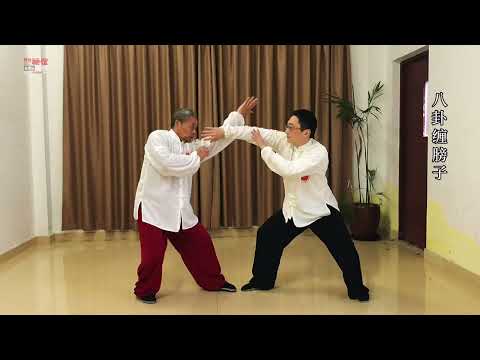
The second installment of our feature from Hiden Magazine, "The Complete Baguazhang of Gong Baotian, as told by Master Wang Hanzhi (Part 2)," focuses on two critical elements of Gong Baotian's unique system: Chuan Zhang (穿掌 - Intercepting Palms) and Chan Bang Zi (纏膀子 - Coiling Arms). These are not mere exercises; they are sophisticated drills designed to cultivate specific skills essential for effective combat and the development of internal power.

"The true essence of martial arts lies not just in the offensive power, but in the sensitivity and adaptability developed through interaction with an opponent." - A principle often echoed by masters of internal arts.

These paired training methods are the crucible where theory meets practice. They bridge the gap between solo forms (kata or taolu) and the unpredictable nature of actual combat. By engaging in Dui Lian, practitioners learn to respond, adapt, and generate force dynamically, honing their ability to sense an opponent's intentions and react accordingly.

Chuan Zhang: The Art of Intercepting Palms

Chuan Zhang, literally "piercing palms" or "intercepting palms," is a foundational paired exercise within Gong Baotian's system. This drill involves two practitioners facing each other, their palms continuously moving, striking, and defending in a forward and backward motion. The objective is to develop a keen sense of timing, distance, and the ability to both attack and defend simultaneously.

Imagine two snakes, their heads constantly probing, ready to strike or deflect. That is the essence of Chuan Zhang. It trains the practitioner to feel the opponent's energy and intention, intercepting their movements before they fully manifest. This sensitivity, known as Ting Jin (listening energy) in other internal arts, is crucial. It allows for preemptive defense and opportunistic counter-attacks.

The beauty of Chuan Zhang lies in its simplicity yet profound complexity. While initially practiced between two individuals, its principles can be scaled up. As practitioners become more adept, they can engage in group drills, enhancing their awareness of multiple attackers. This adaptability makes it a vital component for real-world self-defense scenarios. Mastering Chuan Zhang is not about brute force, but about fluid transitions and precise application of energy.

Chan Bang Zi: Mastering Spiraling Arm Energy

Complementing Chuan Zhang is Chan Bang Zi, or "coiling arms." This exercise involves the arms of both practitioners spiraling and interlinking. It's a dynamic form of Gong Shou Dao (the way of extending hands) that focuses on developing the characteristic spiraling power inherent in Baguazhang. Through this continuous, interwoven movement, practitioners learn to generate and redirect force along circular paths.

Think of it as weaving a fabric of energy with your training partner. Your arms entwine, resist, and yield, creating a constant flow of motion. This drill is instrumental in teaching how to harness the body's rotational power and channel it through the arms. It emphasizes the principle of yielding to overcome force, redirecting an opponent's momentum rather than meeting it head-on.

Chan Bang Zi teaches practitioners to maintain structural integrity while undergoing constant change. It cultivates the ability to absorb an incoming force and immediately transform it into a counter-attack, all within a continuous, flowing motion. This mastery of spiraling energy is a hallmark of skilled Baguazhang practitioners and is fundamental to Gong Baotian's effective system.

Master Wang Hanzhi and the Shanghai Baguazhang Association

The insights into Gong Baotian's Baguazhang are directly transmitted through Master Wang Hanzhi, a distinguished practitioner and inheritor of the lineage. As a key figure in the Shanghai Baguazhang Association, Master Wang plays a vital role in preserving and propagating this rich martial tradition. The association itself serves as a hub for dedicated practitioners, ensuring that the knowledge passed down through generations remains accessible and alive.

The Shanghai Baguazhang Association is more than just a training facility; it's a community dedicated to the art. By visiting and learning from Master Wang, the researchers behind Hiden Magazine have brought to light the practical application and philosophical depth of Gong Baotian's teachings. Their efforts ensure that the "phantom master's" legacy continues to influence and inspire.

You can learn more about their work and connect with the association through their official website: Shanghai Baguazhang Association.

The Spirit of Hiden Magazine

This exploration into Gong Baotian's Baguazhang is brought to you in conjunction with Monthly Hiden (月刊『秘伝』), a renowned Japanese martial arts magazine. For decades, Hiden has been dedicated to preserving and disseminating the "wisdom of the body" passed down through ancient traditions. Its pages cover a vast spectrum of martial arts, from the esoteric to the contemporary, including Jujutsu, Kenjutsu, Iaido, Aikido, Judo, Karate, and global traditional martial arts, self-defense techniques, healing arts, and physical development methods.

Monthly Hiden, released on the 14th of each month, is a treasure trove for anyone serious about martial arts. Their commitment to depth and authenticity is unparalleled. You can find more of their extensive content on their official website: WEB HIDEN and follow them on various platforms like Facebook and Twitter (@hiden_b).

The content presented here also reflects the broader mission of BUDOJAPAN.com, which aims to introduce Japanese martial arts and culture to a global audience. Through articles and videos, they provide free access to valuable information, further enriched by the detailed content on WEB HIDEN. It’s through these dedicated channels that the fire of martial arts tradition is kept burning brightly.

Essential Training Gear for Baguazhang

While Baguazhang, particularly in its paired training aspects like Chuan Zhang and Chan Bang Zi, emphasizes sensitivity and internal energy over brute force, proper attire and basic equipment can significantly enhance your practice. For Baguazhang, like many internal arts, comfort and freedom of movement are key. Consider the following:

  • Lightweight, Breathable Uniform (Gi/Dogi): Opt for a uniform made from cotton or a cotton blend that allows for maximum flexibility and ventilation. This is crucial for dynamic movements and long training sessions.
  • Comfortable Footwear: Traditional Baguazhang is often practiced barefoot or in soft-soled martial arts shoes to improve ground connection and footwork. If practicing on harder surfaces, consider flat-soled, flexible shoes that mimic the feel of being barefoot.
  • A Dedicated Training Space: While not strictly "gear," having a clear, unobstructed space is vital. This could be a corner of your living room or a dedicated workout at home space. Ensure you have enough room to move in circles and practice the coiling arm movements without hitting furniture.
  • Optional: Training Mats: For floor work or if practicing in a space with a hard floor, consider using simple exercise mats for added comfort and safety.

Training Guide: Chi Shou (Pushing Hands) Drills

Chuan Zhang and Chan Bang Zi are advanced forms of paired training, often built upon foundational exercises like Chi Shou (Pushing Hands). Here’s a basic outline to get you started with fundamental pushing hands drills that echo the principles found in Gong Baotian's methods:

  1. Basic Stance and Connection: Start in a stable stance (e.g., Horse Stance or a natural Bagua stance). Connect your forearms and hands with your partner, establishing a light, but firm contact.
  2. Yielding and Rooting: Practice absorbing your partner's forward push by yielding backward, maintaining your root. Feel their force and redirect it, rather than meeting it directly. This is the foundation of Ting Jin.
  3. Forward Pressure and Control: Practice applying gentle, continuous forward pressure. The goal isn't to push your partner over forcefully, but to maintain contact and control their center. Observe how they react and try to find their balance point.
  4. Circular Movements: Introduce small circular movements with your hands and arms while maintaining contact. This begins to simulate the spiraling nature of Chan Bang Zi. Practice moving your center (around which Baguazhang practitioners famously circle) while maintaining this connection.
  5. Intercepting Practice (Simplified Chuan Zhang): As you practice yielding and applying pressure, begin to introduce light, probing strikes or deflections aimed at intercepting your partner's intended movement. This is a simplified precursor to Chuan Zhang. Focus on timing and sensitivity.
  6. Breathing and Intention: Coordinate your breath with your movements. Inhale as you receive or yield, exhale as you press or strike. Maintain a clear intention in each movement, whether it’s to deflect, control, or probe.

Remember, the key is continuous, relaxed practice. These drills are designed to develop sensitivity and responsiveness, not to win a contest. Patience and consistency are your greatest allies.

Veredict of the Sensei: Is Gong Baotian's Legacy Alive?

The techniques of Chuan Zhang and Chan Bang Zi, as preserved and taught by Master Wang Hanzhi, are a testament to the enduring power of Gong Baotian's martial system. This isn't just historical trivia; it's living, breathing martial arts knowledge. The emphasis on sensitivity, dynamic interaction, and internal energy development is precisely what makes internal martial arts so potent for both self-defense and personal cultivation.

The fact that these methods are still being practiced and taught today, with dedicated associations and magazine features, indicates that Gong Baotian's influence is far from a phantom. His legacy is tangible, accessible to those willing to seek it out and dedicate themselves to its practice. The Hiden Magazine feature and the work of Master Wang serve as crucial bridges, connecting us to this profound lineage.

Cinturón Negro en Profundidad Marcial: This detailed exploration into the paired training of Baguazhang, highlighting specific techniques and their philosophical underpinnings, is exactly what practitioners seek. It provides practical knowledge rooted in a rich history, demonstrating the continued relevance of traditional systems.

Frequently Asked Questions

  • What is "Dui Lian" in martial arts?
    "Dui Lian" (対練) literally translates to "paired training." It refers to drills where two practitioners engage in cooperative or semi-cooperative exercises to develop specific martial skills, such as timing, sensitivity, distance control, and power generation.
  • Is Baguazhang effective for self-defense?
    Yes, Baguazhang, when practiced correctly and with a focus on practical application, is highly effective for self-defense. Its circular movements, evasive footwork, and emphasis on redirecting an opponent's force allow for sophisticated defense and counter-attack strategies. Techniques like Chuan Zhang directly address intercepting an opponent's attack.
  • What is the difference between Chuan Zhang and Chan Bang Zi?
    Chuan Zhang focuses on the continuous striking and intercepting of palm movements, developing offensive and defensive timing. Chan Bang Zi emphasizes the spiraling, coiling, and interlocking of arms to cultivate rotational power and the ability to change energy dynamically. Both are forms of Dui Lian, but they train different aspects of internal martial skill.
  • Where can I find authentic Baguazhang training?
    Finding authentic training requires diligent research. Look for reputable martial arts schools that explicitly teach Baguazhang and have clear lineage. Consulting resources like Hiden Magazine, BudoJapan.com, and contacting official Baguazhang associations (like the Shanghai Baguazhang Association) are good starting points.

Further Learning

To continue your journey into the depths of martial arts knowledge, explore these related topics:

  • BUDO and the Philosophy of Japanese Martial Arts
  • The Principles of Karate Spirit: Beyond Physical Techniques
  • Understanding Ki (Qi) in Martial Arts Training
  • Historical Context: The Evolution of Artes Marciales
  • Training Strategies for Enhancing Strength and Endurance

Reflexión del Sensei: Tu Próximo Paso

Gong Baotian's "phantom" techniques offer a glimpse into a martial art that prioritizes sensitivity, adaptability, and the seamless integration of offense and defense. The principles of Chuan Zhang and Chan Bang Zi are not confined to Baguazhang; they are universal concepts applicable to any martial discipline. When you face a partner, whether in formal training or in a sparring match, do you truly "listen" with your hands and body? Or do you simply react with pre-programmed movements? The true mastery lies in the awareness and responsiveness cultivated through interaction. How will you begin to hone your sensitivity today?

``` GEMINI_METADESC: Explore Gong Baotian's legendary Baguazhang paired training (Dui Lian) with Chuan Zhang and Chan Bang Zi, detailed by Master Wang Hanzhi and Hiden Magazine.

Old School Karate vs. Modern Karate Tournaments: A Sensei's Uncompromising Verdict

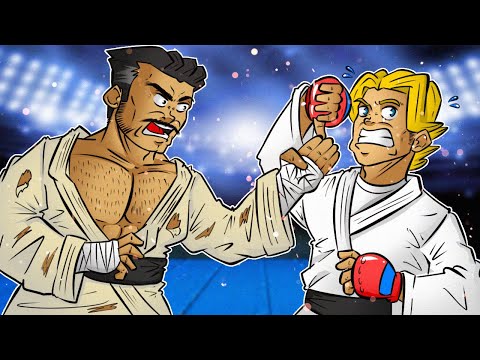
Greetings, seekers of martial truth. Today, we confront a question that echoes through the hallowed halls of dojos worldwide: has the evolution of Karate, particularly in its competitive arenas, diluted its effectiveness? We have invited a voice from the trenches of this debate to dissect the stark contrasts between the raw potency of old-school Karate and the refined, yet perhaps sanitized, methodologies of its modern iteration. Prepare yourselves, for this is not a gentle discussion but a rigorous examination designed to sharpen your understanding of what true martial arts entail.

The Shifting Sands of Karate

The question that hangs heavy in the air is blunt: Is Karate becoming less effective? Many believe the answer is a resounding 'yes'. The pursuit of sport, of points and medals, often leads practitioners down a path where the visceral realities of combat are smoothed over, replaced by rules that prioritize spectacle over survival. We will delve into this uncomfortable truth, comparing the warrior spirit of yesteryear with the athletic prowess of today.

Deconstructing the Evolution: Effectiveness and Philosophy

The transition from "old-school" to "modern" Karate is not merely a change in rules; it's a philosophical chasm. Old-school tournaments, for those who experienced them or have studied their history, were often brutal affairs. The emphasis was on decisive techniques, on landing a blow that could end a confrontation. Modern Karate, especially within the Olympic framework, has embraced a more controlled, points-based system. This shift, while fostering wider participation and athletic development, inevitably raises questions about whether the "heart" of Karate has been compromised. Have we traded the devastating power of a well-placed strike for the fleeting glory of a judges' decision?

"The true warrior is not one who wins a thousand battles, but one who defeats himself." - A principle often forgotten in the clamor for victory.

The Lost Art of Potency: Old School Techniques Examined

Were the techniques of old-school Karate truly more 'badass'? In many respects, yes. The training regimens were often harsher, the application of techniques less forgiving. Imagine striking a makiwara until your knuckles bled, or practicing breaking techniques that could shatter bone. This wasn't about scoring points; it was about forging a weapon out of flesh and bone. Techniques like Nukite, the spear-hand strike designed to pierce vital areas, or the sheer force required to break bricks and boards, spoke of a direct confrontation with the limits of the human body and the brutal efficacy of the art. These methods instilled a different kind of confidence – one born not of rules, but of raw, unadulterated power.

External Influences: How Savate Reshaped the Dojo

The evolution of any art is rarely an isolated phenomenon. The influence of other combat systems is undeniable. The integration of elements from Savate, a French kickboxing style known for its sophisticated kicking techniques, is a prime example of how external forces can reshape Karate. While Savate brought its own unique flavor, the question remains: was this an enrichment or a dilution? Did adopting certain kicking strategies, perhaps influenced by systems like Savate, steer Karate away from its original, more direct striking principles? This cross-pollination is a complex aspect of martial arts history, leading to both innovation and a loss of distinctiveness.

A Balanced Critique: Flaws and Strengths of Both Eras

No art is perfect, and both old-school and modern Karate have their inherent flaws and undeniable strengths. The flaws of old-school Karate are perhaps more apparent to the modern eye: a potential for excessive brutality, less emphasis on athletic conditioning, and sometimes a rigid adherence to tradition that stifled innovation. Yet, its strength lay in its uncompromising effectiveness. Modern Karate, conversely, excels in athleticism, broader accessibility, and a safer competitive environment. However, its weaknesses are the very points of contention: the sanitization of techniques, the removal of vital elements like takedowns, and a potential disconnect from practical self-defense. It is a delicate balance, and the scales often tip towards safety and sport over combat readiness.

The Great Divide: Sparring, Takedowns, and Olympic Ideals

The prohibition of takedowns in modern Karate competitions is a critical point of divergence. The original art was a comprehensive system of striking, grappling, and even weapon defense. To remove the threat and utility of a takedown is to fundamentally alter the nature of the confrontation. We’ve seen instances, such as the 2020 Olympic disqualification for a knockout kick, that highlight the fine line between powerful technique and rule violations. This begs the question: are we training to fight, or training to win under specific, often artificial, constraints? The modern emphasis on controlled sparring, while safer, may not adequately prepare practitioners for the chaos of a real confrontation where such constraints do not exist.

"The ultimate aim of Karate is not the victory or defeat, but the perfection of the character of its participants." - A noble sentiment, but one that must be grounded in the reality of the art's combative origins.

Beyond the Mat: Extreme Training Regimens of Yesteryear

The training methods of old-school Karate were, to put it mildly, hardcore. We're talking about performing grueling exercises for abdominal strength that would make modern athletes wince. Punching and kicking trees to toughen limbs and develop power? Absolutely. The idea of "super heavy Karate shoes for training" might sound bizarre today, but it speaks to a willingness to embrace discomfort and unusual methods to forge resilience. Even the concept of breaking bricks and boards (Tameshiwari) was not merely for show, but a practical application of generating focused power, with techniques like Nukite being honed for devastating effect. Was cardio a focus? While perhaps not in the structured way we understand it today, the sheer intensity of these older training methods certainly built formidable endurance. The notion of using weights for punching, however, is something to be approached with extreme caution, as it can lead to injury if not performed correctly.

Karate's Historical Clashes: Facing Boxing and Beyond

Historically, Karate masters were not afraid to pit their art against others. The comparison with Boxing is a fascinating one. How did Karate fare when its practitioners, accustomed to different ranges and power generation, faced the seasoned pugilists of the West? The use of Makiwara, the dedicated striking posts, was integral to developing bone density and punching power in Karate, a stark contrast to the padded gloves of boxing. Yet, there were also significant flaws identified in Karate's approach, leading to continuous refinement. Some practices, like punching students as they performed kata, or pushing the limits of kata execution to its absolute extreme, highlight a dedication that bordered on self-flagellation, all in the name of mastery.

The True Essence: Bunkai and Self-Defense Rediscovered

This brings us to the core of the debate: Bunkai, the practical application of kata techniques for self-defense. When were takedowns truly lost from Karate? How did techniques involving knees, once a staple, become marginalized? The inclusion of throwing knives in some older systems of Karate might seem outlandish, but it reflects a commitment to a holistic self-defense system. Modern Karate, in its competitive guise, often struggles to bridge the gap between stylized movements and the brutal necessities of real-world encounters. While modern Karate certainly has its place for fitness and discipline, its effectiveness in a life-or-death situation is a question that continues to fuel debate among practitioners.

Veredicto del Sensei: ¿Evolución o Dilución?

The evolution of Karate from its old-school roots to its modern, often sport-focused, manifestation is a complex narrative. While the shift towards safer, more accessible competition is understandable and has merit for widespread participation, we cannot ignore the potential dilution of its combative essence. The removal of crucial elements like takedowns, the sanitization of techniques, and the focus on points over decisive action have, in my assessment, significantly altered the art. Modern Karate can be an excellent discipline for fitness, character development, and athletic achievement. However, if your goal is to acquire a martial art capable of dealing with the unpredictable violence of the street, you must look critically at what has been gained and, more importantly, what has been lost. Old school Karate, for all its roughness, often retained a closer connection to its combative origins. Modern Karate, in its Olympic form, risks becoming a beautiful, athletic dance rather than a potent self-defense system.

Cinturón Negro en Coreografía Deportiva, pero ¿en Combate Real? The jury is still out.

Equipo Esencial para tu Entrenamiento

While Karate's spirit transcends equipment, certain tools can enhance your journey, whether you're exploring old-school intensity or modern refinement.

  • Guantes de Entrenamiento de Medio Contacto: Para sesiones de sparring más controlado, protegen sin sacrificar demasiado la sensación del impacto.
  • Espinilleras y Empeineras: Esenciales para protegerse durante las patadas, especialmente si practicas formas de Karate que enfatizan las técnicas de piernas.
  • Karate Gi de Doble Tejido: Para aquellos que buscan la durabilidad y la sensación tradicional, un gi de mayor gramaje es ideal para la práctica intensa.
  • Makiwara Casero o Profesional: Si te inclinas por el entrenamiento de potencia de puño de la vieja escuela, un makiwara es indispensable.
  • Protector Bucal y Tibial: Elementos de seguridad no negociables si tu entrenamiento incluye contacto.
  • Kimono de Judo para Grappling: Si exploras las raíces del grappling en Karate o buscas complementar tu entrenamiento, un buen kimono de judo es clave.

Taller Práctico: Desarrollando la Fuerza del Núcleo

A strong core is fundamental, whether for delivering powerful strikes or maintaining balance during a takedown attempt. Here's an exercise inspired by the rigorous conditioning of older Karate traditions:

  1. Preparación: Encuentra un espacio despejado y una superficie cómoda (una esterilla de entrenamiento es ideal).
  2. Posición Inicial: Túmbate boca arriba con las rodillas flexionadas y los pies apoyados en el suelo. Coloca las manos entrelazadas detrás de la cabeza, o cruzadas sobre el pecho para mayor dificultad.
  3. Elevación del Tronco (Crunch): Contrae los músculos abdominales y levanta la cabeza y los hombros del suelo, manteniendo la zona lumbar pegada a la superficie. Exhala mientras te elevas.
  4. Pausa y Contracción: Mantén la posición elevada por un segundo, sintiendo la contracción máxima de tus abdominales.
  5. Descenso Controlado: Inhala mientras desciendes lentamente y de forma controlada de vuelta a la posición inicial. Evita dejar caer el cuerpo bruscamente.
  6. Variaciones de Dificultad:
    • Para aumentar la intensidad, puedes elevar las piernas del suelo (posición de "mesa").
    • Incorpora torsiones (Russian Twists) para trabajar los oblicuos.
    • Prueba el "Hollow Body Hold" si buscas un desafío de resistencia del core al estilo gimnasia.
  7. Repeticiones y Series: Comienza con 3 series de 15-20 repeticiones. A medida que tu fuerza mejore, aumenta progresivamente el número de repeticiones o series, o reduce los tiempos de descanso.
  8. Frecuencia: Integra este ejercicio 3-4 veces por semana, idealmente en días alternos para permitir la recuperación muscular.

Este tipo de entrenamiento, aunque aparentemente simple, forja la fuerza del núcleo necesaria para transmitir potencia a través de todo el cuerpo, una habilidad vital en cualquier forma de Karate.

Preguntas Frecuentes

¿Por qué se prohibieron las derribos en el Karate moderno?
La prohibición se introdujo principalmente para hacer el deporte más seguro, espectacular para los espectadores y para encajar mejor dentro de las reglas olímpicas. El grappling y las derribos introducen un nivel de contacto y complejidad que puede ser menos predecible y más peligroso en un entorno de competición centrado en puntos.

¿Es el Karate tradicional inútil para la defensa personal?
No necesariamente inútil, pero su aplicabilidad puede ser limitada si no se entrena específicamente para ello. Las katas contienen principios de defensa personal (bunkai), pero su interpretación y entrenamiento deben enfocarse en la eficacia práctica, no solo en la forma. El Karate moderno, especialmente el deportivo, a menudo se aleja de estas aplicaciones directas.

¿Es malo el entrenamiento con peso en los puños?
El entrenamiento con peso directamente en los puños (ej. sujetar mancuernas mientras golpeas) es generalmente desaconsejado por la mayoría de los maestros de artes marciales. Puede causar daño articular severo, tendinitis y otras lesiones graves. El desarrollo de la potencia en el puño debe venir de la técnica, la fuerza del cuerpo y el entrenamiento en superficies seguras como el makiwara.

¿Qué es el Nukite?
Nukite ( Spear Hand) es una técnica de mano abierta en Karate donde los dedos se mantienen unidos y rectos, y el golpe se dirige con la punta de los dedos. Se utiliza para atacar puntos vitales y puede ser extremadamente peligroso y efectivo si se ejecuta correctamente, con el objetivo de penetrar.

Para Profundizar en tu Camino

Reflexión del Sensei: Tu Próximo Paso

Has sido expuesto a una visión crítica de la evolución del Karate. Ahora te enfrentas a una elección: ¿aceptarás la narrativa deportiva y te deleitarás en la estética del movimiento, o buscarás las raíces de la eficacia marcial, incluso si eso significa enfrentarte a un entrenamiento más duro y a verdades incómodas? ¿Estás dispuesto a cuestionar lo que te han enseñado y a buscar la verdad más allá de las reglas de la competición? La espada de la duda ha sido desenvainada; ¿dónde la apuntas ahora?

Hello and welcome to Budo and Martial Arts, the most complete and updated martial arts blog on the internet. Follow us on social networks and do not forget to visit our main page: Martial Arts Journey We also invite you to visit our other blogs: Budo and Martial Arts YouTube

``` GEMINI_METADESC: A Sensei's critical analysis on the evolution of Karate, comparing old school effectiveness with modern sport Karate, questioning its combative essence and impact on self-defense.

The Unhittable Warrior: Decoding Trav's Extraordinary Reflexes and Defensive Mastery

Greetings, fellow practitioners and enthusiasts of the warrior's path. Welcome to Budo and Martial Arts. Today, we delve into a phenomenon that sparks curiosity and debate in equal measure: the seemingly impossible speed and defensive prowess of an individual known as Trav. You've likely witnessed individuals with impressive reflexes, but Trav operates on an entirely different plane. He moves with such blinding velocity that landing a blow upon him appears an insurmountable task. He even extends a challenge to the public, daring them to connect. Our mission today is not merely to admire this spectacle, but to dissect the underlying principles and techniques that grant him this extraordinary defensive capability.

Who is Trav? The Pragmatic Self-Defense Guru

Trav is more than just a martial artist; he is a pragmatic self-defense instructor. His focus is not on the intricate katas or the competitive arena, but on equipping individuals with practical defensive maneuvers for real-world situations. In an era where the commitment to years of traditional martial arts training can be a barrier for many, Trav offers a direct path to acquiring vital defensive skills. His teaching is informed by rigorous training under esteemed figures in the combat sports world, including UFC champions like Bas Rutten, Frankie Edgar, and Eddie Alvarez. Trav emphasizes that he has taken the wealth of knowledge gained from these masters and meticulously refined it, distilling the most effective elements into accessible techniques. This approach acknowledges the modern reality that most individuals seek immediate applicability over lengthy academic study of combat.
"In real life, most people just don't want to spend 5 years learning martial arts. So, if somebody wants to learn defensive maneuvers, Trav teaches the perfect methods to do so."
Trav's commitment to practical defense is evident in his online presence, where he shares his insights and methodologies. His dedication to refining techniques for maximum efficiency is a testament to his understanding of the urgency often required in self-defense scenarios.

The Philosophy of Unhittability: Beyond Mere Speed

While Trav’s speed is undeniably the most striking aspect of his defensive repertoire, attributing his success solely to natural reflexes would be a profound oversight. True unhittability, a concept that resonates deeply within the philosophy of BUDO, transcends mere physical velocity. It is an integration of mental acuity, spatial awareness, and an almost intuitive understanding of an opponent's intentions. The goal is not just to react faster, but to anticipate, to control distance, and to make the opponent's attack miss by removing the target. This aligns with principles found in various martial traditions, from the elusive footwork of Wing Chun to the strategic positioning in Kendo. It's about making yourself a difficult target, not by being static and fast, but by being dynamic and unpredictable. Trav embodies this by making his evasive movements appear effortless, almost as if he is dancing just out of reach. This concept of making oneself unhittable is a form of preemptive defense, a principle that seeks to nullify an attack before it even lands. It requires immense discipline and constant practice, not just of physical movements, but of mental conditioning to remain calm under pressure.

Core Principles of Trav's Defense

Delving deeper into Trav's methods reveals several foundational principles that contribute to his exceptional defensive capability:
  • Distance Management: Trav masterfully controls the space between himself and his challenger. He understands the optimal ranges for attack and defense, constantly adjusting his position to keep his opponent outside their effective striking zone. This is a fundamental aspect of all striking arts, from Karate to Kickboxing, where controlling the "pocket" is paramount.
  • Anticipation and Reading the Opponent: Beyond reaction, Trav exhibits an uncanny ability to anticipate an incoming strike. This is cultivated through years of observation and practice, learning to read subtle body language, feints, and the intentions behind a movement. It's a form of Ki (energy/intent) awareness, a concept central to many Eastern martial arts.
  • Evasive Footwork and Body Movement: His footwork is fluid and economical, utilizing small, precise steps to evade rather than large, energy-consuming movements. This mirrors the efficient evasive techniques seen in Boxing and Muay Thai, where even a slight shift of weight or angle can cause a strike to whiz by harmlessly.
  • Minimal Effort, Maximum Effect: Trav's movements are not about brute force or exaggerated displays. They are about achieving the desired outcome—evasion—with the least amount of expenditure. This economy of motion is a hallmark of true mastery in any martial art, ensuring stamina and readiness for subsequent actions.
  • Psychological Warfare: By daring opponents and displaying such confidence, Trav introduces a psychological element. This can lead to rushed attacks, frustration, and errors from the challenger, further enhancing Trav's defensive advantage. It’s a tactic that has been employed by great fighters throughout history.
The combination of these elements creates a layered defense that is incredibly difficult to penetrate. It’s a testament to the idea that effective self-defense is not solely about power, but about intelligence, timing, and strategic positioning.

Essential Training Drills for Enhanced Reflexes

While Trav's natural talent is evident, his abilities are undoubtedly honed through dedicated practice. To cultivate similar levels of reflex and evasive capability, consider incorporating the following drills:
  1. Reaction Ball Drills: Use a reaction ball (a multi-sided rubber ball) and bounce it against a wall. The unpredictable bounces force rapid adjustments and improve hand-eye coordination and reaction time.
  2. Shadow Boxing with Evasion: Practice shadow boxing, but with a focus on constant, subtle evasion. Imagine an opponent attacking from various angles and practice slipping, bobbing, and weaving without breaking your rhythm.
  3. Partner Drills with Light Contact: Engage a training partner for drills focusing on evasion. Start with very light, controlled strikes aimed at the head and body, where the goal is solely to evade. This builds timing and spatial awareness.
  4. Vision Training Exercises: There are specific exercises to improve peripheral vision and visual processing speed. These can include tracking moving objects with your eyes without moving your head, or exercises designed to improve focus.
  5. Sparring with Defensive Emphasis: During sparring sessions, consciously prioritize defense. Focus on not getting hit, rather than landing strikes. This shifts your mindset and trains your defensive instincts under pressure. This is crucial for any martial art, from MMA to traditional Karate.
These drills, when practiced consistently, can significantly improve your ability to react and evade, moving you closer to the level of defensive mastery. Remember, consistent training is the bedrock of progress in any martial endeavor, be it Karate, Judo, or BJJ.

Equipment for Your Defensive Training

While defense is primarily about skill and timing, certain equipment can enhance your training and safety:
  • Reaction Balls: As mentioned, these are inexpensive and highly effective for improving hand-eye coordination and reaction speed.
  • Speed Bag: Excellent for developing rhythm, timing, and shoulder endurance, which indirectly aids in the rapid movements required for evasion.
  • Focus Mitts and Thai Pads: Essential for partner drills. They allow for controlled striking practice and reactive defense training, ensuring both partners can train safely and effectively.
  • Durable Training Shoes: Good footwear provides stability and grip, crucial for the dynamic footwork required for evasive maneuvers. Look for shoes designed for agility sports.
  • Protective Gear (for Sparring): When progressing to sparring, ensure you have appropriate headgear, mouthguards, and gloves (if applicable to your art) to minimize the risk of injury.
Investing in the right training gear is an investment in your development. For those serious about martial arts and self-defense, consider browsing for quality Karate gloves or durable Judo gis from reputable retailers.

Veredict of the Sensei: A Masterclass in Evasion?

Trav’s demonstration of near-perfect evasion is, without question, remarkable. He embodies a crucial principle often overlooked in the pursuit of offensive power: the ultimate defense is to not be hit at all. His methods, honed through practical experience and refined from high-level combat sports training, offer a compelling case for the efficacy of intelligent evasion over brute force. While some might question the practicality of "unhittability" in a chaotic, unpredictable encounter, Trav's approach highlights the importance of situational awareness, distance control, and preemptive movement. He doesn't merely dodge; he dictates the engagement, making his opponent dance to his tune. This is a valuable lesson for practitioners of any discipline, from Kyokushin Karate to the most intense MMA bouts. Is Trav’s skill truly "unhittable"? In the absolute sense, perhaps not. But his mastery of evasion is so profound that it borders on the supernatural. He has achieved a level of defensive proficiency that serves as an inspiration and a subject of study for anyone serious about martial arts and self-defense. He teaches us that sometimes, the most powerful strike is the one that never lands. Cinturón Negro en Evasión y Defensa Estratégica.

FAQ

What is Trav's primary focus in teaching self-defense?

Trav specializes in teaching practical, efficient defensive maneuvers that can be learned and applied without years of traditional martial arts training. His goal is to equip individuals with actionable skills for real-world situations.

Who trained Trav?

Trav received training from renowned UFC champions, including Bas Rutten, Frankie Edgar, and Eddie Alvarez.

Is Trav's speed purely natural talent?

While natural aptitude likely plays a role, Trav's extraordinary reflexes and defensive skills are heavily attributed to dedicated training, rigorous practice, and the refinement of techniques learned from elite fighters.

Does Trav teach traditional martial arts?

No, Trav's focus is specifically on self-defense techniques, modified for practical application rather than traditional martial arts curricula.

Can anyone learn to be as evasive as Trav?

While achieving Trav's exact level may be exceptionally difficult, his methods and principles can significantly enhance anyone's defensive capabilities through dedicated practice and focused training.

Further Exploration on Your Path

To continue your journey in understanding the nuances of martial arts and combat, explore these related topics:

Reflection of the Sensei: Your Next Step

Trav has shown us a glimpse of what it means to be a difficult target. But is evasiveness the ultimate goal, or is it a tool to create opportunities for control and counter-attack? When facing an opponent, is your primary focus on not getting hit, or on controlling the fight's rhythm and outcome? Consider this: if you could render your opponent's strongest attack useless, what would you do with the advantage gained? Ponder this deeply, and share your thoughts on how this philosophy applies to your own training. ``` GEMINI_METADESC: Explore Trav's extraordinary defensive skills and how he achieves near-perfect evasion. Learn about the principles behind his unhittable style and how to train your own reflexes.

Latin American Warrior Systems: A Legacy of Combat Proven Through Time

The tapestry of human conflict is woven with threads from every corner of the globe. Yet, often, the most potent and enduring martial traditions are those forged not in gilded halls of ceremony, but in the crucible of survival. Today, we turn our gaze to Latin America, a continent pulsing with a rich, often overlooked, heritage of effective combat systems. These are not mere theoretical exercises; they are methodologies tested and honed by indigenous peoples, fierce gauchos, and resilient common folk against the harsh realities of life and death. Forget the stylized portrayals; we're delving into the raw, unvarnished truth of 7 Latin American Warrior Methods.

The Legacy of Survival: Combat Born from Necessity

Before the advent of formalized martial arts schools and globalized fighting disciplines, communities across Latin America developed their own unique methods of self-preservation. These systems were born out of necessity, shaped by the environments they inhabited and the challenges they faced. Whether it was defending against predators, settling disputes, or engaging in tribal warfare, the techniques were practical, efficient, and brutally effective. The gaucho’s skill with the boleadora, the indigenous warrior’s mastery of natural weapons, or the street fighter’s ingenuity – these all represent a deep wellspring of combative knowledge.

The term "warrior" in this context transcends the battlefield. It encompasses the farmer defending his land, the migrant protecting his family, and the individual who learned to fight not for glory, but for survival. This inherent practicality is the hallmark of truly effective martial systems, and Latin America boasts a particularly potent lineage.

"True martial arts are not about flashy movements or ancient rituals, but about the ability to effectively overcome an adversary when lives are on the line." - A forgotten master of the Pampas.

Unearthing Hidden Gems: The Systems

While a comprehensive list of 7 distinct, universally recognized "Latin American systems" is challenging due to the decentralized and often undocumented nature of these traditions, we can identify key methodologies and influences that represent this warrior spirit:

  • Gaucho Combat (Argentina, Uruguay, Southern Brazil): Primarily known for its mastery of the facón (knife) and the boleadora. This combat style emphasizes range control, deceptive footwork, and devastating projectile weapons. It’s a testament to rural pragmatism.
  • Capoeira (Brazil): While often perceived as a dance, Capoeira is a sophisticated combat art. Developed by enslaved Africans, it masks its combative intent with rhythmic movements, kicks, sweeps, and acrobatics. Its fluidity and evasiveness are its greatest strengths.
  • Juego del Palo (Various Latin American Countries, with strong roots in the Canary Islands' influence): A stick-fighting art that translates seamlessly to improvised weapons. It teaches timing, distance, and power generation through the use of a single tool, emphasizing circular parries and powerful strikes.
  • Machete Fighting (Caribbean, Central America, parts of South America): In regions where the machete is an essential tool, it has also evolved into a formidable weapon. This style is characterized by sweeping cuts, powerful thrusts, and close-quarters grappling when the blade is neutralized.
  • Indigenous Warrior Traditions (Across the Continent): From the Amazonian tribes to the Andean peoples, many indigenous groups developed unique combat skills utilizing spears, clubs, bows, and hand-to-hand techniques adapted to their specific terrains and warfare. These are often the most ancient and least documented.
  • Street Fighting & Knife Defense (Urban Centers): The gritty reality of urban survival has fostered informal but effective fighting methods. These often involve crude but powerful striking, trapping, and a heavy emphasis on knife defense and offense, learned through bitter experience.
  • Savate Influence (Argentina, particularly): While French in origin, Savate found fertile ground in some Latin American port cities, influencing local striking arts with its distinctive kicking techniques and footwork.

Analyzing Effectiveness: Principles in Practice

What makes these systems, particularly those rooted in tradition and necessity, so effective? It boils down to fundamental principles that transcend specific techniques:

  • Simplicity and Directness: Complex movements are liabilities in a real fight. These systems favor direct, efficient actions designed to end the conflict quickly.
  • Adaptability: They teach practitioners to use their environment and any available tool as a weapon. A stick, a rock, a piece of clothing – all can be employed effectively.
  • Economy of Motion: Wasted energy is a sure path to defeat. Every movement has a purpose, conserving stamina for a decisive blow.
  • Psychological Warfare: Many of these traditions incorporate elements designed to intimidate or disorient an opponent, giving the practitioner a crucial mental edge.
  • Rooted in Reality: Unlike some modern arts that prioritize sport or aesthetics, these systems are born from the stark reality of combat. There is no referee, no tap-out, only the will to survive.

Consider the gaucho. His training wasn't in a dojo; it was in the daily management of livestock, the defense against rustlers, and the harsh life on the pampas. His movements with the knife were extensions of his everyday actions, honed by constant practice and the dire need for effectiveness.

Cultural Impact and Modern Relevance

The legacy of these warrior traditions continues to influence Latin American culture. While some have faded into obscurity, others, like Capoeira, have gained global recognition. The spirit of resilience and resourcefulness they embody remains a vital part of the Latin American identity.

In an era dominated by MMA and highly specialized combat sports, understanding these historical systems offers valuable insights. They remind us that the core principles of combat – timing, distance, leverage, and intent – are universal. Furthermore, they highlight the effectiveness of improvised weaponry and adapting to unpredictable situations, skills often overlooked in structured training environments.

These systems are not mere relics of the past; they are living traditions that offer timeless lessons in self-defense, discipline, and the unyielding will to survive. They are the bedrock upon which many modern martial artists can build a more complete and practical understanding of combat.

Training Guide: Honing Your Latin American Combat Skills

While mastering these diverse systems requires dedicated study, you can begin to cultivate the core principles:

  1. Master the Fundamentals of Footwork: Practice moving fluidly, maintaining balance, and controlling distance. Think about the evasive steps of Capoeira and the grounded stance of the gaucho.
  2. Develop Limb Independence: Learn to use your arms and legs independently for striking, blocking, and trapping.
  3. Weapon Familiarization (Safely!): If exploring systems like Juego del Palo or machete fighting, begin with safe, blunted training tools under qualified supervision. Focus on the mechanics of grip, swing, and target acquisition.
  4. Improvised Weapon Training: Practice identifying everyday objects that can be used for defense. Focus on how to grip and utilize them effectively.
  5. Close-Quarters Combat Drills: Practice techniques for confined spaces, emphasizing body positioning, trapping, and short, powerful strikes.
  6. Situational Awareness Training: Cultivate a heightened sense of your surroundings. This is the first line of defense, crucial in the traditions that prioritize survival.
  7. Conditioning for Endurance: Many of these systems, especially those involving prolonged conflict or demanding physical activity like that of the gaucho, require exceptional stamina. Focus on cardiovascular and muscular endurance.

Essential Equipment for Your Training

While many Latin American combat systems emphasize the use of readily available tools or no equipment at all, certain items can enhance your training:

  • Durable Training Stick/Bâton: For practicing Juego del Palo or similar stick-fighting arts. Ensure it's a safe, appropriate material.
  • Training Knife (Rubber or Plastic): Crucial for practicing with bladed weapons like the facón or machete. Safety is paramount.
  • Comfortable Training Attire: Loose-fitting clothing that allows for a wide range of motion is ideal, reminiscent of the practical attire worn by gauchos or indigenous warriors.
  • Paracord or Rope: Useful for practicing with improvised bindings or even simulating the use of a boleadora (with extreme caution and proper technique).
  • Machete (for demonstration/cultural study only): If you are studying machete fighting, ensure you acquire a tool appropriate for the task and understand its cultural significance. Training should always be done with designated training tools.

Veredicto del Sensei: Is This Real Combat?

The systems born from the necessity of survival in Latin America are, without question, real combat. They are not performances or abstract theories. They are practical, often brutal, methodologies forged in the fires of real-world conflict. Their effectiveness lies in their directness, adaptability, and unwavering focus on achieving the objective: survival. While many have been overshadowed by more globally recognized martial arts, their legacy is etched in the history and culture of the continent. To dismiss them would be to ignore a vital chapter in the story of human combat.

Core Principles: Tested, practical, adaptive, survival-focused.

Potential Drawbacks: Lack of formal standardization in some traditions, can be challenging to find qualified instructors.

Frequently Asked Questions

Q1: Are these systems still relevant today for self-defense?
A1: Absolutely. The core principles of situational awareness, adaptability, and efficient movement are timeless. Systems emphasizing improvised weapons and close-quarters combat are particularly relevant in modern self-defense scenarios.

Q2: Is Capoeira really a martial art, or just a dance?
A2: While it possesses artistic and cultural dimensions, Capoeira is fundamentally a martial art. Its deceptive movements, powerful kicks, and grappling techniques are designed for combat, historically used to defend against oppressors.

Q3: How can I find a qualified instructor for these traditional Latin American systems?
A3: This can be challenging due to the decentralized nature of some traditions. Research regional cultural centers, inquire within established martial arts communities for instructors with specialized knowledge, and always verify their lineage and teaching credentials.

Q4: Are there any specific dangers to be aware of when training these methods?
A4: Yes. Systems involving bladed weapons or improvised tools carry inherent risks. Proper safety protocols, qualified instruction, and the use of training-specific equipment are absolutely essential to prevent serious injury.

Para Profundizar en tu Camino

Reflexión del Sensei: Tu Próximo Paso

We have explored the raw power and enduring legacy of Latin American warrior systems. Now, I ask you: In your own training, are you prioritizing theoretical perfection or practical application? Are you ready to adapt, improvise, and overcome like the warriors of old, or are you confined by the rules of a modern arena? The path to true martial mastery lies not just in the techniques learned, but in the warrior spirit cultivated.

``` GEMINI_METADESC: Explore the proven combat systems of Latin America. From gaucho knife fighting to indigenous warrior traditions, uncover their legacy, effectiveness, and modern relevance.