Showing posts sorted by relevance for query the philosophy of mushin in combat. Sort by date Show all posts

"COCAINECHARLI" VS ADAM: A Brutal Examination of "King of the Streets" and the Raw Essence of Combat

The Spectacle of Raw Combat

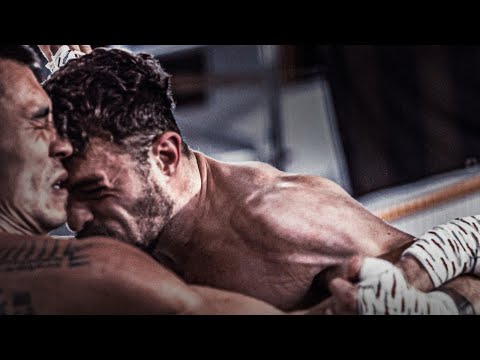
Greetings, seekers of the true martial path. Today, we dissect not a choreographed display of technique, but a raw, unadulterated clash from the underground: "COCAINECHARLI" versus ADAM, presented under the banner of "King of the Streets: 103 [Mass Hypnosis]". This is not the serene dojo, nor the regulated octagon. This is a realm where prize money fuels primal instincts and the rules, or lack thereof, push combatants to their absolute limits. As your Sensei, I approach this not with judgment, but with a critical eye, analyzing the spirit, the brutality, and the underlying principles – or their absence – in such contests. What truly separates this from a mere brawl? And what can we, as practitioners of the martial arts, learn from such unfiltered aggression?

The question that immediately arises is: What is the intention behind such an event? Is it a test of skill, a display of pure aggression, or something more primal and perhaps even disturbing? Let us peel back the layers of "Mass Hypnosis" and understand the core of this "King of the Streets" phenomenon. The very name of the event suggests a primal, almost overwhelming emotional state, a mass psychological phenomenon. We must ask if this is a deliberate manipulation of the audience or a genuine reflection of the fighters' state.

"The supreme art of war is to subdue the enemy without fighting." - Sun Tzu, The Art of War

This iconic quote from Sun Tzu immediately sets a stark contrast to the ethos of "King of the Streets." Here, fighting is not just the objective; it is the very *definition* of the event. We will explore whether any form of true martial art, any strategic depth, can truly emerge from such a chaotic and potentially dangerous environment. This examination demands we consider the ethical implications, the physical toll, and the psychological impact on both the fighters and the spectators.

Unveiling the "King of the Streets" Ruleset

Before we delve into the fighters themselves, we must understand the arena in which they clash. "King of the Streets" operates with a starkly simple yet brutally effective set of rules. The primary formats are:

  • “K.O. ONLY”: In this format, all actions are permissible except submissions. The sole path to victory is a knockout. This emphasizes striking power and the decisive moment of incapacitation.
  • “NO RULES”: This is the apex of unbridled combat. Everything is allowed, including submissions, with victory achieved by knockout or submission. There are no rounds, no time limits. Fights persist until one combatant can no longer continue.

This lack of external constraints – rounds, time limits, specific prohibited techniques (beyond the K.O. emphasis) – creates an environment that is as mentally taxing as it is physically demanding. The fighters are not bound by the ticking clock or the judge's score. They are immersed in a continuous struggle for survival and dominance. This format appeals to a raw, almost ancient conception of combat, stripping away the sport aspect and leaving the core fight for supremacy.

The implications of "K.O. Only" are particularly interesting. It forces a focus on power striking and the ability to inflict damage that ends the contest definitively. While submissions are the cornerstone of arts like Brazilian Jiu-Jitsu (#bjj) and Judo (#judo), their exclusion here highlights a specific brand of aggressive confrontation. The "No Rules" format, however, allows for the full spectrum of martial engagement, from devastating strikes to debilitating submissions. The absence of rounds means stamina and the will to endure become paramount, testing the very limits of human endurance.

Profiles in Street Warfare: France vs. Cocainecharli

The contest we are examining pits Adam France from Germany against the Romanian fighter known as "Cocainecharli." Let's look at their stated attributes:

  • ADAM FRANCE (GERMANY)
    • Weight: 73 KG
    • Height: 175 CM
    • Age: 27 Years
    • Designation: STREETFIGHTER
  • "COCAINECHARLI" (ROMANIA)
    • Weight: 71 KG
    • Height: 172 CM
    • Age: 26 Years
    • Designation: STREETFIGHTER

The term "Streetfighter" itself is loaded. It conjures images of individuals who have honed their skills not in dojos but in the unforgiving crucible of real-world altercations. Their techniques may be less polished, their strategies less refined than those of professional athletes, but their efficacy in a no-holds-barred environment is often tested and proven. The slight weight and height difference between the two combatants is negligible in such a brutal context, where heart and resilience often prove more decisive than physical metrics.

This direct confrontation, devoid of the usual sporting apparatus, forces us to consider the fundamental nature of fighting. Is the "Streetfighter" designation a badge of honor, implying a level of practical combat readiness, or a warning of uncontrolled aggression? The very presence of such designations speaks volumes about the intended nature of the event, drawing an audience that craves the raw, the visceral, and the unfiltered reality of combat. This is where the lines blur between sport and survival, between codified technique and primal instinct.

The Philosophy of "K.O. Only" and "No Rules"

The rulesets employed by "King of the Streets" are not merely arbitrary restrictions; they reflect a particular philosophy of combat. The "K.O. Only" format, for instance, places immense value on power, precision, and the ability to deliver a fight-ending blow. It elevates the knockout, the ultimate definitive statement in striking, above all other forms of victory. This might appeal to audiences who are drawn to the explosive nature of fights, the sudden and dramatic conclusion that a knockout provides. However, it also risks encouraging reckless aggression and neglecting defensive strategies or the art of controlling an opponent.

In contrast, the "No Rules" format, while allowing submissions, removes all other time and round constraints. This is where the true test of will and endurance lies. A fighter might be technically superior in striking or grappling, but if they lack the mental fortitude to endure a prolonged, punishing engagement, they will falter. This aspect resonates with the concept of BUDO and the cultivation of inner strength (#InnerStrength). Yet, in "King of the Streets," this endurance is pushed to extremes that can be detrimental to a fighter's long-term health. The martial concept of *Mushin* (no-mind), a state of flow and intuitive action, might be present, but it is likely born of desperation rather than cultivated discipline.

"To conquer in battle is not the acme of skill. The acme of skill is to subdue the enemy's army without fighting at all." - Mao Zedong, Strategic Principles

This quote, while perhaps unexpected in this context, highlights a critical difference. While "King of the Streets" glorifies the fight itself, true martial philosophy often seeks to resolve conflict with the least amount of violence. The raw, unadulterated nature of these fights raises questions about whether they represent genuine martial prowess or simply a display of controlled chaos and heightened aggression. The audience's fascination with such events might stem from a vicarious experience of primal urges that are suppressed in everyday life. Understanding this psychology is key to understanding the appeal of "King of the Streets."

Veredicto del Sensei: ¿Merece la pena?

From a perspective rooted in the discipline, philosophy, and technical development of traditional martial arts, "King of the Streets" presents a complex dilemma. On one hand, the raw courage, the sheer will to survive, and the application of combat skills under extreme duress are undeniable. The fighters demonstrate a commitment to their struggle that is, in its own way, remarkable.

However, the emphasis on spectacle over substance, the often-brutal nature of the encounters, and the glorification of violence without the rigorous ethical framework of traditional martial arts leave much to be desired. The absence of technique refinement, strategic depth beyond immediate aggression, and the potential for severe injury makes it difficult to categorize these contests as "true" martial arts in the classical sense. They represent a primal form of combat, a raw test of survival, but lack the philosophical underpinnings and the lifelong pursuit of self-mastery that define the martial path.

Cinturón Negro en Brutalismo Crudo; Cinturón Blanco en Arte Marcial.

It's a spectacle of raw, unbridled combat, certainly. But is it *martial art*? For the disciplined practitioner, it's a compelling, albeit disturbing, watch that highlights the stark contrast between regulated sport, traditional forms, and the primal urge to fight. It’s a potent reminder of what happens when the rules of engagement are stripped away, leaving only the will of the combatants.

Essential Gear for the Aspiring Warrior

While "King of the Streets" operates with minimal formal equipment, the pursuit of martial arts mastery, even if it deviates from such raw spectacles, requires dedication and the right tools. For those inspired by the sheer will to fight, or by the more disciplined aspects of combat sports like MMA or Kickboxing, having the appropriate training gear is crucial. Remember, proper equipment is not just about performance; it's about safety and enabling effective practice.

  • High-Quality Training Gloves: For any striking-based training, from Karate to Kickboxing and MMA, durable training gloves (e.g., 14-16oz for sparring) are essential to protect your hands and your training partners.
  • Mouthguard: Non-negotiable for any form of sparring or combat. A good mouthguard can significantly reduce the risk of dental and concussive injuries.
  • Shin Guards: For disciplines involving kicks, like Muay Thai or Taekwondo, protective shin guards are vital to prevent injuries during sparring.
  • Groin Protector: A fundamental piece of protective equipment for male practitioners involved in sparring.
  • Training Uniform (Gi/Kimono): For grappling arts like Judo, BJJ, and some traditional Karate styles, a durable Karate gi or Judo gi is necessary. Look for double-weave fabrics for longevity.
  • Headgear: For intense sparring sessions in striking arts, headgear can offer an additional layer of protection against cuts and superficial injuries.

Investing in quality equipment shows respect for your training and your body. It’s the foundation upon which effective and safe practice is built. Exploring options for Martial Arts Merchandise can lead you to reputable brands that prioritize durability and protection.

Frequently Asked Questions

  • What is "King of the Streets"?
    "King of the Streets" is an underground fight club that organizes unsanctioned combat events with minimal rules, emphasizing either "K.O. Only" or "No Rules" formats, with prize money as motivation.
  • Is "King of the Streets" a legitimate martial art?
    While it involves combat, it is generally not considered a formal martial art due to its lack of established tradition, philosophical depth, and ethical framework. It represents a more primal form of fighting.
  • What is the difference between "K.O. Only" and "No Rules"?
    "K.O. Only" requires victory by knockout and forbids submissions, focusing on striking. "No Rules" allows both knockouts and submissions, with no time limits or rounds, representing a more complete, albeit unregulated, form of combat.
  • Who are Adam France and "Cocainecharli"?
    They are fighters presented as "Streetfighters" from Germany and Romania, respectively, participating in the "King of the Streets" event.

For a Deeper Dive into Your Journey

To truly understand the spectrum of martial arts, it's essential to explore various facets of combat, philosophy, and training. The journey is long, and knowledge is your greatest weapon.

Reflection of the Sensei: Your Next Step

We have dissected "King of the Streets," a raw, unfiltered display of combat that pushes the boundaries of human endurance and aggression. But as you leave this examination, I pose this question: Does the absence of rules elevate or degrade the human capacity for conflict? In your own training, where do you draw the line between pushing your limits and succumbing to raw instinct? Reflect on this, and be prepared to defend your conviction, not with fists, but with reasoned thought.

``` GEMINI_METADESC: Examine "COCAINECHARLI" vs ADAM in "King of the Streets" from a martial arts perspective. Analyze brutal combat rules, fighter profiles, and the true essence of fighting.
The Unseen Philosophy: Beyond the Knockout in MMA and Boxing

Many seek the raw power, the explosive KO, the sheer dominance displayed in the octagon or the ring. They crave the visceral thrill of a knockout punch or a perfectly executed takedown. But what lies beneath the surface of combat sports? Is it merely brute force, or is there a deeper current of philosophy, a Budo spirit that transcends the physical contest? Today, we delve beyond the funniest moments, the viral clips, and the readily digestible soundbites, to explore the profound lessons embedded within the heart of wrestling, MMA, and boxing. Prepare to be astonished, not by a single breathtaking moment, but by the enduring principles that shape the warrior's journey.

The Essence of Combat Sports: More Than Just a Fight

While the captivating spectacle of MMA and boxing often focuses on knockouts and controversial decisions, to dismiss these disciplines as mere entertainment is to miss a vital truth. These arenas are crucibles, forging not just physical prowess, but profound mental and spiritual fortitude. The ancient art of wrestling, the strategic combat of MMA, the precise striking of boxing – they all share a common ancestor: the human drive to understand oneself through controlled conflict. This is where the spirit of Budo, the Way of the Warrior, finds its modern expression.

"The ultimate aim of martial arts is not victory or defeat, but the perfection of the human character." - Gichin Funakoshi

Think of the immense discipline required to step into the ring or cage. It's not just about throwing punches or executing takedowns; it's about facing fear, managing adversity, and understanding one's own limitations. The training itself is a lesson in perseverance. The early mornings, the grueling conditioning, the constant refinement of technique – these are the building blocks of self-mastery. Every drop of sweat, every ache, every minor injury overcome is a testament to the warrior's commitment. This commitment, this unwavering dedication to self-improvement, is the very essence of martial philosophy.

Bushido in the Modern Arena: Echoes of the Samurai

The code of the samurai, Bushido, or "The Way of the Warrior," is not merely a historical artifact. Its principles resonate powerfully within the competitive landscape of combat sports. Consider Rei (respect). A true warrior shows respect to their opponent, their coaches, and the rules of engagement. Even in the heat of battle, there's an unspoken acknowledgment of shared struggle and mutual courage. It’s a stark contrast to the disrespect and trash talk that sadly permeates some corners of modern sports, but it is the ideal that true practitioners strive for.

Then there is Yūjō (loyalty). Loyalty to one's dojo, one's teammates, and one's own moral compass. This loyalty is tested under pressure, when the easy path might be to betray principles for a perceived advantage. And perhaps most importantly, Makoto (sincerity) and Chūgi (devotion). The warrior is sincere in their efforts, always giving their best, and devoted to the pursuit of excellence. This isn't about winning at all costs; it's about embodying the warrior spirit in every action, win or lose.

Fighters like Jon Jones, despite their controversies, often display a mastery of striking and grappling that is undeniable, showcasing years of dedicated adherence to training. However, it is the fighters who consistently demonstrate humility and respect, like the stoic Takanoyama Shuntaro in sumo, who truly embody the deeper principles of Budo.

The Mental Game: Mushin no Shin (Mind of No Mind)

The concept of Mushin no Shin, a state of "no mind" or "emptiness," is central to many Eastern martial arts and is incredibly relevant in the high-stakes world of MMA and boxing. It's a state of complete presence, where the fighter is free from fear, anger, or doubt. Their reactions are instinctual, honed by thousands of hours of practice, allowing them to respond fluidly and effectively to any situation without overthinking.

In a fight, a moment of hesitation, a flicker of doubt, can be the difference between victory and defeat. A fighter in Mushin doesn't 'think' about blocking a punch; they simply react. They don't 'plan' their next move; they execute it. This state is not achieved through sheer willpower, but through rigorous training and mental conditioning. It’s about emptying the mind of distractions and allowing the practiced body and spirit to take over. This is why the mental aspect of training is as crucial as the physical. It's the foundation upon which all technique is built.

The ability to achieve this state is what separates good fighters from legends. Consider the incredible composure of fighters like Cyril Gane or the focused intensity of Emanuel Augustus; these athletes often operate at a level where conscious thought is superseded by pure instinct and perfected technique.

Finding Discipline in the Chaos

The path of a martial artist, whether in traditional arts or modern combat sports, is a path of discipline. This discipline extends far beyond the training mats or the ring. It permeates every aspect of life, fostering autodisciplina, self-improvement, and a strong sense of purpose.

The commitment to a training regimen, the adherence to a healthy lifestyle, the dedication to constant learning – these are all manifestations of discipline. It teaches individuals to push past their perceived limits, to face challenges head-on, and to understand the rewards of sustained effort. This is why martial arts are so often lauded for their transformative effects on character. They provide a structured environment where individuals can cultivate the mental toughness and resilience needed to navigate the complexities of modern life.

The journey from beginner to proficient practitioner is a testament to this principle. It requires consistent effort, patience, and the ability to learn from setbacks. This journey is what fuels the warrior philosophy and strengthens the individual's inner strength.

Essential Gear for Your Training

While skill and spirit are paramount, the right equipment can significantly enhance your training experience and safety. Investing in quality gear shows respect for the art and for yourself. For those serious about striking arts like boxing or Muay Thai, good quality training gloves are essential for protecting your hands and your training partners during sparring. For MMA, a well-fitting pair of MMA gloves offers a balance of protection and dexterity for grappling. If your focus is on grappling arts like Judo or BJJ, a durable and comfortable gi (kimono) is a must. Look for kimonos made from strong, double-weave fabric for longevity, especially in Judo. For those looking to build striking power at home, a sturdy makiwara or a quality heavy bag can be invaluable additions.

Resources to Deepen Your Understanding

To truly grasp the philosophy and techniques of combat sports, continuous learning is key. Here are some resources to help you on your journey:

  • Explore the rich history and principles of Japanese martial arts through texts on Budo.
  • For in-depth tactical analysis, look for documentaries or articles focusing on MMA and boxing fight breakdowns.
  • To understand the warrior's mindset, delve into classic texts like Miyamoto Musashi's "The Book of Five Rings" and explore discussions on the Martial Philosophy behind various disciplines.

FAQ: Frequently Asked Questions

Is MMA just about fighting?

While fighting is the core activity, MMA is also a discipline that cultivates physical fitness, mental toughness, strategic thinking, and respect for oneself and opponents. Many practitioners find profound personal growth through its practice.

How can I develop the "mind of no mind" (Mushin)?

Achieving Mushin requires consistent, dedicated practice of your chosen martial art, coupled with mindfulness exercises and meditation. It's a state of being that arises from deeply ingrained instinct and freedom from conscious thought, developed over years of training.

What is the most important virtue in Budo?

While many virtues are crucial, principles like respect (Rei), sincerity (Makoto), and self-control are often considered foundational to the Budo spirit. The emphasis is always on character development.

Can I learn martial arts without formal instruction?

While self-study can be a supplementary tool, formal instruction under a qualified instructor is highly recommended. An instructor provides crucial feedback, ensures safe practice, and transmits the deeper philosophical aspects of the art that are often missed in self-teaching.

Reflection of the Sensei: Your Next Step

We've journeyed beyond the fleeting excitement of viral moments to touch upon the profound philosophy that underpins combat sports. The knockout punch is but a single note in a symphony of discipline, resilience, and character development. The true victory lies not solely in the scoreboard, but in the internal transformation that each practitioner undergoes. Are you merely watching the dance of warriors, or are you ready to step onto the floor and learn the steps yourself?

Reflexión del Sensei: Tu Próximo Paso

The greatest fighters are not just masters of technique, but masters of themselves. Have you truly begun to master yourself, or are you still a spectator to your own potential? The true fight is within. What are you doing today to win it?


For Deeper Exploration into Your Path

  • Aikido: Understanding Flow and Harmony in Conflict
  • Judo Skills: Mastering the Art of Leverage and Balance
  • Karate Spirit: The Foundation of Strength and Discipline
``` GEMINI_METADESC: Explore the profound philosophy behind MMA and boxing, moving beyond viral moments to discover the spirit of Budo, Mushin, and the discipline that shapes true warriors.

The Age-Old Question: Men vs. Women in Combat Sports – Who Reigns Supreme?

The roar of the crowd, the clash of wills, the sheer physical and mental fortitude displayed in combat sports – it's a spectacle that has captivated humanity for millennia. From ancient gladiatorial contests to the modern octagon, the primal drive to test oneself against another is undeniable. But as these disciplines have evolved, so too has the conversation around participation. Today, we confront a question that sparks fierce debate, ignites passionate arguments, and often leads to flawed assumptions: Men vs. Women in combat sports – who truly *does it better*? This isn't merely about who possesses greater brute strength, a common, and often lazy, line of reasoning. It’s about strategy, technique, adaptability, and the very spirit of the martial path. As a seasoned Sensei, I've dedicated my life to understanding the nuances of combat, both in its raw, physical manifestation and its deeper philosophical underpinnings. I've witnessed firsthand the dedication required to master an art, the discipline forged in the crucible of training, and the indomitable will that separates the true practitioner from the dabbler. Welcome to Budo and Martial Arts. We are here to dissect this complex issue, not with conjecture, but with an analytical eye trained by years of study and practice. This isn't just another superficial article; it's a deep dive into the realities of gender in combat sports, challenging preconceived notions and seeking a more enlightened understanding.

Table of Contents

The Primal Question: Beyond Brute Force

When the subject of combat arises, an immediate, almost instinctual comparison is drawn between male and female capabilities. This stems from a deeply ingrained societal perception that prioritizes physical strength as the ultimate determinant of combat effectiveness. However, anyone who has spent significant time in a dojo, on a mat, or in the ring knows that such a simplistic view is profoundly misleading. Martial arts, in their purest form, are about leverage, timing, strategy, and the efficient application of force. While undeniable physiological differences exist, to assert that these inherently make one gender "better" at combat sports is to ignore the vast spectrum of skills and attributes that contribute to victory.

The question isn't who hits harder, but who can impose their will, outsmart their opponent, endure more, and adapt to the ever-changing dynamics of a fight. It's about the relentless pursuit of mastery, a journey that transcends biological sex.

A Glimpse into History: Martial Arts Through the Ages

Historically, many martial arts traditions were predominantly male-dominated, often stemming from their origins as battlefield techniques or samurai disciplines. This historical context has unfortunately shaped perceptions for centuries. However, a closer examination reveals that women have always played a role, albeit often unacknowledged or relegated to the shadows. From the stealth and espionage of female ninja to the development of specific self-defense systems designed for women, their contributions are undeniable, even if not always recorded in grand historical texts.

Consider the philosophy of BUDO itself – the Way of the Warrior. It’s a path of self-improvement, not solely conquest. This path emphasizes character development, discipline, and the cultivation of inner strength. These are attributes that know no gender. The ancient principles of strategy, such as those espoused by Sun Tzu, are universally applicable. The subtle movements and deceptive tactics employed in arts like Judo or Aikido demonstrate that intelligence and skill can overcome raw power.

"The supreme art of war is to subdue the enemy without fighting." - Sun Tzu

The very concept of "martial arts" encompasses a wide array of disciplines, each with its own emphasis. Karate, with its powerful strikes, Jiu-Jitsu (BJJ), focusing on grappling and submissions, and striking arts like Kickboxing and Taekwondo all present different challenges and demand varied skill sets.

The Science of Combat: Understanding Physiological Nuances

It would be disingenuous to ignore physiological differences. On average, adult males possess greater muscle mass, bone density, and higher levels of testosterone, which can translate to advantages in raw power, speed, and aggression. These factors are undeniably relevant in combat sports, particularly in weight classes where the margin for error is slim.

However, focusing solely on these averages paints an incomplete picture. Women often exhibit greater flexibility, superior endurance, and a potentially higher pain threshold. Furthermore, training can significantly mitigate or even overcome perceived physiological disadvantages. A highly skilled female practitioner can, through superior technique and strategy, defeat a less skilled male opponent of significantly greater size and strength. The notion that women are inherently "weaker" fighters fails to account for the adaptability and ingenuity that are hallmarks of martial arts.

The development of specific training regimens tailored to maximize an individual's potential, regardless of gender, is crucial. This includes conditioning for power, speed, agility, and crucially, resilience. The effectiveness of a fighter is a complex equation, and physiology is but one variable.

Technique Over Testosterone: Where Skill Dominates

This is where the true debate lies. In a hypothetical, no-rules, no-holds-barred confrontation between an average male and an average female, strength might indeed be a significant factor. But martial arts, especially in their competitive and self-defense applications, are rarely that abstract. They are refined systems where technique is paramount.

Consider the intricate submissions in BJJ. A skilled grappler can use leverage and anatomical knowledge to control and submit an opponent much larger than themselves. Think of the precision striking in Karate or Muay Thai; a perfectly timed counter-punch or kick can end a fight regardless of the recipient's gender. In MMA, the blending of striking and grappling demands a holistic skill set where technical proficiency can often trump raw power. The ability to anticipate, defend, and counter effectively are learned skills, honed through thousands of hours of dedicated practice.

A practitioner who has mastered the principles of timing, distance management, and leverage can exploit an opponent's weaknesses far more effectively than someone relying solely on physical might. This is the essence of "smart fighting," a concept championed by many great masters.

The Warrior's Mind: Unseen Strength

Perhaps the most overlooked, yet most critical, component of combat sports is the mental game. Discipline, focus, resilience, tactical thinking, and the ability to remain calm under pressure are attributes that define a true warrior. These are cultivated through rigorous training and a deep understanding of the martial philosophy.

The concept of Ki (or Qi) in many Eastern traditions speaks to this internal energy and focus. The ability to achieve a state of "Mushin" (no-mind) allows a fighter to react instinctively and effectively, unburdened by thought or emotion. This mental fortitude is not exclusive to any gender. In fact, women have historically been recognized for their perseverance and ability to overcome adversity through mental strength. The pressure of competition, the sting of defeat, and the drive to improve are universal experiences for any serious athlete, male or female.

"The mind is the most important part of fighting." - Bruce Lee

The psychological aspect of combat – the ability to withstand punishment, maintain composure, and execute a game plan under duress – is often the deciding factor. It is here that the playing field can become significantly more level.

The Rise of the Female Warrior: Breaking Barriers

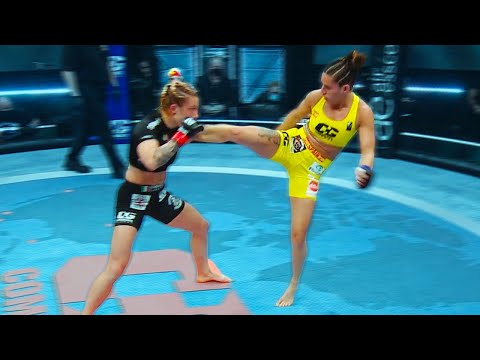
The landscape of combat sports has undergone a seismic shift in recent decades. Women are not just participating; they are excelling at the highest levels. Organizations like the UFC have fully integrated women's divisions, showcasing incredible talent and athleticism. Fighters like Ronda Rousey, Amanda Nunes, Joanna Jędrzejczyk, and Valentina Shevchenko are not just considered great female fighters; they are considered among the greatest fighters, period.

Their success has shattered stereotypes and inspired a new generation. They demonstrate the same dedication, skill, and fighting spirit as their male counterparts, often with a unique flair and strategic depth. The increased visibility of female athletes in Artes Marciales Mixtas, Judo, Karate, and boxing has proven that talent and dedication are the true currency of combat sports.

This evolution is a testament to the breaking down of old barriers and the recognition that the pursuit of martial excellence is a human endeavor, not a gendered one. The discourse is shifting from "Can women fight?" to "Who is the best fighter?"

Debunking Common Myths and Misconceptions

Let's address some persistent myths:

  • Myth: Women are too emotional to be effective fighters. Reality: Emotional control is a skill trained in martial arts for everyone. While emotional responses can vary, discipline is the goal for all practitioners. Many male fighters exhibit aggressive or emotionally charged behavior.
  • Myth: Men's fighting styles are inherently more powerful and effective. Reality: Effectiveness is determined by skill, strategy, and adaptation, not just power. A well-executed technique can neutralize superior physical attributes.
  • Myth: Women's divisions are less exciting or competitive. Reality: The quality of competition in women's combat sports is exceptionally high, with thrilling bouts and incredible displays of skill. Many fans find these fights to be more technically focused and strategically rich.
  • Myth: Self-defense is inherently more difficult for women. Reality: Self-defense is about leverage, technique, and awareness, not brute strength. Many martial arts specifically teach women how to effectively defend themselves against larger assailants.

These myths often stem from a lack of understanding of martial arts principles and a societal bias that underrates female capabilities. True mastery of any martial art requires dedication, discipline, and intelligence, qualities found in practitioners of all genders.

The Case for Mixed Combat Sports

The question of "who does it better" becomes even more nuanced when considering the potential for truly mixed contests. While direct male-vs-female competition in professional sports often raises safety concerns due to physiological differences, the spirit of martial arts can thrive in other formats. Training together, sparring across genders (with appropriate safety measures), and learning from each other's approaches can lead to a richer and more comprehensive understanding of combat.

The very act of training together, with the understanding of different strengths and weaknesses, fosters respect and pushes individuals to adapt. A male fighter learning to use more technique against a flexible female opponent, or a female fighter developing explosive power through training with male partners, benefits both parties. This cross-pollination of skills is invaluable for holistic martial development.

Gear Up for Your Training Journey

Whether you're just starting or are a seasoned practitioner, having the right equipment is crucial for effective and safe training. The quality of your gear can significantly impact your performance and longevity in the martial arts.

  • High-Quality Kimonos/Gi: For grappling arts like Judo and BJJ, a durable, double-weave gi is essential. Look for brands known for their rip-stop material and reinforced stitching.
  • Durable Training Mats: Investing in good quality MartialArtsTraining mats will protect you during falls and sparring sessions, reducing the risk of injury.
  • Protective Gear: Sparring in striking arts necessitates headgear, mouthguards, shin guards, and groin protection. For MMA, padded gloves are also a must.
  • Training Weights and Resistance Bands: Essential for strength and conditioning, allowing you to build power and endurance relevant to your chosen discipline.
  • Focus Mitts and Strike Shields: Crucial for striking practice, improving accuracy, speed, and power.

Remember, while equipment is important, it is merely a tool. Your dedication and training are what truly matter.

Sensei's Verdict: Beyond the Binary

To ask "Who does it better?" between men and women in combat sports is to fundamentally misunderstand the nature of martial arts. It's a flawed question that seeks a simplistic answer to a complex reality. Both men and women possess unique strengths and potential weaknesses. Success in combat is not determined by gender, but by dedication, skill, strategy, mental fortitude, and relentless practice.

The true victory lies not in a gendered comparison, but in the individual's journey towards self-mastery. The art is in the disciplined pursuit, the overcoming of personal limitations, and the embodiment of the warrior's spirit. We should celebrate the incredible achievements of athletes across all genders, recognizing their commitment and skill. The evolution of women in combat sports is a triumph for humanity, demonstrating that the path of the warrior is open to all who have the courage and discipline to walk it.

Frequently Asked Questions

Q1: Are men physically stronger than women on average?

Yes, on average, adult males tend to have greater muscle mass, bone density, and testosterone levels, which can contribute to greater raw strength and power. However, this is an average, and individual variations are significant.

Q2: Can a woman defeat a man in a real fight or competition?

Absolutely. In a real fight or a sanctioned competition with appropriate weight classes and rules, a highly skilled female practitioner can defeat a less skilled or unprepared male opponent by utilizing superior technique, strategy, and leverage.

Q3: What martial arts are best for self-defense for women?

Martial arts that emphasize leverage, joint locks, and quick escapes, such as Brazilian Jiu-Jitsu, Judo, Krav Maga, and Aikido, are often recommended for women as they can be highly effective against larger, stronger opponents.

Q4: Does gender influence the mental aspect of fighting?

While societal conditioning might present different behavioral tendencies, the core mental attributes required for combat sports – discipline, focus, resilience – are universal and can be cultivated by any individual, regardless of gender.

Deeper Dives into the Martial Path

Reflexión del Sensei: Tu Próximo Paso

The next time you witness a combat sport event, or even when you train yourself, I urge you to look beyond the superficial comparison of gender. Instead, ask yourself: What strategy is being employed? How is leverage being used? What mental discipline is on display? Is this practitioner embodying the true spirit of the martial path, striving for self-improvement above all else? True mastery knows no gender; it is a testament to the individual's unwavering dedication and the profound depth of the arts we practice.

``` GEMINI_METADESC: Critical analysis of men vs. women in combat sports. Explore physiological differences, technical mastery, mental fortitude, and the rise of female warriors. Who truly excels?

Tex Cobb: Boxing's Unruly Icon - A Martial Arts Perspective

Welcome, warriors and scholars of the martial way, to a deep dive into the controversial and undeniably compelling figure of Tex Cobb. Today, we cast our analytical gaze not merely as boxing fans, but as practitioners and aficionados of martial arts, dissecting a life that, while not strictly adhering to traditional martial disciplines, embodies a raw, unadulterated fighting spirit that resonates through the very core of combat. We are here to explore the legacy of one of boxing's most colorful outlaws of the 1980s, a man whose presence in the ring was as unpredictable as it was captivating. This isn't just another retrospective; it's an exploration through the prism of martial philosophy. How does a figure like Cobb, often characterized by his brawling style and larger-than-life persona, connect with the principles we hold dear in disciplines like Karate, Judo, or Jiu-Jitsu? Can we find echoes of Bushido in his actions, or perhaps a stark contrast to the spiritual development we strive for?

Introduction: Beyond the Canvas

The world of combat sports is replete with characters, but few burned as brightly and erratically as Tex Cobb. His boxing career was a whirlwind of controversial fights, audacious pronouncements, and a physical presence that commanded attention. For us, immersed in the discipline, tradition, and philosophy of martial arts, it's crucial to ask: what can we glean from such a figure? Is his raw aggression a testament to the primal nature of combat that martial arts aim to refine, or a cautionary tale of uncontrolled impulse? We will dissect his career, examining his fights not just for knockout power or defensive prowess, but for the underlying intent, the spirit of engagement, and what it reveals about the universal pursuit of conflict resolution, whether through sport or through the more profound paths of Budo.

Tex Cobb: The Fighter's Fire

Tex Cobb wasn't your textbook boxer. He wasn't known for the intricate footwork of a Sugar Ray Robinson or the technical precision of a Muhammad Ali. Instead, Cobb brought an almost primal ferocity to the ring. His style was often described as rugged, aggressive, and seemingly without fear. He faced formidable opponents, including Larry Holmes and earned a reputation for being a tough, durable fighter who could absorb punishment and dish it out. His fights were often chaotic, a reflection of his persona. While not a practitioner of codified martial arts like Karate or Judo, Cobb's raw courage and willingness to engage in brutal exchanges speak to a certain, albeit untamed, fighting spirit. This willingness to confront adversity head-on, even when outmatched technically, is a core element often discussed in discussions of martial arts philosophy. It’s the "can-do" attitude, the refusal to yield, the embodiment of the warrior's heart.
"In any form of combat, the will to fight is as important as the skill to fight. Cobb, for all his flaws, never lacked the will." - A common sentiment among combat sports analysts.
His career was a testament to a particular brand of resilience. He wasn't always winning, but he was always in the fight, often in a very real, visceral sense. This is where we, as martial artists, can find points of connection and divergence. While we strive for technical perfection and mental discipline, Cobb's journey highlights the fundamental human drive to overcome, to compete, and to survive.

Martial Principles in the Ring: Substance or Spectacle?

This is where our critical analysis truly begins. Martial arts, at their core, are systems of self-development that often extend far beyond physical combat. They teach discipline, respect, humility, and the strategic application of force. Tex Cobb's boxing, while undeniably a form of combat, often appeared to prioritize brute force and aggressive engagement over the refined principles that define many traditional martial arts. Consider the concept of "Mushin" (no-mind) in Japanese martial arts, or the strategic depth of Sun Tzu's "The Art of War." These principles emphasize calm, awareness, and decisive action born from understanding, not just raw impulse. Cobb's style, at times, seemed to embody the opposite: a reactive, almost emotional approach driven by the heat of the moment. However, one must also consider the context of professional boxing. It is a sport, a spectacle, and often a brutal business. Cobb operated within these parameters, and within that arena, his aggression and toughness were his primary tools. Could his willingness to absorb punishment, his sheer grit, be interpreted as a form of extreme resilience, a trait valued in disciplines like Kyokushin Karate, known for its full-contact sparring? Perhaps the distinction lies in *intent* and *control*. While a martial artist seeks to control the engagement, to subdue with minimal necessary force, Cobb's approach often seemed to revel in the raw power of the exchange. This isn't to condemn him, but to understand the different pathways that combat can take. He might not have been performing a kata with perfect form, but he was certainly engaging in a dynamic, high-stakes physical confrontation.

The Philosophy of the Outlaw: A Different Kind of Budo

Is it possible to find a form of Budo, the "martial way," in the life of a boxer like Tex Cobb, even one labeled an "outlaw"? Budo is not solely about the techniques; it's about the journey, the self-mastery, and the ethical development that arises from rigorous training. Cobb's life, both in and out of the ring, was certainly one of struggle and constant confrontation. He was known for his outspoken nature and his willingness to challenge norms, even within the boxing world. This defiance, while perhaps lacking the refined etiquette of a dojo, speaks to a fierce independence and a refusal to be molded into something he was not. In a way, this mirrors the spirit of independent martial traditions that sometimes developed outside established systems, prioritizing practical effectiveness and individual expression. However, the ethical dimension of Budo is where this connection becomes most tenuous. The Five Maxims of Budo emphasize virtues like courtesy, integrity, and courage. While Cobb displayed courage in abundance, the "outlaw" label often implies a disregard for rules or conventional morality. This is a crucial point of divergence. Martial arts training aims to *elevate* character, not just *hone* combat skills. Cobb's path suggests that raw fighting ability can exist without the accompanying moral and spiritual refinement that is the hallmark of true Budo. We can learn from his tenacity, his refusal to back down. But we must also critically examine the lack of discipline and ethical grounding that separated him from the ideals of many martial traditions. It's a debate that sparks passion: can true "way" exist without strict ethical adherence?

Legacy and Impact: More Than Just a Boxer

Tex Cobb's influence extends beyond his boxing record. He also ventured into acting, appearing in films that often played on his imposing presence and tough-guy persona. This diversification of his career highlights a potential for adaptation and reinvention, traits that are also valued in martial arts. A martial artist must be adaptable, able to adjust their strategy and technique to different opponents and situations. His public image was that of a larger-than-life character, a man who lived life on his own terms. This charisma, while perhaps chaotic, is a powerful force. It draws people in, it creates interest, and it leaves a lasting impression. In the realm of martial arts, while discipline and humility are paramount, the ability to inspire and command respect, even through a different style, is also a form of influence. What resonates most profoundly is the raw, unapologetic nature of his existence. He was a product of his environment and his choices, a man who confronted life with a fighting spirit. For martial artists, this can serve as a reminder of the fundamental human drive to overcome obstacles, a drive that fuels our training every day. His story prompts us to consider what "fighting spirit" truly means and how it manifests in different arenas.

Veredict of the Sensei: Cobb's Place in the Combat Pantheon

Tex Cobb was a fighter. He possessed the raw courage and physical resilience that are prerequisites for anyone stepping into a combative arena. He wasn't a martial artist in the traditional sense; he didn't follow a codified path of self-development through structured techniques and philosophical tenets. His career was raw, often brutal, and driven by an instinctual will to compete. He earns a "Cinturón Negro en Tenacidad Bruta," but he falls short of "Maestro de Disciplina Marcial." His legacy is that of a compelling, albeit flawed, warrior whose life serves as a fascinating case study on the diverse expressions of the fighting spirit. He reminds us that while the path of Budo is a refined journey of mind, body, and spirit, the primal impulse to fight and overcome is a universal force that shapes many lives, in and out of the ring. He’s a reminder that not all warriors walk the disciplined path of the dojo, but their struggles can still offer profound lessons to those who do.

Training Essentials for the Unconventional Fighter

While Cobb’s style was unique and often unconventional, certain fundamental training principles are crucial for anyone aspiring to excel in combat sports or martial arts. If you find yourself drawn to the intensity and resilience he displayed, consider these areas: * **Cardiovascular Conditioning**: Essential for any fighter. Endurance allows you to maintain intensity throughout a bout, absorb more punishment, and make better decisions under duress. Think high-intensity interval training (HIIT) and long-distance running. * **Strength and Power Training**: Boxing, like many martial arts, requires explosive power. Focus on compound movements like squats, deadlifts, and explosive push-ups. * **Grit and Mental Fortitude**: This is where Cobb’s spirit truly shines. Developing mental toughness involves pushing your limits in training, facing discomfort, and learning to persevere when you want to quit. Practicing MentalStrength exercises and mindfulness techniques can build this resilience. * **Sparring Experience**: While Cobb sparred in a boxing context, engaging in sparring within your chosen martial art is crucial for developing timing, reflexes, and tactical awareness. Look for safe and controlled environments. * **Understanding of Leverage and Body Mechanics**: Even in a brawling style, understanding how to generate power through your entire body, not just your arms, is key. This is a core principle in Grappling and many striking arts. For those looking to enhance their training, investing in quality equipment is vital. ### Equipo Esencial para tu Entrenamiento * **Guantes de Boxeo/MMA de Alta Calidad**: Protect your hands and your training partners. Aim for 16oz for sparring. * **Casco de Entrenamiento**: Essential for protecting your head during intense sparring sessions, especially if focusing on striking. * **Protector Bucal**: Non-negotiable for any combat sport involving impact. * **Ropa de Entrenamiento Cómoda y Duradera**: Look for breathable fabrics that allow for a full range of motion. For striking arts, consider supportive shoes. * **Protector de Ingle**: Crucial for protecting sensitive areas. * **Saco de Boxeo o Pera Rápida**: For developing power and speed. * **Mochila de Entrenamiento o Equipo de Ejercicios en Casa**: For incorporating strength and conditioning without a gym, focusing on NoEquipment workouts. ### Recursos para Profundizar * **Libros sobre la Psicología del Combate**: Understand the mental game that separates the good from the great. * **Biografías de Grandes Peleadores y Maestros Marciales**: Learn from their journeys, their triumphs, and their failures. * **Documentales sobre Diferentes Artes Marciales y Deportes de Combate**: Expand your understanding of the vast world of combat.

Frequently Asked Questions

Is Tex Cobb considered a martial artist?

No, Tex Cobb was primarily known as a professional boxer and actor. While he possessed immense courage and a fighting spirit, he did not train in or adhere to the principles of traditional martial arts disciplines.

What was Tex Cobb's fighting style in boxing?

Cobb was known for his rugged, aggressive, and tenacious boxing style. He was durable and willing to engage in fierce exchanges, often relying on his toughness and power rather than refined technical skill.

Can we learn anything from non-martial artists like Tex Cobb?

Absolutely. While not a martial artist, Cobb's career and life story offer insights into courage, resilience, the raw nature of combat, and the pursuit of one's path, even if unconventional. His tenacity can be a source of motivation for any fighter.

How does Cobb's approach differ from traditional Budo?

Traditional Budo emphasizes not only physical technique but also mental discipline, spiritual development, respect, and ethical conduct. Cobb's "outlaw" persona and aggressive style often showcased raw impulse and a disregard for conventional rules, contrasting with the refined self-mastery sought in Budo.

What made Tex Cobb such a colorful figure?

His larger-than-life persona, outspoken nature, willingness to take on tough opponents, and his transition into acting contributed to his status as a unique and memorable character in the world of combat sports and entertainment.

Further Exploration

To continue your journey into the multifaceted world of martial arts and combat, explore these related topics on our blog:
  • Fight Analysis: Deconstructing bouts and fighter strategies.
  • Martial Arts History: Unearthing the origins and evolution of various disciplines.
  • BUDO: The deeper philosophical aspects of the martial way.
  • Combat Sports: Exploring the diverse landscape of competitive fighting.

Reflexión del Sensei: Tu Próximo Paso

Cobb confronted his world with a raw, unyielding spirit. We, in the dojo, seek to temper that spirit with discipline, wisdom, and a profound understanding of the 'why' behind our actions. The question remains: When faced with your own internal or external battles, do you channel the raw power of the outlaw, or do you seek the refined precision of the warrior who has mastered the self? How will you integrate the lessons of tenacity with the principles of discipline in your own training and life? Reflect on this. Let the answer forge your next move. GEMINI_METADESC: Explore Tex Cobb's boxing legacy through a martial arts lens. Analyze his fighting spirit, resilience, and controversial career. Discover lessons on tenacity and the true meaning of combat.

UFC 284 Faceoffs: When Staredowns Escalate to Physical Confrontations - A Martial Artist's Perspective

Hello, warriors, and welcome back to the hallowed halls of Budo and Martial Arts. Today, we dissect an incident that, while ostensibly part of the theatrical build-up to UFC 284, reveals deeper truths about the primal nature of combat and the psychology of the fighter. We're examining the UFC 284 ceremonial weigh-in faceoffs, specifically when the tension between athletes from the 13-fight card transcended mere intimidation and erupted into a physical shove. This event, published on February 10, 2023, at 11:38 PM, serves as a potent reminder that behind every choreographed bout, there lies a raw, untamed spirit. This isn't just about flashy kicks or powerful punches; it's about the mental warfare that precedes the physical. It's about the razor's edge between controlled aggression and explosive confrontation.

The Escalation: More Than Just a Staredown

The UFC 284 ceremonial weigh-ins are designed to be a final, intense confrontation between combatants before they enter the octagon. These faceoffs are theatrical, yes, but they also tap into fundamental aspects of martial arts: the psychological pressure, the assertion of dominance, and the channeling of primal aggression. When a staredown escalates to a physical shove, as it did at UFC 284, it’s not merely an uncontrolled outburst; it’s a breach of protocol that reveals the volatile nature of high-stakes combat. This incident, captured and shared widely, forces us to consider the line between performance and genuine animosity. Did the athletes intend for this to happen, or did the pressure of the moment, the roaring crowd, and the weight of expectation push them over the edge? From a martial perspective, understanding these triggers is crucial.

The Psychology of the Faceoff: A Martial Ploy

In the world of martial arts, the mental game is as significant as physical prowess. A faceoff, or "staredown," is a tactic as old as warfare itself. It's about imposing your will before the first strike is thrown. It’s a display of confidence, a test of nerve, and an attempt to unsettle the opponent. Masters throughout history have understood this. Miyamoto Musashi, in his seminal "Book of Five Rings," alluded to the importance of perception and psychological advantage.
"To win one hundred victories in one hundred battles is not the acme of skill. To subdue the enemy without fighting is the acme of skill."
While the UFC faceoff is not "fighting," it is a precursor, a psychological battleground. The shove at UFC 284 was a failure in this aspect of control. It demonstrated that, for those individuals at that moment, the mental discipline required to maintain the controlled aggression of the martial artist had momentarily yielded to raw emotion. This isn't a criticism of their skill, but an observation of the human element that even highly trained individuals grapple with.

Analyzing the Shove: Technique vs. Emotion

When analyzing the physical aspect of the shove itself, we must distinguish between controlled technique and an emotional reaction. A deliberate, calculated push in a grappling context is different from an impulsive shove born of anger. In the UFC 284 incident, it appeared to be the latter. It lacked the precision of a trained movement and instead resembled a primal reaction. This is a critical distinction for any practitioner of Budo. Martial arts are not merely about physical techniques; they are about cultivating self-control, discipline, and the ability to act decisively without being consumed by emotion. The "Mushin" (no-mind) state, often discussed in Zen and martial arts, refers to a state of mind free from distraction and attachment, allowing for effortless action. The shove at UFC 284, for the individual involved, represented a departure from this ideal.

Cultural Context in Combat Sports

The UFC, being a global phenomenon, is a melting pot of different martial traditions and cultural expressions of combat. While some martial arts emphasize stoicism and respect above all else, others, particularly in modern combat sports, embrace a more flamboyant and aggressive showmanship. The "trash talk" and heated faceoffs are part of the spectacle that draws audiences. This duality is fascinating. On one hand, you have the discipline and philosophy of arts like Karate or Judo; on the other, you have the raw, confrontational nature of MMA. The shove at UFC 284 highlights this tension. It's a performance, yes, but for the fighters, the line between performance and personal animosity can blur under immense pressure. We see this dynamic mirrored in historical rivalries, though often expressed through more formal means like formal challenges or duels.

Philosophical Implications for the Budoka

For the dedicated practitioner of any martial art, the UFC 284 incident serves as a case study. It prompts us to ask: What is the ultimate purpose of our training? Is it solely to win fights, or is it to cultivate a superior character? The philosophy of Budo, encompassing traditional Japanese martial arts, often emphasizes self-mastery as the paramount goal. Winning is secondary to personal development, to becoming a better human being. A moment of uncontrolled aggression, like a shove to the neck during a weigh-in, suggests that perhaps the "self-mastery" aspect was momentarily absent.
"True strength is not in the fist, but in the mind. It is in the ability to control oneself before controlling others."
This principle, though not attributed to a single master, resonates deeply within martial traditions. The UFC 284 incident, while electrifying for spectators, is a reminder for serious martial artists to constantly strive for that inner control.

Veredict of the Sensei: The Raw Edge of Competition

The UFC 284 faceoff confrontation was undoubtedly exciting and a significant talking point for fight fans. It showcased the raw, untamed intensity that makes combat sports so compelling. However, from the perspective of a seasoned martial artist, it represents a missed opportunity for demonstrating superior mental fortitude. While the spectacle is part of the modern fight game, the core of martial arts lies in discipline and respect, even amidst fierce competition. The shove was a moment of emotional overflow, a breach of the controlled warrior's code. It’s a demonstration of passion, certainly, but perhaps not the highest form of martial discipline. **Rating: A Solid Performance in Intensity, but a Minor Foul in Discipline.**

Training Drill: Cultivating Mental Fortitude

To prevent such emotional outbursts from derailing your own progress, consider this drill:
  1. Mindful Staring Contest: Find a training partner. Stand facing each other, a few feet apart. Maintain eye contact without blinking or reacting for as long as possible. Focus on your breathing. If you feel your emotions rising, take a slow, deep breath and return your focus to the present moment. The goal is not to "win" by making the other person break, but to maintain your inner calm.
  2. Controlled Aggression Sparring: During sparring sessions, deliberately practice controlling your impulses. If an opponent makes a mistake, resist the urge to gloat or retaliate excessively. Focus on executing your technique cleanly and efficiently. The aim is to win through skill and strategy, not through intimidation or uncontrolled aggression.
  3. Post-Training Reflection: After each training session, take five minutes to reflect on your emotional state during the practice. Did you feel frustrated? Angry? Did you manage those feelings effectively? Journaling these observations can help you identify triggers and develop strategies for emotional regulation.

Equipment Essential for Your Training

While the UFC incident was about raw emotion, consistent and effective training requires the right gear. For practitioners looking to hone their skills, especially in striking arts like Karate or Kickboxing, investing in quality equipment is crucial.
  • Durable Training Gloves: For sparring and bag work, investing in a good pair of 14oz or 16oz gloves is essential for protecting your hands and your training partners. Look for brands known for their padding and wrist support.
  • Shin Guards: If you're practicing kicking techniques, quality shin guards are non-negotiable to prevent injuries during drills and sparring.
  • Mouthguard: An absolute must for any form of sparring to protect your teeth and jaw.
  • Headgear: For more intense sparring sessions, headgear can provide an extra layer of protection.
  • Dojo Uniform (Gi/Kimono): For traditional arts like Karate or Judo, a well-made, durable Gi is foundational to your training. Look for double-weave options for added longevity in demanding arts.
Consider exploring options for Karate merchandise or robust UFC merchandise to show your support and find practical training aids.

Frequently Asked Questions

What is the main purpose of a UFC weigh-in faceoff?

The primary purpose is to build anticipation and psychological tension for the fight. It's a final staredown designed to intimidate the opponent and engage the audience, but it should ideally remain within the bounds of controlled showmanship.

Is it common for UFC faceoffs to become physical?

While heated exchanges and verbal confrontations are common, outright physical shoves are less frequent but do occur. When they happen, they often signify a loss of emotional control by one or more of the fighters involved.

How does this incident relate to traditional martial arts philosophy?

Traditional martial arts, particularly those emphasizing Budo, prioritize self-control, discipline, and respect. An uncontrolled physical shove would be seen as a failure to uphold these principles, demonstrating that the practitioner is still subject to their emotions rather than in mastery of them.

What is "Mushin" in the context of martial arts?

Mushin, or "no-mind," is a Zen Buddhist concept adopted by martial arts. It describes a state of mind where one's actions are spontaneous, fluid, and free from conscious thought or emotional interference, allowing for peak performance and effective response.

For Deeper Exploration

To truly understand the interplay of physical technique and mental fortitude in combat, delve into these related topics on our blog:

Reflection of the Sensei: Your Next Step

The UFC 284 incident serves as a potent, albeit dramatic, reminder of the human element within the martial endeavor. We saw a flash of raw emotion override practiced control. Now, I pose this to you: In moments of intense pressure, whether in training, competition, or daily life, do you react from a place of disciplined strength, or do you let the storm within dictate your actions? How will you cultivate your inner resilience to ensure your 'faceoff' moments, whatever they may be, are met with the calm authority of a true warrior, not the impulsive outburst of a mere combatant? Reflect on this, and let your actions be your answer.

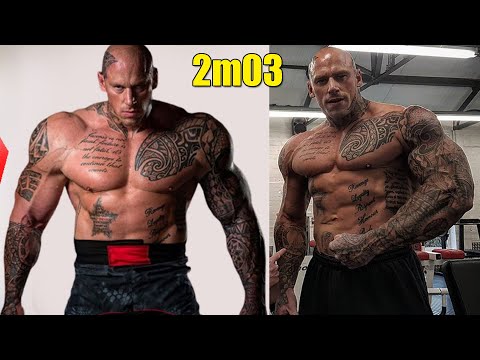
Martyn Ford: The 150kg, 2.03m Giant - Reality vs. Spectacle in Combat Sports

The world of combat sports is often a stage for larger-than-life personalities, and few embody this more than Martyn Ford. Standing at a colossal 2.03 meters and weighing in at a formidable 150 kilograms, Ford presents a physique that commands attention. But what happens when such a physical specimen steps into the arena, not just for a spectacle, but for a genuine test of combat? This is the question that hangs over Ford's foray into the world of "real fighting," a concept that, as a seasoned observer of martial arts and their cinematic portrayals, I find myself dissecting with both intrigue and a critical eye.

Table of Contents

The Spectacle of Martyn Ford

Martyn Ford's presence is undeniable. He is a physical anomaly, a "Quái Nhân" (Monster) as his original title suggests, capable of drawing crowds simply by his sheer scale. This is not new to the world of combat. Think of Butterbean, the heavyweight boxer who became a cult figure for his explosive, albeit brief, knockout power. Or consider the fascination with incredibly large individuals entering sports where size is often king. However, the crucial distinction lies between a spectacle designed for entertainment and the rigorous, disciplined path of martial arts mastery.

The core intention behind searching for content about Martyn Ford in a combat context often stems from curiosity about the extreme. Can such immense physical power overcome technical skill? Does sheer size translate to dominance in a fight? This is what I address as the Intention of Search: The Budoka Curious About Giants.

Intent of Search: The Budoka Curious About Giants

For the dedicated practitioner, the search is likely driven by a desire to understand how extraordinary physical attributes interact with martial principles. Questions arise such as:

  • How does an opponent with such a significant size advantage approach training?
  • What specific techniques would be most effective for someone of his build?
  • Can traditional martial arts principles be applied effectively to someone of this scale?
  • What are the psychological implications for both Ford and his opponents?
  • Is this a genuine display of combat prowess or a staged exhibition?

My aim is to dissect this, moving beyond the superficial fascination with size to explore the underlying martial and combat realities. We must differentiate between the Fighter and the Performer.

Beyond the Size: What Art Does Ford Represent?

When we speak of martial arts, we speak of systems honed over centuries, systems like Judo, Karate, BJJ (Brazilian Jiu-Jitsu), Kickboxing, and MMA (Mixed Martial Arts). Each possesses its own unique philosophy, techniques, and strategic considerations. A practitioner of Kyokushin Karate, for instance, relies on devastating full-contact strikes and conditioning, while a Judo master focuses on throws and grappling. Ford's journey, as presented, seems less about the deep study of a particular BUDO path and more about leveraging his imposing frame.

The question is not whether Ford *can* fight, but *how* he fights, and what understanding of combat he brings. Is he a student of striking, grappling, or a hybrid approach? The term "Thực Chiến" (Real Combat) in his title suggests a desire to prove his mettle, but it's crucial to analyze the context. Was this a sanctioned bout under a specific ruleset, like MMA or Kickboxing, or a more loosely defined encounter?

"The strength of a warrior is not in their muscles, but in their spirit." - A principle echoing across many martial traditions.

Ford's size offers inherent advantages in reach, power, and intimidation. However, these must be coupled with effective technique and conditioning. A fighter who relies solely on size without technical foundation is ultimately predictable and vulnerable. The Warrior Philosophy emphasizes adaptability and skill, not just brute force.

Critique: The Uninitiated in Combat

My primary concern with figures like Martyn Ford entering the combat arena, especially without a demonstrable history in a recognized martial art, is the potential for misrepresentation. The spectacle can overshadow the substance. When a 150kg giant enters a ring, the public often perceives it as a pure test of combat ability. However, if the opponent is also carefully selected, or if the rules are designed to highlight the size difference rather than test all-around combat skills, then what we are witnessing is not true artes marciales, but an exhibition.

True martial arts training, whether it’s the relentless conditioning of Kyokushin, the intricate techniques of Judo, or the strategic depth of BJJ, demands years of dedication. It involves not just physical training but mental fortitude, discipline, and a profound understanding of self-defense. The path of a martial artist is one of continuous learning and self-improvement, a journey symbolized by the quest for Martial Arts Mastery.

Ford's physical attributes are indeed remarkable. He possesses the raw material that many aspiring fighters dream of. However, translating that raw material into effective combat prowess requires a deep understanding of leverage, timing, distance management, and defensive strategy – concepts central to disciplines like Grappling and Lucha en Pie (stand-up fighting).

Real Fight Versus Staged Combat

The term "Đấu Thực Chiến" (Real Combat) is loaded. In the context of professional combat sports, it usually implies a sanctioned bout with established rules. However, the term can also be used to market events that are, to a degree, more about entertainment than pure competition.

Consider the differences:

  • MMA (Mixed Martial Arts): A highly regulated sport combining striking and grappling. Requires well-rounded skills.
  • Kickboxing/Boxing: Focuses on striking, with specific rules regarding techniques and targets.
  • Street Fight/Self-Defense Scenario: Unpredictable, no rules, often against untrained or unexpectedly dangerous opponents. This is where the true "real fight" lies, and it's rarely about overwhelming size alone.

My critical analysis hinges on whether Ford is truly engaging in the latter, or simply participating in a highly publicized exhibition match. While there is value in entertainment and showcasing physical presence, it's vital not to conflate it with the depth and discipline of martial arts. The journey of a true Martial Artist is one of constant refinement and learning, not just showcasing a powerful physique.

Martial Philosophy and the Physical Beast

A key principle in many martial philosophies, particularly those rooted in BUDO, is the idea of "Mushin" (no mind) or "Zanshin" (lingering awareness). These concepts, while perhaps seeming abstract when discussing a man of Ford's size, are fundamental. They speak to a state of heightened awareness, calm under pressure, and the ability to react intuitively rather than with conscious thought. Can a fighter like Ford achieve this state, or will his immense physical presence dominate his mental approach?

"Know your enemy and know yourself; in a hundred battles, you will never be defeated." - Sun Tzu, The Art of War. This applies even more critically when confronting vastly different physical attributes.

The challenge for Ford, and any fighter, is to integrate their physical gifts with a strategic mind and a disciplined spirit. Size is an advantage, but it can also be a liability if it leads to overconfidence or a lack of necessary agility. The Inner Strength and mental game are as crucial as any physical attribute in the realm of Combat Sports.

Training Guidelines for the Physically Gifted

For individuals blessed with Ford's physical gifts, training must be intelligent and comprehensive. It's not just about lifting heavier weights; it's about functional strength, explosive power, and conditioning that can sustain extended efforts. Here’s what I’d emphasize:

  1. Explosive Strength Training: Focus on compound movements like squats, deadlifts, and presses, but incorporate plyometrics and Olympic lifts to develop explosive power. Think about techniques that leverage momentum, such as powerful throws in Judo or devastating strikes in Kickboxing.
  2. Cardiovascular Conditioning: At 150kg, maintaining stamina is paramount. High-Intensity Interval Training (HIIT) and endurance work are crucial. A boxer or MMA fighter needs to be able to fight for multiple rounds, regardless of their size.
  3. Technique over Power (initially): While power is a gift, learning fundamental techniques in striking (e.g., jab, cross, hook, uppercut) and grappling (e.g., takedowns, submissions) is essential. Precision and timing can often overcome brute force. This is where dedicated study in disciplines like MMA or BJJ becomes invaluable.
  4. Flexibility and Mobility: Large athletes can sometimes be less flexible. Incorporating regular stretching and mobility drills is vital to prevent injuries and improve range of motion for techniques.
  5. Mental Fortitude and Strategy: Study the fight game. Understand ring generalship, defensive tactics, and how to manage an opponent's strengths. This is where the Martial Philosophy truly comes into play.

The goal is to become a well-rounded combatant, not just a large man who hits hard. The pursuit of Martial Arts Mastery requires this holistic approach.

Equipment Essential for Your Training

For anyone inspired to train, whether you're built like Martyn Ford or starting from scratch, having the right equipment can make a significant difference. Investing in quality gear is an investment in your progress and safety. Here are some essentials:

  • Push-Up Bars: For varied and deeper push-ups, reducing wrist strain. Look for sturdy, non-slip models.
  • Doorway Pull-Up Bar: Essential for developing back and bicep strength. Ensure it fits your doorframe securely.
  • Dumbbells (Adjustable or Set): Versatile for a wide range of strength exercises. Adjustable dumbbells are space-saving.
  • Training Mat: For comfort and safety during floor exercises, stretching, and grappling. A thick, durable mat is recommended.
  • Gym and Martial Arts Apparel: Comfortable, breathable clothing that allows for a full range of motion is key. Consider specialized gear like Karate gis or BJJ kimonos if you're training those specific arts.
  • Gym Apparel: Focus on moisture-wicking fabrics and a comfortable fit.

Proper equipment can enhance your Workout, improve your safety, and keep you motivated on your Martial Arts Journey.

Veredict of the Sensei: Is It Worth Watching?

Watching Martyn Ford step into a combat environment is, undeniably, a spectacle. His physical presence alone is captivating, and for those interested in the "what if" scenarios of size in combat, it offers a unique viewing experience. However, as a critic of martial arts and combat sports, I approach it with a discerning eye. If the intention is to witness the application of refined martial skill, disciplined technique, and strategic combat, then one might be disappointed.

If, however, you are looking for the sheer, raw power and the psychological draw of a physical anomaly testing himself, it can be intriguing. It serves as a potent reminder of the diverse forms combat can take. Is it a masterclass in BUDO or technical fighting? Likely not. But as a demonstration of physical force and an exploration of human potential at its extreme, it holds a certain fascination. It’s a fight that sparks conversation, and that, in itself, has value.

Cinturón Negro en Presencia Física, Cinturón Blanco en Técnica Marcial Refinada.

Frequently Asked Questions

What is Martyn Ford's fighting background?
Martyn Ford is primarily known for his physique and acting roles. His background in competitive, sanctioned combat sports is limited, with much of his public engagement in fighting being presented as more of an exhibition or a test of his physical prowess rather than a career in traditional martial arts or professional fighting.
What does "Đấu Thực Chiến" mean?
"Đấu Thực Chiến" translates from Vietnamese to "Real Combat" or "Actual Battle." It implies a genuine fight, often contrasted with training or staged performances.
Can size alone win a fight?
While size is a significant advantage in combat, it is rarely enough to win against a skilled opponent. Technique, strategy, conditioning, and mental fortitude are crucial elements that can overcome a size disparity. Many martial arts disciplines focus on principles that allow smaller individuals to defeat larger ones.
Is Martyn Ford a professional martial artist?
Martyn Ford is not typically classified as a professional martial artist in the traditional sense. He is more accurately described as a bodybuilder, actor, and personality who has engaged in exhibition combat.

Further Deepening Your Path

The allure of physical dominance is strong, but remember that true strength in combat, as in life, is a confluence of mind, body, and spirit. Ford's journey, whatever its outcome, serves as a talking point, a reflection on how we perceive power and combat readiness.

Reflexión del Sensei: Tu Próximo Paso

Ford's immense size is a gift, but is it a gift he truly understands how to wield within the intricate dance of combat? If you were to face a giant, would your first instinct be to match his power, or to use strategy and technique to exploit his vulnerabilities? Reflect on this: In your own training, are you merely building strength, or are you cultivating the wisdom and skill to apply that strength effectively when it truly matters? The true warrior knows that size is but one variable in the equation of conflict.

``` GEMINI_METADESC: Critically analyze Martyn Ford's presence in combat sports. Explore the line between spectacle and reality, examining technique, martial philosophy, and the true meaning of 'Real Combat.'