Showing posts sorted by relevance for query running shoes for beginners. Sort by date Show all posts

Muay Thai Strength and Conditioning: Forge Your Body for the Art of Eight Limbs

My friends, the art of Muay Thai, the "Art of Eight Limbs," is a brutal and beautiful dance of destruction and resilience. It demands not only technical prowess but a physical foundation forged in the fires of rigorous conditioning. Many beginners are drawn to the devastating power of the elbow, the crushing force of the knee, or the sweeping elegance of a kick, but neglect the engine that drives these weapons: the body itself. Today, we delve into the crucial realm of strength and conditioning specifically tailored for the aspiring Muay Thai practitioner. Forget half-measures; this is about building a warrior's physique capable of withstanding and delivering punishment.

The journey into Muay Thai, like any profound martial pursuit, begins with a solid understanding of its core principles and a commitment to building a body that can execute them. What are the fundamental pillars upon which a Muay Thai fighter stands? It's a potent blend of striking technique, defensive awareness, strategic acumen, and, critically, raw physical conditioning. This is not merely about lifting weights; it's about developing explosive power, unwavering endurance, and the structural integrity to absorb impact. Without this foundation, even the most skilled technician is a house built on sand, vulnerable to the first strong gust.

The Pillars of Muay Thai Conditioning

Muay Thai is unique. It integrates punches, kicks, elbows, and knees, demanding a versatile physical capability. Therefore, a beginner's conditioning program must address several key areas:

  • Explosive Power: The ability to generate maximum force in a short amount of time for strikes.
  • Muscular Endurance: The capacity to repeat high-intensity movements over several rounds.
  • Cardiovascular Fitness: Essential for maintaining performance throughout a fight.
  • Core Strength: The nexus of all power generation and transfer in striking.
  • Flexibility and Mobility: Crucial for executing high kicks and preventing injuries.
  • Grip Strength: Often overlooked, but vital for clinching and controlling an opponent.

The philosophy behind Muay Thai conditioning is one of practical application. Every drill, every lift, every run should serve a direct purpose in making you a more effective Nak Muay (Muay Thai practitioner). It's not about vanity; it's about function. My own training under revered masters has taught me that the body must become a finely tuned instrument, capable of both delivering a devastating blow and absorbing the counter with stoic resolve.

"The strength of the body is the foundation of all martial arts. Without it, technique is merely an idea, not a reality." - Anonymous Master

Developing Explosive Striking Power

True Muay Thai power doesn't just come from brute strength; it comes from the kinetic chain, from the ground up, with the core acting as the critical link. For beginners, focus on compound movements that mimic the rotational and linear forces used in striking.

  • Medicine Ball Throws: Rotational throws against a wall engage the obliques and back, mimicking the torque of a punch or kick. Start with lighter balls and focus on speed and form.
  • Kettlebell Swings: Develops explosive hip power, which is fundamental to kicking and generating force. Master the hip-hinge movement first.
  • Plyometric Push-ups: Builds explosive upper body power. Variations include clap push-ups or standard plyo push-ups.
  • Jump Squats: Focuses on explosive leg power, essential for driving through kicks and generating power from the base.

Remember, the goal here is not just to lift heavy, but to move weight with speed and control. This translates directly to the impact of your strikes. Think of a whip – it's the speed of the tip, not the thickness of the handle, that delivers the sting.

Cultivating Unrelenting Endurance

A fight, especially in Muay Thai, is a war of attrition. Rounds can be intense, with little respite. Building stamina is paramount. This involves both cardiovascular and muscular endurance.

  • Roadwork: The traditional staple of fighters for a reason. Long, steady-state runs build an aerobic base. Incorporate interval training (sprints followed by recovery) to improve anaerobic capacity, crucial for explosive exchanges.
  • Jumping Rope: An excellent cardiovascular workout that also improves footwork, coordination, and calf strength. Aim for longer durations as you progress.
  • High-Intensity Interval Training (HIIT): Short bursts of intense exercise followed by brief recovery periods. This can include exercises like burpees, mountain climbers, or sprints.
  • Bodyweight Circuits: Perform a series of exercises (e.g., push-ups, squats, lunges, burpees) back-to-back with minimal rest. This builds muscular endurance under fatigue.

Consistency is key. Even 20-30 minutes of dedicated conditioning most days will yield significant results. Don't fall into the trap of only training what you enjoy; train what you need. If your gas tank is empty, your best technique will fail you.

Building Resilience: Injury Prevention

The Art of Eight Limbs is demanding, and injuries can derail your progress. Conditioning is not just about offense; it's about building a robust body that can withstand the rigors of training and competition.

  • Dynamic Stretching: Before training, perform movements that take your joints through their range of motion (leg swings, arm circles, torso twists). This prepares the muscles and reduces the risk of strains.
  • Static Stretching: After training, hold stretches for major muscle groups to improve flexibility and aid recovery. Focus on hips, hamstrings, and shoulders.
  • Core Strengthening: A strong core protects the spine and helps transfer force efficiently. Exercises like planks, side planks, and bird-dogs are invaluable.
  • Balance Training: Single-leg exercises, like single-leg squats or standing on one leg while performing other movements, improve proprioception and stability, crucial for executing kicks and avoiding falls.

Listen to your body. Pushing through genuine pain is foolish bravado; it's a fast track to a lengthy layoff. Learn the difference between discomfort from exertion and the sharp warning of an impending injury. A wise fighter knows when to push and when to recover.

Sample Beginner Muay Thai Conditioning Routine

This is a sample routine. Adjust weights, repetitions, and rest periods based on your current fitness level. Always prioritize proper form over quantity.

  1. Warm-up (5-10 minutes): Light jogging, jumping jacks, dynamic stretches (leg swings, arm circles).
  2. Explosive Power (3 sets of 8-10 reps):
    • Kettlebell Swings
    • Medicine Ball Rotational Throws (per side)
  3. Muscular Endurance Circuit (3 rounds, 30 seconds work / 15 seconds rest between exercises, 1 minute rest between rounds):
    • Push-ups
    • Bodyweight Squats
    • Mountain Climbers
    • Lunges (alternating legs)
  4. Cardiovascular Burst (15 minutes):
    • Jumping Rope (2 minutes on, 30 seconds rest)
    • Sprint intervals (e.g., 30 seconds sprint, 60 seconds walk/jog) - 5 repetitions
  5. Core & Stability (3 sets):
    • Plank (hold for 30-60 seconds)
    • Bird-Dog (10 reps per side)
    • Side Plank (hold for 30 seconds per side)
  6. Cool-down (5-10 minutes): Static stretching (focus on hamstrings, quads, hips, shoulders).

For those seeking more advanced routines or specific drills, resources abound. While this covers the fundamentals, exploring techniques and advanced conditioning is vital. For instance, you might find value in looking at advanced MMA conditioning or specific kickboxing drills to supplement your Muay Thai training. The principles often overlap, but the application can differ.

Essential Gear for Your Conditioning Journey

While Muay Thai conditioning can be done with minimal equipment, a few items can significantly enhance your training:

  • Durable Skipping Rope: Essential for cardiovascular work and footwork.
  • Kettlebells: Versatile for explosive hip movements and overall strength. Start with a moderate weight (e.g., 16kg for men, 10-12kg for women) and progress.
  • Medicine Ball: Ideal for developing rotational power and core strength. Choose a weight that allows for explosive movement without compromising form.
  • Comfortable Training Apparel: Breathable clothing that allows for a full range of motion is crucial.
  • Good Quality Training Shoes: For running and explosive movements, proper footwear can prevent injuries.
  • Optional: Resistance Bands: Can be used for dynamic warm-ups, rehabilitation, and adding resistance to bodyweight exercises.

Investing in quality Muay Thai equipment for your actual martial arts training is equally important, but for conditioning, focus on tools that build power, endurance, and resilience.

Frequently Asked Questions

Is Muay Thai conditioning suitable for absolute beginners?

Yes, this routine is designed for beginners. Focus on mastering the basic movements and gradually increasing intensity and duration. It's crucial to build a solid base before attempting more advanced exercises.

How often should I perform these conditioning workouts?

For beginners, 2-3 conditioning sessions per week, separate from your Muay Thai technical training, is a good starting point. Ensure you have rest days for recovery.

What's the difference between Muay Thai conditioning and general fitness?

Muay Thai conditioning is specific. It prioritizes explosive power, high levels of muscular and cardiovascular endurance, and resilience against the unique stresses of striking, clinching, and defensive maneuvers characteristic of Muay Thai.

How important is the clinch in conditioning?

The clinch is a demanding aspect of Muay Thai that requires immense grip strength, core stability, and muscular endurance in the neck, shoulders, and back. While not directly addressed in every beginner routine, incorporating grip-strengthening exercises and neck bridges will be beneficial.

Can I do this conditioning at home without a gym?

Absolutely. The sample routine focuses heavily on bodyweight exercises, kettlebells, and medicine balls, which are manageable for a home setup. Jumping rope requires minimal space.

For Profundizar en tu Camino

Veredicto del Sensei: ¿Merece la pena?

Building a formidable physique through dedicated strength and conditioning is not optional for anyone serious about Muay Thai; it is the bedrock upon which all technique and strategy are built. This guide provides the essential roadmap for beginners to forge the physical resilience and power needed to thrive. Neglecting conditioning is akin to a swordsman polishing his blade while his arm remains weak and unsteady. Do not make that mistake. Train smart, train hard, and you will see the Art of Eight Limbs truly come alive through you.

Reflexión del Sensei: Tu Próximo Paso

Now, observe your own body. Where are its current limitations? Does your breath falter too soon? Do your limbs feel heavy and slow when you try to strike with power? Do you feel the pang of a nagging injury threatening to stop you? Identify one specific area of your conditioning that needs the most attention and commit to improving it this week. The path to becoming a true Nak Muay is paved with sweat, discipline, and a relentless pursuit of self-mastery, both in technique and in the vessel that carries it.

``` GEMINI_METADESC: Forge your body for Muay Thai! This guide details essential strength & conditioning for beginners, building power, endurance, and resilience for the Art of Eight Limbs.


Warrior's Forge: Beyond the Sweat - A Martial Approach to High-Intensity Fat Burning

Introduction: The Flame Within

Welcome, fellow travelers on the path of the warrior. You stand at the threshold of a discipline that transcends mere physical exertion. We are not here to discuss fleeting fitness trends; we are here to forge the body and spirit into instruments of resilience and power. Today, we dissect the high-intensity interval training (HIIT) not just as a method for burning fat, but as a crucible for developing the very qualities that define a true martial artist: focus, perseverance, and an unyielding will.

Many approach workouts like this with the sole aim of shedding pounds, a superficial goal that fades with the sweat. But I ask you, what if we viewed this not as a chore, but as an extension of our training? What if the relentless pace of HIIT mirrored the intensity of a critical sparring match, and the recovery periods echoed the strategic breathing between rounds?

This article will guide you through understanding and implementing a potent HIIT cardio workout, but more importantly, it will reframe your perspective. We will explore how these intense bursts of effort can sharpen your mind, enhance your conditioning for combat, and ultimately, serve your martial journey. Are you ready to ignite the flame within?

The Martial Essence of HIIT

High-Intensity Interval Training, at its core, is a series of explosive efforts followed by brief periods of recovery. Sound familiar? This mirrors the ebb and flow of combat. A sudden, powerful combination from an opponent, followed by a moment of strategic evasion or regrouping. A lightning-fast strike, a defensive block, a quick repositioning. It is this dynamic interplay that HIIT replicates, demanding not just cardiovascular endurance but also the ability to explode into action and recover efficiently.

The spirit of Budo is not merely to defeat the enemy, but to conquer oneself. This training is a battlefield where you face your own limits, your own fatigue, your own doubts. Victory here is the first step towards victory in any arena.

Consider the concept of Ki (or Chi), the vital life force. Intense physical exertion, when approached with the correct mindset, can paradoxically enhance this flow. It's not about exhausting oneself into oblivion, but about pushing the body to a point where it adapts and grows stronger, more resilient. This process, when channeled correctly, can lead to a heightened sense of awareness and a more robust internal energy.

The original post hinted at a 30-minute workout with 60-second intervals and 30-second rests. This is a classic structure. The 60-second burst demands sustained power and focus. It tests your ability to maintain technique and intensity under pressure. The 30-second rest is not merely a pause; it is an opportunity to reset, breathe, and prepare for the next onslaught. In martial terms, it's the moment you analyze your opponent's last move and strategize your counter.

Forging the Body: A Practical HIIT Regimen

Let us translate the principles into action. While the original content suggests a generic routine, we will infuse it with a martial sensibility. The goal is a full-body conditioning workout that enhances athleticism, endurance, and power – all crucial for any fighter.

This regimen is designed for home, requiring minimal to no equipment, embodying the spirit of resourcefulness central to many martial traditions. The 60-second work intervals will push your limits, while the 30-second rest periods allow for tactical recovery.

Workout Structure: The Warrior's Gauntlet

  1. Warm-up (5 minutes): Dynamic stretching and light cardio. Think joint rotations (neck, shoulders, hips, knees, ankles) and light jogging in place or jumping jacks to elevate the heart rate gradually. Prepare the body for the intensity to come.
  2. Round 1: Explosive Power (60 seconds work / 30 seconds rest)
    1. Burpees with Jump: A full-body explosion. From a standing position, drop into a squat, kick your feet back into a plank, perform a push-up (optional), jump your feet back to the squat, and explode upwards into a vertical jump. This builds explosive leg power and upper body strength.
    2. Rest (30 seconds)
    3. High Knees: Focus on bringing your knees up high and fast, engaging your core. This hones cardiovascular capacity and leg drive.
    4. Rest (30 seconds)
  3. Round 2: Core & Agility (60 seconds work / 30 seconds rest)
    1. Mountain Climbers: In a plank position, alternate bringing your knees towards your chest in a fast, controlled manner. This is phenomenal for core stability and cardiovascular endurance.
    2. Rest (30 seconds)
    3. Squat Jumps: Perform a standard squat, then explode upwards, jumping as high as possible. Land softly and immediately go into the next squat. This develops explosive leg power, crucial for powerful kicks and leaps.
    4. Rest (30 seconds)
  4. Round 3: Strength & Endurance (60 seconds work / 30 seconds rest)
    1. Push-ups: Classic upper body and core strength builder. Focus on full range of motion. Variations like diamond push-ups or wide-grip can add challenge.
    2. Rest (30 seconds)
    3. Jumping Lunges: From a lunge position, explosively jump and switch legs in mid-air, landing softly into a lunge on the opposite side. This tests balance, coordination, and leg power.
    4. Rest (30 seconds)
  5. Cool-down (5 minutes): Static stretching, holding each stretch for 20-30 seconds. Focus on major muscle groups: quadriceps, hamstrings, glutes, chest, shoulders, and back. Allow your heart rate to return to normal and aid muscle recovery.

Remember, the key is to push yourself during the 60-second intervals. Don't just go through the motions. Imagine you are fighting against time, against your own physical limitations. This mindset transforms a simple workout into a training session for the spirit. If you can, integrate elements from your specific martial art, like dynamic kicking drills or specific defensive movements, during the work intervals.

The Mindset of the Warrior: Mental Fortitude

The physical rigor of HIIT is only half the battle. The true challenge lies in the mental fortitude required to endure these intense intervals. This is where the practice transcends mere fitness and enters the realm of Budo.

When your muscles burn and your lungs ache, what do you do? Do you quit? Do you falter? Or do you dig deeper, drawing upon an inner reserve you didn't know you possessed? This is the essence of self-mastery. The ability to push past perceived limits, to maintain composure under duress – these are the skills honed not just in the dojo but also in the crucible of a demanding workout.

"There are no shortcuts to any place worth going." - Beverly Sills (but a principle deeply ingrained in the martial path)

The 30-second recovery periods are as crucial as the work intervals. This is not a time for complete mental disengagement. Instead, use this brief respite to refocus. Take deep, controlled breaths. Observe the sensations in your body without judgment. Prepare your mind for the next wave of exertion. This mindful recovery is a practice in itself, akin to observing an opponent's strategy before launching your own attack. It prevents burnout and fosters a more sustainable, resilient approach to training and life.

This disciplined approach to discomfort is what builds true character. It teaches you that challenges are not insurmountable obstacles, but opportunities for growth. The mental toughness forged here will serve you not only in martial arts but in every aspect of your life. It’s the ability to face adversity with a calm, determined spirit.

Fueling the Furnace: Diet as a Strategic Weapon

No warrior can fight effectively on an empty or poorly provisioned stomach. Nutrition is the fuel that powers your intense training and aids in recovery. For fat-burning HIIT, your diet must be strategically aligned with your goals.

Focus on whole, unprocessed foods. Lean proteins are essential for muscle repair and growth, which is vital for boosting metabolism. Think chicken breast, fish, lean beef, eggs, and plant-based proteins like beans and lentils. Complex carbohydrates provide sustained energy for your demanding workouts. Opt for brown rice, quinoa, oats, sweet potatoes, and plenty of vegetables.

Healthy fats are also crucial for hormone production and overall health. Avocados, nuts, seeds, and olive oil should be part of your diet. Crucially, hydration is paramount. Water is not just a beverage; it is a fundamental component of bodily function, especially during intense physical activity. Dehydration can severely impair performance and hinder fat loss.

A warrior's diet is as important as their sword. Both must be sharp, clean, and ready for use.

For fat burning, a slight caloric deficit is generally required. However, it's imperative that this deficit does not compromise your ability to perform during training or recover afterward. Extreme caloric restriction can lead to muscle loss and decreased energy, undermining your martial goals. The aim is strategic fueling, not deprivation.

Essential Tools for the Modern Budoka

While this HIIT routine is designed to be equipment-free, a true practitioner understands the value of selecting the right tools to support their journey. For those looking to enhance their training environment and martial practice, consider these:

  • Comfortable Training Attire: Breathable, moisture-wicking fabrics are essential. Look for workout shorts and t-shirts made from synthetic blends or technical cotton that allow for freedom of movement and keep you cool.
  • Supportive Footwear: Even for home workouts, proper shoes can prevent injury and provide necessary support. Running shoes or cross-training shoes offer a good balance of cushioning and stability.
  • Yoga Mat: Essential for cushioning during floor exercises like push-ups, planks, and cool-down stretches. It provides a comfortable and stable surface.
  • Water Bottle: Staying hydrated is key. A durable, reusable water bottle is a must-have for every training session.
  • Heart Rate Monitor (Optional): For those who want to precisely track their intensity levels and ensure they are within the target fat-burning zones, a heart rate monitor can be a valuable tool.
  • Durable Kimono/Gi: If your training involves Judo, Karate, or BJJ, investing in a high-quality Karate or Judo gi is essential. Look for heavy-weight, double-weave fabrics that can withstand rigorous training and sparring. Brands offering Karate merchandise often have durable options.
  • Sparring Gear: For disciplines like Kickboxing or MMA, proper MMA gloves, headgear, and shin guards are non-negotiable for safe and effective practice.

Sensei's Verdict: Is This Training Worthy?

This advanced fat-burning HIIT cardio workout, when approached with the right mindset, is far more than a simple fitness regimen. It is a potent tool for forging physical resilience and mental fortitude, core tenets of the martial path. The structure of intense bursts followed by strategic recovery mirrors the dynamics of combat, demanding focus, power, and the ability to adapt. It effectively targets calorie expenditure and fat burning by pushing your cardiovascular system to its limits, while simultaneously engaging major muscle groups.

However, its true value lies not just in the physical outcome but in the cultivation of discipline, perseverance, and self-awareness. It is a practice that demands dedication and a warrior's spirit. While it can be performed without equipment, understanding the fundamentals of proper form and nutrition is crucial for maximizing benefits and preventing injury.

Overall Rating: Black Belt in Conditioning. This workout deserves respect for its efficacy and its potential to build character. It's a valuable addition to any martial artist's training arsenal, provided it's approached with the intention of self-improvement, not just aesthetic change.

Frequently Asked Questions

  1. Can this HIIT workout truly help burn fat?

    Yes. HIIT workouts are highly effective for burning calories in a short amount of time and can lead to significant fat loss due to the increased metabolic rate and EPOC (Excess Post-exercise Oxygen Consumption) effect.

  2. Is this workout suitable for beginners?

    While challenging, beginners can adapt this routine by reducing the duration of work intervals, increasing rest periods, or performing modified versions of the exercises (e.g., knee push-ups). Consistency is key, and intensity can be gradually increased. Consider exploring BeginnerWorkout resources.

  3. How often should I perform this HIIT workout?

    For optimal results and to allow for recovery, performing this type of high-intensity workout 2-3 times per week is generally recommended. Ensure you incorporate rest days and varied training.

  4. What if I don't have 30 minutes? Can I do a shorter version?

    Absolutely. You can shorten the workout by reducing the number of rounds or the duration of the work/rest intervals. Even a 15-20 minute session can be highly effective.

  5. How does this connect to martial arts training?

    This workout builds cardiovascular endurance, muscular strength, explosive power, and mental toughness – all critical attributes for performance in martial arts. It trains your body to work hard and recover efficiently, much like in Combat or Fight scenarios.

For Deeper Study

The path of the martial artist is one of continuous learning. To deepen your understanding and enhance your practice, explore these related topics:

Remember, the true measure of training is not just in the sweat shed, but in the discipline cultivated and the spirit hardened. Continue to push your limits, both physically and mentally.

Sensei's Reflection: Your Next Step

You have learned the structure, the intent, and the martial application of this intense training. But knowledge without action is like a sword left to rust. Therefore, I challenge you: Schedule this workout for tomorrow. When you are in the thick of it, feeling the burn, remember why you are doing it. Is it for a fleeting aesthetic, or for the enduring strength of character that defines a true warrior? Reflect on this decision during your 30-second rests. Now, go forth and forge yourself.

Disclaimer: Always consult with a healthcare professional before beginning any new exercise program, especially if you have pre-existing health conditions.

For more on martial arts and training, visit our main page: Budo and Martial Arts.

Original publication date: April 17, 2015.

``` GEMINI_METADESC: Master fat burning with a martial arts approach to HIIT. Enhance conditioning, mental fortitude, and performance for the modern warrior.

The Art of the Forge: Crafting a Martial Warrior's Physique with Interval Training

Introduction: The Unseen Battlefield Within

Welcome, students of the Way. Today, we delve not into the dynamics of a specific karate kata or the philosophy of BUDO, but into the very vessel that houses our spirit and executes our techniques: the human body. Many believe the path of martial arts is solely about mastering strikes, blocks, and throws. They are, pardon my directness, tragically mistaken. The true battlefield often lies within, in the relentless discipline of forging a physique capable of enduring, exploding, and adapting. The martial artist must be a blacksmith of their own form, and today, we examine a tool that can help shape that form: interval training. This isn't merely about fitness; it's about cultivating the engine of combat readiness.

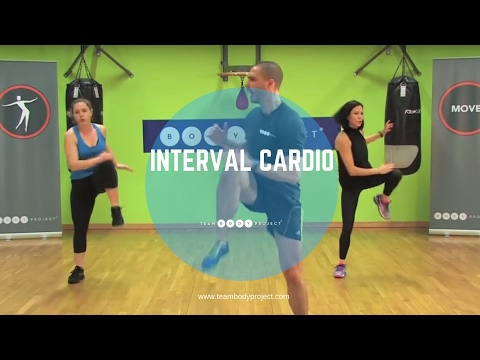
The concept presented here, a "25 minute interval cardio workout from home," published on April 2, 2015, might seem mundane on the surface. But I challenge you to look deeper. As a critic of martial arts representation and a practitioner of artes marciales for decades, I dissect every element. This isn't just about burning calories; it's about understanding the physiological demands placed upon a warrior, whether in a formal fight or the crucible of daily life.

The Body Project Philosophy: More Than Just Movement

The individuals behind "The Body Project" system, as indicated, are not simply purveyors of exercise routines. They speak of transforming the body in "10 weeks" and engaging in a "system." This implies a holistic approach, not a disconnected series of movements. In the realm of martial arts, we understand that true mastery is systematic. A single technique is not an isolated act; it’s the culmination of countless hours of foundational work, conditioning, and strategic understanding.

Daniel Bartlett, leading this particular session, guides participants through "combination cardio exercises." This is key. True martial application rarely involves single, isolated movements under duress. It's about seamlessly transitioning, combining evasions with strikes, blocks with counters. If this home workout mirrors that complexity, it offers a valuable simulation for the martial spirit. The promise of making the body a "calorie and fat burning machine" is, frankly, the byproduct of a well-conditioned physique, which is undeniably crucial for sustained combat.

"The body is like a spring. The more you compress it, the more power it has." - Bruce Lee

This sentiment echoes the core principle of interval training: periods of intense exertion followed by brief recovery. It’s not about endurance alone, but about developing the capacity for explosive power, a quality as vital in striking as it is in a desperate defensive maneuver. The convenience of exercising "from home" also speaks to the modern warrior's need for adaptability. The dojo is not always accessible, but the commitment to self-improvement must be unwavering.

Interval Training Demystified: The Rhythmic Pulse of Combat Conditioning

What, precisely, is interval training? At its heart, it’s a method of physical training that involves a series of intense bursts of exercise interspersed with periods of lower-intensity recovery. It's the ebb and flow of battle translated into physiological stress. Think of the rapid exchange of blows in a Muay Thai clinch, or the explosive takedown attempt in MMA, followed by the brief moment of strategic repositioning. This cycle of high-intensity effort and recovery trains the body's anaerobic and aerobic systems simultaneously.

This is fundamentally different from steady-state cardio, like a long, monotonous jog. While steady-state cardio builds endurance, interval training hones power, speed, and the ability to recover quickly – all critical for martial arts performance. It pushes your cardiovascular system and muscle groups to their limits in short, sharp bursts, forcing them to adapt and become more resilient. The goal is not just to *last* longer, but to be able to *perform* at a high level throughout the entirety of a confrontation, and then recover efficiently.

This form of training can significantly enhance:

  • VO2 Max: The maximum amount of oxygen your body can utilize during intense exercise. Higher VO2 max means better stamina.
  • Lactate Threshold: The point at which lactic acid builds up faster than your body can clear it. Pushing this threshold allows you to maintain higher intensity for longer.
  • Power Output: The ability to generate force quickly, essential for explosive strikes and movements.
  • Metabolic Rate: Interval training is known for its "afterburn effect," where your body continues to burn calories at an elevated rate long after the workout has finished.

The Workout Blueprint: A Tactical Approach to Home Training

The promise of a "25 minute interval cardio workout" is tantalizing. In the context of martial arts, time is often of the essence. A warrior cannot afford to spend hours on conditioning if it detracts from technical study or strategic thought. This workout, as described, focuses on "combination cardio exercises." This suggests a dynamic sequence, avoiding the monotony that can lead to mental fatigue, a warrior's true enemy.

The structure likely involves moving from one exercise to another with minimal rest, followed by a more extended rest period before repeating the circuit. This mirrors the tactical approach needed in a fight: execute a sequence of actions, recover momentarily, and prepare for the next engagement. If the exercises are varied – perhaps incorporating elements that mimic striking (e.g., high knees, jumping jacks, burpees, shadow boxing movements) – then this workout becomes a powerful simulator for the physical demands of combat. The key is intensity and the strategic use of recovery.

Consider the potential exercises:

  • High Intensity: Jumping Jacks, Burpees, Mountain Climbers, Sprints in place, Shadow Boxing combinations (rapid punches and kicks).
  • Recovery: Light jogging in place, walking lunges, deep breathing exercises.

The duration of 25 minutes is also significant. It’s long enough to elicit a substantial physiological response, yet short enough to fit into a busy schedule, respecting the principle of efficiency that guides any true martial endeavor.

Applying the Principles to Budo: The Link Between Physicality and Spirit

The modern interpretation of BUDO, the "Way of the Warrior," often emphasizes philosophical and spiritual development. However, to neglect the physical foundation is to build a temple on sand. The discipline cultivated through rigorous physical training directly translates to mental fortitude. The ability to push through fatigue, to maintain focus when your body screams for rest, is a direct manifestation of the mental game required in conflict.

This home workout, by its very nature, demands self-motivation. There is no Sempai or Sensei physically present to enforce discipline. The warrior must become their own master. This is where the true lesson lies: the development of inner strength, the self-mastery that allows one to adhere to training even when motivation wanes. This is the essence of discipline.

"The martial way is a daily effort of precise improvement." - Miyamoto Musashi

The consistent application of such training builds not just muscle and cardiovascular capacity, but resilience. It teaches the body and mind to respond to stress with controlled effort, rather than panicked reaction. This is the foundation upon which complex martial techniques are built. Without the engine of a conditioned body, even the most theoretically perfect technique is rendered ineffective.

Veredicto del Sensei: Is this a True Path to Martial Fitness?

Let us be direct. Is a 25-minute interval cardio workout, performed at home, a substitute for dedicated martial arts training? No. It is not. However, does it serve as a potent *supplement* and a valuable tool for enhancing the physical attributes necessary for martial prowess? Absolutely.

The effectiveness of this "Body Project" workout hinges on its execution and its integration into a broader training regimen. If the exercises are dynamic, challenging, and performed with intent – mimicking the explosiveness and recovery cycles of combat – then it is an excellent method for improving cardiovascular health, muscular endurance, and explosive power. The convenience factor makes it accessible, which is a significant advantage for practitioners who cannot always reach their dojo.

However, it lacks the technical refinement, the strategic application, and the direct feedback of instruction specific to a martial art like Karate, Judo, or BJJ. It builds the warrior's engine, but it does not teach them how to steer the vehicle.

Rating:
Cinturón Negro en Complemento Físico.

Equipo Esencial para tu Entrenamiento

While this workout emphasizes home-based training, a few key items can significantly enhance its effectiveness and your comfort. Remember, investing in your training is investing in yourself.
  • Calzado Deportivo Adecuado: Crucial for absorbing impact and providing stability during explosive movements. Look for shoes with good cushioning and support for lateral movements.
  • Ropa Cómoda y Transpirable: Allows for a full range of motion and prevents overheating. Moisture-wicking fabrics are ideal.
  • Esterilla de Entrenamiento: Provides cushioning for floor exercises like burpees and mountain climbers, and protects your joints.
  • Cronómetro o Aplicación de Intervalos: Essential for accurately timing your work and rest periods. Many free apps are available that can guide you through interval protocols.
  • Toalla: You will sweat. Be prepared.

Guía de Entrenamiento: Building a Foundation of Explosive Power

This is a sample circuit inspired by the principles of interval training, suitable for home practice. **Always consult with a healthcare professional before beginning any new exercise program.**
  1. Warm-up (5 minutes):
    • Light jogging in place
    • Arm circles (forward and backward)
    • Leg swings (forward/backward, side-to-side)
    • Dynamic stretches (e.g., torso twists, high knees gently)
  2. Work/Rest Circuit (20 minutes): Perform each exercise for 40 seconds, followed by 20 seconds of rest. Complete 4 rounds.
    1. Round 1:
      1. Jumping Jacks
      2. Rest
      3. High Knees (running in place, bringing knees high)
      4. Rest
      5. Bodyweight Squats (focus on depth and speed)
      6. Rest
      7. Mountain Climbers
      8. Rest
    2. Round 2:
      1. Burpees (modified if needed, without the jump or push-up)
      2. Rest
      3. Shadow Boxing (rapid combinations, focus on hip rotation)
      4. Rest
      5. Alternating Lunges (forward or reverse)
      6. Rest
      7. Plank Jacks
      8. Rest
    3. Round 3:
      1. Jumping Squats
      2. Rest
      3. Fast Feet (rapid stepping in place)
      4. Rest
      5. Push-ups (on knees or toes)
      6. Rest
      7. Butt Kicks (running in place, bringing heels to glutes)
      8. Rest
    4. Round 4:
      1. Skaters (lateral bounds)
      2. Rest
      3. Shadow Boxing (focus on defensive movements and counters)
      4. Rest
      5. Jump Lunges
      6. Rest
      7. Burpees
      8. Rest
  3. Cool-down (5 minutes):
    • Gentle stretching, holding each stretch for 20-30 seconds (quadriceps, hamstrings, chest, shoulders).
    • Deep breathing exercises to lower heart rate.

Preguntas Frecuentes

  • Q: Is this workout suitable for absolute beginners in martial arts?

    A: This workout can be adapted. Beginners should focus on form over speed and intensity. Modify exercises (e.g., step-back burpees instead of jumping) and consider longer rest periods initially. The key is consistency.

  • Q: How often should I perform this interval training?

    A: For optimal results and to avoid overtraining, aim for 2-3 sessions per week, with at least one rest day in between. This allows your body to recover and adapt.

  • Q: Can this replace my regular martial arts training?

    A: No, this workout is designed to complement, not replace. It enhances the physical conditioning required for martial arts, but lacks the technical instruction and application specific to your chosen art.

  • Q: What if I don't have much space at home?

    A: Many interval exercises can be modified for limited space. For instance, 'sprints in place' or 'fast feet' require minimal room. Focus on the intensity of movement within your available area.

Para Profundizar en tu Camino

To truly understand the synergy between physical conditioning and martial arts mastery, explore these essential topics:

Reflexión del Sensei: Tu Próximo Paso

We have examined a 25-minute interval cardio workout not merely as a fitness trend, but as a potential training tool for the martial artist. It offers a method to forge the body into a more effective instrument. But the tool itself is inert without the wielder's intent and understanding.

Consider this: the most powerful strike, the most unyielding defense, originates from a place of preparedness. This workout is a forge. The intensity is the hammer. But what is the metal? It is your spirit, your discipline, your unwavering commitment to the Way.

Your next step: This week, I challenge you not just to perform this workout, but to *observe* yourself during its peaks of exertion. Where does your mind wander? What thoughts arise when your body is pushed to its edge? Is it the thought of quitting, or the thought of the next technique, the next strategic move? Document these observations. True mastery is not just about what your body can do, but what your mind dictates it can do, even when it feels impossible. Now, tell me, in the comments below, which of your mental barriers did this type of training threaten to break, and which did it reinforce?

``` GEMINI_METADESC: Explore the martial significance of interval training. Learn how this home workout can forge a warrior's physique, build discipline, and complement your Budo journey.

Mo Bamba and Austin Rivers: A Brawl or a Blueprint for Combat?

Introduction: The Court Erupts

Ah, the roar of the crowd, the tension in the air, the sudden eruption of... a fistfight between basketball players. Mo Bamba and Austin Rivers, names usually associated with skillful dribbling and strategic plays, found themselves in a chaotic altercation that saw multiple ejections. But as a lifelong practitioner and observer of the martial way, I must ask: was this truly a "fight," or merely a regrettable display of uncontrolled aggression? Does any element of true combat strategy, or the spirit of Budo, emerge from such a spectacle? Many of you clicked on this seeking raw, unadulterated combat footage. You might be expecting a breakdown of striking techniques, defensive maneuvers, or grappling exchanges. But let us be clear: what transpired on that court was less a testament to martial prowess and more a cautionary tale. Today, we dissect this event not as fans of NBA drama, but as students of conflict and the martial arts.

Before we dive into the "what," let's address the "why." Why do we, as martial artists, even bother analyzing a scuffle between athletes from a different discipline? Because the principles of conflict, control, and the mental fortitude required to face adversity are universal. The Budo encompasses more than just physical techniques; it's a philosophy, a way of life. And sometimes, observing what *not* to do is as instructive as witnessing true mastery.

So, settle in. Grab your water bottle – perhaps one of those durable martial arts-themed water bottles if you're serious about hydration during training. We are about to embark on a journey to find the flicker of martial insight, if any, within this basketball brawl.

Deconstructing the "Fight": Skill vs. Scuffle

Let's cut to the chase. Mo Bamba and Austin Rivers engaged in a physical confrontation. Ejections followed. But let's be honest, this wasn't Bruce Lee vs. Chuck Norris. This was two large individuals, fueled by adrenaline and perhaps ego, flailing at each other on a hardwood floor. From a technical standpoint, what did we witness?
  • Initiation: Heated words, shoving. Standard precursor to many physical altercations, not unique to any martial art but common in uncontrolled conflict.
  • Striking: Wild swings, mostly missing or glancing blows. There was no discernible form, no rooted stances, no strategic targeting of vital points. It resembled less a practiced strike from Karate or Boxing and more a desperate attempt to land any hit.
  • Grappling (Limited): Some pushing and clinching, but no effective takedowns or submissions you'd see in Judo or Brazilian Jiu-Jitsu. This wasn't about control or leverage; it was about staying upright or trying to pull the other person down ineffectively.
  • Defense: Minimal. Mostly reactive flailing or attempts to break away. The concept of 'receiving' a strike with structure or parrying effectively was absent.
This lack of refined technique is precisely why the concept of "ejections" is so prominent. In a true martial context, such uncontrolled aggression often leads to severe injury, or worse. The rules of basketball, like those in many combat sports, are designed to channel aggression into structured competition. When those rules break down, what's left is often chaotic and dangerous.
"The true warrior is the one who understands the difference between fighting and quarreling. One is a science, the other a disease." - Unknown Master
Compare this to the precision of a well-executed Karate Kata Bunkai, where every movement has a purpose, a defensive and offensive application honed over centuries. Or consider the intricate leverage and timing required for a simple Judo O Soto Gari. The Bamba-Rivers incident lacks this depth, this intentionality. It was a failure of emotional regulation, not a demonstration of martial skill.

The Spirit of the Warrior: Where Does This Fit?

This is where the core of my critique lies. The martial arts, at their heart, are about self-mastery. Concepts like Mushin (no-mind), Zanshin (awareness), and Fudoshin (immovable mind) are paramount. A true warrior cultivates these qualities to control not only their body but their emotions, especially under duress. What did Bamba and Rivers display?
  • Lack of Emotional Control: The aggression, while understandable in a heated moment, suggests a failure to regulate intense emotions. This is the antithesis of the disciplined mind cultivated in the dojo.
  • Absence of Strategy: There was no tactical thinking, no reading of the opponent's intent beyond immediate anger. A martial artist, even in a self-defense scenario, would assess, evade, and engage with purpose.
  • Focus on Retribution, Not Resolution: The "fight" seemed driven by a desire to retaliate rather than de-escalate or neutralize a threat effectively.
The philosophy of Budo teaches us that true strength lies not in the ability to inflict harm, but in the strength to control oneself. It's about humility, respect, and the understanding that violence is a last resort, to be employed with precision and necessity, not out of anger. This incident, unfortunately, showcased the opposite. Consider the teachings of Miyamoto Musashi in "The Book of Five Rings." While focused on swordsmanship, his principles of strategy, timing, and understanding the opponent's mind are universally applicable to any form of conflict. The heated exchange between Bamba and Rivers offers no such strategic depth. It's like comparing a toddler's tantrum to a master strategist's calculated move.

Applying the Lessons: Beyond the Basketball Court

So, if this wasn't a showcase of martial arts, what can we learn from it? Every event, even a regrettable one, offers lessons.

Guía de Entrenamiento: Desarrollando el Control Emocional

  1. Mindfulness y Meditación: Incorpora sesiones diarias de meditación Zazen or simply quiet breathing exercises. This builds a foundation for emotional awareness. Practice on a comfortable meditation cushion.
  2. Sparring Controlado: Engage in sparring sessions in your chosen art. The goal isn't to "win" at all costs, but to practice technique, timing, and crucially, to manage your emotional response when under pressure. Use proper sparring gear.
  3. Análisis de Conflictos: Watch martial arts films (critically, of course!) or analyze historical battles. Understand the strategies, the decision-making under pressure, and the outcomes.
  4. Enfrenta tus Miedos: Sometimes, the biggest fights are internal. Setting challenging but achievable goals, like mastering a new Aikido technique or completing a difficult running program (check out these running shoes for beginners), builds resilience.
  5. Estudio Filosófico: Read texts on Budo, Bushido, or Stoicism. Understanding the philosophical underpinnings of self-control is as vital as any physical drill.
The key takeaway isn't about learning to fight like Bamba or Rivers; it's about learning to *not* be like them when faced with provocation. It's about cultivating the inner strength that allows a martial artist to remain calm, centered, and strategic, even when challenged.

Veredicto del Sensei: A Disappointing Display

Let's be unequivocal. If this event were judged on martial merit, it would receive a resounding failure. Cinturón Blanco en Técnica, Cinturón Negro en Drama. While entertaining for those who enjoy sports drama, it offered virtually nothing of value from a martial arts perspective. It highlights the vast chasm between athletic competition with rules and genuine combat or disciplined martial practice. There was no "Kime" – no decisive, focused energy. Just raw, unfocused aggression that ultimately led to penalties and a tarnished reputation.

Equipo Esencial para tu Entrenamiento

While the Bamba-Rivers incident is a poor example of combat, proper training requires the right gear. Investing in quality equipment not only enhances your practice but also ensures safety.
  • Kimono/Gi: A durable Judo Gi for grappling arts or a sturdy Karate Gi for striking disciplines is fundamental.
  • Protective Gear: For sparring, essential items include 16oz MMA Gloves, headgear, mouthguards, and shin guards.
  • Training Weapons: If your art incorporates them, consider a wooden Bokken for sword practice or safe training Taekwondo Bo Staffs.
  • Mats: For styles involving throws or groundwork, high-quality MMA training mats are crucial for safe practice.
  • Focus Mitts & Pads: Excellent for partner drills to develop speed, accuracy, and power.
Remember, the tools are secondary to the training, but the right tools facilitate better and safer progress.

Preguntas Frecuentes

Q1: Was the Mo Bamba and Austin Rivers incident a real fight?
A1: They engaged in a physical altercation involving shoving and attempted striking. However, from a martial arts perspective, it lacked the technique, strategy, and control that define a true fight or disciplined combat.

Q2: Can basketball players use martial arts techniques in a game?
A2: While some players might have martial arts backgrounds, using overt techniques like punches or kicks would result in immediate fouls, technical fouls, or ejections, as it violates the rules of basketball.

Q3: What martial arts principles were absent in their altercation?
A3: Key absent principles include emotional regulation (Mushin, Fudoshin), strategic engagement, precise technique, and the overall philosophy of Budo which emphasizes self-mastery over uncontrolled aggression.

Q4: Should I try to fight like athletes if I get into an altercation?
A4: Absolutely not. The goal of martial arts training is to develop skills that allow you to de-escalate, defend yourself effectively and efficiently, and maintain control. The basketball incident is a poor model for self-defense.

Para Profundizar en tu Camino

Reflexión del Sensei: Tu Próximo Paso

We've dissected the Bamba-Rivers incident, not to shame the individuals, but to learn from the spectacle. It serves as a potent reminder that physical confrontation, stripped of discipline and philosophy, is merely chaos. True strength, the strength of the warrior, is forged in the crucible of self-control, honed through rigorous training, and guided by a deep respect for the principles of Budo.

Reflexión del Sensei: Tu Próximo Paso

Now, I ask you: In the heat of a challenging training session, or even in a moment of personal frustration outside the dojo, how do you embody the warrior's calm? When faced with provocation, do you react with uncontrolled emotion, or do you draw upon the inner stillness you cultivate? This is the real fight. How will you win it? ``` ```json { "@context": "https://schema.org", "@type": "FAQPage", "mainEntity": [ { "@type": "Question", "name": "Was the Mo Bamba and Austin Rivers incident a real fight?", "acceptedAnswer": { "@type": "Answer", "text": "They engaged in a physical altercation involving shoving and attempted striking. However, from a martial arts perspective, it lacked the technique, strategy, and control that define a true fight or disciplined combat." } }, { "@type": "Question", "name": "Can basketball players use martial arts techniques in a game?", "acceptedAnswer": { "@type": "Answer", "text": "Some players might have martial arts backgrounds, but using overt techniques like punches or kicks would result in immediate fouls, technical fouls, or ejections, as it violates the rules of basketball." } }, { "@type": "Question", "name": "What martial arts principles were absent in their altercation?", "acceptedAnswer": { "@type": "Answer", "text": "Key absent principles include emotional regulation (Mushin, Fudoshin), strategic engagement, precise technique, and the overall philosophy of Budo which emphasizes self-mastery over uncontrolled aggression." } }, { "@type": "Question", "name": "Should I try to fight like athletes if I get into an altercation?", "acceptedAnswer": { "@type": "Answer", "text": "Absolutely not. The goal of martial arts training is to develop skills that allow you to de-escalate, defend yourself effectively and efficiently, and maintain control. The basketball incident is a poor model for self-defense." } } ] }