Showing posts sorted by relevance for query mma training mats. Sort by date Show all posts

The Unseen Shadow: David Yen's Quest to Forge His Own Legacy Beyond Bolo Yeung

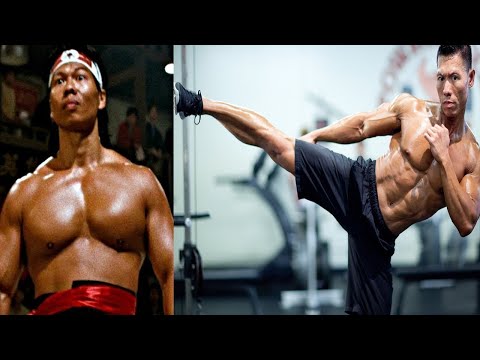
Every martial artist dreams of greatness, of etching their name into the annals of combat history. But what happens when your very name carries the weight of a legend? This is the crucible in which David Yen, son of the iconic Bolo Yeung, has forged his own path. For too long, he has lived in the imposing shadow of his father, a man synonymous with brutal physicality and unforgettable screen presence. Yet, David’s journey is not one of mere imitation, but of a distinct evolution, a testament to the enduring spirit of martial arts and the complex dynamics of legacy. In this analysis, we delve into David Yen’s own accomplishments, his transition from bodybuilding prowess to MMA training, and what this means for the broader landscape of martial arts influence.

For those who wish to support the continuation of this deep dive into martial arts lineage and dedication, contributions are welcomed. Your support fuels the research and analysis that allows us to explore these fascinating figures.

"The student often surpasses the master, not by copying, but by understanding the core principles and applying them in a new context." - A principle echoed through generations of martial arts philosophy.

The common narrative often places David Yen in relation to his father, Bolo Yeung. While it's undeniable that Bolo’s formidable physique and on-screen ferocity in films like "Enter the Dragon" and "Bloodsport" set an incredibly high bar, David’s story is far more nuanced. He hasn’t sought to replicate his father’s cinematic career, but rather to carve out his own niche, demonstrating a remarkable capacity for adaptation and skill development. His achievements in bodybuilding, a discipline demanding immense discipline and physical control, laid a potent foundation. This rigorous training wasn't just about aesthetics; it instilled the perseverance and understanding of the human body that would later inform his work with fighters.

David Yen's Bodybuilding Prowess

Before stepping onto the mats as a coach, David Yen himself achieved significant recognition in the world of bodybuilding. This is a crucial aspect often overlooked when solely focusing on his father. Bodybuilding is not merely about aesthetics; it’s a rigorous discipline that cultivates an intimate understanding of muscle function, recovery, and the sheer willpower required to push physical limits. This experience provided David with a unique perspective on strength conditioning, nutrition, and the dedication necessary for peak physical performance—all vital components that translate directly into the demanding world of combat sports. He understands the grind, the plateaus, and the mental fortitude required to sculpt a champion’s physique, a lesson invaluable when guiding fighters.

The Transition to MMA Coaching

The pivot from individual bodybuilding to coaching Mixed Martial Arts (MMA) is a fascinating evolution. It suggests a deep-seated passion for the combat arts that extends beyond personal achievement. Training MMA fighters requires a different skillset: understanding the intricate interplay of striking, grappling, and submission arts, as well as the strategic and psychological aspects of competition. David Yen, by immersing himself in this arena, demonstrates a commitment to the dynamic, evolving nature of modern combat. He is not simply leveraging his name; he is actively contributing to the development of new talent, bringing his unique blend of strength, discipline, and strategic insight to the corner.

His work with MMA fighters signifies a profound respect for the sport's multifaceted demands. It's a journey from perfecting one's own physical form to orchestrating the development of others'. This shift speaks volumes about his character and his dedication to the martial arts community. He has embraced the challenge of understanding diverse fighting styles and tailoring training regimens to maximize each fighter's potential.

Legacy and Influence: Beyond the Shadow

The inherent challenge for any child of a famous figure is to establish their own identity. David Yen has navigated this with a quiet determination. While his father defined an era of cinematic martial arts, David is contributing to the practical, competitive side of combat sports. This is a subtle yet significant distinction. His influence is felt not through iconic movie scenes, but in the tangible improvements he helps his fighters achieve. He is building his legacy brick by brick, fight by fight, demonstrating that true strength lies not just in inherited fame, but in earned respect and demonstrable expertise.

"A true legacy is not what you inherit, but what you build. It is the impact you have on others, the skills you impart, and the example you set."

His presence in the MMA coaching circuit suggests a desire to move beyond the direct comparisons and to prove his own mettle. It's a testament to a generation of martial artists and their offspring who are expanding their definition of success, integrating diverse disciplines and pushing the boundaries of what it means to be a martial artist in the 21st century. The "Bolo Yeung" name carries immense recognition, but David Yen is actively cultivating his own name through dedicated effort and a forward-thinking approach to training.

Training Philosophy for Fighters

While specific details of David Yen’s coaching methodologies might be proprietary, his background provides strong clues. His bodybuilding past suggests a strong emphasis on:

  • Core Strength & Stability: Essential for power generation in strikes and stability in grappling exchanges.
  • Explosive Power Development: Training for the quick, dynamic movements crucial in MMA.
  • Muscular Endurance: Building the stamina to perform at a high level throughout a fight.
  • Nutritional Guidance: Understanding the body’s fuel source for optimal performance and recovery.
  • Mental Fortitude: Instilling the discipline and resilience learned through personal bodybuilding challenges.

This foundation is critical. Unlike pure martial arts that might focus solely on technique, David’s approach likely integrates a holistic understanding of the fighter’s physical machine. He understands that technique without the physical capacity to execute it under duress is incomplete. This blend of strength conditioning and combat-specific training is a hallmark of effective modern coaching.

Equipment Essential for MMA Training

For aspiring coaches or fighters looking to emulate the dedication seen in figures like David Yen, having the right equipment is paramount. While David’s personal gym setup is likely extensive, some fundamental pieces are crucial for any serious MMA training environment:

  • High-Quality MMA Gloves: For striking drills and sparring, offering protection for both the wearer and their training partners. Look for gloves with good padding distribution and a secure fit.
  • Durable Training Shorts: Lightweight, flexible shorts that allow for a full range of motion during grappling and striking.
  • Sparring Headgear: Essential for mitigating impact during sparring sessions, protecting against cuts and concussions.
  • Shin Guards: Crucial for protecting the shins during kickboxing drills and sparring.
  • Mouthguards: Non-negotiable for protecting teeth and jaw during any contact training.
  • Wrestling/Grappling Mats: A safe and stable surface is vital for practicing takedowns, ground control, and submissions.
  • Resistance Bands and Weights: For strength and conditioning exercises that supplement skill training.
  • Jump Ropes: An excellent tool for cardiovascular conditioning and footwork development.

Investing in good MMA merchandise and training gear not only enhances safety but also fosters a more serious training mindset. It signals a commitment to the craft, much like the dedication David Yen himself embodies.

Veredict of the Sensei: A New Generation of Martial Arts Leadership

David Yen represents a fascinating evolution in martial arts lineage. He has taken the formidable foundation laid by his father, Bolo Yeung, and adapted it for the modern combat sports landscape. His journey from a successful bodybuilder to an MMA coach demonstrates a profound understanding that true mastery lies in continuous learning and application. He hasn’t tried to be his father; he has strived to be the best version of himself, contributing meaningfully to the sport. His influence may not be etched in celluloid, but in the grit, skill, and spirit of the fighters he trains. He is a prime example of how the principles of martial arts and physical discipline can be channeled into diverse, impactful careers within the broader combat community. He is earning his stripes, one fighter at a time.

"The path of the warrior is not a destination, but a continuous journey of refinement. David Yen embodies this journey, transitioning from one arena of physical mastery to another, proving that the principles of discipline and strength are universal."

Frequently Asked Questions

Who is David Yen?
David Yen is the son of the renowned martial arts actor and bodybuilder Bolo Yeung. He is known for his own accomplishments in bodybuilding and his current work as an MMA trainer.
Did David Yen act in movies like his father?
While his father is famous for his movie roles, David Yen has primarily focused on bodybuilding and MMA coaching, rather than a direct acting career.
What is David Yen’s contribution to MMA?
David Yen trains MMA fighters, leveraging his background in bodybuilding and physical conditioning to enhance their performance and prepare them for competition.
How does David Yen's bodybuilding background help in MMA training?
His bodybuilding experience provides a deep understanding of strength, conditioning, discipline, and physical limits, which are directly applicable to preparing MMA athletes for the rigors of combat.

Further Exploration

The journey of martial arts families and their evolving influence is a rich topic. To continue your exploration into the diverse paths within the martial arts world, consider these related topics:

Reflection of the Sensei: Your Next Step

David Yen’s story compels us to consider how we approach our own legacies. Are we defined solely by our heritage, or do we have the agency to forge our own unique impact? How will you ensure your contributions are recognized for their own merit, not just in relation to those who came before you? Ponder this deeply. Your answer will shape the path you walk.

``` GEMINI_METADESC: Explore David Yen's journey beyond his father Bolo Yeung's shadow. From bodybuilding to MMA coaching, discover his unique legacy in combat sports.
The Harsh Reality: 9 Moments Martial Arts Mysteriously Vanished in Real Fights

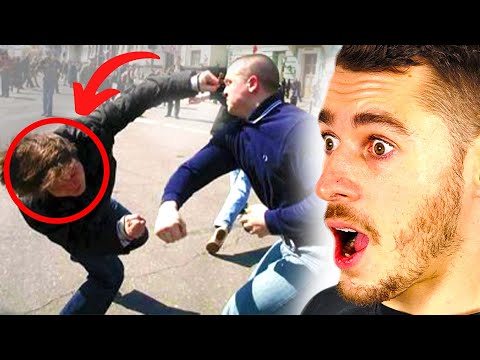
The dojo teaches discipline, precision, and the art of combat. Yet, step outside the hallowed grounds and into the brutal arena of a real-world altercation, and sometimes, those meticulously honed skills seem to evaporate like mist in the morning sun. This isn't about discrediting the dedication of countless hours spent mastering techniques; it's about confronting the stark differences between controlled environments and the unpredictable chaos of a genuine fight. Prepare yourselves, for today we dissect nine instances where the theoretical brilliance of martial arts met the unforgiving concrete of reality.

Table of Contents

Expectations vs. Reality: The Unveiling

The journey of a martial artist is often a dual path: one of physical conditioning and technical mastery within the dojo, and another, less visible, of mental fortitude and practical application. The crucial question that hangs in the air, thicker than the chalk dust in an old gymnasium, is how well these two paths converge when the pressure is real. We train for hypotheticals, for scenarios designed to isolate and perfect specific skills. But what happens when the variables explode, when the opponent is not a training partner, when the environment is uncontrolled, and the stakes are far higher than pride?

"The effectiveness of a technique is only proven when it works under pressure, in the most chaotic of circumstances." - A lesson etched in sweat and humility.

This compilation isn't a judgment on the validity of the arts themselves, but a critical examination of how deeply ingrained their principles become under duress. We look at moments where, perhaps, the theatricality of certain styles or the over-reliance on specific techniques in a controlled setting, faltered when faced with raw, unscripted conflict.

#9 The MMA Fighter Who Shook The Internet

In the digital age, viral videos can catapult individuals to fleeting fame. Sometimes, these clips showcase breathtaking displays of skill. Other times, they reveal a stark disconnect. We explore a case where an individual, seemingly proficient in MMA, found their carefully constructed technique crumbling under unexpected circumstances. Was it a lapse in training, a psychological breakdown, or a simple underestimation of the 'real fight' scenario? We dissect the footage to understand why the advertised skill set failed to manifest.

#8 Two Kung Fu Masters Met in a Street

Kung Fu, with its myriad styles and legendary proponents, often conjures images of effortless power and fluid movement. The idea of two masters engaging in a street fight should, in theory, be a spectacle of unparalleled martial prowess. However, reality often paints a messier picture. This segment delves into an encounter where the elegance associated with Kung Fu seemed to dissipate, replaced by something far more primal and less refined. We question whether the emphasis on forms and traditions can sometimes overshadow the pragmatic imperatives of survival.

#7 Where’s the Judo in That?

Judo, meaning "gentle way," is renowned for its powerful throws and ground control techniques. It emphasizes leveraging an opponent's momentum and weight. Yet, in numerous street altercations, the application of Judo principles appears conspicuously absent. Why do individuals trained in this effective grappling art often resort to wild flailing or ineffective striking when faced with aggression? We investigate the potential reasons behind this common discrepancy, exploring how the controlled environment of the tatami mats differs from the uneven, unpredictable terrain of a street fight.

#6 They’re MMA Fighters… They’re Good at Fighting, Right?

Mixed Martial Arts is, by definition, a hybrid of various combat disciplines designed for effectiveness in a competitive, regulated environment. Athletes dedicate years to mastering striking, grappling, and conditioning. So, when an MMA fighter finds themselves in a non-sanctioned altercation, one would expect their skills to shine. However, documented instances show that even seasoned MMA practitioners can falter. This segment examines why the disciplined strategy of MMA competition doesn't always translate directly to the lawless nature of a street confrontation.

#5 Boxers Are Different, Right? They’re More… Technical!

Boxing is often lauded for its refined punching techniques, footwork, and defensive skills. Boxers train rigorously to deliver powerful, accurate blows while evading their opponent's attacks. The expectation is that their specialized training makes them formidable in any striking situation. Yet, what happens when a boxer faces an opponent who doesn't adhere to the Marquess of Queensberry Rules? We analyze a scenario where technical boxing prowess seemingly proved insufficient against a less refined, but perhaps more aggressive, opponent.

#4 Boxers Who… Use Kicks?

This is where the lines truly blur. We delve into instances where individuals with extensive boxing backgrounds were forced into situations requiring more than just hand-based techniques. The surprise often lies not just in their inability to adapt, but in the surprising adoption of techniques they supposedly eschew. This raises questions about adaptability, inherent aggression, and the primal instinct to survive when the familiar framework of their training is removed.

#3 Wrestlers Don’t Mind Kicking Too?

Wrestling, a discipline focused on takedowns, control, and pins, builds incredible strength and positional dominance. The assumption is that a skilled wrestler can take anyone down and control them. However, the reality of street fights often involves multiple opponents or situations where a takedown is not feasible or even desirable. We examine cases where wrestlers, potentially cornered or outnumbered, resorted to striking, even kicking, blurring the lines between their core discipline and a desperate attempt at self-preservation. It’s a fascinating insight into how training can adapt, or fail to adapt, under extreme pressure.

#2 Mayweather and Romero - a BJJ Story

Floyd Mayweather Jr., arguably one of the greatest defensive boxers of all time, famously transitioned into the world of MMA, facing UFC Lightweight Champion Khabib Nurmagomedov. This segment looks at his foray, and specifically at interactions or perceived challenges involving grappling, particularly Brazilian Jiu-Jitsu. We analyze the discourse and potential real-world encounters that highlight the steep learning curve, even for legends, when facing specialists in a different domain. It's a prime example of how deep specialization in one area doesn't automatically grant mastery in another.

Honorable Mentions: The Near Misses

Before we reveal our top contender, we touch upon a few other instances that warrant attention. These are cases that, while not making the main list, illustrate the recurring theme: the unpredictable nature of real conflict and the frequent disconnect between trained technique and instinctual reaction. These honorable mentions serve as further evidence of the chasm that can exist between martial arts theory and street fight practice.

#1 Muhammad Ali Preferred Grappling in a Real Fight?

Muhammad Ali, "The Greatest," was a master of boxing, known for his unparalleled speed, footwork, and charisma. His "rope-a-dope" strategy and lightning-fast jabs are legendary. However, there are accounts and analyses suggesting that in situations deviating from pure boxing matches, Ali might have shown a preference for clinching and grappling. We explore these claims, examining whether this represents a fundamental understanding of combat beyond mere striking, or a pragmatic adaptation to protect himself in less controlled environments. Could it be that even the most iconic boxer recognized the foundational importance of grappling when the chips were down?

The Sensei's Verdict: Does Form Follow Function?

After dissecting these nine moments, a pattern emerges, as clear and sharp as a well-honed blade. Martial arts training, at its best, instills discipline, resilience, and a profound understanding of the human body and conflict. However, the effectiveness of those skills in a "real fight"—a chaotic, unpredictable, and often brutal encounter—depends heavily on the *type* of training, the depth of the practitioner's conditioning, their mental state under duress, and their willingness to adapt beyond rigid stylistic boundaries. The examples show that those who excel in regulated combat sports like MMA, Boxing, and Wrestling often possess a more adaptable skill set because their training inherently includes a broader spectrum of combat scenarios and pressures. Conversely, arts that heavily emphasize forms, choreographed sequences, or rely on assumptions about an opponent's behavior may struggle when confronted with the raw, unscripted reality of violence.

The Verdict: While the dedication to any martial art is commendable, true martial prowess is forged not just in perfecting techniques, but in understanding their applicability across the widest possible spectrum of conflict. The goal isn't to win a competition; it's to survive, to overcome. And sometimes, the most effective technique is the one that is least glamorous but most practical.

Rating: 3 out of 5 Belts - Intriguing, but often highlights a crucial gap in training philosophy.

Essential Gear for Your Training Journey

While the focus here is on the philosophical and practical application of martial arts, the right equipment can significantly enhance your training experience and safety. Investing in quality gear ensures that your practice sessions are both effective and minimize the risk of unnecessary injury. Here's a look at some fundamental items:

  • Training Uniforms (Gi/Kimono): For arts like Judo, Karate, and BJJ, a durable, well-fitting uniform is crucial. Look for double-weave or reinforced stitching for longevity, especially if you plan on extensive sparring.
  • Sparring Gloves: Essential for striking arts and MMA. Ensure they offer adequate padding for both your hands and your training partner's safety. Options range from 10oz to 16oz depending on the discipline and training intensity.
  • Mouthguards: Non-negotiable for any form of sparring or competitive combat. A good mouthguard protects your teeth, jaw, and can even help mitigate concussions.
  • Shin Guards: Vital for Muay Thai, Kickboxing, and MMA training to protect against painful kicks and knee strikes.
  • Headgear: Recommended for beginners in striking arts to reduce the impact of blows to the head during sparring.
  • Training Mats (Tatami/Roll-out Mats): For home practice of Judo, BJJ, or Aikido, investing in appropriate mats can prevent injuries during throws and falls.

Remember, quality gear isn't a substitute for skill, but it's an indispensable partner in your development.

Training Guide: Embracing the Principles

The core lesson from these real-world encounters is the importance of adaptability and a well-rounded approach to combat. Here’s a fundamental training exercise to help internalize these principles:

  1. Situational Awareness Drills: Practice recognizing your surroundings. In training, have partners approach from unexpected angles or introduce distractions. Mentally rehearse how you would react defensively.
  2. Cross-Training Fundamentals: If you primarily train a striking art, spend dedicated time learning basic grappling techniques (takedown defense, getting up from the ground). If you're a grappler, work on basic defensive striking and distance management. This doesn't mean becoming an expert in everything, but understanding the fundamentals of other domains.
  3. Stress Inoculation: Incorporate conditioning drills that push your physical and mental limits. Exercises under fatigue, timed challenges, or even mild "pressure testing" in training can help build resilience. For example, perform a series of burpees until near exhaustion, then immediately attempt a technical drill.
  4. Scenario-Based Training: Simulate potential real-world scenarios in a controlled manner. This could involve dealing with multiple attackers (with appropriate safety measures), fighting in confined spaces, or practicing transitions between striking and grappling.
  5. Mindset Cultivation: Focus on developing a pragmatic and adaptable mindset. The goal in a real fight is often de-escalation or escape, not necessarily "winning" in a sporting sense. Train to stay calm under pressure and make rational decisions.

The key is to bridge the gap between the controlled practice of the dojo and the uncontrolled reality of the street, ensuring your skills serve you when it matters most.

Frequently Asked Questions

Q1: Are martial arts useless in a real fight?

No, martial arts are far from useless. They build discipline, physical conditioning, situational awareness, and teach valuable self-defense principles. However, the effectiveness of specific techniques or styles can vary dramatically depending on the context of the real fight, the practitioner's training depth, and their mental state under extreme pressure.

Q2: Why do MMA fighters sometimes fail in street fights?

Even MMA fighters can falter due to factors outside their training: the unpredictable nature of street violence (multiple attackers, weapons, uneven terrain), adrenaline dumps that can override technique, and psychological shock. Competition rules and strategies don't always translate directly to street survival.

Q3: Is traditional martial arts training less effective than MMA for self-defense?

Traditional arts often focus on principles and self-defense concepts, but may lack the intense, pressure-tested sparring common in MMA. MMA's hybrid approach, incorporating striking and grappling under realistic conditions, often proves more directly applicable to a wider range of real-world confrontations. However, many traditional arts, when taught with a focus on practical application and realistic sparring, can be highly effective.

Q4: What is the most practical martial art for self-defense?

There isn't one single "most practical" art. A combination of striking (like Boxing or Muay Thai) and grappling (like BJJ or Wrestling) is generally considered highly effective. Crucially, practical self-defense also involves de-escalation, situational awareness, and the mindset to escape danger, which are skills honed across many disciplines but best emphasized in dedicated self-defense courses.

For Deeper Study

The journey of martial arts is a lifelong pursuit, filled with discovery, challenges, and constant refinement. These moments of reality serve not as indictments, but as crucial learning opportunities. They remind us that the true test of any art lies not in its elegance on the mat, but in its resilience on the unforgiving streets.

Reflexión del Sensei: Tu Próximo Paso

Having witnessed these stark contrasts, I pose this question to you, the dedicated practitioner: Is your training purely an aesthetic pursuit of form, or are you actively seeking to forge skills that will serve you when the illusion of control shatters? How will you consciously bridge the gap between the controlled environment of your practice and the chaotic reality that awaits? Reflect on your own training. Where are the blind spots? What uncomfortable truths must you confront to truly embody the spirit of martial resilience?

``` GEMINI_METADESC: Explore 9 instances where martial arts skills faltered in real-world fights. A critical look at the gap between dojo training and street reality.

The Incredible Story of MMA & The UFC: A Budo Warrior's Perspective

Introduction: The Birth of the Modern Gladiators

What is it that draws us to the raw, unfiltered spectacle of men and women testing their limits in combat? For centuries, humanity has been captivated by martial prowess, from the ancient Olympic pankration to the samurai's duel. Today, few arenas command such attention as the octagon, the birthplace of modern Mixed Martial Arts (MMA) and the epicentre of the Ultimate Fighting Championship (UFC). But how did we arrive at this point? Is MMA merely a brutal display of violence, or does it embody a profound lineage of warrior traditions? As a student of the Budo and a critic of martial arts cinema, I can assure you, the story is far richer and more complex than it appears on the surface. This is not just about knockouts and submissions; it's about the evolution of combat, the test of human spirit, and the enduring philosophy that underpins every strike, every grapple, every moment of victory and defeat. Prepare yourselves, for we are about to embark on a journey through the history of MMA and the UFC, viewed through the critical lens of a martial arts Sensei.

From Ancient Roots to Modern Arenas

The concept of "mixed martial arts" isn't a recent invention. Long before the UFC, combatants across the globe honed diverse skill sets to overcome their opponents. Think of the ancient Greeks and their pankration, a devastating blend of boxing and wrestling. Consider the Shaolin monks, who synthesized numerous fighting styles into a cohesive system. Even the legendary Miyamoto Musashi, with his unique "Niten Ichi-ryū" (Two Heavens as One style), advocated for mastering a multitude of weapons and strategies, not limiting oneself to a single approach. This fundamental principle – that a true warrior must be versatile – echoes through the ages and is the very soul of MMA. The desire to find the most effective way to fight, regardless of the discipline, is as old as conflict itself.
"Know the enemy and know yourself; in a hundred battles, you will never be in danger." - Sun Tzu, The Art of War. In MMA, "knowing yourself" means understanding your own strengths and weaknesses across various martial disciplines.
The very essence of MMA is this very principle: the cross-pollination of techniques, the ultimate test of martial effectiveness. It's a modern manifestation of an ancient human drive to excel in combat by embracing a holistic approach to fighting.

The Gritty Genesis of Mixed Martial Arts

Before the polished spectacle of today's UFC, MMA's roots were far more primal. Various organizations and historical events laid the groundwork. In Brazil, for instance, the Gracie family developed Brazilian Jiu-Jitsu (BJJ), emphasizing ground fighting and submissions. They famously promoted "Gracie Challenges," where practitioners would face exponents of other martial arts to prove the superiority of their grappling techniques. These were no-holds-barred affairs, testing not just skill but raw courage and endurance.
Elsewhere, Vale Tudo ("anything goes") tournaments in Brazil became legendary for their brutality and lack of rules. These were often chaotic, dangerous events that, while ethically questionable by modern standards, served as crucial proving grounds for different martial arts. They highlighted the strengths of grappling arts like BJJ and wrestling when pitted against striking disciplines like Karate or Taekwondo. The realization dawned: no single art held a monopoly on effective combat. A fighter needed a well-rounded arsenal.

The UFC's Crucible: Forging a Sport

The true revolution, however, began in 1993 with the inception of the Ultimate Fighting Championship. Initially conceived as a tournament to determine the most effective martial art, the early UFC events were stark, raw, and controversial. Eight fighters, representing diverse backgrounds like Karate, Kung Fu, Boxing, Kickboxing, Sumo, and Brazilian Jiu-Jitsu, entered an eight-man elimination bracket. The goal was simple: find out who would win in a no-rules fight. The early tournaments, particularly UFC 1, famously showcased the dominance of Royce Gracie, a slender BJJ practitioner who repeatedly submitted much larger, stronger opponents using his superior ground fighting skills. This was a paradigm shift. It forced practitioners of traditional striking arts to confront the efficacy of grappling and vice-versa. It shattered the myth that size and brute force alone determined victory.
"When you are in a fight, you cannot be looking for the perfect technique. You have to look for the technique that works in that moment, against that opponent." - A common sentiment echoed by many early MMA pioneers.
The UFC's early years were a chaotic, yet vital, experiment. It was a crucible where disparate martial arts collided, and from that collision, a new sport began to emerge. The initial lack of weight classes and the minimal ruleset, while horrifying to some, were precisely what allowed for this unprecedented comparison of martial effectiveness.

Evolution and Challenges: The Road to Mainstream

The raw, almost barbaric, nature of early MMA was a double-edged sword. It drew immense attention but also attracted significant criticism, leading to bans and widespread condemnation. Senator John McCain famously spearheaded efforts to ban the sport, deeming it "human cockfighting." This intense pressure forced the sport's governing bodies, including the UFC, to evolve. Gradually, rules were introduced and refined. Weight classes were established to ensure fairer competition. Stricter regulations on fouls and fighting conduct were implemented. The introduction of gloves, the prohibition of certain dangerous techniques, and the refinement of judging criteria transformed MMA from a spectacle of raw violence into a legitimate, albeit still intense, sport.
The Fertitta brothers' purchase of the UFC in 2001, with Dana White at the helm, marked a turning point. Through strategic marketing, groundbreaking television deals, and the development of the reality show "The Ultimate Fighter," the UFC began its meteoric rise. This series, in particular, humanized the fighters, showcasing their dedication, sacrifice, and the rigorous training required. It allowed audiences to connect with the athletes on a deeper level, understanding the discipline and the "why" behind their pursuit. MMA, once a fringe phenomenon, was steadily gaining mainstream acceptance, appealing to fans of boxing, wrestling, judo, karate, and virtually every other combat sport.

The Warrior's Code in the Octagon

While the rules have evolved, the spirit of the warrior, the core tenets of Budo, remain relevant in modern MMA. The discipline required to train for an MMA bout is immense. Fighters must master striking, grappling, wrestling, and conditioning. This necessitates an unwavering commitment to self-improvement, a core principle in all traditional martial arts. The concept of "Mushin" – a mind free from thought, a state of flow – is often displayed by elite MMA athletes. When a fighter operates in this state, their reactions are instinctive, honed by thousands of hours of practice. They are not thinking; they are *doing*. This is the pinnacle of martial training, whether in a dojo or an octagon. Furthermore, the respect shown between competitors, particularly after a grueling fight, embodies the martial ideal. Despite the intense conflict within the cage, there is often a profound respect for the opponent's skill and courage. This is the embodiment of "respect for the adversary," a cornerstone of martial philosophy. The octagon, in its own way, has become a modern dojo for testing not just physical prowess, but mental fortitude, discipline, and the warrior spirit.
"The ultimate aim of martial arts is not to be better than others, but to be better than your former self." - This ancient proverb is lived out daily by MMA fighters who push their limits in training and competition.
The journey from ancient combat systems to the global phenomenon of MMA and the UFC is a testament to the enduring human fascination with conflict, skill, and the spirit of the warrior. It’s a continuous evolution, driven by the desire to find the most effective way to overcome an opponent, always pushing the boundaries of human capability.

Essential Gear for Your Training

For those inspired to explore the world of combat sports, whether it's MMA, BJJ, Muay Thai, or Karate, having the right equipment is crucial. Quality gear not only enhances your training but also provides essential protection.
  • Gloves: For striking disciplines like Muay Thai, Kickboxing, or MMA sparring, 16oz training gloves are a standard. They offer ample padding to protect your hands and your training partners.
  • Hand Wraps: Always use hand wraps beneath your gloves to provide extra support to your knuckles and wrists, preventing injuries during intense striking sessions.
  • Mouthguard: Non-negotiable for any sparring. A custom-fitted mouthguard offers the best protection against dental injuries.
  • Shin Guards: Essential for Muay Thai and Kickboxing training to protect against kicks and improve your kicking defense.
  • Brazilian Jiu-Jitsu Gi: For BJJ practitioners, a durable Gi (Kimono) is necessary. Look for a double-weave or heavy weave Gi for added resilience. Brands like Tatami or Fuji offer excellent options for both beginners and advanced practitioners.
  • Wrestling Shoes: Lightweight, supportive shoes with good grip are beneficial for wrestling and BJJ training on the mats.
  • MMA Gloves: Designed with open fingers for grappling, these are specific to MMA training and competition.
Investing in good Karate merchandise or Judo equipment can also significantly improve your training experience and safety. Remember, proper attire is a sign of respect for the art and your fellow practitioners.

Frequently Asked Questions

  • What does MMA stand for?
    MMA stands for Mixed Martial Arts.
  • Is MMA a real sport?
    Yes, MMA is recognized as a legitimate and highly demanding sport worldwide, with professional organizations like the UFC hosting major international events.
  • What is the difference between MMA and UFC?
    MMA is the sport itself, the combination of various martial arts. The UFC (Ultimate Fighting Championship) is the largest and most prominent organization that promotes MMA events.
  • Do MMA fighters train in only one martial art?
    No, successful MMA fighters train in a variety of disciplines, including striking arts (like Boxing, Muay Thai, Karate) and grappling arts (like Brazilian Jiu-Jitsu, Wrestling, Judo).
  • How dangerous is MMA?
    Like many full-contact combat sports, MMA carries inherent risks. However, stringent rules, weight classes, and safety equipment have significantly reduced the dangers compared to its early days.

To Delve Deeper on Your Path

* The Rich Tapestry of Karate History * Understanding the Budo Warrior's Philosophy * Practical Tips for Your MMA Training Regimen

Sensei's Reflection: Your Next Step

We've traced the lineage of MMA from ancient battlefields to the roaring crowds of the UFC. We've seen how disparate martial arts, once rivals, have found common ground in the crucible of competition. The question remains: does the spirit of Budo truly endure in this modern gladiatorial arena? Or has the pursuit of spectacle overshadowed the path of self-mastery? Reflect on this: is the true essence of a martial art found in its ancient traditions, or in its capacity to adapt and prove its efficacy in the face of any challenge?

Reflexión del Sensei: Tu Próximo Paso

The journey from ancient combat systems to the global phenomenon of MMA and the UFC is a testament to the enduring human fascination with conflict, skill, and the spirit of the warrior. It’s a continuous evolution, driven by the desire to find the most effective way to overcome an opponent, always pushing the boundaries of human capability. Now, I pose this to you: If the goal of martial arts is to forge stronger individuals, both physically and mentally, does the modern MMA fighter, with their dedication to comprehensive training and their willingness to face diverse challenges, represent the ultimate evolution of the warrior spirit, or a dilution of ancient principles? Let your thoughts flow. Debate. Disagree. Prove your stance. Your next move is on the mat… or in the comments below. ``` GEMINI_METADESC: Un Sensei desmantela la historia de MMA y UFC, analizando su evolución desde las raíces marciales hasta el deporte moderno. ¿Encarna el espíritu del Budo?

Judo vs. MMA: A Sensei's Tactical Breakdown of Dominance

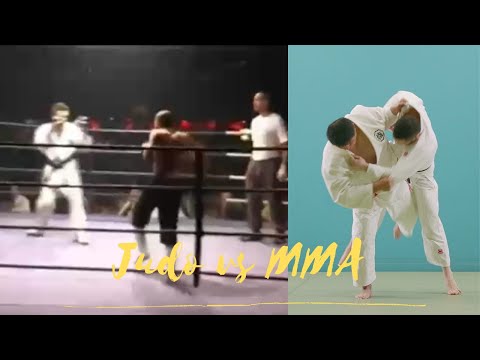
The roar of the crowd, the glint of sweat under the arena lights, the coiled tension before a strike or a takedown. These are the primal elements that draw us to combat sports. But when a Judoka, a master of the throw and the ground game, steps into the cage against an MMA fighter, a specialist in a multi-disciplinary war, what transpires? Is it a clash of titans, or a predictable outcome? This isn't about mere physical prowess; it's about the application of refined principles honed over centuries versus a modern, brutal synthesis. We are about to dissect this very confrontation, not as mere spectators, but as students of the Budo, examining the strategic depth, the technical nuances, and the philosophical underpinnings that dictate victory.

The Genesis of the Duel: Judo vs. MMA

Welcome, practitioners of the Budo and aficionados of the martial arts. Today, we confront a scenario that has ignited countless debates in dojos and online forums alike: the direct confrontation between a pure Judoka and a seasoned Mixed Martial Arts (MMA) fighter. The question is not simply about who is stronger, but who can adapt, who can impose their will, and whose fundamental principles of combat will prevail. Is the devastating potential of a perfectly executed Uchi-mata enough to overcome a barrage of strikes? Can a master of O-soto-gari translate their grappling prowess to an environment devoid of the gi?

Let's be clear: these are not the same battles. Judo, as codified by Jigoro Kano, emphasizes mutual welfare and prosperity, a path of maximum efficiency with minimum effort. MMA, on the other hand, is a brutal crucible, a synthesis of the most effective techniques from across the globe, stripped of tradition and focused solely on victory. This dichotomy forms the bedrock of our analysis.

The Judoka's Arsenal: Unlocking the Power of Kuzushi

A Judoka enters the fray with a formidable foundation. Their understanding of kuzushi – the art of unbalancing an opponent – is paramount. This is not merely about brute strength; it's about leverage, timing, and understanding the opponent's center of gravity. Techniques like Seoi-nage, Ippon-seoi-nage, and the ubiquitous Uchi-mata are not just moves; they are physics-defying applications of kinetic energy transfer.

In a gi-based environment, a Judoka can employ grips that provide immense control, allowing them to break down an opponent's posture and set up devastating throws. The ability to transition seamlessly to the ground and apply submissions like Sankaku-gatame (triangle choke) or Gyaku-juji-jime (reverse cross choke) is another layer of their offensive capability. These are skills honed through thousands of repetitions, ingrained into muscle memory.

However, the MMA cage presents a starkly different landscape. The absence of a gi negates the primary method of control for a Judoka. Without the familiar fabric to grip, the art of kuzushi becomes exponentially more challenging, relying on body control and clinch work rather than the secure grips of the judogi. This is where the conceptual understanding of Judo must be rigorously tested.

The MMA Chameleon: Adapting to the Unfamiliar

The MMA fighter is, by definition, a generalist. They are trained to weather the storm from various martial disciplines – striking arts like Boxing and Muay Thai, grappling arts like Brazilian Jiu-Jitsu (BJJ) and Wrestling, and sometimes even elements of Karate or Taekwondo. Their strength lies not in singular mastery, but in their ability to seamlessly blend these arts and exploit an opponent's weaknesses.

An MMA fighter facing a Judoka will likely anticipate the takedown attempts. Their training will focus on defending throws, establishing dominant grips (or lack thereof), and creating space to employ their striking arsenal. A well-timed knee to the head in the clinch, or a barrage of punches while the Judoka attempts to secure a grip, can quickly neutralize the thrower's advantage. Furthermore, a skilled MMA fighter will have extensive training in defending submissions and, crucially, in executing their own submissions from various positions, often learned through the lens of BJJ.

"The supreme art of war is to subdue the enemy without fighting." - Sun Tzu. In MMA, this often translates to dictating the pace and range of engagement.

The MMA fighter’s conditioning is also typically tailored for longer, more grueling bouts where the intensity of grappling exchanges is sustained. While Judokas possess incredible stamina for their sport, the all-out, multi-faceted war of MMA is a different beast entirely. The ability to absorb damage and fight through adversity is a core component of an MMA fighter's mettle.

A Sensei's Technical Deep Dive: From Gi to Cage

Let's break down the technical battleground:

  • Standing Exchange: Here lies the Judoka's primary challenge. Without the gi, effective grips are difficult to establish. They must rely on open-hand clinching, head control, and exploiting minute openings to initiate a throw. Techniques requiring significant lapel or sleeve grip, like a strong O-uchi-gari or Harai-goshi, become significantly harder to execute. The MMA fighter, conversely, will aim to keep the distance, use their jab and straight punches to manage the space, and be ready to sprawl or counter a takedown attempt. The potential for striking is high here, which is a clear advantage for the MMA fighter.
  • The Clinch: This is where the battle for control intensifies. A Judoka's Tsurikomi-goshi or Uki-goshi might still be viable if they can secure a body lock. However, MMA clinch work often involves controlling the wrists and head, preventing the opponent from gaining the necessary leverage for a throw, while also looking for knees or short punches. A well-trained MMA wrestler can often counter a Judo clinch with superior head positioning and takedown defense (e.g., a double leg or single leg).
  • Ground Game: If the Judoka successfully secures a takedown and lands in a dominant position (e.g., kesa-gatame), their advantage is substantial. However, MMA fighters are adept at transitioning from defending takedowns to scrambling back to their feet or attacking from the bottom. Judo's emphasis on pins (Osaekomi-waza) is powerful, but MMA fighters are trained to escape pins quickly and create submission opportunities. BJJ's influence means MMA fighters are often more comfortable and dynamic in scrambles and submissions from disadvantageous positions than a pure Judoka might be, especially one accustomed to gi grips.

Consider the case of Uchi-mata. In Judo, it's a spectacular throw initiated with a specific pulling and reaping motion, often facilitated by gripping the opponent's gi. In MMA, without that grip, the reap becomes a more generalized leg sweep or sweep attempt, highly susceptible to being countered by a wrestler's sprawling or a striker's balance shift. The effectiveness of Judo techniques is intrinsically linked to the context in which they are applied.

Beyond the Physical: The Budo Spirit in Combat

At its core, Judo is a Budo, a "way of war" focused on self-development. It teaches discipline, respect, and resilience. The principle of Seiryoku Zenyo (maximum efficiency, minimum effort) is not just a physical tactic but a philosophical guide to life. Can this philosophy translate into the unforgiving environment of an MMA bout?

An MMA fighter's philosophy is often one of survival and dominance. While discipline and resilience are certainly necessary, the underlying ethos is different. It's about adapting to win, using whatever works. This pragmatism can be both a strength and a weakness. A Judoka, trained in the principles of Judo, might exhibit greater composure under pressure, focusing on the technical execution rather than succumbing to the chaos. However, that same adherence to Judo principles, if not adapted, can become a rigidity that an MMA fighter exploits.

"The true Budo practitioner is one who, even in the heat of battle, retains the calm and clarity of a serene mind. This is the essence of Mushin – no-mind."

The spiritual dimension of martial arts often provides a deep well of inner strength. For a Judoka, this might manifest as an unwavering focus on technique and process. For an MMA fighter, it might be a fierce tenacity, a refusal to be broken. Which spirit is better suited to the cage? It often depends on the individual, but the Judoka's ingrained discipline offers a powerful psychological advantage if they can maintain their composure and execute their game plan.

Veredict of the Sensei: Who Reigns Supreme?

Let us not mince words. In a direct, rules-free confrontation, the MMA fighter, by virtue of their comprehensive training, generally holds the advantage. Their ability to seamlessly transition between striking and grappling, their defense against Judo's primary weapons (throws and gi-based submissions), and their often superior conditioning for the specific demands of MMA combat give them a significant edge.

However, this is not to dismiss the Judoka. A Judoka who has cross-trained in MMA, specifically focusing on striking defense and no-gi grappling, can be an incredibly dangerous opponent. A Judoka who understands how to use their entries and timing without the gi, and who has developed strong wrestling defense, can absolutely impose their will. The key is adaptation. Without it, the Judoka faces an uphill battle.

Cinturón Negro en Adaptación: An MMA fighter who has spent years honing their craft across multiple disciplines. They understand the rhythm of the fight and can exploit openings in striking, clinch, or ground.
Cinturón Azul Descolorido: A pure Judoka, unaccustomed to striking, fighting without the gi, and unfamiliar with MMA grappling nuances. Their core Judo skills are present but may not be fully applicable.

The outcome is not predetermined. It hinges on the specific skillset and adaptability of the individual athletes. But in a vacuum of preparation, the MMA fighter's versatility is their ultimate weapon.

Essential Gear for Your Training

To excel in either Judo or MMA, the right equipment is not a luxury, but a necessity. Investing in quality gear shows respect for the art and for yourself. For aspiring Judokas, the fundamental piece of equipment is a durable judogi. Look for double-weave cotton kimonos that can withstand the rigors of throwing and grappling. For MMA, a good pair of training shorts (designed for movement and durability) and boxing or MMA gloves are essential. Shin guards and mouthguards are crucial for sparring safely. Consider investing in a quality makiwara for striking conditioning or a grappling dummy for solo submission drills.

  • Judogi: A high-quality, pre-shrunk judo uniform (e.g., best judo gis for competition and training).
  • MMA Shorts: Lightweight and flexible shorts that allow for a full range of motion.
  • Training Gloves: 4oz or 6oz MMA gloves for striking and light grappling.
  • Mouthguard: Essential for protecting your teeth and jaw during sparring.
  • Wrestling Shoes: For improved traction and ankle support in striking and grappling.
  • Training Matting: For safe practice at home.

Training Drills for Cross-Disciplinary Skills

To bridge the gap between Judo and MMA, specific drills are vital:

  1. No-Gi Grip Fighting & Clinch Control: Practice establishing body locks and head control without the gi. Focus on transitions and fighting for dominant positions in the clinch.
  2. Takedown Defense (Sprawls & Counters): Work on quickly recognizing takedown attempts and executing effective sprawls. Drill countering single and double leg takedowns with leg rides or trip attempts.
  3. Striking Integration: Incorporate punches, elbows, and knees into clinch work. Practice throwing and immediately transitioning to a dominant ground position or defending a counter-strike.
  4. Ground Escapes & Submission Defense: Practice escaping pins and unfavorable positions. Drill defending common MMA submissions like rear-naked chokes and armbars.
  5. Live Sparring (MMA Ruleset): Regular sparring under MMA rules, with partners who have diverse skill sets, is the ultimate test.

Frequently Asked Questions

Q1: Can a Judo throw always be adapted for MMA?
A1: Not always directly. Techniques that heavily rely on gi grips are difficult to execute effectively without them. However, the underlying principles of unbalancing (kuzushi) and leverage can be adapted.

Q2: Is BJJ better than Judo for MMA?
A2: BJJ and Judo have different focuses. BJJ emphasizes ground submissions and positional control, often without a gi. Judo excels in explosive throws and pins. Many top MMA fighters train in both, leveraging the strengths of each.

Q3: What is the most important skill for a Judoka moving to MMA?
A3: Adaptability and striking defense. Learning to defend strikes, establish control without the gi, and transition to offensive grappling or striking effectively are crucial.

Q4: How do Judokas train for MMA?
A4: They typically incorporate striking training (boxing, Muay Thai), no-gi grappling (often with BJJ or wrestling coaches), and specific conditioning for MMA rounds.

Deepen Your Journey

To truly understand the complexities of combat sports, one must explore various facets of the martial world. Here are some resources to further your education:

Reflexión del Sensei: Tu Próximo Paso

You have seen the technical and philosophical considerations of a Judo versus MMA encounter. Now, I ask you:

If you were a Judoka preparing for an MMA bout, what single Judo technique would you prioritize adapting, and why? Conversely, if you were an MMA fighter facing a Judoka, what is the first element of their game you would neutralize, and how?

The mats, the cage, and life itself are arenas for learning and adaptation. Prove your understanding. Discuss your strategy in the comments below. Do not hold back; your insights are valuable.

``` GEMINI_METADESC: Sensei's expert analysis: Judo vs. MMA. Discover the tactical advantages, technical differences, and philosophical clashes between these combat disciplines. Who truly dominates the cage?

The Karate Edge: 10 MMA Warriors Who Bring the Spirit of the Empty Hand

The echo of a sharp kiai, the precision of a devastating roundhouse kick, the unwavering focus of a fighter staring down their opponent. These are the hallmarks of Karate, an art steeped in tradition and honed through relentless discipline. But what happens when this ancient warrior spirit clashes with the modern, brutal arena of Mixed Martial Arts? Does the philosophy of the empty hand translate to the cage? Many scoff, dismissing Karate as a "sport" divorced from real combat. I say they are blind. Today, we dissect this notion, not with platitudes, but with the cold, hard reality of combat performance. We will explore the fighters who have transcended their Karate roots to become formidable forces in MMA, proving that the principles of Karate are not just alive, but lethal.

Table of Contents

Introduction: The Karate Kata in the Cage

The common misconception is that Karate, with its emphasis on form (kata) and controlled sparring (kumite), is ill-suited for the chaotic, multi-faceted nature of MMA. Critics argue that it lacks the grappling, the ground game, the sheer brutality required to succeed. But this view overlooks the fundamental principles Karate instills: discipline, resilience, explosive power, and an understanding of distance and timing. These are not mere 'sporting' attributes; they are the very essence of effective combat. Today, we celebrate ten warriors who embody this fusion, proving that the spirit of Karate, when applied with the right mindset and adaptability, can indeed conquer.

1. Andy Hug: The Kickboxing King with a Karate Soul

Andy Hug was more than just a fighter; he was an artist of destruction. His Kyokushin Karate background, particularly his devastating spinning back kicks and his signature "Hug Kick" (a horizontal spinning kick to the head), set him apart. While he achieved legendary status in kickboxing promotions like K-1, his roots in full-contact Karate were undeniable. Hug demonstrated how Karate's emphasis on conditioning, powerful hip rotation, and precise striking could translate into a terrifying arsenal in any combat sport. His legacy is a testament to the raw power and adaptability of Karate's striking principles. He showed the world that a fighter with deep Karate fundamentals could stand toe-to-toe with anyone.

"The ultimate aim of Karate is not victory or defeat, but the perfection of the character of its participants." - Gichin Funakoshi. Andy Hug embodied this, bringing honor and respect even in the fiercest battles.

2. Stephen "Wonderboy" Thompson: The Striking Maestro

Stephen "Wonderboy" Thompson is perhaps the most prominent modern example of Karate's direct influence on MMA striking. With a background in Tetsushin-ryū Kempo and a decorated kickboxing career, Thompson’s style is characterized by its fluidity, unorthodox angles, and pinpoint accuracy. His Karate training instilled in him exceptional footwork, a keen sense of distance, and the ability to generate tremendous power from seemingly simple movements. In the UFC, he has consistently baffled opponents with his diverse kicking arsenal, deceptive head movement, and the ability to switch stances seamlessly. He proves that Karate's foundational striking techniques are not only relevant but can be elevated to an art form in the modern MMA landscape.

3. Ewerton Teixeira: The Kyokushin Powerhouse

Ewerton Teixeira is a formidable force who brought the uncompromising power of Kyokushin Karate directly into the MMA cage. As a multiple-time World Champion in Kyokushin, Teixeira's raw power, devastating low kicks, and relentless pressure were well-documented. His transition to MMA saw him apply these skills effectively, showcasing the effectiveness of full-contact Karate in stand-up exchanges. While his MMA career may not have reached the stratospheric heights of some others on this list, his presence alone served as a powerful reminder of the fighting spirit forged in the crucible of Kyokushin. He is living proof that the discipline of Karate translates directly into fight-ending power.

4. Frank Mir: The Unconventional Karateka Grappler

While Frank Mir is primarily known for his exceptional Brazilian Jiu-Jitsu and devastating boxing, his martial arts journey began with Kempo Karate. This early foundation provided him with a unique blend of striking knowledge and agility that complemented his formidable grappling. Mir’s ability to transition between striking and submissions, often catching opponents off guard with a sudden offensive surge, hints at the underlying Karate principles of fluid movement and opportunistic striking. His career, marked by numerous championship reigns and iconic knockouts and submissions, demonstrates how a Karate base can provide an unexpected edge in a multi-disciplinary sport.

5. Sam Greco: The Seidokaikan Warrior

Sam Greco is a name synonymous with hard-hitting Karate and kickboxing. With a background in Kyokushin and Seidokaikan Karate, Greco brought an aggressive, all-action style to MMA. His power punches and relentless forward pressure, honed through rigorous Karate training, made him a dangerous opponent. He fought with the tenacity and spirit that is the hallmark of these Karate organizations, never backing down and always looking to impose his will. Greco's contributions highlight how the intense sparring and conditioning of Karate can forge fighters ready for the demands of MMA.

6. Gerard Gordeau: The Pioneer of Full-Contact Karate in MMA

Gerard Gordeau is a significant figure in the early history of MMA, and a testament to the fighting prowess developed through full-contact Karate. A world champion in Savate and a decorated Karateka, Gordeau competed in the very first UFC event, UFC 1. His notorious eye-poke during his bout with Telia Tuli showcased a brutal pragmatism that, while controversial, underlined the effectiveness of his Karate-derived striking power and aggression. Gordeau proved that Karate practitioners, even with older rulesets, possessed the tools to compete and dominate in the nascent world of MMA.

7. Harold Howard: A Blend of Styles from Karate's Depth

Harold Howard entered the UFC octagon with a unique blend of martial arts, including Gōjū-ryū and Shito-ryū Karate, alongside Jujutsu. His approach was marked by powerful Karate strikes and an aggressive, unpredictable style that surprised many. Howard's performance at UFC 3, where he famously knocked out Ken Shamrock with a powerful punch, is etched in MMA history. It demonstrated that a fighter with a solid Karate foundation, combined with other arts, could possess the explosive power and tactical awareness to defeat highly regarded opponents.

8. Sage Northcutt: The Dynamic Fusion

Sage Northcutt, often dubbed "Super Sage," represents a new wave of fighters who have incorporated Karate from a young age into a modern MMA skillset. With a background in Shuri-ryū Karate and Taekwondo, combined with Brazilian Jiu-Jitsu and Muay Thai, Northcutt’s style is incredibly dynamic. His Karate foundation provides him with excellent kicking technique, agility, and hand speed, which he seamlessly integrates into his MMA strategy. While still developing, his speed and diverse striking arsenal are clear testaments to the power of a well-rounded Karate education in MMA.

9. Semmy Schilt: The Giant of Ashihara and Kyokushin Budokai

Semmy Schilt is a colossal figure in combat sports, and his martial arts journey is deeply rooted in Karate. With a background in Ashihara Karate and Kyokushin Budokai, Schilt developed an imposing presence, powerful striking, and a strategic approach to combat. Standing at over 6'11", he utilized his reach and power to devastating effect, particularly in kickboxing promotions like K-1, where he became a legendary champion. His success demonstrates how the discipline, power, and strategic striking taught in these Karate systems can be leveraged to dominate opponents, even in weight classes where opponents are often much smaller.

10. Adam Khaliev: The Kudo Prodigy

Adam Khaliev is a highly skilled fighter with a background in Kudo, a hybrid martial art that evolved from Kyokushin Karate. Kudo emphasizes full contact, realistic techniques, and even includes some grappling and headbutting, making it a natural stepping stone for MMA. Khaliev’s Karate heritage is evident in his powerful strikes, aggressive combinations, and impressive conditioning. His performances showcase the brutal effectiveness and adaptability of the Karate principles instilled by Kudo, proving that this art continues to produce formidable competitors ready for the challenges of the cage.

Veredicto del Sensei: ¿Karate vs. MMA? La Verdadera Lucha

The notion that Karate is irrelevant in MMA is, frankly, ignorant. What these ten fighters demonstrate is not merely the application of kicks and punches, but the transfer of core principles: discipline, resilience, the ability to withstand pain, explosive power generation, and strategic thinking. Karate, in its truest form, teaches a complete combat system, not just a series of movements. The kata are not just dances; they are pre-arranged combat scenarios that develop muscle memory, timing, and tactical awareness. The kumite, when trained with a focus on realistic application, hones the ability to react, adapt, and overcome an unpredictable opponent. The issue isn't whether Karate *can* succeed in MMA, but whether the fighter has truly internalized its lessons and adapted them. These ten individuals have not only adapted but thrived, proving that the empty hand, wielded with the spirit of Karate, remains a potent weapon.

Calificación: ¡Cinturón Negro en Adaptabilidad!

Equipo Esencial para tu Entrenamiento

While Karate is an art of the "empty hand," effective training and competition, especially when bridging to MMA, require specific gear. Here’s what you should consider:

  • Karate Gi: Look for a durable, double-weave gi that can withstand intense sparring. Brands like Blitz or Fuji offer good quality.
  • Sparring Gear: For safety during sparring, especially when simulating MMA scenarios, invest in padded gloves (10-16 oz), shin guards, and a mouthguard.
  • Training Mats: If you're working on takedowns or groundwork inspired by your Karate base, puzzle mats or tatami mats are crucial for safe practice.
  • Focus Mitts and Punching Bags: Essential for developing power, speed, and accuracy in your striking.
  • Hand Wraps: Always use hand wraps under your sparring gloves to protect your wrists and knuckles.

Preguntas Frecuentes

Can Karate fighters really compete in MMA?
Absolutely. As demonstrated by the fighters listed, a strong Karate background provides excellent striking, discipline, and conditioning that are highly transferable to MMA. The key is adaptability and cross-training.
What are the main Karate principles that help in MMA?
Core principles include discipline, perseverance, explosive power generation, efficient movement, strategic distance management, and mental fortitude. These are universal to effective combat.
Is it important for Karate practitioners to learn grappling?
For MMA, yes. While striking is a core Karate strength, a well-rounded MMA fighter needs to be proficient in grappling (wrestling, BJJ) to be truly effective. Karate training can provide a strong base for takedown defense and offensive striking that sets up grappling exchanges.
What is the difference between Kyokushin Karate and other styles in MMA?
Kyokushin is known for its full-contact, bare-knuckle sparring and conditioning, which creates fighters with immense toughness and powerful, conditioned strikes. This raw power and resilience are highly valued in MMA.

Para Profundizar en tu Camino

Reflexión del Sensei: Tu Próximo Paso

We have seen how warriors from the Karate lineage have carved their names into the annals of MMA. But this is not just about listing names; it's about understanding the underlying principles. Do you believe the philosophy of the empty hand is truly a complete system for modern combat, or merely a foundation? When you step onto the mat, are you just practicing techniques, or are you embodying the spirit that allowed these fighters to conquer?

Now, I pose this to you: If Karate's essence is about self-mastery and overcoming challenges, how can you better integrate this philosophy into your own training, whether you compete in MMA, practice traditional Karate, or simply seek a more disciplined life? Discuss.

``` GEMINI_METADESC: Descubre cómo 10 guerreros de MMA, inspirados por el Karate, demuestran la potencia y disciplina del arte marcial en la jaula. Análisis de sus estilos y legados.

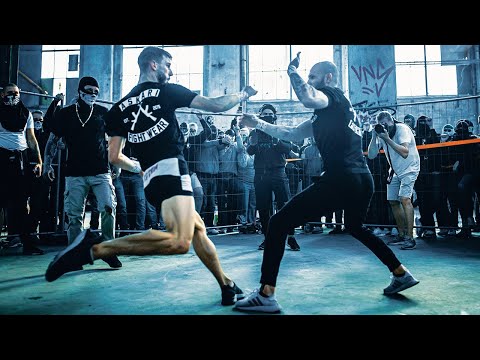
Mladen vs. "Yaki": Deconstructing Raw Combat in "King of the Streets 51"

As a Sensei, I’ve witnessed countless displays of martial prowess, from the refined grace of a Kendo kata to the brutal efficiency of a Kyokushin knockdown. Yet, nothing quite prepares one for the unadulterated, raw intensity of an underground fight club. "King of the Streets: 51," featuring the clash between Mladen and "Yaki," offers precisely that: a glimpse into a world where the rules are few and the stakes are incredibly high. This isn't about sport; it's about survival, dominance, and the primal urge to prove oneself. But does this raw display of combat hold any true martial merit, or is it merely a spectacle? Let's dissect it.

Table of Contents

The Premise of "King of the Streets"

"King of the Streets" presents itself as a genuine underground fight club. The promotional material emphasizes prize money and a stark choice of combat formats: "K.O. ONLY" or "NO RULES." This immediate framing sets a tone far removed from the structured environment of most martial arts competitions.

The "K.O. ONLY" format, allowing virtually anything except submissions, and the even more extreme "NO RULES" format, where victory can be achieved by knockout or submission without rounds or time limits, are designed to test the absolute limits of the combatants. There's a brutal honesty to this approach. It strips away the layered strategies of many regulated sports and goes straight for the jugular. As a practitioner of BUDO, I must ask: what is the true purpose of such an environment? Is it a crucible for honing warrior spirit, or merely a platform for uncontrolled violence?

Fighter Profiles: Taekwondo Meets MMA

The specifics of the bout between Mladen and "Yaki" offer a fascinating, albeit limited, insight into the potential dynamics. Mladen, listed at 69 KG and 183 CM, hails from Serbia/Germany and his discipline is stated as Taekwondo / MMA. "Yaki," at 66 KG and 178 CM, is a streetfighter from Germany/Iran with an MMA background.

This juxtaposition is telling. Mladen’s inclusion of Taekwondo suggests a potential base in dynamic kicking techniques, while his "MMA" designation indicates he’s prepared for a broader range of combat. "Yaki," purely an MMA fighter in this context, is likely more rounded in grappling and ground fighting, alongside striking. The weight difference is negligible, but the stylistic contrast is the true story here. Can Mladen's Taekwondo-infused striking overcome Yaki's more comprehensive MMA approach in a no-holds-barred environment? The question itself sparks debate.

"In the realm of combat, technique is but a tool. The true weapon is the mind that wields it." - Miyamoto Musashi

Deconstructing the "No Rules" Format

The "NO RULES" format is where things become particularly interesting from a martial perspective. The absence of rounds and time limits means a fight could theoretically go on indefinitely, demanding an extraordinary level of physical and mental endurance. This isn't just about who can land the hardest blow; it's about who can withstand the longest punishment.

In traditional martial arts like Karate or Judo, the structure—rounds, weight classes, point systems, or specific rule sets—often serves to highlight certain skills and ensure a degree of safety and fairness. Removing these elements in "King of the Streets" tests the fighters’ fundamental conditioning and their ability to adapt under extreme duress. It forces a confrontation with one’s own limitations. The question remains: does this format truly reflect "real combat," or does it create a specific, albeit brutal, environment of its own? The proponents claim it’s the closest to a street fight, but I contend that even street fights have an unpredictable nature that rules, or lack thereof, can never fully replicate.

The Martial Merit: Authenticity vs. Spectacle

This is where my critique becomes sharp. While the fighters’ willingness to engage in such a high-risk environment is commendable in its bravery, we must separate bravery from true martial skill. The "NO RULES" format, while exciting for spectators, often prioritizes aggression and resilience over refined technique.

A practitioner of traditional martial arts like Judo, Karate, or Taekwondo trains with discipline and respect for a codified system. The goal is not merely to win a fight, but to cultivate oneself through the practice. In "King of the Streets," the emphasis is overwhelmingly on the win, by any means necessary. This can lead to techniques being employed that are technically crude but effective in a chaotic environment. While effective, are they truly "martial" in the sense of embodying principles like honor, discipline, and self-mastery?

For example, a fighter might resort to tactics that would be heavily penalized in a regulated match, such as prolonged eye-gouging or illegal strikes, simply because there are no referees to enforce sanctions. This blurs the line between a contest of skill and a brutal brawl. The spectacle is undeniable, but the underlying martial philosophy is, in my view, often compromised.

The term "streetfighter" itself is loaded. While it implies a certain grit and real-world applicability, it can also denote a lack of formal training or adherence to martial principles. When we see a Taekwondo practitioner facing an MMA fighter in a no-rules bout, we are observing a clash of combat paradigms, not necessarily a pure demonstration of martial art mastery.

"The ultimate aim of martial arts is not victory or defeat, but the perfection of the human character." - Jigoro Kano

Training Implications: What Can We Learn?

Despite my reservations about the philosophy, there are lessons to be drawn. Firstly, the sheer conditioning required for a fight without time limits is immense. This highlights the importance of cardiovascular endurance and muscular strength in any form of combat. Fighters in such events often possess incredible resilience, pushing through pain and exhaustion.

Secondly, adaptability is key. Mladen’s background in both Taekwondo and MMA suggests an understanding that different disciplines have strengths and weaknesses. In a no-rules fight, a fighter must be able to transition between striking and grappling, defense and offense, fluidly and without hesitation. This emphasizes the value of cross-training, a concept well-understood in modern Artes Marciales Mixtas (MMA).

However, the most crucial lesson for any aspiring martial artist observing events like this is to understand the difference between a fight and a martial art. While the courage is evident, the wisdom and character development that are cornerstones of true BUDO are often secondary, if present at all, in environments focused solely on winning by any means. It serves as a potent reminder of what disciplined training aims to achieve—and what it seeks to avoid.

While the fighters in "King of the Streets" might operate with minimal gear, a dedicated martial artist requires proper equipment to train safely and effectively. Investing in quality gear is not a luxury; it is a necessity for progress and injury prevention.

  • High-Quality Kimono: For Judo or Aikido, a durable, double-weave gi is essential for resisting the stresses of grappling. Look for brands known for their longevity and fit.
  • Sparring Gloves: Whether you’re training striking in Karate, Kickboxing, or MMA, properly padded sparring gloves (14-16 oz recommended for heavy sparring) are crucial to protect your hands and your training partners.
  • Mouthguard: Non-negotiable for any contact sport. A well-fitted mouthguard protects your teeth, jaw, and can even help prevent concussions.
  • Groin Protector: Essential for any training involving kicks or sparring where accidental contact is possible.
  • Training Mats: For grappling arts like BJJ or Judo, and even for practicing throws or fall techniques in Karate, having proper training mats (like Tatami mats) provides necessary cushioning.
  • Shin Guards: Vital for disciplines involving powerful kicks, such as Taekwondo or Muay Thai, to prevent injuries during sparring.

For those serious about their journey, consider exploring specialized equipment for home training. A makiwara can build striking power, while resistance bands offer versatile conditioning options for strength and agility.

Veredicto del Sensei: ¿Merece la pena?

From a purely entertainment perspective, "King of the Streets 51" likely delivers raw, unadulterated action. It showcases a certain type of combat spirit. However, as a representation of martial arts philosophy or effective, disciplined combat, it falls short. The "NO RULES" format, while testing endurance and aggression, often bypasses the refinement and ethical considerations that define true martial development.

If you seek a display of raw, high-stakes fighting with minimal oversight, this might appeal. But if you are a practitioner of BUDO looking for lessons in technique, strategy, and character development, you will find more value in studying traditional martial arts or even regulated MMA bouts where skills are tested within a framework that allows for greater tactical depth and a semblance of sporting conduct. It’s a spectacle, perhaps a test of will, but not a masterclass in martial arts.

Frequently Asked Questions

What is the main difference between "K.O. ONLY" and "NO RULES" in "King of the Streets"?

In "K.O. ONLY," victory must be achieved by knockout, and submissions are not allowed. In "NO RULES," victory can be achieved by either knockout or submission, with virtually no restrictions on techniques used.

Is "King of the Streets" a legitimate martial art?

"King of the Streets" is described as an underground fight club, not a formal martial art. It emphasizes raw combat with minimal rules, which differs significantly from the structured training and philosophical tenets of traditional martial arts.

What is the significance of Mladen's background in Taekwondo and MMA facing an MMA fighter?

This matchup highlights a clash of styles. Taekwondo emphasizes dynamic kicking, while MMA encompasses striking, grappling, and ground fighting. The outcome would depend on how well each fighter could impose their strengths and adapt to the other's in a no-rules environment.

Are there any philosophical takeaways from watching these kinds of fights?

While the focus is on raw combat, one can observe the fighters' resilience, conditioning, and adaptability. However, it’s crucial to differentiate this from the principles of self-mastery, discipline, and character development central to traditional martial arts philosophy.

Para Profundizar en tu Camino

``` GEMINI_METADESC: Sensei analyzes Mladen vs. \"Yaki\" from \"King of the Streets 51.\" Explore the \"no rules\" format, martial merit, and what real combat lessons can be learned.