Showing posts sorted by relevance for query sparring gear. Sort by date Show all posts

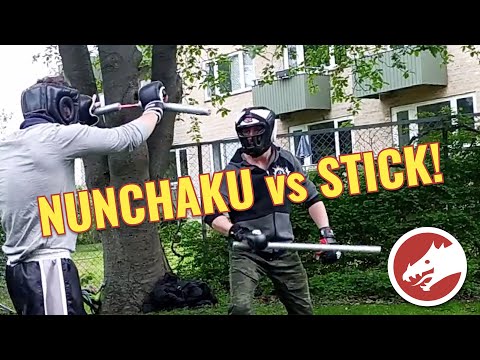
NUNCHAKU vs. STICK: A Master's Critique of the Unseen Battle in Sparring

The clash of weapons, the blur of motion, the raw exchange of intent – these are the elements that ignite the martial spirit. Yet, when we speak of sparring with nunchaku against a stick, we tread on a path where theoretical application often meets the harsh reality of physical engagement. This isn't just about flashy movements; it's about understanding the fundamental principles of distance, timing, and leverage, regardless of the chosen implement. Today, we dissect a sparring session that promises to reveal more than just the outcome of a bout. We will explore the principles at play, the potential pitfalls, and the deeper lessons embedded within such an exchange.

Tabla de Contenidos

The Provocation: Nunchaku vs. Stick

This piece begins with a deceptively simple premise: a sparring match between nunchaku and a stick. It’s a scenario that immediately sparks debate among martial artists. Are these weapons truly comparable in a direct confrontation? What are the underlying dynamics that dictate the flow of such an encounter? The very act of pitting these distinct tools against each other forces us to confront our assumptions about weapon-based combat. It’s a martial philosopher's playground, a practical test of principles often discussed in hushed tones within dojos. The challenge is not merely to survive, but to understand.

Deconstructing the Exchange: Beyond the Obvious

At first glance, the nunchaku might appear unwieldy, a weapon of chaos. Conversely, the stick, whether it be a bokken, jo, or simpler staff, often represents directness and power. However, a seasoned martial eye sees beyond the superficial. The nunchaku, with its segmented nature, offers a unique range of motion and the potential for unpredictable attacks. The stick, on the other hand, provides a solid, linear force, often demanding precise footwork and a keen sense of distance to overcome the nunchaku's fluid, sweeping arcs. This sparring session, as presented, is a microcosm of these fundamental differences.
"The supreme art of war is to subdue the enemy without fighting." - Sun Tzu, The Art of War
This ancient wisdom is crucial here. While the video shows a physical confrontation, the true victory lies in the understanding gained. Did the practitioners achieve this understanding through their exchange? We must look at the details: the guard, the footwork, the evasion, the recovery. These are the elements that reveal mastery, not just the superficial outcome of who landed a blow.

The Nunchaku: A Dance of Unpredictability

The nunchaku, popularized in modern times by figures like Bruce Lee, is a weapon derived from agricultural tools. Its effectiveness lies in its deceptive simplicity and its inherent unpredictability. The two sticks, connected by a cord or chain, allow for a wide array of strikes, blocks, and entanglements. * Range and Speed: The nunchaku can generate significant speed, making it difficult to track. Its flexible nature allows it to change trajectory mid-swing, catching opponents off guard. * Entanglement: The cord can be used to bind or trap an opponent's weapon or limbs. * Defensive Capabilities: While primarily offensive, the nunchaku can be used defensively to deflect incoming strikes, though this requires exceptional timing and skill. However, the nunchaku's greatest strength is also its potential weakness. A single mistimed swing, a moment of lost control, and the weapon can become a liability, hindering the user's movement or even striking themselves. This is where the discipline of **BUDO** training becomes paramount.

The Stick: The Unyielding Extension of Will

The stick, in its various forms, represents a more direct application of force. From the short escrima stick to the longer staff, it relies on the user’s ability to project their intent through a solid medium. * Power and Reach: A stick offers a direct transfer of power, allowing for strong strikes and effective reach. * Simplicity of Application: While mastering any weapon takes time, the basic mechanics of striking with a stick are often more intuitive than those of the nunchaku. * Defensive Barrier: The solid nature of the stick makes it an effective tool for blocking and parrying. The stick demands precision and an acute awareness of distance. Unlike the nunchaku, it offers fewer opportunities for rapid changes in attack vectors once a swing has begun. The practitioner must commit to their movements, making timing and footwork critical for survival.

Analyzing the Sparring: Where Theory Meets Reality

The provided context mentions a specific sparring scenario: one round with each weapon. This structured approach is commendable, allowing for a focused comparison. However, the true value lies not in the outcome, but in the *process*. * Distance Management: How well did each practitioner manage the critical distance? Did the stick user close the gap effectively to negate the nunchaku’s reach, or did the nunchaku user maintain a distance that exploited its fluid attacks? * Timing of Strikes: Were the attacks synchronized with the opponent’s movements? A late strike with a stick is easily blocked; an uncontrolled swing of the nunchaku can be equally disastrous. * Defensive Reactions: How did each combatant react to the opponent’s weapon? Were blocks crisp and effective, or were they overly reliant on evasion? The interplay between offense and defense is a crucial indicator of skill. * Adaptability: This is perhaps the most telling aspect. How quickly did each participant adapt to the *other* weapon? True martial artists don't just master their own tools; they understand how to counter those of their opponent. The fact that they switched weapons suggests a desire for this very understanding. The phrase "Watch what happens" implies a certain element of the unknown, perhaps even the chaotic. This is where the training philosophy of **Martial Arts Training** truly comes into play. Is it a controlled experiment, or a free-for-all? The former yields lessons; the latter often yields only bruises and missed opportunities.

The True Purpose of Weapon Sparring

Sparring with weapons is not about inflicting damage. It is a high-level training exercise designed to refine specific attributes: * Developing Awareness: Increased sensitivity to an opponent's movements and intentions. * Sharpening Reflexes: Faster reaction times to incoming threats. * Understanding Principles: Practical application of concepts like distance, timing, and leverage. * Weapon Control: Mastery over the tool, ensuring it serves the user, not the other way around. * Situational Training: Preparing for the dynamic and often unpredictable nature of real combat. As any practitioner of **Karate Spirit** or **BUDO** knows, the journey is as important as the destination. This sparring session, regardless of its specific outcome, serves as a valuable step in that journey. It is through such practical exchanges that theoretical knowledge transforms into ingrained skill. The emphasis should always be on learning and improvement, not on winning or losing. A controlled **Combat** scenario is a laboratory for the martial artist.
"It is not necessary to be strong, but to be able to use strength." - Miyamoto Musashi, The Book of Five Rings
This quote underscores the essence of weapon sparring. It's not about brute force, but the intelligent application of force through a chosen implement. Both the nunchaku and the stick require different forms of "strength" – the fluidity and control for the nunchaku, the directness and precision for the stick.

Essential Training Gear for Weapon Sparring

Engaging in weapon sparring requires careful consideration of safety and effectiveness. Investing in the right **Martial Arts Merchandise** is crucial for any serious practitioner.
  • Protective Gear: A full set of protective padding is non-negotiable. This includes headgear, chest protectors, forearm guards, shin guards, and groin protection. For weapon sparring, padded gloves designed for weapon training are essential to protect hands from impact and potential weapon entanglement.
  • Training Weapons: Always use training-specific versions of weapons. For nunchaku, this means padded, lightweight versions with secure connections. For sticks, consider foam-covered or flexible rubber training sticks that absorb impact without causing injury. Avoid using hard, realistic replicas for sparring unless specifically trained for it and with extreme caution.
  • Durable Uniform (Gi/Dobok): A sturdy **Karate Community** uniform, or a similar durable martial arts uniform, can offer some protection and withstand the rigors of dynamic movement.
  • Optional: Mouthguard: While not always used in weapon sparring, a mouthguard is highly recommended to protect teeth and jaw.

Frequently Asked Questions

  • Q: Is sparring with nunchaku and sticks safe?
    A: When conducted with proper safety gear, training-specific weapons, and under the guidance of experienced practitioners, weapon sparring can be relatively safe. However, the inherent risk of injury is higher than in empty-hand sparring.
  • Q: Which weapon is superior, nunchaku or stick?
    A: Neither weapon is inherently superior. Their effectiveness depends on the skill of the practitioner, the context of the engagement, and the principles of combat being applied. They offer different tactical advantages and disadvantages.
  • Q: Can nunchaku techniques be applied in real self-defense?
    A: While the core principles of weapon manipulation and striking are transferable, the practical application of nunchaku in a chaotic street encounter is highly situational and requires extensive training and legal consideration.
  • Q: How does the mental aspect of weapon sparring differ from empty-hand?
    A: Weapon sparring often heightens the sense of danger and requires a greater degree of mental discipline and focus. The immediate threat posed by an implement amplifies the need for control and strategic thinking.

For a Deeper Dive into Your Path

To truly understand the nuances of weapon-based combat and the philosophy behind **BUDO**, explore these essential resources:
  • Martial Philosophy: Understanding the ethical and strategic underpinnings of combat.
  • Karate Kyokushin: Explore a style known for its rigorous, full-contact approach.
  • SelfDefense: Learn practical applications for real-world scenarios.

Sensei's Reflection: Your Next Step

This sparring exchange, however brief, serves as a potent reminder: the true art of war lies not in the weapon itself, but in the mind and body wielding it. The nunchaku's chaos, the stick's directness – both are merely extensions of the practitioner's will and understanding.

Reflexión del Sensei: Tu Próximo Paso

When faced with an unfamiliar tool or technique, do you recoil in fear or embrace the opportunity to learn? Contemplate how this principle applies not just to martial arts, but to every challenge life presents. Are you a master of your chosen path, or a slave to the tools you possess? ```html ``` ```html

Frequently Asked Questions

Is sparring with nunchaku and sticks safe?

When conducted with proper safety gear, training-specific weapons, and under the guidance of experienced practitioners, weapon sparring can be relatively safe. However, the inherent risk of injury is higher than in empty-hand sparring.

Which weapon is superior, nunchaku or stick?

Neither weapon is inherently superior. Their effectiveness depends on the skill of the practitioner, the context of the engagement, and the principles of combat being applied. They offer different tactical advantages and disadvantages.

Can nunchaku techniques be applied in real self-defense?

While the core principles of weapon manipulation and striking are transferable, the practical application of nunchaku in a chaotic street encounter is highly situational and requires extensive training and legal consideration.

How does the mental aspect of weapon sparring differ from empty-hand?

Weapon sparring often heightens the sense of danger and requires a greater degree of mental discipline and focus. The immediate threat posed by an implement amplifies the need for control and strategic thinking.
``` GEMINI_METADESC: Explore the dynamic clash of nunchaku vs. stick sparring with a martial arts master's critical analysis. Discover principles, techniques, and the true philosophy of weapon training.

The Unsettling Shadow: Was Billy Pasulatan vs. Paddy Pimblett a True Test of Martial Spirit?

Welcome, warriors and seekers of the Way, to Budo and Martial Arts. Today, we delve into a sparring session that has ignited discussion, a clash between Billy Pasulatan and the much-talked-about UFC contender, Paddy Pimblett. The question echoing in the dojo and across forums is stark: does this encounter, billed as a "FULL FIGHT," truly reflect the depth and integrity of martial arts training, or is it merely a spectacle for the fight-hungry masses? The initial publication date of February 14, 2023, at 12:51 PM, placed this event squarely in the public eye, coinciding with the growing buzz around fighters like Jeka Saragih and their potential path to the UFC. But as a seasoned Sensei, my gaze is not solely on the potential UFC aspirations, but on the *spirit* of the martial exchange itself. Does the spectacle overshadow the substance? Does the pursuit of viral moments erode the foundational principles we strive to uphold? Let us begin this dissection, not with raw emotion, but with a critical eye honed by years of practice and observation.

The Spectacle vs. The Substance

The initial framing of "MANTAP🔥Susul Jeka Saragih Ke UFC.? FULL FIGHT Billy Pasulatan VS Paddy Pimblett" immediately signals an intent. It’s designed to capture attention, to leverage the explosive popularity of the UFC and the rising stars within it. While the allure of seeing a potential future UFC champion in action is undeniable, we must ask ourselves: what are we truly watching? Is it a genuine showcase of martial skill under pressure, or a performance tailored for likes and shares? Paddy Pimblett, known for his charismatic personality and impressive performances in the octagon, naturally draws a crowd. Billy Pasulatan, too, is a known figure in certain martial arts circles. However, when the term "FULL FIGHT" is used for a sparring session, a red flag should be raised for any serious practitioner. Sparring, by its very nature, is a training tool. It's a controlled environment designed for learning, testing techniques, and building resilience. It is not, by definition, a "fight." The distinction is crucial, not just for semantics, but for the integrity of the martial arts we study.
"The true warrior is not one who wins a thousand battles, but one who can stand firm even when defeated." - Miyamoto Musashi
This quote, from the legendary swordsman, reminds us that victory in the heat of combat is only one facet of martial prowess. The ability to learn from every encounter, controlled or otherwise, is paramount. The question remains: what lessons were learned here, and for whom?

Deconstructing the Exchange: More Than Just a Sparring Match?

When we analyze the footage (or the reports of it), we must look beyond the raw aggression. What techniques were employed? What was the defensive posture? Was there an emphasis on control and safety, or did it devolve into something closer to an uncontrolled brawl? Paddy Pimblett’s style in the UFC is characterized by aggression, a willingness to trade, and effective submission skills. Billy Pasulatan, on the other hand, brings his own set of skills to the table. In a sparring context, the ideal scenario involves both practitioners testing their arsenals while respecting the boundaries of training. This means: * **Controlled Striking**: Punches and kicks are thrown with precision, but often with a focus on accuracy and speed rather than knockout power. Pads or guards are sometimes used, or fighters deliberately pull their strikes. * **Strategic Grappling**: Takedowns and ground exchanges are executed with an understanding of leverage and submission, but with a conscious effort to avoid injury. * **Situational Awareness**: Both individuals are mindful of the other's well-being, understanding that their training partners are essential to their own development. The term "FULL FIGHT" implies a level of intensity that can blur these lines. If the intention was simply to simulate a high-stakes MMA bout, then the question becomes whether this is the most effective or responsible way to prepare, especially if the context was not a professional sanctioned bout.
The implications of this exchange extend beyond the individuals involved. It influences the perception of martial arts for a wider audience. When the lines between training and fighting become blurred in popular media, it can foster misunderstandings about the discipline, respect, and dedication that underpin true martial arts mastery.

The Warrior's Code: Where Does This Encounter Stand?

The *Bushido*, the Way of the Warrior, emphasizes virtues such as integrity, respect, courage, and self-control. While this sparring session might have showcased courage and perhaps a degree of skill, the framing and context raise questions about integrity and respect. Was this a mutual learning experience, or was it an exhibition designed to capitalize on the fame of one participant? If the latter, does it serve the broader martial arts community? It's easy to get caught up in the hype, to cheer for the knockout, or the slick submission. But a true Sensei guides their students to look deeper. Consider the underlying *ki* (or *qi*) – the vital energy that flows through all things. In martial arts, the cultivation and channeling of this energy are as important as physical technique. A sparring session that prioritizes spectacle over mindful exchange can disrupt this flow, leading to ego-driven performances rather than genuine growth.
"The way of martial arts is one of verticality and horizontality. To strike with verticality means to strike directly. To strike with horizontality means to strike indirectly." - Miyamoto Musashi
This duality applies not only to combat but also to our approach to training. Is our approach vertical – direct, focused on the essence of martial development? Or is it horizontal – spread thin, chasing fleeting trends and external validation?

Lessons from the Sparring Ring: Applying Principles to Your Training

Regardless of how this particular exchange is perceived, it offers valuable lessons for every martial artist: * **Understand the Purpose of Sparring**: Sparring is a tool, not the end goal. Its effectiveness lies in intelligent application, clear communication with your partner, and a commitment to learning. * **Respect Your Training Partners**: They are not your enemies. They are fellow travelers on the Way, essential to your progress. Treat them with the respect you wish to receive. * **Guard Your Ego**: The desire for glory or to "win" a sparring session can lead to recklessness and injury. True martial artists focus on improvement, not just immediate victory. * **Seek Authentic Instruction**: Look for instructors who prioritize fundamental principles, safety, and ethical conduct over flashy displays. For those looking to engage in striking, practicing with focus mitts and pads under the guidance of a skilled instructor is a cornerstone. For grappling, rolling with controlled intensity and a focus on technique is key. ### Guide to Training: Effective Sparring Principles 1. **Pre-Sparring Discussion**: Before any sparring session, discuss the focus with your partner. Are you working on defense, specific techniques, or conditioning? 2. **Warm-up Thoroughly**: Ensure both participants are physically prepared to prevent injuries. 3. **Establish Rules of Engagement**: Agree on the level of intensity. Will strikes be pulled? Are certain submissions off-limits? 4. **Communicate During Sparring**: Use verbal cues or subtle body language to indicate when something is wrong or needs adjustment. "Tap early, tap often" is not just for submissions but for indicating discomfort or a need to stop. 5. **Post-Sparring Debrief**: Discuss what worked, what didn't, and what was learned. This is where the real growth happens.

Essential Gear for the Aspiring Martial Artist

To engage in effective and safe training, having the right equipment is crucial. Whether you're focusing on striking or grappling, investing in quality gear ensures both your protection and the longevity of your training journey.
  • Striking Gloves: For MMA sparring, 4oz to 6oz gloves are standard. For Muay Thai or Boxing, aim for 10oz to 16oz gloves depending on the intensity and purpose (drilling vs. sparring). Look for brands known for durability and good padding, such as Fairtex, Twins Special, or Title.
  • Shin Guards: Essential for Muay Thai, Kickboxing, and many Karate disciplines. Ensure a snug fit that covers the shin and instep. Brands like Top King or Adidas offer excellent options.
  • Mouthguard: Non-negotiable for any striking or high-impact grappling. Custom-fitted mouthguards offer the best protection.
  • Groin Protector: Particularly important in MMA and Muay Thai to protect against accidental low blows.
  • Training Mats: If you're training takedowns or groundwork at home, interlocking foam mats provide a safer surface than hard floors.
  • Sparring Partners: The most essential piece of "equipment"! Find a reputable dojo or gym with experienced practitioners and instructors.

Veredicto del Sensei: A True Test of Martial Worth?

Let's call this what it is: a high-profile sparring session, likely intended for promotional purposes, that has been amplified into something more. While it may offer a glimpse into the potential of fighters like Pimblett, it falls short of being a definitive testament to martial arts philosophy. The "FULL FIGHT" moniker, in this context, is misleading. It risks trivializing the discipline, the years of dedication, and the underlying principles that define a true martial artist. While exciting to watch, such exchanges should be understood for what they are – training exercises, not the culmination of a warrior's journey. **Cinturón Negro en Marketing, Cinturón Blanco en Integridad Marcial.** This session, as presented, prioritizes the spectacle and the potential for viral content over the deeper, more subtle lessons of the martial Way.

Frequently Asked Questions

  • What is the difference between sparring and a full fight? Sparring is a controlled training exercise where practitioners test techniques and strategies with emphasis on learning and safety. A full fight is a competitive contest with the objective of defeating an opponent, often with higher stakes and intensity.
  • Is Paddy Pimblett considered a top UFC contender? Yes, Paddy Pimblett has gained significant popularity and is considered a rising star in the UFC's lightweight division due to his exciting fighting style and charisma.
  • What is Jeka Saragih's connection to the UFC? Jeka Saragih is an Indonesian fighter who earned a UFC contract through his performance in Dana White's Contender Series, making him a significant figure for Asian MMA.
  • How important is the "spirit" of martial arts in modern combat sports? The spirit of martial arts, encompassing discipline, respect, and self-control, remains crucial. While modern combat sports emphasize competition, these core principles are vital for long-term development and responsible athleticism.

Deepening Your Understanding

To truly grasp the nuances of martial arts and their application in combat sports, I urge you to explore these related topics:

Sensei's Reflection: Your Next Step

The flickering images of a sparring match, amplified by social media, can easily distract us from the enduring path of martial arts. We are bombarded with highlights, knockouts, and the promise of quick fame. But the true Way is built not on fleeting moments of glory, but on consistent, mindful practice. This encounter between Billy Pasulatan and Paddy Pimblett serves as a potent reminder. Are you training to impress, or are you training to *become*? Are you seeking the validation of the crowd, or the quiet affirmation of self-mastery?

Reflexión del Sensei: Tu Próximo Paso

When you next step onto the mat, or into the ring, or even when you simply decide to engage in your daily training regimen, ask yourself this: Are you fighting the opponent in front of you, or are you battling the ego within? The answer to that question will shape your entire martial journey.

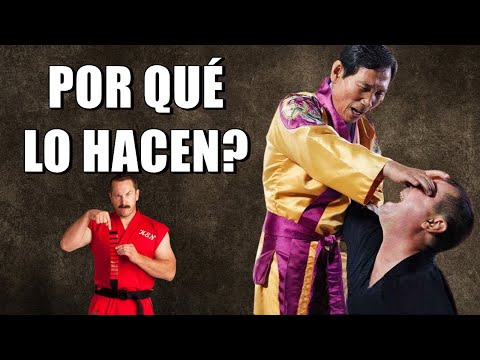
The Shadow Dojo: Unmasking the "Fake Masters" of Self-Defense

How many times have you witnessed it? A self-proclaimed "master" peddling techniques that crumble faster than cheap tofu under the slightest pressure. They cultivate an aura of invincibility, yet their methods are as hollow as a gong struck with a feather. This isn't about genuine skill; it's about exploitation. We delve into *why* these individuals choose self-deception and deception of their students over the rigorous path of true martial arts. Prepare yourself, for this lesson is not for the faint of heart.

Table of Contents

The Illusion of Mastery

Welcome, aspiring warriors and seasoned practitioners, to Budo and Martial Arts. Today, we confront a pervasive sickness within the martial world: the rise of the "fake master." These individuals, often charismatic and persuasive, build empires on a foundation of falsehood. They prey on the public's desire for security, offering quick fixes and miracle cures for complex combative realities. But beneath the polished exterior lies a void where true skill and ethical responsibility should reside. Why do they persist in this charade, and more importantly, how can you, the discerning student, avoid falling victim to their deception?
"The enemy is fear. We are the masters of the art of defeating fear." - Unknown Warrior
The allure of self-defense is powerful. In an unpredictable world, the promise of being able to protect oneself and loved ones is a potent draw. These "masters" exploit this primal need, weaving tales of effortless victory over larger, stronger opponents, often with impractical, flashy techniques. They market not martial arts, but fantasy.

The Root of the Deception: Ego and Ignorance

The most common reasons behind this deception stem from two deeply ingrained human flaws: ego and ignorance.
  • Ego: For many, the desire to be seen as powerful, knowledgeable, and respected is overwhelming. Admitting they lack true mastery, or that their chosen art is ineffective, would shatter this self-image. It's easier to maintain the illusion, even if it means perpetuating harm. They have invested too much of their identity in the persona of "master" to ever abandon it.
  • Ignorance: Sometimes, the deception is unintentional, born from a profound lack of understanding. A practitioner may have trained diligently but never tested their skills against resisting opponents, never experienced the brutal calculus of real combat. They may genuinely believe their techniques work because they've never faced a situation where they *didn't*. This ignorance, however, does not absolve them of responsibility.
The "fake master" often surrounds themselves with sycophants, individuals who are either too afraid to question or too naive to recognize the flaws. This echo chamber reinforces their distorted reality, preventing any possibility of growth or correction. They become addicted to the admiration, mistaking applause for actual efficacy.

The Poisonous Curriculum

The techniques and philosophies peddled by these charlatans are often a toxic brew designed to impress, not to protect.
  • Impractical Techniques: Think of movements that require perfect timing, distance, and an unresisting opponent. Techniques that rely on improbable scenarios or "surprise" elements that would never manifest in a real fight. For instance, elaborate joint locks that can be easily escaped by a flailing attacker, or "pressure point" strikes that require immense precision and have negligible effect on a adrenaline-fueled assailant.
  • Lack of Sparring: Genuine martial arts progress is forged in the crucible of sparring. The ability to apply techniques against a resisting, unpredictable opponent is paramount. "Fake masters" often shun or severely limit full-contact sparring, opting instead for pre-arranged drills or light, cooperative practice. This creates a false sense of competence. They are teaching methods to "play fight," not to survive conflict.
  • Emphasis on Theory Over Practice: They may speak eloquently about martial principles, philosophy, and history, but when it comes to practical application, the knowledge is shallow. They can quote Bruce Lee or Miyamoto Musashi, but cannot demonstrate the underlying principles effectively under duress.
  • "McDojos" and Belt Mills: Many operate as "McDojos," focused more on profit and rapid promotion than on genuine skill development. Students are awarded higher belts after short periods, regardless of demonstrated ability, further inflating the "master's" perceived success and reinforcing the students' false sense of security.
These methods create a dangerous illusion. A student who believes they are prepared for a street confrontation, only to find their skills utterly useless when faced with real danger, is not only unprepared but potentially in greater peril due to their misplaced confidence.

The Path of True Budo

True martial arts are not about easy answers or effortless victories. They are a lifelong commitment to rigorous training, self-improvement, and ethical conduct. The path of Budo, the "way of the warrior," demands:
  • Constant Training: Regular, intense, and intelligent practice is non-negotiable. This includes conditioning, technical drilling, and, crucially, sparring against diverse opponents.
  • Humility and Self-Awareness: A true master understands the depth of their own knowledge and the vastness of what they still have to learn. They are open to critique and continuously seek to improve. They recognize their limitations.
  • Ethical Responsibility: The knowledge of how to inflict harm carries a profound responsibility. True martial artists prioritize de-escalation, avoidance, and the use of force only as a last resort, and then with appropriate restraint.
  • Adaptability: Real combat is chaotic. A true martial artist learns to adapt, to flow with the situation, rather than rigidly adhering to pre-set patterns.
"Do not pray for an easy life, but for the strength to endure a difficult one." - Bruce Lee
The journey is arduous, filled with sweat, frustration, and the occasional humbling defeat. But it is this very struggle that forges true strength and resilience, both physical and mental. This is the essence of BUDO and the heart of authentic martial arts.

Your Defense Against Deception

As a student, your greatest weapon against these charlatans is knowledge and critical thinking.
  • Research: Before committing to a school or instructor, do your homework. Look into their lineage, their training background, and, most importantly, their reputation.
  • Observe and Question: Attend a few classes as an observer. Watch the training. Are students sweating? Are they being challenged? Don't be afraid to ask direct questions about sparring policies, instructor qualifications, and the practical application of techniques.
  • Test the Waters: If possible, participate in a trial class. Pay attention to how the instructor handles resistance. Do they panic, become defensive, or calmly adapt?
  • Trust Your Gut: If something feels off, it probably is. If an instructor promises instant mastery or discourages questions, be wary.
  • Seek Real-World Application: Look for schools that incorporate pressure testing, sparring, or reality-based self-defense scenarios. This is the true litmus test.
Remember, genuine martial arts are a discipline, not a magic trick. They require dedication, resilience, and a willingness to confront one's own shortcomings.

Sensei's Verdict: Identifying the Charlatan

The "fake master" is a plague upon the martial arts community. They profit from fear and ignorance, offering a dangerous illusion of security. My verdict is clear: **Avoid them like a plague.** True mastery is built on sweat, humility, and a constant, relentless pursuit of improvement, not on empty promises and flashy, impractical techniques. My assessment of such individuals? **"Fails the Fundamentals, Richly Deserves a Yellow Belt in Honesty."**

Training: The Antidote to Falsehood

The best antidote to deception is authentic training. Here’s a fundamental exercise to build a solid foundation:
  1. Stance and Balance Drill: Assume your natural fighting stance (e.g., a balanced Karate or Judo stance). Focus on keeping your weight distributed, knees slightly bent, and core engaged. Hold this stance for 2-5 minutes, focusing on maintaining perfect balance even with slight shifts or gentle pushes from a partner. This builds the fundamental stability required for any technique.
  2. Basic Movement Practice: Practice moving forward, backward, and laterally from your stance. Focus on keeping your center of gravity low and your movements fluid. Your feet should glide, not shuffle clumsily. Imagine you are moving through water.
  3. Introduction to Footwork in Sparring: If you have a partner, begin with very light, cooperative "touch sparring." The goal is not to hit, but to practice moving, setting up, and reacting. Focus on using footwork to create openings and evade. This is the beginning of understanding combat dynamics.
  4. Shadowboxing with Purpose: Perform shadowboxing, but instead of just throwing punches, visualize an opponent. Practice your stances, movement, and basic strikes (punches, kicks, blocks) with the intent of applying them effectively. Think about distance and timing.
This simple routine, practiced consistently, builds the physical and mental discipline that fake masters so desperately lack and so expertly avoid teaching. It’s the foundation of real entrenamiento.

Essential Training Gear for Authenticity

While true mastery transcends equipment, having the right gear supports authentic training.
  • Durable Uniform (Gi/Kimono): For arts like Karate, Judo, or BJJ, a high-quality, durable uniform is essential. It withstands rigorous practice and allows for proper gripping and movement. Look for double-weave options for durability.
  • Protective Sparring Gear: If sparring is part of your training, invest in good quality headgear, mouthguards, and sparring gloves (appropriate for your art – e.g., 16oz for boxing/kickboxing, open-fingered for MMA).
  • Training Mats (Optional but Recommended): For arts involving throws or ground work, training mats can prevent injuries and allow for safer practice.
  • A Good Pair of Training Shoes: For arts like Kickboxing or MMA, shoes that offer good grip and ankle support are crucial.
Investing in proper gear signals your commitment to serious training, separating you from those who see martial arts as a mere hobby or a quick path to ego gratification. Consider browsing specialized KarateMerchandise or Martial Arts Merchandise for quality options.

Frequently Asked Questions

What is the biggest red flag to identify a fake martial arts instructor?

A major red flag is the avoidance or severe limitation of realistic, full-contact sparring or pressure testing. If an instructor claims their art doesn't need sparring, or if they only allow highly controlled, pre-arranged drills, be extremely suspicious.

Can a person be genuinely unskilled but still consider themselves a "master"?

Yes, unfortunately. This often stems from ego, a lack of self-awareness, or training in isolated environments without objective testing. They may have achieved a high rank through non-rigorous means or have trained for a long time without ever truly challenging their skills against unpredictable resistance.

Is all self-defense training that isn't a traditional martial art "fake"?

Not necessarily. There are many effective, modern self-defense systems that may not fall under traditional martial arts umbrellas. The key is not the label, but the authenticity of the training: Is it realistic? Is it pressure-tested? Does the instructor have verifiable qualifications and a reputation for honesty?

How can I find a legitimate martial arts school?

Research is key. Look for schools with experienced instructors who have a proven lineage, encourage regular sparring and conditioning, have students who demonstrate practical skills, and foster an environment of respect and continuous learning. Visiting multiple schools and talking to current students can also provide valuable insight.

What's the difference between a "master" and a "teacher"?

A "master" implies a pinnacle of skill and knowledge, often achieved through decades of dedicated, rigorous practice and real-world application. A "teacher" is someone who imparts knowledge and skills effectively, regardless of their own ultimate level of mastery. While many great teachers are also masters, not all who claim the title of "master" possess the genuine skill or ethical compass that title implies.

For Deeper Insight

Reflection of the Sensei: Your Next Step

You have peered into the shadows, understanding the motivations behind the charade. Now, the true test begins: Will you seek the light of authentic knowledge, or remain content in the comforting illusion? Consider this: When you last trained, did you push your boundaries, confront a weakness, or embrace a difficult truth about your own capabilities? Or did you merely go through the motions? Your answer to this question defines whether you walk the path of a warrior or merely play dress-up.

Now, the floor is yours. Have you encountered these "fake masters"? What are your strategies for spotting them? Or perhaps you believe I am too harsh? Prove your point in the comments below. Let the debate ignite!

``` GEMINI_METADESC: Unmask the truth about "fake masters" in self-defense. Learn to spot deception, understand the roots of false teachings, and find authentic martial arts training. Your guide to real Budo.

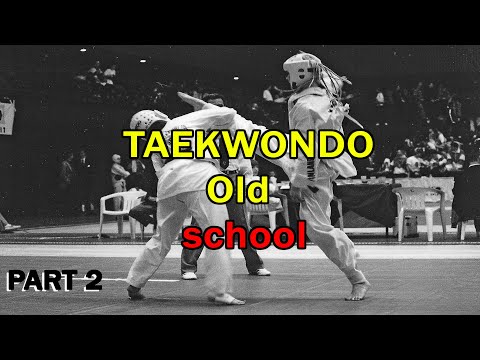
The Lost Art of Old-School Taekwondo: More Than Just High Kicks

Ah, Taekwondo. The Korean art of striking, famous worldwide for its spectacular kicks. But when we speak of "old-school Taekwondo," are we merely reminiscing about a bygone era of slightly less flashy, perhaps more grounded, techniques? Or are we, as I suspect, touching upon a deeper, more fundamental essence of martial practice that risks being diluted in the pursuit of sport and spectacle? Many practitioners today chase the adrenaline of competition, the roar of the crowd, the glint of a medal. They learn routines, perfect angles for judges, and perhaps even forget that the true battlefield of the martial arts lies not on a competition mat, but within the self, and sometimes, in less forgiving environments. So, let us peel back the layers, shall we? Let's confront the legacy of Taekwondo's past and ask ourselves: what truly constitutes "old-school" in the world of Korean martial arts, and does it still hold relevance today?

What Exactly Defines "Old-School" Taekwondo?

The term "old-school" in any martial art is often a nebulous concept, colored by nostalgia and personal experience. For Taekwondo, it generally refers to the period before the art's widespread internationalization and its formal adoption into the Olympic Games. This era, roughly from the 1950s through the 1970s and even into the early 80s, predates the strong emphasis on sport-specific training, the intricate point-scoring systems, and the global standardization that characterizes modern World Taekwondo (WT, formerly WTF) or even the International Taekwon-Do Federation (ITF) as it evolved. Old-school Taekwondo was less about pleasing judges and more about practical application, often drawing heavily from its martial roots, which included significant influence from Japanese Karate.

When I hear someone mention "Taekwondo Old school" or search for "old school taekwondo vs new," they're often seeking the raw, unadulterated techniques and the foundational principles that might have been streamlined or altered for competitive formats. They might be looking for the kind of Taekwondo where sparring (kyorugi) felt less like a dance of point-scoring and more like a genuine test of combat effectiveness. It's about the perceived authenticity and the historical lineage, a connection to the pioneers who shaped this art.

Tracing the Roots: From Karate's Shadow to Korean Identity

To understand old-school Taekwondo, we must acknowledge its birth. Taekwondo, in its modern form, emerged in Korea post-World War II, a period of intense national rebuilding and a desire to forge a distinct Korean martial identity. Its founders, many of whom had trained in Japanese Karate (specifically Shotokan and others) during the Japanese occupation of Korea, synthesized various Korean martial arts traditions (like Taekkyon and Gwonbeop) with their Karate knowledge. This fusion created the initial frameworks of what would become Taekwondo.

The early Kwans (schools) like Chung Do Kwan, Moo Duk Kwan, Ji Do Kwan, and others, each had their nuances, but a common thread was a more direct, sometimes brutal, approach. Techniques were often taught with less regard for the "shininess" that appeals to modern audiences. Sparring could be intense, often resulting in knockouts, and the physical conditioning was rigorous. It was a martial art forged in a time of necessity, intended for self-defense and the cultivation of strong character, not solely for athletic achievement.

"The way of the warrior is to be always prepared, not just in body, but in mind and spirit. Old-school Taekwondo embodies this preparedness." - A principle echoing the spirit of Budo.

The division between WT and ITF styles, while not strictly the defining line of "old-school," certainly marked further evolutions. ITF, founded by General Choi Hong Hi, retained a more traditional emphasis on patterns (tul) and self-defense applications, often perceived as closer to the original intent. WT, on the other hand, heavily pushed for Olympic inclusion, leading to rule changes that prioritized speed, agility, and point-scoring over power and traditional combat effectiveness. Searching for "old school taekwondo vs wtf old school" often leads to this distinction.

Key Characteristics of Old-School Taekwondo

What then, are the tangible differences one might observe or seek when exploring "old school Taekwondo training" or "old school Taekwondo sparring"?

  • Emphasis on Fundamentals and Power: Less focus on flashy, spinning kicks performed from a distance. More emphasis on strong stances, powerful hip rotation, and direct, impactful strikes. Kicks like ap chagi (front kick), dollyo chagi (roundhouse kick), and yop chagi (side kick) were executed with maximum force and grounded stability.
  • Practical Self-Defense: Techniques were often taught with their direct application in mind. This included blocks, strikes to vital points, and even some joint locks or throws, reflecting the influence of older martial arts. The "self-defense" aspect was paramount.
  • Rigorous Physical Conditioning: Training was notoriously tough. This involved extensive cardiovascular work, strength training, flexibility exercises, and repetitive drilling of techniques until they became second nature. Think of the "old school taekwondo training" videos you might find – they often depict intense, almost grueling sessions.
  • Realistic Sparring (Kyolpa/Kyorugi): Sparring was often full-contact or semi-contact with fewer protective gears, leading to more cautious yet decisive exchanges. Knockouts were not uncommon, and the goal was often to incapacitate or dominate the opponent, rather than simply score points. The term "old school taekwondo sparring" evokes this intensity.
  • Deeper Connection to Patterns (Poomsae/Tul): While patterns exist in all Taekwondo, in the old school era, there was a greater emphasis on understanding and applying the underlying combat principles within each movement. Each kata was seen as a direct self-defense scenario.
  • Philosophical Underpinnings: The tenets of Taekwondo – Courtesy, Integrity, Perseverance, Self-Control, Indomitable Spirit – were deeply ingrained in the training and daily life of the practitioners. This was the core of the "Budo" spirit.

Old-School vs. Modern Taekwondo: A Clash of Philosophies

The most significant divergence between old-school and modern Taekwondo lies in their primary objectives. Modern WT Taekwondo, driven by its Olympic status, prioritizes athleticism, speed, and a point-based scoring system. This has led to:

  • Modified Techniques: Kicks have become higher, faster, and more acrobatic. Stances are often lighter and more mobile to facilitate quick movement and evasion.
  • Reduced Physical Contact: Extensive padding and electronic scoring systems, while safer, often discourage powerful, full-contact strikes in favor of quick touches that register points.
  • Emphasis on Competition Strategy: Training is heavily geared towards the specific rules and strategies of WT competitions.

Conversely, old-school Taekwondo, like many traditional martial arts, focused on developing a complete practitioner. The "old school taekwondo highlights" might not be as visually spectacular as modern Olympic bouts, but they often showcase a rawer, more direct form of combat. The debate is fierce: some argue that modern Taekwondo has lost its martial soul, becoming solely a sport. Others contend that it has evolved, adapted, and achieved global recognition, proving its viability in a new context.

When people look for "taekwondo old school vs new," they are often grappling with this philosophical shift. They question if the modern iteration truly prepares one for self-defense or if it has become too specialized for the arena. It's a question of purpose: Is Taekwondo an art for self-mastery and defense, or a sport for athletic competition?

The Spirit of the Warrior in Taekwondo: Beyond the Kicks

Regardless of the era, the true essence of Taekwondo, as with all respectable martial arts, transcends mere physical techniques. It is the cultivation of the warrior spirit – the indomitable spirit that faced adversity and emerged stronger. This spirit is perhaps more palpable in the narratives of old-school practitioners.

"The ultimate aim of martial arts is not to be a winner or a loser, but to perfect oneself and to contribute to the world." - A sentiment that bridges all eras of authentic Budo.

Old-school training often emphasized discipline, humility, respect for elders and seniors (sunbae), and the perseverance to overcome physical and mental challenges. The journey of learning Taekwondo was seen as a microcosm of life itself, a path of continuous self-improvement. This philosophical depth is what many practitioners seek when they delve into "taekwondo old school philosophy" or wonder about the "meaning of Taekwondo."

The questioning of "does really the taekwondo was a soft-style" is often a misunderstanding of its evolution. While its roots may contain softer, more fluid movements from Taekkyon, the Karate influence and the pragmatic needs of its founders instilled a powerful, striking-based methodology. The perceived "softness" today often stems from the rule-set of sport Taekwondo, not necessarily from its foundational principles.

Training the Old-School Way

If you are intrigued by the "old school Taekwondo training" and wish to incorporate its principles, consider these aspects:

Guiding Principles of Old-School Training

  1. Discipline is Paramount: Arrive on time, pay attention, follow instructions precisely. Respect the dojo and your training partners.
  2. Master the Basics: Spend significant time perfecting fundamental stances, blocks, punches, and basic kicks. Don't rush to advanced techniques.
  3. Conditioning is Non-Negotiable: Incorporate strength training (bodyweight exercises like push-ups, squats, sit-ups), cardiovascular endurance (running, skipping), and flexibility work (stretching, dynamic movements).
  4. Repetition for Mastery: Drill techniques thousands of times. Muscle memory is built through consistent, focused repetition.
  5. Sparring with Purpose: When sparring, focus on control, timing, and strategy rather than simply overwhelming your opponent. Understand the intent behind each technique.
  6. Study the Patterns: Don't just memorize the movements of Poomsae or Tul. Understand the self-defense applications hidden within each sequence.
  7. Cultivate Mental Fortitude: Train your mind to be calm under pressure, focused, and resilient. Practice mindfulness and self-reflection.

Practicing Foundational Kicks

  1. Stance: Begin in a stable, balanced stance (e.g., parallel ready stance or a basic fighting stance).
  2. Chambering: Bring the kicking leg's knee up towards your chest, keeping your supporting leg slightly bent for balance.
  3. Extension: Extend the kicking leg towards the target with a strong hip rotation. For a roundhouse kick (dollyo chagi), the foot strikes with the ball or the edge. For a side kick (yop chagi), strike with the edge of the foot or heel.
  4. Recoil: Quickly retract the leg back to the chambered position before returning it to the floor. This maintains balance and protects your leg.
  5. Power Generation: Focus on driving the hip forward through the kick. The power comes from the entire body, not just the leg.
  6. Controlled Landing: Return your foot to the ground in a stable position, ready for the next technique.

Essential Gear for Your Training

While old-school training often involved minimal equipment, some items are crucial for effective and safe practice, especially if you intend to spar or train with intensity. Investing in quality gear can prevent injuries and enhance your training experience. For those looking into the more dynamic aspects, especially sparring, consider:

  • High-Quality Dobok: A durable, comfortable uniform (dobok) is essential. Look for a traditional cut, perhaps a heavier fabric for that "old-school" feel. Brands offering a double-weave fabric are excellent for longevity and a substantial feel, akin to what you might associate with traditional Karate gis used in early Taekwondo.
  • Protective Sparring Gear: If sparring, invest in headgear, chest protectors, forearm guards, shin guards, and groin protection. While old-school sparring might have been less padded, modern safety standards are paramount for injury prevention.
  • Hand Mitts: For sparring, well-fitting hand mitts protect your knuckles and improve your grip. For training striking power, focus mitts or Thai pads are invaluable for partners to use.
  • Training Shoes (Optional): Some prefer to train barefoot, which is traditional. Others find lightweight, flexible training shoes beneficial for grip and foot protection, especially on harder surfaces.
  • Optional Training Tools: For home practice, a makiwara (striking board) or heavy bag can help develop power and conditioning, echoing the practices of traditional martial artists.

Frequently Asked Questions

Q1: What is the difference between ITF and WTF Taekwondo, and which is more "old-school"?
A: While both originated from the same roots, the ITF, founded by General Choi Hong Hi, is often perceived as retaining more traditional aspects and self-defense applications. WT (formerly WTF) heavily focused on Olympic standardization, leading to more sport-oriented rules. Both have elements that can be considered "old-school" depending on the specific school and instructor.

Q2: Are old-school Taekwondo techniques still effective for self-defense today?
A: The fundamental principles of striking, power generation, and body mechanics remain highly effective. However, modern self-defense also incorporates ground fighting and grappling, which were less emphasized in traditional Taekwondo. A well-rounded practitioner might supplement their Taekwondo training with these other areas.

Q3: Where can I find an "old-school" Taekwondo school?
A: Finding a strictly "old-school" school can be challenging. Look for schools that emphasize traditional values, realistic self-defense, and perhaps have instructors with long lineages tracing back to the early days of Taekwondo. Researching instructors and visiting schools to observe classes is key.

Q4: What does "Taekwondo" stand for?
A: "Tae" means foot or leg; "Kwon" means fist or strike; "Do" means way or art. So, Taekwondo translates to "The Way of the Foot and Fist."

Q5: Is Taekwondo still a powerful martial art?
A: Yes, Taekwondo is undeniably powerful, particularly in its striking capabilities. While sport-oriented Taekwondo might focus on points, the underlying art is designed for devastating offensive techniques. The power lies in the proper application of technique, hip rotation, and commitment – principles that remain constant from old-school to modern practice.

Deepen Your Journey

Exploring the depths of Taekwondo, whether its historical roots or its contemporary applications, is a journey of continuous learning. The past informs the present, and understanding the "old-school" mindset can enrich your current training, regardless of your style.

Sensei's Reflection: Your Next Step

We have dissected the essence of old-school Taekwondo, tracing its lineage and contrasting its methods with the modern sport. But knowledge without application is like a sharpened sword left to rust. Now, I pose this to you: In the pursuit of martial perfection, are you merely mimicking forms, or are you truly embodying the spirit of the warrior? When you execute a technique, do you feel its power, its intent, its historical weight? Or is it just another movement? Contemplate this: If your Taekwondo were to be stripped of its competitive rules, its flashy exhibition, what would remain? Would it be a true art of combat and self-mastery, or would it crumble like dry earth? Your answer, felt deep within your core, will define your path forward.

``` GEMINI_METADESC: Explore the authentic techniques and spirit of old-school Taekwondo, contrasting it with modern interpretations and its place in the martial arts landscape. A deep dive into its history, philosophy, and practical application.

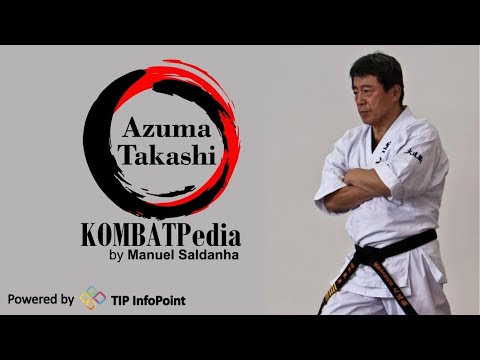
Azuma Takashi: The Unyielding Spirit of Kudo and a Deep Dive into Modern Combat Philosophy

The Unseen Battle: Is Traditional Kudo Still Relevant in the Face of MMA's Dominance?

The clang of metal, the controlled fury of a sparring match, the silent discipline honed over years of practice – these are the echoes that resonate within the dojos of the world. But in an era where the roaring crowds of the UFC and the brutal efficiency of Mixed Martial Arts often steal the spotlight, a critical question arises: What is the true place of traditional martial arts, like Kudo, in the modern combat landscape? We often see practitioners flocking to disciplines that promise immediate applicability, yet true martial wisdom, the kind forged by pioneers like Takashi Azuma, offers lessons that transcend the octagon. This analysis will delve into the essence of Kudo, its historical significance, and critically examine its enduring relevance and the philosophical underpinnings that still resonate with today's warriors.

Table of Contents

Understanding Kudo: A Legacy Forged in Resilience

Kudo, also known as "Daido Juku" (literally "Great Way Academy"), is a full-contact martial art that emerged from Japan. It's a system that doesn't shy away from the brutal realities of combat, blending striking, grappling, and even limited throwing techniques. Unlike many arts that emphasize forms (katas) or points-based competition, Kudo emphasizes practical application and resilience. It was conceived as a method to cultivate true fighting spirit, recognizing that a warrior's strength is not solely in their technique, but in their unwavering spirit and adaptability. The core principle is to develop a practitioner who can face any combat scenario with confidence and skill.

Takashi Azuma: The Architect of Kudo

The visionary behind Kudo was Takashi Azuma (1949-2021), a figure whose life story is as compelling as the art he founded. Azuma, a master of Karate (Kyokushin) and Judo, recognized a perceived gap in traditional martial arts. He saw that many systems, while rich in history and philosophy, lacked the direct, full-contact sparring necessary to truly prepare a student for the unpredictable nature of real conflict. He envisioned an art that would integrate the striking power of Karate with the close-quarters grappling and throwing of Judo, and importantly, allow for head strikes with protective gear. This was a radical idea in the late 1970s and early 1980s. Azuma's vision was not just about creating effective fighters, but about nurturing individuals with strong character, discipline, and mental fortitude. His dedication to this vision laid the foundation for a martial art that continues to evolve and challenge its practitioners.
"The true martial artist does not seek to win, but to defend. Yet, to defend effectively, one must cultivate the capacity to overcome." - A principle akin to those espoused by Azuma sensei.

Kudo vs. MMA: A Polemical Debate

Let's cut to the chase. The modern martial arts enthusiast often asks: "Does Kudo hold its own against MMA?" This isn't a simple question with a simple answer, and it's a debate that sparks fire among purists and pragmatists alike. On one hand, MMA, particularly organizations like the UFC, represents the pinnacle of cross-disciplinary combat. It draws from Judo, Brazilian Jiu-Jitsu, Muay Thai, Boxing, Wrestling, and more, testing techniques in a highly regulated, yet undeniably fierce, competitive environment. Fighters like Jon Jones and Amanda Nunes showcase incredible versatility and adaptability, skills honed through years of dedicated cross-training. The intensity of an UFC bout is unparalleled. However, to dismiss Kudo based solely on its perceived lack of direct competition with the UFC is a grave error. Kudo's focus is different. While it incorporates realistic full-contact sparring, it also emphasizes a holistic approach to martial development. It cultivates a specific type of warrior: one who understands striking from various ranges, grappling, and throwing, all while wearing protective gear that allows for strikes to the head. This allows for a different kind of training intensity and safety. The argument isn't about which is "better" in a direct fight between an elite Kudo practitioner and an elite MMA fighter. That's too hypothetical and depends on the individual. The true value lies in what each system cultivates. MMA tests the *sum* of various martial arts under extreme competitive pressure. Kudo cultivates a *unified* combatant, deeply rooted in a specific framework that integrates striking and grappling with unique safety protocols. Is Kudo obsolete? Absolutely not. It offers a robust system for self-defense and personal development that may appeal to those seeking a structured path beyond the spectacle of professional fighting. It instills a deep sense of discipline, similar to the rigorous training required for Kyokushin Karate or Judo.

The Philosophical Core of Kudo: Beyond Physicality

The true depth of Kudo, as envisioned by Azuma sensei, lies not just in its combative techniques but in its underlying philosophy. This is where the connection to BUDO – the way of the warrior – becomes undeniable. * **Resilience and Perseverance**: Kudo, like many traditional arts, demands that its practitioners face adversity head-on. The physical and mental challenges of training build an inner strength that can weather life's storms. This echoes the spirit of Perseverance found in all great martial journeys. * **Humility and Respect**: Despite its full-contact nature, Kudo instills respect for one's opponent and humility in victory. True mastery comes not from arrogance, but from a continuous pursuit of self-improvement. This is a foundational principle of Martial Arts Philosophy. * **Adaptability**: While Kudo has its structure, it emphasizes the ability to adapt to different situations and opponents. This is crucial for real-world Self Defense, where no two encounters are the same. * **Holistic Development**: Kudo aims to create a well-rounded individual – strong physically, disciplined mentally, and grounded spiritually. It’s about developing the whole person, not just a fighter. This aligns with the broader goals of Self Improvement. These philosophical tenets are not unique to Kudo; they are the threads that weave through the tapestry of all authentic martial traditions, from Karate to BJJ. The question is not whether these philosophies are present, but how deeply they are cultivated and integrated into the practice.

Training Principles of Kudo: Building the Complete Warrior

The training regimen in Kudo is designed to be comprehensive, preparing practitioners for diverse combat scenarios. It's a demanding path that requires dedication.
  1. Striking Fundamentals: Like in striking arts such as Kickboxing or Boxing, Kudo emphasizes powerful and accurate punches and kicks. However, it allows for strikes to the head, which are often restricted in other disciplines.
  2. Grappling and Throws: Drawing heavily from Judo and Aikido principles, Kudo incorporates takedowns, sweeps, and ground control techniques.
  3. Close-Quarters Combat: The integration of striking and grappling naturally leads to effective techniques in the clinch and on the ground.
  4. Protective Gear: A key differentiator is the use of specialized helmets and gloves. This allows for a higher intensity of sparring without the same level of risk as uncapped full-contact sparring, enabling practitioners to refine techniques that might be too dangerous otherwise.
  5. Mental Conditioning: Through rigorous training, sparring, and often meditation-like focus exercises, students develop mental toughness, situational awareness, and the ability to remain calm under pressure – essential for any Combat scenario.
This integrated approach is what makes Kudo a unique system. It doesn't try to be pure Karate or pure Judo; it seeks to build a warrior capable of drawing from multiple wells of combat knowledge.

Equipment Essential for Your Training

To truly engage with Kudo, or any serious martial art, having the right gear is not just about comfort, but about safety and efficacy. While Kudo has its specific equipment, many foundational items are universal.
  • Kudo Helmet: This is non-negotiable for Kudo training. It's designed to protect the head from strikes while allowing visibility and the practice of head-based techniques.
  • Kudo Gloves: Similar to MMA gloves but often with slightly different padding and construction to accommodate the unique demands of Kudo striking.
  • Dōgi (Uniform): A durable martial arts uniform, often a heavier weave than standard Karate gi, designed to withstand the rigors of grappling and close-quarters combat. Look for a robust Karate or Judo gi that can take a beating.
  • Mouthguard: Essential for protecting your teeth and jaw during any sparring session, even with helmets.
  • Groin Protector: A crucial piece of safety equipment for all male practitioners during full-contact training.
  • Optional: Training Mats: If you're practicing throws or ground work at home, quality training mats are a wise investment to prevent injury.
Investing in good equipment is an investment in your training longevity and safety. It's a signal of commitment to your art and your well-being.

Veredict of the Sensei: Is Kudo a Relic or a Foundation?

Kudo, with its roots firmly planted by Takashi Azuma, is far from a relic. It is a living, breathing testament to the enduring principles of martial arts. While the world of MMA captivates with its athleticism and spectacle, Kudo offers a profound path for character development and practical self-defense. It demands discipline, resilience, and a commitment to holistic growth. The question for any aspiring martial artist isn't "Kudo or MMA?", but rather, "What aspects of the warrior's way resonate most deeply with my own journey?" Kudo provides a robust framework for those seeking a comprehensive and challenging martial art that prepares them not just for a fight, but for life. It earns a **Cinturón Negro en Integridad Marcial**.

Frequently Asked Questions

  • What is the main difference between Kudo and other full-contact arts like Kyokushin Karate or MMA?
    Kudo uniquely blends striking (including head strikes with helmets) and grappling techniques, emphasizing realism within a structured protective gear system. Kyokushin focuses primarily on striking, while MMA is a broader competition model integrating multiple arts without specific protective gear beyond gloves and mouthguards.
  • Is Kudo suitable for beginners?
    Yes, Kudo is suitable for beginners, provided they train under qualified instructors who emphasize gradual progression and safety. The structured approach to protective gear allows beginners to experience full-contact training with reduced risk.
  • Does Kudo teach self-defense effectively for real-world situations?
    Kudo's emphasis on integrated striking, grappling, and realistic sparring, along with its philosophical underpinnings of awareness and resilience, makes it highly effective for self-defense. The ability to handle multiple ranges of combat is a significant advantage.
  • Who was Takashi Azuma?
    Takashi Azuma (1949-2021) was the founder of Kudo (Daido Juku). A renowned master of Karate and Judo, he created Kudo to bridge the perceived gaps in traditional martial arts, focusing on full-contact realism and holistic warrior development.

For Further Exploration on Your Path

To truly understand the warrior's way, one must look beyond a single art. Here are some resources to deepen your knowledge:
  • Karate Kyokushin: Explore the origins and philosophy of one of the foundational arts for Kudo.
  • Judo: Understand the grappling and throwing techniques that are integral to Kudo's curriculum.
  • Artes Marciales Mixtas: Gain perspective on modern combat sports and how they integrate various disciplines.

Reflection of the Sensei: Your Next Step

Azuma sensei's legacy teaches us that true strength is not just about the ability to strike, but the courage to endure, adapt, and grow. In the face of ever-evolving combat paradigms, how do you ensure your martial path remains authentic and purposeful? Do you seek mere effectiveness, or the cultivation of a truly resilient spirit that transcends the fight? GEMINI_METADESC: Explore Kudo's legacy with Takashi Azuma. Discover its unique approach to combat, comparing it to MMA and its deep philosophical roots in BUDO.

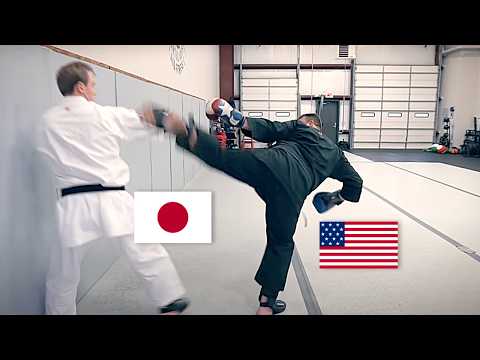
Sensei's Scrutiny: The American vs. Japanese Karate Debate - Is it Real or a Mirage?

What truly separates the Karate practiced in the West from its ancestral lands? Is it merely a superficial divergence, a dilution of tradition, or a genuine evolution born of different cultural soil? Many practitioners grapple with this question, often fueled by fleeting encounters or biased YouTube videos. Today, we delve beyond the surface to dissect the nuances, the alleged discrepancies, and the very soul of Karate as it manifests across continents.

The Core of the Conflict: Perception vs. Reality

The notion that American Karate is fundamentally different from its Japanese and Okinawan counterparts is a persistent one. But is this perception rooted in tangible differences in technique, philosophy, or simply the evolving landscape of martial arts globally? The challenge has been laid down: to spar, to explore kihon (fundamentals), and to dissect kata (forms) to uncover the truth. This is not just an academic exercise; it’s a probe into the very essence of what it means to practice Karate today.

"The martial way is a thing of daily practice. It is a continuous process of refinement." - Gichin Funakoshi

Many claim that Karate in the USA has become too focused on sport, losing its martial edge. Others argue that it has become diluted, lacking the rigor and depth of its origins. I’ve seen firsthand the vast spectrum of Karate schools, from those rigidly adhering to tradition to those embracing modern training methodologies. The question is: where does the truth lie, and what impact does this have on the practitioner’s journey?

A Tangled Root: Karate's Journey Westward

Karate's migration from Okinawa and mainland Japan to the United States is a story steeped in cultural exchange, adaptation, and sometimes, misunderstanding. Early pioneers, often GIs returning from post-war Japan, brought back techniques and training methods that were then disseminated through burgeoning dojos. This initial transmission was, by necessity, selective. Not every master, not every nuance, made the journey.

Furthermore, the American cultural context – with its emphasis on competition, individual achievement, and a burgeoning sports science – naturally influenced how Karate was taught and practiced. The development of competitive Karate associations, like the AAU Karate program in the US, further cemented a sporting aspect that, for some, overshadowed the original martial intent. This historical trajectory is crucial to understanding the perceived divergence.

The advent of full-contact Karate styles, and later the integration of Karate practitioners into the burgeoning world of Artes Marciales Mixtas (MMA), also played a significant role. Fighters like Stephen 'Wonderboy' Thompson, a true martial artist who began his journey in Karate, demonstrate how the discipline can adapt and thrive in a competitive combat sports environment. His success is a testament to the underlying principles that remain potent, regardless of the arena.

The Devil is in the Details: Kihon and Kata Analysis

When we scrutinize kihon, the fundamental techniques, subtle differences emerge. Is the stance wider or narrower? Is the hip rotation more pronounced? Is the emphasis on linear power or circular motion? Often, these variations are not inherent flaws but reflect different interpretations and training priorities. For instance, a school focused on self-defense might emphasize powerful, grounded stances, while a sport-focused dojo might prioritize speed and agility for point fighting.

Kata, the choreographed forms, are perhaps the most revealing. While the sequence of movements might be identical, the bunkai (applications) derived from them can vary dramatically. Does the practitioner envision defending against a single opponent with a weapon, or multiple unarmed attackers? The intention behind each movement, the breath control, the focus of energy (kime) – these can differ significantly. Observing how a particular kata is executed in different countries can highlight these underlying philosophical and practical divergences.

One must ask: are these differences truly diminishing the art, or are they a natural consequence of Karate’s global spread and adaptation to diverse environments? The answer, as always, is rarely black and white. It’s about understanding the context and intent behind the execution.

Sparring: Where Styles Collide and Adapt

Sparring is often the battleground where perceived differences are most starkly highlighted. The rules of engagement – whether point sparring with limited contact, continuous sparring with protective gear, or full-contact matches – profoundly shape the techniques employed. In a system focused on scoring points, practitioners might develop techniques that are flashy and quick but lack the power or commitment needed for a real confrontation. Conversely, a heavy emphasis on full-contact sparring, while developing resilience and power, might neglect the finer points of defensive strategy or the ability to control an opponent without causing excessive harm.

The challenge presented in the original context of this article (a sparring match between Japanese and American practitioners) is precisely where these differences are put to the test. Does the Japanese practitioner’s approach, perhaps rooted in older traditions, prove more effective? Or does the American’s more modern, perhaps sport-oriented, training yield superior results? The outcome is less about proving one style "better" than the other, and more about understanding the strengths and weaknesses born from their distinct training philosophies. This is where the true learning occurs, mirroring the BUDO principle of learning through trial and error.

"There are no beginners or advanced students in Karate. Only those who have practiced for a long time and those who have practiced for a short time." - Gichin Funakoshi

Beyond the Punch: The Spirit of Budo

Perhaps the most profound divergence lies not in the physical techniques, but in the philosophical underpinnings – the spirit of Budo. In Japan, Karate is often deeply intertwined with concepts of respect, humility, self-discipline, and the pursuit of self-perfection for the benefit of society. The training is not merely about learning to fight, but about cultivating character.

In the West, while these principles are certainly present in many dojos, the emphasis can often shift. The allure of competition, the desire for rapid progress, or the practical application of self-defense can sometimes eclipse the deeper philosophical journey. This is not to say that Western Karate lacks spirit, but rather that its expression might be different, influenced by a more individualistic culture and a greater focus on external achievement.

The true artist, regardless of their origin, strives to embody the principles of Budo. This means approaching every training session, every interaction, with a mindset of continuous improvement, not just physically, but mentally and spiritually. The goal is not to win against an opponent, but to conquer oneself.

Veredicto del Sensei: ¿Merece la pena?

The debate surrounding Japanese vs. American Karate is not about declaring a victor, but about appreciating the rich tapestry of its global practice. While regional differences in technique, emphasis, and even philosophy are undeniable, they speak more to adaptation and evolution than to inherent superiority or inferiority. The original video source, by challenging a fellow practitioner like @Sensei Seth, aims to spark dialogue and understanding, not to pit styles against each other in a definitive showdown. The true measure of Karate lies not in its geographical origin, but in the practitioner's dedication to the principles of discipline, respect, and continuous self-improvement.

Calificación: Cinturón Negro en Diálogo Intercultural

Equipo Esencial para tu Entrenamiento

While Karate techniques are the core of your practice, having the right equipment can enhance your training experience and safety. For sparring, especially if you engage in more dynamic or full-contact sessions, consider investing in quality gear:

  • Protective Gear: Full sparring sets typically include headgear, mouthguards, chest protectors, groin protectors, and shin/instep pads. Ensure they meet safety standards for your style.
  • Uniform (Gi): A durable, well-fitting Karate gi is essential. For heavier training or those focusing on strength, a thicker, double-weave gi might be preferred. Brands like Seishin International offer high-quality gis designed for rigorous training.
  • Training Mats: For home practice of kihon or kata, especially if you're working on falls or groundwork, interlocking floor mats can provide cushioning and prevent injuries.

Para Profundizar en tu Camino

Preguntas Frecuentes

What are the main differences between Okinawan and Japanese Karate?

Okinawan Karate is considered the origin, often characterized by more circular movements and emphasis on close-range combat and internal power. Japanese Karate, particularly styles like Shotokan, often became more linear and systematized for broader dissemination and competition.

Is American Karate less traditional?

Not necessarily "less traditional," but it has often adapted to Western cultural values, leading to a greater emphasis on competition, athleticism, and sometimes, a faster progression. However, many American dojos deeply preserve traditional aspects.

Does Karate still have practical self-defense applications?

Yes, absolutely. While sport Karate may de-emphasize certain aspects, the core principles of striking, blocking, and body mechanics taught in traditional Karate remain highly effective for self-defense when applied with the correct intent and strategy.

How important is the sparring element in Karate?

Sparring is vital for developing timing, distance control, reaction, and the ability to apply techniques under pressure. However, the type of sparring (point sparring, continuous, full-contact) dictates what skills are most emphasized.

Reflexión del Sensei: Tu Próximo Paso

The discussion of Karate's variations is not merely an intellectual pursuit; it is a mirror reflecting our own approach to training. Are you chasing the ephemeral glory of perceived "superiority," or are you dedicated to the arduous yet rewarding path of self-mastery, regardless of the style or its origin? Consider this: If Karate were a living entity, would its variations be signs of illness or of robust growth? How are you contributing to its health and vitality in your own practice?

``` GEMINI_METADESC: Explore the debate between Japanese and American Karate. Analyze technical, philosophical, and practical differences in this deep dive by a martial arts Sensei.