Showing posts sorted by relevance for query mma training principles. Sort by date Show all posts

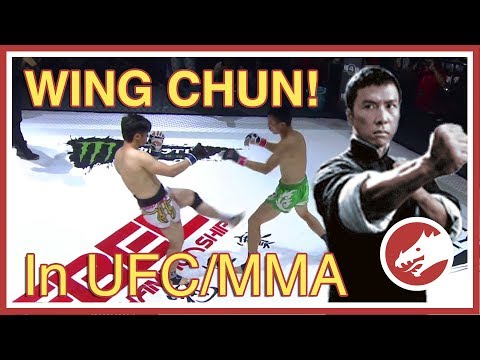
Wing Chun in the UFC/MMA Arena: Myth or Martial Reality?

As a Sensei who has dedicated a lifetime to the study and practice of combat, I've witnessed countless martial arts clash, both in the hallowed halls of dojos and in the brutal crucible of modern combat sports. The question often arises, whispered in hushed tones or debated heatedly online: Can a traditional art like Wing Chun, with its roots in close-quarters, theoretical combat, truly hold its own against the diverse and brutal disciplines seen in the UFC and wider MMA landscape? Many dismiss it as a relic, a cinematic fantasy popularized by Ip Man, unfit for the octagon. I, however, have always believed that the essence of any true martial art, when understood and applied correctly, possesses inherent value. Today, we delve into this contentious topic, not with blind faith, but with the critical eye of a seasoned warrior and film analyst.

The Whispers of Ip Man: Wing Chun's Mystique

Wing Chun. The name itself conjures images of Bruce Lee, of Ip Man, of lightning-fast strikes and an almost supernatural ability to absorb and redirect an opponent's force. Developed, legend has it, by a Buddhist nun, Ng Mui, this Southern Chinese martial art emphasizes efficient, direct movements, simultaneous blocking and striking (chi sao, or "sticky hands," being a prime example), and a strong centerline theory. Its proponents claim unparalleled effectiveness in close-range combat, a domain often found within the chaotic confines of an MMA bout.

The philosophy behind Wing Chun is one of simplicity and directness. It's not about flashy kicks or elaborate throws; it's about economy of motion, using your opponent's energy against them, and exploiting openings with devastating precision. This focus on principles rather than prescribed techniques is what, in theory, makes it adaptable.

"The most direct path is the most effective. In combat, we do not seek to impress, we seek to end the confrontation." - A foundational principle echoed by many Wing Chun practitioners.

Bridging the Gap: Core Principles vs. Octagon Reality

MMA, by its very nature, is a synthesis. It embraces striking (boxing, Muay Thai, Karate, Taekwondo), grappling (BJJ, Judo, Wrestling), and takes elements from countless other disciplines. To survive, let alone thrive, an MMA fighter must be a jack of all trades, master of one (often their primary discipline). So, where does Wing Chun, with its specific focus, fit into this multi-disciplinary tapestry?

The core principles of Wing Chun – centerline control, simultaneous block-and-strike, efficient footwork, and sensitivity development through chi sao – theoretically translate well. Imagine applying the simultaneous block-and-strike against a jab, or using centerline control to shut down an opponent's offensive reach. The emphasis on structure and power generation from the hips, rather than just brute force, could also be a significant advantage.

However, the stark reality of the octagon presents challenges. Wing Chun, in its purest form, often trains against stationary or predictable opponents. MMA is dynamic. Opponents don't stand still; they move, they grapple, they kick, they throw. Wing Chun's emphasis on standing within an opponent's striking range can be a perilous proposition against skilled Muay Thai clinch fighters or powerful wrestlers. Furthermore, many Wing Chun practitioners may not have developed the necessary conditioning or defensive grappling skills to deal with takedowns and ground combat, which are integral to MMA.

A Sensei's Analytical Breakdown: Core Techniques and Their MMA Viability

Let's dissect specific elements of Wing Chun and assess their potential application and pitfalls in an MMA context:

  • Pak Sao (Splitting Hand): This technique, designed to deflect an incoming strike and simultaneously open a path for your own attack, has direct parallels to defensive boxing and Muay Thai blocks. Its speed and efficiency are undeniable. However, in MMA, a deflected punch might still be followed by a grapple or a submission attempt.
  • Bong Sao (Arm Lever): Used to control an opponent's arm and create an opening, Bong Sao could be useful in the clinch. It offers a strong structure to redirect force. Yet, a skilled grappler can exploit the positioning created by Bong Sao to initiate a takedown.
  • Chain Punching (Biu Gee or "Thrusting Fingers"): The rapid-fire punching typical of Wing Chun is devastating in theory. Against a standard boxer, it could overwhelm. In MMA, however, the opponent is not only blocking but also defending takedowns, grappling, and employing a wider range of strikes. Maintaining the perfect structure for chain punches under such varied pressure is immensely difficult.
  • Wooden Dummy Training: The wooden dummy (Muk Yan Jong) is a cornerstone of Wing Chun training, refining structure, power, and technique. While excellent for developing muscle memory and biomechanical efficiency, it cannot replicate the unpredictable movement, resistance, and varied attack vectors of a live MMA opponent.
  • Chi Sao (Sticky Hands): This exercise trains sensitivity and reflex for close-range combat. It's invaluable for developing an intuitive understanding of an opponent's force. In MMA, chi sao principles are often seen implicitly in the clinch, but the lack of striking during traditional chi sao training means practitioners might be caught off guard by unexpected punches or takedowns.

The primary challenge is integration. Wing Chun's efficacy relies heavily on precise distance management and structure. In MMA, these factors are constantly in flux. A Wing Chun practitioner would need to adapt their principles to defend against kicks, learn takedown defense and offense, and develop a robust ground game. This isn't to say it's impossible, but it requires significant cross-training and a willingness to adapt the art.

The Path to Integration: Training Wing Chun for MMA

For a Wing Chun practitioner aspiring to compete in MMA, or simply to see their art's principles applied, a strategic training regimen is paramount. This involves:

  1. Prioritizing Takedown Defense: Learn to sprawl, defend single and double leg takedowns, and utilize the cage effectively.
  2. Developing Grappling Skills: Study Brazilian Jiu-Jitsu or Judo. Understanding how to escape submissions, control an opponent on the ground, and transition between positions is non-negotiable.
  3. Expanding Striking Range: While Wing Chun excels up close, MMA fighters must defend against and utilize kicks. Incorporate Muay Thai or Taekwondo techniques for leg kicks and kicks to the body.
  4. Sparring with Diverse Styles: Regularly spar with practitioners of different martial arts – boxers, wrestlers, Judokas, Muay Thai fighters. This is where theoretical applications meet practical resistance.
  5. Conditioning for Combat: MMA demands a high level of cardiovascular and muscular endurance. Traditional Wing Chun conditioning may need to be supplemented with HIIT (High-Intensity Interval Training) and strength training relevant to combat sports.

A practitioner who dedicates themselves to this cross-training can indeed leverage the efficiency and structural integrity of Wing Chun within an MMA framework. The key is not to abandon Wing Chun, but to build upon its foundation.

Zen Dragon's Perspective: Evidence in the Cage?

While direct, pure Wing Chun fighters are rare in the UFC, we can observe elements of its principles in the performance of many elite athletes. Think of the fight analysis of fighters like Cyril Gane, who, while primarily a striker with a background in Muay Thai, exhibits remarkable structural defense and precise, short-range power. Or consider the defensive reflexiveness seen in fighters like Jon Jones, whose ability to manage distance and deflect strikes, even while grappling, hints at sensitivity training akin to chi sao.

The provided video source itself, detailing "Wing Chun training & application in MMA" with footage of cage fights and sparring, attempts to demonstrate this very bridge. Observing such footage critically, one must ask: Are these truly pure Wing Chun applications, or are they adaptations by martial artists who have *incorporated* Wing Chun principles into a broader MMA skill set? This distinction is crucial.

The "Zen-Dragon elsewhere" links suggest a broader exploration of martial arts and philosophy. This integration is precisely what makes MMA so fascinating. It's a constant evolution, a proving ground where theory meets brutal reality.

Sensei's Verdict: Myth or Martial Reality?

Is Wing Chun viable in the UFC and MMA? My verdict, after years of study and observation, is nuanced but ultimately leans towards **Martial Reality, with caveats.**

Wing Chun, in its purest, unadulterated form, might struggle against the multifaceted threat of a seasoned MMA fighter. Its lack of explicit ground fighting and defense against varied striking ranges are significant liabilities. However, the principles of Wing Chun – its emphasis on efficiency, structure, centerline control, and sensitivity – are profoundly valuable.

A fighter who studies Wing Chun and then diligently integrates its core tenets into a comprehensive MMA skillset, supplementing it with robust grappling and diverse striking, can become a formidable force. The myth lies in believing Wing Chun alone is sufficient. The reality is that its principles, when understood and adapted, offer a unique and powerful edge in the close-quarters chaos of MMA.

Rating: Cinturón Negro en Potencial de Integración

Essential Gear for Your Training

To embark on your journey of integrating martial arts principles, having the right equipment is crucial. Whether you're focusing on Wing Chun fundamentals or preparing for MMA sparring, consider the following:

  • Protective Gear: For sparring, headgear, MMA gloves (typically 4oz or 6oz for striking, though heavier ones might be used for specific drills), shin guards, and mouthguards are indispensable for safety.
  • Training Partners: The most vital "gear" is a dedicated training partner or a good school. Sparring and chi sao drills require mutual effort and respect.
  • Training Aids: For Wing Chun, a well-constructed wooden dummy (Muk Yan Jong) is invaluable for practicing structure and striking. For MMA, heavy bags, speed bags, and focus mitts are essential for developing power and precision.
  • Comfortable Apparel: A breathable, flexible uniform or training attire is important for unrestricted movement. For styles that involve takedowns or ground work, a durable Judo gi or BJJ gi is necessary.

Frequently Asked Questions

  • Q: Can Wing Chun be used effectively for self-defense outside the cage?
    A: Absolutely. Wing Chun's emphasis on simultaneous block-and-strike, close-range efficiency, and disabling vital targets makes it highly practical for real-world self-defense scenarios. Its directness can end a confrontation quickly.
  • Q: What is the biggest challenge for a Wing Chun practitioner moving into MMA?
    A: The most significant challenge is the lack of dedicated training in takedown defense, grappling, and defending against a wider variety of striking ranges (especially kicks).
  • Q: Are there any famous MMA fighters who explicitly use Wing Chun?
    A: While few fighters are "pure" Wing Chun practitioners in MMA, many have incorporated its principles, such as effective centerline control, simultaneous blocking and striking, and efficient close-range power generation. Bruce Lee, though not an MMA fighter, was a proponent of Wing Chun and a pioneer in integrating martial arts.
  • Q: How does 'Chi Sao' compare to sparring in MMA?
    A: Chi Sao is a sensitivity drill focused on tactile feedback and reflex in close range, typically without full force or live striking. MMA sparring is a full-contact simulation that includes striking, grappling, takedowns, and submissions, demanding a much broader skillset and higher conditioning.

Deeper Dives into Your Journey

To truly understand the interplay of martial arts and combat sports, or to hone your own path, consider exploring these related topics:

Reflection of the Sensei: Your Next Step

We've dissected Wing Chun's potential within the MMA arena, moving beyond the cinematic mystique to the hard realities of combat. The question that remains is not whether Wing Chun *can* work, but rather, are you willing to bridge the gap? Are you prepared to take the efficient, direct principles of your art and forge them into a weapon capable of standing against the diverse onslaught of modern combat sports? Or will you remain content with the theoretical purity, a beautiful art form confined to demonstrations and hypothetical scenarios?

Ponder this: If a master of Wing Chun faced a master of Muay Thai in a street fight, with no rules, no referees, only survival – what principles would truly prevail? And more importantly, how can you train today to ensure that the 'real' you, in that critical moment, embodies those winning principles?

``` GEMINI_METADESC: Sensei analyzes if Wing Chun can truly be effective in UFC/MMA, examining its core principles, practical application, and challenges for practitioners.
From Aikido Dojo to MMA Cage: A Sensei's Unconventional Battle for Truth

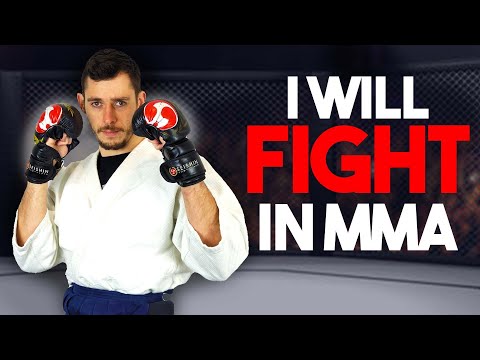
The world of martial arts often presents us with a rigid dichotomy: tradition versus modernity, philosophy versus brute force. But what happens when a seasoned practitioner of a deeply philosophical art, like Aikido, steps into the brutal arena of Mixed Martial Arts (MMA)? Does the spirit of Budo translate? Can the principles of harmony and redirection withstand the onslaught of a trained MMA fighter? This is precisely the question Rokas, an Aikido Sensei with 14 years of dedicated training and 7 years running his own dojo, dared to answer. His journey, documented on his "Martial Arts Journey" YouTube channel, is not just about physical combat; it's a profound exploration of self-discovery, a testament to the courage required to question established beliefs, and a radical experiment in bridging seemingly disparate worlds. This post delves into Rokas's decision to step into the MMA cage, his first fight experience, and the philosophical underpinnings of his extraordinary path.

The Core Question: Aikido vs. MMA

For decades, Aikido has been lauded as a sophisticated art of blending, throwing, and joint locking, emphasizing circular movements and the opponent's energy. Its practitioners often speak of principles like aiki (harmonious spirit) and mushin (no-mind). Yet, the practical efficacy of Aikido in a confrontational environment, particularly against highly skilled strikers and grapplers, has been a subject of intense debate. Many within the martial arts community, and even some within Aikido itself, question whether its techniques translate effectively into a scenario where survival, not philosophical elegance, is paramount. Rokas, having dedicated a significant portion of his life to Aikido, found himself at this very crossroads. He led a professional Aikido dojo, a bastion of traditional practice, until a stark realization dawned: Aikido, in its common interpretation, often failed to deliver on its promise of practical self-defense. This wasn't a critique born of superficial observation, but a profound internal conflict arising from years of dedicated practice and teaching.

The decision to close his dojo and embark on a six-month intensive training regimen at the renowned Straight Blast Gym (SBG) in Portland, Oregon, under the tutelage of coach Matt Thornton, was nothing short of revolutionary. It was a bold, almost defiant, act against the established norms of his martial path. This wasn't about abandoning Aikido's philosophical core, but about testing its practical application against the unforgiving realities of modern combat sports. This move begs the question: Can the spirit of Budo, the warrior's way, truly coexist and thrive within the structured chaos of MMA?

"Lead by this realization I decided to make a daring step to close my Aikido Dojo and move to Portland, Oregon for six months to start training MMA at the famous Straight Blast Gym Headquarters..." - Rokas

The First Encounter: A Reality Check

Following his intensive training period at SBG, Rokas found himself stepping onto the canvas for his first amateur MMA fight. This was the ultimate crucible, the practical examination of the theories and techniques he had wrestled with. The outcome of this first bout, while not detailed here, served as a critical learning experience. It was the tangible result of his daring experiment, a visceral encounter with the sport he had chosen to test his foundational art against. Documenting this journey, Rokas understood the importance of sharing not just the triumphs, but also the humbling lessons learned. His YouTube channel, "Martial Arts Journey," became the primary vehicle for this raw, unvarnished account, capturing the essence of his transition and the challenges he faced.

The Intervening Years: Shifting Focus

The path from his first MMA fight back to his home in Lithuania was not an immediate launchpad for further competition. Life, as it often does, presented its own set of challenges and detours. The initial momentum gained from his first foray into MMA needed time to rebuild. This period wasn't one of stagnation, however. It was a time for reflection, for processing the lessons learned in the crucible of combat, and for strategic planning. Rokas remained committed to his exploration, understanding that the journey of self-improvement and martial discovery is rarely linear. The decision to eventually prepare for a second MMA fight signified a renewed dedication to his unconventional quest.

The Comeback Trail: Rekindling the Fire

After returning to Lithuania, Rokas began the methodical process of setting plans in motion for his continued training in MMA. This involved seeking out quality guidance, refining his skills, and mentally preparing for the rigors of competition once more. The documentation of this comeback phase is crucial to his narrative. It showcases resilience, the ability to learn from setbacks, and the unwavering commitment to his exploration of Budo in a modern combat context. His experiences, shared through his channel, offer invaluable insights into the discipline, dedication, and mental fortitude required to pursue such a challenging path.

An Invitation to the Cage: The Next Chapter

The narrative culminates with the exciting prospect of Rokas's next MMA fight, an invitation that signifies a significant milestone in his journey. This forthcoming bout is more than just another competition; it represents the evolution of his understanding and the further testing of his martial philosophy. By stepping back into the cage, Rokas continues to push the boundaries, demonstrating that the principles he seeks to embody – harmony, adaptability, and indomitable spirit – can indeed find expression even in the most demanding arenas. His journey serves as an inspiration, challenging viewers to question their own perceived limitations and to explore the true potential of their chosen paths.

Veredicto del Sensei: Does Budo Belong in MMA?

Rokas's undertaking is a fascinating, albeit controversial, experiment. The debate over Aikido's effectiveness in MMA is one that has raged for years, often fueled by sensationalized videos and a lack of comprehensive understanding. What Rokas is doing is providing a real-world, albeit anecdotal, data point. From a martial perspective, the question isn't simply "Can Aikido work in MMA?" but rather, "Can the principles Rokas seeks to uphold – such as seamless adaptation, understanding an opponent's balance, and redirecting force – be integrated into a broader combat skillset?"

My view, honed over decades of studying and practicing diverse martial disciplines, is that the true value of any art lies not in its prescriptive techniques alone, but in the underlying principles it cultivates. If an Aikido practitioner can internalize the concepts of Kuzushi (breaking balance) and Nagashi (flowing), these principles *can* be applied. However, the direct execution of many traditional Aikido techniques, designed for a different context and often reliant on compliance from the opponent, faces severe limitations against trained MMA fighters who are specifically trained to counter throws and submissions from awkward positions. Rokas’s journey suggests that the *spirit* of Budo – the discipline, the resilience, the focus on self-mastery – is indeed transferable. Whether the *specific movements* of Aikido can be directly translated into a winning MMA strategy is a much harder proposition. It likely requires significant adaptation and supplementation with striking and grappling mechanics that Aikido traditionally does not emphasize.

"Now I am slowly setting up plans to continue training MMA under quality guidance and getting ready for my next MMA fight as I further document and share my journey and discoveries." - Rokas

Conclusion: Rokas's transition is a bold statement against stagnation. It's a practical inquiry into the universality of martial principles. While direct application of many Aikido techniques in MMA is problematic, the underlying philosophy of adaptability and self-awareness is invaluable. His courage to test himself in this arena is, in itself, a profound martial act. He is not just fighting opponents; he is fighting dogma and preconceived notions. He earns respect for this endeavor, regardless of the outcome of any individual fight.

Essential Gear for Your Training

Whether you are inspired by Rokas's journey to explore MMA, refine your own Budo, or simply maintain your fitness, having the right equipment is crucial for safety and progress. Here are some essential items:

  • Sparring Gloves (16oz recommended for MMA/Boxing): Essential for striking protection during partner drills and sparring. Ensure they offer good wrist support.
  • Shin Guards: Protect your shins from kicks and Muay Thai drills.
  • Mouthguard: Non-negotiable for any combat sport to protect your teeth and jaw.
  • Groin Protector: Crucial for preventing serious injury during sparring.
  • Training Matting: For safe practice of grappling, throws, and falls at home.
  • Comfortable Training Apparel: Breathable shorts and rash guards that allow for a full range of motion.
  • Judo or Jiu-Jitsu Gi (Double Weave Recommended): If your journey involves grappling, a durable gi is a must for drills and competition.
  • Books on Martial Philosophy: For deeper understanding, consider classics like Miyamoto Musashi's The Book of Five Rings or texts on Bushido.

Frequently Asked Questions

Q1: Is Rokas abandoning Aikido?
A1: No, Rokas is not abandoning Aikido's philosophical underpinnings. He is testing the practical application of its principles within a different, more confrontational martial art, seeking a more complete understanding of martial efficacy.

Q2: Can Aikido techniques be used effectively in MMA?
A2: Direct application of many traditional Aikido techniques is challenging against trained MMA fighters due to the latter's specific counter-training. However, the underlying principles of balance, redirection, and flow can be adapted and integrated.

Q3: Why did Rokas train at Straight Blast Gym (SBG)?
A3: SBG is a renowned mixed martial arts organization known for its effective training methodology and has a strong lineage in reality-based self-defense and combat sports, making it an ideal place for Rokas to undergo intensive MMA training.

Q4: What is the main message of Rokas's "Martial Arts Journey" channel?
A4: The channel documents Rokas's personal exploration of martial arts, his transition from Aikido to MMA, and his quest to find practical effectiveness and deeper truth within his training, encouraging viewers to question and explore their own paths.

To Dive Deeper Into Your Path

To support Rokas's continued journey and to witness his evolution firsthand, consider subscribing to his YouTube channel and engaging with his content. His courage to challenge conventions and his dedication to truth in martial arts are an inspiration to us all.

Reflexión del Sensei: Tu Próximo Paso

Rokas's journey is a potent reminder that true martial progress often lies beyond the comfort of established doctrine. It requires the courage to question, the humility to learn, and the fortitude to test one's beliefs in the fire of experience. So, I ask you: Where in your own training are you adhering to tradition simply because it is tradition, without ever questioning its practical application or underlying efficacy? What "cage" are you afraid to step into to truly test your art? The answer might just unlock your next level of mastery.

``` GEMINI_METADESC: Explore an Aikido Sensei's bold transition to MMA, testing Budo principles in the cage. Discover the clash of tradition and modernity in martial arts, and lessons learned.

UFC 270: Matt Frevola's Knockout and the Unseen Principles of the Warrior's Path

The roar of the crowd, the blinding lights, the sheer kinetic energy of a fighter's will made manifest – these are the sensations that draw millions to the spectacle of the UFC. At UFC 270, Matt Frevola delivered a performance that ignited the octagon, dispatching Genaro Valdez with a ferocious first-round knockout. But beyond the immediate thrill of victory, what lies at the heart of such decisive moments? Is it merely brute strength and trained reflexes, or is there a deeper current of martial philosophy at play, principles that transcend the canvas and resonate with the ancient Budo? Today, we delve into the victory of Frevola not just as a fight, but as a microcosm of the warrior's journey, dissecting the elements that contribute to a true knockout, both literal and metaphorical.

The Essence of the Knockout: More Than Just a Punch

Matt Frevola's victory was a testament to precision and power. The knockout of Genaro Valdez wasn't a lucky jab; it was the culmination of dedicated training, strategic application of force, and the mental fortitude to seize opportunity. In the world of striking arts, a knockout is often the most definitive statement. It’s the perfect execution of a technique, where all variables align: timing, distance, power generation, and the opponent's vulnerability. This is not dissimilar to the principles taught in traditional martial arts, where a single, well-placed strike, or a swift, decisive movement, can end a confrontation. The concept of Ikken Hissatsu (一拳必殺), "to annihilate with one blow," central to Karate, finds its echo in the explosive finishes we witness in the UFC.

But how does one achieve such devastating efficiency? It requires more than just physical conditioning. It demands an understanding of biomechanics, leverage, and the psychology of combat. A fighter must learn to read their opponent, to anticipate movements, and to strike when the opening is smallest. This requires countless hours of dedicated practice, sparring, and a deep introspection into one's own capabilities and limitations. As a prominent martial arts teacher once stated:

"The true fighter is not the one who throws the most punches, but the one who understands where and when to throw the single, decisive blow."

Frevola’s performance demonstrated this principle. He didn't overwhelm Valdez with volume; he identified a critical moment and delivered a precise, devastating strike that ended the contest. This is a masterclass in tactical striking, a skill honed through relentless dedication to the craft.

The Warrior's Mindset: Beyond the Physical Realm

While the physical execution is crucial, the mental game in combat sports, and indeed in all martial disciplines, is paramount. Frevola’s journey to UFC 270, like that of any professional fighter, is paved with challenges that test not only the body but the spirit. The ability to remain calm under pressure, to execute a game plan despite the chaos of the fight, and to recover from adversity are hallmarks of a true warrior.

This mental resilience is something deeply ingrained in Budo. Concepts like Mushin (無心), often translated as "no mind," describe a state of effortless action, where the mind is free from thought and distraction, allowing for pure, instinctive response. While a UFC fight is a complex strategic battle, the moments of decisive action often stem from this state of focused awareness. A fighter who can enter Mushin during exchanges, unburdened by fear or overthinking, possesses a significant advantage. Frevola's ability to secure the knockout suggests he was operating at a high level of mental clarity, attuned to the rhythm of the fight.

The path of a martial artist is often described as a lifelong journey of self-improvement. It's not just about learning techniques; it's about cultivating discipline, perseverance, and humility. The training itself is a crucible, forging character through sweat and sacrifice. The late nights, the early mornings, the pain of a strained muscle – these are the elements that build the warrior's spirit, preparing them not just for the octagon, but for the challenges of life itself. The discipline required to maintain a rigorous training regimen is a form of #SelfMastery, a fundamental aspect of the warrior's path.

From the Octagon to the Dojo: Universal Principles

While the UFC showcases a modern, evolved form of combat, its roots are deeply intertwined with the ancient martial traditions of the world. The precision striking of MMA fighters, the grappling prowess seen in #BJJ and Judo, and the strategic awareness required in every bout all echo principles found in disciplines like Karate, Taekwondo, and Judo.

Consider the emphasis on footwork and balance in MMA. This is a fundamental aspect of almost every traditional striking art. The ability to maintain a stable base while delivering powerful strikes, and to move efficiently to create openings or evade attacks, is critical. This connects directly to the foundational training in any #Karate dojo or #Judo academy, where mastering stance and movement is a prerequisite to more advanced techniques. The #BUDO philosophy, which emphasizes not just combat effectiveness but moral and spiritual development, finds a contemporary expression in the dedication and discipline of these elite athletes.

Furthermore, the strategic elements of an MMA fight – understanding range, managing distance, anticipating an opponent's intentions – are skills honed through years of practice and study. This analytical approach to combat is not exclusive to modern sports. It’s a core tenet of martial philosophies that have guided warriors for centuries. A fighter like Jon Jones, known for his strategic brilliance and adaptability, exemplifies this. His ability to constantly evolve and counter his opponents speaks volumes about his deep understanding of the martial mind.

Equipment and Training: The Tools of the Trade

The path to becoming a proficient martial artist, whether in the octagon or the dojo, requires dedicated training and the right equipment. For MMA fighters, the investment in quality gear is essential for both performance and safety.

Essential Gear for Your Training

  • MMA Gloves: Essential for striking, offering protection for both the fighter's hands and their opponent during sparring. Look for gloves with proper padding and wrist support.
  • Shin Guards: Crucial for kickboxing and Muay Thai training, protecting against impact and allowing for more powerful leg strikes.
  • Mouthguard: Non-negotiable for any combat sport involving striking. Protects teeth and reduces the risk of concussions.
  • Groin Protector: Essential for sparring to protect against accidental low blows.
  • Training Apparel: Comfortable, durable shorts and rash guards that allow for freedom of movement and wick away sweat.
  • Footwear (if applicable): Depending on the discipline, appropriate footwear like wrestling shoes or minimalist training shoes might be necessary. For striking arts, bare feet or specialized shoes are common.

For those looking to emulate the dedication of fighters like Matt Frevola, but perhaps focusing on traditional arts, specific equipment is also vital. A well-made #KimonoDeJudo or a durable Karate gi forms the foundation of training in grappling and traditional striking arts, respectively. For striking conditioning, a quality #Makiwara or a heavy bag can be invaluable tools.

If you're looking to enhance your training, consider investing in a good set of training pads for partner drills or even a quality jump rope for conditioning. The commitment to quality gear reflects a commitment to your training itself.

Veredicto del Sensei: ¿Merece la pena?

Matt Frevola's victory at UFC 270 was a spectacular display of modern martial prowess. It was a knockout born of skill, dedication, and the warrior's spirit. While the UFC is a modern combat sport, the underlying principles of discipline, resilience, and the pursuit of mastery are as ancient as Budo itself. Frevola's performance serves as a potent reminder that whether in a sanctioned bout or a disciplined training session, the journey of the martial artist is one of continuous growth, pushing beyond perceived limits to achieve the extraordinary. It’s a journey that demands respect for the art, for oneself, and for the opponent.

Equipo Esencial para tu Entrenamiento

  • Guantes de entrenamiento (tamaño y tipo según tu disciplina).
  • Kimono (Judo, BJJ, Karate Gi) de buena calidad para mayor durabilidad.
  • Protecciones (peto, casco, espinilleras) para sparring seguro.
  • Esterilla o tatami si practicas artes de suelo o necesitas amortiguación.
  • Sacos de boxeo o makiwara para entrenamiento de golpeo.

Recursos para Profundizar

Preguntas Frecuentes

What is the significance of Matt Frevola's knockout at UFC 270?
Frevola's first-round knockout win over Genaro Valdez at UFC 270 showcased a powerful display of striking precision and the effectiveness of dedicated MMA training, embodying principles of decisive action found in many martial arts.
How do UFC principles relate to traditional Budo?
UFC, while a modern sport, shares core principles with traditional Budo, such as discipline, resilience, strategic thinking, and the pursuit of mastery through rigorous training. Concepts like Mushin and Ikken Hissatsu find echoes in MMA combat.
What essential equipment is needed for MMA training?
Essential equipment includes MMA gloves, shin guards, mouthguards, groin protectors, comfortable training apparel, and appropriate footwear depending on the specific discipline within MMA.
Is it important to train with quality gear?
Yes, investing in quality gear is crucial for safety, performance, and durability, reflecting a serious commitment to one's martial arts training.

Para Profundizar en tu Camino

The fight is over, the knockout celebrated. But the true lesson lies not just in the victory, but in the journey that led to it. The discipline, the countless hours of training, the mental fortitude – these are the unseen forces that drive a fighter like Frevola. They are the very essence of the martial path.

Reflexión del Sensei: Tu Próximo Paso

We’ve dissected Frevola’s victory, touching upon the physical execution and the mental fortitude required. Now, I pose this to you: When faced with a challenge – be it in the dojo, the octagon, or the arena of daily life – do you react with the impulsive force of a untrained blow, or do you strive for the precision and calm awareness of the seasoned warrior, ready to deliver the decisive, effective action? Where in your own life are you still throwing wild punches, and where can you cultivate the stillness and focus to land your 'knockout' blow?

``` GEMINI_METADESC: Analyze Matt Frevola's UFC 270 knockout, connecting MMA striking, warrior mindset, and traditional Budo principles. Learn about essential gear and training.

The Unseen Shadow: David Yen's Quest to Forge His Own Legacy Beyond Bolo Yeung

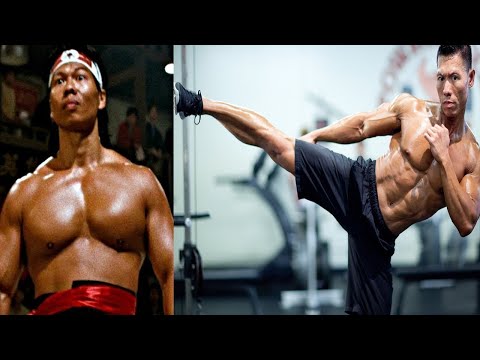
Every martial artist dreams of greatness, of etching their name into the annals of combat history. But what happens when your very name carries the weight of a legend? This is the crucible in which David Yen, son of the iconic Bolo Yeung, has forged his own path. For too long, he has lived in the imposing shadow of his father, a man synonymous with brutal physicality and unforgettable screen presence. Yet, David’s journey is not one of mere imitation, but of a distinct evolution, a testament to the enduring spirit of martial arts and the complex dynamics of legacy. In this analysis, we delve into David Yen’s own accomplishments, his transition from bodybuilding prowess to MMA training, and what this means for the broader landscape of martial arts influence.

For those who wish to support the continuation of this deep dive into martial arts lineage and dedication, contributions are welcomed. Your support fuels the research and analysis that allows us to explore these fascinating figures.

"The student often surpasses the master, not by copying, but by understanding the core principles and applying them in a new context." - A principle echoed through generations of martial arts philosophy.

The common narrative often places David Yen in relation to his father, Bolo Yeung. While it's undeniable that Bolo’s formidable physique and on-screen ferocity in films like "Enter the Dragon" and "Bloodsport" set an incredibly high bar, David’s story is far more nuanced. He hasn’t sought to replicate his father’s cinematic career, but rather to carve out his own niche, demonstrating a remarkable capacity for adaptation and skill development. His achievements in bodybuilding, a discipline demanding immense discipline and physical control, laid a potent foundation. This rigorous training wasn't just about aesthetics; it instilled the perseverance and understanding of the human body that would later inform his work with fighters.

David Yen's Bodybuilding Prowess

Before stepping onto the mats as a coach, David Yen himself achieved significant recognition in the world of bodybuilding. This is a crucial aspect often overlooked when solely focusing on his father. Bodybuilding is not merely about aesthetics; it’s a rigorous discipline that cultivates an intimate understanding of muscle function, recovery, and the sheer willpower required to push physical limits. This experience provided David with a unique perspective on strength conditioning, nutrition, and the dedication necessary for peak physical performance—all vital components that translate directly into the demanding world of combat sports. He understands the grind, the plateaus, and the mental fortitude required to sculpt a champion’s physique, a lesson invaluable when guiding fighters.

The Transition to MMA Coaching

The pivot from individual bodybuilding to coaching Mixed Martial Arts (MMA) is a fascinating evolution. It suggests a deep-seated passion for the combat arts that extends beyond personal achievement. Training MMA fighters requires a different skillset: understanding the intricate interplay of striking, grappling, and submission arts, as well as the strategic and psychological aspects of competition. David Yen, by immersing himself in this arena, demonstrates a commitment to the dynamic, evolving nature of modern combat. He is not simply leveraging his name; he is actively contributing to the development of new talent, bringing his unique blend of strength, discipline, and strategic insight to the corner.

His work with MMA fighters signifies a profound respect for the sport's multifaceted demands. It's a journey from perfecting one's own physical form to orchestrating the development of others'. This shift speaks volumes about his character and his dedication to the martial arts community. He has embraced the challenge of understanding diverse fighting styles and tailoring training regimens to maximize each fighter's potential.

Legacy and Influence: Beyond the Shadow

The inherent challenge for any child of a famous figure is to establish their own identity. David Yen has navigated this with a quiet determination. While his father defined an era of cinematic martial arts, David is contributing to the practical, competitive side of combat sports. This is a subtle yet significant distinction. His influence is felt not through iconic movie scenes, but in the tangible improvements he helps his fighters achieve. He is building his legacy brick by brick, fight by fight, demonstrating that true strength lies not just in inherited fame, but in earned respect and demonstrable expertise.

"A true legacy is not what you inherit, but what you build. It is the impact you have on others, the skills you impart, and the example you set."

His presence in the MMA coaching circuit suggests a desire to move beyond the direct comparisons and to prove his own mettle. It's a testament to a generation of martial artists and their offspring who are expanding their definition of success, integrating diverse disciplines and pushing the boundaries of what it means to be a martial artist in the 21st century. The "Bolo Yeung" name carries immense recognition, but David Yen is actively cultivating his own name through dedicated effort and a forward-thinking approach to training.

Training Philosophy for Fighters

While specific details of David Yen’s coaching methodologies might be proprietary, his background provides strong clues. His bodybuilding past suggests a strong emphasis on:

  • Core Strength & Stability: Essential for power generation in strikes and stability in grappling exchanges.
  • Explosive Power Development: Training for the quick, dynamic movements crucial in MMA.
  • Muscular Endurance: Building the stamina to perform at a high level throughout a fight.
  • Nutritional Guidance: Understanding the body’s fuel source for optimal performance and recovery.
  • Mental Fortitude: Instilling the discipline and resilience learned through personal bodybuilding challenges.

This foundation is critical. Unlike pure martial arts that might focus solely on technique, David’s approach likely integrates a holistic understanding of the fighter’s physical machine. He understands that technique without the physical capacity to execute it under duress is incomplete. This blend of strength conditioning and combat-specific training is a hallmark of effective modern coaching.

Equipment Essential for MMA Training

For aspiring coaches or fighters looking to emulate the dedication seen in figures like David Yen, having the right equipment is paramount. While David’s personal gym setup is likely extensive, some fundamental pieces are crucial for any serious MMA training environment:

  • High-Quality MMA Gloves: For striking drills and sparring, offering protection for both the wearer and their training partners. Look for gloves with good padding distribution and a secure fit.
  • Durable Training Shorts: Lightweight, flexible shorts that allow for a full range of motion during grappling and striking.
  • Sparring Headgear: Essential for mitigating impact during sparring sessions, protecting against cuts and concussions.
  • Shin Guards: Crucial for protecting the shins during kickboxing drills and sparring.
  • Mouthguards: Non-negotiable for protecting teeth and jaw during any contact training.
  • Wrestling/Grappling Mats: A safe and stable surface is vital for practicing takedowns, ground control, and submissions.
  • Resistance Bands and Weights: For strength and conditioning exercises that supplement skill training.
  • Jump Ropes: An excellent tool for cardiovascular conditioning and footwork development.

Investing in good MMA merchandise and training gear not only enhances safety but also fosters a more serious training mindset. It signals a commitment to the craft, much like the dedication David Yen himself embodies.

Veredict of the Sensei: A New Generation of Martial Arts Leadership

David Yen represents a fascinating evolution in martial arts lineage. He has taken the formidable foundation laid by his father, Bolo Yeung, and adapted it for the modern combat sports landscape. His journey from a successful bodybuilder to an MMA coach demonstrates a profound understanding that true mastery lies in continuous learning and application. He hasn’t tried to be his father; he has strived to be the best version of himself, contributing meaningfully to the sport. His influence may not be etched in celluloid, but in the grit, skill, and spirit of the fighters he trains. He is a prime example of how the principles of martial arts and physical discipline can be channeled into diverse, impactful careers within the broader combat community. He is earning his stripes, one fighter at a time.

"The path of the warrior is not a destination, but a continuous journey of refinement. David Yen embodies this journey, transitioning from one arena of physical mastery to another, proving that the principles of discipline and strength are universal."

Frequently Asked Questions

Who is David Yen?
David Yen is the son of the renowned martial arts actor and bodybuilder Bolo Yeung. He is known for his own accomplishments in bodybuilding and his current work as an MMA trainer.
Did David Yen act in movies like his father?
While his father is famous for his movie roles, David Yen has primarily focused on bodybuilding and MMA coaching, rather than a direct acting career.
What is David Yen’s contribution to MMA?
David Yen trains MMA fighters, leveraging his background in bodybuilding and physical conditioning to enhance their performance and prepare them for competition.
How does David Yen's bodybuilding background help in MMA training?
His bodybuilding experience provides a deep understanding of strength, conditioning, discipline, and physical limits, which are directly applicable to preparing MMA athletes for the rigors of combat.

Further Exploration

The journey of martial arts families and their evolving influence is a rich topic. To continue your exploration into the diverse paths within the martial arts world, consider these related topics:

Reflection of the Sensei: Your Next Step

David Yen’s story compels us to consider how we approach our own legacies. Are we defined solely by our heritage, or do we have the agency to forge our own unique impact? How will you ensure your contributions are recognized for their own merit, not just in relation to those who came before you? Ponder this deeply. Your answer will shape the path you walk.

``` GEMINI_METADESC: Explore David Yen's journey beyond his father Bolo Yeung's shadow. From bodybuilding to MMA coaching, discover his unique legacy in combat sports.

The Karate Edge in MMA: 15 Fighters Who Prove Its Lethal Potential

The Striking Art Meets the Octagon

Is Karate just a traditional art form, a relic of the past? Many outside the dojo might think so. But for those who understand the profound principles and devastating techniques forged over centuries, the answer is a resounding no. Karate, at its core, is about the unification of mind and body, about discipline, and about developing an unshakeable inner strength. It's an art where age is but a number, and continuous practice refines not just physical prowess but mental acuity. As we witness the relentless evolution of Mixed Martial Arts (MMA), a crucial question emerges: how does this ancient striking art fare against the modern, multifaceted combat sports landscape? This is not merely an academic exercise; it's about understanding the practical application of lethal techniques under the brightest lights of the modern combat arena. My journey through the dojo and the fight analytics has shown me time and again that the principles of Karate are not only relevant but foundational. Today, we delve into the heart of this intersection, exploring 15 fighters who have masterfully integrated Karate into their MMA arsenals, proving its efficacy and power.

Why Karate Translates to MMA Success

Karate, in its purest form, is a striking discipline. It emphasizes powerful punches, swift kicks, precise elbow and knee strikes, and the devastating efficiency of open-hand techniques like knife-hands and palm-heels. However, to dismiss it as *just* striking is a grave error. Historically, and in many contemporary styles, Karate also encompasses grappling, throws, joint locks, restraints, and the critical application of pressure to vital points. This comprehensive foundation is precisely why Karate practitioners can adapt so effectively to the demands of MMA. The explosive power generated from Karate stances and movements, the footwork that allows for rapid entry and exit, and the strategic use of distance are invaluable assets. Moreover, the mental fortitude cultivated through Karate training – composure, strategic thinking, and an unyielding confidence – are the bedrock of any successful fighter. It's about more than just throwing a punch; it's about timing, precision, and understanding the opponent's intent. The philosophy of Budo, the warrior's path, imbues Karateka with a resilience that transcends the physical. This is the essence that makes Karate not just viable, but often dominant, in the MMA cage.

"Karate practice strengthens the mind, develops composure, a clearer thought process, deeper insight into one's mental capabilities, and more self-confidence."

The "striking art" label often conjures images of stand-up exchanges, but the principles of Karate extend far beyond this. The ability to maintain distance, to react instantaneously to an incoming threat, and to deliver precise, fight-ending strikes are skills that resonate deeply in MMA. Fighters who possess a strong Karate background often exhibit a unique rhythm and flow in their exchanges, an almost predatory awareness that allows them to exploit openings before their opponents even perceive them. This isn't about adhering strictly to kata; it's about internalizing the principles and applying them dynamically in the chaos of a fight. Many top contenders, while their primary discipline might be grappling or Muay Thai, often possess Karate as a significant secondary or even primary influence, demonstrating its versatility.

The Elite 15: Karate's MMA Vanguard

The integration of Karate into MMA is not theoretical; it's demonstrably present in the performances of numerous elite athletes. These individuals have not only adopted Karate techniques but have internalized its spirit, using it as a weapon to achieve victory. Their success serves as a testament to the enduring power and adaptability of this ancient art. Here are 15 fighters who embody the lethal effectiveness of Karate in the MMA landscape:

  • 1. Lyoto Machida: The undisputed "Dragon," renowned for his traditional Karate approach, exceptional timing, and elusive movement.
  • 2. Georges St-Pierre (GSP): While a master of all disciplines, GSP’s Karate background provided him with exceptional distance control and precise striking.
  • 3. Chuck Liddell: "The Iceman" utilized powerful Karate-based striking, blending it with his wrestling for a dominant era.
  • 4. Gunnar Nelson: A submission specialist with a strong Karate foundation, showcasing effective Karate striking in his grappling setups.
  • 5. Uriah Hall: Known for his spectacular spinning attacks and devastating knockout power, heavily influenced by his Karate training.
  • 6. Seth Petruzelli: A powerful striker whose Karate background led to quick, decisive victories.
  • 7. Kyoji Horiguchi: A dynamic fighter with lightning-fast Karate striking and excellent counter-punching ability.
  • 8. Robert Whittaker: "The Reaper" combines devastating striking power with a solid Karate base, making him a threat from anywhere.
  • 9. Guy Mezger: A pioneer in MMA, Mezger showcased effective Karate striking in his early career.
  • 10. Bas Rutten: While known for his Muay Thai and Pancrase background, Rutten incorporated elements of Karate striking into his aggressive style.
  • 11. Katsunori Kikuno: An elegant striker whose Karate techniques were often breathtaking to watch.
  • 12. Ryo Chonan: Famous for his spinning heel kick knockout, demonstrating the spectacular possibilities of Karate in MMA.
  • 13. Justin Scoggins: A Karateka with dynamic kicking ability and fluid striking.
  • 14. Michelle Waterson: "The Karate Hottie" uses her Karate background effectively, blending it with her Muay Thai and BJJ.
  • 15. Shonie Carter: A veteran who often utilized Karate-based techniques and unique striking approaches.

Spotlight on Lyoto Machida: The Karate Master

When discussing Karate in MMA, Lyoto Machida is the first name that often comes to mind. His fighting style was a direct embodiment of traditional Karate principles, specifically Shotokan Karate. Machida employed a highly defensive, counter-striking strategy, utilizing exceptional footwork and timing to evade attacks and land precise, powerful blows. He masterfully controlled the distance, making his opponents uncomfortable and forcing them to commit to attacks, thereby opening themselves up for devastating counter-strikes. His signature move, the Uraken (reverse punch), delivered with pinpoint accuracy, often ended fights decisively. Machida’s approach proved that a pure Karate style, when executed with discipline and strategic brilliance, could overcome brute force and overwhelming grappling. He taught the world that intelligence and technique, honed through dedicated Karate practice, are formidable weapons in the MMA arena. His career is a masterclass in the philosophy of 'Sen' – initiative and preemptive action – a core concept in martial arts.

Spotlight on Georges St-Pierre: The Versatile Champion

Georges St-Pierre (GSP), often considered one of the greatest MMA fighters of all time, represents a different facet of Karate's integration. While GSP developed a well-rounded game encompassing elite wrestling, Brazilian Jiu-Jitsu, and Muay Thai, his foundation in Karate provided him with a significant advantage in striking. His jab was renowned for its speed and accuracy, his movement was fluid, and his ability to mix up strikes with takedowns was unparalleled. GSP's Karate background allowed him to maintain excellent distance control, keeping opponents where he wanted them and dictating the pace of the fight. He demonstrated how Karate's principles of explosive power, precise targeting, and efficient movement could be seamlessly integrated into a comprehensive MMA strategy, elevating his overall fighting prowess and contributing to his legendary status. His career highlights the versatility of Karate – not just as a standalone style, but as a critical component in a larger combat system.

Spotlight on Michelle Waterson: The "Karate Hottie"

Michelle Waterson, affectionately known as "The Karate Hottie," brings a vibrant Karate influence to the women's atomweight and strawweight divisions. Her style is characterized by fluidity, agility, and a keen sense of timing. Waterson leverages her Karate background to deliver sharp, precise strikes, often utilizing quick combinations and evasive maneuvers. She has a knack for finding angles and creating openings with her Karate-based striking, which she then skillfully blends with her Muay Thai and Brazilian Jiu-Jitsu. Her ability to transition between striking and grappling, all while maintaining the core principles of Karate’s dynamic movement and striking efficiency, makes her a compelling and dangerous opponent. Waterson’s success underscores the fact that Karate is not limited to male fighters or heavyweights; its principles are universally applicable, empowering athletes across all divisions and genders. Her dedication to her martial arts journey is an inspiration to many.

Equipment Essentials for Your Training

To truly harness the power and discipline of Karate, the right equipment can make a significant difference. While the art emphasizes mind and body, proper gear enhances safety, improves technique, and instills a sense of seriousness in your training. For striking practice, investing in quality sparring gloves (16oz is standard for MMA sparring) is paramount for protecting your hands and your training partners. A durable, well-fitting Karate gi or a versatile MMA uniform is essential for drills that involve movement, grips, and throws. For those looking to develop powerful strikes, consider investing in a makiwara or a similar striking pad for home practice. Additionally, a good pair of training shoes that offer support and grip can be beneficial for footwork drills. For conditioning, basic items like a jump rope can dramatically improve cardiovascular fitness and coordination, key elements in Karate.

Frequently Asked Questions

  • Can Karate be effective in a real street fight?

    Yes, Karate can be very effective in self-defense situations. Its focus on powerful strikes, defensive maneuvers, and developing situational awareness are invaluable. However, effectiveness depends heavily on the practitioner's training, adaptability, and the specific context of the confrontation.

  • Is Karate better than other martial arts for MMA?

    There is no single "best" martial art for MMA. Karate offers significant advantages in striking, distance management, and mental discipline. Elite MMA fighters often combine techniques from various arts, including Karate, Judo, BJJ, and Muay Thai, to create a well-rounded skillset.

  • Do I need a traditional Karate gi for MMA training?

    While a traditional Karate gi is excellent for Karate-specific training, for MMA, a more robust gi designed for grappling (like a Judo or BJJ gi) or a dedicated MMA uniform might be more practical for incorporating throws and ground transitions. However, the fundamental principles of Karate can be practiced in any suitable attire.

  • How can Karate improve my mental strength?

    Karate training emphasizes discipline, focus, perseverance, and overcoming challenges. The practice of kata, sparring, and the philosophy behind the art cultivate mental resilience, composure under pressure, and a stronger sense of self-confidence.

Deepen Your Martial Path

Sensei's Final Reflection: Your Next Step

The evidence is clear: Karate is not merely an art of tradition; it is a potent force that has carved its path through the brutal landscape of MMA. The fighters we've highlighted are living proof that the principles of unified mind and body, precision striking, and unyielding spirit are timeless. They have taken the essence of Karate and applied it with devastating success in the modern arena. But this is not just about fighting; it's about the application of disciplined movement and focused intent in all aspects of life. The path of Karate, like the path of any true martial art, is a continuous journey of self-discovery and mastery.

Sensei's Final Reflection: Your Next Step

Now, consider this: Are you merely a spectator of these martial feats, or are you actively engaged in your own journey of refinement? If you train Karate, or any martial art, what one principle have you learned that transcends the dojo and impacts your daily life? And if you don't train, what is stopping you from embracing this transformative path?

``` GEMINI_METADESC: Discover the lethal potential of Karate in MMA. Explore 15 elite fighters who masterfully blend Karate's striking power and discipline into their combat strategies.

Dream 1 (2008): A Deep Dive into a Pivotal MMA Grand Prix

The roar of the Saitama Super Arena on March 15, 2008, wasn't just noise; it was the sound of a new era in combat sports unfolding. Dream 1, the inaugural event of the DREAM promotion, showcased a Lightweight Grand Prix that would etch itself into the annals of mixed martial arts history. For us, practitioners and enthusiasts of Budo and the myriad of artes marciales, this event offers a fascinating case study in the evolution of combat, the confluence of diverse martial traditions, and the sheer spectacle of human athletic endeavor. Welcome to Budo and Martial Arts. You are watching Dream 1 (2008), a pivotal event that offers more than just fights; it's a masterclass in strategy, resilience, and the never-ending pursuit of perseverance.

Table of Contents

Dream 1: The Genesis of a Grand Prix

Dream 1 wasn't merely a fight card; it was the birth of a promotion that aimed to recapture the golden age of Japanese MMA, drawing heavily from the legacy of PRIDE FC. The Lightweight Grand Prix was the centerpiece, a tournament designed to crown the best 155-pound fighters. The stakes were high, the talent deep, and the stage was set for a night of exhilarating combat. This event was more than just a competition; it was a statement, a declaration that the spirit of BUDO and high-level Martial Arts Training was alive and well in Japan.

The Lightweight Grand Prix: A Crucible of Styles

The beauty of any MMA grand prix, especially one held in the early days of the sport's widespread global appeal, is the sheer diversity of fighting styles on display. Dream 1 was no exception. We witnessed traditional strikers, submission specialists, and well-rounded mixed martial artists all vying for supremacy. This tournament was a testament to how different artes marciales, from Karate's powerful stances to Jiu-Jitsu's intricate grappling, could be blended and tested under the ultimate pressure of competition. The first round featured a constellation of talent: * Ikuhisa Minowa vs. Kwan Bum Lee * Hayato Sakurai vs. Hidetaka Monma * Joachim Hansen vs. Kotetsu Boku * Luiz Firmino vs. Kazuyuki Miyata * Katsuhiko Nagata vs. Artur Oumakhanov * Mitsuhiro Ishida vs. Jung Bu-kyung * Mirko "Cro Cop" v Tatsuya Mizuno * Eddie Alvarez vs. André Amado * Tatsuya Kawajiri vs. Kultar Gill * Gesias Cavalcante vs. Shinya Aoki This lineup alone promised a spectacle, a true test of skill and heart. It was a chance to see how the principles of Ki, often discussed in traditional martial arts, might manifest in the raw, kinetic energy of professional fighting.

Match Analysis: From Knockouts to Submissions

Let's delve into some of the pivotal matchups and what they represented from a martial perspective.
* **Mirko "Cro Cop" vs. Tatsuya Mizuno (1:32:25):** While Mirko was more known for his Heavyweight prowess, seeing him in a Lightweight Grand Prix bout, even if it was an exhibition or a non-GP fight (as this date suggests it might have been a separate bout on the card, or a misunderstanding of the GP structure), always brought a level of raw power and striking expertise. Mizuno, a Japanese fighter, represented the home crowd's hope. This fight, like many involving Mirko, was a study in devastating kicking and punching techniques, a stark reminder of the impact that precise, powerful strikes can have. It's a demonstration of striking principles honed in Karate and Taekwondo, adapted for the MMA arena. * **Eddie Alvarez vs. André Amado (1:37:15):** Eddie Alvarez, a name synonymous with elite lightweight competition, was already a force to be reckoned with. His inclusion in this GP underscored the quality of the field. Alvarez's game is built on a potent blend of aggressive striking and tenacious grappling. This fight was a microcosm of modern MMA, where fighters must be proficient in both striking and submission arts. It showcased the effectiveness of wrestling-based takedowns and the danger of a fighter who can finish the fight on the ground. For those interested in MMA and grappling, Alvarez's performances are always instructive. * **Gesias Cavalcante vs. Shinya Aoki (1:46:40):** This bout was a clash of styles and a preview of future rivalries. Aoki, the submission wizard, represented the cutting edge of Brazilian Jiu-Jitsu adapted for MMA. Cavalcante, on the other hand, was a powerful striker and a strong competitor. Their fight was a strategic battle, a demonstration of how a high-level submission artist can overcome a more physically imposing opponent through technique and timing. Aoki's intricate leg locks and chokes are legendary, and his performances always highlight the philosophical underpinnings of Judo and Jiu-Jitsu: using an opponent's strength and momentum against them. The entire tournament was a showcase of how traditional martial arts form the bedrock of modern combat sports. Techniques honed over centuries in arts like Karate, Judo, and Taekwondo were either directly applied or significantly influenced the strategies employed by these elite athletes.

The Lasting Echo of Dream 1

Dream 1, and the subsequent Grand Prix fights, played a crucial role in shaping the lightweight division in MMA. It provided a platform for fighters like Aoki, Alvarez, and Kawajiri to reach new heights in their careers and gain international recognition. The promotion itself, though it faced its challenges, left an indelible mark on the sport, particularly in Japan. This event reminds us that while the rules and arenas may change, the core principles of BUDO remain constant: discipline, respect, perseverance, and the continuous pursuit of self-improvement. The dedication seen in these fighters mirrors the dedication required in any martial art training, whether it's mastering a kata, perfecting a throw, or developing the mental fortitude to face adversity.
The martial way is a path of continuous learning and refinement. What we witness in a grand prix like Dream 1 is the culmination of countless hours spent in training, pushing the boundaries of human capability.

Veredicto del Sensei: A Masterclass in MMA Evolution

Dream 1 was a crucial moment in MMA history, offering a glimpse into the future of the sport through a lens of diverse martial traditions. The Lightweight Grand Prix itself was a brilliant concept, pitting specialists against each other and forcing them to adapt. The matchups presented a rich tapestry of striking, grappling, and pure will. While some individual fights might not have reached the technical heights of later MMA eras, the overall event was a resounding success in showcasing the burgeoning talent and the evolving landscape of mixed martial arts. The production values, the caliber of fighters, and the underlying spirit of competition all combined to create a memorable event. **Calificación del Sensei:** Cinturón Negro en Evolución del Deporte.

Essential Gear for Your Combat Journey

To truly appreciate the dedication of these fighters, and to embark on your own martial path, having the right equipment is paramount. Whether you are practicing striking arts or grappling, quality gear not only enhances your training but also provides essential protection.
  • MMA Gloves: For sparring and even some training drills, gloves that offer a balance of protection and striking feel are crucial. Look for gloves around 4-6oz for MMA-specific training.
  • Shin Guards: If your training involves kicking, high-quality shin guards are non-negotiable for preventing injuries during sparring.
  • Mouthguard: A properly fitted mouthguard is vital for protecting your teeth and jaw during any form of combat sport.
  • Groin Protector: Essential for both striking and grappling to safeguard sensitive areas.
  • Kimono/Gi: For grappling arts like Judo and Jiu-Jitsu, a durable kimono de judo or Jiu-Jitsu gi is your primary training tool.
  • Training Shoes: Lightweight, flexible shoes are ideal for striking-based arts, allowing for quick footwork and pivots.
Investing in quality gear is an investment in your training longevity and safety. It’s akin to a samurai maintaining his katana; a warrior respects his tools.

Training Principles for the Aspiring Warrior

The fighters in Dream 1 demonstrated principles that transcend any single martial art:

Guía de Entrenamiento: Building a Resilient Mindset

  1. Consistent Practice: Like the fighters preparing for the Grand Prix, regular training is key. Dedicate specific times each week to your chosen art.
  2. Sparring (Controlled): Engage in controlled sparring sessions to test your techniques against a resisting opponent. This builds timing, distance management, and reaction speed. Always train with a knowledgeable partner and under supervision.
  3. Physical Conditioning: MMA fighters require exceptional stamina, strength, and flexibility. Incorporate cardiovascular exercises, strength training, and mobility work into your routine. Consider At Home Workouts if gym access is limited.
  4. Mental Fortitude: Practice mindfulness, visualization, and stress management techniques. The mental game is as critical as the physical. Reflect on the Inner Strength required to step into any competitive arena.
  5. Study and Observation: Watch fights, analyze techniques, and read about the history and philosophy of martial arts. Understanding the "why" behind techniques enhances their application.

Frequently Asked Questions

  • What is DREAM 1?
    DREAM 1 was the inaugural event of the Japanese MMA promotion DREAM, held on March 15, 2008, featuring the first round of its Lightweight Grand Prix.
  • Who won the Dream 1 Lightweight Grand Prix?
    The first round of the Lightweight Grand Prix was held at Dream 1. The full tournament concluded at subsequent DREAM events, with Shinya Aoki eventually winning the inaugural Lightweight Championship.
  • What martial arts styles were represented at Dream 1?
    Dream 1 featured a wide array of martial arts styles, including striking arts like Karate and Kickboxing, grappling arts like Judo and Brazilian Jiu-Jitsu, and wrestling, all integrated into the MMA format.
  • Why is Dream 1 significant?
    It marked the revival of major MMA events in Japan under a new banner and showcased a high-caliber Lightweight Grand Prix that featured many of the sport's rising stars.

For Deeper Insight into Your Path

Reflexión del Sensei: Tu Próximo Paso

Observar combates de alto nivel como los que se presentaron en Dream 1 nos muestra la eficacia de los principios marciales aplicados en un contexto moderno. Pero, ¿es la mera imitación de técnicas suficientes, o debemos buscar la comprensión profunda de los principios que las rigen? ¿Cómo podemos discernir entre un espectáculo de fuerza bruta y la verdadera aplicación de un arte marcial que busca el desarrollo integral del ser humano? Medita sobre esto, y comparte tu perspectiva. ```html
The martial way is a path of continuous learning and refinement. What we witness in a grand prix like Dream 1 is the culmination of countless hours spent in training, pushing the boundaries of human capability.
Matchup Estimated Time Martial Arts Focus Key Takeaway
Ikuhisa Minowa vs. Kwan Bum Lee 14:11 All-around MMA, striking emphasis Minowa's "Minotaurus" style represented tenacity.
Hayato Sakurai vs. Hidetaka Monma 20:40 Striking, grappling integration Sakurai's experience was a testament to Japanese MMA vets.
Joachim Hansen vs. Kotetsu Boku 26:35 Striking, Muay Thai influence Hansen's striking power was a significant threat.
Luiz Firmino vs. Kazuyuki Miyata 45:33 Wrestling, submission defense Miyata's wrestling background was evident.
Katsuhiko Nagata vs. Artur Oumakhanov 55:25 Grappling, Judo/Wrestling A clash of powerful grapplers.
Mitsuhiro Ishida vs. Jung Bu-kyung 1:13:42 Striking, pressure fighting Ishida's aggressive boxing style.
Mirko "Cro Cop" vs. Tatsuya Mizuno 1:32:25 Elite Striking (Kickboxing, Karate) Mirko's legendary kicking game.
Eddie Alvarez vs. André Amado 1:37:15 All-around MMA, powerful striking & grappling Alvarez's ferocious approach and finishing ability.
Tatsuya Kawajiri vs. Kultar Gill 1:46:40 Wrestling, striking offense Kawajiri's relentless pace.
Gesias Cavalcante vs. Shinya Aoki 2:13:03 Submission Grappling (BJJ), striking Aoki's masterful submission artistry.
The essence of martial arts is not in the victory, but in the struggle for self-perfection. The ring is merely a stage upon which this internal battle is fought.
``` GEMINI_METADESC: Explore Dream 1 (2008) and its pivotal Lightweight Grand Prix. Analyze martial arts styles, key fights, and the event's impact on MMA evolution.