Showing posts sorted by relevance for query mental game. Sort by date Show all posts

The Unyielding Defense: Cafu, The Unseen Wall Against the Titans of Football

A Legendary Figure

Welcome, warriors of discipline and masters of movement, to Budo and Martial Arts. Today, we venture beyond the dojo, beyond the confines of traditional combat, to explore a realm where strategy, endurance, and an unbreakable spirit reign supreme: the world of professional football. We dissect the career of Marcos Evangelista de Morais, known universally as Cafu, a man whose name is synonymous with resilience, tactical genius, and an almost superhuman ability to withstand the relentless onslaught of the game's greatest attackers. While many associate the "nightmare" of aging strikers with Cristiano Ronaldo, our focus today is on the formidable defender who was, in his prime, the bane of such offensive titans. This is not merely a story of a footballer; it is an exploration of the martial spirit manifested on the grandest sporting stage.

Many remember Cafu for his attacking prowess, his marauding runs down the right flank, and his iconic smile. However, beneath the flair and the dazzling footwork lay a defender of immense discipline and tactical intelligence. A true testament to the Budo principles of perseverance and unyielding spirit, he was the bedrock of Brazil's legendary defense, a seemingly impenetrable barrier that frustrated even the most potent forwards. His longevity and consistent performance at the highest level, often against younger, faster opponents, speak volumes about his dedication to training and his profound understanding of the game's dynamics. This article will delve into the "martial arts" of Cafu's game, analyzing his defensive techniques, his mental fortitude, and why he was, indeed, a formidable challenge for any attacker, regardless of their age or reputation.

The Unseen Wall: More Than Just a Full-Back

In the intricate dance of football, the role of a full-back is often underestimated, yet it is one that demands a unique blend of physicality, agility, and strategic acumen. Cafu embodied this role with unparalleled mastery. While attacking full-backs are celebrated for their offensive contributions, the true mark of a defensive stalwart lies in their ability to nullify the opponent's threats. Cafu was a master of positional play, understanding the angles of attack and closing down space with an efficiency that belied his advancing years. He didn't just tackle; he anticipated. He didn't just mark; he dictated. His defensive actions were often subtle, a slight shift of weight, a perfectly timed interception, a precise block that snuffed out danger before it could truly materialize.

"The essence of martial arts is not to be the strongest, but to be the one who endures. Cafu's career is a testament to this enduring spirit."

His physical conditioning was exceptional, allowing him to maintain a high work rate throughout 90 minutes, and indeed, throughout an entire season. This wasn't just raw strength; it was functional fitness honed through rigorous training, a discipline that mirrored the dedication required in any serious martial arts pursuit. He understood the ebb and flow of the game, knowing when to press and when to hold his position, a tactical intelligence often overlooked in the heat of the match. He was the constant, the reliable presence that allowed his more flamboyant teammates the freedom to express themselves, knowing the defensive fort was secure.

The Myth of the Aging Giant: Debunking the "Old" Narrative

The narrative that Cristiano Ronaldo, in his later years, "victimizes" older defenders is a common trope in football punditry. However, when we examine the career of Cafu, this narrative begins to crumble. Cafu played at the highest level for an astonishingly long period, facing off against some of the most explosive and talented attackers the game has ever seen, including a young, electrifying Cristiano Ronaldo. The idea that age alone renders a defender obsolete is a simplistic view that ignores the profound impact of experience, intelligence, and sheer willpower. Cafu’s ability to consistently perform, adapt, and succeed against younger, more athletic opponents in his later years is a testament to his incredible career management and his deep understanding of defensive tactics. He didn't rely solely on raw speed; he used his positional sense, his reading of the game, and his tactical discipline to neutralize threats. His ability to anticipate runs, cut off passing lanes, and make timely interventions meant that his opponents often found themselves frustrated, unable to exploit any perceived physical decline. This is the mark of a true martial artist, who understands that strategy and technique can often overcome brute force and youthful exuberance.

Consider the tactical battles he engaged in. While a younger Ronaldo might rely on explosive pace and dribbling, an experienced defender like Cafu would study his tendencies. He'd understand the angles of approach, the favored foot, the moment the striker looked to accelerate. His defensive "strikes" were not always tackles; they were often interceptions, dispossessions born from superior anticipation and positioning. This is akin to a seasoned martial artist countering a raw, powerful blow with a more refined, strategic movement, redirecting the force rather than meeting it head-on. The fact that Cafu could continue to play and excel against the likes of Ronaldo, Ronaldinho, and other dazzling forwards, even as his own physical peak began to recede, speaks volumes about his mastery of the defensive arts.

The Budo of the Brazilian Pitch

The spirit of Budo – the way of the warrior – is characterized by discipline, respect, self-control, and the relentless pursuit of self-improvement. While football is a team sport, individual players often embody these principles in their approach to the game. Cafu’s career is a striking example of Budo principles in action on the football pitch. His dedication to his craft, his professionalism, and his unwavering commitment to his team are hallmarks of a true warrior. He approached every match, every training session, with a seriousness and focus that demanded excellence. He understood that true strength lies not just in physical prowess but in mental fortitude – the ability to remain calm under pressure, to persevere through adversity, and to lead by example. His leadership on the field, particularly as captain of the Brazilian national team, was a reflection of his inner discipline and his understanding of responsibility. He wasn't just playing a game; he was fulfilling a role, a duty, with the honor and integrity of a samurai.

This philosophical undercurrent is what separates good players from legends. Cafu's consistent performance, his ability to adapt to different tactical systems, and his enduring impact on the game can be attributed to a mindset that transcends mere athleticism. It is a mindset rooted in the martial arts: the understanding that continuous effort, meticulous practice, and a deep respect for the opponent and the game itself are the foundations of true mastery. His smile, often seen after a successful defensive play or a hard-fought victory, was not one of arrogance, but of satisfaction – the quiet pride of a warrior who has met a challenge and emerged victorious through skill and determination.

Crafting the Unbreakable: Cafu's Training Philosophy

The longevity and effectiveness of a footballer, especially a defender who endures constant physical duels, are directly linked to their training regimen. While specific details of Cafu's private training sessions are not widely publicized, the results speak for themselves. His ability to maintain peak physical condition for over two decades indicates a rigorous and intelligent approach to fitness. This would undoubtedly have included a combination of cardiovascular endurance training, strength conditioning, and flexibility work. For defenders, agility and explosive power are crucial for closing down attackers and making tackles. This suggests a training program that focused on enhancing these specific attributes, likely through drills that mimic game-specific movements.

The mental aspect of training is equally critical. Cafu's ability to perform under pressure, to make split-second decisions, and to maintain focus throughout grueling matches points to a strong mental game. This is often cultivated through repetitive drills that build muscle memory and confidence, as well as mental conditioning techniques. In the context of martial arts, this is akin to endlessly practicing a kata until it becomes second nature, or engaging in sparring that sharpens reflexes and emotional control. Cafu’s consistent performance also implies a dedication to recovery and injury prevention, understanding that a warrior must care for their body to remain effective in battle.

More Than Just a Game: Cafu's Enduring Influence

Cafu's legacy extends far beyond his numerous trophies and individual accolades. He redefined the role of the attacking full-back, proving that a defender could be a significant offensive weapon. His influence can be seen in countless modern full-backs who emulate his style, blending defensive solidity with dynamic attacking runs. More importantly, he stands as a symbol of perseverance, professionalism, and the embodiment of the martial spirit within the world of sport. His story is an inspiration to aspiring athletes, not just in football, but in any discipline that requires dedication, hard work, and an unyielding will to succeed. He demonstrated that age is not a barrier when discipline and intelligence are applied. He showed the world that a true warrior doesn't just fight with their body, but with their mind and spirit, adapting and overcoming challenges with grace and determination. His impact on Brazilian football and the sport globally is immeasurable, cementing his status as one of the all-time greats, a true legend of the defensive arts.

Sensei's Verdict: A True Martial Artist of the Field

When we analyze the game of Cafu through the lens of martial arts philosophy, his impact becomes even more profound. He wasn't just a footballer; he was a strategist, a tactician, and a master of defensive technique. His longevity and sustained excellence against the world's best attackers, even in his later career, are a testament to his unwavering discipline, his sharp intellect, and his indomitable spirit. He embodied the Budo principles of resilience, adaptation, and the pursuit of mastery. While the narrative often focuses on attacking flair, the true artistry of the defender is in their ability to neutralize threats, to control space, and to maintain composure under immense pressure. Cafu excelled in all these areas, making him not just a football legend, but a practitioner of the martial arts on the grandest stage.

Rating: 5 out of 5 Stars – A Black Belt in Defensive Strategy.

Frequently Asked Questions

Was Cafu considered a "nightmare" for strikers like Cristiano Ronaldo?
Absolutely. While the narrative often focuses on Ronaldo's prowess, Cafu's experience, tactical intelligence, and defensive discipline made him an incredibly difficult opponent, capable of neutralizing even the most potent attackers, regardless of their age or reputation.
What martial arts principles can be seen in Cafu's play?
Cafu exemplified Budo principles such as discipline, perseverance, self-control, strategic thinking, and a relentless pursuit of excellence. His longevity and consistent performance were a result of a warrior's mindset.
How did Cafu maintain his effectiveness as he aged?
His sustained effectiveness was a combination of rigorous, intelligent training that focused on functional fitness and specific defensive skills, coupled with immense tactical understanding and mental fortitude. He adapted his game rather than solely relying on raw physical attributes.
What is Cafu's most significant legacy in football?
Beyond his numerous titles, Cafu redefined the role of the attacking full-back, proving that defense could be both impenetrable and a source of offensive momentum. He is also remembered as a symbol of professionalism and the martial spirit in sports.

To Delve Deeper Into Your Path

Just as Cafu honed his skills on the pitch, your own journey of self-improvement and martial mastery requires dedicated exploration. Consider these resources to further your understanding:

Resources for Deepening Your Training

To truly embody the discipline of a martial artist, the right mindset and tools are essential. While we don't focus on specific football equipment here, the principles apply universally. Whether you are training at home or in a dojo, consider the following:

  • Apparel: For styles that require it, a well-fitting, durable kimono or gi is paramount. For striking arts, consider 16oz boxing gloves for sparring, ensuring proper wrist support.
  • Training Equipment: A makiwara can be invaluable for developing striking power and resilience (ensure proper technique to avoid injury). For grappling arts like Judo or BJJ, a quality tatami mat provides a safe training surface.
  • Learning Resources: Immerse yourself in the philosophy. Books like Miyamoto Musashi's "The Book of Five Rings" offer timeless insights into strategy and combat applicable to any discipline.

Sensei's Reflection: Your Next Step

Cafu's career is a powerful narrative of how strategic brilliance, unwavering discipline, and a warrior's spirit can overcome perceived limitations, even the relentless march of time. He showed that true strength lies not only in physical might but in the intelligent application of skill and an unbreakable will. Now, I ask you: In your own training, are you merely going through the motions, or are you actively seeking to understand the 'why' behind each movement, each discipline? Are you adapting your approach as you grow, or are you clinging to outdated methods? Reflect on this. The true path of the warrior is one of constant evolution.

Whether on the field or in the dojo, the right equipment can significantly enhance your training and performance. While Cafu excelled in football, the principles of preparedness apply universally in martial arts.

  • For Striking Arts: Quality sparring gloves (e.g., 16oz for boxing/kickboxing) are crucial for protection. Hand wraps provide essential wrist support.
  • For Grappling Arts: A durable, well-fitting Judo gi or BJJ gi is a must. Consider a double-weave for longevity. Proper footwear for dojo training is also important.
  • For Conditioning: Resistance bands offer versatile no-equipment workout options. A good quality jump rope is excellent for cardiovascular fitness and agility.
  • For Practice: If you're focusing on striking power, research how to safely build or purchase a makiwara. For practitioners of styles like Karate Kyokushin, understanding the importance of conditioning is paramount.

Further Resources to Deepen Your Understanding

To truly grasp the martial ethos, it's essential to broaden your horizons. Explore these related topics:

``` GEMINI_METADESC: Explore the martial spirit of legendary footballer Cafu. Discover his defensive tactics, Budo philosophy, and how he neutralized titans like Cristiano Ronaldo.
The Unyielding Spirit: Deconstructing the 1,900+ Punches of Serrano vs. Cruz - A Masterclass in Combat Will

Hello and welcome, disciples of the Way. You stand at the precipice of understanding a battle not just of fists, but of sheer, unadulterated will. Today, we dissect the ferocious exchange between Amanda Serrano and Erika Cruz, a fight that shattered records and redefined what it means to endure. Forget fleeting strikes; we are examining over 1,900 punches – a testament to the warrior's spirit forged in the crucible of combat. This isn't merely about a boxing match; it's a profound lesson in **BUDO**, the philosophy of martial ways, and a stark reminder of the **combat** prowess that separates the true artist from the mere participant. We are Budo and MA, your guides through the labyrinth of martial disciplines and their electrifying presence in our world. Published on February 7, 2023, this analysis dives deep into a bout that epitomizes the relentless pursuit of victory. Prepare yourselves, for we are about to embark on a journey that celebrates the sheer grit and unwavering determination inherent in the pursuit of **martial arts** excellence.

Table of Contents

Understanding the Warriors: Serrano and Cruz

Before we delve into the statistical maelstrom, let us understand the combatants. Amanda Serrano, a Puerto Rican powerhouse, is no stranger to the upper echelons of boxing. Her record speaks of a relentless offensive and an ability to adapt, a true testament to her dedication to the **fight**. Erika Cruz, the Mexican warrior, entered this bout with her own formidable reputation, demonstrating a resilience and tenacity that would soon be tested under the most intense pressure. This was not a clash of novices; it was a collision of seasoned champions, each driven by an insatiable hunger for **combat** glory. The stakes were immense, the personal histories intertwined with their shared ambition, setting the stage for a **battle** that would etch itself into the annals of boxing history.

The Sheer Volume of Punches: A Statistical Onslaught

The headline, "OVER 1,900 PUNCHES THROWN!", is not hyperbole; it is a stark numerical representation of the war waged within the squared circle. In a 10-round bout, this translates to an average of over 190 punches per round. Consider this: a typical professional boxing round sees between 60 to 100 punches thrown by both fighters combined. Serrano and Cruz dwarfed these figures, engaging in an almost constant barrage of offensive output. This sheer volume is not accidental. It speaks to: * **Relentless Offensive Pressure**: Neither fighter was content to wait for an opening. They dictated the pace, forcing engagements and keeping the action high. * **Exceptional Stamina**: To maintain such a high rate of striking over 10 rounds requires an engine that borders on the superhuman. This is where conditioning, often overlooked in favor of raw technique, becomes paramount. It’s the **entrenamiento** of champions. * **Defensive Imperfection (or Strategic Choice)**: While both fighters exhibited defensive skills, the sheer volume suggests a willingness to absorb some damage to deliver their own, or perhaps an inability to fully neutralize the opponent's output. This is a critical aspect of **lucha** – knowing when to block and when to trade.

Core Principles in Action: Endurance and Grit

The number of punches is merely the surface. Beneath it lies the heart of the matter: the **BUDO** principle of perseverance. In Japanese martial arts, endurance, or *gaman*, is not just physical; it's mental and spiritual. Serrano and Cruz embodied this profoundly. * **Physical Endurance**: To throw over 1,900 punches means muscles are burning, lungs are screaming, and the body is screaming for respite. Yet, they continued. This level of conditioning is the result of countless hours of grueling **entrenamiento**, pushing past the perceived limits. It's the **Karate** spirit of *shitsuyō* (perseverance) made manifest. * **Mental Fortitude**: Beyond the physical, the mental game is where true warriors are separated from the rest. To continue throwing punches, to absorb blows, and to maintain focus amidst the chaos requires an iron will. This is the **Ki** – the life force, the spirit – that drives a martial artist forward, even when logic dictates otherwise. It echoes the philosophies found in **history**’s greatest duels. * **Fighting Spirit**: The **fight** itself was a display of unyielding spirit. There were moments of dominance for both fighters, shifts in momentum, but neither fighter ever truly broke. This is the essence of the warrior’s soul, the refusal to yield, the commitment to the **pelea** until the final bell.
"In the heat of battle, technique is secondary to will. A lesser opponent with greater will can overcome a superior technician." - A principle often debated, but rarely more evident than in fights like Serrano vs. Cruz.

Strategic Analysis: Beyond the Numbers

While the punch count is staggering, it’s crucial to look beyond the raw numbers to understand the strategic implications. This wasn't a mindless slugfest; it was a tactical battle waged at breakneck speed. * **Volume vs. Impact**: Was the sheer volume of punches thrown by Serrano and Cruz always the most effective strategy? Sometimes, a single, well-placed, powerful strike can end a fight. However, in a longer bout against an equally conditioned opponent, sustained pressure can wear down an adversary, break their spirit, and create openings for decisive blows. The **combat** evolved round by round. * **Defensive Adjustments**: As the fight progressed, did each fighter adapt their defense? Did they learn to anticipate the opponent’s patterns, slipping more punches or blocking more effectively? The ability to adjust strategy mid-**fight** is a hallmark of an experienced martial artist. * **The Role of Conditioning in Strategy**: The fact that both fighters could maintain such a high output suggests their training regimens were exceptionally robust. This allows for more strategic options. A fighter who gasses out early is limited to desperate measures. These warriors, however, had the physical **entrenamiento** to execute their game plans for the full duration. This is akin to the strategic depth seen in **Jiu-Jitsu** or **Karate** kata.

The Mental Game: Unseen But Crucial

We often focus on the physical prowess, the speed, the power. But the mind is the ultimate weapon in any **martial art**. The sheer number of punches thrown in Serrano vs. Cruz highlights the incredible mental fortitude required. * **Overcoming Fatigue**: The mind must convince the body to continue when it begs for rest. This is where **BUDO**’s emphasis on mental discipline shines. * **Maintaining Composure**: Amidst the chaos, the pain, and the pressure, both fighters remained composed enough to execute techniques and follow their game plans. This speaks volumes about their mental training, their ability to enter a state of **Ki** or "flow state." * **Resilience in Adversity**: When hit hard, when knocked off balance, or when losing a round, neither fighter faltered. They bounced back, demonstrating an unwavering belief in their ability to win. This resilience is a foundational aspect of all true **entrenamiento**.
"It is not the will to win that matters, everyone has that. It is the will to prepare to win that matters." - Paul "Bear" Bryant. This fight exemplified the *preparation* part of that equation, the immense groundwork laid during training.

Veredicto del Sensei: A Masterclass in Willpower

The bout between Amanda Serrano and Erika Cruz was far more than a boxing match; it was a visceral demonstration of the unyielding spirit that lies at the core of all true **martial arts**. The sheer volume of punches thrown is a testament not only to their physical conditioning but, more importantly, to their **BUDO** spirit – the unwavering will to persevere, to endure, and to fight until the very end. They pushed each other to the absolute limit, showcasing a level of grit that commands respect and admiration. **Rating:** Cinturón Negro en Resiliencia y Volumen de Ataque.

Essential Equipment for Your Training

To emulate the dedication seen in bouts like Serrano vs. Cruz, proper **entrenamiento** gear is crucial. While boxing is the primary discipline here, many principles apply across the martial spectrum.
  • Boxing Gloves: For sparring, a good pair of 16oz boxing gloves is essential to protect both hands and your training partner.
  • Hand Wraps: Crucial for added wrist support and knuckle protection during intense punching sessions.
  • Jump Rope: An indispensable tool for cardiovascular conditioning and footwork development.
  • Durable Workout Apparel: Comfortable, breathable clothing that allows for a full range of motion.
  • Water Bottle: Staying hydrated is paramount, especially during high-volume **entrenamiento**.
  • Heavy Bag or Speed Bag: For honing power, speed, and accuracy – the very tools Serrano and Cruz wielded.
Exploring options for quality **Martial Arts Merchandise** can provide the necessary tools for your own journey.

Frequently Asked Questions

* **Q: Was the high volume of punches sustainable throughout the entire fight for both boxers?** A: Yes, the remarkable aspect of this bout was that both Serrano and Cruz maintained an exceptionally high punch output for the full 10 rounds, indicating superior conditioning. * **Q: Does throwing more punches automatically mean a fighter is winning?** A: Not necessarily. While volume can indicate pressure and activity, the effectiveness, accuracy, and impact of those punches are equally, if not more, important. However, in this case, the sustained volume contributed significantly to the narrative of the fight. * **Q: How does the conditioning required for this fight compare to other martial arts?** A: The cardiovascular and muscular endurance needed for such a high-volume boxing match is extreme. While other arts like **MMA** or **Kyokushin Karate** demand immense stamina, the continuous striking nature of boxing presents a unique challenge.

Further Reading: Deepen Your Path

To further understand the principles of resilience, conditioning, and the warrior's spirit:

For Further Study:

Reflexión del Sensei: Tu Próximo Paso

This bout was a brutal ballet, a testament to the human capacity for endurance. But endurance without purpose is mere suffering. What drives a fighter to throw nearly two thousand punches? Is it glory? Pride? Or is it the ingrained discipline of their **BUDO** path, a commitment to the process, to the **entrenamiento**, regardless of the outcome? Reflect on this: when faced with overwhelming exhaustion, not in the ring, but in your daily life, where do you find your extra 1,900 punches?

Full Fight! Alan Belcher vs. Bobo O'Bannon: A Tactical Breakdown for the Discerning Warrior

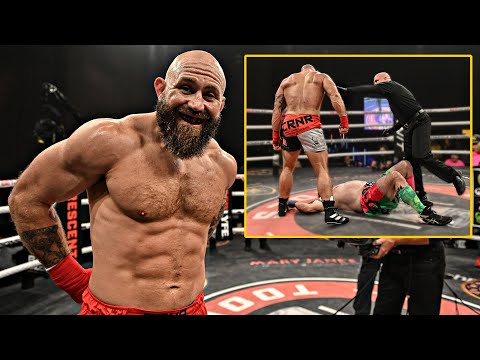
Hello, warriors and scholars of the martial path! Welcome back to the hallowed halls of Budo and Martial Arts. Today, we dissect a contest that, while not reaching the philosophical heights of a Miyamoto Musashi duel, offers a raw, unadulterated glimpse into the brutal ballet of combat sports. We are not merely watching a fight; we are analyzing the application of physical and mental discipline under immense pressure. The question isn't just "Who won?", but "How and why did they employ their techniques, and what can we, as practitioners, learn from this exchange?" Today's focus: **Alan Belcher vs. Bobo O'Bannon**. While the original announcement in the provided text mentions a bout against Frank Tate, our subject today is this specific pairing, a clash that promises explosive action and valuable lessons for anyone dedicated to the martial arts journey. Forget the superficial gloss of Hollywood fight scenes; this is about the grit, the strategy, and the sheer will to prevail.

Table of Contents

The Crucible of Combat: Setting the Stage

The world of **combat sports**, particularly those involving full contact like Bare Knuckle Fighting Championship (BKFC), serves as a primal testing ground. It strips away the elaborate choreography often seen in martial arts cinema and presents a raw, direct confrontation. Here, the principles of **BUDO** – the Way of the Warrior – are tested not in kata or forms, but in the heat of battle. This isn't just about inflicting damage; it's about strategy, resilience, and the indomitable spirit. We are accustomed to seeing fighters with specific skill sets, honed through years of **training** in disciplines ranging from **Karate** and **Judo** to **BJJ** and Muay Thai. Alan Belcher, a seasoned veteran, and Bobo O'Bannon, an opponent whose style can be unpredictable, present a fascinating study in contrasts. Their bout is more than just a spectacle; it's a dynamic interplay of contrasting approaches to **fight** and **battle**.
"The supreme art of war is to subdue the enemy without fighting." - Sun Tzu
While Sun Tzu's wisdom speaks of strategic avoidance, in the confines of the ring, the art lies in the efficient and decisive execution of techniques when engagement is inevitable. Today, we will delve into the tactical nuances, the physical conditioning, and the mental fortitude displayed by these warriors.

Deconstructing the Clash: Belcher vs. O'Bannon

Analyzing a fight like Belcher vs. O'Bannon goes beyond simply cheering for your favorite. It requires understanding the underlying martial principles, the strengths and weaknesses each fighter brings, and how these elements manifest in a real **combat** scenario. BKFC, with its emphasis on striking and the absence of gloves, amplifies the impact of each landed blow and necessitates a robust defense.
The original source material for this post points to a BKFC event, highlighting the promotion's commitment to delivering exciting bouts. While the promotional details about Frank Tate are noted, our analytical gaze is fixed on the interaction between Belcher and O'Bannon. This is where the true lessons lie.

Alan Belcher: The Experienced Tactician

Alan Belcher is not a novice in the arena of combat. His background, often rooted in MMA, provides him with a comprehensive arsenal of skills. This includes a strong striking game, proficiency in grappling, and, crucially, the experience of having faced diverse opponents under high-pressure circumstances. In a BKFC bout, Belcher's tactical approach would likely leverage his ability to control distance, set up powerful strikes, and potentially mix in grappling exchanges if the opportunity arises. His experience means he understands the ebb and flow of a **fight**. He knows when to press the advantage and when to absorb pressure. This mental fortitude, a cornerstone of **BUDO**, is often more critical than raw physical power. Belcher's ability to adapt his strategy mid-bout, based on his opponent's reactions and the unfolding dynamics, is a hallmark of a seasoned fighter. His **training** likely emphasizes not just technical proficiency but also strategic planning and adaptability.

Bobo O'Bannon: The Unpredictable Force

Bobo O'Bannon, on the other hand, represents the element of the unknown. Opponents like him often possess raw power and a willingness to engage aggressively, sometimes eschewing technical refinement for sheer ferocity. This can make them dangerous, as their unpredictable nature can disrupt an opponent's rhythm and strategy. For O'Bannon, the BKFC environment, with its emphasis on hard-hitting exchanges, could be an ideal platform to showcase his aggressive style. His **fight** strategy might involve relentless pressure, seeking to overwhelm Belcher with constant attacks. The key for O'Bannon would be to maintain this aggression without becoming overly reckless, leaving himself vulnerable to Belcher's counter-strikes or tactical grappling. His **lucha** capabilities, whether in striking or potential clinch work, would be paramount.

Key Techniques and Strategic Engagements

In a bare-knuckle contest, certain techniques are amplified in their effectiveness. Punches carry devastating weight, and clinching can lead to brutal uppercuts or knees. We might observe: * **Jab and Cross Combinations:** Fundamental striking sequences designed to set up power shots and control distance. * **Uppercuts and Hooks:** Crucial in close-range exchanges, especially when the opponent is defensively tight. * **Clinch Work:** Using the tie-up to land short, damaging strikes or to create space for a reset. * **Footwork and Head Movement:** Essential for evading powerful blows and maintaining offensive pressure. Belcher's strategy might focus on maintaining a safe striking distance, utilizing his reach, and looking for openings for powerful counter-attacks. O'Bannon, conversely, might aim to close the distance rapidly, negate Belcher's reach advantage, and engage in a slugfest where his power can be most effective. The interplay between these two approaches dictates the narrative of the **battle**.

The Mental Game: Beyond the Physical

It is impossible to discuss **combat sports** without acknowledging the profound role of the mental game. The sheer intensity of a bare-knuckle **fight** tests a warrior's resolve like few other disciplines. Fear, pain, and fatigue are constant companions, and the ability to overcome them is often the deciding factor. This is where the principles of **Martial Arts Philosophy** and **Self-Mastery** come into play. A fighter must possess: * **Courage:** To step into the ring and face an opponent willing to inflict harm. * **Resilience:** To endure punishment and continue fighting. * **Focus:** To remain aware of the opponent and the surroundings, even under duress. * **Discipline:** To stick to the game plan and not be swayed by emotion. The **Inner Strength** required to succeed in BKFC is immense. It is forged not just in physical **training**, but in the deliberate cultivation of mental toughness. This resonates deeply with the core tenets of **BUDO**, which emphasizes character development alongside physical skill.
"In the fight for survival, the most adaptable are those who can overcome their own fears."

Sensei's Verdict: Lessons Learned

While we don't have the play-by-play of this specific bout readily available, the mere presence of fighters like Alan Belcher in a BKFC setting speaks volumes. Belcher, with his pedigree, brings a level of tactical awareness and experience that is invaluable in the high-stakes world of bare-knuckle **combat**. His ability to adapt and employ a diverse range of techniques makes him a formidable opponent. If O'Bannon possesses the raw power and aggression often seen in fighters making their mark, the contest would have been a classic striker's duel. The key takeaway for any martial artist observing such a **fight** is the critical importance of **conditioning** and a well-rounded skill set. Even in a discipline that appears straightforward, the underlying principles of strategy, defense, and mental fortitude remain paramount. **Sensei's Verdict: A Study in Applied Combat** This bout, like many in BKFC, serves as a potent reminder that while the tools may change (gloves or no gloves), the warrior's spirit and strategic application of learned skills remain constant. It's a testament to the enduring human drive to test oneself against adversity. * **Coreography:** Raw, powerful, and direct. * **Authenticity:** High, reflecting the primal nature of striking combat. * **Spirit:** Unwavering resilience and the will to win. This fight earns a **Cinturón Negro en Impacto Crudo**.

Essential Equipment for Your Training

While BKFC focuses on bare-knuckle fighting, the underlying **training** requires specialized equipment to develop the necessary skills safely and effectively.
  • Boxing Gloves: Essential for most striking arts. For sparring, 16oz gloves are standard to protect both participants.
  • Hand Wraps: Crucial for protecting the metacarpals and wrists during punching drills and sparring.
  • Mouthguard: Non-negotiable for any form of combat or sparring to protect teeth and prevent concussions.
  • Shin Guards: Important for kickboxing or Muay Thai training to protect against kicks.
  • Groin Protector: A vital piece of protective gear for sparring.
  • Duffel Bag: To carry all your essential **workout** gear to the gym.
Investing in quality **Martial Arts Merchandise** for training is not a luxury; it's a necessity for safe and progressive development.

Training Guide: Developing a Resilient Guard

A strong defensive posture is crucial in any striking art, especially in bare-knuckle where every impact is magnified. Here's a fundamental exercise to build a resilient guard:
  1. Stance: Assume your fighting stance (e.g., boxing stance with feet shoulder-width apart, lead foot forward, hands up guarding your head).
  2. Guard Position: Keep your lead hand slightly forward to parry or block, and your rear hand protecting your chin. Elbows tucked in to protect your ribs.
  3. Awareness Drill (Solo): Practice slow, deliberate movements. Visualize incoming strikes from various angles (jab, cross, hook, uppercut).
  4. Blocking Motion: As you visualize each strike, practice the appropriate defensive movement:
    • Jab: Slight turn of the head, or a small parry with your lead hand.
    • Cross: Tuck your chin, raise your rear hand slightly, or pivot.
    • Hooks: Tuck your chin, and use your lead shoulder/forearm for an outside hook, or your rear elbow for an inside hook.
    • Uppercuts: Tuck your chin, bring your elbow up slightly to block.
  5. Active Defense: Incorporate small slips (head movement) and ducks to evade strikes rather than just blocking.
  6. Repetition: Perform this drill for 5-10 minutes daily. Focus on maintaining a tight, reactive guard.
  7. Partner Drills (When Ready): With a trusted partner, have them throw controlled strikes while you practice your defensive maneuvers. This is where **Fight Analysis** becomes practical application.
This basic drill, repeated consistently, builds muscle memory and improves your reaction time – essential skills for any **fighter**.

Frequently Asked Questions

  • What is BKFC? BKFC stands for Bare Knuckle Fighting Championship, a promotion that organizes fights where competitors strike each other using only their fists, without boxing gloves.
  • Is bare-knuckle fighting a traditional martial art? While BKFC is a modern combat sport, bare-knuckle boxing has historical roots predating modern boxing gloves. It tests fundamental striking and defensive principles under extreme conditions.
  • What martial arts background is useful for BKFC? Fighters often come from boxing, MMA, Muay Thai, and wrestling backgrounds, as these disciplines provide a strong foundation in striking, clinching, and conditioning.
  • How important is conditioning in bare-knuckle fighting? Extremely important. The lack of gloves and the intensity of rounds demand superior cardiovascular fitness, strength, and endurance.

To Deepen Your Path

To further your understanding of the warrior's path and the nuances of combat, explore these essential resources:

Reflexión del Sensei: Tu Próximo Paso

We have dissected the raw essence of combat, looking beyond the spectacle to the underlying principles. You've seen how a seasoned fighter like Alan Belcher applies tactics, how the mental game is as crucial as any strike, and how fundamental defensive techniques are non-negotiable. But knowledge without application is like a sword left to rust. Now, I ask you: In your own training, whether it's striking, grappling, or even a discipline far removed from direct combat, where are you neglecting your defense? Are you merely reacting, or are you actively building a shield of awareness and skill? Reflect on this, and more importantly, return to your practice with a renewed focus on solidifying your foundations. The true battle is always within. ``` GEMINI_METADESC: An in-depth tactical analysis of the bare-knuckle fight between Alan Belcher and Bobo O'Bannon, focusing on techniques, strategies, and the mental game. Learn from the crucible of combat.

UFC 275: Teixeira vs. Blachowicz - A Masterclass in Striking and Grappling Dominance

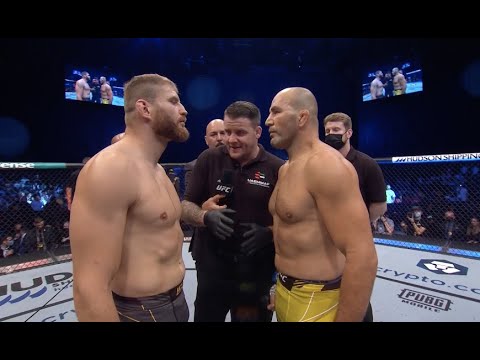
The electrifying clash between Glover Teixeira and Jan Blachowicz at UFC 275 was more than just a title fight; it was a brutal, beautiful ballet of combat, a testament to the enduring spirit of the martial arts. For those seeking to understand the apex of striking and grappling integration in modern MMA, this bout offers a profound lesson. It’s a narrative of perseverance, strategy, and the unyielding will of a warrior finally claiming his destiny. As a Sensei who has dedicated a lifetime to dissecting the nuances of combat and its representation, I see in this fight echoes of ancient principles applied on the grandest stage. The journey of Glover Teixeira, a man who clawed his way through the ranks for years, finally capturing the UFC Light Heavyweight Championship against a formidable champion like Blachowicz, is an inspiration that transcends mere sport. This isn't just about punches and kicks; it's about the embodiment of *ganbaru* (perseverance) and *reigi* (proper conduct and respect) even in the heat of battle. Welcome, seekers of the martial way, to a deep dive into what made this fight a modern classic. We will dissect the techniques, the strategies, and the underlying philosophies that made this championship bout a true spectacle.

The Genesis of a Championship Bout

The narrative leading up to UFC 275 was ripe with anticipation. Jan Blachowicz, the "Polish Power," had carved a path of destruction, showcasing devastating striking and a surprisingly robust ground game. He had ascended to the pinnacle, defending his title with brutal efficiency. Standing across from him was Glover Teixeira, a veteran whose career was a testament to his unwavering dedication. For years, Teixeira had been a contender, a perennial threat, but the championship belt had eluded him. His path was paved with wars, with setbacks, and with an almost mythical resilience. The bout itself was scheduled for UFC 275, a card stacked with exciting matchups. However, the main event held a special significance. It was the story of an old lion facing a dominant champion. This wasn't just about two fighters; it was about the culmination of decades of training, sacrifice, and an unshakeable belief in oneself.
"The outcome of a fight is determined long before the first bell rings. It is forged in the crucible of relentless training and unwavering self-belief." - Sensei's Observation

Strategic Breakdown: A Clash of Styles

From a martial arts perspective, this fight presented a fascinating dichotomy: Blachowicz, a master of Muay Thai and kickboxing fundamentals, known for his devastating leg kicks and powerful boxing combinations, versus Teixeira, a Brazilian Jiu-Jitsu black belt with a suffocating top game and surprisingly potent boxing. Blachowicz's strategy was clear: keep the fight standing, utilize his reach advantage with sharp jabs and powerful hooks, and exploit Teixeira’s perceived weakness in striking defense. He aimed to land heavy shots, possibly securing a knockout that had become his signature. His movement was calculated, utilizing footwork to create angles and avoid the dangerous clinch of Teixeira. Teixeira, on the other hand, understood that his path to victory lay in closing the distance, weathering the initial storm, and taking the fight to the ground. His game plan revolved around clinching, securing takedowns, and imposing his Brazilian Jiu-Jitsu **(BJJ)** dominance. Once on top, Teixeira is a master of control and submission, patiently working for chokes or incapacitating ground and pound. The initial exchanges often saw Blachowicz dictating the pace with his superior striking. His leg kicks were punishing, and his boxing combinations were accurate. However, Teixeira, true to his warrior spirit, absorbed the damage, feinted, and looked for openings to initiate his grappling game. This dance between striking and grappling is the essence of modern MMA, a constant test of a fighter's complete skill set.

The Art of the Submission: Teixeira's Ground Game

When Teixeira managed to close the distance and initiate the clinch, the complexion of the fight began to shift dramatically. This is where Teixeira's deep understanding of Brazilian Jiu-Jitsu truly shone. He displayed incredible strength and technique in controlling Blachowicz against the cage, preventing him from using his striking effectively. The key moment, as many recall, was Teixeira securing a takedown. Once the fight hit the mat, Teixeira’s presence was overwhelming. He moved with a fluidity and control that belied his age and the punishing pace of the fight. His ability to maintain top position, stifle Blachowicz's escape attempts, and transition into dominant positions was textbook. The final submission, a rear-naked choke, was a masterclass in timing and technique. Teixeira saw the opening, secured the grip, and applied the pressure with a calm, deliberate precision. This wasn't a desperate scramble; it was the execution of a well-honed skill, the culmination of countless hours spent on the mats, drilling, and sparring. It reminded me of the philosophy of Judo founder Jigoro Kano, who emphasized using an opponent's energy against them – something Teixeira executed flawlessly.

Blachowicz's Striking Prowess: The Polish Power

While the ground game ultimately decided the bout, it would be a grave error to underestimate Jan Blachowicz’s striking ability. His reputation as a devastating striker was well-earned. His left hook was a weapon of mass destruction, and his jab was sharp and effective. He demonstrated excellent timing and power throughout the fight, landing significant blows that would have felled lesser fighters. Blachowicz's proficiency in striking isn't just about raw power; it's rooted in solid kickboxing and Muay Thai fundamentals. He understood distance management and used feints effectively to set up his power shots. His leg kicks were particularly damaging, and at various points, they seemed to be slowing Teixeira down. The challenge for Blachowicz was Teixeira's ability to absorb punishment and his relentless pursuit of the takedown. In MMA, an opponent who can effectively nullify your strongest weapon and impose their own is a nightmare matchup. Blachowicz fought bravely, but against a seasoned veteran like Teixeira, who had a clear game plan and the skills to execute it, neutralizing his striking dominance proved to be an insurmountable task.

The Mental Game: A Warrior's Mindset

Beyond the physical techniques, the most profound lesson from UFC 275, and particularly from Glover Teixeira's victory, is the power of the warrior's mindset. Teixeira’s journey is a powerful illustration of perseverance and self-improvement. He faced setbacks, losses, and the seemingly inevitable march of time that suggests a fighter's prime is past. Yet, he never gave up. This mental fortitude is a core principle in all traditional martial arts. It’s the idea of *Mushin* (no-mind), the state of being free from distracting thoughts and emotions, allowing instinct and learned skill to take over. Teixeira displayed this when he weathered Blachowicz's early onslaught, and again when he patiently worked for the submission, never succumbing to frustration or doubt.
"The greatest victory is that which requires no battle." - Sun Tzu. While Teixeira did battle, his inner victory – his unwavering belief – was secured long before.
This mental toughness is something every practitioner, whether in the dojo or in life, must cultivate. It is the bedrock upon which all technical skill is built. The ability to push past perceived limits, to remain calm under pressure, and to maintain focus on the objective is what separates the good from the great. It's a concept deeply ingrained in the Budo philosophy – the way of the warrior.

Legacy of UFC 275: More Than Just a Fight

UFC 275, and specifically the main event between Teixeira and Blachowicz, etched itself into the annals of MMA history not just for the title change, but for the story it told. It was a victory for persistence, a testament to the fact that age is merely a number when dedication and skill are present. Glover Teixeira's win was an inspiration to countless aspiring martial artists who dream of reaching the pinnacle of their chosen discipline. It showcased the evolution of MMA, where fighters must possess a complete arsenal of skills. The days of fighters being one-dimensional are long gone. Blachowicz, a formidable striker, was expertly countered by Teixeira’s elite grappling, demonstrating the complex interplay of different martial arts disciplines within the MMA framework. This fight serves as a prime example for coaches and athletes alike, offering insights into strategic planning, in-fight adjustments, and the mental preparation required for championship-level competition. It underscores the importance of having a well-rounded game, capable of adapting to different styles and threats.

Training Essentials for Aspiring Grapplers and Strikers

To emulate the skills displayed at UFC 275, aspiring martial artists need a comprehensive training regimen. Here are some key areas to focus on:
  • Striking Fundamentals: Develop a strong foundation in boxing, Muay Thai, or kickboxing. Practice jab, cross, hook, and uppercut combinations. Master defensive techniques like slipping, blocking, and parrying. Work on power generation through proper hip rotation and footwork.
  • Grappling Techniques: For those aspiring to Teixeira's game, Brazilian Jiu-Jitsu is paramount. Focus on positional control (mount, side control, back control), submissions (chokes, armbars, leg locks), and takedowns. Develop strong defensive grappling as well, learning to escape bad positions.
  • Takedowns and Takedown Defense: Essential for bridging the gap between striking and grappling. Practice various takedowns like double-leg, single-leg, and trips. Equally important is learning to defend takedowns, maintaining your base and posture.
  • Clinch Work: The ability to control an opponent in the clinch is crucial for setting up takedowns or landing strikes. This involves controlling grips, creating frames, and using body weight effectively.
  • Cardiovascular Conditioning: Championship fights are grueling. Develop exceptional cardiovascular endurance through high-intensity interval training (HIIT), sparring, and long-distance running.
  • Strength and Conditioning: Build functional strength and explosive power. Focus on compound movements like squats, deadlifts, and overhead presses, alongside plyometrics and agility drills.

Sensei's Verdict: A Masterclass in Resilience

UFC 275’s main event was a brutal, beautiful, and ultimately inspiring display of martial arts mastery. Glover Teixeira’s journey to becoming the Light Heavyweight Champion against Jan Blachowicz wasn't just a victory; it was a profound statement on the enduring power of dedication, strategic intelligence, and an unbreakable warrior spirit. Blachowicz provided a stern challenge with his immense striking power, but Teixeira's masterful grappling, relentless pressure, and sheer force of will proved to be the deciding factors. This fight is a must-watch for anyone interested in the strategic depth and emotional narrative of modern combat sports. It’s a reminder that in the martial arts, as in life, perseverance often triumphs. Sensei's Rating: 9.5/10 - A defining moment in MMA history, showcasing the peak of two distinct yet complementary martial arts disciplines.

Frequently Asked Questions

What martial arts styles were most prominent in the Teixeira vs. Blachowicz fight?

The primary styles showcased were Brazilian Jiu-Jitsu (BJJ) by Glover Teixeira and Muay Thai/Kickboxing by Jan Blachowicz. The fight exemplified the integration of these disciplines within Mixed Martial Arts (MMA).

Was Jan Blachowicz known for his striking or grappling?

Jan Blachowicz was renowned for his devastating striking power, particularly his boxing combinations and leg kicks, earning him the nickname "Polish Power." While he possessed a competent ground game, his striking was his primary offensive weapon.

How old was Glover Teixeira when he won the UFC Light Heavyweight Championship?

Glover Teixeira was 42 years old when he won the UFC Light Heavyweight Championship at UFC 275, making him one of the oldest fighters to achieve this feat.

What submission did Glover Teixeira use to defeat Jan Blachowicz?

Glover Teixeira defeated Jan Blachowicz via a rear-naked choke in the second round.

Did this fight inspire new training methods?

While the fight didn't invent new methods, it certainly highlighted the effectiveness of a well-rounded approach, emphasizing the need for fighters to excel in both striking and grappling disciplines. It reinforces the ongoing evolution of MMA training.

Deepen Your Journey

``` GEMINI_METADESC: Dive into the strategic breakdown of UFC 275: Teixeira vs. Blachowicz. A martial arts analysis of striking, grappling, and the warrior's mindset.

Bivol vs. Valera: A Masterclass in Boxing Strategy for the Modern Martial Artist

The roar of the crowd, the glint of sweat under the arena lights, the palpable tension before the first bell. For those of us steeped in the world of martial arts, these are the familiar echoes of discipline, dedication, and the unforgiving test of combat. But how does a purely boxing match, like Bivol vs. Valera for the WBA Championship, speak to the broader practitioner of Budo and the martial way? More than you might think.

Welcome, fellow travelers on the path of the warrior, to Budo and Martial Arts. Today, we dissect not just a fight, but a strategic engagement that offers profound lessons for any discipline that seeks to master the art of conflict. This bout, broadcast on March 15, 2023, under the banner of the WBA World Championship, is far more than a simple exchange of punches; it's a testament to the application of principles that transcend specific styles.

Strategic Mastery: Beyond the Punch

Many observers, particularly those outside the boxing fraternity, might dismiss Bivol vs. Valera as mere 'slugging matches.' This perspective is fundamentally flawed. What we witnessed was a sophisticated chess game played with fists, where every movement, feint, and punch was a calculated step. Dmitry Bivol, in particular, demonstrated a level of strategic foresight that is the hallmark of any true martial artist, regardless of their primary art form.

His control of the ring, his ability to dictate the pace, and his intelligent use of defense to create offensive opportunities are lessons that translate directly to the close-quarters combat we explore in martial arts. It's about more than brute force; it's about intelligent application of power and pressure. This fight underscores the principle that *understanding the opponent's tendencies and exploiting them is paramount*. Bivol didn't just fight; he dissected Valera's approach and capitalized on its weaknesses.

"The supreme art of war is to subdue the enemy without fighting." - Sun Tzu. While this fight involved fighting, Bivol's strategic dominance exemplified the spirit of this ancient wisdom, making the eventual victory a near inevitability rather than a desperate struggle.

The Science of Distance and Timing

Distance, in any martial art, is life. In boxing, it’s the space between the gloves. Bivol’s mastery of this fundamental concept was on full display. He maintained an optimal range where his jab could control Valera’s forward movement, while simultaneously keeping himself out of the most dangerous striking zones. This is the same principle that governs the effective use of a Karate kick or a Judo throw. Too close, and you lose your leverage; too far, and you cannot land your attack.

Timing, the often-overlooked sibling of distance, was equally crucial. Bivol didn't just throw punches; he threw them *at the right time*. He exploited openings created by Valera’s movements, his breath, or moments of imbalance. This precision is what separates a novice from a master. In MMA or Karate, this translates to timing a takedown as your opponent attempts a strike, or slipping a punch to land a counter. The timing of Bivol’s combinations, particularly his powerful uppercuts and straight rights, was textbook.

Conditioning: The Unseen Weapon

A fight is not won or lost in the first round; it is often decided in the later rounds when fatigue begins to set in. Bivol’s exceptional strength and stamina were evident throughout the bout. While Valera showed flashes of power, it was Bivol who maintained his output, his technique, and his composure as the rounds progressed. This speaks volumes about his training regimen. The conditioning required to maintain peak performance for twelve rounds of intense boxing is immense and is a direct parallel to the endurance needed for a prolonged grappling session or a demanding Kyokushin Karate kumite.

The dedication to physical preparation, the grueling hours in the gym, the sacrifices made – this is the unseen weapon that often determines the outcome. For any martial artist, understanding that superior conditioning can overcome technical disadvantages is a critical insight. It’s about building a body that can execute techniques effectively, withstand impact, and recover rapidly. This is where the modern athlete, whether boxer or MMA fighter, must embrace rigorous training.

Mental Fortitude: The Core of Combat

Beyond the physical, the mental game is where true warriors are forged. In the crucible of a championship bout, pressure can crumble even the most skilled. Bivol displayed remarkable mental fortitude. He absorbed Valera’s best shots without faltering, maintained his strategic focus under duress, and executed his game plan with unwavering resolve. This ability to remain calm and focused when the stakes are highest is a universal attribute of effective combatants.

The mental game in martial arts is often as important as the physical. It’s about controlling fear, managing adrenaline, and maintaining unwavering belief in one's abilities. When facing a superior opponent, or when pushed to your limits, it’s the mental strength that allows you to dig deeper and find that extra reserve. Bivol’s calm demeanor, even when exchanging heavy blows, is a testament to his mental conditioning.

"There are no shortcuts to any place worth going." - Beverly Sills. This applies with absolute truth to the mental conditioning of a fighter. The quiet hours of introspection, the visualization, the relentless self-discipline – these are the investments that pay dividends when the spotlight shines.

Veredicto del Sensei: A Boxing Bout Worth Studying

While not a martial art in the traditional sense of incorporating strikes, kicks, throws, and grappling across a broad spectrum, boxing, as exemplified by Dmitry Bivol's performance against Sullivan Barrera, is a discipline demanding peak physical and mental conditioning, strategic brilliance, and unwavering courage. The fight serves as a potent case study for any practitioner seeking to understand the nuances of combat, particularly in areas like distance management, timing, and the psychological fortitude required under pressure.

The tactical approach, the efficient movement, and the sheer willpower displayed are all elements that resonate deeply with the core principles of Budo. Therefore, I award this bout a high mark for its educational value to the wider martial arts community.

Rating: Cinturón Negro en Estrategia y Ejecución Táctica

Equipment Essential for Your Training

To truly emulate the dedication of fighters like Bivol, proper training gear is essential. Whether you're honing your boxing skills, practicing Karate katas, or grappling on the BJJ mats, the right equipment can make a significant difference in performance, safety, and motivation.

  • Boxing Gloves: For sparring and heavy bag work, 14oz to 16oz gloves offer a good balance of protection and feel.
  • Hand Wraps: Crucial for protecting the wrists and knuckles during intense punching sessions.
  • Jump Rope: An indispensable tool for cardiovascular conditioning and improving footwork coordination – a staple in conditioning routines for all combat sports.
  • Training Shoes: Lightweight, supportive shoes designed for lateral movement are vital for boxing and many MMA training sessions.
  • Mouthguard: Essential for protecting your teeth and jaw during any form of sparring.
  • Headgear: For sparring, particularly when learning, headgear provides an extra layer of protection.

Training Guide: Improving Your Footwork

Effective footwork is the foundation of movement in striking arts and crucial for balance and positioning in grappling. Here’s a simple drill to enhance your footwork, inspired by the movement seen in bouts like Bivol vs. Valera:

  1. Stance: Assume a balanced fighting stance. Your feet should be shoulder-width apart, with your lead foot slightly forward, and your weight evenly distributed.
  2. Forward Movement: Step forward with your lead foot, then bring your rear foot up to maintain your stance width. Never let your feet cross.
  3. Backward Movement: Step backward with your rear foot, then bring your lead foot back to meet it, maintaining your stance width and balance.
  4. Lateral Movement (Left): Step to the left with your lead foot, then bring your rear foot to meet it.
  5. Lateral Movement (Right): Step to the right with your rear foot, then bring your lead foot to meet it.
  6. Combination: Practice moving forward, backward, and laterally in a continuous, fluid motion. Imagine navigating a confined space, constantly adjusting your position while maintaining balance.
  7. Add Dynamics: Once comfortable, incorporate light shadowboxing or defensive movements (slips, rolls) as you move. Aim for smooth, controlled transitions.

Dedicate 5-10 minutes daily to this drill. Focus on maintaining a stable base and fluid transitions, just as Bivol maintained his composure and balance throughout his championship fight.

Frequently Asked Questions

Q1: Is boxing a martial art?
A1: While boxing focuses solely on punching, it embodies many core martial principles like discipline, strategy, conditioning, and mental toughness. Many consider it a striking-based combat sport with strong martial roots.

Q2: How does Bivol's boxing strategy apply to Karate?
A2: Bivol's control of distance and timing, and his ability to use defense to set up offense, are directly applicable to Karate. For example, understanding when to parry and counter, or how to manage space to land effective kicks, mirrors his approach.

Q3: What is the most important lesson from Bivol vs. Valera for a beginner martial artist?
A3: The importance of conditioning and mental fortitude. Physical preparation and a strong mindset are often the differentiators, especially when technique is still developing.

Q4: What does WBA stand for?
A4: WBA stands for World Boxing Association, one of the major sanctioning bodies for professional boxing.

For Further Deepening Your Path

The battle between Dmitry Bivol and Sullivan Barrera was a display of skill, strategy, and heart. It’s a reminder that the principles of effective combat are universal, even if the tools and techniques differ.

Reflection of the Sensei: Your Next Step

Observing a high-level boxing match like Bivol vs. Valera offers a mirror to our own training. Ask yourself: Where in your practice do you exhibit strategic mastery? Are you truly in control of your distance and timing, or are you reacting? How dedicated is your conditioning, and is it truly preparing you for the late rounds of your own personal challenges? And most critically, is your mental game as sharp as your physical techniques?

Now, speak. Did this analysis of a boxing match reveal new insights into your own martial journey? Or do you believe the lessons learned from the ring are irrelevant to the dojo? Defend your position with the conviction of a warrior.

``` ```json { "@context": "https://schema.org", "@type": "FAQPage", "mainEntity": [ { "@type": "Question", "name": "Is boxing a martial art?", "acceptedAnswer": { "@type": "Answer", "text": "While boxing focuses solely on punching, it embodies many core martial principles like discipline, strategy, conditioning, and mental toughness. Many consider it a striking-based combat sport with strong martial roots." } }, { "@type": "Question", "name": "How does Bivol's boxing strategy apply to Karate?", "acceptedAnswer": { "@type": "Answer", "text": "Bivol's control of distance and timing, and his ability to use defense to set up offense, are directly applicable to Karate. For example, understanding when to parry and counter, or how to manage space to land effective kicks, mirrors his approach." } }, { "@type": "Question", "name": "What is the most important lesson from Bivol vs. Valera for a beginner martial artist?", "acceptedAnswer": { "@type": "Answer", "text": "The importance of conditioning and mental fortitude. Physical preparation and a strong mindset are often the differentiators, especially when technique is still developing." } }, { "@type": "Question", "name": "What does WBA stand for?", "acceptedAnswer": { "@type": "Answer", "text": "WBA stands for World Boxing Association, one of the major sanctioning bodies for professional boxing." } } ] }

Brandon Moreno vs. Deiveson Figueiredo IV: The Ultimate Trilogy Decider at UFC 283

Are you ready for the culmination of one of the most captivating rivalries in modern MMA? The air crackles with anticipation, not just for a fight, but for the definitive chapter in a saga that has gripped the UFC community. UFC 283 is poised to host the fourth, and perhaps final, encounter between Brandon Moreno and Deiveson Figueiredo – a true clash of titans that transcends mere competition. This isn't just about a title; it's about legacy, skill, and the unyielding spirit of combat. How did we get here, and what truly separates these warriors as they step into the octagon for a fourth time? Let us dissect this epic confrontation.

The Unfolding Saga

The journey of Brandon Moreno and Deiveson Figueiredo is a masterclass in resilience and evolution. Their first encounter ended in a draw, a prelude to the seismic shifts that followed. Moreno, a fighter renowned for his relentless pressure and **exceptional grappling skills**, shocked the world in their second meeting, submitting Figueiredo to become the first Mexican-born UFC champion. This was a historic moment, a testament to his dedication and the potential of fighters from Latin America. Yet, Figueiredo, a formidable **striker with devastating knockout power**, would not cede his throne easily. He recaptured the flyweight title in a subsequent bout, setting the stage for their rubber match. At UFC 283, the narrative reaches its peak. Each fighter knows the other's strengths and weaknesses intimately. This familiarity, however, does not breed contempt; it breeds a deeper respect and a more strategic approach. The question on every fight fan's mind isn't just who will win, but *how* they will win, and what lessons this final chapter will impart.

Diverse Fighting Styles: Striker vs. Grappler

The beauty of the Moreno vs. Figueiredo saga lies in the stark contrast of their **fighting styles**. Brandon Moreno embodies the modern, well-rounded **grappler**. His ground game is suffocating, characterized by fluid transitions, aggressive submission attempts, and the ability to maintain control even under duress. He consistently aims to take his opponents down, neutralizing their striking threat and wearing them out with positional dominance. On the other side of the octagon stands Deiveson Figueiredo, a pure **power striker**. His hands are lethal, possessing that rare, fight-ending **knockout power** that can turn the tide of any bout in an instant. His movement in striking exchanges can be deceptively simple, but it's effective, leading to openings for his devastating blows. In their previous three clashes, we've seen this dynamic play out repeatedly. Moreno’s strategy often revolves around closing the distance, securing a takedown, and imposing his will on the mat. Figueiredo, conversely, thrives when the fight stays standing, looking to land his heavy shots. The question for UFC 283 is: can Figueiredo effectively defend the takedowns and keep the fight on the feet long enough to exploit Moreno's chin? Or will Moreno continue to implement his **grappling strategy** successfully, dictating the pace and overwhelming "Deus da Guerra" on the ground? This stylistic clash is the core of the intrigue.
"The ultimate martial artist is a craftsman of his own destiny. He is not bound by the limitations of his opponent, but by the discipline of his own practice." - A principle often echoed in the halls of martial arts training.

The Conditioning Factor: Endurance as an Edge

In the high-octane world of MMA, **conditioning** is not merely important; it is often the deciding factor, especially in championship bouts that can go the full five rounds. Both Brandon Moreno and Deiveson Figueiredo are known for their impressive physical capabilities. However, historical trends offer a potential narrative thread for UFC 283. Figueiredo has, on occasion, faced challenges with weight cuts. While a successful weight cut is crucial, the physical toll can linger, impacting a fighter's **endurance** and ability to perform at peak capacity in the later rounds. This is a significant concern when facing an opponent like Moreno, who seems to possess an almost inexhaustible gas tank. Moreno’s **impressive cardio** allows him to maintain relentless pressure, dictating the pace and actively pursuing takedowns and submission attempts even when fatigued. If the fight goes beyond the third round, this **cardio advantage** could become a critical game-changer, allowing Moreno to exploit any waning energy from Figueiredo. This is a key element in **fight analysis**, and many **UFC fans** will be watching to see if Moreno can indeed capitalize on this potential disparity.

The Mental Game: Psychology in the Octagon

Beyond the physical attributes and technical prowess, the **mental game** is a formidable weapon in the arsenal of any elite fighter. The rivalry between Moreno and Figueiredo has been amplified by intense **mind games** and heated exchanges, adding a psychological layer to their physical battles. In their last encounter, Brandon Moreno seemed to possess a distinct psychological edge. His composure and confidence within the octagon were palpable. He appeared unfazed by Figueiredo's usual intimidation tactics, displaying a calm demeanor that allowed him to execute his game plan effectively. Conversely, Figueiredo seemed frustrated, perhaps rattled, and unable to impose his usual rhythm. This psychological advantage is a potent factor. Fighting is as much a battle of wills as it is of skills. Can Figueiredo reclaim his mental fortitude and strike with his customary ferocity, or will Moreno’s psychological dominance continue to be a decisive factor at UFC 283? The **mental strength** required to overcome such a dynamic opponent, especially after several intense bouts, cannot be overstated.

Predicting the Outcome: What the Data Suggests

Predicting the winner in a matchup as closely contested as Brandon Moreno vs. Deiveson Figueiredo IV is a monumental task. Both fighters have proven their mettle, each holding victories over the other. However, by dissecting their previous encounters and analyzing their established strengths, we can infer potential pathways to victory. Moreno's most successful strategy has consistently involved implementing his **grappling** and controlling the fight on the ground. If he can successfully close the distance, secure takedowns, and maintain positional advantage, he has a clear path to victory. His ability to wear down opponents and threaten submissions makes him a dangerous proposition for anyone, including Figueiredo. However, to dismiss Deiveson Figueiredo's **striking prowess** would be a grave error. His **one-punch knockout potential** is always present. A single, well-timed strike can end any fight, regardless of the preceding action. Figueiredo’s ability to land a fight-ending blow means that even if he's losing rounds, he remains a constant threat. This makes the bout inherently unpredictable. Ultimately, if Moreno can replicate his dominant grappling performance while effectively defending Figueiredo's power shots, he stands a strong chance. Conversely, if Figueiredo can keep the fight standing, counter effectively, and land clean, he can secure the victory. This clash at UFC 283 promises to be a thrilling testament to the unpredictable nature of **MMA** and a true test of **martial arts** mastery.

Essential Gear for Your Training

To emulate the dedication and skill displayed by fighters like Moreno and Figueiredo, proper training **equipment** is paramount. Whether you're focusing on striking or **grappling**, having the right gear can enhance your performance and safety. For those aspiring to develop **knockout power** and solid striking fundamentals, quality **boxing gloves** are a must. For **MMA** training specifically, sparring gloves that offer both protection and feel are ideal. If your path leans towards **BJJ** or **Judo**, a durable and well-fitting **gi** is essential. Investing in good training apparel and gear not only improves your practice but also serves as a constant reminder of your commitment to your martial arts journey. Look for reputable brands that specialize in martial arts gear to ensure quality and longevity.

Frequently Asked Questions

Who is the current Flyweight Champion?

At the time of UFC 283, Deiveson Figueiredo was the UFC Flyweight Champion. Brandon Moreno had previously held the title and was vying to reclaim it.

What is Brandon Moreno's fighting style?

Brandon Moreno is primarily known for his exceptional **grappling skills**, including wrestling and Brazilian Jiu-Jitsu, combined with relentless pressure and a strong Muay Thai base.

What is Deiveson Figueiredo's fighting style?

Deiveson Figueiredo is renowned as a powerful **striker**, possessing significant **knockout power**, with a background in wrestling.

How many times have Moreno and Figueiredo fought?

Before UFC 283, Brandon Moreno and Deiveson Figueiredo had fought three times, with one draw, one win for Figueiredo, and one win for Moreno. Their fourth fight at UFC 283 was the rubber match.

What is the significance of the Moreno vs. Figueiredo rivalry?

This rivalry is significant because it's one of the few in UFC history to go to four fights, showcasing a back-and-forth battle for supremacy in a highly competitive division, with both fighters holding the championship title.

For Deeper Insight into Your Journey

* Mastering MMA: Essential Training Tips for Aspiring Fighters * The Art of the Ground Game: Key Grappling Techniques Explained * Unleashing Your Power: Drills to Enhance Striking Force

Reflexión del Sensei: Tu Próximo Paso

The saga of Moreno vs. Figueiredo at UFC 283 is more than just a martial arts contest; it’s a profound illustration of the principles we strive to embody. We see the relentless pursuit of mastery in Moreno's **grappling**, the raw power and spirit in Figueiredo's **striking**, and the mental fortitude required to ascend and remain at the pinnacle. Now, I ask you: In your own training, what is the singular aspect – be it a technique, a conditioning drill, or a mental approach – that you are neglecting, the one that, if honed, could truly elevate your practice to the next level? Have you truly analyzed your own strengths and weaknesses as critically as we analyze these champions? The path to mastery is paved with self-awareness. Confront your own shortcomings.