Showing posts sorted by relevance for query label:Taekwondo. Sort by date Show all posts

Hassan Kassrioui: The Taekwondo Master Who Conquered Muay Thai

The tapestry of martial arts is woven with threads of tradition, innovation, and the sheer, indomitable will of practitioners who dare to cross disciplines. Today, we delve into the extraordinary journey of Hassan Kassrioui, a Moroccan warrior whose mastery of Taekwondo became the unlikely, yet devastating, foundation for his conquest of the brutal world of Muay Thai. Have you ever witnessed a practitioner so adept in one art that they could dismantle another, seemingly disparate, discipline with pure skill and strategic brilliance? Kassrioui is precisely that legend. This isn't just a story of an athlete; it's a testament to the universal principles of combat, the fluidity of movement, and the aggressive spirit that defines true martial prowess. From the dusty fields of Algeria to the hallowed rings of Thailand, Hassan Kassrioui's path is a lesson in adaptability and relentless pursuit of excellence. Prepare yourselves, for we are about to dissect the career of a fighter who redefined the boundaries of cross-disciplinary combat.

The Seed of Combat: Early Life and Influences

The genesis of a warrior is rarely a simple narrative. Hassan Kassrioui (حسن القصريوي) was born in Algeria, the youngest of several children on a farm. His early life was marked by displacement; familial ties pulled him and his parents back to Morocco, settling near Rabat. From the tender age of seven, the spirit of sport began to stir within him. The cinematic magic of Bruce Lee ignited a passion, drawing him towards the discipline of karate. However, it was the raw, unadulterated spectacle of street fights, which he frequented at the local market from age twelve, that likely honed his innate toughness and competitive drive. Imagine a young boy, captivated not by toys, but by the visceral exchanges of combat. This was the crucible where his martial spirit was first forged.

Forging the Foundation: Taekwondo Mastery

The pivotal moment arrived in 1982 when a meeting with his cousin, a professional boxer in Spain, steered him towards a more structured path: Taekwondo. By 1983, Kassrioui was enrolled in a local Taekwondo school under the tutelage of Ba Ami Mo. Financial hardship was a constant shadow, but the dedication of his coach, who recognized Kassrioui's potential and supported him through the struggles, speaks volumes about the bonds formed in the dojo. This period was crucial; it was where Kassrioui built the technical scaffolding that would later serve him so well. His natural talent was evident, securing third place in the Moroccan Championships in 1985 and improving to second place a year later. This early success in a recognized Olympic art form speaks to his inherent athletic capabilities and discipline.
"The journey of a thousand miles begins with a single step." - Lao Tzu. For Kassrioui, that first step was into the Taekwondo dojang, laying the groundwork for a legendary career.
The year 1987 presented a profound challenge: the loss of his trainer and the destruction of the gym. This could have been the end for many, but for Kassrioui, it was a catalyst for independence. He trained alone, sharpening his skills through sheer self-will. This period of solitary dedication is where true martial character is revealed – a commitment that transcends external support. It was during this introspective phase that an invitation to train at Sitangym in the Netherlands arose, opening a gateway to international competition and a broader understanding of striking arts.

The Invasion of the Ring: Adapting to Muay Thai

Transitioning from the highly stylized kicks of Taekwondo to the all-encompassing "Art of Eight Limbs" – Muay Thai – is no small feat. Muay Thai incorporates punches, kicks, elbows, and knee strikes, demanding a different kind of resilience and strategic thinking. Yet, Hassan Kassrioui did not just adapt; he *dominated*. His Taekwondo background provided him with exceptional kicking power, speed, and agility. He seamlessly integrated these strengths with the brutal efficiency required in Muay Thai bouts. The fact that he achieved multiple championship titles in Thailand, the very homeland of Muay Thai, is a staggering achievement that underscores his exceptional skill and adaptability.
His aggressive and "wild" striking techniques, as described, suggest a fighter who wasn't afraid to take risks or unleash unconventional attacks. This style likely surprised opponents accustomed to more traditional Muay Thai fighters. It’s a powerful illustration of how a strong foundation in one art can be leveraged to disrupt and conquer another.

Spectacular Showdowns: Defining Moments

Among Kassrioui's most memorable performances was his open-air tournament bout in Austria against Pepsi, a highly-ranked Thai fighter. This fight was significant because it was Kassrioui's first encounter with Thai rules that explicitly allowed elbow strikes to the head. This is a critical distinction, as elbows can end fights instantly and require a different defensive and offensive mindset. Winning this match against a top Thai contender, on their terms, was a monumental victory. It silenced any doubters and firmly established him as a legitimate force in the Muay Thai circuit. His subsequent, seemingly unstoppable winning streak further cemented his reputation. This wasn't just winning; it was a statement of dominance, proving that his Taekwondo-honed striking could overcome the most seasoned Muay Thai veterans.

The Enduring Legacy of Kassrioui

Hassan Kassrioui’s career is a compelling case study in martial arts evolution. He represents the practitioner who understands that the spirit of combat is universal, even if the tools and rulesets differ. His success transcends borders and disciplines, highlighting the potential for cross-training to elevate a fighter to unprecedented levels. He retired as a W.T.F. Taekwondo black belt and champion who conquered Muay Thai, a dual legacy that inspires aspiring martial artists to explore beyond their initial training. His story serves as a powerful reminder that true mastery lies not just in perfecting a single art, but in understanding the underlying principles that govern all forms of combat.

Sensei's Verdict: A Masterclass in Adaptation

Hassan Kassrioui's journey from Taekwondo phenom to Muay Thai champion is nothing short of a masterclass in strategic adaptation and relentless grit. He demonstrated that a strong technical foundation, coupled with an aggressive mindset and a willingness to embrace new challenges, can lead to extraordinary success. In a world often focused on the purity of a single art, Kassrioui broke the mold, proving that tactical intelligence and pure fighting spirit are the ultimate arbiters of victory. His career is a vibrant illustration of the martial principle of "Ju" (yielding and adapting), but executed with an "Yo" (hard, aggressive) spirit. He didn’t just switch disciplines; he conquered them by understanding their core essence and leveraging his unique strengths. **Rating: Black Belt in Cross-Disciplinary Dominance**

Essential Gear for Your Training

To emulate the dedication of fighters like Hassan Kassrioui, the right equipment is crucial for both Taekwondo and Muay Thai training. While Kassrioui himself benefited from a friend's generosity, investing in quality gear is a sign of respect for your craft.
  • Taekwondo Uniform (Dobok): Look for a durable, breathable dobok that allows for a full range of motion during kicks and forms (poomsae). A good quality uniform from brands like Adidas or Mooto is a solid investment.
  • Muay Thai Shorts: Lightweight and designed for maximum mobility, these shorts are essential for practicing the wide stances and low kicks characteristic of Muay Thai.
  • Hand Wraps and Boxing Gloves: Crucial for protecting your hands and wrists, whether practicing Taekwondo punches or the devastating hand strikes of Muay Thai. For Muay Thai sparring, 14-16oz gloves are standard. For Taekwondo, specific sparring gloves are often used.
  • Shin Guards: Absolutely vital for both disciplines to protect against kicks and to absorb the impact of your own. Look for comfortable, secure-fitting shin guards.
  • Mouthguard: Non-negotiable for any sparring or intense training sessions to protect your teeth and jaw.
  • Groin Protector: Another essential piece of protective equipment for both men and women during sparring.

Frequently Asked Questions

  • Was Hassan Kassrioui an Olympic Taekwondo champion?
    While Hassan Kassrioui was a W.T.F. Taekwondo champion, his professional career in Muay Thai took precedence, and Olympic Taekwondo competitions during his prime were under different rule sets.
  • How difficult is it to transition from Taekwondo to Muay Thai?
    The transition is challenging. Taekwondo emphasizes high, fast kicks and punches with a focus on form and technique. Muay Thai incorporates punches, kicks, elbows, and knees, demanding a more robust clinch game and a higher tolerance for damage. However, Taekwondo's powerful kicking arsenal is a significant advantage.
  • What makes Muay Thai so dangerous?
    Muay Thai is known as the "Art of Eight Limbs" because it utilizes fists, elbows, knees, and shins, along with a powerful clinch. The use of elbows and knees in particular, often directed at the head and body, can lead to severe injuries and quick knockouts.
  • Did Kassrioui use his Taekwondo skills directly in Muay Thai fights?
    Yes, his powerful and fast kicking techniques, characteristic of Taekwondo, were a significant part of his offensive arsenal in Muay Thai, surprising many opponents.

To Delve Deeper Into Your Journey

Reflexion del Sensei: Tu Próximo Paso

Kassrioui's life is a resounding argument against the dogma of martial purity. He shows us that the battlefield – whether a ring or the street – respects only effectiveness. When you face your next training session, ask yourself: Am I merely practicing my art, or am I preparing for *combat*? Are there principles from other disciplines that could enhance my own? Do not let ego or tradition blind you to the potential for growth. The true warrior is a perpetual student. Now, go forth and consider this: If a Taekwondo master can reign supreme in Muay Thai, what limiting beliefs are *you* holding onto in your own martial journey? GEMINI_METADESC: Explore the incredible journey of Hassan Kassrioui, a Taekwondo master who conquered the brutal world of Muay Thai, showcasing adaptability and combat prowess.

K-1 Hero's 2 (2005): A Critical Examination of a Groundbreaking Martial Arts Event

The roar of the crowd, the glint of sweat under the arena lights, the palpable tension before the clash of titans – these are the elements that define the spectacle of professional martial arts. K-1 Hero's 2, held on July 6, 2005, at the Yoyogi National Stadium in Tokyo, was more than just a fight card; it was a testament to the evolution of combat sports and a showcase of diverse fighting disciplines. As a seasoned Sensei and a devoted critic of martial arts cinema and combat, I approach such events not merely as entertainment, but as living case studies in technique, strategy, and the indomitable spirit of the warrior. This event, with its eclectic mix of fighters and styles, offers a rich tapestry for analysis, from the raw power of heavyweight slugfests to the intricate grappling of elite submission artists.

Table of Contents

Understanding the Context: The Rise of Hero's

Before diving into the specific bouts, it's crucial to understand the landscape in which K-1 Hero's 2 emerged. The K-1 brand was already a powerhouse in kickboxing, but Hero's represented an expansion into mixed martial arts (MMA), aiming to capture a broader audience by featuring a mix of striking and grappling. This event was significant because it brought together athletes from various backgrounds, offering a platform for disciplines like Judo, Karate, Brazilian Jiu-Jitsu, and pure striking to test their mettle against each other under a unified banner. The date, 2005, was a pivotal time for MMA, with organizations like PRIDE FC still reigning supreme in Japan, and the UFC steadily growing its global presence. Hero's sought to carve its niche by emphasizing exciting matchups and accessible rulesets.

"The true warrior is a craftsman of his own destiny." - Miyamoto Musashi

This event perfectly encapsulated that sentiment, with fighters from diverse backgrounds aiming to prove the superiority of their chosen path. The intention behind such a promotion is clear: to create a melting pot of martial arts, to test the efficacy of different combat systems, and to entertain a global audience hungry for high-octane action. For the dedicated martial artist, it's an opportunity to observe the practical application of principles honed through years of rigorous training.

The Main Event: A Fight-by-Fight Breakdown

Let's dissect the card. While a full, in-depth review of every single bout would require a multi-volume treatise, we can extract valuable lessons from the key matchups presented.

  • Yoshihiro Akiyama vs Carl Toomey: Akiyama, a Judoka with a powerful judo background and dangerous striking, faced Toomey, a more traditional MMA fighter. This bout was a classic test of grappling versus mixed striking. Akiyama's ability to close distance and implement his throws was always a threat.
  • Bob Sapp vs Alan Karaev: This was a heavyweight spectacle, pure and simple. Sapp, a former football player with immense strength and a background in combat sports, versus Karaev, a Sambo and wrestling specialist. These contests are less about intricate technique and more about brute force, strategic power application, and mental fortitude. The outcome often hinges on who can impose their will and weather the initial storm.
  • Ray Sefo vs Min Soo Kim: Sefo, a legendary K-1 kickboxer, known for his devastating leg kicks and boxing prowess, against Kim, a Taekwondo practitioner. This matchup highlights the striking arts. Can Taekwondo's dynamic kicking game overcome Sefo's powerful boxing and Muay Thai-influenced clinch work? This is where the nuances of range and timing become critical.
  • Hideo Tokoro vs Alexandre Franca Nogueira: Tokoro, a versatile Japanese fighter, and Nogueira, a dangerous Brazilian Jiu-Jitsu black belt, known for his submissions. This bout is a prime example of contrasting skill sets, where a skilled striker must navigate the perilous waters of submission grappling. Tokoro's agility and striking defense would be tested against Nogueira's relentless pursuit of the takedown and ground control.
  • Peter Aerts vs Yoichi Babaguchi: The "Dutch Lumberjack," Peter Aerts, one of the greatest K-1 kickboxers of all time, known for his devastating Muay Thai-style striking, faces Babaguchi. This is a pure striking clinic from Aerts, likely showcasing his signature Dutch kickboxing techniques. A Babaguchi victory would depend on his ability to absorb Aerts's power and exploit any defensive lapses.
  • Kazuyuki Miyata vs Shamil Gaydarbekov: Miyata, a decorated amateur wrestler and MMA fighter, against Gaydarbekov, another wrestler. This bout is a deep dive into the technical aspects of takedowns, clinch control, and ground fighting, emphasizing the power and strategy inherent in wrestling disciplines.
  • Hiroyuki Takaya vs Jani Lax: Takaya, a well-rounded fighter, against Lax, likely bringing a different skillset to the table. These matchups often serve to test adaptability and the ability to transition between different phases of combat.
  • Royler Gracie vs Koji Yoshida (RESUMEN): A pivotal bout for grappling fans. Royler Gracie, a scion of the legendary Gracie family and a BJJ master, against Yoshida. This is a pure test of Brazilian Jiu-Jitsu. Can Yoshida's defense hold up against the relentless pressure and submission artistry of a Gracie? The outcome here is a direct commentary on the effectiveness of BJJ against other disciplines.
  • Norifumi Yamamoto vs Ian James Schaffa: "Kid" Yamamoto was a dynamic and powerful striker with a wrestling background, known for his explosive performances. Schaffa would need to be defensively sound and strategically adept to counter Yamamoto's offensive onslaught.

Clash of Disciplines: What We Learned from the Styles

K-1 Hero's 2 was a microcosm of the martial arts world. We witnessed the:

  • Power of Striking Arts: Fighters like Peter Aerts and Ray Sefo demonstrated the sheer destructive capability of well-honed striking techniques, whether it be punches, kicks, or knees. The precision, timing, and conditioning required are immense.
  • Dominance of Grappling: Royler Gracie's presence, even in a summarized bout, speaks volumes about the effectiveness of Brazilian Jiu-Jitsu. The ability to control an opponent on the ground and secure submissions is a fundamental aspect of mixed martial arts that cannot be ignored. Similarly, the wrestling-heavy bouts showcased the importance of controlling the clinch and executing takedowns.
  • Synergy in Mixed Martial Arts: Fighters like Hideo Tokoro and Yoshihiro Akiyama exemplified the modern MMA athlete who can blend multiple disciplines. Their success was not solely based on one skill, but on their ability to transition and adapt, making them unpredictable and formidable opponents.

It's in these diverse matchups that we see the real debate unfold: which art truly reigns supreme? The answer, as any true martial artist knows, is not straightforward. The effectiveness of an art is often dictated by the practitioner's skill, dedication, and the specific ruleset of the contest. For instance, a pure Karateka facing a Judoka in a K-1 ring faces a different challenge than in a Karate dojo.

"To know your enemy and know yourself, you need not fear the result of a hundred battles." - Sun Tzu, The Art of War

This event was a masterclass in applied strategy. Each fighter had to understand their opponent's strengths and weaknesses, not just their own. The K-1 Hero's format, by mixing various combatants, forced these analyses in real-time.

The Spirit of Budo on Display

Beyond the physical techniques, K-1 Hero's 2, like any significant martial arts event, is a stage for the exhibition of Budo – the Way of the Warrior. This encompasses:

  • Resilience: Witnessing fighters endure punishment and continue to fight demonstrates incredible mental toughness.
  • Respect: Despite the intensity of the competition, the pre-fight and post-fight rituals, the bow, and the handshake are reminders of the underlying respect inherent in martial arts training.
  • Discipline: The years of training, the strict diets, the sacrifice – all point to an immense personal discipline that underpins every fighter's performance.
  • Self-Improvement: Every bout, win or lose, is a lesson. The fighters who learn from their experiences, refine their techniques, and return stronger embody the true spirit of martial arts as a path of continuous self-improvement.

The energy in the Yoyogi National Stadium, even through a recorded broadcast, carries this martial spirit. It's the collective aspiration towards mastery, the courage to face adversity, and the pursuit of excellence.

Veredict of the Sensei: A Masterclass in Combat Promotion?

K-1 Hero's 2 was a success in its objective to bring together diverse martial arts talents and create captivating matchups. The production values, while perhaps dated by today's standards, were effective in highlighting the fighters and their skills. The event provided valuable insights into the strengths and weaknesses of various combat styles when pitted against each other. It underscored that in a truly mixed martial arts context, well-roundedness is paramount. However, one might argue that the emphasis on heavyweight slugfests, while crowd-pleasing, sometimes overshadows the more technical, intricate aspects of grappling and striking that define the deeper study of martial arts.

Rating: Cinturón Negro en Promoción de Combate Espectacular

Equipment Essential for Your Training

To emulate the dedication and skill displayed at K-1 Hero's 2, proper training gear is crucial. Whether you're focusing on striking, grappling, or a blend of both, the right equipment can enhance your performance and prevent injuries:

  • Sparring Gloves: For striking disciplines, 14-16 oz sparring gloves are essential for training with partners.
  • Mouthguard: Non-negotiable for any form of sparring or live rolling to protect your teeth and jaw.
  • Shin Guards: Crucial for Muay Thai and kickboxing training to condition your shins and protect against kicks.
  • Judo Gi: If you're drawn to the grappling arts of Judo or BJJ, a durable, high-quality gi is your primary tool. Look for double-weave options for superior longevity.
  • Grappling Shorts/Spats: Comfortable and functional attire that allows for full range of motion during grappling.
  • Headgear: Recommended for amateur sparring, especially when learning new striking techniques, to reduce the risk of concussions.

Training Guide: Enhancing Your Combat Readiness

To improve your overall combat effectiveness, consider incorporating these drills:

  1. Shadow Boxing/Kicking Drills: Practice your techniques in the air, focusing on form, balance, and power generation. Visualize an opponent and work on combinations.
  2. Heavy Bag Work: Develop power and stamina by striking a heavy bag with a variety of punches and kicks. Focus on maintaining proper form and breathing.
  3. Ground Control Drills: If training grappling, work on fundamental positions like side control, mount, and guard. Practice transitioning between them smoothly and maintaining control.
  4. Takedown Practice: For wrestlers and judoka, repetitive drills of common takedowns (e.g., double leg, single leg, osoto gari) are vital for building muscle memory and efficiency.
  5. Conditioning Circuit: Create a circuit that includes exercises like burpees, sprints, jump squats, and plyometrics to build explosive power and cardiovascular endurance.

Frequently Asked Questions

What is K-1 Hero's?

K-1 Hero's was a mixed martial arts (MMA) promotion established by the K-1 organization. It aimed to showcase a variety of fighting styles beyond K-1's traditional kickboxing format.

Who were some of the notable fighters at K-1 Hero's 2?

The card featured a diverse roster including Yoshihiro Akiyama, Bob Sapp, Ray Sefo, Peter Aerts, and members of the Gracie family like Royler Gracie, among others.

What is the difference between K-1 and K-1 Hero's?

K-1 primarily focused on kickboxing rules, while K-1 Hero's incorporated MMA rules, allowing for grappling, ground fighting, and submissions.

Is K-1 Hero's 2 still relevant for martial artists today?

Yes, the event remains relevant as a historical marker in MMA and a demonstration of various martial arts styles clashing. Studying these historical cards provides context and insight into the development of modern combat sports.

How important is grappling in a K-1 Hero's type event?

Grappling is extremely important. Even if the event features striking-heavy fighters, the threat of a takedown and submission is always present, forcing fighters to be well-rounded.

For Deeper Exploration

Reflection of the Sensei: Your Next Step

Having witnessed the spectacle of K-1 Hero's 2, the true question remains: how do you integrate this knowledge into your own practice? Do you see the strengths of your primary art reflected in these bouts, or do you recognize areas where cross-training is imperative? The path of martial arts is one of constant learning and adaptation. Reflect on the skills you possess, the weaknesses you perceive, and consider how the diverse approaches seen in this event can inform your personal journey towards mastery.

``` GEMINI_METADESC: Critical analysis of K-1 Hero's 2 (2005) event. Sensei's expert review of fights, styles, and the martial spirit. Essential reading for martial artists.

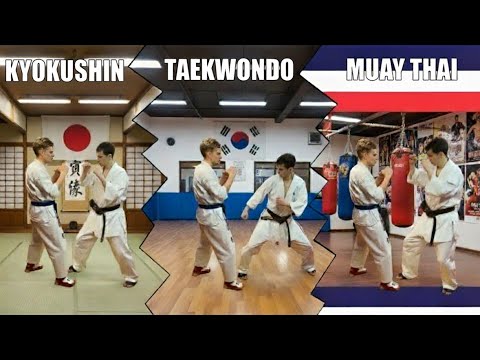
The Unseen Foundation: Taekwondo, Muay Thai, and Kyokushin Karate Stances - A Martial Master's Critique

Follow us on Instagram: https://ift.tt/1jG7Zvy A disciple once approached me, breathlessly asking about the "best" fighting stance. A dangerous question, born from impatience and a misunderstanding of the deep roots of martial arts. This isn't about finding a single, invincible posture. It's about understanding the *why* behind the *how*, the philosophy etched into the very posture of a warrior. Today, we dissect the textbook stances of Taekwondo, Muay Thai, and Kyokushin Karate – not just to compare their mechanics, but to unveil the spirit they embody.

Tabla de Contenidos

Introduction: The Stance as a Canvas

The body, in martial arts, is never static. It is a living sculpture, constantly adjusting, reacting, and preparing to unleash. A fighting stance is not merely a position; it's a declaration. It speaks of your intent, your strengths, your vulnerabilities, and the very philosophy of the art you practice. This analysis delves into the foundational fighting stances of three prominent martial disciplines: Taekwondo, Muay Thai, and Kyokushin Karate. We will explore their inherent pros and cons, not in isolation, but as reflections of their respective combat systems. Remember, these are often idealized "textbook" representations. True mastery lies in adapting these principles to the dynamic reality of combat.
"A true warrior is not a fighter, but a student. The stance is the first lesson, the alphabet of combat."
The world of martial arts is vast and diverse. For those seeking to understand the intricacies of combat, the foundational stance is a critical starting point. Welcome to Budo and Martial Arts, your comprehensive guide to the martial world. Published on May 8, 2022, at 05:00 AM, this article aims to provide the most complete and updated perspective on fighting stances. We invite you to explore our main page for more insights and to follow us on social networks.

The Taekwondo Stance: Speed and Precision

Taekwondo, often celebrated for its dynamic kicking techniques, emphasizes agility, speed, and reach. Its most common fighting stance reflects this. Typically, it's an **on-guard** or **parallel stance**, with feet shoulder-width apart or slightly narrower.
  • Pros:
    • Excellent for Kicking: This stance allows for rapid generation of power and speed in leg techniques. The slightly narrower base facilitates quick pivoting and evasive footwork.
    • Agility and Evasion: The upright posture and balanced weight distribution make it easier to move quickly, dodge, and change direction.
    • Wide Stance for Defensive Maneuvers: A slightly wider variation can provide a stable base for blocking and parrying.
  • Cons:
    • Vulnerability to Low Attacks: The more upright posture can leave the legs exposed to low kicks or takedowns.
    • Limited Power Generation for Hand Techniques: While hand strikes are part of Taekwondo, this stance isn't optimized for generating maximum punching power compared to more forward-leaning stances.
    • Less Stable Against Strong Push/Pull: The narrower base can be less stable if an opponent attempts to unbalance you with significant force.
The mental aspect here is one of readiness for explosive movement, anticipating the opponent's attack to deliver a swift, decisive counter, often with the legs. It embodies the spirit of a swift predator, waiting for the opportune moment to strike.

The Muay Thai Stance: The Art of the Clinch and Damage

Muay Thai, the "Art of Eight Limbs," integrates punches, kicks, elbows, and knees, with a strong emphasis on the clinch. Its fighting stance is characteristically wider and more grounded than Taekwondo's.
  • Pros:
    • Exceptional Stability: The wider base provides a solid platform for absorbing strikes, delivering powerful kicks and knee strikes, and resisting takedowns.
    • Readiness for Clinch Work: The slightly bent knees and balanced weight allow for easy transitions into grappling and clinching exchanges.
    • Damage Resistance: The guard is typically higher, with elbows tucked, offering better protection against strikes.
    • Power Generation for Knees and Elbows: The grounded stance allows for powerful rotation and thrusting motions vital for close-range weapons.
  • Cons:
    • Less Agile for Evasive Footwork: The wider, more rooted stance makes rapid side-to-side movement or quick retreats more challenging.
    • Slightly Slower Kicks: While powerful, the generation of speed for high kicks might be slightly slower compared to a Taekwondo stance.
    • Potential Opening for Takedowns: While generally stable, a skilled grappler might still find opportunities to exploit the stance for sweeps or takedowns if the practitioner isn't vigilant.
The Muay Thai stance embodies resilience and relentless pressure. It’s the stance of a seasoned warrior who expects to endure damage and inflict it in return, ready for the brutal exchanges that define the sport.

The Kyokushin Karate Stance: Unwavering Power

Kyokushin Karate, known for its full-contact sparring (kumite) and emphasis on conditioning, utilizes a stance that prioritizes power transmission and resilience. The **Naihanchi-dachi** (or deep horse stance) and variations are common, characterized by a very low center of gravity and a forward-leaning posture.
  • Pros:
    • Immense Power Transfer: The low center of gravity allows for explosive hip rotation and direct force transmission through punches and kicks.
    • Incredible Stability and Rooting: It's extremely difficult to move a Kyokushin practitioner from this stance.
    • Strong Defensive Base: The low profile and solid structure make it effective for absorbing body shots and resisting forward pressure.
    • Built for Endurance and Conditioning: Holding such a stance for extended periods builds formidable leg strength and mental fortitude.
  • Cons:
    • Very Limited Mobility: Agility and rapid evasion are severely hampered. Movement is often a sliding or shuffling motion rather than quick steps.
    • Vulnerable to High Attacks: The forward lean can expose the head and face to well-timed high kicks or punches.
    • Demanding Physically: Maintaining this stance requires significant physical conditioning and can lead to fatigue if not properly trained.
This stance is the embodiment of unwavering resolve. It speaks of a warrior who stands their ground, absorbing the storm and returning it with overwhelming force. The mental discipline required is immense, mirroring the philosophy of perseverance inherent in Kyokushin.

Comparative Analysis: Stance, Strategy, and Spirit

The differences in these stances are not arbitrary; they are strategic extensions of each art's core principles.
Feature Taekwondo Stance Muay Thai Stance Kyokushin Karate Stance
Primary Focus Speed, Kicking Reach, Evasion Stability, Damage Resistance, Clinch Readiness Power Transmission, Unwavering Stability, Resilience
Mobility High Moderate Low
Center of Gravity Mid-High Mid Low
Vulnerabilities Low attacks, grappling Extreme mobility, high head attacks High attacks, extreme mobility required by opponent
Spirit Embodied Swiftness, Precision, Anticipation Resilience, Relentlessness, Combat Readiness Steadfastness, Power, Unyielding Spirit

Guía de Entrenamiento: Cultivating Your Foundation

Developing a strong fighting stance is not just about imitating a posture; it's about building the physical and mental foundation to support it.
  1. Start with Basic Postures: Practice each stance (Taekwondo, Muay Thai, Kyokushin) separately. Hold each for increasing durations, focusing on correct alignment, weight distribution, and muscle engagement.
  2. Core Engagement: Learn to tense your abdominal muscles (koshi-e) in each stance. This is crucial for stability and power transfer across all martial arts.
  3. Footwork Drills: Practice moving in and out of each stance. For Taekwondo, focus on quick steps and pivots. For Muay Thai, practice shuffling and maintaining balance. For Kyokushin, work on sliding motions and controlled forward movement.
  4. Simulated Strikes: Practice generating power for strikes from each stance. For Taekwondo, focus on hip rotation for kicks. For Muay Thai, practice knee thrusts and elbow strikes. For Kyokushin, practice piston-like punches and grounded kicks.
  5. Balance Exercises: Stand on one leg while holding a stance variation, or practice shifting weight smoothly between feet. This enhances proprioception and control.
  6. Drill with a Partner (Safely): If possible, practice with a partner. One person can gently push or test the stability of the stance, while the other focuses on maintaining it. This is also a good place to incorporate defensive drills.
Remember, the goal is not to find the "best" stance, but to understand how each stance serves its art and how you can adapt these principles to your own training.

Equipo Esencial para tu Entrenamiento

While many stances can be practiced with minimal equipment, certain gear can significantly enhance your training and understanding.
  • Kimono/Gi: For Taekwondo and Kyokushin Karate, a durable karate gi is essential. Look for a double-weave fabric for durability during intense sparring.
  • Boxing Gloves/MMA Gloves: For Muay Thai and for punching drills in Taekwondo/Kyokushin, quality MMA gloves or Muay Thai specific gloves are recommended. For sparring, ensure they are well-padded (10-16oz is common).
  • Shin Guards: Crucial for Taekwondo and Muay Thai kick training to protect against impact.
  • Mouthguard: Non-negotiable for any sparring session.
  • Optional: Training Dummy/Partner: While not strictly equipment, consistent practice with a partner or a dummy can help refine your stance application.
Investing in the right equipment not only protects you but also signifies your commitment to the path of martial arts.

Veredicto del Sensei: More Than Just a Pose

The common textbook stances of Taekwondo, Muay Thai, and Kyokushin Karate are more than just ergonomic positions; they are codified expressions of distinct martial philosophies. Taekwondo’s stance is the dance of a swift, precise warrior. Muay Thai’s is the grounded, resilient stance of a fighter who wades through fire. Kyokushin’s is the unyielding fortress of a warrior rooted in the earth, prepared to absorb and repel any assault. Are these stances perfect? In their idealized forms, perhaps not for every situation. But their strength lies in their specificity, their suitability for the techniques and strategies they are designed to support. To truly master a stance is to internalize the spirit of the art it represents. It is to understand that the foundation, however unassuming, is the bedrock upon which all technique and power are built. **Calificación:** Cinturón Negro en Fundamentos Filosóficos. These stances teach us that true strength is not just in striking, but in how we stand and endure.

Preguntas Frecuentes

¿Cuál es la mejor postura de combate para la defensa personal?

Para defensa personal, la "mejor" postura es la más adaptable. Una posición ligeramente más ancha que la de Taekwondo pero menos rígida que la de Kyokushin, con un centro de gravedad bajo y la capacidad de moverte rápidamente, suele ser más práctica. Debe permitirte lanzar golpes, patear bajo y tener una defensa sólida contra el agarre.

¿Puedo mezclar elementos de diferentes posturas en mi entrenamiento?

Absolutamente. Una vez que entiendas los principios fundamentales de cada postura, puedes experimentar. Un practicante avanzado puede saber cuándo adoptar una postura más amplia para la estabilidad o una más estrecha para la movilidad, adaptándose a la situación.

¿La rigidez de la postura de Kyokushin la hace lenta?

Sí, la postura de Kyokushin está diseñada para la potencia y la resistencia, no para la agilidad extrema. El movimiento se realiza más por deslizamiento y rotación que por pasos rápidos. Esto es un compromiso estratégico para maximizar la fuerza y la estabilidad en combate de contacto pleno.

¿Es importante la altura de la guardia en cada postura?

Sí. La altura de la guardia varía según el arte. Taekwondo puede tener una guardia más baja para facilitar patadas altas, mientras que Muay Thai y Kyokushin suelen tener guardias más altas y compactas para protegerse mejor de los golpes directos y las patadas al cuerpo.

¿Cómo afecta la respiración a mi postura de combate?

Una respiración profunda y controlada es esencial. Ayuda a mantener la calma, a oxigenar los músculos y a potenciar la fuerza de los movimientos. En artes como el Kyokushin, la exhalación fuerte (kiai) a menudo acompaña a un golpe potente, reforzando la postura.

Para Profundizar en tu Camino

  • Kyokushin Karate: Exploramos la filosofía y las técnicas de este duro arte.
  • Taekwondo: Descubre la esencia de las patadas y la disciplina coreana.
  • Muay Thai: Sumérgete en el arte de las ocho extremidades.

Reflexión del Sensei: Tu Próximo Paso

After dissecting these fundamental stances, the true lesson emerges: the body is a weapon, and the stance is its sheath. But how do you truly *feel* the earth beneath your feet? How do you make that connection a source of power, not a limitation? Does understanding the *why* of a stance truly change how you train, or is it merely academic knowledge? ``` GEMINI_METADESC: A martial master dissects the fighting stances of Taekwondo, Muay Thai, and Kyokushin Karate, analyzing their pros, cons, philosophy, and training.

CG30: Frans Mlambo vs. Jose Zarauz - Un Choque de Filosofías Marciales en la Jaula

Introducción: La Esencia del Combate

¡Atención, budokas y aficionados al arte marcial! Hoy no vamos a diseccionar un drama épico de artes marciales de antaño, ni a desentrañar los secretos de un antiguo pergamino. Vamos a sumergirnos en el fragor de la batalla moderna, en la cruda realidad del MMA, para analizar un enfrentamiento que encapsula la esencia de la lucha y la estrategia: Frans Mlambo contra Jose "The Mercenary" Zarauz. ¿Qué sucede cuando el vértigo irlandés choca contra el coraje peruano? ¿Es esta una mera exhibición de fuerza bruta, o presenciamos un duelo filosófico donde el Taekwondo se mide contra el Jiu-Jitsu? Prepárense, porque en esta jaula, las apariencias engañan y solo la más pura aplicación de los principios marciales prevalecerá.
"El arte de la guerra es de vital importancia para el Estado. Es una cuestión de vida o muerte, un camino hacia la supervivencia o la ruina. Por ello, no debe ser descuidado." - Sun Tzu, El Arte de la Guerra.
La pregunta que resuena en la mente de todo practicante serio es: ¿qué podemos aprender de un combate como este? Más allá del resultado inmediato, observamos la aplicación de técnicas, la mentalidad del guerrero y la interacción de disciplinas aparentemente dispares. **¿Realmente el Taekwondo, con su énfasis en las patadas, puede dominar al Jiu-Jitsu brasileño, el rey del grappling?** O, ¿será que la versatilidad y la adaptabilidad, pilares de toda arte marcial genuina, serán la clave para la victoria?

Frans Mlambo: El Vertigo Irlandés

Frans Mlambo, representando a Irlanda, irrumpe en la jaula con la reputación de un artista explosivo. Su estilo, a menudo asociado con la agresividad y la velocidad del Taekwondo, sugiere una preferencia por mantener la distancia y lanzar ataques precisos y potentes desde el exterior. Pensemos en las características inherentes a un practicante de alto nivel de Taekwondo: velocidad en las piernas, altura en las patadas, y una agilidad que le permite evadir el contacto prolongado. En un enfrentamiento de MMA, estas cualidades se traducen en un peleador que busca controlar el ritmo a través de su juego de pies y ataques circulares. Un competidor como Mlambo, si se ciñe a las bases de su disciplina original, intentará mantener a Zarauz lejos, puntuando con patadas al cuerpo y a la cabeza, y quizás utilizando combinaciones rápidas para evitar ser acortado. La clave para él estará en **negarle a Zarauz la oportunidad de cerrar la distancia y llevar la pelea al suelo**, su terreno de juego predilecto. ¿Podrá Mlambo canalizar la potencia y la disciplina del Taekwondo en un entorno donde las reglas son mucho más flexibles que en un combate deportivo tradicional?

Jose "The Mercenary" Zarauz: El Coraje Peruano

Por otro lado, encontramos a Jose "The Mercenary" Zarauz, un nombre que evoca una voluntad de lucha inquebrantable, típica del espíritu guerrero que buscamos en el #BUDO. Si bien no se especifica su base marcial principal en este contexto, su apelativo "The Mercenary" (El Mercenario) sugiere un peleador adaptable, dispuesto a utilizar cualquier herramienta a su disposición para lograr la victoria. Sin embargo, la mención explícita de que ambos hombres "aplican combinaciones de Taekwondo y Jiu-Jitsu" nos invita a una reflexión más profunda. En el contexto del MMA moderno, es muy probable que Zarauz no sea un purista del Jiu-Jitsu, sino un luchador completo. Su enfoque, sin duda, buscará cerrar la distancia, superar la defensa de patadas de Mlambo y llevar la pelea al suelo. Una vez allí, su objetivo será asegurar una posición dominante y buscar una sumisión. **La fortaleza del Jiu-Jitsu reside en su capacidad para neutralizar oponentes físicamente superiores a través de la técnica y el control posicional.** Zarauz, con su tenacidad peruana, seguramente buscará someter a Mlambo con llaves y estrangulaciones, dictando el ritmo desde el clinch o el tatami.

Taekwondo vs. Jiu-Jitsu: ¿Guerra de Principios?

Aquí reside el meollo de la cuestión y la verdadera lección marcial de este combate. ¿Es la confrontación entre Mlambo y Zarauz una mera batalla de estilos, o un choque de filosofías marciales? El Taekwondo, en su esencia, promueve el desarrollo físico y mental a través de golpes contundentes y elegantes, enfatizando la disciplina, la perseverancia y el respeto. Su estética es inconfundible: patadas altas, giros y una postura erguida. Sin embargo, en un contexto de MMA, ¿cómo se traduce esta elegancia cuando el oponente busca llevarte al suelo y aplicarte una palanca? Por otro lado, el Jiu-Jitsu brasileño, descendiente directo del Judo y el Jiu-Jitsu japonés, se centra en la palanca y la mecánica corporal para someter al oponente. Su filosofía a menudo se resume en el principio de que un luchador más pequeño y débil puede defenderse eficazmente contra un oponente más grande y fuerte. Es un arte de paciencia, estrategia y una profunda comprensión de la anatomía humana. La pregunta crucial es: ¿puede la estrategia de mantener la distancia y atacar desde afuera del Taekwondo contrarrestar la estrategia de cerrar la distancia y controlar desde adentro del Jiu-Jitsu? **En el MMA, la respuesta suele ser que un grappler habilidoso tiene una ventaja inherente sobre un striker puro si logra imponer su juego.** Pero la versatilidad de los peleadores modernos, como se insinúa en el análisis de este combate, difumina las líneas. Ambos contendientes probablemente han incorporado elementos de otras disciplinas, creando un híbrido que busca explotar las debilidades del oponente.

La Coreografía Impredecible de la Jaula

Cada pelea de MMA es una coreografía única, una danza impredecible donde la estrategia, la técnica y la pura voluntad chocan. En el caso de Mlambo vs. Zarauz, podemos imaginar varios escenarios. Quizás Mlambo logra dictar el ritmo, manteniendo a Zarauz a raya con patadas bajas y circulares, frustrando sus intentos de entrada. Podríamos ver combinaciones de patadas a las piernas y al cuerpo, seguidas de fintas para mantener a "The Mercenary" adivinando. O quizás, Zarauz, con una entrada bien calculada, logra acortar la distancia, atrapar a Mlambo en el clinch y llevar la pelea al suelo. Una vez allí, la ventaja del Jiu-Jitsu se haría palpable, con Zarauz buscando transiciones rápidas a posiciones dominantes como la montada o la espalda, amenazando con estrangulamientos o llaves de brazo. La "intensa pelea" mencionada en la descripción sugiere que no será un combate unilateral. Ambos hombres mostrarán "diferentes estrategias y fuerzas". Esto es crucial. La verdadera maestría marcial no reside en la superioridad de un solo estilo, sino en la capacidad de adaptar, improvisar y aplicar el principio marcial correcto en el momento adecuado. **¿Qué tan bien han entrenado sus transiciones, sus defensas y sus ataques en el contexto híbrido del MMA?**

Veredicto del Sensei: ¿Quién Domina la Arena?

Analizar un combate de MMA es como leer una novela de estrategia en tiempo real. Si bien la descripción nos indica que ambos contendientes "emplean diferentes estrategias y fuerzas", la inclusión de "taekwondo y jiu-jitsu" sugiere un nivel de entrenamiento cruzado que va más allá de la simple demostración de un solo arte marcial. Si Frans Mlambo ha desarrollado una defensa sólida contra derribos y es capaz de mantener la distancia con patadas efectivas, podría neutralizar la amenaza del grappling de Zarauz. Su victoria dependerá de su habilidad para controlar el espacio y capitalizar cualquier apertura. Por otro lado, si Jose Zarauz logra imponer su juego de suelo, capitalizando la velocidad y la agresividad de Mlambo para cerrar la distancia y derribarlo, la victoria será suya. La clave para él será no solo la ejecución técnica del Jiu-Jitsu, sino la paciencia y la inteligencia posicional para no caer en trampas o contraataques de Mlambo. En un combate de MMA, especialmente en Combate Global, donde el espectáculo es fundamental, la "pelea de hombres que jamás se olvidará" dependerá de la garra, la determinación y la aplicación efectiva de las técnicas. La pregunta de "¿Quién seguirá con la posición dominante?" no solo se refiere a la posición física, sino a la **dominación mental y estratégica sobre el oponente**. Sin haber visto el combate en sí, mi análisis se basa en los principios marciales. Sin embargo, la mención de "combinaciones de taekwondo y jiu-jitsu" por parte de ambos peleadores eleva este enfrentamiento a un nivel más sofisticado. No es una simple prueba de estilos puros, sino una demostración de cómo los artistas marciales modernos integran disciplinas para crear un guerrero más completo. **Veredicto del Sensei:** Un combate fascinante donde la estrategia de distancia del Taekwondo choca contra la implacable presión del Jiu-Jitsu. La victoria dependerá de la adaptabilidad y la ejecución bajo presión. **Calificación del Sensei:** Cinturón Negro en Estrategia Híbrida (Potencial)

Equipo Esencial para tu Entrenamiento

Para aquellos inspirados por este choque de titanes y que deseen llevar su propio entrenamiento al siguiente nivel, contar con el equipo adecuado es fundamental. La versatilidad es clave en las artes marciales modernas, y tu equipamiento debe reflejarlo.
  • Guantes de MMA: Ideales para la lucha en pie y en el suelo, ofrecen protección para tus manos sin sacrificar la sensibilidad necesaria para agarrar. Busca un peso entre 4oz y 6oz para entrenamientos específicos de MMA.
  • Kimono de Jiu-Jitsu (Gi): Si planeas profundizar en el arte del grappling, un gi resistente de doble tejido es una inversión inteligente. Busca marcas reconocidas por su durabilidad.
  • Espinilleras y Guantes de Patada: Si quieres emular la potencia del Taekwondo o el Kickboxing sin riesgo, unas buenas espinilleras y guantes de patada son imprescindibles para el sparring.
  • Protector Bucal: Un elemento de seguridad no negociable en cualquier combate o sparring intenso.
  • Ropa de Entrenamiento Deportiva: Prendas cómodas y transpirables que permitan la total libertad de movimiento, ya sea para drills de Taekwondo o sesiones de grappling.

Taller Práctico: Principios de Defensa contra Patadas Altas

Uno de los desafíos clave en un combate como el que estamos analizando es cómo un peleador de suelo (como Zarauz podría serlo) defiende las patadas altas de un striker (como Mlambo). Aquí te presento unos principios básicos para empezar a entrenar:
  1. Reconocimiento Temprano: La clave está en anticipar. Observa la elevación de la rodilla y el movimiento del cuerpo de tu oponente. Un practicante experimentado de Taekwondo tendrá una rutina reconocible.
  2. Bloqueo con Antebrazo (Forearm Block): Utiliza tu antebrazo para desviar la trayectoria de la patada. Este bloqueo debe ser firme y controlado, absorbiendo el impacto en lugar de simplemente detenerlo. El antebrazo debe colocarse en la espinilla o el muslo del oponente.
  3. Desviación y Contragolpe: Una vez que has bloqueado o desviado la patada, aprovecha el desequilibrio momentáneo de tu oponente para lanzar un contraataque. Un golpe al cuerpo o una entrada rápida para el derribo pueden ser efectivos.
  4. "Catching the Kick" (Atrapar la Patada): En un nivel más avanzado, puedes intentar atrapar la pierna del oponente mientras está en el aire. Esto requiere una gran sincronización y equilibrio. Una vez atrapada, puedes desequilibrar a tu oponente o usar la pierna como palanca para un derribo.
  5. El "Slip" o Desplazamiento Lateral: A veces, la mejor defensa es evitar el golpe por completo. Un rápido desplazamiento lateral puede hacer que la patada pase de largo. Esto es especialmente útil si puedes hacerlo mientras te acercas para acortar la distancia.
Recuerda, la práctica constante y la supervisión de un instructor cualificado son esenciales para dominar estas técnicas de forma segura y efectiva.

Preguntas Frecuentes

  • ¿Es el Taekwondo efectivo en MMA? El Taekwondo aporta velocidad, potencia en las patadas y agilidad. Sin embargo, su efectividad en MMA depende de cuán bien el peleador integre defensas contra derribos y desarrolle habilidades de lucha en el clinch y en el suelo.
  • ¿Qué es el Jiu-Jitsu brasileño (BJJ)? Es un arte marcial y deporte de combate que se centra en la lucha en el suelo, utilizando técnicas de sumisión como llaves articulares y estrangulaciones para derrotar a un oponente.
  • ¿Es posible combinar Taekwondo y Jiu-Jitsu de forma efectiva? Absolutamente. Muchos peleadores de MMA exitosos tienen un origen en disciplinas de golpeo como el Taekwondo o el Kickboxing, y complementan su entrenamiento con grappling, creando estilos híbridos muy efectivos.
  • ¿Qué significa "Combate Global" o "La Jaula"? Se refiere a las organizaciones de artes marciales mixtas (MMA) que utilizan una jaula como arena de combate, donde se permiten tanto el golpeo como la lucha en el suelo según un conjunto de reglas específicas.

Preguntas Frecuentes

¿Es el Taekwondo efectivo en MMA?

El Taekwondo aporta velocidad, potencia en las patadas y agilidad. Sin embargo, su efectividad en MMA depende de cuán bien el peleador integre defensas contra derribos y desarrolle habilidades de lucha en el clinch y en el suelo.

¿Qué es el Jiu-Jitsu brasileño (BJJ)?

Es un arte marcial y deporte de combate que se centra en la lucha en el suelo, utilizando técnicas de sumisión como llaves articulares y estrangulaciones para derrotar a un oponente.

¿Es posible combinar Taekwondo y Jiu-Jitsu de forma efectiva?

Absolutamente. Muchos peleadores de MMA exitosos tienen un origen en disciplinas de golpeo como el Taekwondo o el Kickboxing, y complementan su entrenamiento con grappling, creando estilos híbridos muy efectivos.

¿Qué significa "Combate Global" o "La Jaula"?

Se refiere a las organizaciones de artes marciales mixtas (MMA) que utilizan una jaula como arena de combate, donde se permiten tanto el golpeo como la lucha en el suelo según un conjunto de reglas específicas.

Para Profundizar en tu Camino

Los principios del combate y la disciplina marcial son universales. Si este análisis te ha inspirado, te invito a explorar más en nuestro blog:

Reflexión del Sensei: Tu Próximo Paso

Este combate entre Mlambo y Zarauz nos recuerda que las artes marciales no son estáticas; evolucionan, se adaptan y, en la arena de la MMA, se fusionan. La pureza de un estilo es admirable, pero la efectividad en el combate moderno a menudo reside en la síntesis y la versatilidad. Ahora te pregunto, budoka: **¿Estás entrenando solo los golpes y las patadas de tu disciplina principal, o estás buscando activamente cerrar la distancia, aprender a controlar en el clinch y dominar el suelo? ¿Estás abierto a integrar técnicas de otras artes marciales en tu entrenamiento, o te aferras a la ortodoxia?** La respuesta a estas preguntas definirá tu camino como artista marcial en el siglo XXI. Reflexiona. Y luego, ¡entrena! ``` ``` GEMINI_METADESC: Analiza la épica pelea de MMA entre Frans Mlambo y Jose Zarauz, desglosando la fusión de Taekwondo y Jiu-Jitsu, y su impacto en la estrategia de combate.

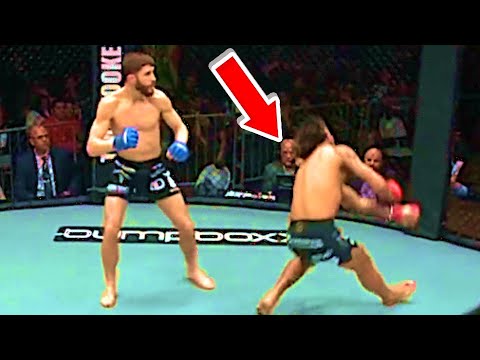
The Most Terrifying Spinning Knockouts in MMA: A Martial Arts Perspective

Intention: To analyze the phenomenon of spinning knockouts in MMA from a martial arts standpoint, discussing technique, impact, and the underlying principles, while also engaging MMA fans with exciting content and subtle commercial integration.

Introduction: The Art of the Spin

MMA fans, prepare yourselves. Today, we delve into a spectacle that ignures the conventional and embraces the extraordinary: the spinning knockout. We’re not just talking about punches that land; we're discussing strikes that defy physics, where a fighter's entire body becomes a whirling dervish of destruction. These aren't merely violent endings; they are vivid displays of athletic prowess, often rooted in ancient martial principles, tragically twisted into instruments of rapid defeat.

Many casual observers see only the spectacular KO. But as practitioners and students of the martial arts, we must look deeper. What biomechanics are at play? What martial traditions, however diluted, inform these devastating maneuvers? And, crucially, what does this raw display of power tell us about the evolution of combat sports? We will dissect the terrifying beauty of these spinning knockouts, drawing parallels between the cage and the dojo, and questioning the true essence of martial skill when confronted with such overwhelming force.

Analysis of Spinning Techniques in MMA

The spinning strike in MMA is a high-risk, high-reward maneuver. It’s a testament to a fighter’s conditioning, spatial awareness, and, often, their background in arts that emphasize rotational power. Think of the spinning back kick, the spinning elbow, or the devastating spinning back fist. These techniques leverage the rotational momentum of the entire body, transferring it into a single, focused point of impact.

From a physics perspective, the power generated is immense. The torque created by pivoting on the lead foot (or by a full body rotation for kicks) multiplies the force applied. However, this is where the martial artist’s mind must engage. A poorly executed spin leaves a fighter vulnerable, off-balance, and wide open for a counter-attack. It requires impeccable timing, immense core strength, and a deep understanding of distance and opponent positioning.

Many of these techniques find their roots in traditional martial arts. The devastating hook kicks and roundhouse kicks, when delivered with a full body turn, are ancient weapons. Karate, Taekwondo, and even some Kung Fu styles have long utilized rotational power. MMA, in its relentless pursuit of effectiveness, has taken these techniques and adapted them for the chaotic, multi-disciplinary environment of the cage. The danger isn't just in landing the strike, but in the mastery required to do so without self-destructing.

Biomechanics of the Spin

  • Momentum Transfer: The core principle is converting linear motion into angular momentum, which is then redirected back into linear force upon impact.
  • Core Engagement: A strong, flexible core is paramount for generating rotational power and maintaining balance.
  • Hip Rotation: The hips are the engine of the spin. Unlocking and controlling hip rotation is key to power and efficiency.
  • Footwork: Pivoting on the ball of the foot or the heel allows for a controlled rotation, preventing injury and maximizing force.
  • Targeting: Despite the chaotic nature of the spin, precise targeting is crucial for a knockout blow.

It's this blend of raw athleticism and refined technique that makes watching a perfectly timed spinning strike so captivating. It’s a dance of destruction, a moment where tradition meets the brutal reality of modern combat.

"The spirit of the warrior is not about being unafraid, but about facing fear and acting despite it. The spin is a calculated risk, a moment where fear must be overcome by precise action."

The Philosophy of Impact: Beyond the KO

While the spinning knockout is often the highlight reel material, as students of the martial arts, we must consider the deeper implications. What does it truly mean to end a fight with such sudden finality? Is it the ultimate expression of skill, or a brutal, almost accidental, consequence of specialized training?

In traditional Budo, the concept of "Mushin" (no-mind) is paramount. It's a state of effortless action, where technique flows instinctively without conscious thought. A spinning knockout, when executed from this state, can be a terrifying demonstration of martial purity. However, when it’s a desperate, flailing attempt, it reveals a lack of fundamental control and a reliance on brute force over cultivated skill.

The question we must ask is: does the pursuit of such flashy, fight-ending techniques detract from the core principles of martial arts, such as self-discipline, respect, and the development of character? The answer, as always, lies in the intention and the context. A spinning strike used in self-defense to immediately neutralize a threat is one thing. A fighter who trains solely to land spectacular KO’s, seeking fame over genuine mastery, treads a more dangerous philosophical path.

Consider the principle of "Sen no Sen" (initiating before the opponent initiates). A well-timed spinning counter-attack can embody this, catching an opponent completely off guard and disrupting their offensive flow. But the line between brilliant preemptive strike and reckless abandon is razor-thin.

Case Studies: Warriors Who Mastered the Spin

The UFC and other MMA promotions have been graced by fighters who have made the spinning strike a signature weapon. These individuals didn’t just land a lucky shot; they integrated these dynamic techniques into their arsenal through rigorous training and a deep understanding of combat.

  • Lyoto Machida: The "Dragon" famously incorporated karate principles, including devastating spinning kicks and counter-attacks, into his elusive fighting style. His ability to remain poised and execute these techniques with precision was legendary.
  • Stephen Thompson: A former world-class kickboxer, "Wonderboy" is a master of creative striking. His use of spinning techniques, often set up with deceptive footwork, has led to spectacular finishes.
  • Edson Barboza: Known for his Muay Thai background and incredible kicking power, Barboza has delivered some of the most brutal spinning kicks seen in the octagon, including vicious spinning back kicks and devastating knees.
  • Amanda Nunes: The greatest female fighter of all time, Nunes possesses the power and technical acumen to utilize spinning attacks effectively, often catching opponents off guard with her power and speed.

These fighters exemplify the dedication required. They didn't simply stumble upon these techniques; they honed them through countless hours of practice, often drawing from diverse martial backgrounds. The ability to generate that much power while maintaining balance and accuracy is a testament to years of disciplined training. It’s this dedication that separates a mere highlight reel from true martial artistry.

Training for Precision: Honing the Spinning Strike

For those aspiring to incorporate such dynamic techniques into their repertoire, the path is arduous but rewarding. It begins with a solid foundation in the basics of striking and a deep understanding of body mechanics. Here's a simplified guide to developing the spinning strike:

  1. Build a Strong Base: Focus on core strength, leg power, and flexibility. Exercises like squats, deadlifts, plyometrics, and extensive stretching are non-negotiable.
  2. Master Basic Rotations: Practice pivoting on your feet and rotating your hips independently. This is the foundation for all spinning techniques.
  3. Shadow Boxing with Focus: Begin with slow, controlled spinning motions without strikes. Focus on balance and smooth transitions. Gradually increase speed.
  4. Introduce Strikes Gradually: Start with spinning back fists, then move to spinning elbows and kicks. Ensure you can execute them safely before adding power.
  5. Use Training Partners (Safely): With a trusted training partner and appropriate protective gear, drill these techniques. Start with light contact and focus on accuracy and timing.
  6. Film Yourself: Analyzing your own technique is crucial. Identify flaws in your balance, rotation, or power generation.
  7. Integrate into Drills: Practice spinning strikes as counters to specific attacks or as part of combinations. This moves them from a novelty to a functional tool.

Remember, the goal is not just to spin and hit hard, but to do so with control and purpose. A spinning strike that misses its mark can leave you vulnerable. Therefore, precision and balance must always precede power.

Veredict of the Sensei: Raw Power or Refined Skill?

These spinning knockouts are, undeniably, some of the most captivating moments in MMA. They showcase incredible athleticism and, at times, the devastating effectiveness of certain martial techniques. However, as a critique from the perspective of a lifelong martial artist, I must offer a nuanced view.

Cinturón Negro en Espectáculo, Cinta Negra en Fundamentos. The spectacle of a fighter spinning through the air to deliver a knockout blow is breathtaking. It garnishes headlines and fuels fan passion. This earns it a high mark in terms of entertainment value and the sheer athletic achievement required. However, the true martial artist understands that efficiency, control, and purposeful application are the hallmarks of mastery. When these spinning techniques are executed with the fluidity, precision, and minimal wasted motion characteristic of deep Budo training, they are a testament to refined skill.

But too often, what we see in MMA is a fighter relying on the sheer velocity and surprise of the spin, rather than a deeply ingrained understanding of its application. The potential for self-inflicted damage, the wide openings created for counters, and the risk of an uncontrolled fall all indicate that these are not techniques for the novice or the undisciplined. They are advanced maneuvers that, when performed flawlessly, are indeed a pinnacle of martial expression. When performed poorly, they are simply dangerous recklessness.

Therefore, while the Spinning KO is a thrilling element of MMA, its true martial merit is determined by the discipline and understanding behind it. It can be both a spectacular display of honed skill and a desperate gamble. The best practitioners master both the technique and the wisdom to know when and how to employ it.

Essential Equipment for Your Training

To develop the power, precision, and resilience needed for dynamic striking, the right equipment is crucial. While some spinning techniques can be practiced with minimal gear, maximizing your potential and ensuring safety requires thoughtful investment.

  • High-Quality Training Shoes: Essential for footwork and balance. Look for shoes with good grip and ankle support, suitable for agility drills and pivoting. Brands like Nike, Adidas, or specialized martial arts footwear are recommended.
  • Protective Gear: For sparring or drilling with impact, you'll need sparring gloves (16oz for general sparring, lighter for specific drills), shin guards, mouthguards, and groin protectors.
  • Jump Rope: An indispensable tool for developing coordination, cardiovascular endurance, and the explosive leg power needed for spinning kicks.
  • Resistance Bands: Excellent for building core strength and rotational power. They can simulate the tension and release required for spinning movements.
  • Heavy Bag or Makiwara: For developing striking power and endurance. A heavy bag allows for full-body rotation drills, while a makiwara provides focused feedback on impact.
  • Training Mats: Crucial for safety when drilling techniques that might lead to falls, especially spinning kicks and throws.

Investing in quality gear is not just about comfort; it’s about enhancing your training effectiveness and minimizing the risk of injury as you push your limits. Remember, proper preparation is a hallmark of any serious martial artist.

Further Reading on Martial Arts Mastery

To truly understand the depth behind the spinning strike and the broader principles of martial arts, delve into these essential topics:

Frequently Asked Questions

What are the most common spinning techniques in MMA?

The most common include the spinning back kick, spinning back fist, spinning elbow, and occasionally spinning hook kicks or sweeps.

Are spinning knockouts easy to execute?

No. They require immense training, balance, timing, and power. They are high-risk maneuvers that leave the practitioner vulnerable if not executed perfectly.

Do these techniques originate from traditional martial arts?

Yes, many spinning techniques have roots in traditional arts like Karate, Taekwondo, and Kung Fu, which emphasize rotational power.

Is it advisable for beginners to practice spinning strikes?

It is generally not advisable for beginners to practice high-impact spinning techniques without expert supervision. A solid foundation in basic striking and balance is essential first.

What is the primary danger of a spinning strike in MMA?

The primary danger is losing balance and becoming vulnerable to a counter-attack or takedown. A missed strike can easily lead to a disadvantageous position.

Final Reflection: Your Next Step

We’ve witnessed the raw power, the calculated risk, and the undeniable spectacle of the spinning knockout in MMA. These moments serve as stark reminders that martial arts, in their modern combat sport evolution, continue to push the boundaries of human physical potential. Yet, beneath the roar of the crowd and the flash of the lights, lies a deeper truth:

The spinning strike, like any technique, is merely a tool. Its effectiveness, its artistry, and its martial value are not inherent to the movement itself, but are defined by the practitioner’s intention, discipline, and depth of understanding. A flashy KO can be the result of pure luck, or it can be the culmination of years of dedicated, mindful practice.

Reflection of the Sensei: Your Next Step

Consider this: If the spinning strike is a whirlwind of destructive potential, what is the unwavering stillness at its core? Is it the precision of the technique, the strength of the body, or the clarity of the mind? In your next training session, don't just practice to hit harder, but to understand *why* you hit, and with what spirit. How will you find that stillness within your own personal whirlwind?

Now, let the debate begin. Do you believe these spinning knockouts represent the peak of martial effectiveness in MMA, or a deviation from true martial principles? I await your insights in the comments below. Demonstrate your understanding!

``` GEMINI_METADESC: Explore the most terrifying spinning knockouts in MMA. A martial arts analysis of technique, philosophy, and the warrior's spirit behind these powerful strikes.