Showing posts sorted by relevance for query Martial Arts Adaptation. Sort by date Show all posts

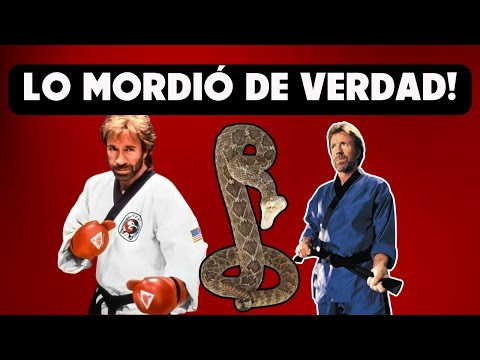
Chuck Norris: The Unyielding Force - A Martial Arts Legend's True Story

Have you ever wondered if the legends surrounding Chuck Norris hold any water? Does the man who embodies sheer toughness and martial prowess live up to the larger-than-life persona? Many are drawn to the mystique, the unbreakable will, and the sheer efficacy of his martial arts. But beyond the memes and the exaggerated tales, what truly forged the man? This deep dive aims to separate the myth from the reality, exploring the rigorous training, the philosophical underpinnings, and the pivotal moments that cemented Chuck Norris's status as an undisputed martial arts icon. Prepare to understand the discipline, the sacrifice, and the genuine skill that shaped the "Chuck Norris" we all recognize.

The Genesis of a Warrior: From Carlos Ray Norris to Chuck Norris

Before the iconic roundhouse kicks and the stoic gaze, there was Carlos Ray Norris. Born in Ryan, Oklahoma, his early life was marked by hardship and transience, a stark contrast to the controlled power he would later command. The seeds of his martial journey were sown not in a glittering dojo, but in the pursuit of discipline and self-control. Stationed at the U.S. Air Force base in South Korea, Norris began his formal martial arts training in 1958, immersing himself in Tang Soo Do. This was not merely a hobby; it was a revelation. The structured philosophy, the demanding physical conditioning, and the emphasis on character development resonated deeply with the young airman. He would go on to earn black belts in multiple disciplines, a testament to his relentless dedication.

The Crucible of Competition: Forging a Champion's Spirit

Upon returning to the United States, Norris didn't rest on his laurels. The martial arts world of the 1960s was a burgeoning landscape of competitive tournaments, and Norris entered this arena with fierce determination. He founded his own martial arts schools, the "Chuck Norris Schools of Self-Defense," which quickly became known for their rigorous approach. His competitive career culminated in winning the prestigious Middleweight Karate Champion title in 1968, a title he defended repeatedly. He remained undefeated for years, a formidable presence in a sport that demanded both physical prowess and unwavering mental fortitude. This era was crucial; it was where the theoretical knowledge of martial arts was tested against real opponents, under intense pressure. It was in these battles that Norris honed not just his techniques, but his strategic mind and his legendary ability to withstand punishment.

"The time Chuck Norris spent competing was not just about winning trophies; it was about building the unshakeable foundation of his martial arts philosophy. Every bout was a lesson in resilience, strategy, and the true meaning of discipline."

Beyond the Tournament: The Philosophical Core of a Martial Artist

While his competitive success is undeniable, the true essence of Norris's impact lies in his commitment to the philosophical underpinnings of Budo. He wasn't just a fighter; he was a student and proponent of the warrior's way. He deeply studied and integrated principles from various martial arts, including Taekwondo, Judo, and Brazilian Jiu-Jitsu, but his overarching framework was rooted in the disciplined spirit of Karate. The concept of Mushin (no-mind) – the state of effortless action achieved through intense practice – became a guiding principle. It's this mental state, cultivated through thousands of hours of training, that allows a martial artist to react instinctively and effectively, devoid of conscious thought or hesitation. Norris's approach emphasizes that true mastery transcends mere physical technique; it is about inner transformation, self-mastery, and the ethical application of strength.

From Martial Artist to Global Icon: The Cinematic Legacy

Norris's transition to Hollywood was a natural, albeit challenging, evolution. His raw charisma and undeniable martial arts skill quickly caught the attention of filmmakers. Early roles in films like "The Wrecking Crew" (1968) and "Way of the Dragon" (1972), where he famously faced off against Bruce Lee, showcased his potential. His confrontation with Lee is legendary; it wasn't just a cinematic duel, but a meeting of two martial arts titans, each a master of their respective crafts. The fight sequence in "Way of the Dragon" is a masterclass in screen combat, a testament to the brutal efficiency of Tang Soo Do against Jeet Kune Do.

"Way of the Dragon": A Clash of Titans

The scene between Chuck Norris and Bruce Lee in "Way of the Dragon" remains one of the most iconic martial arts sequences in film history. Norris, playing the formidable Colt, was a real-life martial arts champion, bringing an authentic intensity to the role. Lee, the innovator of Jeet Kune Do, brought his unparalleled speed and philosophical approach to combat. Their duel in the Colosseum of Rome was more than just a fight; it was a philosophical debate enacted through movement. Norris's powerful, grounded style contrasted sharply with Lee's fluid, adaptive techniques, creating a captivating visual narrative of opposing yet equally potent martial philosophies. This encounter wasn't just a career highlight for Norris; it was a significant moment in martial arts cinema, proving that screen combat could indeed be a legitimate art form when guided by genuine practitioners.

Following this, Norris embarked on a prolific career, starring in a string of action films that capitalized on his tough-guy image and formidable fighting skills. Films like "Lone Wolf McQuade" (1983), "Missing in Action" (1984), and later, the television series "Walker, Texas Ranger" (1993-2001), solidified his status as an action hero. In "Walker, Texas Ranger," he embodied Cordell Walker, a Texas Ranger who uses his martial arts expertise to uphold justice. The series, while often dramatized, consistently featured Norris demonstrating various martial arts techniques, reinforcing his image as a protector and a master of combat.

The "Chuck Norris Facts": Myth vs. Reality

The late 2000s saw the rise of "Chuck Norris Facts" – a series of humorous, hyperbolic statements attributing superhuman abilities to him. While entertaining, these "facts" often obscure the genuine dedication and skill that built his reputation. They are a cultural phenomenon, a testament to his widespread recognition, but they are not a reflection of his actual martial arts journey. Norris himself has often responded with good humor, understanding that these exaggerations stem from a place of admiration, albeit a distorted one. It’s crucial for serious martial artists to look past the memes and appreciate the years of sweat, discipline, and genuine fighting prowess that underpin his legend.

Training Regimen: The Foundation of Unstoppable Power

What does it take to achieve and maintain the level of physical and mental conditioning associated with Chuck Norris? His training was, and remains, incredibly demanding. While specific routines evolve, the core principles are consistent:

  • Early Morning Discipline: Norris has long been an advocate for early morning workouts, viewing them as crucial for setting a disciplined tone for the day.
  • Intense Cardiovascular Training: Beyond martial arts practice, he incorporated rigorous cardio to build endurance essential for long fights and demanding film shoots.
  • Strength and Conditioning: Bodyweight exercises, weight training, and plyometrics are staples to build functional strength and explosive power.
  • Martial Arts Practice: Daily practice of his core disciplines, focusing on kata, sparring, and technical refinement. He often incorporated elements from various arts to maintain versatility.
  • Flexibility and Agility: Incorporating stretching and agility drills to maintain the fluidity and range of motion necessary for his signature kicks.

Guía de Entrenamiento: El Power Roundhouse Kick de Chuck Norris

  1. Posición Inicial: Párate con los pies separados al ancho de los hombros, en una postura de combate equilibrada. Elige tu pierna de pivote (la opuesta a la pierna que pateará).
  2. Elevación de la Rodilla: Levanta la rodilla de la pierna de patada hacia el pecho lo más alto posible. Mantén el equilibrio, girando ligeramente el torso y la cadera hacia el oponente.
  3. Pivote del Pie de Apoyo: Pivota agresivamente sobre el pie de apoyo, orientando el talón hacia el objetivo. Este movimiento es CRUCIAL para la potencia y la rotación.
  4. Extensión y Enfoque: Extiende la pierna de patada con fuerza explosiva, dirigiendo el talón o el borde exterior del pie hacia el objetivo. Mantén los brazos en posición defensiva para mantener el equilibrio.
  5. Impacto y Retracción: Al impactar, enfócate en la potencia y la explosividad. Retrae la pierna de patada de vuelta a la posición inicial rápidamente para mantener el equilibrio y prepararte para el siguiente movimiento.
  6. Enfriamiento y Repetición: Después de varias repeticiones, realiza estiramientos suaves. Practica este movimiento lentamente al principio para asegurar la forma correcta antes de aumentar la velocidad y la potencia.

Veredicto del Sensei: ¿Merece la pena?

Chuck Norris transcends the typical celebrity; he is a practitioner, a teacher, and a living embodiment of martial arts ideals. While the "facts" paint a picture of invincibility, the reality is that his legend is built on decades of relentless training, competitive success, and a profound dedication to the Budo lifestyle. His influence on martial arts cinema and popular culture is undeniable. He didn't just popularize kicks; he popularized the idea of the martial artist as a force for good, a disciplined individual who wields power with responsibility. For anyone aspiring to understand the depth of martial arts, Chuck Norris's journey offers invaluable lessons in perseverance, discipline, and the lifelong pursuit of mastery. He is, without question, a "Cinturón Negro en el Legado Marcial."

Equipo Esencial para tu Entrenamiento

To emulate the dedication of masters like Chuck Norris, the right equipment is not just beneficial, it's essential. Investing in quality gear signifies your commitment to the path.

  • Karate Gi: A durable, well-fitting Karate Gi is fundamental. Look for one made from high-quality cotton that allows for a full range of motion, essential for dynamic movements like the roundhouse kick. Brands offering traditional cuts and reinforced stitching are ideal.
  • Training Shoes: For specific conditioning drills or light sparring, lightweight, flexible training shoes can provide support without hindering agility.
  • Hand and Foot Protection: While Norris's era might not have had the advanced gear we see today, for modern training, especially if you plan on sparring, investing in certified hand mitts and foot guards is crucial for safety and effective practice.
  • Agility Ladder and Cones: To develop the footwork and coordination seen in Norris's dynamic kicking techniques, an agility ladder and cones are excellent tools for at-home or dojo drills.
  • Dumbbells and Resistance Bands: For strength and conditioning, a set of adjustable dumbbells and a variety of resistance bands offer a versatile way to build power and endurance.

Preguntas Frecuentes

What martial arts did Chuck Norris train in?

Chuck Norris's primary martial art is Tang Soo Do, from which he holds a black belt. He also holds black belts in Taekwondo, Karate, Judo, and Brazilian Jiu-Jitsu, showcasing a comprehensive understanding of various combat disciplines.

Are the "Chuck Norris Facts" true?

No, the "Chuck Norris Facts" are humorous exaggerations and internet memes. While they highlight his tough image, they are not based on actual events. His real accomplishments stem from dedicated training and competitive success.

What is the philosophy behind Chuck Norris's martial arts?

Norris's philosophy is deeply rooted in the principles of Budo, emphasizing discipline, self-control, perseverance, and the ethical use of strength. He believes in the transformative power of martial arts for both the body and the mind, often referencing concepts like Mushin (no-mind).

How did Chuck Norris influence martial arts cinema?

Chuck Norris brought a new level of authentic martial arts action to film. His role in "Way of the Dragon" against Bruce Lee is legendary, and his subsequent starring roles in action films and the series "Walker, Texas Ranger" popularized martial arts for a global audience, making him an enduring action hero.

Para Profundizar en tu Camino

Reflexión del Sensei: Tu Próximo Paso

Norris's journey is a powerful reminder that legends are not born; they are forged. The man known for his roundhouse kicks and stoic demeanor spent a lifetime dedicating himself to the rigorous path of martial arts. The "facts" are a distraction, but the true story is one of discipline, adaptation, and the relentless pursuit of excellence.

Now, consider this: In your own training, are you merely going through the motions, or are you actively seeking to understand the deeper principles? Are you willing to push past the comfortable, to face the challenges that build true strength, both physical and mental? The path of the warrior is not easy, but it is immensely rewarding.

Your challenge: Identify one aspect of your training that you've been neglecting, whether it's flexibility, conditioning, or the philosophical study of your chosen art. Dedicate the next week to focusing *solely* on improving that one area. Embrace the discomfort, for it is the crucible of growth.

Share your commitment and your challenges in the comments below. Let us forge our own legends, one disciplined step at a time.

``` GEMINI_METADESC: Explore the true martial arts journey of Chuck Norris, from his early training to his legendary film career and the philosophy behind his iconic status.

Why Embracing Martial Arts in Your 20s is a Non-Negotiable Power Move

Are you plagued by the persistent fear of missing out on crucial life experiences during your 20s, only to face regret later? Do you yearn to forge an unshakeable foundation and cultivate peak physical condition during these formative years? If your heart screams "Absolutely!" to these questions, then welcome, fellow traveler, to the exhilarating journey of the average twenty-something aiming to seize every opportunity. Your 20s are a golden era, a canvas meant for bold strokes of enjoyment and fearless exploration. Imagine, then, the profound advantage of intertwining this vibrant period with the acquisition of a skill as practical as it is invaluable: martial arts. To propel yourself beyond the comfortable confines of your known world at this stage is to ignite a spark that can illuminate your entire future path. As a Sensei who has witnessed countless students embark on this path, I can attest that the benefits extend far beyond the physical. Martial arts are not merely about punching and kicking; they are a rigorous discipline that sculpts the mind, fortifies the spirit, and instills a lifelong respect for oneself and others.

Laying the Foundation for Your Future

The decade of your 20s is a critical period for establishing habits and mindsets that will serve you for decades to come. Engaging in martial arts during this time is akin to building a robust skyscraper on solid bedrock. The physical conditioning you achieve – the enhanced cardiovascular health, increased strength, improved flexibility, and superior coordination – provides a vital platform for tackling life’s challenges. This isn't just about looking good; it's about feeling capable, resilient, and energetic. Consider the sheer discipline required to attend every class, to practice diligently, and to push past physical limitations. These are the very traits that translate directly into success in academic pursuits, career development, and personal relationships. A 20-something who dedicates themselves to the rigorous training of a martial art is simultaneously investing in their future self, building a reservoir of health and character that will pay dividends throughout their entire life.
"The journey of a thousand miles begins with a single step." – Lao Tzu. In your 20s, that first step onto the dojo floor can set you on a path of unparalleled personal growth.

The Physical Transformation: Beyond Mere Fitness

Let’s be blunt: most gym routines offer a superficial approach to fitness. They focus on aesthetics or isolated muscle groups. Martial arts, on the other hand, demand a holistic approach. You engage your entire body in complex, dynamic movements. Learning a proper: Judo throw like the O-soto-gari requires coordination of your hips, legs, arms, and core simultaneously. Executing a precise Karate kata, such as the Heian Nidan, builds muscular endurance and tests your ability to maintain form under fatigue. This comprehensive physical development enhances not just your athletic capabilities but also your proprioception – your body’s awareness in space. You become more agile, balanced, and less prone to injury in everyday life. Furthermore, the constant need for precision and control inherent in martial arts training sharpens reflexes and reaction times, skills that are invaluable in both sparring and unexpected real-world situations. This is far beyond the scope of a typical at-home workout; it’s a transformative process.

Forging Mental Fortitude: The Unseen Weapon

Perhaps the most profound impact of martial arts lies in its ability to forge mental fortitude. In the heat of sparring, facing an opponent who is actively trying to outmaneuver you, your mind is put to the ultimate test. You learn to remain calm under pressure, to analyze situations rapidly, and to make split-second decisions. This is the essence of mental strength, a quality that transcends the dojo and permeates every aspect of your life. The practice of Ki (or Chi) cultivation in many traditions is not mystical mumbo-jumbo; it is the disciplined focus of your mental and physical energy. Whether it’s the focused intent behind a Kyokushin Karate strike or the centered awareness required for an Aikido redirection, you are training your mind to be present and unwavering. This ability to control your thoughts and emotions, rather than being controlled by them, is the hallmark of true mastery.
"The mind is the most important part of fighting. The body is just a tool." – A principle echoed across countless martial disciplines.
Facing setbacks in training – failing to master a technique, losing a sparring match – teaches valuable lessons in perseverance and humility. These are not failures; they are stepping stones on the path to growth. The resilience cultivated in overcoming these challenges is an indispensable asset for navigating the inevitable difficulties of adult life. It fosters a self-improvement mindset that fuels continuous learning and adaptation.

The Philosophical Depth: A Way of Life

Beyond the physical and mental, martial arts offer a deep philosophical framework. Concepts like Bushido (the way of the warrior), Mushin (no-mind), and the constant pursuit of self-perfection are woven into the fabric of training. These philosophies provide a moral compass and a guiding set of principles for living a virtuous life. The emphasis on respect, integrity, and honor in traditional martial arts instills a profound sense of self-mastery and self-defense ethics. You learn not just how to defend yourself, but when and why. The martial artist understands that true strength lies not in aggression, but in restraint and the wisdom to use force only when absolutely necessary. This is the core of BUDO – the martial way. Consider the story of Miyamoto Musashi, the legendary samurai who developed the Niten Ichi-ryū style. His life was a testament to the relentless pursuit of martial perfection, applying philosophical principles to swordsmanship and beyond. Studying such figures provides tangible examples of how martial arts can shape not just a fighter, but a complete individual.

Choosing Your Path: A Crucial First Step

With a vast array of martial arts available, selecting the right one can seem daunting. Do you gravitate towards the explosive power of Kyokushin Karate, the grappling finesse of BJJ, the dynamic throws of Judo, or the fluid dynamics of Aikido? Perhaps the well-rounded approach of MMA appeals to your competitive spirit. My advice? Visit local dojos. Observe classes. Talk to instructors and students. The best martial art for you is the one that resonates with your personal goals and learning style, and crucially, where you feel a sense of community and respect. Look for instructors who embody the principles they teach, prioritizing technique and character development over ego. This is a Martial Arts Journey, not a race.

Training Essentials for the Budoka

To embark on your martial arts journey, you'll need a few fundamental pieces of equipment. While the specific needs vary by discipline, some items are universally beneficial. Investing in quality gear not only enhances your training experience but also ensures safety.
  • Dojo Uniform (Gi/Kimono): A durable and comfortable uniform is essential for most traditional arts like Karate, Judo, and BJJ. Look for: kimonos made of robust fabric that can withstand rigorous training.
  • Training Mats (Tatami): For arts involving throws or groundwork, protective mats are crucial for safe practice.
  • Protective Gear: Depending on the art, this might include:
    • Gloves: For striking arts like Karate, Kickboxing, or MMA, quality sparring gloves (e.g., 16oz gloves for sparring) are vital.
    • Headgear: Protects against concussions during full-contact sparring.
    • Mouthguard: Essential for all combat sports to protect teeth and jaw.
  • Training Aids: For home practice, consider items like a makiwara for striking conditioning or resistance bands for strength training.
Remember, the best equipment is an extension of your own dedication. You can find high-quality Karate merchandise and other martial arts gear from reputable suppliers who support the community.

Frequently Asked Questions

Is it too late to start martial arts in my 20s?

Absolutely not. Your 20s are an ideal time to begin. While children may develop certain physical attributes faster, adults bring maturity, focus, and a clearer understanding of their goals, often leading to rapid progress.

How often should I train?

For optimal progress and to avoid burnout, aim for 2-3 training sessions per week, complemented by regular conditioning and perhaps some personal study. Consistency is key.

What if I'm not naturally athletic?

Martial arts are designed to develop athleticism. You don't need to be a natural athlete to start; you'll become one through training. The focus is on skill development and dedicated practice.

Can martial arts help with my career?

Yes. The discipline, problem-solving skills, confidence, and resilience you gain are highly transferable to professional environments. Employers value these qualities.

What’s the difference between traditional martial arts and MMA?

Traditional arts often emphasize philosophy, self-discipline, and specific techniques rooted in history. MMA, while drawing from various martial arts, is a competitive sport focused on combining effective striking and grappling for combat. Both offer immense benefits, just in different ways.

Your Next Step

The decision to begin training in martial arts is more than just signing up for a class; it's a commitment to self-discovery and continuous improvement. It’s about embracing challenges, forging an unbreakable spirit, and becoming the best version of yourself. The physical and mental transformations are profound, but it's the underlying philosophy – the way of life – that truly endures. For those in their 20s, this decade is a unique window of opportunity. Seize it. Step out of your comfort zone and onto the dojo floor. The skills you acquire, the discipline you cultivate, and the person you become will be your most valuable assets for all the years to come.

For Deepening Your Path


``` GEMINI_METADESC: Your 20s are prime for martial arts. Build physical power, mental toughness, and lifelong discipline. Discover why this is a crucial investment in your future self.

Wu-Tang Collection: Death Dimension - A Martial Arts Film Analysis

The Wu-Tang Collection, a name that conjures images of raw, unadulterated martial arts action, often delving into the grittier, more obscure corners of the genre. Today, we turn our critical eye to "Death Dimension," a film that, while perhaps not reaching the artistic heights of a Kurosawa, certainly embodies a certain spirit of exploitation cinema that has its own unique, albeit controversial, charm. We're not just watching; we're dissecting its intent, its execution, and its place in the pantheon of martial arts cinema.

The Premise: A Bizarre Plot for a Bizarre Era

In the annals of martial arts cinema, plots can often veer into the fantastical, but "Death Dimension" (originally titled "Black Cobra") pushes these boundaries with its peculiar premise. Directed by the prolific Al Adamson, the film centers on a madman known only as "The Pig," who has devised a nefarious plan to eliminate his adversaries with a chilling weapon: a freeze bomb that instantly turns its victims into icy corpses. The burden of stopping this chilling plot falls upon Detective Ash, a man tasked with protecting a woman who holds the secret to the bomb, ingeniously embedded in a microdot beneath the skin of her forehead. This isn't your typical Hong Kong action flick; it's a B-movie with a uniquely American flavor of exploitation, promising outlandish action and a good dose of pulp fiction.

The Director's Vision: Al Adamson's Signature

Al Adamson was a craftsman of low-budget cinema, a director known for his prolific output in the exploitation genre. Films like "Hammer," "Jessie," and "Schoolgirls in Uniform" showcase his distinctive style: often fast-paced, reliant on salvaged footage, and unafraid of embracing outlandish concepts. "Death Dimension" is no exception. Adamson’s approach was less about nuanced storytelling and more about delivering visceral thrills, often on a shoestring budget. This often meant unconventional editing, reuse of scenes, and a general disregard for conventional narrative structure. For fans of the genre, this is precisely what makes his films compelling – a raw, unpolished energy that speaks to a specific era of filmmaking.

"The intent behind much of this era's cinema was simple: entertain the masses with action, danger, and a touch of the sensational. Nuance was often sacrificed for immediate impact."

A Cast of Icons and Oddities

The casting of "Death Dimension" is a peculiar blend of martial arts prowess, B-movie regulars, and unexpected names. At its core is Jim Kelly, a martial arts icon in his own right, known for his charismatic screen presence and powerful kicks, particularly from his roles in films like "Enter the Dragon" and "Black Belt Jones." His presence alone elevates the film, promising genuine fighting talent. Sharing the screen is George Lazenby, famously known as the second James Bond in "On Her Majesty's Secret Service." His inclusion adds a touch of international cinematic flair, though his role here is less about espionage and more about navigating the film's chaotic narrative. Adding to the eclectic mix is Aldo Ray, a veteran actor often associated with tough-guy roles, and Harold Sakata, legendary for his portrayal of the steel-toothed villain Oddjob in the James Bond film "Goldfinger." Sakata’s menacing presence is immediately recognizable, making him a fitting, if somewhat unusual, choice to embody the film's antagonist. This cast, while not conventionally star-studded, brings a unique energy to the film.

The Martial Arts: Substance or Spectacle?

When analyzing a film marketed with martial arts at its core, the quality of the fight choreography and its authenticity are paramount. "Death Dimension" features Jim Kelly, a legitimate martial artist, which immediately sets expectations for well-executed sequences. However, the context of Al Adamson's directing style and the exploitation nature of the film suggest that the martial arts might lean more towards spectacle than strict technical adherence. We must ask: does the film present martial arts as a genuine art form, or as another tool for thrilling set pieces? The integration of the "freeze bomb" concept further complicates this, suggesting a narrative that prioritizes outlandish sci-fi elements over pure martial arts realism. This blend is common in films of this era, aiming to capture a wider audience by mixing genres.

Villainy and the Freeze Bomb: A Unique Threat

The antagonist, "The Pig," and his signature weapon, the freeze bomb, are the elements that truly set "Death Dimension" apart. This isn't the typical martial arts villain seeking revenge or power through traditional means. The concept of a bomb that instantly freezes people to death is wonderfully absurd and speaks to the B-movie sensibility that Adamson embraced. Harold Sakata, with his imposing physique and memorable role as Oddjob, brings a unique gravitas to the villain. His previous success as a formidable antagonist makes him an ideal choice for "The Pig," a character who, despite the silliness of his weaponry, must be perceived as a genuine threat.

Dance of the Daggers: Choreography and Authenticity

From a martial arts perspective, "Death Dimension" presents a mixed bag. Jim Kelly, as Detective Ash, undoubtedly delivers moments of authentic skill. His background in Karate and his on-screen persona are built on a foundation of effective fighting. We see glimpses of his powerful kicks and agile movements, which are the hallmarks of his appeal. However, the fight sequences, as is typical of Adamson's work, can be somewhat haphazard. Editing might mask deficiencies, and the choreography may not always prioritize the intricate detail found in Hong Kong martial arts cinema of the same period. The focus often seems to be on the raw impact and the visual flair rather than the deep technicality of, say, Wing Chun or Muay Thai. The introduction of firearms and the freeze bomb further dilutes the martial arts aspect, pushing it towards a more action-oriented narrative. While not a masterclass in choreography, the action serves its purpose within the film's pulpy framework.

"Authenticity in martial arts films can mean many things. For some, it's the technical precision of a kata. For others, it's the raw, unbridled energy of a street fight translated to the screen. Adamson often leaned towards the latter."

Beneath the Surface: Themes and Underlying Philosophy

While "Death Dimension" is not a film that overtly explores deep philosophical concepts like some of its more acclaimed martial arts counterparts, there are underlying themes to consider. The struggle between good and evil is, of course, central, with Detective Ash representing order and justice against the chaos embodied by "The Pig." The film also touches on the idea of knowledge as power, with the secret to the freeze bomb being a physical entity carried by the female protagonist. In a broader sense, it reflects the era's fascination with technological advancements and their potential for both destruction and salvation. Furthermore, the persistence of characters like Jim Kelly in the face of outlandish adversity speaks to a theme of perseverance, a core tenet in many martial arts traditions. It's a testament to the indomitable human spirit, even when faced with absurdist threats.

Veredicto del Sensei: Is Death Dimension Worth Your Time?

From a purist martial arts perspective, "Death Dimension" might leave some wanting. The choreography, while featuring the talents of Jim Kelly, is not its strongest suit, often overshadowed by the film's more sensational elements. However, as a piece of cult exploitation cinema, it holds a certain undeniable charm. Al Adamson's unique directorial style, the bizarre yet memorable plot involving a freeze bomb, and the eclectic cast, including the iconic Jim Kelly and George Lazenby, make it a fascinating watch. If you are a fan of vintage B-movies, of raw action unfiltered by modern sensibilities, and of the specific brand of martial arts cinema that emerged from the grindhouse circuit, then "Death Dimension" is worth experiencing. It's a film that doesn't take itself too seriously, and in that, it finds its strength.

Cinturón Negro en Cult Caché

Essential Gear for Your Training

While "Death Dimension" might be more about plot than perfect technique, your own martial arts journey requires the right equipment. Investing in quality gear is crucial for safety, performance, and genuine skill development. Here are some recommendations:

  • Durable Training Uniform (Kimono/Gi): For styles like Karate, Judo, and Aikido, a sturdy cotton uniform is essential. Look for double-weave options for durability if you engage in heavy grappling or sparring.
  • Sparring Gloves: Essential for any striking art or MMA training. Ensure they offer adequate padding for your hands and your training partner’s safety. 16oz gloves are standard for most sparring sessions.
  • Shin Guards and Forearm Guards: Protect vulnerable areas during sparring drills, especially in arts like Taekwondo or Kickboxing where leg and forearm strikes are common.
  • Mouthguard: Non-negotiable for any form of sparring or combat sport. Protect your teeth and jaw.
  • Headgear: Recommended for beginners and during high-intensity sparring to prevent concussions and facial injuries.

Training Guide: Improvise and Adapt

The spirit of many martial arts, especially those born from necessity like street fighting or certain B-movie scenarios, is improvisation and adaptation. While "Death Dimension" leans towards the fantastical, the core principle of adapting to unexpected threats is vital. Here’s a basic drill:

  1. Scenario Setup: Imagine a common, non-lethal threat (e.g., someone trying to grab your wallet, a clumsy but forceful push).
  2. Identify Natural Tools: Think about your body as a weapon. Your elbows, knees, head, and even your feet can be used. Also, consider improvised weapons in your immediate environment (a rolled-up newspaper, a pen, a bag).
  3. Develop Simple Counter-Movements: Focus on basic, effective movements. A quick elbow strike to the ribs, a knee to the thigh, or a simple foot sweep can disrupt an attacker's balance and intent.
  4. Practice with a Partner (Safely): With a willing partner, practice these simple counters. The goal is not to inflict harm, but to understand the mechanics of evasion and disruption. Emphasize control and safety.
  5. Mindset Training: Practice remaining calm under simulated pressure. The ability to think clearly when threatened is as important as any physical technique. This can be trained through meditation and visualization.

Frequently Asked Questions

  • What is the original title of "Death Dimension"?
    The film was originally titled "Black Cobra."
  • Who stars in "Death Dimension"?
    The film stars Jim Kelly, George Lazenby, Aldo Ray, and Harold Sakata.
  • What is unique about the villain's weapon?
    The villain, "The Pig," uses a freeze bomb that instantly turns people into ice.
  • Is Jim Kelly a real martial artist?
    Yes, Jim Kelly was a highly accomplished martial artist, holding black belts in Karate and having a successful career in martial arts films.
  • What is Al Adamson known for?
    Al Adamson was a prolific director in the exploitation film genre, known for his low-budget, high-energy movies.

Deepen Your Understanding

To truly appreciate the landscape of martial arts cinema and the philosophies that underpin these arts, further exploration is essential. Consider delving into the works of masters and the history of the styles that inspire these films.

The world of martial arts cinema is vast and varied, offering everything from philosophical treatises on the warrior's path to the pure, unadulterated spectacle of a well-executed fight sequence. "Death Dimension," with all its B-movie glory, occupies a unique space, reminding us that sometimes, the most memorable experiences come from the most unexpected places.

Reflexión del Sensei: Tu Próximo Paso

This film, despite its pulp nature, brings together elements of action, a touch of sci-fi, and the undeniable charisma of martial artists. It asks us to consider the purpose of combat and the tools we use. In a real confrontation, is the most outlandish weapon always the most effective, or is it the disciplined application of fundamental principles that truly saves the day? Ponder this: If you were Detective Ash, facing a threat as absurd as a freeze bomb, would your training in Judo, Karate, or BJJ prepare you, or would you need to adapt your entire philosophy of combat? Your answer, and how you train for it, defines your path.

``` GEMINI_METADESC: In-depth analysis of the martial arts film 'Death Dimension' (Wu-Tang Collection) starring Jim Kelly. We critique its plot, direction, fight choreography, and cult status.

The Unhinged Bodybuilder: A Martial Arts Critique of Blessing Awodibu

Hello and welcome, warriors of the forge and students of the Way. You are witnessing the digital inscription of "The Unhinged Bodybuilder: Blessing Awodibu," a piece originally published on May 17, 2022. Here, on Budo and Martial Arts, we strive to be the most comprehensive and up-to-date resource on the martial world. Our digital dojo is open to all; follow us across the social networks and never forget to anchor yourself at our main homepage.

Introduction: More Than Muscle

The world of combat sports is often a canvas painted with diverse physiques. We see the lean, wiry frames of Muay Thai fighters, the compact power of Greco-Roman wrestlers, and the sculpted, almost alien musculature of elite bodybuilders. Blessing Awodibu, often dubbed "The Unhinged Bodybuilder," falls into this latter category. But is sheer, overwhelming muscle mass merely a visual spectacle, or can it be a genuine asset in the brutal arena of martial arts? This is the question we must dissect, not with the superficial glance of a casual observer, but with the sharp, analytical eye of a seasoned martial artist.

We must ask ourselves: what truly defines effectiveness in combat? Is it the raw power of a strike, the speed of evasion, the strategic application of technique, or the unyielding spirit forged in the fires of countless drills? Awodibu, with his extraordinary physique, forces us to confront these questions head-on.

Bodybuilding vs. Martial Arts: A False Dichotomy?

Many dismiss bodybuilding as a purely aesthetic pursuit, a quest for superficial symmetry. This is a gross oversimplification, a critique born from a lack of understanding. While the primary goal of bodybuilding is indeed visual, the discipline, dedication, and sheer physiological adaptation required are principles that resonate deeply within the martial arts.

Consider the core tenets of physical preparation in any combative art: strength, endurance, power, and an understanding of one's own body. Bodybuilding, at its highest level, cultivates these attributes to an extreme degree. The meticulous attention to diet, training regimen, and recovery mirrors the discipline expected of a dedicated martial artist. However, the *application* of that strength is where the divergence lies. A bodybuilder's power is typically static, focused on hypertrophy and aesthetic form. A martial artist’s power must be dynamic, explosive, and transferable to techniques like strikes, grapples, and throws.

"True strength is not merely the capacity to exert force, but the wisdom to apply it effectively." - A principle whispered in dojos across generations.

The question then becomes: can the incredible strength and muscle mass cultivated by a bodybuilder be honed and directed for combat effectiveness? Can Awodibu's physique be more than just a showcase? This is where the critique truly begins.

Blessing Awodibu: The Phenomenon

Blessing Awodibu is not your average gym-goer. He possesses a frame that defies conventional expectations for many combat sports, a testament to years of rigorous bodybuilding. His presence alone is intimidating, a hulking figure that commands attention. But in the realm of martial arts, intimidation factor only takes you so far. The real test lies in the execution of techniques under duress.

Awodibu has flirted with the combat sports world, notably in contests like the one portrayed in the Tee Documentary. These ventures offer a glimpse into his potential, showcasing moments where his raw power is undeniable. Yet, the transition from bodybuilding stage to fighting ring or cage is a chasm that few can successfully bridge. It requires a complete paradigm shift in training philosophy and technical understanding.

His online presence, particularly his Twitch streams, offers a more unfiltered view of his personality and, at times, his raw, unrefined energy. This "unhinged" quality, as some describe it, can be a double-edged sword: a source of unpredictable dynamism or a sign of uncontrolled aggression that can be exploited by a more technically astute opponent.

Technical Analysis: Potential in Combat

Let's be frank: pure muscle mass does not automatically equate to fighting prowess. We've seen immense bodybuilders attempt combat sports with limited success. The biomechanics are vastly different. Bodybuilding emphasizes isolation and controlled movements. Martial arts demand coordinated, explosive power generated from the core, transferred through limbs with precision. Techniques like the Karate 'tsuki' (punch) or a Judo 'nage-waza' (throw) require intricate timing and kinetic chain efficiency that extreme bulk can sometimes hinder.

However, where could Awodibu's physique provide an advantage?

  • Raw Power: A well-placed strike from someone of Awodibu's size could be devastating, potentially leading to a knockout if the technique is sound.
  • Grappling Pressure: In close-quarters combat or grappling scenarios, his sheer mass could provide immense pressure, making it difficult for opponents to move or escape. Imagine the difficulty of executing a BJJ sweep against a mountain of muscle.
  • Durability: A higher muscle density can sometimes translate to increased resilience against certain types of impacts, though this is not a guarantee of invincibility.

The key for Awodibu, or any bodybuilder transitioning to combat, lies in integrating that power. This involves learning the fundamentals of striking defense, offensive combinations, footwork, and grappling escapes. It requires transitioning from moving weight in a gym to moving an opponent on the mat or in the ring. The speed and agility often associated with martial arts can be a significant challenge for individuals with extreme musculature. This is where training in disciplines like Agility and Conditioning becomes paramount, not just for performance but for injury prevention.

The Mental Fortitude of a Warrior

Beyond the physical, the true crucible of martial arts lies in the mind. The principles of Budo, the Way of the Warrior, emphasize mental strength, discipline, and self-mastery. Can Blessing Awodibu harness his perceived "unhinged" nature and channel it into the focused, unwavering resolve of a true warrior? This is a critical juncture.

The ability to remain calm under pressure, to analyze an opponent's movements, and to execute techniques with deliberate intent—these are hallmarks of a seasoned martial artist. The raw aggression that might serve a bodybuilder in a competition might lead to reckless decision-making in a fight, leaving openings for a more composed adversary. The mental game in combat is often more significant than the physical. It's about controlling fear, maintaining focus, and possessing the perseverance to continue fighting even when exhausted or injured.

"Empty your mind, be formless, shapeless – like water. If you put water into a cup, it becomes the cup. You put water into the bottle and it becomes the bottle. You put it into the teapot, it becomes the teapot. Now, water can flow or it can crash. Be water, my friend." - Bruce Lee. This fluidity and adaptability are vital in combat, a stark contrast to rigid muscle mass if not properly integrated.

Awodibu's journey, if he pursues combat seriously, will be as much about mental conditioning as it is about physical adaptation. He will need to learn to temper his explosive energy with strategic thinking, a trait honed through consistent practice of martial philosophies and techniques.

Equipment Essential for Your Training

Whether you are inspired by Awodibu's physique or the technical mastery of a martial artist, the right equipment is crucial for safe and effective training. For those looking to build strength and conditioning, similar to the foundational elements of bodybuilding, consider these:

  • Weightlifting Gloves: To enhance grip and protect your hands during heavy lifting.
  • Lifting Straps: For when your grip fails before your muscles do, allowing you to lift heavier weights safely.
  • Knee Sleeves or Wraps: To provide support and warmth for your knees during intense squatting or leg exercises.
  • Weightlifting Belt: Essential for supporting your core and lower back during maximal effort lifts.

For those transitioning towards martial arts applications, the equipment needs shift dramatically:

  • High-Quality Kimono/Gi: For disciplines like Judo, BJJ, or Aikido, a durable, double-weave gi is essential for gripping and resisting throws. Look for brands known for their longevity and fit.
  • Boxing or MMA Gloves: Depending on the discipline, appropriate gloves are vital for striking practice and sparring, protecting both your hands and your training partners. For striking-heavy arts like Kickboxing or MMA, consider gloves that offer good knuckle protection and wrist support.
  • Mouthguard: Non-negotiable for any sparring involving strikes to protect your teeth and jaw.
  • Shin Guards: Crucial for kickboxing and MMA training to prevent severe bruising and cuts.

For individuals interested in enhancing their cardiovascular fitness and explosiveness, consider investing in a jump rope or exploring bodyweight training routines that can be done at home with minimal equipment, as highlighted in our AtHomeWorkout and NoEquipment guides.

Frequently Asked Questions

Can a bodybuilder genuinely compete in martial arts?

Yes, but it requires significant adaptation. They possess raw power, but must develop the technical skill, speed, and tactical awareness that are the cornerstones of martial arts. It's not just about having muscle; it's about knowing how to use it effectively in a combat scenario.

Is extreme muscle mass a disadvantage in martial arts?

It can be, particularly if it compromises flexibility, speed, and cardiovascular endurance. However, if integrated with proper technique and conditioning, extreme strength can be a significant asset. The key is balance and applicability.

What martial arts might be most suitable for someone with a bodybuilder's physique?

Disciplines that leverage strength and power, such as certain styles of Judo, BJJ (especially in positional control), or power-based striking arts like some forms of Kyokushin Karate, could potentially suit them. However, the athlete's willingness to adapt and train fundamentals is paramount.

How important is mental toughness for a fighter?

It is paramount. The physical aspect can take you only so far. True fighting prowess is heavily reliant on mental fortitude, discipline, strategic thinking, and the ability to perform under extreme pressure. This is a core tenet of Budo.

Further Exploration

To delve deeper into the multifaceted world of martial arts and combat sports, we invite you to explore these related topics:

Sensei's Reflection: Your Next Step

Blessing Awodibu's physique presents a fascinating case study. It is a potent reminder that strength is a tool, and like any tool, its efficacy depends entirely on the skill and intent of the wielder. We have seen how extreme physical development, while impressive, must be married with technical precision and mental fortitude to truly translate into combat effectiveness.

Now, consider your own path. Are you cultivating strength solely for aesthetics, or are you honing it with purpose? Are you neglecting the mental discipline that underpins true martial skill? Remember, a powerful body without a disciplined mind is like a sharp sword left to rust—its potential unrealized.

Here is your challenge: look at your training, not just as a series of exercises, but as a path towards integrated power. How can you make your strength more dynamic? How can you infuse your physical discipline with mental clarity? The "unhinged" nature can be channeled, the power directed. The question is, are you ready to forge that weapon within yourself?

Now, it is your turn. Do you believe an extreme bodybuilder like Awodibu could succeed in elite martial arts competition? Or is his physique fundamentally at odds with true combat efficiency? Share your unvarnished opinions and justifications in the comments below. Let the debate commence!

``` GEMINI_METADESC: Analyze Blessing Awodibu's physique and its implications for martial arts. Explore strength vs. skill, bodybuilding's role, and the mental fortitude required for combat.

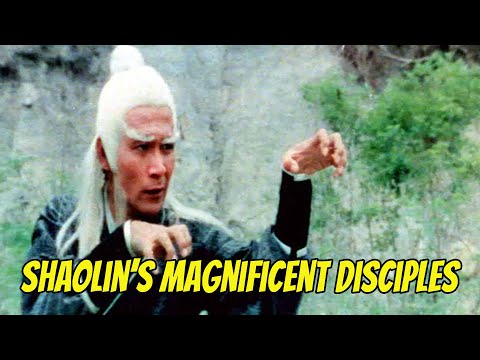
Wu Tang Collection - Shaolin's Magnificent Disciples: A Budo Master's Analysis

Original Release Year: 1981
Director: David Lin Ta-Chao
Cast: Chia Ling, Doris Lung, Chang Yi, Yuen Sam, Carter Wong.

"In the realm of martial cinema, the Wu Tang Collection often delivers a raw, unvarnished glimpse into the essence of martial arts storytelling. 'Shaolin's Magnificent Disciples' is no exception, presenting a tapestry of swordplay, intrigue, and the perennial struggle between loyalty and defiance."

As a Sensei who has dedicated a lifetime to the rigorous study and practice of Budo, and an ardent critic of its cinematic portrayal, I approach films like "Shaolin's Magnificent Disciples" with a dual lens: that of the scholar and that of the warrior. The film, a product of its era, immerses us in the tumultuous landscape of dynastic China, where martial prowess is not merely a skill, but a currency of power, survival, and identity.

The premise, involving patriotic sword fighters caught in the crossfire of the Ching (Manchu) Dynasty's influence, immediately sets a stage for conflict, both internal and external. This is fertile ground for exploring the core tenets of martial philosophy – loyalty (gi), righteousness (yu), and duty (chu). The "Martial Inn" serves as a microcosm, a neutral ground that inevitably becomes a battleground, reflecting how even sanctuaries can be corrupted by the currents of war and political machims.

A notable element, as mentioned in the original description, are the "three old men with long silver hair." In martial arts, age often signifies wisdom and accumulated experience. These characters, potentially masters of ancient styles, represent the deep wellspring of knowledge that underpins the more overt displays of combat. Their difficulty in differentiation might, in fact, be a narrative device to emphasize the collective spirit or the subtle, interconnected nature of martial lineages. It prompts the question: in the grand tapestry of Budo, are individual masters always distinguishable, or is it the unbroken chain of tradition that truly matters?

The Art of Swordplay and the Warrior's Code

"Shaolin's Magnificent Disciples" showcases a cast of "young men and very pretty young women, all very capable sword fighters." This is where the film's true value, from a martial perspective, begins to reveal itself. The efficacy of swordplay in cinema is often a delicate balance. It must be visually compelling enough to captivate the audience, yet rooted enough in recognizable principles to resonate with practitioners. The description suggests that the fighting is not just spectacle, but carries the weight of genuine skill ("very capable").

The interplay between these skilled fighters, navigating "smoldering looks, suspicions and even lines spoken in dialogue poetic couplets," hints at a narrative depth that transcends mere action. This is crucial. True Budo is not solely about physical execution; it is an integrated discipline that encompasses mental fortitude, strategic thinking, and emotional control. The "poetic couplets" might represent the ethical codes, the philosophical underpinnings, or even the veiled threats and challenges that are inherent in any martial encounter.

Furthermore, the inclusion of a "murder mystery" adds a layer of strategic complexity. It implies that combat in this narrative is not always direct confrontation. It involves deduction, deception, and the understanding of human motivation – elements that are critical in real-world self-defense and combat scenarios. A true warrior must not only be adept at striking, but also at observing, analyzing, and anticipating.

Philosophical Undercurrents: Beyond the Blade

While the film is steeped in the tradition of Chinese martial arts cinema, its themes resonate universally within the broader context of Budo. The struggle against an oppressive dynasty mirrors the internal battle against one's own limitations, fears, and ego. The "patriotic" element suggests a commitment to a cause greater than oneself, a principle deeply ingrained in many martial traditions. This speaks to the concept of selfless action, where the practitioner acts not for personal gain, but for the preservation of justice or a chosen ideal.

"The sword is an extension of the soul. Its edge cuts not only flesh, but also indecision and doubt." - A principle echoing through centuries of swordsmanship.

The "pretty young women" being "very capable sword fighters" is also a significant point. It challenges the traditional, often patriarchal, narratives that relegate women to passive roles. In many martial arts, including those passed down through generations, women have been instrumental practitioners and guardians of technique. Their presence as formidable warriors underscores the universality of martial aptitude, transcending gender and reinforcing the idea that skill and dedication are the true determinants of capability.

The blend of genres – martial arts, historical drama, and mystery – is a common, and often effective, technique in martial cinema. It allows for a multifaceted exploration of the warrior's life, showcasing not just their physical prowess but also their intellect and moral compass. The film's ability to weave these elements together is key to its potential impact. Does the mystery serve to highlight the strategic thinking required in combat, or does the martial action punctuate the drama of the unfolding mystery? This interplay is where the true artistry lies.

Training Implications and Cinematic Authenticity

For practitioners of arts like Karate, Judo, BJJ, or MMA, dissecting cinematic fight sequences offers valuable insights, even if they are stylized. The choreography in "Shaolin's Magnificent Disciples," particularly the swordplay, would ideally reflect principles of balance, footwork, and the efficient application of force. While cinematic liberties are inevitable, a well-executed fight scene can still convey the spirit of martial principles.

The emphasis on "patriotic sword fighters" suggests a martial code that extends beyond personal combat. It speaks to the responsibility that comes with martial skill – the responsibility to protect, to serve, and to uphold certain values. This is a concept often overlooked in purely competitive sports, but it remains central to the traditional understanding of martial arts.

The mention of exclusive videos and an app suggests a modern framework surrounding this classic film. This is an interesting juxtaposition: ancient martial traditions presented through contemporary media platforms. It highlights the enduring appeal of martial arts stories and the constant evolution of how we consume and share them. The integration of YouTube links and app promotions is a testament to this adaptation.

Veredicto del Sensei: ¿Merece la pena?

"Shaolin's Magnificent Disciples" presents itself as a classic martial arts film, blending swordplay, historical drama, and a touch of mystery. For aficionados of the genre, particularly those drawn to the Wu Tang Collection, this film offers a glimpse into the storytelling conventions of 1980s Chinese martial cinema. The presence of capable fighters, both male and female, and the underlying themes of loyalty and conflict, provide substance beyond mere action. While specific details on choreography are not provided, the description implies a level of skill that would likely appeal to martial artists. The film may not revolutionize the genre, but it serves as a valuable entry in the historical archive of martial storytelling. Calificación del Sensei: Cinturón Negro en Espíritu de Lucha.

Equipo Esencial para tu Entrenamiento

While "Shaolin's Magnificent Disciples" focuses on the sword, the principles of martial arts training are universal. Whether you are practicing empty-hand techniques or weapon-based arts, the right equipment can enhance your journey.
  • Kimono / Gi: Essential for arts like Judo, BJJ, and Karate. Look for durable, double-weave fabrics for longevity.
  • Sparring Gear: For arts that involve full-contact sparring, protective gear such as headguards, mouthguards, shin guards, and groin protectors are crucial for safety.
  • Training Weapons: If you are exploring weapon-based martial arts, a Bokken (wooden sword), Bo staff, or other practice weapons are necessary. Ensure they are made from appropriate materials for safe training.
  • Focus Mitts and Pads: Excellent for striking training, improving accuracy, power, and speed.
  • Training Mats (Tatami/Puzzle Mats): Especially important for grappling arts like Judo and BJJ, or for practicing falls and breakfalls in any discipline.

Investing in quality equipment not only ensures safety but also demonstrates your commitment to your training. As my teachers always said, "The tools of the warrior are extensions of his will."

Guía de Entrenamiento: Principios de Combate con Espada (Adaptados)

Although we cannot replicate the specific techniques from the film without detailed choreography analysis, we can derive training principles applicable to many martial arts, including weapon-based ones. This exercise focuses on embodying the *spirit* of skilled sword fighting: balance, precision, and awareness.
  1. Postura de Base Firme: Adopt a stable, grounded stance. For sword arts, this often means a slightly wider stance than typical empty-hand styles, allowing for better balance during sweeping movements. Practice shifting weight smoothly between stances.
  2. Movimiento Del Cuerpo (Tai Sabaki): Focus on moving the entire body, not just the limbs. Practice evasion by stepping off the line of attack, maintaining your balance. Think of your body as a single unit, controlled from the center.
  3. Control del Arma: Even with a practice weapon, focus on controlled movements. Understand the 'reach' of your weapon and practice extending it with precision. Avoid wild, uncontrolled swings. The blade should feel like a natural extension of your arm.
  4. Respiración y Enfoque: Synchronize your breath with your movements. A deep, controlled breath can center you. Maintain intense focus on your target or the imaginary opponent. This mirrors the "smoldering looks" and "suspicions" mentioned in the film – a heightened state of awareness.
  5. Simulación de Ataque y Defensa: Practice basic cuts (downward, upward, horizontal) and blocks. Imagine an opponent's attack and react with appropriate defense and counter-attack. This develops reactive timing and strategic thinking, mirroring the film's narrative intrigue.

Remember, safe practice is paramount. Always use appropriate training weapons and ensure you have adequate space. The goal is to internalize the principles of control, awareness, and efficient movement.

Preguntas Frecuentes

What is the Wu Tang Collection?

The Wu Tang Collection is a curated selection of classic Hong Kong martial arts films, often focusing on the legendary Shaolin Temple and its disciples. These films are renowned for their traditional martial arts choreography, epic storytelling, and cultural significance.

Are the fight scenes in Shaolin's Magnificent Disciples realistic?

Like most martial arts films of its era, "Shaolin's Magnificent Disciples" likely features stylized choreography designed for cinematic effect. While the performers are often skilled martial artists, the fights are not a direct representation of real combat but rather an artistic interpretation emphasizing speed, agility, and dramatic flair.

What martial arts philosophy is depicted in the film?

The film appears to touch upon themes of patriotism, loyalty, and the code of the warrior, common in traditional Chinese martial arts narratives. It likely explores the conflict between duty to one's homeland and the personal struggles faced by fighters.

Is the murder mystery element important to the martial arts aspect?

Often, mystery and intrigue in martial arts films serve to highlight the intellectual and strategic side of combat. It suggests that true mastery involves not just physical skill but also keen observation, deduction, and an understanding of human nature, elements crucial for effective combat and self-defense.

Para Profundizar en tu Camino

  • Artes Marciales y su Legado Cinematográfico
  • La Filosofía del Budo: Más Allá de la Técnica
  • Análisis de Coreografías: De la Pantalla al Dojo

The pursuit of martial arts is a lifelong endeavor, constantly evolving. Understanding the historical context and cinematic interpretations enriches our appreciation and practice.

Reflexión del Sensei: Tu Próximo Paso

This film, like many of its kind, presents a world where honor is defended with the blade and loyalty is forged in the crucible of conflict. Reflect on this: In your own life, what "dynasty" do you find yourself fighting against, and what code do you uphold in your personal battles? Is your "sword" a tool of righteous action, or a weapon of fleeting impulse?

``` GEMINI_METADESC: A Sensei's critical analysis of 'Shaolin's Magnificent Disciples' from the Wu Tang Collection, exploring its martial arts, philosophy, and cinematic legacy.