Showing posts sorted by relevance for query Grappling Fundamentals. Sort by date Show all posts

The Unseen Art: Decoding the Gritty Brilliance of December's UFC FIGHT PASS Grappling Gems

The digital mats of UFC FIGHT PASS in December were not merely a showcase of athletic prowess, but a testament to the profound, often brutal, beauty of the ground game. While the flashy knockouts command the roar of the crowd, it is the intricate dance of submission, leverage, and strategic patience that truly defines the martial artist's journey. This past December, we witnessed an extraordinary convergence of BJJ specialists and established UFC titans, all converging on the canvas to remind us of the primal, intellectual, and deeply philosophical nature of grappling. As a seasoned Sensei, I approach such events not just as entertainment, but as living exhibitions of principles honed over centuries. Let us dissect the essence of these "best moments" and understand what they reveal about the warrior's spirit.

Table of Contents

The December Grappling Renaissance

December on UFC FIGHT PASS was, by all accounts, a celebration of the ground. We saw practitioners whose entire careers are built on the delicate art of submission, and we saw formidable strikers forced to confront their vulnerabilities on the mat. This is where the true character of a fighter is often revealed. The ability to transition seamlessly from the thunderous power of striking to the silent, cerebral war of grappling separates the competent from the truly complete martial artist. It's a reminder that the ultimate goal of many martial arts isn't just to inflict damage, but to control, incapacitate, and ultimately, to demonstrate mastery over oneself and an opponent through technique and strategic application of force. This month's events offered a compelling narrative of this very principle in action, showcasing the depth and complexity that lies beneath the surface of combat sports. The digital subscription service, UFC FIGHT PASS, acted as the perfect conduit for these profound displays of skill and resilience.
"The supreme art of war is to subdue the enemy without fighting." - Sun Tzu, The Art of War. While direct combat is inevitable in the octagon, the principles of control and strategic submission echo this ancient wisdom.

Beyond the Submission: The Strategic Mind at Play

To the uninitiated, a submission might appear as a sudden, brutal end to a contest. However, as any practitioner of Jiu-Jitsu, Judo, or Sambo will tell you, the submission is the culmination of a complex strategic battle. It is the result of positional dominance, pressure distribution, and the relentless exploitation of an opponent's structural weaknesses. December’s events on UFC FIGHT PASS offered numerous instances where we saw fighters meticulously build towards a submission, demonstrating patience that would make a seasoned chess grandmaster proud. This isn't about brute strength; it's about intelligence, timing, and an almost intuitive understanding of physics and human anatomy. The greatest grapplers aren't just athletes; they are strategists who think several steps ahead, constantly probing, adapting, and waiting for that precise moment to strike with a choke or joint lock.

The BJJ vs. Striker Dilemma: A Philosophical Clash

The perennial debate in mixed martial arts – the clash between the striker and the grappler – was vividly illustrated throughout December’s UFC FIGHT PASS offerings. On one hand, you have the practitioners of Brazilian Jiu-Jitsu and other ground-based arts, who seek to neutralize striking advantages by taking the fight to the mat. Their philosophy centers on control, leverage, and the submission. On the other, you have the stand-up specialists, whose arsenal consists of powerful punches, kicks, and knees, aiming to end the fight with decisive strikes. When these two archetypes collide, it's more than just a physical contest; it’s a philosophical one. It's a question of which martial paradigm will prevail: the cerebral, technical mastery of the ground game, or the explosive, immediate danger of striking? The December events provided fertile ground for observing this dynamic play out, with varying outcomes that fuel endless discussion among fight fans.
"In the art of war, one must be both the serpent and the dragon." This quote, often attributed to various martial traditions, speaks to the need for both cunning and power. A grappler embodies the serpent's ability to ensnare, while a striker reflects the dragon's ferocity. The true master integrates both.

Key Moments: A Master's Perspective

While I won't delve into specific fighter names as the original content aimed for broader appeal, let's analyze the *types* of moments that stood out in December’s grappling-centric UFC FIGHT PASS events. * **The Calculated Takedown**: We saw fighters masterfully disguise their intentions, feinting strikes to set up powerful double-leg or single-leg takedowns. This is not just about physical execution, but psychological warfare – manipulating the opponent’s expectations. The success of these takedowns hinged on timing and a deep understanding of distance management. * **Positional Advancement as Art**: Once on the ground, the true art of grappling unfolds. Achieving mount, side control, or a dominant back position isn't merely about staying on top. It's about strategically applying pressure, preventing escapes, and setting up the next phase of the attack. Seeing fighters patiently work through these transitions, grinding down their opponents, is a masterclass in control. * **The Submission Sequence**: The moment an opponent's defense breaks is electrifying. However, what precedes it is often more impressive: the intricate chain wrestling, the clever hip escapes, the setup for armbars, kimuras, or rear-naked chokes. These sequences highlight the problem-solving nature of grappling. A fighter must constantly adapt to their opponent's defenses, much like solving a dynamic, three-dimensional puzzle. * **The Resilient Defense**: Equally important are the moments of incredible defense. Fighters escaping tight submissions, surviving dominant positions, and finding a way back to neutral or even a superior position showcases immense grit and technical proficiency. This resilience is a cornerstone of the warrior spirit.

Training the Grappler's Mindset: Lessons for All Martial Paths

The lessons from December’s grappling showcase extend far beyond the canvas and are directly applicable to any martial art, indeed, to life itself. * **Patience and Perseverance**: Grappling teaches that progress is often slow and incremental. Submissions are rarely achieved in seconds. It requires unwavering patience and the mental fortitude to continue applying pressure and technique even when immediate success isn't apparent. This is invaluable for mastering any skill, be it a martial technique or a professional endeavor. * **Adaptability**: An opponent will always react. A good grappler doesn't stick rigidly to a plan but adapts their strategy based on the opponent's movements and reactions. This is the essence of situational awareness and tactical flexibility, critical for any combat scenario or life challenge. * **Understanding Leverage and Efficiency**: Grappling is the ultimate study in leverage. It teaches you to use your entire body's structure, not just brute strength, to overcome an opponent. This principle of efficiency—achieving maximum effect with minimum effort—is a profound lesson applicable to all forms of physical activity and problem-solving. * **The Importance of the Foundation**: Strong fundamentals in grappling—proper base, posture, grip fighting, and escapes—are paramount. Without them, advanced techniques will fail. This mirrors the martial arts axiom that mastery is built upon a solid foundation of basic principles.

Essential Equipment for Your Grappling Training

To truly immerse yourself in the art of grappling, having the right equipment is crucial for both safety and effectiveness. While striking arts might focus on gloves and pads, the groundwork demands specific gear.
  • High-Quality Jiu-Jitsu Gi (Kimono): A durable double-weave or hybrid gi is essential for BJJ. It should be reinforced at stress points and offer a good fit without being too loose (making it easy for opponents to grip) or too tight (restricting movement). Look for brands known for their longevity and adherence to IBJJF standards. Consider brands like **Fuji**, **Adidas**, or **Tatami**.
  • Rash Guards: Essential for no-gi grappling, rash guards help prevent mat burns and provide a snug fit that doesn't impede movement. They also help manage sweat and hygiene.
  • Spats/Grappling Shorts: For no-gi training, comfortable and durable spats or grappling-specific shorts are a must. They offer protection and prevent friction burns.
  • Mouthguard: Even in grappling, accidental impacts can occur. A well-fitting mouthguard is vital for protecting your teeth and jaw.
  • Shin Guards (Optional, for some drills): While not standard for all grappling, some drills or specific training scenarios might benefit from light shin protection.
  • Footwear (For specific training): While most grappling happens barefoot, some Judo or Sambo training might require specific footwear.
For those looking to enhance their conditioning for grappling, consider investing in items that support strength and agility. Resistance bands and kettlebells are excellent for developing explosive power and core strength, essential for takedowns and sweeps.

Frequently Asked Questions

  • Q: Is grappling dangerous?
    A: Like any physical activity, grappling carries risks. However, with proper instruction, emphasis on technique over strength, and a culture of safety and respect within the dojo, the risk of serious injury can be significantly minimized.
  • Q: Do I need to be strong to start BJJ or Judo?
    A: Absolutely not! These arts are designed to allow smaller, weaker individuals to overcome larger, stronger opponents through technique and leverage. Strength can be developed, but it's not a prerequisite.
  • Q: How long does it take to learn a submission?
    A: Learning the mechanics of a submission can be quick, but mastering it to the point where you can effectively apply it under pressure can take months or even years of consistent practice and refinement.
  • Q: What's the difference between BJJ and Judo?
    A: Judo focuses heavily on throws and takedowns, aiming to bring the opponent to the ground to achieve a pin or submission. BJJ, while incorporating some takedowns, emphasizes ground fighting and submission techniques more extensively once the fight is on the mat.

For a Deeper Dive into Your Martial Journey

Reflexión del Sensei: Tu Próximo Paso

These moments from UFC FIGHT PASS are not just clips; they are living lessons in strategy, resilience, and the profound depth of martial philosophy. They remind us that true mastery lies not just in the obvious displays of power, but in the subtle, intelligent application of technique and the unwavering spirit to control the narrative of conflict. As you watch, or perhaps even train, consider this: In the quiet intensity of a grappling exchange, where every grip, every shift of weight, carries immense consequence, how do you cultivate the mental discipline to remain present, strategic, and unbroken? GEMINI_METADESC: Explore the strategic depth of December's UFC FIGHT PASS grappling events. A Sensei's analysis of BJJ, Judo, and the warrior's mindset.

The Unseen Strength: Why Grapplers Possess Superior Physique and How to Forge Yours

As a Sensei, I've witnessed countless disciplines and debated their merits across the vast landscape of martial arts and combat sports. Today, we confront a question that echoes in dojos and training halls worldwide: Why do grapplers – those who master the intricate dance of clinch, takedown, and ground fighting – often exhibit a physique that commands respect, a veritable temple of functional strength? This isn't mere coincidence; it's the direct result of a training methodology forged in the crucible of necessity. We'll dissect this phenomenon, not just from a performance standpoint, but from the philosophical core of what true physical prowess entails. Prepare to have your preconceptions challenged.

The Grappler's Physique: More Than Just Muscles

The immediate visual cue of a seasoned grappler often includes broad shoulders, a powerful back, thick traps, and legs that are as strong as ancient oaks. But this is not the sculpted, aesthetic physique of a bodybuilder, chasing symmetry over function. The grappler's build is a testament to the demands of their art: the ability to generate immense force for takedowns, to absorb blows and maintain control, and to endure grueling rounds on the mat. This is functional hypertrophy, developed through resistance and strategic application of power. The core of grappling lies in leveraging an opponent's body, often against their will. This requires a unique blend of: * **Explosive Power:** For initiating takedowns like the *O-soto-gari* (Major Outer Reaping) in Judo, or explosive double-leg takedowns in wrestling. * **Crushing Grip Strength:** Essential for maintaining holds, preventing escapes, and controlling an opponent's limbs. * **Core Stability:** The bedrock of all powerful movements. A strong core allows for efficient power transfer and resistance to being swept or controlled on the ground. * **Endurance:** Grappling is a high-intensity activity. The ability to maintain strength and technique for extended periods is paramount.
These attributes don't develop in isolation. They are intricately linked, each reinforcing the other. A strong core enables more explosive leg drives, which in turn requires a stronger grip to secure the takedown. This is the interconnectedness that makes grappling so physically demanding and, consequently, so effective at building a formidable physique.

Unpacking the Philosophy: The *Shin Gi Tai* of Grappling

In the world of Budo, we speak of *Shin Gi Tai* (心技体): mind, technique, and body. For grapplers, this triad is not just an ideal; it's the operational framework for success. * **Shin (Mind):** The mental fortitude required for grappling is immense. It involves strategic thinking, problem-solving under pressure, patience, and the resilience to overcome adversity – whether it's being caught in a submission or facing a seemingly insurmountable physical challenge. The ability to remain calm and analytical when your entire body is under stress is a mark of true mental discipline. * **Gi (Technique):** This is where the art of grappling truly shines. It's not about brute force alone, but about understanding leverage, timing, biomechanics, and the anatomy of movement. A well-executed throw or submission can neutralize a physically superior opponent. Mastering techniques like the *Kimura* (a shoulder lock) or the *Triangle Choke* requires precision and an intimate understanding of joint mechanics. * **Tai (Body):** This is the physical vessel that supports the mind and technique. For a grappler, the body must be a tool – strong, resilient, adaptable, and conditioned for the unique stresses of combat. The physique we observe is the direct manifestation of this body being honed for its specific purpose. The mastery of *Shin Gi Tai* leads to a unique kind of power, one that is both deeply personal and incredibly impactful.

The Training Regimen: Forging the Grappler's Body

The training of a grappler is multifaceted, often blending sport-specific drills with foundational strength and conditioning. It's a holistic approach that builds not just muscles, but resilience and adaptability.

Training Elements for the Aspiring Grappler

* **Technical Mat Time:** The cornerstone of any grappling discipline. This includes drilling techniques, live sparring (*randori* in Judo, *rolling* in BJJ), and positional control exercises. This develops the specific neuromuscular pathways and tactical understanding required. * **Strength Training:** Focuses on compound movements that mimic grappling actions. * **Lower Body:** Squats, deadlifts, lunges, and explosive Olympic lifts like cleans and snatches build the foundational power for takedowns and stability. * **Upper Body:** Pull-ups, rows, bench presses, and overhead presses develop the pulling and pushing strength needed for control and submissions. * **Core:** Planks, anti-rotation exercises, and weighted carries are crucial for stability and power transfer. * **Grip Strength Training:** Farmers' walks, dead hangs, and specialized grip trainers are indispensable. Without a strong grip, all other strengths are compromised. * **Cardiovascular Conditioning:** Grappling is demanding. Interval training, circuit training, and even roadwork (running) improve the cardiovascular system's ability to sustain high-intensity efforts and recover quickly. * **Flexibility and Mobility:** Essential for injury prevention and for executing techniques effectively. Dynamic stretching before training and static stretching afterward, alongside mobility drills, keep the body limber and responsive.
"The strength of the body is not in its muscles, but in its flexibility and resilience." - Unknown Master

A Sample Training Structure (Conceptual)

A typical week might look something like this: * **Monday:** Judo/Wrestling technique and *randori*. * **Tuesday:** Strength training focusing on lower body and core. Grip work. * **Wednesday:** BJJ/Grappling technique and *rolling*. * **Thursday:** Active recovery – light cardio, mobility work, or focus on a specific weak area. * **Friday:** Full grappling session or a focused strength and conditioning circuit designed for grappling. * **Saturday:** Longer grappling session, or a physical challenge (e.g., extended roadwork, heavy carries). * **Sunday:** Rest and recovery. This is a general framework, and the specifics will vary greatly depending on the individual's primary discipline (Judo, BJJ, Sambo, Wrestling), their current level, and their specific goals.

The Role of Genetics and Individual Variation

While training is paramount, we cannot entirely discount the role of genetics. Certain body types might lend themselves more readily to specific grappling disciplines. Taller individuals with longer limbs might excel at certain submissions or guards, while shorter, more compact individuals might find success with explosive takedowns and pressure passing. However, this is where the philosophy of Budo truly shines. Regardless of natural predisposition, dedication, proper technique, and the unyielding spirit (*kokoro*) can overcome many physical limitations. The true grappler develops their body to serve their art, adapting and overcoming.

Reflecting on the *Kime* (Focus/Intent)

The "jacked" physique of the grappler is not a superficial aesthetic; it's a functional outcome of demanding, purposeful training. It's the physical embodiment of *Shin Gi Tai* in action. The strength developed is not just for show; it's for control, for leverage, for survival, and for the execution of intricate techniques. This journey of building a grappling physique requires discipline, patience, and a deep understanding of one's own body and the principles of the art. It’s a path of continuous learning and adaptation.

Veredicto del Sensei: ¿Merece la pena el esfuerzo?

Absolutely. The physical rewards of dedicated grappling training are immense, but they pale in comparison to the mental fortitude, tactical acumen, and profound self-understanding gained. This is not just about building a better body; it's about forging a better self. The principles learned on the mat – discipline, perseverance, respect, and the constant pursuit of mastery – extend far beyond the dojo, shaping every aspect of a grappler's life.

Equipo Esencial para tu Entrenamiento

While grappling is often accessible with minimal equipment, certain items can significantly enhance your training and safety.
  • Gi (Kimono): For Judo and Brazilian Jiu-Jitsu, a high-quality Gi is essential. Look for double-weave for durability and a good fit that allows for movement without being too loose. Brands like Fuji, Hayabusa, and Atama are reputable.
  • Mouthguard: Crucial for protecting your teeth during sparring, especially in BJJ and wrestling.
  • Groin Protector: A wise investment for men to prevent serious injury during accidental impacts.
  • Knee Pads: Helpful for protecting your knees during drills and rolling on harder surfaces.
  • Weightlifting Gear: For supplemental strength training, consider appropriate lifting shoes, a weightlifting belt for heavy squats and deadlifts, and wrist wraps for support.
  • Apparel: Comfortable, moisture-wicking rash guards and shorts for BJJ or no-gi training. For Judo, a specific Judo uniform is required.
When selecting equipment, prioritize durability and proper fit. For instance, a well-fitting judogi is paramount for effective Judo practice.

Guía de Entrenamiento: Ejercicio de Potencia para el Agarre

One of the most overlooked yet critical aspects of grappling is grip strength. Here’s a simple yet brutal exercise:
  1. Find a sturdy barbell or, even better, a thick towel. If using a towel, loop it through the center hole of a weight plate or attach it to a barbell.
  2. Grip the barbell or towel firmly. Ensure your grip is secure and your arms are extended.
  3. Begin a Farmer's Walk. Walk a predetermined distance (e.g., 20-50 meters) or for a set amount of time (e.g., 30-60 seconds).
  4. Focus on maintaining your grip throughout the entire walk. Don't let your hands loosen.
  5. Repeat for 3-5 sets.
This exercise directly targets the forearms, hands, and wrists, building the crushing grip necessary to control an opponent.

Recursos para Profundizar

To truly understand the depth of grappling, explore these foundational elements:
  • The Kodokan Judo Institute: The official source for Judo principles and history, founded by Jigoro Kano. Explore their official website for historical context and technical information.
  • Brazilian Jiu-Jitsu Fundamentals: Many online resources and books delve into the intricacies of BJJ. Look for instructional videos from reputable instructors.
  • The Philosophy of Budo: Understanding broader martial arts philosophy enhances the appreciation of grappling. Texts on Bushido or the writings of Miyamoto Musashi can provide valuable insights.

Preguntas Frecuentes

  • Q: Is it possible to become a strong grappler without spending hours on the mat?
    A: While mat time is crucial for technique, a focused strength and conditioning program can build a strong physical foundation that accelerates technical learning and improves performance during sparring. However, technique acquisition is largely dependent on mat practice.
  • Q: What is the most important physical attribute for a grappler?
    A: It's a tie between core strength and grip strength. A powerful core allows for efficient movement and stability, while a strong grip is essential for control and submission.
  • Q: Can a smaller person succeed in grappling against a larger opponent?
    A: Absolutely. Grappling is a sport where technique, leverage, and strategy can often overcome sheer size and strength differences, especially in disciplines like Judo and Brazilian Jiu-Jitsu.
  • Q: How important is flexibility for grapplers?
    A: Very important. Flexibility aids in injury prevention, allows for a greater range of motion to execute techniques effectively, and can be crucial for escaping certain submission holds.

Para Profundizar en tu Camino

"To learn to fight is to learn to discipline the body and the mind. Strength without control is merely brute force." - Sensei's personal reflection from years of training.

Reflexión del Sensei: Tu Próximo Paso

Observe the grapplers around you. Do you see just athletes, or do you see living embodiments of resilience and tactical brilliance? The physical prowess is not an end in itself, but a tool forged by the mind and honed by technique. Now, I challenge you: How will you begin to forge your own functional strength, not just for the mat, but for life? Will you seek out the discipline, or continue to admire from afar? The choice, as always, is yours. ``` GEMINI_METADESC: Uncover the secrets behind the formidable physique of grapplers. Learn essential training principles from a martial arts master.

Hero's 5 (2006): A Martial Masterclass or a Spectacle of Spectacle?

Hello and welcome, warriors of the path, to Budo and Martial Arts. You are about to witness a deep dive into "Hero's 5," a pivotal event from 2006 that, for better or worse, left its mark on the combat sports landscape. Published on May 31, 2022, this analysis aims to dissect the event not just as a series of fights, but as a testament to the spirit and evolution of martial arts in a competitive arena. Today, we don't just watch; we learn. We dissect the techniques, question the strategies, and ultimately, determine what lessons these clashes hold for us, the dedicated practitioners.

Introduction: The Arena of Hero's 5

Welcome to the digital dojo of Budo and Martial Arts. Today, our focus sharpens on "Hero's 5," a significant event held at the Yoyogi National Stadium First Gymnasium in Tokyo on May 3, 2006. This event, a product of the FEG (Fighting and Entertainment Group), showcased a blend of striking, grappling, and raw aggression that defined a crucial era in combat sports. It's easy to get lost in the spectacle, the cheers of the crowd, the drama unfolding in the ring. But as practitioners, our duty is to look beyond the surface. We must analyze the mechanics, the martial principles (or lack thereof), and the underlying philosophies that guide these warriors. This isn't merely about entertainment; it's about understanding the application and evolution of combat disciplines under pressure.

Dissecting the Bouts: A Sensei's Perspective

The fight card for Hero's 5 was a potent mix, featuring established stars and rising talents. Each bout presented a unique challenge, a distinct martial puzzle to solve. While the official times are noted, our analysis will delve into the *how* and *why* of each engagement, focusing on the martial efficacy and strategic decisions made within the heat of battle. Did these fighters embody the disciplined pursuit of martial perfection, or were they merely gladiators in a modern circus? Let us find out.

"The supreme art of war is to subdue the enemy without fighting." - Sun Tzu

This ancient wisdom is the bedrock of true martial philosophy. While Hero's 5 is a stage for combat, the most masterful performances are those where technique, strategy, and mental fortitude combine to achieve victory with the least amount of unnecessary conflict. We will look for these moments of tactical brilliance.

Yoshihiro Akiyama vs. Katsuhiko Nagata: The Clash of Styles

(Match Time: 7:40) This opening bout pitted Yoshihiro Akiyama, known for his judo background and powerful striking, against Katsuhiko Nagata, a formidable judoka himself. The inherent tension between two grappling specialists often results in a tactical chess match. We will examine how Akiyama’s aggressive judo and striking prowess clashed with Nagata’s defensive capabilities and potential counter-attacks. Did Akiyama’s signature techniques dominate, or did Nagata find an opening to exploit the nuances of their shared discipline? The effectiveness of their groundwork, their transition from standing to the mat, and their submission attempts are key areas of focus. For those looking to refine their throws, understanding the principles of judo and its application in a competitive setting is paramount.

Kultar Gill vs. Hideo Tokoro: Speed vs. Power

(Match Time: 18:54) Hideo Tokoro was a celebrated figure in Japanese combat sports, renowned for his speed, agility, and dynamic striking. His opponent, Kultar Gill, was a powerful fighter. This matchup promised an exciting display of contrasting attributes. We will analyze how Tokoro’s elusiveness and striking precision met Gill’s raw power and aggression. Did Tokoro’s speed allow him to dictate the pace and land significant blows, or did Gill’s power manage to close the distance and overwhelm Tokoro? The effectiveness of distance management and the ability to capitalize on an opponent's weaknesses are critical here. This echoes the timeless martial principle of using an opponent’s force against them, a concept fundamental to arts like Aikido, even if applied differently here.

Caol Uno vs. Ole Laursen: Precision and Pressure

(Match Time: 26:24) Caol Uno, a veteran with a highly regarded submission game, faced Ole Laursen, a Danish striker with a reputation for aggressive Muay Thai techniques. This bout was a classic stylistic clash: the refined grappling of Uno against the powerful stand-up of Laursen. We will dissect how Uno sought to implement his grappling, aiming for takedowns and submissions, while Laursen sought to keep the fight standing and utilize his devastating kicks and punches. The critical factor here is the effectiveness of each fighter in their preferred range and their ability to defend against the other’s specialty. Understanding defensive grappling is as crucial as offensive striking for any well-rounded martial artist.

Antonio Silva vs. Tom Erikson: The Giant's Dance

(Match Time: 41:22) This bout featured two colossal heavyweights: Antonio "Bigfoot" Silva, a future star in MMA, and Tom Erikson, a seasoned veteran. Heavyweight bouts often hinge on explosive power and the ability to absorb punishment. We will analyze their fighting styles, their ability to close distance, their power striking, and any grappling exchanges. In this division, a single well-placed strike can end the fight, but solid defense and ring generalship are equally important. This highlights the importance of strength and conditioning, not just for power, but for endurance and resilience.

Don Frye vs. Chad Rowan: The Brawlers' Ballet

(Match Time: 48:17) Don Frye was a charismatic and notoriously aggressive fighter, known for his brawling style. Chad Rowan, a former Olympian in Greco-Roman wrestling, brought a different set of skills to the table. This promised a clash of wills: Frye’s unbridled aggression versus Rowan’s technical wrestling. We will examine Frye’s relentless pressure and how Rowan attempted to counter it with his wrestling base. Can raw aggression overcome technical skill? This bout is a fascinating study in contrasting approaches to combat. For those interested in wrestling, understanding its offensive and defensive applications is key.

Rani Yahya vs. Ryuki Ueyama: Grappling's Subtle Art

(Match Time: 1:03:41) Rani Yahya is a submission specialist with a strong Brazilian Jiu-Jitsu background. Ryuki Ueyama brought his own set of grappling skills to the octagon. This bout was a showcase for the intricacies of Brazilian Jiu-Jitsu and submission grappling. We will analyze their transition game, their ability to secure takedowns, control positions, and execute submissions. In this domain, technique and leverage often triumph over brute strength, underscoring the elegance and effectiveness of ground fighting.

Gesias Cavalcante vs. Hidetaka Monma: Explosive Offense

(Match Time: 1:08:21) Gesias Cavalcante, often known as "JZ," was a dynamic fighter with explosive striking and submission skills. His opponent, Hidetaka Monma, was looking to make his mark. This matchup was expected to be fast-paced and action-packed. We will examine JZ’s offensive output, his ability to mix striking and grappling, and Monma’s strategy to weather the storm or capitalize on any openings. The importance of combat sports conditioning and the ability to maintain a high pace throughout a fight are evident here.

Norifumi 'Kid' Yamamoto vs. Kazuyuki Miyata: The Pocket Rocket Showdown

(Match Time: 1:20:13) Norifumi "Kid" Yamamoto was a sensation, a powerful and explosive fighter known for his knockout power and aggressive style. Kazuyuki Miyata was a seasoned competitor with a strong wrestling background. This was a highly anticipated bout, pitting Yamamoto’s explosive striking against Miyata’s wrestling. We will analyze Yamamoto’s speed and power, and Miyata’s strategy to close the distance and implement his takedowns. This fight embodies the excitement and unpredictability of MMA. The concept of Ki, or vital energy, can be seen in fighters like Yamamoto who seem to possess an almost boundless well of aggressive power.

The Unseen Techniques: Spirit and Strategy

Beyond the physical techniques, what truly defines a martial artist is their mindset. At Hero's 5, we witnessed warriors grappling with pressure, adapting to adversity, and demonstrating resilience. These intangible qualities are as crucial as any strike or submission. The concept of Budo – the Way of the Warrior – encompasses not just combat skills, but also the discipline, respect, and mental fortitude cultivated through rigorous training.
"There are no shortcuts to any place worth going. The path of Budo requires unwavering dedication and self-mastery."
True martial progress isn't solely measured in wins and losses, but in the continuous refinement of character and skill. The fighters here, regardless of outcome, are on a journey. For us, observing these bouts is an opportunity to study not just technique, but the mental fortitude required to compete at this level. This is where the spirit of training truly shines.

Essential Gear for Your Training

To emulate the dedication and preparation of these athletes, having the right equipment is crucial. Whether you are focusing on striking, grappling, or a combination, investing in quality gear ensures safety and enhances your learning experience.
  • MMA Gloves: For striking and grappling scenarios, these offer protection for your hands while allowing for submission attempts. Look for gloves that offer a good balance between padding and dexterity.
  • Grappling Dummy or Partner: Essential for practicing throws, takedowns, and submission holds. If a partner isn't available, a quality grappling dummy can simulate body resistance.
  • Mouthguard: Non-negotiable for any form of sparring or intense training to protect your teeth and jaw.
  • Shin Guards: Crucial for Muay Thai or kickboxing training to protect against powerful kicks and to condition your shins.
  • Training Uniform (Gi/Kimono): For disciplines like judo or BJJ, a durable Karate gi or Judo gi is essential for practicing grips and control.
Investing in quality martial arts merchandise is an investment in your own progress.

Frequently Asked Questions

What is the main difference between striking and grappling in martial arts?

Striking arts (like boxing, karate, Muay Thai) focus on using punches, kicks, elbows, and knees to attack an opponent. Grappling arts (like judo, BJJ, wrestling) focus on throws, takedowns, joint locks, and chokes to control or submit an opponent.

Is Hero's 5 considered a significant event in MMA history?

Hero's 5 was a notable event in the mid-2000s, particularly in Japan, showcasing a strong roster of fighters and contributing to the growing popularity of mixed martial arts. It featured many fighters who would go on to achieve greater fame in organizations like the UFC.

How can I apply the lessons from these fights to my own training?

Analyze the techniques and strategies employed. Identify the strengths and weaknesses of each fighter. Ask yourself how you would counter a specific move or defend against a certain attack. Focus on your own martial development, striving for the same level of dedication and adaptability shown by these professionals.

Sensei's Reflection: Your Next Move

We have dissected the clashes of Hero's 5, from the explosive power of Yamamoto to the strategic grappling of Yahya. But a true understanding of martial arts transcends mere observation of fights. It demands introspection and application. These bouts are not just performances; they are living textbooks of strategy, resilience, and the unending pursuit of mastery.

Sensei's Reflection: Your Next Move

As you leave the arena of Hero's 5, I ask you: In your own training, are you merely going through the motions, or are you actively seeking to understand the 'why' behind every movement? When faced with adversity in practice, do you crumble, or do you tap into that inner well of Ki and find a way to overcome? The true battle is not on the mat before thousands, but within yourself, every single day. **Now, tell me, what single lesson from this event will you take back to your dojo and implement in your very next training session? Speak your truth in the comments below – let this be the start of your next great lesson.**

For Deeper Exploration on Your Path

``` GEMINI_METADESC: Analyze Hero's 5 (2006) with a Sensei's critical eye. Explore techniques, strategies, and the spirit of Budo in this iconic martial arts event.

K-1 Hero's 2 (2005): A Critical Examination of a Groundbreaking Martial Arts Event

The roar of the crowd, the glint of sweat under the arena lights, the palpable tension before the clash of titans – these are the elements that define the spectacle of professional martial arts. K-1 Hero's 2, held on July 6, 2005, at the Yoyogi National Stadium in Tokyo, was more than just a fight card; it was a testament to the evolution of combat sports and a showcase of diverse fighting disciplines. As a seasoned Sensei and a devoted critic of martial arts cinema and combat, I approach such events not merely as entertainment, but as living case studies in technique, strategy, and the indomitable spirit of the warrior. This event, with its eclectic mix of fighters and styles, offers a rich tapestry for analysis, from the raw power of heavyweight slugfests to the intricate grappling of elite submission artists.

Table of Contents

Understanding the Context: The Rise of Hero's

Before diving into the specific bouts, it's crucial to understand the landscape in which K-1 Hero's 2 emerged. The K-1 brand was already a powerhouse in kickboxing, but Hero's represented an expansion into mixed martial arts (MMA), aiming to capture a broader audience by featuring a mix of striking and grappling. This event was significant because it brought together athletes from various backgrounds, offering a platform for disciplines like Judo, Karate, Brazilian Jiu-Jitsu, and pure striking to test their mettle against each other under a unified banner. The date, 2005, was a pivotal time for MMA, with organizations like PRIDE FC still reigning supreme in Japan, and the UFC steadily growing its global presence. Hero's sought to carve its niche by emphasizing exciting matchups and accessible rulesets.

"The true warrior is a craftsman of his own destiny." - Miyamoto Musashi

This event perfectly encapsulated that sentiment, with fighters from diverse backgrounds aiming to prove the superiority of their chosen path. The intention behind such a promotion is clear: to create a melting pot of martial arts, to test the efficacy of different combat systems, and to entertain a global audience hungry for high-octane action. For the dedicated martial artist, it's an opportunity to observe the practical application of principles honed through years of rigorous training.

The Main Event: A Fight-by-Fight Breakdown

Let's dissect the card. While a full, in-depth review of every single bout would require a multi-volume treatise, we can extract valuable lessons from the key matchups presented.

  • Yoshihiro Akiyama vs Carl Toomey: Akiyama, a Judoka with a powerful judo background and dangerous striking, faced Toomey, a more traditional MMA fighter. This bout was a classic test of grappling versus mixed striking. Akiyama's ability to close distance and implement his throws was always a threat.
  • Bob Sapp vs Alan Karaev: This was a heavyweight spectacle, pure and simple. Sapp, a former football player with immense strength and a background in combat sports, versus Karaev, a Sambo and wrestling specialist. These contests are less about intricate technique and more about brute force, strategic power application, and mental fortitude. The outcome often hinges on who can impose their will and weather the initial storm.
  • Ray Sefo vs Min Soo Kim: Sefo, a legendary K-1 kickboxer, known for his devastating leg kicks and boxing prowess, against Kim, a Taekwondo practitioner. This matchup highlights the striking arts. Can Taekwondo's dynamic kicking game overcome Sefo's powerful boxing and Muay Thai-influenced clinch work? This is where the nuances of range and timing become critical.
  • Hideo Tokoro vs Alexandre Franca Nogueira: Tokoro, a versatile Japanese fighter, and Nogueira, a dangerous Brazilian Jiu-Jitsu black belt, known for his submissions. This bout is a prime example of contrasting skill sets, where a skilled striker must navigate the perilous waters of submission grappling. Tokoro's agility and striking defense would be tested against Nogueira's relentless pursuit of the takedown and ground control.
  • Peter Aerts vs Yoichi Babaguchi: The "Dutch Lumberjack," Peter Aerts, one of the greatest K-1 kickboxers of all time, known for his devastating Muay Thai-style striking, faces Babaguchi. This is a pure striking clinic from Aerts, likely showcasing his signature Dutch kickboxing techniques. A Babaguchi victory would depend on his ability to absorb Aerts's power and exploit any defensive lapses.
  • Kazuyuki Miyata vs Shamil Gaydarbekov: Miyata, a decorated amateur wrestler and MMA fighter, against Gaydarbekov, another wrestler. This bout is a deep dive into the technical aspects of takedowns, clinch control, and ground fighting, emphasizing the power and strategy inherent in wrestling disciplines.
  • Hiroyuki Takaya vs Jani Lax: Takaya, a well-rounded fighter, against Lax, likely bringing a different skillset to the table. These matchups often serve to test adaptability and the ability to transition between different phases of combat.
  • Royler Gracie vs Koji Yoshida (RESUMEN): A pivotal bout for grappling fans. Royler Gracie, a scion of the legendary Gracie family and a BJJ master, against Yoshida. This is a pure test of Brazilian Jiu-Jitsu. Can Yoshida's defense hold up against the relentless pressure and submission artistry of a Gracie? The outcome here is a direct commentary on the effectiveness of BJJ against other disciplines.
  • Norifumi Yamamoto vs Ian James Schaffa: "Kid" Yamamoto was a dynamic and powerful striker with a wrestling background, known for his explosive performances. Schaffa would need to be defensively sound and strategically adept to counter Yamamoto's offensive onslaught.

Clash of Disciplines: What We Learned from the Styles

K-1 Hero's 2 was a microcosm of the martial arts world. We witnessed the:

  • Power of Striking Arts: Fighters like Peter Aerts and Ray Sefo demonstrated the sheer destructive capability of well-honed striking techniques, whether it be punches, kicks, or knees. The precision, timing, and conditioning required are immense.
  • Dominance of Grappling: Royler Gracie's presence, even in a summarized bout, speaks volumes about the effectiveness of Brazilian Jiu-Jitsu. The ability to control an opponent on the ground and secure submissions is a fundamental aspect of mixed martial arts that cannot be ignored. Similarly, the wrestling-heavy bouts showcased the importance of controlling the clinch and executing takedowns.
  • Synergy in Mixed Martial Arts: Fighters like Hideo Tokoro and Yoshihiro Akiyama exemplified the modern MMA athlete who can blend multiple disciplines. Their success was not solely based on one skill, but on their ability to transition and adapt, making them unpredictable and formidable opponents.

It's in these diverse matchups that we see the real debate unfold: which art truly reigns supreme? The answer, as any true martial artist knows, is not straightforward. The effectiveness of an art is often dictated by the practitioner's skill, dedication, and the specific ruleset of the contest. For instance, a pure Karateka facing a Judoka in a K-1 ring faces a different challenge than in a Karate dojo.

"To know your enemy and know yourself, you need not fear the result of a hundred battles." - Sun Tzu, The Art of War

This event was a masterclass in applied strategy. Each fighter had to understand their opponent's strengths and weaknesses, not just their own. The K-1 Hero's format, by mixing various combatants, forced these analyses in real-time.

The Spirit of Budo on Display

Beyond the physical techniques, K-1 Hero's 2, like any significant martial arts event, is a stage for the exhibition of Budo – the Way of the Warrior. This encompasses:

  • Resilience: Witnessing fighters endure punishment and continue to fight demonstrates incredible mental toughness.
  • Respect: Despite the intensity of the competition, the pre-fight and post-fight rituals, the bow, and the handshake are reminders of the underlying respect inherent in martial arts training.
  • Discipline: The years of training, the strict diets, the sacrifice – all point to an immense personal discipline that underpins every fighter's performance.
  • Self-Improvement: Every bout, win or lose, is a lesson. The fighters who learn from their experiences, refine their techniques, and return stronger embody the true spirit of martial arts as a path of continuous self-improvement.

The energy in the Yoyogi National Stadium, even through a recorded broadcast, carries this martial spirit. It's the collective aspiration towards mastery, the courage to face adversity, and the pursuit of excellence.

Veredict of the Sensei: A Masterclass in Combat Promotion?

K-1 Hero's 2 was a success in its objective to bring together diverse martial arts talents and create captivating matchups. The production values, while perhaps dated by today's standards, were effective in highlighting the fighters and their skills. The event provided valuable insights into the strengths and weaknesses of various combat styles when pitted against each other. It underscored that in a truly mixed martial arts context, well-roundedness is paramount. However, one might argue that the emphasis on heavyweight slugfests, while crowd-pleasing, sometimes overshadows the more technical, intricate aspects of grappling and striking that define the deeper study of martial arts.

Rating: Cinturón Negro en Promoción de Combate Espectacular

Equipment Essential for Your Training

To emulate the dedication and skill displayed at K-1 Hero's 2, proper training gear is crucial. Whether you're focusing on striking, grappling, or a blend of both, the right equipment can enhance your performance and prevent injuries:

  • Sparring Gloves: For striking disciplines, 14-16 oz sparring gloves are essential for training with partners.
  • Mouthguard: Non-negotiable for any form of sparring or live rolling to protect your teeth and jaw.
  • Shin Guards: Crucial for Muay Thai and kickboxing training to condition your shins and protect against kicks.
  • Judo Gi: If you're drawn to the grappling arts of Judo or BJJ, a durable, high-quality gi is your primary tool. Look for double-weave options for superior longevity.
  • Grappling Shorts/Spats: Comfortable and functional attire that allows for full range of motion during grappling.
  • Headgear: Recommended for amateur sparring, especially when learning new striking techniques, to reduce the risk of concussions.

Training Guide: Enhancing Your Combat Readiness

To improve your overall combat effectiveness, consider incorporating these drills:

  1. Shadow Boxing/Kicking Drills: Practice your techniques in the air, focusing on form, balance, and power generation. Visualize an opponent and work on combinations.
  2. Heavy Bag Work: Develop power and stamina by striking a heavy bag with a variety of punches and kicks. Focus on maintaining proper form and breathing.
  3. Ground Control Drills: If training grappling, work on fundamental positions like side control, mount, and guard. Practice transitioning between them smoothly and maintaining control.
  4. Takedown Practice: For wrestlers and judoka, repetitive drills of common takedowns (e.g., double leg, single leg, osoto gari) are vital for building muscle memory and efficiency.
  5. Conditioning Circuit: Create a circuit that includes exercises like burpees, sprints, jump squats, and plyometrics to build explosive power and cardiovascular endurance.

Frequently Asked Questions

What is K-1 Hero's?

K-1 Hero's was a mixed martial arts (MMA) promotion established by the K-1 organization. It aimed to showcase a variety of fighting styles beyond K-1's traditional kickboxing format.

Who were some of the notable fighters at K-1 Hero's 2?

The card featured a diverse roster including Yoshihiro Akiyama, Bob Sapp, Ray Sefo, Peter Aerts, and members of the Gracie family like Royler Gracie, among others.

What is the difference between K-1 and K-1 Hero's?

K-1 primarily focused on kickboxing rules, while K-1 Hero's incorporated MMA rules, allowing for grappling, ground fighting, and submissions.

Is K-1 Hero's 2 still relevant for martial artists today?

Yes, the event remains relevant as a historical marker in MMA and a demonstration of various martial arts styles clashing. Studying these historical cards provides context and insight into the development of modern combat sports.

How important is grappling in a K-1 Hero's type event?

Grappling is extremely important. Even if the event features striking-heavy fighters, the threat of a takedown and submission is always present, forcing fighters to be well-rounded.

For Deeper Exploration

Reflection of the Sensei: Your Next Step

Having witnessed the spectacle of K-1 Hero's 2, the true question remains: how do you integrate this knowledge into your own practice? Do you see the strengths of your primary art reflected in these bouts, or do you recognize areas where cross-training is imperative? The path of martial arts is one of constant learning and adaptation. Reflect on the skills you possess, the weaknesses you perceive, and consider how the diverse approaches seen in this event can inform your personal journey towards mastery.

``` GEMINI_METADESC: Critical analysis of K-1 Hero's 2 (2005) event. Sensei's expert review of fights, styles, and the martial spirit. Essential reading for martial artists.

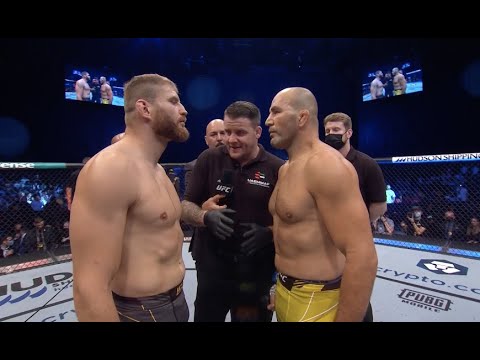
UFC 275: Teixeira vs. Blachowicz - A Masterclass in Striking and Grappling Dominance

The electrifying clash between Glover Teixeira and Jan Blachowicz at UFC 275 was more than just a title fight; it was a brutal, beautiful ballet of combat, a testament to the enduring spirit of the martial arts. For those seeking to understand the apex of striking and grappling integration in modern MMA, this bout offers a profound lesson. It’s a narrative of perseverance, strategy, and the unyielding will of a warrior finally claiming his destiny. As a Sensei who has dedicated a lifetime to dissecting the nuances of combat and its representation, I see in this fight echoes of ancient principles applied on the grandest stage. The journey of Glover Teixeira, a man who clawed his way through the ranks for years, finally capturing the UFC Light Heavyweight Championship against a formidable champion like Blachowicz, is an inspiration that transcends mere sport. This isn't just about punches and kicks; it's about the embodiment of *ganbaru* (perseverance) and *reigi* (proper conduct and respect) even in the heat of battle. Welcome, seekers of the martial way, to a deep dive into what made this fight a modern classic. We will dissect the techniques, the strategies, and the underlying philosophies that made this championship bout a true spectacle.

The Genesis of a Championship Bout

The narrative leading up to UFC 275 was ripe with anticipation. Jan Blachowicz, the "Polish Power," had carved a path of destruction, showcasing devastating striking and a surprisingly robust ground game. He had ascended to the pinnacle, defending his title with brutal efficiency. Standing across from him was Glover Teixeira, a veteran whose career was a testament to his unwavering dedication. For years, Teixeira had been a contender, a perennial threat, but the championship belt had eluded him. His path was paved with wars, with setbacks, and with an almost mythical resilience. The bout itself was scheduled for UFC 275, a card stacked with exciting matchups. However, the main event held a special significance. It was the story of an old lion facing a dominant champion. This wasn't just about two fighters; it was about the culmination of decades of training, sacrifice, and an unshakeable belief in oneself.
"The outcome of a fight is determined long before the first bell rings. It is forged in the crucible of relentless training and unwavering self-belief." - Sensei's Observation

Strategic Breakdown: A Clash of Styles

From a martial arts perspective, this fight presented a fascinating dichotomy: Blachowicz, a master of Muay Thai and kickboxing fundamentals, known for his devastating leg kicks and powerful boxing combinations, versus Teixeira, a Brazilian Jiu-Jitsu black belt with a suffocating top game and surprisingly potent boxing. Blachowicz's strategy was clear: keep the fight standing, utilize his reach advantage with sharp jabs and powerful hooks, and exploit Teixeira’s perceived weakness in striking defense. He aimed to land heavy shots, possibly securing a knockout that had become his signature. His movement was calculated, utilizing footwork to create angles and avoid the dangerous clinch of Teixeira. Teixeira, on the other hand, understood that his path to victory lay in closing the distance, weathering the initial storm, and taking the fight to the ground. His game plan revolved around clinching, securing takedowns, and imposing his Brazilian Jiu-Jitsu **(BJJ)** dominance. Once on top, Teixeira is a master of control and submission, patiently working for chokes or incapacitating ground and pound. The initial exchanges often saw Blachowicz dictating the pace with his superior striking. His leg kicks were punishing, and his boxing combinations were accurate. However, Teixeira, true to his warrior spirit, absorbed the damage, feinted, and looked for openings to initiate his grappling game. This dance between striking and grappling is the essence of modern MMA, a constant test of a fighter's complete skill set.

The Art of the Submission: Teixeira's Ground Game

When Teixeira managed to close the distance and initiate the clinch, the complexion of the fight began to shift dramatically. This is where Teixeira's deep understanding of Brazilian Jiu-Jitsu truly shone. He displayed incredible strength and technique in controlling Blachowicz against the cage, preventing him from using his striking effectively. The key moment, as many recall, was Teixeira securing a takedown. Once the fight hit the mat, Teixeira’s presence was overwhelming. He moved with a fluidity and control that belied his age and the punishing pace of the fight. His ability to maintain top position, stifle Blachowicz's escape attempts, and transition into dominant positions was textbook. The final submission, a rear-naked choke, was a masterclass in timing and technique. Teixeira saw the opening, secured the grip, and applied the pressure with a calm, deliberate precision. This wasn't a desperate scramble; it was the execution of a well-honed skill, the culmination of countless hours spent on the mats, drilling, and sparring. It reminded me of the philosophy of Judo founder Jigoro Kano, who emphasized using an opponent's energy against them – something Teixeira executed flawlessly.

Blachowicz's Striking Prowess: The Polish Power

While the ground game ultimately decided the bout, it would be a grave error to underestimate Jan Blachowicz’s striking ability. His reputation as a devastating striker was well-earned. His left hook was a weapon of mass destruction, and his jab was sharp and effective. He demonstrated excellent timing and power throughout the fight, landing significant blows that would have felled lesser fighters. Blachowicz's proficiency in striking isn't just about raw power; it's rooted in solid kickboxing and Muay Thai fundamentals. He understood distance management and used feints effectively to set up his power shots. His leg kicks were particularly damaging, and at various points, they seemed to be slowing Teixeira down. The challenge for Blachowicz was Teixeira's ability to absorb punishment and his relentless pursuit of the takedown. In MMA, an opponent who can effectively nullify your strongest weapon and impose their own is a nightmare matchup. Blachowicz fought bravely, but against a seasoned veteran like Teixeira, who had a clear game plan and the skills to execute it, neutralizing his striking dominance proved to be an insurmountable task.

The Mental Game: A Warrior's Mindset

Beyond the physical techniques, the most profound lesson from UFC 275, and particularly from Glover Teixeira's victory, is the power of the warrior's mindset. Teixeira’s journey is a powerful illustration of perseverance and self-improvement. He faced setbacks, losses, and the seemingly inevitable march of time that suggests a fighter's prime is past. Yet, he never gave up. This mental fortitude is a core principle in all traditional martial arts. It’s the idea of *Mushin* (no-mind), the state of being free from distracting thoughts and emotions, allowing instinct and learned skill to take over. Teixeira displayed this when he weathered Blachowicz's early onslaught, and again when he patiently worked for the submission, never succumbing to frustration or doubt.
"The greatest victory is that which requires no battle." - Sun Tzu. While Teixeira did battle, his inner victory – his unwavering belief – was secured long before.
This mental toughness is something every practitioner, whether in the dojo or in life, must cultivate. It is the bedrock upon which all technical skill is built. The ability to push past perceived limits, to remain calm under pressure, and to maintain focus on the objective is what separates the good from the great. It's a concept deeply ingrained in the Budo philosophy – the way of the warrior.

Legacy of UFC 275: More Than Just a Fight

UFC 275, and specifically the main event between Teixeira and Blachowicz, etched itself into the annals of MMA history not just for the title change, but for the story it told. It was a victory for persistence, a testament to the fact that age is merely a number when dedication and skill are present. Glover Teixeira's win was an inspiration to countless aspiring martial artists who dream of reaching the pinnacle of their chosen discipline. It showcased the evolution of MMA, where fighters must possess a complete arsenal of skills. The days of fighters being one-dimensional are long gone. Blachowicz, a formidable striker, was expertly countered by Teixeira’s elite grappling, demonstrating the complex interplay of different martial arts disciplines within the MMA framework. This fight serves as a prime example for coaches and athletes alike, offering insights into strategic planning, in-fight adjustments, and the mental preparation required for championship-level competition. It underscores the importance of having a well-rounded game, capable of adapting to different styles and threats.

Training Essentials for Aspiring Grapplers and Strikers

To emulate the skills displayed at UFC 275, aspiring martial artists need a comprehensive training regimen. Here are some key areas to focus on:
  • Striking Fundamentals: Develop a strong foundation in boxing, Muay Thai, or kickboxing. Practice jab, cross, hook, and uppercut combinations. Master defensive techniques like slipping, blocking, and parrying. Work on power generation through proper hip rotation and footwork.
  • Grappling Techniques: For those aspiring to Teixeira's game, Brazilian Jiu-Jitsu is paramount. Focus on positional control (mount, side control, back control), submissions (chokes, armbars, leg locks), and takedowns. Develop strong defensive grappling as well, learning to escape bad positions.
  • Takedowns and Takedown Defense: Essential for bridging the gap between striking and grappling. Practice various takedowns like double-leg, single-leg, and trips. Equally important is learning to defend takedowns, maintaining your base and posture.
  • Clinch Work: The ability to control an opponent in the clinch is crucial for setting up takedowns or landing strikes. This involves controlling grips, creating frames, and using body weight effectively.
  • Cardiovascular Conditioning: Championship fights are grueling. Develop exceptional cardiovascular endurance through high-intensity interval training (HIIT), sparring, and long-distance running.
  • Strength and Conditioning: Build functional strength and explosive power. Focus on compound movements like squats, deadlifts, and overhead presses, alongside plyometrics and agility drills.

Sensei's Verdict: A Masterclass in Resilience

UFC 275’s main event was a brutal, beautiful, and ultimately inspiring display of martial arts mastery. Glover Teixeira’s journey to becoming the Light Heavyweight Champion against Jan Blachowicz wasn't just a victory; it was a profound statement on the enduring power of dedication, strategic intelligence, and an unbreakable warrior spirit. Blachowicz provided a stern challenge with his immense striking power, but Teixeira's masterful grappling, relentless pressure, and sheer force of will proved to be the deciding factors. This fight is a must-watch for anyone interested in the strategic depth and emotional narrative of modern combat sports. It’s a reminder that in the martial arts, as in life, perseverance often triumphs. Sensei's Rating: 9.5/10 - A defining moment in MMA history, showcasing the peak of two distinct yet complementary martial arts disciplines.

Frequently Asked Questions

What martial arts styles were most prominent in the Teixeira vs. Blachowicz fight?

The primary styles showcased were Brazilian Jiu-Jitsu (BJJ) by Glover Teixeira and Muay Thai/Kickboxing by Jan Blachowicz. The fight exemplified the integration of these disciplines within Mixed Martial Arts (MMA).

Was Jan Blachowicz known for his striking or grappling?

Jan Blachowicz was renowned for his devastating striking power, particularly his boxing combinations and leg kicks, earning him the nickname "Polish Power." While he possessed a competent ground game, his striking was his primary offensive weapon.

How old was Glover Teixeira when he won the UFC Light Heavyweight Championship?

Glover Teixeira was 42 years old when he won the UFC Light Heavyweight Championship at UFC 275, making him one of the oldest fighters to achieve this feat.

What submission did Glover Teixeira use to defeat Jan Blachowicz?

Glover Teixeira defeated Jan Blachowicz via a rear-naked choke in the second round.

Did this fight inspire new training methods?

While the fight didn't invent new methods, it certainly highlighted the effectiveness of a well-rounded approach, emphasizing the need for fighters to excel in both striking and grappling disciplines. It reinforces the ongoing evolution of MMA training.

Deepen Your Journey

``` GEMINI_METADESC: Dive into the strategic breakdown of UFC 275: Teixeira vs. Blachowicz. A martial arts analysis of striking, grappling, and the warrior's mindset.

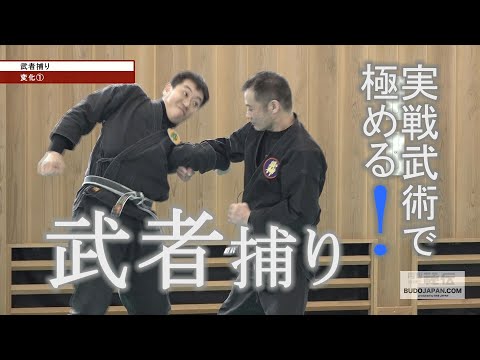
Unveiling Bujinkan's Secrets: A Deep Dive into Hatsumi Masaaki's Throws and Joint Locks

Welcome, students, to a discussion that delves into the very soul of martial arts. Today, we move beyond mere techniques and explore the profound philosophy and practical application of systems that have shaped warriors for centuries. We're not just talking about punches and kicks; we're dissecting the art of control, the science of leverage, and the warrior's mindset. The DVD "初見良昭の秘技継承【武神館の武術】第二巻 投げ・関節技編" (Hatsumi Masaaki's Secret Techniques: Bujinkan Martial Arts Vol. 2 - Throws & Joint Locks) presents a cornerstone of the Bujinkan system. But what does it truly represent? Is it merely a collection of physical movements, or does it offer a deeper insight into the nature of combat and self-mastery? Let us begin this examination.

The Legacy of Takamatsu and Hatsumi: A Bridge to Ancient Warriors

The foundation of Bujinkan Budo Taijutsu is steeped in history, tracing its lineage back to figures like Takamatsu Toshitsugu, often referred to as the "Last Ninja" and "Tiger of Mongolia." His vast knowledge, passed down through rigorous training and dedication, forms the bedrock upon which Hatsumi Masaaki, his successor and renowned Grandmaster, built the Bujinkan. This lineage isn't just a historical footnote; it's a living testament to the enduring principles of combat and survival that transcend time. The transmission of these arts, particularly through figures like Takamatsu and Hatsumi, serves as a vital bridge, connecting us to the strategies and philosophies of ancient warriors, including the legendary ninja.

The phrase "All martial arts ultimately lead to Ninpo," attributed to Takamatsu, is not a casual statement. It suggests a universal convergence of martial principles, a common root from which diverse techniques spring. This DVD, by focusing on foundational grappling techniques within the Bujinkan system, invites us to explore this very convergence. It’s about understanding the underlying mechanics that make seemingly disparate arts effective.

Understanding Bujinkan Budo Taijutsu: More Than Just Ninjutsu

Bujinkan Budo Taijutsu is often simplified to "ninjutsu," a term that conjures images of shadowy assassins and covert operations. While ninja arts are indeed a significant component, Bujinkan encompasses far more. It is a comprehensive martial system derived from nine distinct traditional Japanese schools (ryū), each with its own unique history, focus, and methodology. This encyclopedic scope means Bujinkan practitioners are exposed to a wide array of techniques and principles, from striking and weaponry to grappling and stealth.

This particular volume, focusing on throws and joint locks, highlights the "Koshu Kihon Gata Goho" (Five Fundamental Forms of Grappling). This isn't just about throwing an opponent; it's about understanding control, leverage, and the vital points of the human body. The fact that the Bujinkan system has garnered attention from global institutions like the FBI and CIA, and boasts a reported worldwide following of 500,000 disciples, speaks volumes about its practical efficacy and the depth of its training.

"The true warrior is a craftsman of his own destiny." - A principle echoing through the halls of martial history.

Koshu Kihon Gata Goho: The Five Fundamental Forms of Grappling

At the heart of this DVD's technical content lies the "Koshu Kihon Gata Goho." These five fundamental forms are not merely static postures or pre-arranged sequences; they are dynamic blueprints for understanding fundamental principles of control and manipulation. They represent the distilled essence of older grappling arts, simplified and refined for practical application. These forms teach practitioners how to:

  • Control an opponent's balance.
  • Apply pressure to vulnerable joints.
  • Execute throws with minimal effort.
  • Understand the flow of combat.
  • Adapt techniques based on the opponent's reaction.

Mastering these basic forms is crucial for any Bujinkan student. They provide the scaffolding upon which more complex techniques and strategies are built. Without a solid grasp of these fundamentals, advanced movements can become ineffective or even dangerous.

Musha-gori: Capturing and Controlling the Warrior

"Musha-gori" translates roughly to "warrior capture" or "warrior binding." This section of the DVD explores techniques designed to subdue and control an opponent, focusing on methods that minimize damage while ensuring complete compliance. This is where the philosophical underpinnings of Bujinkan become evident. The goal is not gratuitous violence, but effective neutralization.

The "transformations" mentioned in the DVD title are key. Grappling is not a rigid, one-size-fits-all endeavor. An opponent's resistance, their body type, their stance – all these factors necessitate adaptation. "Musha-gori" teaches the practitioner to read these variables and apply the appropriate technique, or a series of techniques, to achieve the desired outcome. This involves understanding leverage points, nerve strikes, and how to exploit an opponent's momentum against them. It’s a subtle art, far removed from brute force.

What separates a true martial artist from a mere fighter? It's the ability to adapt and overcome. Consider the principles of Agility and Flexibility. Without them, even the strongest technique can be nullified. This is where the depth of systems like Bujinkan truly shines.

Throws and Joint Locks: The Essence of Volume 2

This second volume specifically delves into the arts of nage-waza (throwing techniques) and kansetsu-waza (joint locking techniques). It also covers hawatari (breakaway techniques) and mutō-dori (unarmed capture of an armed attacker), further emphasizing the practical, self-defense oriented nature of Bujinkan.

Throws: The throws presented are not the high-amplitude, spectacle-driven throws often seen in modern combat sports. Instead, they are efficient, leverage-based movements designed to unbalance and takedown an opponent with minimal expenditure of energy. This aligns with the principle of ju (yielding) often found in Japanese martial arts, where one uses an opponent's force against them.

Joint Locks: The joint locks taught are precise and debilitating. They target the vulnerable joints of the human body – wrists, elbows, shoulders, fingers, knees, and ankles. The focus is on applying pressure in a way that either forces submission or incapacitates the opponent. Understanding the anatomy and the direction of force is paramount here. A poorly applied lock can be ineffective or even lead to the practitioner being countered.

The inclusion of hawatari and mutō-dori is particularly noteworthy. These techniques address critical self-defense scenarios: escaping holds and disarming an armed assailant. This demonstrates that Bujinkan Budo Taijutsu is not just a theoretical study but a practical system designed for real-world application, a concept central to the philosophy of Self Defense and Street Combat.

The Role of Sakai Norio Sensei: A Master Instructor

The instruction and supervision by Sakai Norio Shihan are crucial to the value of this DVD. As a highly respected master within the Bujinkan, Sakai Sensei brings decades of experience and profound understanding to the demonstration of these techniques. His ability to convey the intricacies of these ancient arts is invaluable. In martial arts, the quality of the instructor is paramount. A skilled teacher can illuminate the path to mastery, while a poor one can lead students astray.

Sakai Sensei's detailed explanations and precise movements ensure that viewers can grasp the nuances of each technique. This is not a superficial display; it is a meticulously curated lesson from a lineage holder. The accompanying introduction video also provides a glimpse into the depth and scope of the Bujinkan teachings, further solidifying the authority of this resource.

"The greatest victory is that which requires no battle." - Sun Tzu. This might seem counterintuitive for a martial arts DVD, but it speaks to the ultimate goal: control and de-escalation, achieved through superior understanding and technique, not brute force.

Veredicto del Sensei: Is This a Must-Have for Practitioners?

From a martial arts perspective, this DVD is an invaluable resource for anyone serious about understanding the practical application of grappling within a historical and philosophical context. It’s not just about learning a few throws or joint locks; it’s about understanding the principles that underpin them. For Bujinkan practitioners, it’s an essential piece of training material, offering detailed instruction on foundational forms that are critical to their progression. For martial artists from other disciplines, it offers a window into a different, yet equally potent, approach to combat and self-mastery.

The emphasis on efficiency, leverage, and adaptability makes the techniques presented relevant even in the context of modern martial arts. While the cultural and historical context is unique, the underlying mechanics of control and movement are universal.

Rating: Shodan in Practicality - This DVD provides a solid foundation and clear instruction on critical grappling techniques within the Bujinkan system. It’s a testament to the enduring power of traditional martial arts.

Essential Training Gear for Your Journey

While Bujinkan Budo Taijutsu emphasizes adapting to your environment and using what's available, certain equipment can enhance your training, especially when practicing throws and joint locks:

  • Durable Training Uniform (Gi): A robust gi, like a double-weave Judo or Aikido gi, is essential for practicing throws and holds safely. Look for reinforced stitching and comfortable, breathable fabric. This allows for proper grip and prevents tearing during dynamic movements. Consider brands known for their durability for practices involving intense grappling.
  • Training Mats (Tatami/Roll-out Mats): For practicing throws and falls (ukemi), investing in quality training mats is crucial to prevent injuries. Ensure they offer sufficient cushioning and stability.
  • Partner: The most crucial piece of "equipment" is a dedicated and knowledgeable training partner. Consistency is key in martial arts.
  • Reference Materials: While this DVD is excellent, supplementary books on anatomy, joint manipulation, and the history of Japanese martial arts can deepen your understanding. For example, exploring texts on Karate Spirit or the philosophy of BUDO can provide a broader context.

Training Guide: Applying Bujinkan Principles

To truly internalize the teachings from this DVD, consistent and mindful practice is required. Here's a breakdown of how to approach your training:

  1. Understand the Core Concepts: Before executing techniques, spend time meditating on the principles behind them. What is the goal of this particular throw or lock? How does it exploit the opponent's structure? Reflect on the idea of Inner Strength and how it translates to physical control.
  2. Master the Fundamentals (Koshu Kihon Gata Goho): Dedicate significant time to practicing the five fundamental grappling forms. Break them down step-by-step, ensuring each movement is precise and efficient. Focus on balance, posture, and movement, not just the final application.
  3. Practice Ukemi (Breakfalls): Safe and effective throwing requires a solid understanding of how to fall without injury. Practice forward rolls, backward rolls, and side falls consistently. This is fundamental to Martial Arts Training.
  4. Isolate Techniques: Work on individual throws and joint locks. Practice them slowly with a compliant partner, focusing on the correct mechanics. Gradually increase speed and resistance as your understanding and your partner's comfort level grow.
  5. Introduce Resistance: Once comfortable with isolated techniques, begin practicing with a partner who offers mild resistance. This is where you learn to adapt and feel the flow of combat. This is also where Adaptability becomes a key skill.
  6. Sparring (Kumite/Randori - Adapted): While Bujinkan doesn't typically involve free-sparring in the same way as Judo or Artes Marciales Mixtas, controlled sparring drills that focus on takedowns, controls, and escapes can be beneficial. Think of it as applying the principles in a fluid, less predictable manner.
  7. Study "Musha-gori" and "Mutō-dori": Focus on the application of these techniques in controlling an opponent and, crucially, in disarming an armed attacker. Understand the principles of distance, timing, and deception. This is where the practical self-defense aspect is most pronounced.
  8. Cross-Reference and Seek Guidance: Always seek qualified instruction. If possible, attend seminars or classes taught by experienced Bujinkan instructors. Use this DVD as a reference to reinforce what you learn directly. The principles here also echo in concepts like Kyokushin Karate's emphasis on practical power.

Frequently Asked Questions

What is the primary difference between Bujinkan grappling and Judo or BJJ?

While all involve throws and submissions, Bujinkan's grappling is often characterized by its emphasis on natural movement, evasion, striking integration, and targeting vital points or structural weaknesses, rather than solely focusing on pinning or submission as the primary goal. It's more about controlling the entire body and mind of the opponent within a broader combat context.

Are these techniques effective against larger, stronger opponents?

Yes, the core principles of Bujinkan grappling, such as leverage, timing, and understanding body mechanics, are designed to overcome size and strength disparities. The "Koshu Kihon Gata Goho" and "Musha-gori" techniques specifically focus on exploiting an opponent's structure and balance, making them effective regardless of physical strength.

How does this relate to the "ninja arts" often associated with Bujinkan?

Historically, ninja arts often incorporated elements from various martial schools, including those focused on unarmed combat, throws, and joint locks. Bujinkan preserves these older systems, which were practical tools for survival and conflict resolution in their time. This DVD showcases the foundational unarmed combat skills that would have been essential.

Can I learn these techniques solely from this DVD?

While this DVD is an excellent instructional resource, it is best used as a supplement to hands-on training under a qualified instructor. Martial arts are inherently practical and involve physical interaction; nuances are best learned through direct feedback and practice with a live partner.

What does "Mutō-dori" specifically mean in practice?

Mutō-dori means "unarmed capture of a sword-wielder" or, more broadly, unarmed techniques against an armed opponent. It involves closing distance, neutralizing the weapon's effectiveness, and applying control techniques to disarm and subdue the attacker, often incorporating strikes, joint locks, and throws.

For Further Deepening Your Path

  • BUDO Philosophy: Understanding the underlying principles of discipline, respect, and self-improvement.
  • MMA Training: Comparing and contrasting grappling techniques with modern mixed martial arts.
  • Self-Improvement Through Martial Arts: Exploring the broader psychological benefits of consistent training.

Reflexión del Sensei: Tu Próximo Paso

This DVD offers a profound look into the Bujinkan system, a legacy of ancient warrior arts. But knowledge without application is like a sharp sword left to rust in its scabbard. The question for you, the dedicated practitioner, is not merely "Do I understand these techniques?" but rather, "How will I integrate this understanding into my own path?" Will you see these forms as mere movements to be mimicked, or as keys to unlocking a deeper understanding of movement, control, and conflict resolution? The true test lies not in watching the DVD, but in stepping onto the mat, facing a partner, and applying the principles with intent and respect. Remember, the greatest lessons are often learned in the struggle. What is the first, small step you will take today to embody this knowledge?

``` GEMINI_METADESC: Explore Bujinkan's core grappling techniques with Hatsumi Masaaki's Vol. 2 DVD. Learn about Koshu Kihon Gata Goho, Musha-gori, throws & joint locks from a martial arts expert.