Showing posts sorted by relevance for query jujutsu. Sort by date Show all posts

El Legado Marcial del Antiguo Jujutsu: De la Ejecución a la Evolución

¡Saludos, guerreros y amantes de la disciplina marcial! Bienvenidos a Budo y AM, el santuario donde las llamas del conocimiento sobre artes marciales, peleas y deportes de combate arden con intensidad. Hoy, desenterramos las raíces profundas del jujutsu, un arte que resuena con la fuerza de los siglos, y examinamos sus antiguas técnicas de ejecución. ¿Por qué esta fascinación por el pasado? Porque, como decía un viejo maestro mio: "Para comprender el presente y forjar el futuro, debemos conocer el camino que nos ha traído hasta aquí." ¿Están listos para un viaje a través del tiempo y la técnica?

El Espíritu del Jujutsu: Más Allá de la Lucha

El jujutsu, cuyo significado literal evoca "arte suave" o "técnica flexible", es mucho más que un conjunto de movimientos para derribar a un oponente. Es una filosofía de vida incrustada en el BUDO, el camino marcial. Desde sus orígenes, se ha centrado en la defensa personal, la aplicación de palancas, proyecciones y estrangulamientos para neutralizar a un adversario, idealmente, minimizando el daño y maximizando la eficiencia. Pero, ¿qué entendemos realmente por "ejecución" en este contexto?

Originalmente, la "ejecución" en el jujutsu se refería a la culminación de una secuencia técnica: llevar al oponente a una posición de sumisión, inmovilización o, en contextos históricos específicos, incluso su incapacitación definitiva. No se trataba de fuerza bruta, sino de comprensión profunda de la anatomía, el equilibrio y el movimiento.

"La fuerza no reside en los músculos, sino en la correcta aplicación de la técnica y la mente clara." - Principio ancestral del Jujutsu.

El Jujutsu en la Era Meiji: Disciplina y Control

La era Meiji (1868-1912) marcó un punto de inflexión para Japón y, por ende, para sus artes marciales. Con la apertura al mundo y la modernización, el jujutsu se consolidó como una herramienta vital para las fuerzas del orden. Las técnicas de ejecución adquirieron una nueva relevancia en el contexto de la aplicación de la ley, no solo para la defensa sino para el arresto y control de individuos.

Los maestros de jujutsu de la época adaptaron sus enseñanzas para el entrenamiento de la policía y el ejército. Se enfatizaba la rapidez, la contundencia y la certeza en la aplicación de las técnicas. ¿El objetivo? Desarmar y someter al oponente de manera eficaz, minimizando el riesgo para el oficial. Aquí es donde técnicas como las inmovilizaciones en el suelo (Osaekomi-waza) o las llaves articulares aplicadas con precisión se volvieron cruciales. Imaginen a un policía samurai enfrentándose a rebeldes armados; la capacidad de neutralizar sin necesidad de recurrir a un golpe mortal inmediato era una habilidad de primer orden.

Es importante notar que, si bien el término "ejecución" podía tener connotaciones más sombrías, en el contexto marcial de la época, a menudo se refería al acto de llevar una técnica a su conclusión lógica y efectiva, independientemente de si esa conclusión era un arresto o algo más drástico en tiempos de conflicto.

De la Ejecución a la Proyección: El Legado del Jujutsu

El jujutsu es un arte polimorfo. Su flexibilidad le ha permitido ramificarse y dar origen a disciplinas que hoy conocemos y admiramos. La transición de "técnicas de ejecución" a formas más depuradas de combate y deporte se dio a medida que los maestros buscaban refinar y sistematizar el arte.

Consideremos al Judo, fundado por Jigoro Kano. Kano-sensei extrajo las técnicas más peligrosas y efectivas del jujutsu tradicional (como el Tenshin Shinyo-ryu y el Kito-ryu) y las depuró, eliminando aquellas consideradas demasiado destructivas para la práctica segura y el desarrollo personal. El Judo se centró en las proyecciones (Nage-waza) y las inmovilizaciones en el suelo (Ne-waza), creando un deporte de combate limpio y altamente competitivo.

El Aikido, por otro lado, desarrollado por Morihei Ueshiba, tomó del jujutsu su enfoque en el movimiento circular, las llaves articulares y las proyecciones, pero lo infundió con una filosofía de armonía y neutralización del ataque sin dañar innecesariamente al oponente. Es el arte de la no resistencia, utilizando la energía del atacante en su contra.

Y no podemos olvidar el Jujutsu Brasileño (BJJ). Este arte moderno es un testimonio fascinante de la adaptabilidad del jujutsu. Pedro Valente y los hermanos Gracie viajaron a Japón, aprendieron del Judo y del jujutsu tradicional, y crearon un sistema centrado casi exclusivamente en la lucha en el suelo, con un énfasis extraordinario en las estrangulaciones (chokes) y las llaves articulares (joint locks) para forzar la rendición (tap out). La "ejecución" aquí es la sumisión, el momento en que el oponente admite la derrota.

¿Es esto una pérdida de las técnicas originales? ¡Absolutamente no! Es una evolución orgánica. Cada estilo, como un río que se divide, sigue llevando el agua original, pero con su propio cauce y destino.

El Jujutsu Hoy: Un Arte Vivo y Competitivo

Hoy en día, el jujutsu, en sus múltiples formas, sigue siendo un pilar en el mundo de las artes marciales. Desde las competiciones de Judo en los Juegos Olímpicos hasta los torneos de BJJ que llenan estadios, y la continua práctica de estilos de jujutsu tradicional, el arte se mantiene vibrante. La búsqueda de la maestría en la lucha y la defensa personal continúa.

La influencia del jujutsu es palpable incluso en las Artes Marciales Mixtas (MMA). Muchos de los grapplers y sumisionadores más exitosos de la historia provienen directamente de linajes de jujutsu o Judo. La capacidad de llevar la pelea al suelo y dominar allí es una habilidad que muchos campeones de MMA han tenido que dominar.

Pero no todo es competición. El jujutsu sigue siendo una disciplina formidable para el desarrollo personal. Enseña disciplina, resistencia, respeto, humildad y la capacidad de superar desafíos, tanto físicos como mentales. La práctica constante en un dojo fomenta la automejora y la fortaleza interior, principios fundamentales del BUDO.

Equipo Esencial para tu Entrenamiento de Jujutsu

Si has sentido la llamada del jujutsu y estás listo para comenzar tu camino, contar con el equipo adecuado marcará una gran diferencia en tu aprendizaje y seguridad. Aquí te presento una guía de lo esencial:

  • Kimono de Jujutsu (Gi): Es la prenda fundamental. Busca uno hecho de algodón resistente, preferiblemente de doble tejido (double weave) para mayor durabilidad, especialmente si vas a practicar Judo o BJJ de forma intensiva. Asegúrate de que el ajuste sea correcto: ni demasiado suelto (permite agarres fáciles al oponente) ni demasiado apretado (restringe el movimiento).
  • Pantalones de Combate (sin Gi): Para estilos de jujutsu que no usan kimono o para entrenamientos específicos de "No-Gi" en BJJ, unos pantalones cortos o largos resistentes y cómodos son necesarios.
  • Camiseta de Compresión: Útil bajo el Gi para absorber el sudor y mantener una capa de comodidad. También es esencial para entrenamientos No-Gi.
  • Protección Bucal (Mouthguard): Altamente recomendable, especialmente en entrenamientos de combate o sparrings. Protege tus dientes y encías.
  • Protector Genital (Rashguard/Cup): Para hombres, un protector genital es crucial en el sparrings más intensos para prevenir lesiones.
  • Calzado (Opcional, según el dojo): Algunos dojos de jujutsu tradicional pueden requerir un calzado específico si la práctica se realiza fuera de la zona de tatami.

En Budo y AM, encontrarás una selección curada de kimonos de judo y otros equipos de entrenamiento para garantizar que estés bien equipado para cada sesión.

Taller Práctico: Fundamentos del Jujutsu

Aunque la profundidad del jujutsu requiere años de instrucción directa, podemos explorar un ejercicio básico para comprender los principios de equilibrio y control. Este ejercicio se enfoca en el agarre y la preparación para una proyección, un pilar en el Judo y muchos estilos de jujutsu.

  1. Postura (Shizen-tai): Adopta una postura natural, pies separados al ancho de los hombros, rodillas ligeramente flexionadas, espalda recta.
  2. Agarre (Kumi-kata): Ponte frente a un compañero (o imagina un oponente). Con tu mano derecha, agarra el lado izquierdo del cuello de su Gi (llamado tsurite o mano de lazo) y con tu mano izquierda, agarra la manga de su brazo derecho (llamado hikite o mano que tira). Busca un agarre firme pero no rígido.
  3. Entrada (Tsukuri): Este es el movimiento preparatorio. Sin levantar tus pies del suelo, desliza tu pie izquierdo ligeramente hacia adelante y un poco hacia afuera, girando tu cuerpo 45 grados hacia la derecha. Simultanáneamente, tira de su manga derecha hacia abajo y hacia afuera con tu mano izquierda, mientras empujas suavemente su cuello (sin fuerza bruta) con tu mano derecha.
  4. Proyección (Kake): Aquí es donde la acción se completa. Manteniendo la tensión en el agarre y el movimiento de tu cuerpo, usa tu cadera (o rodilla, dependiendo del movimiento específico) para crear un punto de apoyo y palanca, elevando su brazo derecho y guiando su cuerpo sobre tu cadera/rodilla para proyectarlo al suelo. Recuerda: el objetivo es usar su propio impulso y tu técnica, no solo la fuerza.
  5. Repetición y Fluidez: Practica la entrada y la proyección muchas veces, enfocándote en la suavidad y la conexión de los movimientos. La "ejecución" se vuelve fluida con la repetición constante.

Este es solo un atisbo. Cada paso, cada agarre, tiene innumerables variaciones y contra-medidas. La verdadera maestría del jujutsu se forja en el dojo, bajo la guía de un instructor cualificado.

Preguntas Frecuentes

  • ¿Es el Jujutsu brasileño lo mismo que el Jujutsu japonés tradicional? No exactamente. El BJJ se desarrolló a partir del Judo y el Jujutsu japonés, pero se ha especializado en la lucha en el suelo y las sumisiones, mientras que los estilos tradicionales a menudo incluyen más golpes, llaves y proyecciones de pie.
  • ¿Puedo aprender Jujutsu solo con videos? Si bien los videos pueden ser un complemento útil, la práctica del jujutsu, especialmente las técnicas de sumisión y control, requiere la corrección de un instructor y la práctica segura con compañeros para evitar lesiones.
  • ¿Qué significa "Ki" en el contexto del Jujutsu? El "Ki" se refiere a la energía vital o fuerza espiritual. En artes como el jujutsu, se busca canalizar y utilizar esta energía a través de una técnica corporal eficiente y una mente enfocada, no como un poder místico, sino como la sinergia de cuerpo y mente.
  • ¿El Jujutsu antiguo era más peligroso que el moderno? Históricamente, el jujutsu contenía técnicas más letales destinadas a la supervivencia en combate. Las formas modernas, como el Judo y el BJJ, han refinado estas técnicas para la seguridad y la competición deportiva, aunque la efectividad marcial sigue siendo un componente clave.

Para Profundizar en tu Camino

Hemos viajado por el tiempo, explorando la potencia y la sutileza de las técnicas de ejecución del antiguo jujutsu. Desde su rol en la era Meiji hasta su resonancia en los modernos campos de batalla deportivos y de defensa personal, el jujutsu demuestra ser un arte marcial de profundidad inagotable.

Reflexión del Sensei: Tu Próximo Paso

Las técnicas de ejecución del antiguo jujutsu, aunque históricamente ligadas a contextos de control y, a veces, violencia controlada, nos enseñan una lección vital: la finalidad de la técnica marcial es la resolución eficiente de un conflicto. Hoy, ese conflicto puede ser en un tatami, en una jaula de MMA, o incluso el conflicto interno de la duda y la pereza. ¿Cómo puedes aplicar este principio de "ejecución" efectiva en tu vida cotidiana, más allá de las artes marciales?

Ahora te toca a ti. ¿Crees que el espíritu de las antiguas "técnicas de ejecución" del jujutsu se ha perdido en las formas modernas, o consideras que simplemente ha evolucionado hacia aplicaciones más pacíficas y deportivas? ¿Qué lección de "ejecución" has aprendido en tu propio camino marcial que te ha servido fuera del dojo? Demuéstralo en los comentarios. ¡Que tu entrenamiento sea riguroso y tu mente clara!

The Forgotten Crucible: 1800s Jujutsu Shiai and the Birth of Modern Martial Arts

Before the gleaming dojos and televised tournaments, before the structured katas and the refined philosophies, there existed a rawer, more perilous form of grappling. We speak of the 1800s Jujutsu Shiai (試合), the often brutal and deadly contests that forged the foundations of what we now recognize as modern martial arts. Forget the sanitized image of grappling; these were not mere sparring sessions. These were often high-stakes encounters, where skill, strategy, and sheer will determined not just victory, but survival.

The Genesis of Lethal Grappling

Many practitioners today, steeped in the structured world of Judo, Brazilian Jiu-Jitsu (BJJ), or even Sambo, may not fully grasp the evolutionary leap that brought us here. The path was paved with danger. The Shiai of the 1800s were a critical, albeit often grim, stepping stone. They were the proving grounds where techniques were tested not against compliant partners, but against determined opponents with the intent to incapacitate or worse. This raw reality shaped the very DNA of combat sports.

A World Without Rules: Jujutsu in Feudal Japan

During the Edo period and beyond, Japan was a land where martial prowess was not just a skill, but a necessity. Samurai, warriors, and even common folk seeking self-protection relied on systems of unarmed combat. Jujutsu, or Yawara (柔), encompassing a vast array of grappling techniques – throws, joint locks, chokes, and strikes – was the primary art for close-quarters combat. When disputes arose, or when a master sought to prove the superiority of his school (ryu), the Shiai became the ultimate arbiter. These were not always sanctioned events; they could be informal duels born of honor, rivalry, or desperation.

"The ultimate aim of the art of Jujutsu is to subdue the enemy by the slightest possible effort." - Attributed to various masters of the era, reflecting a core principle.

The context was crucial. In an era without modern law enforcement, the ability to defend oneself was paramount. The Shiai were the ultimate test of this ability, serving a dual purpose: honing the skills of the practitioners and weeding out ineffective methods. This environment fostered a culture of innovation and ruthless efficiency, demanding that techniques work under the most extreme pressure.

The Nature of the 1800s Shiai

The term "death match" is not hyperbole for many of these contests. While not every encounter ended in fatality, the stakes were incredibly high. Rules, if any, were often rudimentary. The objective was simple: defeat the opponent. This often meant applying techniques until submission was forced, or until the opponent was rendered unconscious or unable to continue. Some accounts speak of contests held in enclosed spaces, with no referee to intervene, allowing for a brutal display of skill and force.

The "Grand Prix" or "Grand Slam" of its time, these encounters served as a public spectacle, a demonstration of a school's efficacy and a master's skill. They attracted large crowds, and the reputations of both individuals and their associated ryu were on the line. This pressure cooker environment undoubtedly accelerated the refinement of grappling techniques.

Unlike modern combat sports with their clearly defined weight classes and rulesets, the 1800s Shiai could be more unpredictable. While masters might engage opponents of similar stature, the lines were often blurred. A skilled practitioner could overcome a larger, less skilled adversary through superior technique. This emphasis on *how* one fought, rather than just *how strong* one was, is a legacy that continues to resonate in martial arts philosophy.

Core Techniques and Forbidden Arts

The repertoire of techniques employed in these Shiai was vast. It included:

  • Nage-waza (投げ技): Throws and takedowns, designed to destabilize the opponent and bring them to the ground. Techniques like Uchi-Mata (inner thigh throw) were likely common.
  • Katame-waza (固め技): Grappling techniques on the ground, including joint locks (Kansetsu-waza, 関節技) such as wrist locks, elbow locks, and even potentially dangerous leg locks, and chokeholds (Shime-waza, 絞技).
  • Atemi-waza (当て身技): Striking techniques, though often secondary to grappling in pure Jujutsu Shiai, could be used to set up throws or inflict damage.
  • Kyusho-jitsu (急所術): Targeting vital points, though this aspect was often considered extremely dangerous and potentially outside the scope of sanctioned, albeit brutal, contests.
"The true art of Jujutsu lies not in the power of the fist, but in the understanding of the body's structure and pressure points." - Paraphrased wisdom from historical texts.

Certain techniques, deemed too dangerous or likely to cause permanent injury, were often relegated to the realm of "forbidden arts" or reserved only for the most dire self-defense situations. The line between a disabling lock and a bone-shattering break was thin. This is where the philosophy of Budo (武道) began to take shape, emphasizing control, restraint, and the ethical application of force, even in the face of extreme violence.

Beyond the Fight: The Warrior's Mindset

These Shiai were more than just physical contests; they were crucibles of character. The mental fortitude required to face an opponent knowing the potential consequences was immense. Concepts of Mushin (無心 - no mind) and Zanshin (残心 - lingering mind) were not abstract ideals but practical necessities for survival. A practitioner had to remain calm under pressure, react instinctively without overthinking, and maintain awareness even after a technique was applied.

The rigorous training demanded by these contests instilled a deep sense of discipline and perseverance. Masters pushed their students relentlessly, understanding that only through intense suffering and dedication could true martial skill be forged. This dedication to self-mastery is a cornerstone of the BUDO philosophy, a path of lifelong learning and self-improvement through martial arts.

The Lingering Echo: From Shiai to Modern Combat Sports

The impact of these 1800s Jujutsu Shiai cannot be overstated. They provided the raw material and the testing ground for the development of Judo by Jigoro Kano (嘉納治五郎) at the Kodokan (講道館). Kano, himself a practitioner of various Jujutsu schools, systematized the art, removing the most dangerous techniques (Kinjutsu, 禁止技) and establishing a safer, more sport-oriented framework for competition, leading to the Olympic sport we know today. However, the spirit of intense competition and technical application remains, influencing not only Judo but also BJJ, Sambo, and the burgeoning field of MMA.

Think of modern grappling competitions, like those in UFC or other Combat Sports. While the rules are vastly different, the fundamental goal of controlling and submitting an opponent through skillful application of leverage and technique owes a direct debt to the grappling duels of the past. Even the concept of Grand Prix events echoes the competitive spirit of those historical encounters.

The transition from potentially lethal duels to regulated sport was a complex process, but the core elements of grappling – throws, submissions, and positional control – were preserved. The emphasis on technique over brute strength, a hallmark of Jujutsu Shiai, remains a defining characteristic of successful grapplers across disciplines.

Training for the Crucible: Essential Equipment and Practices

While the original Shiai were often conducted with minimal equipment, modern training requires specific gear to ensure safety and efficacy. To delve into the world of grappling, whether Judo, BJJ, or a modern interpretation of Jujutsu, consider the following:

  • Kimono (Gi): A durable, double-woven gi is essential for Judo and BJJ training. Look for kimonos that can withstand the rigors of pulling and resisting. For Judo, specifically, ensure it meets IJF standards if you plan to compete.
  • Training Mats (Tatami): Safe, shock-absorbent mats are crucial for practicing throws and falls safely.
  • Mouthguard: Protect your teeth and jaw, especially when incorporating striking or sparring in a more dynamic, MMA-inspired context.
  • Shin Guards and MMA Gloves: If your training incorporates striking elements similar to MMA, these are vital for safe practice.
  • Books and Resources: To understand the history and philosophy, consider delving into texts on BUDO, the philosophy of Judo, or historical accounts of Japanese martial arts.

Practicing fundamental techniques like Uchi-Mata (内股) or developing ground control through positional sparring are key. Understanding foundational principles of leverage and body mechanics is paramount. For those interested in the historical context, studying Kodokan Judo (講道館柔道) and its roots in older Jujutsu styles provides invaluable insight.

Frequently Asked Questions

Q: Were all 1800s Jujutsu Shiai intended to be fights to the death?
A: While many were extremely dangerous and could result in severe injury or death, not all were explicitly designed as "death matches." However, the lack of strict rules and the emphasis on incapacitating the opponent meant that the potential for lethal outcomes was significantly higher than in modern sport grappling.

Q: How did these Shiai influence modern Judo?
A: Jigoro Kano, the founder of Judo, studied various Jujutsu styles and incorporated many of their throwing and grappling techniques into Judo. However, he removed the most dangerous techniques and added emphasis on safety and moral development, transforming Jujutsu into a more accessible and less lethal sport.

Q: Are techniques like joint locks still considered dangerous in modern grappling?
A: Yes, joint locks can be very dangerous if applied incorrectly or without control. In sports like BJJ and Judo, there are strict rules regarding which joint locks are permitted and how they can be applied to prevent injury. In a self-defense context, however, the application can be far more severe.

Q: What is the difference between Jujutsu and Judo in this historical context?
A: In the 1800s, "Jujutsu" was an umbrella term for a variety of unarmed combat systems. Judo, as established by Kano in the late 19th century, was a specific system derived from and designed to refine these older Jujutsu styles, making them safer for broader practice and competition.

The Unseen Foundation

The 1800s Jujutsu Shiai represent a vital, often overlooked, chapter in the history of martial arts. They were the crucible where techniques were tested by fire, where the abstract principles of combat were hammered into practical, effective methods. The echoes of these perilous contests can still be felt today, in the respect for technical mastery, the pursuit of efficiency, and the inherent danger that lends a profound seriousness to the art of grappling. Understanding this past is not just an academic exercise; it is essential for appreciating the journey of the martial arts from deadly duels to the sophisticated combat sports we see today.

Reflection of the Sensei: Your Next Step

If these historical contests were the raw forge, what is your dojo today? Are you merely polishing old techniques, or are you still testing their effectiveness against the pressures of modern life? Where does your training truly test your character, not just your body? Is it in the controlled environment of the dojo, or is it in the moments of adversity you face outside its walls? Contemplate this, and let the spirit of the Shiai inspire a deeper, more potent commitment to your training, both on and off the mat.

For Deeper Study on Your Path

``` GEMINI_METADESC: Explore the brutal and fascinating world of 1800s Jujutsu Shiai, the deadly contests that laid the foundation for modern martial arts like Judo and MMA.

Daito-ryu Aiki-jujutsu: A Deep Dive into Kondo Katsuyuki's Explosive Demonstration

Introduction: Beyond the Spectacle

The roar of the crowd, the sharp snap of gi against gi, the seemingly effortless execution of complex techniques – these are the visceral elements that draw us to martial arts demonstrations. But what lies beneath the surface of such an event, specifically the electrifying display of Daito-ryu Aiki-jujutsu by Kondo Katsuyuki at the 2019 Asakusa Kobudo Taikai? Is it merely a performance, or a profound expression of a martial lineage stretching back centuries? As practitioners, we are driven by a deeper intention than mere entertainment; we seek understanding, inspiration, and the essence of the art itself. This is not just about watching; it's about learning.

The 37th Asakusa Kobudō Taikai, held at the Taitō Riverside Sports Center on April 20, 2019, showcased the dynamic power of Daito-ryu Aiki-jujutsu. While the visual spectacle is undeniable, a true budoka looks beyond the surface to grasp the underlying principles, the historical context, and the spirit of the techniques demonstrated. Today, we dissect this presentation, not just as spectators, but as students of the warrior's path.

Historical Roots: The Takeda Legacy

To understand the demonstration, we must first acknowledge the deep roots of Daito-ryu Aiki-jujutsu. Founded by Shinra Saburo Yoshimitsu, also known as Minamoto no Yoshimitsu, a prominent warlord from the late Heian era, this art carries a legacy of over 900 years. The transmission through the Takeda family is crucial; Takeda Sato Kunimitsu, a loyal retainer to the Daimyo of the Aizu clan, Ashina Moriuji, was granted an estate called Miike, solidifying the lineage's connection to this profound martial tradition.

The formal, open teaching of Daito-ryu began in the late 19th century under the guidance of Takeda Sōkaku. His influence is undeniable, notably in shaping the path of Morihei Ueshiba, the revered founder of Aikidō. The sheer scope of Daito-ryu is staggering, boasting 2884 weaponless techniques within its curriculum. This vast repository of knowledge speaks to the depth and complexity of the art.

Kondo Katsuyuki: The Current Guardian

At the forefront of this demonstration was Kondo Katsuyuki, the current representative of Daito-ryu Aiki-jujutsu. His role is not merely to perform, but to embody and transmit the art's principles to a new generation. A demonstration by the current Sōke (headmaster) or their designated successor is a rare and significant event, offering a direct glimpse into the living tradition.

The presentation at the Asakusa Kobudō Taikai serves as a testament to the vitality of Daito-ryu under his leadership. It is a moment where the techniques, honed over centuries, are brought to life with explosive energy and precision, illustrating the martial efficacy that remains at its core.

"The true martial artist is not one who seeks to win, but one who seeks to understand the path of conflict and overcome it within themselves." - A principle often echoed by masters of traditional Budo.

Analysis of the Demonstration: Technique and Spirit

Watching Kondo Katsuyuki's demonstration is an exercise in discerning the subtle yet powerful movements. Daito-ryu techniques often appear deceptively simple, relying on body mechanics, leverage, and timing rather than brute force. The explosiveness observed is not gratuitous; it is the direct result of efficient energy transfer and a deep understanding of joint manipulation and off-balancing principles. We observe applications of ikkyo, irimi, and tenkan, but executed with a raw, directness that speaks to their origins in practical combat.

The kobudo aspect, referring to traditional martial arts, means we are seeing a holistic representation. While Aiki-jujutsu is the core, the context of the event suggests a broader appreciation for martial heritage. The iki, or spirit, is paramount. It's not just about applying a technique; it's about the mental state, the zanshin (lingering awareness) maintained even after the action. The rapid transitions and the confident posture of the demonstrators reflect a cultivated mental fortitude, a hallmark of true Budo.

The coordination between uke (the receiver) and nage (the thrower/technician) is crucial. The seamless nature of their interaction, even in seemingly aggressive movements, highlights years of dedicated practice and mutual respect within the training environment. This interdependence is a fundamental aspect often missed by casual observers.

What's in a Name? Aiki, Jujutsu, and Daito-ryu

Let's break down the nomenclature: Daito-ryu Aiki-jujutsu.

  • Daito-ryu (大東流): Translates to "Great Eastern Style," signifying its origin and historical lineage.
  • Aiki (合気): This is the spiritual and energetic component. It's not about imposing your strength, but about harmonizing with your opponent's energy to control them. Think of it as blending, redirecting, and amplifying, rather than direct confrontation.
  • Jujutsu (柔術): Literally "gentle technique" or "yielding art." It encompasses a wide array of grappling, throwing, joint-locking, and sometimes striking techniques designed for close-quarters combat.

Together, Daito-ryu Aiki-jujutsu represents a comprehensive system that emphasizes harmonizing with an opponent's force (Aiki) through a wide range of grappling and close-combat techniques (Jujutsu), all within a specific, historical framework (Daito-ryu).

Equipment Essential for Your Training

While Daito-ryu Aiki-jujutsu is primarily about body mechanics and strategy, certain foundational equipment can enhance your training experience and safety. For serious practitioners of grappling arts, the quality of your attire matters.

  • High-Quality Gi (Kimono): For arts like Judo and Jujutsu, a durable, double-weave gi is essential. Look for reinforced stitching in high-stress areas. A good gi can withstand the rigors of throws and grappling.
  • Training Mats (Tatami/Yoga Mats): Especially when practicing throws and falls (ukemi), proper matting is crucial for injury prevention.
  • Protective Gear (for sparring): While this demonstration might not involve full sparring, if you are practicing related arts like MMA or Kickboxing, consider mouthguards and appropriate sparring gloves.

Investing in quality gear is not a luxury; it's a commitment to your training. A worn-out Karate Merchandise might suffice for basic stances, but for dynamic arts, robust equipment is key.

Training Guide: Foundational Principles

While the demonstration showcases advanced applications, mastering Daito-ryu, like any martial art, begins with fundamental principles. Here’s a basic guide:

  1. Ukemi (Falling Techniques): Learn to fall safely to avoid injury. This is the bedrock of any throwing art. Practice forward rolls, backward rolls, and breakfalls repeatedly.
  2. Taisabaki (Body Movement/Evasion): Develop fluid movement to evade attacks and create openings. This involves footwork, hip movement, and a relaxed yet responsive posture.
  3. Kamae (Stance/Posture): Understand the basic stances and how to transition between them efficiently. Proper posture generates power and stability.
  4. Basic Joint Manipulations: Start with understanding how to apply pressure to wrists, elbows, and shoulders without excessive force. Focus on leverage and timing.
  5. Breathing and Relaxation: Cultivate a calm, centered state. Tension is the enemy of effective Aiki. Learn to breathe deeply and relax into techniques.

Remember, consistency is key. Even 30 minutes of focused practice daily can yield significant improvements over time. The journey of a thousand miles begins with a single step, and the path of Budo is no different.

Veredict of the Sensei: More Than Just Moves

The Daito-ryu Aiki-jujutsu demonstration by Kondo Katsuyuki is a powerful exhibition of a deeply rooted martial tradition. It is not merely a display of physical prowess, but a living testament to the effectiveness and philosophical depth of the art. The techniques are potent, the history is rich, and the spirit of Budo is palpable.

Cinturón Negro en Representación Histórica y Técnica. This demonstration serves as an invaluable educational tool for martial artists of all disciplines, reminding us that efficacy, history, and spirit are inextricably linked. It’s a potent reminder that behind every seemingly simple movement lies a profound understanding cultivated over centuries.

"Martial arts are not about fighting, but about the perfection of the human spirit." - A sentiment that resonates deeply with the Daito-ryu philosophy.

Frequently Asked Questions

Q1: Is Daito-ryu Aiki-jujutsu similar to Aikido?
A1: While Aikido was founded by Morihei Ueshiba, a student of Takeda Sōkaku, and thus shares common roots and principles (especially concerning Aiki), Daito-ryu is generally considered more direct and harder in its applications, often featuring more emphasis on grappling, joint locks, and throws that prioritize immediate incapacitation or control. Aikido often emphasizes circular movements and deflections.

Q2: Can Daito-ryu techniques be used for self-defense?
A2: Absolutely. Daito-ryu Aiki-jujutsu was developed as a comprehensive battlefield and self-defense system. Its techniques are designed for practical, often close-quarters, situations. However, like any art, effective application requires consistent and rigorous training.

Q3: How difficult is it to learn Daito-ryu?
A3: Learning Daito-ryu requires significant dedication, discipline, and patience. The principles can be subtle, and mastering the 2884 techniques is a lifelong commitment. Finding a qualified instructor is paramount.

Q4: What is the role of "Aiki" in Daito-ryu?
A4: Aiki is the core principle of harmonizing with an opponent's energy, using their momentum and structure against them. It's about internal cultivation and the ability to direct force without relying solely on muscular strength, making techniques effective regardless of the practitioner's physical size.

For Deeper Exploration of Your Path

To truly grasp the depth of the martial world, continuous learning is essential. Explore these related topics:

The journey of martial arts is a continuous evolution. Delve into these areas to broaden your understanding and perspective.

Reflection of the Sensei: Your Next Step

You have witnessed the explosive power and historical depth of Daito-ryu Aiki-jujutsu. The question that lingers, however, is not *what* was demonstrated, but *why*. Was the emphasis on overwhelming the opponent, or on harmonizing with them to achieve a controlled resolution? In the crucible of combat, whether on a battlefield centuries ago or in a modern street encounter, how does the spirit of Aiki manifest when faced with pure aggression? Contemplate this, and then share your insights. Are you the storm, or the eye of the storm?

``` GEMINI_METADESC: Explore Daito-ryu Aiki-jujutsu through Kondo Katsuyuki's powerful demonstration. Understand its history, techniques, and the profound spirit of Budo.

Daito Ryu Aiki-jujutsu Takumakai: Un Ancelstro Marcial en la 43ª Demostración de Kobudo de Japón

El mundo de las artes marciales es un tapiz vasto y antiguo, tejido con hilos de disciplina, filosofía y combate. Cada arte marcial, cada estilo, es un dialecto único dentro del gran lenguaje del Budo. Hoy, nos sumergimos en uno de esos dialectos fascinantes: el Daito Ryu Aiki-jujutsu Takumakai. La 43ª Demostración de Kobudo de Japón nos brindó una ventana a su arte, encapsulada en la presentación de Mori Hakaru. Pero, ¿qué es realmente el Daito Ryu, y qué nos revela su práctica sobre los principios fundamentales de las artes marciales?

Tabla de Contenidos

Un Vistazo a la Historia y Estructura del Daito Ryu

La presentación del Daito Ryu Aiki-jujutsu Takumakai en la 43ª Demostración de Kobudo de Japón nos ofrece una oportunidad para reflexionar sobre un linaje marcial de profunda antigüedad. Si bien Takeda Sōkaku introdujo públicamente el Daito Ryu a finales del siglo XIX, sus raíces se hunden casi milenarias en la historia de Japón. Este arte no es una creación reciente, sino una destilación de siglos de conocimiento marcial, un legado vivo transmitido a través de generaciones de maestros. Uno de los estudiantes más renombrados de Takeda fue Morihei Ueshiba, el arquitecto del Aikidō. La conexión se vuelve aún más intrincada cuando Ueshiba se convirtió en maestro de Takuma Hisa, la figura epónima del Takumakai. Fue la influencia de Hisa la que cimentó la reputación del grupo, llevando a su registro en la Nihon Kobudō Kyōkai y disparando su popularidad. El Takumakai, bajo la guía de su representante actual, Mori Hakaru, continúa esta tradición. Sus enseñanzas abarcan un sistema impresionante de 2884 técnicas sin armas, integrando Tachiwaza (técnicas de pie) y Suwariwaza (técnicas de rodillas), todas fundamentadas en un Taisabaki (desplazamiento) intrínsecamente ligado a las técnicas de espada, las Kenwaza. Esta conexión con el manejo de la espada es crucial; revela que muchas de las técnicas de mano vacía no son meros ejercicios de combate, sino aplicaciones o principios derivados de la estrategia y la mecánica del uso del sable.
"Las artes marciales no son solo combate; son la disciplina del cuerpo y la mente para comprender el universo." - Un principio de Budo.
La inscripción de Daito Ryu en la Nihon Kobudō Kyōkai es un testimonio de su legitimidad y su lugar en el panteón de las artes marciales japonesas tradicionales. Esta federación agrupa a algunas de las escuelas de Kobudo más antiguas y respetadas, y ser parte de ella significa cumplir con rigurosos estándares de enseñanza y práctica.

Los Principios del Aiki-jujutsu: Más Allá de la Técnica

El término "Aiki-jujutsu" encapsula la esencia de este arte. "Jujutsu" se refiere a las técnicas de combate cuerpo a cuerpo, que a menudo implican llaves, proyecciones y golpes. Sin embargo, el prefijo "Ai" (armonía) y "Ki" (energía, espíritu) introducen una capa filosófica y estratégica que eleva el arte más allá de la mera aplicación de fuerza bruta. El Aiki no es una fuerza mística, sino la habilidad de coordinar el cuerpo, la mente y el espíritu para utilizar el movimiento y la intención del oponente en su contra. Se trata de redirigir, desequilibrar y controlar, utilizando la menor cantidad de fuerza posible para lograr el máximo efecto. El Taisabaki, el desplazamiento, es el corazón del Aiki-jujutsu. No se trata simplemente de moverse, sino de un desplazamiento consciente y fluido que anticipa y neutraliza el ataque del oponente. Como se mencionó, en el Takumakai, este Taisabaki está intrínsecamente ligado a las Kenwaza (técnicas de espada). Imagina un espadachín moviéndose; su cuerpo pivota, se inclina, avanza y retrocede, todo para optimizar el ángulo de corte y la distancia. El Taisabaki en Aiki-jujutsu aplica estos mismos principios de movimiento del cuerpo, pero sin la espada, para controlar la línea central del oponente, crear aperturas y aplicar técnicas de control o proyección. Es la aplicación del "corte" con el cuerpo, la "distancia" con el movimiento. La simplicidad de las técnicas efectivas es una máxima en las artes marciales. El Daito Ryu, con su vasto repertorio de casi 3000 técnicas, puede parecer abrumador. Sin embargo, la maestría reside en comprender los principios subyacentes que se aplican a través de este gran número de aplicaciones. El objetivo no es memorizar cada técnica aislada, sino internalizar los movimientos fundamentales del Taisabaki y la aplicación del Aiki para que puedan adaptarse a innumerables situaciones.

Análisis Marcial de la Demostración de Takumakai

La 43ª Demostración de Kobudo de Japón ofreció una muestra de la aplicación práctica del Daito Ryu Aiki-jujutsu Takumakai. Presenciar a Mori Hakaru y sus estudiantes ejecutar Tachiwaza y Suwariwaza permite una apreciación profunda de la fluidez, el control y la potencia inherentes a este arte. En las demostraciones de pie (Tachiwaza), observamos cómo los practicantes se mueven con una economía de movimiento notable. Los desplazamientos son circulares, a menudo aprovechando el impulso del atacante para desequilibrarlo y aplicar una llave o proyección. No vemos movimientos bruscos o excesivos; cada cambio de peso, cada rotación del cuerpo, está diseñado para maximizar el control y minimizar el esfuerzo. La conexión con las Kenwaza se hace evidente en la forma en que los practicantes manejan la distancia y los ángulos, tal como lo haría un espadachín para obtener una ventaja. Las demostraciones de rodillas (Suwariwaza) son particularmente reveladoras de la profundidad del arte. Mantener la estabilidad y el control desde una posición sentada requiere una fuerza central excepcional y una comprensión profunda del equilibrio y la palanca. Los movimientos, aunque limitados en alcance, son precisos y potentes, demostrando que el Aiki-jujutsu no depende de la movilidad de las piernas, sino de la coordinación de todo el cuerpo y la aplicación inteligente de la energía. El énfasis en el Taisabaki basado en las Kenwaza es una característica distintiva. En lugar de simplemente reaccionar a un agarre o golpe, los practicantes de Daito Ryu parecen "cortar" el ataque con su movimiento, creando un vacío o una palanca que permite un control efectivo. Es un enfoque estratégico que prioriza la anticipación y la manipulación de la estructura del oponente sobre la fuerza directa.

Equipo Esencial para tu Entrenamiento de Budo

Si bien el Daito Ryu se centra en el combate cuerpo a cuerpo sin armas, el equipo adecuado puede mejorar significativamente tu experiencia de entrenamiento y tu seguridad. Para las etapas iniciales de aprendizaje, especialmente al centrarse en los principios de desplazamiento y control, no se necesita mucho más que ropa cómoda y transpirable. * Kimono o Gi: Para la práctica formal de Jujutsu, o artes marciales similares, un Gi resistente es esencial. Busca uno hecho de algodón grueso, a menudo de doble tejido, que pueda soportar tirones y torsiones. Para el estilo Takumakai, a menudo se usa un Gi de Jujutsu o un Hakama tradicional, dependiendo de la escuela específica. Un buen Gi no solo te protege, sino que también te enseña a manejar la vestimenta del oponente, un elemento crucial en muchas técnicas de Jujutsu. Considera buscar "kimonos de judo" o "gis de jujutsu" de doble tejido para una mayor durabilidad. * Protección Bucal: Aunque el Daito Ryu se enfoca en llaves y proyecciones, los golpes pueden ocurrir, especialmente si se integra con otros elementos de combate. Una protección bucal es una inversión barata en tu salud dental. * Vendajes para las Manos: Si bien no es para el combate de puñetazos directos, para algunas aplicaciones de agarre y control, tener las muñecas y los nudillos protegidos puede ser beneficioso para evitar esguinces. * Alfombrillas de Entrenamiento (Tatami o Mats)**: Para las proyecciones y caídas (Ukemi), la seguridad es primordial. Practicar en superficies adecuadas minimiza el riesgo de lesiones. * Libros y Recursos Educativos: Dado que el acceso a maestros directos puede ser limitado, los **libros sobre bushido** o manuales de técnicas específicas pueden ser invaluables para complementar tu entrenamiento. Busca autores con linaje directo o un profundo conocimiento histórico. Invertir en equipo de calidad no es un signo de debilidad, sino de respeto por el arte y por tu propio cuerpo. El equipo adecuado te permite entrenar con más seguridad y concentración, acelerando tu progreso.

Taller Práctico: Principios de Taisabaki

El Taisabaki es la base de la movilidad y el control en el Daito Ryu. Aquí te presentamos un ejercicio simple para empezar a sentir los principios del desplazamiento eficiente. Este ejercicio se centra en el movimiento circular y el cambio de eje, inspirado en los principios de Kenwaza pero aplicado a tu propio cuerpo. 1. Posición Inicial (Shizentai): Párate con los pies separados al ancho de los hombros, rodillas ligeramente flexionadas, espalda recta y mirada al frente. Siente tu centro de gravedad bajo. 2. Rotación del Tronco: Imagina que tu columna vertebral es el eje de un péndulo. Gira suavemente tu torso de un lado a otro, permitiendo que tus brazos se muevan de forma natural. No fuerces el movimiento desde los hombros, sino desde la rotación del torso y las caderas. 3. Incorporar el Movimiento de Piernas (Tenkan)**: Ahora, introduce un ligero movimiento de pies. Cuando gires el torso hacia la derecha, pivota sobre la punta de tu pie izquierdo, llevando el pie derecho ligeramente hacia atrás para permitir que la cadera gire completamente. Haz lo contrario al girar hacia la izquierda. El objetivo es crear un movimiento circular, como si estuvieras "esquivando" un ataque. 4. Cambio de Eje (Uke Nagashi)**: Desde la posición de giro, imagina que un ataque viene de frente. En lugar de quedarte quieto, utiliza el giro para "deslizarte" fuera de la línea de ataque. Esto puede implicar un paso lateral o un movimiento hacia atrás y hacia el lado, siempre manteniendo el cuerpo conectado y el centro de gravedad bajo. Piensa en cómo un espadachín se movería para evitar un golpe directo. 5. Práctica con un Compañero (Opcional)**: Si tienes un compañero, él puede simular un ataque simple (por ejemplo, un empujón suave o un agarre a la muñeca). Tú practicas tu Taisabaki para neutralizar la intención del ataque sin usar fuerza física excesiva. El compañero debe sentir tu movimiento y cómo te "mueves a través" de su ataque. 6. Repetición y Fluidez: Repite estos movimientos muchas veces. El objetivo es hacer que el Taisabaki sea tan natural como respirar. Cada movimiento debe conectar con el siguiente, creando un flujo continuo. Este ejercicio, aunque simple, sienta las bases para comprender cómo el cuerpo puede moverse eficientemente para desviar la fuerza y crear oportunidades.

Veredicto del Sensei: ¿Merece la pena?

La demostración del Daito Ryu Aiki-jujutsu Takumakai, liderada por Mori Hakaru, es una ventana fascinante a un arte marcial de profunda herencia y complejidad. Si bien la demostración en sí es un evento, la práctica continua y la preservación de tales artes son cruciales. El Daito Ryu no es solo un conjunto de técnicas, sino un camino de autodescubrimiento y disciplina. Para aquellos interesados en las raíces del Aikido, en los principios del Jujutsu clásico, o simplemente en un sistema de movimiento y control corporal altamente efectivo y filosóficamente rico, el Daito Ryu Takumakai ofrece una experiencia marcial profunda. En términos de autenticidad marcial, el Daito Ryu se mantiene firme. La conexión con las Kenwaza, el énfasis en el Taisabaki y la aplicación de principios de "Aiki" demuestran una comprensión sofisticada de la dinámica del combate. Calificación del Sensei: 🥋🥋🥋🥋 (4 de 5 Cinturones Negros) Es un arte que requiere dedicación y un profundo respeto por la tradición. Su legado, cuidadosamente preservado por el Takumakai, es un tesoro para la comunidad marcial mundial.

Preguntas Frecuentes

¿Cuál es la diferencia entre Daito Ryu Aiki-jujutsu y Aikido?

El Aikido fue fundado por Morihei Ueshiba, quien fue un estudiante de Takeda Sōkaku, el principal exponente del Daito Ryu. Si bien el Aikido se deriva del Daito Ryu, ha evolucionado para enfatizar la armonía y la neutralización del ataque con un enfoque menos agresivo y más centrado en el bienestar del oponente. El Daito Ryu, tal como lo practica el Takumakai, a menudo retiene una aplicación más directa y potencialmente más contundente de sus técnicas, manteniendo una conexión más explícita con los principios del Jujutsu clásico y las Kenwaza.

¿Es el Daito Ryu efectivo para la defensa personal?

Sí, el Daito Ryu es altamente efectivo para la defensa personal. Sus técnicas se centran en controlar el cuerpo del oponente, neutralizar sus ataques y desarmarlo o someterlo utilizando principios de palanca y desequilibrio. El Taisabaki y el Aiki permiten a un practicante más pequeño o menos fuerte controlar a un oponente más grande o más agresivo. Sin embargo, como con cualquier arte marcial, la efectividad depende de la práctica constante y la aplicación en situaciones realistas.

¿Qué significa "Takumakai"?

"Takumakai" (琢磨会) se traduce aproximadamente como "club de pulido" o "grupo de estudio y mejora". El nombre fue adoptado por el grupo liderado por Takuma Hisa, un estudiante clave de Takeda Sōkaku, y representa el compromiso continuo del grupo con el refinamiento y la práctica de las enseñanzas del Daito Ryu.

¿El Daito Ryu Takumakai enseña técnicas con armas?

Si bien el Daito Ryu se enfoca en el Aiki-jujutsu sin armas, sus técnicas se basan en los principios derivados de las Kenwaza (técnicas de espada). Algunas ramas del Daito Ryu pueden enseñar el manejo de armas como parte de su currículo completo, y la comprensión de las Kenwaza es fundamental para entender la lógica detrás de las técnicas de mano vacía. El Takumakai enfatiza la comprensión de la espada como base para el movimiento y el control en sus técnicas de mano vacía.

¿Es difícil empezar a practicar Daito Ryu?

Como cualquier arte marcial tradicional, el Daito Ryu requiere paciencia, dedicación y disciplina. Las técnicas pueden ser complejas y los principios subyacentes requieren tiempo para ser internalizados. Sin embargo, las escuelas como el Takumakai están estructuradas para enseñar progresivamente, desde los fundamentos del Taisabaki hasta las aplicaciones más avanzadas. Lo más importante es encontrar un instructor calificado y comprometerse con el proceso de aprendizaje.

Para Profundizar en tu Camino

  • Filosofía del Budo: Explora los principios éticos y espirituales que rigen las artes marciales japonesas.
  • Los Fundamentos del Judo: Descubre el arte de la flexibilidad y la proyección, un pariente cercano del Jujutsu.
  • Análisis de MMA: Compara las técnicas de artes marciales tradicionales con la brutal eficiencia del combate moderno.

Reflexión del Sensei: Tu Próximo Paso

Hemos explorado el Daito Ryu Aiki-jujutsu Takumakai, su rica historia, sus principios fundamentales de Taisabaki y Aiki, y su lugar en el panorama de las artes marciales. La demostración de Mori Hakaru es un recordatorio de que, aunque los estilos evolucionan y se fusionan, los principios de movimiento, estrategia y armonía persisten. Ahora, te lanzo una pregunta para la reflexión, un koan marcial: Si el Taisabaki del Daito Ryu se basa en los principios de la espada, ¿cómo puede el conocimiento de un arma ancestral mejorar tu comprensión del combate sin armas? ¿Y cómo puedes empezar a aplicar este principio de "arma en mano vacía" en tu propio entrenamiento, independientemente de tu arte marcial? La respuesta no se encuentra en las palabras, sino en la acción y la meditación. Demuéstralo en tu práctica. ``` GEMINI_METADESC: Sumérgete en el Daito Ryu Aiki-jujutsu Takumakai en la 43ª Demostración de Kobudo de Japón. Analizamos su historia, técnicas de Taisabaki y su legado.

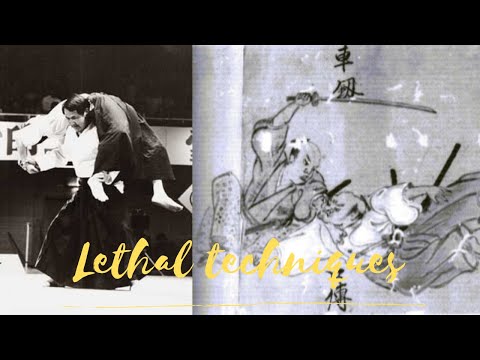
LETHAL OLD JUJUTSU TECHNIQUES BANNED FROM MODERN JUDO: The Warrior's Edge Lost

Welcome, warriors, to a deep dive into the very soul of our practice. Today, we confront a truth that might chafe some, but which we, as students of the martial path, must understand. We speak of Judo, the "gentle way," born from the formidable traditions of older Jujutsu styles. But what if the "gentle way" has shed some of its most potent, perhaps most *lethal*, tools in its evolution? Many practitioners, especially those new to the BUDO path or martial arts in general, see Judo as a unified, unchanging art. Yet, its history is a narrative of adaptation, and in that adaptation, some vital elements were deemed too dangerous for sport. We explore today the old Jujutsu techniques that were ultimately banned from original Judo, questioning what was lost in the pursuit of safety and Olympic glory.

A Legacy of Lethality: From Jujutsu to Judo

Jigoro Kano, the visionary founder of Kodokan Judo, did not conjure his art from thin air. He meticulously studied various schools of classical Jujutsu, extracting, refining, and sometimes discarding techniques to forge what he believed to be a more holistic system for physical, mental, and moral development. This was not merely about combat; it was about shaping character. However, the raw, unadulterated techniques of the samurai era, born of battlefield necessity, carried a level of danger that clashed with Kano's broader vision of Judo as a system for education and social contribution.

The question then arises: were these removed techniques merely "dangerous," or did their removal fundamentally alter the art's potential for genuine self-defense?

We must examine the context and the techniques themselves to form an informed opinion.

The Evolution of Kodokan Judo: Safety vs. Efficacy

Kodokan Judo, as established, aimed for a balance. It classified techniques into Nage-waza (throwing techniques) and Katame-waza (grappling techniques: pins, strangles, joint locks). Even within these categories, certain elements were too risky. The distinction between Kano-waza (accepted techniques) and Kinjite (forbidden techniques) is crucial here.

The original intent was not to create the most effective street-fighting system imaginable, but to create a method of training that could be practiced with maximum efficiency and minimum risk. This led to the prohibition of techniques that:

  • Caused severe or permanent injury.
  • Were deemed too easy to apply lethally without sufficient control.
  • Clashed with the ethical and educational goals of Kodokan.

While admirable in its pursuit of educational value, this pragmatic approach inevitably led to the exclusion of certain powerful applications from Randori (free practice) and Shiai (competition).

The Forbidden Arts: Techniques That Defined Lethality

What specific techniques fall under this umbrella of "forbidden"? While a comprehensive list would be extensive, some of the most notable include:

  • Joint Locks on Small Joints: While elbow locks (like Ude-garami) are standard, locks applied to fingers, wrists, or shoulders in ways that could cause permanent damage were generally excluded or heavily restricted. The extreme hyperextension or twisting of fingers, for instance.
  • Strikes to Vital Points: Although Atemi-waza (striking techniques) exist in Judo's Koryu no Kata (forms of old), they were never integrated into Randori or Shiai. Techniques targeting pressure points or vulnerable areas like the eyes, throat, or groin were explicitly forbidden.
  • Certain Chokeholds: While blood chokes (like Hadaka-jime or Okuri-eri-jime) and air chokes (like Kata-jime) are fundamental, certain variations or older, more brutal chokeholds designed for rapid incapacitation or worse were omitted.
  • Headbutts and Certain Kicking Techniques: These are obvious inclusions, as Judo, in its competitive form, is primarily a grappling art. However, their historical presence in Jujutsu roots is undeniable.
  • Techniques Causing Spinal Injury: Certain throws or submissions that could easily lead to severe spinal trauma, such as some variations of neck cranks or slams from positions that put excessive pressure on the spine, were also removed.

These weren't just abstract "moves"; they were highly effective applications designed to neutralize an opponent decisively, often with little regard for "gentle" practice. The difference between a controlled Ude-garami and a technique that explosively breaks the elbow is profound, and it's this difference that safety protocols addressed.

"The true martial artist learns not only how to fight, but when and why to fight. And sometimes, the greatest victory is achieved by not needing to unleash one's full potential."

Kinesthetic Analysis: Why These Techniques Were Removed

From a purely biomechanical standpoint, the forbidden techniques often exploited the body's natural vulnerabilities. For example:

  • Finger Locks: The human hand, with its multitude of small joints, is incredibly susceptible to breaking. A simple twist can result in a compound fracture. In a life-or-death scenario, this is a swift incapacitation. In sport, it's a severe injury requiring long recovery, if recovery is even complete.
  • Eye Gouging/Throat Strikes: These are instinctual in many animals and humans when threatened. They bypass the need for complex leverage or conditioning; they are direct assaults on critical sensory organs or breathing passages. Their inclusion would turn Judo from a controlled contest into a brutal spectacle.
  • Dangerous Chokes: Some older chokes were designed for expediency, sometimes involving direct pressure on the trachea or rapid constriction of arteries with minimal setup, increasing the risk of permanent brain damage or death even if released quickly.

The removal of these techniques reflects a deliberate choice to prioritize the long-term health and educational development of practitioners over the immediate, potentially devastating, effectiveness of certain applications. It’s a trade-off: sacrificing some martial potency for greater accessibility and safety.

The Philosophical Divide: Sport vs. Survival

This is where the true debate ignites. Is Judo still a martial art if it removes its most "lethal" applications? Some argue that Judo has evolved into a magnificent sport, a testament to human athleticism and grappling skill, but its connection to its self-defense origins has been diluted. Others contend that the core principles of Judo—mutual welfare and benefit (Jita Kyoei) and maximum efficiency (Seiryoku Zenyo)—remain, and that the art has simply adapted to a new purpose.

Consider the world of MMA. Fighters incorporate techniques from across a vast spectrum of martial arts, including elements that echo these forbidden Jujutsu applications. This isn't to say Judo is "inferior," but that its scope has been narrowed. The effectiveness of a technique in a sporting context, governed by rules, is different from its effectiveness in a context with no rules.

"The way of the warrior is to learn from all paths, but to walk your own."

The philosophical question is whether one can truly understand the "way of the warrior" by removing the elements that speak most directly of conflict and resolution, even lethal resolution. It’s a question that continues to fuel discussions among martial artists worldwide.

Legacy and Loss: What Judo Lost

When these techniques were excised, Judo lost a dimension of its potential as a comprehensive self-defense system. It became, undeniably, a superior sport for throws and grappling, fostering incredible strength, resilience, and tactical thinking within its defined rules. However, it also:

  • Reduced its street efficacy: For situations requiring immediate incapacitation of a threat, Judo's Randori-approved toolkit, while effective, might not be as direct or versatile as older Jujutsu.
  • Diminished its historical context: It moved further from its samurai roots, which were forged in eras where survival was paramount and the stakes were life and death.
  • Created a gap in understanding: For many practitioners, the extreme danger and application of certain techniques remain theoretical, understood only through kata or historical texts, rather than practical training.

This isn't a critique of Judo's inherent value. Judo is a phenomenal art in its own right. It is an observation of what happens when an art is refined for a specific purpose.

Modern Relevance: Applying Lost Principles

So, what is the takeaway for the modern martial artist? Firstly, understanding the history and evolution of our arts is paramount. It provides context and deeper appreciation.

Secondly, for those interested in self-defense or a more comprehensive martial experience, studying these older Jujutsu principles, or cross-training in arts that preserve them (like certain styles of Jujutsu, Aikido in its more combative applications, or even some aspects of Jiu-Jitsu and Sambo), becomes essential.

The principles behind the forbidden techniques—understanding anatomy, leverage, and human vulnerability—are timeless. While we may not practice them in a Judo dojo, acknowledging their existence and studying them separately can significantly enhance one's understanding of martial arts and self-defense. It reinforces the idea that many arts are interconnected, and borrowing knowledge from adjacent disciplines is a sign of wisdom, not weakness.

Veredicto del Sensei: ¿Merece la pena?

The transition of Judo from its Jujutsu origins to a global sport is a fascinating case study in adaptation. While Kodokan Judo achieved unparalleled success as a competitive discipline and educational tool, it undeniably shed some of the raw, visceral effectiveness of its predecessors. Whether this is a "loss" or a necessary evolution depends entirely on one's perspective and goals. For the athlete, it's a triumph. For the pure survivalist, it's a compromise. The techniques were banned for valid reasons of safety and philosophy, but their memory serves as a potent reminder of the martial arts' dual nature: a path of discipline and development, but rooted in the primal reality of conflict.

Calificación: Cinturón Negro en Adaptación, Honorífico en Conservación Histórica.

Equipo Esencial para tu Entrenamiento

While Judo itself emphasizes minimal equipment for Randori, understanding the older arts or supplementing your training might require certain items:

  • Kimono de Judo de Doble Tejido: Indispensable for gripping and throwing practice. Look for brands known for durability. (Consider searching for "best Judo gi double weave").
  • Guantes de Entrenamiento (MMA/Grappling): If you explore arts that incorporate striking or want to understand impact dynamics.
  • Esterillas de Entrenamiento (Tatami o similar): Crucial for safe practice of throws and groundwork, especially if practicing techniques outside of a formal dojo.
  • Libros sobre Historia del Budo y Jujutsu: To deepen your understanding of the context and philosophy.

Guía de Entrenamiento: Principios de Adaptación

Understanding how to adapt principles from older, forbidden techniques to modern training is key. Here’s a conceptual approach:

  1. Estudio Histórico: Research the specific forbidden techniques. Understand the biomechanics and intent behind them. Utilize resources like old Jujutsu manuals or historical martial arts texts.
  2. Principio de Palanca y Anatomía: Focus on understanding how joints and bones articulate. Learn about pressure points and vulnerable areas. This knowledge enhances your existing techniques, even if you don't apply the forbidden moves directly.
  3. Simulación Controlada: If exploring joint manipulation, practice on compliant partners, focusing on the *principle* of the lock rather than extreme force. Use diagrams or partner drills that isolate joint movement without hyperextension.
  4. Kata y Formas: Many older martial arts preserved these dangerous techniques within structured forms (Kata). Practicing these, even without full application, teaches the movement patterns and strategic positioning.
  5. Cross-Training: Engage with other martial arts that might retain these elements, under qualified instruction. This provides practical application and context.
  6. Mental Conditioning: Understand the mindset required for lethal force, even if you never intend to use it. This builds mental fortitude and a realistic understanding of conflict.

Preguntas Frecuentes

¿Por qué se prohibieron las técnicas de Jujutsu en Judo?
Fueron prohibidas principalmente por razones de seguridad para permitir la práctica deportiva y la competición sin riesgo excesivo de lesiones graves o permanentes, y para alinear el arte con los objetivos educativos y filosóficos de Jigoro Kano.
¿Significa esto que el Judo no es efectivo para la defensa personal?
No necesariamente. El Judo moderno sigue siendo una herramienta muy eficaz para la defensa personal, especialmente en el combate cuerpo a cuerpo y el control en el suelo. Sin embargo, carece de ciertas aplicaciones que podrían ser más rápidas o decisivas en escenarios de vida o muerte.
¿Puedo aprender estas técnicas prohibidas?
Sí, muchas de estas técnicas se preservan en estilos de Jujutsu más antiguos, en las formas de Judo (Kata), o en otros deportes de combate. Sin embargo, es crucial aprenderlas bajo la guía de instructores cualificados para evitar lesiones.
¿Existen variantes de Judo que aún practican estas técnicas?
Algunos estilos de Jujutsu clásico de los que deriva el Judo, así como ciertas ramas o linajes, pueden mantener la práctica de estas técnicas. El Kodokan Judo oficial, sin embargo, las ha excluido de la práctica regular.
¿Qué es "Kinjite" en Judo?
"Kinjite" se refiere a las técnicas prohibidas en Judo, aquellas consideradas demasiado peligrosas para la práctica deportiva o que contravienen los principios del arte.

Para Profundizar en tu Camino

Reflexión del Sensei: Tu Próximo Paso

Hemos desenterrado los ecos de técnicas olvidadas, de una letalidad controlada y luego desterrada. Ahora, el verdadero desafío no es solo entender qué se perdió, sino cómo podemos, como practicantes conscientes, honrar el legado marcial sin abrazar imprudentemente el peligro. ¿Te conformas con la versión "domesticada" de la disciplina, o buscas activamente la totalidad del conocimiento, incluso en sus rincones más oscuros y peligrosos? La respuesta revela la profundidad de tu compromiso.

``` GEMINI_METADESC: Explore the dangerous old Jujutsu techniques banned from Judo, and what this means for martial arts today. A deep dive into safety, efficacy, and the warrior's path.

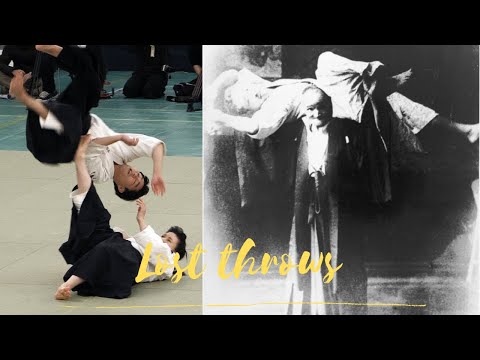
Unveiling Daito-ryu Aiki-jujutsu's Lost Throws: A Budo Perspective

Introduction: The Whispers of Lost Techniques

Have you ever felt the silent hum of history in the movements of a martial art? Have you sensed that beneath the codified techniques lies a deeper, perhaps forgotten, wellspring of knowledge? Today, we delve into the shadows of Daito-ryu Aiki-jujutsu (大東流合気柔術), a lineage whispered to hold "lost throws," techniques that seem to have faded from common practice. As a practitioner and critic of martial arts cinema and philosophy, I've spent decades observing how these arts evolve, sometimes shedding vital components like a snake sheds its skin. But are these Daito-ryu throws truly lost, or merely misunderstood, waiting for the right practitioner to unearth them?

This exploration is not for the faint of heart or the shallow practitioner. It demands a commitment to understanding the *why* behind each movement, the subtle interplay of energy (ki) and structure that defines true Aiki. We will dissect what it means for a technique to be "lost," examine the historical and philosophical context of Daito-ryu, and question its relevance in the face of modern combat sports. Prepare to have your assumptions challenged.

What is Daito-ryu Aiki-jujutsu? More Than Just Throws

Before we chase these elusive throws, let us understand the art itself. Daito-ryu Aiki-jujutsu, often shortened to Daito-ryu, is a classical Japanese martial art founded by Takeda Sōkaku (武田 惣角) in the early 20th century. It claims lineage from the ancient samurai warrior traditions of the Aizu region. Unlike many modern martial arts that focus solely on competition or self-defense applications, Daito-ryu emphasizes the development of a unified mind and body, using principles of Aiki – a concept difficult to translate but often described as unified or harmonious energy, leading to control over an opponent with minimal physical force.

The techniques are characterized by circular movements, joint manipulations (kansetsu-waza), pins (osaekomi-waza), and of course, throws (nage-waza). However, the throws in Daito-ryu are not always the explosive, power-based techniques seen in Judo or wrestling. They often rely on subtle shifts in balance, misdirection, and the opponent's own momentum, executed with a principle of sen no sen (anticipating the opponent's move and countering it) or go no sen (reacting to the opponent's move and controlling it).

Many martial artists today, particularly those focused on Judo or BJJ, might find the practical application of some Daito-ryu techniques questionable without extensive training and understanding of its core principles. This is where the concept of "lost" techniques arises – their effectiveness is often dependent on a deep internalisation of Aiki that is not readily apparent.

The Elusive "Lost Throws" of Daito-ryu

What exactly are these "lost throws"? The term itself is provocative. It suggests that certain fundamental techniques, perhaps once central to the art, have been either deliberately hidden, poorly transmitted, or simply fallen out of practice due to their demanding nature or lack of apparent applicability in a competitive context.

Some scholars and senior practitioners suggest these "lost throws" are not necessarily entirely new techniques, but rather variations or deeper applications of existing ones, particularly those involving redirecting an opponent's force in unexpected ways. They might appear less like traditional nage-waza and more like joint locks that transition into devastating unbalancing actions. The emphasis is on achieving control and submission through seemingly effortless manipulation, rather than brute strength.

"The true martial artist does not seek to overpower; they seek to understand the opponent's structure and harmonize with it, thereby achieving mastery." - A principle echoed in many classical arts.

The scarcity of publicly available, high-quality instruction on these specific "lost" aspects adds to their mystique. In an age where every technique is dissected on YouTube, the notion of a truly "lost" art form is both frustrating and alluring to the dedicated martial artist.

Historical Context: From Samurai to Modern Dojo

To understand the potential loss, we must look at the art's history. Daito-ryu's roots are intertwined with the samurai class. Takeda Sōkaku traveled extensively, teaching his art to a select group of students, many of whom would go on to found their own influential martial arts or organizations. Among his most prominent students was Morihei Ueshiba, the founder of Aikido (合気道), which itself bears a strong resemblance to Daito-ryu's principles, though with a distinct philosophical evolution.

The transition from the battlefield and castle defense to the dojo environment of the 20th century inevitably led to adaptation. Techniques that relied on specific circumstances or the extreme physicality of armored samurai might not translate directly to unarmed encounters or the controlled environment of a dojo. Furthermore, the very nature of preserving a lineage through individual masters (sensei) means that interpretations and emphases can shift over generations. A technique that a master considered paramount might be viewed differently by their successor, especially if that successor has a different background or focus, such as the competitive Judo of Jigoro Kano (嘉納治五郎).

Philosophical Underpinnings: The Spirit of Aiki

The core of Daito-ryu, and indeed many classical Japanese martial arts, lies in the concept of Aiki. This is not merely a physical technique but a state of being, a way of interacting with the world. It is the principle of achieving maximum effect with minimum effort by aligning one's body and mind with the opponent's energy. The "lost throws" are likely deeply embedded in this philosophy.

Consider the difference between forcing an opponent down and guiding them to the ground using their own movement. The latter requires a profound understanding of balance, timing, and the opponent's intention – the essence of Aiki. If a practitioner focuses solely on the mechanics of a throw without internalizing the underlying principles, the technique will appear crude, ineffective, and easily countered, leading to its eventual dismissal as "lost" or impractical. This is a common pitfall, visible even in how some modern interpretations of Karate struggle to maintain their efficacy outside of kata.

"The way of martial arts is the way of life. If you seek power, you will find only brute force. If you seek understanding, you will find true strength." - An ancient adage that applies universally.

Practical Application: Relevance in Today's Martial Landscape

In an era dominated by the objective testing of MMA, Kickboxing, and BJJ, the question inevitably arises: do the "lost throws" of Daito-ryu have any practical value? My answer, as a lifelong observer and critic, is a resounding *yes*, but with significant caveats.

The effectiveness of these techniques is directly proportional to the practitioner's depth of understanding of Aiki principles. In a sport like MMA, where fighters are conditioned to absorb impact and resist joint manipulation, a purely mechanical application of a subtle Daito-ryu throw might fail. However, the *principles* behind these throws – understanding body mechanics, disrupting balance, controlling structure – are timeless.

For example, a technique that seems to rely on a specific grip might, in its "lost" form, reveal how to achieve the same unbalancing effect through a subtle shift of weight or a redirection of an incoming force, making it effective even against a resistant opponent. This is akin to how skilled Judokas can execute throws like Uchi Mata (inner thigh throw) with devastating effect using minimal force, a testament to their mastery of timing and leverage.

The true value lies not necessarily in their direct application in a UFC octagon, but in the refinement of the martial artist's overall skill set, their ability to perceive and manipulate an opponent's structure, and their understanding of movement. This depth is what separates a mere fighter from a true martial artist.

Comparative Analysis: Daito-ryu vs. Modern Combat

Let's starkly contrast Daito-ryu's principles with the demands of modern combat sports.

Feature Daito-ryu Aiki-jujutsu (Classical/Lost Throws) Modern Combat Sports (e.g., MMA, Judo)
Primary Goal Harmonization, control, minimal force, self-mastery. Dominance, incapacitation, victory within defined rules.
Emphasis on Force Leverage opponent's force, redirect energy (Aiki). Minimal reliance on brute strength. Controlled aggression, explosive power, physical conditioning.
Technique Execution Subtle, precise, often deceptively simple movements. Requires deep understanding. Direct, powerful, highly practiced and optimized for sport.
Training Methodology Repetitive drilling of forms (kata), partner practice with sensitivity, internal focus. Sparring (randori), drilling, conditioning, tactical analysis.
"Lost Throws" Relevance Principles are universally applicable to movement, balance, and control. May be less direct for sport victory but enhance overall martial ability. Directly applicable and refined for sport-specific victory. Less emphasis on internal energy cultivation.

Training Methodology: Reconstructing the Lost Art

How does one even begin to train "lost throws" without a qualified master? It requires a paradigm shift.

  1. Foundational Studies: Re-familiarize yourself with the core principles of Daito-ryu and Aiki. Study the established techniques rigorously. Understand the body mechanics, the joint locks, and the more common throws.
  2. Sensitivity Training: Engage in taiso (body exercises) and uchikomi (entering drills) with a partner, focusing on feeling their balance, their structure, and their intentions. This is the bedrock of developing the sensitivity needed for subtle techniques.
  3. Reinterpreting Forms: Examine the kata and basic techniques through the lens of disruption and unbalancing. Ask: "How can this movement achieve a throw with minimal physical input?" Look for opportunities to redirect momentum rather than oppose it.
  4. Mindfulness and Meditation: Cultivate a strong mental game. Practices like Zazen or simple breathwork can enhance focus and awareness, crucial for perceiving and applying Aiki.
  5. Seek Authentic Instruction: While "lost" implies rarity, dedicated search can yield qualified instructors. Look for those who emphasize principles over rote memorization, and who have a deep lineage connection. Be wary of those who promise quick results or claim to possess all the "secrets."

The journey is long and requires immense patience and dedication. It is a path of self-discovery, not a quick fix for combat effectiveness. This dedication to understanding can also be seen in the rigorous training required by athletes in disciplines like Kyokushin Karate, where conditioning and mental fortitude are paramount.

Essential Equipment for Your Training

While the true essence of Daito-ryu's "lost throws" lies in internal principles rather than external gear, certain items can support your journey:

  • Kimono (Gi): A durable, high-quality gi is essential. For arts like Daito-ryu and Judo, a double-weave or heavy cotton gi is recommended for its ability to withstand grappling and for providing material to grip and manipulate. Look for brands known for their durability in grappling sports.
  • Training Mats (Tatami/Mats): Safe practice is paramount. High-density mats are crucial for absorbing falls (ukemi) and ensuring safety during dynamic movements and throws.
  • Training Partner: This is perhaps the most critical "equipment." A consistent, dedicated partner who is also committed to learning and safety is indispensable for practicing joint locks and throws.
  • Books and Resources: While rare, seeking out authentic texts or historical accounts can provide valuable insight. Consider resources on the history of classical Japanese martial arts and the philosophy of Budo.

Investing in quality training apparel and safe practice spaces demonstrates a serious commitment. For those looking to enhance their grappling skills outside of specific arts, exploring BJJ or Sambo gear can also provide valuable insights into functional martial arts apparel.

Frequently Asked Questions

  • Q: Are the "lost throws" of Daito-ryu dangerous?
    A: Like any martial art technique, they can be dangerous if applied without control or proper understanding. The emphasis in Daito-ryu is on control and minimal force, but improper execution can lead to injury.
  • Q: Can I learn these techniques from online videos?
    A: While videos can offer visual reference, the subtle nuances of Aiki and the principles behind "lost throws" are best learned through direct, in-person instruction from a qualified sensei. Online resources are supplementary at best.
  • Q: How do Daito-ryu throws differ from Judo throws?
    A: Judo throws are often more direct, powerful, and optimized for sport competition. Daito-ryu throws are generally subtler, focusing on disrupting the opponent's balance and structure using their own movement and energy, often involving joint manipulation as part of the throw.
  • Q: Is Daito-ryu a form of self-defense?
    A: Yes, originally it was a comprehensive system of self-defense. However, its practical application in modern street-fighting scenarios depends heavily on the practitioner's skill and conditioning, and whether they prioritize its classical principles or adapt it towards more combative sports like MMA.

To Dive Deeper Into Your Path

Sensei's Verdict: Preserving the Legacy

The concept of "lost throws" in Daito-ryu Aiki-jujutsu is a potent reminder of the dynamic nature of martial arts. These techniques are not truly lost, but rather deeply embedded in principles that require profound dedication to understand and apply. They represent a peak of classical martial efficacy, where subtlety triumphs over brute force.

Whether one seeks to apply them in a modern context or simply understand the depth of historical martial arts, the journey demands respect for tradition, rigorous training, and an open mind. The challenge lies in transcending the mechanical and embracing the philosophical core of Aiki.

Verdict: This exploration is a Black Belt in Historical Understanding. The true value lies not in the "lostness" but in the potential for deeper martial insight.

Sensei's Reflection: Your Next Step

We've touched upon techniques that require more than just physical strength; they demand an understanding of energy, intention, and harmony. Now, consider this: In your daily life, outside the dojo, where do you resist the natural flow of things? Where do you impose your will through force rather than understanding? How might the principles of Aiki, as hinted at in these "lost throws," offer a more effective path?

``` GEMINI_METADESC: Unveil Daito-ryu Aiki-jujutsu's "lost throws." Explore historical context, philosophical underpinnings, and practical relevance from a Budo critic's perspective.