Showing posts sorted by relevance for query hockey. Sort by date Show all posts

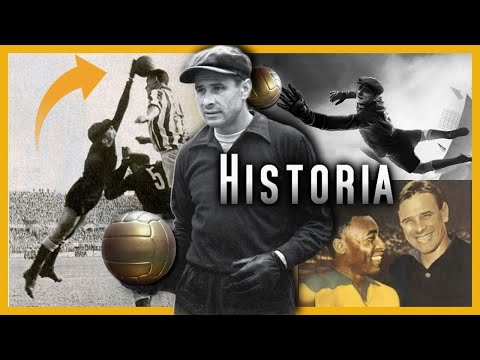
The Unyielding Guardian: Lev Yashin's Legacy as Football's Unrivaled Master

The annals of athletic greatness are replete with figures who transcend their sport, becoming legends etched in the collective memory. Among these titans, few command the awe and reverence inspired by Lev Yashin. To merely call him a goalkeeper is an insult; Yashin was an architect of defense, a maestro of anticipation, and a psychological warrior whose presence alone could demoralize opponents. His story is not just about saves and clean sheets; it’s a testament to an indomitable spirit, a relentless pursuit of perfection, and a profound understanding of the martial principles that underpin all true mastery, even on the football pitch. Have you ever pondered what separates a good athlete from an all-time great? Is it raw talent, years of grueling training, or something more intangible—a certain "Ki" or inner strength? In the realm of football, Lev Yashin embodied all these facets, yet his true genius lay in his ability to integrate them with an almost preternatural foresight. He didn’t just react to shots; he *dictated* the flow of the game from his penalty area, a strategic command post that few have ever occupied with such authority. ### Table of Contents

The Unyielding Guardian: Yashin's Tactical Prowess

Yashin’s approach to goalkeeping was revolutionary for his time. He was not content to simply stand between the posts; he was an active participant, a commanding general orchestrating his defense. His command of the penalty area was absolute. Unlike many of his contemporaries who were rooted to their goal line, Yashin was famously proactive. He would charge out to intercept crosses, organize his defenders with vocal authority, and even initiate counter-attacks with his powerful distribution. This aggressive style, coupled with his astonishing agility and reflexes, made him an almost insurmountable obstacle. Consider the concept of *Maai* (間合い) in martial arts—the crucial distance between combatants. Yashin intuitively understood *Maai* in relation to his opponents. He knew when to close down the angle, when to retreat, and when to stand his ground. This spatial awareness, honed through countless hours of training and an almost innate understanding of physics and trajectory, allowed him to make saves that seemed impossible. His dives were not mere reactions; they were calculated movements, precise executions designed to cover the maximum area of the goal.
"The goalkeeper is the man who can decide the fate of the game." - Lev Yashin
His understanding of angles and the physics of a moving ball was profound. He analyzed not just the shot itself, but the body mechanics of the shooter, predicting the trajectory with uncanny accuracy. This is akin to a martial artist studying an opponent's stance, weight distribution, and intention before they even launch an attack. The commitment to studying the "art" of the opponent is paramount.

The Mind of the Master: Psychological Warfare on the Pitch

Beyond his physical prowess, Yashin’s mental fortitude was legendary. In the high-pressure environment of professional football, especially during the Cold War era and representing the Soviet Union, the psychological burden must have been immense. Yet, Yashin met this pressure with stoicism and unwavering focus. This mirrors the concept of *Mushin* (無心), the "no-mind" state in Zen Buddhism and martial arts, where the mind is free from fear, doubt, and ego, allowing for instinctive and optimal action. Yashin cultivated an aura of invincibility. His sheer presence was often enough to make attackers second-guess their decisions. He exuded confidence without arrogance, a trait that stems from deep self-belief forged through rigorous training and a clear understanding of his capabilities. This isn't merely about confidence; it's about the projection of unshakeable resolve. His approach to errors also exemplifies this mastery. While no keeper is perfect, Yashin’s ability to immediately compartmentalize mistakes and refocus was key. A fumbled catch or a missed save wouldn't derail his game; instead, it would fuel his determination. This resilience is a cornerstone of any true martial discipline. The ability to absorb a setback, learn from it, and immediately re-engage with renewed vigor is a mark of character developed through intense practice and mental conditioning.

Echoes of Greatness: Iconic Performances

Yashin’s career was punctuated by performances that have become etched in football folklore. His heroics in the 1960 European Championship final, where he was instrumental in leading the Soviet Union to victory, are a prime example. He was the backbone of a defense that conceded a mere two goals throughout the tournament. His performances at multiple World Cups, including the 1962 tournament in Chile where he put in a string of legendary displays, cemented his global reputation. Perhaps his most celebrated individual accolade was winning the Ballon d'Or in 1963, the only goalkeeper ever to achieve this prestigious award. This wasn't a sentimental choice; it was a recognition of his unparalleled impact and consistent brilliance at the highest level of the sport. He was a benchmark against which all future goalkeepers would be measured.
His longevity in a physically demanding position is another testament to his dedication. Playing at the elite level for over two decades requires not only exceptional talent but also an unwavering commitment to conditioning and self-care. This dedication aligns with the Budo principle of consistent practice, understanding that mastery is a continuous journey, not a destination.

The Great Goalkeeping Debate: Yashin vs. Kahn

The question inevitably arises: How does Yashin stack up against other legendary goalkeepers, such as Germany's Oliver Kahn? Both were titans of their respective eras, known for their commanding presences and fierce competitive spirits.
Comparative Analysis: Yashin vs. Kahn
Attribute Lev Yashin Oliver Kahn
Primary Style Proactive, strategic, anticipatory Aggressive, commanding, shot-stopping
Leadership Vocal organizer, tactical mastermind Fierce motivator, intimidating presence
Distribution Excellent, initiated attacks Strong, reliable
Mental Fortitude Stoic, focused, resilient Intense, dominant, never-say-die
Key Achievements Ballon d'Or, Euro 1960 Champion, Olympic Gold World Cup Runner-up, Champions League Winner, Multiple Bundesliga Titles
While Kahn was a powerhouse of raw energy and formidable shot-stopping, Yashin's game was perhaps more nuanced. His tactical understanding and ability to read the game set him apart, much like a seasoned martial artist who uses strategy and foresight rather than brute force alone. Both demonstrated incredible mental strength, but Yashin’s calm authority often contrasted with Kahn’s fiery intensity. The debate is fierce, much like discussions on the superiority of Karate over Kung Fu, but Yashin’s unique blend of physical skill and strategic depth often places him a step above.

Essential Training for the Modern Goalkeeper

To emulate the principles demonstrated by Yashin and other elite keepers, training must be holistic, encompassing physical, technical, and mental dimensions. This is not dissimilar to the comprehensive approach required in learning any serious martial art.
  1. Physical Conditioning: Focus on explosive power for dives and jumps, agility for quick lateral movements, and stamina for sustained performance. Incorporate drills that improve core strength and flexibility – essential for injury prevention and range of motion. Think plyometrics and dynamic stretching.
  2. Technical Drills: Practice catching technique with varying ball speeds and heights. Work on footwork for positioning and quick reflexes for reacting to shots. Distribution training is crucial; long throws and precise goal kicks can initiate attacks.
  3. Tactical Understanding: Study game footage. Analyze opponent tendencies, defensive shape, and build-up play. Learn to communicate effectively with defenders. Understand the concept of 'sweeper-keeper' play, which requires advanced spatial awareness.
  4. Mental Training: Develop concentration techniques. Practice visualization to prepare for game scenarios. Cultivate resilience to bounce back from errors. Learn to manage pressure and maintain a positive mindset, drawing parallels with the meditative aspects of Budo.
For those aspiring to elevate their game, investing in quality training gear is essential. Top-tier **goalkeeper gloves** that offer excellent grip and protection are non-negotiable. Similarly, comfortable and durable **training apparel** that allows for a full range of motion is vital.

Further Reading on Budo Principles

The wisdom of Lev Yashin’s approach transcends football. The discipline, focus, and strategic thinking required on the pitch echo the core tenets of traditional Budo. To truly grasp this connection, I recommend exploring these resources:
  • "The Book of Five Rings" by Miyamoto Musashi: This classic text by the legendary swordsman offers profound insights into strategy, timing, and the mindset of a warrior that are directly applicable to any competitive field.
  • Essays on Zen and Martial Arts: Understanding the concept of "no-mind" (Mushin) can revolutionize your approach to pressure and decision-making. Look for works by masters like Takuan Soho or modern interpretations.
  • The Philosophy of Bushido: Delve into the ethical code of the samurai. Concepts like loyalty, integrity, and self-discipline are the bedrock of true character development, essential for any aspiring champion.

Frequently Asked Questions

Is Lev Yashin truly the greatest goalkeeper of all time?

Yashin is widely considered one of the greatest, if not the greatest. His Ballon d'Or win and unparalleled influence on the position solidify his legacy. While other exceptional keepers exist, his era and impact are unique.

What martial art principles can be applied to goalkeeping?

Key principles include anticipation, spatial awareness (*Maai*), mental fortitude (*Mushin*), discipline, resilience, and strategic thinking.

Did Lev Yashin ever play ice hockey?

Yes, Yashin was also a talented ice hockey player, serving as a goaltender. His agility and reflexes undoubtedly benefited from this cross-training.

How did Yashin's style differ from modern goalkeepers?

Yashin was a pioneer in his proactive approach, organizing defense and distributing the ball. Modern keepers have evolved this, but Yashin laid much of the groundwork.

What was Yashin's signature move or style?

His command of his area, aerial dominance, and incredible reflexes were his hallmarks. He was known for his intimidating presence and ability to make crucial saves look routine.

Veredicto del Sensei: ¿Merece la pena?

Lev Yashin was more than a footballer; he was a martial artist of the highest order, applied to the canvas of the football pitch. His strategic mind, unwavering spirit, and technical brilliance set a standard that few have reached. This exploration of his career reveals not just athletic greatness, but a profound embodiment of principles that resonate deeply within the world of Budo. His legacy is a testament to the fact that true mastery transcends any single discipline. **Calificación:** Cinturón Negro en Portería y Filosofía Marcial.

Equipo Esencial para tu Entrenamiento

For any aspiring goalkeeper aiming to emulate the greats, proper equipment is foundational. It's not just about protection; it's about enhancing performance and confidence.
  • Goalkeeper Gloves: Look for gloves with excellent grip, impact absorption, and a comfortable fit. Brands like Uhlsport, Reusch, and Adidas offer professional-grade options. The palm material and thickness can vary for different weather conditions and playing surfaces.
  • Goalkeeper Jersey and Shorts: Opt for durable, breathable fabrics that allow for maximum freedom of movement. Padded elements can offer additional protection during dives.
  • Goalkeeper Pants/Tights: Padded goalkeeper pants provide crucial protection for hips, thighs, and knees during slides and impacts.
  • Football Boots: Choose boots designed for agility and stability on your specific playing surface (firm ground, artificial grass, etc.).

Para Profundizar en tu Camino

Reflexión del Sensei: Tu Próximo Paso

If Lev Yashin could master the unforgiving domain of the penalty box through discipline, strategic foresight, and an unyielding spirit, what then is the true limit of your own potential? How will you apply these lessons of anticipation, mental resilience, and absolute commitment to your own chosen battlefield, be it on the mat, in the ring, or in the arena of daily life? Will you merely react, or will you command? The choice, and the subsequent path, is yours. ``` GEMINI_METADESC: Explore the unparalleled legacy of Lev Yashin, football's greatest goalkeeper. Discover the martial principles of discipline, strategy, and mental fortitude that defined his legendary career.

Beyond the Kremlin Walls: Why You Should Never Challenge Vladimir Putin to a Sparring Match

"It is the spirit of the warrior that must be cultivated. The physical body is but a vessel, yet it must be strong to carry the spirit." - A lesson from the dojo that transcends borders.

Have you ever encountered someone, perhaps a global figure of power, and instinctively thought, "I could handle that person in a one-on-one fight"? It's a common human tendency, especially when we perceive individuals as powerful due to armies and wealth rather than inherent physical prowess. If Vladimir Putin has ever crossed your mind in such a context, it's time for a martial reckoning.

This isn't about politics; it's about the martial reality. This exploration delves into why confronting Vladimir Putin, even stripped of his considerable military and political apparatus, would be an act of profound folly. We're going to dissect the martial background and disciplined mind that makes him a formidable opponent, a testament to the enduring power of dedicated training in the BUDO.

The Sambo Foundation: More Than Just a Sport

To understand why underestimating Putin's physical capabilities is a critical error, one must first acknowledge his deep roots in Sambo. This isn't merely a passing hobby; it's a martial art developed in the Soviet Union, a potent blend of judo, wrestling, and other combative techniques. Putin himself is a recognized master of sport Sambo, holding a black belt and having participated in competitions.

Sambo emphasizes throws, takedowns, joint locks, and submission holds. It's a practical, no-nonsense system designed for effectiveness. Imagine the countless hours of drilling, the sweat, the impact, and the sheer grit required to achieve mastery in such a demanding discipline. This isn't the fictional prowess of a movie character; it's the result of rigorous, sustained physical and mental conditioning.

Beyond Sambo: The Discipline of Judo

Putin's martial journey didn't stop at Sambo. He also holds a black belt in Judo, the renowned Japanese art of grappling. Judo, founded by Jigoro Kano, focuses on efficient use of energy, leverage, and balance to overcome an opponent. It teaches practitioners to adapt to an adversary's movements, to find openings, and to execute powerful throws and pins.

The mental fortitude required for Judo is immense. It cultivates patience, resilience, and an acute understanding of an opponent's physical and mental state. A Judo black belt signifies years, often decades, of dedicated training, facing defeat, and rising again. This experience instills a deep-seated discipline that permeates every aspect of a practitioner's life, extending far beyond the tatami.

The MMA Connection: A Modern Warrior's Mindset

While Putin's primary background is in Sambo and Judo, his understanding of combat likely extends to the modern mixed martial arts landscape. The skills honed in Sambo and Judo are highly transferable to MMA. The ability to control an opponent on the ground, to execute powerful takedowns, and to maintain composure under pressure are hallmarks of successful MMA fighters.

Watching high-level MMA bouts, one can see the echoes of these foundational arts. Fighters like Cyril Gane and Jon Jones, while diverse in their skill sets, rely on grappling and control techniques that have their origins in arts like Judo and Sambo. Putin's strategic mind, honed through years of high-stakes political maneuvering, would undoubtedly complement a pragmatic understanding of physical confrontation.

Physical Conditioning: The Unseen Weapon

It is a misconception to believe that world leaders are merely figureheads removed from physical reality. Reports and images of Vladimir Putin engaging in physical activities paint a different picture. From hockey games to judo sparring, and even ice swimming, his commitment to maintaining peak physical condition is evident. This isn't just for show; it's a critical component of his discipline and resilience.

Consistent physical training builds not only strength and endurance but also mental toughness. It develops the ability to push through discomfort, to maintain focus under duress, and to recover quickly from exertion. In any physical confrontation, this level of conditioning can be the decisive factor. It's the difference between fading under pressure and having the stamina to press your advantage.

The Mind of a Warrior: Mushin and Strategy

Perhaps the most overlooked aspect of Putin's potential in a physical encounter is his mind. His career has been defined by strategic thinking, calculated risks, and an unwavering focus on objectives. This is the essence of the warrior's mindset, a concept deeply ingrained in many traditional martial arts, often referred to as Mushin – "no mind" or a state of flow.

Mushin is not about being emotionless; it's about achieving a state where the mind is free from distraction, ego, and fear. Decisions are made instinctively, based on training and experience, not on overthinking or hesitation. In a fight, this means reacting with speed and precision, anticipating an opponent's moves, and exploiting weaknesses without conscious deliberation.

Consider the chess-like strategic depth required in high-level MMA or BJJ. The ability to "read" an opponent, to set traps, and to execute complex sequences of movements under extreme pressure is a testament to a finely tuned mind. Putin's long tenure at the apex of global politics suggests a similar, albeit different, application of strategic genius.

Why You Should Never Test Putin's Limits

To challenge Vladimir Putin physically is to underestimate not just a man, but a lifetime of disciplined martial training. It's to disregard the foundation of Sambo and Judo, the physical conditioning he maintains, and the strategic acumen he possesses. It's a gamble with odds overwhelmingly stacked against you.

The battlefield of politics and the arena of combat share a common thread: the application of strategy, discipline, and an unyielding will. Putin embodies these qualities. He is a living testament to the fact that true strength lies not just in brute force, but in the mastery of oneself, a principle at the very heart of BUDO and all legitimate martial traditions.

"The supreme art of war is to subdue the enemy without fighting." - Sun Tzu. Perhaps this is a lesson Putin understands all too well, not just on the global stage, but potentially in any physical contest.

Veredicto del Sensei: ¿Merece la pena?

In the grand theater of global politics, Vladimir Putin presents an image of controlled power. However, beneath the surface lies a martial practitioner with a deep understanding of combat. His mastery of Sambo and Judo, coupled with his evident commitment to physical fitness and strategic thinking, makes him an individual one should approach with extreme caution, not as a potential sparring partner. The potential consequences of underestimating such a disciplined and experienced individual, in any arena, are simply too dire to contemplate. This isn't a matter of political opinion; it's a cold, hard martial assessment.

Equipo Esencial para tu Entrenamiento

While we're discussing the rigorous training of a master, let's consider what a dedicated martial artist might need to hone their own skills. For those inspired by the dedication seen in disciplines like Sambo and Judo, the right equipment is crucial for safety and effectiveness.
  • Kimono de Judo/Sambo: Look for a double-weave gi that is durable enough to withstand rigorous grappling and throwing. Brands like Adidas, Mizuno, and KuSakura offer high-quality options that are approved by international federations.
  • Guantes de MMA (si exploras MMA): If your path leads to mixed martial arts, investing in a good pair of MMA gloves is essential for both striking and grappling. Ensure they offer adequate padding for protection.
  • Protector Bucal: Essential for any training involving striking or intense sparring, a custom-fitted mouthguard offers the best protection against dental injuries.
  • Espinilleras: For kickboxing or Muay Thai training, good shin guards are vital to prevent injury during kicking drills.
  • Esterillas de Entrenamiento (Tatami): For practicing throws and groundwork safely at home, high-density judo or BJJ mats are a worthwhile investment.

Guía de Entrenamiento: Ejercicio de 'Shadow Boxing' Estratégico

Even without a direct opponent, you can cultivate the mindset and physical readiness we've discussed. Shadowboxing isn't just about throwing punches; it's a mental rehearsal and a physical conditioning tool.
  1. Calentamiento Dinámico (5-10 minutos): Inicia con movimientos articulares, saltos suaves, y estiramientos dinámicos como círculos de brazos, giros de torso y patadas bajas.
  2. Visualización del Oponente (5 minutos): Antes de empezar, imagina un oponente. ¿Cuáles son sus fortalezas? ¿Cuáles son sus debilidades? ¿Cómo se mueve? Visualízalo frente a ti.
  3. Ronda 1: Defensa y Contraataque (3 minutos): Enfócate en movimientos defensivos. Practica esquivas, bloqueos y paradas. Luego, ejecuta contraataques rápidos y precisos, imaginando puntos de presión o vulnerabilidades.
  4. Ronda 2: Juego de Pies y Distancia (3 minutos): Dedica esta ronda a moverte fluidamente. Practica el avance, retroceso y el posicionamiento lateral. Mantén una distancia óptima, entrando y saliendo del alcance del oponente.
  5. Ronda 3: Combinaciones de Poder (3 minutos): Ahora, desata combinaciones de golpes y patadas, imaginando la potencia y la intención detrás de cada movimiento. Enfócate en la explosividad y la precisión.
  6. Ronda 4: Transiciones y Groundwork Imaginario (3 minutos): Simula una transición al suelo. Practica movimientos de control, escapes y transiciones imaginarias como si estuvieras en un combate de grappling.
  7. Enfriamiento y Estiramientos Estáticos (5-10 minutos): Finaliza con estiramientos profundos, manteniendo cada posición durante 20-30 segundos para mejorar la flexibilidad y la recuperación.

Este tipo de entrenamiento, realizado con enfoque e intención, ayuda a desarrollar no solo el cuerpo sino también la mente del guerrero.

Preguntas Frecuentes

¿Es el Sambo un arte marcial efectivo para la defensa personal?

Absolutamente. El Sambo fue diseñado para ser un sistema de combate práctico y efectivo, incorporando técnicas de desarme, luxaciones y proyecciones que son muy útiles en situaciones de defensa personal.

¿Cuánto tiempo se necesita para obtener un cinturón negro en Judo?

Generalmente, obtener un cinturón negro en Judo requiere muchos años de práctica dedicada, a menudo entre 5 y 10 años, dependiendo de la frecuencia y la intensidad del entrenamiento.

¿Vladimir Putin todavía practica artes marciales activamente?

Aunque su agenda es extremadamente exigente, hay informes y visuales que sugieren que Putin continúa participando en actividades físicas y, ocasionalmente, en demostraciones o entrenamientos de artes marciales, manteniendo así su nivel de condición física y habilidad.

¿Qué diferencia al Sambo del Judo?

Mientras que ambos son artes de grappling, el Sambo incluye más técnicas de lucha de pie y sumisión (como llaves de pierna, que no se permiten en competiciones de Judo) y a menudo se considera más enfocado en la efectividad combativa directa. El Judo pone un mayor énfasis en las proyecciones y el control en el suelo.

Para Profundizar en tu Camino

Reflexión del Sensei: Tu Próximo Paso

Having dissected the formidable martial background of Vladimir Putin, a question arises not just about him, but about your own commitment. If a leader can dedicate years to mastering disciplines like Sambo and Judo, what does that say about the potential within you? Are you merely observing, or are you actively engaging in the cultivation of your own physical and mental discipline? Consider this: If the world's most powerful men are (or have been) deeply invested in martial arts, what does that signify about the true nature of strength and preparedness? Is it time for you to stop admiring and start doing?

GEMINI_METADESC: Explore Vladimir Putin's formidable martial arts background in Sambo and Judo. Understand the warrior mindset, discipline, and physical conditioning that make him a dangerous opponent, far beyond his political power.

The Enduring Majesty: Unveiling the Kabuto, Symbol of the Samurai Warrior

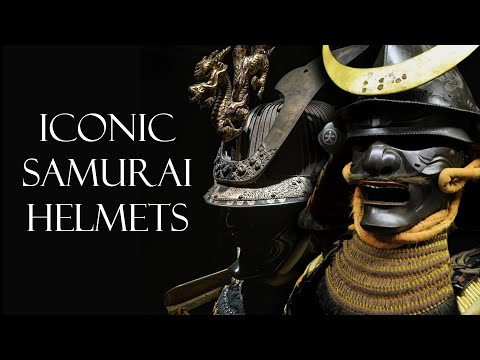
The clash of steel, the scent of exertion, the silent focus before the storm. These are the hallmarks of the martial path. But beyond the physical, the warrior’s spirit is often defined by his symbols, his armor, his very identity. Few symbols are as potent, as instantly recognizable, as the Kabuto (兜), the helmet of the Japanese samurai. More than mere head protection, the Kabuto was a statement, a canvas for artistry, and a testament to the warrior's status and philosophy. Today, we delve beyond the visual, dissecting the Kabuto not just as an artifact of history, but as an extension of the samurai's martial spirit. Are we merely admiring metalwork, or are we connecting with the very essence of BUDO and the warrior's journey?

The Sengoku Period (c. 1467-1615) was an era of relentless conflict, a crucible where samurai warfare reached its zenith. It was during this turbulent time that the Kabuto evolved from functional headgear to elaborate works of art, each piece reflecting the personality, beliefs, and even the fears of its wearer. Join me as we explore the evolution and significance of these iconic warrior emblems.

The Evolution of the Sengoku Kabuto

To truly appreciate the Kabuto, we must understand its lineage. While its origins trace back much further, the Sengoku period saw a dramatic surge in innovation and stylistic diversity. Early Kabuto were often simpler, prioritizing pure defense. However, as warfare became more sophisticated and battles more prolonged, the need for lighter, more comfortable, and perhaps even psychologically intimidating helmets grew.

The evolution wasn't just about form; it was deeply intertwined with the very nature of combat during this era. Ashigaru, the foot soldiers, often wore simpler helmets like the Jingasa (陣笠), a conical hat that offered basic protection but was far less elaborate than the samurai's Kabuto. This distinction in headwear underscored the rigid social hierarchy of the time, a concept mirrored in the training methodologies of various artes marciales today, where different ranks or specializations might use distinct gear or training approaches. The samurai’s Kabuto was a declaration: "I am a warrior of standing."

The materials and construction techniques also advanced. Lacquered iron plates, often lacquered paper or leather for lighter options, were meticulously assembled. The iconic 'suji' (ridges) were not merely decorative; they helped to deflect blows. And then there were the maedate (前立) – the crests adorning the front of the helmet. These could range from simple symbols to elaborate representations of animals, insects, or mythical creatures. What did these symbols communicate to the enemy, and more importantly, to the wearer himself?

"The helmet shields the head, the soul's dwelling place. Its strength is the warrior's resolve." - A sentiment echoed in many martial traditions.

The Sengoku Kabuto was a fusion of practical engineering and symbolic expression. It was designed to protect the most vital part of the body, yet it also served as a powerful psychological weapon, projecting an image of strength, ferocity, or divine protection. This duality is a lesson for any practitioner of lucha or pelea: true strength lies not just in physical prowess, but in mental fortitude and unwavering self-belief, often symbolized by one's chosen insignia or entrenamiento ethos.

Iconic Kabuto Examples: A Glimpse into Warrior Identity

The late Sengoku Period gifted us some of the most breathtaking and historically significant Kabuto. Examining these surviving examples is like peering directly into the minds of legendary warriors.

  • The Kabuto of Tokugawa Ieyasu: Known for its simplicity and sheer functionality, Ieyasu's helmets often featured prominent horns or deer antlers, possibly symbolizing strength and leadership. They were built for war, reflecting his pragmatic and enduring nature – a trait essential for anyone aiming for long-term success in combate.
  • The Kabuto of Oda Nobunaga: Nobunaga, a visionary and often ruthless leader, favored Kabuto that were both imposing and innovative. Some are noted for their distinctive 'monkey face' designs, perhaps intended to intimidate or to signify agility and cunning. His approach to warfare, much like his helmet designs, broke from tradition, a bold move that resonates with modern fighters who innovate within the MMA framework.
  • The Kabuto of Date Masamune: Perhaps the most visually striking, Masamune's famous helmet, known as the "Dragonfly Kabuto," is instantly recognizable by its massive crescent moon crest and often elaborate ear-like flanges. This design speaks of a warrior who was not afraid to stand out, to project an image of power and unique identity. His legend is a powerful reminder that embracing one's individuality can be a strategic advantage.

These are not mere historical curiosities. Each Kabuto tells a story of the man who wore it. Consider the strategic advantage of psychological warfare. How does your entrenamiento prepare you not just physically, but mentally, to face an opponent who might be intimidated by your presence alone? The samurai understood this deeply. Their Kabuto was part of that deliberate presentation.

This aspect is crucial for anyone studying defensaPersonal or combate en la calle. While elaborate crests are unnecessary, the mindset they represent – confidence, preparedness, and a focused intent – is paramount. A calm demeanor and a ready stance can be as effective as any physical technique.

Kabuto vs. Modern Helmets: A Philosophical Divide

In modern combat sports like MMA, kickboxing, or judo, helmets are typically used only during training for safety. The full-face helmets seen in sports like American football or hockey serve a purely protective function, devoid of the symbolic or aesthetic flair of the Kabuto. This difference highlights a shift in the warrior's philosophy.

The samurai wore his Kabuto as an extension of himself, a piece of art that declared his presence and identity on the battlefield. Modern athletes wear protective gear primarily to prevent injury, allowing them to train harder and push their limits. While both aim to protect the warrior, the *intention* behind the gear differs profoundly. The Kabuto was a declaration of status and spirit; modern protective gear is a tool for optimized performance and longevity in the sport.

Is there a lesson here? Perhaps it is that while the outward forms of conflict change, the inner spirit of the warrior must adapt. We must embrace the advancements in safety and training science while never forgetting the core principles of discipline, resilience, and the mental fortitude that the samurai embodied. The spirit of BUDO transcends time and technology.

"The way of the warrior is to choose death over dishonor. But a wise warrior also chooses his armor well, for it is the shield of his future battles." - A distillation of martial wisdom.

Consider the philosophy of artes marciales themselves. Some traditional styles emphasize the philosophical and spiritual aspects, akin to the samurai's Kabuto, while others are purely performance-oriented, like modern sports. The true master, however, finds a balance, integrating the spirit into the practice.

Training with the Spirit of the Samurai

How can we, in the 21st century, channel the spirit embodied by the Kabuto and the samurai who wore them? It's not about donning armor, but about cultivating the mindset.

Focus and Intent: The Maedate of the Mind

Just as a samurai chose a crest to represent his identity and intent, we must define our purpose in training. What is your maedate? Is it self-mastery, physical fitness, or the pursuit of Artes Marciales Mixtas excellence? Define it clearly and let it guide every drill.

Resilience and Endurance: The Strength of the Suji

The ridges (suji) on a Kabuto were designed to deflect blows. Our mental resilience acts similarly. When facing setbacks in training or life – a tough spar, a missed objetivos alcanzables, a difficult entrenamiento session – can you deflect the negativity and keep moving forward? This requires consistent effort, much like the rigorous entrenamiento de MMA or the conditioning for Karate Kyokushin.

Discipline and Dedication: The Foundation of the Bowl

The fundamental bowl of the Kabuto provided the essential protection. Similarly, fundamental discipline is the bedrock of all martial progress. Showing up, putting in the work, maintaining focus – these are the unglamorous but vital components of mastery. This is the essence of disciplina and autodisciplina that underpins all effective entrenamiento.

Adaptability and Innovation: The Evolving Styles

The Kabuto evolved to meet changing battlefield needs. Likewise, martial artists must be adaptable. The world of UFC and MMA constantly evolves, demanding that fighters learn and integrate new techniques. Staying stagnant is a sure path to being overtaken, whether by an opponent or by life's challenges.

Training Guide: Developing the Warrior's Mindset

  1. Define Your 'Maedate': At the beginning of each training session, or even each day, take 60 seconds to clearly state your intention for that period. Write it down if necessary.
  2. Embrace the 'Suji' of Resilience: When a drill feels too hard or a technique doesn't click, instead of frustration, focus on *effort*. Acknowledge the difficulty, but redirect your energy into finding a solution or simply persevering.
  3. Cultivate Fundamental Discipline: Commit to your training schedule. If you miss a session, don't despair; simply plan for the next one. Consistency builds the foundation.
  4. Seek Adaptation: Actively look for ways to improve. Watch fights, read about different styles, ask your training partners for feedback. Be open to learning, even from those you consider less experienced.

Equipment Essentials for Your Training

While we are not donning Kabuto for modern training, the right equipment is crucial for safety, efficiency, and emulating the dedication of past warriors. Investing in quality gear is an investment in your own journey.

  • Protective Gear: For sparring in MMA, kickboxing, or BJJ, ensure you have quality headgear, mouthguards, and appropriate sparring gloves (e.g., 16oz for full contact).
  • Training Uniforms: A durable kimono for Judo or BJJ, or a comfortable gi for Karate, is essential. Look for breathable, tough fabrics that withstand rigorous training. For striking arts, consider moisture-wicking shorts and rash guards.
  • Training Tools: Depending on your focus, consider items like training dummies, striking pads, jump ropes for conditioning, or resistance bands for strength work.
  • Books and Resources: To deepen your understanding of martial history and philosophy, invest in reputable books on the subject.

Remember, the right equipment should facilitate your training, not be a distraction. Quality over quantity is often the wiser path.

Frequently Asked Questions

  • What is the primary function of a Kabuto? The primary function of a Kabuto was to protect the wearer's head from blades, arrows, and blunt force trauma during combat. However, it also served as a significant symbol of status, identity, and psychological impact.
  • Were all samurai helmets the same? No. Kabuto varied significantly in design, materials, and ornamentation depending on the era, the wearer's rank, wealth, and personal preferences. The Sengoku period, in particular, saw immense diversification.
  • Can Kabuto designs still influence modern martial arts? While not directly, the *spirit* behind the designs – the intention, the symbolism of strength, the psychological projection – can absolutely influence a modern martial artist's mindset and approach to training and competition.
  • How did Ashigaru helmets differ from Samurai Kabuto? Ashigaru, being foot soldiers, typically wore simpler, less ornate helmets like the Jingasa, prioritizing basic protection and cost-effectiveness over the elaborate artistry and status symbols found in samurai Kabuto.

For Further Deepening Your Path

  • History of Samurai Armor: Explore the evolution of warrior protection.
  • BUDO Philosophy: Understand the core principles of the Japanese martial way.
  • Entrenamiento for Warriors: Strategies to build both body and mind.

Sensei's Reflection: Your Next Step

The Kabuto is more than just a helmet; it is a tangible link to the warrior's spirit, a symbol of identity, resilience, and the unwavering commitment to the path of combat. As we've seen, its evolution mirrored the changing landscape of warfare, and its design reflected the very soul of the samurai.

But history is not a static museum piece. It is a living teacher. The principles embodied in the Kabuto – intent, resilience, discipline, adaptability – are not relics of a bygone era. They are the very foundations upon which true mastery in any Artes Marciales Mixtas or any discipline is built.

Reflexión del Sensei: Tu Próximo Paso

Now, I ask you: When you step onto the training floor, what 'Kabuto' are you wearing? Is it one of genuine intent and resilience, or merely a passive shield against the effort? Examine your own training. Where is your maedate? What are you declaring with your presence, your effort, your spirit? Do not simply admire the warriors of the past; become one in your own right, by embodying their enduring principles.

``` GEMINI_METADESC: Unveil the Samurai Kabuto: history, evolution, iconic examples, and its deep connection to warrior identity and martial philosophy. Learn how its spirit informs modern training.