Showing posts sorted by relevance for query The Role of Ki in Martial Arts. Sort by date Show all posts

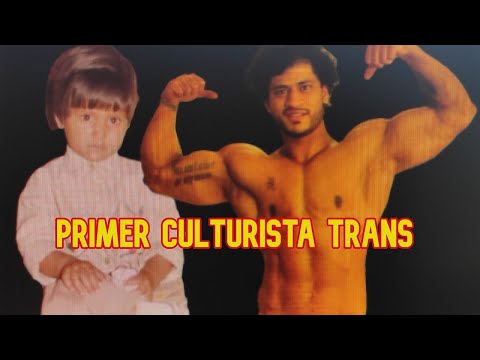
The Girl Who Underwent Surgery to Become a Bodybuilder: A Martial Arts Perspective

Introduction: Redefining Strength

Hello and welcome, students of the Way. Today, we venture into a topic that may initially seem far removed from the traditional dojo: the story of a young girl who chose surgery to pursue a career in bodybuilding. As practitioners of Budo and the myriad martial arts, we are constantly seeking to understand the essence of strength, discipline, and the human form's potential. Is this pursuit of physical perfection through radical means a testament to the indomitable human spirit, or a deviation from the core principles we hold dear? Let us delve into this compelling narrative, not just as observers, but as critical thinkers steeped in the philosophy and practice of the martial ways.
"True strength is not merely the absence of weakness, but the mastery of one's own being." - A principle often echoed in the halls of disciplined training.
Our journey today is about exploring the boundaries of physical transformation and questioning what it truly means to embody strength in its purest form. It’s a conversation starter, a challenge to our preconceptions, and an invitation to see the martial spirit in unexpected places.

The Unconventional Path: Beyond Traditional Aesthetics

The narrative of a young woman opting for surgical procedures to achieve a bodybuilding physique is, without question, unconventional. In many martial arts traditions, the ideal physique is often one of functional efficiency – lean, powerful, and agile, honed through relentless training rather than cosmetic intervention. Aesthetics take a backseat to utility; a fighter's body is a tool for survival and combat, not a canvas for sculpted perfection. However, to dismiss this pursuit outright would be a disservice to the fundamental principle of dedication. Bodybuilding, at its highest level, demands an extraordinary level of discipline, meticulous planning, and an unwavering commitment to pushing physical limits. These are qualities we deeply respect and cultivate in our own martial journeys. The question arises: does the *method* of achieving this physique invalidate the *spirit* of dedication? This is where our critical analysis must begin.

Martial Arts and Physical Transformation: A Synergistic Relationship?

The relationship between martial arts and physical transformation is as old as the arts themselves. From the Shaolin monks to the Greco-Roman wrestlers, the pursuit of physical prowess has always been intertwined with martial discipline. Yet, the *nature* of this transformation is key. Martial arts training aims to develop a body that is not only strong but also resilient, adaptable, and responsive. It’s about cultivating *Qi* (or Ki), the vital life force, which is believed to flow through and empower the body. This is a holistic approach, where mind, body, and spirit are developed in unison.
"The strength of a warrior is not in his muscles alone, but in the spirit that drives them." - Musashi's ethos, emphasizing the mind's command over the body.
In contrast, while bodybuilding undeniably requires immense effort, its primary focus is on hypertrophy and a specific aesthetic. Surgical intervention, while a tool, represents a different pathway to achieving that aesthetic. Can this pathway, when combined with the discipline of training, foster a spirit that resonates with martial principles? Or does it represent a fundamental divergence? This is a debate that ignites the very core of what we consider "martial."

Philosophical Considerations: The Warrior's Body

The concept of the "warrior's body" in martial arts is multifaceted. It’s a body forged in the crucible of training, capable of enduring pain, delivering devastating force, and adapting to unpredictable combat scenarios. It embodies *Mushin* (no-mind) and *Zanshin* (lingering awareness). This is a body that is a direct extension of the practitioner's will and spirit. When we consider the bodybuilder, we see a different kind of perfection – one that is often achieved through a combination of genetics, rigorous training, strict nutrition, and, in some cases, the aforementioned surgical enhancements. The intent behind these transformations is crucial. Is the intent to become a more formidable martial artist, or is it to achieve a specific visual ideal? Perhaps the most provocative question is: can a body altered by surgery still embody the *organic* development and resilience cultivated through traditional martial arts? Does it diminish the authenticity of the "fight" inherent in the training? Or, can the discipline required to recover from surgery and then train to the peak of bodybuilding serve as a unique, albeit unconventional, form of martial perseverance?

The Role of Surgery in the Pursuit of Excellence

Surgery, when viewed through a clinical lens, is a medical intervention. In the context of athletic or aesthetic pursuits, it can be seen as a tool to overcome physical limitations or to accelerate the achievement of a desired physique. In bodybuilding, this might involve procedures to enhance muscle definition or symmetry. From a martial perspective, this is where the debate truly ignites. Many martial arts philosophies emphasize the acceptance and mastery of one's natural form, or its refinement through effort and conditioning. The idea of "natural" vs. "augmented" strength is a significant point of contention. If the goal is to compete in bodybuilding, then surgery might be viewed as a strategic choice within that specific competitive domain. But if the implied aspiration is to embody the qualities of a martial artist – resilience, functional power, and adaptability – then the reliance on surgery raises questions about the depth and authenticity of the physical development. Is this a shortcut, or a different path to self-mastery?

Training Regimen and Discipline: The Core of Mastery

Regardless of the chosen path, the cornerstone of any true martial pursuit, or indeed any demanding physical discipline, is unwavering discipline and an exceptional training regimen. The individual in question, by undertaking surgery and then dedicating themselves to bodybuilding, demonstrates a profound level of commitment. The recovery from surgery itself requires immense fortitude and adherence to strict protocols. Following this with the grueling demands of bodybuilding training – precise nutrition, intensive workouts, and mental fortitude to push past discomfort – speaks volumes about their dedication. This level of commitment is a trait universally admired in the martial arts community. We see this same dedication in athletes who overcome severe injuries to return to competition, or in practitioners who spend decades perfecting a single technique. The *form* of the challenge may differ, but the *spirit* of perseverance and the cultivation of self-control are universal. This is where the narrative transcends the superficial and touches upon the core of what makes a warrior.

Equipment Essential for Your Training

While the focus of this narrative is on the individual's journey, effective training, whether for bodybuilding or martial arts, often benefits from appropriate equipment. For those pursuing strength and muscle development, particularly in a gym setting, certain gear can enhance performance and safety.
  • Weightlifting Gloves: Protect hands and improve grip during heavy lifting sessions, crucial for maximizing workout volume.
  • Lifting Straps: Aid in pulling exercises by reducing grip fatigue, allowing focus on the target muscle groups.
  • Weightlifting Belt: Provides core support during heavy compound lifts, helping to stabilize the spine and prevent injury.
  • Knee Sleeves or Wraps: Offer warmth and compression for the knees, beneficial for squats and other leg-dominant exercises.
  • Durable Training Shoes: Shoes with a stable, flat sole are essential for lifting, providing a solid base of support.
  • Resistance Bands: Versatile for warm-ups, cool-downs, and supplementary resistance work to target specific muscle groups.
For martial artists, the requirements differ, often emphasizing mobility and protection. For instance, practitioners of Judo or Karate would invest in specialized kimonos (`gi`). Those engaging in striking arts might require padded gloves or headgear for sparring. The underlying principle remains: the right tools support the practitioner's dedication. Exploring best kimonos for Judo or high-quality training gear can be a wise investment for any serious practitioner.

Frequently Asked Questions

Q1: Is it possible for someone who has had surgery to become a genuine martial artist? A1: The definition of "genuine martial artist" is often debated. If martial arts are defined by physical technique, discipline, and a code of conduct, then yes, it is possible. However, some traditions place a strong emphasis on organically developed physical prowess and resilience. Q2: How does the dedication required for bodybuilding compare to that required for martial arts? A2: Both demand immense discipline, sacrifice, and perseverance. Bodybuilding focuses intensely on physical aesthetics and muscular development, while martial arts often integrate physical training with mental, spiritual, and philosophical development. Q3: Can surgery enhance a martial artist's capabilities? A3: In specific therapeutic contexts (e.g., reconstructive surgery after injury), it can restore function. However, elective surgery purely for aesthetic enhancement in martial arts is not typically aligned with traditional philosophies, which often favor natural development. Q4: What is the role of "natural" versus "augmented" physical attributes in martial arts? A4: Traditional martial arts generally value attributes honed through natural training and inherent potential. While some augmentation through diet or specialized conditioning is accepted, significant reliance on surgical intervention for aesthetic or perceived performance gains is often viewed critically.

Veredict of the Sensei: A Question of Intent

This story presents a fascinating dichotomy. On one hand, the sheer dedication, discipline, and resilience required for both undergoing surgery and then pursuing peak bodybuilding form are undeniable and resonate with the spirit of perseverance that is central to Budo. This individual has clearly committed to a path of extreme self-challenge. However, from a purist martial arts perspective, the reliance on surgical intervention as a primary means to achieve a physique raises profound questions. The journey of a martial artist is traditionally about transforming the self from within, cultivating strength, resilience, and character through arduous, often uncomfortable, training. The body becomes a testament to that internal journey. Therefore, while I respect the dedication demonstrated, my "Veredict of the Sensei" is one of **Ambiguity, leaning towards Caution**. It is a testament to human determination, but the *intent* behind the transformation and its ultimate alignment with the holistic development sought in martial arts remain subjects for deep contemplation. It prompts us to ask: what is the ultimate goal of our physical pursuits? Is it the external form, or the internal transformation it represents? Cinturón Negro en Disciplina, pero ¿en Espíritu Marcial?

Further Learning on Your Path

For those who wish to explore the deeper aspects of martial arts philosophy, training, and discipline, consider delving into these related topics:

Reflection of the Sensei: Your Next Step

This narrative pushes us to confront our definitions of strength and dedication. The individual's path is unique, diverging significantly from traditional martial training. My question to you, warrior, is this: **If you were presented with a "shortcut" that promised rapid physical results, but deviated from the principles you hold dear, would you take it? Or would you reaffirm your commitment to the arduous, yet ultimately more profound, path of organic self-mastery?** Ponder this not just in your mind, but in the very fiber of your training. ``` GEMINI_METADESC: Explore the martial arts perspective on extreme physical transformation. Analyzing a bodybuilder's journey via surgery, this post questions discipline, strength, and the warrior's spirit.

The Unseen Battle: Deconstructing the "Mc Stan vs. Salin" Phenomenon Beyond the Hype

The digital age has blurred the lines between entertainment, celebrity gossip, and genuine conflict. We often see headlines screaming about "fights" that are less about martial prowess and more about manufactured drama. Today, we're diving deep into a prime example: the sensationalized "Mc Stan vs. Salin Full Fight" and the surrounding media frenzy about Mc Stan's personal life, all amplified within the context of a Bigg Boss episode. But what does this have to do with the true spirit of martial arts? As your Sensei, I'm here to dissect this phenomenon not just as a fan of combat, but as a guardian of Budo. We'll explore the intent behind such spectacles, how they warp our perception of conflict, and what actual martial artists can glean from this digital tempest – if anything.

Table of Contents

The Media Circus: When Entertainment Trumps Truth

The title itself – "Mc Stan और Salin Full Fight 😈🤬 !! मीडिया ने पुछा Mc Stan की शादी 🥰 !! Bigg Boss Today Episode" – is a masterclass in clickbait. It’s designed to provoke, to pique curiosity through emojis and loaded questions. We see the word "Fight" amplified, juxtaposed with a personal inquiry about marriage, all wrapped in the package of a popular reality show. This isn't about martial arts; it's about eyeballs. The media's role here is crucial. They amplify the drama, dissecting every raised voice, every perceived insult, turning fleeting moments into viral sensations. The intention? Engagement. Views. Virality. The underlying message is that conflict, especially when tied to celebrity, is inherently entertaining. This perspective is dangerous because it trivializes genuine struggle and the discipline required to navigate it constructively.
"If you think you are too small to make a difference, try sleeping with a mosquito in the room." - Tenzin Gyatso (The 14th Dalai Lama)
This quote, while philosophical, highlights how even small events can have significant impact. In the context of Mc Stan and Salin, the "impact" is manufactured, amplified, and ultimately, superficial. True martial impact comes from honed skill and disciplined spirit, not from viral whispers.

Understanding Mc Stan and Salin: Beyond the Bigg Boss Persona

Mc Stan, a rapper, and Salin are figures within the realm of Indian entertainment, particularly known for their participation in "Bigg Boss," a reality television show known for fostering interpersonal conflicts and public scrutiny. Their "fight" is likely a product of the show's environment, designed to create narrative arcs and boost viewership. It's crucial to understand that their on-screen personas and the conflicts they engage in are often performances. The "fight" might involve heated arguments, accusations, or even a physical altercation, but it's rarely, if ever, a demonstration of trained martial ability. The intensity of the reaction – the emojis, the media's probing questions about marriage – suggests that the public is more invested in the gossip and the drama surrounding the personalities than in any underlying combat skill.
The interest in Mc Stan's personal life, specifically his marriage, further underscores this point. It signals a public fascination with celebrity gossip, a far cry from the disciplined introspection of a martial arts practitioner.

What Constitutes a "Real Fight"? The Martial Arts Perspective

In the disciplined world of martial arts, a "fight" is not merely an outburst of emotion or a staged confrontation. It is the ultimate test of skill, conditioning, mental fortitude, and adherence to principles. Whether it's the precision of Karate, the grappling of Judo or BJJ, or the dynamic striking of Kickboxing, a real fight is an application of years of dedicated training. Key elements of a true martial encounter include:
  • Technique: The application of learned skills, whether strikes, throws, locks, or submissions.
  • Strategy: The ability to read an opponent, adapt to changing circumstances, and employ tactics.
  • Conditioning: The physical stamina, strength, and resilience to endure a prolonged engagement.
  • Mental Fortitude (Mushin): The state of "no mind," where actions are instinctive and free from fear or hesitation. This is often cultivated through rigorous training and meditation.
  • Intent: In self-defense, the intent is survival and de-escalation. In sport, it's competition within defined rules.
Comparing the potential scuffle between Mc Stan and Salin to a sparring session between seasoned martial artists, or a historical duel between swordsmen, reveals a vast chasm. One is a spectacle for entertainment; the other is a high-stakes application of developed skill and character.

The Concept of Ki (Qi) and Its Absence in Manufactured Conflict

The concept of "Ki" (or Qi) is central to many East Asian martial arts, including Karate, Taekwondo, and Aikido. It represents the vital life force, the energy that animates the body and can be channeled through focused intention and training. In martial arts, harnessing Ki isn't just about physical power; it's about mental clarity, spirit, and an almost intuitive connection to one's actions.
"The ultimate aim of Karate is not victory or defeat, but the perfection of the character of its participants." - Gichin Funakoshi
This statement from the founder of Shotokan Karate encapsulates the essence of Budo. The physical techniques are tools for self-improvement, for cultivating qualities like discipline, respect, and emotional control. A true martial artist strives to embody this perfection of character. In the context of Mc Stan and Salin, their "fight" is likely fueled by ego, anger, and perhaps a misunderstanding – emotions that are the antithesis of the calm, focused energy of Ki. There is no evidence of technique, strategy, or the cultivation of character. The "fight" is a display of uncontrolled emotional discharge, not the purposeful channeling of energy that defines martial arts. The media's focus on the drama, the gossip, and the "who said what" further highlights the absence of any deeper, more significant "energy" at play.

Lessons for the Budoka: Extracting Value from the Noise

While the Mc Stan and Salin spectacle offers little in terms of direct martial application, we can still learn from it, albeit indirectly. Firstly, it serves as a stark reminder of what martial arts are *not*. They are not about manufactured drama, seeking validation through public conflict, or equating emotional outbursts with strength. This contrast can strengthen our resolve and deepen our appreciation for the discipline we practice. Secondly, it highlights the power of narrative and media. As martial artists, we must be mindful of how our craft is portrayed. We should advocate for authentic representation and educate others on the true values of Budo. Thirdly, it presents an opportunity to reflect on our own emotional regulation. The raw, uncontrolled reactions seen in such spectacles are a testament to the importance of the mental training we undertake. The pursuit of "Mushin" – a state of clear, unhindered consciousness – becomes even more valuable when contrasted with the chaos of unmanaged emotions. Finally, it underscores the importance of contextualizing conflict. A fight in a reality show is a performance for entertainment. A fight for survival on the street requires entirely different preparation. Understanding these distinctions is critical for any serious practitioner of self-defense.

Veredicto del Sensei: A Spectacle, Not a Study

The "Mc Stan vs. Salin Full Fight" is, in essence, a digital mirage. It presents a facsimile of conflict, amplified by the entertainment industry and fueled by public curiosity about celebrity lives. It offers no valuable insights into martial techniques, no lessons in strategy, and certainly no demonstration of Budo's core principles. While it generates clicks and conversation, it distracts from the profound journey of self-mastery that defines true martial arts. It’s a fleeting spectacle, akin to watching a child’s squabble amplified for mass consumption. **Rating:** Fail on Fundamentals, Exhibit A in Manufactured Drama.

Equipo Esencial para tu Entrenamiento

While the Mc Stan spectacle doesn't warrant specific equipment, a dedicated martial artist understands the importance of proper gear for effective and safe training. Investing in the right equipment can significantly enhance your practice and prevent injuries.
  • Kimono/Gi: Essential for Judo, Karate, Taekwondo, and BJJ. Look for durable fabrics that allow for a full range of motion. For Judo, a double-weave gi is recommended for its resilience.
  • Training Uniforms: For arts like Kung Fu or Wushu where traditional uniforms are preferred, ensure breathability and comfort.
  • Sparring Gear: Headgear, mouthguards, groin protectors, and chest protectors are vital for safe sparring in striking arts.
  • Gloves: MMA gloves or 16oz boxing gloves are necessary for any form of striking or sparring that involves hand contact.
  • Training Mats: For arts involving throws or ground work, mats provide crucial cushioning.
  • Focus Mitts & Punching Bags: Excellent tools for improving striking accuracy, power, and speed.
  • Makiwara (Optional): A traditional Okinawan striking post for developing power and conditioning the hands. Requires careful technique and progression.
Remember, the best equipment is the one that allows you to train consistently and safely, pushing your limits without undue risk. Exploring options for "Karate merchandise" or "MMA training gear" can lead you to reputable suppliers.

Preguntas Frecuentes

  • Q: Was the "Mc Stan vs. Salin Fight" a real martial arts confrontation?
    A: Highly unlikely. It was part of a reality TV show and likely a manufactured conflict for entertainment purposes, not a demonstration of trained martial skill.
  • Q: What is the difference between a reality show "fight" and a martial arts match?
    A: A reality show "fight" is often performative and driven by emotion and narrative. A martial arts match is governed by rules, emphasizes technique and strategy, and is a test of skill honed through rigorous training.
  • Q: How can martial artists avoid being influenced by sensationalized media?
    A: By understanding the principles of Budo, focusing on personal development, and critically evaluating the content consumed. True martial arts value substance over spectacle.

Para Profundizar en tu Camino

Here are some resources to help you delve deeper into the authentic world of martial arts:

Reflexión del Sensei: Your Next Step

The digital realm bombards us with spectacles of conflict, often devoid of true meaning or skill. The phenomenon of "Mc Stan vs. Salin" is a prime example, parading as a fight but revealing itself as mere entertainment noise. Now, I ask you, the dedicated practitioner: When you see such staged drama, how does it affect your perception of conflict? Does it reinforce your commitment to the disciplined path of martial arts, or does it tempt you with the allure of superficial drama? Reflect on this: Is your pursuit of martial arts about the roar of the crowd and fleeting headlines, or is it about the quiet, internal battle for self-mastery? Your answer in the quiet of your dojo, or your training space, is more important than any viral video. ``` ```json { "@context": "https://schema.org", "@type": "FAQPage", "mainEntity": [ { "@type": "Question", "name": "Was the \"Mc Stan vs. Salin Fight\" a real martial arts confrontation?", "acceptedAnswer": { "@type": "Answer", "text": "Highly unlikely. It was part of a reality TV show and likely a manufactured conflict for entertainment purposes, not a demonstration of trained martial skill." } }, { "@type": "Question", "name": "What is the difference between a reality show \"fight\" and a martial arts match?", "acceptedAnswer": { "@type": "Answer", "text": "A reality show \"fight\" is often performative and driven by emotion and narrative. A martial arts match is governed by rules, emphasizes technique and strategy, and is a test of skill honed through rigorous training." } }, { "@type": "Question", "name": "How can martial artists avoid being influenced by sensationalized media?", "acceptedAnswer": { "@type": "Answer", "text": "By understanding the principles of Budo, focusing on personal development, and critically evaluating the content consumed. True martial arts value substance over spectacle." } } ] }

The Wu-Tang Collection: Magic Crane - A Martial Arts Masterpiece or a Flawed Crane?

The air in the cinema hall thrums with anticipation, much like the low hum of a gathered crowd before a tournament. Yet, this is no tournament. This is Hong Kong cinema in its glorious, chaotic '90s prime, and Benny Chan's "The Magic Crane" is a testament to that era's boundless energy. Based on the wuxia novel by Wolong Sheng, the film plunges us into a world where martial arts sects converge, not for peaceful discourse, but for a powder keg of feuds, duels, and pure, unadulterated mayhem. But does this "Magic Crane" truly take flight, or is it grounded by its own ambitions? Join me, Sensei, as we dissect this cinematic beast.

The Premise: A Wuxia Summit Gone Wrong

At its core, "The Magic Crane" presents a familiar wuxia trope: a grand gathering of martial artists. However, Wolong Sheng's narrative provides the fertile ground for conflict. This isn't about mutual respect; it's a viper's nest where ancient grudges and territorial disputes erupt into spectacular displays of martial prowess. The "conference" quickly devolves into a "battleground," a perfect setup for the kind of exhilarating, often gravity-defying, action that defined Hong Kong cinema. It promises a whirlwind of clashing swords, acrobatic kicks, and perhaps, a touch of mystical ability symbolized by the titular crane. The premise alone is enough to ignite the interest of any practitioner who understands that peace in the martial world is often a fragile illusion.

Cinematic Combat: Choreography, Authenticity, and the Spirit of Wuxia

Now, to the heart of the matter for any martial artist: the fight choreography. Benny Chan, a director known for his stylish action, delivers a visual feast. The "over-the-top martial arts" are not merely embellishments; they are the narrative's engine. We see a constant barrage of techniques, from lightning-fast swordplay to elaborate hand-to-hand combat sequences that defy human limitations. This is where the "Magic Crane" truly embodies the spirit of wuxia, a genre that celebrates the superhuman capabilities of its warriors.

However, let's be brutally honest. Authenticity is often sacrificed at the altar of spectacle in films like these. The techniques, while visually impressive, bear little resemblance to the practical applications found in traditional martial arts like Karate, Judo, or even the more fantastical elements of Shaolin kung fu. The "magic" in "Magic Crane" lies not in realistic Ki manipulation, but in cinematic wizardry. The wire-fu, the exaggerated impacts, the seemingly endless stamina of the combatants – these are all tools of the trade.

Yet, this is not necessarily a flaw. The film embraces its genre. It's about the *feeling* of martial arts – the power, the agility, the never-ending struggle. The duels are designed to be thrilling, pushing the boundaries of what's visually possible. In this regard, the choreography, while not aiming for MMA realism, achieves its own form of artistic expression. It's a dance of destruction, a ballet of blades.

"The essence of martial arts is not in the victory, but in the relentless pursuit of self-perfection through struggle." - A principle echoed in the spirit of wuxia.

The film excels in showcasing a variety of styles, even if stylized. We witness the grace of flowing movements, the brutal efficiency of direct attacks, and the strategic positioning typical of martial arts theory. The sheer volume of action is staggering, demanding immense physical conditioning from the actors, which, in itself, is a testament to the discipline required in martial arts.

The Cast and Their Crane Kicks

The strength of "The Magic Crane" also lies in its cast. Anita Mui, Tony Leung, Damien Lau, and Roseamund Kwan are not merely actors; they embody the archetypes of the wuxia world. Anita Mui, in particular, brings a captivating presence to her role, navigating the complex emotional and physical demands of the character with grace and power. Their performances elevate the material, adding a layer of depth that prevents the film from becoming just a series of disconnected fight scenes.

The chemistry between the actors, particularly in their on-screen rivalries and alliances, fuels the narrative. You can feel the weight of their histories, the intensity of their feuds. This human element is crucial, even in a film as action-packed as this. It reminds us that behind every powerful strike and every defensive block, there is a motivation, a story. This is akin to understanding the Warrior Philosophy – that martial skill is an extension of one's character and intent.

Beyond the Fists: The Philosophical Undercurrents (or Lack Thereof)

While "The Magic Crane" is undeniably an action spectacle, it’s worth considering what philosophical messages, if any, it conveys. Wuxia, at its best, often explores themes of honor, loyalty, justice, and the balance between good and evil. Here, these themes are present, but often overshadowed by the relentless pace of the action. The "feuding" and "shenanigans" suggest a world where moral ambiguity reigns, where lines between right and wrong are blurred by personal vendettas and power struggles.

The film certainly touches upon the idea of martial arts as a path, a discipline that attracts individuals from various walks of life, each with their own code. However, it rarely delves into the deeper aspects of Self-Improvement or Spiritual Development that are central to many traditional Artes Marciales. The focus is squarely on the conflict, the external battle rather than the internal one. This is not a criticism, but an observation of its genre. It's a celebration of the "fighting spirit" rather than a philosophical treatise.

This is where the film sparks a debate. Is it enough for martial arts cinema to simply provide thrilling action, or should it aspire to more profound messages? Films like "Ip Man," for instance, ground their action in historical context and personal ethics. "Magic Crane" opts for a more unrestrained, fantastical approach. Both have their place in the martial arts cinematic landscape. It’s a matter of what resonates with the viewer – the Fight Analysis of practical application or the sheer exhilaration of a well-choreographed fantasy.

Veredicto del Sensei: Does Magic Crane Soar?

Let's be clear: "The Magic Crane" is not aiming for the meditative depths of a Kendo master or the practical grit of an MMA fighter. It is a product of its time and its genre – a vibrant, kinetic, and wildly entertaining wuxia film that delivers on its promise of chaotic action. The choreography is imaginative, the performances are strong, and the sheer energy is infectious.

While its authenticity might be questionable in a technical martial arts sense, its spirit is undeniable. It captures the exhilaration and the fantastical possibilities that have captivated audiences for generations. It’s a film that understands the power of visual storytelling through movement.

Cinturón Negro en Entretenimiento Cinematográfico. It might not teach you a practical self-defense move, but it will undoubtedly leave you exhilarated and perhaps even inspired to move with a little more flair. It’s a testament to the enduring appeal of well-executed cinematic combat.

Essential Gear for Your Training (or Viewing)

While you won't need specialized gear for watching "The Magic Crane," if you're inspired to delve deeper into martial arts, consider these:

  • A Comfortable Seat: For extended viewing sessions of cinematic martial arts.
  • Notebook and Pen: To jot down observations about choreography or philosophical points that strike you.
  • A Good Set of Headphones: To fully immerse yourself in the film's sound design and musical score.
  • Proper Training Gear (for real training): If the film inspires you to train, invest in a quality Kimono for Judo or BJJ, or appropriate gloves for striking arts like Kickboxing.

Frequently Asked Questions

  • What is Wuxia? Wuxia is a genre of Chinese fiction concerning the adventures of martial artists in ancient China, often featuring chivalry, supernatural elements, and elaborate combat sequences.
  • Is "The Magic Crane" based on a true story? No, it is based on a wuxia novel by Wolong Sheng, meaning it is a work of fiction.
  • How authentic are the martial arts in the film? The martial arts are highly stylized and cinematic, prioritizing spectacle over strict realism. They are designed for visual impact rather than practical application in combat.
  • Who are the main actors? The main cast includes Anita Mui, Tony Leung, Damien Lau, and Roseamund Kwan.

Deeper Dives into Martial Arts Cinema

The world of martial arts cinema is vast and varied. "The Magic Crane" stands as a monument to the kinetic, often fantastical, storytelling that defined a generation of Hong Kong filmmaking. It’s a reminder that sometimes, the most profound lessons are not in the quiet discipline of the dojo, but in the explosive, gravity-defying battles on screen.

Reflexión del Sensei: Tu Próximo Paso

After witnessing the whirlwind of feuds and fantastical techniques in "The Magic Crane," ask yourself: Does the pursuit of martial arts, whether on screen or in the dojo, ultimately lead to greater harmony or deeper conflict? Where do you find the true "magic" in the martial path – in the external display of power, or the internal cultivation of peace?

GEMINI_METADESC: Critique of 'The Magic Crane' (Wu-Tang Collection) from a martial arts perspective. Analyzing choreography, wuxia spirit, and Hong Kong cinema impact.

Ares FC 12: Pena vs. Boudegzdame - A Martial Masterclass in Modern Combat

Hello and welcome, warriors, to Budo and Martial Arts. You are witnessing Ares FC 12: Demarte Pena vs. Elias Boudegzdame | FULL FIGHT HD, a clash published on February 17, 2023, at 11:27 AM. Welcome to the most comprehensive and up-to-date martial arts blog on the internet.

The arena roars. The lights blaze. Two warriors, forged in the crucible of dedicated training, stand poised to unleash years of discipline and skill. This isn't just a fight; it's a living testament to the evolution of combat sports. In this bout at Ares FC 12, Demarte Pena and Elias Boudegzdame didn't just exchange blows; they showcased a narrative woven from the threads of countless hours spent honing their craft. As a Sensei who has dedicated a lifetime to the study of all forms of combat, from the ancient katas of Karate to the strategic grappling of BJJ, I approach such events not merely as a spectator, but as a scholar analyzing the practical application of martial principles under immense pressure.

The Spectacle of Ares FC 12: A Deeper Look

Fight nights like Ares FC 12 are more than just entertainment for the masses; they are live laboratories demonstrating the efficacy of different martial arts disciplines. We see the striking prowess honed in boxing and Muay Thai, the devastating takedowns rooted in wrestling and Judo, and the intricate submissions born from Brazilian Jiu-Jitsu. The question for any serious martial artist watching is: How do these disparate elements coalesce? How does an individual fighter blend the aggressive forward pressure of a Karateka with the defensive fluidity of a Judo black belt? This fight, between Pena and Boudegzdame, offers fertile ground for such analysis.

The raw intensity is palpable, but beneath the surface lies a complex interplay of strategy, conditioning, and mental fortitude. We must ask ourselves: what separates a good fighter from a truly great one? It’s often the subtle mastery of principles that transcend individual techniques. It’s the understanding of distance, timing, rhythm, and, most importantly, the ability to adapt and overcome unexpected challenges. This bout provided ample opportunity to observe these critical factors in play.

Pena vs. Boudegzdame: A Technical Breakdown

Analyzing the technical exchange requires a keen eye for detail. Pena’s approach, for instance, might showcase a background in striking arts, emphasizing powerful kicks and punches, aiming to keep the fight standing. His footwork, likely influenced by disciplines like Karate, would be crucial in managing distance and creating openings. We look for explosive power, sharp transitions, and the ability to absorb and recover from shots. His offensive output is a direct manifestation of his training in styles that prioritize striking dominance.

Conversely, Boudegzdame might exhibit a more grappling-centric game. His strength could lie in closing the distance, securing a takedown, and applying submission holds. This is where the influence of arts like Judo, with its emphasis on throws and control, or BJJ, with its ground-fighting expertise, becomes evident. We observe his ability to defend takedowns, his positional control on the ground, and his proficiency in applying joint locks and chokes. The tactical battle between standing and ground fighting is a classic martial arts dichotomy, and this fight exemplifies it.

"The ultimate aim of martial arts is not victory or defeat, but the perfection of the human character." - A fundamental principle echoed across many traditional disciplines, and one that must be considered even in the most modern combat sports.

The interplay between their styles is where the true martial artistry is revealed. Does Pena effectively defend against takedown attempts? Does Boudegzdame manage to neutralize Pena’s striking advantage by bringing the fight to the mat? The effectiveness of their transitions, the efficiency of their movements, and the mental resilience displayed when things don't go according to plan – these are the hallmarks of skilled martial artists.

The Spirit of Budo in Modern MMA

While the term "Budo" is often associated with traditional Japanese martial arts like Kendo, Judo, and Karate, its essence – the Way of the Warrior – permeates all legitimate combat disciplines. Budo encompasses not just physical technique but also mental discipline, ethical conduct, and a pursuit of self-improvement. In a modern MMA fight, we can observe this spirit in several ways:

  • Discipline: The sheer dedication required to train for a professional fight, adhering to rigorous schedules, diets, and training regimens, is a testament to inner discipline.
  • Respect: Despite the aggression in the cage, there is often a profound respect between fighters, acknowledging the shared journey and the risks involved. This is evident in pre-fight weigh-ins and post-fight handshakes.
  • Perseverance: The ability to push through pain, fatigue, and adversity within the fight itself, demonstrating an unyielding will to continue and overcome. This is the ultimate manifestation of the warrior spirit.
  • Self-Mastery: The constant battle against one's own fears, doubts, and physical limitations. True mastery is not just over an opponent, but over oneself.

The question then becomes: how well do fighters like Pena and Boudegzdame embody these principles? Do they fight with honor, pushing themselves to their absolute limits while respecting the martial code? Their performance in the cage is a reflection of their character, a living demonstration of how ancient philosophies can find expression in contemporary combat.

Training Regimen of Elite Fighters

Understanding the path to such a high-level bout requires a glimpse into the grueling training regimes these athletes undertake. It’s a multi-faceted approach, far beyond simply hitting pads or sparring.

  1. Technical Skill Development: Daily sessions dedicated to refining striking, grappling, wrestling, and submission techniques specific to their game plan and opponent.
  2. Strength and Conditioning: Building explosive power, muscular endurance, cardiovascular capacity, and functional strength through a variety of methods, including weightlifting, plyometrics, and HIIT.
  3. Sparring: Live rounds simulating fight conditions, allowing fighters to test their skills, timing, and decision-making under pressure against diverse training partners.
  4. Mental Preparation: Visualization, meditation, and strategic analysis to build mental toughness, focus, and tactical acumen. Overcoming the psychological challenges of combat is paramount.
  5. Nutritional Support: A carefully calibrated diet to fuel intense training, optimize recovery, and make weight safely for competition.

This holistic approach is what separates professionals from amateurs. It’s a 24/7 commitment, demanding immense sacrifice and dedication. The fighter who arrives most prepared, both physically and mentally, often holds the decisive edge. For those aspiring to reach such heights, mastering the fundamentals of entrenamiento and fitness is the first, crucial step.

Veredict of the Sensei: A True Test of Skill?

Did Ares FC 12: Demarte Pena vs. Elias Boudegzdame deliver a performance worthy of the highest martial accolades? From a critical perspective, any fight that showcases strategic depth, technical proficiency, and unwavering heart earns respect. The outcome of this particular bout, regardless of who raised their hand in victory, is a valuable lesson in the dynamic nature of modern combat sports. It highlights how fighters integrate diverse skill sets to achieve a singular goal: dominance within the rules of engagement.

While the spectacle of MMA can sometimes overshadow the martial roots, contests like this remind us that the underlying principles of dedication, resilience, and strategic thinking remain paramount. It’s a display of the warrior’s path, adapted for a contemporary audience.

Essential Gear for Your Training

To embark on your own martial arts journey, having the right equipment is crucial for both safety and effective progression. Whether you're practicing Karate, Judo, BJJ, or aspiring to the world of MMA, consider these essentials:

  • Protective Gear: For sparring, high-quality martial arts merchandise like headgear, mouthguards, and shin guards are non-negotiable to prevent injuries.
  • Training Apparel: A durable Karate gi, a sturdy Judo uniform, or comfortable, flexible MMA shorts and rash guards are essential for unrestricted movement and proper technique execution.
  • Training Aids: For solo practice, consider items like a speed bag for boxing timing, a workout mat for ground techniques, or even a makiwara if your style incorporates it.
  • Footwear: Depending on the discipline, specialized footwear like wrestling shoes for grip or martial arts shoes for agility can be beneficial.

FAQ on Professional Fighting

What is the primary difference between traditional martial arts and modern MMA?

Traditional martial arts often focus on self-perfection, discipline, and specific combat scenarios, sometimes with a strong philosophical component. Modern MMA blends techniques from various martial arts to create a comprehensive combat system, emphasizing full-contact competition and entertainment.

How important is the mental game in professional fighting?

The mental game is arguably the most critical aspect. A fighter must possess extreme focus, resilience, strategic thinking, and the ability to perform under immense pressure. Overcoming fear and self-doubt is as important as physical conditioning.

Can an athlete transition successfully from a traditional martial art to MMA?

Yes, many successful MMA fighters have backgrounds in traditional arts like Karate, Taekwondo, Judo, and Boxing. However, they must supplement their existing skills with training in other disciplines (e.g., a Karateka learning grappling) to become well-rounded.

What is the role of "Ki" in modern combat sports?

While the concept of "Ki" (or Qi) is central to many traditional martial arts, its direct application in modern MMA is debated. However, the principles associated with Ki – such as controlled breathing, focused intent, and internal energy cultivation – translate into concepts like efficient power generation, stamina, and mental focus, which are vital for success.

Is it possible to learn effective self-defense from watching MMA fights?

Watching MMA can provide insights into effective combat techniques, but it's not a substitute for direct training. MMA is a sport with rules, and real-world self-defense often requires different strategies and de-escalation tactics. However, understanding striking and grappling principles from MMA can be beneficial for a well-rounded self-defense approach.

Further Exploration

To truly grasp the depth of martial arts and their application, both in competition and in life, delve deeper into related topics:

Follow us on social networks and do not forget to visit our main page for more insights: Budo and Martial Arts Blog.

Reflection of the Sensei: Your Next Step

You have witnessed a clash of martial titans, a modern testament to the ancient pursuit of combat mastery. But the true lesson lies not in the punches thrown, nor the submissions applied, but in the dedication, discipline, and unwavering spirit required to step into that arena. Do you see only a fight, or do you see the culmination of a lifetime’s training? How will the principles of adaptability, resilience, and strategic thinking demonstrated here inform your own path, whether on the mats or in the challenges of everyday life?

Now, it is your turn. Are you content to be a spectator, or will you take the lessons learned and forge them into your own martial journey? Share your thoughts and your own experiences in the comments below. Let us engage in a debate that hones our understanding as surely as any strike.

Luibel Lomparte: A Master's Legacy in the World of Martial Arts

Welcome, dedicated practitioners and curious minds, to Budo and Martial Arts. Today, we delve into the profound world of Luibel Lomparte, a figure whose name resonates with dedication, depth, and an unyielding commitment to the martial way. As we explore his contributions, remember that understanding the essence of any art form, especially the martial arts, requires more than just observing techniques; it demands an immersion into the philosophy, the history, and the spirit that breathes life into every movement.

Our journey today is not merely about a name, but about a philosophy embodied. Lomparte's work, as we'll dissect, represents a significant current in the vast ocean of martial practices. Are you ready to understand what makes a martial artist truly exceptional? Let us begin.

Who is Luibel Lomparte?

Luibel Lomparte is more than just a practitioner; he is a torchbearer for the authentic principles of Budo and martial arts. His influence, particularly noted around the publication date of January 25, 2023, stems from a deep-seated understanding of the disciplines he champions. The digital space, often filled with fleeting trends, benefits immensely from figures like Lomparte who provide a steadfast anchor to tradition while embracing the evolution of combat sports and self-defense. He represents a bridge between the ancient wisdom of the East and the modern realities of physical and mental combat.

In a world obsessed with the superficial, Lomparte’s dedication to the "most complete and updated martial arts blog on the internet" speaks volumes. This isn't just about being current; it's about the relentless pursuit of knowledge and the sharing of that wisdom. It’s a commitment that mirrors the very core of martial arts: continuous learning and refinement.

The Essence of Budo in Lomparte's Teachings

The term "Budo" itself signifies the "martial way." It transcends mere fighting techniques, encompassing ethical conduct, spiritual development, and the cultivation of character. Lomparte’s teachings, as observed in his prolific work, consistently emphasize this holistic approach. He doesn't just teach you how to throw a punch or execute a sweep; he guides you to understand the 'why' behind the 'what'.

Consider the philosophical underpinnings. Many modern martial arts have become increasingly sport-focused, sometimes at the expense of their deeper meanings. Lomparte, however, seems to champion a return to the roots, where discipline, respect, and self-mastery are paramount. This focus is crucial for anyone looking to develop not just a capable body, but a resilient mind.

"The martial way is a path of continuous learning. To stop learning is to cease being a martial artist." - A principle echoed in Lomparte's dedication.

His commitment to providing updated content suggests an understanding that martial arts are not static. They evolve, adapt, and integrate new knowledge. Yet, this evolution must always be grounded in the timeless principles that give them their power and meaning. This is the delicate balance Lomparte strives to maintain.

Analyzing Lomparte's Approach to Martial Arts Training

What distinguishes a truly effective martial arts training regimen? It's the integration of physical conditioning, technical proficiency, strategic thinking, and mental fortitude. Lomparte's work, by aiming for comprehensiveness, touches upon all these facets.

From the fundamental Karate techniques to the intricate Jiu-Jitsu grappling, and the explosive power required in Kickboxing, a well-rounded martial artist must draw from various disciplines. Lomparte's blog, by covering this breadth, implicitly encourages practitioners to explore beyond their primary art. This cross-training is vital for developing adaptability and a deeper understanding of combat dynamics. It’s this very versatility that defines modern Artes Marciales Mixtas (MMA) and is a testament to the enduring principles of combat efficiency.

For those focused on specific outcomes, such as self-defense or competitive success, Lomparte’s updated content likely provides insights into current training methodologies. This includes understanding the tactical advantages of certain combat scenarios, whether it’s standing fight or ground grappling. His platform serves as a valuable resource for honing skills applicable to a wide range of real-world situations and sporting arenas.

The Role of Philosophy and Mentality

Beyond the physical, the true battlefield often lies within the mind. Concepts like 'Ki' (energy), 'Mushin' (no mind), and 'Zanshin' (lingering awareness) are not mere abstract ideas; they are critical components of effective martial arts practice. Lomparte's commitment to updating his blog suggests a recognition that mental training is as crucial as physical training.

The discipline required to train consistently, the resilience to overcome setbacks, and the focus to execute techniques under pressure are all cultivated through a strong mental game. It's this internal strength that separates a mere fighter from a true martial artist. The philosophical texts, such as Miyamoto Musashi's "The Book of Five Rings," offer timeless wisdom on strategy and mindset that remains relevant today. Lomparte's work, by consistently providing rich content, implicitly guides readers toward this deeper understanding.

"Empty your mind, be formless, shapeless. Like water. If you put water into a cup, it becomes the cup. You put water into the bottle and it becomes the bottle. You put it into the teapot, it becomes the teapot. Now water can flow or it can crash. Be water, my friend." - Bruce Lee, a sentiment that resonates deeply within the philosophy of Budo.

Developing such mental clarity is not an overnight process. It requires dedicated practice, much like honing a physical technique. It involves introspection, meditation, and a willingness to confront one's own limitations.

Lomparte's Impact on the Martial Arts Community

In the interconnected world of the 21st century, the impact of a dedicated martial arts resource like Lomparte's blog cannot be understated. It serves as a central hub, aggregating information and fostering a sense of community among practitioners worldwide. Through his efforts, individuals gain access to knowledge that might otherwise be scattered or inaccessible.

The emphasis on being "complete and updated" is key here. It signifies a commitment to accuracy and relevance, essential in fields that are constantly evolving. Whether you're a beginner exploring options in Kyokushin Karate or an experienced practitioner of BJJ seeking advanced techniques, Lomparte's platform aims to cater to a broad spectrum of interests and skill levels.

His dedication to social media and directing traffic to his main page demonstrates an understanding of modern outreach. This allows him to connect with a wider audience, further promoting the values and practices of martial arts. This kind of consistent engagement is what builds lasting influence and supports the growth of the global Martial Arts Community.

Equipment Essential for Your Training

While the spirit and technique are paramount, the right equipment can significantly enhance your training experience and safety. For any serious martial artist, investing in quality gear is a wise decision. Consider these essentials:

  • Durable Gis: For arts like Judo and Karate, a sturdy Karate Gi or Judo Gi made from quality material is crucial. Look for double-weave options for increased longevity, especially if you engage in heavy sparring.
  • Sparring Gear: Depending on your art, this may include MMA gloves (16oz for sparring is standard), shin guards, headgear, and mouthguards. Safety first, always.
  • Training Mats: For ground work or dynamic movements, especially in styles like BJJ or Judo, having appropriate mats can prevent injuries and improve practice.
  • Focus Mitts and Pads: Essential for striking drills, allowing practitioners to refine power, accuracy, and timing.
  • Resistance Bands: Versatile for strength and conditioning, particularly useful for no-equipment or at-home workouts.

Choosing the right equipment can be daunting. For a comprehensive overview, exploring reputable Martial Arts Merchandise providers is recommended. Remember, proper gear not only protects you but also facilitates better technique execution.

Training Guide: Basic Striking Drills

Mastering the fundamentals is the bedrock of any martial art. Here's a simple yet effective drill focusing on basic striking, adaptable for various disciplines. Remember to perform these drills with proper form and control, focusing on precision over speed initially.

  1. Stance and Footwork: Begin in your fighting stance. Practice moving forward, backward, and laterally while maintaining balance. Ensure your weight distribution is correct and your guard is up.
  2. Jab Practice: From your stance, extend your lead hand in a straight line towards your target. Retract it quickly to your guard position. Focus on snapping the punch rather than pushing. Perform 2-3 sets of 15-20 repetitions.
  3. Cross Practice: Rotate your hips and shoulders as you extend your rear hand in a straight line. Ensure your power comes from your core rotation, not just your arm. Alternate this with jabs. Perform 2-3 sets of 15-20 repetitions.
  4. Hook Practice: With a slight bend in your elbow, bring your lead arm across your body in a horizontal arc towards your target. Keep your elbow at roughly a 90-degree angle. Perform 2-3 sets of 15-20 repetitions.
  5. Uppercut Practice: From a slightly lower position, drive your lead or rear hand upwards in a vertical arc towards your target. Focus on power generation from the legs and hips. Perform 2-3 sets of 15-20 repetitions.
  6. Combination: Combine the above strikes into simple sequences, such as Jab-Cross or Jab-Cross-Hook. Start slowly and gradually increase speed as your coordination improves.

Important Note: Always warm up thoroughly before starting any training session and cool down afterwards. If you are unsure about proper technique, seek guidance from a qualified instructor. This drill is a basic introduction and should be adapted to the specific rules and techniques of your chosen martial art.

Frequently Asked Questions

Q1: What is the primary focus of Luibel Lomparte's martial arts content?
A1: Luibel Lomparte's content aims to provide comprehensive and updated information on a wide range of martial arts, emphasizing the principles of Budo, training methodologies, and the philosophy behind the practice.

Q2: Is Lomparte's blog suitable for beginners?
A2: Yes, the blog's aim for completeness and updates suggests it caters to a broad audience, likely including beginners looking to understand the fundamentals and explore different martial arts.

Q3: How does Lomparte's work contribute to the martial arts community?
A3: By serving as a central, updated resource and utilizing social networks, Lomparte fosters community, disseminates knowledge, and connects practitioners globally.

Q4: What does 'Budo' mean in the context of martial arts?
A4: Budo, the "martial way," signifies a holistic approach that includes not only physical techniques but also ethical conduct, spiritual development, and the cultivation of character.

Reflection of the Sensei: Your Next Step

Luibel Lomparte's dedication to the expansive world of martial arts, as evidenced by his pursuit of creating a complete and updated resource, challenges us all. He reminds us that the journey of a martial artist is perpetual. Are you content with simply learning a few techniques, or are you prepared to embrace the lifelong path of the martial way? Do the methods and philosophies presented resonate with your own training, or do you find yourself questioning the path forward? The true lesson lies not just in absorbing information, but in applying it, refining it, and ultimately, making it your own.

Now, the floor is yours. Does Lomparte's comprehensive approach inspire you, or do you believe some arts are best left untouched by the modern 'update'? Where do you see the future of martial arts heading, and is Luibel Lomparte leading the charge or simply documenting the parade? Let the debate begin.

To Deepen Your Journey

Gods of Destruction vs. Goku & Vegeta: A Martial Arts Master's Analysis of Ultimate Power

The question echoes through realms both mythical and martial: who possesses the ultimate power when the Gods of Destruction face off against Saiyan titans like Goku and Vegeta? This isn't just about raw energy blasts and planet-shattering force; it's a profound exploration of martial philosophy, strategic combat, and the very essence of power. Welcome, warriors, to Budo and Martial Arts, where we dissect not just the fights you see, but the principles that underpin them. This confrontation, a spectacle of divine might against the pinnacle of Saiyan evolution, prompts us to look beyond the superficial. It challenges us to consider what truly defines a "win" when power levels transcend mortal comprehension. Are we witnessing a mere clash of titans, or a complex dance of ideologies, where the ultimate victor is decided by more than just the last being standing?

Table of Contents

The Celestial Arena: Setting the Stage

The universe of Dragon Ball Z, and its subsequent iterations, has long captivated audiences with its blend of over-the-top action and surprisingly deep martial arts themes. When concepts like "Gods of Destruction" are introduced, the narrative transcends simple superheroics and ventures into territory where the very fabric of existence is at stake. This hypothetical battle – Gods of Destruction vs. Goku and Vegeta – is a thought experiment for any martial artist, forcing us to consider the limits of power and the nature of combat when earthly rules no longer apply. The idea of a "full fight" between such entities isn't just about spectacle; it's about understanding the escalation of power and strategy. It begs the question: what martial principles, if any, survive when faced with the destructive capability of beings that can unmake universes?

Understanding the Gods of Destruction: Beyond Mortal Limits

The Gods of Destruction, entities like Beerus, represent a level of power that dwarfs even the most formidable warriors seen in earlier sagas. Their role is not to conquer, but to maintain cosmic balance by eliminating anything that threatens it, often through sheer, overwhelming force. Their martial arts, if they can be called that, are less about technique and more about an innate, terrifying command over destructive energy. Consider Beerus, the most prominent example. His techniques are often depicted as effortless, yet capable of obliterating planets with a flick of his wrist or a mere sigh. This is not the disciplined, learned combat of a martial artist; it is the primal, untamed power of creation and destruction embodied. His "fight style" is less about a sequence of moves and more about an aura of inevitable destruction. It's a concept often explored in martial lore – the idea of a warrior so powerful that their mere presence or intention can overwhelm an opponent.
"The supreme art of war is to subdue the enemy without fighting." - Sun Tzu, The Art of War
While the Gods of Destruction don't necessarily adhere to the *bushido* code in its purest form, their destructive capacity serves as a humbling reminder of the vastness of power that exists beyond our comprehension, a concept that resonates deeply within the martial arts philosophy of humility and continuous self-improvement.

Goku & Vegeta: The Unrelenting Pursuit of Perfection

In stark contrast to the Gods' innate power, Goku and Vegeta embody the martial artist's eternal struggle for self-perfection. Their journey is one of relentless training, pushing their bodies and minds to unprecedented limits. They achieve new heights of power – Super Saiyan, Super Saiyan God, Super Saiyan Blue, Ultra Instinct, Ultra Ego – not through divine decree, but through sheer will, discipline, and the mastery of their own ki. Goku's philosophy often centers on the joy of fighting strong opponents and the desire to protect those he cares about. His "style" evolves, incorporating new techniques and strategies learned from various martial arts masters, both terrestrial and divine. Vegeta, on the other hand, is driven by pride and a fierce determination to surpass Goku, a rivalry that fuels his own incredible advancements. Their combat is characterized by speed, agility, and intricate techniques honed through years of dedicated practice. They utilize ki manipulation not just for raw power, but for enhanced speed, defensive barriers, and devastating energy attacks, all executed with a precision born of countless hours in the training dojo.

Martial Principles in a Cosmic Battle

When these two forces collide, it's a fascinating case study in applying martial principles to a conflict of astronomical proportions. * **Ki Control and Manipulation**: Both the Gods and the Saiyans demonstrate a mastery of ki, but with differing approaches. The Gods wield it as a raw, destructive force, while Goku and Vegeta refine it into precise, versatile tools for offense, defense, and mobility. The concept of mastering one's inner energy (`ki`) is fundamental to many Asian martial arts, from Karate's `kihon` to Tai Chi's flowing movements. * **Adaptability and Evolution**: The Saiyan's ability to grow stronger through battle (`Zenkai Boost`) and their pursuit of new transformations mirrors the martial artist's need to constantly adapt and evolve. Goku's mastery of Ultra Instinct, a technique learned from Whis, shows the influence of divine training on mortal combatants. * **Strategic Thinking vs. Overwhelming Power**: While the Gods rely on sheer destructive might, Goku and Vegeta often employ strategy. They analyze their opponents, exploit weaknesses, and coordinate their attacks. This reflects the martial arts adage that intelligence and strategy can overcome brute force. * **The Role of Form (Kata)**: Though not explicitly performing traditional katas, the fluid, precise movements and energy releases of Goku and Vegeta during their powered-up states can be seen as the ultimate, dynamic expression of combat forms, honed to perfection.
"Victory comes from the understanding of the opponent, not from the strength of the blow." - Miyamoto Musashi, The Book of Five Rings
This quote from Musashi, a legendary swordsman, highlights the critical difference. While the Gods possess immense strength, the Saiyans possess the understanding and adaptability that defines true martial prowess.

The Spirit of the Warrior: Bushido in the Face of Annihilation

Beyond the physical combat, the clash between divine beings and Saiyan warriors delves into philosophical territory. The Gods represent an almost indifferent power, a force of nature. Goku and Vegeta, however, fight with purpose: protection, self-improvement, and the spirit of combat itself. This echoes the principles of **Bushido**, the way of the warrior. While the Gods might not practice Bushido, Goku and Vegeta often embody its ideals: * **Courage**: Facing beings capable of destroying universes requires immense bravery. * **Benevolence**: Goku, in particular, often fights to protect Earth and innocent lives. * **Respect**: Even in battle, there's often a sense of respect for an opponent's strength, especially with characters like Beerus and Whis. * **Loyalty**: Their commitment to their families and friends is a driving force. * **Self-Control**: Mastering their emotions and their immense power, particularly evident in Vegeta's journey. The very act of the Gods of Destruction choosing to fight these mortals, and the Saiyans' unwavering resolve, presents a powerful narrative about the enduring spirit of the warrior, even when confronted with unimaginable odds.

Veredicto del Sensei: ¿Quién Reina en el Cosmos?

This is where the true debate lies, and where my analysis as a martial artist takes precedence over pure fan speculation. If we're talking about raw, innate, universe-ending power, the Gods of Destruction hold the undisputed advantage. Their job is to destroy, and they do it with an authority that transcends mortal comprehension. However, if we consider "winning" not just as annihilation but as the ultimate demonstration of skill, adaptability, strategy, and spirit, then the Saiyans, particularly Goku and Vegeta, present a compelling argument. Their capacity for growth, their learned techniques, their strategic combat, and their sheer willpower are the hallmarks of true martial mastery. They represent the *potential* of the warrior spirit to overcome even divine limitations through dedication and understanding. **Cinturón Negro en Potencial y Espíritu Marcial.** While the Gods might win the "destruction" match, Goku and Vegeta embody the enduring principles of the martial arts – the journey of self-improvement, the courage to face overwhelming odds, and the strategic mind that seeks victory through more than just force. Their spirit is what truly elevates them.

Focusing Your Inner Ki: Training for the Unimaginable

While we may not possess the ability to destroy planets, the principles demonstrated by both the Gods and the Saiyans offer valuable lessons for our own training. * **Discipline is Key**: Even the Gods of Destruction possess an innate level of control. For us, discipline in our daily training is paramount. Consistent practice builds the foundation for power and technique. * **Master Your Ki**: Understand and refine your `ki` (energy). This translates to proper breathing techniques, focused intention, and efficient movement in any martial art. * **Seek Continuous Improvement**: Never be complacent. Always look for ways to enhance your skills, learn new techniques, and push your physical and mental boundaries. * **Mind Over Matter**: The mental aspect of combat is crucial. Develop focus, resilience, and strategic thinking. Train not just your body, but your mind. * **Understand Your "Why"**: Just as Goku and Vegeta fight for specific reasons, understand your own motivation for training. Is it self-defense, physical health, mental discipline, or the pursuit of mastery?

Equipo Esencial para tu Entrenamiento

While you won't need a "God of Destruction" tier of equipment, certain items can greatly enhance your martial arts journey:
  • Kimono/Gi de Calidad: Invest in a durable and comfortable gi for Judo, Karate, or Jiu-Jitsu. Look for double-weave options for advanced practitioners.
  • Guantes de Boxeo/MMA: Essential for striking arts. For sparring, aim for 16oz gloves for safety.
  • Protección (Casco, Protector Bucal, Tibiales): Safety is non-negotiable when sparring or engaging in high-impact training.
  • Mochila de Entrenamiento/Bolsa de Arena (Sandbag): For at-home conditioning and strength building.
  • Esterilla de Yoga o Tatami: For ground work, stretching, and bodyweight exercises.

Preguntas Frecuentes

  • ¿Los Dioses de la Destrucción tienen un estilo de lucha definido?
    No en el sentido tradicional. Su poder es innato y destructivo, más una fuerza de la naturaleza que un arte marcial aprendido.
  • ¿Podrían Goku y Vegeta alcanzar el poder de un Dios de la Destrucción?
    Con sus transformaciones y el Ultra Instinto/Ultra Ego, se acercan a niveles divinos, pero el poder inherente de los Dioses sigue siendo distinto.
  • ¿Es importante la filosofía marcial en combates tan extremos?
    Absolutamente. La mentalidad, la estrategia y la voluntad son tan cruciales como la fuerza bruta, incluso en batallas cósmicas.
  • ¿Qué podemos aprender de los Dioses de la Destrucción para nuestro entrenamiento?
    La idea de control absoluto, aunque sea destructivo, y la capacidad de ejercer poder a voluntad son lecciones sobre la maestría de la energía interior.
  • ¿Cuál es la principal diferencia entre el poder divino y el poder de los Saiyans?
    El poder de los Dioses es innato y destructivo; el poder de los Saiyans es el resultado de entrenamiento, disciplina, y una constante búsqueda de superación.

Para Profundizar en tu Camino

* El Camino del Guerrero: Principios Filosóficos del Budo * Karate Tradicional vs. Moderno: ¿Una Batalla por la Relevancia? * Guía de Entrenamiento: Desarrolla tu Propio "Ki"

Reflexión del Sensei: Tu Próximo Paso

Si tuvieras la oportunidad de entrenar con un Dios de la Destrucción por un día, ¿qué buscarías aprender: su poder absoluto o su control supremo? Y si pudieras competir contra Goku o Vegeta, ¿priorizarías la fuerza bruta, la velocidad asombrosa, o la estrategia mental para inclinar la balanza a tu favor? La respuesta a estas preguntas revela la verdadera naturaleza de tu propio camino marcial. ``` ```json { "@context": "https://schema.org", "@type": "FAQPage", "mainEntity": [ { "@type": "Question", "name": "Do the Gods of Destruction have a defined fighting style?", "acceptedAnswer": { "@type": "Answer", "text": "Not in the traditional sense. Their power is innate and destructive, more a force of nature than a learned martial art." } }, { "@type": "Question", "name": "Could Goku and Vegeta reach the power level of a God of Destruction?", "acceptedAnswer": { "@type": "Answer", "text": "With their transformations and Ultra Instinct/Ultra Ego, they approach divine levels, but the inherent power of the Gods remains distinct." } }, { "@type": "Question", "name": "Is martial arts philosophy important in such extreme battles?", "acceptedAnswer": { "@type": "Answer", "text": "Absolutely. Mentality, strategy, and willpower are as crucial as brute strength, even in cosmic battles." } }, { "@type": "Question", "name": "What can we learn from the Gods of Destruction for our training?", "acceptedAnswer": { "@type": "Answer", "text": "The idea of absolute control, even if destructive, and the ability to exert power at will are lessons in mastering inner energy." } }, { "@type": "Question", "name": "What is the main difference between divine power and Saiyan power?", "acceptedAnswer": { "@type": "Answer", "text": "The Gods' power is innate and destructive; Saiyan power is the result of training, discipline, and a constant pursuit of self-improvement." } } ] }