Showing posts sorted by relevance for query The Way of the Samurai Bushido. Sort by date Show all posts

Samurai's Edge: Beyond the Katana - An In-Depth Look at Ancient Warrior Weapons and Philosophy

The allure of the samurai is undeniable, a potent blend of martial prowess, disciplined spirit, and iconic weaponry. But to truly grasp their essence, we must look beyond the romanticized image of the katana and delve into the intricate world of their tools and the philosophy that guided their use. This exploration isn't merely an academic exercise in history; it's a profound lesson in strategy, self-mastery, and the enduring principles that shape effective combat.

The Samurai's Arsenal: More Than Just Swords

While the katana, with its elegant curve and legendary sharpness, often steals the spotlight, the samurai's arsenal was far more diverse and strategically employed. Understanding these weapons reveals not just their tactical needs but also the adaptability and foresight required on the battlefield.
  • Yumi (Bow): The primary ranged weapon of the samurai, the yumi, was a powerful composite bow, often asymmetrical, requiring immense strength and skill to master. Its effectiveness in early samurai warfare cannot be overstated, allowing warriors to engage from a distance, disrupt enemy formations, and provide crucial support. The discipline required to become proficient with the yumi mirrors the patience and focus demanded in other aspects of samurai training.
  • Yari (Spear): A versatile polearm, the yari came in various lengths and configurations. It was instrumental in close-quarters combat, particularly for foot soldiers forming defensive lines against cavalry charges. Its reach provided a significant advantage, and its straightforward design emphasized direct, powerful thrusts.
  • Naginata: This polearm, featuring a curved blade at the end of a pole, was particularly favored by warrior monks and women of samurai families. It offered a balance of reach and cutting power, effective against both armed and unarmed opponents. The graceful, sweeping motions of the naginata demand a fluid, coordinated body movement, much like certain katas in Karate or empty-hand techniques in Kung Fu.
  • Tanto: A dagger or knife, the tanto served as a backup weapon, used for close-in fighting when other weapons were lost or impractical. It also played a significant role in ritual suicide (seppuku), underscoring its deep cultural and symbolic importance.
  • Kusarigama: A truly unique weapon, the kusarigama consisted of a sickle attached to a chain with a weight at the end. This allowed for a devastating combination of entangling and striking. The user could swing the weighted chain to distract or disable an opponent, then follow up with the sickle. Mastering this weapon requires exceptional dexterity and a sophisticated understanding of timing and distance.
The choice of weapon was rarely arbitrary. It depended on the battlefield, the opponent, and the samurai's role within the larger conflict. This pragmatic approach to warfare is a lesson for all martial artists: understand your tools, your environment, and your limitations.

The Philosophy of the Sword: Bushido and the Way of the Warrior

The samurai's commitment to their weapons was deeply intertwined with the ethical and spiritual code of Bushido (武士道), the Way of the Warrior. This unwritten code emphasized virtues such as loyalty, self-discipline, courage, honor, and compassion. The sword, as the soul of the samurai, was not merely a tool of destruction but an extension of the warrior's moral compass.
"The sword is the soul of the samurai." - A common Japanese proverb.
This proverb encapsulates the profound connection between the warrior and his primary weapon. The way a samurai wielded his sword reflected his inner state, his training, and his adherence to Bushido. A skilled swordsman was not just technically proficient; he was also morally upright, his actions guided by a sense of duty and righteousness. This concept resonates deeply within various martial traditions. Consider the principle of Mushin (無心), "no mind," a state of mental clarity and spontaneity crucial in combat. A samurai in Mushin reacted instinctively, without hesitation or fear, his actions pure and efficient. This state is cultivated through rigorous training and deep philosophical understanding, not just physical repetition.

Katsu Jin Ken vs. Setsu Jin Ken: The Sword for Life vs. the Sword for Death

A critical distinction within the philosophy of swordsmanship is the concept of Katsu Jin Ken (活人剣), the "life-giving sword," and Setsu Jin Ken (殺人剣), the "life-taking sword."
  • Setsu Jin Ken: This is the sword used with the intent to kill, to destroy an enemy on the battlefield. It is direct, brutal, and focused on incapacitation or death.
  • Katsu Jin Ken: This is a more advanced concept, where the sword is used with the intent to subdue, to neutralize without necessarily killing, or even to guide an opponent toward better conduct. It requires immense control and a higher level of spiritual development. A true master of the sword, it is said, can win a battle without drawing blood.
This duality teaches us that true martial skill is not solely about aggression. It's about understanding the full spectrum of combat – from necessary force to ultimate restraint. It’s about wielding power responsibly, a lesson applicable far beyond the battlefield, in everyday life and personal growth.

Training and Discipline: The Path to Mastery

Becoming a samurai was a lifelong commitment to rigorous training and unwavering discipline. The physical conditioning was intense, but the mental and spiritual development was paramount.

The Daily Grind: Beyond the Flashy Techniques

The daily training of a samurai involved:
  1. Kenjutsu (剣術 - Sword Art): Practicing forms (kata), sparring, and honing the muscle memory and reflexes necessary for effective swordsmanship.
  2. Sojutsu (槍術 - Spear Art): Mastering the use of the spear in various combat scenarios.
  3. Kyujutsu (弓術 - Archery Art): Developing accuracy, power, and consistency with the bow.
  4. Physical Conditioning: Strength training, endurance exercises, and agility drills to ensure peak physical readiness.
  5. Mental Fortitude: Meditation (often Zen Buddhism influenced), strategic study, and cultivating a calm, resolute mindset.
The emphasis was always on repetition, refinement, and the relentless pursuit of perfection. A single sloppy movement, a moment of lost focus, could be fatal. This dedication to practice is a cornerstone of all high-level martial arts training.
"I fear not the man who has practiced 10,000 kicks once, but I fear the man who has practiced 10,000 kicks, 10,000 times." - Bruce Lee (though not a samurai, this quote embodies the spirit of relentless practice).
The samurai understood that true skill is forged through thousands of hours of dedicated practice, often in conditions that would break the uncommitted.

The Samurai in Modern Martial Arts: Echoes of the Past

While the samurai era has long passed, their legacy endures. The principles of Bushido, the emphasis on discipline, respect, and self-improvement, are fundamental to many modern martial arts, including Karate, Judo, and Kendo.
  • Kendo (剣道): Directly translates to "The Way of the Sword" and is a direct descendant of samurai swordsmanship. Practitioners use bamboo swords (shinai) and protective armor (bogu) to engage in simulated combat, emphasizing discipline, spirit, and precise technique.
  • Karate: While originating in Okinawa and evolving through various influences, Karate shares many philosophical underpinnings with Bushido, particularly in its emphasis on discipline (Kihon, Kata), respect for the sensei and training partners, and the pursuit of self-perfection. The concept of "Karate ni sente nashi" (There is no first attack in Karate) reflects a defensive and principled approach akin to the samurai's code.
  • Iaido (居合道): The art of drawing the sword, cutting, and re-sheathing, Iaido focuses on the precise and controlled movements of drawing the katana, often performed as solo forms (kata). It emphasizes mental focus, grace, and the readiness to defend.
The spirit of the samurai, with its blend of martial excellence and ethical conduct, continues to inspire and guide practitioners seeking not just to fight, but to grow as individuals.

Veredicto del Sensei: ¿Merece la pena el estudio del Samurai?

Absolutely. Studying the samurai and their weaponry is far more than a historical curiosity. It's a masterclass in martial philosophy, strategic thinking, and the cultivation of character. The samurai's arsenal, their adherence to Bushido, and their rigorous training methods offer invaluable lessons for any practitioner of martial arts today. They teach us that true strength lies not just in physical power, but in discipline, integrity, and a profound understanding of oneself and one's purpose.

Equipo Esencial para tu Entrenamiento

While direct samurai weaponry is not practical for most modern dojos, certain training tools and apparel are essential for dedicated practice in arts influenced by this warrior tradition.
  • Shinai (Bamboo Sword): Crucial for Kendo practice, allowing for safe, full-contact sparring.
  • Bokken (Wooden Sword): Used in Karate, Aikido, and other arts for practicing sword techniques and forms without live blades.
  • Iaido/Aikido Uniforms: Traditional uniforms provide the necessary freedom of movement and respect for practice.
  • Protective Gear (Bogu): For Kendo practitioners, essential for safe engagement.
  • Dojo Subscription/Membership: Access to qualified instruction is paramount. Consider looking for local Kendo, Iaido, or Karate dojos.
  • Books on Bushido and Samurai History: For understanding the philosophical underpinnings, I highly recommend works by Miyamoto Musashi and Nitobe Inazo.

Guía de Entrenamiento: Cultivando la Concentración del Guerrero

This exercise aims to build the mental focus and calm required by a samurai.
  1. Find a Quiet Space: Locate an area free from distractions. This could be your training mat, a quiet room at home, or even a peaceful spot outdoors.
  2. Assume a Stable Posture: Sit or stand in a natural, relaxed, yet upright posture. For seated meditation, the seiza (kneeling) position is traditional, but any comfortable, stable position will suffice.
  3. Focus on Your Breath: Close your eyes gently and bring your attention to your breath. Notice the sensation of air entering and leaving your nostrils or the rise and fall of your abdomen. Do not force your breathing; simply observe it.
  4. Acknowledge Wandering Thoughts: Your mind will inevitably wander. When you notice your thoughts drifting (to tomorrow's training, a disagreement, or a pleasant memory), acknowledge the thought without judgment and gently guide your attention back to your breath.
  5. Practice Patience and Consistency: This is not about achieving a completely blank mind, but about developing the ability to refocus repeatedly. Aim for 5-10 minutes daily, gradually increasing the duration as you become more comfortable.
  6. Integrate with Movement (Optional): After meditation, practice a few basic movements from your martial art (e.g., a simple stance, a basic strike, or a drawing motion with an imaginary sword). Try to maintain the same level of present-moment awareness.

Preguntas Frecuentes

  • What was the primary role of the samurai in Japanese society?
    Samurai were the military nobility and officer caste of medieval and early-modern Japan. They served as warriors, administrators, and protectors of their lords (daimyo).
  • Is Bushido still relevant today?
    Yes, the principles of Bushido – loyalty, honor, self-discipline, courage, and compassion – remain highly relevant and are often integrated into the philosophies of modern martial arts and leadership training.
  • Besides the katana, what other weapons were commonly used by samurai?
    Samurai commonly used the yumi (bow), yari (spear), naginata (polearm), and tanto (dagger), among others, depending on the context of the battle.
  • How did Zen Buddhism influence samurai philosophy?
    Zen Buddhism heavily influenced samurai by teaching principles of mindfulness, detachment from worldly desires and fears, and the importance of living fully in the present moment – crucial for combat effectiveness and mental fortitude.
  • Are there any modern martial arts directly descended from samurai fighting styles?
    Yes, Kendo (the Way of the Sword) and Iaido (the art of sword drawing) are direct descendants. Many principles and philosophies from samurai traditions are also deeply embedded in arts like Karate and Aikido.

Para Profundizar en tu Camino

The samurai were more than just warriors; they were embodiments of discipline, philosophy, and a profound connection to their craft. Their legacy serves as a powerful reminder that true mastery is a journey of the mind, body, and spirit.

Reflexión del Sensei: Tu Próximo Paso

If a samurai’s life was a constant negotiation between the blade’s edge and the spirit’s depth, what is your daily practice teaching you about the edge of your own potential and the depth of your character? Are you merely training your body, or are you forging your soul?

``` ```json { "@context": "https://schema.org", "@type": "FAQPage", "mainEntity": [ { "@type": "Question", "name": "What was the primary role of the samurai in Japanese society?", "acceptedAnswer": { "@type": "Answer", "text": "Samurai were the military nobility and officer caste of medieval and early-modern Japan. They served as warriors, administrators, and protectors of their lords (daimyo)." } }, { "@type": "Question", "name": "Is Bushido still relevant today?", "acceptedAnswer": { "@type": "Answer", "text": "Yes, the principles of Bushido – loyalty, honor, self-discipline, courage, and compassion – remain highly relevant and are often integrated into the philosophies of modern martial arts and leadership training." } }, { "@type": "Question", "name": "Besides the katana, what other weapons were commonly used by samurai?", "acceptedAnswer": { "@type": "Answer", "text": "Samurai commonly used the yumi (bow), yari (spear), naginata (polearm), and tanto (dagger), among others, depending on the context of the battle." } }, { "@type": "Question", "name": "How did Zen Buddhism influence samurai philosophy?", "acceptedAnswer": { "@type": "Answer", "text": "Zen Buddhism heavily influenced samurai by teaching principles of mindfulness, detachment from worldly desires and fears, and the importance of living fully in the present moment – crucial for combat effectiveness and mental fortitude." } }, { "@type": "Question", "name": "Are there any modern martial arts directly descended from samurai fighting styles?", "acceptedAnswer": { "@type": "Answer", "text": "Yes, Kendo (the Way of the Sword) and Iaido (the art of sword drawing) are direct descendants. Many principles and philosophies from samurai traditions are also deeply embedded in arts like Karate and Aikido." } } ] }


The Enduring Legacy: Unraveling the Martial Spirit of the Hosokawa Clan

Introduction: A Clan Forged in Conflict

Ah, the Hosokawa clan. To many, a name whispered in the hushed halls of history, a mere footnote in the grand narrative of Japan. But to those of us who delve beneath the surface, who seek the true pulse of the warrior spirit, this family represents far more. This month, we unravel the saga of the Hosokawa – a lineage not just of lords and warriors, but of individuals who shaped the very fabric of Japanese martial and cultural identity. Are you ready to understand how a single family's journey mirrors the evolution of martial philosophy itself? Prepare yourselves, for we are about to embark on a journey through centuries of conflict, strategy, and the enduring pursuit of **Bushido**.

The Dawn of the Hosokawa: From Ashikaga Loyalists to Daimyo Power

The origins of the Hosokawa clan are deeply entwined with the tumultuous Muromachi period (1336-1573). Initially, they rose to prominence as staunch allies of the Ashikaga Shogunate. This era was defined by a constant struggle for power, not just between the shogunate and the imperial court, but amongst the powerful provincial governors, the **Daimyo**. The Hosokawa, through astute political maneuvering and, crucially, military might, carved out a significant niche. Their role as **Kanrei** (deputy shoguns) placed them at the very apex of the military hierarchy. This wasn't merely a title; it was a position of immense authority, requiring a deep understanding of both **strategy** and the delicate art of **political warfare**.
"In times of strife, the true measure of a warrior is not his ferocity, but his resilience and his ability to adapt." - Attributed to a Hosokawa strategist.
Their rise was not a gentle ascent; it was a climb paved with the ashes of fallen rivals and the loyalty of their samurai retainers. Understanding this foundational period is key to grasping the Hosokawa's later influence. It was during these formative years that the clan honed the martial and administrative skills that would define them for centuries.

Masters of the Battlefield: The Hosokawa in Sengoku Jidai

The **Sengoku Jidai** (Warring States period, c. 1467-1615) was the crucible in which the Hosokawa, like many samurai families, were truly tested. This was an age of unparalleled conflict, where alliances shifted like sand dunes and betrayal was a constant companion. The Hosokawa distinguished themselves through their military prowess, engaging in countless battles and sieges. Figures like Hosokawa Fujitaka, a renowned general and strategist, exemplify the clan's martial spirit during this era. Fujitaka, later a significant figure in unifying Japan under Oda Nobunaga and Toyotomi Hideyoshi, was not just a commander but a master tactician. He understood that warfare was a complex dance of **force**, **feint**, and **psychological dominance**.
The Hosokawa armies were known for their discipline and their effective use of combined arms – the archery of their mounted samurai, the disciplined advance of their ashigaru (foot soldiers), and later, the devastating impact of arquebuses. Their campaigns were not just about brute force; they were meticulously planned operations that often involved intricate siege warfare and daring raids. The very survival and expansion of the clan through this brutal period attest to their martial acumen. It was during these conflicts that the principles of **ryakusho** (quick decision-making) and **mushin** (no-mind, a state of heightened awareness free from distraction) were not just philosophical ideals, but essential survival tools on the battlefield.

Beyond the Blade: The Hosokawa as Patrons of the Arts and Culture

However, to view the Hosokawa solely as warriors would be a profound miscalculation. Like many of the most respected samurai families, they understood that true power lay not only in the sword but also in culture and intellect. During the Muromachi and early Edo periods, the Hosokawa became significant patrons of the arts. Hosokawa Fujitaka himself was a celebrated poet and scholar, a testament to the ideal of the **bunbu ryodo** (the dual path of the pen and the sword). They supported tea masters, Noh actors, calligraphers, and painters. This patronage was not merely an aesthetic pursuit; it was a strategic investment. By fostering culture, the Hosokawa enhanced their prestige, created diplomatic avenues, and cultivated an image of refinement and sophistication that distinguished them from more purely militaristic lords. The **tea ceremony (Chanoyu)**, in particular, became a space where the principles of **Wa** (harmony), **Kei** (respect), **Sei** (purity), and **Jaku** (tranquility) were practiced – concepts that, while seemingly antithetical to warfare, are deeply rooted in the **Zen Buddhist** philosophy that influenced many martial traditions. This cultural influence cemented their legacy, ensuring their name resonated beyond the clatter of steel.

Interpreting Bushido: The Hosokawa's Contribution to Samurai Ethics

The concept of **Bushido**, the "way of the warrior," was not a codified text during the Hosokawa's peak influence, but rather an evolving set of principles. The Hosokawa, through their actions and the writings of their learned members, embodied key tenets of this emergent code. Their loyalty to the Ashikaga shogunate, even when politically perilous, speaks to a deep sense of **chuugi** (loyalty). Their willingness to adapt and strategize, as seen in their military campaigns and later in their cultural endeavors, reflects **yuu** (courage) and **chisei** (wisdom).
The legendary **seppuku** rituals performed by some members, while brutal by modern standards, were often seen as the ultimate expression of honor and responsibility – a way to atone for failure or prevent disgrace. The Hosokawa's emphasis on **seishin teki kyoyo** (spiritual refinement) through poetry, calligraphy, and the tea ceremony demonstrated a commitment to inner development, a crucial aspect of the samurai ethos that aimed to temper the warrior's spirit with introspection and aesthetic appreciation. It was this blend of martial ferocity and intellectual depth that truly defined the **samurai ideal**.
"The warrior must strive for perfection in both the sword and the brush. To neglect one is to invite failure in both." - A reflection on the Hosokawa ethos.

The Edo Period and Beyond: Adaptation in a Changing Japan

With the establishment of the Tokugawa Shogunate in 1603, Japan entered the Edo period, a time of relative peace and isolation. This profound shift presented a new challenge for clans like the Hosokawa. The constant warfare that had defined their rise was over. How does a warrior clan maintain its relevance and its identity in an era of enforced peace? The Hosokawa, once again, demonstrated their adaptability. While their military significance waned, they transitioned into prominent roles as **fudai daimyo** (hereditary vassals of the Tokugawa), holding significant land and political influence. They continued their tradition of cultural patronage, with figures like Hosokawa Tadatoshi becoming renowned collectors of art, particularly Chinese ceramics and calligraphy. This period marked a transformation from the battlefield commander to the cultured administrator and connoisseur. While the overt martial aspects might have been suppressed, the underlying principles of discipline, strategic thinking, and the pursuit of excellence remained. The **kata** of warfare might have changed, but the **spirit** persisted.

The Echoes Today: The Hosokawa Clan's Enduring Impact

The legacy of the Hosokawa clan is not confined to dusty historical texts. Their descendants continue to play a role in Japanese society, most notably through the prominent politician and former Prime Minister Morihiro Hosokawa. This modern presence is a living testament to the clan's enduring influence and adaptability across centuries. Furthermore, their contributions to Japanese art, architecture (many Hosokawa residences were significant cultural sites), and the samurai ethos continue to be studied and admired. Their story reminds us that martial traditions are not static. They evolve, adapt, and find new expressions. The spirit forged in the Sengoku Jidai can manifest in political leadership, artistic creation, or the quiet discipline of daily life. It's a profound lesson for any practitioner of the martial arts today: true mastery lies in the ability to apply fundamental principles across diverse circumstances.

Veredict of the Sensei: A Martial Legacy in the Annals of History

The Hosokawa clan embodies the multifaceted nature of the samurai ideal. They were not merely swordsmen; they were strategists, poets, diplomats, and cultural architects. Their journey from Ashikaga loyalists to influential daimyo, through the brutal Sengoku Jidai, and into the enforced peace of the Edo period, showcases an extraordinary capacity for adaptation and resilience. They understood that true strength lies in the harmonious integration of **Budo** (martial ways) and **Bun** (culture). Their legacy is a masterclass in the enduring principles of the warrior spirit. **Rating:** Cinturón Negro de Maestría Histórica y Marcial.

Essential Gear for Your Training

While the Hosokawa clan operated in a vastly different era, certain principles of training and equipment remain foundational for martial artists today. For those serious about honing their skills, consider the following:
  • Kimono/Gi: A durable **Judo gi** or a dedicated **Karate gi** is essential for grappling and striking arts, respectively. Look for a double-weave or heavyweight fabric for longevity.
  • Sparring Gear: For safety during practice, invest in quality **MMA gloves**, shin guards, headgear, and mouthguards.
  • Training Weapons: If your art involves weapons, a **Bokken** (wooden sword) for **Kendo** or **Aikido**, or **Bo Staffs** for **Kobudo** are crucial for developing proper technique without the risk of injury.
  • Training Mats: For groundwork and throws, **Tatami mats** or quality **puzzle mats** provide necessary cushioning.
  • Dojo Equipment: A **Makiwara** can be invaluable for developing striking power and conditioning your hands, though it requires proper instruction to use safely.

Resources to Deepen Your Path

To truly grasp the complexities of Japanese history and martial traditions, I recommend the following:
  • Budo Life: For a deeper understanding of the samurai spirit.
  • Martial Arts Inspiration: Explore the philosophies that shaped warriors.
  • History: Understand the context of these martial endeavors.
  • BUDO: Explore the core principles of Japanese martial arts.
  • Samurai History: Delve into the lives of warriors like the Hosokawa.

Frequently Asked Questions

What was the primary role of the Hosokawa clan during the Muromachi period?

The Hosokawa served as powerful **Kanrei** (deputy shoguns) and key military leaders, playing a critical role in maintaining and often manipulating the Ashikaga Shogunate's authority.

How did the Hosokawa clan adapt to the Edo period's peace?

They transitioned from active military leaders to influential daimyo administrators and esteemed patrons of the arts, preserving their status and legacy through culture and governance rather than warfare.

Was Hosokawa Fujitaka a warrior or a scholar?

He was renowned as both. Fujitaka was a highly effective general and strategist during the Sengoku Jidai, but also a celebrated poet and scholar, embodying the **bunbu ryodo** ideal.

What is "Bushido"?

Bushido, meaning "the way of the warrior," is the unwritten code of conduct for samurai, emphasizing virtues like loyalty, courage, honor, self-discipline, and mastery of martial arts.

Does the Hosokawa clan still exist today?

Yes, the Hosokawa family name continues to be prominent in Japan, with descendants actively involved in politics and other spheres of influence, most notably Morihiro Hosokawa, a former Prime Minister.

Sensei's Reflection: Your Next Step

The Hosokawa clan's story is a profound testament to the interconnectedness of martial prowess, strategic intellect, and cultural refinement. They navigated eras of intense conflict and enforced peace, proving that adaptability and a commitment to excellence are the cornerstones of lasting legacy. Now, I ask you: In your own training, are you merely practicing techniques, or are you cultivating the deeper principles of **Budo**? Are you striving for **bunbu ryodo** in your own life, balancing the demands of your chosen path with intellectual and cultural growth? Consider this: How will you ensure your own legacy, in skill and in spirit, endures beyond the immediate challenge? ``` GEMINI_METADESC: Explore the martial spirit and enduring legacy of the Hosokawa clan. Unravel their history from warrior strategists to cultural patrons in feudal Japan.

The Unseen Philosophy: Beyond the Knockout in MMA and Boxing

Many seek the raw power, the explosive KO, the sheer dominance displayed in the octagon or the ring. They crave the visceral thrill of a knockout punch or a perfectly executed takedown. But what lies beneath the surface of combat sports? Is it merely brute force, or is there a deeper current of philosophy, a Budo spirit that transcends the physical contest? Today, we delve beyond the funniest moments, the viral clips, and the readily digestible soundbites, to explore the profound lessons embedded within the heart of wrestling, MMA, and boxing. Prepare to be astonished, not by a single breathtaking moment, but by the enduring principles that shape the warrior's journey.

The Essence of Combat Sports: More Than Just a Fight

While the captivating spectacle of MMA and boxing often focuses on knockouts and controversial decisions, to dismiss these disciplines as mere entertainment is to miss a vital truth. These arenas are crucibles, forging not just physical prowess, but profound mental and spiritual fortitude. The ancient art of wrestling, the strategic combat of MMA, the precise striking of boxing – they all share a common ancestor: the human drive to understand oneself through controlled conflict. This is where the spirit of Budo, the Way of the Warrior, finds its modern expression.

"The ultimate aim of martial arts is not victory or defeat, but the perfection of the human character." - Gichin Funakoshi

Think of the immense discipline required to step into the ring or cage. It's not just about throwing punches or executing takedowns; it's about facing fear, managing adversity, and understanding one's own limitations. The training itself is a lesson in perseverance. The early mornings, the grueling conditioning, the constant refinement of technique – these are the building blocks of self-mastery. Every drop of sweat, every ache, every minor injury overcome is a testament to the warrior's commitment. This commitment, this unwavering dedication to self-improvement, is the very essence of martial philosophy.

Bushido in the Modern Arena: Echoes of the Samurai

The code of the samurai, Bushido, or "The Way of the Warrior," is not merely a historical artifact. Its principles resonate powerfully within the competitive landscape of combat sports. Consider Rei (respect). A true warrior shows respect to their opponent, their coaches, and the rules of engagement. Even in the heat of battle, there's an unspoken acknowledgment of shared struggle and mutual courage. It’s a stark contrast to the disrespect and trash talk that sadly permeates some corners of modern sports, but it is the ideal that true practitioners strive for.

Then there is Yūjō (loyalty). Loyalty to one's dojo, one's teammates, and one's own moral compass. This loyalty is tested under pressure, when the easy path might be to betray principles for a perceived advantage. And perhaps most importantly, Makoto (sincerity) and Chūgi (devotion). The warrior is sincere in their efforts, always giving their best, and devoted to the pursuit of excellence. This isn't about winning at all costs; it's about embodying the warrior spirit in every action, win or lose.

Fighters like Jon Jones, despite their controversies, often display a mastery of striking and grappling that is undeniable, showcasing years of dedicated adherence to training. However, it is the fighters who consistently demonstrate humility and respect, like the stoic Takanoyama Shuntaro in sumo, who truly embody the deeper principles of Budo.

The Mental Game: Mushin no Shin (Mind of No Mind)

The concept of Mushin no Shin, a state of "no mind" or "emptiness," is central to many Eastern martial arts and is incredibly relevant in the high-stakes world of MMA and boxing. It's a state of complete presence, where the fighter is free from fear, anger, or doubt. Their reactions are instinctual, honed by thousands of hours of practice, allowing them to respond fluidly and effectively to any situation without overthinking.

In a fight, a moment of hesitation, a flicker of doubt, can be the difference between victory and defeat. A fighter in Mushin doesn't 'think' about blocking a punch; they simply react. They don't 'plan' their next move; they execute it. This state is not achieved through sheer willpower, but through rigorous training and mental conditioning. It’s about emptying the mind of distractions and allowing the practiced body and spirit to take over. This is why the mental aspect of training is as crucial as the physical. It's the foundation upon which all technique is built.

The ability to achieve this state is what separates good fighters from legends. Consider the incredible composure of fighters like Cyril Gane or the focused intensity of Emanuel Augustus; these athletes often operate at a level where conscious thought is superseded by pure instinct and perfected technique.

Finding Discipline in the Chaos

The path of a martial artist, whether in traditional arts or modern combat sports, is a path of discipline. This discipline extends far beyond the training mats or the ring. It permeates every aspect of life, fostering autodisciplina, self-improvement, and a strong sense of purpose.

The commitment to a training regimen, the adherence to a healthy lifestyle, the dedication to constant learning – these are all manifestations of discipline. It teaches individuals to push past their perceived limits, to face challenges head-on, and to understand the rewards of sustained effort. This is why martial arts are so often lauded for their transformative effects on character. They provide a structured environment where individuals can cultivate the mental toughness and resilience needed to navigate the complexities of modern life.

The journey from beginner to proficient practitioner is a testament to this principle. It requires consistent effort, patience, and the ability to learn from setbacks. This journey is what fuels the warrior philosophy and strengthens the individual's inner strength.

Essential Gear for Your Training

While skill and spirit are paramount, the right equipment can significantly enhance your training experience and safety. Investing in quality gear shows respect for the art and for yourself. For those serious about striking arts like boxing or Muay Thai, good quality training gloves are essential for protecting your hands and your training partners during sparring. For MMA, a well-fitting pair of MMA gloves offers a balance of protection and dexterity for grappling. If your focus is on grappling arts like Judo or BJJ, a durable and comfortable gi (kimono) is a must. Look for kimonos made from strong, double-weave fabric for longevity, especially in Judo. For those looking to build striking power at home, a sturdy makiwara or a quality heavy bag can be invaluable additions.

Resources to Deepen Your Understanding

To truly grasp the philosophy and techniques of combat sports, continuous learning is key. Here are some resources to help you on your journey:

  • Explore the rich history and principles of Japanese martial arts through texts on Budo.
  • For in-depth tactical analysis, look for documentaries or articles focusing on MMA and boxing fight breakdowns.
  • To understand the warrior's mindset, delve into classic texts like Miyamoto Musashi's "The Book of Five Rings" and explore discussions on the Martial Philosophy behind various disciplines.

FAQ: Frequently Asked Questions

Is MMA just about fighting?

While fighting is the core activity, MMA is also a discipline that cultivates physical fitness, mental toughness, strategic thinking, and respect for oneself and opponents. Many practitioners find profound personal growth through its practice.

How can I develop the "mind of no mind" (Mushin)?

Achieving Mushin requires consistent, dedicated practice of your chosen martial art, coupled with mindfulness exercises and meditation. It's a state of being that arises from deeply ingrained instinct and freedom from conscious thought, developed over years of training.

What is the most important virtue in Budo?

While many virtues are crucial, principles like respect (Rei), sincerity (Makoto), and self-control are often considered foundational to the Budo spirit. The emphasis is always on character development.

Can I learn martial arts without formal instruction?

While self-study can be a supplementary tool, formal instruction under a qualified instructor is highly recommended. An instructor provides crucial feedback, ensures safe practice, and transmits the deeper philosophical aspects of the art that are often missed in self-teaching.

Reflection of the Sensei: Your Next Step

We've journeyed beyond the fleeting excitement of viral moments to touch upon the profound philosophy that underpins combat sports. The knockout punch is but a single note in a symphony of discipline, resilience, and character development. The true victory lies not solely in the scoreboard, but in the internal transformation that each practitioner undergoes. Are you merely watching the dance of warriors, or are you ready to step onto the floor and learn the steps yourself?

Reflexión del Sensei: Tu Próximo Paso

The greatest fighters are not just masters of technique, but masters of themselves. Have you truly begun to master yourself, or are you still a spectator to your own potential? The true fight is within. What are you doing today to win it?


For Deeper Exploration into Your Path

  • Aikido: Understanding Flow and Harmony in Conflict
  • Judo Skills: Mastering the Art of Leverage and Balance
  • Karate Spirit: The Foundation of Strength and Discipline
``` GEMINI_METADESC: Explore the profound philosophy behind MMA and boxing, moving beyond viral moments to discover the spirit of Budo, Mushin, and the discipline that shapes true warriors.

The Philosophy of the Empty Hand: Decoding the Essence of Karate-Do

The Unseen Battlefield

The clang of weapons, the thud of leather on a heavy bag, the roar of a crowd – these are the external manifestations of combat. But what of the battlefield within? The true martial artist understands that the most significant struggles are often fought in the silent arena of the mind. This is especially true in the contemplative yet explosive world of Karate-Do, an art that, at its core, transcends mere physical confrontation. Today, we embark on a journey not to simply dissect punches and kicks, but to delve into the profound philosophy that makes Karate-Do a lifelong pursuit.

Beyond the Punch: The True Meaning of Karate-Do

The term "Karate-Do" itself offers our first clue: "Kara" (empty), "Te" (hand), and "Do" (way). So, the "Way of the Empty Hand." But what does this "emptiness" signify? Is it a literal absence of weapons, or something far more profound? I have seen countless practitioners, their hands laden with technique, yet their minds cluttered with ego and distraction. True Karate-Do, as taught by the masters of old, begins when the practitioner's hands are literally and metaphorically empty – devoid of malice, anger, and selfish desire. It is in this state of "Mushin" (no-mind) that the practitioner can react with unparalleled clarity and effectiveness.

"Karate is a lifetime study. The goal is not to win, but to perfect one's character." - Gichin Funakoshi

Many modern interpretations, unfortunately, focus solely on the "Te" – the physical techniques. They pursue knockout power and competitive victory, often at the expense of the "Do," the spiritual and ethical development. This is a critical misunderstanding, a common pitfall for those seeking superficial gains. The true intent of Karate-Do lies in self-improvement, in cultivating discipline, respect, and humility. The techniques are merely the vehicle, the tools to achieve a higher state of being.

The Pillars of the Empty Hand

Karate-Do is built upon a foundation of interconnected principles, each vital to the practitioner's growth. These aren't just abstract concepts; they are guiding forces that shape the very execution of a technique. Let us examine them:

  • Seiryoku Zenyo (Maximum Efficiency, Minimum Effort): This principle, famously associated with Jigoro Kano of Judo but deeply ingrained in Karate, emphasizes using an opponent's force against them, and achieving the desired outcome with the least amount of energy expenditure. It’s about leverage, timing, and understanding physics – not brute strength alone.
  • Jita Kyoei (Mutual Welfare and Benefit): This tenet underscores the importance of harmonious relationships and contributing to the well-being of society. In the dojo, it translates to respecting your training partners, helping them grow, and understanding that your progress is intertwined with theirs. It’s the antithesis of cutthroat competition detached from ethical considerations.
  • Zanshin (Remaining Mind/Awareness): After a technique is executed, the fight is not necessarily over. Zanshin is the state of continued awareness, a readiness to react to any subsequent threat. It’s about maintaining focus and vigilance, even in moments of perceived victory. Think of the boxer who has landed a blow but remains defensively aware of their opponent's counter.
  • Mushin (No Mind): As mentioned earlier, this is the state of being free from distracting thoughts – fear, anger, doubt, or even the thought of victory. It is a state of pure presence, allowing for instinctive, uninhibited action. It is the ultimate goal, a state of flowing with the moment.
  • Fudoshin (Immovable Mind): While Mushin is about an absence of thought, Fudoshin is about an unwavering mental fortitude. It is the calm, centered mind that cannot be shaken by adversity, fear, or surprise. A practitioner with Fudoshin stands firm, mentally and physically, regardless of the circumstances.

Kata: The Moving Meditation

For those unfamiliar with Karate, kata can appear as a series of stylized, almost dance-like movements. But to the seasoned practitioner, kata are intricate maps of combat, repositories of ancient wisdom passed down through generations. Each sequence, each block, each strike, and each stance within a kata tells a story of self-defense against imaginary opponents.

The practice of kata is a profound form of moving meditation. It demands meticulous attention to detail: precise footwork, correct breathing (Ibuki or Nogare), balance, and power generation (Kime). Performing a kata with mindfulness, focusing on the intent behind each movement, purifies the mind. It trains the body to execute techniques instinctively, preparing it for the sudden demands of a real confrontation. The repetition, the rigor, the deep concentration required – these elements strip away mental clutter, fostering the very principles of Zanshin and Mushin we discussed.

Consider the famous kata Bassai Dai. It's not just a series of movements; it's a simulated battle against multiple attackers, a test of evasion, parrying, striking, and maintaining composure under pressure. When practiced correctly, with the spirit of a true warrior, it becomes a powerful tool for self-discovery.

Bushido's Echo: The Warrior's Heart

Karate-Do, while originating in Okinawa with Chinese influences, shares a profound lineage with the samurai code of Bushido. The "Way of the Warrior" is not merely about fighting prowess; it is about integrity, loyalty, courage, and self-control. The ethical framework of Bushido is intrinsically linked to the philosophy of Karate-Do.

"There are no winners in Karate, only learners." - Mas Oyama

The emphasis on respect for the sensei and training partners, the strict etiquette within the dojo, the dedication to constant self-improvement – these are all echoes of the samurai spirit. A true martial artist, like a true samurai, understands that strength without character is a dangerous, ultimately destructive force. The pursuit of martial perfection is, therefore, inseparable from the pursuit of moral perfection. This ethical dimension is what elevates Karate-Do from a mere combat system to a path of life-long character development.

Mastering the Fundamentals: A Practical Approach

To embody the philosophy of Karate-Do, diligent practice of the fundamentals is paramount. Forget the flashy techniques seen in movies for a moment; true mastery lies in perfecting the basics. Here’s a structured approach:

  1. Stances (Dachi): Begin with a solid foundation. Practice Zenkutsu-dachi (forward stance), Kokutsu-dachi (back stance), Kiba-dachi (horse stance), and Nekoashi-dachi (cat stance). Focus on weight distribution, hip rotation, and maintaining a low center of gravity. Ensure your stances are stable and balanced.
  2. Basic Strikes (Tsuki/Uchi): Master the straight punch (Choku-zuki), reverse punch (Gyaku-zuki), and punches from various stances. Practice circular strikes (Mawashi-uchi) and hammer fists (Oroshi gan). Emphasize hip rotation for power and retraction of the supporting hand (Hikite) for balance and speed.
  3. Blocks (Uke): Develop strong defensive techniques. Practice Gedan-barai (down block), Jodan-uke (upper block), Soto-uke (outside block), and Uchi-uke (inside block). Focus on the sharpness of the block, the transition from readiness to execution, and maintaining a strong structure.
  4. Kicks (Keri): Start with foundational kicks like Mae-geri (front kick), Mawashi-geri (roundhouse kick), and Yoko-geri (side kick). Prioritize proper chambering of the knee, hip rotation, and extending the kick with control. Speed and precision are key, not just power.
  5. Kata Practice: Regularly practice your assigned kata, focusing on understanding the application (Bunkai) of each movement. Don't just go through the motions; visualize the opponent, feel the intent behind each action.
  6. Sparring (Kumite): Gradually engage in controlled sparring. This is where theory meets practice. Focus on timing, distance, recognizing opportunities, and applying techniques learned. Remember Jita Kyoei – spar with respect for your partner.

Consistency is the bedrock of progress. Aim for focused, quality training sessions over sporadic, intense bursts. Even 20-30 minutes of dedicated practice daily can yield significant results.

Essential Gear for Your Training Journey

While Karate-Do is an art of the "empty hand," proper equipment can significantly enhance your training safety and effectiveness. Investing in quality gear is a commitment to your practice.

  • Karategi (Uniform): A durable, well-fitting Karategi is essential. For beginners, a standard cotton uniform is sufficient. As you progress, consider a heavier, double-weave fabric for enhanced durability and presence during kata and kumite. Brands known for quality include Warrior Gear and Budo Supply.
  • Belt (Obi): Your belt signifies your rank and dedication. Ensure it is securely tied and appropriately colored for your level.
  • Protective Gear (for Kumite): For sparring, essential protective gear includes:
    • Mouthguard: Absolutely critical for preventing dental injuries.
    • Groin Protector: A non-negotiable item for male practitioners.
    • Hand Mitts (Kumite Gloves): Lightly padded gloves designed for kumite to protect knuckles and reduce impact.
    • Foot Protectors: Optional but recommended for added foot safety.
    • Chest Protector (WKF Approved): Mandatory for official competitions and highly recommended for intense sparring sessions.
  • Training Mats (Optional): If you are training at home, especially for grappling or falling techniques, consider investing in interlocking foam mats for safety.

Remember to always consult your dojo's specific requirements regarding equipment.

Sensei's Verdict: Is Karate-Do Still Relevant?

In an era dominated by MMA, where brute force and explosive athleticism often steal the spotlight, one might question the relevance of traditional Karate-Do. My answer is an emphatic **yes**. While the competitive landscape has evolved, the core principles of Karate-Do – discipline, self-control, respect, and the pursuit of character perfection – are more critical than ever. The ability to remain calm under pressure (Fudoshin), to act with presence and awareness (Zanshin and Mushin), and to employ efficiency over brute force (Seiryoku Zenyo) are universally applicable skills, far beyond the confines of a dojo.

Karate-Do, when practiced with the right intention, is not about fighting; it is about forging the self. It teaches you to overcome your own limitations, to face adversity with grace, and to contribute positively to the world. The techniques are a means to an end: the cultivation of a strong, ethical, and resilient individual. Therefore, Karate-Do is not just relevant; it is essential for navigating the complexities of modern life.

Cinturón Negro en Sabiduría Marcial.

Frequently Asked Questions

  • What is the main difference between Karate and other martial arts like Judo or Taekwondo?
    While all martial arts share common goals of self-improvement, Karate-Do primarily focuses on striking techniques using hands and feet, emphasizing linear movements and strong stances. Judo focuses on throws and grappling, while Taekwondo is renowned for its dynamic kicking techniques. The underlying philosophy, however, often converges on discipline and respect.
  • Do I need to be naturally athletic to start Karate?
    Absolutely not. Karate-Do is designed for individuals of all ages and physical conditions. The training process builds strength, flexibility, and coordination over time. The journey begins with the fundamentals, not with pre-existing athletic prowess.
  • Is Karate-Do useful for self-defense?
    Yes, but with an important caveat. Traditional Karate-Do teaches effective striking and defensive principles. However, real-world self-defense requires adapting these techniques to unpredictable situations and often involves de-escalation and awareness, aspects that are honed through consistent practice and the development of Zanshin and Fudoshin.
  • How long does it take to become a black belt?
    The time frame varies significantly depending on the style, the school, the individual's dedication, and the frequency of training. Typically, reaching the Shodan (first-degree black belt) level takes anywhere from 3 to 5 years of consistent, dedicated practice.

Deepen Your Understanding

The journey of martial arts is one of continuous learning. To further enrich your understanding of these profound disciplines, explore these related topics:

Reflexión del Sensei: Tu Próximo Paso

Have you truly emptied your hands, or are they still grasping at ego, at perceived victory, at the fleeting recognition of others? The essence of Karate-Do is not found in the perfection of a technique, but in the perfection of the self. This path is relentless, demanding honesty, perseverance, and a willingness to confront your own weaknesses with the same courage you would face an opponent. So, I ask you:

When you bow at the end of your next training session, will it be an empty gesture, or a sincere acknowledgment of the lessons learned and the commitment to continue your evolution?

``` GEMINI_METADESC: Explore the philosophical depth of Karate-Do, from the 'empty hand' meaning to principles like Mushin, Zanshin, and the ethical warrior code. Master fundamentals for self-improvement.

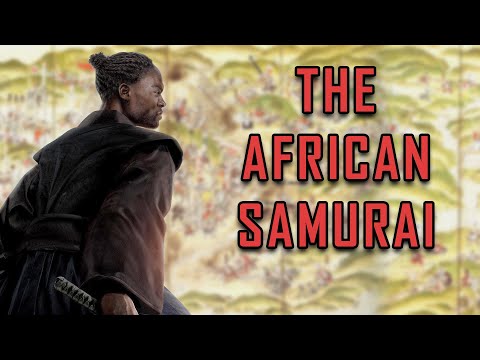
The Warrior's Unyielding Spirit: Yasuke, the Black Samurai of Feudal Japan

Greetings, warriors and scholars! Today, we embark on a journey not merely through history, but into the very essence of the Budo spirit, tracing the extraordinary path of Yasuke, a man of African descent who rose to the rank of samurai in feudal Japan. This is a tale that shatters preconceptions and underscores a timeless truth: the warrior's heart knows no color, only dedication, skill, and an unyielding will. Have you ever considered how profoundly the warrior ethos transcends cultural and racial boundaries? Many envision the samurai as an archetype intrinsically tied to Japanese lineage. Yet, history, in its often-surprising grandeur, presents us with Yasuke – a figure whose legend challenges that very notion. Our exploration today is not just about a historical anecdote; it's about understanding the universal principles of mastery, perseverance, and the martial path that connect all true practitioners, regardless of their origin. We are indebted to the meticulous research of Thomas Lockley, whose work, "African Samurai: The True Story of Yasuke, A Legendary Black Warrior in Feudal Japan," provides the bedrock for our understanding. This narrative compels us to look beyond the superficial and delve into the character and combat prowess that earned Yasuke his place among Japan's elite warriors.

The Unfolding Narrative: From Foreign Land to Feudal Court

Yasuke's journey began far from the shores of Japan. While the exact details of his early life remain shrouded in the mists of time, it is widely believed he was brought to Japan in the service of Alessandro Valignano, a Portuguese Jesuit missionary, around 1579. His imposing stature and physical presence immediately set him apart in a land where such features were uncommon. It was this very presence that first caught the attention of Oda Nobunaga, the powerful daimyo who was unifying Japan under his rule. Nobunaga, a patron of the arts and a keen observer of men, was not only intrigued by Yasuke's foreignness but also by his evident strength and martial bearing. In a period rife with conflict, where military skill was paramount, Nobunaga saw potential. This was not a mere curiosity; it was an astute recognition of capability. The world of the samurai was one of rigorous training, strategic acumen, and brutal efficiency. For a foreigner to even be considered, let alone accepted, spoke volumes about Yasuke's inherent qualities. The conversion of Yasuke into a samurai was a monumental event. He was granted land, a stipend, and, most significantly, the honor of bearing a sword and serving directly under Nobunaga. This was an unprecedented honor, a testament to Nobunaga's willingness to break with tradition for merit.
"The way of the warrior is to be resolute. It is to be decisive. It is to be unwavering in the face of any storm." - A principle echoed in Yasuke's ascent.

The Crucible of Combat: Yasuke's Martial Prowess

While detailed accounts of Yasuke's specific combat techniques are scarce, the very fact of his samurai status implies a mastery of the martial arts expected of the era. Samurai were not just swordsmen; they were skilled in archery, horsemanship, and often unarmed combat. Given Yasuke's physical power, it is logical to assume he excelled in these disciplines. The narrative often highlights his involvement in the Battle of Tennoji, where he reportedly fought with great bravery against the forces of Akechi Mitsuhide, one of Nobunaga's betrayers. Though Nobunaga ultimately met his end, Yasuke's participation in such a pivotal conflict solidified his reputation as a warrior of substance. He didn't just survive; he fought. The authenticity of his skill is not in question when we consider the context of feudal Japan. To gain and retain the favor of a leader like Nobunaga, especially in a military capacity, one had to be demonstrably competent. This wasn't a ceremonial position; it was a life on the battlefield. His ability to integrate into a society with deeply ingrained traditions and then earn a place in its most esteemed military class speaks volumes about his martial capabilities and his character.

The Philosophy of the Sword: Bushido Beyond Birthright

The concept of Bushido, the "way of the warrior," is often perceived as exclusive. However, Yasuke's story suggests that its core tenets—loyalty, honor, courage, and self-discipline—are universal. He embodied these principles not by birth, but by his actions and choices. His story challenges us to consider if the true spirit of Budo can be acquired through dedication and training, rather than inherited. The meticulous katas of Karate, the precise throws of Judo, the fluid movements of Aikido – all these are expressions of physical and mental discipline. Yasuke, by embracing the samurai code, demonstrated that these qualities could flourish in anyone willing to dedicate themselves to the path.

Veredicto del Sensei: Is Yasuke's Story a True Masterpiece of Martial History?

Yasuke's narrative is a powerful testament to the enduring appeal of the martial path. While the embellishments of legend may color certain details, the core truth remains: an African man became a samurai, a feat that speaks to his exceptional character and abilities. His story is not just a historical curiosity; it is an inspiration. In terms of historical accuracy and the profound impact of his life, Yasuke's story earns a resounding "Cinturón Negro en Legado." His presence in feudal Japan, his service under Nobunaga, and his participation in key conflicts are well-documented enough to cement his place in history. His life serves as a crucial reminder that the warrior spirit is a universal language, understood and manifested across all cultures.

Equipo Esencial para tu Entrenamiento

To truly embody the discipline of a warrior, the right equipment is crucial. Whether you are practicing Karate, Judo, or simply seeking to improve your physical conditioning, investing in quality gear is a step towards seriousness and respect for your training. * **Kimono (Gi)**: A durable, well-fitting gi is essential for Judo and Karate. Look for double-weave fabrics for increased longevity, especially for intensive sparring. A good gi is your second skin in the dojo. * **Training Mats (Tatami/Judo Mats)**: For grappling arts like Judo and BJJ, or for practicing falls and throws in any martial art, proper mats are non-negotiable for safety and effective training. * **Sparring Gear**: Depending on your art, this can include headgear, mouthguards, fist protectors, and shin guards. Ensure they meet safety standards for your discipline. * **Training Weapons**: For arts that incorporate them, such as Karate with its kobudo weapons or Kendo, authentic yet safe training implements are vital. * **Makiwara (Karate)**: A traditional striking post used to condition the hands and develop power. Building your own can be a rewarding project. For those inspired by the resilience and dedication of warriors like Yasuke, consider these resources to deepen your understanding and training: * **"African Samurai: The True Story of Yasuke, A Legendary Black Warrior in Feudal Japan" by Thomas Lockley**: The definitive account of Yasuke's life. * **Osprey Publishing**: Known for their detailed historical accounts and illustrations of warfare and warriors across eras.

Guía de Entrenamiento: El Principio de la Simplicidad en el Combate

One of the most powerful lessons from martial history, exemplified by warriors like Yasuke who thrived in intense combat, is the principle of simplicity. In the heat of battle, complex techniques often fail. The most effective moves are direct, efficient, and born from pure intent. 1. **Comprende tu Cuerpo y el del Oponente**: Antes de la técnica, entiende la biomecánica. ¿Dónde están los puntos de menor resistencia? ¿Cómo puedes utilizar tu peso y el de tu oponente? 2. **Domina los Fundamentos**: Un golpe recto (Choku-zuki en Karate), una entrada básica (Irimi en Aikido), o un barrido simple (Ashi-barai en Judo) son infinitamente más efectivos cuando se ejecutan con potencia, precisión y el momento adecuado. 3. **Entrenamiento de la Reacción**: Practica el `makiwara` para desarrollar la fuerza y la precisión de tus golpes rectos. Realiza `randori` (Judo/BJJ) o `kumite` (Karate) enfocado en la ejecución de tus técnicas básicas bajo presión. 4. **Elimina el Movimiento Innecesario**: Cada movimiento debe tener un propósito. El exceso de movimiento te expone, consume energía y diluye tu intención. Piensa en la economía de movimiento: la máxima eficacia con el mínimo esfuerzo. 5. **Cultiva el `Mushin` (Mente sin Mente)**: La capacidad de actuar instintivamente, sin la interferencia del pensamiento consciente, es la cúspide de la simplicidad. Esto se logra a través de la repetición constante hasta que la técnica se vuelve parte de ti. Meditación `Zazen` puede ayudar a cultivar esta cualidad.

Preguntas Frecuentes

What is known about Yasuke's martial arts training?

While specific formal training details are scarce, Yasuke's samurai status and participation in battles imply proficiency in swordsmanship, archery, and likely unarmed combat, honed through rigorous practice and the demands of warfare.

Did Yasuke use a katana?

As a samurai, it is highly probable that Yasuke was permitted to carry and use a katana, the iconic sword of the samurai class, along with other traditional samurai weaponry.

How did Yasuke learn Japanese?

He likely learned Japanese through immersion, aided by his association with Jesuit missionaries who were learning the language themselves for their work. His ability to communicate would have been crucial for his integration into Japanese society.

What happened to Yasuke after Oda Nobunaga's death?

Following Nobunaga's demise, Yasuke was captured by Akechi Mitsuhide's forces but was ultimately released. His later life is less documented, with some accounts suggesting he returned to missionary work or even founded his own church.

Is Yasuke's story considered authentic history?

Yes, Yasuke's existence and his role as a samurai under Oda Nobunaga are supported by historical documents from the period, including Japanese chronicles and Jesuit letters, though the finer details of his life are subject to historical interpretation and legend.

Para Profundizar en tu Camino

  • Historia: Descubre otras figuras fascinantes que moldearon el mundo marcial.
  • BUDO: Explora los principios filosóficos que sustentan las artes marciales.
  • Karate: Sumérgete en las técnicas y la tradición de este arte marcial icónico.

Reflexión del Sensei: Tu Próximo Paso

Yasuke's life is a stark reminder that greatness is forged, not inherited. He faced a world vastly different from his own, armed with courage and a willingness to learn and adapt. My question to you is this: What "foreign land" are you currently navigating in your own martial journey? What preconceived notions or personal limitations are you allowing to define your potential? How will you, like Yasuke, demonstrate that true mastery is a testament to the spirit, not the origin? GEMINI_METADESC: Explore the incredible life of Yasuke, the African samurai who defied all odds in feudal Japan. Discover his journey, martial spirit, and enduring legacy.

Jiri Prochazka: The Bushido Code as the Ultimate Weapon in the UFC Octagon

Hello and welcome to Budo and Martial Arts. Are you ready to witness how ancient philosophy can forge a modern champion? Today, we delve into the compelling case of Jiri Prochazka, a man who has not only reached the pinnacle of mixed martial arts but has done so carrying the spirit of the samurai. We'll dissect his unique approach, questioning whether the warrior's path truly is the ultimate weapon in the brutal arena of the UFC.

The mystique of the samurai is undeniable. But what if that ancient warrior training, steeped in the principles of Bushido and the wisdom of Miyamoto Musashi, were to be transplanted into the savage landscape of the Ultimate Fighting Championship? What if one of the most ruthless environments of modern civilization were to be tested by a warrior whose very essence echoes the code of the samurai? Jiri Prochazka's ascent to the UFC championship, culminating in a brutal yet masterful victory over the formidable Glover Teixeira, suggests this is not mere fantasy. Today, we dissect what truly makes "Denisa" a formidable force, focusing on what I believe to be his most potent, yet often overlooked, weapon: his profound sense of meaning. Thank you for joining me as we take a closer, more critical look.

The Samurai's Echo in the Octagon

Observe Jiri Prochazka closely, and you'll quickly grasp his deep admiration for Japanese culture. His affinity extends even to anime, a fact subtly hinted at by his appreciation for characters embodying raw power, such as Yujiro Hanma from Baki. Every facet of Jiri screams Japan, from his distinctive lulling, fluid movement.

"Fixation is the way to death. Fluidity is the way to life." – Miyamoto Musashi

This quote from the legendary swordsman Miyamoto Musashi perfectly encapsulates Prochazka's fighting style. He constantly shifts, flows, and fluidly transitions between stances, creating a beautiful, almost hypnotic martial dance interwoven with his aggressive combat approach. This inherent unpredictability makes him exceptionally difficult to read, a crucial advantage for any fighter, especially one who delivers fight-ending strikes with such ferocity.

Fluidity of Movement: A Martial Dance

Prochazka's physical fluidity is not just aesthetically pleasing; it's a tactical masterpiece. His ability to seamlessly shift weight, change angles, and maintain a constantly moving base makes him a phantom in the striking realm. Opponents often find themselves lunging at air, their own offensive momentum being expertly evaded. This dynamic movement disrupts their rhythm, exhausts them, and opens critical windows for counter-attacks. It’s a testament to years of dedicated practice, moving beyond rigid adherence to technique and embracing a more organic, responsive form of combat.

The Hands-Down Karate Style

But Jiri's arsenal extends beyond mere fluidity. He incorporates a distinctive "hands-down" karate style, a nod to traditional Okinawan karate or perhaps even styles like Kyokushin Karate, known for its powerful striking and no-nonsense approach. This defensive posture, while seemingly risky, allows him to utilize his exceptional head movement and reflexes to avoid incoming fire. It also frees his hands to deliver devastating blows – the "bombs" that have earned him numerous knockouts. This fusion of martial arts disciplines – the fluidity of perhaps Judo or Aikido grappling principles combined with the striking power of Karate – creates a novel, complex style that is extraordinarily difficult for opponents to gauge and counter. It’s a testament to his understanding that true martial prowess lies not in mastering one art, but in synthesizing the most effective elements of many.

The True Weapon: A Profound Sense of Meaning

Yet, as potent as his striking and fluidity are, they are not the most dangerous elements of Jiri Prochazka's game. What truly elevates him, what transforms him from a skilled fighter into a formidable champion, is the profound sense of meaning he derives from the Bushido code and Miyamoto Musashi's samurai principles. This isn't just about adopting superficial aesthetics; it's about embracing a philosophical framework that gives his life and his fighting a deep, unshakeable purpose. This is what many men in today's world desperately need. He treats what might seem like mere playacting to some as a serious, grounding framework for his existence.

Bushido as a Grounding Framework

In an era often characterized by existential drift and a palpable sense of despair, a man anchored by a strong sense of meaning is a rare and powerful entity. Without such a framework, life can feel bleak, chaotic, and confusing. But a man who has found his guiding principles, a man willing to dedicate his life—and indeed, risk it—for a higher purpose, is transformed. He becomes a different kind of warrior entirely. This is the essence of the BUDO philosophy: finding profound meaning in the discipline and dedication to a chosen path.

The Pursuit of Mastery

Witnessing Jiri endure punishment at the highest levels of martial arts, watching him relentlessly grind towards mastery even after hard-won victories, reveals the engine driving his championship ascent. This relentless pursuit, fueled by Japanese philosophy, is what separates him. It's a lesson for every man seeking direction: find a framework that not only orients you but imbues your existence with a deep, resonant sense of meaning. Without it, the human condition can feel cold, dark, and devoid of purpose. With it, the individual is ignited, and even great suffering can be perceived as worthwhile. It's this search for meaning, this commitment to a higher code, that truly arms a life.

"We all need something to help the vastness feel meaningful."

Jiri Prochazka embodies this principle. By brandishing his Bushido code, he offers a powerful lesson to us all. Whether it's the wisdom found in Musashi's The Book of Five Rings or another guiding philosophy, the need for a framework that lends meaning to the vastness of existence is universal. Thank you, Jiri Prochazka, for this profound lesson in combat and in life. And thank you all for witnessing this exploration.

Sensei's Verdict: Is Jiri Prochazka's Philosophy a Blueprint for Success?

Jiri Prochazka's journey to the UFC title is more than just a triumph of physical prowess; it's a compelling argument for the power of philosophical grounding. His embrace of the Bushido code, coupled with his fluid striking and unique martial arts synthesis, presents a formidable package. He doesn't just fight; he fights with purpose. While direct application of samurai codes in modern combat is complex, Prochazka demonstrates that a deep sense of meaning, discipline, and a willingness to embrace fluidity are undeniably potent assets. His approach is a powerful reminder that true strength often lies not just in the muscles, but in the mind and spirit.

Verdict: Cinturón Negro en Filosofía Marcial Aplicada.

Training Essential for Your Martial Journey

To emulate the dedication and synthesis of champions like Jiri Prochazka, a solid foundation in training is paramount. While his approach is unique, certain equipment can significantly enhance your development:

  • High-Quality Sparring Gloves: For striking disciplines like Karate and MMA, 16oz gloves offer crucial protection for both you and your training partners during sparring sessions.
  • Durable Training Uniform (Gi/Kimono): Whether you're practicing Judo, Jiu-Jitsu, or Karate, a robust uniform designed for rigorous training is essential. Look for double-weave fabrics for Karate or Judo gi that can withstand intense grappling.
  • Protective Gear: Mouthguards, shin guards, and headgear are vital for safe practice in striking and grappling arts, minimizing the risk of injury.
  • Training Mats: For conditioning, drills, and safe falling practice, a set of comfortable and durable training mats can transform your practice space.
  • Reference Books: To deepen your understanding of the philosophies that drive champions, invest in seminal works like Miyamoto Musashi's The Book of Five Rings or texts on Bushido.

Frequently Asked Questions

  1. Is Jiri Prochazka's fighting style truly based on traditional samurai techniques?
    While Prochazka is deeply inspired by samurai philosophy and culture, his style is a modern synthesis. He incorporates elements from Karate, and his fluid movement may draw from grappling arts, all filtered through his unique interpretation of martial principles rather than direct replication of historical samurai combat.
  2. Can any martial artist benefit from embracing the Bushido code?
    Absolutely. The core tenets of Bushido – discipline, honor, loyalty, self-control, and the pursuit of mastery – are universal values that can profoundly benefit any martial artist, regardless of their specific style, by providing a strong ethical and motivational framework.
  3. How important is fluidity in modern combat sports like the UFC?
    Fluidity is critically important. It allows fighters to adapt quickly to changing situations, evade attacks, generate power efficiently, and maintain a constant offensive and defensive pressure. Opponents who are rigid and predictable are easily countered.
  4. What is the significance of Jiri Prochazka's "hands-down" Karate style?
    This style emphasizes incredible reflexes, head movement, and timing to avoid punches while keeping the hands free to deliver powerful counter-strikes. It requires immense confidence and skill, turning a seemingly risky defense into an offensive opportunity.

To Dive Deeper into Your Path

If you enjoyed this analysis and wish to delve further into the intersection of martial arts, philosophy, and combat sports, I urge you to engage with the material. Reflect on the principles discussed, and more importantly, consider how they apply to your own training and life.

Reflexión del Sensei: Tu Próximo Paso

Jiri Prochazka demonstrates that the greatest weapon is not a technique, but a profound sense of meaning forged in a guiding philosophy. Now, I ask you:

What is the "Bushido" of your life? What guiding philosophy, what code of conduct, do you embody that gives your struggle meaning and turns potential suffering into a worthwhile pursuit? And if you haven't found it, are you willing to seek it with the ferocity of a champion?

Your training in the dojo is but a microcosm of your training in life. The lessons are intertwined. Do not let this reflection be a fleeting thought. Take it to your mat, to your daily life, and let it ignite your purpose.

The Unvarnished Truth: Yasuke, The African Samurai – A Warrior's Spirit Transcending Borders

How many of you, when you hear "samurai," immediately picture a stoic figure in traditional armor, born and bred in the rigorous crucible of feudal Japan? It's a powerful archetype, isn't it? But what if I told you that the most compelling narratives often break these very molds? Today, we dissect the extraordinary life of Yasuke, the African samurai. This isn't just a historical footnote; it's a profound testament to how the warrior spirit, the unwavering dedication to martial excellence, knows no color, no origin, and no boundary.

We will delve into the gritty reality of his ascent, not through romanticized fiction, but through the lens of martial principles. Was he merely a curiosity, a novelty for Oda Nobunaga? Or was he a genuine practitioner of the sword, a warrior whose skills earned him respect in the most unforgiving of arenas? Prepare yourselves, for this is not a gentle stroll through history; it is an exploration of raw courage, adaptation, and the unyielding pursuit of mastery in the face of prejudice and overwhelming odds.

Yasuke's Origins: More Than Just a Slave

Let's strip away the myth. Yasuke, born in Africa – the exact region remains a scholarly debate, a point of contention for historians – was not born into nobility, nor was he a free man for much of his early life. He was, by all accounts, enslaved. This is a brutal truth, a stark contrast to the idealized samurai narrative. However, a slave’s life is not always a predetermined path of suffering. His journey, facilitated by the Jesuit missionary Alessandro Valignano, led him to Japan in 1579. Imagine the culture shock, the sheer alien nature of a land so distant from his own.

This arrival was not subtle. His physical presence alone—taller than the average Japanese man of the era, powerfully built—would have immediately drawn attention. But it was his potential, his aura of capability, that truly captured the eye of Oda Nobunaga, the formidable *Daimyo* who was rapidly consolidating power in Japan. Nobunaga was known for his strategic mind, his openness to new ideas, and his interest in foreign novelties. Yasuke was more than a novelty; he was a warrior waiting to be recognized. This meeting, this pivotal moment, was not just the encounter of a slave with a lord, but the spark that ignited an extraordinary martial destiny.

"Nobunaga, upon seeing Yasuke, was struck by his stature and physical presence. He was a man unlike any he had encountered. The initial fascination, however, was soon to be surpassed by respect for his martial spirit."

Forged in the Flames: Training Under Nobunaga

To become a samurai was not a matter of choice; it was a life of rigorous discipline, an internalization of the warrior's code, bushido. Yasuke, under Nobunaga's direct patronage, embarked on this path. This wasn't a mere display of strength; it was an assimilation into a system of honor, loyalty, and devastating martial skill. He learned the intricacies of the katana, the soul of the samurai. He trained in swordsmanship, grappling, and the tactical nuances of warfare.

Think about the challenges. He wasn't just learning techniques; he was learning a philosophy, a way of life that demanded absolute commitment. The fact that he, an outsider, an African slave, was not only accepted but actively trained and elevated speaks volumes about Nobunaga's pragmatism and perhaps, his foresight. Yasuke's physique, different from the Japanese ideal, likely offered unique advantages in combat. His training wasn't about conforming to a pre-existing template; it was about adapting the samurai way to his own formidable capabilities. He proved to be more than just a strong man; he was a natural warrior, a quick study, and someone who could embody the samurai ethos. This rapid ascent is not something one achieves through mere physical presence. It requires dedication, discipline, and an innate understanding of combat.

His African heritage, rather than being a barrier, may have even informed his fighting style, adding an unpredictable edge to the already deadly samurai arts. This fusion of backgrounds is where true martial innovation often lies.

The Crucible of War: Yasuke's Role in Nobunaga's Army

History books, often written by victors and survivors, can be selective. But the accounts of Yasuke's involvement in battles are clear: he fought. He wasn't a ceremonial figure; he was in the thick of it. The Battle of Tenmokuzan in 1582 is a prime example. Nobunaga's forces, against considerable odds, achieved a decisive victory. Yasuke's presence and contributions were noted. This wasn't a minor skirmish; it was a significant military engagement where strategic prowess and individual bravery determined the outcome.

His role as a trusted advisor and bodyguard to Nobunaga was not bestowed lightly. It implies a level of skill, loyalty, and battlefield competence that few possessed. Imagine the pressure, the constant threat of assassination or betrayal in the Sengoku period. To be chosen as a personal guardian by one of Japan's most powerful and ruthless warlords was the ultimate validation of his martial capabilities.

"In the heat of battle, where the clash of steel and the cries of men fill the air, true warriors reveal themselves. Yasuke was not found wanting. His ferocity, combined with his samurai training, made him a formidable force on any battlefield."

After Nobunaga's tragic end at Honnō-ji, Yasuke didn't vanish. This is a crucial point that distinguishes him from a mere footnote. He continued to serve other influential figures like Hideyoshi Toyotomi and later, Ieyasu Tokugawa. His journey continued through periods of intense conflict, including the Siege of Osaka Castle. This longevity in service, moving between different powerful lords, demonstrates a consistent reputation for reliability and martial prowess. It suggests that his acceptance and respect were not solely dependent on Nobunaga's whim, but on his enduring abilities as a warrior and advisor.

Echoes in Time: Yasuke's Enduring Legacy

Why do we still speak of Yasuke centuries later? Because his story is inherently powerful. He is the "only black samurai" – a title that encapsulates both his uniqueness and the broad strokes of his achievement. But his legacy is more than a racial designation. It’s about the triumph of the individual spirit, the ability to transcend one's origins and forge a new identity through skill and determination.

His life has inspired countless artistic interpretations: books, films, and documentaries. This widespread fascination is not superficial. It speaks to a universal human desire to see the underdog succeed, to witness the improbable become reality. For martial artists, Yasuke represents the ultimate embodiment of adaptability and perseverance. His journey reminds us that mastery isn't about adhering strictly to tradition, but about internalizing its core principles and applying them with your unique strengths. The ki, the fighting spirit, can manifest in any warrior, regardless of their background. His story is a powerful reminder that the path of the warrior is open to all who possess the will to walk it.

Veredicto del Sensei: ¿Un Samurai Auténtico?

Let's cut through the historical debate and the romanticized notions. Was Yasuke a samurai in the strictest, most traditional sense, born into the samurai class and adhering to every minute facet of its inherited culture? Perhaps not in the way a son of a samurai was. However, was he a warrior who lived by the code of bushido, trained rigorously in the martial arts of Japan, fought alongside samurai, earned their respect, and wielded the katana with skill? ABSOLUTELY.

His adoption into Nobunaga's service, his training, his participation in battles, and his continued service under other lords all point to a man who earned his place through martial merit and loyalty. The very essence of being a samurai was one's ability to serve as a warrior. Yasuke fulfilled this role to an exceptional degree. To deny him the title of "samurai" based on his origin would be to misunderstand the fluid, albeit rigid, social dynamics of feudal Japan and the pragmatic nature of warlords like Nobunaga. He wasn't just a foreign curiosity; he became a respected warrior.

Calificación: Cinturón Negro en Adaptación y Coraje Marcial.

Equipo Esencial para tu Entrenamiento

While Yasuke's journey was unique, the principles of martial training remain universal. To truly immerse yourself in the path of the warrior, having the right tools is crucial.

  • Armadura (Réplica o Ligera): While full samurai armor (gusoku) is impractical for most modern training, understanding its components and weight distribution is key. For light practice, a sturdy training uniform is sufficient.
  • Katana de Entrenamiento (Iaido/Bokken): A bokken (wooden sword) is essential for safe practice of sword techniques. For those advanced enough, a sharpened steel katana (iaito for practice, or a functional blade for experienced practitioners) is the ultimate tool.
  • Kimono de Judo/Karate: A durable, high-quality martial arts gi is fundamental for any discipline involving grappling or striking. Look for double-weave fabrics for added resilience during intense #entrenamiento.
  • Guantes de Entrenamiento: For any striking practice or sparring, appropriate padding is non-negotiable for safety and longevity in your #combat.
  • Protección para la Cabeza (Bojutsu): If practicing with longer staffs or polearms, head protection can be beneficial during drills.

Guía de Entrenamiento: El Espíritu del Guerrero Adaptable

Yasuke's life teaches us that adaptation is a core martial principle. Here’s a practical approach to cultivating that spirit:

  1. Fundamentos Sólidos: Begin with the basics of your chosen art. Whether it's #karate stances, #judo throws, or #MMA striking, master the core mechanics. This is your base.
  2. Cross-Training Inteligente: Don't confine yourself. Explore different martial disciplines. Integrate striking with grappling, learn weapon retention, and understand distance management. This builds versatility.
  3. Entrenamiento de Fuerza y Acondicionamiento: Develop explosive power and endurance. Yasuke's physique was an asset; yours can be too. Focus on functional strength training.
  4. Técnicas de Espada (Simuladas): If your art involves weapons, practice diligently with a bokken or training knife. Focus on clean lines, precise movements, and understanding range.
  5. Mental Conditioning: Practice mindfulness, meditation, and visualization. Develop resilience to stress and the ability to remain calm under pressure, just as Yasuke likely did in the chaos of #battle.
  6. Adaptación en Sparring: During sparring sessions, intentionally put yourself in challenging positions. Practice defending against unfamiliar styles or techniques. The goal is to learn, not just to win.

Preguntas Frecuentes

¿Es Yasuke el único samurái negro en la historia de Japón?

Basado en los registros históricos disponibles, Yasuke es la figura más conocida y documentada de un guerrero africano que alcanzó el estatus de samurái en el Japón feudal. Si bien es posible que otros individuos de ascendencia africana estuvieran presentes, Yasuke es el único para el cual existe evidencia sustancial de su servicio y estatus.

¿Qué habilidades marciales poseía Yasuke?

Yasuke era descrito como un guerrero físicamente imponente y hábil. Se entrenó en las artes marciales de los samuráis, incluyendo el manejo de la katana. Se sabe que luchó en batallas junto a Oda Nobunaga, demostrando competencia en combate. Su habilidad y fuerza le permitieron ganar el respeto de sus contemporáneos.

¿Cuál fue la importancia de su servicio bajo Oda Nobunaga?

Servir bajo Oda Nobunaga, uno de los tres grandes unificadores de Japón, fue un logro significativo. Nobunaga era un líder progresista que valoraba la habilidad y la lealtad por encima de la ascendencia. El hecho de que Nobunaga adoptara a Yasuke como vasallo y le confiara responsabilidades militares y de consejero demostró la destreza y el valor de Yasuke como guerrero.

¿Cómo impactó su vida en la percepción de los extranjeros en Japón en esa época?

La presencia de Yasuke, un africano sirviendo como samurái, desafió las percepciones convencionales y demostró que el estatus y el respeto en la sociedad japonesa podían obtenerse a través del mérito marcial y el servicio, independientemente del origen extranjero. Su historia contribuyó a la fascinación que los europeos y otros forasteros despertaban en el Japón de finales del siglo XVI.

Para Profundizar en tu Camino

  • Descubre el rigor detrás de la espada en nuestro artículo sobre #Karate y su legado: [Enlace Interno al Post de Karate]
  • Explora los principios fundamentales del guerrero en: #BUDO, el Camino del Guerrero: [Enlace Interno al Post de Budo]
  • Comprende la fuerza mental en el combate: La Importancia del #ki en la Lucha: [Enlace Interno al Post de Ki]

Reflexión del Sensei: Tu Próximo Paso

Yasuke's life is a blazing indictment of limitations. He faced prejudice, the chains of slavery, and the cultural chasm of a foreign land, yet he carved his name into history through sheer will and martial skill.

Consider this: In your own training, where do you impose limits? What perceived barriers—lack of talent, time, resources, or even your own self-doubt—are you allowing to define your potential? Are you training to adapt, to overcome, or merely to go through the motions?

Reflexión del Sensei: Tu Próximo Paso

The warrior spirit is not bestowed; it is forged. Yasuke’s journey from the African continent to the heart of the samurai elite was not a fluke of fate. It was a testament to unwavering dedication, brutal discipline, and the courage to embrace the unknown. Now, look within. What 'uncharted territory' does your martial journey demand you conquer? Are you prepared to face it with the same ferocity and adaptability that defined the African Samurai?

Let the debate begin. Does Yasuke’s story change your perception of what a samurai truly embodies? Are there other historical figures whose martial journeys defy conventional expectations? Share your insights, your arguments, your challenges. The dojo of knowledge is vast, and discussion is the finest sharpening stone for the mind.