Showing posts sorted by relevance for query drunken master. Sort by date Show all posts

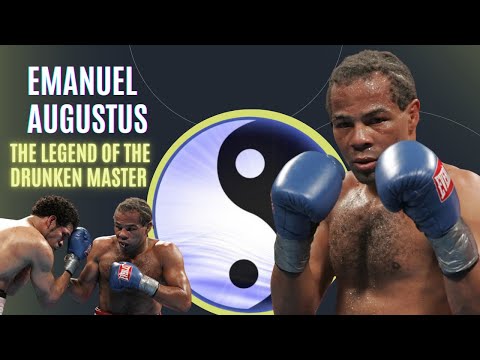
Emanuel Augustus: The Unconventional Legacy of the Drunken Master

Introduction: The Enigma of the Drunken Master

In the vast, often predictable landscape of combat sports, certain figures emerge not just as competitors, but as phenomena. They defy convention, shatter expectations, and leave an indelible mark on the collective consciousness of fans and practitioners alike. Emanuel Augustus, affectionately known as "The Drunken Master," is precisely such a figure. His career wasn't merely a series of wins and losses; it was a living testament to the unpredictable beauty and profound philosophy that can be found within the martial arts. This piece delves into the electrifying career of a fighter who didn't just participate in bouts, but orchestrated performances, blending raw aggression with an almost balletic grace that left audiences breathless. Join us as we revisit the path of a true martial arts legend whose unconventional style became his greatest weapon.

Unleashing the Drunken Master: More Than a Moniker

The adoption of the moniker "Drunken Master" by Emanuel Augustus was far from a mere marketing gimmick. Born Emanuel Burton, he drew inspiration from the iconic martial arts films that celebrated seemingly chaotic, yet devastatingly effective, fighting styles. This wasn't about mimicking a character; it was about embodying a philosophy. Augustus infused his fighting with a unique brand of agility, fluidity, and an almost maddening unpredictability. His movements often appeared disjointed, his stance unorthodox, leaving opponents struggling to anticipate his next move. This bewildering array of techniques – a chaotic dance of offense and defense – was the hallmark of his style, allowing him to showcase a skill set that transcended traditional boxing or kickboxing, demonstrating that true mastery can often lie just beyond the veil of perceived disorder.

"The most effective way to confuse an opponent is to be unpredictable. If they cannot read you, they cannot counter you." - A principle exemplified by Augustus.

The Artistry of Combat: A Symphony of Unpredictability

Augustus transcended the role of a mere pugilist; he was a kinetic artist. His fighting style was a masterful fusion, drawing threads from boxing, kickboxing, and the raw pragmatism of street fighting. His footwork was legendary – a constant, elusive dance that made him a difficult target. His punches, delivered with surprising speed and power, often came from unexpected angles. This wasn't just about throwing hands; it was about understanding angles, timing, and the psychological warfare inherent in combat. Emanuel Augustus embodied a profound Martial Philosophy, displaying not just aggression, but also immense respect for his opponents, unwavering discipline in his preparation, and the indomitable spirit of a warrior honed through countless hours of Martial Arts Training.

His approach challenged the rigid structures of conventional fighting. Many practitioners today still strive to replicate his signature elusiveness, a testament to the enduring effectiveness of his unorthodox methods. The core of his success lay in his ability to remain fluid and adaptable, a principle central to many BUDO disciplines.

The Fight of a Lifetime: A Masterclass Against Mayweather

Throughout his storied career, Emanuel Augustus graced the ring with a multitude of unforgettable contests. These weren't just fights; they were spectacles, ranging from brutal slugfests that tested the mettle of both combatants to technically brilliant displays of skill. He consistently delivered the kind of excitement that fuels the passion of Fight Fans worldwide.

Perhaps one of his most widely recognized and respected performances came during his bout against Floyd Mayweather Jr. In this encounter, Augustus didn't just compete; he showcased the full spectrum of his unique brilliance. Despite the eventual outcome, his performance earned him deep admiration, not only from the spectators but also from Mayweather himself, a rarity in the highly competitive world of professional boxing. It was a fight that highlighted Augustus's resilience and his ability to hang with the absolute elite, even with a style that defied convention. This particular fight remains a significant piece of the Fighter Legacy.

Legacy and Influence: Inspiring a Generation

Emanuel Augustus's legacy extends far beyond the statistics of his fight record. His profound impact resonates deeply within the Martial Arts Community. His unwavering dedication to his craft, his perseverance through significant adversity, and his sheer, unadulterated passion for fighting served as a powerful inspiration to countless aspiring athletes. Many fighters today incorporate elements of his distinctive style – that unpredictable movement, the creative striking angles – into their own training regimes. He proved that there isn't just one way to be a champion, fostering a generation that dares to think outside the traditional fighting box.

His influence is a prime example of how unique styles can push the boundaries of established sports. This is a core tenet we explore at BYAM, where we celebrate the diverse paths to mastery.

Building a Martial Arts Community: The BYAM Approach

At BYAM Budo y Artes Marciales, our mission mirrors the spirit of pioneers like Augustus: to cultivate and celebrate a vibrant global Martial Arts Community. We firmly believe that the journey of a martial artist is enriched when shared. We encourage our members to engage in robust discussions, share their personal training experiences, and forge connections with fellow enthusiasts from diverse backgrounds and disciplines. Whether you practice Judo, Karate, MMA, or any other art, your voice is valued here. Together, we can uphold the rich traditions, explore profound philosophies, and dissect the intricate techniques that define the world of martial arts.

Exploring Our Merchandise: Gear for Your Journey

As you immerse yourself in the world of martial arts, drawing inspiration from figures like Emanuel Augustus, it's crucial to have the right tools to support your dedication. Explore our exclusive Martial Arts Merchandise collection. We offer a curated selection of high-quality training equipment, apparel, and accessories designed to enhance your martial arts journey. From durable kimonos and sparring gear to specialized conditioning tools, our collection supports your pursuit of excellence and ensures you have the necessary support for your training regimen. Investing in quality gear is an investment in your own progress.

Join the Martial Arts Movement: Embrace the Warrior Within

The enduring legacy of Emanuel Augustus serves as a potent reminder of the transformative power inherent in martial arts training. It transcends mere physical combat, fostering discipline, resilience, and self-awareness. Whether you are a seasoned practitioner with years of experience or a curious beginner standing at the threshold of this incredible world, there is unequivocally a place for you within our growing community. Let us unite under the banner of our shared passion, exchange invaluable knowledge, and collectively grow stronger. By embracing the principles exemplified by masters like Augustus, we continue to explore the boundless possibilities that the martial arts offer.

This is your invitation to join the JoinTheMovement and discover the warrior spirit within yourself.

Sensei's Verdict: Did Augustus Master the Art of Fighting?

Emanuel Augustus didn't just fight; he performed. He brought a level of artistry and unpredictability to the ring that few have ever matched. While the term "Drunken Master" might conjure images of a brawler, Augustus was anything but. He was a strategist, a tactician, and a master of misdirection. His ability to absorb punishment, adapt mid-fight, and consistently come back with creative and effective offense was extraordinary. He faced top-tier competition and, while not always victorious, he rarely failed to impress or make his opponents work for every second of every round. His influence on subsequent fighters, who looked to his unconventional methods for inspiration, speaks volumes. He proved that true mastery isn't always about following the rules, but about understanding them so deeply that you can bend them to your will.

Verdict: A True Master of Unconventional Combat, earning a definitive "Cinturón Negro en Coreografía y Caos Controlado". His fights were living lessons in adaptability and the psychological edge.

Training Like Augustus: Embracing the Unconventional

Training like Emanuel Augustus is not for the faint of heart, nor is it about simply mimicking his movements. It's about internalizing his philosophy: unpredictability, adaptability, and relentless pressure.

  1. Develop Unconventional Footwork: Practice constant lateral movement, incorporate subtle shifts in weight, and develop rhythm changes. Think less about a stable stance and more about always being ready to pivot, evade, or explode forward.
  2. Master Angles of Attack: Don't always attack directly. Practice striking from angles that your opponent is unlikely to expect. This requires a deep understanding of body mechanics and spatial awareness.
  3. Cultivate Defensive Evasion: Augustus was known for his ability to slip punches and avoid damage. Focus on head movement, upper body flexibility, and using your entire frame to evade incoming strikes rather than just blocking.
  4. Embrace Fluid Transitions: Move seamlessly between offense and defense. A defensive maneuver should be able to transition instantly into a counter-attack. Don't "reset" unnecessarily.
  5. Study Various Styles: Like Augustus, draw inspiration from multiple disciplines. Understanding the fundamentals of boxing, kickboxing, and even grappling will provide a broader toolkit. Explore BJJ and Judo for grappling insights and Kickboxing for striking diversity.
  6. Train Your Chin and Body: Augustus absorbed significant punishment. While avoiding damage is key, developing resilience through conditioning and controlled sparring is also part of the equation. Incorporate body conditioning drills and focus on neck strength.
  7. Mental Fortitude: The most crucial element is the mental game. Develop the ability to stay calm under pressure, adapt to unexpected situations, and maintain confidence even when things aren't going your way. This is where Mental Game training and Inner Strength become paramount.

Frequently Asked Questions

  1. Who was Emanuel Augustus?
    Emanuel Augustus, born Emanuel Burton, was a highly unorthodox and entertaining American professional boxer and kickboxer, famously nicknamed "The Drunken Master" for his elusive and unpredictable fighting style.
  2. What made his fighting style unique?
    His style was characterized by unusual footwork, creative angles of attack, fluid transitions between offense and defense, and a remarkable ability to evade punches, often resembling the movements seen in martial arts films inspired by "drunken" styles.
  3. Who did Emanuel Augustus famously fight?
    He had notable bouts against numerous high-level opponents, including a widely recognized fight against Floyd Mayweather Jr., where he showcased his distinctive skills and earned respect despite the outcome.
  4. What is his lasting impact on martial arts and combat sports?
    Augustus inspired a generation of fighters with his resilience, unique approach, and dedication. He demonstrated that effective fighting doesn't always adhere to conventional norms and encouraged a more creative and adaptable mindset within the combat sports community.

Deepen Your Path

To further enrich your understanding and training:

Sensei's Reflection: Your Next Step

Augustus taught us that the most effective techniques are often born from a deep understanding of principles, allowing for creative adaptation rather than rigid adherence. He embraced chaos, not as a lack of control, but as a higher form of control that eludes conventional understanding.

Your challenge: In your next training session, identify one aspect of your technique that feels too rigid, too predictable. How can you introduce a subtle element of unpredictability, a shift in rhythm or angle, without sacrificing effectiveness? Can you find your own "drunken master" within the structure of your art?

``` ```json { "@context": "https://schema.org", "@type": "FAQPage", "mainEntity": [ { "@type": "Question", "name": "Who was Emanuel Augustus?", "acceptedAnswer": { "@type": "Answer", "text": "Emanuel Augustus, born Emanuel Burton, was a highly unorthodox and entertaining American professional boxer and kickboxer, famously nicknamed \"The Drunken Master\" for his elusive and unpredictable fighting style." } }, { "@type": "Question", "name": "What made his fighting style unique?", "acceptedAnswer": { "@type": "Answer", "text": "His style was characterized by unusual footwork, creative angles of attack, fluid transitions between offense and defense, and a remarkable ability to evade punches, often resembling the movements seen in martial arts films inspired by \"drunken\" styles." } }, { "@type": "Question", "name": "Who did Emanuel Augustus famously fight?", "acceptedAnswer": { "@type": "Answer", "text": "He had notable bouts against numerous high-level opponents, including a widely recognized fight against Floyd Mayweather Jr., where he showcased his distinctive skills and earned respect despite the outcome." } }, { "@type": "Question", "name": "What is his lasting impact on martial arts and combat sports?", "acceptedAnswer": { "@type": "Answer", "text": "Augustus inspired a generation of fighters with his resilience, unique approach, and dedication. He demonstrated that effective fighting doesn't always adhere to conventional norms and encouraged a more creative and adaptable mindset within the combat sports community." } } ] }
Wu Tang Collection: ¿Una Joya Marcial o un Vistazo Borroso a la Danza de la Pantera Borracha?

La cultura marcial, especialmente en su manifestación cinematográfica, es un vasto océano de estilos, técnicas y filosofías. Pero, ¿cuántas veces nos encontramos ante obras que, más allá de la acción pura, logran capturar la esencia de un arte o la profundidad de un concepto? Hoy nos sumergimos en las turbulentas aguas de "La Danza de la Pantera Borracha" (Drunken Master), una película que, aunque pertenece a la legendaria Wu Tang Collection, merece un análisis crítico desde la perspectiva del budoka y el cinéfilo marcial. ¿Es acaso una lección magistral de **kung fu borracho** o simplemente una exhibición coreográfica sin alma?

Un Duelo de Maestros: Filosofía y Cinematografía

La intención de búsqueda de todo practicante que se acerca a una obra como "Drunken Master" es, sin duda, comprender la representación de un arte marcial específico. Buscamos ver la aplicación de técnicas, la filosofía subyacente y, quizás, la inspiración para nuestro propio **entrenamiento de kung fu**. La película, dirigida por el genio **Yuen Woo-ping**, nos presenta a un maestro del norte que fusiona el estilo borracho con la **técnica de la mantis** para enfrentarse a So Hai, el afamado "maestro borracho" del sur. Esta premisa es, en sí misma, una invitación al debate: ¿qué tan auténtica es esta fusión? ¿Qué nos revela sobre la naturaleza adaptativa de las **artes marciales**? El cine de artes marciales, y más aún el cine de Hong Kong de esta era dorada, rara vez se adhiere a la estricta literalidad. A menudo, es una exageración artística, una ventana a principios fundamentales filtrada a través de la lente del espectáculo. Nuestra tarea hoy es desentrañar esa capa, discernir la verdad marcial debajo de la coreografía explosiva. No estamos aquí solo para disfrutar del entretenimiento, sino para aprender. ¿Es la "danza" borracha una metáfora de la fluidez y la imprevisibilidad en el combate, o es simplemente un truco de taquilla?

El Arte de Engañar al Oponente: Análisis de la Coreografía

La clave de cualquier película de **combate cuerpo a cuerpo** reside en sus secuencias de lucha. En "Drunken Master", la coreografía es obra del legendario **Yuen Woo-ping**, un nombre que resuena con autoridad en el mundo del cine marcial. Su trabajo es sinónimo de innovación y espectacularidad, pero también, a menudo, de una profunda comprensión de los principios marciales. El estilo borracho, en su representación, juega con la desorientación, el desequilibrio y la aparente falta de control. Los movimientos fluidos, los giros incontrolados, los pasos tambaleantes... todo ello está diseñado para engañar al oponente, haciéndole subestimar al practicante y, crucialmente, creando aperturas para contraataques devastadores. Observamos cómo los personajes que emplean este estilo utilizan la cadera y la cintura de manera peculiar, generando un ritmo impredecible que descoloca a sus adversarios. Sin embargo, es vital distinguir entre la representación cinematográfica y la realidad del entrenamiento. Mientras que el **kung fu borracho** en pantalla puede parecer caótico, en la práctica requiere una disciplina férrea para mantener el control y la estabilidad subyacentes. La **agilidad**, la **flexibilidad** y una fuerza de coreada considerable son esenciales para ejecutar estos movimientos de manera efectiva sin caerse, literalmente. La **coordinación** es primordial. La fusión con la **técnica de la mantis** añade otra capa de complejidad. La mantis es conocida por sus golpes rápidos, precisos y angulares, a menudo con el objetivo de golpear puntos vitales o desequilibrar al oponente. Combinar la fluidez desarticulada del estilo borracho con la agresividad directa de la mantis requiere una maestría excepcional. ¿Logra la película transmitir esta sinergia de manera convincente? A menudo, la cámara rápida y los ángulos de cámara dramáticos pueden ocultar las sutilezas, pero para el ojo entrenado, hay detalles que revelan la habilidad detrás de la acción.

El Concepto del "Maestro Borracho": ¿Técnica o Metáfora?

Más allá de los golpes y las patadas, las artes marciales tradicionales a menudo se entrelazan con la filosofía. El concepto de un "maestro borracho" evoca imágenes de alguien que ha trascendido las limitaciones de la conciencia ordinaria, operando en un estado de **Mushin** (mente sin mente) o incluso **Zanshin** (mente alerta y prolongada) de una manera peculiar. La embriaguez, en este contexto marcial, no es meramente una condición física inducida por el alcohol. Es una metáfora del desapego de las convenciones, de la liberación de las tensiones musculares y mentales que pueden obstaculizar la espontaneidad en el combate. Un practicante de estilo borracho, aparentemente ebrio, puede usar la imprevisibilidad de sus movimientos para desestabilizar psicológicamente a su oponente, sembrando la duda y el miedo. ¿Es esta una interpretación válida? Ciertamente. Maestros de diversas disciplinas, desde el **Tai Chi Chuan** hasta el **Aikido**, hablan de la importancia de la **relajación** y la **fluidez** para canalizar la energía (Ki) de manera efectiva. La rigidez, ya sea física o mental, es a menudo vista como un camino directo a la derrota. El "maestro borracho" podría ser la personificación extrema de esta filosofía: operar desde un estado de aparente imperfección para lograr una eficacia superior. Sin embargo, como Sensei, debo advertir contra una interpretación literal y superficial. Adoptar la "actitud borracha" sin la comprensión subyacente de la **técnica marcial**, la **condición física** y la **disciplina mental** necesaria sería un error catastrófico. No es el alcohol lo que confiere la habilidad, sino la habilidad de *simular* o *incorporar* los efectos de la desorientación controlada en el combate. La **autodisciplina** y la **superación personal** son los pilares, incluso en este estilo aparentemente anárquico.

Yuen Siu-Tien y la Legitimidad de un Estilo

El alma de "Drunken Master" reside en gran medida en la interpretación de **Yuen Siu-Tien** como el maestro borracho. Su capacidad para transitar entre el comportamiento cómico y la deadly seriousness de las artes marciales es legendaria. Él no solo interpreta a un personaje; encarna la esencia de un estilo marcial que a menudo se malinterpreta. La habilidad de Yuen Siu-Tien para vender la ilusión de la embriaguez mientras ejecuta movimientos de **kung fu** de alto nivel es un testimonio de su propia maestría. Podemos ver la fuerza y el control detrás de cada movimiento aparentemente torpe. Su habilidad para vender la comedia y el drama, a menudo en la misma escena, es un rasgo distintivo de los grandes artistas marciales en pantalla. Su actuación eleva la película de un simple vehículo de acción a una obra con carácter y profundidad. Junto a él, encontramos a otros talentos como **Hwang Jang-Lee**, conocido por su formidable juego de piernas en películas de **kickboxing** y **taekwondo**, y **Corey Yuen**, quien se convertiría en un renombrado coreógrafo. La presencia de estos nombres añade una capa de autenticidad y respeto al film, indicando que detrás del espectáculo hay un linaje de habilidad real.

El Impacto Duradero de la Danza de la Pantera Borracha

"Drunken Master" no es solo una película; es un hito. Junto a "The 36th Chamber of Shaolin", sentó las bases para la popularidad mundial del cine de kung fu. Su influencia se extiende mucho más allá de la pantalla, inspirando a generaciones de artistas marciales y cineastas. El personaje del maestro borracho se ha convertido en un arquetipo, imitado y parodiado innumerables veces. La película demostró que las artes marciales podían ser entretenidas, divertidas y profundas a la vez. Introdujo al público occidental a estilos de lucha menos convencionales, abriendo la puerta a una apreciación más amplia de la diversidad dentro del panorama marcial. Piensa en cómo el concepto del estilo borracho ha influenciado juegos como la serie "Drunken Wrestler" o incluso movimientos en **Artes Marciales Mixtas (MMA)** donde la fluidez y la imprevisibilidad son clave. La película nos enseña que la victoria a menudo reside en la adaptabilidad y en la capacidad de usar las debilidades percibidas del oponente en tu favor. Es una lección que trasciende el dojo y se aplica a muchos aspectos de la vida. Su estética y energía contagiosa han dejado una marca indeleble en la cultura popular y en el **cine de acción**.

Veredicto del Sensei: ¿Cinturón Negro o Cinturón Blanco?

"La Danza de la Pantera Borracha" es, sin duda, una película de **artes marciales** de alto calibre. Si bien la representación del estilo borracho tiene elementos de exageración cinematográfica, la ejecución, la filosofía subyacente y las actuaciones la elevan por encima de muchas otras películas de género. La maestría de **Yuen Woo-ping** en la coreografía es evidente. Las actuaciones, especialmente la de **Yuen Siu-Tien**, son carismáticas y convincentes. La película logra transmitir la idea de que la fuerza y la eficacia en el combate no siempre provienen de la rigidez o la agresión directa, sino de la fluidez, la adaptabilidad y la inteligencia táctica. ¿Es una representación 100% fiel de un arte marcial "real" practicado en un dojo hoy en día? Probablemente no en su forma más pura y literal. Pero como obra cinematográfica que explora los principios marciales a través de un lente entretenido, es excepcional. **Veredicto del Sensei:** **Cinturón Negro en Legado Cinematográfico y Sabiduría Marcial Cinematizada**. Una obra fundamental que todo aficionado a las **artes marciales** y al **cine de kung fu** debería ver.

Equipo Esencial para tu Entrenamiento (Consideraciones Modernas)

Aunque el "estilo borracho" se centra en la técnica y la adaptabilidad, el entrenamiento moderno para ejecutar movimientos similares requiere una base sólida y equipo adecuado:
  • Kimono de Kung Fu/Uniforme de Artes Marciales: Busca materiales ligeros y transpirables que permitan una gran libertad de movimiento. Algodón o mezclas de poliéster son ideales.
  • Zapatillas de Entrenamiento: Ligeras y con buena suela para permitir giros rápidos y amortiguación. Zapatillas de artes marciales o incluso zapatillas de running minimalistas pueden funcionar.
  • Protecciones (Opcional para entrenamiento específico): Si se trabaja en simulaciones de combate más intensas, protectores de manos y pies pueden ser útiles.
  • Mochila de Entrenamiento: Para llevar tu equipo, agua y quizás un cuaderno para registrar progresos o reflexiones sobre los principios marciales.
  • Equipo de Grabación (Smartphone/Cámara): Para auto-analizar tu técnica y coreografía, similar a cómo los cineastas analizan las películas.
Este tipo de equipo no solo mejora la seguridad y la eficacia del entrenamiento, sino que también te conecta con la tradición de las artes marciales, al igual que los practicantes que inspiraron estas películas.

Taller Práctico: Principios del "Estilo Borracho" Adaptados

El verdadero desafío es integrar los principios del "estilo borracho" en tu entrenamiento sin perder el control. Aquí hay una guía simplificada:
  1. Calentamiento Dinámico Profundo: Enfócate en la movilidad de las caderas, tobillos y columna vertebral. Realiza rotaciones amplias y suaves. El objetivo es desbloquear el movimiento.
  2. Ejercicios de Equilibrio Básico: Practica mantener el equilibrio sobre una pierna durante períodos prolongados, luego introduce movimientos suaves de brazos. El objetivo es desarrollar propiocepción y control.
  3. Movimientos Fluidos de Transición: Practica pasar de una postura a otra de forma continua, sin pausas abruptas. Imagina que estás moviéndote a través del agua. Reduce la tensión muscular.
  4. Simulación de Movimientos Desorientadores: Practica giros y cambios de dirección repentinos, pero siempre asegurándote de que tu cuerpo tenga el control y no te caigas. Esto es clave para la "ilusión borracha".
  5. Golpes Suaves y Contundentes: Mientras experimentas con movimientos fluidos, practica la entrega de golpes (puños, patadas, codos) con una explosión de potencia en el momento justo, sin perder la fluidez general. La clave es el contraste.
  6. Integración con Técnica de Mantis (si aplica): Si practicas **kung fu mantis** u otro estilo de **combate en pie**, experimenta integrando los movimientos fluidos y desequilibrantes del estilo borracho entre tus ataques directos de mantis. Busca crear oportunidades de contraataque.
  7. Visualización y Mentalidad: Imagina que tu oponente está desequilibrado por tus movimientos. Trabaja en mantener la calma y la concentración bajo esta aparente "desorganización".
Este taller es una introducción. La práctica continua y, si es posible, la guía de un instructor experimentado son fundamentales para desarrollar cualquier arte marcial de manera segura y efectiva.

Preguntas Frecuentes

  • ¿Es el "kung fu borracho" un estilo de lucha real? Sí, el estilo borracho (Zui Quan) es un estilo tradicional de kung fu, con raíces en la dinastía Tang. Sin embargo, su representación en el cine a menudo es una versión exagerada para el espectáculo.
  • ¿Qué hace que el estilo borracho sea tan efectivo? Su efectividad radica en la imprevisibilidad de sus movimientos, la desorientación que causa al oponente, la capacidad de absorber o esquivar ataques debido a la fluidez, y el uso de la fuerza del oponente contra sí mismo.
  • ¿Es peligroso entrenar el estilo borracho? Como cualquier arte marcial, requiere supervisión adecuada. Intentar simular la embriaguez sin la técnica y el control subyacentes puede llevar a lesiones. La clave es el control y la disciplina, no la intoxicación.
  • ¿Qué otras películas son similares a "Drunken Master"? Películas como "Drunken Master II" (The Legend of Drunken Master), "Drunken Monkey", y otras protagonizadas por actores del calibre de Jackie Chan, Sammo Hung o Yuen Siu-Tien exploran temas similares en el cine de kung fu.

Para Profundizar en tu Camino

Si te ha fascinado el análisis de "Drunken Master" y deseas explorar más a fondo los principios de las artes marciales y su representación en el cine, te invito a leer estos otros artículos de nuestro archivo:

Reflexión del Sensei: Tu Próximo Paso

Hemos desentrañado la complejidad de "La Danza de la Pantera Borracha", una película que nos enseña que la fuerza no siempre reside en la rigidez, sino en la adaptabilidad y la inteligencia. Ahora te lanzo una pregunta para tu meditación personal: En tu propio entrenamiento, ¿dónde te aferras a la rigidez (mental o física) que te impide fluir? ¿Cómo puedes incorporar la "danza" de la imprevisibilidad en tu propia disciplina sin sacrificar el control y la eficacia? Ahora te toca a ti. ¿Estás de acuerdo con mi análisis o crees que he pasado por alto algún detalle crucial en esta "danza"? Demuéstralo con tus argumentos en los comentarios. ``` GEMINI_METADESC: Análisis crítico de 'La Danza de la Pantera Borracha' por un Sensei experto. Descubre la filosofía, coreografía y legado del kung fu borracho en el cine marcial.

Wu-Tang Collection: The Culinary Crucible of Kung Fu Mastery

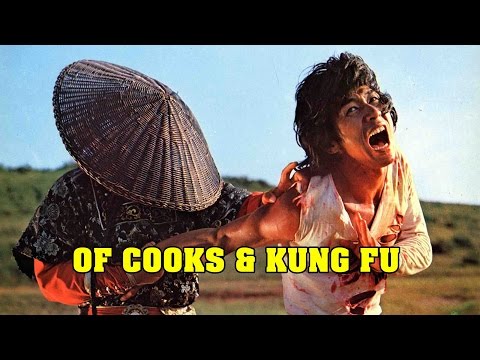
What do a chef's knife and a butterfly sword have in common? More than you might imagine, my fellow seekers of the Way. The Wu-Tang Collection, a veritable treasure trove for aficionados of the obscure and the profound, brings us a gem that perfectly encapsulates the intersection of everyday craft and lethal technique: Of Cooks And Kung Fu. This isn't merely another flick; it's a testament to how the discipline of the kitchen can forge a warrior's spirit, a concept often overlooked in the glitz of modern martial arts cinema.

The Master Chef's Secret Art

At its heart, Of Cooks And Kung Fu (directed by the adept Ting Chung) is a narrative about inheritance and retribution, but the unique twist lies in the "how." Our protagonist, a young descendant of culinary royalty, is taught the rare and secret art of "Cooking Kung Fu." This is no mere metaphor; it is presented as a tangible system of martial prowess derived from the movements, precision, and understanding of ingredients and heat that define a master chef. Imagine the rapid chopping of vegetables transforming into swift knife attacks, the graceful stirring of a wok becoming fluid evasive maneuvers, or the control of fire teaching the mastery of internal energy (Ki). This film dares to ask: can the skills honed in the kitchen be as deadly as those learned in a Budo dojo?

A Culinary Quest for Vengeance

The plot, while straightforward, provides fertile ground for martial arts action. The protagonist's parents, presumably great chefs themselves, are murdered by a jealous rival chef. This villain, eager to monopolize the culinary world and hoard the secret martial arts techniques passed down through generations of esteemed cooks, orchestrates their demise. The young heir, armed with his unique heritage and the very techniques he’s been taught, must rise to the challenge. He must confront not only the jealous chef but also his posse of hired fighters, ensuring that the legacy of the great chefs and their secret martial art is not extinguished.

The Art of the Wok and the Warrior

This film brilliantly explores the concept of Martial Arts Journey through an unconventional lens. The film posits that the same qualities required to be a master chef – meticulous attention to detail, precise timing, controlled power, adaptability to changing conditions (like heat fluctuations), and an understanding of balance – are fundamental to martial arts mastery. The way a chef handles a cleaver, with speed and accuracy, can be directly translated into the devastating effectiveness of a blade fighter. The fluid, circular motions used to blend ingredients become the foundation for defensive movements, evading attacks with grace and efficiency. This isn't just spectacle; it's a philosophical exploration of how discipline in one domain can unlock mastery in another. It’s a concept that resonates with the broader principles of Self-Mastery, a core tenet of many Warrior Philosophies.

"The hand that wields the knife for sustenance can also wield it for survival. The heat of the forge that tempers steel is but a cruder version of the inner fire that tempers the spirit." - A hypothetical adage inspired by the film's premise.

The film challenges the notion that martial arts must be confined to traditional dojos or training grounds. It suggests that life itself, in all its forms, can be a training ground. Whether you are a kickboxer perfecting your jab or a cook perfecting a complex sauce, the underlying principles of dedication and execution remain the same. The idea of "Cooking Kung Fu" is a brilliant narrative device to explore these universal truths about skill acquisition and the potential for power in the most unexpected places.

A Symphony of Spices and Strikes

The cast, featuring Chan Siu Lung, Chang Shan, Chia Kai, and Lee Kun, delivers performances that, while perhaps not groundbreaking, serve the film's unique premise exceptionally well. Chan Siu Lung, as the young heir, embodies the potential for greatness born from adversity. His journey from a novice to a skilled practitioner of "Cooking Kung Fu" is believable within the film's context. Chang Shan and Chia Kai often play the formidable henchmen whose physical prowess is put to the test against the unconventional techniques of the protagonist. Lee Kun, likely portraying the villainous chef, brings a necessary gravitas to the antagonist's motivations. The synergy between these performers is key to making the more outlandish concepts of the film land effectively.

Ting Chung's Unique Flavor

Director Ting Chung approaches the material with a clear understanding of what makes classic martial arts films so enduring. There’s a raw energy, an unpretentious execution of action sequences, and a focus on practical choreography that fans of the genre crave. While Of Cooks And Kung Fu might not have the budget of a Hollywood blockbuster, it compensates with ingenuity and a commitment to showcasing the art of combat. The fight scenes are inventive, often incorporating elements of the culinary world into the choreography. You might see a protagonist use a wok lid as a shield or a chef's towel as a distraction. This creative integration of the theme into the action is what elevates the film beyond a generic revenge flick. It’s this spirit that connects it to the legacy of films that dared to be different, much like some of the earliest works from the Wu-Tang Collection.

Echoes of the Dragon

The film's press materials explicitly mention it being "Definitely in the Jackie Chan tradition!" This comparison is apt in several ways. Like many of Jackie Chan's early works, Of Cooks And Kung Fu embraces the idea of using everyday objects as weapons and incorporating comedic elements into the action. The protagonist's adaptation of his culinary skills into combat mirrors Jackie's genius for turning mundane environments into elaborate fight sequences. While it may not reach the same heights of comedic timing or acrobatic complexity as Chan’s masterpieces, the spirit of resourcefulness and the blend of humor with genuine danger are palpable. It taps into that same vein of relatable ingenuity that made films like Drunken Master so iconic, demonstrating that true martial prowess can be found not just in formal training but in the clever application of learned skills.

Veredicto del Sensei: ¿Un Clásico en Cada Cocina?

Of Cooks And Kung Fu is a bona fide classic for those who appreciate the unique, the inventive, and the deeply rooted traditions of martial arts cinema. It masterfully blends a compelling revenge narrative with the highly original concept of "Cooking Kung Fu." The choreography is creative, the performances are earnest, and the direction by Ting Chung captures the essence of what makes these films so special. It’s a delightful reminder that the principles of combat are universal and can be found in the most unexpected of places. While it might not be a high-gloss production, its heart, originality, and commitment to the craft make it a must-watch for any serious student of the martial arts film genre. It embodies the spirit of BUDO – the Way of the Warrior – applied to the noble profession of the chef.

Calificación del Sensei: Cinturón Negro en Originalidad y Sabor Marcial.

Essential Gear for the Aspiring Martial Artist Chef

For those inspired by Of Cooks And Kung Fu, the path to mastery in "Cooking Kung Fu" (or any martial art) requires dedication and the right tools. While you might not need a full arsenal of kitchen implements for self-defense, the principles of training remain universal. Here’s what any aspiring warrior, culinary or otherwise, should consider:

  • High-Quality Chef's Knife: Precision and balance are key. A well-weighted knife is crucial for both food preparation and, metaphorically, for sharp, decisive movements. Consider brands known for their craftsmanship in both the culinary and martial worlds.
  • Durable Wok: For understanding movement and flow. The wide, concave surface of a wok can be used to practice circular defensive patterns, much like a shield.
  • Sparring Gloves (16oz Recommended): If you decide to cross-train in combat sports, proper protection is paramount. These are essential for safe practice in boxing, kickboxing, and MMA. You can find excellent options for Martial Arts Merchandise that offer both protection and durability.
  • Kimono/Gi: For styles like Judo or Brazilian Jiu-Jitsu, a sturdy Gi is vital. Look for double-weave kimonos for enhanced durability during intense grappling sessions.
  • Training Mats: Essential for practicing throws, groundwork, and falls safely, whether you're learning O-goshi in Judo or breakfalls for MMA.
  • Resistance Bands: Versatile tools for building strength and improving flexibility without heavy equipment. Ideal for At Home Workout sessions.

Preguntas Frecuentes

¿Es "Cooking Kung Fu" un arte marcial real?

While Of Cooks And Kung Fu presents a fictionalized martial art, the film cleverly draws parallels between the skills of a master chef and those of a martial artist. The discipline, precision, timing, and use of tools are universal. It's a creative concept rather than a recognized style like Kyokushin Karate or Taekwondo.

¿Qué otros luchadores han utilizado objetos cotidianos en sus peleas en el cine?

Many legendary martial arts actors have incorporated everyday objects into their fight scenes. Jackie Chan is the most famous example, famously using a ladder, a bicycle, and countless other items. Bruce Lee also utilized a variety of props to demonstrate the adaptability of his Jeet Kune Do philosophy.

¿Por qué es importante la disciplina en las artes marciales?

Discipline is the bedrock of martial arts training. It encompasses regularity in practice, dedication to learning, respect for instructors and peers, and the mental fortitude to push through challenges. It's about building not just physical skill but also character and Inner Strength.

¿Es esta película parte de la colección oficial de Wu-Tang Clan?

The "Wu-Tang Collection" is a curated series that highlights classic and cult martial arts films, often with a distinct flavor. While not directly produced by the Wu-Tang Clan, these films are chosen for their appeal to fans of the genre that the group famously celebrated in their music and imagery.

Para Profundizar en tu Camino

``` GEMINI_METADESC: Explore the unique 'Cooking Kung Fu' in the Wu-Tang Collection film 'Of Cooks And Kung Fu'. A deep dive into its martial arts, plot, and cinematic legacy.

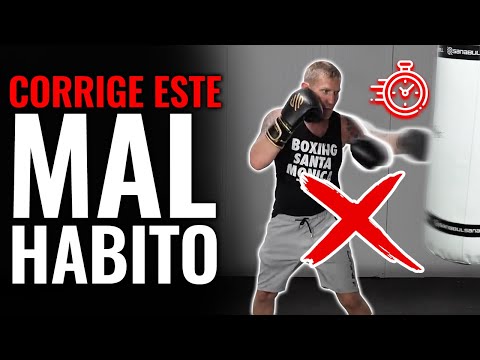
Boxeo Sin Secretos: ¡Aniquila la Predicción y Domina el Golpeo!

¿Tus golpes se sienten lentos, predecibles, como una invitación abierta para tu rival? ¿Sientes que, a pesar de entrenar duro, tus oponentes parecen anticipar cada movimiento? Si la respuesta es sí, entonces estás cayendo en una trampa común que separa a los aficionados de los contendientes serios en el noble arte del boxeo: el "telegrafiar" los golpes. No es solo un error técnico, es una rendición temprana en el combate. En el fragor de la batalla, donde cada fracción de segundo cuenta y la diferencia entre la victoria y la derrota se mide en la velocidad de un reflejo, enviar señales anticipadas de tu ataque es un suicidio táctico. Este hábito, tan extendido como perjudicial, permite que tu oponente no solo vea venir el golpe, sino que tenga el tiempo suficiente para reaccionar, esquivar, bloquear o, peor aún, contraatacar con devastadora efectividad. Pero no temas, porque el camino hacia un golpeo implacable y sorpresa está al alcance de tu mano. Hoy, desentrañaremos cómo un campeón olímpico, Tony Jeffries, nos muestra la senda para erradicar esta debilidad. Prepárate para una lección que transformará tu boxeo.

¿Qué Significa 'Telegrafiar' un Golpe en Boxeo?

En el léxico del pugilismo, "telegrafiar" un golpe se refiere a la acción de exhibir claras señales físicas de que se va a lanzar un puñetazo, mucho antes de que este alcance su objetivo. Es el movimiento de retirar el puño o el brazo de forma exagerada hacia atrás, como quien tensa un resorte antes de soltarlo, o la apertura excesiva del torso y el hombro. En lugar de proyectar el golpe desde una posición natural y compacta, se crea un arco de movimiento innecesariamente largo y visible. Esto, amigos míos, es un regalo para cualquier boxeador con un mínimo de observación y experiencia. Es como gritarle a tu oponente: "¡Aquí viene!".

El Peligro de la Prediccion: Una Ventaja Deliberada para el Oponente

El acto de telegrafiar un golpe no solo hace que tu ataque sea más lento, sino que, fundamentalmente, lo hace predecible. Un golpe que se anuncia desde lejos pierde su factor sorpresa, que es una de las armas más potentes en el arsenal de un peleador. Imagina la escena: tu oponente ve tu brazo retroceder, sus ojos se fijan, su cuerpo se ajusta. Ya no necesita predecir, ¡lo sabe! Puede preparar su defensa con antelación, lanzar un bloqueo firme o, aún mejor, deslizar su cuerpo y lanzar un contraataque mientras tu puño aún está en camino. Le entregas el control del intercambio, la iniciativa. Es una desventaja táctica que un buen luchador sabrá explotar sin piedad. En el combate, la sutileza y la velocidad son hermanas de la victoria.
"Un golpe que se anuncia, ya está bloqueado." - Un viejo adagio de gimnasio.

Los 3 Consejos Clave del Sensei Jeffries para Golpear sin Preaviso

Tony Jeffries, un nombre respetado en el mundo del boxeo, medallista de bronce olímpico y cofundador de los prestigiosos gimnasios Box n' Burn, nos trae la solución a este problema. Su enfoque es directo y práctico, diseñado para corregir este mal hábito de raíz. Aquí desglosamos sus enseñanzas:
  1. Movimiento Fluido y Compacto: La clave es eliminar el "tirón" hacia atrás. En lugar de retirar el puño visiblemente, el golpe debe ser proyectado directamente hacia adelante desde una posición "lista". Piensa en tu mano y tu codo como una unidad que se mueve de forma directa hacia el objetivo. La fuerza no se genera en el retroceso, sino en la rotación del cuerpo y la extensión del brazo. Mantén tu guardia cerrada y tu movimiento lo más lineal posible.
  2. Uso de la Cadera y el Giro del Torso: Un golpe potente no solo viene del brazo, sino de todo el cuerpo. La fuerza principal se genera en la rotación de la cadera y el giro del torso. Cuando realizas este movimiento de forma sincronizada, el puño se proyecta hacia adelante con potencia y velocidad, casi sin un movimiento de preparación previo aparente para el oponente. El giro del torso impulsa el brazo de manera natural y contundente, haciendo que el golpe parezca surgir de la nada.
  3. Entrenamiento de Reacción y Conciencia Corporal: La práctica hace al maestro. Jeffries enfatiza la importancia de ejercicios específicos para mejorar la "conciencia corporal". Esto puede incluir prácticas frente a un espejo, drills con un compañero donde uno se enfoca en no telegrafiar y el otro en detectar la señal, o incluso el uso de saco pesado y manoplas con un enfoque consciente en la ejecución rápida y directa. La repetición de movimientos correctos automatiza el patrón y elimina el hábito perjudicial.

Taller Práctico: Ejercicios para un Golpeo Fugaz y Sorpresivo

Para integrar estos principios en tu entrenamiento, te propongo la siguiente rutina. Recuerda, la calidad de la repetición es más importante que la cantidad.
  1. Shadow Boxing con Énfasis en la Línea Recta: Realiza rounds de shadow boxing (boxeo al aire) prestando extrema atención a tus movimientos. Enfócate en que cada golpe (jab, directo, uppercut, gancho) salga directamente hacia adelante desde tu guardia. No permitas que tu codo o tu puño retrocedan más de lo estrictamente necesario para la biomecánica del movimiento. Visualiza que tu puño sale disparado como una bala.
  2. Drill de "Golpe-Salida" con Manoplas: Trabaja con un compañero que use manoplas. Pídele que te indique cuándo golpear, pero sin previo aviso. Tú debes reaccionar y lanzar el golpe de forma inmediata y directa. El entrenador con manoplas debe ser capaz de percibir la diferencia entre un golpe telegrafiado y uno directo. El objetivo es que el golpe sea tan rápido y directo que el compañero apenas tenga tiempo de reaccionar con las manoplas.
  3. Saco Pesado con Patrones Variados y Rápidos: Golpea el saco pesado, pero cambia tu enfoque. En lugar de lanzar combinaciones largas y predecibles, concéntrate en golpes individuales y rápidos seguidos de un regreso inmediato a la guardia. Practica golpes de potencia saliendo de una defensa, o golpes de sorpresa saliendo de un movimiento evasivo. La clave es la explosividad y la brevedad del movimiento de ataque.
  4. Ejercicios de Rotación de Cadera y Tronco: Realiza ejercicios específicos para fortalecer y flexibilizar la cadera y el torso. Sentadillas con torsión, giros rusos (Russian twists) con o sin peso, y saltos de tijera con rotación de tronco te ayudarán a desarrollar la potencia necesaria para un golpeo explosivo y natural.

Equipo Esencial para tu Entrenamiento

Para llevar tu entrenamiento de boxeo al siguiente nivel y pulir esos golpes, un equipo adecuado es fundamental. No necesitas un arsenal completo, pero ciertas herramientas pueden marcar una gran diferencia:
  • Guantes de Entrenamiento (14-16 oz): Esenciales para proteger tus manos y las de tu compañero durante los ejercicios de sparring y en el saco pesado.
  • Vendas para Manos: Imprescindibles para dar soporte a tus muñecas y nudillos, previniendo lesiones.
  • Manoplas (Mittens): Perfectas para trabajar la precisión, la velocidad y los reflejos con un entrenador.
  • Saco Pesado o Pear Ball: Para desarrollar potencia, resistencia y practicar tu técnica de golpeo.
  • Cuerda para Saltar: Fundamental para el acondicionamiento cardiovascular y la coordinación.
  • Protector Bucal: ¡Obligatorio! La seguridad ante todo en el combate.

Veredicto del Sensei: ¿Vale la Pena Perfeccionar tu Golpeo?

Absolutamente. Ignorar el telegrafiado de golpes en el boxeo es como un espadachín que anuncia su estocada con un grito: es una invitación al desastre. Los consejos de Tony Jeffries no son meras sutilezas técnicas; son principios fundamentales que separan a un peleador competente de uno peligroso. Al dominar la proyección directa del golpe, la potencia generada por la rotación corporal y la conciencia de tus propios movimientos, te conviertes en un enigma para tu oponente. Ganas velocidad, ganas potencia y, lo más importante, ganas control sobre el intercambio. **Calificación del Sensei:** Cinturón Negro en Precisión y Velocidad. ¡Un golpe bien ejecutado es un arte marcial en sí mismo!

Preguntas Frecuentes

¿Realmente puedo eliminar el hábito de telegrafiar mis golpes?

Sí. Con práctica consciente y enfocada, es totalmente posible erradicar este mal hábito. La repetición de los ejercicios correctos y la autocrítica constante son las claves.

¿Afecta este hábito a otros deportes de combate?

Definitivamente. Si bien el término es más común en el boxeo, el principio de no revelar tus intenciones antes de tiempo es vital en prácticamente todas las disciplinas de Artes Marciales Mixtas, Karate, Judo (en ciertas proyecciones) y Lucha. La sorpresa es un arma universal.

¿Cuánto tiempo se tarda en corregir este hábito?

Varía de persona a persona. Algunos practicantes lo corrigen en semanas de práctica dedicada, mientras que para otros puede llevar meses. La consistencia es el factor más importante.

¿El "Drunken Master" style (Estilo del Borracho) de las películas puede ser una forma de telegrafiar?

Irónicamente, aunque el estilo del Borracho aparenta movimientos erráticos y descoordinados, los maestros de ese estilo (como el famoso Drunken Master de las películas de Jackie Chan) utilizan esa aparente imprevisibilidad para ocultar golpes reales y potentes. Es una forma avanzada de engaño, no de telegrafiado simple.

¿Qué otros malos hábitos existen en el boxeo que deba evitar?

Además de telegrafiar, otros malos hábitos comunes incluyen bajar la guardia, no mover los pies, lanzar golpes sin potencia, abrirse al contraataque o no mantener la distancia correcta.

Para Profundizar en tu Camino

Reflexión del Sensei: Tu Próximo Paso

Hemos desmantelado el hábito de telegrafiar golpes, una debilidad que plagaba a muchos. Ahora posees el conocimiento para transformarlo. Pero el conocimiento sin aplicación es solo información estéril. La verdadera maestría reside en la ejecución constante. La próxima vez que pises el cuadrilátero, el tatami o incluso la arena de la vida, recuerda: ¿tus movimientos son una declaración o un susurro? ¿Estás anunciando tu intención, o estás ejecutando con la fluidez y sorpresa de un depredador? El mundo marcial no perdona la lentitud ni la predicción. Ahora te toca a ti. ¿Consideras el telegrafiado un error menor o una falla crítica? ¿Cómo planeas integrar estos consejos en tu propio entrenamiento? Enfrenta este desafío: en tu próximo entrenamiento, dedica al menos 15 minutos exclusivamente a corregir un solo golpe, practicando su proyección directa y su velocidad. Y más importante aún: al finalizar, comparte tu experiencia. ¿Sientes la diferencia? ¿Has notado cómo tu oponente reacciona de manera distinta? No te limites a leer; ¡demuéstralo! GEMINI_METADESC: Domina el boxeo y evita telegrafiar tus golpes. Descubre 3 tips clave de Tony Jeffries para un golpeo rápido, directo y sorpresivo. ¡Eleva tu combate!

The Warrior's Spirit: Decoding the "Black Panther" Within the Martial Arts Dojo

Have you ever witnessed a martial artist move with such fluid grace, such raw power, that they seemed to embody an animalistic ferocity? A silent predator in the calm of the dojo, or a whirlwind of controlled chaos in the heat of combat? This isn't mere hyperbole; it's the manifestation of a deeply ingrained martial spirit, a connection to primal instincts honed through rigorous training. But what exactly is this "black panther" within us, and how does one awaken it? Today, we dissect this concept, not through myths, but through the lens of true martial philosophy and practical application.

Unlocking the Primal Force: Beyond Mere Physicality

The idea of an individual transforming into an animal, like a mythical "Black Panther," is a staple of folklore, often serving as a metaphor for heightened senses, stealth, and deadly prowess. In the realm of martial arts, this metaphor resonates deeply. It speaks to the development of a warrior's instinct, a state of heightened awareness where movements become fluid, reactions instantaneous, and the physical form an extension of the will. This isn't about supernatural transformation; it's about tapping into the inherent capabilities of the human body and mind, refined to their peak potential.

At Budo and Martial Arts, we believe in exploring these concepts with an unflinching gaze, separating the artistry from the esoteric to find the practical truth that elevates a practitioner from novice to true warrior. We don't shy away from the hard questions: Can any art truly teach you to move like a cat? Or is it about understanding the principles of animal movement and applying them to human combat? Let's delve into the core principles.

Table of Contents

The Principles of Animal Movement in Martial Arts

Many traditional martial arts, particularly those originating from the East, meticulously studied animal movements. Think of the directness of a tiger's strike, the evasiveness of a snake, the grounded power of a bear, or the agility of a monkey. These observations were not mere mimicry; they were analyses of biomechanical efficiency, balance, leverage, and predatory strategy.

For instance, the concept of "Tiger Claw" (Fu Jiao) in various Kung Fu styles isn't about literally ripping with claws. It’s about developing finger strength, precision striking to vulnerable points, and a commitment of the entire body into the strike, much like a tiger ambushing its prey. Similarly, the low, rooted stances seen in styles like Kyokushin Karate or Pankration emulate the stability of a bull, designed to withstand powerful forces and generate immense power from the ground up.

The "Black Panther," in this context, represents a synthesis of these principles:

  • Stealth and Agility: Moving silently, minimizing unnecessary noise, and changing direction with explosive speed.
  • Power Generation: The ability to unleash devastating force from seemingly simple movements, drawing power from the hips and core.
  • Adaptability: Reacting to an opponent's movements with fluidity, shifting tactics as needed.
  • Target Acuity: Identifying and striking vulnerable points with precision.
  • Controlled Ferocity: The mental state of intense focus and unwavering determination, without losing control.

"The ultimate aim of martial arts is not to be better than others, but to be better than your former self." - Unknown Master

This journey is about mastering your own biology, understanding physics, and cultivating a psychological edge. It's a path that demands dedication, discipline, and a willingness to push beyond perceived limitations.

Filming the Beast: Cinematic vs. Reality

The allure of the "Black Panther" warrior is amplified by cinema. Think of iconic martial arts films where fighters leap, twist, and strike with impossible grace. While these portrayals are visually stunning and inspiring, they often blur the lines between artistic interpretation and practical reality. Films like Drunken Master showcase incredible agility and seemingly unpredictable movements, but they are highly choreographed and often exaggerated for entertainment value.

A true martial artist understands that while the cinematic "Black Panther" might defy gravity, the real-world warrior operates within the constraints of physics. The goal isn't to fly, but to move efficiently, to leverage every ounce of your body's potential, and to exploit an opponent's weaknesses. The "black panther" spirit in martial arts is about the *principles* of stealth, speed, and power, not the literal depiction of animalistic feats.

The danger in focusing too much on cinematic representations is that it can lead practitioners down a path of ineffective training, seeking flashy techniques over fundamental effectiveness. We see this often in discussions around styles: Is Aikido effective in a street confrontation? Does traditional Karate hold up against modern MMA? The answer, as always, lies in the practitioner's dedication and the underlying principles they've internalized, rather than the style's superficial presentation.

Awakening Your Inner Warrior: A Practical Guide

So, how does one cultivate this "inner panther"? It's a process, not an overnight transformation. It requires building a solid foundation and then layering advanced concepts upon it.

Fundamental Strength and Conditioning

Before you can move like a cat, you need the engine to support it. This involves:

  1. Strength Training: Focus on compound movements like squats, deadlifts, push-ups, and pull-ups. These build foundational strength across your entire body, essential for power generation.
  2. Cardiovascular Endurance: Develop your stamina through activities like running, swimming, or cycling. The ability to maintain peak performance over an extended period is crucial.
  3. Flexibility and Mobility: Incorporate stretching and mobility exercises. This allows for a greater range of motion, reducing injury risk and enabling more fluid, dynamic movements.

Technical Proficiency and Drills

Mastering the techniques of your chosen art is paramount.

  1. Basic Techniques: Perfect your stances, strikes, blocks, and grappling fundamentals. Repetition builds muscle memory and automaticity.
  2. Combination Drills: Practice linking techniques together. This trains your body to flow from one action to the next seamlessly.
  3. Sparring (Kumite/Randori): This is where theory meets reality. Sparring, done safely and progressively, teaches you to apply techniques under pressure, read your opponent, and adapt your strategy. It’s in the controlled chaos of sparring that the "animalistic" reflexes begin to emerge.

Mental Fortitude and Awareness

The true warrior's spirit is forged in the mind.

  1. Focus and Concentration: Practice meditation or mindfulness exercises. This sharpens your ability to stay present and aware, crucial for detecting subtle shifts in an opponent's posture or intent.
  2. Situational Awareness: Train yourself to be aware of your surroundings, not just in the dojo, but in everyday life. This is the foundation of self-defense.
  3. Controlled Aggression: Learn to channel your adrenaline and competitive drive into focused action, rather than letting it lead to reckless abandon. This is the essence of controlled ferocity.
"Martial arts are not about fighting; they are about fighting not to fight." - Bruce Lee

Essential Equipment for Your Training

While the spirit is paramount, having the right gear can significantly enhance your training experience and safety. For many martial arts, starting with the basics is key.

  • Uniform (Gi/Kimono): A durable kimono is essential for arts like Judo, BJJ, and Karate. Look for double-weave options for increased longevity if you're engaged in heavy grappling.
  • Protective Gear: Depending on your art, you may need gloves (e.g., 16oz for sparring), shin guards, headgear, and groin protection.
  • Training Mats (Tatami): For arts involving throws and groundwork, investing in quality tatami mats is crucial for safety.
  • Training Aids: Consider items like a makiwara for striking conditioning or a focus mitt for partner drills.

Investing in quality equipment is not just about comfort; it's about making a commitment to your practice. Explore options for karate merchandise or specialized judo skills equipment to find what best suits your needs.

Sensei's Verdict: Does the "Black Panther" Phenomenon Hold Water?

As a critic and practitioner, I can state with certainty that the literal transformation into a "Black Panther" is confined to the realms of myth and fantasy. However, the *spirit* it represents – that of a perfectly honed warrior, capable of incredible stealth, power, and adaptability – is absolutely attainable through dedicated martial arts training.

The key is understanding that it's a metaphor for achieving peak human potential. It’s about the synthesis of physical conditioning, technical mastery, and profound mental discipline. The best martial artists I've seen embody this "panther-like" quality not through supernatural means, but through years of relentless training, deep study, and an unwavering commitment to self-improvement. They move with economy, strike with intent, and possess an awareness that borders on the prescient. This is the true "Black Panther" of the martial arts world.

Rating: Cinturón Negro en Principios Marciales. While the cinematic depiction is pure fantasy, the underlying principles of agility, power, and stealth are the bedrock of true martial prowess.

Frequently Asked Questions

Q: Is it possible to truly move like an animal through martial arts training?
A: While you won't literally transform, you can train to embody the *principles* of animal movement – stealth, agility, power generation, and awareness – to a highly refined degree.

Q: Which martial arts are best for developing "animalistic" traits?
A: Many styles incorporate animalistic principles. Kung Fu styles (like those mimicking the tiger or snake), Karate (for its powerful stances), and grappling arts (for fluidity and leverage) are excellent starting points, but the development depends more on the practitioner than the style itself.

Q: How long does it take to develop this level of skill?
A: Mastery takes a lifetime. Significant development of these traits can be seen within several years of consistent, dedicated training.

Q: Is it important to have a strong mental game for this?
A: Absolutely. The "animalistic" edge is as much about mental focus, situational awareness, and controlled ferocity as it is about physical ability.

Deepen Your Path

To truly understand the warrior's path and how to cultivate your inner strength, explore these related topics:

The journey to unlocking your true potential is continuous. Reflect on what we've discussed today. Are you merely practicing movements, or are you striving to embody the principles? Are you truly aware of your surroundings, or are you lost in thought?

Sensei's Reflection: Your Next Step

Consider this: If your training is a mirror, what reflection does it show? A predator, poised and ready, or a student merely going through motions? The "Black Panther" is not a costume to be worn, but a spirit to be earned. What concrete action will you take *this week* to move closer to embodying that spirit? Will you add an extra session of mobility work, practice your footwork until it’s silent, or dedicate ten minutes daily to mindfulness? The choice, and the transformation, are yours.

``` GEMINI_METADESC: Explore the martial arts metaphor of the 'Black Panther': awakening primal instincts, animal movement principles, and the reality behind cinematic depictions. Learn to train your mind and body.

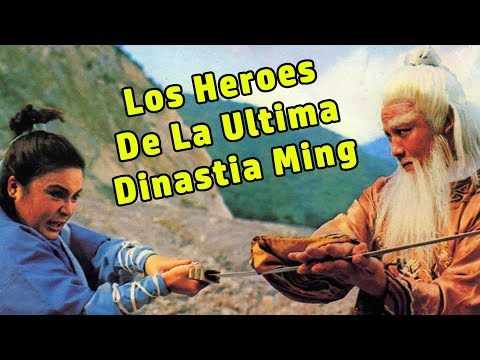
Wu Tang Collection - Heroes of the Last Ming Dynasty: A Martial Arts Masterpiece?

ENGLISH VERSION: https://youtu.be/B6DT0ZDgCKw

Ah, the dying days of the Ming Dynasty. A period ripe with intrigue, corruption, and, of course, the thunderous clash of fists and feet. The Wu Tang Collection presents "Heroes of the Last Ming Dynasty," a film that promises to transport us to an era where power was wielded not just by decree, but by the deadly grace of kung fu. But does this cinematic offering truly capture the spirit of the martial arts, or is it merely another flick lost in the annals of exploitation cinema? Today, we dissect this film from the perspective of a seasoned martial artist, looking beyond the flashy choreography to the underlying philosophy and combat efficacy.

The Perilous Ming Dynasty: A Setup for Conflict

The premise is classic martial arts cinema: "Evil Eunuchs with high kung fu skills try to hold onto power during the dying days of the Ming dynasty." This setup immediately evokes images of corrupt officials, desperate struggles for survival, and the inevitable rise of righteous warriors. The Ming Dynasty, a period of significant historical upheaval, provides a fertile ground for narratives of rebellion and heroism. For those of us who have studied the history of warfare and martial philosophy, such settings are not mere backdrops, but integral to understanding the motivations and the stakes involved. The desperation of a crumbling empire often breeds both the most ruthless villains and the most unyielding heroes. The question remains: does the film explore this dichotomy with any depth?

"In the midst of chaos, there is also opportunity." - A timeless principle echoing through many martial traditions.

The film positions its narrative within a context of political decay, a common theme in Chinese historical epics. Such stories often serve as allegories for contemporary issues, allowing audiences to explore themes of loyalty, betrayal, and justice through the lens of historical drama. The presence of "high kung fu skills" amongst the eunuchs immediately signals that this is not a film concerned with realistic combat, but with the theatrical and often exaggerated display of martial prowess that defined much of the Shaw Brothers era, which the Wu Tang Collection often celebrates.

Evil Eunuchs and Heroic Fighters: A Clash of Ideals

Roc Tien Peng, Pai Ying, Carter Wong, and Polly Shang Kwan – these names resonate with fans of classic kung fu cinema. Their presence promises a certain level of performance and dedication to the craft. The dichotomy presented is stark: the decadent, power-hungry eunuchs versus the as-yet-unnamed heroes who will inevitably challenge them. This archetypal conflict is the bedrock of countless martial arts narratives. It’s a battle not just of physical strength, but of ideologies. Are the eunuchs driven by a twisted sense of duty or pure avarice? What compels the heroes to risk their lives? Is it a sense of justice, personal vendetta, or a deeper philosophical commitment to the people?

Consider the philosophy of Bushido, the code of the samurai. While not directly applicable to Ming Dynasty China, its principles of honor, duty, and self-discipline offer a contrast to the depicted corruption. A true martial artist understands that technique is only one component; the mental and ethical framework is equally, if not more, important. A fighter without principle is merely a thug. The effectiveness of the heroes, therefore, should not solely be measured by their ability to land a kick, but by the righteousness of their cause.

Carter Wong, in particular, often portrayed formidable antagonists. His skill in portraying imposing figures adds weight to the threat posed by the eunuchs. Conversely, actors like Polly Shang Kwan were often associated with elegant yet deadly female warriors, bringing a different dimension to the fight sequences. The effectiveness of these performances will largely depend on how well they embody the internal struggles and motivations of their characters, going beyond mere physical execution.

The Heart of the Matter: Analyzing the Kung Fu

This is where the film, and by extension the Wu Tang Collection, truly lives or dies for the discerning martial arts enthusiast. When we talk about "high kung fu skills," what do we mean? Are we observing fluid, dynamic movements that display a genuine understanding of leverage, balance, and momentum? Or are we subjected to stylized, acrobatic sequences that prioritize visual spectacle over practical application?

The director, Wu Min-Hsiung, belongs to an era where the lines between traditional kung fu styles and more acrobatic, almost theatrical, fight choreography began to blur. This isn't inherently a bad thing. Styles like Drunken Master, for instance, utilize unconventional movements to their advantage. However, the key is authenticity within its own established rules. Does the film's choreography reflect any recognizable martial arts forms? Are the techniques employed believable within the context of what is being presented? For instance, a well-executed Tai Chi push, while seemingly soft, can generate immense power through rooting and structure. A flurry of kicks, while visually impressive, might lack the grounding necessary for real combat.

"The supreme art of war is to subdue the enemy without fighting." - Sun Tzu, ancient Chinese general and strategist. While this film is unlikely to focus on such subtlety, the underlying principle of efficiency and strategic thought should ideally be present in its combat.

We must look for signs of authentic martial principles:

  • Footwork and Stance: Are the fighters rooted? Is their movement efficient and balanced?
  • Use of Body Mechanics: Is power generated from the hips and core, or just flailing limbs?
  • Strategic Engagement: Do the fighters seem to understand distance and timing, or are they simply trading blows?
  • Realism vs. Spectacle: While some exaggeration is expected, does it cross into the realm of the physically impossible without narrative justification (e.g., superhuman leaps without setup)?

The term "kung fu" itself is broad, encompassing a vast array of styles developed over centuries. Observing the specific techniques – the hand strikes, the kicks, the throws, the weapon usage (if any) – can offer clues about the filmmakers' intent and the martial arts they aimed to showcase. A true master can often recognize the lineage or at least the foundational principles behind the movements, even in a highly stylized presentation.

The Wu Tang Collection's Role in Martial Arts Cinema

The Wu Tang Collection has carved a niche for itself by unearthing and distributing a plethora of classic martial arts films, often introducing them to new generations of fans. Their work is crucial in preserving the legacy of a genre that, while sometimes criticized for its B-movie qualities, has had a profound impact on global cinema and culture. They act as curators, bringing films like "Heroes of the Last Ming Dynasty" to audiences who might otherwise never encounter them.

Their commitment to showcasing diverse martial arts action is commendable. Whether it's the lightning-fast fist work of Wing Chun, the powerful stances of Kyokushin Karate, or the dynamic grappling of BJJ, the variety is key. This particular film, focusing on historical kung fu, likely draws from traditional Chinese martial arts systems. The challenge for the Wu Tang Collection is not just to show fights, but to present films that, even with their age and sometimes rough production values, offer genuine insight into the art and spirit of martial pursuits.

By subscribing to their channel, as the description suggests, viewers gain access to a treasure trove of cinematic history. This accessibility is invaluable for researchers, enthusiasts, and practitioners alike, providing a readily available resource for studying the evolution of martial arts representation on screen.

Veredicto del Sensei: Is it a Masterpiece or a Miss?

"Heroes of the Last Ming Dynasty" is, by its very nature as a product of its time and the Wu Tang Collection's catalog, a film that leans heavily into spectacle. The "high kung fu skills" of the evil eunuchs suggest a focus on elaborate, perhaps even gravity-defying, choreography rather than gritty realism. This can be incredibly entertaining, but it often sacrifices the profound philosophical underpinnings and practical combat applications that a serious martial artist seeks.

While the premise is solid and the cast comprises familiar faces from the genre, the film's true value lies in its execution of the fight scenes. If the choreography is intricate, well-paced, and demonstrates a respect for martial arts principles, it can be a valuable piece of cinematic history. If it devolves into repetitive, nonsensical flailing, it remains a historical curiosity at best.

Considering the typical output distributed by the Wu Tang Collection, expect a film that prioritizes action and entertainment over nuanced character development or deep philosophical exploration. It’s a window into a specific era of martial arts filmmaking, offering a vibrant, if often exaggerated, portrayal of conflict.

Classification: A solid "Cinturón Negro en Coreografía de Época" (Black Belt in Period Choreography), with potential deductions for realism.

Equipo Esencial para tu Entrenamiento

While "Heroes of the Last Ming Dynasty" showcases the culmination of intense training, your own journey requires the right foundation. Investing in quality gear can significantly enhance your practice and safety. For any serious martial artist, especially those practicing styles that involve striking or grappling, consider the following:

  • Kimono/Gi: A durable, well-fitting uniform is paramount for styles like Judo, Jiu-Jitsu, and Karate. Look for double-weave or heavyweight cotton for longevity during intense sparring.
  • Gloves: For striking arts or MMA, proper gloves are non-negotiable. For bag work and general conditioning, 14-16oz sparring gloves offer good protection. For lighter drills, bag gloves or even fingerless training gloves might suffice.
  • Pads and Protective Gear: Focus mitts, kicking shields, and groin protectors are essential for safe and effective sparring drills.
  • Training Mats: If you practice grappling or ground techniques, investing in interlocking foam mats can provide a safer training surface at home.
  • Strength and Conditioning Equipment: Resistance bands, kettlebells, and jump ropes are versatile tools for building the foundational strength and agility required for any martial art.

Frequently Asked Questions

  • What martial arts styles are typically depicted in films from the Wu Tang Collection?
    The collection features a wide array, but historically they focus on traditional Chinese kung fu, swordplay, and often elements of Wuxia (martial arts fantasy).
  • Is "Heroes of the Last Ming Dynasty" based on a true story?
    While set during the historical Ming Dynasty, the plot and characters are likely fictional, serving as a vehicle for martial arts action.
  • Are the eunuchs in the film depicted with realistic martial arts skills?
    Given the genre, it's highly probable their skills are exaggerated for dramatic and entertainment purposes, showcasing "high kung fu" as a narrative device.
  • What is the significance of the Ming Dynasty setting in martial arts films?
    This period often symbolizes corruption and decadence, providing a fertile ground for heroic narratives of rebellion and the restoration of order through martial prowess.

Para Profundizar en tu Camino

To truly understand the artistry and philosophy behind the action, delving deeper is essential. Consider exploring these related topics:

Reflexión del Sensei: Tu Próximo Paso

This film, like so many others, offers a blend of entertainment and a glimpse into the world of martial arts cinema. But is the spectacle enough? Does the visual prowess of the actors translate to a deeper understanding of the fighting spirit? Or does the emphasis on "high kung fu" detract from the grounded principles that define true mastery? Reflect on this: When you watch a martial arts film, are you simply looking for impressive kicks, or are you seeking a reflection of the discipline, the philosophy, and the unwavering spirit that lies at the core of every true warrior's path? How will you discern the superficial from the profound in your own training and appreciation?

``` GEMINI_METADESC: An in-depth martial arts analysis of the film 'Heroes of the Last Ming Dynasty' from the Wu Tang Collection, examining its choreography, historical context, and cinematic legacy.