Showing posts sorted by relevance for query disciplined living budo. Sort by date Show all posts

Mikio Yahara: The Unyielding Spirit of Shotokan Karate and the Rediscovery of Budo

The Uncompromising Fighter

Welcome, students of the martial path. Today, we delve into the life and legacy of a man whose name resonates with the very essence of dynamic Shotokan Karate: Mikio Yahara. Born in 1947, Yahara Sensei is not merely a practitioner; he is a force of nature within the dojo and a living testament to the power of unwavering spirit. Masatoshi Nakayama, a titan of Karate himself, recognized this when he declared Yahara "the best fighter of his generation." This is not hyperbole; it is a pronouncement earned through sweat, discipline, and an unshakeable commitment to the principles of martial combat.

But what truly sets Yahara Sensei apart, and what we will explore today, is his profound dedication to reintroducing Karate to its ancient Budo roots. In an era where Karate often drifts towards sport or mere physical exercise, Yahara Sensei stands as a beacon, reminding us of the deeper, combative, and spiritual dimensions of our art. Prepare yourselves for a lesson not just in Karate, but in the enduring philosophy of the warrior.

Forged in the Crucible of the JKA

Mikio Yahara emerged from the prestigious Japan Karate Association (JKA) dojo, an institution synonymous with the standardization and global dissemination of Shotokan Karate. This was no easy environment. The JKA of Yahara's formative years was a breeding ground for exceptional talent, a place where only the strongest, most dedicated, and most skilled could thrive. To be recognized within this elite group, let alone singled out for praise, speaks volumes about Yahara's innate abilities and relentless work ethic.

His achievements within the JKA are legendary. Winning the JKA Grand Championship is not a minor feat; it signifies conquering the highest echelon of competitive Karate. This victory was more than just a trophy; it was a declaration of dominance, a validation of his physical prowess and tactical acumen. He proved himself on the most demanding stage, a feat that solidified his reputation as a formidable competitor.

"The JKA was a proving ground. Every session, every kumite, was a test. Yahara didn't just pass these tests; he redefined them."

His early success wasn't accidental. It was the direct result of countless hours spent honing his techniques, perfecting his timing, and cultivating an indomitable spirit. The intensity of training within the JKA under masters like Nakayama instilled a level of discipline and combat readiness that few could match.

A Style Born of Necessity

What made Mikio Yahara a fan favorite and a feared opponent was his truly unique fighting style. It wasn't simply about executing perfect techniques; it was about a raw, energetic, and often unpredictable approach to kumite. This dynamism wasn't just for show; it was a product of his deep understanding of combat and his commitment to effectiveness.

In the world of martial arts, especially in competition, styles often evolve. Some become more reliant on speed, others on power, and some on strategic point-scoring. Yahara Sensei, however, embodied a style that was both explosive and deeply rooted. He attacked with a ferocity that belied his technical precision, making him a captivating figure to watch. His movements were not just movements; they were manifestations of focused intent, designed to overwhelm and disable an opponent.

This fighting style, described as "energetic" and "dynamic," is a hallmark of true martial artists who understand that combat is not static. It requires adaptability, a willingness to press the advantage, and the courage to face adversity head-on. His approach was a stark contrast to more conservative styles, making him a standout performer and an inspiration to many who sought a more aggressive, yet still principled, way to fight.

The impact of such a style on the perception of Shotokan Karate cannot be overstated. It demonstrated that the art, while possessing a rich tradition, could also be expressed through powerful, modern combat applications. This versatility is key to the longevity of any martial art, and Yahara Sensei was a living embodiment of this principle.

The Path Back to Budo

While his prowess in competition is undeniable, it is Yahara Sensei's later focus on the philosophical underpinnings of Karate that has cemented his status as a modern master. He is a fervent advocate for reintroducing Karate to its original Budo roots. This is a critical distinction and one that resonates deeply with those who believe Karate is more than just a sport.

Budo, the "way of warfare" or "martial way," encompasses not just technical proficiency but also the spiritual, ethical, and mental cultivation of the practitioner. It emphasizes discipline, respect, self-control, and the development of character. In its purest form, Budo is a lifelong path of self-improvement, where combat is a means to an end—the perfection of self—rather than the ultimate goal.

"Karate, in its original Budo context, was not merely about striking. It was about understanding the totality of conflict, both external and internal."

Yahara Sensei's commitment to this philosophy is not just theoretical; it's a guiding principle in his teachings and his personal practice. He believes that by returning to these core principles, Karate can regain its profound depth and continue to be a transformative force in practitioners' lives. This perspective challenges many modern interpretations of Karate, which may focus heavily on sport Karate or self-defense without fully embracing the holistic development inherent in traditional Budo.

His exploration of Budo Karate has made him a pivotal figure today, guiding Karateka toward a more complete understanding of their art. This is crucial in a world that often separates physical training from mental and spiritual growth. Yahara Sensei bridges this gap, reminding us that the strongest fighter is not just the one with the most powerful technique, but the one with the most disciplined and enlightened mind.

The journey back to Budo is a call to arms for martial artists worldwide. It is an invitation to look beyond the immediate rewards of competition or self-defense and to embrace the lifelong pursuit of wisdom and character development that martial arts, at their best, offer.

Enduring Influence and the Future of Karate

Mikio Yahara's influence extends far beyond his competitive achievements. His dedication to the Budo aspect of Karate ensures that his teachings will continue to shape the art for generations to come. He represents a vital bridge between the historical roots of Karate and its future potential.

As Karate continues to evolve, with its inclusion in the Olympic Games and its diverse manifestations across the globe, voices like Yahara Sensei's are essential. They serve as a reminder of the art's origins and its potential for profound personal development. His legacy is not just in the techniques he performed, but in the philosophical direction he champions for Karate.

The question for practitioners today is: How do we integrate the dynamism and competitive spirit, for which Yahara Sensei is renowned, with the depth and wisdom of Budo? It is a challenge that requires careful consideration, dedication, and a willingness to look beyond superficial achievements. The path forward for Karate, as championed by masters like Yahara, involves a holistic approach that nourishes both the body and the spirit.

Sensei's Verdict: A Champion's Legacy

Mikio Yahara is more than just a decorated Karateka; he is a living embodiment of the martial spirit. His career exemplifies the peak of Shotokan competition, earning him accolades and the respect of his peers. Yet, it is his unwavering commitment to the deeper principles of Budo that truly elevates his status. He reminds us that true mastery lies not only in victory but in the continuous pursuit of self-perfection and the preservation of an art's soul.

Rating: 10th Dan in Legacy & Philosophy

Essential Training Gear for Karateka

To emulate the dedication of masters like Mikio Yahara, having the right equipment is fundamental. Quality training gear not only enhances performance but also ensures safety and respect for the dojo.

  • High-Quality Karate Gi: Look for a double-weave or heavyweight gi for durability during intense kumite and kata. Brands offering a good balance of tradition and modern fit are ideal.
  • Protective Gear: For sparring (kumite), ensure you have proper sparring gear including mitts, foot protectors, and a chest protector. Safety is paramount.
  • Training Mats (if applicable): For home practice or specific dojo drills, consider mats that offer good cushioning and grip.
  • Bokken or Bo Staff (for related disciplines): While not always central to Shotokan, if exploring weapons-based Budo, a wooden sword (bokken) or staff (bo) is essential.
  • Books on Budo and Karate History: Supplement your physical training with knowledge. Understanding the philosophy and history deepens your practice.

Investing in quality Karate merchandise is an investment in your own development.

Frequently Asked Questions

Who is Mikio Yahara?
Mikio Yahara is a highly respected 10th Dan Shotokan Karate practitioner, renowned for his dynamic fighting style and his advocacy for returning Karate to its Budo roots.
What is Budo Karate?
Budo Karate emphasizes the martial way, focusing not only on combat techniques but also on the spiritual, ethical, and mental development of the practitioner, akin to traditional samurai disciplines.
What was Yahara's significance in the JKA?
Yahara was considered "the best fighter of his generation" by Masatoshi Nakayama and won the prestigious JKA Grand Championship, showcasing exceptional skill and competitive spirit.
Why is his focus on Budo important today?
In a landscape where Karate can sometimes lean heavily towards sport or self-defense without deeper philosophical engagement, Yahara Sensei's emphasis on Budo reminds practitioners of the art's holistic potential for character development and spiritual growth.

To Dive Deeper Into Your Journey

The path of the martial artist is one of continuous learning. To further enrich your understanding and practice, explore these related topics:

Reflexión del Sensei: Tu Próximo Paso

Yahara Sensei's life is a testament to the idea that true martial arts mastery is a blend of fierce combat effectiveness and profound philosophical depth. He urges us to look beyond the immediate victory and seek the enduring lessons of the path. Now, I ask you:

Can the fierce warrior and the contemplative sage truly coexist within a single martial artist? And if so, how does one cultivate both without sacrificing the essence of the other?

Share your thoughts, your doubts, and your insights. Let us engage in a discussion that honors the spirit of Budo and the legacy of masters like Mikio Yahara.

``` GEMINI_METADESC: Explore the dynamic fighting style and profound Budo philosophy of 10th Dan Shotokan Karate master Mikio Yahara, hailed as the best fighter of his generation.

The Warrior's Heart: Beyond the Spectacle of the "Gorilla Chef" and Martial Arts

Hello and welcome to Budo and Martial Arts. Today, we delve into a subject that, at first glance, might seem like a curious juxtaposition: the raw, primal energy often associated with gorillas, and the refined discipline of martial arts. We're not just talking about a viral sensation; we're exploring the deeper currents of instinct, training, and the inherent combativeness within us all. Many of you have likely seen the clips – the "Gorilla Chef," the playful yet powerful interactions of gorillas in a circus-like setting. It's easy to dismiss this as mere entertainment, a fleeting digital curiosity. But as practitioners of the martial arts, and as students of the human condition, we are trained to look beyond the surface. We seek the underlying principles, the echoes of ancient battles, the spirit of the warrior. Our journey today, inspired by the raw power showcased in these viral moments, will dissect what true martial prowess entails. Is it merely brute strength? Is it the choreographed dance of a kata? Or is it something deeper, something that connects the primal roar of a wild animal to the focused intent of a seasoned fighter?

The Primal Roar and the Disciplined Fist

The allure of powerful creatures, especially primates like gorillas, lies in their raw, unbridled strength. We see their sheer physicality, their imposing presence, and we can't help but draw parallels to the world of combat sports and martial arts. When content depicting these animals, whether in a "chef" role or a more traditional circus setting, goes viral, it sparks a conversation. It ignites a curiosity within us, prompting questions about the nature of strength, instinct, and the discipline required to channel such power effectively.

This isn't just about appreciating animal behavior; it's about understanding the fundamental drivers of conflict and resilience that are echoed in human martial traditions. The "Gorilla Chef" phenomenon, while seemingly lighthearted, taps into our fascination with primal power. It’s a gateway, for some, into contemplating the very essence of what it means to be a warrior.

Gorilla Instinct: A Primal Blueprint for Combat?

Gorillas, in their natural habitat, are not inherently aggressive creatures, but they possess immense power and can defend themselves fiercely when threatened. Their social structures, dominance displays, and moments of conflict offer a glimpse into a world governed by instinct and physical dominance. We observe their chest-beating, their charging displays, and their sheer muscular force, and a question naturally arises: how much of this raw, instinctual behavior mirrors the foundations of martial arts?

While martial arts are built upon discipline, technique, and strategy, the underlying instinct to survive, to defend, and to assert oneself is undeniably present. Consider the explosive power generation required in a powerful punch or kick. While trained and refined, its roots can be traced back to the very same biological imperative that drives a silverback to protect its troop.

"The ultimate aim of martial arts is not victory or defeat, but the perfection of the human character." - Gichin Funakoshi

However, the critical difference lies in refinement and control. A gorilla’s display of strength is reactive, instinctual. A martial artist’s application of power is deliberate, calculated, and integrated with strategy and philosophy. The spectacle of the circus or a viral video might showcase the raw power, but it rarely, if ever, displays the disciplined application that defines true martial arts.

Training vs. Instinct: Finding the Balance

This is where the true debate lies. Many martial arts systems, from the striking arts like Karate and Kickboxing, to grappling arts like Judo and BJJ, are designed to harness and refine natural human instincts. We learn to anticipate, to react, and to move with efficiency that feels almost instinctive after years of dedicated practice. Yet, it is the conscious understanding of principles, the systematic development of technique, and the mental fortitude that separates a trained martial artist from an animalistic display of force.

For instance, the concept of 'kiai' in many Japanese arts, a spirited shout, is often misunderstood. It's not just a primal yell; it’s an expression of focused energy, a tool to unify the body and spirit, and can even be used to intimidate an opponent. It bridges the gap between raw instinct and controlled expression. Similarly, the rapid advances and retreats in Fencing or the sudden explosive movements in Kung Fu draw from primal fight-or-flight responses, but are channeled through rigorous training.

The risk in solely relying on instinct, as seen in primal displays, is predictability and lack of strategy. Without the framework of martial principles, such power can be wasted or even turn against the user. The goal in martial arts training is to elevate instinct through knowledge, to make the primal roar a whisper of controlled power.

The Spirit of the Warrior: Beyond Physicality

The true essence of martial arts, the 'Budo' spirit, extends far beyond the physical confrontation. It’s about developing character, discipline, resilience, and self-awareness. While a gorilla exhibits strength and protective instincts, it does not possess the philosophical depth that underpins centuries of martial tradition. Concepts like Mushin (no mind), Zanshin (lingering awareness), and Shuhari (learn, break, transcend) are distinctly human constructs, born from introspection and the pursuit of self-mastery.

A true warrior, regardless of their chosen art, strives for more than just physical dominance. They seek inner peace, ethical conduct, and a profound understanding of themselves and their place in the world. This is the philosophical battleground where the disciplined human spirit transcends mere instinctual might.

"There are no dangerous attacks, only dangerous moves." - Miyamoto Musashi

The viral clips, while entertaining, are a mere snapshot of raw power. They lack the narrative of dedication, the hundreds of hours on the mat, the mental fortitude to overcome failure, and the ethical framework that guides a martial artist's actions. It’s the difference between a powerful natural force and a finely tuned instrument of combat and self-improvement.

Veredict of the Sensei: More Than Just a Circus Act

While the "Gorilla Chef" and circus antics provide a fascinating, albeit superficial, look at raw power and instinct, they fall far short of embodying the spirit of true martial arts. The spectacle is entertaining, yes. It might even serve as a fleeting inspiration to explore the physical prowess of living beings. But it lacks the core tenets of martial discipline: ethical conduct, strategic thinking, deep philosophical understanding, and the relentless pursuit of self-perfection.

Cinturón Negro en Entretenimiento, Cinturón Blanco en Budo. The viral phenomenon is a fleeting glimpse of primal energy, a far cry from the cultivated power and refined spirit of a true martial artist. It’s a reminder of the power that lies dormant within us all, but it’s the journey of training and self-discovery that truly unlocks its potential.

Essential Gear for Your Training

To embark on your own journey of refining instinct into disciplined power, the right equipment can make a significant difference. While some arts require specialized gear, foundational elements are crucial for safety and progression:

  • Durable Gi/Kimono: Essential for arts like Judo, Karate, and Taekwondo. Look for a material that can withstand rigorous training, such as a double-weave for Judo or a crisp cotton for Karate.
  • Sparring Gear: For arts involving striking or full contact, headgear, mouthguards, and padded gloves (e.g., 16oz gloves for Muay Thai or Kickboxing) are non-negotiable for safety.
  • Training Mats: If you're practicing floor-based techniques or grappling at home, thick, interlocking mats provide crucial cushioning.
  • Training Weapons (Optional): For styles that incorporate them, wooden swords (bokken), staffs (bo), or knives (tanto) are necessary but should only be used under qualified supervision.
  • Comfortable Athletic Wear: For arts that don't require a traditional uniform, breathable, flexible clothing is key for unrestricted movement.

Training Guide: Developing Your Inner Warrior

While you can't replicate a gorilla's strength, you can cultivate your own disciplined power. Here’s a basic framework to begin harnessing your inner warrior:

  1. Foundational Stance Practice: Start with mastering your basic stances. In Karate, for example, the Kiba-dachi (horse stance) or Zenkutsu-dachi (front stance) builds leg strength and balance. Hold each stance for extended periods to develop endurance and grounding.
  2. Basic Striking Drills: Practice fundamental punches like the Tsuki (straight punch) and blocks like the Gedan Barai (downward block). Focus on proper body mechanics – hip rotation, core engagement, and snapping the limb through the target. Practice these slowly and deliberately before increasing speed.
  3. Conditioning Exercises: Incorporate exercises that build functional strength and explosive power.
    • Bodyweight Squats: For leg power. Aim for controlled depth and proper form.
    • Push-ups: For upper body and core strength. Vary the tempo – slow negatives, explosive push-offs.
    • Burpees: A full-body exercise that combines strength and conditioning, mimicking a primal burst of energy.
    • Jumping Jacks: For cardiovascular conditioning and agility.
  4. Mindful Breathing: Practice deep, diaphragmatic breathing. This not only calms the mind but also aids in power generation and stamina. Try holding a stable stance and focusing solely on your breath for 5 minutes.
  5. Shadowboxing: Visualize an opponent and execute techniques fluidly. This helps in developing timing, distance management, and combining movements. Focus on fluidity and intent with each movement.

Frequently Asked Questions

Q1: Is the strength of gorillas comparable to trained martial artists?

Gorillas possess immense natural, raw strength due to their musculature and physique, developed for survival. Trained martial artists, however, achieve a different kind of strength: one that is refined, explosive, efficient, and strategically applied, often surpassing raw power through technique and leverage.

Q2: Can observing animal behavior help improve martial arts training?

Yes, observing the natural movement, efficiency, and defensive postures of animals can offer inspiration. Many martial arts draw parallels to animal movements (e.g., Tiger Claw, Crane Stance). However, direct imitation is often less effective than understanding the underlying principles of movement and applying them within a human biomechanical context.

Q3: What is the most important aspect of martial arts: instinct or training?

True mastery lies in the integration of both. Instinct provides the primal reaction and raw potential, while rigorous training refines these instincts into disciplined techniques, strategic thinking, and a deep philosophical understanding. One without the other is incomplete.

Q4: How does the "Budo" spirit differ from the instincts of a wild animal?

The "Budo" spirit emphasizes character development, ethical conduct, self-discipline, and spiritual growth alongside physical prowess. Wild animal instincts are primarily driven by survival, reproduction, and territorial defense, lacking the introspective and moral dimensions central to Budo.

To Delve Deeper Into Your Path

  • BUDO: The Way of the Warrior
  • Martial Arts Philosophy: Cultivating the Mind
  • Combat Analysis: Technique Breakdown

Reflection of the Sensei: Your Next Step

The viral spectacle of the "Gorilla Chef" and circus animals offers a potent, if raw, display of power. But is mere power the ultimate goal, or is it the disciplined application of that power, guided by wisdom and intent, that truly defines the warrior? Does the spectacle of raw strength distract us from the deeper, more meaningful journey of self-mastery, or can it serve as a primal call to arms, urging us to explore the warrior within?

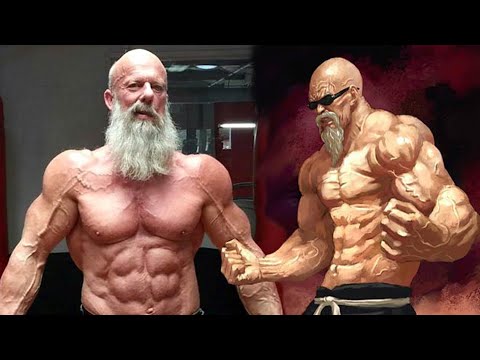
Dragon Ball's Master Roshi Embodied: The Real-Life Saga of Andreas Cahling

The Genesis of a Warrior's Legend

We often look to the realms of fiction for ultimate strength and wisdom, for characters who embody the peak of martial prowess and philosophical depth. Dragon Ball's Master Roshi, the Crane Hermit's rival and Goku's first true master, is one such icon. But what if I told you that elements of this beloved anime character weren't confined to the screen? What if a real-life individual mirrored Roshi's blend of eccentric wisdom, formidable combat skill, and an unwavering dedication to the martial path? Today, we delve into the extraordinary life of Andreas Cahling, a man who, in many ways, embodies the spirit of the Turtle Hermit himself.

Are you ready to explore a martial arts journey that defies conventional expectations and redefines what it means to be a warrior, both in body and in spirit? Prepare yourself, for this is not a tale of mere physical strength, but of the enduring power of dedication, learning, and the pursuit of self-mastery. We will dissect his methods, his philosophy, and the undeniable parallels to one of anime's most enduring figures. Let the lesson begin!

Who is Andreas Cahling? More Than Meets the Eye

Andreas Cahling is not your typical martial artist. Born in Sweden, he is a master of multiple disciplines, including Karate, Judo, Aikido, and Muay Thai. But his story goes beyond a mere accumulation of techniques. Cahling is renowned for his incredible physical condition, even in his later years, defying the stereotypes of aging and physical decline. He has dedicated his life to the rigorous pursuit of physical and mental perfection, living a life deeply intertwined with the principles of Budo.

His lifestyle is as unique as his skill set. Cahling is known for his disciplined approach to diet, training, and mental conditioning. He often espouses a philosophy that emphasizes the connection between the body, mind, and spirit, a cornerstone of traditional martial arts. This holistic approach, coupled with his often unconventional methods and public persona, has drawn comparisons to characters who exist at the nexus of power and eccentricity. For anyone interested in Martial Arts Training or the philosophy of BUDO, Cahling’s life presents a compelling case study.

The Roshi Parallel: Wisdom, Eccentricity, and Raw Power

The resemblance to Master Roshi is striking. Roshi, despite his perverted tendencies and love for leisure, is a supremely powerful martial artist and a wise teacher. He understands the balance of strength and spirit, and he knows when to be serious and when to lighten the mood. Similarly, Andreas Cahling projects an image of someone who has mastered not only the physical aspects of combat but also the mental and spiritual fortitude required to live a life dedicated to self-improvement.

Cahling's public image, often featuring him in powerful stances or displaying his physique with a mischievous glint in his eye, mirrors Roshi’s dual nature. He is the seasoned elder whose experience and power are undeniable, yet he doesn't take himself too seriously. This blend of formidable skill, philosophical depth, and a touch of the unconventional is precisely what makes the comparison to Master Roshi so resonant. It challenges our perception of what a martial arts master should be, moving beyond the stoic stereotype to embrace a more human, relatable, and ultimately inspiring figure. This is the essence of true Martial Arts Inspiration.

"The true martial artist is not just one who can fight, but one who understands the fight within himself."

This quote, a distillation of countless martial philosophies, seems to perfectly encapsulate Cahling's ethos. It’s this internal battle, the constant striving for self-improvement, that truly defines a warrior.

Martial Arts and Philosophy: The Core of Cahling's Being

Andreas Cahling's engagement with martial arts is not superficial. He has delved deep into various styles, understanding their underlying principles and philosophies. His mastery of Karate, Judo, and Muay Thai, among others, speaks to a dedication that transcends mere physical training. It indicates a profound respect for the history, techniques, and ethical codes associated with each discipline.

His philosophy often emphasizes natural movement, efficiency, and the integration of mind and body. This echoes the principles found in many traditional arts, such as the concept of 'Mushin' (no-mind) in Zen Buddhism and its application in martial arts, or the emphasis on 'Ki' (life force) in arts like Aikido. Cahling’s ability to maintain peak physical condition at an advanced age is a testament to his understanding that true strength comes from a balanced, harmonious integration of physical training, mental discipline, and spiritual awareness. This is the path of BUDO, the warrior's way, a path demanding constant self-reflection and growth.

The Training Regimen: Pushing the Limits of Human Potential

What sets Cahling apart is his commitment to an extraordinary training regimen. While many martial artists may focus on one or two styles, Cahling has embraced a cross-training approach that is both comprehensive and demanding. His dedication to maintaining a lean, powerful physique well into his later years is legendary.

His training often incorporates elements that appear extreme, such as prolonged fasting, cold exposure, and intense physical conditioning that would challenge athletes half his age. This isn't about vanity; it's about pushing the boundaries of human potential and proving that age is merely a number when guided by discipline and knowledge. He understands that effective entrenamiento is not just about lifting weights or practicing kicks; it’s about holistic conditioning, including cardiovascular health, flexibility, and mental resilience. This approach is vital for anyone seeking to improve their Fitness and overall well-being.

His dedication to functional strength and endurance is crucial for any Fighter Legacy. The ability to perform under pressure, to maintain stamina over extended periods, and to recover efficiently are hallmarks of elite practitioners across all combat sports, from MMA to traditional Karate Kyokushin.

Cahling in Action: Demonstrations of Skill and Spirit

When Andreas Cahling demonstrates his abilities, the Master Roshi parallels become even more apparent. Videos and images of Cahling often showcase his incredible flexibility, strength, and precise movements. Whether performing dynamic kicks, demonstrating powerful strikes, or showcasing his incredible agility, he moves with a grace and power that belies his age.

These demonstrations are not just about showcasing physical prowess; they are living embodiments of the philosophies he espouses. They highlight the results of decades of dedicated practice, a testament to the fact that consistent effort and a deep understanding of movement can lead to extraordinary outcomes. For aspiring martial artists, observing Cahling in action is like watching a master craftsman at work, demonstrating principles that can be applied to any discipline, whether it's Judo, Kickboxing, or even a rigorous At Home Workout. It’s a powerful reminder of the potential locked within the human form.

Impact and Legacy: Inspiring a New Generation

Andreas Cahling's influence extends far beyond his personal achievements. He serves as a powerful role model, particularly for those who believe that age is a barrier to physical fitness and martial arts practice. His life is a living testament to the enduring power of the martial spirit and the potential for continuous self-improvement.

He inspires individuals to embrace a holistic approach to health and well-being, encouraging them to look beyond conventional limitations. His story is a beacon for anyone seeking to live a more disciplined, purposeful life, demonstrating that the path of the warrior is a lifelong journey of learning and growth. For those interested in the intersection of physical prowess and mental fortitude, Cahling’s life is a masterclass in Self Improvement and Self Mastery.

Veredicto del Sensei: Is Cahling a True Martial Arts Master?

From my perspective as a lifelong practitioner and observer of the martial arts, Andreas Cahling embodies many of the qualities we associate with true masters. His dedication to a diverse range of disciplines, his commitment to peak physical and mental conditioning, and his ability to inspire others all point to a profound understanding of the martial path. While the comparison to Master Roshi is a lighthearted observation, it underscores the rare combination of potent skill, deep wisdom, and an unconventional spirit that Cahling displays. He is not merely a fighter; he is a practitioner who has dedicated his life to the pursuit of excellence, demonstrating that the warrior’s spirit knows no age limit. He has earned the respect of the martial arts community through his actions and dedication, proving that the pursuit of mastery is a lifelong endeavor.

Cahling’s Rating: Cinturón Negro en Longevidad y Maestría Marcial.

Equipment Essentials for Your Training

To emulate the dedication of masters like Andreas Cahling, having the right equipment can make a significant difference in your training. Whether you're practicing at home or in a dojo, investing in quality gear ensures safety and effectiveness.

  • Gi/Kimono: For styles like Judo and Karate, a durable, well-fitting Gi is essential. Look for double-weave kimonos for Judo for extra resilience.
  • Training Mats: If you're practicing grappling or techniques that involve falling, investing in good quality Martial Arts Merchandise like interlocking mats is crucial for safety.
  • Sparring Gear: For disciplines involving sparring (Karate, Kickboxing, MMA), protective gear such as headguards, mouthguards, and sparring gloves (e.g., 16oz for MMA) are non-negotiable.
  • Training Apparel: For conditioning and diverse martial arts training, comfortable and breathable workout wear is key. Look for moisture-wicking fabrics.
  • Supplements: While not strictly equipment, high-quality supplements can aid recovery and performance, mirroring the disciplined diet of masters like Cahling.

Resources for Deepening Your Path

To further your understanding and practice, consider exploring these related topics and resources:

Frequently Asked Questions

What martial arts is Andreas Cahling known for?
Andreas Cahling is known for his mastery in multiple disciplines including Karate, Judo, Aikido, and Muay Thai.
How does Andreas Cahling maintain his physique at an advanced age?
He follows a rigorous training regimen that includes diverse martial arts, intense physical conditioning, a disciplined diet, and practices like fasting and cold exposure, focusing on holistic well-being.
Why is he compared to Master Roshi from Dragon Ball?
The comparison stems from his blend of extraordinary martial arts skill, wisdom, a disciplined yet somewhat unconventional lifestyle, and an inspiring persona that defies typical age-related limitations, much like the iconic anime character.
What is the core philosophy behind Cahling's martial arts practice?
His philosophy emphasizes the integration of mind, body, and spirit, focusing on natural movement, efficiency, discipline, and continuous self-improvement – principles central to the Budo path.

Sensei's Reflection: Your Next Step

Andreas Cahling’s life is a powerful narrative that transcends the physical. It is a testament to the enduring power of discipline, the pursuit of knowledge, and the unyielding spirit of a true martial artist. He shows us that mastery is not a destination, but a continuous process, a path walked with dedication, curiosity, and an open heart. The comparison to Master Roshi, while playful, highlights a deeper truth: the most inspiring figures often possess a unique blend of profound skill, relatable humanity, and an eccentric spark that ignites the imagination.

Reflexión del Sensei: Tu Próximo Paso

Now, I pose a question to you, the dedicated reader. You have seen the extraordinary path of Andreas Cahling, a man who embodies the spirit of a living legend. Do you believe that the principles of rigorous training, philosophical depth, and a touch of the unconventional are essential for true martial arts mastery in the modern age? Or do you find such comparisons to fictional characters to be mere distractions from the core tenets of the art? Debate this with yourself, and then, with courage, share your honest thoughts below. Let the fire of discussion ignite your spirit!

``` GEMINI_METADESC: Explore the real-life warrior spirit of Andreas Cahling, often likened to Dragon Ball's Master Roshi. Discover his multi-disciplinary mastery, unique training, and enduring martial philosophy.

Chiyonofuji Mitsugu: The Lion of Sumo - A Masterclass in Budo and Warrior Spirit

In the hallowed halls of Sumo, where tradition and raw power converge, few figures loom as large as Chiyonofuji Mitsugu. His dominance in the late 20th century was not merely a statistical anomaly; it was a testament to a profound understanding of Budo, the Way of the Warrior, a philosophy that transcends the wrestling ring and permeates the very essence of martial discipline. Today, we delve into the life and legacy of this legendary Yokozuna, not just as a Sumo wrestler, but as a paragon of martial artistry. This is not merely a biography; it is a dissection of the principles that forged a champion and what we, as practitioners of the martial arts, can learn from his enduring spirit.

The Rise of the Lion: Chiyonofuji's Early Years

Born Mitsugu Apopka, Chiyonofuji's journey began not with inherent divine talent, but with unwavering perseverance. From humble beginnings, he entered the world of Sumo with a slight frame that belied the ferocity within. His early career was marked by struggles, a common theme for many aspiring warriors. This period forged his mental fortitude, teaching him the invaluable lesson that true strength is cultivated, not merely bestowed.

His ascent through the ranks was a slow, arduous climb, each victory a hard-won battle against larger, more experienced opponents. He didn't just win; he conquered, dismantling opponents with a blend of speed, technique, and an almost palpable fighting spirit. This relentless pursuit of excellence laid the foundation for his eventual reign as the 58th Yokozuna, the highest rank in Sumo.

Beyond the Dohyo: Chiyonofuji and the Spirit of Budo

What truly set Chiyonofuji apart was his embodiment of Budo. In Japanese martial arts, Budo is more than just combat techniques; it is a way of life, a path of self-perfection through rigorous training and ethical conduct. Chiyonofuji approached Sumo with an intensity and dedication that mirrored the most disciplined Karateka or Kendo master.

"The spirit of the warrior is not to be afraid of defeat, but to be willing to die for victory."

This quote, though not directly attributed to Chiyonofuji, perfectly encapsulates the mindset he displayed. His unwavering resolve in the face of formidable opponents, his dignified demeanor both in victory and defeat, and his dedication to his craft spoke volumes. He understood that the dohyo (Sumo ring) was his dojo, and every bout was a lesson in humility, respect, and the constant pursuit of self-mastery. This is a principle that resonates deeply within the BUDO community and all artes marciales.

His training was famously grueling. He pushed his body to its limits, refining his techniques and building an indomitable will. This commitment to rigorous practice is a cornerstone of all effective martial arts, from Judo to Kyokushin Karate. The Budo way demands sacrifice and an unyielding commitment to self-improvement, qualities Chiyonofuji possessed in abundance.

The Art of the Strike: Chiyonofuji's Signature Techniques

While Sumo is characterized by throws and grappling, Chiyonofuji was renowned for his powerful tsuppari (thrusting strikes) and his exceptional agility. He was not a hulking brute, but a strategic warrior who used his speed and precise timing to overwhelm his opponents. His signature move, the uwatenage (overarm throw), executed with devastating speed and power, often left his opponents bewildered.

Consider the uwatenage: it requires impeccable timing, a strong grip, and the explosive power to lift and throw an opponent significantly larger than oneself. This is not brute force; it is applied physics, timing, and an understanding of leverage. It is a technique that requires immense skill and practice, much like a well-executed O-goshi in Judo or a powerful punch in Kickboxing.

His approach to the dohyo was akin to a seasoned fighter entering the Octagon for an MMA bout. He studied his opponents, exploited their weaknesses, and applied his strengths with calculated precision. The mental game, so crucial in all combat sports, was clearly one of his greatest assets. He entered each match with confidence, but without arrogance, a fine line that separates true champions from mere contenders.

Chiyonofuji's Enduring Impact on Martial Arts

Chiyonofuji's legacy extends far beyond the world of Sumo. He demonstrated that size is not always the ultimate advantage, and that technique, speed, and an indomitable spirit can overcome seemingly insurmountable odds. This is a universal truth in the martial arts.

His record of 31 tournament championships is a testament to his sustained excellence, a feat rarely seen in any sport. He inspired a generation of wrestlers and martial artists alike, proving that the principles of Budo – discipline, respect, perseverance, and self-mastery – are the bedrock of true achievement. His influence can be seen in the dedication of athletes across disciplines, from Karate practitioners honing their katas to BJJ athletes perfecting their ground game.

"To win is to die, to lose is to die. Thus, there is no room for carelessness." - A principle echoed in many warrior traditions.

He embodied the warrior's ethos: to strive for perfection, to face adversity with courage, and to conduct oneself with honor. This resonates deeply with the philosophy of WarriorPhilosophy and the broader MartialArtsCommunity.

Lessons for the Modern Warrior: Training Principles

Chiyonofuji's approach to training offers invaluable insights for any martial artist, regardless of their chosen discipline.

Guía de Entrenamiento: Principios de Chiyonofuji

  1. Disciplina Inquebrantable: Commit to your training schedule with absolute regularity. Treat every session as if it were your most important bout.
  2. Perfección Técnica: Focus on mastering the fundamentals. Chiyonofuji refined his core techniques to an art form, making them devastatingly effective.
  3. Fortaleza Mental: Cultivate resilience. Learn to push past physical discomfort and mental fatigue. Visualize success and embrace challenges.
  4. Respeto por el Arte: Approach your training with reverence for the traditions and principles of your martial art. This includes respect for your instructors, training partners, and the art itself.
  5. Adaptabilidad: While mastering fundamentals is key, be willing to adapt your approach, as Chiyonofuji did, using speed and strategy to counter opponents' strengths.

These principles are not unique to Sumo; they are the universal tenets of BUDO and effective MartialArtsTraining. They form the core of what it means to be a true Martial Artist.

Veredicto del Sensei: A True Martial Master

Chiyonofuji Mitsugu was more than a Sumo champion; he was a living embodiment of the martial spirit. His career was a masterclass in dedication, discipline, and the philosophical underpinnings of Budo. He proved that true strength lies not just in physical power, but in the unwavering resolve of the spirit and the mastery of one's craft. He wasn't just a fighter; he was an artist of combat, a testament to what can be achieved when dedication meets innate talent, guided by a profound respect for the Way.

Calificación: Cinturón Negro de Honor en Espíritu Marcial.

Equipo Esencial para tu Entrenamiento

While Chiyonofuji's discipline was primarily body-weight focused within the unique context of Sumo, many martial arts require specific gear. For those seeking to emulate his dedication in related disciplines, consider:

  • Kimono de Judo/BJJ: A durable, double-weave kimono is essential for grappling arts, allowing for effective grips and techniques.
  • Guantes de Entrenamiento: For striking arts like Karate or Kickboxing, padded gloves are crucial for safe sparring and developing power.
  • Protector Bucal: A necessity for any contact sport to protect your teeth and jaw.
  • Espinilleras y Empeineras: For disciplines involving kicks, these offer protection and improve technique during practice.
  • Esterillas de Entrenamiento: For home practice of techniques involving falls and groundwork, ensuring safety and comfort.

Investing in quality MartialArtsMerchandise is a commitment to your training and safety.

Preguntas Frecuentes

¿Era Chiyonofuji un practicante de otras artes marciales además del Sumo?

Si bien Chiyonofuji dedicó su vida al Sumo, su entrenamiento y mentalidad reflejaban los principios del Budo, que son comunes a muchas artes marciales japonesas como el Karate, Judo y Kendo. Su enfoque en la disciplina, el respeto y la auto-mejora es universal en el mundo marcial.

¿Cuál fue el mayor logro de Chiyonofuji?

Su mayor logro es indiscutiblemente haber sido el 58º Yokozuna y haber ganado un récord de 31 torneos de Sumo, manteniendo la categoría de Yokozuna durante un período excepcionalmente largo.

¿Cómo influyó Chiyonofuji en el espíritu de lucha?

Chiyonofuji demostró que la agilidad, la técnica y una mentalidad inquebrantable podían superar la mera fuerza bruta, inspirando a atletas de todo el mundo a perseguir la excelencia a través de la disciplina y la perseverancia.

¿Se practica el "tsuppari" en otras artes marciales?

El concepto de golpes de empuje (tsuppari) se asemeja a las técnicas de puñetazo recto y empuje encontradas en artes como el Karate y el Taekwondo, aunque la aplicación y el contexto difieren.

Para Profundizar en tu Camino

Chiyonofuji Mitsugu nos dejó un legado imborrable, un recordatorio de que el espíritu de lucha, la disciplina férrea y la búsqueda constante de la maestría son los pilares sobre los que se construye un verdadero guerrero.

Reflexión del Sensei: Tu Próximo Paso

Chiyonofuji triunfó en un deporte que valora la tradición y la confrontación directa. Pero, ¿cuál es el verdadero "ring" en el que luchas tú cada día? ¿Son tus adversarios los demás, o eres tú mismo? ¿Estás dispuesto a sacrificar la comodidad por la conquista de tu propio potencial?

``` GEMINI_METADESC: Explore Sumo legend Chiyonofuji Mitsugu's mastery of Budo, warrior spirit, and disciplined training. A deep dive into his techniques and enduring legacy for martial artists.

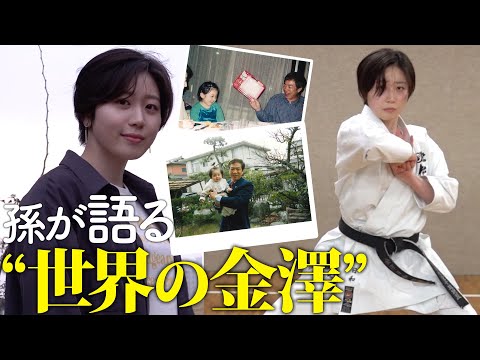
Honoring a Legend: Hiyori Kanazawa on Her Grandfather, the Master Hirokazu Kanazawa

The legacy of a martial arts master is a tapestry woven with dedication, skill, and the profound impact they have on their students and the art itself. Master Hirokazu Kanazawa, a name synonymous with Shotokan Karate, is one such titan whose influence resonates across the globe. But beyond the dojo, beyond the powerful techniques and the philosophical depth, lies the personal legacy. This is where his granddaughter, Hiyori Kanazawa, steps into the light, offering a unique perspective on the man behind the legend, the "Sensei Kanazawa" revered worldwide. This piece, intrinsically linked to the May 2022 issue of *Gekkan Hiden* (Monthly Secret Teachings) magazine, delves into the "BU" (martial) and "BI" (beauty) of Shotokan Karate as seen through the eyes of a new generation. Hiyori's insights promise a fresh, intimate look at a martial arts icon, bridging the gap between the historical figure and the living tradition he fostered.

Table of Contents

Introduction: The Legacy of Hirokazu Kanazawa

The world of martial arts is replete with figures whose names are etched in history, but few possess the widespread recognition and respect afforded to Hirokazu Kanazawa. As a direct student of the founder of Shotokan Karate, Gichin Funakoshi, and later a prominent figure within the Japan Karate Association (JKA) and eventually the founder of the Shotokan Karate-do International Federation (SKIF), Kanazawa Sensei's journey is a testament to unwavering dedication. His influence spans continents, shaping the practice and understanding of Karate for countless individuals. The original article published in *Gekkan Hiden* aimed to capture this multifaceted legacy, presenting not just the technical prowess but the deeper philosophical underpinnings of his art. This video, however, offers a different, perhaps even more poignant, dimension by focusing on Hiyori Kanazawa's personal reflections. It’s a reminder that even the most celebrated masters are, first and foremost, human beings with families and personal histories.
"The way of the warrior is to confront the world with the spirit of the warrior." - Hirokazu Kanazawa

Hiyori Kanazawa: A Granddaughter's Gaze

Hiyori Kanazawa, a practitioner in her own right and carrying the mantle of her esteemed grandfather, provides an invaluable perspective. Her viewpoint is not that of a detached historian or a distant admirer, but that of someone intimately connected to the Kanazawa lineage. This personal connection allows for a narrative that transcends mere technical description, venturing into the heart of what made Hirokazu Kanazawa not just a master of *Karate-do*, but a respected figure in the broader **BUDO** community. Her insights into her grandfather's character, his approach to training, and his philosophy offer a rare glimpse into the personal life of a man who dedicated his existence to the pursuit of Karate. This familial lens adds a layer of warmth and authenticity, humanizing the legend and making his teachings more relatable to a new generation of practitioners.

The "BU" and "BI" of Shotokan Karate

The concept of "BU" (武) signifies the martial aspect – the power, the strategy, the discipline, the combative effectiveness that are fundamental to any true martial art. It encompasses the technical execution of strikes, blocks, and movements, honed through relentless **training** and sparring. Within Shotokan, this manifests in the powerful, linear techniques, the deep stances, and the emphasis on speed and precision. Juxtaposed with "BU" is "BI" (美), representing beauty. This is not merely aesthetic appeal, but a deeper, more profound beauty found in the perfect execution of a technique, the grace of movement, the harmonious flow of action and reaction, and the inner peace that accompanies mastery. For Shotokan Karate, "BI" can be seen in the elegant arc of a punch, the controlled power of a block, the disciplined form of a kata, and the spiritual development that arises from dedicated practice. Hiyori Kanazawa, through her unique position, can articulate how these two seemingly disparate elements – the **combat** readiness and the aesthetic perfection – are not contradictory but intrinsically linked in her grandfather's philosophy and the practice of Shotokan.

Master Kanazawa's Enduring Influence

Hirokazu Kanazawa's impact on Karate is undeniable. He was instrumental in spreading Shotokan Karate-do internationally, establishing dojos and fostering a global community of practitioners. His approach emphasized both the rigorous technical aspects and the philosophical depth of Karate, ensuring that it was understood not merely as a fighting **fight**, but as a path to self-improvement and personal development. His legacy is carried on by his family and his students worldwide, who continue to uphold the principles he championed. The SKIF remains a testament to his vision, a global organization dedicated to preserving and promoting the art he loved. Through Hiyori's voice, we gain a renewed appreciation for the man whose life was a living embodiment of **BUDO** and the spirit of Karate.

Resources for Deepening Your Knowledge

To truly grasp the depth of Shotokan Karate and the philosophy of masters like Hirokazu Kanazawa, engaging with supplementary materials is essential. Understanding the historical context and the technical nuances can significantly enhance your practice.
  • DVDs featuring Hirokazu Kanazawa: For those who wish to see the master in action, his instructional DVDs are invaluable. His work, such as 'Karate Breathing Power Cultivation in Half a Month' and 'Karate Budo Live', provides direct insight into his teaching methods and the application of his techniques. These are crucial for anyone serious about understanding the practical **combat** applications and breathing principles he advocated.
  • Gekkan Hiden Magazine: This monthly publication is a cornerstone for martial arts enthusiasts in Japan, covering a vast array of disciplines from ancient **Jujutsu** and **Kenjutsu** to modern **Judo**, **Kendo**, and **Karate**. Its articles often delve into the philosophical and historical aspects of **martial arts**, offering a rich source of information.
  • BUDO JAPAN (.com): This website serves as a gateway for international audiences to explore Japanese martial arts. It features articles and videos on various disciplines, including **Jiu-Jitsu**, **Iaido**, **Aikido**, **Karate**, and **Judo**, providing context and introductions to the world of **BUDO**.

Training Guide: Shotokan Basics

While this post focuses on the philosophical and historical aspects, a true understanding of Shotokan Karate requires practical application. Here are fundamental elements that every practitioner should focus on, embodying the principles discussed.
  1. Stances (Tachi):Zenkutsu-dachi (front stance), Kōkutsu-dachi (back stance), and Kokutsu-dachi (cat stance). Proper stance work is the foundation of power generation and stability in Shotokan.
  2. Blocks (Uke): Practice essential blocking techniques like Gedan-barai (down block), Age-uke (up block), and Soto-uke (outward block). Focus on the hip rotation and body mechanics that generate power and ensure effectiveness.
  3. Strikes (Tsuki & Uchi): Develop precision and power in your punches (Tsuki) such as Gyaku-zuki (reverse punch) and Oi-zuki (lunge punch), and open-hand strikes (Uchi) like Shuto-uchi (knife-hand strike).
  4. Kicks (Geri): Begin with basic kicks such as Mae-geri (front kick) and Mawashi-geri (roundhouse kick). Focus on balance and proper extension.
  5. Kata: The forms (Kata) are the heart of Shotokan. Begin with the foundational Heian series, understanding the application of each movement and technique within the sequence. This is where the "BU" and "BI" truly converge.

Veredicto del Sensei: A Living Tradition

This exploration into the legacy of Hirokazu Kanazawa, through the heartfelt perspective of his granddaughter Hiyori, is more than a biographical sketch; it's a vital connection to the living heart of Shotokan Karate. It underscores that the true essence of a martial art isn't solely in the physical techniques, but in the continuity of its spirit, passed down through generations. Hiyori's insights into the "BU" and "BI" remind us that mastery is a harmonious blend of power and grace, action and contemplation. For practitioners, this offers a profound lesson: the legends of martial arts are not confined to history books or old films. They live on through their teachings, their lineage, and the passion of those who continue their journey. It reinforces the idea that **BUDO** is an evolving path, enriched by every new generation that embraces its core principles. Cinturón Negro en Legado y Perspectiva.

Frequently Asked Questions

Q1: Who was Hirokazu Kanazawa?
A1: Hirokazu Kanazawa was a highly respected Japanese master of Shotokan Karate, a direct student of Gichin Funakoshi, and the founder of the Shotokan Karate-do International Federation (SKIF). He is celebrated for his technical skill and his role in spreading Karate worldwide.

Q2: What is "Gekkan Hiden"?
A2: Gekkan Hiden (Monthly Secret Teachings) is a Japanese magazine dedicated to traditional Japanese martial arts and combat sports, covering a wide range of disciplines and their philosophies.

Q3: What is the significance of "BU" and "BI" in Karate?
A3: "BU" (武) refers to the martial aspect – power, technique, and combative efficacy. "BI" (美) signifies beauty, seen in the grace, precision, and spiritual harmony of movement. In Shotokan, these are considered complementary aspects of mastery.

Q4: How does Hiyori Kanazawa contribute to the legacy of her grandfather?
A4: As his granddaughter and a practitioner herself, Hiyori offers a personal and contemporary perspective on Hirokazu Kanazawa's life, teachings, and the essence of Shotokan Karate, bridging the gap between past and present.

Further Exploration in Your Path

To continue your journey into the profound world of martial arts and cultivate the spirit of **BUDO**, I recommend delving into these related topics:

Reflection of the Sensei: Your Next Step

Hiyori Kanazawa shares her grandfather's legacy, revealing the blend of power and grace that defines Shotokan. The question you must now confront is not merely about watching, but about *doing*. How will you infuse the "BU" and "BI" into your own training? Will you seek only the outward appearance of skill, or will you strive for the inner harmony that true mastery demands? The path is yours to walk. ``` GEMINI_METADESC: Explore the legacy of Hirokazu Kanazawa through the eyes of his granddaughter, Hiyori Kanazawa. Discover the "BU" and "BI" of Shotokan Karate and the enduring spirit of Budo.

Unveiling the Secrets of Bujinkan: A Master's Guide to Throws and Joint Locks

Are you truly grasping the essence of martial arts, or are you merely going through the motions? Many practitioners chase power and flashy techniques, forgetting the profound connection between mind, body, and spirit that defines true mastery. In a world saturated with diluted styles and sensationalized combat, finding authentic knowledge can feel like searching for a hidden scroll in a modern metropolis. But what if the path to genuine understanding lay not in the latest viral fight, but in the ancient wisdom of those who walked the warrior's path before us?

The Legacy of Hatsumi Masaaki and Bujinkan Budo

The world of martial arts is vast and often confusing. We see the explosive power of MMA, the intricate dance of Judo, the disciplined strikes of Karate, and the elusive movements of Ninjutsu. Yet, beneath the surface of these distinct disciplines lies a common thread: the pursuit of effectiveness, strategy, and self-mastery. Today, we delve into a lineage that claims to unify these pursuits, a system that has garnered international attention and trained hundreds of thousands worldwide: the Bujinkan Budo Taijutsu, under the guidance of its Sōke (Grandmaster), Hatsumi Masaaki.

But what truly defines Bujinkan Budo? Is it merely a collection of ancient techniques, or is there a deeper philosophy at play? This exploration is prompted by a comprehensive DVD series, specifically focusing on the foundational aspects of throws and joint locks. We aim to dissect its content, understand its historical context, and critically assess its value for the modern martial artist. Do not expect a superficial overview; this is a deep dive into the heart of a combat system that has been taught to elite forces like the FBI and CIA.

The Roots: Takamatsu Toshitsugu and the Nine Schools

To understand Hatsumi Masaaki's Bujinkan, one must first acknowledge his teacher, Takamatsu Toshitsugu. Revered as "The Tiger of Mongolia" and often referred to as the "last ninja," Takamatsu inherited a vast legacy, reportedly learning from his own teacher, Toda Shinryuken Masamitsu, the skills of nine distinct classical martial arts schools (ryū). These included various forms of Ninjutsu and traditional combat systems.

"All martial arts ultimately lead to Ninpo." - Takamatsu Toshitsugu, 33rd Sōke of Togakure-ryū.

This lineage forms the bedrock of Bujinkan Budo Taijutsu. Hatsumi Masaaki, having inherited these traditions, synthesized them into a cohesive system. This is not to say he simply copied them, but rather that he refined, organized, and transmitted them in a way that remains relevant. The question remains: how effectively does this transmission translate into practical application, and how well is it documented for those outside the direct lineage?

Bujinkan Budo: More Than Just Techniques

The term "Budo" itself implies more than just combat. It signifies the "Martial Way," a path of personal development through rigorous physical training. Bujinkan Budo Taijutsu, therefore, is not solely about learning to throw or lock an opponent. It encompasses principles of natural movement, spatial awareness, timing, and adaptability. The goal is not to dominate through brute force, but to neutralize an attack with minimal effort, using the opponent's own energy and intentions against them.

A fundamental principle often discussed in martial arts, and particularly relevant here, is the concept of Mushin (無心) – a state of "no mind" or effortless action. This state is achieved through relentless practice, allowing the body to react instinctively and effectively without conscious thought. This is the pinnacle of martial training, where technique transcends conscious control and becomes pure, unadulterated action. The DVDs we examine promise to reveal aspects of this path, focusing on the practical application of grappling and striking.

Unpacking the "Throws & Joint Locks" DVD

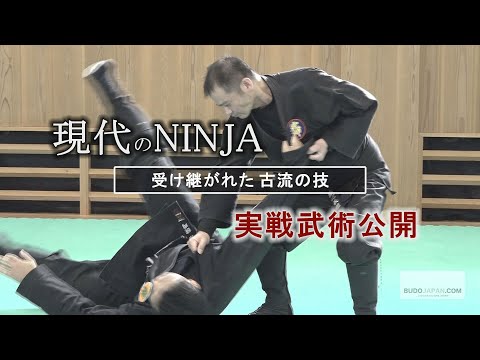
The DVD in question, "初見良昭の秘技継承【武神館の武術】第二巻 投げ・関節技編" (Hatsumi Masaaki's Secret Techniques Inheritance [Bujinkan Budo] Vol. 2: Throws & Joint Locks Edition), is presented as a comprehensive guide to the grappling and control aspects of Bujinkan Budo Taijutsu. It features instruction by Shihan Norio Sakai, a highly respected master within the Bujinkan organization.

The content, as described, delves into "the culmination of ancient joint techniques," starting with the "Capture-Hand Basic Forms" (捕手基本型五法 - Toshu Kihon Kata Goho). It also covers throwing techniques (投技 - nage waza), escape methods (破術 - hōjutsu or datsu jutsu), and the advanced "Unarmed Capture" techniques (奥義・無刀捕 - Ōgi・Mutōdori). The implication is that this DVD offers a systematic introduction to skills that have historically been less visually documented, making it a valuable resource for practitioners seeking to understand this specific facet of Bujinkan.

Is this a true window into the "Great Combat System"? Or is it a curated presentation designed for a specific audience? The visual medium offers a unique advantage in martial arts instruction, allowing for detailed observation of movement, leverage, and timing. However, the true test lies in the applicability of these techniques and the depth of understanding they impart.

The Roots: Takamatsu Toshitsugu and the Nine Schools

To understand Hatsumi Masaaki's Bujinkan, one must first acknowledge his teacher, Takamatsu Toshitsugu. Revered as "The Tiger of Mongolia" and often referred to as the "last ninja," Takamatsu inherited a vast legacy, reportedly learning from his own teacher, Toda Shinryuken Masamitsu, the skills of nine distinct classical martial arts schools (ryū). These included various forms of Ninjutsu and traditional combat systems. The transmission of these arts through a single individual is a rare phenomenon, and Takamatsu's role as the link between these ancient traditions and modern practice cannot be overstated.

"All martial arts ultimately lead to Ninpo." - Takamatsu Toshitsugu, 33rd Sōke of Togakure-ryū.

This lineage forms the bedrock of Bujinkan Budo Taijutsu. Hatsumi Masaaki, having inherited these traditions, synthesized them into a cohesive system. This is not to say he simply copied them, but rather that he refined, organized, and transmitted them in a way that remains relevant. The question remains: how effectively does this transmission translate into practical application, and how well is it documented for those outside the direct lineage? Many modern systems claim ancient roots, but the clarity and integrity of that transmission are often lost in translation or embellishment. The Bujinkan's claim to this specific lineage is a significant factor in its global recognition.

Bujinkan Budo: More Than Just Techniques

The term "Budo" itself implies more than just combat. It signifies the "Martial Way," a path of personal development through rigorous physical training. Bujinkan Budo Taijutsu, therefore, is not solely about learning to throw or lock an opponent. It encompasses principles of natural movement, spatial awareness, timing, and adaptability. The goal is not to dominate through brute force, but to neutralize an attack with minimal effort, using the opponent's own energy and intentions against them. This echoes the foundational principles found in many highly effective martial arts, where understanding physics and psychology plays as much a role as physical prowess.

A fundamental principle often discussed in martial arts, and particularly relevant here, is the concept of Mushin (無心) – a state of "no mind" or effortless action. This state is achieved through relentless practice, allowing the body to react instinctively and effectively without conscious thought. This is the pinnacle of martial training, where technique transcends conscious control and becomes pure, unadulterated action. The DVDs we examine promise to reveal aspects of this path, focusing on the practical application of grappling and striking. Achieving Mushin requires not just repetition, but deep comprehension of the underlying principles. Can a DVD truly convey this elusive state, or is it merely a visual aid for technical learning?

Unpacking the "Throws & Joint Locks" DVD

The DVD in question, "初見良昭の秘技継承【武神館の武術】第二巻 投げ・関節技編" (Hatsumi Masaaki's Secret Techniques Inheritance [Bujinkan Budo] Vol. 2: Throws & Joint Locks Edition), is presented as a comprehensive guide to the grappling and control aspects of Bujinkan Budo Taijutsu. It features instruction by Shihan Norio Sakai, a highly respected master within the Bujinkan organization. The credibility of the instructor is paramount when evaluating such a resource. Shihan Sakai's long-standing association with Hatsumi Masaaki lends significant weight to his teachings.

The content, as described, delves into "the culmination of ancient joint techniques," starting with the "Capture-Hand Basic Forms" (捕手基本型五法 - Toshu Kihon Kata Goho). It also covers throwing techniques (投技 - nage waza), escape methods (破術 - hōjutsu or datsu jutsu), and the advanced "Unarmed Capture" techniques (奥義・無刀捕 - Ōgi・Mutōdori). The implication is that this DVD offers a systematic introduction to skills that have historically been less visually documented, making it a valuable resource for practitioners seeking to understand this specific facet of Bujinkan. The inclusion of "Mutōdori" (empty-handed capture of weapons) is particularly intriguing, as it speaks to the system's emphasis on real-world self-defense scenarios.

Is this a true window into the "Great Combat System"? Or is it a curated presentation designed for a specific audience? The visual medium offers a unique advantage in martial arts instruction, allowing for detailed observation of movement, leverage, and timing. However, the true test lies in the applicability of these techniques and the depth of understanding they impart. Without the direct feedback of a qualified instructor, viewers must possess a discerning eye and a solid foundation in martial principles to truly benefit.

Mastering the Core: Capture-Hand Basic Forms and Beyond

The "Capture-Hand Basic Forms" are described as the "culmination of ancient joint techniques." This suggests a progression, where foundational principles are built upon to achieve complex control. In many grappling arts, the mastery of basic locks and takedowns is essential before one can effectively move to more advanced techniques. The focus on joint manipulation, as opposed to purely striking, highlights the Bujinkan's emphasis on control and incapacitation with precision.

Throwing techniques (nage waza) are crucial for disrupting an opponent's balance and creating openings for subsequent attacks or control. The effectiveness of a throw often depends on understanding body mechanics, leverage, and the opponent's posture. Similarly, escape methods (hōjutsu) are vital for survival, allowing a practitioner to break free from disadvantageous positions or holds. Finally, the advanced "Unarmed Capture" techniques (Mutōdori) are the ultimate expression of control, demonstrating the ability to neutralize a weapon threat without resorting to equally dangerous counter-violence.

The systematic presentation of these elements in the DVD is key. If the instruction is clear, progressive, and emphasizes the underlying principles rather than rote memorization, it can be a powerful learning tool. However, it's critical to remember that these techniques are tools. Their effectiveness is derived from the practitioner's understanding of distance, timing, and adaptability – concepts that visual media can demonstrate but cannot fully instill.

Sensei's Verdict: The Value of Authentic Instruction

This DVD, while offering a glimpse into the Bujinkan's grappling and control arts, should be viewed as a supplementary resource, not a replacement for direct instruction. The quality of instruction by Shihan Norio Sakai is likely high, given his standing. The systematic approach to Toshu Kihon Kata, nage waza, and Mutōdori presents a structured learning path for those already familiar with the Bujinkan curriculum or for curious martial artists seeking a deeper understanding of systems that integrate striking, grappling, and weaponry.

However, the nuanced timing, subtle body shifts, and intent behind each movement can only be fully grasped under the guidance of a qualified instructor. The "Great Combat System" is not just a set of techniques; it is a living art form that requires personal transmission. Therefore, while this DVD is a commendable effort to document and share these skills, its true value lies in its ability to inspire further study and provide a visual reference point for those actively training within the Bujinkan or a similar traditional art. It is a valuable piece of the puzzle, but not the entire picture.

Training Guide: Developing Your Grip and Leverage

Mastering throws and joint locks requires more than just strength; it demands an understanding of biomechanics and precise application of force. Here’s a fundamental training guide:

  1. Grip Strength Development: Start with basic grip exercises. Use hand strengtheners, grip trainers, or even a simple towel to practice crushing and pinching grips. Consistent practice builds the foundation for holding and controlling an opponent.
  2. Understanding Leverage Points: Study anatomy, specifically the joints and bone structure. Understand how applying pressure at specific points can create submission or break balance. Visual aids from the DVD or anatomical charts can be invaluable here.
  3. Balance and Footwork Drills: Practice moving your body and maintaining your balance while applying pressure to a partner's limbs (even a stationary object like a punching bag initially). Focus on root stability and efficient weight transfer.
  4. Controlled Practice of Basic Throws: If you have a training partner and safe matting, practice fundamental Judo or BJJ throws like O-goshi or Ippon-seoi-nage. Focus on achieving a clean break of balance and a controlled descent. Always prioritize safety.
  5. Joint Lock Isolation: Practice isolating specific joints, like the elbow or wrist. Understand the range of motion and the application of pressure for control, not injury. Start with very light pressure on compliant partners.
  6. Simulated Escapes: Practice breaking holds and escaping common pins or locks. This often involves understanding subtle body movements and timing rather than brute force.
  7. Mindful Repetition (Repetition sans thought): The goal is to move towards Mushin. Practice these techniques repeatedly until they become instinctive. This is where the true depth of a system like Bujinkan is revealed.

Essential Training Equipment

While Bujinkan Budo Taijutsu emphasizes adaptability and can be practiced with minimal equipment, certain items can significantly enhance your training and safety. For those delving into the grappling and control aspects showcased in the DVD, consider the following:

  • Durable Training Uniform (Gi): A high-quality gi, such as a reinforced Judo gi or a traditional Karate gi, is essential for practicing throws and joint locks. It provides a surface for gripping and allows for the application of techniques as intended. Look for double-weave fabrics for added durability.
  • Training Mats (Tatami/Roll-out): If you plan to practice throws and groundwork, investing in safe training mats is crucial to prevent injuries. MMA mats or traditional Judo mats are ideal.
  • Gloves (Optional for striking drills): While this DVD focuses on grappling, if you cross-train in striking aspects, MMA gloves or kickboxing gloves are advisable for sparring.
  • Resistance Bands: Excellent for conditioning grip strength, arm endurance, and core stability – all vital components for effective grappling.
  • Reference Books and DVDs: Beyond this specific DVD, acquiring other reputable instructional materials can provide different perspectives and deepen your understanding. Books on anatomy and biomechanics can also be surprisingly useful.

Frequently Asked Questions

  • What is the difference between Bujinkan Budo Taijutsu and Ninjutsu? Bujinkan Budo Taijutsu is the modern name for the combined martial arts curriculum taught by Hatsumi Masaaki, which includes elements derived from traditional Ninjutsu schools, among others. While often associated with ninjas, Bujinkan encompasses a broader martial system for self-defense and personal development.
  • Is Bujinkan effective for self-defense? Yes, Bujinkan Budo Taijutsu is designed as a comprehensive combat system with a strong emphasis on practical self-defense. Its techniques focus on adapting to situations, using an opponent's energy, and neutralizing threats efficiently.
  • Do I need to be flexible to train Bujinkan? While flexibility is beneficial in any martial art, it is not a prerequisite. Flexibility can be developed through consistent training and dedicated stretching exercises, as shown in various flexibility and stretching routines.
  • Can I learn Bujinkan effectively from DVDs alone? DVDs can be excellent supplementary tools for visual learning and understanding techniques, but they cannot replace the crucial feedback, correction, and direct transmission provided by a qualified instructor in a dojo setting.

To Deepen Your Path

The journey into martial arts is a continuous one, filled with discovery and refinement. If the principles of effectiveness, tradition, and comprehensive combat resonate with you, further exploration into related disciplines can offer valuable insights:

  • Judo: The Gentle Way of Throws - Explore the profound art of Judo, a cornerstone for many grappling arts, focusing on throws, pins, and submission holds.
  • The Evolution of Mixed Martial Arts - Understand how traditional arts like those found in Bujinkan have influenced and been influenced by the modern sport of MMA.
  • The Philosophy of Budo - Delve deeper into the ethical and spiritual aspects of martial training, understanding the 'Way' beyond mere combat techniques.
"The martial way is a thing of daily practice. It is a choice that must be made every moment." - Miyamoto Musashi

Reflexión del Sensei: Tu Próximo Paso

You've seen the technical breakdown, the historical context, and the potential value of this Bujinkan instructional. But knowledge without application is like a sharp sword left to rust. The question is not whether these techniques are effective – that is for you to discover and prove. The real question is: How will you integrate this learning into your own path? Will you dismiss it as another esoteric art, or will you challenge yourself to explore its principles, perhaps even seeking out qualified instruction? Are you seeking mere information, or are you truly seeking mastery?

Now it's your turn. Do you believe systems like Bujinkan hold true combat efficacy in the modern age? Or are they relics of a bygone era? Debate this fiercely in the comments below. Prove your point with logic and experience, not just opinion.

``` GEMINI_METADESC: Master Bujinkan's throws & joint locks with our expert guide. Explore Hatsumi Masaaki's legacy, Takamatsu Toshitsugu's teachings, and practical training advice.