Showing posts sorted by relevance for query byam. Sort by date Show all posts

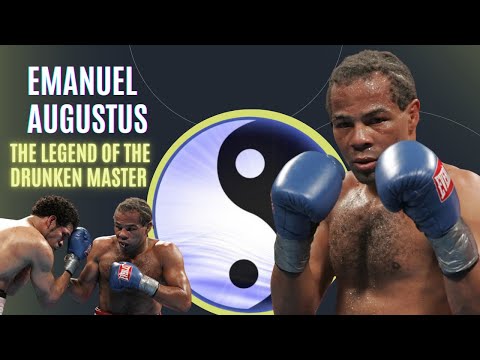
Emanuel Augustus: The Unconventional Legacy of the Drunken Master

Introduction: The Enigma of the Drunken Master

In the vast, often predictable landscape of combat sports, certain figures emerge not just as competitors, but as phenomena. They defy convention, shatter expectations, and leave an indelible mark on the collective consciousness of fans and practitioners alike. Emanuel Augustus, affectionately known as "The Drunken Master," is precisely such a figure. His career wasn't merely a series of wins and losses; it was a living testament to the unpredictable beauty and profound philosophy that can be found within the martial arts. This piece delves into the electrifying career of a fighter who didn't just participate in bouts, but orchestrated performances, blending raw aggression with an almost balletic grace that left audiences breathless. Join us as we revisit the path of a true martial arts legend whose unconventional style became his greatest weapon.

Unleashing the Drunken Master: More Than a Moniker

The adoption of the moniker "Drunken Master" by Emanuel Augustus was far from a mere marketing gimmick. Born Emanuel Burton, he drew inspiration from the iconic martial arts films that celebrated seemingly chaotic, yet devastatingly effective, fighting styles. This wasn't about mimicking a character; it was about embodying a philosophy. Augustus infused his fighting with a unique brand of agility, fluidity, and an almost maddening unpredictability. His movements often appeared disjointed, his stance unorthodox, leaving opponents struggling to anticipate his next move. This bewildering array of techniques – a chaotic dance of offense and defense – was the hallmark of his style, allowing him to showcase a skill set that transcended traditional boxing or kickboxing, demonstrating that true mastery can often lie just beyond the veil of perceived disorder.

"The most effective way to confuse an opponent is to be unpredictable. If they cannot read you, they cannot counter you." - A principle exemplified by Augustus.

The Artistry of Combat: A Symphony of Unpredictability

Augustus transcended the role of a mere pugilist; he was a kinetic artist. His fighting style was a masterful fusion, drawing threads from boxing, kickboxing, and the raw pragmatism of street fighting. His footwork was legendary – a constant, elusive dance that made him a difficult target. His punches, delivered with surprising speed and power, often came from unexpected angles. This wasn't just about throwing hands; it was about understanding angles, timing, and the psychological warfare inherent in combat. Emanuel Augustus embodied a profound Martial Philosophy, displaying not just aggression, but also immense respect for his opponents, unwavering discipline in his preparation, and the indomitable spirit of a warrior honed through countless hours of Martial Arts Training.

His approach challenged the rigid structures of conventional fighting. Many practitioners today still strive to replicate his signature elusiveness, a testament to the enduring effectiveness of his unorthodox methods. The core of his success lay in his ability to remain fluid and adaptable, a principle central to many BUDO disciplines.

The Fight of a Lifetime: A Masterclass Against Mayweather

Throughout his storied career, Emanuel Augustus graced the ring with a multitude of unforgettable contests. These weren't just fights; they were spectacles, ranging from brutal slugfests that tested the mettle of both combatants to technically brilliant displays of skill. He consistently delivered the kind of excitement that fuels the passion of Fight Fans worldwide.

Perhaps one of his most widely recognized and respected performances came during his bout against Floyd Mayweather Jr. In this encounter, Augustus didn't just compete; he showcased the full spectrum of his unique brilliance. Despite the eventual outcome, his performance earned him deep admiration, not only from the spectators but also from Mayweather himself, a rarity in the highly competitive world of professional boxing. It was a fight that highlighted Augustus's resilience and his ability to hang with the absolute elite, even with a style that defied convention. This particular fight remains a significant piece of the Fighter Legacy.

Legacy and Influence: Inspiring a Generation

Emanuel Augustus's legacy extends far beyond the statistics of his fight record. His profound impact resonates deeply within the Martial Arts Community. His unwavering dedication to his craft, his perseverance through significant adversity, and his sheer, unadulterated passion for fighting served as a powerful inspiration to countless aspiring athletes. Many fighters today incorporate elements of his distinctive style – that unpredictable movement, the creative striking angles – into their own training regimes. He proved that there isn't just one way to be a champion, fostering a generation that dares to think outside the traditional fighting box.

His influence is a prime example of how unique styles can push the boundaries of established sports. This is a core tenet we explore at BYAM, where we celebrate the diverse paths to mastery.

Building a Martial Arts Community: The BYAM Approach

At BYAM Budo y Artes Marciales, our mission mirrors the spirit of pioneers like Augustus: to cultivate and celebrate a vibrant global Martial Arts Community. We firmly believe that the journey of a martial artist is enriched when shared. We encourage our members to engage in robust discussions, share their personal training experiences, and forge connections with fellow enthusiasts from diverse backgrounds and disciplines. Whether you practice Judo, Karate, MMA, or any other art, your voice is valued here. Together, we can uphold the rich traditions, explore profound philosophies, and dissect the intricate techniques that define the world of martial arts.

Exploring Our Merchandise: Gear for Your Journey

As you immerse yourself in the world of martial arts, drawing inspiration from figures like Emanuel Augustus, it's crucial to have the right tools to support your dedication. Explore our exclusive Martial Arts Merchandise collection. We offer a curated selection of high-quality training equipment, apparel, and accessories designed to enhance your martial arts journey. From durable kimonos and sparring gear to specialized conditioning tools, our collection supports your pursuit of excellence and ensures you have the necessary support for your training regimen. Investing in quality gear is an investment in your own progress.

Join the Martial Arts Movement: Embrace the Warrior Within

The enduring legacy of Emanuel Augustus serves as a potent reminder of the transformative power inherent in martial arts training. It transcends mere physical combat, fostering discipline, resilience, and self-awareness. Whether you are a seasoned practitioner with years of experience or a curious beginner standing at the threshold of this incredible world, there is unequivocally a place for you within our growing community. Let us unite under the banner of our shared passion, exchange invaluable knowledge, and collectively grow stronger. By embracing the principles exemplified by masters like Augustus, we continue to explore the boundless possibilities that the martial arts offer.

This is your invitation to join the JoinTheMovement and discover the warrior spirit within yourself.

Sensei's Verdict: Did Augustus Master the Art of Fighting?

Emanuel Augustus didn't just fight; he performed. He brought a level of artistry and unpredictability to the ring that few have ever matched. While the term "Drunken Master" might conjure images of a brawler, Augustus was anything but. He was a strategist, a tactician, and a master of misdirection. His ability to absorb punishment, adapt mid-fight, and consistently come back with creative and effective offense was extraordinary. He faced top-tier competition and, while not always victorious, he rarely failed to impress or make his opponents work for every second of every round. His influence on subsequent fighters, who looked to his unconventional methods for inspiration, speaks volumes. He proved that true mastery isn't always about following the rules, but about understanding them so deeply that you can bend them to your will.

Verdict: A True Master of Unconventional Combat, earning a definitive "Cinturón Negro en Coreografía y Caos Controlado". His fights were living lessons in adaptability and the psychological edge.

Training Like Augustus: Embracing the Unconventional

Training like Emanuel Augustus is not for the faint of heart, nor is it about simply mimicking his movements. It's about internalizing his philosophy: unpredictability, adaptability, and relentless pressure.

  1. Develop Unconventional Footwork: Practice constant lateral movement, incorporate subtle shifts in weight, and develop rhythm changes. Think less about a stable stance and more about always being ready to pivot, evade, or explode forward.
  2. Master Angles of Attack: Don't always attack directly. Practice striking from angles that your opponent is unlikely to expect. This requires a deep understanding of body mechanics and spatial awareness.
  3. Cultivate Defensive Evasion: Augustus was known for his ability to slip punches and avoid damage. Focus on head movement, upper body flexibility, and using your entire frame to evade incoming strikes rather than just blocking.
  4. Embrace Fluid Transitions: Move seamlessly between offense and defense. A defensive maneuver should be able to transition instantly into a counter-attack. Don't "reset" unnecessarily.
  5. Study Various Styles: Like Augustus, draw inspiration from multiple disciplines. Understanding the fundamentals of boxing, kickboxing, and even grappling will provide a broader toolkit. Explore BJJ and Judo for grappling insights and Kickboxing for striking diversity.
  6. Train Your Chin and Body: Augustus absorbed significant punishment. While avoiding damage is key, developing resilience through conditioning and controlled sparring is also part of the equation. Incorporate body conditioning drills and focus on neck strength.
  7. Mental Fortitude: The most crucial element is the mental game. Develop the ability to stay calm under pressure, adapt to unexpected situations, and maintain confidence even when things aren't going your way. This is where Mental Game training and Inner Strength become paramount.

Frequently Asked Questions

  1. Who was Emanuel Augustus?
    Emanuel Augustus, born Emanuel Burton, was a highly unorthodox and entertaining American professional boxer and kickboxer, famously nicknamed "The Drunken Master" for his elusive and unpredictable fighting style.
  2. What made his fighting style unique?
    His style was characterized by unusual footwork, creative angles of attack, fluid transitions between offense and defense, and a remarkable ability to evade punches, often resembling the movements seen in martial arts films inspired by "drunken" styles.
  3. Who did Emanuel Augustus famously fight?
    He had notable bouts against numerous high-level opponents, including a widely recognized fight against Floyd Mayweather Jr., where he showcased his distinctive skills and earned respect despite the outcome.
  4. What is his lasting impact on martial arts and combat sports?
    Augustus inspired a generation of fighters with his resilience, unique approach, and dedication. He demonstrated that effective fighting doesn't always adhere to conventional norms and encouraged a more creative and adaptable mindset within the combat sports community.

Deepen Your Path

To further enrich your understanding and training:

Sensei's Reflection: Your Next Step

Augustus taught us that the most effective techniques are often born from a deep understanding of principles, allowing for creative adaptation rather than rigid adherence. He embraced chaos, not as a lack of control, but as a higher form of control that eludes conventional understanding.

Your challenge: In your next training session, identify one aspect of your technique that feels too rigid, too predictable. How can you introduce a subtle element of unpredictability, a shift in rhythm or angle, without sacrificing effectiveness? Can you find your own "drunken master" within the structure of your art?

``` ```json { "@context": "https://schema.org", "@type": "FAQPage", "mainEntity": [ { "@type": "Question", "name": "Who was Emanuel Augustus?", "acceptedAnswer": { "@type": "Answer", "text": "Emanuel Augustus, born Emanuel Burton, was a highly unorthodox and entertaining American professional boxer and kickboxer, famously nicknamed \"The Drunken Master\" for his elusive and unpredictable fighting style." } }, { "@type": "Question", "name": "What made his fighting style unique?", "acceptedAnswer": { "@type": "Answer", "text": "His style was characterized by unusual footwork, creative angles of attack, fluid transitions between offense and defense, and a remarkable ability to evade punches, often resembling the movements seen in martial arts films inspired by \"drunken\" styles." } }, { "@type": "Question", "name": "Who did Emanuel Augustus famously fight?", "acceptedAnswer": { "@type": "Answer", "text": "He had notable bouts against numerous high-level opponents, including a widely recognized fight against Floyd Mayweather Jr., where he showcased his distinctive skills and earned respect despite the outcome." } }, { "@type": "Question", "name": "What is his lasting impact on martial arts and combat sports?", "acceptedAnswer": { "@type": "Answer", "text": "Augustus inspired a generation of fighters with his resilience, unique approach, and dedication. He demonstrated that effective fighting doesn't always adhere to conventional norms and encouraged a more creative and adaptable mindset within the combat sports community." } } ] }
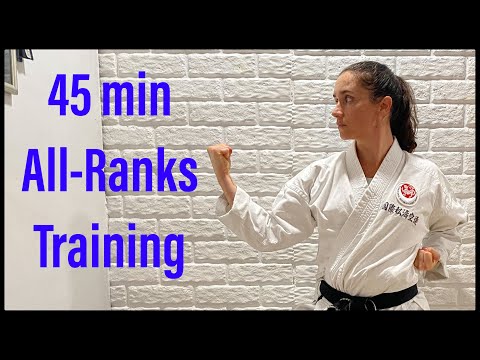
Unleash Your Inner Warrior: The BYAM 45-Minute Karate Workout for All Ranks

Welcome, warriors, to the hallowed grounds of BYAM, where the spirit of BUDO and artes marciales is not just discussed, but forged. Forget your fleeting fitness trends; today, we delve into a training regimen that harks back to the essence of martial discipline. Are you truly prepared to test your mettle? Our signature "Karate Workout: 45-Minute All Ranks Class" is not merely a session; it's a crucible designed to temper your body and sharpen your mind. Whether you're a fresh-faced beginner stepping onto the dojo floor for the first time, or a seasoned practitioner seeking to refine your edge, this workout promises to sculpt strength, hone agility, and build a resilience that transcends the mat. Prepare yourselves, for we are about to unlock the secrets of a training method that demands every ounce of your commitment.

The Forge of Readiness: Dynamic Warm-up

Before the true engagement, every warrior must prepare. Our session ignites with a dynamic warm-up, a calculated sequence designed not just to elevate your heart rate, but to awaken every fiber of your being. We begin with light, rhythmic movements – the gentle hum of a generator before the storm. This transitions seamlessly into a series of targeted stretches, focusing on the pillars of power: the legs, hips, and back. But this is no mere calisthenics. We weave in fundamental Karate techniques – the decisive tsuki (punch), the piercing geri (kick), and the resolute uke (block). Each motion is a whisper of the combat to come, a priming of the mind and body for the trials ahead. This isn't just about physical readiness; it's about entering the mental zone.

Heart of the Battle: Cardio & Strength Fusion

With the forge of readiness stoked, we plunge into the heart of the workout: a potent blend of cardiovascular exertion and muscular conditioning. This is where raw power meets enduring stamina. We employ a diverse arsenal of exercises, each selected to assault different muscle groups while maintaining an elevated heart rate. Imagine the explosive power of jumping jacks, the all-encompassing challenge of burpees, the foundation-building strength of lunges, the primal force of squats, and the unyielding resolve of push-ups.

But we are martial artists, not mere athletes. We infuse these fundamental movements with the spirit of combat. Engage in furious shadowboxing, envisioning your opponent, channeling your ki. Execute rigorous kicking drills, each strike a testament to your power and precision. This isn't just about burning calories; it's about cultivating the explosive power and relentless spirit required in any fight.

"The true warrior is not one who fears the fight, but one who understands its necessity and prepares with unwavering dedication."

The Calm After the Storm: Cool-down & Stretching

Victory, or even a hard-fought session, demands respect for recovery. The brutal intensity must yield to deliberate calm. Our cool-down is not an afterthought; it is a crucial phase of restoration, designed to mitigate injury and accelerate muscle repair. We transition to gentle, restorative exercises, focusing once again on the critical posterior chain – legs, hips, and back. This period also incorporates mindful breathing techniques, drawing inspiration from the Zen principles of meditation. Breathe deeply, release tension, and allow your mind to return from the battlefield of exertion to a state of focused tranquility. This is where true mastery begins – understanding the balance between exertion and recovery.

The Sensei's Edge: What Sets This Workout Apart

In a world saturated with generic fitness routines, the BYAM 45-Minute Karate Workout stands as a beacon of authentic martial training. What differentiates it? It is built on the foundational principle of inclusivity. Regardless of whether you hold a white belt or a black belt, this workout respects your journey. Beginners will discover a challenging yet achievable path, while seasoned practitioners will find ample opportunity for refinement and pushing their limits.

Furthermore, our focus transcends mere physical conditioning. We cultivate holistic fitness. You will emerge not just stronger, faster, and more enduring, but with a heightened sense of overall well-being. This is the power of integrating BJJ, Judo, Aikido, and Taekwondo principles into your regimen.

Crucially, we imbue this workout with the profound philosophy of Budo. Martial arts, in their purest form, are not solely about combat; they are about sculpting character. Discipline, unwavering focus, and profound respect – for oneself, for the art, and for fellow practitioners – are the cornerstones of this discipline. This workout is your path to not only superior physical condition but to becoming a more refined, resilient, and principled individual.

Training Guide: Executing the BYAM 45-Minute Karate Workout

To truly internalize this discipline, one must practice with precision. Follow these steps rigorously:

  1. Dynamic Warm-up (10 minutes):
    • Light Jogging/Skipping: 3 minutes
    • Leg/Hip/Back Dynamic Stretches (e.g., leg swings, hip circles, torso twists): 3 minutes
    • Basic Karate Punches (Tsuki), Blocks (Uke), and Stances (Dachi) practice: 4 minutes
  2. Cardio & Strength Circuit (25 minutes):

    Perform each exercise for 45 seconds, followed by 15 seconds of rest. Complete 4 rounds.

    • Jumping Jacks
    • Burpees
    • Forward Lunges (alternating legs)
    • Squats
    • Push-ups (modify on knees if needed)
    • Shadowboxing with fluid combinations
    • High Kicks (alternating legs, focus on form and power)
  3. Cool-down & Stretching (10 minutes):
    • Gentle static stretching focusing on major muscle groups (hold each stretch for 30 seconds): Hamstrings, quadriceps, hip flexors, glutes, back, shoulders.
    • Deep Diaphragmatic Breathing exercises: Practice slow, controlled inhales and exhales to calm the nervous system.

Essential Gear for Your Training

While this workout emphasizes minimal equipment, certain items can enhance your experience and support your progress. For the dedicated martial artist, investing in quality gear is a testament to your commitment.

  • Comfortable Training Attire: Opt for breathable fabrics that allow for a full range of motion. For Karate, a traditional Karate gi is ideal, but for general fitness, athletic shorts and a t-shirt suffice.
  • Training Mat: A good quality workout mat provides cushioning for ground exercises and stretches, protecting your joints.
  • Water Bottle: Hydration is paramount. Keep a reusable water bottle handy to replenish fluids throughout your session.
  • Optional: Training Gloves: For shadowboxing and kicking drills, light training gloves can offer a bit of protection and help build hand conditioning.

Frequently Asked Questions

Q1: I'm a complete beginner. Can I really do this workout?
Absolutely. The workout is structured to be scalable. Modify exercises as needed (e.g., knee push-ups, fewer repetitions) and focus on proper form over speed. The goal is consistent progress, not immediate perfection.

Q2: How often should I perform this workout?
For optimal results and recovery, aim to perform this workout 2-3 times per week, allowing at least one day of rest or lighter activity in between sessions.

Q3: Does this workout replace actual Karate training?
This workout is designed as a supplementary training tool to enhance your physical conditioning, agility, and stamina. It is not a substitute for instruction under a qualified Martial Arts Master who teaches technique, strategy, and the deeper philosophical aspects of Karate.

Q4: What if I don't have 45 minutes? Can I shorten it?
Yes, you can adapt. Focus on completing at least one full round of the Cardio & Strength Circuit and a brief cool-down. Prioritize consistency over duration. Even 20-30 minutes of focused training is immensely beneficial.

Deepen Your Path

The journey of martial arts is one of continuous learning and refinement. To further enrich your understanding and practice, explore these related topics:

"The way of the warrior is to train and prepare, not for one battle, but for all battles." - Miyamoto Musashi

Reflexión del Sensei: Tu Próximo Paso

This 45-minute Karate workout is a microcosm of the martial journey: demanding, rewarding, and transformative. It challenges your physical limits while demanding mental fortitude. But the true test lies not in completing the workout itself, but in how you integrate its lessons into your life. Does the discipline you cultivate on the mat carry over into your daily endeavors? Does the resilience you build when pushing through fatigue empower you to face life’s unexpected challenges? Or is this merely another session to be checked off a list?

Consider this: If a 45-minute workout requires such focused effort and discipline, what level of commitment do the grander battles of life demand? Where will you find your reserves of strength and perseverance when the real stakes are on the line? The answer lies not in a gym, but within you. Now, prove it.

```json { "@context": "https://schema.org", "@type": "FAQPage", "mainEntity": [ { "@type": "Question", "name": "I'm a complete beginner. Can I really do this workout?", "acceptedAnswer": { "@type": "Answer", "text": "Absolutely. The workout is structured to be scalable. Modify exercises as needed (e.g., knee push-ups, fewer repetitions) and focus on proper form over speed. The goal is consistent progress, not immediate perfection." } }, { "@type": "Question", "name": "How often should I perform this workout?", "acceptedAnswer": { "@type": "Answer", "text": "For optimal results and recovery, aim to perform this workout 2-3 times per week, allowing at least one day of rest or lighter activity in between sessions." } }, { "@type": "Question", "name": "Does this workout replace actual Karate training?", "acceptedAnswer": { "@type": "Answer", "text": "This workout is designed as a supplementary training tool to enhance your physical conditioning, agility, and stamina. It is not a substitute for instruction under a qualified Martial Arts Master who teaches technique, strategy, and the deeper philosophical aspects of Karate." } }, { "@type": "Question", "name": "What if I don't have 45 minutes? Can I shorten it?", "acceptedAnswer": { "@type": "Answer", "text": "Yes, you can adapt. Focus on completing at least one full round of the Cardio & Strength Circuit and a brief cool-down. Prioritize consistency over duration. Even 20-30 minutes of focused training is immensely beneficial." } } ] }

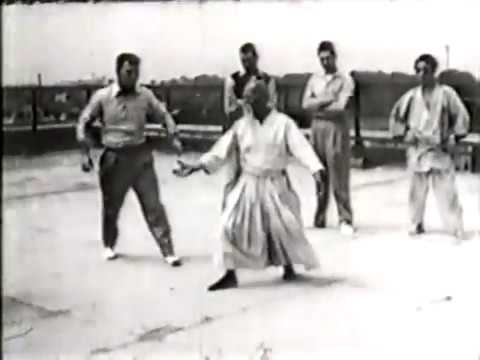
Aikido O Sensei in 1954: A Timeless Warrior's Legacy in Modern Combat Sports

The year 1954 gifted us a rare glimpse into the profound capabilities of Aikido O Sensei through a rediscovered video. This artifact, showcasing his mastery, serves as a potent reminder of the enduring power of traditional martial arts. Today, the echoes of such legends resonate powerfully, not only in dedicated dojos but also within the electrifying arenas of modern martial arts and combat sports. These disciplines, with their rich histories and timeless teachings, continue to captivate us, offering lessons that transcend mere physical prowess.

But what is the true essence of martial arts and Budo? Far beyond the technicalities of striking and grappling, they represent a holistic philosophy, a rigorous discipline, and ultimately, a pathway to self-development. The pursuit of perfection, a core tenet of Budo – the "way of the warrior" – is a journey of constant refinement, both physically and mentally.

The True Essence of Martial Arts and Budo

Martial arts are not merely a collection of techniques designed for conflict. They are a profound system for cultivating the individual. The ultimate aim is to forge a stronger self – physically resilient, mentally sharp, and spiritually grounded. This holistic development is what sets true martial arts apart.

Budo: More Than Just a Fighting Style

"Budo" translates directly to "the way of the warrior." This term encapsulates the spirit that underpins these disciplines. It's about the relentless pursuit of excellence, the mastery of oneself through rigorous training, and the application of these principles in all facets of life. It is a lifelong pursuit, not a destination.

"The ultimate aim of martial arts is not victory or defeat, but the perfection of the character of its practitioners." - A principle echoed across many martial traditions.

The Multifaceted Benefits of Martial Arts Training

The benefits of consistent training in martial arts are vast and touch every aspect of a practitioner's life. Beyond the obvious enhancement of self-defense skills, individuals develop:

  • Improved Physical Health: Increased strength, flexibility, cardiovascular endurance, and coordination.
  • Enhanced Mental Fortitude: Greater focus, discipline, patience, and stress management.
  • Unshakeable Self-Discipline: The ability to set goals and work towards them consistently, overcoming obstacles.
  • A Strong Sense of Community: The shared passion within the martial arts community fosters deep bonds, camaraderie, and mutual respect. This sense of belonging is invaluable.

This supportive environment is crucial. The shared struggles and triumphs in the dojo create a unique connection that strengthens the collective spirit.

Combat Sports: The Arena of Modern Competition

Contrast this with combat sports. While they share the roots of physical confrontation, their primary focus is often on competition and the quantifiable outcome of victory. Disciplines like MMA, boxing, and Judo demand extraordinary levels of physical conditioning, strategic thinking, and mental toughness. They are a testament to the human spirit's capacity to perform under immense pressure.

The athletes in these fields are modern warriors, pushing the boundaries of human potential. Their dedication, sacrifice, and ability to execute under the bright lights are truly inspiring. It is undeniable that these sports showcase incredible athleticism and tactical brilliance.

Showcasing Your Passion: Martial Arts and Combat Sports Merchandise

For enthusiasts and practitioners alike, the passion for martial arts and combat sports often extends beyond the training mat or the ring. This is where merchandise plays a role. From specialized Karate gis and durable Judo uniforms to training equipment and casual apparel, these items allow individuals to express their identity and support their chosen disciplines.

High-quality training equipment, such as punching bags, focus mitts, and protective gear, is essential for effective practice. Wearing apparel that represents your art or sport is a way to connect with the wider community and serve as a constant reminder of your commitment. These items also make fantastic gifts for fellow martial artists or combat sports fans.

Our Commitment at BYAM Budo y Artes Marciales

At BYAM Budo y Artes Marciales, we understand this passion. We are dedicated to providing a wide array of high-quality merchandise tailored for both martial arts practitioners and combat sports aficionados. Our selection is curated to meet the needs of everyone, from the absolute beginner taking their first steps in Aikido or Karate, to the seasoned expert honing their skills. Functionality and durability are paramount in our product design, ensuring that what you choose supports your journey.

We firmly believe that martial arts and combat sports are more than just physical activities; they are transformative life experiences. Our blog serves as a platform to share invaluable insights, including practical training tips, detailed technique breakdowns, and the philosophical underpinnings that make these arts so profound.

Deepen Your Journey: Recommended Resources

To further enrich your understanding and practice, I highly recommend exploring these resources:

Frequently Asked Questions

  • Q: Is Aikido still relevant in modern combat sports?
    A: While Aikido's direct application in MMA is debated, its principles of blending, redirection, and control offer invaluable lessons in balance, spatial awareness, and joint manipulation, which are transferable skills.
  • Q: What is the difference between Budo and just training martial arts?
    A: Budo emphasizes the spiritual and philosophical development of the individual, viewing training as a lifelong path to self-perfection. Simply training martial arts may focus more on the technical or competitive aspects without the deeper philosophical commitment.
  • Q: How can I start training martial arts if I'm a complete beginner?
    A: The best approach is to research local dojos or gyms offering styles that interest you. Many offer introductory classes. Focus on finding qualified instructors and a welcoming community, like those found in martial arts communities globally.

Sensei's Verdict: Is the Legacy Alive?

Looking back at O Sensei’s demonstration in 1954, and observing the dedication in today's dojos and the fierce competition in UFC bouts, one undeniable truth emerges: the warrior spirit, the essence of Budo, is very much alive. The methods evolve, the arenas change, but the fundamental principles of discipline, perseverance, and the quest for self-mastery remain constant.

Whether you are drawn to the intricate flows of Aikido, the powerful stances of Karate, or the dynamic exchanges in MMA, the path of martial arts offers a profound opportunity for growth. It is a journey that builds not just a fighter, but a better human being.

Sensei's Reflection: Your Next Step

O Sensei's movements in that 1954 film were not just physical actions; they were expressions of deep understanding and embodiment. The question for you, the dedicated practitioner and student of the Way, is this: How can you embody the principles you learn on the mat in the unpredictable dojo of your daily life? Do you merely mimic techniques, or do you strive to internalize the philosophy?

```

For Deeper Exploration on Your Path

The Divine Techniques of Morihei Ueshiba: Aikido's Pinnacle or a Philosopher's Dream?

The Enigma of Aikido's Founder

Aikido. The very name conjures images of graceful, seemingly effortless movements that neutralize aggression without inflicting unnecessary harm. It's a martial art that has captivated practitioners worldwide, promising not just self-defense, but a path toward inner peace and universal harmony. But how much of this ideal is rooted in practical application, and how much is a philosophical construct? At its heart stands its founder, O Sensei Morihei Ueshiba, a man whose martial journey spanned decades, culminating in what many consider the zenith of his art: the "divine techniques." But were these techniques truly divine in their efficacy, or merely the sublime expressions of a martial philosopher in his twilight years? Let's dissect this, for the path of Budo is rarely as simple as it appears.
Born in 1883 and passing in 1969, Ueshiba's life was a crucible where the fire of myriad martial arts—including Daito-ryu Aiki-jujutsu, Yagyu Shinkage-ryu, and even tenets from Shintoism and Omoto-kyo—were forged into the unique art of Aikido. His vision transcended mere combat; he aimed to create an art that could protect both oneself and one's attacker, fostering a spirit of reconciliation. This lofty goal, however, inevitably raises questions. Can an art so focused on peace truly stand against the brutal realities of conflict? And what of these celebrated "divine techniques"?

The Twilight Years: Crafting Divine Techniques (1962-1969)

It is during the final seven years of his life, from 1962 to 1969, that O Sensei Morihei Ueshiba is said to have perfected what are now termed the "divine techniques." This period is often viewed as the culmination of his life's work, a time when his understanding of Aikido reached its most profound level. These weren't new styles, but rather refinements and deeper expressions of existing principles, imbued with an almost ethereal quality. These techniques are characterized by their exceptional fluidity, a seamless integration of movement and intention that appears almost magical to the untrained eye. The practitioner seems to flow around an attack, redirecting the aggressor's force with minimal physical exertion. It’s easy to see why the term "divine" was applied. It suggests a level of mastery that transcends the ordinary, a harmony between spirit, mind, and body that few martial artists ever achieve. But let us not be swayed solely by the poetic descriptions. Every martial technique, divine or otherwise, must possess a foundation in practical mechanics. These late-stage techniques, while beautiful, demand an extraordinary level of internalized principles. They are the result of decades of relentless training, a deep understanding of biomechanics, and, crucially, a profound connection to the attacker's intent and energy.

The Essence of Blending: Beyond Mere Self-Defense

At the core of Aikido, and particularly within these "divine techniques," lies the principle of *aiki*—often translated as "joining energy" or "harmony of spirit." This is not about brute force against brute force. Instead, it's about understanding the attacker's momentum, intention, and center of gravity, then subtly guiding them to their own detriment. Ueshiba's genius was in systematizing this into a practical art form. The divine techniques elevate this concept. They are not simply counters; they are demonstrations of how to become one with the attacker's movement. Imagine water flowing around a rock, or wind bending a reed—the Aikidoka, through these techniques, becomes an extension of the attacker's force, not an obstacle. This requires an almost predictive quality, an ability to sense the incoming attack before it fully materializes and to position oneself to redirect it. This is where the philosophical and the practical converge. To achieve this seamless redirection, the practitioner must cultivate a state of *mushin*—a "no-mind" or mind free from ego, fear, and distraction. Without this mental clarity, the subtle adjustments and precise timing required for these techniques become impossible. The divine techniques, therefore, are not just physical movements; they are exercises in mindfulness and spiritual development.
"The Art of Peace is not a weapon or an engine of destruction. It is a means of bringing about reconciliation and harmony, a way to achieve unity with the universe." - Morihei Ueshiba

More Than Movement: Aikido as a Martial Philosophy

O Sensei Ueshiba himself referred to Aikido as a "martial philosophy." This isn't hyperbole; it's central to understanding his creation. While many martial arts focus on the objective of defeating an opponent, Ueshiba's aim was broader: to cultivate a spirit that could resolve conflict without violence, or at least with minimal harm. The ultimate goal was not to win a fight, but to win the peace. The "divine techniques" embody this philosophy. They are designed to neutralize an opponent's aggression by unbalancing them, controlling them, or guiding them to the ground, often leaving them unharmed but incapacitated. This requires an immense amount of control and understanding—control over one's own body and mind, and an understanding of the attacker's biomechanics and psychology. Is this idealism? Perhaps. In the heat of a life-or-death struggle, the refined principles of Aikido might seem like a distant dream. However, the practice itself cultivates attributes that are invaluable in any situation: discipline, awareness, composure under pressure, and a respect for oneself and others. These are the true "divine" aspects of the art, transcending any specific physical movement.

The Question of Effectiveness: Divine Techniques in the Crucible

This is where the debate often ignites. Critics, particularly from the realm of more direct combat sports like MMA or traditional Karate, question the practical applicability of Aikido's higher forms, especially against determined, uncooperative attackers. "Can these flowing movements truly stop a punch or a kick from someone who isn't blending?" they ask. It’s a fair question, and one that O Sensei Ueshiba himself grappled with, albeit from a different perspective. His focus was on creating a *better* way, a way that reflected a more evolved human spirit. The effectiveness of the divine techniques hinges on several factors: the practitioner's skill level, the attacker's compliance (or lack thereof), and the context of the encounter. In a dojo setting, with a willing *uke* (attacker) practicing techniques, the divine movements are undeniably beautiful and effective. They demonstrate profound principles of leverage, timing, and body mechanics. However, translating this into a chaotic street fight is another matter entirely. The sheer commitment to peaceful resolution might be a disadvantage against an adversary intent on causing harm.
"Aikido is not about fighting. It is about resolving conflict without unnecessary harm. It is a path of peace." - Morihei Ueshiba (paraphrased)
Some argue that the core principles of unbalancing and redirecting can be adapted, but the exquisite fluidity of the "divine" forms is most potent when there's a degree of synergy with the attacker. This doesn't negate their value; it simply places them within a specific context. The true test lies not just in execution, but in understanding *when* and *how* to apply these principles.

Mastering the Flow: What it Takes to Execute Ueshiba's Vision

Executing Ueshiba's divine techniques is not a matter of simply memorizing movements. It requires a deep integration of mind, body, and spirit. Here's a breakdown of the essential elements:
  1. Centering and Grounding: The practitioner must establish a stable center (hara) and maintain a strong connection to the ground. This provides the base from which to absorb and redirect force.
  2. Body Structure and Movement: Learn to move as a single unit, utilizing the entire body's power rather than isolated limbs. This involves proper posture, hip rotation, and footwork (*taisabaki*).
  3. Sensing the Attack: Develop the ability to perceive the attacker's intention, energy, and timing. This often comes through extensive practice and sensitivity drills.
  4. Blending and Redirection: Rather than meeting force with force, learn to blend with the attacker's line of movement, becoming an extension of their energy. This allows for effortless redirection.
  5. Timing and Kuzushi: Mastering the art of unbalancing the attacker (*kuzushi*) at the precise moment is critical. This often involves subtle shifts in weight or posture.
  6. Spirit and Intention: Cultivate a calm, focused mind (*mushin*). The intention should always be to neutralize the threat, not to dominate or harm.
  7. Breath Control: Synchronizing breath with movement enhances power, fluidity, and mental clarity.
These are not steps to be ticked off a list; they are principles to be embodied through years of dedicated training. The path to mastering these techniques is long, demanding patience, perseverance, and a willingness to constantly learn and refine.

BYAM Budo & Artes Marciales: Equipping the Aikidoka

Understanding the philosophy and mechanics of Aikido is one thing; training effectively is another. At BYAM Budo & Artes Marciales, we recognize the dedication required to walk the path of Budo. Whether you are delving into the intricacies of O Sensei's divine techniques or just beginning your journey, the right equipment can make a significant difference. We are committed to providing practitioners with high-quality gear that supports their training. From durable kimonos designed to withstand the rigors of grappling and throws, to essential accessories that aid in practice and conditioning, our selection aims to empower your martial arts journey. We believe that quality training tools should be accessible, enabling more individuals to pursue the transformative benefits of martial arts like Aikido.

Veredicto del Sensei: ¿Un Arte Sagrado o un Sueño Filosófico?

The "divine techniques" of Morihei Ueshiba are undeniably a beautiful and profound expression of martial art principles. They represent a pinnacle of Aikido's development, emphasizing harmony, control, and the resolution of conflict. However, to label them purely "divine" without acknowledging the rigorous physical and mental discipline required, or to ignore the perennial debate about their practical efficacy in extreme situations, would be a disservice to critical analysis. Are they a practical self-defense system for every scenario? Perhaps not in their purest, most flowing form against a wholly aggressive opponent. But as a method of cultivating awareness, control, and a philosophy of peace, they are unparalleled. Ueshiba’s legacy is not just in the techniques, but in the ethical and spiritual framework he built around them. **Calificación:** ⭐ ⭐ ⭐ ⭐ (4 de 5 Estrellas) - Un Arte Sublime con Profundas Implicaciones Filosóficas, Requiere Contexto para la Aplicación Práctica.

Frequently Asked Questions

What makes Aikido's "divine techniques" so special?

These techniques, developed in the later years of O Sensei Morihei Ueshiba's life, are characterized by exceptional fluidity, grace, and efficiency, seemingly neutralizing an attacker's energy with minimal effort by blending movements.

Are these techniques practical for self-defense in real-world situations?

Their effectiveness is debated. While they demonstrate profound principles of leverage and timing, their fluid nature is often most potent against attackers who offer some degree of cooperation or predictability. In chaotic, high-aggression scenarios, adaptation might be necessary.

What is the role of philosophy in Aikido's divine techniques?

Aikido is fundamentally a martial philosophy. The divine techniques embody O Sensei's vision of peace and harmony, aiming to resolve conflict without unnecessary harm, promoting self-mastery and respect for the attacker.

How does one train to perform these techniques?

Mastering them requires years of dedicated practice focused on centering, precise body movement, sensitivity to the attacker's energy, effective blending and redirection (*kuzushi*), and cultivating a calm, focused mind (*mushin*).

What kind of equipment is recommended for Aikido training?

A high-quality, durable kimono (gi) is essential. Training shoes or bare feet are common. Some practitioners also use wooden weapons like the *bokken* (sword) and *jo* (staff) for supplementary training, as they help develop principles applicable to empty-hand techniques.

Further Exploration

``` ```json { "@context": "http://schema.org", "@type": "FAQPage", "mainEntity": [ { "@type": "Question", "name": "What makes Aikido's 'divine techniques' so special?", "acceptedAnswer": { "@type": "Answer", "text": "These techniques, developed in the later years of O Sensei Morihei Ueshiba's life, are characterized by exceptional fluidity, grace, and efficiency, seemingly neutralizing an attacker's energy with minimal effort by blending movements." } }, { "@type": "Question", "name": "Are these techniques practical for self-defense in real-world situations?", "acceptedAnswer": { "@type": "Answer", "text": "Their effectiveness is debated. While they demonstrate profound principles of leverage and timing, their fluid nature is often most potent against attackers who offer some degree of cooperation or predictability. In chaotic, high-aggression scenarios, adaptation might be necessary." } }, { "@type": "Question", "name": "What is the role of philosophy in Aikido's divine techniques?", "acceptedAnswer": { "@type": "Answer", "text": "Aikido is fundamentally a martial philosophy. The divine techniques embody O Sensei's vision of peace and harmony, aiming to resolve conflict without unnecessary harm, promoting self-mastery and respect for the attacker." } }, { "@type": "Question", "name": "How does one train to perform these techniques?", "acceptedAnswer": { "@type": "Answer", "text": "Mastering them requires years of dedicated practice focused on centering, precise body movement, sensitivity to the attacker's energy, effective blending and redirection (kuzushi), and cultivating a calm, focused mind (mushin)." } }, { "@type": "Question", "name": "What kind of equipment is recommended for Aikido training?", "acceptedAnswer": { "@type": "Answer", "text": "A high-quality, durable kimono (gi) is essential. Training shoes or bare feet are common. Some practitioners also use wooden weapons like the bokken (sword) and jo (staff) for supplementary training, as they help develop principles applicable to empty-hand techniques." } } ] }

The Undeniable Power of Kyokushin Karate: More Than Just a Documentary

Welcome, fellow seekers of the Way. You arrive at BYAM Budo y Artes Marciales not merely by chance, but by a shared pursuit of something profound – the essence of martial arts. Today, we strip away the polished veneer of typical documentaries to confront the raw, unadulterated truth of Kyokushin Karate. Forget mere entertainment; we are here to dissect its strength, its rigorous philosophy, and the transformative fire it ignites within its practitioners. Prepare yourselves, for this is not a passive viewing; it is an immersion into the heart of combat sports, the depth of martial philosophy, and the tangible reality of training.

I. The Unyielding Essence of Kyokushin Karate

Let's address the elephant in the room immediately. When we speak of "The Strongest Karate," we are not exaggerating. Kyokushin, translating to "the ultimate truth" in Japanese, is not a style for the faint of heart. Forged by the legendary Masutatsu Oyama, its very name is a testament to its demanding nature. This is not about flashy kata performed in a sterile dojo; this is about forging physical and mental fortitude through relentless dedication. Its techniques are honed in the crucible of full-contact sparring and brutal training regimens that would break lesser men. Oyama understood that true strength isn't just about throwing punches; it's about developing the unyielding spirit, the Seishin, that allows a warrior to stand firm against any adversity.

Think about it: when you hear the term "Kyokushin," what comes to mind? Likely images of bone-jarring roundhouse kicks, powerful punches, and intense, unyielding sparring matches. This is the stark reality of Oyama's vision. He sought to create a martial art that tested the limits of human endurance, a discipline that would not only teach combat effectiveness but also instill an unbreakable will. This emphasis on realism, on facing an opponent with full commitment, is what separates Kyokushin from many other forms that prioritize form over function. It's a stark reminder that in the face of true conflict, there is no room for pretense.

"The difference between a hobby and a calling is the level of sacrifice you are willing to make." - A principle deeply ingrained in Kyokushin training.

This commitment to "ultimate truth" means confronting one's own limitations, pushing past perceived barriers, and emerging stronger. The rigorous Kihon (basics), the demanding Kata (forms), and the sheer intensity of Kumite (sparring) all serve a singular purpose: to build a warrior from the inside out.

II. The Warrior's Mindset: Embracing the Martial Philosophy

But Kyokushin Karate is far more than a mere combat system. It is a profound vehicle for self-discovery, a living embodiment of the Budo spirit. The principles etched into the dojo walls – humility, respect, perseverance, and self-control – are not abstract concepts. They are the very bedrock upon which a Kyokushin practitioner builds their character. This philosophy transcends the physical exchanges; it is a guide for navigating the complexities of life itself.

Consider the weight of Osu! – the all-encompassing expression of respect, gratitude, and perseverance. It’s not just a word; it’s a commitment. It’s what you utter when you’re tired, when you’re sore, when you want to quit but choose not to. This constant reinforcement of mental toughness, coupled with the respect shown to instructors and fellow students, cultivates a warrior's mindset. You learn to face challenges head-on, not with aggression, but with calm resolve. This is the essence of martial philosophy, a concept often lost in the modern world's pursuit of superficial victories.

The development of Zanshin (awareness) and Mushin (no-mind state) are not merely training goals; they are pathways to a more balanced and conscious existence. When you can react instinctively yet calmly under pressure, whether in a sparring match or a stressful life situation, you have truly begun to understand Kyokushin's deeper teachings. This journey fosters a profound sense of self-awareness, harmonizing the mind, body, and spirit – a balance that is increasingly rare in our chaotic world.

"The mind must be stilled. Only then can the body move with true purpose." - A foundational principle in the study of martial arts strategy.

III. Kyokushin's Impact on the Global Combat Sports Arena

Kyokushin Karate's uncompromising approach has undeniably left an indelible mark on the landscape of combat sports. It's a discipline that has consistently produced individuals with exceptional physical conditioning, mental fortitude, and a deep understanding of striking dynamics. These practitioners, forged in the intense environment of Kyokushin kumite, have translated their skills onto stages worldwide, proving the efficacy of their training.

We've seen Kyokushin exponents excel in various full-contact disciplines, often demonstrating superior conditioning and a never-say-die attitude. Their resilience in the face of powerful opponents and their ability to absorb punishment while continuing to fight are hallmarks of their training. Think of the famous historical bouts and the sheer grit displayed by these fighters. This raw, electrifying spectacle continues to captivate audiences, offering a compelling demonstration of martial arts prowess in its most direct and challenging form. The influence of Kyokushin's full-contact ethos can be seen, whether directly or indirectly, in many modern combat sports, pushing the boundaries of what athletes are capable of.

Whether it's through direct competition or the influence of their fighting spirit, Kyokushin Karate continues to enrich the world of combat sports, offering a testament to the power of dedicated, full-contact training. It’s a constant reminder that strength forged in truth can overcome many obstacles.

IV. Forging Bonds: The Kyokushin Karate Community

Here at BYAM Budo y Artes Marciales, we understand that the martial journey is rarely a solitary one. The dojo is a microcosm of society, a place where bonds are forged through shared sweat, mutual respect, and common goals. The Kyokushin Karate community is a prime example of this – a global network of individuals united by a passion for this demanding art.

This isn't just about training partners; it's about building a support system. In the shared struggle of pushing limits, enduring difficult training sessions, and learning from mistakes, friendships and a profound sense of camaraderie develop. This shared experience extends beyond the dojo itself. Online forums, social media groups, and gatherings all contribute to a vibrant tapestry of connection. It's a place where knowledge is exchanged, encouragement is freely given, and the principles of Budo are lived out collectively. You are never truly alone on this path.

We aim to be a nexus for these connections, a place where enthusiasts of Kyokushin and other martial disciplines can converge. By engaging in discussions, sharing personal experiences – the triumphs and the setbacks – we can all learn and grow. This collective effort nurtures not only individual progress but also a deeper, collective understanding and appreciation of the martial arts. Join us, and discover the strength that comes from being part of something greater than yourself.

V. Gear Up for Glory: Essential Kyokushin Merchandise

Our commitment to your martial arts journey extends beyond mere philosophical discourse. We believe that the right equipment can significantly enhance your training experience and serve as a constant reminder of your dedication. That’s why we offer a curated selection of high-quality Kyokushin merchandise and related gear.

From durable training uniforms that withstand the rigors of intense practice to comfortable apparel that embodies the spirit of the warrior, each item is selected with purpose. We offer books that delve deeper into Kyokushin's history and philosophy, training aids that can supplement your dojo practice, and accessories that let you carry the martial spirit with you every day. Think of it as arming yourself, not just for the physical fight, but for the mental and spiritual one as well.

For those serious about their Kyokushin training, consider investing in a high-quality Kyokushin gi. A well-made uniform is crucial for both comfort and durability during intense sparring sessions. Beyond the gi, explore our range of training equipment designed to help you hone your techniques, such as focus mitts for speed and accuracy drills, or even a makiwara to build devastating power. Supporting our platform through these purchases not only equips you for your path but also allows us to continue providing valuable content and fostering the martial arts community.

Equipo Esencial para tu Entrenamiento

  • Kyokushin Gi (Uniforme): Busca un tejido resistente y un corte que permita una amplia movilidad. Doble tejido es ideal para la durabilidad.
  • Guantes de Sparring (14-16oz): Esenciales para la seguridad durante el kumite.
  • Protector Bucal: No negociable para cualquier tipo de sparring.
  • Espinilleras y Empeineras: Recomendadas para entrenamiento de contacto completo.
  • Libros sobre Kyokushin y Budo: Para complementar tu aprendizaje técnico y filosófico.

Conclusion

Kyokushin Karate is far more than a martial art; it is a transformative way of life. It is a discipline that instills unwavering discipline, profound resilience, and an indomitable spirit. Through its practice, we uncover our innermost strength, empowering us not just to face challenges, but to conquer them with grace and steely determination. Join us at BYAM Budo y Artes Marciales, where we don't just discuss the beauty of martial arts; we celebrate its power, foster a thriving community, and provide the resources to enrich your personal martial arts journey. Together, let us embrace the raw power of Kyokushin Karate and embark on an enduring path of self-discovery and ultimate mastery.

Preguntas Frecuentes

  • What makes Kyokushin Karate different from other Karate styles? Kyokushin is distinct due to its emphasis on full-contact sparring with minimal protective gear, its rigorous physical conditioning, and its philosophical commitment to "the ultimate truth" in combat and life.
  • Is Kyokushin Karate suitable for beginners? Yes, Kyokushin offers specialized beginner classes designed to gradually introduce practitioners to its demanding techniques and philosophy, focusing on safety and foundational skills.
  • What are the main benefits of practicing Kyokushin Karate? Benefits include enhanced physical fitness, improved discipline and self-control, increased mental toughness, boosted confidence, and a deep understanding of respect and perseverance.
  • Can Kyokushin Karate be used for self-defense? Absolutely. The full-contact nature of Kyokushin training directly prepares practitioners for realistic self-defense scenarios, emphasizing practical application and resilience.

Reflexión del Sensei: Tu Próximo Paso

You have absorbed the essence, the philosophy, and the undeniable power of Kyokushin. Now, consider this: How does the "ultimate truth" of Kyokushin manifest not just in the dojo, but in the mundane moments of your daily life? Are you truly living with the discipline, respect, and perseverance you claim to embody?

For further exploration into the world of martial arts and combat sports, check out these related articles:

``` ```json { "@context": "http://schema.org", "@type": "FAQPage", "mainEntity": [ { "@type": "Question", "name": "What makes Kyokushin Karate different from other Karate styles?", "acceptedAnswer": { "@type": "Answer", "text": "Kyokushin is distinct due to its emphasis on full-contact sparring with minimal protective gear, its rigorous physical conditioning, and its philosophical commitment to \"the ultimate truth\" in combat and life." } }, { "@type": "Question", "name": "Is Kyokushin Karate suitable for beginners?", "acceptedAnswer": { "@type": "Answer", "text": "Yes, Kyokushin offers specialized beginner classes designed to gradually introduce practitioners to its demanding techniques and philosophy, focusing on safety and foundational skills." } }, { "@type": "Question", "name": "What are the main benefits of practicing Kyokushin Karate?", "acceptedAnswer": { "@type": "Answer", "text": "Benefits include enhanced physical fitness, improved discipline and self-control, increased mental toughness, boosted confidence, and a deep understanding of respect and perseverance." } }, { "@type": "Question", "name": "Can Kyokushin Karate be used for self-defense?", "acceptedAnswer": { "@type": "Answer", "text": "Absolutely. The full-contact nature of Kyokushin training directly prepares practitioners for realistic self-defense scenarios, emphasizing practical application and resilience." } } ] }

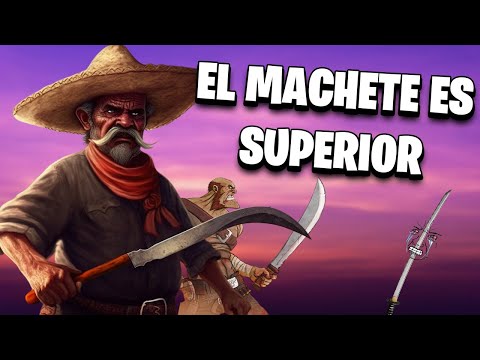
¿Machete vs. Katana? El Filo de la Verdad en el Campo de Batalla y en la Vida

¡Atención, budokas y guerreros de teclado! Hoy desempolvamos una vieja discusión, esa que resurge cada vez que un meme de "abuelo luchando contra el diablo con su machete oxidado" inunda las redes. Nos adentramos en un terreno polémico: ¿Es el humilde machete, esa herramienta de labranza que muchos subestiman, realmente superior a la mítica katana? En BYAM Budo y Artes Marciales, no tememos desafiar las leyendas. Prepárense, porque vamos a desmantelar el mito de la katana y a reivindicar el poder multifacético del machete.

El Mito de la Katana y la Realidad del Machete

La katana, ese sable curvo de hoja única, ha sido elevada a la categoría de arma casi mística en la cultura popular. Su silueta elegante, su asociación con los samuráis, y su supuesta precisión letal la han cimentado en el imaginario colectivo como el pináculo de las armas blancas. Pero, ¿cuánto de esto es mito y cuánto de verdad?

Hoy, desde el corazón de BYAM Budo y Artes Marciales, nos proponemos descorrer el velo. No negamos la historia y el arte de la katana, pero sí cuestionamos su supuesta supremacía. Vamos a confrontarla con un arma a menudo relegada a la categoría de herramienta agrícola o de combate de baja estofa: el machete. Su linaje, su funcionalidad en el mundo real y su impacto histórico merecen un análisis tan riguroso como el de cualquier arte marcial tradicional.

La pregunta que planea es clara: ¿El machete, ese fiel compañero de tantos en Latinoamérica y otras regiones, eclipsa a la katana en eficacia y relevancia práctica? La respuesta podría sorprender a muchos puristas y aficionados a las katanas de museo.

Un Arma de Raíces Profundas: La Historia del Machete

El machete no es una invención moderna ni un capricho latinoamericano. Su diseño, optimizado para cortar vegetación densa, tiene raíces que se hunden profundamente en la historia de las herramientas y las armas primitivas. Si bien los memes lo asocian con "abuelos luchando contra el diablo", su verdadera historia es la de la supervivencia, la expansión y la lucha diaria.

"La herramienta que separa el grano de la paja es la que marca la diferencia entre el éxito y el fracaso en la vida." - Una máxima de la sabiduría campesina.

Su popularidad global se disparó con la colonización española, que introdujo variantes y fomentó su uso masivo en las plantaciones. Desde entonces, el machete ha sido una constante en la historia de América Latina. Fue el arma del campesino rebelde, del jornalero explotado y, sí, también del combatiente en guerras de independencia y conflictos civiles. Su presencia es tan ubicua que es difícil imaginar la historia de la región sin él.

A diferencia de la katana, cuya evolución está intrínsecamente ligada a la clase guerrera samurái y a un contexto cultural específico, el machete es un arma del pueblo. Nació de la necesidad, se perfeccionó por la utilidad y se adoptó por su eficacia en infinidad de escenarios, desde el campo de batalla hasta la defensa personal en el entorno rural.

Más que un Arma: El Machete como Herramienta y Símbolo Cultural

Aquí es donde la comparación se vuelve realmente interesante y donde el machete comienza a mostrar su verdadera envergadura. La katana, en su concepción más pura, es un arma de combate de alta precisión. Requiere entrenamiento específico, una mentalidad particular y un contexto de duelo o guerra. El machete, en cambio, es multifacético. Es una herramienta de trabajo indispensable para millones de personas.

En muchas zonas rurales de Latinoamérica, el manejo del machete no es solo una habilidad de combate, es una competencia vital. Abre caminos en la selva, cosecha alimentos, construye refugios y, por supuesto, defiende el hogar y la vida ante depredadores o amenazas humanas. Esta integración diaria en la vida de las personas le otorga una versatilidad que la katana, por su naturaleza y finalidad, simplemente no posee.

Su importancia cultural es innegable. Se ha incrustado en danzas folclóricas, ceremonias y rituales, convirtiéndose en un símbolo de identidad, resistencia y laboriosidad. Piensen en esto: ¿cuántas danzas folclóricas incorporan la katana de manera orgánica? El machete no es solo un vestigio histórico; es una parte viva de la cultura.

Cara a Cara: ¿Cuál Filo es Más Letal y Versátil?

Analicemos la hoja, el alma de cada arma. La katana, con su curvatura y filo extremadamente agudo, está diseñada para cortes rápidos y profundos, buscando incapacitar al oponente con la mínima exposición. Es el arma del espadachín, donde la técnica y la precisión son primordiales.

El machete, por otro lado, presenta una hoja generalmente más ancha y con una curvatura diferente, a menudo optimizada para cortes más contundentes y con mayor peso detrás del impacto. Esta configuración le permite:

  • Mayor Potencia de Corte: La masa y el diseño del machete facilitan cortes más potentes, capaces de atravesar no solo carne sino también madera o incluso hueso con la fuerza adecuada.
  • Versatilidad de Agarre: Su mango, usualmente más robusto, permite una variedad mayor de agarres y palancas, lo que lo hace útil en situaciones de lucha cuerpo a cuerpo más "sucias" y menos formales que el duelo de samuráis.
  • Uso como Palanca o Maza: En un apuro, un machete robusto puede ser usado para bloquear, desviar o incluso golpear con el plano de la hoja o el dorso, algo impensable con la delicada katana.

Si bien la katana puede ser superior en un duelo uno contra uno bajo reglas específicas, en la anarquía del combate real, donde la improvisación y la contundencia son clave, el machete ofrece una gama de aplicaciones mucho más amplia y efectiva. Su capacidad para realizar cortes devastadores y su resistencia lo convierten en un adversario formidable.

Democratizando el Acero: La Economía del Machete

Aquí tocamos un punto crucial que a menudo se pasa por alto en las comparaciones románticas de armas históricas. El mercado y la accesibilidad de un arma son factores determinantes en su relevancia y su impacto a lo largo del tiempo.

Las katanas, especialmente las de alta calidad forjadas con técnicas tradicionales, son objetos de lujo. Su producción es costosa y su adquisición está, en muchos casos, reservada a coleccionistas o practicantes adinerados. Son armas que adornan paredes tanto como empuñan manos.

El machete, en cambio, es un arma de masas. Se produce en volúmenes industriales, se vende en ferreterías, mercados locales y tiendas de agricultura. Su precio es accesible para la gran mayoría de la población mundial. Esto no solo significa que más personas tienen acceso a él para defensa o trabajo, sino que su presencia histórica y su impacto en la vida cotidiana son exponencialmente mayores.

Este factor de accesibilidad es fundamental. Un arma que está al alcance de todos, que se usa a diario y que está integrada en la sociedad, tiene una relevancia práctica mucho mayor que un objeto de élite, por muy hermoso o históricamente significativo que sea.

Veredicto del Sensei: ¿Cinturón Negro o Falla en los Fundamentos?

He sido testigo de innumerables debates sobre la eficacia de armas y estilos, y he entrenado con practicantes que empuñan tanto el acero pulido como el acero rústico. La katana es un arte en sí misma, un testamento a la habilidad y la estética del guerrero japonés. Su legado es innegable.

Sin embargo, desde una perspectiva pragmática, de utilidad en el mundo real y de impacto histórico-social, el machete emerge como el vencedor indiscutible en esta comparativa. Su versatilidad como herramienta, su potencia en el combate improvisado, su accesibilidad y su arraigo cultural lo elevan por encima de la katana como un arma de mayor relevancia práctica.

La katana es un símbolo de una era pasada, una obra de arte funcional. El machete es un compañero constante, una herramienta de supervivencia y un arma democrática. Si buscamos eficacia cruda y aplicabilidad en el amplio espectro de la vida y el combate, mi veredicto es claro: El machete, en su humilde pero efectiva gloria, supera a la mítica katana.

Equipo Esencial para tu Entrenamiento

Si bien este análisis compara armas históricas y herramientas, la disciplina marcial se nutre del entrenamiento y la mejora constante. Para aquellos que buscan perfeccionar su técnica y condición física, contar con el equipo adecuado es fundamental. Aquí les dejo una lista de elementos que considero esenciales para un entrenamiento integral:

  • Kimono de Judo o Jiu Jitsu Resistente: Ideal para trabajar agarres, proyecciones y resistencia. Un buen kimono de doble tejido (#judoskills) te permitirá entrenar sin preocuparte por desgarros.
  • Guantes de MMA de 16oz: Si bien hablamos de armas blancas, la preparación física para el combate es universal. Estos guantes son perfectos para el sparring, permitiendo tanto golpeo como agarre.
  • Protector Bucal: La seguridad es primordial, incluso en entrenamientos simulados.
  • Esterilla de Entrenamiento: Para ejercicios de suelo, caídas y rutinas de acondicionamiento físico en casa (#AtHomeWorkout).
  • Cuerda de Saltar de Alta Resistencia: Un clásico para mejorar la agilidad (#Agility), la resistencia cardiovascular y la coordinación.

Recuerden, la herramienta no hace al maestro, pero el maestro se asegura de tener las mejores herramientas para su arte.

Taller Práctico: Simulación de Movimientos Básicos

Aunque no trabajemos con machetes o katanas en un dojo tradicional, los principios de corte, bloqueo y movimiento son transferibles. Aquí les presento un ejercicio de simulación para trabajar la conciencia corporal y la potencia de movimiento, adaptable a cualquier practicante de artes marciales:

  1. Calentamiento Dinámico (5-10 minutos): Movilidad articular completa, rotaciones de torso, círculos de brazos y piernas.
  2. Posición Fundamental ( Kamae): Adopta una postura estable, similar a una guardia de combate o de trabajo. Pies separados al ancho de hombros, rodillas ligeramente flexionadas, peso centrado.
  3. Simulación de Corte Descendente: Imagina que empuñas un machete. Eleva tus brazos por encima de la cabeza, como si sostuvieras el arma con ambas manos. Con un movimiento fluido y coordinado, desciende el "arma" hacia un objetivo imaginario frente a ti, girando el torso para generar potencia. Siente la tensión en tus músculos oblicuos y la transferencia de peso.
  4. Simulación de Corte Horizontal: Desde la posición fundamental, lleva tus manos a un lado del cuerpo, simulando empuñar el arma. Realiza un corte potente hacia el frente, a la altura de la cintura o el pecho, usando la rotación del torso y la cadera.
  5. Bloqueo Circular: Imagina un ataque inminente. Con un movimiento amplio y controlado de tus brazos, simula un bloqueo circular descendente o ascendente, como si desviaras un golpe.
  6. Movimientos de Desplazamiento: Integra los cortes y bloqueos con pasos fluidos hacia adelante, atrás y laterales. Mantén siempre una base estable y la conciencia de tu centro.
  7. Resistencia y Repetición: Realiza cada movimiento de 10 a 15 repeticiones, enfocándote en la calidad y la potencia. Descansa brevemente y repite el ciclo 3-4 veces.

Este ejercicio, al igual que el entrenamiento con pesas (#Fuerza) o ejercicios de agilidad (#Workout), ayuda a desarrollar la potencia, la coordinación y la disciplina necesarias en cualquier disciplina marcial.

Preguntas Frecuentes

1. ¿Es seguro entrenar con machetes reales?

Absolutamente NO. El entrenamiento con armas reales requiere supervisión experta en entornos controlados y con equipo de protección adecuado. Lo que hemos discutido aquí es la concepción teórica y la aplicabilidad, no la práctica sin precauciones.

2. ¿Entonces, el Aikido es inútil contra un machete?

Frente a un arma contundente como un machete, la eficacia de cualquier arte marcial dependerá enormemente de la habilidad del practicante, la distancia y la sorpresa. Las técnicas de Aikido que involucran desarme o control del oponente son teóricamente aplicables, pero el riesgo de ser alcanzado por el arma es extremadamente alto.

3. ¿Qué diferencia hay entre un machete y un cuchillo grande?

Aunque comparten similitudes, el machete suele ser más largo, más pesado y con una hoja más ancha, diseñado para un corte más potente y para abrirse paso entre vegetación. Un cuchillo grande (o "kukri", por ejemplo) puede tener un diseño más especializado para el combate o para tareas específicas.

4. ¿Dónde puedo aprender sobre la historia de armas como la katana o el machete?

Recomiendo consultar museos de armas, bibliotecas especializadas en historia militar y cultural, y libros escritos por historiadores reconocidos en el campo de las armas blancas y la historia latinoamericana. También existen documentales rigurosos que abordan estos temas.

5. ¿Se pueden usar memes para analizar la superioridad de un arma?

Los memes son una forma de humor y comentario social, no un método de análisis riguroso. Sin embargo, a veces, un meme pegadizo puede reflejar una creencia popular o iniciar una discusión interesante, como en este caso. ¡Pero que no se nos olvide la seriedad de las artes marciales!

Para Profundizar en tu Camino

La fascinación por las armas blancas y la historia marcial es profunda. Si este análisis te ha picado la curiosidad, te invito a explorar estos recursos dentro de nuestro blog:

Reflexión del Sensei: Tu Próximo Paso

Hemos deconstruido la imagen idealizada de la katana y honrado la practicidad y la profundidad histórica del machete. Pero, más allá de la herramienta, ¿qué nos dice esta comparación sobre cómo abordamos la vida? ¿Nos dejamos llevar por la apariencia y el mito, o buscamos la sustancia y la utilidad real en nuestras decisiones, en nuestro entrenamiento, en nuestras relaciones? La próxima vez que empuñes una herramienta, una pesa, o incluso tu propio intelecto, pregúntate: ¿estoy eligiendo el arma del espectáculo o la del guerrero pragmático?