Showing posts sorted by relevance for query bushido philosophy. Sort by date Show all posts

Jiri Prochazka: The Bushido Code as the Ultimate Weapon in the UFC Octagon

Hello and welcome to Budo and Martial Arts. Are you ready to witness how ancient philosophy can forge a modern champion? Today, we delve into the compelling case of Jiri Prochazka, a man who has not only reached the pinnacle of mixed martial arts but has done so carrying the spirit of the samurai. We'll dissect his unique approach, questioning whether the warrior's path truly is the ultimate weapon in the brutal arena of the UFC.

The mystique of the samurai is undeniable. But what if that ancient warrior training, steeped in the principles of Bushido and the wisdom of Miyamoto Musashi, were to be transplanted into the savage landscape of the Ultimate Fighting Championship? What if one of the most ruthless environments of modern civilization were to be tested by a warrior whose very essence echoes the code of the samurai? Jiri Prochazka's ascent to the UFC championship, culminating in a brutal yet masterful victory over the formidable Glover Teixeira, suggests this is not mere fantasy. Today, we dissect what truly makes "Denisa" a formidable force, focusing on what I believe to be his most potent, yet often overlooked, weapon: his profound sense of meaning. Thank you for joining me as we take a closer, more critical look.

The Samurai's Echo in the Octagon

Observe Jiri Prochazka closely, and you'll quickly grasp his deep admiration for Japanese culture. His affinity extends even to anime, a fact subtly hinted at by his appreciation for characters embodying raw power, such as Yujiro Hanma from Baki. Every facet of Jiri screams Japan, from his distinctive lulling, fluid movement.

"Fixation is the way to death. Fluidity is the way to life." – Miyamoto Musashi

This quote from the legendary swordsman Miyamoto Musashi perfectly encapsulates Prochazka's fighting style. He constantly shifts, flows, and fluidly transitions between stances, creating a beautiful, almost hypnotic martial dance interwoven with his aggressive combat approach. This inherent unpredictability makes him exceptionally difficult to read, a crucial advantage for any fighter, especially one who delivers fight-ending strikes with such ferocity.

Fluidity of Movement: A Martial Dance

Prochazka's physical fluidity is not just aesthetically pleasing; it's a tactical masterpiece. His ability to seamlessly shift weight, change angles, and maintain a constantly moving base makes him a phantom in the striking realm. Opponents often find themselves lunging at air, their own offensive momentum being expertly evaded. This dynamic movement disrupts their rhythm, exhausts them, and opens critical windows for counter-attacks. It’s a testament to years of dedicated practice, moving beyond rigid adherence to technique and embracing a more organic, responsive form of combat.

The Hands-Down Karate Style

But Jiri's arsenal extends beyond mere fluidity. He incorporates a distinctive "hands-down" karate style, a nod to traditional Okinawan karate or perhaps even styles like Kyokushin Karate, known for its powerful striking and no-nonsense approach. This defensive posture, while seemingly risky, allows him to utilize his exceptional head movement and reflexes to avoid incoming fire. It also frees his hands to deliver devastating blows – the "bombs" that have earned him numerous knockouts. This fusion of martial arts disciplines – the fluidity of perhaps Judo or Aikido grappling principles combined with the striking power of Karate – creates a novel, complex style that is extraordinarily difficult for opponents to gauge and counter. It’s a testament to his understanding that true martial prowess lies not in mastering one art, but in synthesizing the most effective elements of many.

The True Weapon: A Profound Sense of Meaning

Yet, as potent as his striking and fluidity are, they are not the most dangerous elements of Jiri Prochazka's game. What truly elevates him, what transforms him from a skilled fighter into a formidable champion, is the profound sense of meaning he derives from the Bushido code and Miyamoto Musashi's samurai principles. This isn't just about adopting superficial aesthetics; it's about embracing a philosophical framework that gives his life and his fighting a deep, unshakeable purpose. This is what many men in today's world desperately need. He treats what might seem like mere playacting to some as a serious, grounding framework for his existence.

Bushido as a Grounding Framework

In an era often characterized by existential drift and a palpable sense of despair, a man anchored by a strong sense of meaning is a rare and powerful entity. Without such a framework, life can feel bleak, chaotic, and confusing. But a man who has found his guiding principles, a man willing to dedicate his life—and indeed, risk it—for a higher purpose, is transformed. He becomes a different kind of warrior entirely. This is the essence of the BUDO philosophy: finding profound meaning in the discipline and dedication to a chosen path.

The Pursuit of Mastery

Witnessing Jiri endure punishment at the highest levels of martial arts, watching him relentlessly grind towards mastery even after hard-won victories, reveals the engine driving his championship ascent. This relentless pursuit, fueled by Japanese philosophy, is what separates him. It's a lesson for every man seeking direction: find a framework that not only orients you but imbues your existence with a deep, resonant sense of meaning. Without it, the human condition can feel cold, dark, and devoid of purpose. With it, the individual is ignited, and even great suffering can be perceived as worthwhile. It's this search for meaning, this commitment to a higher code, that truly arms a life.

"We all need something to help the vastness feel meaningful."

Jiri Prochazka embodies this principle. By brandishing his Bushido code, he offers a powerful lesson to us all. Whether it's the wisdom found in Musashi's The Book of Five Rings or another guiding philosophy, the need for a framework that lends meaning to the vastness of existence is universal. Thank you, Jiri Prochazka, for this profound lesson in combat and in life. And thank you all for witnessing this exploration.

Sensei's Verdict: Is Jiri Prochazka's Philosophy a Blueprint for Success?

Jiri Prochazka's journey to the UFC title is more than just a triumph of physical prowess; it's a compelling argument for the power of philosophical grounding. His embrace of the Bushido code, coupled with his fluid striking and unique martial arts synthesis, presents a formidable package. He doesn't just fight; he fights with purpose. While direct application of samurai codes in modern combat is complex, Prochazka demonstrates that a deep sense of meaning, discipline, and a willingness to embrace fluidity are undeniably potent assets. His approach is a powerful reminder that true strength often lies not just in the muscles, but in the mind and spirit.

Verdict: Cinturón Negro en Filosofía Marcial Aplicada.

Training Essential for Your Martial Journey

To emulate the dedication and synthesis of champions like Jiri Prochazka, a solid foundation in training is paramount. While his approach is unique, certain equipment can significantly enhance your development:

  • High-Quality Sparring Gloves: For striking disciplines like Karate and MMA, 16oz gloves offer crucial protection for both you and your training partners during sparring sessions.
  • Durable Training Uniform (Gi/Kimono): Whether you're practicing Judo, Jiu-Jitsu, or Karate, a robust uniform designed for rigorous training is essential. Look for double-weave fabrics for Karate or Judo gi that can withstand intense grappling.
  • Protective Gear: Mouthguards, shin guards, and headgear are vital for safe practice in striking and grappling arts, minimizing the risk of injury.
  • Training Mats: For conditioning, drills, and safe falling practice, a set of comfortable and durable training mats can transform your practice space.
  • Reference Books: To deepen your understanding of the philosophies that drive champions, invest in seminal works like Miyamoto Musashi's The Book of Five Rings or texts on Bushido.

Frequently Asked Questions

  1. Is Jiri Prochazka's fighting style truly based on traditional samurai techniques?
    While Prochazka is deeply inspired by samurai philosophy and culture, his style is a modern synthesis. He incorporates elements from Karate, and his fluid movement may draw from grappling arts, all filtered through his unique interpretation of martial principles rather than direct replication of historical samurai combat.
  2. Can any martial artist benefit from embracing the Bushido code?
    Absolutely. The core tenets of Bushido – discipline, honor, loyalty, self-control, and the pursuit of mastery – are universal values that can profoundly benefit any martial artist, regardless of their specific style, by providing a strong ethical and motivational framework.
  3. How important is fluidity in modern combat sports like the UFC?
    Fluidity is critically important. It allows fighters to adapt quickly to changing situations, evade attacks, generate power efficiently, and maintain a constant offensive and defensive pressure. Opponents who are rigid and predictable are easily countered.
  4. What is the significance of Jiri Prochazka's "hands-down" Karate style?
    This style emphasizes incredible reflexes, head movement, and timing to avoid punches while keeping the hands free to deliver powerful counter-strikes. It requires immense confidence and skill, turning a seemingly risky defense into an offensive opportunity.

To Dive Deeper into Your Path

If you enjoyed this analysis and wish to delve further into the intersection of martial arts, philosophy, and combat sports, I urge you to engage with the material. Reflect on the principles discussed, and more importantly, consider how they apply to your own training and life.

Reflexión del Sensei: Tu Próximo Paso

Jiri Prochazka demonstrates that the greatest weapon is not a technique, but a profound sense of meaning forged in a guiding philosophy. Now, I ask you:

What is the "Bushido" of your life? What guiding philosophy, what code of conduct, do you embody that gives your struggle meaning and turns potential suffering into a worthwhile pursuit? And if you haven't found it, are you willing to seek it with the ferocity of a champion?

Your training in the dojo is but a microcosm of your training in life. The lessons are intertwined. Do not let this reflection be a fleeting thought. Take it to your mat, to your daily life, and let it ignite your purpose.

Samurai's Edge: Beyond the Katana - An In-Depth Look at Ancient Warrior Weapons and Philosophy

The allure of the samurai is undeniable, a potent blend of martial prowess, disciplined spirit, and iconic weaponry. But to truly grasp their essence, we must look beyond the romanticized image of the katana and delve into the intricate world of their tools and the philosophy that guided their use. This exploration isn't merely an academic exercise in history; it's a profound lesson in strategy, self-mastery, and the enduring principles that shape effective combat.

The Samurai's Arsenal: More Than Just Swords

While the katana, with its elegant curve and legendary sharpness, often steals the spotlight, the samurai's arsenal was far more diverse and strategically employed. Understanding these weapons reveals not just their tactical needs but also the adaptability and foresight required on the battlefield.
  • Yumi (Bow): The primary ranged weapon of the samurai, the yumi, was a powerful composite bow, often asymmetrical, requiring immense strength and skill to master. Its effectiveness in early samurai warfare cannot be overstated, allowing warriors to engage from a distance, disrupt enemy formations, and provide crucial support. The discipline required to become proficient with the yumi mirrors the patience and focus demanded in other aspects of samurai training.
  • Yari (Spear): A versatile polearm, the yari came in various lengths and configurations. It was instrumental in close-quarters combat, particularly for foot soldiers forming defensive lines against cavalry charges. Its reach provided a significant advantage, and its straightforward design emphasized direct, powerful thrusts.
  • Naginata: This polearm, featuring a curved blade at the end of a pole, was particularly favored by warrior monks and women of samurai families. It offered a balance of reach and cutting power, effective against both armed and unarmed opponents. The graceful, sweeping motions of the naginata demand a fluid, coordinated body movement, much like certain katas in Karate or empty-hand techniques in Kung Fu.
  • Tanto: A dagger or knife, the tanto served as a backup weapon, used for close-in fighting when other weapons were lost or impractical. It also played a significant role in ritual suicide (seppuku), underscoring its deep cultural and symbolic importance.
  • Kusarigama: A truly unique weapon, the kusarigama consisted of a sickle attached to a chain with a weight at the end. This allowed for a devastating combination of entangling and striking. The user could swing the weighted chain to distract or disable an opponent, then follow up with the sickle. Mastering this weapon requires exceptional dexterity and a sophisticated understanding of timing and distance.
The choice of weapon was rarely arbitrary. It depended on the battlefield, the opponent, and the samurai's role within the larger conflict. This pragmatic approach to warfare is a lesson for all martial artists: understand your tools, your environment, and your limitations.

The Philosophy of the Sword: Bushido and the Way of the Warrior

The samurai's commitment to their weapons was deeply intertwined with the ethical and spiritual code of Bushido (武士道), the Way of the Warrior. This unwritten code emphasized virtues such as loyalty, self-discipline, courage, honor, and compassion. The sword, as the soul of the samurai, was not merely a tool of destruction but an extension of the warrior's moral compass.
"The sword is the soul of the samurai." - A common Japanese proverb.
This proverb encapsulates the profound connection between the warrior and his primary weapon. The way a samurai wielded his sword reflected his inner state, his training, and his adherence to Bushido. A skilled swordsman was not just technically proficient; he was also morally upright, his actions guided by a sense of duty and righteousness. This concept resonates deeply within various martial traditions. Consider the principle of Mushin (無心), "no mind," a state of mental clarity and spontaneity crucial in combat. A samurai in Mushin reacted instinctively, without hesitation or fear, his actions pure and efficient. This state is cultivated through rigorous training and deep philosophical understanding, not just physical repetition.

Katsu Jin Ken vs. Setsu Jin Ken: The Sword for Life vs. the Sword for Death

A critical distinction within the philosophy of swordsmanship is the concept of Katsu Jin Ken (活人剣), the "life-giving sword," and Setsu Jin Ken (殺人剣), the "life-taking sword."
  • Setsu Jin Ken: This is the sword used with the intent to kill, to destroy an enemy on the battlefield. It is direct, brutal, and focused on incapacitation or death.
  • Katsu Jin Ken: This is a more advanced concept, where the sword is used with the intent to subdue, to neutralize without necessarily killing, or even to guide an opponent toward better conduct. It requires immense control and a higher level of spiritual development. A true master of the sword, it is said, can win a battle without drawing blood.
This duality teaches us that true martial skill is not solely about aggression. It's about understanding the full spectrum of combat – from necessary force to ultimate restraint. It’s about wielding power responsibly, a lesson applicable far beyond the battlefield, in everyday life and personal growth.

Training and Discipline: The Path to Mastery

Becoming a samurai was a lifelong commitment to rigorous training and unwavering discipline. The physical conditioning was intense, but the mental and spiritual development was paramount.

The Daily Grind: Beyond the Flashy Techniques

The daily training of a samurai involved:
  1. Kenjutsu (剣術 - Sword Art): Practicing forms (kata), sparring, and honing the muscle memory and reflexes necessary for effective swordsmanship.
  2. Sojutsu (槍術 - Spear Art): Mastering the use of the spear in various combat scenarios.
  3. Kyujutsu (弓術 - Archery Art): Developing accuracy, power, and consistency with the bow.
  4. Physical Conditioning: Strength training, endurance exercises, and agility drills to ensure peak physical readiness.
  5. Mental Fortitude: Meditation (often Zen Buddhism influenced), strategic study, and cultivating a calm, resolute mindset.
The emphasis was always on repetition, refinement, and the relentless pursuit of perfection. A single sloppy movement, a moment of lost focus, could be fatal. This dedication to practice is a cornerstone of all high-level martial arts training.
"I fear not the man who has practiced 10,000 kicks once, but I fear the man who has practiced 10,000 kicks, 10,000 times." - Bruce Lee (though not a samurai, this quote embodies the spirit of relentless practice).
The samurai understood that true skill is forged through thousands of hours of dedicated practice, often in conditions that would break the uncommitted.

The Samurai in Modern Martial Arts: Echoes of the Past

While the samurai era has long passed, their legacy endures. The principles of Bushido, the emphasis on discipline, respect, and self-improvement, are fundamental to many modern martial arts, including Karate, Judo, and Kendo.
  • Kendo (剣道): Directly translates to "The Way of the Sword" and is a direct descendant of samurai swordsmanship. Practitioners use bamboo swords (shinai) and protective armor (bogu) to engage in simulated combat, emphasizing discipline, spirit, and precise technique.
  • Karate: While originating in Okinawa and evolving through various influences, Karate shares many philosophical underpinnings with Bushido, particularly in its emphasis on discipline (Kihon, Kata), respect for the sensei and training partners, and the pursuit of self-perfection. The concept of "Karate ni sente nashi" (There is no first attack in Karate) reflects a defensive and principled approach akin to the samurai's code.
  • Iaido (居合道): The art of drawing the sword, cutting, and re-sheathing, Iaido focuses on the precise and controlled movements of drawing the katana, often performed as solo forms (kata). It emphasizes mental focus, grace, and the readiness to defend.
The spirit of the samurai, with its blend of martial excellence and ethical conduct, continues to inspire and guide practitioners seeking not just to fight, but to grow as individuals.

Veredicto del Sensei: ¿Merece la pena el estudio del Samurai?

Absolutely. Studying the samurai and their weaponry is far more than a historical curiosity. It's a masterclass in martial philosophy, strategic thinking, and the cultivation of character. The samurai's arsenal, their adherence to Bushido, and their rigorous training methods offer invaluable lessons for any practitioner of martial arts today. They teach us that true strength lies not just in physical power, but in discipline, integrity, and a profound understanding of oneself and one's purpose.

Equipo Esencial para tu Entrenamiento

While direct samurai weaponry is not practical for most modern dojos, certain training tools and apparel are essential for dedicated practice in arts influenced by this warrior tradition.
  • Shinai (Bamboo Sword): Crucial for Kendo practice, allowing for safe, full-contact sparring.
  • Bokken (Wooden Sword): Used in Karate, Aikido, and other arts for practicing sword techniques and forms without live blades.
  • Iaido/Aikido Uniforms: Traditional uniforms provide the necessary freedom of movement and respect for practice.
  • Protective Gear (Bogu): For Kendo practitioners, essential for safe engagement.
  • Dojo Subscription/Membership: Access to qualified instruction is paramount. Consider looking for local Kendo, Iaido, or Karate dojos.
  • Books on Bushido and Samurai History: For understanding the philosophical underpinnings, I highly recommend works by Miyamoto Musashi and Nitobe Inazo.

Guía de Entrenamiento: Cultivando la Concentración del Guerrero

This exercise aims to build the mental focus and calm required by a samurai.
  1. Find a Quiet Space: Locate an area free from distractions. This could be your training mat, a quiet room at home, or even a peaceful spot outdoors.
  2. Assume a Stable Posture: Sit or stand in a natural, relaxed, yet upright posture. For seated meditation, the seiza (kneeling) position is traditional, but any comfortable, stable position will suffice.
  3. Focus on Your Breath: Close your eyes gently and bring your attention to your breath. Notice the sensation of air entering and leaving your nostrils or the rise and fall of your abdomen. Do not force your breathing; simply observe it.
  4. Acknowledge Wandering Thoughts: Your mind will inevitably wander. When you notice your thoughts drifting (to tomorrow's training, a disagreement, or a pleasant memory), acknowledge the thought without judgment and gently guide your attention back to your breath.
  5. Practice Patience and Consistency: This is not about achieving a completely blank mind, but about developing the ability to refocus repeatedly. Aim for 5-10 minutes daily, gradually increasing the duration as you become more comfortable.
  6. Integrate with Movement (Optional): After meditation, practice a few basic movements from your martial art (e.g., a simple stance, a basic strike, or a drawing motion with an imaginary sword). Try to maintain the same level of present-moment awareness.

Preguntas Frecuentes

  • What was the primary role of the samurai in Japanese society?
    Samurai were the military nobility and officer caste of medieval and early-modern Japan. They served as warriors, administrators, and protectors of their lords (daimyo).
  • Is Bushido still relevant today?
    Yes, the principles of Bushido – loyalty, honor, self-discipline, courage, and compassion – remain highly relevant and are often integrated into the philosophies of modern martial arts and leadership training.
  • Besides the katana, what other weapons were commonly used by samurai?
    Samurai commonly used the yumi (bow), yari (spear), naginata (polearm), and tanto (dagger), among others, depending on the context of the battle.
  • How did Zen Buddhism influence samurai philosophy?
    Zen Buddhism heavily influenced samurai by teaching principles of mindfulness, detachment from worldly desires and fears, and the importance of living fully in the present moment – crucial for combat effectiveness and mental fortitude.
  • Are there any modern martial arts directly descended from samurai fighting styles?
    Yes, Kendo (the Way of the Sword) and Iaido (the art of sword drawing) are direct descendants. Many principles and philosophies from samurai traditions are also deeply embedded in arts like Karate and Aikido.

Para Profundizar en tu Camino

The samurai were more than just warriors; they were embodiments of discipline, philosophy, and a profound connection to their craft. Their legacy serves as a powerful reminder that true mastery is a journey of the mind, body, and spirit.

Reflexión del Sensei: Tu Próximo Paso

If a samurai’s life was a constant negotiation between the blade’s edge and the spirit’s depth, what is your daily practice teaching you about the edge of your own potential and the depth of your character? Are you merely training your body, or are you forging your soul?

``` ```json { "@context": "https://schema.org", "@type": "FAQPage", "mainEntity": [ { "@type": "Question", "name": "What was the primary role of the samurai in Japanese society?", "acceptedAnswer": { "@type": "Answer", "text": "Samurai were the military nobility and officer caste of medieval and early-modern Japan. They served as warriors, administrators, and protectors of their lords (daimyo)." } }, { "@type": "Question", "name": "Is Bushido still relevant today?", "acceptedAnswer": { "@type": "Answer", "text": "Yes, the principles of Bushido – loyalty, honor, self-discipline, courage, and compassion – remain highly relevant and are often integrated into the philosophies of modern martial arts and leadership training." } }, { "@type": "Question", "name": "Besides the katana, what other weapons were commonly used by samurai?", "acceptedAnswer": { "@type": "Answer", "text": "Samurai commonly used the yumi (bow), yari (spear), naginata (polearm), and tanto (dagger), among others, depending on the context of the battle." } }, { "@type": "Question", "name": "How did Zen Buddhism influence samurai philosophy?", "acceptedAnswer": { "@type": "Answer", "text": "Zen Buddhism heavily influenced samurai by teaching principles of mindfulness, detachment from worldly desires and fears, and the importance of living fully in the present moment – crucial for combat effectiveness and mental fortitude." } }, { "@type": "Question", "name": "Are there any modern martial arts directly descended from samurai fighting styles?", "acceptedAnswer": { "@type": "Answer", "text": "Yes, Kendo (the Way of the Sword) and Iaido (the art of sword drawing) are direct descendants. Many principles and philosophies from samurai traditions are also deeply embedded in arts like Karate and Aikido." } } ] }

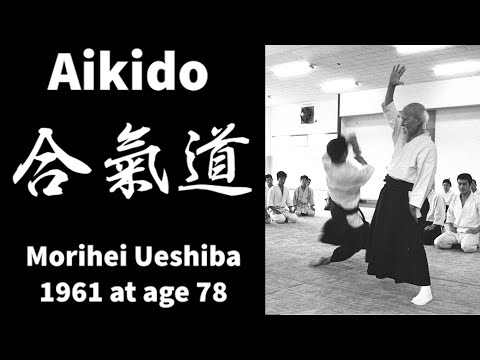
Aikido's Essence: Analyzing O'Sensei Ueshiba's 1961 Masterclass

Introduction: A Glimpse into the Soul of Budo

This rare 1961 footage, capturing a 78-year-old Morihei Ueshiba, the revered founder of Aikido, is far more than just a martial arts demonstration. It's a profound window into the very essence of Budo, a concept that transcends mere physical combat. Many today, particularly those drawn to the explosive dynamism of MMA or the brutal efficiency of Kyokushin Karate, might question the relevance of Aikido's fluid movements. Does its emphasis on blending and redirection hold water in a world that often values brute force? Let me tell you, this video is the answer. It's a masterclass in principles that are eternally valid, not just for the dojo, but for life itself. We will dissect this gem, exploring Ueshiba's techniques, his philosophy, and the enduring legacy of Budo.

Ueshiba in Action: The Art of Blending and Redirecting

Watching Ueshiba Sensei at this advanced age is awe-inspiring. His movements, while perhaps not possessing the raw power of a younger man, are imbued with an almost supernatural grace and precision. The documentary showcases his mastery of Aikido techniques – the effortless throws, the seemingly gentle yet devastating joint locks. He doesn't meet force with force; instead, he becomes one with his attacker's energy, subtly redirecting their momentum. This is the core of Aikido, and it's a principle that many arts, even the fiercely competitive BJJ or Judo, can learn from. The seemingly passive nature of his defense is, in reality, a highly active and intelligent application of physics and timing. He demonstrates that true strength lies not in overpowering an opponent, but in understanding and harmonizing with their movements. Have you ever sparred with someone who just seems to *flow* with your attacks, nullifying them before they even land? That's the echo of Ueshiba Sensei's teaching.
"The true meaning of martial arts is to unify the world." - Morihei Ueshiba

The Philosophy of Aikido: Harmony, Compassion, and Unity

Beyond the physical application, Ueshiba Sensei's words in this documentary reveal a philosophy that is both deeply spiritual and remarkably practical. He speaks of Aikido not as a means of destruction, but as a path to reconciliation. Harmony, balance, and compassion are not mere buzzwords here; they are the foundational pillars of his art. This stands in stark contrast to some of the more combative depictions of martial arts in popular culture, where violence is often glorified without consequence. Ueshiba's vision is one of connection, of resolving conflict not through aggression, but through understanding and empathy. It’s a message that resonates even more powerfully today, in our often fragmented and contentious world. This philosophy is the very heart of BUDO, the "Way of the Warrior," which demands not just martial prowess but moral integrity.

Budo: More Than Just Fighting

The term Budo itself is crucial here. It's not simply "martial arts" in the Western sense. It encompasses the entire way of life, the philosophy of the warrior, drawing heavily from principles like Bushido. This means more than just mastering techniques for a fight. It's about self-cultivation, rigorous discipline, and unwavering honor. Ueshiba Sensei embodies this perfectly. His practice was a lifelong dedication to refining not just his body, but his mind and spirit. The documentary offers a fleeting glimpse, but it's enough to understand that for masters like him, the training never truly ends. It's a constant pursuit of self-improvement, a journey that shapes one's character in profound ways.
"The martial way is a thing of daily practice. It is a continuous process of refinement. The master is simply a student who never quit." - Attributed to various martial arts masters

Training and Self-Cultivation: The Path to Inner Peace

The practice of martial arts, as exemplified by Ueshiba's Aikido, is a powerful tool for inner growth. It offers a structured path to control one's ego, to confront and overcome fear and anger, and to cultivate a deep sense of inner peace. This isn't just about learning to defend yourself physically; it's about building mental resilience. The physical demands – improving fitness, flexibility, and coordination – are significant, but the mental benefits are arguably even greater. In a world rife with stress and anxiety, the discipline and focus required in martial arts training provide an invaluable sanctuary. It's a lifelong pursuit, a journey of personal development that extends far beyond the dojo mats. The principles learned in Karate, Judo, or Aikido can positively impact every facet of life.

Veredicto del Sensei: A Timeless Testament

This 1961 documentary is not just a historical artifact; it's a living testament to the enduring power of Budo. Ueshiba Sensei, even at 78, displays a level of mastery that transcends time and style. While the martial arts landscape has evolved dramatically, with hyper-realistic sports like MMA and UFC capturing global attention, the core principles demonstrated here remain vital. The emphasis on harmony, respect, and self-cultivation is a counterbalance to the often aggressive narratives surrounding combat sports. This film is essential viewing for anyone who seeks a deeper understanding of martial arts, not just as a means of fighting, but as a path to becoming a better human being. Rating: 10/10 Cinturones Negros en Sabiduría y Maestría.

Essential Equipment for Your Training

To embark on your own martial arts journey, whether it's Aikido, Karate, Judo, or any other discipline, the right equipment is essential. At BYAM Budo y Artes Marciales, we understand the needs of practitioners at all levels.
  • Gi (Uniforme): A durable, comfortable Gi is fundamental. For arts like Judo and Aikido, a heavier weave might be preferred for grip resistance.
  • Protective Gear: Depending on your style, consider sparring headgear, mouthguards, and shin guards for safe combat training.
  • Training Mats (Tatami): Essential for safe practice of throws and falls, especially in arts like Judo and Aikido.
  • Training Weapons: For specific disciplines, wooden bokken (swords) or jo (staffs) are necessary.
Investing in quality gear enhances your training experience and ensures safety. Explore our range of Martial Arts Merchandise to find what you need.

Frequently Asked Questions

  • What is Budo? Budo is a Japanese term that refers to the systematic practice of martial arts, emphasizing not only combat techniques but also spiritual and moral development.
  • Is Aikido effective for self-defense? Yes, Aikido's principles of blending, redirection, and using an attacker's momentum can be highly effective for self-defense, though its effectiveness in highly aggressive scenarios is a subject of ongoing debate.
  • What is the difference between Budo and Bushido? Bushido is the code of honor and conduct of the samurai warrior class, while Budo is the broader term encompassing the practices and philosophies of martial arts derived from that warrior tradition.
  • How can martial arts training improve mental health? Through discipline, focus, stress reduction techniques, and the cultivation of inner peace and self-control.

For a Deeper Dive into Your Path

Reflexión del Sensei: Tu Próximo Paso

Ueshiba Sensei demonstrated that true mastery lies in harmonization, not domination. In a world that often rewards aggression and competition, can you find the strength in yielding? Can you apply the principles of blending and redirecting not just against a physical opponent, but against the challenges and conflicts of your daily life? The video is a lesson; your response to its message is the application. ```json { "@context": "https://schema.org", "@type": "FAQPage", "mainEntity": [ { "@type": "Question", "name": "What is Budo?", "acceptedAnswer": { "@type": "Answer", "text": "Budo is a Japanese term that refers to the systematic practice of martial arts, emphasizing not only combat techniques but also spiritual and moral development." } }, { "@type": "Question", "name": "Is Aikido effective for self-defense?", "acceptedAnswer": { "@type": "Answer", "text": "Yes, Aikido's principles of blending, redirection, and using an attacker's momentum can be highly effective for self-defense, though its effectiveness in highly aggressive scenarios is a subject of ongoing debate." } }, { "@type": "Question", "name": "What is the difference between Budo and Bushido?", "acceptedAnswer": { "@type": "Answer", "text": "Bushido is the code of honor and conduct of the samurai warrior class, while Budo is the broader term encompassing the practices and philosophies of martial arts derived from that warrior tradition." } }, { "@type": "Question", "name": "How can martial arts training improve mental health?", "acceptedAnswer": { "@type": "Answer", "text": "Through discipline, focus, stress reduction techniques, and the cultivation of inner peace and self-control." } } ] }

The Unseen Philosophy: Beyond the Knockout in MMA and Boxing

Many seek the raw power, the explosive KO, the sheer dominance displayed in the octagon or the ring. They crave the visceral thrill of a knockout punch or a perfectly executed takedown. But what lies beneath the surface of combat sports? Is it merely brute force, or is there a deeper current of philosophy, a Budo spirit that transcends the physical contest? Today, we delve beyond the funniest moments, the viral clips, and the readily digestible soundbites, to explore the profound lessons embedded within the heart of wrestling, MMA, and boxing. Prepare to be astonished, not by a single breathtaking moment, but by the enduring principles that shape the warrior's journey.

The Essence of Combat Sports: More Than Just a Fight

While the captivating spectacle of MMA and boxing often focuses on knockouts and controversial decisions, to dismiss these disciplines as mere entertainment is to miss a vital truth. These arenas are crucibles, forging not just physical prowess, but profound mental and spiritual fortitude. The ancient art of wrestling, the strategic combat of MMA, the precise striking of boxing – they all share a common ancestor: the human drive to understand oneself through controlled conflict. This is where the spirit of Budo, the Way of the Warrior, finds its modern expression.

"The ultimate aim of martial arts is not victory or defeat, but the perfection of the human character." - Gichin Funakoshi

Think of the immense discipline required to step into the ring or cage. It's not just about throwing punches or executing takedowns; it's about facing fear, managing adversity, and understanding one's own limitations. The training itself is a lesson in perseverance. The early mornings, the grueling conditioning, the constant refinement of technique – these are the building blocks of self-mastery. Every drop of sweat, every ache, every minor injury overcome is a testament to the warrior's commitment. This commitment, this unwavering dedication to self-improvement, is the very essence of martial philosophy.

Bushido in the Modern Arena: Echoes of the Samurai

The code of the samurai, Bushido, or "The Way of the Warrior," is not merely a historical artifact. Its principles resonate powerfully within the competitive landscape of combat sports. Consider Rei (respect). A true warrior shows respect to their opponent, their coaches, and the rules of engagement. Even in the heat of battle, there's an unspoken acknowledgment of shared struggle and mutual courage. It’s a stark contrast to the disrespect and trash talk that sadly permeates some corners of modern sports, but it is the ideal that true practitioners strive for.

Then there is Yūjō (loyalty). Loyalty to one's dojo, one's teammates, and one's own moral compass. This loyalty is tested under pressure, when the easy path might be to betray principles for a perceived advantage. And perhaps most importantly, Makoto (sincerity) and Chūgi (devotion). The warrior is sincere in their efforts, always giving their best, and devoted to the pursuit of excellence. This isn't about winning at all costs; it's about embodying the warrior spirit in every action, win or lose.

Fighters like Jon Jones, despite their controversies, often display a mastery of striking and grappling that is undeniable, showcasing years of dedicated adherence to training. However, it is the fighters who consistently demonstrate humility and respect, like the stoic Takanoyama Shuntaro in sumo, who truly embody the deeper principles of Budo.

The Mental Game: Mushin no Shin (Mind of No Mind)

The concept of Mushin no Shin, a state of "no mind" or "emptiness," is central to many Eastern martial arts and is incredibly relevant in the high-stakes world of MMA and boxing. It's a state of complete presence, where the fighter is free from fear, anger, or doubt. Their reactions are instinctual, honed by thousands of hours of practice, allowing them to respond fluidly and effectively to any situation without overthinking.

In a fight, a moment of hesitation, a flicker of doubt, can be the difference between victory and defeat. A fighter in Mushin doesn't 'think' about blocking a punch; they simply react. They don't 'plan' their next move; they execute it. This state is not achieved through sheer willpower, but through rigorous training and mental conditioning. It’s about emptying the mind of distractions and allowing the practiced body and spirit to take over. This is why the mental aspect of training is as crucial as the physical. It's the foundation upon which all technique is built.

The ability to achieve this state is what separates good fighters from legends. Consider the incredible composure of fighters like Cyril Gane or the focused intensity of Emanuel Augustus; these athletes often operate at a level where conscious thought is superseded by pure instinct and perfected technique.

Finding Discipline in the Chaos

The path of a martial artist, whether in traditional arts or modern combat sports, is a path of discipline. This discipline extends far beyond the training mats or the ring. It permeates every aspect of life, fostering autodisciplina, self-improvement, and a strong sense of purpose.

The commitment to a training regimen, the adherence to a healthy lifestyle, the dedication to constant learning – these are all manifestations of discipline. It teaches individuals to push past their perceived limits, to face challenges head-on, and to understand the rewards of sustained effort. This is why martial arts are so often lauded for their transformative effects on character. They provide a structured environment where individuals can cultivate the mental toughness and resilience needed to navigate the complexities of modern life.

The journey from beginner to proficient practitioner is a testament to this principle. It requires consistent effort, patience, and the ability to learn from setbacks. This journey is what fuels the warrior philosophy and strengthens the individual's inner strength.

Essential Gear for Your Training

While skill and spirit are paramount, the right equipment can significantly enhance your training experience and safety. Investing in quality gear shows respect for the art and for yourself. For those serious about striking arts like boxing or Muay Thai, good quality training gloves are essential for protecting your hands and your training partners during sparring. For MMA, a well-fitting pair of MMA gloves offers a balance of protection and dexterity for grappling. If your focus is on grappling arts like Judo or BJJ, a durable and comfortable gi (kimono) is a must. Look for kimonos made from strong, double-weave fabric for longevity, especially in Judo. For those looking to build striking power at home, a sturdy makiwara or a quality heavy bag can be invaluable additions.

Resources to Deepen Your Understanding

To truly grasp the philosophy and techniques of combat sports, continuous learning is key. Here are some resources to help you on your journey:

  • Explore the rich history and principles of Japanese martial arts through texts on Budo.
  • For in-depth tactical analysis, look for documentaries or articles focusing on MMA and boxing fight breakdowns.
  • To understand the warrior's mindset, delve into classic texts like Miyamoto Musashi's "The Book of Five Rings" and explore discussions on the Martial Philosophy behind various disciplines.

FAQ: Frequently Asked Questions

Is MMA just about fighting?

While fighting is the core activity, MMA is also a discipline that cultivates physical fitness, mental toughness, strategic thinking, and respect for oneself and opponents. Many practitioners find profound personal growth through its practice.

How can I develop the "mind of no mind" (Mushin)?

Achieving Mushin requires consistent, dedicated practice of your chosen martial art, coupled with mindfulness exercises and meditation. It's a state of being that arises from deeply ingrained instinct and freedom from conscious thought, developed over years of training.

What is the most important virtue in Budo?

While many virtues are crucial, principles like respect (Rei), sincerity (Makoto), and self-control are often considered foundational to the Budo spirit. The emphasis is always on character development.

Can I learn martial arts without formal instruction?

While self-study can be a supplementary tool, formal instruction under a qualified instructor is highly recommended. An instructor provides crucial feedback, ensures safe practice, and transmits the deeper philosophical aspects of the art that are often missed in self-teaching.

Reflection of the Sensei: Your Next Step

We've journeyed beyond the fleeting excitement of viral moments to touch upon the profound philosophy that underpins combat sports. The knockout punch is but a single note in a symphony of discipline, resilience, and character development. The true victory lies not solely in the scoreboard, but in the internal transformation that each practitioner undergoes. Are you merely watching the dance of warriors, or are you ready to step onto the floor and learn the steps yourself?

Reflexión del Sensei: Tu Próximo Paso

The greatest fighters are not just masters of technique, but masters of themselves. Have you truly begun to master yourself, or are you still a spectator to your own potential? The true fight is within. What are you doing today to win it?


For Deeper Exploration into Your Path

  • Aikido: Understanding Flow and Harmony in Conflict
  • Judo Skills: Mastering the Art of Leverage and Balance
  • Karate Spirit: The Foundation of Strength and Discipline
``` GEMINI_METADESC: Explore the profound philosophy behind MMA and boxing, moving beyond viral moments to discover the spirit of Budo, Mushin, and the discipline that shapes true warriors.

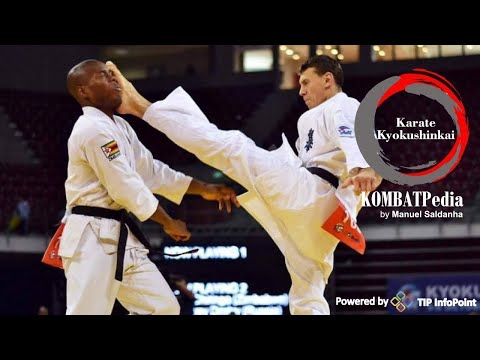
Kyokushin Karate: More Than Just a Punch – A Deep Dive into its Core Principles

What truly defines an art form? Is it merely the spectacle of its execution, the raw power displayed in a single, decisive blow? Or is it the underlying philosophy, the discipline etched into the very soul of its practitioners? When we speak of Kyokushin Karate, we often see images of bone-crushing punches and devastating kicks, a testament to its reputation as a full-contact discipline. But to stop there is to miss the essence, the profound Budo spirit that Mas Oyama painstakingly forged into this martial art. Are you truly ready to understand Kyokushin, or are you content to merely admire its surface?

This article delves beyond the highlight reels, dissecting the foundational principles, the historical context, and the philosophical underpinnings that make Kyokushin Karate a singular path for self-mastery. We will explore how this discipline, born from the ashes of war and the wisdom of ancient warriors, continues to shape martial artists into individuals of strength, resilience, and unwavering character.

The Genesis of Kyokushin: Mas Oyama's Vision

To comprehend Kyokushin, one must first understand its architect, Masutatsu Oyama. Born Choi Yeong-eui in Korea during a turbulent period, Oyama's journey was one of relentless pursuit. He trained in various martial arts, including Korean Karate and Taekwondo, before dedicating himself to Japanese Karate under the tutelage of Gichin Funakoshi, the father of modern Karate. However, Oyama felt that existing Karate styles had become too focused on form and less on practical application. He yearned for a return to the roots of Budo, a path where martial arts were a vehicle for forging character, not just a sport.

After intensive training in the mountains of Japan, a period of profound asceticism and self-discovery, Oyama emerged with a revolutionary vision: Kyokushin. The name itself, "Kyokushin," translates to "ultimate truth" or "the association of the ultimate truth." This wasn't just about physical confrontation; it was about seeking truth through rigorous training and pushing the human spirit to its absolute limits.

He established the first Honbu (headquarters) in 1953, and the Kyokushin kaikan (international headquarters) was officially founded in 1964. Oyama's approach was radical: he advocated for full-contact sparring with minimal protective gear, believing that true martial spirit could only be cultivated through direct, unadulterated combat. This philosophy set Kyokushin apart, demanding immense courage and resilience from its adherents.

"The name Kyokushin signifies the ultimate truth. It is the aim of this organization to lead its disciples to the ultimate truth through the rigorous training of martial arts." - Mas Oyama

The Unyielding Spirit: Bushido's Echo in Kyokushin

Kyokushin Karate is intrinsically linked to the ancient warrior code of Bushido. The principles of Bushido – such as loyalty, honor, self-discipline, respect, courage, and benevolence – are not merely ideals but practical guides for living. In Kyokushin, these virtues are cultivated through every aspect of training:

  • Osu (押忍): More than just a greeting or a shout of exertion, "Osu" embodies perseverance, respect, and fortitude. It's a constant reminder to push forward, to endure, and to maintain a respectful demeanor even under duress. It signifies acknowledging the opponent and oneself, embracing the challenge.
  • Seishin (精神) - Spirit/Mind: The mental aspect of Kyokushin is paramount. The ability to remain calm under pressure, to focus intent, and to overcome fear are as crucial as any physical technique. This mental resilience is honed through intense conditioning, meditation, and the constant confrontation with one's own limitations.
  • Rei (礼) - Respect: Respect for the dojo, the instructors, fellow students, and the art itself is non-negotiable. This is demonstrated through bowing, proper etiquette, and a humble attitude towards learning. This principle extends beyond the dojo, influencing how practitioners interact with the world.
  • Mushin (無心) - No Mind: While often associated with Zen Buddhism, the concept of "Mushin" is vital in Kyokushin. It describes a state of heightened awareness where the mind is free from conscious thought, allowing for instinctive reactions and fluid execution. This is the ultimate goal of practice: to act without hesitation or doubt.

The path of Kyokushin is a path of self-improvement, not solely of defeating others. It is about facing yourself in the mirror of combat and emerging stronger, both physically and mentally. This is the true "ultimate truth" Oyama sought to impart.

Pillars of Power: Stances, Strikes, and the Full-Contact Philosophy

Kyokushin's technical repertoire, while drawing from Karate's roots, is distinctively pragmatic and powerful. The emphasis is on direct, effective techniques designed to incapacitate an opponent. Key elements include:

  • Stances (Tachi): Kyokushin utilizes strong, grounded stances such as Sanchin dachi (three-part stance), Zenkutsu dachi (forward stance), and Kokutsu dachi (back stance). These provide stability and power generation. The Sanchin dachi, in particular, is trained with immense focus, developing core strength, breath control, and unwavering balance.
  • Strikes (Uchi & Tsuki): Punches like the Gyaku-tsuki (reverse punch) and Oi-tsuki (lunge punch) are fundamental. However, Kyokushin is renowned for its powerful low kicks (Gedan mawashi-geri) which are aimed below the belt, a deliberate departure from many Karate styles that focus on high kicks. The objective is to disable an opponent's mobility and power base.
  • Blocks (Uke): Defensive techniques are robust and designed to absorb or deflect powerful blows. Emphasis is placed on strong, committed blocks that often transition seamlessly into counter-attacks.
  • Full-Contact Sparring (Kumite): This is the hallmark of Kyokushin. Unlike sport Karate with its limited contact, Kyokushin kumite allows for full power punches and kicks, with the exception of strikes to the head during regular sparring (though head kicks are permitted in some tournament formats, and historically, Oyama himself fought bears with his bare hands, a testament to his extreme approach). This demands exceptional physical conditioning and mental fortitude, as practitioners learn to absorb and deliver powerful blows.

The technical application in Kyokushin is built on the understanding that the body is a unified weapon. Every stance, every strike, is imbued with intent and powered by the entire physique, driven by a well-controlled breath and an iron will. This is not about flashy movements; it's about raw, unadulterated effectiveness.

Kata: The Mirror of Mastery

Kata are the choreographed forms that preserve the techniques and strategies of Karate. In Kyokushin, while the focus is heavily on kumite, kata remain integral to the training system. Each kata represents a duel against multiple imaginary opponents, a silent dialogue with the past.

Practicing Kyokushin kata involves:

  • Precision: Executing each movement with sharpness, power, and correct form.
  • Timing: Understanding the rhythm and flow of the techniques.
  • Breathing: Integrating deep abdominal breathing (Iki) with physical exertion, building internal power (Ki).
  • Intent (Kime): Infusing each technique with focused energy, simulating a real combat situation.

Through kata, practitioners refine their body mechanics, develop coordination, improve balance, and cultivate the mental focus that is essential for effective kumite. They are the living history of the art, a testament to the wisdom passed down through generations.

Kumite: The Crucible of Character

If kata is the silent study, then kumite is the roaring exam. In Kyokushin, kumite is not merely a sparring match; it is a profound test of character. The full-contact nature forces practitioners to confront their fears, their weaknesses, and their physical limits head-on. It is in the crucible of kumite that the principles of Budo are truly forged.

Kumite teaches invaluable lessons:

  • Resilience: Learning to stand up after being knocked down, both literally and figuratively.
  • Control: The ability to deliver powerful blows while maintaining restraint, a crucial element of martial ethics.
  • Adaptability: Responding effectively to an opponent's strategies and adapting one's own tactics in real-time.
  • Humility: Accepting defeat with grace and learning from every encounter.

The rigorous sparring sessions, including the legendary "100 Man Kumite" undertaken by Oyama and his senior students, are designed to push individuals beyond what they believe is possible, unlocking reserves of strength and determination they never knew they possessed. This is where true growth occurs.

The Rigors of Training: More Than Physical Prowess

Training in Kyokushin is demanding, often described as brutally effective. It’s a holistic approach that goes far beyond punching and kicking:

  1. Physical Conditioning: Intense cardiovascular training, strength building (often through bodyweight exercises and partner drills), and flexibility work are essential. This isn't about looking good; it's about building a body capable of withstanding and delivering immense impact.
  2. Technical Practice: Constant repetition of stances, strikes, blocks, and kata to achieve mastery.
  3. Sparring (Kumite): Regular, often intense, sparring sessions to apply techniques under pressure.
  4. Mental Training: Developing focus, discipline, and emotional control through meditation, breathing exercises, and the inherent challenges of training.
  5. Makiwara Training: Striking a padded post (makiwara) to develop power, conditioning the hands and forearms, and improving impact technique.

This comprehensive approach ensures that practitioners develop not just a skilled body, but also an indomitable spirit. The training is designed to break down ego and rebuild character on a foundation of strength and humility.

Kyokushin in the Modern Arena: Relevance and Evolution

In an era dominated by mixed martial arts (MMA) and a plethora of specialized combat sports, Kyokushin Karate might seem like a relic of the past. However, its core principles remain incredibly relevant. While many MMA fighters incorporate striking techniques from various Karate styles, the Kyokushin practitioner brings a unique blend of:

  • Unmatched physical conditioning and toughness.
  • Powerful, direct striking offense.
  • Exceptional low-kick effectiveness.
  • A mental fortitude forged through extreme full-contact sparring.

The debate continues regarding the direct applicability of Kyokushin in a no-holds-barred MMA environment, particularly concerning the lack of head punches in traditional sparring and grappling. However, the discipline's emphasis on spirit, resilience, and unwavering commitment to pushing one's limits transcends any specific ruleset. Many MMA fighters who have trained in Kyokushin, such as Cyril Gane and others, credit its rigorous training with building their fundamental toughness and mental resolve. It provides a potent foundation, even if it requires adaptation to other combat systems. The question isn't whether Kyokushin *can* compete, but rather how its practitioners adapt and integrate its powerful ethos into diverse combative landscapes.

Equipment Essentials for Your Training

While Kyokushin emphasizes training with minimal gear for kumite, certain items are crucial for effective and safe practice:

  • Kyokushin Gi: A durable, heavyweight uniform designed for the rigors of full-contact training. Look for a double-stitched or reinforced model for longevity.
  • Mouthguard: Essential for all sparring sessions to protect your teeth and jaw.
  • Groin Protector: Recommended for all male practitioners during sparring.
  • Hand Wraps: To support the wrists and knuckles during intense striking practice and sparring.
  • Sparring Gloves (Optional/Contextual): While traditional Kyokushin sparring is bare-knuckle, some dojos or specific training scenarios might utilize light, padded sparring gloves for added protection, especially for beginners.
  • Shin Guards (Optional/Contextual): For heavy kicking drills or specific sparring sessions where leg conditioning is prioritized.

Investing in quality gear ensures that your training is safe and that your uniform can withstand the intensity of Kyokushin practice. For those looking for top-tier apparel, consider searching for brands specializing in karate merchandise or durable martial arts uniforms.

Frequently Asked Questions

What is the core philosophy of Kyokushin Karate?

The core philosophy is "Ultimate Truth," emphasizing rigorous physical and mental training to achieve self-perfection, cultivate character, and develop an unbreakable spirit through full-contact combat.

Is Kyokushin Karate dangerous?

As a full-contact martial art, Kyokushin carries inherent risks of injury. However, training is conducted under strict supervision, with an emphasis on control, respect, and safety protocols to mitigate these risks.

Can I start Kyokushin Karate at any age?

Yes, Kyokushin can be practiced by individuals of all ages. While children and adults will have different training intensities and focus areas, the fundamental principles of discipline and self-improvement are universal.

What is the difference between Kyokushin and other Karate styles?

The primary difference lies in the full-contact nature of Kyokushin kumite, allowing powerful, unpulled strikes and kicks, unlike many sport Karate styles that employ point-based or limited-contact sparring.

Does Kyokushin Karate include grappling?

Traditional Kyokushin Karate focuses primarily on striking techniques (punches, kicks, and blocks). While some practitioners may incorporate elements of grappling or self-defense, it is not a core component of the standard curriculum.

For Deeper Exploration on Your Path

Reflection of the Sensei: Your Next Step

We have explored the powerful depths of Kyokushin Karate, moving beyond the raw power to uncover the philosophical bedrock and the unyielding spirit. You've seen how Mas Oyama's vision transcended mere combat, aiming to forge individuals of integrity and strength. But knowledge is merely potential until it is acted upon. Do the principles of "Osu," self-discipline, and the relentless pursuit of truth resonate with your own aspirations? Or does the idea of full-contact sparring ignite a fear you haven't yet conquered? Is it the sheer physical challenge that calls to you, or the promise of inner transformation?

Consider this: In your own life, where do you currently shy away from the "ultimate truth" of your own limitations? What "full-contact" challenge, be it physical, mental, or emotional, are you avoiding? And how will you embody the spirit of "Osu" to face it? Your answer, and your subsequent action, will reveal your true readiness to embrace the path of Budo.

``` GEMINI_METADESC: Explore the profound principles of Kyokushin Karate, from its Budo philosophy and Mas Oyama's vision to its rigorous full-contact training and enduring relevance.

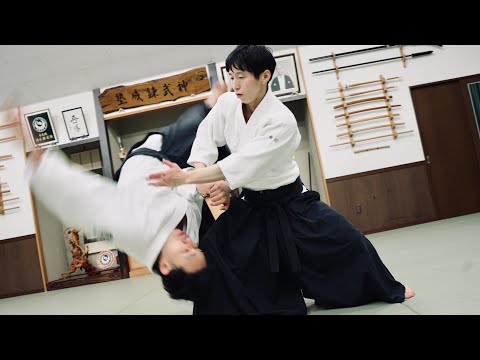
Aikido's Silent Thunder: Unveiling the Dynamic Power of Shirakawa Ryuji

Welcome, warriors of the digital dojo! Today, we delve into the heart of Aikido, not just as a martial art, but as a philosophy, a dance, and a potent form of self-mastery. Many of you seek understanding, perhaps a way to refine your practice, or even to question the efficacy of techniques you’ve seen or learned. You might be wondering: "Is Aikido merely a beautiful spectacle, or does it possess a true combative edge?" Prepare yourselves, for we are about to dissect the dynamic training of Shirakawa Ryuji Shihan, a testament to Aikido's profound depth. The intention behind this exploration is clear: to bridge the gap between the perceived aestheticism of Aikido and its practical application, grounding it in the principles that govern all true martial endeavors. We will examine not just the movements, but the underlying strategy, the mental fortitude, and the spirit that elevates Shirakawa Ryuji's practice from mere technique to living art. For those interested in the raw power and nuanced strategies of combat, understanding Aikido's principles can unlock new perspectives, even if your primary focus lies elsewhere.

Table of Contents

Unveiling Shirakawa Ryuji: A 6th Dan Aikikai Master

Before we dissect the movements, we must understand the vessel. Shirakawa Ryuji Shihan, a 6th Dan Aikikai practitioner, is not merely an instructor; he is a living embodiment of the art he teaches. His YouTube channel, "Aikido Shinburenseijuku," offers a window into a practice honed over decades, characterized by fluidity, precision, and an undeniable power that belies its graceful appearance. This isn't about flashy kicks or bone-shattering strikes, but about redirecting force, neutralizing an opponent’s aggression, and asserting control through principles that resonate across various martial disciplines.

Key Information:

  • Master: Shirakawa Ryuji Shihan
  • Rank: Aikikai 6th Dan
  • Dojo: Aikido Shinburenseijuku
  • Visual Resource: [https://youtu.be/4ECPGURwyF4](https://youtu.be/4ECPGURwyF4)
  • Official HP: [https://ift.tt/SEXFmDi](https://ift.tt/SEXFmDi)

The Essence of Aikido: Beyond Form and Flurry

Many outside the Aikido community perceive it as lacking in practical application for self-defense, often deeming it too "soft" or "defensive." This, I believe, is a misunderstanding born from observing incomplete or decontextualized demonstrations. Aikido, at its core, is about harmonizing with an opponent’s energy, using their momentum against them. It’s not about meeting force with force, but about yielding, blending, and then striking or controlling with decisive efficiency. This principle of non-resistance, of yielding to overcome, is a profound concept that can be applied far beyond the dojo, even in the rough-and-tumble world of MMA or street confrontations.

The true power of Aikido lies in its circular movements, its joint manipulations, and its pressure point strikes – techniques designed to incapacitate rather than merely injure. It emphasizes the control of distance and timing, principles crucial in any form of combat. When executed by a master like Shirakawa Ryuji, the techniques appear effortless, a testament to rigorous training and a deep understanding of biomechanics.

"The ultimate aim of martial arts is not victory or defeat, but the perfection of the character of its practitioners." - O Sensei Morihei Ueshiba

This quote from Aikido's founder, Morihei Ueshiba, encapsulates the philosophical underpinnings. While Shirakawa Ryuji’s training displays incredible dynamism, it is rooted in this principle of self-perfection, not just aggression. The beauty you witness is a byproduct of efficiency and profound understanding. It is the beauty of a perfectly executed economy of motion, a hallmark of true mastery in any martial art.

Dynamic Training Principles: The Heartbeat of the Art

What makes Shirakawa Ryuji's training "dynamic and beautiful"? It's the seamless integration of several key principles:

  1. Irimi & Tenkan: The fundamental concepts of entering (Irimi) and turning/evading (Tenkan). These allow the practitioner to seamlessly blend with an attack, moving off the line of force rather than blocking it. This dynamic evasion is critical; it’s not about standing your ground, but about manipulating the space and the attacker’s balance.
  2. Ukemi: The art of receiving techniques safely. While often overlooked by external observers, a skilled Ukemi (falling/rolling) is as vital as the execution of a technique. It allows for safer, more intense training, enabling practitioners to push their limits and experience the full force of a technique without injury. The fluidity with which a Ukemi practitioner moves directly reflects the quality of the techniques applied against them.
  3. Zanshin: The state of continued awareness. After a technique is executed, the practitioner remains alert, aware of their surroundings and any potential follow-up attacks. This is crucial in any fight scenario, where a single moment of lapse in concentration can be fatal.
  4. Ki Projection: While often mystified, the concept of Ki (or energy) in Aikido refers to the focused intent and physical power channeled through precise body mechanics. Shirakawa Ryuji demonstrates a powerful projection of this energy, making his techniques appear overwhelmingly effective. It’s not magic; it’s the result of perfect structure and intent.

The "beauty" stems from the harmonious execution of these principles. There are no wasted movements. Each step, each turn, each hand movement serves a purpose. This economy of motion, combined with the explosive redirection of energy, creates a visual spectacle that is both powerful and aesthetically pleasing. It's the kind of mastery that makes you appreciate the artistry of Karate kata or the precision of Judo throws, albeit through a different lens.

Application in Modern Combat: A Sensei's Unvarnished Truth

Now, the question that always ignites debate: can Aikido defend you in a real confrontation? The direct answer, as with most martial arts, is nuanced. If we consider "real confrontation" to mean a chaotic street fight against multiple, untrained assailants with no rules, then NO single martial art is a guaranteed panacea. However, if we consider "real confrontation" as a situation requiring de-escalation, control, and neutralization of a threat, then Aikido offers potent tools.

The principles of Aikido – blending, redirecting, using an opponent's force – are universally applicable. A fighter who understands grappling, like those in Brazilian Jiu-Jitsu or MMA, uses similar principles of leverage and control. The difference lies in the Aikido practitioner's emphasis on striking vital points and joint locks as a means of immediate incapacitation, often without requiring prolonged ground fighting. Shirakawa Ryuji's training showcases the decisive nature of Aikido techniques when applied with correct timing and structure.

Is Aikido as "dynamic" as a Muay Thai kickboxing match? Perhaps not in terms of raw, percussive impact. But is it as effective in controlling a resisting opponent? Absolutely, when practiced by a skilled individual. The emphasis on timing and entering before an attack fully manifests is a concept invaluable in high-pressure situations, whether on the street or in a competitive UFC bout.

"In the heat of battle, simplicity often triumphs over complexity. Master one technique thoroughly, and you can face any opponent." - Miyamoto Musashi (paraphrased, reflecting core Bushido philosophy)

Shirakawa Ryuji's practice exemplifies this. While the movements are intricate, the underlying principles are remarkably simple and direct. This is the essence of Budo: the rigorous refinement of fundamental principles to achieve an effortless, decisive outcome.

Veredicto del Sensei: ¿Merece la pena?

Cinturón Negro en Maestría Cinematográfica Marcial.

The visual documentation of Shirakawa Ryuji Shihan’s Aikido is exceptional. It captures the essence of the art: its dynamic flow, its intricate beauty, and its underlying power. For practitioners of Aikido, this is an invaluable resource for deepening their understanding and refining their technique. For practitioners of other arts, it offers a crucial perspective on alternative methods of conflict resolution and the philosophical depth of Budo. It challenges preconceptions and demonstrates that "beauty" in martial arts is often synonymous with "efficiency." This is not just a demonstration; it's a masterclass in movement and intent.

Equipo Esencial para tu Entrenamiento

While Aikido is renowned for its minimal equipment requirements, the right gear can significantly enhance your training experience and safety. For dedicated practitioners, investing in quality items is a mark of respect for the art and yourself.

  • Aikidogi (Uniforme): A sturdy, double-weave Aikidogi is recommended for higher grades and rigorous training. For beginners, a standard single-weave gi is sufficient. Look for comfort and durability.
  • Hakama: Traditionally worn by senior students and instructors, the Hakama provides freedom of movement for sweeps and throws, while its pleats represent virtues like integrity and precision.
  • Tatami Mats: Essential for safe practice, especially for Ukemi. Ensure your dojo's mats are well-maintained.
  • Books on Budo Philosophy: Understanding the principles behind the techniques is paramount. Consider foundational texts on Bushido or specifically on Aikido philosophy.

For those looking to explore related disciplines, a robust Karate gi or high-quality Judo belts can also be valuable if you cross-train.

Guía de Entrenamiento: Principios Fundamentales de Aikido

While mastering Aikido requires dedicated instruction, here are fundamental principles to practice and contemplate:

  1. Postura y Equilibrio (Shizentai): Maintain a relaxed, upright posture with feet shoulder-width apart, knees slightly bent. Imagine your center (hara) is a stable anchor. Practice standing and moving in this posture without losing balance.
  2. Entrada Básica (Irimi): Practice stepping forward and slightly offline relative to an imaginary attacker. Your torso should rotate slightly, bringing your center to meet their force. Focus on moving *into* the attack's path, not against it.
  3. Círculos y Rotación (Tenkan): From your Shizentai, practice rotating your body around your center. This is often combined with Irimi. Imagine drawing a circular path with your hips and shoulders.
  4. Agarre (Tsukuri): Once you've entered and rotated, practice the initial engagement of the arm or wrist. This is the setup for the final technique (Kuzushi/Waza). Focus on gaining control of their structure.
  5. Proyección (Kake): This is the execution of the throw or joint lock. Practice the smooth, controlled application of force derived from your body’s rotation and leverage. Always practice with a cooperative partner and ensure they know how to take Ukemi.
  6. Meditación (Mokuso/Zazen): Incorporate short periods of quiet sitting to cultivate mental stillness and awareness. This is crucial for developing Zanshin and understanding the "Ki" aspect of Aikido.

Remember, these are basic building blocks. The true artistry comes from their fluid integration and adaptation to dynamic situations. This mirrors the disciplined approach needed in Kyokushin Karate or any serious training regimen.

Preguntas Frecuentes

  • ¿Es Aikido efectivo para la defensa personal en la calle?
    Aikido offers principles and techniques valuable for de-escalation and control, but its direct application in a chaotic street fight against multiple attackers depends heavily on the practitioner's skill, training environment, and the specific context. It is more about neutralizing a threat efficiently than engaging in prolonged combat.
  • ¿Cuál es la diferencia entre Aikido y Judo?
    While both Japanese arts involve throws and joint locks, Judo focuses more on competitive sport throwing and groundwork, emphasizing maximum efficiency with minimum effort in a sporting context. Aikido emphasizes blending with an attacker's motion, redirection, and often concludes with joint locks or pins rather than direct competitive sparring.
  • ¿Cuánto tiempo se tarda en ser competente en Aikido?
    Competency varies greatly. Achieving a foundational understanding may take 1-2 years of consistent practice, but true mastery is a lifelong pursuit, akin to the dedication required to reach high ranks in Taekwondo or Kendo.
  • ¿Se puede aprender Aikido solo viendo videos?
    Videos like Shirakawa Ryuji's are invaluable for understanding principles and observing technique, but they cannot replace hands-on instruction from a qualified Sensei. The nuances of timing, distance, and safe Ukemi require direct feedback.

Recursos para Profundizar en tu Camino

To truly grasp the depth of Aikido and Budo, immerse yourself in further study:

  • Explore more videos on the Aikido Shinburenseijuku YouTube channel.
  • Visit the official Aikido website for official rankings and information.
  • Read foundational texts on Budo philosophy, such as those related to Bushido or the teachings of O Sensei.
  • For those interested in combat application, research the principles of Self-Defense in various martial arts, including Defensa Personal.

Reflexión del Sensei: Tu Próximo Paso

Shirakawa Ryuji Shihan’s Aikido is a powerful reminder that martial arts are not static forms but living, breathing disciplines. The dynamism and beauty we witness are the fruits of rigorous, intelligent practice. The question remains: how do you integrate this understanding into your own journey, whether you practice Aikido, Karate, Judo, or any other path of combat?

Reflexión del Sensei: Tu Próximo Paso

If you truly seek to embody the principles of Aikido – or indeed, any martial art – you must ask yourself: Am I merely imitating movements, or am I striving to understand the underlying principles that make them potent? When faced with an 'attack,' whether physical or metaphorical, do you seek to meet force with resistance, or do you endeavor to find harmony and redirect the energy with wisdom and precision? The greatest opponent you will ever face is not a training partner, but your own limitations. Conquer those, and the external world becomes your training ground.

``` GEMINI_METADESC: Master Aikido's dynamic power with Shirakawa Ryuji Shihan. Explore principles, practical application, and the philosophy behind this beautiful martial art.