Showing posts sorted by relevance for query Zazen meditation. Sort by date Show all posts

Unveiling the Secrets of Pranayama: The Martial Path to Deeper Meditation

In the relentless pursuit of martial mastery, we often focus on the external: the explosive strike, the unbreakable defense, the swift movement. But what if the true battlefield lies not in the dojo, but within? What if the most potent weapon in our arsenal is not a physical technique, but the breath itself? Today, we delve into the profound connection between Pranayama, the ancient yogic science of breath control, and its transformative power for the dedicated martial artist seeking deeper meditation and an unshakeable inner foundation. This is not merely about holding your breath; it's about harnessing its energy, mastering your mind, and achieving a state of heightened awareness that transcends the physical confrontation.

The Breath as a Weapon: Beyond Physicality

For centuries, martial traditions have whispered about the power of breath. From the internal energy (Qi/Ki) cultivated in Chinese martial arts to the focused intention behind a Japanese strike, the breath is the silent partner in every movement. Vasant Lad, a renowned scholar of Ayurveda, explored these secrets in his work, reminding us that the breath is not just a biological necessity but a vital force. In martial arts, we often speak of "spirit" or "intent." Where does this come from? It is deeply intertwined with our breath. A shallow, erratic breath leads to a scattered mind and a weakening body. Conversely, a deep, controlled breath fuels our stamina, sharpens our focus, and instills a calm centeredness that is invaluable in any confrontation.

Think about the moments before a crucial sparring match or an important competition. What is the most natural instinct? To take a deep breath. This is primal. But beyond the instinct, there is a practiced art. Pranayama offers the systematic approach to not just *take* a deep breath, but to *control* and *direct* that breath, transforming it into a tool for energy, resilience, and mental clarity. It’s the foundational energy source that powers every explosive movement, allowing you to generate maximal force from a stable core, a principle seen in everything from a powerful Kyokushin Karate punch to a devastating Judo throw.

Pranayama for the Warrior's Mind: Mastering Mushin

The ultimate goal for many advanced martial artists is the state of Mushin – the "no mind" or mind without ego. It's a state of effortless action, where instinct and training converge, unhindered by conscious thought or emotional interference. This state is inextricably linked to breath control. When the breath is calm and rhythmic, the mind naturally follows suit. Panic, fear, and doubt are all rooted in disrupted breathing patterns. Pranayama provides the direct pathway to cultivate this stillness.

By practicing specific breathing techniques, we train our nervous system to remain calm under pressure. This is not about suppressing emotion, but about transforming our physiological response to stress. When you can regulate your breath, you can regulate your mind. This is crucial not just in combat, but in the disciplined practice of meditation that underpins true martial understanding. The ability to achieve a state of profound focus, like that cultivated through Zazen or Vipassana meditation, is significantly enhanced when one has a mastery of their breath. It allows us to observe our thoughts without judgment, to react with clarity rather than impulse, and to truly embody the principles of Budo.

Consider Miyamoto Musashi's principles in "The Book of Five Rings." While often focused on swordsmanship, his emphasis on timing, perception, and adapting to the flow of combat can be directly translated to the controlled execution of breath. The breath becomes the rhythm of our strategy, the pulse of our intention. A martial artist who can maintain a steady, deep breath under duress possesses an almost unfair advantage. They are less susceptible to distraction, more capable of clear decision-making, and possess a deeper reservoir of energy to draw upon when fatigue sets in.

"The breath is the divine connection between the physical and the spiritual. To control the breath is to begin to control oneself."

Essential Pranayama Techniques for Training

While Vasant Lad's work touches upon the broader philosophy, specific techniques are key for martial artists. Here are a few foundational practices to integrate into your training regimen:

  1. Diaphragmatic Breathing (Belly Breathing): This is the bedrock of all Pranayama.
    • Lie on your back, place one hand on your chest and the other on your abdomen.
    • Inhale slowly through your nose, allowing your abdomen to rise (the hand on your belly should move up, while the hand on your chest remains relatively still).
    • Exhale slowly through your nose or mouth, allowing your abdomen to fall.
    • Practice for 5-10 minutes daily. This technique activates the parasympathetic nervous system, promoting relaxation and improving oxygen intake, crucial for endurance during long training sessions or intense sparring.
  2. Ujjayi Breath (Victorious Breath): Often called the "ocean breath" due to its soft, oceanic sound.
    • Slightly constrict the back of your throat while inhaling and exhaling through your nose.
    • The sound produced is a gentle hiss, like the sound of the ocean.
    • This breath is warming and helps to build internal heat and focus. It is excellent for maintaining concentration during demanding physical activity and helps to regulate the heart rate, preventing premature fatigue. Many martial artists find it helps them stay "in the zone."
  3. Nadi Shodhana (Alternate Nostril Breathing): This technique balances the left and right hemispheres of the brain and calms the mind.
    • Sit comfortably. Use your right thumb to close your right nostril and inhale through your left.
    • Close your left nostril with your ring finger, release your thumb, and exhale through your right nostril.
    • Inhale through your right nostril.
    • Close your right nostril with your thumb, release your ring finger, and exhale through your left nostril.
    • This completes one round. Continue for 5-10 rounds. This practice is profoundly effective for reducing pre-fight anxiety and enhancing mental clarity and balance – essential for making split-second decisions in combat.

Pranayama vs. The Modern Fighter: A Controversial Necessity?

In the fast-paced world of modern MMA and combat sports, discussions about breathwork might seem esoteric, even outdated. Fighters focus on strength and conditioning, explosive power, and technical skill. But are they overlooking a fundamental pillar of performance? I believe they are, at their peril. The fighter who ignores breath control is like a boxer who neglects their jab – they are missing a critical tool that can significantly elevate their game.

The intensity of professional combat demands peak physical and mental performance. While conventional training builds the engine, Pranayama fine-tunes it. It offers a sustainable way to manage the immense physiological stress of competition, improve recovery times, and maintain peak mental acuity when fatigued. The controversy lies in its perceived "softness" compared to brute strength or aggressive tactics. Yet, the masters have known for millennia that true strength is not just muscular; it is rooted in a controlled mind and a powerful, regulated breath.

Consider the discipline of Judo or Brazilian Jiu-Jitsu (BJJ). Grappling is an intense cardiovascular and muscular battle that often comes down to who can manage their energy and composure better under pressure. A fighter skilled in Pranayama can maintain a lower heart rate, conserve oxygen, and think more clearly, leading to better submission defense, more effective escapes, and superior strategic execution on the mat. This isn't about replacing hard training; it's about optimizing it.

"The fighter who has mastered their breath has begun to master the battle within themselves, a victory that precedes any external triumph."

The Role of Pranayama in Meditation

The "Secrets to Deeper Meditation" mentioned in Vasant Lad's work are unlocked by Pranayama. For the martial artist, meditation is not a passive escape but an active training ground. It is where we integrate our physical techniques with our mental and spiritual development. Pranayama serves as the bridge.

By using breath awareness as an anchor, we can quiet the incessant chatter of the mind. The controlled inhalations and exhalations create a rhythmic focus that gently guides attention away from distracting thoughts and back to the present moment. This is the essence of mindfulness, a state crucial for developing situational awareness in combat. As we deepen our meditation practice through Pranayama, we cultivate:

  • Enhanced Focus: The ability to concentrate intensely on an opponent or a technique.
  • Emotional Regulation: Remaining calm and centered even in chaotic situations.
  • Increased Self-Awareness: Understanding our own physical and mental limitations and strengths.
  • Resilience: The capacity to bounce back from setbacks, both in training and in life.

These are not just benefits for a quiet sitting; they are the hallmarks of a truly formidable martial artist. The spiritual development gained through meditation, amplified by Pranayama, fortifies the warrior's spirit, making them more than just a skilled combatant, but a person of integrity and unwavering resolve.

Equipment Essentials for Your Practice

While Pranayama and meditation are largely internal practices, a few elements can support your journey:

  • Comfortable Mat: A non-slip mat provides comfort and stability, whether you are practicing breathwork on the floor or engaging in light stretching before meditation.
  • Supportive Cushion (Zafu/Zabuton): For longer meditation sessions, a meditation cushion (zafu) can help maintain good posture, supporting the spine and allowing for deeper breathing. A zabuton (flat mat) underneath provides cushioning for the knees and ankles.
  • Quiet Environment: While not equipment, a dedicated space free from distractions is crucial. This could be a corner of your home, a quiet park, or even a dedicated meditation room.
  • Books on Pranayama and Meditation: Resources like Vasant Lad's work, or texts on Yoga and Buddhist meditation, can provide deeper theoretical understanding and guidance.

FAQ About Pranayama and Martial Arts

Q1: Can Pranayama really make me a better fighter?

Yes, indirectly. Pranayama enhances your physical endurance, mental focus, emotional control, and stress management. These are all critical attributes for any martial artist, improving your ability to perform under pressure.

Q2: How much time should I dedicate to Pranayama?

Even 5-10 minutes of consistent daily practice can yield significant benefits. As you progress, you may choose to dedicate more time, especially before or after your martial arts training.

Q3: Is Pranayama dangerous?

When practiced correctly and gradually, Pranayama is safe. However, it's important to listen to your body and avoid forcing any technique. If you have pre-existing medical conditions, consult a healthcare professional or a qualified Pranayama instructor.

Q4: How does Pranayama differ from simple deep breathing?

While deep breathing is a component, Pranayama involves specific, controlled techniques designed to manipulate breath energy (prana) for distinct physiological and mental effects, going far beyond simple relaxation.

Q5: Can I practice Pranayama while wearing my Karate gi or Judo gi?

For basic diaphragmatic breathing, yes. However, for more advanced techniques that require specific postures or freedom of movement for the torso, comfortable, loose-fitting athletic wear is recommended. Focus on comfort and the ability to breathe without restriction.

For Deeper Exploration on Your Path

Reflection of the Sensei: Your Next Step

We have explored the profound intersection of breath and combat, of Pranayama and the warrior's spirit. The ancient wisdom of controlling the breath is not a relic of the past, but a living, potent tool for modern practitioners. Yet, knowledge without application is mere theory. The true test lies not in understanding these principles, but in their diligent practice. Will you let this wisdom remain as static knowledge, or will you harness it to forge a stronger mind, a more resilient body, and a spirit that can weather any storm? The breath is yours to command. The question is, will you choose to lead?

``` GEMINI_METADESC: Master Pranayama for martial arts. Learn breath control techniques to enhance focus, stamina, and inner strength for deeper meditation and peak combat performance.
The Warrior's Path: Unveiling the Genesis of Aikido with Sonny Chiba

The Spark of Creation: A Master's Vision

The realm of martial arts is not merely a collection of physical techniques; it is a profound journey into the self, a constant pursuit of balance, and a testament to the human spirit's capacity for growth. For centuries, masters have dedicated their lives to forging paths of discipline, refinement, and ultimate understanding. Among these luminaries, Morihei Ueshiba, the founder of Aikido, stands as a monumental figure whose life story is as compelling as the art he created. But how does one truly capture the essence of such a transformative journey on film? How can a movie illuminate not just the 'how' but the 'why' behind a martial art that seeks harmony and non-aggression?

This exploration delves into "Power of Aikido," a cinematic endeavor that attempts to shed light on the genesis of this unique martial discipline. We will dissect its narrative, analyze its portrayal of Ueshiba's life, and critically examine its success in conveying the philosophical underpinnings of Aikido through the lens of martial cinema. Prepare yourself, for we are about to embark on a journey that transcends mere combat, venturing into the very soul of a warrior's path.

Shigehiro Ozawa's Lens on Morihei Ueshiba

Director Shigehiro Ozawa, known for his contributions to the martial arts film genre, takes on the formidable task of chronicling the life of Morihei Ueshiba, the visionary behind Aikido. This biopic, presented with a focus on its original Japanese context (often subtitled or dubbed for international audiences, as indicated by "ESPAÑOL Subtitulado" in its original title), seeks to peel back the layers of legend surrounding Ueshiba. It aims to present a grounded narrative, tracing his evolution from a martial artist seeking mastery to the founder of a philosophy that would influence millions.

Ozawa's direction, in this context, is crucial. The challenge lies in translating the internal struggles and philosophical breakthroughs of a martial arts master into a compelling visual narrative. How does one depict the spiritual awakening that led to the creation of Aikido? The film navigates Ueshiba's early martial arts training, his exposure to various combat systems, and the pivotal moments that shaped his understanding of Budo – the way of the warrior. This is not just a story of punches and kicks; it’s a biographical sketch of a man driven by an insatiable quest for a higher form of martial expression.

Sonny Chiba Embodies the Founder's Spirit

At the heart of any compelling martial arts film is a lead actor capable of embodying both physical prowess and the spirit of their character. In "Power of Aikido," this monumental task falls upon the shoulders of the legendary Sonny Chiba. Chiba, a titan in the world of martial arts cinema, brings his characteristic intensity and deep understanding of combat to the role of Morihei Ueshiba.

His performance is not merely about executing movements; it's about conveying the internal journey of a master. We witness Ueshiba's dedication, his pain, his perseverance, and ultimately, his enlightenment. The way Chiba portrays Ueshiba's learning process – from intense training regimes to moments of quiet contemplation – is vital. He must visually represent the evolution of a man who sought to integrate spirit and technique, transforming personal combat experience into a path of peace. The supporting cast, including Jiro Yabuki, Etsuko Shihomi, and Tsunehiko Watase, provides the necessary backdrop, portraying the individuals who crossed Ueshiba's path and influenced his development.

From Roots to Revolution: The Making of a Martial Art

"Power of Aikido" meticulously details the arduous journey of Morihei Ueshiba in establishing his martial art. The film doesn't shy away from showing the raw effort, the countless hours of practice, and the profound philosophical shifts that characterized Ueshiba's quest. It explores the foundational martial arts that influenced him, such as Daito-ryu Aiki-jujutsu, and highlights how he diverged from traditional approaches to create something entirely new.

The narrative emphasizes Ueshiba's deep connection to nature and his spiritual beliefs, suggesting that these were as instrumental in shaping Aikido as any physical technique. The film aims to answer critical questions: Why did Ueshiba develop Aikido? What were the specific inspirations and motivations behind his pacifist yet potent martial philosophy? It’s a story of innovation born from tradition, a testament to how a single individual’s vision can revolutionize a field. This aspect is crucial for anyone interested in the historical development of martial arts, offering a glimpse into a transformative period.

Beyond the Technique: The Heart of Aikido

What truly sets Aikido apart is its philosophical core. The film attempts to convey that Aikido is not just about defending oneself but about harmonizing with the attacker, redirecting force, and achieving resolution without unnecessary conflict. This principle, often summarized as "the way of harmonious spirit," is difficult to capture visually, yet it is the very essence of Ueshiba's creation.

"The ultimate aim of martial arts is not to be victorious over others, but to be victorious over oneself." - Morihei Ueshiba (as interpreted through the film's narrative).

The film illustrates Ueshiba's belief that true martial strength lies not in brute force but in spiritual fortitude, empathy, and the ability to maintain calm under pressure. We see his dedication to developing techniques that, while effective for self-defense, are rooted in principles of yielding, blending, and circular motion. This philosophical depth is what elevates Aikido from a mere combat system to a path of personal development, a concept the movie strives to communicate.

Analyzing the Martial Choreography

From a martial arts perspective, the effectiveness of any film portraying combat lies in its choreography. "Power of Aikido" features Sonny Chiba, an actor renowned for his authentic fighting style. The question remains: how well does the film represent Aikido itself? While Aikido is not typically performed with the flashy strikes seen in some other martial arts, its movements are fluid, precise, and deceptively powerful.

The film showcases throws, joint locks, and evasive maneuvers that are characteristic of Aikido. The challenge for the filmmakers is to present these techniques in a way that is both visually engaging for a general audience and respectful of the art's principles. The effectiveness of the choreography can be judged by its adherence to Aikido’s core tenets: control, redirection of energy, and the minimal use of force. Does it depict Aikido as a defensive art of harmony, or does it sensationalize it into a more aggressive spectacle? This analysis is key for martial artists watching the film.

Veredicto del Sensei: A Timeless Tribute?

"Power of Aikido" stands as a commendable effort to immortalize the life and philosophy of Morihei Ueshiba, brought to life by the powerful presence of Sonny Chiba. While the cinematic medium inherently simplifies complex human journeys, this biopic succeeds in illuminating the 'why' and 'how' behind Aikido's creation. It delves into Ueshiba’s formative years, his inspirations, and the profound philosophical shifts that led to a martial art focused on harmony and self-mastery.

For practitioners of Aikido, or indeed any martial art, the film offers valuable insight into the dedication and vision required to found a new path. For martial arts enthusiasts, it's a glimpse into the life of a legendary figure and a testament to the enduring power of Budo. Is it a perfect historical document? Perhaps not. But as a tribute to the spirit of Aikido and the man who willed it into existence, it earns a solid respect.

Sensei's Rating: Cinturón Negro en Inspiración Biográfica

Training to Cultivate Your Inner Warrior

The principles of Aikido, as championed by Morihei Ueshiba and as hinted at in "Power of Aikido," extend far beyond physical techniques. Cultivating your inner warrior involves developing mental fortitude, discipline, and a harmonious approach to challenges. Here's a practical guide:

  1. Cultivate Awareness (Seishin-teki Keiko): Begin with mindfulness. Dedicate 5-10 minutes daily to simply observing your thoughts and surroundings without judgment. This is the foundation for all mental training.
  2. Practice Centering (Hara): Learn to ground yourself. Stand with feet shoulder-width apart, knees slightly bent, and focus your awareness on your lower abdomen (hara). Practice breathing deeply from this center. This builds stability and calm.
  3. Embrace Softness (Junan): When faced with resistance, whether physical or metaphorical, practice yielding. Instead of meeting force with force, learn to blend and redirect. This doesn't mean weakness; it means intelligent application of energy.
  4. Study Movement Principles: Even without a formal Aikido dojo, study the principles of circular motion, blending, and timing. Practice basic movements like stepping in circles, shifting weight smoothly, and reacting to gentle pushes.
  5. Seek Harmony in Daily Life: Apply Aikido principles outside training. When disagreements arise, try to understand the other person's perspective before reacting. Look for solutions that benefit all parties involved.

Essential Gear for Your Training Journey

While Aikido emphasizes principles over specific equipment, certain items can enhance your training experience and show respect for the practice:

  • Gi (Aikidogi): A durable, specially designed uniform that allows for freedom of movement during throws and grappling. Look for a heavy-duty double-weave for advanced training.
  • Hakama: The traditional pleated skirt-like trousers worn by practitioners, particularly for higher ranks. It aids in hiding footwork and adds a layer of tradition.
  • Zafu (Meditation Cushion): Essential for Zazen meditation practice, helping to maintain proper posture and comfort during longer sitting periods.
  • Training Partners: The most crucial element! Find a reputable dojo and experienced instructors who can guide you safely and effectively.

For those venturing into related disciplines or seeking supplementary training, consider exploring options for Karate merchandise or specialized Judo skills training materials if you wish to cross-train or understand complementary arts.

Further Learning for the Dedicated Student

To truly grasp the depth of martial philosophy and practice, continuous learning is paramount. Here are some resources to deepen your understanding:

  • The Essence of Budo: Explore foundational texts and principles common across many Japanese martial arts.
  • Martial Philosophy: Dive deeper into the ethical and spiritual dimensions of combat sports and martial arts.
  • Brazilian Jiu-Jitsu Training: While different from Aikido, understanding grappling arts like BJJ offers a complementary perspective on close-quarters combat and control techniques.

Frequently Asked Questions

  • Q: Is Aikido effective for self-defense?
    A: Aikido's effectiveness in real-world self-defense is a topic of debate. While its principles of blending and redirection can be potent, its reliance on training partners and its philosophical emphasis on non-aggression mean it requires dedicated practice and adaptation for practical application against untrained aggression.
  • Q: What martial arts influenced Aikido?
    A: Aikido draws heavily from Daito-ryu Aiki-jujutsu, as well as other traditional Japanese martial arts, Shinto spiritual practices, and Morihei Ueshiba's own philosophical development.
  • Q: Can I learn Aikido solely from movies like "Power of Aikido"?
    A: No. While movies like this can be inspirational and offer a glimpse into the life of the founder, they cannot replace hands-on instruction from a qualified teacher in a dojo. Martial arts require physical practice and direct feedback.
  • Q: What is the core principle of Aikido?
    A: The core principle is harmony and the resolution of conflict through non-resistance, blending with an opponent's force, and redirecting their energy. It emphasizes self-mastery and spiritual development.

Sensei's Reflection: Your Next Step

The journey of Morihei Ueshiba, as depicted in "Power of Aikido," is a powerful reminder that true mastery is born not just from physical prowess, but from a deep well of philosophical understanding and unwavering dedication. Ueshiba didn't just learn techniques; he sought to understand the very nature of conflict and resolution.

So, I pose this to you, the student of the martial way: When you face resistance, be it on the mat, in your work, or in your personal life, do you instinctively brace for impact, or do you seek to blend and redirect? Do you pursue victory over others, or do you strive for victory over your own limitations? The path of the warrior is one of continuous self-examination. Reflect on this, and let your next training session, or even your next conversation, be an experiment in applying the principles of harmony.

Now, tell me: Is the pursuit of perfect technique more important than the cultivation of a peaceful spirit, or can they truly coexist and even enhance each other? Debate this in the comments below.

Equipo Esencial para tu Entrenamiento

Although the original prompt was for an English article, as per the initial instructions provided in Spanish regarding specific sections for 'Equipo' and 'Recursos', here is that section translated back to English, maintaining the spirit of the original requirement for monetization opportunities within specific content types. It should be noted that this is a direct translation of a Spanish-language requirement and may sound slightly out of place in an otherwise English article.

  • Gi (Aikidogi): A durable, specially designed uniform that allows for freedom of movement during throws and grappling. Look for a heavy-duty double-weave for advanced training.
  • Hakama: The traditional pleated skirt-like trousers worn by practitioners, particularly for higher ranks. It aids in hiding footwork and adds a layer of tradition.
  • Zafu (Meditation Cushion): Essential for Zazen meditation practice, helping to maintain proper posture and comfort during longer sitting periods.
  • Training Partners: The most crucial element! Find a reputable dojo and experienced instructors who can guide you safely and effectively.

For those venturing into related disciplines or seeking supplementary training, consider exploring options for Karate merchandise or specialized Judo skills training materials if you wish to cross-train or understand complementary arts.

Recursos para Profundizar

To truly grasp the depth of martial philosophy and practice, continuous learning is paramount. Here are some resources to deepen your understanding:

  • The Essence of Budo: Explore foundational texts and principles common across many Japanese martial arts.
  • Martial Philosophy: Dive deeper into the ethical and spiritual dimensions of combat sports and martial arts.
  • Brazilian Jiu-Jitsu Training: While different from Aikido, understanding grappling arts like BJJ offers a complementary perspective on close-quarters combat and control techniques.
``` GEMINI_METADESC: Explore the genesis of Aikido with Sonny Chiba in 'Power of Aikido'. This analysis delves into Ueshiba's life, martial philosophy, and cinematic representation.

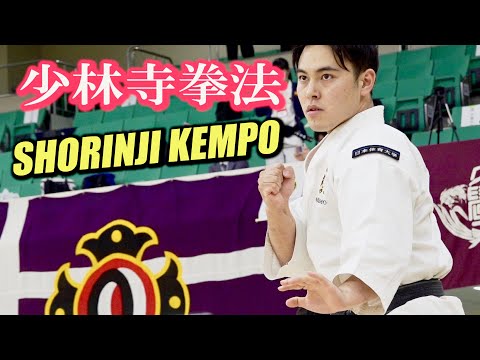
Shorinji Kempo University Competition: A Deep Dive into the Philosophy and Practice

Are you truly prepared for the realities of combat, or are you merely going through the motions in your dojo? The recent Shorinji Kempo University Students Competition 2022, captured in a compelling visual document, offers more than just a spectacle of physical prowess. It’s a window into a martial art that, beneath its dynamic techniques, harbors a profound philosophy and a rigorous training methodology. This isn't just another fight; it's a demonstration of principles honed over decades. Welcome, students of the martial path, to Budo and Martial Arts. Today, we dissect not just a competition, but the very essence of Shorinji Kempo as showcased by its university practitioners. We will delve into the nuances of their performance, question the efficacy of their training, and explore how this art contributes to the broader landscape of combat sports and self-mastery.

The Spectacle and the Substance

The footage from the "Shorinji Kempo" University Students Competition 2022 presents a dynamic display of motion. We see students executing techniques with precision and power, a testament to their dedication. But how much of this performance truly reflects the practical application of martial arts in a real-world scenario, or even in the controlled chaos of a modern MMA bout? This is where critical analysis, the hallmark of a true martial artist, comes into play. We must look beyond the aesthetically pleasing forms to understand the underlying principles and their potential effectiveness.
"The strength of the body is limited. The strength of the mind is limitless." - So Doshin (Founder of Shorinji Kempo)
This competition, while a fantastic showcase, also invites us to ask tough questions: Does the emphasis on form and demonstration detract from combat readiness? Is the internal philosophy as vital as the external technique? Let us embark on this journey of inquiry together.

What is Shorinji Kempo? Beyond the Strikes

Shorinji Kempo, founded by So Doshin in 1947, is more than just a martial art; it is a unique philosophy and a method for spiritual development. The name itself, "Shaolin Temple Fist Law," hints at its historical roots, though its modern form is distinct. It emphasizes not only self-defense techniques (Kenpo, which includes both striking and grappling elements) but also the cultivation of mind and spirit. This dual focus distinguishes it from many purely combat-oriented disciplines. Unlike many traditional arts that might focus solely on Karate-like strikes or Judo/ BJJ grappling, Shorinji Kempo integrates both. Its syllabus includes: * **Seikenjutsu**: Fist techniques (strikes, punches, blocks) * **Hokei**: Forms or katas, demonstrating sequences of techniques. * **Buki Waza**: Weapon techniques (though often de-emphasized in university competitions focusing on unarmed combat). * **Kihon**: Basic principles and foundational movements. * **Zazen**: Seated meditation, crucial for mental discipline and focus. The art's core aim is to develop individuals who are strong in body, mind, and spirit – "a builder of peace." This humanistic approach is central to its practice and distinguishes it from arts solely focused on combat prowess.

Analyzing the Competition: Technique and Spirit

Observing the university students, we see a clear execution of principles. The training is evident in the fluidity of movement and the sharp, controlled strikes and blocks. However, a critical eye must assess the context. Competitions often involve specific rulesets that may not perfectly replicate the unpredictability of a real street encounter or a no-holds-barred UFC match.
The students demonstrate a commendable grasp of fundamental techniques. Their Seikenjutsu (striking) is often crisp, and their defensive postures are generally solid. The emphasis on Hokei (forms) suggests a deep understanding of sequential movement and technique application. Yet, we must ask: How do these techniques fare against practitioners of vastly different arts? How is their Ki or internal energy truly manifested and controlled under pressure? The university context implies a focus on learning and demonstration, but the true test of any martial art lies in its application when stakes are highest. The spirit of Budo—the warrior's way—demands this rigorous self-assessment.

The Philosophy of Shorinji Kempo: Building a Better Human

This is where Shorinji Kempo truly sets itself apart. The philosophy of "Koken Gattai" (Hard and Soft techniques unified) and "Kondo" (linking body and mind) is not merely theoretical. It's integrated into the training. The practice of Zazen, for instance, is as vital as learning a punch. This meditation aims to cultivate: * **Self-Awareness**: Understanding your own strengths and weaknesses. * **Emotional Control**: Remaining calm and centered under duress. * **Discipline**: The unwavering commitment to training and self-improvement. * **Compassion**: Using one's strength not for aggression, but for the protection of others and the building of peace. This philosophical underpinning transforms practitioners from mere fighters into individuals striving for self-mastery. It’s a profound concept that echoes through classical martial texts.
"Martial arts are not about violence, but about self-control and spiritual development." - A principle often cited in Budo circles.
The university students, in their pursuit of excellence, are not just training their bodies; they are shaping their characters. This aspect is often lost in a superficial viewing of martial arts competitions.

The Training Rigor: From Basics to Competition

The journey to reach a competitive level in Shorinji Kempo is arduous. It begins with the absolute basics, the Kihon, ensuring that every movement, from a simple block to a complex combination, is built on a solid foundation. This is followed by the systematic study of Hokei, which not only teaches technique but also the principles of combat flow and strategy. The competition itself serves as a benchmark, a way to measure progress and identify areas for further refinement. It encourages students to push their limits and to apply their training in a simulated, yet challenging, environment. However, the question remains: Is this simulated pressure enough? Consider the rigorous Kyokushin Karate full-contact competitions, or the strategic depth required in Grappling arts like BJJ. While Shorinji Kempo has its own distinct objectives, the intensity of training in *any* true martial art must prepare the practitioner for unforeseen circumstances.

Shorinji Kempo in the Arena of Combat Arts

How does Shorinji Kempo stack up against other prominent martial arts and combat sports?
Aspect Shorinji Kempo MMA (Mixed Martial Arts) Traditional Karate (e.g., Shotokan)
Focus Holistic development (body, mind, spirit), self-defense, building peace. Combat effectiveness, strategic application of diverse techniques. Striking, discipline, tradition, self-perfection.
Technique Range Strikes, blocks, joint locks, throws, grappling (unified). Striking (punching, kicking, elbows, knees), grappling (wrestling, BJJ), submissions. Primarily linear striking, blocks, stances.
Competition Style Often demonstration-based (forms, solo techniques) or controlled sparring. Full contact, continuous fighting, emphasis on winning by KO or submission. Point-based sparring (often semi-contact) or kata competitions.
Philosophical Emphasis Very high; central to the art's purpose. Varies; often emphasizes discipline and respect, but primarily outcome-driven. High; often centered on character development and respect.
While MMA focuses on comprehensive combat effectiveness, and traditional Karate on the mastery of striking and discipline, Shorinji Kempo carves its own niche by emphasizing the holistic development of the individual alongside practical self-defense skills. Its strength lies in its integrated approach, aiming to build not just a fighter, but a better human being.

Veredict of the Sensei: Is Shorinji Kempo a True Martial Art?

This is a question that sparks debate among enthusiasts. To dismiss Shorinji Kempo because its competitive format differs from MMA or full-contact Karate would be a grave error. Its practitioners demonstrate discipline, physical conditioning, and a sophisticated understanding of movement and strategy. The integration of striking, grappling, and philosophical development is commendable. However, the effectiveness in a chaotic, no-rules confrontation is always the ultimate litmus test for any martial art claiming self-defense utility. Shorinji Kempo's philosophy of "building a better human" and promoting peace means its practitioners may be less inclined to engage in violent conflict unless absolutely necessary. **Sensei's Verdict:** Shorinji Kempo is undoubtedly a profound and legitimate martial art. Its holistic approach to training, encompassing physical, mental, and spiritual dimensions, is exemplary. While its competition format may not mirror the brutal intensity of certain combat sports, the principles it instills are universal to the Budo path. It demands respect for its depth and dedication. **Rating:** Gold Belt in Holistic Development, Silver Belt in Direct Combat Application (due to competition format nuances).

Essential Equipment for Your Training

While Shorinji Kempo is renowned for its minimal equipment needs, particularly in its philosophical aspects, certain items can enhance your practice and understanding.
  • Dōgi (Uniform): A sturdy, well-fitting uniform is essential for practice. For Shorinji Kempo, a specific type of uniform is often worn, but any durable martial arts gi will suffice for general training if a specific one isn't mandated by your dojo. Consider a double-weave gi for durability, especially if you engage in grappling drills.
  • Zazen Cushion (Zafu): Crucial for comfortable and correct posture during meditation, a cornerstone of Shorinji Kempo training.
  • Training Mats: For practice of throws and groundwork, protective mats are indispensable.
  • Protective Gear: For sparring or specific drills that simulate impact, mitts, shin guards, and headgear might be recommended by your instructor.
  • Books on Philosophy and Technique: Understanding the 'why' behind the 'how' is vital. Look for texts by So Doshin or reputable martial arts scholars.
For those interested in exploring the broader martial arts landscape, high-quality kimonos for Judo and Karate can be found at specialized retailers.

Frequently Asked Questions

Is Shorinji Kempo good for self-defense?

Yes, Shorinji Kempo provides effective self-defense techniques. Its curriculum includes strikes, joint locks, and throws designed for practical application. However, the emphasis on philosophical development and peace-building means that practitioners are taught to de-escalate situations first.

What is the difference between Shorinji Kempo and Karate?

While both are Japanese martial arts, Shorinji Kempo integrates striking, grappling, and joint manipulation into a unified system, with a strong emphasis on philosophical and spiritual development (including meditation). Traditional Karate primarily focuses on striking techniques and kata, with a different approach to physical and mental discipline.

Do you need to be flexible to practice Shorinji Kempo?

Flexibility is beneficial for any martial art, and Shorinji Kempo is no exception. However, it is developed through consistent training, not a prerequisite for starting. The focus is on functional strength and controlled movement.

What is the meaning of the term "Kempo"?

"Kempo" (or Kenpo) translates to "fist law" or "way of the fist." It refers to a style of martial art that emphasizes striking techniques. In Shorinji Kempo, it signifies the broader system that encompasses not just punching but also other combative methods.

To Delve Deeper into Your Path

* The Philosophy of Budo: More Than Just Fighting * Understanding the Roots of Karate: From Okinawan Temples to Global Sport * Self-Defense Tactics: Essential Principles for the Modern Warrior

Sensei's Reflection: Your Next Step

The Shorinji Kempo University Students Competition 2022 is a testament to the enduring power of martial arts to shape individuals. It showcases not just physical skill, but a commitment to principles that extend beyond the dojo. Yet, the ultimate measure of any martial art is not found in accolades or demonstrations, but in the quiet moments of adversity – how does one react when the performance ends and the real world demands a response?

Reflexión del Sensei: Tu Próximo Paso

When you leave your training hall each day, are you a slightly better version of yourself than you were yesterday? And critically, are you prepared to defend not only yourself but also the innocent, with the wisdom and restraint befitting a true warrior? Consider this: If your life depended on one technique, from *any* martial art you know, which would it be, and why? ``` GEMINI_METADESC: Explore the Shorinji Kempo University Students Competition 2022. Analyze techniques, philosophy, and the spirit of this unique martial art. Is it effective for combat? A Sensei's deep dive.

The Man Who Possessed the Most Devastating Fists in History

"The supreme art of war is to subdue the enemy without fighting." - Sun Tzu, The Art of War. Though Sun Tzu spoke of strategy, the power of the fist, when wielded with precision and intent, can be the ultimate argument in a physical confrontation. But who truly stands out in the annals of martial history for their sheer destructive power?

Hello and welcome to Budo & Martial Arts, the most comprehensive and up-to-date martial arts blog on the internet. Today, we delve into a topic that ignites debate among practitioners and fans alike: the ultimate fist. We're not just talking about brute force; we're dissecting the anatomy of power, the psychology behind it, and the historical figures who embodied it. Prepare yourselves, for this lesson will not be for the faint of heart.

Many names might spring to mind: Mike Tyson, a whirlwind of destruction in boxing; Bruce Lee, whose "one-inch punch" remains legendary; perhaps even figures from ancient legends. But our focus today is on a man whose fists were less a weapon and more an extension of a profound philosophical and physical discipline. We're exploring the legacy of **Mas Oyama**, the indomitable founder of Kyokukushin Karate.

The Genesis of Unrivaled Power: Mas Oyama's Path

Masutatsu "Mas" Oyama (born Choi Yeong-eui) wasn't just a martial artist; he was a force of nature. His journey into the depths of martial arts began in Korea, where he studied various styles before moving to Japan. It was in Japan that his legend truly began to forge, shaped by an almost ascetic dedication to training and a burning desire to understand the absolute limits of the human body and spirit.

His early training in Karate, particularly in the Shotokan style under Gichin Funakoshi, laid the foundation. However, Oyama felt that traditional Karate, while effective, lacked the brutal realism and self-testing required to truly embody the spirit of Budo. He sought to push beyond theoretical application and into the realm of practical, undeniable power. This led him to undertake intense, solitary training in the mountains of Japan, a period often referred to as his "retrieval" or "reclusion" phase.

During this time, Oyama subjected himself to grueling physical conditioning, involving thousands of punches and kicks daily, meditation, and the study of Zen philosophy. He famously practiced breaking rocks, bottles, and, most notably, bull horns with his bare hands. This wasn't mere showmanship; it was a calculated process of honing his body into a weapon capable of delivering devastating blows. His objective was to develop a Karate style that was a pure fighting art, stripped of all non-essentials – a style that could be tested in real combat.

Kyokukushin Karate: The Embodiment of Oyama's Philosophy

The result of Oyama's relentless pursuit was Kyokukushin Karate, meaning "the ultimate truth in Karate." This style is renowned for its full-contact fighting rules, demanding incredible physical and mental fortitude from its practitioners. Unlike many other Karate styles that employ point-scoring or controlled sparring, Kyokukushin sanctions direct, hard-hitting combat, with techniques allowed to the body and head (though head punches are prohibited in competition to reduce concussions, a pragmatic adjustment that still maintains a high level of physicality). The emphasis is on conditioning the body to withstand powerful strikes and developing techniques that can end a fight decisively.

Oyama's philosophy was simple yet profound: true martial arts must be tested. He famously stated, "Karate is for fighting. It is not a religion. It is not a game." This conviction fueled his legendary challenges, including his fights against bulls, where he would aim to disable the animal with a single decisive blow. These events, while controversial, served to popularize his style and demonstrate the raw power he believed was inherent in dedicated martial arts training.

The Power of the Fists: Technique and Conditioning

What made Oyama's fists so legendary? It was a combination of factors, honed through decades of rigorous, almost superhuman dedication:

  • Extreme Conditioning: Oyama's training was notoriously brutal. He would condition his hands, knuckles, and forearms relentlessly, often by striking makiwara (striking boards) and heavy bags for hours on end. This toughened the bones and connective tissues, making his hands incredibly resilient and capable of delivering immense impact force without injury.
  • Scientific Application of Force: While rooted in tradition, Oyama's approach was also scientifically minded. He understood leverage, body mechanics, and the generation of power through hip rotation and the entire body's kinetic chain. His punches were not just arm extensions; they were explosive movements originating from the ground up.
  • Mental Fortitude (Mushin): Perhaps the most critical element was his mental state. Oyama trained to achieve "Mushin" – a state of no-mind or emptiness, where the practitioner acts instinctively and without hesitation or fear. This allowed him to unleash his power with absolute focus and commitment, unburdened by doubt.
  • The "Iron Fist" Technique: While no single "secret technique" existed, the cumulative effect of his conditioning and understanding of force led to what many described as an "iron fist." This wasn't a specific punch, but rather the characteristic hardness and devastating impact of all his strikes.

Challenging the Modern Martial Arts Landscape

In today's world, where mixed martial arts (MMA) dominate the combat sports landscape, it's easy to dismiss older, single-discipline approaches. However, the principles embodied by Mas Oyama and Kyokukushin Karate remain profoundly relevant. MMA fighters today, like **Jon Jones** or **Cyril Gane**, understand the critical importance of conditioning and the ability to deliver powerful strikes. While the rules and techniques may differ, the underlying pursuit of peak physical and mental performance is identical.

Consider the devastating low kicks of **Emanuel Augustus** or the sheer knockout power displayed by fighters in events like **UFC 283**. This power doesn't come from wishful thinking; it's the product of countless hours in the gym, pushing physical and mental boundaries. Oyama's legacy serves as a stark reminder that dedicated, hard-hitting training can forge power that transcends specific styles.

The debates around the effectiveness of traditional martial arts versus modern MMA are ongoing. Some argue that styles like Kyokukushin, with its emphasis on raw power and conditioning, possess elements that are timeless. Others point to the evolution of combat, where a broader skillset is necessary. But what is undeniable is that the spirit of Mas Oyama – the pursuit of self-mastery through relentless training and the courage to face any challenge – is a cornerstone of all authentic martial arts.

Veredicto del Sensei: ¿Merece la pena?

Mas Oyama and Kyokukushin Karate are not just about breaking boards or fighting bulls; they are a testament to human potential. The "fists" that were most powerful were not merely physical instruments, but embodiments of unwavering discipline, philosophical depth, and a willingness to face hardship head-on. Oyama didn't just possess powerful fists; he forged them through a lifetime dedicated to the ultimate truth of martial arts. His legacy continues to inspire fighters to push their limits and understand that true power comes from within, honed through dedication and an unbreakable spirit. Kyokukushin stands as a pillar of authentic martial endeavor, a direct challenge to complacency.

Equipo Esencial para tu Entrenamiento

To truly understand and emulate the spirit of relentless training that Mas Oyama championed, certain equipment is crucial. While Oyama himself often relied on the bare minimum to test his own capabilities, modern practitioners can benefit from tools that enhance safety, conditioning, and skill development:

  • Heavy Bag: Essential for developing power, speed, and stamina in your punches and kicks. Look for a durable bag that can withstand intense training sessions.
  • Makiwara: While challenging to find commercially, a makiwara is vital for conditioning the hands and knuckles, as Oyama did. Ensure proper technique to avoid injury.
  • Karate Gi (Kimono): A sturdy, double-weave gi, like those favored in Kyokukushin, can withstand the rigors of full-contact training and grappling. Karate merchandise often features high-quality gis designed for durability.
  • Protective Gear: For sparring, especially when starting, items like MMA gloves (16oz for sparring), shin guards, and groin protectors are indispensable for safety.
  • Training Mats: If you're practicing groundwork or conditioning exercises, good quality mats provide cushioning and prevent injuries.

Guía de Entrenamiento: Desarrollando tu "Puño de Hierro"

Emulating Mas Oyama's power requires a multi-faceted approach. Here's a breakdown of training principles:

  1. Base Conditioning: Start with foundational fitness. Focus on cardiovascular endurance through running or at-home workouts with no equipment, and build strength with bodyweight exercises.
  2. Punching Technique and Power Generation: Study the mechanics of a proper punch. Focus on hip rotation, grounding, and snapping the fist through the target. Practice with focus mitts and a heavy bag.
  3. Hand and Forearm Conditioning: Begin cautiously. Start by striking a padded makiwara or a sturdy heavy bag. Gradually increase intensity and frequency. Gradually introduce knuckle push-ups. Always listen to your body and prioritize safety.
  4. Mental Training (Mushin and Zanshin): Incorporate meditation and mindfulness practices. Zazen meditation can help cultivate the stillness and focus required for Mushin. Practicing forms (Katas) with full intent and awareness helps develop Zanshin (lingering awareness).
  5. Full Contact Sparring (with caution): Once you have a solid foundation, engage in controlled sparring sessions. Under the guidance of experienced instructors, this is where you learn to apply your power effectively and develop combat awareness. This is the core of Kyokushin training.

Preguntas Frecuentes

¿Fue Mas Oyama realmente invencible en combate?

Mas Oyama participated in many challenging bouts and demonstrations throughout his life. While he was an exceptionally powerful and skilled martial artist, the concept of "invincible" is often a mythologized ideal. His true strength lay in his dedication to pushing his limits and his ability to overcome immense physical and mental challenges.

¿Se permite el contacto total en Kyokukushin Karate?

Yes, Kyokukushin is known for its full-contact sparring. However, certain techniques, like head punches, are prohibited in competition to ensure fighter safety. The emphasis is on powerful, decisive strikes to the body and legs, demanding extreme conditioning.

¿Cómo puedo desarrollar la dureza en mis manos sin lesionarme?

Start slowly and gradually. Begin with conditioning exercises like knuckle push-ups on soft surfaces. Progress to striking a heavy bag with proper technique. If you acquire a makiwara, use it with extreme caution and follow expert guidance. Always warm up thoroughly and listen to your body. Pain is a signal to stop or adjust.

¿Son relevantes las técnicas de un solo estilo como Kyokukushin en el MMA moderno?

The principles of conditioning, power generation, and mental fortitude taught in Kyokukushin are highly relevant. While MMA requires a broader range of skills (grappling, wrestling), the ability to deliver devastating strikes and withstand punishment, as perfected in Kyokukushin, remains a crucial component of success.

¿Qué significa "ultimate truth" en Kyokukushin?

"Kyokushin" translates to "the ultimate truth." For Oyama, this ultimate truth referred to the pure, unadulterated essence of Karate as a fighting art, tested and proven through rigorous physical and mental discipline, stripped of all non-essential elements.

Para Profundizar en tu Camino

If you like what we do and want to support TRUE martial arts, we invite you to visit our store to buy exclusive content and merchandise. Follow us on social networks and do not forget to visit our main page. We also invite you to visit our other blogs.

Follow me on Facebook: Hugo Van Damme Sports.

Follow me on Twitter: Hugo Van Damme Sports.

"The more you sweat in training, the less you bleed in battle." - This adage, though not directly attributed to Oyama, perfectly encapsulates the philosophy behind his relentless pursuit of physical and mental conditioning.

Reflexión del Sensei: Tu Próximo Paso

Mas Oyama's "iron fists" were not a gift of nature, but a product of extraordinary will and discipline. Now, I ask you: What are you truly willing to sacrifice in your training to achieve your own "ultimate truth"? Are you content with mere technique, or do you seek the power that comes from forging yourself in the fires of adversity? Your answer will define your path.

``` GEMINI_METADESC: Explore the legendary power of Mas Oyama's fists and Kyokukushin Karate. Discover the training, philosophy, and combat effectiveness that made him a martial arts icon.

The Unconventional Warrior: Yeferson Soteldo's Journey Beyond Stature

The martial path is often perceived as a rigid structure, dictated by physical prowess and unwavering strength. Yet, the true essence of Budo transcends mere physicality. It is a testament to the indomitable spirit, the tactical acumen, and the sheer will to overcome perceived limitations. Today, we delve into a narrative that, while not rooted in traditional dojos or combat arenas, embodies these very principles. We speak of Yeferson Soteldo, a footballer whose journey challenges the conventional notions of what it takes to succeed at the highest echelons of sport.

Soteldo: The Underdog's Rise

Yeferson Soteldo, much like a martial artist defying a larger, more experienced opponent, has navigated a career path marked by skepticism and doubt, primarily due to his stature. In a sport that often celebrates towering physiques and explosive power, Soteldo’s diminutive frame presented an immediate hurdle. The narrative of him being rejected by major European clubs, despite possessing a talent akin to footballing giants like Messi, resonates deeply with the struggles faced by many martial artists who must find unique ways to compensate for perceived physical disadvantages.

His story is not about a lack of opportunity, but about creating opportunities through sheer grit and exceptional skill. This is a narrative we've seen echoed throughout martial history, from the legendary figures who perfected speed and precision over brute force, to the countless unnamed practitioners who honed their craft in hidden dojos, proving that the size of the warrior matters less than the size of their heart and their technical mastery.

The Spirit of the Warrior: Resilience in Adversity

The core of any martial art lies not just in the techniques, but in the philosophy that underpins them. The concept of Mushin, a mind free from distraction and ego, is paramount. Soteldo, in his pursuit of footballing excellence, demonstrates this principle. He has faced criticism, potential setbacks, and the constant pressure of living up to comparisons, yet his performance on the field speaks volumes about his ability to remain focused on the task at hand.

"The spirit of Budo is not merely about victory, but about the unwavering pursuit of perfection, facing any challenge with an unflinching resolve." - A principle echoed in every disciplined fighter's journey.

This resilience, this refusal to be defined by external limitations, is the hallmark of a true warrior, regardless of their chosen battlefield. His journey reminds us that setbacks are not endpoints, but rather opportunities to learn, adapt, and return stronger.

Beyond Stature: Tactical Genius and Adaptability

In martial arts, a smaller practitioner often relies on superior timing, leverage, and strategy to overcome larger adversaries. Think of the intricate footwork of Wing Chun or the precise joint locks in Brazilian Jiu-Jitsu. Soteldo exhibits a similar tactical genius on the football pitch. His agility, his low center of gravity, and his quick bursts of speed are not just physical attributes; they are tools honed through intelligent application.

He uses his size to his advantage, making himself an elusive target, weaving through defenses with a fluidity that belies his physical constraints. This mirrors the philosophy of adapting techniques to one's own physique and capabilities, a lesson taught in every authentic martial arts curriculum. The ability to outthink, rather than overpower, is a crucial element in effective combat, both on the field and in the dojo.

Martial Arts Parallels: What Soteldo Teaches Us

The story of Yeferson Soteldo offers a profound lesson for every martial artist. It underscores the idea that physical dimensions are secondary to technical proficiency, mental fortitude, and strategic thinking. We often discuss the importance of Kiai, the unified spirit and energy, in martial arts. Soteldo’s on-field presence, his tenacity, and his ability to inspire his team can be seen as a form of 'Kiai' in the footballing world.

His journey is a testament to the principle that true strength lies within. It's about the dedication to endless practice, the refinement of skills, and the courage to face challenges head-on, irrespective of the odds. This is the very essence of the martial artist’s path: continuous self-improvement and the unwavering pursuit of mastery. The #fight for recognition, the #lucha against doubt, and the ultimate #battle to prove his worth all mirror the disciplined journey of a martial artist.

Veredict of the Sensei: A Masterclass in Determination

While Yeferson Soteldo may not wield a katana or execute a perfect roundhouse kick, his approach to his sport is undeniably steeped in the principles of Budo. His journey is a powerful reminder that talent, when coupled with relentless dedication and strategic adaptation, can shatter perceived limitations. He has demonstrated that the "size of the fight in the dog" often outweighs the "size of the dog in the fight."

Rating: 9.5/10 - A Masterclass in Overcoming Adversity. Soteldo earns high marks for his embodiment of the warrior spirit, his technical brilliance, and his inspiring resilience. He proves that the #martialarts philosophy is universal, transcending any single discipline.

Equipment Essential for Your Training

While Soteldo's primary "equipment" is his skill and determination, martial arts training often requires specific gear to ensure safety and optimize performance. Whether you're practicing striking arts, grappling, or a blend like MMA, the right equipment makes a significant difference.

  • Quality Kimono/Gi: For Judo and Brazilian Jiu-Jitsu, a durable, well-fitting gi is crucial. Look for double-weave fabrics for longevity, especially during intense Judo sparring.
  • Training Gloves: For striking disciplines like Karate, Kickboxing, or MMA, 16oz sparring gloves offer good protection for both hands and your training partners.
  • Mouthguard: Essential for protecting your teeth and jaw during any form of combat training, from Kyokushin Karate to MMA.
  • Shin Guards: Protect your shins from impact during sparring in disciplines involving kicks, such as Taekwondo or Kickboxing.
  • Training Mats: For home training, especially in grappling arts, simple interlocking mats can provide a safer surface for throws and groundwork.

Investing in quality gear is an investment in your training and your safety. It's a subtle way of showing respect for the art you practice, much like Soteldo respects the game of football.

Training Guide: Cultivating Mental Fortitude

Soteldo’s ability to perform under pressure and disregard his physical disadvantages is a testament to his mental strength. This is a skill that can be cultivated by any martial artist. Here's a guide to building your own mental resilience:

  1. Consistent Meditation Practice: Dedicate at least 10-15 minutes daily to mindfulness or Zazen meditation. Focus on your breath and observe your thoughts without judgment. This is key for developing mental clarity and focus.
  2. Visualization Techniques: Before training or competition, visualize yourself successfully executing techniques and overcoming challenges. Imagine the scenarios you might face and mentally rehearse your responses.
  3. Embrace Discomfort: Deliberately put yourself in slightly uncomfortable situations during training. This could be holding a difficult stance longer, sparring with a more skilled opponent, or practicing a technique repeatedly even when fatigued.
  4. Positive Self-Talk: Replace negative or self-defeating thoughts with affirmations. Instead of "I can't do this," try "I am learning and improving." This builds confidence and combats self-doubt.
  5. Debrief and Learn from Setbacks: After a difficult training session or a loss, don't dwell on the failure. Analyze what went wrong, identify areas for improvement, and focus on the lessons learned. This analytical approach is crucial for growth, much like Soteldo’s persistent drive.

This training isn't about winning every exchange, but about building the mental armor that allows you to face any challenge with confidence and composure. It is the foundation upon which all physical skills are built.

Frequently Asked Questions

  • Is Yeferson Soteldo actually considered as talented as Messi? Comparisons between players of vastly different styles and career trajectories are often subjective. While Soteldo possesses exceptional talent, particularly in his dribbling and agility, Messi's sustained dominance and statistical achievements place him in a unique tier. Soteldo's "Messi-like" talent refers to his raw skill and potential, rather than a direct equivalence in career accomplishments.
  • How does Soteldo's story relate to traditional martial arts? His journey highlights core martial arts philosophies: overcoming perceived weaknesses through skill and determination, mental resilience in the face of adversity, and strategic adaptation. It shows that the "warrior spirit" is not confined to physical combat disciplines.
  • What is the significance of "Budo" in this context? Budo is the Japanese term for martial ways, encompassing not just combat techniques but also the philosophical and spiritual development of the practitioner. Soteldo's story embodies the Budo spirit by focusing on inner strength, discipline, and continuous self-improvement, irrespective of physical attributes.
  • Does Soteldo play a specific martial arts style in football? While he doesn't practice a specific martial art, his style of play – characterized by agility, quick footwork, and elusiveness – shares tactical similarities with smaller, agile martial artists who rely on speed and technique to counter strength.

To Deepen Your Path

Reflection of the Sensei: Your Next Step

Is physical stature the ultimate determinant of success in any field, or is it the unyielding spirit and the mastery of one's craft that truly defines a champion? Consider how you allow perceived limitations to shape your own ambitions, both in your martial arts journey and in life.

``` GEMINI_METADESC: Explore Yeferson Soteldo's journey and how his footballing prowess embodies the spirit of Budo and martial arts principles, proving that determination trumps stature.

The Unarmed Response: When Weapons Threaten Your Path

The cold glint of steel, the menacing barrel of a firearm – these are not elements of training, but harbingers of true peril. Imagine the scenario: a weapon, a direct threat, and the sudden, icy grip of fear. What is the untrained mind to do? While the ideal solution is always de-escalation and avoidance, the stark reality is that sometimes, we are thrust into situations where survival demands a response. This is where the spirit of martial arts, refined over centuries, offers a glimmer of hope, albeit a dangerous one.

Today, we delve into the crucial, yet often terrifying, subject of self-defense against armed assailants. We acknowledge, with the gravitas it deserves, that *any* confrontation with a weapon is inherently perilous. There are no guaranteed victories, only calculated risks and the desperate will to survive. While professional self-defense training is paramount, for those who find themselves without it, understanding core principles can be the razor's edge between life and death.

This is a topic that demands clarity, respect, and a profound understanding of the inherent risks. Let us dissect this challenge, not with bravado, but with the sober analysis of a seasoned warrior.

Understanding the Threat: More Than Just Metal

A weapon is an extension of an attacker's will, amplifying their ability to inflict harm. Whether it's a knife, a club, or a firearm, the immediate danger is the increased reach and lethality. However, it's crucial to remember that the weapon itself is not the sole threat. The attacker's intent, their skill level, their emotional state, and the environment all play critical roles.

Ignoring the human element – the fear, the desperation, the potential for mistakes – is a fatal flaw in any self-defense strategy. The martial arts teach us to read not just the physical attack, but the intent behind it. This requires intense observation and a calm, analytical mind, even when faced with imminent danger.

"There is no real victory in war. There is only the survival of the fittest. The best we can do is to prepare for the worst." - Miyamoto Musashi (paraphrased for context)

The notion of "disarming" an attacker is a romanticized concept often seen in cinema. In reality, it is an incredibly high-risk maneuver that should only be considered as a last resort when all other options have been exhausted. The primary goal should always be to *create distance* and *escape*, not to engage in a direct struggle for the weapon.

The Psychology of Fear: Your Greatest Enemy

Fear is a natural, primal response. In a high-stress situation involving weapons, it can be paralyzing. Your heart pounds, your vision tunnels, and rational thought becomes difficult. The first, and perhaps most important, step in defending against a weapon is to manage this fear.

This is where the concept of mental fortitude, cultivated through years of Budo training, becomes invaluable. Practices like Zazen meditation, deep breathing exercises, and visualization techniques are not mere philosophical embellishments; they are tools to control the physiological and psychological impact of fear. The aim is to achieve a state of controlled awareness, where you can still think and react effectively.

Consider the difference between a panicked reaction and a calculated response. Panic leads to erratic, ineffective movements. A controlled reaction, even under extreme duress, allows for strategic decision-making. Can you de-escalate the situation verbally? Can you create an opportunity to flee? These are questions that a calm mind can answer.

Core Principles of Defense: Striking the Balance

When direct confrontation is unavoidable, a few guiding principles can increase your chances of survival:

  • Create Distance: If possible, put as much space as you can between yourself and the weapon. This makes it harder for the attacker to reach you.
  • Use the Environment: Obstacles like tables, chairs, or even crowds can be used to your advantage to block or deflect an attack.
  • Attack Vital Targets: If you must engage, focus on disabling the attacker quickly. This means targeting vulnerable areas like the eyes, throat, or groin. This is not about a prolonged fight, but about creating a window of opportunity to escape.
  • Control the Weapon Arm: If you are close enough to make contact, attempting to control the arm wielding the weapon is crucial. This can involve trapping, striking, or redirecting. However, this is extremely dangerous.
  • Commit to Escape: The ultimate goal is not to win a fight, but to survive. Once an opportunity to escape presents itself, take it immediately. Do not hesitate.

These principles are universal, applicable across various martial arts disciplines. From the devastating kicks of Taekwondo to the close-quarters grappling of BJJ, the underlying goal when facing a weapon is survival and evasion.

Weapon-Specific Strategies: A Measured Approach

While general principles apply, understanding the specific nature of the weapon can inform your response.

Weapon Type Key Considerations Potential Strategies (High Risk)
Knife Close range, swift attacks, potential for multiple cuts. Control the weapon arm (very difficult), create distance, use objects as shields.
Blunt Object (Stick, Club) Can be used for striking at a distance, powerful impact. Block or parry the strike, move off-line, target the attacker's balance.
Firearm Extreme range, lethal force, requires immediate and decisive action. Seek cover immediately, move unpredictably if caught in the open, close distance ONLY if escape is impossible and the attacker is disoriented.

It is vital to reiterate: these are not recommendations for direct engagement, but a grim assessment of extreme circumstances. A firearm, in particular, presents a threat that is almost impossible to overcome without specialized training and ideally, an immediate opportunity to escape or seek cover.

Training for the Worst: Practical Application

How does one prepare for such dire situations? The answer lies in rigorous, realistic training.

A Workshop for Reality: Training Against Weapon Threats

  1. Sparring with Simulated Weapons: Under the guidance of experienced instructors, practice with padded weapons to understand distance, timing, and defensive movements. This is not about "winning" but about developing reflexes and situational awareness.
  2. Adversarial Drills: Simulate attacks with a focus on creating openings for escape. These drills should be designed to increase stress and test your ability to perform under pressure.
  3. Physical Conditioning: Develop explosive power, agility, and cardiovascular endurance. You need to be able to move quickly and decisively. Think about exercises that build strength and endurance for dynamic movements.
  4. Situational Awareness Exercises: Practice observing your surroundings, identifying potential threats, and planning escape routes even in everyday situations.
  5. De-escalation Techniques: Learn verbal strategies to calm aggressive individuals and avoid physical confrontation. This is a crucial, often overlooked, aspect of self-defense.

Remember, the goal of training is not to become a weapon yourself, but to develop the skills and mindset to survive an encounter with one. The spirit of BUDO emphasizes discipline, respect, and the pursuit of mastery, not aggression.

Veredict of the Sensei: Prudence Over Prowess

Facing a weapon is the ultimate test of a martial artist's training, and often, the most pragmatic strategy is survival through avoidance and escape, not through combat. The cinematic portrayal of disarming a gunman with bare hands is largely fantasy. Real-world self-defense against weapons is about making difficult choices under extreme duress.

If you are forced to defend yourself, your actions must be decisive, focused on creating an escape opportunity, and aimed at disabling the threat as quickly as possible. This requires a level of training and mental preparation that goes far beyond casual practice. While some arts may offer principles that can be applied, the inherent danger cannot be overstated. Your life is the prize, and prudence is your sharpest weapon.

Rating: Three out of Five Belts: Critical Knowledge, Extreme Risk.

Equipment Essential for Your Training

To train safely and effectively for scenarios that *might* involve weapons, specialized gear is necessary. This gear is designed to simulate impact without causing serious injury, allowing you to practice defensive techniques realistically.

  • Padded Training Weapons: Rubber knives, foam batons, and similar training tools are essential for drills. They allow practitioners to understand range and simulate attacks without the extreme danger of real weapons.
  • Protective Gear: Headgear, mouthguards, groin protectors, and padded training suits (like those used in full-contact Karate or MMA) are crucial for safety during drills involving simulated weapons.
  • Training Mats: For practicing throws, takedowns, and ground defense, high-density training mats are indispensable to prevent injuries.
  • Reflex Training Tools: While not directly for weapon defense, tools like reflex bags or reaction balls can help improve hand-eye coordination and reaction time, which are vital in any high-stress situation.

Investing in proper training equipment is not a sign of aggression, but a commitment to safe and effective preparation for the most dangerous of encounters. For those serious about self-defense, consider looking for quality martial arts merchandise focused on protective gear.

Frequently Asked Questions

Q1: Is it ever possible to disarm someone with a weapon?
A: While technically possible in very specific, controlled circumstances with extensive training, attempting to disarm an armed assailant is extraordinarily dangerous and generally not recommended. The risk of severe injury or death is extremely high.

Q2: What is the most important thing to do if someone points a weapon at me?
A: Your primary goal should be to survive. This often means de-escalating the situation verbally if possible, creating distance, or seeking immediate escape and cover. Direct confrontation is a last resort.

Q3: Can traditional martial arts techniques defend against modern weapons?
A: Some fundamental principles like body mechanics, evasion, and targeting vital points are applicable. However, the specific techniques of many traditional arts were not designed for modern weaponry, especially firearms. Adaptability and a focus on survival principles are key.

Q4: How can I train for weapon defense without putting myself in excessive danger?
A: Seek out qualified instructors who offer realistic, controlled training scenarios using padded training weapons and protective gear. Focus on de-escalation, escape routes, and understanding the psychology of conflict.

For Further Deepening of Your Path

"The supreme art of war is to subdue the enemy without fighting." - Sun Tzu, The Art of War. In the context of weapon defense, this ancient wisdom is more relevant than ever.

Reflection of the Sensei: Your Next Step

We have journeyed through the perilous terrain of defending against armed threats. We have acknowledged the raw danger and the need for extreme caution. Now, I ask you: In the face of overwhelming odds, where does true strength lie? Is it in the mastery of a devastating technique, or in the wisdom to recognize when the greatest victory is achieved by walking away unharmed? Ponder this deeply, for the answer shapes not only your martial path, but your very life.

``` GEMINI_METADESC: Explore critical self-defense against weapons. Learn to manage fear, understand threats, and prioritize survival with expert insights on high-risk scenarios.