Showing posts sorted by relevance for query kenpo. Sort by date Show all posts

The Unseen Velocity: Decoding the Top 8 Fastest Martial Artists on Earth

The realm of martial arts is a breathtaking tapestry of power, precision, and, crucially, speed. While strength and technique are often lauded, the ability to move with lightning-fast reflexes can be the decisive factor in any confrontation. But when we speak of "fastest," what do we truly mean? Is it the initial burst of a strike, the fluid transition between techniques, or the uncanny ability to evade an incoming assault before it's even fully registered? In this exploration, we delve into the domain of pure velocity, examining eight martial artists whose reflexes and execution defy the ordinary. Prepare to witness a spectacle of movement that redefines the limits of human agility.

The Elusive Concept of Martial Arts Speed

Speed in martial arts is a multifaceted attribute, far more complex than simply moving quickly. It encompasses:

  • Reaction Time: The ability to perceive a threat and initiate a response in milliseconds. This is primal, almost instinctive.
  • Movement Efficiency: Utilizing the body's mechanics to generate maximal speed with minimal wasted motion. Think of a whip cracking versus a lumbering swing.
  • Execution Velocity: The sheer speed at which a technique, be it a punch, kick, or block, is completed from start to finish.
  • Anticipation: Perhaps the most sophisticated form of speed. By reading an opponent's intentions, a fighter can often "act" before the opponent even begins their move. This is where the mind's speed meets the body's.

The artists we highlight demonstrate a profound mastery over these elements. Their speed isn't just raw kinetic energy; it's intelligent, strategic, and honed through relentless practice. As my own masters would say, "Speed is not merely the absence of slowness; it is the presence of decisive action."

The Elite Eight: A Speed Showcase

To compile this list, we've considered athletes whose performances consistently showcase exceptional reflexes, rapid strike delivery, and agile evasive maneuvers across various disciplines. While a definitive, universally agreed-upon ranking is as elusive as a perfectly timed counter-punch, these individuals stand out.

1. Bruce Lee (Jeet Kune Do)

It would be an egregious oversight to discuss speed without acknowledging the legend himself. Bruce Lee's "punch without punch" was not a myth; it was a demonstration of explosive power delivered with astonishing velocity. His ability to strike multiple times before an opponent could react was unparalleled in his era. His philosophy emphasized directness and efficiency, stripping away all non-essential movement. This philosophical underpinning directly translated into his blinding speed.

"It is not a daily increase, but a daily decrease. Hack away at the unnecessary." - Bruce Lee

2. Raymond "The Rocket" Daniels (American Kenpo, Taekwondo)

Daniels is a phenomenon in sport karate and kickboxing. His signature spinning kicks are not just powerful; they are delivered with a blur of motion. His Taekwondo background grants him incredible flexibility and explosiveness, while his Kenpo training emphasizes rapid-fire combinations. He often seems to move in slow motion for his opponents, only to erupt into a flurry of high-speed attacks.

3. Anderson Silva (Brazilian Jiu-Jitsu, Muay Thai, Taekwondo)

During his prime in the UFC, "The Spider" was a master of timing and precision. His striking, particularly his Muay Thai and Taekwondo influences, was deceptive and lightning-fast. He could absorb pressure, absorb blows, and then unleash devastating counters in the blink of an eye. His ability to weave and dodge strikes while setting up his own offensive barrages was a hallmark of his incredible speed and ring intelligence.

4. Stephen Thompson (Karate, Kickboxing, American Kenpo)

"Wonderboy" is renowned for his unique "karate-boxing" style, characterized by fluid movement, exceptional footwork, and blindingly fast hand and foot techniques. His ability to pivot, spin, and strike from unexpected angles, all while maintaining a seemingly effortless defensive posture, makes him one of the most difficult strikers to predict and defend against. His speed isn't just about power; it's about unpredictability and angles.

5. Jose Aldo (Brazilian Jiu-Jitsu, Muay Thai)

A former UFC Featherweight Champion, Jose Aldo's low leg kicks were legendary for their speed and devastating impact. But his offensive arsenal extended far beyond that. His combinations were incredibly fast, often overwhelming opponents before they could mount a defense. His Muay Thai background provided him with powerful and rapid knee and elbow strikes, perfectly blended with his boxing prowess.

6. Lyoto Machida (Karate, Brazilian Jiu-Jitsu)

Machida, often nicknamed "The Dragon," brought a pure Karate aesthetic to MMA, emphasizing precision, timing, and explosive, yet economical, movements. His stance was famously upright, allowing for quick pivots and devastating counter-strikes, particularly his signature front kick. He moved like a phantom, appearing and disappearing, striking with deceptive speed before retreating to safety.

7. Conor McGregor (Various, notably Boxing and Taekwondo)

Regardless of one's opinion on his persona, McGregor's speed in the pocket is undeniable. His boxing combinations are crisp, fast, and delivered with knockout power. His ability to close distance rapidly and land precise strikes before an opponent can react has been the key to many of his victories. His confidence often stems from this belief in his own velocity.

8. Saenchai (Muay Thai)

Often hailed as the greatest Muay Thai practitioner of all time, Saenchai's speed is not just about raw power, but about finesse and deceptive fluidity. His feints, dodges, and evasive maneuvers are as quick as his kicks and punches. He can switch stances seamlessly, deliver lightning-fast sweeps, and land powerful blows with an economy of motion that makes him incredibly difficult to pin down. His style is a masterclass in effective, rapid movement.

Training for Velocity: Principles of Swiftness

Achieving the kind of speed displayed by these masters requires more than just natural talent. It demands a specific, rigorous training regimen. Here are the core principles:

  1. Explosive Power Training: Incorporate plyometrics (jump squats, clap push-ups), medicine ball throws, and Olympic lifts to build fast-twitch muscle fibers.
  2. Technique Refinement: Perfecting the mechanics of each strike and movement is crucial. Reducing wasted energy means increasing speed. Focus on drills that emphasize fluidity and precision.
  3. Reaction Drills: Utilize tools like reaction balls, laser pointers on pads, or partner drills where one person initiates a signal for the other to react to.
  4. Footwork Drills: Practice agility ladders, cone drills, and shadow boxing with a focus on maintaining balance while moving rapidly.
  5. Sparring with Speed Focus: Engage in sparring rounds where the primary objective is to move faster and react quicker, rather than just overpowering an opponent.
  6. Mind-Body Connection: Cultivate focus and awareness. A calm, centered mind can perceive threats and initiate responses much faster. Meditation and visualization are key.

The commitment to these principles is what separates the average practitioner from the elite. It's a constant pursuit of refinement.

Beyond Speed: The Complete Warrior

While speed is a spectacular and often decisive attribute, it is but one facet of a complete martial artist. A fighter who is blindingly fast but lacks strategy, adaptability, or mental fortitude will ultimately falter. The true master integrates speed with:

  • Timing: Knowing *when* to strike is as important as moving fast.
  • Strategy: Speed must serve a purpose within a larger plan.
  • Endurance: Sustaining high-speed output over extended periods.
  • Power: Speed without impact is often ineffective.
  • Mental Fortitude: The ability to remain calm under pressure and make split-second decisions.

As Sun Tzu wisely noted in The Art of War, "In strategy, it is important to consider the position of the enemy and your own position." Speed is a weapon, but it must be wielded with intelligence and context.

Veredict of the Sensei

This compilation highlights individuals who have pushed the boundaries of human kinetic potential within the martial arts landscape. Their speed is not merely a physical gift but the result of dedicated practice, refined technique, and a deep understanding of combat dynamics. They serve as inspiration, demonstrating that with focused training, remarkable velocity is achievable. While subjective, the common thread among these athletes is an almost supernatural ability to execute complex actions before their opponents can even process the initial threat. They are not just fast; they are masters of timing and efficiency.

Essential Equipment for Your Training

To hone your own speed and reflexes, consider these fundamental tools:

  • Reaction Ball: Excellent for improving hand-eye coordination and unpredictable catching.
  • Agility Ladder: Crucial for developing rapid footwork and coordination.
  • Speed Bag: Enhances punching speed, rhythm, and endurance.
  • Training Mitts and Pads: Essential for speed drills, reaction training, and feedback on your strikes.
  • High-Quality Training Shoes: Lightweight, flexible footwear that allows for quick pivots and movements without hindering agility.
  • Karate Gi or BJJ Gi (Double Weave): For practicing movement and techniques with resistance, ensuring your speed translates even when wearing a uniform.

Frequently Asked Questions

Q1: Is speed more important than power in martial arts?

Both are critical, but their importance often depends on the context and style. Speed can create openings for power strikes, and power without speed can be telegraphed and avoided. The ideal is a balance, with speed often being the factor that allows power to be effectively applied.

Q2: Can anyone become exceptionally fast through training?

While natural aptitude plays a role, consistent and intelligent training can significantly improve anyone's speed and reaction time. Dedication to specific drills focusing on explosiveness, efficiency, and reaction is key.

Q3: How does meditation help with martial arts speed?

Meditation enhances focus, reduces mental clutter, and improves the mind-body connection. This allows for quicker perception of threats and faster, more decisive responses, effectively increasing your perceived speed.

Q4: Are these fighters fast in a real fight scenario?

The athletes listed have demonstrated their speed in competitive combat sports, which, while regulated, share many principles with real-world confrontations. Their speed allows them to control range, land strikes effectively, and evade attacks – all vital skills for self-defense.

To Deepen Your Path

Reflection of the Sensei: Your Next Step

We have dissected the nature of speed in martial arts and celebrated those who embody it. But does the true warrior chase speed for its own sake, or does speed become an extension of their will, their strategy, their very being? Consider this: If you could only improve one aspect of your martial arts – speed, power, or technique – which would you choose, and why? And more importantly, how does your choice reveal your current understanding of the martial path?

```

The Undisputed Pantheon: A Critical Examination of Karate's Top 20 Styles

Ah, Karate. The Way of the Empty Hand. A discipline that has captivated minds and bodies for centuries, evolving from ancient Okinawan fighting arts into a global phenomenon. But with so many branches, so many traditions, which ones truly stand tall? Today, we dissect not just a list, but the very essence of what makes a Karate style legendary. Forget fleeting trends; we're talking about the lineages that have proven their mettle, their philosophy, and their efficacy through time and rigorous training. We're not just ranking styles; we're unveiling the foundational pillars upon which the art of Karate is built.

Many of you have likely stumbled upon endless lists online, videos with hastily compiled rankings, and unqualified opinions masquerading as truth. My purpose here is different. As a seasoned practitioner and critic of martial arts, my gaze pierces through the superficial. I see the core principles, the lineage, the practical application, and the philosophical depth that truly defines a Karate style. This isn't about popularity; it's about authenticity and enduring martial spirit.

Table of Contents

The Roots of All Styles: Okinawa and Early Development

Before we dive into the twenty, understand this: Karate didn't appear fully formed like Athena from Zeus's head. Its origins are deeply embedded in the rich soil of Okinawa, influenced by indigenous fighting methods and, crucially, by Chinese martial arts, particularly Fujian White Crane. The island's unique history as a trading hub meant constant cross-pollination of techniques and philosophies. This crucible forged the early forms, the kata, that would become the DNA of countless Karate lineages.

Shuri vs. Naha: The Genesis of Divergence

The geographical and cultural landscape of Okinawa itself dictated the initial stylistic divides. The northern region around Shuri, the former royal capital, fostered a style often characterized by its dynamic, linear movements, powerful stances, and emphasis on speed and agility – often referred to as "Shuri-te." Conversely, the southern port city of Naha developed a style known for its circular movements, close-range combat, breathing techniques, and emphasis on developing internal power and resilience – the "Naha-te."

Most modern Karate styles trace their lineage back to one of these two distinct traditions, or in some cases, represent a masterful synthesis of both. Understanding this fundamental divergence is key to appreciating the nuances that follow. The first three styles mentioned – Shotokan, Wado-ryu, and Shito-ryu – predominantly descend from Shuri-te, while Goju-ryu is a clear descendant of Naha-te. Shito-ryu, however, is often seen as a bridge, incorporating elements from both.

The Pantheon: Analyzing the Elite Styles

Now, let us embark on this journey through the styles. This is not merely a recitation of names and dates, but a critical appraisal of their martial significance. We'll examine their historical impact, their core tenets, and why they have earned their place in the annals of Karate. Many styles exist, but only a select few have demonstrated the enduring principles that define true martial arts mastery.

1. Shōrin-ryū: The Ancestral Stream

The progenitor of many northern Okinawan styles, Shōrin-ryū (松林流), literally "Pine Forest Style," is foundational. Its emphasis on natural body movement, agility, and practical techniques makes it a direct link to the early masters. Many of its practitioners today focus on preserving the traditional forms and spirit. It’s the ancient tree from which many branches have grown, and understanding it is crucial to understanding Karate's evolution.

"The pine lives on the mountain, the pine lives on the mountain, it does not fall." - A common motif reflecting the steadfastness and endurance inherent in Shōrin-ryū.

2. Gōjū-ryū: The Harmony of Hard and Soft

Gōjū-ryū (剛柔流), "Hard-Soft Style," masterfully embodies the Naha-te tradition. Developed by Chojun Miyagi, it meticulously balances direct, powerful attacks (go) with flowing, evasive movements and internal conditioning (ju). Its kata, like Sanchin and Tensho, are legendary for their focus on breath control, posture, and developing formidable internal strength. This style teaches that true power lies not just in brute force, but in its controlled and harmonious application.

3. Shōtōkan: The Tiger's Roar

Perhaps the most widely practiced Karate style globally, Shōtōkan (松濤館), founded by Gichin Funakoshi, is known for its deep, powerful stances, dynamic linear movements, and strong kihon (basics). Funakoshi, often called the "father of modern Karate," aimed to popularize Karate throughout Japan, and Shōtōkan’s directness and visible power made it incredibly accessible and effective. Its principles resonate with a desire for visible strength and clear execution.

4. Uechi-ryū: The Unyielding Fortress

A distinct Okinawan style, Uechi-ryū (上地流) is renowned for its emphasis on body conditioning, particularly of the forearms, shins, and torso. It incorporates unique circular blocks and powerful, close-range techniques. Its roots are closely tied to the Pangai-hon style from Southern China. Uechi-ryū teaches resilience and the ability to absorb and redirect force, making its practitioners incredibly tough.

5. Wadō-ryū: The Path of Peace and Harmony

Founded by Hironori Otsuka, Wadō-ryū (和道流) is a synthesis of traditional Karate (specifically Shindō Yōshin-ryū jiu-jitsu) and Shotokan. It emphasizes smooth, flowing movements, evasive footwork, and the integration of tai sabaki (body evasion) with striking techniques. Its philosophy leans towards avoiding conflict and neutralizing an opponent's attack efficiently, reflecting its name, "The Way of Harmony."

6. Kyokushin: The Ultimate Truth

Masutatsu Oyama’s Kyokushin (極真), "The Ultimate Truth," is a full-contact Karate style that gained immense notoriety for its rigorous training, emphasis on full-power sparring (without protective gear), and the legendary "100-man Kumite." It stripped away many of the sport-oriented elements to focus on practical, devastating effectiveness and immense physical and mental fortitude. Kyokushin demands absolute commitment and a spirit that seeks the very essence of combat.

7. Shito-ryū: The Weaver of Traditions

Kenwa Mabuni's Shito-ryū (糸東流) is a style that masterfully blends the characteristics of both Shuri-te and Naha-te. It is known for its vast number of kata, meticulously preserving techniques from various Okinawan and Chinese masters. This comprehensive approach allows for a deep understanding of different martial principles, making Shito-ryu practitioners versatile and well-rounded.

8. Ashihara Kaikan: The Unorthodox Approach

Founded by Hideyuki Ashihara, Ashihara Kaikan (芦原会館) evolved from Kyokushin. It introduced the concept of sabaki (evasive footwork and redirection) as a primary principle, emphasizing striking from unexpected angles and fluid movement. This style focuses on practical self-defense, often incorporating elements designed for real-world confrontations.

9. Chitō-ryū: The Eastern Dragon Style

Chito-ryū (千唐流), meaning "A Thousand Year Style of Tang Dynasty China," was founded by Masaharu Tsuruyama. It's known for its emphasis on strong fundamentals, extensive kata, and a focus on the physiological and anatomical aspects of combat. It seeks to preserve the ancient essence of Karate while adapting it for modern understanding.

10. Shindō Jinen-ryū: The Natural Way of God

Shindō Jinen-ryū (神道自然流) is a style that emphasizes natural, instinctive movements. Its name suggests a connection to natural law and divine principles. It often incorporates elements of meditation and breath control alongside its physical techniques, seeking a holistic approach to martial development.

11. Isshin-ryū: One Heart Style

Founded by Tatsuo Shimabuku, Isshin-ryū (一心流) is characterized by its vertical punch, unique blocking methods, and focus on practical self-defense. It's a distinct Okinawan style that combines elements from Shōrin-ryū and Gōjū-ryū, offering a balanced approach to striking and conditioning.

12. Shūkōkai: The Flowing Way

Shūkōkai (修交会) is a style that emphasizes speed, agility, and precise striking. Founded by Tani Chōjirō, it is known for its emphasis on the connection between the mind and body, aiming for efficient and fluid execution of techniques. It's often associated with a dynamic and engaging approach to Karate.

13. Enshin Kaikan: The Sphere of Action

Enshin Kaikan (円心会館), founded by Joko Ninomiya, is another style that branched from Kyokushin. It heavily incorporates grappling and throwing techniques (akin to Judo and BJJ) alongside its striking, promoting a comprehensive approach to combat. The name itself, "Sphere of Action," suggests a complete, all-encompassing method of fighting.

14. Matsubayashi-ryū: The Pine Forest Style

A distinct branch of Shōrin-ryū, Matsubayashi-ryū (松林流), founded by Shoshin Nagamine, places a strong emphasis on preserving the traditional Okinawan Karate, focusing on natural breathing, body mechanics, and the practical application of kata. It's a style deeply rooted in the historical context of Okinawan fighting arts.

15. Shidōkan: The Way of the Master

Shidōkan (志道館) is known for its comprehensive training, often incorporating elements from Muay Thai and Kickboxing into its Karate framework. It aims to develop well-rounded fighters proficient in both striking and conditioning, preparing them for diverse combat scenarios.

16. American Kenpo Karate: The Modern Synthesis

While not strictly a traditional Okinawan style, American Kenpo Karate, as developed by Ed Parker, deserves mention for its systematic approach to self-defense and its logical sequencing of techniques. It focuses on practical application, speed, and efficiency, adapting Karate principles to a Western context. It’s a fascinating example of Karate’s global evolution.

17. Gōjū-ryū Kenpo Karate: The Hard-Fast Style

This style, often synonymous with Gōjū-ryū itself, or representing specific interpretations, highlights the core dichotomy of powerful, hard techniques combined with evasive, soft movements. It is a testament to the balanced approach inherent in many Okinawan martial arts.

18. Gensei-ryū: The Original Appearance Style

Founded by Seiken Shukumine, Gensei-ryū (玄制流) is known for its unique kata and its emphasis on practical, self-defense oriented techniques. It strives to maintain the original essence of Karate while incorporating modern understanding of biomechanics and effectiveness.

19. Shōbayashi Shōrin-ryū: The Little Pine Forest

A sub-branch of Shōrin-ryū, Shōbayashi (小林流) further refines the principles of its parent style, focusing on natural movements and practical applications derived from the "pine forest" imagery. It represents the continued meticulous development within a foundational lineage.

20. Shōrinji-ryū: The Temple of the Young Pine

This style, distinct from Shōrin-ryū, often emphasizes the spiritual and philosophical aspects of Karate alongside its physical techniques. It draws inspiration from the Shaolin Temple traditions, reflecting a deeper connection to the martial arts' ancient roots and its impact on personal development.

Veredict of the Sensei: Beyond the List

Here lies the truth that many online lists conveniently ignore: The "best" Karate style is not an objective measure of technique superiority. It is, first and foremost, about the *practitioner* and the *teacher*. A style's true value is unlocked through dedicated training under a qualified instructor who embodies its philosophy. The efficacy of a technique is less about the style itself and more about how deeply the principles are understood and applied. A powerful stance in Shotokan, a flowing evasion in Wadō-ryū, or a hardened forearm in Uechi-ryū – all are potent when honed through years of discipline.

Therefore, while these 20 styles represent significant contributions to the tapestry of Karate, I offer this perspective: Do not chase the label. Chase the understanding. Seek the instructor who resonates with your spirit, the style whose philosophy speaks to your soul. The true art lies in the journey, not just the destination.

Essential Equipment for Your Training

To embark on your Karate journey, the right foundational gear is crucial. While Karate emphasizes using your own body as the primary tool, certain items enhance training, safety, and authenticity.

  • Karate Gi: Look for a durable, yet comfortable gi made from 100% cotton. For beginners, a medium-weight gi is ideal, offering a balance of comfort and resilience. Experienced practitioners might opt for a heavier gi, especially for styles like Kyokushin that involve more intense contact. Consider brands known for their quality and durability.
  • Belts (Obi): As you progress, belts of different colors signify your rank. Ensure your obi is sturdy and stays tied during rigorous training.
  • Mouthguard: Absolutely essential for any sparring (kumite), regardless of style. Protecting your teeth and jaw is paramount for long-term practice.
  • Groin Protector: Safety first. This is non-negotiable for sparring sessions.
  • (Optional for specific styles) Sparring Mitts/Pads: For styles that incorporate more dynamic sparring, padded gloves and foot protectors can offer additional safety, though purists might argue against their use in traditional training.

Resources for Deepening Your Path

To truly grasp the depth of Karate, continuous learning is vital. Here are some avenues to explore:

Frequently Asked Questions

What are the four earliest Karate styles?
The four earliest Karate styles developed in Japan are Shotokan, Wadō-ryū, Shito-ryū, and Gōjū-ryū. Most modern styles are derived from these foundational four.
What is the difference between Shuri-te and Naha-te?
Shuri-te, originating from Shuri, Okinawa, tends to feature more linear, dynamic movements and powerful stances. Naha-te, from Naha, emphasizes circular motions, close-range combat, and the development of internal power and breathing techniques.
Is Karate effective for self-defense?
Yes, Karate can be highly effective for self-defense, particularly styles that emphasize practical application and full-contact sparring. However, effectiveness greatly depends on the specific style's curriculum, the quality of instruction, and the dedication of the practitioner.
How do I choose the right Karate style for me?
Consider your personal goals (fitness, self-defense, discipline, philosophy), visit local dojos to observe classes, and speak with instructors. A style that resonates with your spirit and has a reputable instructor will be the best fit.

Sensei's Reflection: Your Next Step

We have traversed the landscape of Karate's most significant styles, from the ancestral roots of Shōrin-ryū to the dynamic syntheses of modern Kenpo. But information without application is like a sharp sword left to rust. Now, I pose a question to each of you, one that requires introspection and action:

Reflexión del Sensei: Tu Próximo Paso

You have been presented with the lineage, the philosophy, and the distinguishing characteristics of these formidable styles. But information alone does not forge a warrior. Consider this: If your current training, or your potential future training, were to be distilled to its absolute core principle, what single word would define its essence? Is it 'power,' 'harmony,' 'efficiency,' 'resilience,' or perhaps something entirely your own? Reflect on this word, not just in the context of Karate, but as a guiding star for your life. Now, go forth and embody it. Discuss this – or your chosen guiding word – in the comments below. Let us see whose conviction rings truest.

We hope you found this deep dive into Karate styles enlightening. Your favorite style might be on this list, or perhaps a different one entirely. Leave a comment below and tell us what is your favorite Karate Style!

#Karate #Masters #Styles ``` GEMINI_METADESC: Explore the foundational pillars of Karate with a critical examination of the top 20 styles, their origins, and their martial significance. A Sensei's deep dive.

Katsunori Kikuno: The True Spirit of Karate in Modern Combat

The modern combat sports landscape is often a cacophony of styles, a melting pot where traditional martial arts meet brute force and strategic grappling. Yet, amidst this evolution, certain practitioners stand out, not just for their victories, but for their unwavering adherence to the principles and techniques of their chosen art. Katsunori Kikuno 郎 菊野克紀 is precisely such a fighter. A Japanese lightweight, Kikuno’s tenure in organizations like the UFC showcased a rare dedication to his Karate roots, a commitment that deserves a deeper examination beyond mere win-loss records. He is not just a fighter; he is a living testament to the enduring power and practical application of traditional Karate in the crucible of professional fighting.

For many, the mention of Karate conjures images of dojos, crisp white uniforms, and the percussive sound of kihon. But what happens when that ancient discipline is pitted against the contemporary pressures of mixed martial arts (MMA)? Can the elegant, yet often rigid, forms of Karate truly hold their own against the relentless takedowns of wrestling or the submission artistry of Brazilian Jiu-Jitsu? Kikuno’s career offers a compelling case study. His style is deeply imbued with Okinawan Kenpo Karate, Kyokushin Karate, and a solid foundation in Judo, a potent combination that speaks volumes about his holistic approach to combat.

Introduction: The Karate Conundrum

The inherent challenge for any traditional martial artist entering the realm of MMA is bridging the gap between established forms and the fluid, often unpredictable nature of full-contact combat. Karate, with its emphasis on linear movements, powerful strikes from a distance, and a strong ethical code, faces unique obstacles. Many practitioners argue that its defensive strategies and footwork are not optimized for opponents who aim to close the distance, clinch, and take the fight to the ground. Is Karate, as practiced traditionally, a relic of the past in the face of modern Artes Marciales Mixtas and MMA? Katsunori Kikuno’s career is a powerful counter-argument, demonstrating that the core principles and specific techniques of Karate can indeed be formidable weapons when wielded by a skilled and dedicated fighter. His unique style forces us to reconsider the potential of Karate in contemporary combat sports.

Katsunori Kikuno: A Martial Tapestry

Kikuno's impressive resume is a testament to a lifetime dedicated to martial arts. Holding black belts in Judo, Okinawan Kenpo Karate, and Kyokushin Karate, he embodies the spirit of a true martial artist. This multi-disciplinary background is not merely a collection of belts; it's a carefully woven tapestry that informs his fighting style. His training at Alliance Square in Tokyo, a hub for serious combatants, provided him with the environment to hone these diverse skills into a cohesive and effective fighting system. The discipline required to achieve mastery in not one, but three distinct disciplines, speaks volumes about his character and dedication. This depth of knowledge allows him to approach a fight with a broader strategic toolkit than many specialists.

Karate's Place in the MMA Arena: More Than Just Kicks?

When analyzing a fighter like Kikuno, we must look beyond the superficial. Many critics dismiss Karate in MMA as being too predictable, particularly its reliance on leg kicks and flashy techniques. This perspective, however, often overlooks the fundamental principles that underpin Karate training: precision, power, timing, and an unwavering focus on the target. Kikuno integrated these tenets with the grappling prowess of Judo, creating a dynamic offensive and defensive system. His ability to fight effectively on his feet, utilizing his Karate background, while also possessing the skills to defend against or even initiate grappling exchanges, is what makes him a fascinating study. He proved that Karate, when stripped of its more ritualistic elements and infused with strategic adaptation, can be a potent force in the cage. The notion that Karate is solely about "kicking" is a gross oversimplification. It's about understanding distance, controlling the opponent's center of gravity, and delivering decisive strikes with maximum efficiency. Kikuno embodied this.

"The essence of martial arts is not to be victorious over others, but to be victorious over oneself." - A principle deeply embedded in the Budo philosophy that Kikuno seems to embody.

The Signature Crescent Kick and Beyond

Katsunori Kikuno is perhaps most renowned for his spectacular and effective Crescent Kicks. This technique, known in Japanese as Mawashi-geri, is a staple in many Karate styles, but Kikuno elevated it to an art form. Its utility in MMA is multifaceted: it can be used as a powerful offensive weapon, a deceptive counter-strike, or even a tool to disrupt an opponent's balance and agility. However, to focus solely on this one technique would be a disservice. Kikuno's fight footage reveals a mastery of distance management, sharp hand techniques (punches and blocks), and a strategic integration of his Judo training, particularly in sweeps and takedown defense. He didn't just throw kicks; he set them up, he used them to control the pace of the fight, and he delivered them with a conviction born of rigorous martial arts training. His ability to transition between striking ranges and potential grappling situations showcased a sophisticated understanding of MMA dynamics.

The Budo Heart: Discipline and Respect

Beyond the physical techniques, the true hallmark of a master martial artist lies in their adherence to the underlying philosophy, the Budo. This encompasses discipline, respect, humility, and an unceasing pursuit of self-improvement. Katsunori Kikuno consistently displayed these qualities. Even in defeat, his demeanor reflected the respect for his opponents and the sport that is fundamental to traditional martial arts. His fighting style, while aggressive, was never reckless or unsportsmanlike. It was the disciplined application of skills honed through years of dedication. This philosophical grounding is what distinguishes a true martial artist from a mere fighter. It’s the inner strength, the inner strength, that allows one to persevere through adversity and continue to learn and grow. His journey is an inspiration for anyone seeking not just to fight, but to truly embody the warrior philosophy.

Veredicto del Sensei: ¿Merece la pena?

Katsunori Kikuno is, without question, a fighter who deserves recognition for his unique contributions to the world of combat sports. He did not abandon his Karate heritage to conform to the norms of MMA; instead, he demonstrated how traditional techniques, when executed with precision and coupled with a solid understanding of modern combat, can be devastatingly effective. His fights are a masterclass in the practical application of Karate, showcasing powerful strikes and intelligent movement. For anyone interested in the intersection of tradition and innovation in fighting, or simply for those who appreciate technical brilliance, Kikuno’s bouts are essential viewing.

Cinturón Negro en Integridad Marcial y Impacto Visual.

Equipo Esencial para tu Entrenamiento

Para aquellos inspirados por la dedicación y técnica de Katsunori Kikuno, y que deseen incorporar principios similares en su propio entrenamiento, contar con el equipo adecuado es fundamental. Si bien el Karate tradicional a menudo se enfoca en el cuerpo como arma principal, el entrenamiento moderno, especialmente si se mira hacia la versatilidad de las Artes Marciales Mixtas o el kickboxing, requiere ciertas herramientas:

  • Guantes de Boxeo/MMA: Para proteger tus manos durante el entrenamiento de golpeo y para simular las condiciones de combate. Busca guantes de 12-16oz para sparring.
  • Espinilleras: Cruciales para el entrenamiento de patadas y para proteger tus tibias de impactos repetidos.
  • Protector Bucal: Indispensable para cualquier tipo de sparring o entrenamiento de contacto.
  • Kimono (Gi): Si buscas entrenar Judo o Karate tradicional de forma seria, un kimono de buena calidad es esencial. Para Judo, busca un tejido doble resistente. Para Karate, uno más ligero pero duradero.
  • Esterillas de Entrenamiento (Tatami): Para practicar caídas, proyecciones y trabajos de suelo de forma segura, especialmente si incorporas elementos de Judo o BJJ.
  • Saco de Boxeo o Pera Loca: Herramientas básicas pero efectivas para desarrollar potencia, resistencia y coordinación en tus golpes.

Recursos para Profundizar

La búsqueda del conocimiento marcial es un viaje sin fin. Si el estilo de Katsunori Kikuno y la filosofía detrás de las artes marciales tradicionales te han cautivado, te invito a explorar los siguientes recursos:

  • Profundiza en la historia y técnica del Kyokushin Karate y su énfasis en el combate real.
  • Descubre los principios fundamentales del Judo, el arte de la máxima eficiencia.
  • Explora el Okinawan Karate y su linaje directo a las raíces del arte.
  • Sumérgete en la filosofía del Budo y su aplicación en la vida moderna.

Preguntas Frecuentes

¿Es el Karate de Kikuno aplicable en una pelea callejera?
El Karate de Kikuno, al incorporar Judo y un enfoque práctico, tiene una aplicabilidad significativamente mayor que el Karate deportivo tradicional. La disciplina, la distancia y la potencia de sus golpes, junto con la capacidad de lidiar con el clinch, lo hacen más relevante para la autodefensa que muchas formas de Karate exclusivamente centradas en competiciones puntuadas.
¿Por qué se enfoca tanto en el Crescent Kick?
El Crescent Kick es una técnica visualmente impresionante y tácticamente versátil. Puede usarse para desequilibrar, golpear en zonas vulnerables o como una distracción mientras se prepara otro ataque. Kikuno lo utilizaba con gran maestría, demostrando que las técnicas tradicionales pueden ser armas efectivas en un contexto de combate.
¿Qué diferencia a Kikuno de otros peleadores de Karate en MMA?
La principal diferencia radica en la profundidad de su formación y su dedicación a integrar su Karate con otras disciplinas marciales. Muchos peleadores de Karate en MMA luchan por adaptarse a la lucha en el suelo o al clinch, pero Kikuno poseía una base sólida en Judo que le permitía defenderse y atacar en múltiples facetas del combate. Su compromiso con la presentación de un Karate "tradicional" y efectivo es su sello distintivo.
¿Dónde puedo ver las peleas de Katsunori Kikuno?
Puedes encontrar sus combates en canales como DEEP チャンネル, DREAM, y por supuesto, en el archivo de UFC. Plataformas como MMAPLANET y Fight Network también suelen tener contenido relacionado.

Reflexión del Sensei: Tu Próximo Paso

Katsunori Kikuno nos ha mostrado que la tradición no es una reliquia, sino una fuente inagotable de poder cuando se cultiva con disciplina y se adapta con sabiduría. ¿Hasta qué punto estás dispuesto a honrar tus raíces marciales mientras buscas la evolución? ¿Es tu entrenamiento una fusión respetuosa de lo antiguo y lo nuevo, o te aferras ciegamente a un dogma que te limita? Recuerda, el objetivo no es solo dominar una técnica, sino cultivar la sabiduría para saber cuándo y cómo aplicarla. La verdadera maestría reside en el equilibrio.

Para Profundizar en tu Camino

  • Explora el MMA y su evolución constante.
  • Descubre la filosofía del BUDO y su aplicación práctica.
  • Lee sobre las leyendas de las artes marciales y su legado.
``` GEMINI_METADESC: Analyze Katsunori Kikuno's unique MMA style, blending traditional Karate with Judo. Explore his signature kicks and Budo philosophy.

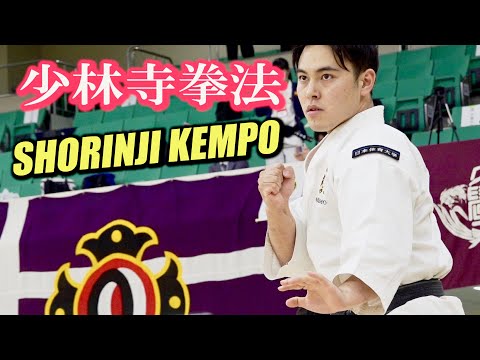
Shorinji Kempo University Competition: A Deep Dive into the Philosophy and Practice

Are you truly prepared for the realities of combat, or are you merely going through the motions in your dojo? The recent Shorinji Kempo University Students Competition 2022, captured in a compelling visual document, offers more than just a spectacle of physical prowess. It’s a window into a martial art that, beneath its dynamic techniques, harbors a profound philosophy and a rigorous training methodology. This isn't just another fight; it's a demonstration of principles honed over decades. Welcome, students of the martial path, to Budo and Martial Arts. Today, we dissect not just a competition, but the very essence of Shorinji Kempo as showcased by its university practitioners. We will delve into the nuances of their performance, question the efficacy of their training, and explore how this art contributes to the broader landscape of combat sports and self-mastery.

The Spectacle and the Substance

The footage from the "Shorinji Kempo" University Students Competition 2022 presents a dynamic display of motion. We see students executing techniques with precision and power, a testament to their dedication. But how much of this performance truly reflects the practical application of martial arts in a real-world scenario, or even in the controlled chaos of a modern MMA bout? This is where critical analysis, the hallmark of a true martial artist, comes into play. We must look beyond the aesthetically pleasing forms to understand the underlying principles and their potential effectiveness.
"The strength of the body is limited. The strength of the mind is limitless." - So Doshin (Founder of Shorinji Kempo)
This competition, while a fantastic showcase, also invites us to ask tough questions: Does the emphasis on form and demonstration detract from combat readiness? Is the internal philosophy as vital as the external technique? Let us embark on this journey of inquiry together.

What is Shorinji Kempo? Beyond the Strikes

Shorinji Kempo, founded by So Doshin in 1947, is more than just a martial art; it is a unique philosophy and a method for spiritual development. The name itself, "Shaolin Temple Fist Law," hints at its historical roots, though its modern form is distinct. It emphasizes not only self-defense techniques (Kenpo, which includes both striking and grappling elements) but also the cultivation of mind and spirit. This dual focus distinguishes it from many purely combat-oriented disciplines. Unlike many traditional arts that might focus solely on Karate-like strikes or Judo/ BJJ grappling, Shorinji Kempo integrates both. Its syllabus includes: * **Seikenjutsu**: Fist techniques (strikes, punches, blocks) * **Hokei**: Forms or katas, demonstrating sequences of techniques. * **Buki Waza**: Weapon techniques (though often de-emphasized in university competitions focusing on unarmed combat). * **Kihon**: Basic principles and foundational movements. * **Zazen**: Seated meditation, crucial for mental discipline and focus. The art's core aim is to develop individuals who are strong in body, mind, and spirit – "a builder of peace." This humanistic approach is central to its practice and distinguishes it from arts solely focused on combat prowess.

Analyzing the Competition: Technique and Spirit

Observing the university students, we see a clear execution of principles. The training is evident in the fluidity of movement and the sharp, controlled strikes and blocks. However, a critical eye must assess the context. Competitions often involve specific rulesets that may not perfectly replicate the unpredictability of a real street encounter or a no-holds-barred UFC match.
The students demonstrate a commendable grasp of fundamental techniques. Their Seikenjutsu (striking) is often crisp, and their defensive postures are generally solid. The emphasis on Hokei (forms) suggests a deep understanding of sequential movement and technique application. Yet, we must ask: How do these techniques fare against practitioners of vastly different arts? How is their Ki or internal energy truly manifested and controlled under pressure? The university context implies a focus on learning and demonstration, but the true test of any martial art lies in its application when stakes are highest. The spirit of Budo—the warrior's way—demands this rigorous self-assessment.

The Philosophy of Shorinji Kempo: Building a Better Human

This is where Shorinji Kempo truly sets itself apart. The philosophy of "Koken Gattai" (Hard and Soft techniques unified) and "Kondo" (linking body and mind) is not merely theoretical. It's integrated into the training. The practice of Zazen, for instance, is as vital as learning a punch. This meditation aims to cultivate: * **Self-Awareness**: Understanding your own strengths and weaknesses. * **Emotional Control**: Remaining calm and centered under duress. * **Discipline**: The unwavering commitment to training and self-improvement. * **Compassion**: Using one's strength not for aggression, but for the protection of others and the building of peace. This philosophical underpinning transforms practitioners from mere fighters into individuals striving for self-mastery. It’s a profound concept that echoes through classical martial texts.
"Martial arts are not about violence, but about self-control and spiritual development." - A principle often cited in Budo circles.
The university students, in their pursuit of excellence, are not just training their bodies; they are shaping their characters. This aspect is often lost in a superficial viewing of martial arts competitions.

The Training Rigor: From Basics to Competition

The journey to reach a competitive level in Shorinji Kempo is arduous. It begins with the absolute basics, the Kihon, ensuring that every movement, from a simple block to a complex combination, is built on a solid foundation. This is followed by the systematic study of Hokei, which not only teaches technique but also the principles of combat flow and strategy. The competition itself serves as a benchmark, a way to measure progress and identify areas for further refinement. It encourages students to push their limits and to apply their training in a simulated, yet challenging, environment. However, the question remains: Is this simulated pressure enough? Consider the rigorous Kyokushin Karate full-contact competitions, or the strategic depth required in Grappling arts like BJJ. While Shorinji Kempo has its own distinct objectives, the intensity of training in *any* true martial art must prepare the practitioner for unforeseen circumstances.

Shorinji Kempo in the Arena of Combat Arts

How does Shorinji Kempo stack up against other prominent martial arts and combat sports?
Aspect Shorinji Kempo MMA (Mixed Martial Arts) Traditional Karate (e.g., Shotokan)
Focus Holistic development (body, mind, spirit), self-defense, building peace. Combat effectiveness, strategic application of diverse techniques. Striking, discipline, tradition, self-perfection.
Technique Range Strikes, blocks, joint locks, throws, grappling (unified). Striking (punching, kicking, elbows, knees), grappling (wrestling, BJJ), submissions. Primarily linear striking, blocks, stances.
Competition Style Often demonstration-based (forms, solo techniques) or controlled sparring. Full contact, continuous fighting, emphasis on winning by KO or submission. Point-based sparring (often semi-contact) or kata competitions.
Philosophical Emphasis Very high; central to the art's purpose. Varies; often emphasizes discipline and respect, but primarily outcome-driven. High; often centered on character development and respect.
While MMA focuses on comprehensive combat effectiveness, and traditional Karate on the mastery of striking and discipline, Shorinji Kempo carves its own niche by emphasizing the holistic development of the individual alongside practical self-defense skills. Its strength lies in its integrated approach, aiming to build not just a fighter, but a better human being.

Veredict of the Sensei: Is Shorinji Kempo a True Martial Art?

This is a question that sparks debate among enthusiasts. To dismiss Shorinji Kempo because its competitive format differs from MMA or full-contact Karate would be a grave error. Its practitioners demonstrate discipline, physical conditioning, and a sophisticated understanding of movement and strategy. The integration of striking, grappling, and philosophical development is commendable. However, the effectiveness in a chaotic, no-rules confrontation is always the ultimate litmus test for any martial art claiming self-defense utility. Shorinji Kempo's philosophy of "building a better human" and promoting peace means its practitioners may be less inclined to engage in violent conflict unless absolutely necessary. **Sensei's Verdict:** Shorinji Kempo is undoubtedly a profound and legitimate martial art. Its holistic approach to training, encompassing physical, mental, and spiritual dimensions, is exemplary. While its competition format may not mirror the brutal intensity of certain combat sports, the principles it instills are universal to the Budo path. It demands respect for its depth and dedication. **Rating:** Gold Belt in Holistic Development, Silver Belt in Direct Combat Application (due to competition format nuances).

Essential Equipment for Your Training

While Shorinji Kempo is renowned for its minimal equipment needs, particularly in its philosophical aspects, certain items can enhance your practice and understanding.
  • Dōgi (Uniform): A sturdy, well-fitting uniform is essential for practice. For Shorinji Kempo, a specific type of uniform is often worn, but any durable martial arts gi will suffice for general training if a specific one isn't mandated by your dojo. Consider a double-weave gi for durability, especially if you engage in grappling drills.
  • Zazen Cushion (Zafu): Crucial for comfortable and correct posture during meditation, a cornerstone of Shorinji Kempo training.
  • Training Mats: For practice of throws and groundwork, protective mats are indispensable.
  • Protective Gear: For sparring or specific drills that simulate impact, mitts, shin guards, and headgear might be recommended by your instructor.
  • Books on Philosophy and Technique: Understanding the 'why' behind the 'how' is vital. Look for texts by So Doshin or reputable martial arts scholars.
For those interested in exploring the broader martial arts landscape, high-quality kimonos for Judo and Karate can be found at specialized retailers.

Frequently Asked Questions

Is Shorinji Kempo good for self-defense?

Yes, Shorinji Kempo provides effective self-defense techniques. Its curriculum includes strikes, joint locks, and throws designed for practical application. However, the emphasis on philosophical development and peace-building means that practitioners are taught to de-escalate situations first.

What is the difference between Shorinji Kempo and Karate?

While both are Japanese martial arts, Shorinji Kempo integrates striking, grappling, and joint manipulation into a unified system, with a strong emphasis on philosophical and spiritual development (including meditation). Traditional Karate primarily focuses on striking techniques and kata, with a different approach to physical and mental discipline.

Do you need to be flexible to practice Shorinji Kempo?

Flexibility is beneficial for any martial art, and Shorinji Kempo is no exception. However, it is developed through consistent training, not a prerequisite for starting. The focus is on functional strength and controlled movement.

What is the meaning of the term "Kempo"?

"Kempo" (or Kenpo) translates to "fist law" or "way of the fist." It refers to a style of martial art that emphasizes striking techniques. In Shorinji Kempo, it signifies the broader system that encompasses not just punching but also other combative methods.

To Delve Deeper into Your Path

* The Philosophy of Budo: More Than Just Fighting * Understanding the Roots of Karate: From Okinawan Temples to Global Sport * Self-Defense Tactics: Essential Principles for the Modern Warrior

Sensei's Reflection: Your Next Step

The Shorinji Kempo University Students Competition 2022 is a testament to the enduring power of martial arts to shape individuals. It showcases not just physical skill, but a commitment to principles that extend beyond the dojo. Yet, the ultimate measure of any martial art is not found in accolades or demonstrations, but in the quiet moments of adversity – how does one react when the performance ends and the real world demands a response?

Reflexión del Sensei: Tu Próximo Paso

When you leave your training hall each day, are you a slightly better version of yourself than you were yesterday? And critically, are you prepared to defend not only yourself but also the innocent, with the wisdom and restraint befitting a true warrior? Consider this: If your life depended on one technique, from *any* martial art you know, which would it be, and why? ``` GEMINI_METADESC: Explore the Shorinji Kempo University Students Competition 2022. Analyze techniques, philosophy, and the spirit of this unique martial art. Is it effective for combat? A Sensei's deep dive.

The Mythic Clash: Batman vs. Superman - A Martial Sensei's Analysis of the "Fight"

The Unlikely Arena: Why Analyze Fictional Combat?

Greetings, warriors and seekers of truth. Welcome to Budo and Martial Arts, your sanctuary for the deeper understanding of combat, philosophy, and the warrior spirit. Today, we venture into a realm not typically found within dojo walls, but one that nonetheless sparks fervent debate and captivates imaginations: the epic confrontation between Batman and Superman. You might scoff, asking, "Sensei, why waste precious training time dissecting a superhero brawl?" I say to you: every conflict, real or imagined, reveals something about skill, strategy, intent, and the very nature of power. The "FULL FIGHT BATMAN VS SUPERMAN" by JONI FILM, published on March 16, 2023, at 11:13 PM, serves as our canvas. This isn't merely about CGI spectacle; it's an opportunity to examine the theoretical application of combat principles against seemingly insurmountable odds. Can human ingenuity and trained skill truly challenge god-like power? Let us find out.

Batman: The Pinnacle of Human Martial Prowess

Before we even consider Superman, we must honor the meticulously crafted discipline of the Batman. Bruce Wayne is not gifted with powers; he is forged through an unparalleled regimen of training. His mastery spans: * Multiple Martial Arts: From the brutal efficiency of Kyokushin Karate and Judo to the intricate joint locks of BJJ and the stealth of Ninjitsu, Batman's arsenal is encyclopedic. He has trained under legendary masters, absorbing techniques like a sponge. Think of his grappling, his strikes, his throws – each is a testament to years, decades, of dedicated practice. * Peak Human Conditioning: His strength, speed, and endurance are not supernatural, but the absolute limit of what a human body can achieve. This speaks to relentless workout routines and rigorous conditioning. * Strategic Genius: Batman's greatest weapon is his mind. He studies his opponents, exploiting weaknesses with surgical precision. This tactical acumen is as crucial as any physical technique. He understands fight analysis on a profound level. * Improvisation: Faced with the overwhelming might of Superman, Batman's ability to weaponize his environment and use unconventional tactics is paramount. He represents the ultimate expression of human potential through the martial path. His dedication is a beacon for anyone pursuing self-improvement through martial arts training.

Superman: A God Among Men, But a Fighter?

Superman, on the other hand, embodies raw, unadulterated power. His abilities – super strength, flight, heat vision, invulnerability – place him in a different category entirely. However, does this translate to effective combat prowess against an equally determined, albeit physically inferior, foe? * Raw Power vs. Technique: The fundamental question is whether Superman's inherent abilities are enough. Does he possess the refined technique of a seasoned martial artist, or does he rely solely on brute force? Many beings with immense power lack the discipline and humility to truly master their abilities. They become reckless. * The Kryptonite Factor: The narrative often introduces Kryptonite as Superman's Achilles' heel. This highlights the importance of understanding vulnerabilities, a key tenet in self-defense and hand-to-hand combat. Even the strongest can be felled by a well-placed weakness. * Fighting Style: Historically, Superman's "fighting style" has been depicted as somewhat clumsy or reliant on simply overpowering opponents. While he can certainly fight, is it with the trained precision of a martial artist, or the destructive force of a natural disaster? This is where the debate truly ignites.
"The supreme art of war is to subdue the enemy without fighting." - Sun Tzu, The Art of War. While Batman often engages, his ultimate goal is to prevent greater conflict. Superman's power, if unchecked by wisdom, can *become* the greater conflict.

The Choreography of the Impossible: Interpreting the "Fight"

When we analyze a film like "FULL FIGHT BATMAN VS SUPERMAN," we're not watching a real martial arts contest. We are observing choreography, visual storytelling, and the interpretation of creators. The "fight" itself becomes a narrative device. * Pacing and Impact: How is the fight staged? Are the blows delivered with weight and consequence, or are they a flurry of lights and sounds? A masterfully choreographed fight, like those seen in classic Karate films or modern MMA bouts, conveys the effort and skill involved. * Strategic Exchanges: Does Batman employ tactics designed to neutralize Superman's powers? Does he use his gadgets, exploit the environment, or aim for pressure points? Or is it a slugfest where Batman's resilience is merely plot armor? A true martial perspective looks for the strategic intent behind each action. * The Role of the Environment: Does the fight take advantage of its surroundings? A skilled combatant uses their environment. Batman, in particular, excels at this. We should look for instances where he uses the urban landscape as a weapon or a shield. * The "Why": The most crucial element is not *how* they fight, but *why*. Is this a battle of ideologies, a misunderstanding, or a desperate struggle for survival? The motivation behind the conflict shapes the interpretation of the action.

Beyond the Blows: The Underlying Philosophies

This "fight" is more than just a physical contest; it's a clash of philosophies embodied by two iconic figures. * Justice vs. Order: Batman represents a gritty, street-level justice, often operating outside the law but guided by a strict moral code born from tragedy. He is the vigilante, the protector of the shadows. His approach is pragmatic, often brutal, but ultimately aimed at systemic change. * Inherent Goodness vs. Fear: Superman embodies hope, idealism, and immense power wielded with restraint. He is the beacon, the symbol of what humanity can aspire to be. His challenge is often to uphold truth and justice when faced with cynicism and fear. * The Nature of Power: The core of their conflict often lies in how power should be used. Batman fears unchecked power and believes in preparation and counter-measures. Superman believes in his inherent goodness and the responsibility that comes with his gifts. This echoes debates within Budo about responsibility and the ethical application of skill.
"There is no victory in the martial arts. Only the path to self-mastery. The true fight is within." - A principle echoed by many martial masters, applicable even to these fictional titans.

Veredicto del Sensei: Does the "Fight" Earn a Black Belt?

From a purely martial arts perspective, the "FULL FIGHT BATMAN VS SUPERMAN" can be appreciated as a narrative spectacle rather than a practical demonstration of combat. * **Choreography:** If the CGI and staging are impressive, it earns a nod for visual storytelling. However, it rarely reflects genuine martial physics or strategy applicable to real-world combat. * **Authenticity:** The depiction of Batman's diverse martial arts skills might be *inspired* by real disciplines, but the effectiveness against Superman is largely fantastical. Superman's "fighting" is often a display of power rather than technique. * **Spirit:** The fight *can* succeed if it captures the spirit of the characters and their ideologies. Does it highlight Batman's tactical brilliance and determination against overwhelming odds? Does it show Superman grappling with the responsibility of his power? If so, it touches upon the warrior's spirit. **Cinturón Negro en Espectáculo, Nivel Principiante en Realismo Marcial.** The spectacle is undeniable, but let us not mistake cinematic fantasy for practical martial application. It's a testament to imagination, not to the precise execution of a well-rehearsed kata.

Training Essentials for Aspiring Heroes (and Villains)

While you may not face Kryptonians, the principles of dedicated training apply to all. To build your own foundational strength, consider:
  • A Solid Martial Arts Foundation: Choose a discipline that resonates with you. Karate for striking, Judo or BJJ for grappling, Taekwondo for kicks. Consistency is key.
  • Strength and Conditioning: Bodyweight exercises like at-home workouts, push-ups, squats, and planks build functional strength. Consider adding resistance bands for versatility.
  • Cardiovascular Endurance: Running, swimming, or cycling are vital for sustained effort, especially in prolonged engagements. Explore running tips to build your stamina.
  • Mental Fortitude: Cultivate self-discipline, focus, and the ability to remain calm under pressure. Meditation and mindfulness are invaluable tools.
  • Strategic Thinking: Study the art you practice. Understand principles of leverage, timing, and distance. Watch matches, read texts, and analyze your own sparring.

Preguntas Frecuentes

  • Q: Can Batman really beat Superman in a fight?
    A: In the realm of fiction, "can" is determined by the storyteller. In a realistic scenario, Batman's best chance lies in preparation, exploiting specific weaknesses (like Kryptonite), and employing overwhelming tactical advantage, not direct physical confrontation.
  • Q: Which martial arts does Batman use?
    A: Batman's training is said to encompass over a dozen martial arts, including various forms of Karate, Judo, BJJ, Ninjutsu, Kenpo, Aikido, and more. He is a polymath of combat.
  • Q: Is Superman a good fighter?
    A: Superman possesses immense power but often lacks the refined technique and strategic nuance of a true martial artist. His "fighting" is more often a display of overwhelming force.
  • Q: What is the philosophical lesson from Batman vs. Superman?
    A: The conflict explores themes of power, responsibility, fear versus hope, and the balance between order and justice. It questions whether raw power or disciplined strategy is the ultimate victor.
  • Q: How can I train like Batman?
    A: Focus on mastering multiple martial arts, achieving peak physical conditioning through rigorous training, developing sharp tactical intelligence, and cultivating unwavering mental discipline. It's a lifelong pursuit.

Para Profundizar en tu Camino

Explore these related topics to deepen your understanding of the warrior's path:

Reflexión del Sensei: Tu Próximo Paso

We have dissected a battle of titans, a clash of myths. But what does it truly teach us? Does the overwhelming power of Superman render all training futile? Or does Batman's indomitable spirit and learned skill prove that human dedication can, in its own way, challenge the impossible? **Consider this:** If the greatest power requires no training, what value does training hold? And if strategy and discipline can overcome raw power, then where does your own relentless training truly lie? Is your battle against an external foe, or against the limits of your own potential? Ponder this in your training, in your life, and let your actions be your answer. ```json { "@context": "https://schema.org", "@type": "FAQPage", "mainEntity": [ { "@type": "Question", "name": "Can Batman really beat Superman in a fight?", "acceptedAnswer": { "@type": "Answer", "text": "In the realm of fiction, 'can' is determined by the storyteller. In a realistic scenario, Batman's best chance lies in preparation, exploiting specific weaknesses (like Kryptonite), and employing overwhelming tactical advantage, not direct physical confrontation." } }, { "@type": "Question", "name": "Which martial arts does Batman use?", "acceptedAnswer": { "@type": "Answer", "text": "Batman's training is said to encompass over a dozen martial arts, including various forms of Karate, Judo, BJJ, Ninjutsu, Kenpo, Aikido, and more. He is a polymath of combat." } }, { "@type": "Question", "name": "Is Superman a good fighter?", "acceptedAnswer": { "@type": "Answer", "text": "Superman possesses immense power but often lacks the refined technique and strategic nuance of a true martial artist. His 'fighting' is more often a display of overwhelming force." } }, { "@type": "Question", "name": "What is the philosophical lesson from Batman vs. Superman?", "acceptedAnswer": { "@type": "Answer", "text": "The conflict explores themes of power, responsibility, fear versus hope, and the balance between order and justice. It questions whether raw power or disciplined strategy is the ultimate victor." } }, { "@type": "Question", "name": "How can I train like Batman?", "acceptedAnswer": { "@type": "Answer", "text": "Focus on mastering multiple martial arts, achieving peak physical conditioning through rigorous training, developing sharp tactical intelligence, and cultivating unwavering mental discipline. It's a lifelong pursuit." } } ] }

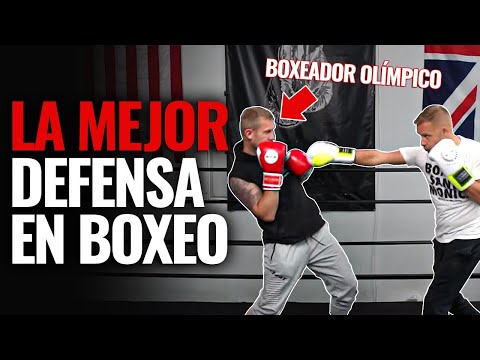
El Arte Olvidado de la Evasión: Más Allá de los Golpes en el Boxeo

Boxeador esquivando un golpe

Tabla de Contenidos

Introducción: El Gancho del Dojo

Si crees que las artes marciales son solo golpes brutales y demostraciones de fuerza, te invito a reconsiderar. En el corazón de cualquier disciplina marcial efectiva, desde el ancestral BUDO hasta el moderno MMA, reside un principio fundamental: la defensa. ¿Cansado de sentir el impacto doloroso de los golpes en tu rostro, como si fueras un saco de arena indefenso? ¡Este análisis es para ti! Hoy desentrañaremos el arte de la evasión, un componente tan crucial como cualquier ataque, y desmantelaremos la creencia de que la mejor defensa es solo "pegar más fuerte". Prepárate para una lección que transformará tu enfoque del combate.

Intención del Budoka: ¿Por Qué Dominar la Defensa?

Todo practicante de artes marciales, ya sea un novato en el Karate o un veterano del BJJ, busca la efectividad. La intención primaria al buscar información sobre defensa en el boxeo, o en cualquier arte de combate, es clara: **sobrevivir al intercambio de golpes y, idealmente, capitalizar esa defensa para contraatacar y ganar**. No se trata solo de evitar el daño, sino de utilizar la ausencia del golpe adversario como una ventana de oportunidad. Quieres respuestas concretas, técnicas aplicables y una comprensión profunda de por qué ciertas estrategias defensivas son superiores a otras. Buscas conocimiento que te haga más difícil de golpear, más inteligente en el ring y, en última instancia, un peleador más completo.

La Visión de Tony Jeffries: Más Allá de la Fuerza Bruta

En el mundo del boxeo, la figura de Tony Jeffries resuena con autoridad. Como medallista de bronce olímpico y co-fundador de la reconocida academia Box'N Burn, su experiencia en los gimnasios de Los Ángeles y en la formación de entrenadores es innegable. Jeffries no solo enseña a "pegar", sino que entiende que la supervivencia y la victoria en el cuadrilátero (y fuera de él) se basan en un equilibrio perfecto entre ataque y defensa. Su enfoque, despojado de adornos innecesarios, se centra en la eficiencia y la aplicabilidad, principios que resuenan profundamente con la filosofía del BUDO. Él mismo lo expresa:

"Aprender las técnicas defensivas adecuadas en boxeo es tan importante como aprender técnicas de ataque y debes ser igualmente bueno en ambas."

Esta declaración es la piedra angular de nuestro análisis. Si buscas excusas para justificar recibir golpes, este no es tu lugar. Aquí, honramos la maestría defensiva.

Desglose Técnico: Las Cinco Joyas de la Evasión

Jeffries, con la claridad de un maestro que ha visto innumerables combates, identifica lo que él considera las defensas más efectivas. No se trata solo de moverse, sino de entender el "cuándo" y el "cómo" de cada acción. Su análisis desglosa la defensa en componentes manejables, cada uno con su propósito específico y su lugar en la estrategia global.

1. El Parry: La Danza del Contacto Mínimo

El Parry, o parada con la mano, es una de las defensas más comunes y efectivas. No busca detener el golpe con fuerza bruta, sino desviarlo sutilmente con un toque preciso. Es una técnica que requiere una anticipación excelente y un movimiento de muñeca rápido y controlado. Imagina un ágil Kenpo practicante usando su mano para desviar un ataque. La clave aquí es la economía de movimiento: un ligero toque puede cambiar la trayectoria de un puñetazo poderoso, enviándolo inofensivamente hacia un lado.

2. El Bloqueo: El Muro Infranqueable

El Bloqueo es la defensa más instintiva, la creación de un muro con tus antebrazos, guantes o incluso hombros para absorber el impacto. Si bien es efectivo contra golpes rectos, su debilidad radica en que puede absorber daño y dejarte estático. Un buen bloqueo no es solo poner el brazo; es un movimiento coordinado que disipa la energía del golpe. Es la fortaleza del Kyokushin Karate, pero en un contexto de boxeo.

3. El Esquive: La Agilidad Felina

El Esquive (o "slip" en inglés) es un movimiento lateral de la cabeza y el tronco, diseñado para que el golpe del oponente pase rozando. Se basa en la velocidad de reacción y la flexibilidad. Piensa en la agilidad de un Aikido practicante, moviéndose con fluidez alrededor de un ataque. Es la diferencia entre ser golpeado y que el golpe solo mueva tu cabello.

4. El Roll: La Sombra que se Mueve

El Roll, o giro del tronco, permite pasar por debajo de los golpes, especialmente los ganchos. Es un movimiento circular que utiliza la rotación del cuerpo para evadir el impacto. Requiere un control corporal excepcional y una comprensión de los ángulos. Es similar a cómo un luchador de Jiu-Jitsu Brasileño podría buscar una sumisión girando sobre su eje.

5. Cintura Atrás: El Movimiento de la Serpiente

La Cintura Atrás ("back hand") es una forma de esquive lateral utilizando la rotación de la cintura. El cuerpo se mueve hacia atrás, alejándose de la línea del golpe, manteniendo la cabeza en una posición segura. Es un movimiento sutil pero poderoso, que recuerda a la fluidez de una serpiente deslizándose.

6. El Paso Atrás: LA MEJOR DEFENSA EN BOXEO (¡La Sorpresa!)

Aquí es donde Jeffries introduce su elección personal como la defensa definitiva: el Paso Atrás. A simple vista, parece contraintuitivo; retroceder cuando el ataque es inminente. Sin embargo, el verdadero arte reside en la ejecución. No es una retirada cobarde, sino un movimiento calculado que crea distancia instantáneamente, sacando al oponente de su rango de golpeo efectivo y rompiendo su ritmo. Es una táctica que puede descolocar al atacante más agresivo y abrir una vía para un contraataque devastador. Es la simplicidad que vence a la complejidad, un principio que resuena en el corazón del BUDO.

Guía de Entrenamiento: Construye tu Armadura Invisible

La teoría sin práctica es como una espada sin filo. Para dominar estas defensas, debes entrenar hasta que se conviertan en instinto. Aquí te presento ejercicios para integrar estas técnicas en tu repertorio marcial.

Ejercicios de Parry y Bloqueo

  1. Drills de Reflejos con Compañero: Tu compañero lanza golpes rectos lentos. Tu objetivo es interceptarlos con un parry o un bloqueo limpio. Enfócate en el contacto mínimo para el parry y en absorber el impacto para el bloqueo.
  2. Práctica de Sombra con Énfasis Defensivo: Realiza tus movimientos de sombra imaginando un oponente. Enfócate en anticipar golpes y aplicar parries, bloqueos y esquives de forma continua.

Ejercicios de Esquive y Roll

  1. Esquives Laterales con Banda de Resistencia: Ata una banda de resistencia a tu cintura y pídele a un compañero que tire de ella mientras tú realizas esquives laterales. Esto añade resistencia y mejora tu equilibrio.
  2. Drill de Roll con Objetivo Bajo: Coloca un objeto bajo (como un palo de escoba) y practica pasar por debajo con movimientos de roll fluidos, manteniendo el control de tu cuerpo.

Ejercicios de Reacción y Movimiento de Cabeza

Jeffries menciona la mejora de la concentración, el tiempo de reacción y el movimiento de cabeza. Un ejercicio excelente es usar pelotas de reacción o simplemente pedirle a un compañero que lance golpes lentos y aleatorios mientras tú te mueves constantemente. La clave es *nunca* quedarte quieto.

¡No te quedes solo con la teoría! Aquí tienes videos que te ayudarán a perfeccionar estos aspectos:

Equipo Esencial para tu Entrenamiento

Para llevar tu entrenamiento defensivo al siguiente nivel, el equipo adecuado es fundamental. No necesitas un gimnasio completo, pero sí algunas herramientas clave que te ayudarán a simular las condiciones del combate y a desarrollar la técnica correcta.

  • Guantes de Boxeo de Calidad: Imprescindibles para el sparring y el trabajo en saco. Asegúrate de que sean de 14oz o 16oz para una protección adecuada.
  • Vendas para Manos: Protegen tus muñecas y nudillos durante entrenamientos intensos.
  • Saco de Boxeo (Pesado o Ligero): Ideal para practicar golpes, combinaciones y, fundamentalmente, para desarrollar tu juego de pies y defensas mientras el saco se balancea.
  • Pelota de Reacción: Excelente para mejorar tu tiempo de reacción y la coordinación mano-ojo.
  • Comba (Cuerda de Saltar): Un clásico para el acondicionamiento cardiovascular y el desarrollo del juego de pies ágil, esencial para los esquives.

Recursos para Profundizar

El conocimiento es un arma poderosa. Para expandir tu comprensión del boxeo y las artes marciales en general, te recomiendo estos recursos:

  • Libros sobre Técnica de Boxeo: Busca textos de autores reconocidos que detallen la mecánica de los movimientos defensivos.
  • Documentales sobre Leyendas del Boxeo: Observa a los grandes maestros en acción, analizando cómo utilizaban su defensa.
  • Cursos Online de Entrenadores Certificados: Plataformas como Box'N Burn Academy (la de Tony Jeffries) ofrecen formación avanzada.

Veredicto del Sensei: ¿Un Arte o una Táctica?

El análisis de Tony Jeffries sobre el movimiento defensivo en boxeo, culminando en la exaltación del paso atrás, es un ejemplo brillante de cómo la simplicidad bien aplicada supera a la complejidad mal ejecutada. No se trata solo de "no ser golpeado", sino de entender la dinámica del combate. El boxeo, en su máxima expresión, es una danza. Y en esa danza, la capacidad de evadir con inteligencia y precisión es tan vital como la contundencia de un golpe bien lanzado.

Cinturón Negro en Inteligencia Defensiva. Jeffries nos recuerda que en el fragor de la batalla, a menudo, la mejor manera de ganar es no participar del intercambio de golpes. Dominar la evasión no es ser cobarde, es ser sabio. Es la diferencia entre un boxeador que recibe castigo y un estratega que controla el ritmo y el resultado del combate.

Preguntas Frecuentes

¿Es el paso atrás realmente la mejor defensa en boxeo?
El paso atrás, ejecutado correctamente, es una defensa estratégica excepcional porque crea distancia y rompe el ritmo del oponente. Sin embargo, la "mejor" defensa siempre dependerá de la situación, el oponente y las habilidades del boxeador. Un enfoque equilibrado que combine varias técnicas es ideal.
¿Cómo puedo mejorar mi tiempo de reacción para esquivar golpes?
El entrenamiento constante con ejercicios de reacción, como los que involucran pelotas de reacción o sparring ligero con golpes aleatorios, es crucial. La meditación y la concentración también ayudan a agudizar la mente para anticipar movimientos.
¿Es el bloqueo una defensa obsoleta en el boxeo moderno?
No, el bloqueo sigue siendo una técnica fundamental, especialmente contra golpes rectos. Sin embargo, su efectividad se ve limitada si se abusa de él, ya que puede absorber daño y hacer al boxeador vulnerable. Debe complementarse con movimientos de cabeza y cuerpo.
¿Qué diferencia hay entre el esquive y el roll?
El esquive implica un movimiento lateral de la cabeza y el tronco para que el golpe pase rozando. El roll, en cambio, es un movimiento circular del tronco para pasar por debajo del golpe, típicamente un gancho.

Reflexión del Sensei: Tu Próximo Paso

Hemos desmantelado las defensas del boxeo, desde el toque sutil del parry hasta la retirada estratégica del paso atrás. Ahora la pregunta es: ¿Estás listo para dejar de ser un blanco y convertirte en un fantasma esquivo? El conocimiento es solo el primer paso. La maestría se forja en el sudor del entrenamiento, en la repetición incansable hasta que la defensa sea tan natural como la respiración.

"Los maestros de la estrategia combaten sin perder posición." - Sun Tzu

Este principio de Sun Tzu se aplica perfectamente a la defensa en el combate. No se trata de retroceder para escapar, sino de moverse tácticamente para mantener una posición ventajosa.

Ahora, dime tú, ¿cuál de estas técnicas defensivas te resulta más desafiante? ¿Crees que el paso atrás es realmente la cima de la defensa boxística, o es solo una táctica más en un arsenal complejo? ¡Expón tus argumentos en los comentarios! ¡Estoy ansioso por debatir contigo!

Para Profundizar en tu Camino

Si el arte de la evasión y la estrategia marcial te han cautivado, te invito a explorar estos otros análisis y guías que te ayudarán a expandir tu conocimiento y tu práctica:

``` GEMINI_METADESC: Domina el boxeo con Tony Jeffries. Aprende el parry, bloqueo, esquive, roll, y el estratégico paso atrás. Transforma tu defensa, sé más difícil de golpear.