Showing posts sorted by relevance for query SpiritualDevelopment. Sort by date Show all posts

Unleashing the Power Within: Mastering the 27 Core Movements of Okinawan Karate

The Genesis of Karate: From Okinawa to Your Dojo

Greetings, warriors! Today, we delve into the very heart of the martial arts, tracing its roots back to the sun-drenched shores of Okinawa, the undisputed birthplace of Karate. For centuries, this island has been the crucible where techniques were forged, philosophies refined, and the indomitable spirit of the warrior cultivated. But what if the traditional dojo walls are beyond your reach? Does that mean the path of Karate is closed to you? Absolutely not.

Ageshio Japan, deeply embedded in the Okinawan martial landscape, brings you a profound training program designed for the modern practitioner. This isn't just about physical conditioning; it's about unlocking the latent power within, a power accessible to anyone willing to commit. We are thrilled to present a masterclass led by the venerable Yoshimasa Kakazu, a 10th Dan instructor of Shorin-ryu, who will guide us through 27 fundamental movements that form the bedrock of Karate.

The true essence of Karate lies not in grand displays, but in the diligent, repetitive refinement of basic principles. This session is your invitation to transcend physical limitations and bring the authentic spirit of Okinawan Karate directly into your home. Prepare to train, to sweat, and to grow. Ossu!

The Wisdom of Yoshimasa Kakazu: A 10th Dan Perspective

When we speak of Karate, especially the classical styles of Okinawa, names of true masters echo through the annals of martial history. Yoshimasa Kakazu, a 10th Dan instructor of Shorin-ryu, embodies the pinnacle of this tradition. His lineage, his dedication, and his profound understanding of the art are a testament to a lifetime devoted to the path of Budo. Shorin-ryu, meaning "the style of the young forest," is renowned for its emphasis on speed, agility, and economical movement, principles that Kakazu Sensei embodies.

His instruction transcends mere technique. It is a distillation of decades of practical application, philosophical contemplation, and the relentless pursuit of perfection. Through these 27 core movements, he offers not just a curriculum, but a philosophy. He teaches us that the journey of a thousand miles begins with a single step – or in this case, a single, perfectly executed block, strike, or stance. His approach is a powerful reminder that mastery is built upon a foundation of unwavering discipline and a deep respect for the fundamentals, a concept central to the BUDO philosophy.

"The true martial artist does not seek victory, but strives for self-perfection. Each movement, no matter how basic, is an opportunity for growth." - Attributed to Okinawan Karate Masters

Deconstructing the 27 Core Movements

What are these 27 movements? They are not arbitrary. Each one is a building block, a fundamental expression of combative principles honed over generations. You will encounter foundational blocks (uke), devastating strikes (tsuki and uchi), crucial evasive maneuvers, and essential stances (dachi) that provide stability and power. These are the building blocks for all Karate katas and combat applications.

Consider the simplicity and effectiveness of a basic gedan barai (downward block). In the hands of a novice, it is merely a gesture. But when executed with the correct body mechanics, focus, and intention—as taught by Kakazu Sensei—it becomes a formidable defense, capable of neutralizing an attack before it even lands. Similarly, a straight punch (choku zuki) delivered with hip rotation and proper alignment is a weapon of considerable force. These 27 movements are the alphabet of Karate; mastering them allows you to compose the epic poems of combat.

The beauty of this curated set of movements lies in its universality. Whether your goal is self-defense (SelfDefense), physical fitness (Fitness), or spiritual development (SpiritualDevelopment), these 27 movements provide the essential framework. They are the distilled essence, the fundamental grammar of Karate, applicable across various styles including Okinawan Karate and beyond.

The Unwavering Path: Why Daily Practice is Non-Negotiable

In the relentless pursuit of mastery, there are no shortcuts. This is a truth that resonates across all martial arts, from the precision of Judo to the fierce spirit of Kyokushin Karate. Kakazu Sensei's emphasis on daily practice is not a suggestion; it is a command. The human body and mind are instruments that require constant tuning. Neglect them, and their resonance fades.

Think of a musician practicing scales. Each repetition might seem monotonous, yet it is this very repetition that builds muscle memory, refines technique, and instills the discipline necessary for complex performances. In Karate, daily practice ingrains the movements into your very being. It enhances your Ki, improves your conditioning (Conditioning), and sharpens your reflexes to a razor's edge. It is the consistent effort, the unwavering commitment, that transforms a practitioner into a martial artist.

This consistent effort also builds mental fortitude. Facing the challenge of practicing a movement for the hundredth, or perhaps the thousandth, time cultivates patience, resilience, and a deep understanding of perseverance. This is the core of SelfImprovement and MentalGame. It is through this daily grind that we learn to overcome our own limitations, a far more significant victory than any external fight.

"Repetition is the mother of skill. Do not scorn the basics; they are the foundation upon which all greatness is built." - A principle echoed in many dojos.

Ageshio Japan: Your Gateway to Authentic Okinawan Karate

Ageshio Japan is more than just an organization; it is a bridge. A bridge connecting the rich, historical legacy of Okinawan Karate to the global community of martial arts enthusiasts. Located on Okinawa, the spiritual homeland of Karate, their mission is twofold: to share the profound charm and depth of Okinawan Karate with the world and to foster the growth of Okinawan Karate tourism. They are dedicated to providing an authentic experience, allowing you to learn directly from the source, from the Masters who carry the torch of tradition.

Whether you are a seasoned practitioner seeking advanced training or a complete beginner eager to embark on your martial arts journey, Ageshio Japan offers a spectrum of programs. From structured dojo trainings to bespoke training plans tailored to your individual needs, their offerings are designed to enrich your understanding and elevate your skill. They are a vital resource for anyone passionate about the martial way, providing insights into the lives and teachings of Okinawan Karate Grand Masters.

If you're looking to deepen your martial arts experience, their website is an invaluable resource. You'll find information on upcoming programs, details on Okinawan Karate history, and how to connect with the living legends of this art. They are truly facilitating a connection, a vital link for your personal MartialArtsJourney. Explore their offerings and take the first step towards an unforgettable TransformativeExperience.

Website: https://ift.tt/sbzRFCl
Facebook: https://ift.tt/0NaTW7h
Instagram: https://ift.tt/Jj5ENw6
Trip Advisor: https://bit.ly/2nKFj0C

Essential Training Gear for Your Home Dojo

To truly embrace the discipline of daily Karate practice at home, having the right equipment can make a significant difference. While Karate is famously accessible with minimal gear, certain items can enhance your training, safety, and overall experience. For anyone serious about mastering these 27 movements and progressing in their KarateSpirit, consider these essentials:

  • Karate Gi: A durable, well-fitting Karate uniform (gi) is crucial. Look for a double-weave cotton gi for durability, especially if you plan on practicing dynamic movements or light sparring. Ensure it allows for freedom of movement. For those serious about KarateMerchandise, a quality gi is a worthy investment.
  • Training Mat: Depending on your flooring, a specialized martial arts mat or a firm yoga mat can provide cushioning for stances and break falls, protecting your joints and preventing slips during dynamic drills.
  • Hand Protection: For practicing strikes, even on a makiwara or heavy bag (if available), consider basic padded mitts or fingerless gloves. This can help prevent minor injuries and allow for more vigorous practice.
  • Footwear: While many practice barefoot, some prefer lightweight, flexible martial arts shoes or even clean, flat-soled athletic shoes for added grip and support on harder surfaces.
  • Training Partner (Optional): While these drills are designed for solo practice, eventually, a training partner can offer invaluable feedback and allow you to practice CombateCuerpoACuerpo scenarios.

Investing in the right gear shows commitment to your training and respect for the art. It transforms your space into a genuine MartialArtsTraining environment.

Frequently Asked Questions

  • Can beginners truly learn Karate from a video? Absolutely. While direct instruction from a qualified Sensei is ideal, foundational movements like these 27 core techniques can be effectively learned and practiced from detailed video instruction. The key is diligent observation, repetition, and self-correction.
  • How long should I practice these 27 movements daily? Consistency is more important than duration. Aim for at least 20-30 minutes of focused practice daily. Quality over quantity – ensure each movement is performed with correct form, power, and intention.
  • What is the difference between Okinawan Karate and other styles like Japanese Karate? Okinawan Karate is the original form from which many Japanese styles evolved. It often emphasizes more direct, linear techniques and a deeper connection to traditional Budo principles. Styles like Shotokan or Wado-ryu, while rooted in Karate, have developed distinct characteristics.
  • Is this program suitable for women's self-defense? Yes. The fundamental principles of Karate, including blocks, strikes, and stances taught here, are highly effective for self-defense. The physical conditioning and mental focus developed will significantly enhance your ability to protect yourself.

Sensei's Reflection: Your Next Move

You have now been presented with the blueprint: 27 fundamental movements, the wisdom of a 10th Dan master, and the unwavering principle of daily practice. The birthplace of Karate has extended an invitation into your home. The path is clear, but the journey is yours alone to walk.

This isn't merely about learning a sequence of physical actions. It's about forging discipline, cultivating resilience, and unlocking a deeper understanding of yourself and the world around you. The real test of a martial artist is not in the flashy techniques, but in the quiet dedication to the basics, day in and day out.

Reflection of the Sensei: Your Next Step

If you had to choose just ONE of these 27 movements to perfect in the next week, which would it be, and *why* do you believe its mastery will bring you the most significant benefit, not just in Karate, but in facing the daily battles of life?
For Deeper Exploration on Your Path

``` ``` GEMINI_METADESC: Master the 27 core movements of Okinawan Karate with 10th Dan instructor Yoshimasa Kakazu. Learn daily practice routines for home and unlock your true martial potential.

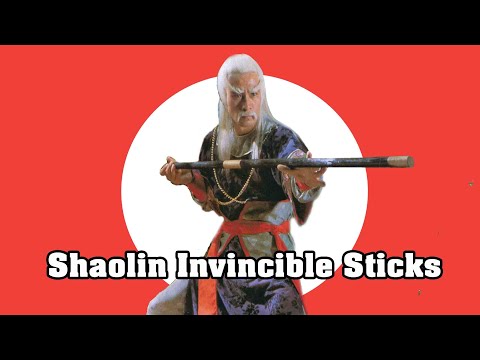
Wu-Tang Collection: Shaolin Invincible Sticks - A Masterclass in Pole Combat?

The name "Wu-Tang Collection" immediately conjures images of raw, unadulterated martial arts cinema, a treasure trove for any devotee of the **BUDO** and the visceral thrill of **combatsports**. Today, we dissect a gem from this collection: Shaolin Invincible Sticks. This isn't just another kung fu flick; it's a testament to the enduring power of traditional weapon-based combat, a cinematic exploration of discipline, rivalry, and the very essence of **lucha**.

Many come to these films seeking spectacle, the flashy maneuvers that dazzle the eye. But beneath the surface lies a deeper narrative, a reflection of the arduous **MartialArtsJourney**. Are these films mere entertainment, or do they hold valuable lessons for the modern practitioner? Let us delve into the philosophy and technique presented within Shaolin Invincible Sticks, and see if it truly earns its place as a masterclass in pole combat.

The Invincible Sticks Clan: Setting the Stage

Directed by the seasoned Lee Tso Nam, Shaolin Invincible Sticks introduces us to a world where lineage and skill are paramount. The narrative centers around Wong Tao's portrayal of the aspiring leader of the Invincible Sticks Clan. This is not simply a struggle for power; it's a deep dive into the martial ethos that defines such groups. The **MartialArtsJourney** is often fraught with internal conflict, and the clan's quest for control serves as a microcosm of this universal struggle.

Opposing Wong Tao's character is the formidable Air Splitting Pole Fighter, brought to life by Chang Yi. Their confrontations are the meat of the film, showcasing the destructive potential and elegant beauty of the staff as a weapon. The very concept of an "Invincible Sticks Clan" hints at a martial tradition built on a specific, highly refined skill set. In the world of **BUDO**, specialization often leads to mastery, and it is this mastery we are about to witness.

Pole Combat as a Narrative Device: The Art of the Staff

The staff, or bo in Japanese, is one of the oldest and most versatile martial arts weapons. Its use transcends borders and styles, from the Okinawan kobudo traditions to the Chinese gun shu. In Shaolin Invincible Sticks, the staff is not merely an extension of the body; it's a character in itself. The film's title isn't hyperbole; it highlights the central role of this weapon in defining the clan's identity and the conflict.

Wong Tao and Chang Yi engage in a series of duels that are choreographed to showcase the unique capabilities of the staff. We see sweeping strikes designed to control distance and disarm opponents, powerful thrusts aimed at vital points, and intricate parries that turn an adversary's force against them. The visual language of the film emphasizes the weapon's reach, its ability to generate momentum, and its capacity for both devastating offense and robust defense.

"The staff is the mother of all weapons." This ancient saying resonates deeply when watching masters like Wong Tao and Chang Yi. Their movements, while cinematic, echo centuries of practical application in close-quarters combat and battlefield scenarios.

For practitioners of **lucha** and **combatsports**, observing these weapon-based fights offers valuable insights into principles that apply even to unarmed combat: range management, timing, commitment to movement, and the strategic use of leverage. The film's dedication to showcasing staff work makes it a compelling watch for anyone interested in the **MartialArtsMastery** of traditional weapons.

Choreography: Grace, Power, and Deadly Intent

The effectiveness of any martial arts film hinges on its fight choreography, and Shaolin Invincible Sticks, directed by Lee Tso Nam, does not disappoint. The clashes between Wong Tao and Chang Yi are the film's centerpiece, meticulously crafted to display the fluidity and lethality of pole combat. We witness sequences that blend speed and precision, demonstrating the weapon's capacity for both rapid-fire attacks and decisive, powerful blows.

The choreographers understood the physics of the staff: the centrifugal force that amplifies strikes, the leverage that allows for blocks and counters with minimal effort, and the sheer reach that creates an advantage against unarmed opponents or those with shorter weapons. Chang Yi's "Air Splitting" moniker is well-earned, as his movements appear to cut through the air itself. Wong Tao, as the clan's future leader, must embody both the tradition and the innovation required to maintain dominance.

It's crucial to distinguish between stylized choreography and practical application. While these cinematic battles are heightened for dramatic effect, they are rooted in the fundamental principles of **gun shu** and other staff fighting arts. The sequences are not just visually impressive; they serve the narrative by illustrating the skill, dedication, and sometimes ruthless nature required to be a true warrior within the clan's hierarchy. The raw energy of these fights is palpable, a testament to the performers' dedication and the director's vision.

Beyond the Blows: Discipline and Rivalry in Budo

While the action is undeniably a major draw, Shaolin Invincible Sticks also touches upon deeper themes relevant to the **BUDO** philosophy. The rivalry between Wong Tao and Chang Yi is more than a personal dispute; it represents the eternal tension between tradition and change, individual ambition and the collective good. This internal conflict is a recurring motif in the **WarriorPhilosophy**.

The Invincible Sticks Clan, as an organization, demands immense discipline from its members. The mastery of the staff is not achieved overnight; it requires years of dedicated training, sacrifice, and adherence to strict rules. This mirrors the **SelfMastery** sought in all traditional martial arts. The film subtly portrays the character development that arises from such rigorous training – the cultivation of patience, resilience, and mental fortitude.

"The path of martial arts is a path of constant self-improvement, not just of the body, but of the mind and spirit." This ancient wisdom is echoed in the film's portrayal of the characters' journeys.

The film prompts us to consider the nature of leadership in a martial context. Is it merely about who can fight the best, or does it involve wisdom, responsibility, and the ability to unite a group? Wong Tao's quest for leadership is therefore not just a physical challenge, but a test of character. This aspect elevates the film beyond a simple action spectacle, inviting viewers to contemplate the **InnerStrength** and **SpiritualDevelopment** that are the true hallmarks of a martial artist.

Sensei's Verdict: A True Test of Skill?

Shaolin Invincible Sticks, while perhaps not reaching the dizzying heights of cinematic perfection, stands as a robust example of weapon-based martial arts cinema. Lee Tso Nam’s direction, coupled with the dedicated performances of Wong Tao and Chang Yi, delivers exciting and technically proficient **pole combat**. The choreography is well-executed, showcasing the versatility and danger of the staff with a satisfying blend of grace and power.

Does it offer a perfect representation of **BUDO** principles? Like many films of its era, it emphasizes spectacle. However, the underlying themes of discipline, rivalry, and the arduous **MartialArtsJourney** are present and lend substance to the action. It serves as an excellent primer for those interested in **kobudo** or Chinese staff arts, illustrating fundamental principles in an engaging format.

Sensei's Rating: Bronze Staff of Mastery

It's a film that respects its core subject matter, delivering solid action that resonates with the spirit of traditional martial arts. While not a documentary, it captures the essence of dedication required for weapon-based **training**. It's a worthwhile viewing for any enthusiast of **artes marciales**, **lucha**, and **combatsports**.

Essential Equipment for Your Training

For those inspired by the pole combat showcased in Shaolin Invincible Sticks, the primary piece of equipment is, of course, the staff itself. However, safety and proper technique are paramount, whether you're training with weapons or unarmed.

  • Training Staff (Bo): Opt for a sturdy yet lightweight staff, typically made of hardwood like oak or ash, or modern materials like fiberglass or carbon fiber. Beginners often start with a length that is roughly their own height.
  • Protective Gear: When engaging in sparring or practicing with partners, protective gear is essential. This includes headgear, mouthguards, padded gloves (such as **boxing gloves** for general striking practice), and shin guards. For **Judo** or **BJJ** training, a durable **kimono de judo** or **gi de jiu jitsu** is standard.
  • Training Mats: For practices involving throws, groundwork, or falling techniques (like those seen in **Aikido** or **Judo**), good quality **tatami mats** or **yoga mats** are crucial for safety.
  • Workout Apparel: Comfortable and flexible clothing is key. Breathable fabrics that allow for a full range of motion are ideal. For **Kyokushin Karate** training, a white gi is traditional.

Investing in quality **martial arts merchandise** and training tools can significantly enhance your practice and ensure your safety as you embark on your own **MartialArtsTraining**.

Frequently Asked Questions

Q1: Is the staff fighting shown in the movie realistic for self-defense?
A: While the film showcases impressive techniques, real-world self-defense scenarios often require simpler, more direct actions due to unpredictable environments and the legal ramifications of using a weapon. However, the principles of reach, leverage, and control demonstrated are fundamental.

Q2: What martial arts are represented by the "Invincible Sticks Clan"?
A: The film draws inspiration from traditional Chinese martial arts that prominently feature the staff, such as various forms of **Kung Fu** and **Wushu**. The name itself suggests a lineage dedicated to mastering the staff.

Q3: Can I learn staff fighting without formal training?
A: While it's possible to learn basic movements from resources like this film or online tutorials, formal training under a qualified instructor is highly recommended to develop proper technique, prevent injuries, and understand the nuances and safety protocols involved.

Q4: What is the "Wu-Tang Collection" and why is it significant?
A: The Wu-Tang Collection is a series of films focusing on classic Hong Kong martial arts cinema. These films are often celebrated for their authentic fight choreography, showcasing a wide array of **artes marciales** and providing a valuable historical record of the genre.

To Deepen Your Path

If the world of traditional weaponry and disciplined combat has captivated you, consider exploring these related topics:

Sensei's Reflection: Your Next Step

The kinetic energy of Shaolin Invincible Sticks is undeniable. It showcases a weapon that, in the hands of a master, becomes an extension of the soul, a tool for both creation and destruction. But the true lesson lies not just in the flourish of the staff, but in the dedication it took to achieve such proficiency. The **WarriorPhilosophy** teaches us that every great technique is born from countless hours of sweat, repetition, and unwavering focus. The film presents the climax, but the true story is in the training.

Now, I ask you: When faced with a daunting task, a complex technique, or a personal challenge, do you focus solely on the desired outcome, or do you embrace the rigorous, often unglamorous, process of training that leads to mastery? Reflect on this, and let your actions in the dojo, and in life, speak louder than any cinematic display.

``` GEMINI_METADESC: Explore the martial arts classic "Shaolin Invincible Sticks" from the Wu-Tang Collection. Analyze pole combat choreography, Budo philosophy, and its impact on martial arts cinema.

The Ultimate Guide: Mastering the Most Effective Martial Arts for Self-Defense and Street Fighting

The Unavoidable Truth: Why Self-Defense is a Non-Negotiable Skill

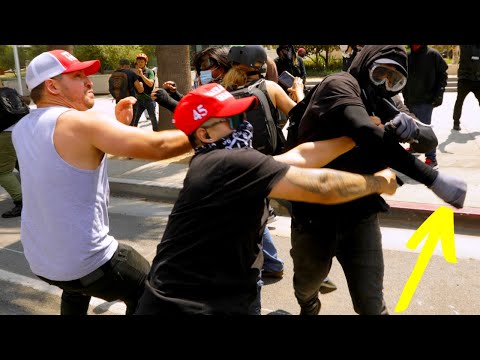
Have you ever found yourself in a situation, however brief, where a sudden surge of adrenaline made you question your ability to protect yourself? We all hope to live lives untouched by violence, but the reality of our world often presents us with stark choices. While aggression is never the first or best recourse, preparedness for self-defense is not about seeking conflict; it is about possessing the knowledge and capability to navigate dangerous encounters. Street fights, unlike the often-theatrical displays of martial arts movies, are brutal, unpredictable, and swift. They demand more than just a sharp tongue; they demand decisive action. Are you ready to back up your words with action when it truly matters?

Welcome to the Crucible: Budo & Martial Arts' Perspective

Welcome, warriors, to Budo and Martial Arts! You've landed on our definitive guide: "The Ultimate Guide: Mastering the Most Effective Martial Arts for Self-Defense and Street Fighting." Published on April 24, 2022, at 06:36 AM, this is your entry point into the most comprehensive and up-to-date resource on martial arts available online. We are dedicated to bringing you authentic knowledge, practical application, and the deep philosophy that underpins the warrior's path. Follow our journey on social networks and bookmark our main page: Budo & Martial Arts Main Page. We also invite you to explore our other platforms where we champion the spirit of true martial arts. If you resonate with our mission and wish to support the preservation and dissemination of authentic Budo, consider visiting our store for exclusive NFTs – a modern way to invest in the legacy of the warrior.

Table of Contents

The Warrior's Code: Defining "Effective" in Combat

Before we dive into specific disciplines, let's establish what "effective" truly means in the context of self-defense and street fighting. This isn't about scoring points in a tournament or performing visually stunning techniques. Effectiveness here is measured by:
  • Simplicity: Techniques that are easy to learn, remember, and execute under extreme duress.
  • Directness: Movements that efficiently neutralize a threat with minimal wasted motion.
  • Pragmatism: Focus on techniques that work against an untrained, aggressive opponent who does not adhere to rules.
  • Adaptability: The ability to apply principles across various scenarios, ranges of combat (standing, ground), and against different types of attackers.
  • Survival: The ultimate goal is to escape the encounter safely, not to "win" a fight.
Many traditional martial arts, while rich in philosophy and history, may emphasize forms (Katas) or sparring rules that don't directly translate to the chaos of the street. This is a point of contention that ignites fierce debate among practitioners.
"The supreme art of war is to subdue the enemy without fighting." - Sun Tzu, The Art of War
This ancient wisdom still holds true. However, when fighting is unavoidable, preparedness is paramount.

Top-Tier Defenders: Which Martial Arts Reign Supreme?

The quest for the "best" martial art is often fueled by ego and tribalism. As a seasoned martial artist and critic, I can tell you there's no single 'best.' The effectiveness of any art depends heavily on the individual practitioner, their training methodology, and the specific threat they face. However, certain arts have demonstrable strengths when it comes to self-defense:

Karate: The Striking Foundation

Traditional Karate, particularly styles like Kyokushin Karate, emphasizes powerful, direct strikes (punches, kicks, knee strikes) and strong stances. Its focus on conditioning and full-contact sparring in some styles builds resilience and power.
  • Strengths: Devastating striking power, excellent physical conditioning, builds discipline and mental fortitude.
  • Weaknesses (in pure street defense): Some traditional Karate may lack sufficient ground fighting or grappling training. Focus on pre-arranged forms (Katas) might not always translate directly to spontaneous combat.
For those seeking raw power and a disciplined striking base, Karate remains a formidable choice. It instills a deep understanding of body mechanics and explosive power generation. We've extensively covered the KarateCommunity and the OkinawanKarate lineage, highlighting its historical significance and practical applications.

Brazilian Jiu-Jitsu (BJJ): The Art of Ground Control

BJJ revolutionized the martial arts landscape by demonstrating the effectiveness of grappling and ground fighting. Its core principle is that a smaller, weaker person can defend against a larger, stronger assailant by using proper technique, leverage, and submissions (chokes, joint locks) on the ground.
  • Strengths: Unmatched effectiveness in ground fighting, allows smaller individuals to control larger opponents, develops strategic thinking and patience.
  • Weaknesses: Can be less effective if the practitioner is unable to take the fight to the ground against multiple opponents or in unfavorable environments (e.g., slippery surfaces, confined spaces). Striking is usually not a primary focus.
The strategic depth of BJJ is profound. Learning to control an opponent's body and leverage their weight against them is a critical skill. Mastering the nuances of grappling is essential for anyone serious about comprehensive self-defense.

Krav Maga: The Israeli System of Practical Survival

Developed for the Israeli military, Krav Maga is not a traditional martial art but a self-defense system. It focuses on practical, brutal efficiency, incorporating defenses against common attacks, weapon defenses, and situational awareness. Its philosophy is simple: get to safety as quickly as possible.
  • Strengths: Highly practical, emphasizes real-world scenarios, teaches defense against weapons, focuses on neutralizing threats quickly, excellent for situational awareness.
  • Weaknesses: Less emphasis on traditional discipline, etiquette, or spiritual development compared to Budo arts. Can be physically demanding and potentially lead to injuries if not trained carefully.
Krav Maga's directness is its greatest asset. It strips away complexities, focusing solely on survival. If your primary concern is escaping violent encounters with minimal harm, Krav Maga offers a starkly effective solution.

Muay Thai: The Science of Eight Limbs

Known as the "Art of Eight Limbs," Muay Thai utilizes fists, elbows, knees, and shins, along with devastating clinching techniques. It is an incredibly powerful striking art known for its conditioning and intensity.
  • Strengths: Devastating close-range combat, powerful strikes with all limbs, exceptional conditioning, effective clinch work.
  • Weaknesses: Primarily a striking art; ground fighting and complex grappling are typically not included.
The raw power generated in Kickboxing and Muay Thai is undeniable. Its emphasis on conditioning ensures practitioners are physically robust enough to endure and deliver powerful blows.

Wrestling: Fundamental Dominance

Wrestling, whether Olympic or folkstyle, is the bedrock of control. Its focus is on takedowns, positional control, and physical dominance. A skilled wrestler can dictate where and how a fight takes place, often neutralizing an opponent's striking ability through superior control.
  • Strengths: Superb control over distance and position, incredible physical conditioning, strong mentality, effective at neutralizing opponents.
  • Weaknesses: Primarily focused on takedowns and control, lacks striking or submission techniques found in arts like BJJ or Muay Thai.
The foundational strength of lucha en pie (standing grappling) and takedowns taught in wrestling is invaluable. It teaches dominance and control in a way few other arts can match.

Aikido: Philosophical Defense or Street Reality?

Aikido is often lauded for its graceful, circular movements and throws, emphasizing redirecting an opponent's energy. However, its efficacy in a chaotic street fight is a subject of intense debate.
  • Strengths: Teaches principles of blending, evasion, and control. Emphasizes minimal harm to the attacker (a philosophical ideal).
  • Weaknesses: Requires a compliant attacker for many techniques to be effective. Lack of focus on striking and aggressive defense against multiple assailants makes its direct street application questionable for many.
While the philosophical underpinnings of Aikido are profound, questions persist about its direct applicability in a life-or-death situation against an uncooperative attacker. Does the art of blending truly defend against a haymaker or a knife attack? This is a critical question for practitioners.

Combining Arts: The Modern Warrior's Approach

The most effective self-defense strategy today often involves drawing from multiple disciplines. This is the essence of Mixed Martial Arts (MMA). A well-rounded fighter understands striking, grappling, and how to transition between them.
"If you know the enemy and know yourself, you need not fear the result of a hundred battles." - Sun Tzu
Understanding your own capabilities and limitations, as well as those of potential threats, is key. The modern warrior embraces versatility. Training in striking arts like KarateKyokushin or Muay Thai, combined with ground fighting skills from BJJ or wrestling, provides a comprehensive skillset. For practical, no-nonsense defense, integrating elements of Krav Maga for situational awareness and weapon defense is also crucial. The Artes Marciales Mixtas landscape exemplifies this multidisciplinary approach.

Beyond Technique: The Mental and Physical Conditioning

True self-defense is not just about knowing how to throw a punch or apply a submission. It's about:
  • Mental Fortitude (Ki/Chi): The ability to remain calm under pressure, manage fear, and maintain focus. The concept of Ki or Chi in many Asian martial arts speaks to this vital energy and mental control.
  • Situational Awareness: Recognizing potential threats before they materialize. This is a cornerstone of Krav Maga and essential for everyone.
  • Physical Conditioning: Strength, endurance, flexibility, and agility are vital for executing techniques effectively and enduring stressful encounters.
  • Humility and Discipline: Understanding the responsibility that comes with martial skill. This is the heart of BUDO and the WarriorPhilosophy.
Mastering the mental game is as crucial as mastering physical techniques. This falls under the umbrella of SelfMastery and SpiritualDevelopment.

Essential Training Gear for the Aspiring Defender

To embark on your journey to effective self-defense, consider the following:
  • Protective Gear: Mouthguards are non-negotiable. Shin guards, groin protectors, and sparring headgear are essential for safe, high-intensity training in striking arts.
  • Training Uniforms (Gi/Kimono): For grappling arts like BJJ and Judo, a durable judo gi or BJJ gi is necessary. For striking arts, comfortable, breathable athletic wear is sufficient. Look for high-quality KarateMerchandise if you are pursuing that path.
  • Gloves: MMA gloves or bag gloves are essential for striking drills and sparring. For serious training, consider 16oz gloves for sparring to protect your hands and your partner's face.
  • Training Mats: For groundwork and takedown practice, wrestling mats or puzzle mats can significantly improve safety and comfort.
  • Reference Materials: Books and reputable online resources can supplement your training. Consider foundational texts on Budo or specific techniques.
Investing in quality MartialArtsMerchandise shows commitment and ensures your equipment supports, rather than hinders, your progress.

Frequently Asked Questions

  • Which martial art is the fastest to learn for self-defense?
    Systems like Krav Maga are designed for rapid learning and immediate application. However, true proficiency in any art requires consistent dedication.
  • Can I learn effective self-defense online?
    Online resources can supplement training, but the physical dynamics of sparring, timing, and distance management are best learned under the guidance of a qualified instructor.
  • Is it possible to be too old to learn martial arts?
    Absolutely not. While physical capacity may change, the mental benefits of discipline, focus, and self-improvement are accessible at any age. Many find immense value in SelfImprovement through martial arts later in life.
  • How do I choose the right martial art school?
    Visit multiple schools, observe classes, speak with instructors and students, and choose an environment that feels welcoming, safe, and aligned with your goals. Look for instructors with verifiable experience and a commitment to ethical teaching.

Sensei's Reflection: Your Next Step

The path of martial arts is a lifelong journey, not a destination. While we've explored disciplines proven effective for self-defense, remember that the most potent weapon is a well-prepared mind coupled with a resilient body. The techniques are tools, but the true power lies within the practitioner's spirit – their InnerStrength, their Perseverance, and their unwavering Discipline.

Reflexión del Sensei: Tu Próximo Paso

If you were suddenly faced with a threat, would you react with practiced efficiency, or would you freeze, relying on hope rather than skill? Reflect on this: Are you training for the dojo, or are you training for survival? The answer defines your path forward.

For further exploration into the warrior's path, delve into our resources:

``` GEMINI_METADESC: Master self-defense & street fighting with our ultimate guide. Explore Karate, BJJ, Krav Maga, Muay Thai, Wrestling & more. Discover effective techniques & training.

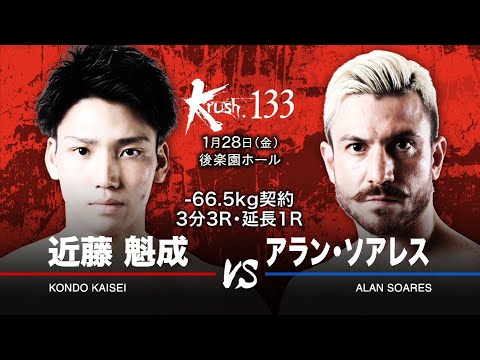
武道の真髄:近藤魁成 vs アラン・ソアレス戦における格闘技の哲学を徹底分析

我々、武道を愛し、その深淵なる精神性を探求する者たちよ。今宵、我々の心を燃え上がらせる一戦がある。それは、2022年1月28日に後楽園ホールで開催されたKrush.133、-66.5kg契約における近藤魁成選手とアラン・ソアレス選手の激突だ。これは単なる試合ではない。それは、武道家が人生で直面する数々の困難、そしてそれを乗り越えるための哲学そのものの体現である。煽りVTR(

)が公開され、両者の意気込みが伝わる中、我々は、この戦いを通して、格闘技、いや、武道に宿る普遍的な教訓を読み解いていこうではないか。

煽りVTRから読み解く、両者の「武士道」

Krush.133の煽りVTRは、単なる試合告知映像ではない。それは、近藤魁成選手とアラン・ソアレス選手、それぞれの「道」への覚悟と、勝利への執念を映し出す鏡である。VTRに映し出される表情、鍛え抜かれた肉体、そして対峙する眼差し。これら全てが、彼らが日頃からどれほど厳しい鍛錬を積み、この舞台に立つために何を捧げてきたのかを物語っている。

近藤選手は、若き才能として、その勢いを証明しようとしている。彼のスタイルには、恐れを知らぬ攻撃性と、それを支える繊細な技術が見え隠れする。一方、アラン・ソアレス選手は、経験に裏打ちされた落ち着きと、一瞬の隙を突く鋭い攻めが持ち味だろう。彼らがリングの上で繰り広げるであろう駆け引きは、まさに「武士道」の精神、すなわち、勇気、礼節、誠実さ、そして克己心のぶつかり合いに他ならない。

彼らの闘いは、我々が日常生活で直面する困難、例えば仕事のプレッシャー、人間関係の葛藤、あるいは自己成長への挑戦といったものと、本質的に何ら変わらない。重要なのは、いかにして逆境に立ち向かい、己の信念を貫き通すか、という点にある。

「武士道とは、死ぬことと見つけたり。」 - 山本常朝『葉隠』

この言葉は、単に命を惜しまないという意味ではない。それは、常に死を意識し、一瞬一瞬を全力で生き抜く覚悟を説いている。近藤選手とソアレス選手もまた、この覚悟を持ってリングに上がるのだ。

Krush.133:技術論と精神論の交差点

格闘技は、極めて高度な身体技術の結晶であると同時に、極限状態における精神力の試金石でもある。Krush.133のこの一戦においても、両者の技術のぶつかり合いはさることながら、それを支える精神力が勝敗を分ける鍵となるだろう。

近藤選手の攻撃は、おそらくスピーディーで、予測不能なコンビネーションを伴うだろう。彼は、相手のガードの隙間を縫うように、あるいは意表を突くタイミングでパンチやキックを繰り出すことに長けているのかもしれない。対してソアレス選手は、堅実なディフェンスを軸に、カウンターを狙う戦術を得意としている可能性がある。彼は、相手の攻撃を受け流し、その勢いを利用して反撃する、いわば「柔よく剛を制す」戦い方をするかもしれない。

しかし、どんなに優れた技術も、精神的な動揺には勝てない。相手の強烈な一撃を受けた時、あるいは試合が劣勢に傾いた時、そこで顔を出すのが「不動心」、すなわち、いかなる状況下でも冷静さを失わない精神力だ。この精神力は、日々の厳しい #MartialArtsTraining#Meditation を通して培われる。

「Krush.133」は、まさにこの技術と精神の頂上決戦の場となる。観客は、両者の繰り広げる高度なテクニックに魅了されるだろうが、それ以上に、極限のプレッシャーの中で自分自身と戦う彼らの姿に、人間の強さ、そして #InnerStrength の真髄を見るはずだ。

「勝つ」ことだけではない、武道家の生き様

一般的に、格闘技は「勝敗」という二元論で語られがちだ。しかし、真の武道家にとって、試合で勝つことだけが全てではない。むしろ、その過程で何を学び、どのように成長するか、という点にこそ、本当の価値がある。

近藤魁成選手とアラン・ソアレス選手の戦いも、勝敗の結果がどうであれ、彼らの人生における貴重な経験となるはずだ。敗北は、次の勝利への糧となる。強敵との戦いは、己の限界を知り、それを超えるための原動力となる。

我々が彼らから学ぶべきは、単なる格闘技のテクニックではない。それは、 #Perseverance (忍耐力)、 #Discipline (規律)、そして #SelfMastery (自己制御)といった、人生を豊かに生きるために不可欠な資質である。彼らのひたむきな姿は、我々自身の #SelfImprovement (自己改善)への道を照らしてくれるだろう。

また、武道においては、相手への敬意もまた重要な要素だ。試合前の握手、試合後の健闘を称え合う姿。これらは、相手を倒すことだけを目的とするのではなく、互いを高め合う「稽古相手」としての関係性を重視する武道精神の表れである。

「勝利は、最高の技術を持つ者ではなく、最高の精神を持つ者に微笑む。」 - 不明

この言葉は、 Krush.133 のリングに立つ両者、そして全ての #MartialArtists に捧げたい。

武道における「間合い」と「呼吸」の重要性

格闘技、特に武道において、「間合い」と「呼吸」は、技術の根幹をなす極めて重要な要素である。これらを制する者は、戦いを制すると言っても過言ではない。

「間合い」とは、単に相手との物理的な距離のことだけを指すのではない。それは、相手の意図を読み、攻撃のタイミングを計り、最適な距離を保つ、高度な心理戦の領域にまで踏み込む概念である。近藤選手とソアレス選手は、リング上で常にこの「間合い」を巡って激しい攻防を繰り広げるだろう。一瞬の判断ミスが、致命的な隙を生み出す。

一方、「呼吸」は、武道における生命線である。力みすぎず、かといって緩みすぎず、自然で深い呼吸を保つこと。これにより、身体はリラックスし、エネルギーが円滑に循環する。激しい打撃の応酬の中でも、冷静に呼吸を整えられる者は、疲労を軽減し、精神的な安定を保つことができる。これは、 #aikido#TaiChi といった内功を重視する武道では特に顕著な要素だが、 #Kyokushin Karate のようなハードなスタイルにおいても、その重要性は揺るぎない。

Krush.133 の試合映像を #ABEMA で視聴する際には、ぜひ両者の「間合い」の取り方と「呼吸」の仕方に注目してほしい。そこには、勝利への戦略と、武道家としての深遠な哲学が隠されている。

Veredicto del Sensei: この一戦が我々に与えるもの

近藤魁成 vs アラン・ソアレス戦、Krush.133 のこの一戦は、単なるスポーツイベント以上の意味を持つ。これは、人間の精神力、技術、そして #WarriorPhilosophy が織りなすドラマである。

両選手がリング上で見せるであろう、激しい攻防、緊迫した駆け引き、そして互いへの敬意。これらは、我々が日常の「戦い」に立ち向かうための示唆に富んでいる。失敗を恐れずに挑戦すること、困難に直面しても諦めないこと、そして何よりも、自分自身を律し、成長し続けることの重要性を、彼らは身をもって教えてくれるだろう。

この試合は、 #MMA#Kickboxing といった現代格闘技のダイナミズムを示すと同時に、 #BUDO (武道)の持つ普遍的な価値を再認識させてくれる機会となるはずだ。

「Krush.133」は、 #ABEMA にて生中継される(1月28日(金)17:30 視聴URL https://gxyt4.app.goo.gl/e3r7A)。格闘技ファンはもちろん、 #MartialArtsJourney を歩む全ての人々に、ぜひ視聴していただきたい。

Krush.133 名勝負認定!

トレーニングに役立つ武道具・情報

真の武道家は、常に自己鍛錬の機会を求めている。試合の興奮が冷めやらぬ今こそ、自身の #MartialArtsTraining を一層深めるべき時だ。以下に、あなたのトレーニングをサポートするであろう、いくつかの重要な要素を挙げる。

  • 高品質な #KarateMerchandise (空手着): 動きやすさ、耐久性、そして伝統的なスタイルを兼ね備えた空手着は、稽古へのモチベーションを高める。素材や厚みは、あなたの #KarateKyokushin#OkinawanKarate のスタイルに合わせて選ぶと良いだろう。
  • トレーニンググローブ: #Kickboxing#MMA のトレーニングには、適切な衝撃吸収性を持つグローブが不可欠だ。16ozのグローブは、スパーリング時の相手への負担を軽減し、自身の手の保護にも役立つ。
  • #Judo 用柔道着: 投げ技や寝技の練習には、丈夫で動きやすい柔道着が必須だ。ダブルウィーブ(二重織り)の柔道着は、特に激しい稽古に耐えうる耐久性を持つ。
  • #BJJ (ブラジリアン柔術) ギ: 柔術特有のグラップリング技術を磨くためには、柔らかく、しかし破れにくい素材のギが求められる。
  • 武道に関する書籍: #Bushido#Philosophy 、あるいは特定の #MartialArtsMastery に関する古典や現代の著作は、技術だけでなく、精神的な成長をもたらしてくれる。宮本武蔵の『五輪書』などは、時代を超えて愛される名著だ。

実践!武道家が磨くべき「心技体」

武道において「心技体」は、車輪の両輪、いや、三つの車輪であり、いずれか一つでも欠けては安定した走行はできない。Krush.133 の試合を観戦するだけでなく、自らの #Workout に活かすための具体的なトレーニング方法を提案しよう。

  1. 心の鍛錬:瞑想と呼吸法
    • 目的: 精神統一、集中力向上、感情のコントロール
    • 方法: 静かな場所で、背筋を伸ばし、楽な姿勢で座る。ゆっくりと鼻から息を吸い込み、口から静かに吐き出す。呼吸に意識を集中し、雑念が浮かんできたら、それに囚われず、再び呼吸に意識を戻す。10分から始めて、徐々に時間を延ばしていく。
    • 関連タグ: #MentalGame, #SpiritualDevelopment, #SelfMastery
  2. 技の鍛錬:基本技の反復練習
    • 目的: 正確性、スピード、パワーの向上
    • 方法: 自身の #MartialArts の基本となるパンチ、キック、受け、投げ技などを、鏡の前で、あるいは #PartnerTraining を通して徹底的に反復する。一回の動作の質を重視し、完璧を目指す。例えば、空手であれば、正拳突き、上段受け、前蹴りなどを、動画で確認しながら、または指導者の下で正確なフォームを身につける。
    • 関連タグ: #TechniqueBreakdown, #JudoSkills, #KarateCommunity
  3. 体の鍛錬:コンディショニングと強化
    • 目的: 筋力、持久力、柔軟性、瞬発力の向上
    • 方法:
      • 筋力: #NoEquipment トレーニング(腕立て伏せ、腹筋、スクワット)、ウェイトトレーニング(ベンチプレス、デッドリフトなど)。
      • 持久力: #RunningTips (インターバル走、ペース走)、 #AtHomeWorkout (HIIT)。
      • 柔軟性: 動的ストレッチ(ウォーミングアップ時)、静的ストレッチ(クールダウン時)、ヨガ。 #Flexibility は、怪我の予防とパフォーマンス向上に不可欠だ。
      • 瞬発力: プライオメトリクス(ジャンプトレーニング)、メディシンボールを使ったトレーニング。
    • 関連タグ: #Fitness, #Conditioning, #Agility

よくある質問

Krush.133 のような激しい試合や、武道全般に関して、よく寄せられる質問に簡潔に答えよう。

  • Q1: Krush.133 はどのように視聴できますか?
    A1: Krush.133 は、ABEMA にて生中継されます。試合当日の視聴URLは、記事冒頭の概要をご確認ください。
  • Q2: 近藤魁成選手とアラン・ソアレス選手の戦績は?
    A2: 具体的な戦績については、 Krush や k-1 の公式サイト、あるいは格闘技専門のデータベースサイトで確認できます。彼らのこれまでのキャリアが、この一戦にどう影響するかを考察するのも面白いでしょう。
  • Q3: 武道を始めるのに、年齢は関係ありますか?
    A3: いいえ、武道を始めるのに年齢は関係ありません。 #BeginnerWorkout として、 #aikido#Judo は、比較的どのような年齢層でも始めやすい武道と言えるでしょう。重要なのは、自身の #Motivation です。
  • Q4: 格闘技のトレーニングは危険ですか?
    A4: 適切な指導と安全対策のもとで行われれば、格闘技のトレーニングは非常に安全です。しかし、 #MMA のようなコンタクトスポーツでは、当然ながら怪我のリスクも伴います。 #SafetyFirst を心がけ、無理のない範囲でトレーニングを続けることが重要です。
  • Q5: 武道における「礼」とは具体的に何を意味しますか?
    A5: 武道における「礼」は、相手への敬意、道場への感謝、そして稽古への真摯な姿勢を示す行為です。試合での挨拶はもちろん、稽古の開始・終了時、道具を扱う際など、あらゆる場面で「礼」は実践されます。

さらに深めるための武道探求

今回の Krush.133 の分析を通して、格闘技の奥深さに触れたことでしょう。しかし、武道の探求は終わりがありません。さらに自身の道を深めるために、以下の記事も参考にしてください。

師範からの問い:次なる一歩

近藤魁成選手とアラン・ソアレス選手の戦いは、技術、精神、そして生き様がぶつかり合う場であった。彼らの姿から、我々は多くのことを学んだはずだ。

しかし、学びとは、知識を得ることで完結するものではない。それは、行動を伴って初めて意味を持つ。

「知ることは、行うことのためにある。」 - 不明

今、君は、この試合から、そしてこの分析から、何を掴み取っただろうか? そして、その学びを、君自身の #MartialArtsJourney 、いや、人生という名のリングで、どのように活かしていくつもりだろうか?

師範からの問い:君は、今日、昨日よりも一歩でも成長しただろうか? その証を、コメント欄で示してみせよ。

``` GEMINI_METADESC: Krush.133 近藤魁成 vs アラン・ソアレス 戦を武道の哲学、技術、精神論の観点から徹底分析。格闘技の奥深さと人生訓を探求。

El Arte Ancestral de Esquivar: Secretos de Boxeo y Filosofía Marcial

¿Buscas la llave que abre la puerta de la invulnerabilidad aparente? ¿Sueñas con moverte entre los golpes como un fantasma, dejando a tus oponentes frustrados y desequilibrados? Muchos creen que esquivar es solo una cuestión de reflejos rápidos. ¡Qué error tan colosal! El verdadero arte de esquivar, el que separa a un simple boxeador de un maestro del combate, reside en la comprensión profunda de la estrategia, la anticipación y una conexión casi mística entre mente y cuerpo. Hoy desvelaremos no solo las técnicas que hacen de un peleador un maestro de la evasión, sino también la filosofía que sustenta este movimiento vital.

"La victoria pertenece a quien sabe cuándo luchar y cuándo no." - Sun Tzu

En este análisis, diseccionaremos las técnicas mostradas en el material de origen, pero no nos quedaremos en la superficie. Como buen Sensei, te guiaré a través de los fundamentos, las aplicaciones avanzadas y cómo puedes integrar estos principios en tu propio entrenamiento, incluso desde la comodidad de tu hogar. Prepárate, porque no solo aprenderás a esquivar golpes; aprenderás a bailar con el peligro.

Los 5 Esquives Fundamentales

El camino del guerrero, en cualquier disciplina, comienza con los cimientos. En el boxeo, y por extensión en muchas artes marciales de combate cuerpo a cuerpo, dominar los movimientos básicos de evasión es tan crucial como lanzar un jab. El video que nos inspira hoy, aunque se centra en el boxeo, toca principios universales. Vamos a desglosar esas 5 esquivas fundamentales, entendiendo que cada una es una herramienta en tu arsenal defensivo.

  1. El Desplazamiento Lateral del Tronco (Leaning Back / Pulling): Quizás la más intuitiva. Consiste en inclinar el torso hacia atrás, arqueando la espalda ligeramente, para que un golpe recto (como un jab o un directo) pase por encima de tu cabeza o a un lado. La clave aquí es la cadencia y el control de la pelvis y el tren superior para no perder el equilibrio.
  2. La Rotación del Tronco (Slipping / Bobbing): Aquí movemos el cuerpo en un ligero arco, a menudo girando la cintura, para que un golpe directo (jab o directo) pase rozando tu cabeza. Es un movimiento más dinámico que la simple inclinación, y prepara el terreno para un contraataque inmediato.
  3. El Desplazamiento Lateral (The Angle / Side Step): Moverse lateralmente, no solo el tronco sino todo el cuerpo, para salir de la línea de ataque. Esto es vital contra golpes circulares o cuando el oponente avanza. No se trata solo de mover la cabeza, sino de reubicar todo tu centro de gravedad.
  4. La Caída (Dropping): Bajar tu centro de gravedad rápidamente, doblando las rodillas y quizás inclinando el torso hacia adelante y abajo. Esto permite que golpes dirigidos a la cabeza pasen por encima, y es una defensa excelente contra uppercuts.
  5. El Uso de la Cabeza (The Head Movement): Este concepto engloba los movimientos de cabeza que complementan los anteriores. Es el ajuste fino que te permite mantener la cabeza fuera de la trayectoria del golpe. Sin embargo, es un arma de doble filo: un movimiento mal ejecutado te deja expuesto.

Entender estas 5 bases es el primer paso. Pero, ¿son solo movimientos mecánicos?

La Base del Esquive: Más Allá del Movimiento

Si pensamos que esquivar es simplemente mover la cabeza o el cuerpo, estamos en un error garrafal. La verdadera maestría defensiva se cimienta en principios mucho más profundos, conceptos que resuenan en todas las artes marciales, desde el Karate hasta el Judo, y por supuesto, en el boxeo.

1. Anticipación: El arte de esquivar no comienza cuando el puño sale disparado, sino ANTES. Observa las señales del oponente: la tensión en sus hombros, la ligera flexión de sus rodillas, el movimiento de su cadera. Un maestro del esquive ve venir el golpe mucho antes de que se materialice. Esto se aprende con horas de práctica, observando y, sí, también recibiendo golpes para comprender la mecánica de un ataque.

2. Equilibrio y Centro de Gravedad: Cada movimiento defensivo debe realizarse sin sacrificar tu propia estabilidad. Si esquivas un golpe pero terminas desequilibrado, el siguiente ataque será devastador. Tus pies deben mantenerse firmes pero ágiles, capaces de reajustarse instantáneamente. El centro de gravedad bajo es una constante en muchas artes marciales, y el boxeo no es la excepción.

3. Distancia (Ma-ai): Saber cuánto espacio te separa de tu oponente es fundamental. A veces, la mejor forma de esquivar un golpe es no estar allí cuando llega. Esto implica un juego constante de pasos, entrar y salir del rango de ataque. La distancia adecuada te da tiempo y espacio para reaccionar.

4. La Observación del Adversario: Cada oponente tiene patrones. Algunos lanzan jabs predecibles. Otros tienen un directo devastador pero un movimiento de tronco lento. Tu habilidad para esquivar se potencia enormemente si puedes identificar y explotar estas tendencias. Esto requiere una mente analítica, casi de ajedrecista humano.

5. La Conexión Mente-Cuerpo: El concepto de Mushin (mente sin mente) es crucial aquí. Cuando tu cuerpo se mueve de forma instintiva, reaccionando a los estímulos sin el atasco del pensamiento consciente, es cuando alcanzas la verdadera fluidez defensiva. Esto se cultiva a través de la repetición hasta que el movimiento se vuelve natural, casi inconsciente.

"En el calor del combate, la mente más tranquila es la que ve la victoria." - Un viejo adagio del Budo.

El Arte de Esquivar en Movimiento

Esquivar estático es una cosa, pero esquivar mientras avanzas o te mueves bajo presión es donde se revela al verdadero artista marcial. Aquí, el juego de pies se vuelve tan importante como el movimiento del torso.

Movimiento de Presión: Cuando el oponente te acosa, tu instinto puede ser retroceder. ¡Error! Retroceder te acerca a las cuerdas y limita tus opciones. En su lugar, debes aprender a moverte lateralmente y angularmente, usando la presión del oponente a tu favor. Si te empujan hacia atrás, usa ese impulso para girar y crear un ángulo peligroso para ellos. Un movimiento de cabeza o torso seguido de un paso lateral puede sacarte de su alcance y colocarte en una posición de contraataque.

El Paso Lateral Coordinado: La clave es que el movimiento de tu cabeza/torso y el movimiento de tus pies estén perfectamente sincronizados. Si te inclinas hacia atrás, tu pie trasero puede dar un pequeño paso hacia atrás para mantener el equilibrio y la distancia. Si haces un slip hacia la izquierda, tu pie izquierdo debe moverse ligeramente hacia la izquierda para mantener tu base. Esta coordinación es lo que se practica incansablemente en el #entrenamientodeMMA y el boxeo.

Anticipando el Siguiente Movimiento: Después de esquivar, no te quedes quieto. Como vimos en el video de Diego Viteri, el "fundamento + paso" es crucial. Tan pronto como tu cuerpo se mueve para evadir, tu mente ya está calculando el siguiente movimiento: ¿un contraataque? ¿otro movimiento defensivo? ¿cambiar de nivel? La fluidez es la marca de un peleador avanzado.

Este tipo de movimiento requiere una agilidad excepcional. Un buen calentamiento, centrado en la movilidad articular y el trabajo de pies, es esencial. Para ello, recuerda la importancia de #[Agility] y #[Conditioning].

El Roll: La Danza del Peligro

El "roll" es una técnica fascinante, más común en el boxeo profesional y en algunas formas de lucha, pero sus principios son universales. Representa una evasión de bajo nivel, casi un abrazo con el suelo, para evitar golpes que vienen por encima, especialmente uppercuts o ganchos altos.

Fundamentos del Roll:

  1. Bajar el Centro de Gravedad: Inicia doblando las rodillas y flexionando la cintura.
  2. Giro del Tronco: No es solo agacharse. Implica un giro del torso, similar a un slip, pero ejecutado mucho más cerca del suelo.
  3. Movimiento de Cabeza y Hombros: Tu cabeza y hombros trabajan juntos para trazar un arco, guiando el golpe por encima de ti.
  4. Protección de la Mandíbula: A menudo, el brazo que está del lado del golpe que se esquiva se usa para proteger la mandíbula.

Roll con Paso: Aquí es donde la técnica se vuelve dinámica. Tras ejecutar el roll, no te quedes agachado. Inmediatamente, usa el impulso para dar un paso, reubicándote fuera de la línea de ataque y preparándote para tu siguiente acción. Este movimiento coordinado entre el agacharse, girar y dar un paso requiere una práctica considerable.

Roll con Paso y Reajuste de Ángulo: El nivel más avanzado. Después de la evasión y el paso, aprovechas el desequilibrio del oponente (o el tuyo propio) para cambiar radicalmente tu ángulo con respecto a él. Esto puede abrirle la guardia o dejarlo expuesto a un contraataque desde una posición inesperada. Es, en esencia, una forma de "bailar" con el ataque del oponente, utilizando su fuerza y movimiento para tu beneficio.

Este tipo de movimiento requiere flexibilidad y fuerza en el core. El enfoque en #[Flexibilidad] y #[Fuerza] es clave.

Entrenamiento en Casa: Forjando tu Defensa

¿Crees que necesitas un gimnasio de élite para mejorar tu capacidad de esquivar? ¡Piénsalo de nuevo! Los principios del Budo nos enseñan que el entrenamiento más importante ocurre dentro de uno mismo, y que el entorno es secundario. Aquí tienes cómo puedes aplicar estas lecciones sin salir de casa:

  1. Práctica de Movimientos de Cabeza (Shadow Boxing defensivo): De pie, con una postura equilibrada, practica los movimientos de slip, pull y roll. Imagina los golpes y muévete con fluidez. Concéntrate en mantener el equilibrio.
  2. Ejercicios de Reacción: Pídele a un compañero (o usa una aplicación con sonido) que grite "¡Derecha!" o "¡Izquierda!" para que practiques el slip o el pull correspondiente. Si estás solo, puedes simularlo con un espejo.
  3. Entrenamiento de Pies en el Lugar: Practica movimientos laterales rápidos, pivots y pequeños pasos adelante y atrás, manteniendo una postura baja y equilibrada. Imagina que estás esquivando obstáculos.
  4. Ejercicios de Core: Planchas, giros rusos (sin peso al principio), y ejercicios de abdominales son vitales para estabilizar tu tronco durante los movimientos de evasión.
  5. Uso de Equipo Casero: Un palo ligero (como una escoba) puede servir para simular un brazo extendido que debes esquivar. Párate a una distancia prudencial y practica los movimientos.
  6. Visualización: Cierra los ojos e imagina escenarios de combate. Visualiza cómo esquivarías diferentes tipos de golpes. La #[MentalStrength] es un arma tan poderosa como cualquier técnica física.

No subestimes el poder de la práctica consistente en casa. La repetición lleva a la maestría. Este tipo de entrenamiento es ideal para quienes buscan #[AtHomeWorkout] y #[NoEquipment] soluciones.

Más Allá del Boxeo: El Espíritu del Budo

El arte de esquivar, como muchas técnicas marciales, trasciende la mera defensa física. Se entrelaza con principios filosóficos que han guiado a los guerreros durante siglos. El Budo, el "camino del guerrero", nos enseña lecciones que aplican mucho más allá del ring o del tatami.

"La verdadera forma de lucha es la que no se presenta." - Miyamoto Musashi

¿Qué nos enseña esto sobre el esquive? Que la defensa suprema es, a menudo, no estar en el lugar del ataque. Esquivar es, en cierto modo, el arte de la evitación inteligente, de la estrategia sutil. No se trata solo de evitar un golpe, sino de evitar el conflicto innecesario, o de manejar el conflicto con la mínima resistencia posible. Esto se relaciona directamente con la #[SelfMastery] y la #[SpiritualDevelopment].

El concepto de #[Ki] o energía vital también juega un papel. Sentir el flujo del combate, percibir la intención del atacante, es una forma de conectar con esa energía. Un maestro no solo ve el golpe, lo "siente" venir. Esta conexión se cultiva a través de la meditación, la #[InnerStrength] y la constante práctica de la #[SelfImprovement].

Recordemos la enseñanza de "El Sereno Lobo" (Takanoyama Shuntaro) en el Sumo. Aunque el Sumo es un arte de confrontación directa, la capacidad de anticipar el movimiento del oponente y reaccionar eficientemente es clave. Cada arte marcial tiene sus propias expresiones de estos principios universales.

Veredicto del Sensei: ¿Merece la Pena el Entrenamiento?

Este video sobre el esquive en el boxeo de Diego Viteri nos ofrece una visión clara de técnicas aplicables. Desde los movimientos fundamentales hasta las aplicaciones en movimiento y el complejo "roll", vemos la importancia de una defensa dinámica y bien practicada.

Fortalezas: El video desglosa las técnicas de manera comprensible, proporcionando una base sólida para quienes buscan mejorar su defensa. El énfasis en la práctica en casa es particularmente valioso para la comunidad #[MartialArtsCommunity]. La secuencia de movimientos es lógica, guiando al espectador desde lo básico hasta lo más avanzado.

Debilidades: Si bien es excelente para el boxeo, la aplicación directa en otras artes marciales puede requerir adaptaciones. La profundidad filosófica, aunque presente implícitamente, podría explorarse más explícitamente para conectar con el espíritu del Budo.

Calificación del Sensei: ¡Cinturón Negro en Claridad Técnica! Este tipo de contenido es esencial para cualquier practicante serio. La defensa no es un añadido, es una parte integral del combate, y dominarla es fundamental para la supervivencia y la victoria.

Equipo Esencial para tu Entrenamiento

Para llevar tu entrenamiento de defensa y evasión al siguiente nivel, contar con el equipo adecuado puede marcar una gran diferencia. Si bien puedes empezar sin nada, considera lo siguiente para un progreso más efectivo y seguro:

  • Guantes de Boxeo: Indispensables para sparring y cualquier entrenamiento de contacto. Busca unos de #[ArtesMarcialesMixtas] o boxeo de al menos 12-16 oz para proteger tus manos y las de tu compañero.
  • Vendas para las Manos: Protegen tus muñecas y nudillos durante sesiones intensas, previniendo lesiones.
  • Protector Bucal: Absolutamente crucial para proteger tus dientes y mandíbula, especialmente al simular o realizar intercambios.
  • Saco de Boxeo o Pera Loca: Ideales para practicar golpes y trabajar la coordinación al golpear mientras te mueves o esquivas (aunque el esquive se practica mejor en shadow boxing o con un compañero).
  • Compañero de Entrenamiento: El mejor "equipo" para practicar evasión. Alguien que pueda lanzar golpes controlados para que puedas reaccionar.
  • Espejo Grande: Para autoevaluar tu postura y movimientos de cabeza/tronco.

La inversión en #[MartialArtsMerchandise] de calidad es una inversión en tu propia seguridad yprogreso.

Preguntas Frecuentes

¿Puedo aprender a esquivar solo viendo videos?
Puedes aprender los fundamentos y la técnica teórica, pero la coordinación, el tiempo y la reacción en vivo requieren práctica supervisada o sparring controlado. La visualización y el shadow boxing son herramientas valiosas, pero no sustituyen la experiencia real.
¿Cuánto tiempo se tarda en dominar el esquive?
Dominar es una palabra fuerte. Mejorar significativamente puede llevar meses de práctica constante. La maestría es un camino de toda la vida. Depende de la frecuencia, la calidad del entrenamiento y tu aptitud natural.
¿El esquive es efectivo contra patadas?
Los principios son similares, pero la aplicación cambia. Para patadas, moverse lateralmente, bajar el centro de gravedad o usar bloqueos y desvíos específicos del arte marcial son más comunes que un simple "pull" de boxeo. Sin embargo, la anticipación y el juego de pies siguen siendo clave.
¿Por qué es importante el roll en el boxeo?
El roll permite evadir golpes que vienen de arriba con gran potencia y mantener una posición ofensiva o defensiva baja, lo que dificulta que el oponente te golpee y te prepara para contraatacar desde ángulos bajos o para controlar la distancia.

Para Profundizar en tu Camino

Hemos explorado las mecánicas del esquive, desde los movimientos básicos hasta las complejidades de la evasión en movimiento y el "roll". Hemos conectado estas técnicas con la filosofía del Budo, recordándonos que la defensa es una forma de inteligencia, no solo de fuerza bruta.

Reflexión del Sensei: Tu Próximo Paso

Ahora te enfrentas a la siguiente pregunta: ¿tu defensa es una reacción automática o una estrategia consciente? ¿Te mueves con el ataque o luchas contra él? El verdadero arte marcial reside en la fluidez, en la aparente ingravidez ante el peligro.

Tu desafío: Durante tu próximo entrenamiento (o incluso mientras caminas por la calle), presta atención a cómo te mueves en relación con los "ataques" o obstáculos a tu alrededor. ¿Anticipas? ¿Te adaptas? ¿Te mantienes equilibrado? El camino hacia la maestría se construye observando y actuando, un movimiento fluido a la vez.

Ahora te toca a ti. ¿Crees que el esquive es la habilidad más infravalorada en el combate? ¿O hay alguna otra técnica que merezca más atención? ¡Demuéstralo en los comentarios!

``` GEMINI_METADESC: Domina el arte del esquive en combate. Aprende técnicas de boxeo, principios de evasión, entrenamiento en casa y la filosofía marcial para moverte como un maestro.