Showing posts sorted by relevance for query Pride FC. Sort by date Show all posts

PRIDE FC 4 (1998): A Deep Dive into a Martial Arts Milestone

Hello, fellow warriors and martial arts aficionados! You've stumbled upon a treasure trove, a place where the spirit of Budo meets the raw intensity of combat. Today, we dissect a true relic of the early days of mixed martial arts: **PRIDE FC 4**, held at the Tokyo Dome on October 11, 1998. Forget the gloss and the manufactured drama; we're here for the unadulterated art of fighting. Many of you clicking on this post likely carry the same question: What made PRIDE FC, and specifically events like PRIDE 4, such a monumental force in martial arts history? Was it the fighters? The format? Or perhaps something more profound, a deeper connection to the very essence of combat? This isn't just a recap; it's a critical examination of what made this event, and the promotion, a legend. We'll delve into the matchups, dissect the techniques, and ponder the philosophical implications of these battles. So, buckle up. This is your dojo, and I am your Sensei.

Table of Contents

The Roster: A Glimpse into Fighting Royalty

PRIDE FC 4 was more than just a collection of fights; it was a curated exhibition of some of the most compelling figures in the burgeoning world of MMA. The card, meticulously put together by the PRIDE organizers, showcased a blend of established legends and rising stars, promising a night of diverse martial arts disciplines clashing. Here’s a look at the full lineup as it unfolded, a testament to the promotional prowess and the depth of talent they managed to attract:
  • Igor Vovchanchyn vs. Gary Goodridge (Approx. 1:18 into the broadcast)
  • Akira Shoji vs. Wallid Ismail (Approx. 09:29)
  • Daijiro Matsui vs. Sanae Kikuta (Approx. 23:03)
  • Kazushi Sakuraba vs. Allan Goes (Approx. 57:20)
  • Satoshi Honma vs. Naoki Sano (Approx. 1:31:19)
  • Alexander Otsuka vs. Marco Ruas (Approx. 1:43:52)
  • Mark Kerr vs. Hugo Duarte (Approx. 2:07:34)
  • Rickson Gracie vs. Nobuhiko Takada (Approx. 2:40:33)
This lineup reads like a who's who of early MMA, each fighter bringing their unique martial arts background and fighting style to the legendary PRIDE ring. It was a deliberate choice, designed to pit different combat philosophies against each other.

Vovchanchyn vs. Goodridge: A Clash of Titans

The highly anticipated bout between Igor Vovchanchyn and Gary Goodridge set the tone for the evening. Vovchanchyn, the relentless Ukrainian powerhouse, was already a fearsome reputation in the world of striking and submission grappling. His opponent, Gary Goodridge, a formidable Dutch-Canadian fighter, brought a background in Muay Thai and kickboxing, alongside formidable strength.
Their encounter was a stark illustration of contrasting styles: Vovchanchyn's aggressive, overwhelming pressure against Goodridge's powerful striking and submission defense. This fight was not merely about who landed the cleaner shot, but about the strategic application of different martial arts principles under extreme duress. The sheer physicality and will displayed by both fighters were a hallmark of the era, a brutal dance of dominance.

Sakuraba vs. Goes: The Gracie Hunter's Early Steps

For many, Kazushi Sakuraba was the enigmatic "Gracie Hunter," a fighter who would go on to challenge and defeat members of the legendary Brazilian Jiu-Jitsu family. At PRIDE FC 4, his bout against Allan Goes offered a glimpse into the technical prowess that would define his career. Sakuraba, a judoka with a deep understanding of submission grappling, employed his signature blend of defensive wrestling and opportunistic submissions. Goes, representing a more traditional grappling approach, provided a stern test. The fight was a chess match on the mat, showcasing the intricate details of ground fighting that often go unnoticed by the casual observer. It was a demonstration of how refined techniques, honed through years of dedicated practice, could overcome raw power or brute force. This bout was a microcosm of the strategic depth PRIDE FC sought to highlight.

Mark Kerr's Dominance: The "Smashing Machine" Unleashed

Mark Kerr, the Olympic wrestling silver medalist, was an absolute force of nature in his early MMA career. Dubbed "The Smashing Machine," his power, combined with his wrestling pedigree, made him a terrifying prospect for any opponent. His fight against Hugo Duarte at PRIDE FC 4 was a clear demonstration of this dominance. Kerr's strategy was simple and brutally effective: close the distance, secure a takedown, and utilize his superior strength and ground-and-pound to overwhelm his opponent. Duarte, a capable fighter, found himself unable to counter Kerr's relentless assault. This bout highlighted the impact of collegiate and Olympic-level wrestling on the professional MMA scene, proving that takedowns and control could be as decisive as any strike.

Beyond the Knockout: The Spirit of PRIDE

PRIDE FC was never just about the spectacle; it was about the philosophy of combat. The promotion fostered an environment where different martial arts were not just tested, but celebrated. This was evident in the respect shown between fighters, the diverse skill sets on display, and the organizational ethos that valued honor and tradition.
"In the martial arts, the greatest victory is to conquer oneself." - Bruce Lee
This quote, though not specific to PRIDE, encapsulates the spirit that should permeate any true martial arts endeavor. PRIDE FC 4, in its own way, embodied this. Fighters pushed their limits, not just against opponents, but against their own perceived limitations. The raw, unadulterated competition forced introspection and growth, embodying the Budo spirit. The inclusion of styles ranging from judo and wrestling to Muay Thai and potentially karate (though less prominently featured on this specific card) created a unique melting pot. Each fighter was an ambassador for their art, and their performance contributed to the broader understanding of martial arts effectiveness and beauty.

Sensei's Verdict: Was PRIDE FC 4 a True Martial Arts Spectacle?

PRIDE FC 4 was undoubtedly a pivotal event, not just for the organization, but for the evolution of mixed martial arts. It showcased fighters at the peak of their physical and mental prowess, battling with a ferocity and skill that defined an era. The matchups were carefully chosen, offering compelling stylistic clashes that demonstrated the effectiveness of diverse martial arts. However, as a "Sensei" dedicated to the deeper principles of Budo, I must ask: Did it fully represent the philosophical core of martial arts, or was it primarily a sporting spectacle? The intensity, the skill, and the sheer will to win were undeniable. Fighters like Vovchanchyn and Sakuraba exemplified martial arts dedication. Yet, the focus was undeniably on the contest, the victory, and the entertainment value. The deeper, often solitary, journey of self-mastery that is central to traditional martial arts was, by necessity, secondary. Therefore, my verdict is this: **Cinturón Negro en Exhibición de Combate, Cinta Blanca en Filosofía Marcial Profunda.** PRIDE FC 4 was a masterclass in combat sports promotion and athletic competition. It provided invaluable lessons in strategy, resilience, and the raw application of martial arts techniques. It gave us unforgettable moments and legendary fighters. But let us not mistake the roar of the crowd for the quiet introspection of the dojo. The true martial artist constantly seeks to balance the outer battle with the inner one.

Equipo Esencial para tu Entrenamiento

To truly embody the spirit of these warriors, the right equipment is crucial. Whether you're training striking, grappling, or a blend of both, investing in quality gear is paramount.
  • Guantes de MMA: For protection during sparring and to mimic competition conditions. Look for adjustable straps for wrist support.
  • Kimono de Judo o Jiu-Jitsu: A durable, double-weave gi is essential for grappling training. It withstands intense pulling and resisting.
  • Protector Bucal: Non-negotiable for any form of combat training to prevent dental injuries.
  • Espinilleras y Guantes de Boxeo: For striking drills and Muay Thai training, ensuring safety for both you and your training partners.
  • Esterillas de Entrenamiento: If you train at home, a good set of interlocking mats provides necessary cushioning for takedowns and falls.
Investing in proper **artes marciales equipo** not only enhances your training experience but also signals your commitment to the art.

Preguntas Frecuentes

  • ¿Cuándo se celebró PRIDE FC 4?
    PRIDE FC 4 took place on October 11, 1998.
  • ¿Dónde se celebró PRIDE FC 4?
    It was held at the Tokyo Dome in Japan.
  • ¿Quiénes fueron los comentaristas principales?
    While specific commentators varied, the voice of PRIDE often included figures like Mauro Ranallo and, in later years, Stephen Quadros, bringing their unique energy to the broadcasts. For this early event, local Japanese commentators were prominent.
  • ¿Qué hizo especial a PRIDE FC?
    PRIDE FC was known for its unique ruleset (allowing soccer kicks and stomps in earlier events), its grand entrances, its commitment to showcasing a wide array of martial arts, and its epic matchups, often featuring larger fighters and longer rounds than its Western counterparts.

Para Profundizar en tu Camino

* The Glorious, Chaotic History of PRIDE FC * Kazushi Sakuraba: The Gracie Hunter's Greatest Battles * Igor Vovchanchyn: Documenting the Power of the "Ice Cold" Destroyer

Reflexión del Sensei: Tu Próximo Paso

PRIDE FC 4 presented a canvas where diverse martial arts collided, each fighter a brushstroke of history. But the true art of the warrior isn't just in the fight itself, but in the discipline, the introspection, and the relentless pursuit of self-improvement that extends far beyond the ring or the mat. Consider this: If you were to face an opponent whose sole purpose was to expose a weakness in your chosen art, how would you prepare? Would you solely focus on offense, or would you fortify your defenses to an impenetrable degree? This is the constant dialogue between action and contemplation, the outer and the inner, that defines the path of Budo. How do you ensure your training cultivates both the fighter and the philosopher within? ``` GEMINI_METADESC: PRIDE FC 4 (1998) analysis: Dive deep into the historic MMA event with expert martial arts insights. Explore fights, fighters, and the underlying Budo philosophy.

The Untamed Fury of PRIDE FC 17: A Martial Master's Critique of "Championship Chaos"

"The true warrior is the one who understands that victory and defeat are but two sides of the same coin, both offering lessons for the path ahead."
Welcome, aspiring warriors and seasoned practitioners, to a deep dive into a spectacle that defined an era of combat sports. Today, we dissect PRIDE FC 17, subtitled "Championship Chaos," a night that, on November 3rd, 2001, roared through the Tokyo Dome and left an indelible mark on the annals of martial arts. Forget the sanitized presentations; this was raw, unadulterated combat. But is it a testament to true martial skill, or merely a brutal exhibition? Let us find out.

Table of Contents

Introduction: The Genesis of Chaos

The year 2001. The world was a different place, and the landscape of combat sports was being reshaped with breathtaking speed. PRIDE FC, with its unique ruleset and a penchant for epic clashes, was at the forefront of this revolution. PRIDE FC 17 was not just another fight night; it was a crucible where champions were forged and legends were born. This event was a showcase of diverse martial backgrounds, from the striking power of Karate and Kickboxing to the grappling prowess of Jiu-Jitsu and Sambo. The "Championship Chaos" moniker was not hyperbole; it was a promise, and PRIDE FC 17 delivered it in spades.

The Gauntlet: Analyzing the PRIDE FC 17 Fight Card

The sheer breadth of talent on display at PRIDE FC 17 is staggering. This wasn't just about heavy hitters; it was a demonstration of strategic combat, where different martial disciplines collided.
  • Quinton "Rampage" Jackson vs. Yuki Ishikawa: A bout that set the tone. Jackson, with his explosive style, against Ishikawa, representing a different approach to combat.
  • Dan Henderson vs. Murilo "Ninja" Rua: Two formidable strikers and grapplers. Henderson, a veteran of countless wars, against the dynamic Rua.
  • Semmy Schilt vs. Masaaki Satake: The towering Schilt, a master of Muay Thai and Kickboxing, facing the determined Satake.
  • Renzo Gracie vs. Michiyoshi Ohara: A clash of Jiu-Jitsu royalty in Gracie against a powerful opponent.
  • Mario Sperry vs. Igor Vovchanchyn: Two powerful heavyweights known for their finishing ability. Vovchanchyn, a legendary force in PRIDE.
  • Tom Erikson vs. Matt Skelton: A battle of wills between two tough heavyweights.
  • Antônio Rodrigo "Minotauro" Nogueira vs. Heath Herring: A heavyweight championship bout featuring one of the sport's most revered technicians against a formidable brawler.
  • Wanderlei "The Axe Murderer" Silva vs. Kazushi "The Gracie Killer" Sakuraba: A superfight that promised fireworks, pitting the relentless striking of Silva against the submission artistry of Sakuraba.

Key Matchups: Where Technique Met Ferocity

While every bout on the card was significant, a few stood out for their historical importance and the sheer intensity of the martial arts displayed.

Nogueira vs. Herring: A Masterclass in Heavyweight Grappling

The heavyweight championship bout between Antônio Rodrigo Nogueira and Heath Herring was a pivotal moment. Nogueira, a virtuoso of Brazilian Jiu-Jitsu, demonstrated why he is considered one of the greatest heavyweights of all time. His ability to absorb punishment and still apply precise submissions, like his signature Anaconda Choke, is a testament to his deep understanding of grappling mechanics and his indomitable spirit. Herring, a powerful and aggressive fighter, posed a significant threat, but Nogueira’s defensive resilience and offensive ingenuity ultimately prevailed. This fight showcased the effectiveness of a well-honed grappling art against raw power.

Silva vs. Sakuraba: The Clash of Styles

The main event, Wanderlei Silva vs. Kazushi Sakuraba, was an eagerly anticipated war. Silva, with his devastating "soccer kicks" and relentless Muay Thai-inspired striking, was a nightmare for opponents. Sakuraba, famous for his victories over members of the Gracie family, was the submission specialist who could turn the tide with a single choke or joint lock. The fight was a brutal exchange of punishing blows and desperate submission attempts, embodying the "Championship Chaos" theme. It was a stark illustration of how different martial philosophies – striking versus grappling, aggression versus resilience – could lead to such compelling narratives.
"In the heat of battle, the techniques you have drilled countless times become your only reliable allies. There is no room for hesitation, only the execution of what has been mastered."

Choreography and Authenticity: Beyond the Knockout

When analyzing a fight card like PRIDE FC 17 from a martial perspective, we look beyond the spectacle. Was the combat authentic? Did the techniques employed reflect a genuine understanding of martial principles? The answer, overwhelmingly, is yes. PRIDE FC's open-weight format and less restrictive ruleset (compared to other promotions at the time) allowed for a more authentic display of various martial arts. We saw the effectiveness of striking arts like Karate and Kickboxing in the powerful blows of Silva and Henderson, but also the vital importance of grappling, as demonstrated by Nogueira’s submission mastery and Sakuraba’s submission attempts. The "choreography," if you will, was not staged. It was the natural, often violent, unfolding of strategies and techniques under extreme pressure. The fighters weren't performing; they were *competing*. Their movements, their reactions, their application of strikes and grappling were direct responses to their opponent's actions, born from years of rigorous training. The ability of fighters like Nogueira to seamlessly transition from defending strikes to executing a submission, or for Silva to maintain offensive pressure with devastating force, speaks volumes about their dedication to their respective arts.

Philosophical Undertones: The Spirit of the Warrior

Beyond the physical contest, PRIDE FC 17 offered profound insights into the philosophy of Budo and the warrior's spirit. Each fighter faced immense pressure: the roar of the crowd, the stakes of championship gold, and the physical challenge of an equally determined opponent. The concept of Gaman (perseverance) was on full display. Fighters absorbed tremendous damage, pushed through pain, and refused to yield. Nogueira’s resilience against Herring, or Silva’s relentless assault on Sakuraba, are prime examples of the warrior’s spirit that refuses to break. Furthermore, the event highlighted the Budo principle of *Shu-Ha-Ri* – the stages of learning. We saw fighters who had mastered the initial stages (*Shu*), adhering strictly to the foundational techniques of their art, and others who were pushing the boundaries (*Ri*), innovating and adapting to create unique styles. This event was a living testament to the evolution and enduring power of martial arts.

Veredicto del Sensei: ¿Merece la pena?

PRIDE FC 17: "Championship Chaos" is an absolute must-watch for any serious student of combat sports and martial arts. It’s a raw, unvarnished look at elite fighters pushing the limits of human endurance and skill. While some bouts may have featured more "chaos" than pristine technique, the underlying martial spirit and authenticity are undeniable. This event captures a crucial moment in MMA history, showcasing a diverse range of fighting styles at their peak. It’s a masterclass in courage, strategy, and the sheer will to win. Calificación: Cinturón Negro en Autenticidad y Caos Controlado

Equipo Esencial para tu Entrenamiento

To emulate the dedication and skill seen at PRIDE FC 17, proper training equipment is paramount. While the fighters were in the ring, your journey begins in the dojo or at home.
  • Guantes de MMA: Essential for striking and grappling without hindering submission techniques. Look for 4-6oz gloves for competition-style training.
  • Protector Bucal: Non-negotiable for safety during any sparring or intense training session.
  • Pantalones Cortos de MMA/Competición: Offer freedom of movement for wrestling and striking.
  • Kimono de Judo o Jiu-Jitsu (Gi): Crucial for mastering grappling techniques, throws, and submissions as seen in bouts involving Nogueira and Sakuraba.
  • Esterilla de Entrenamiento (Tatami): For safe practice of throws, groundwork, and striking drills.

Recursos para Profundizar en tu Camino

To truly understand the depth of martial arts displayed at PRIDE FC 17, continuous learning is key. Here are some resources to guide you:

Preguntas Frecuentes

¿Era PRIDE FC 17 solo un espectáculo de golpes?

No, aunque el apodo "Championship Chaos" sugiera un enfoque en la brutalidad, la tarjeta presentaba una mezcla de estilos. Pudimos ver técnicas de grappling de alto nivel, como las sumisiones de Nogueira, y estrategias de striking refinadas.

¿Qué estilo marcial predominaba en PRIDE FC 17?

PRIDE FC se caracterizaba por su diversidad. En PRIDE FC 17, vimos una mezcla de Brazilian Jiu-Jitsu, Sambo, Muay Thai, Kickboxing, y Karate, demostrando la efectividad de múltiples disciplinas en un entorno de combate abierto.

¿Por qué se considera importante esta tarjeta de eventos?

PRIDE FC 17 es significativo por presentar combates de gran calibre con luchadores legendarios, en una era donde las MMA estaban ganando popularidad global. Capturó la esencia del combate híbrido y el espíritu de superación del guerrero.

¿Es aplicable el entrenamiento visto en PRIDE FC a la defensa personal?

Si bien las técnicas son avanzadas y orientadas a la competición, los principios subyacentes de control, fuerza, y reacción son fundamentales para la defensa personal. Sin embargo, la defensa personal requiere un enfoque más específico y a menudo más simple.

Reflexión del Sensei: Tu Próximo Paso

PRIDE FC 17 was more than just a collection of fights; it was a testament to the relentless human spirit and the ever-evolving nature of martial arts. It showed us that chaos can indeed be a ladder, a platform from which to launch ourselves towards mastery. We've seen the grit, the technique, and the sheer will. Now, I pose this question to you, my students: When faced with overwhelming odds, do you crumble under the pressure, or do you find the inner strength to adapt, persevere, and fight with the heart of a champion? What is the one technique, honed through discipline, that you trust implicitly when the chaos descends? Discuss. ``` GEMINI_METADESC: A martial arts master critiques PRIDE FC 17: "Championship Chaos." Analyze the fights, authenticity, and philosophy of this legendary MMA event.

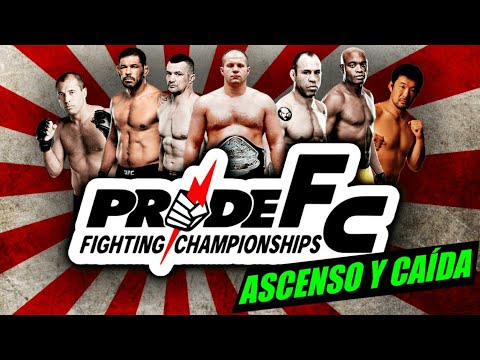
El Ascenso y Caída de PRIDE FC: Una Lección de Budo en el Ring del MMA

00:00 - El Llamado a la Batalla: Introducción

¡Saludos, guerreros! Hoy, en Budo y AM, no venimos a hablar de técnicas aisladas o katas ancestrales, sino de una historia que resonó en el corazón mismo del combate moderno. Nos adentraremos en el fascinante y a menudo brutal mundo de PRIDE FC, la organización japonesa que desafió a UFC y definió una era en las Artes Marciales Mixtas (MMA). ¿Están listos para este viaje? Desde sus inicios, las artes marciales nos han enseñado que la humildad y el respeto son pilares fundamentales. Pero también nos muestran que la ambición, la audacia y la búsqueda de la excelencia son motores de progreso. PRIDE FC fue un crisol de estas fuerzas. Una plataforma donde la técnica pura chocaba con la furia indómita, donde las leyendas nacían y caían con la misma velocidad de un golpe de KO. Pero, ¿qué convierte a una organización de lucha en un fenómeno cultural? ¿Qué ingredientes secretos, más allá de los puñetazos y las sumisiones, forjaron el espíritu de PRIDE? Hoy, desgranaremos su ascenso meteórico y su inevitable caída, no solo como un relato deportivo, sino como una profunda lección de vida, de estrategia y, sí, de ese inquebrantable espíritu del Budo que debe inspirar todo combate.
"El guerrero victorioso es el que piensa: 'Ganaré', y luego actúa. La estrategia en el combate es como la corriente de un río: fluida, adaptable y siempre buscando el camino de menor resistencia, pero con la fuerza de la cascada." - Un eco de la filosofía del Budo.

00:45 - El Amanecer de un Gigante: El Ascenso de PRIDE FC

El sonido distintivo del gong, la introducción teatral con hologramas de guerreros samuráis, la vibrante energía del público japonés... PRIDE FC no era solo una competición, era un espectáculo. Fundada en 1997 por Nobuyuki Sakakibara, la organización nació de la necesidad de unificar las reglas del combate, que en Japón ya existían bajo diferentes formatos. Pronto, se convirtió en el principal rival de UFC, atrayendo talento de todo el mundo y ofreciendo un producto que cautivó a millones. A diferencia de UFC en sus inicios, PRIDE no temía abrazar la "rareza". Presentaron peleas entre luchadores de sumo y artistas marciales mixtos, campeones de kickboxing contra maestros de Jiu-Jitsu brasileño, y figuras carismáticas que se convertían en verdaderos ídolos. Estos elementos, lejos de ser una falta de seriedad, crearon una mística única. Fue la época dorada de pesos pesados como Mark Hunt y Josh Barnett, de leyendas como Wanderlei Silva y el incomparable Fedor Emelianenko. El sistema de puntuación era diferente, permitiendo golpes de rodilla y de fútbol (soccer kicks) a oponentes en el suelo, lo que a menudo resultaba en combates explosivos y decisiones controvertidas. Esta agresividad inherente, combinada con un calendario de eventos menos frecuente pero de mayor impacto, construyó una base de seguidores leales que esperaban con ansias cada nuevo espectáculo.

El Impacto Cultural y Deportivo

PRIDE FC no solo promovió el deporte de las MMA, sino que lo elevó a una forma de arte escénica, con una producción impecable y un respeto casi reverencial por sus peleadores. Introdujeron formatos de torneo intrigantes y presentaron al mundo a muchos de los talentos más emocionantes de la década de 2000. La forma en que manejaban las rivalidades, el respeto mutuo entre los competidores, e incluso los combates que parecían imposibles, crearon un aura de autenticidad marcial que resonó profundamente. No se trataba solo de quién era el más fuerte, sino de cómo se enfrentaba el desafío, la resiliencia demostrada y el espíritu inquebrantable.

La Filosofía "Kagayaku" de PRIDE

La palabra japonesa "Kagayaku" (輝く) significa "brillar" o "resplandecer". Este concepto encapsulaba la esencia de PRIDE. Cada luchador tenía la oportunidad de brillar en su escenario global. La organización promovía la idea de que cada combate era una historia única de superación y coraje. No buscaban simplemente el KO, sino la narrativa de la lucha, la resistencia, la estrategia y el corazón. Era un recordatorio constante de que, incluso en la derrota, el verdadero espíritu marcial reside en el intento y la dignidad.
"El verdadero Budo no es solo la técnica, sino la disciplina, el respeto y la búsqueda constante de la mejora. PRIDE entendió que el espectáculo debía ser una manifestación de estos principios, no su opuesto." - Reflexión de un veterano del MMA.

14:33 - El Ocaso de un Imperio: La Caída de PRIDE FC

Nada dura para siempre, y el reinado de PRIDE FC no fue la excepción. Diversos factores contribuyeron a su declive. Las presiones financieras, los escándalos de corrupción y las acusaciones de vínculos con la yakuza (la mafia japonesa) comenzaron a erosionar su reputación. La falta de transparencia en la gestión y las dificultades para atraer a los principales talentos estadounidenses empezaron a pesar. El golpe de gracia llegó cuando Zuffa, la empresa matriz de UFC, adquirió los activos de PRIDE FC en 2007. Aunque la intención inicial era mantener ambas marcas separadas, finalmente, el calendario de eventos de PRIDE se detuvo, y muchos de sus luchadores más emblemáticos se trasladaron a UFC. El mundo del MMA perdió a uno de sus promotores más innovadores, dejando un vacío difícil de llenar.

Lecciones del Campo de Batalla: ¿Qué Aprendimos?

La historia de PRIDE FC es una saga que nos enseña valiosas lecciones, aplicables tanto dentro como fuera del tatami o del octágono. * **Innovación y Adaptación**: PRIDE demostró que para destacar, no puedes tener miedo de ser diferente. Su enfoque audaz en la producción y las reglas atrajo a una audiencia masiva. En nuestro entrenamiento, esto se traduce en estar abiertos a nuevas técnicas, métodos de entrenamiento y perspectivas. * **La Importancia del Coraje**: Presentar a luchadores de diferentes disciplinas, a menudo en desventajas aparentes, fomentó un espíritu de "coraje" que inspiró a muchos. En el Budo, el coraje no es la ausencia de miedo, sino la acción a pesar de él. * **La Dualidad del Éxito**: El éxito financiero y la popularidad pueden ser efímeros si no se construyen sobre cimientos éticos sólidos. Las acusaciones de corrupción y la mala gestión financiera destrozaron lo que muchos consideraban la cima del deporte. Esto nos recuerda la importancia de la integridad en todo lo que hacemos. * **El Legado Perdurable**: A pesar de su desaparición, el impacto de PRIDE FC en el MMA es innegable. Introdujo a muchos de los mejores luchadores del mundo al público global y estableció un estándar de producción y espectáculo que aún influye en las organizaciones actuales.

Veredicto del Sensei: ¿Un Legado Imperfecto?

PRIDE FC fue un torbellino, una fuerza de la naturaleza que cambió para siempre el panorama de las Artes Marciales Mixtas. Su audacia creativa, su pasión por el espectáculo y su habilidad para presentar combates épicos lo catapultaron a la estratosfera. Sin embargo, su final turbulento nos recuerda que incluso los imperios más grandes pueden colapsar si la base no es sólida. ¿Merece PRIDE FC un lugar de honor en la historia del MMA? Absolutamente. Fue una organización que, en su apogeo, representó la vanguardia del deporte, ofreciendo combates espectaculares y forjando leyendas. Su legado, aunque empañado por los escándalos, sigue vivo en la memoria de los aficionados y en la evolución del propio MMA. **Calificación:** Cinturón Negro en Espectáculo y Legado Deportivo. Cinta Negra con Nota Discreta por su Final.

Equipo Esencial para tu Entrenamiento

Aunque PRIDE era un escenario de élite, los fundamentos del entrenamiento marcial son universales. Si buscas mejorar tu preparación física y técnica, considera lo siguiente:
  • Guantes de MMA/Sparring: Para proteger tus manos y las de tu compañero. Busca guantes de entre 4oz y 7oz para MMA, y de 16oz para sparring más intenso de boxeo o kickboxing.
  • Protector Bucal: Indispensable para cualquier tipo de combate o sparring, protegiendo tus dientes y mandíbula.
  • Espinilleras: Cruciales para entrenamientos de kickboxing o Muay Thai, previenen lesiones en las espinillas.
  • Kimono (Gi): Si practicas Judo o Jiu-Jitsu Brasileño, un kimono resistente es fundamental. Busca tejidos de doble tejido para mayor durabilidad.
  • Protector Genital: Una inversión inteligente para cualquier practicante de deportes de combate.
Si buscas los mejores kimonos de judo o guantes de entrenamiento, explora tiendas especializadas que ofrezcan equipamiento de calidad.

Taller Práctico: Analizando Tácticas de Combate

El análisis de combates es una forma excelente de mejorar tu comprensión táctica. Aquí te ofrezco un método para abordar el análisis de peleas de MMA, inspirado en la estrategia que veíamos en PRIDE:
  1. Selecciona un Combate Clave: Elige una pelea legendaria de PRIDE (ej: Wanderlei Silva vs. Quinton Jackson) o un combate moderno de alto nivel.
  2. Observa la Entrada (Stance y Movimiento): ¿Cómo se mueven los peleadores? ¿Cuál es su guardia? ¿Son agresivos o reactivos en su desplazamiento? Anota sus patrones de movimiento.
  3. Identifica las Estrategias Primarias: ¿Busca uno derribar? ¿El otro prefiere el striking? ¿Hay una estrategia de contraataque? Busca las intenciones principales de cada peleador.
  4. Analiza las Transiciones: ¿Cómo pasan de la lucha en pie a la lucha en el suelo, y viceversa? Presta atención a las defensas y ataques durante estas transiciones.
  5. Evalúa las Habilidades Específicas: ¿Qué técnicas de golpeo o agarre son más efectivas? ¿Hay alguna debilidad aparente que el oponente explota?
  6. Considera la Mentalidad: ¿Cómo reaccionan ante el peligro, ante un golpe duro o ante un momento de presión? La fortaleza mental es tan crucial como la física.
  7. Conclusiones Tácticas: Resume qué hizo que un peleador tuviera éxito (o fracasara). ¿Qué aprendiste que puedas aplicar a tu propio entrenamiento?
Este tipo de análisis fomenta la visión crítica, similar a cómo un maestro evalúa la ejecución de un movimiento.

Preguntas Frecuentes

¿Por qué PRIDE FC fue tan popular?

La popularidad de PRIDE FC se debió a su enfoque espectacular, la introducción de reglas únicas que permitían combates más dinámicos y brutales, y la presentación de un roster de peleadores carismáticos y legendarios de diversas disciplinas.

¿Cuál fue la pelea más famosa de PRIDE FC?

Existen muchas peleas icónicas, pero combates como Wanderlei Silva vs. Quinton Jackson, o Fedor Emelianenko vs. Cro Cop son consistentemente mencionados como algunos de los más memorables y emocionantes de la historia de la organización.

¿Aún existen organizaciones similares a PRIDE FC?

Si bien ninguna ha replicado la fórmula exacta, organizaciones como ONE Championship en Asia han adoptado un enfoque similar en cuanto a la producción y la diversidad de artes marciales presentadas, buscando crear un espectáculo grandioso y culturalmente rico.

¿Qué lecciones de PRIDE FC son aplicables al Budo tradicional?

PRIDE nos recuerda que el coraje, la disciplina (incluso en el caos), la búsqueda de la excelencia y el respeto por el oponente son valores universales en las artes marciales, independientemente del formato o la época.

Para Profundizar en tu Camino

* Análisis Detallado de las Artes Marciales Mixtas * La Evolución Histórica de las Disciplinas de Combate * Principios Fundamentales de la Defensa Personal Práctica ``` GEMINI_METADESC: Analizamos el ascenso meteórico y la posterior caída de PRIDE FC, la legendaria organización de MMA, extrayendo lecciones de Budo y estrategia para el combate moderno.

PRIDE FC 6 (1999): A Martial Masterpiece or a Gory Spectacle?

Welcome, warriors and scholars of the Way! You've stumbled upon a deep dive into a pivotal moment in combat sports history: PRIDE FC 6, held at the Yokohama Arena on July 4th, 1999. Today, we dissect this event not merely as a collection of fights, but as a crucible where martial arts principles met raw, unadulterated combat. Forget your sanitized MMA promotions; PRIDE was a different beast, a testament to the visceral, often brutal, application of martial skill. But does its legacy hold up under the scrutinizing gaze of a true martial arts critic? Let's find out.

Table of Contents

A New Era of Combat

PRIDE FC 6 wasn't just another fight card; it was a declaration of intent. In 1999, the landscape of mixed martial arts was still being shaped, and PRIDE stepped onto the scene with a distinct flavor. It embraced the spectacle, the larger-than-life personalities, and, crucially, the diverse martial arts traditions that fueled its fighters. This event was a melting pot, showcasing not only grappling prowess but also striking from various disciplines. It was a raw, unfiltered look at what happens when different fighting philosophies collide on the grandest stage. The question for us, as students of the martial way, is: did it represent a genuine advancement in our understanding of combat, or was it merely a brutal display of aggression?

The Fights That Defined a Generation

Let's break down the card, not just by time stamps, but by the martial significance of each bout. PRIDE FC 6 featured a lineup that would become synonymous with the promotion’s daring approach to matchmaking. This wasn't about creating predictable mismatches; it was about pitting contrasting styles against each other, often with dramatic results.

Malenko vs. Inoue: A Struggle for Dominance

Carl Malenko, a practitioner of catch wrestling, faced Egan Inoue, a judoka and Brazilian Jiu-Jitsu practitioner. This bout epitomized the early PRIDE philosophy: pitting distinct grappling backgrounds against one another. The outcome often hinged on which fighter could impose their rules – the mat-based submissions of Jiu-Jitsu or the transitional, limb-targeting attacks of catch wrestling.

Newton vs. Matsui: Technical Prowess on Display

Carlos Newton, known for his Judo and submission skills, took on Daijiro Matsui. Newton was a trailblazer, seamlessly blending takedowns with submission offense. Matsui, while perhaps less heralded internationally, brought his own brand of fighting spirit. This bout was a prime example of how Judo's throws and controls could transition into effective ground fighting, a key element that PRIDE helped popularize.

Vovchanchyn vs. Carlos Barreto: The Unstoppable Force Meets the Immovable Object

Igor Vovchanchyn, a legendary striking powerhouse with a background in combat sambo, met Carlos Barreto, a formidable BJJ black belt. This was a classic striker vs. grappler matchup, a cornerstone of MMA. Vovchanchyn's devastating power was legendary, while Barreto was known for his submission defense and ability to grind out opponents. The tension in a fight like this is palpable, representing the eternal debate: can power and aggression overcome superior technique, or vice-versa?
"The ultimate aim of martial arts is not physical prowess, but the development of a knightly character." - Jigoro Kano, Founder of Judo. While PRIDE often tested the limits of brutality, the underlying principle of character development remained, even if masked by raw combat.

Kurosawa vs. Nobuaki Kakuda: The Karate Clash

This bout stands out as a unique inclusion: a pure Karate vs. Karate match, albeit with Kakuda’s unique brand of full-contact Karate incorporating striking with his hands and feet, and a showman's flair. Hiroki Kurosawa was a respected Karateka. This was a rare opportunity to see striking arts of a similar lineage compete directly in the PRIDE ring, highlighting the differences in their application and philosophy. Did it showcase the explosive power of Karate, or did it expose its limitations in a mixed-rules environment?

Akira Shoji vs. Guy Mezger: A Battle of Styles

Akira Shoji, a Japanese fighter with a reputation for heart, faced American Kenpo Karate and Brazilian Jiu-Jitsu practitioner Guy Mezger. This bout represented the clash of Japanese fighting spirit against American MMA acumen. Shoji embodied the warrior ethos, often fighting through adversity, while Mezger was a seasoned competitor known for his well-rounded skills.

Naoya Ogawa vs. Gary Goodridge: The Heavyweight Collision

Naoya Ogawa, an Olympic Judo medalist, stepped into the brutal world of MMA against Gary Goodridge, a powerful heavyweight with a background in kickboxing and BJJ. This was a clash of titans, showcasing how Olympic-level grappling translated to the unforgiving rules of PRIDE. Goodridge was known for his knockout power, making this a high-stakes encounter where a single mistake could be fatal.

Kazushi Sakuraba vs. Ebenezer Fontes Braga: The Gracie Hunter's Prelude

Kazushi Sakuraba, "The Gracie Hunter," was at the height of his fame, known for his uncanny ability to defeat members of the legendary Gracie family. He faced Ebenezer Fontes Braga, a BJJ practitioner. While Braga was not a direct Gracie opponent, this fight was significant as it showcased Sakuraba's grappling acumen and his unique, almost dance-like, approach to submissions, often bewildering his opponents. His style was a blend of professional wrestling and submission grappling, a testament to his innovative approach.

Mark Kerr vs. Nobuhiko Takada: The Pinnacle of PRIDE's Drama

This main event between Mark Kerr, the "Smashing Machine," and Nobuhiko Takada, a puroresu legend and the face of PRIDE, was more than just a fight; it was a narrative. Kerr, a collegiate wrestling champion, was a force of nature, while Takada represented the established Japanese martial arts establishment. The build-up, the theatricality, and the sheer contrast in their backgrounds made this a focal point of the event, encapsulating PRIDE's ability to weave compelling stories around its contests.

Veredict of the Sensei: Was PRIDE FC 6 a True Test of Martial Arts?

PRIDE FC 6 was a raw, visceral, and undeniably impactful event. It delivered on its promise of showcasing diverse martial arts in high-stakes combat. The inclusion of a Karate vs. Karate bout, the clash of Judo against Catch Wrestling, and the perennial Striker vs. Grappler narratives were all present. However, we must analyze this through the lens of *true* martial arts development. While the event demonstrated incredible courage, resilience, and technical application, it also reveled in the brutality. The focus was often on the spectacle and the knockout, sometimes at the expense of the deeper philosophical tenets that underpin traditional martial arts. Did it advance martial arts? Yes, in terms of showcasing the effectiveness of various disciplines in a competitive, high-pressure environment. It highlighted the efficacy of submission grappling and the power of well-executed striking combinations. Was it the *pinnacle* of martial arts representation? That's where the debate lies. For those seeking the philosophical depth, the character refinement, and the spiritual growth that defines many traditional arts, PRIDE FC 6 might feel like a distant echo. Yet, for its demonstration of "real-world" combat effectiveness and the courage displayed by its warriors, it undeniably earned its place in history. **Cinturón Negro en Espectáculo Brutal, Medalla de Bronce en Filosofía Profunda.**

Equipo Esencial para tu Entrenamiento

To truly understand the martial arts showcased at PRIDE FC 6, dedicated training is paramount. Here's some essential gear to enhance your journey:
  • Guantes de MMA: For sparring and striking practice, ensuring hand protection while allowing for grappling. Look for 4-6 oz.
  • Rashguards: Essential for grappling disciplines like BJJ and Judo, providing comfort and preventing mat burn.
  • Protector Bucal: Non-negotiable for any striking or sparring activity to protect your teeth and jaw.
  • Espinilleras: Crucial for Karate and Kickboxing training to protect your shins during kicking drills.
  • Kimono/Gi de Judo o BJJ: For foundational grappling training. Invest in a durable, double-weave kimono for longevity, especially if you plan on serious Judo or BJJ.

Frequently Asked Questions

What was PRIDE FC known for?

PRIDE FC was renowned for its unique ruleset, larger-than-life fighters, dramatic entrances, and its willingness to book exciting, often brutal, matchups between fighters from diverse martial arts backgrounds. It was seen as a more "wild west" version of MMA compared to its contemporaries.

Was PRIDE FC real fighting?

Yes, PRIDE FC featured legitimate mixed martial arts contests governed by a specific set of rules. While it emphasized spectacle, the fights themselves involved highly skilled athletes competing seriously.

What martial arts were most prominent in PRIDE FC?

PRIDE FC showcased a wide array of martial arts, including Brazilian Jiu-Jitsu, Judo, Karate, Kickboxing, Muay Thai, Sambo, Wrestling, and Japanese professional wrestling (Puroresu), among others.

How did PRIDE FC differ from the UFC?

PRIDE FC often featured a more open ruleset (e.g., allowing soccer kicks and stomps to grounded opponents in its early days), had a different presentation style emphasizing Japanese culture and drama, and frequently booked heavier weight classes and inter-style super fights that were less common in the UFC at the time.

To Delve Deeper into Your Journey

Reflexión del Sensei: Tu Próximo Paso

PRIDE FC 6 offered a potent brew of combat effectiveness and raw human drama. It pushed the boundaries of what was accepted in competitive fighting, forcing us to question the efficacy of different martial arts against each other. But as you leave the spectacle of the ring behind, I ask you: In your own training, are you seeking mere victory, or are you forging the character of a true warrior? Is your technique a tool for control, or a weapon of uncontrolled aggression? Reflect on the spirit behind the strike, the intention behind the submission. Where does your true path lie? ``` GEMINI_METADESC: Explore PRIDE FC 6 (1999) with a critical martial arts perspective. Analyze fights, styles, and the event's legacy in combat sports history.

PRIDE FC 1: A Brutal Prelude to a Martial Arts Revolution

Greetings, warriors and seekers of true martial arts. Today, we delve into a pivotal moment that reshaped the landscape of combat sports: PRIDE Fighting Championships 1. This wasn't just another fight card; it was a raw, unfiltered exhibition of power, technique, and sheer willpower that sent shockwaves through the martial world. If you appreciate the unadulterated spirit of combat and want to support the legacy of these arts, consider exploring exclusive collectibles that honor this heritage.

The Tokyo Dome on October 11, 1997, was the crucible where legends began to forge their names. PRIDE FC 1 brought together a volatile mix of martial artists, each with a distinct path and a fierce desire to prove their mettle. This event wasn't about pristine technique or the modern, heavily regulated sport we see today; it was a return to something more primal, a testament to the warrior ethos that has echoed through centuries of martial tradition.

The Genesis of PRIDE: A Departure from the Norm

Before the UFC dominated the global stage, PRIDE FC emerged as a formidable force, particularly in Japan, offering a different flavor of mixed martial arts. The early PRIDE events were characterized by their unpredictability, the sheer physicality of their athletes, and a presentation that, while sometimes chaotic, felt undeniably authentic to the concept of a "fighting championship." This first installment was no exception, laying the groundwork for what would become a legendary promotion.

At its core, the intention behind an event like PRIDE FC 1 was to showcase the effectiveness of various martial arts under one banner. It was a bold experiment, a melting pot where striking arts collided with grappling disciplines, and the lines between tradition and innovation blurred. The ultimate goal? To determine who possessed the most formidable skills when stripped down to the fundamentals of combat.

Match Breakdown: A Symphony of Violence

Let's dissect the encounters that made PRIDE FC 1 a landmark event:

  • 2:16 - Kazunari Murakami vs. John Dixson: A clash that set the tone, demonstrating the grit and determination that would define PRIDE. Murakami, a skilled judoka, faced the powerful Dixson, setting the stage for a grappling-heavy encounter.
  • 6:40 - Gary Goodridge vs. Oleg Taktarov: This bout pitted the formidable striking power of Goodridge, a kickboxing and Muay Thai veteran, against the tenacious submission skills of Taktarov, a sambo master. It was a classic striker versus grappler matchup.
  • 15:39 - Renzo Gracie vs. Akira Shoji: Representing the esteemed Gracie family and the art of Brazilian Jiu-Jitsu, Renzo Gracie faced the Japanese mixed martial artist Akira Shoji. This fight was a testament to BJJ's effectiveness on the grand stage, showcasing submission artistry against a determined opponent.
  • 50:17 - Koji Kitao vs. Nathan Jones: A fascinating contrast in physiques and backgrounds. Kitao, a sumo wrestler turned kickboxer, met the imposing presence of Nathan Jones, an Australian powerlifter and former wrestler. This bout promised raw power and a test of different physical attributes.
  • 54:55 - Branko Cikatic vs. Ralph White (KICKBOXING): A pure kickboxing contest, showcasing the striking prowess of "The Croatian Tiger," Branko Cikatic, a feared heavyweight kickboxer. This segment highlighted that PRIDE wasn't solely focused on MMA, but embraced other forms of combat.
  • 1:04:34 - Kimo Leopoldo vs. Dan Severn: An iconic pairing. Kimo, known for his unique physique and controversial entrance, faced Dan "The Beast" Severn, a legendary amateur wrestler and MMA pioneer. This fight was a brutal display of heart and endurance.
  • 1:41:29 - Rickson Gracie vs. Nobuhiko Takada: The main event featured a legendary figure in martial arts history, Rickson Gracie, facing the charismatic Japanese pro-wrestler and MMA fighter Nobuhiko Takada. This bout carried immense weight, pitting the undisputed king of BJJ against a national hero.

The Spirit of PRIDE: More Than Just a Fight

PRIDE FC 1 was more than just a series of bouts; it was a cultural phenomenon. The atmosphere in the Tokyo Dome, the distinctive walkouts, the iconic commentary – it all contributed to an experience that transcended the sport itself. It tapped into a deeper aspect of martial arts: the courage to face adversity, the discipline to prepare, and the unyielding will to overcome.

"True martial arts are not about fighting, but about the pursuit of perfection and the development of character." - A principle echoed across many traditions. PRIDE FC 1, in its raw form, certainly tested character.

The event championed the idea that different martial arts had value. While modern MMA often synthesizes techniques, PRIDE FC 1 allowed styles to clash in their purest, most fundamental forms. It was a living laboratory for martial arts efficacy, where the efficacy of Judo, Brazilian Jiu-Jitsu, Kickboxing, Sambo, and wrestling was put to the ultimate test.

Veredicto del Sensei: ¿Merece la pena?

PRIDE FC 1 is an essential watch for any serious student of combat sports and martial history. It represents a crucial evolutionary step in mixed martial arts. While the production values might seem dated compared to today's slick broadcasts, the raw intensity and the significance of the matchups are undeniable. It’s a window into a more primal era of fighting, where warriors stepped onto the canvas with less fanfare and more pure intent. This event is a testament to the enduring allure of the fight, a reminder of the basic human desire to test oneself against another. For its historical importance and the sheer spectacle of the clashes, it earns a definitive **Cinturón Negro en Legado Histórico**.

Equipo Esencial para tu Entrenamiento

To truly appreciate the dedication these athletes displayed, one must understand the training regimens they likely endured. For those inspired to embark on their own martial journey, the right equipment is crucial:

  • Gi/Kimono: For grappling arts like Judo and Brazilian Jiu-Jitsu, a durable gi is paramount. Look for double-weave or heavyweight fabrics for longevity.
  • Gloves: Whether for striking or MMA sparring, investing in good quality 16oz training gloves is a must to protect your hands and your training partners.
  • Mouthguard: Essential for any combat sport to protect your teeth and jaw.
  • Shin Guards: Necessary for kickboxing and Muay Thai training to prevent injuries during kicking drills.
  • Training Mats (Tatami): For home practice of throws and groundwork, having safe, padded flooring is key.

Guía de Entrenamiento: Desarrollando el Espíritu de Combate

While PRIDE FC 1 showcased elite athletes, the principles behind their success are accessible to everyone. Here’s how to cultivate that fighting spirit in your own training:

  1. Consistency is King: Just as the PRIDE fighters showed up time and again, commit to regular training sessions. Even short, consistent workouts are more effective than sporadic, long ones.
  2. Embrace Discomfort: Pushing past your perceived limits is where growth happens. Whether it's holding a tough submission longer or enduring an extra round of sparring, embrace the struggle.
  3. Study Your Opponent (and Yourself): Understand the strengths and weaknesses of your chosen martial art. Equally important, know your own physical and mental capabilities.
  4. Sparring as a Teacher: Engage in live sparring with varied partners. This is where techniques are tested, timing is developed, and mental fortitude is built. Remember the `FightAnalysis` and `FightAnalysis` principles.
  5. The Power of Conditioning: Raw technique is useless without the physical capacity to execute it. Incorporate strength, agility, and endurance training into your routine.

Para Profundizar en tu Camino

  • MMA: Understand the evolution of this dynamic sport.
  • BUDO: Explore the philosophical underpinnings of Japanese martial ways.
  • Judo: Learn about the art of yielding and its foundational throws and grappling.
  • KarateKyokushin: Discover a full-contact Karate style known for its toughness.
  • Artes Marciales: A broad overview of the martial arts landscape.

Preguntas Frecuentes

  • What made PRIDE FC 1 significant? PRIDE FC 1 was significant because it was a pioneering event in Japan that helped popularize mixed martial arts globally, showcasing a diverse range of martial arts styles clashing in a competitive format.
  • Was PRIDE FC 1 a pure MMA event? While primarily focused on what we now recognize as MMA, PRIDE FC 1 also included pure kickboxing matches, demonstrating a broader interest in combat sports.
  • Who was the main event fighter Rickson Gracie? Rickson Gracie is a legendary Brazilian Jiu-Jitsu master, widely considered one of the greatest grapplers in history. His match against Nobuhiko Takada was a highly anticipated clash of styles.
  • How did PRIDE FC differ from the UFC at the time? PRIDE FC often featured a different atmosphere, with unique fighter entrances, a distinct ring (instead of a cage), and a sometimes more 'wild west' feel compared to the UFC's early, more structured approach.

Reflexión del Sensei: Tu Próximo Paso

The warriors of PRIDE FC 1 stepped into the arena with a singular purpose: to test their art and their spirit. They understood that true martial prowess is forged not just in physical training, but in the mental fortitude to face the unknown. As you watch these historic battles, ask yourself: When faced with your own 'unknown,' do you retreat into comfort, or do you step forward with the courage of a warrior, ready to learn and adapt?

``` GEMINI_METADESC: Explore PRIDE FC 1's historic matchups, the evolution of MMA, and the spirit of combat. A critical review from a martial arts perspective.

PRIDE FC 19 - Bad Blood: A Masterclass in Raw Combat or a Faded Echo?

Hello and welcome, warriors, to the hallowed grounds of Budo and Martial Arts! Today, we delve into the raw, untamed heart of what was once the pinnacle of combat sports: PRIDE FC. You are watching **PRIDE FC 19 - Bad Blood**, an event that took place on February 24, 2002, at the Saitama Super Arena. Published on May 18, 2022, this event carries the weight of a bygone era, a time when fighters entered the ring with a ferocity that few modern promotions can replicate. This isn't just a recap; it's a dissection. As a Sensei who has dedicated a lifetime to the study and practice of combat, I approach these events not merely as entertainment, but as case studies in the application of martial principles, the psychology of combat, and the very essence of the warrior spirit. Are these fights a testament to advanced martial skill, or a showcase of primal aggression? Let us find out.

The Raw Fury of PRIDE FC 19

PRIDE FC was a phenomenon. It embodied a spirit of combat that resonated with fans worldwide, offering a platform for fighters to test themselves in an environment that felt both brutal and honorable. "Bad Blood" was more than just a title; it was a promise of intense rivalries and fiercely contested bouts. In an era dominated by more structured, perhaps more sanitized, forms of competition, PRIDE FC offered a rawer, more visceral experience. It was a melting pot where traditional martial arts collided with modern grappling and striking, creating a spectacle that captured the imagination. The fighters on this card were not just competitors; they were gladiators. They carried the weight of their respective martial arts backgrounds, from the stoic discipline of Karate to the fluid grappling of Jiu-Jitsu, and they brought it all into the ring. This event, like many in PRIDE's history, showcased a spectrum of combat approaches, from tactical engagements to sheer, unadulterated willpower.

Dissecting the Battles: A Sensei's View

Let's be clear: watching these fights through the lens of a martial artist is different. We analyze not just the outcome, but the *how* and the *why*. We look for the principles being applied, the defensive postures, the offensive strategies, and, crucially, the mental fortitude displayed under pressure. PRIDE FC 19, like its predecessors, was a rich tapestry of styles, each fighter bringing their unique journey and their chosen art to the forefront.
"The true essence of Budo is not about winning or losing, but about the refinement of one's character through the crucible of combat." - A principle deeply ingrained in my training.
This event serves as a stark reminder of the evolution of **artes marciales** in a competitive setting. While some may dismiss MMA as a chaotic free-for-all, those who truly understand combat recognize the intricate strategies, the years of dedicated **entrenamiento**, and the profound mental discipline required to succeed.

Tom Erikson vs. Tim Catalfo: The Opening Salvo

The card opens with Tom Erikson facing Tim Catalfo. This bout exemplifies the early days of heavyweight MMA, where size and power often dictated the pace. Erikson, a seasoned wrestler, brought his collegiate grappling background to the forefront. Catalfo, while less experienced, was known for his toughness. The fight, though perhaps not technically dazzling by today's standards, showcased the fundamental drive to impose one's will. It's a lesson in aggression and controlling the center, crucial elements in any **combate**.

Rodrigo Gracie vs. Daijiro Matsui: Jiu-Jitsu's Grasp

Here we see Rodrigo Gracie, a scion of the legendary Gracie family, representing the art of Brazilian Jiu-Jitsu. His opponent, Daijiro Matsui, was known for his unique flair and often unorthodox approach. This match highlights the effectiveness of grappling, particularly the ability to control an opponent on the ground and secure submissions. Gracie's dominance in this bout is a clear demonstration of how a well-honed grappling technique can overcome a striking-focused opponent. It’s a crucial reminder that mastery of the ground game is paramount in **lucha** and **jiujitsu**.

Alex Stiebling vs. Wallid Ismail: A Clash of Styles

This fight features Alex Stiebling, a powerful striker, against Wallid Ismail, a formidable judoka and sambist. This is the classic striker versus grappler matchup that has defined MMA. Ismail's attempts to close the distance and initiate grappling exchanges were met with Stiebling's sharp striking. The outcome often hinges on who can dictate the terms of engagement. It's a dynamic that requires constant adaptation and strategic thinking, a hallmark of true martial artists. Understanding how to defend against or implement various styles is key to success in **artes marciales**.

Carlos Newton vs. Jose Landi: Technical Prowess

Carlos Newton, a former UFC champion, brought his intelligent and technical approach to this bout against the aggressive Jose Landi. Newton was known for his diverse skill set, blending striking with effective grappling and submissions. Landi, on the other hand, was a dangerous fighter with a powerful striking game. This fight serves as an excellent example of calculated offense and defense. Newton’s ability to control the pace and exploit openings is a testament to years of disciplined **entrenamiento**.

Heath Herring vs. Igor Vovchanchyn: The Heavyweights Collide

Ah, the heavyweights! Heath "The Texas Outlaw" Herring, with his rugged style and formidable chin, faced the legendary "Ice Man" Igor Vovchanchyn. Vovchanchyn was a terror in the striking world, known for his devastating power. This bout was a war of attrition, showcasing the raw power and resilience of these two giants. Herring’s ability to absorb punishment and continue fighting, coupled with Vovchanchyn's relentless pressure, made for a thrilling spectacle. These heavyweight clashes often boil down to who can land the decisive blow, a fundamental aspect of **fight** strategy.

Antônio Rodrigo Nogueira vs. Enson Inoue: "Minotauro" at His Peak

This is a pivotal fight featuring Antônio Rodrigo "Minotauro" Nogueira, arguably one of the greatest heavyweights of all time. Nogueira was a master of submission grappling, possessing an uncanny ability to escape bad positions and lock in devastating chokes. His opponent, Enson Inoue, was a tough and respected fighter with a background in Judo and Jiu-Jitsu. Witnessing Nogueira in his prime is a lesson in how technical grappling, combined with an unyielding will, can overcome brute strength. His resilience and fighting IQ are exemplary for any practitioner of **artes marciales**.

Wanderlei Silva vs. Kiyoshi Tamura: The Axe Murderer's Reign

Here we have "The Axe Murderer," Wanderlei Silva, a force of nature in the PRIDE middleweight division. Known for his relentless aggression, powerful knees, and devastating striking combinations, Silva was a feared opponent. Kiyoshi Tamura, a seasoned Japanese fighter, faced an immense challenge. This fight encapsulates the "bad blood" theme, as Silva's reputation preceded him. His fighting style is a study in controlled ferocity, a primal aggression tempered by years of martial arts training. His career is a prime example of how aggressive **combate** can be honed into an art form.

Don Frye vs. Ken Shamrock: The Grudge Match

This bout is more than just a fight; it's a historical event. Don Frye, the flamboyant and tough American wrestler, against Ken Shamrock, one of the pioneers of modern MMA, a former UFC champion, and a true legend. The animosity between these two was palpable, making this the definitive "Bad Blood" encounter. Frye's brawling style, honed through boxing and wrestling, versus Shamrock's submission expertise and raw power. This is a clash of titans, a testament to the warrior spirit and the often-unspoken rivalries that fuel **fight** fans. Their contest is a masterclass in psychological warfare as much as physical confrontation.

The Essence of PRIDE FC: What Was Lost?

PRIDE FC, in its prime, offered something unique. It wasn't just about the competition; it was about the spectacle, the respect for the warrior code, and the raw, unadulterated spirit of martial arts. Fighters often displayed incredible heart and sportsmanship, even amidst intense rivalries. The energy of the Saitama Super Arena, the passionate Japanese crowd, and the iconic walkouts all contributed to an atmosphere that few other promotions could match. Many lament the demise of PRIDE FC, feeling that much of that raw spirit has been diluted in the modern combat sports landscape. Was it the rules, the presentation, or the caliber of fighters? Perhaps a combination of factors. But one thing is certain: the legacy of PRIDE FC and events like "Bad Blood" continues to inspire and influence. It reminds us of the fundamental desire to test oneself against another, a core principle in **BUDO** and all **artes marciales**.

Veredicto del Sensei: ¿Una Joya Olvidada o un Espectáculo Crudo?

PRIDE FC 19 - "Bad Blood" is not a flawless masterpiece, but it is an essential piece of MMA history. It showcases a roster of legendary fighters grappling with each other in a period of explosive growth for the sport. While some bouts may appear dated or less refined by today’s standards, their raw intensity and the palpable "bad blood" between combatants provide a compelling viewing experience. The event serves as a potent reminder of the evolution of **artes marciales** in a competitive setting and the enduring appeal of the warrior's spirit. **Cinturón Negro en Espíritu de Lucha y Legado Histórico.**

Equipo Esencial para tu Entrenamiento

To truly appreciate the dedication and training these fighters put in, having the right gear is crucial. Whether you're practicing **Karate**, **Jiu-Jitsu**, or **MMA**, your equipment is an extension of your training.
  • Kimono de Judo o Jiu-Jitsu: A double-weave gi is essential for grappling arts, providing durability and a good grip for techniques. Look for brands known for their resilience.
  • Guantes de Entrenamiento/Sparring: For striking arts or MMA, high-quality sparring gloves (14-16 oz) are vital for protecting your hands and your partner.
  • Protector Bucal: Non-negotiable for any form of sparring or competition to protect your teeth and jaw.
  • Espinilleras y Guantes de Patada: For striking-heavy disciplines like Kickboxing or Muay Thai, these protect your shins and feet.
  • Esterilla de Entrenamiento: If you're practicing grappling at home, a few mats can make a world of difference for safety and comfort.
Investing in good **martial arts merchandise** is investing in your own development.

Guía de Entrenamiento: Desarrollando tu Espíritu de Lucha

The fighters in PRIDE FC didn't just possess physical prowess; they had an indomitable mental fortitude. Here’s how you can cultivate that same spirit:
  1. Define tu "Por Qué": Understand your deepest motivation for training. Is it self-defense? Physical fitness? Mental discipline? Write it down and revisit it often. This is your anchor.
  2. Establece Metas Claras: Break down your larger goals into smaller, achievable steps. Aim to master a specific technique, improve your conditioning, or attend a certain number of training sessions per week.
  3. Entrena con Inteligencia: Don't just go through the motions. Focus on technique, understand the principles behind each movement, and push your limits safely. Seek feedback from experienced instructors.
  4. Acepta el Dolor y la Fatiga: Training is often uncomfortable. Learn to embrace the discomfort as a sign of progress. The ability to push through fatigue is a critical mental skill.
  5. Desarrolla Resiliencia: You will face setbacks. You will lose sparring sessions. You will miss goals. The true warrior learns from these moments, adapts, and comes back stronger. Do not be defeated by failure; let it fuel your determination.
  6. Practica la Disciplina Diaria: Consistency is key. Show up to training even when you don't feel like it. Eat well, sleep properly, and maintain your focus. This is the essence of **disciplina** and **autodisciplina**.
This structured approach, combining physical effort with mental discipline, is the foundation of true **BUDO**.

Preguntas Frecuentes

  • What was the main event of PRIDE FC 19?
    The main event was Don Frye vs. Ken Shamrock.
  • Who won the fight between Antônio Rodrigo Nogueira and Enson Inoue?
    Antônio Rodrigo Nogueira won via first-round submission (armbar).
  • Was PRIDE FC known for its brutal fights?
    Yes, PRIDE FC was renowned for its exciting, often brutal, and highly competitive fights, featuring some of the biggest names in combat sports.
  • How did PRIDE FC differ from modern MMA promotions?
    PRIDE FC often featured different rulesets (e.g., no closed-fist striking to a downed opponent's head), unique presentation, and a strong emphasis on Japanese martial arts traditions, creating a distinct atmosphere.

Para Profundizar en tu Camino

Your journey through the world of martial arts is continuous. To further enrich your understanding and training, consider exploring these related topics: The path of the martial artist is one of constant learning and refinement.

Reflexión del Sensei: Tu Próximo Paso

PRIDE FC 19 presented battles born from animosity, showcasing raw aggression alongside the disciplined application of martial arts. Now, I ask you: When you step onto the mat, or into the ring, or simply face the challenges of your daily life, what "bad blood" do you carry within you? Is it a destructive force, or is it the fuel that ignites your inner fire, driving you towards mastery and self-improvement? Reflect on this, and let your training be your answer. GEMINI_METADESC: An in-depth martial arts critique of PRIDE FC 19 - Bad Blood. Sensei analyzes fights, spirit, and legacy of the legendary MMA event. Essential for fight fans and martial artists.

PRIDE FC 2 (1998): A Crucible of Combat and Controversy

Step into the arena, warriors. Today, we dissect a pivotal moment in the evolution of modern combat sports: PRIDE FC 2. Forget the sanitised versions of fighting you see on television; this event was raw, unpredictable, and a genuine test of martial spirit. If you believe in the unadulterated pursuit of martial arts excellence, then pay heed.
Many claim to understand the essence of true combat, but few have witnessed a spectacle that so starkly illuminated the brutal beauty and inherent risks of fighting at its most visceral. PRIDE FC 2, held in the Yokohama Arena on March 15th, 1998, was not just another MMA event; it was a crucible where diverse martial disciplines clashed, tested, and often, spectacularly failed to translate. This was the era before the polish, before the corporate sheen, when the sport was still finding its identity, and PRIDE was at its bleeding edge.

Royler Gracie vs Naoki Sano: The Gracie Dominance Begins

The opening bout featured a familiar name, yet an unfamiliar opponent for many: Royler Gracie against Naoki Sano. This was a clear statement from the Gracie family – their Brazilian Jiu-Jitsu was not just a martial art, but a dominant force in this new MMA landscape. Sano, a capable striker, found himself utterly outmatched on the ground. The Gracie guard, the positional control, the relentless pursuit of submissions – it was all on display. This wasn't just a win; it was a clinic. It showcased the fundamental truth that for many grappling-based martial arts, the ability to control an opponent and apply a submission is paramount. Many Karate practitioners and kickboxers would learn this lesson the hard way in the early days of PRIDE.

Akira Shoji vs Juan Mott: A Battle of Wills

Next, Akira Shoji faced Juan Mott. This fight exemplified the spirit of BUDO – the warrior's path. It wasn't a technical masterpiece, but it was a war of attrition. Both fighters came forward, trading blows, showing immense heart and a refusal to back down. Shoji, known for his aggressive style, met Mott head-on. This bout highlighted the mental fortitude required in combat. While technique can win fights, sheer will and the ability to absorb punishment and keep moving forward are often the deciding factors when techniques falter or when opponents are evenly matched. A true test of spirit, not just skill.

William van Roosmalen vs Ralph White: Kickboxing Unleashed

The card then shifted gears with a Kickboxing bout between William van Roosmalen and Ralph White. This was a reminder that PRIDE FC wasn't solely focused on grappling. It was a platform for all forms of stand-up combat. Van Roosmalen, a powerful Dutch striker, demonstrated the effectiveness of Muay Thai and kickboxing techniques. The crisp punches, devastating kicks, and strategic clinching showed the beauty and danger of striking arts. It served as a stark contrast to the grappling exchanges, illustrating the diverse skill sets that could be seen within a single event. For fans of pure striking, this was a highlight.

Kazushi Sakuraba vs Vernon White: The Gracie Hunter's Early Steps

Then came Kazushi Sakuraba against Vernon White. Sakuraba, who would later earn the moniker "The Gracie Hunter," was already a rising star known for his unorthodox style and incredible resilience. While this fight might not be as legendary as his later battles, it showed glimpses of the fighter who would take on and defeat multiple members of the Gracie family. His ability to adapt, his unconventional submissions, and his sheer determination were evident. This bout was a crucial step in Sakuraba's journey, proving his ability to compete and win against diverse opponents. It foreshadowed the challenges that even dominant grappling families would face against versatile fighters.

"The supreme art of war is to subdue the enemy without fighting." - Sun Tzu. In the early days of PRIDE, this philosophy was often tested, as fighters were forced into the crucible of combat to prove their mastery.

Renzo Gracie vs Sanae Kikuta: The Art of Submission

Renzo Gracie faced Sanae Kikuta in another compelling submission grappling display. Renzo, a prominent member of the legendary Gracie family, brought his formidable Brazilian Jiu-Jitsu to the ring. Kikuta, a tough judoka, represented another martial discipline. The fight was a tactical chess match on the mat, with each fighter attempting to gain positional advantage and set up submissions. It highlighted the strategic depth of grappling arts and the constant interplay between offense and defense. The tension was palpable as Renzo sought to impose his will, showcasing the effectiveness of positional control leading to submission.

Tasis Petridis vs George Randolph: Striking Showdown

The card continued to showcase a variety of styles with Tasis Petridis taking on George Randolph in a kickboxing bout. These matches were vital for demonstrating the power and precision of striking arts. Petridis and Randolph likely brought a dynamic, fast-paced exchange of blows, kicks, and knees. It was another opportunity for fans to appreciate the different skill sets and the raw aggression that characterizes stand-up fighting. This variety ensured that PRIDE FC appealed to a broader audience, not just those solely interested in grappling.

Marco Ruas vs Gary Goodridge: The Ground and Pound Era Begins

Marco Ruas versus Gary Goodridge was a fight that truly showcased the emerging "ground and pound" strategy. Ruas, a pioneer of MMA with his Ruas Vale Tudo style, was known for his lethal kicks and devastating ground strikes. Goodridge, a powerful striker and judoka, presented a significant challenge. The fight was a brutal affair, highlighting how fighters were beginning to integrate striking with grappling from dominant positions. This was a glimpse into the future of MMA, where transitioning seamlessly between striking and grappling became the hallmark of elite fighters. The raw power and aggression on display were undeniable.

Mark Kerr vs Branko Cikatic: Giants Collide

The main event featured two behemoths of the sport: Mark Kerr and Branko Cikatic. Kerr, an Olympic wrestler, was a physical specimen with devastating power, while Cikatic was a feared Muay Thai and kickboxing champion. This was a clash of titans, a true heavyweight battle. The stakes were incredibly high, and the potential for a knockout was immense. Fights like these captured the public imagination, showcasing the sheer physical power and courage required to compete at the highest level of combat sports. The outcome, regardless of technical nuance, was guaranteed to be explosive.

"There are no shortcuts to any place worth going." - Beverly Sills. This applies to every martial art, and certainly to the brutal proving ground of PRIDE FC. Every submission, every strike, every moment of endurance was earned.

Sensei's Verdict: Was PRIDE FC 2 a Blueprint for Modern Combat?

PRIDE FC 2 was more than just a collection of fights; it was a snapshot of martial arts evolution. It showcased the burgeoning dominance of Brazilian Jiu-Jitsu, the persistent effectiveness of striking arts like kickboxing, and the emerging synthesis that would become modern MMA. While some bouts were lopsided, others were brutal wars of attrition, demonstrating that heart and will are as crucial as any technique.

The event undeniably laid groundwork for what was to come. It proved that a global audience craved authentic, hard-fought combat. However, it also highlighted the dangers and the sometimes-brutal mismatches that characterized the early days of the sport. The emphasis on diverse styles clashing, rather than a singular, refined approach, made it compelling. It asked fundamental questions: Can a Judoka defeat a BJJ practitioner? Can a Muay Thai fighter survive a wrestling takedown? PRIDE FC 2 answered many of these, often with dramatic finality.

Cinturón Negro en Rawness, Diploma en Controversia.

Essential Gear for Your Training

To truly appreciate the dedication of these warriors, and to embark on your own Martial Arts Journey, proper equipment is crucial. Whether you're practicing BJJ, Karate, or Kickboxing, investing in quality gear not only protects you but also enhances your training.

  • Gi/Kimono: For grappling arts like Judo and BJJ, a durable double-weave gi is essential. Look for brands known for their resilience.
  • Gloves: For striking arts and MMA, 16oz sparring gloves are a standard for safe practice. Ensure they offer good wrist support.
  • Mouthguard: Non-negotiable for any sparring session to protect your teeth and jaw.
  • Shin Guards: Crucial for kickboxing and Muay Thai training to prevent injuries during kicking drills.
  • Hand Wraps: Essential for protecting your hands and wrists during striking training.

Consider exploring Karate Merchandise or specialized Martial Arts Merchandise to show your dedication.

Frequently Asked Questions

What martial arts styles were represented at PRIDE FC 2?
The event featured Brazilian Jiu-Jitsu, Kickboxing, and likely elements of Wrestling and Judo, reflecting the diverse styles that formed the early landscape of MMA.
Who was the main event fighter, Mark Kerr known for?
Mark Kerr was renowned as an Olympic wrestling gold medalist and a formidable heavyweight fighter known for his immense strength and knockout power in the early days of MMA.
Why was PRIDE FC significant in the history of combat sports?
PRIDE FC was instrumental in popularizing MMA globally, showcasing a high level of competition, unique fighting styles, and a flair for dramatic presentation that captured the attention of a worldwide audience.
How did PRIDE FC differ from later MMA organizations?
PRIDE FC was known for its more open ruleset regarding striking, its longer fight times, and its unique presentation, often featuring elaborate entrances and a more "tournament of champions" feel compared to the more standardized approach of organizations like the UFC.

To Dive Deeper Into Your Journey

Sensei's Reflection: Your Next Step

PRIDE FC 2 was a testament to the clash of disciplines, the raw courage of fighters, and the evolving nature of combat sports. It wasn't always pretty, but it was always real. It forces us to ask: In your own training, are you merely practicing techniques, or are you forging a warrior's spirit? Are you open to the lessons that lie outside your comfort zone, or do you cling to the familiar? The true BUDO path demands both mastery and an unyielding willingness to learn and adapt.

Now, it is your turn. Did this deep dive into PRIDE FC 2 resonate with your understanding of martial arts? Do you believe the early "wild west" era of MMA fostered more genuine combat or more dangerous mismatches? Share your unvarnished thoughts below. Let the debate begin!

``` GEMINI_METADESC: Analyze PRIDE FC 2 (1998): explore the martial arts clash, fighter legacies like Gracie and Sakuraba, and its impact on modern MMA.