Showing posts sorted by relevance for query BUDO and Artes Marciales MMA History. Sort by date Show all posts

Bellator FC 1 (2009): A Raw Look at MMA's Early Struggles and Gritty Knockouts

The dawn of a new era in professional mixed martial arts was heralded on April 3, 2009, with Bellator Fighting Championships' inaugural event. Held at the Seminole Hard Rock Hotel & Casino in Hollywood, Florida, Bellator FC 1 was not the polished spectacle that modern fight fans are accustomed to. Instead, it offered a raw, unadulterated glimpse into the burgeoning landscape of MMA, showcasing a roster of fighters hungry to prove themselves on a new platform. This event, steeped in the foundational spirit of combat, serves as a crucial historical marker, reminding us of the gritty realities that underpin the sport's evolution.

Table of Contents

A Look Back: Bellator's Humble Beginnings

Bellator FC 1 wasn't just another fight night; it was a statement of intent. In an MMA landscape dominated by established giants, Bellator aimed to carve its own niche by focusing on tournament formats and developing homegrown talent. This first event, broadcast on April 3, 2009, was a critical step in that ambitious journey. The energy was palpable, a mix of anticipation and the raw, untamed spirit of competition that defines the martial world. It represented the initial spark of a flame that would grow to become a significant force in the sport.

The preliminary and main card fights that unfolded that night were a testament to the fighters' dedication and the fundamental principles of combat sports. Each bout was a microcosm of the larger martial arts philosophy: the relentless pursuit of victory, the respect for one's opponent, and the unwavering spirit to overcome adversity. As we delve into the specifics of the fights, remember that these athletes were not just engaging in a physical contest; they were embodying the spirit of BUDO and the warrior's path.

Deconstructing the Bellator FC 1 Fight Card

The fight card for Bellator FC 1 featured a mix of established prospects and emerging talent, all eager to make their mark. The structure of the event, while perhaps less glamorous than today's blockbuster productions, was designed to highlight individual performances and create compelling narratives. The timings provided – 9:16 for Toby Imada vs. Alonzo Martinez, 24:46 for Joe Soto vs. Ben Greer, and so on – give us a temporal map of the evening's progression, a testament to the endurance and tactical depth of each contest.

We are about to dissect each major bout, not merely as a fan of the spectacle, but as a student of martial arts. We will analyze the techniques, the strategies, and the underlying principles that governed these encounters. This is more than just a recap; it's an educational journey into the heart of MMA's early days.

Toby Imada vs. Alonzo Martinez: A Submission Showcase

The bout between Toby Imada and Alonzo Martinez, clocking in at a substantial 9:16, was a significant moment on the card. Imada, known for his submission prowess, demonstrated the effectiveness of grappling in MMA. Martinez, a powerful striker, presented a contrasting style, setting the stage for a classic clash of disciplines. The duration of the fight suggests a strategic battle, where both fighters had opportunities to impose their will. This matchup highlighted the ongoing debate about striking versus grappling, a fundamental question in the philosophy of artes marciales.

The beauty of mixed martial arts lies in its synthesis. Tonight, we witnessed how different martial backgrounds can collide, creating unique and compelling narratives within the cage.

The outcome, likely a submission victory for Imada given his reputation, underscored the importance of ground fighting skills in MMA. A well-executed submission can end a fight decisively, often forcing a well-conditioned athlete to tap out, a moment of surrender that is deeply humbling and instructive.

Joe Soto vs. Ben Greer: Establishing Dominance

Following Imada's display, the fight between Joe Soto and Ben Greer (24:46) provided another compelling narrative. Soto, with his background in wrestling, brought a strong physical presence to the octagon. Greer, likely seeking to keep the fight standing, aimed to utilize his striking. The length of this contest indicates a significant back-and-forth, perhaps a grueling test of will and conditioning. In the world of combat sports, endurance is often as crucial as technique. A fighter who can maintain their power and accuracy throughout multiple rounds is a formidable opponent.

This fight would have been an excellent case study for understanding the application of wrestling fundamentals in an MMA context. Takedowns, control from dominant positions, and the strategic use of clinching are all vital components that can dictate the pace and outcome of a bout.

Estevan Payan vs. Luis Palomino: A Striking War

The clash between Estevan Payan and Luis Palomino, lasting 39:46, promised fireworks. Both fighters were known for their aggressive striking styles. Palomino, in particular, has a reputation for delivering exciting stand-up battles. A fight of this duration suggests a high-octane encounter, where both competitors landed significant blows and showcased their resilience. This is where the essence of striking arts like Karate and Kickboxing truly comes to life within the MMA framework.

Watching such a fight is an opportunity to study the nuances of striking: footwork, head movement, the art of the feint, and the power generated from the hips and core. It’s a brutal ballet, where precision and timing are paramount. The ability to absorb punishment and continue fighting speaks volumes about a fighter's Inner Strength and Mental Game.

Yahir Reyes vs. Nick Gonzalez: Raw Power on Display

The bout featuring Yahir Reyes and Nick Gonzalez, recorded at 1:02:12, likely represented a more explosive encounter. Fighters who bring raw power often end fights quickly. This match could have been a demonstration of knockout artistry, where precision striking meets brute force. While technique is paramount in martial arts, the sheer power that can end a fight with a single blow is undeniable. This aspect of combat is often what draws new fans to the sport.

Analyzing fights like these requires an understanding of kinetic chains and the physics of impact. How is power generated? How is it delivered effectively? These are questions that have been studied for centuries in various combat disciplines.

Eddie Alvarez vs. Greg Loughran: The Rise of a Star

The fight between Eddie Alvarez and Greg Loughran, at 1:12:53, holds particular significance. Eddie Alvarez is a name synonymous with elite MMA, a fighter whose career trajectory has been nothing short of remarkable. Facing Loughran on this card marked an early step in Alvarez's ascent. His performances have consistently showcased a blend of aggressive striking, powerful grappling, and incredible heart. This fight would have been a prime example of his developing skill set.

The path of a true warrior is paved with challenges. Eddie Alvarez's early career embodied this principle, demonstrating a relentless drive to improve and dominate.

Studying Alvarez's fights from this era provides invaluable insights into the development of a top-tier mixed martial artist. His ability to adapt, overcome, and consistently perform at the highest level is a testament to his dedication and the underlying philosophy of continuous improvement inherent in BUDO.

Jorge Masvidal vs. Nick Agallar: A Glimpse of Future Greatness

Finally, the bout between Jorge Masvidal and Nick Agallar, recorded at 1:27:04, was another crucial encounter. Masvidal, much like Alvarez, has become a household name in MMA, celebrated for his explosive striking and street-fighting pedigree. His performances are often characterized by audacious displays of skill and an unwavering confidence. This early fight would have offered a look at the raw talent that would later define his legendary career.

Masvidal's fighting style is a compelling example of how diverse martial arts backgrounds can be integrated into a devastatingly effective MMA approach. His ability to switch between striking and grappling seamlessly, coupled with his knockout power, makes him a formidable opponent. This fight is a valuable piece of history for anyone interested in the evolution of modern fight strategies.

The Spirit of Budo in Modern MMA

While MMA is a modern combat sport, its roots are deeply embedded in traditional martial arts. The principles of discipline, respect, perseverance, and self-mastery – the core tenets of Budo – are as relevant today as they were centuries ago. Bellator FC 1, with its raw energy and the earnest efforts of its fighters, served as a platform where these timeless values were put to the test.

The concept of Ki, or life force energy, while not always explicitly discussed in MMA, is certainly present. A fighter's ability to channel their energy, maintain focus under pressure, and push through physical exhaustion is a manifestation of this concept. The rigorous entrenamiento required for MMA is a physical and mental crucible, forging resilience and character.

Veredicto del Sensei: ¿Merece la pena?

Bellator FC 1 might not have the production value of today's super-fights, but its historical significance and the raw talent on display make it a must-watch for any serious student of MMA. It's a window into the sport's formative years, showcasing the dedication and grit that laid the groundwork for its global popularity. For those who appreciate the evolution of combat sports and the foundational principles that underpin every bout, this event is a valuable lesson. It demonstrates that even in its nascent stages, the spirit of the warrior and the relentless pursuit of mastery were alive and well.

Calificación: Cinturón Negro en Historia del MMA

Equipo Esencial para tu Entrenamiento

Para quienes se inspiran en la tenacidad de estos peleadores y desean mejorar su propio entrenamiento, contar con el equipo adecuado es fundamental. No necesitas un gimnasio de élite para empezar, pero sí algunas herramientas clave:

  • Guantes de MMA: Imprescindibles para el entrenamiento de golpeo y el sparring. Busca unos con buen soporte para la muñeca y acolchado adecuado.
  • Protector bucal: La seguridad es primordial. Un buen protector bucal puede prevenir lesiones dentales graves.
  • Espinilleras: Esenciales para proteger tus espinillas durante el entrenamiento de patadas.
  • Kimono de Judo o Gi de BJJ: Si tu interés se inclina hacia el grappling, tener un buen gi te permitirá entrenar técnicas de sumisión y control de manera efectiva. Busca judo gis o BJJ gis de doble tejido para mayor durabilidad.
  • Esterilla o tappet: Para entrenar técnicas de suelo de forma segura en casa.

Guía de Entrenamiento: Simulación de Combate en MMA

Incorporar elementos de simulación de combate en tu rutina te ayudará a mejorar tu capacidad de reacción y a aplicar técnicas bajo presión. Aquí tienes una guía práctica:

  1. Calentamiento Dinámico: Comienza con movilidad articular y ejercicios cardiovasculares ligeros (saltos, trotes en el sitio).
  2. Drills de Movimiento (Sin Oponente): Practica combinaciones de golpes y esquivas, imaginando un oponente. Enfócate en el juego de pies y la fluidez. Usa ejercicios como el shadow boxing con resistencia.
  3. Drills con Equipo (Partner): Si tienes un compañero de entrenamiento, practica combinaciones de golpes y contraataques. Uno ataca con guantes, el otro defiende y contraataca con protecciones.
  4. Simulación de Takedowns y Defensas: Practica la ejecución de derribos (como el Judo O-soto-gari) y las defensas contra ellos. La clave es la explosividad y la técnica.
  5. Trabajo de Suelo (Grappling): Si tienes acceso a un gi, practica transiciones de posición, escapes y sumisiones. Si no, trabaja sobre la esterilla simulando escenarios de lucha.
  6. Sparring Ligero: Al final, si el nivel lo permite, realiza rondas cortas de sparring con intensidad controlada, centrándote en la aplicación de lo aprendido y la seguridad.
  7. Enfriamiento y Estiramientos: Finaliza con estiramientos estáticos para mejorar la flexibilidad y reducir la tensión muscular.

Preguntas Frecuentes

¿Cuál fue el evento principal de Bellator FC 1?

Aunque el evento contó con múltiples combates destacados, la pelea entre Eddie Alvarez y Greg Loughran es una de las más recordadas por la proyección de Alvarez en la escena de las Artes Marciales Mixtas.

¿Qué estilos de artes marciales estaban representados en Bellator FC 1?

El evento presentaba luchadores de diversos orígenes, incluyendo striking (boxeo, kickboxing), lucha libre, jiu-jitsu brasileño y judo, reflejando la naturaleza mixta del deporte.

¿Es Bellator FC 1 relevante para los practicantes de Budo?

Absolutamente. El evento es un testimonio de la evolución de las artes marciales de combate en un contexto moderno. Los principios de disciplina, respeto y perseverancia que sustentan el Budo son evidentes en el desempeño de los atletas.

¿Dónde se puede ver Bellator FC 1?

La disponibilidad puede variar, pero a menudo se pueden encontrar combates y resúmenes de eventos históricos de Bellator en plataformas de video como YouTube, o a través de servicios de suscripción de MMA que archivan peleas antiguas.

¿Qué diferencia a Bellator FC 1 de los eventos de MMA actuales?

Bellator FC 1 representaba una etapa más temprana del deporte, con una producción menos pulida y un enfoque en el desarrollo de nuevos talentos a través de formatos de torneo. Los eventos modernos suelen ser producciones de gran escala con mayor presupuesto y reconocimiento global.

Para Profundizar en tu Camino

  • MMA: El contexto y la evolución del deporte.
  • BUDO: Los principios filosóficos del camino marcial.
  • Historia de las Artes Marciales: Un vistazo a las raíces del combate.

Hello and welcome to Budo and Martial Arts. You are watching Bellator FC 1 (2009). Welcome to the most complete and updated martial arts blog on the internet. Follow us on social networks and do not forget to visit our main page: Budo and Martial Arts.

The journey of martial arts is one of continuous learning and adaptation. Bellator FC 1, though a single event, offers a wealth of knowledge for those who seek to understand the intricacies of combat sports and the enduring spirit of the warrior. The dedication of these fighters, their willingness to push boundaries, and their commitment to their craft are lessons that transcend the cage.

Reflexión del Sensei: Tu Próximo Paso

Observar la evolución de un deporte, desde sus inicios crudos hasta su sofisticación actual, nos enseña sobre la impermanencia y la mejora continua. Pero, ¿puede la crudeza de los inicios enseñar algo que la sofisticación actual ha perdido? ¿O es la evolución inevitablemente una mejora que debemos abrazar sin mirar atrás? Considera la esencia de la disciplina que amas: ¿dónde residen sus valores más puros, en su origen o en su desarrollo?

``` ```json { "@context": "http://schema.org", "@type": "FAQPage", "mainEntity": [ { "@type": "Question", "name": "What was the main event of Bellator FC 1?", "acceptedAnswer": { "@type": "Answer", "text": "While the event featured multiple standout bouts, the fight between Eddie Alvarez and Greg Loughran is one of the most remembered due to Alvarez's projection in the Mixed Martial Arts scene." } }, { "@type": "Question", "name": "What martial arts styles were represented at Bellator FC 1?", "acceptedAnswer": { "@type": "Answer", "text": "The event featured fighters from diverse backgrounds, including striking (boxing, kickboxing), wrestling, Brazilian jiu-jitsu, and judo, reflecting the mixed nature of the sport." } }, { "@type": "Question", "name": "Is Bellator FC 1 relevant for Budo practitioners?", "acceptedAnswer": { "@type": "Answer", "text": "Absolutely. The event is a testament to the evolution of martial arts combat in a modern context. The principles of discipline, respect, and perseverance that underpin Budo are evident in the athletes' performances." } }, { "@type": "Question", "name": "Where can I watch Bellator FC 1?", "acceptedAnswer": { "@type": "Answer", "text": "Availability may vary, but historical Bellator event bouts and summaries can often be found on video platforms like YouTube, or through MMA subscription services that archive old fights." } }, { "@type": "Question", "name": "What differentiates Bellator FC 1 from current MMA events?", "acceptedAnswer": { "@type": "Answer", "text": "Bellator FC 1 represented an earlier stage of the sport, with less polished production and a focus on developing new talent through tournament formats. Modern events are typically large-scale productions with higher budgets and global recognition." } } ] }

Sensei's Critique: Sengoku - First Battle (2008) - A Bloodbath of Brutal Beauty?

Ah, Sengoku. The name itself evokes images of warring states, of samurai clashing on blood-soaked fields. But what happens when that primal spirit of combat is unleashed in the modern arena? Sengoku - First Battle (2008), held at the Yoyogi National Stadium in Tokyo, promised to be a crucible, a test of will and skill. But did it deliver the martial poetry we crave, or merely a chaotic spectacle? Let us dissect this event, not as mere fans, but as students of the warrior's path. We will examine the fights, the fighters, and the very soul of the martial endeavor as presented on this fateful day.

Introduction: The Budo Arena

Welcome, warriors and seekers of truth, to Budo and Martial Arts. You are witnessing Sengoku - First Battle (2008), an event that took place on March 5th, 2008, at the venerable Yoyogi National Stadium in Tokyo. This was not just another fight card; it was an attempt to capture the raw, untamed spirit of combat that lies at the heart of all martial arts. We've seen the timestamps: from the opening bout at 13:55 to the main event concluding well past the two-hour mark. But the duration of a fight is less important than its essence. Was it a testament to discipline, strategy, and the philosophical underpinnings of Budo, or simply a brutal display of aggression? Let's find out.

This blog, Budo and Martial Arts, has always strived to be the most complete and updated resource for martial arts enthusiasts. We delve beyond the surface, seeking the underlying principles, the historical context, and the practical applications of every technique and every bout. Sengoku - First Battle is a fascinating case study in this regard. It featured a blend of established stars and rising talents, promising a night of high-stakes combat.

Nick Thompson vs. Fabricio Monteiro: The Opening Salvo (13:55)

The event kicked off with Nick Thompson facing Fabricio Monteiro. In the grand tapestry of martial arts, the opening bout often sets the tone. It's a chance for fighters to establish dominance, to shake off initial nerves, and to showcase their particular brand of warfare. Thompson, known for his submission skills, and Monteiro, a dangerous striker, presented an intriguing stylistic contrast. The question here is not just who won, but how they approached the fight. Was it a calculated chess match, or a desperate slugfest? We often see fighters fall into the trap of fighting at their opponent's preferred range. A skilled warrior understands their own strengths and weaknesses, and seeks to impose them upon the adversary.

"The supreme art of war is to subdue the enemy without fighting." - Sun Tzu. While this bout was certainly a fight, the underlying principle of strategy and control remains paramount.

Did either fighter display the foresight to neutralize the other's threat before it fully materialized? Or was it a reactive exchange, a dance of survival? The footage will tell a story, and we are here to read it.

Ryo Kawamura vs. Antônio Braga Neto: Grappling's Embrace (36:26)

Next, Ryo Kawamura stepped into the ring against Antônio Braga Neto. This pairing immediately signals a potential grappling battle. Braga Neto, in particular, is renowned for his ground game. For those who study Jiu-Jitsu or BJJ, this is where the subtleties of leverage, control, and submission come into play. Can Kawamura defend the takedowns? Can he survive the relentless pressure of a superior grappler? Or will he find a way to keep the fight standing and utilize his striking?

The beauty of mixed martial arts is its multi-disciplinary nature. It tests not only physical prowess but also adaptability. A fighter who is a master of one discipline must still contend with specialists in others. This is where the true warrior spirit shines – the willingness to face any challenge, to adapt and overcome. We will look for signs of strategic thinking: did Kawamura attempt to stall or create space? Did Braga Neto relentlessly pursue the submission, or did he exhibit patience, waiting for the opportune moment?

Evangelista Santos vs. Makoto Takimoto: A Clash of Styles (1:01:02)

Evangelista "Cyborg" Santos against Makoto Takimoto. This matchup is intriguing. Santos, known for his powerful striking and submission defense, versus Takimoto, a decorated judoka and accomplished MMA fighter. A judoka's base is in throws and ground control, while Santos brings a more complete MMA arsenal. This is where the martial arts philosophy of adaptation is crucial. Can Takimoto impose his judo on the ground, or will Santos' striking keep him at bay?

We often speak of Ki, or life force, in martial arts. This is not merely some mystical energy, but a tangible manifestation of a fighter's will, conditioning, and mental fortitude. In a bout like this, where two distinct disciplines collide, the fighter who can better channel their 'Ki' – their determination, their resilience – will often prevail. We must ask ourselves: did Takimoto attempt to use his throws effectively? Did Santos employ his striking to create openings for takedowns or to finish the fight?

Kazuyuki Fujita vs. Peter Graham: Power vs. Resilience (1:17:20)

Kazuyuki Fujita, a man of immense power and a background in professional wrestling and striking, faced Peter Graham. Graham, a formidable heavyweight striker, known for his devastating kicks and punches. This bout promised fireworks. Heavyweight fights can be decided in an instant. A single well-placed blow can end the contest. The question here is not just about power, but about timing, defense, and the ability to absorb punishment.

In the realm of heavyweights, technique can sometimes be overshadowed by brute force. However, true martial artists understand that even the most powerful strike is rendered ineffective if it doesn't land. Fujita's wrestling background could be a crucial factor, allowing him to close the distance and potentially take the fight to the ground where Graham might be less comfortable. We will scrutinize the footwork, the defensive maneuvers, and the conditioning. Can they maintain their power and precision through the rounds? This is where mental toughness, a core tenet of BUDO, becomes indispensable.

Kazuo Misaki vs. Siyar Bahadurzada: The Unpredictable Storm (1:29:03)

Kazuo Misaki, a veteran known for his tough chin and knockout power, against Siyar Bahadurzada, a dynamic and aggressive fighter. This is the kind of matchup that often leads to unexpected outcomes. Both men possess the ability to finish fights, making for a volatile encounter. Misaki, with his experience, might approach the fight with a more measured strategy, looking to exploit openings. Bahadurzada, on the other hand, might come out with a high-octane offensive, aiming to overwhelm his opponent from the outset.

This is where the concept of 'Mushin' – no mind – comes into play. Can Misaki remain calm and focused amidst Bahadurzada's storm? Or will Bahadurzada's aggression be tempered by Misaki's defensive acumen? The ability to adapt to an opponent's unpredictable style is a hallmark of a seasoned warrior. We will be watching for Misaki's defensive awareness and Bahadurzada's offensive execution. Was there a clear game plan from either fighter, or was it a chaotic, instinct-driven brawl?

Takanori Gomi vs. Duane Ludwig: A Legend's Test (1:53:54)

Takanori "The Fireball" Gomi, a true legend of Japanese MMA, facing Duane "Bang" Ludwig, a feared striker. This bout is a classic striker vs. striker matchup, albeit with Gomi possessing dangerous submission skills as well. Gomi's power and aggressive style have earned him countless victories, while Ludwig is known for his devastating striking arsenal and toughness. This fight was always going to be about who could land first and hardest.

"The true warrior is unbreakable." - Anonymous. In fights like this, where two potent strikers meet, the fighter with superior conditioning and mental fortitude often finds the edge.

Did Gomi's legendary power prove too much? Or did Ludwig's precision and speed find its mark? We look for the strategic nuances: the feints, the timing, the ability to cut off the ring. Was it a masterclass in striking technique, or a wild exchange where only the strongest survived? The legacy of both fighters was on the line, adding an extra layer of intensity to this crucial bout.

Kazuyuki Fujita vs. Hidehiko Yoshida: The Main Event's Echoes (2:12:25)

The main event: Kazuyuki Fujita, a powerhouse, against Hidehiko Yoshida, an Olympic gold medalist in Judo. This pairing is a fascinating microcosm of the challenges inherent in mixed martial arts. Yoshida's exceptional grappling and submission game versus Fujita's striking and wrestling. This is where the fundamental question of martial arts philosophy is tested: can a specialist in one discipline consistently overcome a well-rounded opponent?

Yoshida's Olympic pedigree speaks volumes about his skill on the ground. Fujita, however, is no stranger to gritty fights and has proven his ability to compete against elite talent. We will analyze how Fujita navigated Yoshida's grappling attempts. Did he defend effectively? Did he manage to keep the fight standing? Conversely, did Yoshida utilize his judo throws to control Fujita and work for submissions? This is more than just a fight; it's a demonstration of how different martial traditions interact and clash in the modern combat arena. The outcome of such a bout can reveal much about the evolving landscape of combat sports and the enduring relevance of traditional disciplines.

Veredicto del Sensei: ¿Merece la pena?

Sengoku - First Battle (2008) was a raw, unadulterated display of combat. While some bouts might have lacked the technical polish of a purely stylistic martial arts exhibition, they more than made up for it in sheer ferocity and determination. The event showcased a compelling mix of established stars and up-and-coming talent, delivering moments of high drama and explosive action. If you are seeking a deep philosophical discourse on the nuances of Budo in every single fight, you might find yourself wanting. However, if you appreciate the primal struggle, the warrior's spirit tested under pressure, and the sheer unpredictability of human conflict, then Sengoku - First Battle is undoubtedly a worthy watch. It serves as a potent reminder of the courage it takes to step into the ring and confront an opponent, a fundamental aspect of martial arts that transcends any single style.

Calificación del Sensei: Cinturón Negro en Intensidad y Coraje.

Equipo Esencial para tu Entrenamiento (y Observación)

Watching and training for martial arts requires certain gear. While Sengoku was an MMA event, many principles can be honed with basic equipment. For those inspired to train, consider the following:

  • Guantes de Entrenamiento y Sparring: Essential for striking protection. For MMA, a 4oz glove is common, but for general striking practice, 12-16oz gloves are standard.
  • Kimono de Judo o Jiu-Jitsu: If you're inspired by the grappling aspects, a durable gi is crucial for Judo or BJJ training. Look for double-weave fabrics for longevity.
  • Protector Bucal: A non-negotiable for any striking or sparring activity.
  • Esterillas de Entrenamiento (Tatami): For safely practicing throws, groundwork, and falling techniques.
  • Documentos Históricos: Books on the history of Japanese martial arts and samurai warfare can provide invaluable context.

Guía de Entrenamiento: Principios del Budo para la Lucha

While this event showcased MMA, the foundational principles of Budo apply universally. Here's a practical guide to training core concepts that underpin any martial endeavor:

  1. Respiración Consciente (Kokyu):
    • Find a quiet space. Sit in a comfortable, upright posture (Seiza or cross-legged).
    • Close your eyes and focus on your breath. Inhale deeply through your nose, feeling your abdomen expand. Exhale slowly through your mouth or nose.
    • Practice this for 5-10 minutes daily. The goal is to control your breath, which in turn helps control your mind and body under pressure.
  2. Tensión y Relajación Muscular:
    • Stand in a relaxed stance.
    • Tense your entire body for 5 seconds, then immediately relax completely. Feel the difference.
    • Repeat this cycle 10-15 times. This exercise improves your ability to generate explosive power and to relax, conserving energy and increasing speed.
  3. Visualización del Oponente:
    • Imagine an opponent in front of you.
    • Mentally rehearse different scenarios: them attacking, you defending, you counter-attacking.
    • Visualize yourself executing techniques flawlessly, remaining calm and focused regardless of the imaginary threat. This mental training is crucial for self-improvement.
  4. Conciencia Espacial (Maai):
    • Practice moving around your training space (or even your room) without bumping into anything.
    • Focus on your awareness of the boundaries of your personal space and how you occupy it.
    • When sparring, consciously think about distance and timing (Maai). Are you too close? Too far?

Preguntas Frecuentes

¿Es Sengoku - First Battle una película o un evento de artes marciales en vivo?
Sengoku - First Battle (2008) fue un evento de artes marciales mixtas (MMA) celebrado en vivo en Tokio. La fecha de publicación del video en el blog es posterior.

¿Qué estilo de artes marciales predomina en Sengoku - First Battle?
El evento presenta una mezcla de estilos de MMA, lo que significa que los luchadores provienen de diversas disciplinas como Judo, Jiu-Jitsu, Muay Thai, Kickboxing, Karate y lucha libre, entre otras. El objetivo es la aplicación de estas habilidades en un combate unificado.

¿Por qué son importantes los tiempos de los combates en la descripción?
Los tiempos proporcionados (ej. 13:55) actúan como marcadores para que los espectadores puedan saltar directamente a combates específicos si están viendo el evento grabado o en formato VOD (Video On Demand).

¿Qué significa Budo en el contexto de este evento?
Budo se refiere a la "vía marcial" o "camino del guerrero" en las artes marciales japonesas. Implica no solo la técnica de combate, sino también el desarrollo del carácter, la disciplina y el espíritu. Aunque Sengoku es MMA, muchos de sus participantes aspiran a encarnar estos principios.

Para Profundizar en tu Camino

Reflexión del Sensei: Tu Próximo Paso

We have dissected the bouts, the fighters, and the spirit of Sengoku - First Battle. We've seen the raw power, the strategic grappling, and the sheer will to win. But as martial artists, our journey is continuous. This event, like any form of combat, is a mirror reflecting our own strengths and weaknesses. It prompts us to ask: are we truly prepared for the challenges that lie before us, not just in the ring, but in life itself? Do we possess the discipline to train consistently, the courage to face adversity, and the wisdom to adapt?

Reflexión del Sensei: Tu Próximo Paso

Ahora, te pregunto: Después de analizar este evento, ¿dónde residen tus mayores debilidades y tus mayores fortalezas como practicante de artes marciales? ¿Estás entrenando para la competencia, para la defensa personal, o para el crecimiento personal? ¿Y cómo piensas aplicar las lecciones de este evento para fortalecerte en tu propio camino marcial? Demuestra tu compromiso con la mejora continua en los comentarios. No te limites a observar; participa activamente en tu propio desarrollo.

``` GEMINI_METADESC: Sensei's critical analysis of Sengoku - First Battle (2008). Expert breakdown of fights, fighter strategies, and the true spirit of martial arts in MMA.

Dream 1 (2008): A Deep Dive into a Pivotal MMA Grand Prix

The roar of the Saitama Super Arena on March 15, 2008, wasn't just noise; it was the sound of a new era in combat sports unfolding. Dream 1, the inaugural event of the DREAM promotion, showcased a Lightweight Grand Prix that would etch itself into the annals of mixed martial arts history. For us, practitioners and enthusiasts of Budo and the myriad of artes marciales, this event offers a fascinating case study in the evolution of combat, the confluence of diverse martial traditions, and the sheer spectacle of human athletic endeavor. Welcome to Budo and Martial Arts. You are watching Dream 1 (2008), a pivotal event that offers more than just fights; it's a masterclass in strategy, resilience, and the never-ending pursuit of perseverance.

Table of Contents

Dream 1: The Genesis of a Grand Prix

Dream 1 wasn't merely a fight card; it was the birth of a promotion that aimed to recapture the golden age of Japanese MMA, drawing heavily from the legacy of PRIDE FC. The Lightweight Grand Prix was the centerpiece, a tournament designed to crown the best 155-pound fighters. The stakes were high, the talent deep, and the stage was set for a night of exhilarating combat. This event was more than just a competition; it was a statement, a declaration that the spirit of BUDO and high-level Martial Arts Training was alive and well in Japan.

The Lightweight Grand Prix: A Crucible of Styles

The beauty of any MMA grand prix, especially one held in the early days of the sport's widespread global appeal, is the sheer diversity of fighting styles on display. Dream 1 was no exception. We witnessed traditional strikers, submission specialists, and well-rounded mixed martial artists all vying for supremacy. This tournament was a testament to how different artes marciales, from Karate's powerful stances to Jiu-Jitsu's intricate grappling, could be blended and tested under the ultimate pressure of competition. The first round featured a constellation of talent: * Ikuhisa Minowa vs. Kwan Bum Lee * Hayato Sakurai vs. Hidetaka Monma * Joachim Hansen vs. Kotetsu Boku * Luiz Firmino vs. Kazuyuki Miyata * Katsuhiko Nagata vs. Artur Oumakhanov * Mitsuhiro Ishida vs. Jung Bu-kyung * Mirko "Cro Cop" v Tatsuya Mizuno * Eddie Alvarez vs. André Amado * Tatsuya Kawajiri vs. Kultar Gill * Gesias Cavalcante vs. Shinya Aoki This lineup alone promised a spectacle, a true test of skill and heart. It was a chance to see how the principles of Ki, often discussed in traditional martial arts, might manifest in the raw, kinetic energy of professional fighting.

Match Analysis: From Knockouts to Submissions

Let's delve into some of the pivotal matchups and what they represented from a martial perspective.
* **Mirko "Cro Cop" vs. Tatsuya Mizuno (1:32:25):** While Mirko was more known for his Heavyweight prowess, seeing him in a Lightweight Grand Prix bout, even if it was an exhibition or a non-GP fight (as this date suggests it might have been a separate bout on the card, or a misunderstanding of the GP structure), always brought a level of raw power and striking expertise. Mizuno, a Japanese fighter, represented the home crowd's hope. This fight, like many involving Mirko, was a study in devastating kicking and punching techniques, a stark reminder of the impact that precise, powerful strikes can have. It's a demonstration of striking principles honed in Karate and Taekwondo, adapted for the MMA arena. * **Eddie Alvarez vs. André Amado (1:37:15):** Eddie Alvarez, a name synonymous with elite lightweight competition, was already a force to be reckoned with. His inclusion in this GP underscored the quality of the field. Alvarez's game is built on a potent blend of aggressive striking and tenacious grappling. This fight was a microcosm of modern MMA, where fighters must be proficient in both striking and submission arts. It showcased the effectiveness of wrestling-based takedowns and the danger of a fighter who can finish the fight on the ground. For those interested in MMA and grappling, Alvarez's performances are always instructive. * **Gesias Cavalcante vs. Shinya Aoki (1:46:40):** This bout was a clash of styles and a preview of future rivalries. Aoki, the submission wizard, represented the cutting edge of Brazilian Jiu-Jitsu adapted for MMA. Cavalcante, on the other hand, was a powerful striker and a strong competitor. Their fight was a strategic battle, a demonstration of how a high-level submission artist can overcome a more physically imposing opponent through technique and timing. Aoki's intricate leg locks and chokes are legendary, and his performances always highlight the philosophical underpinnings of Judo and Jiu-Jitsu: using an opponent's strength and momentum against them. The entire tournament was a showcase of how traditional martial arts form the bedrock of modern combat sports. Techniques honed over centuries in arts like Karate, Judo, and Taekwondo were either directly applied or significantly influenced the strategies employed by these elite athletes.

The Lasting Echo of Dream 1

Dream 1, and the subsequent Grand Prix fights, played a crucial role in shaping the lightweight division in MMA. It provided a platform for fighters like Aoki, Alvarez, and Kawajiri to reach new heights in their careers and gain international recognition. The promotion itself, though it faced its challenges, left an indelible mark on the sport, particularly in Japan. This event reminds us that while the rules and arenas may change, the core principles of BUDO remain constant: discipline, respect, perseverance, and the continuous pursuit of self-improvement. The dedication seen in these fighters mirrors the dedication required in any martial art training, whether it's mastering a kata, perfecting a throw, or developing the mental fortitude to face adversity.
The martial way is a path of continuous learning and refinement. What we witness in a grand prix like Dream 1 is the culmination of countless hours spent in training, pushing the boundaries of human capability.

Veredicto del Sensei: A Masterclass in MMA Evolution

Dream 1 was a crucial moment in MMA history, offering a glimpse into the future of the sport through a lens of diverse martial traditions. The Lightweight Grand Prix itself was a brilliant concept, pitting specialists against each other and forcing them to adapt. The matchups presented a rich tapestry of striking, grappling, and pure will. While some individual fights might not have reached the technical heights of later MMA eras, the overall event was a resounding success in showcasing the burgeoning talent and the evolving landscape of mixed martial arts. The production values, the caliber of fighters, and the underlying spirit of competition all combined to create a memorable event. **Calificación del Sensei:** Cinturón Negro en Evolución del Deporte.

Essential Gear for Your Combat Journey

To truly appreciate the dedication of these fighters, and to embark on your own martial path, having the right equipment is paramount. Whether you are practicing striking arts or grappling, quality gear not only enhances your training but also provides essential protection.
  • MMA Gloves: For sparring and even some training drills, gloves that offer a balance of protection and striking feel are crucial. Look for gloves around 4-6oz for MMA-specific training.
  • Shin Guards: If your training involves kicking, high-quality shin guards are non-negotiable for preventing injuries during sparring.
  • Mouthguard: A properly fitted mouthguard is vital for protecting your teeth and jaw during any form of combat sport.
  • Groin Protector: Essential for both striking and grappling to safeguard sensitive areas.
  • Kimono/Gi: For grappling arts like Judo and Jiu-Jitsu, a durable kimono de judo or Jiu-Jitsu gi is your primary training tool.
  • Training Shoes: Lightweight, flexible shoes are ideal for striking-based arts, allowing for quick footwork and pivots.
Investing in quality gear is an investment in your training longevity and safety. It’s akin to a samurai maintaining his katana; a warrior respects his tools.

Training Principles for the Aspiring Warrior

The fighters in Dream 1 demonstrated principles that transcend any single martial art:

Guía de Entrenamiento: Building a Resilient Mindset

  1. Consistent Practice: Like the fighters preparing for the Grand Prix, regular training is key. Dedicate specific times each week to your chosen art.
  2. Sparring (Controlled): Engage in controlled sparring sessions to test your techniques against a resisting opponent. This builds timing, distance management, and reaction speed. Always train with a knowledgeable partner and under supervision.
  3. Physical Conditioning: MMA fighters require exceptional stamina, strength, and flexibility. Incorporate cardiovascular exercises, strength training, and mobility work into your routine. Consider At Home Workouts if gym access is limited.
  4. Mental Fortitude: Practice mindfulness, visualization, and stress management techniques. The mental game is as critical as the physical. Reflect on the Inner Strength required to step into any competitive arena.
  5. Study and Observation: Watch fights, analyze techniques, and read about the history and philosophy of martial arts. Understanding the "why" behind techniques enhances their application.

Frequently Asked Questions

  • What is DREAM 1?
    DREAM 1 was the inaugural event of the Japanese MMA promotion DREAM, held on March 15, 2008, featuring the first round of its Lightweight Grand Prix.
  • Who won the Dream 1 Lightweight Grand Prix?
    The first round of the Lightweight Grand Prix was held at Dream 1. The full tournament concluded at subsequent DREAM events, with Shinya Aoki eventually winning the inaugural Lightweight Championship.
  • What martial arts styles were represented at Dream 1?
    Dream 1 featured a wide array of martial arts styles, including striking arts like Karate and Kickboxing, grappling arts like Judo and Brazilian Jiu-Jitsu, and wrestling, all integrated into the MMA format.
  • Why is Dream 1 significant?
    It marked the revival of major MMA events in Japan under a new banner and showcased a high-caliber Lightweight Grand Prix that featured many of the sport's rising stars.

For Deeper Insight into Your Path

Reflexión del Sensei: Tu Próximo Paso

Observar combates de alto nivel como los que se presentaron en Dream 1 nos muestra la eficacia de los principios marciales aplicados en un contexto moderno. Pero, ¿es la mera imitación de técnicas suficientes, o debemos buscar la comprensión profunda de los principios que las rigen? ¿Cómo podemos discernir entre un espectáculo de fuerza bruta y la verdadera aplicación de un arte marcial que busca el desarrollo integral del ser humano? Medita sobre esto, y comparte tu perspectiva. ```html
The martial way is a path of continuous learning and refinement. What we witness in a grand prix like Dream 1 is the culmination of countless hours spent in training, pushing the boundaries of human capability.
Matchup Estimated Time Martial Arts Focus Key Takeaway
Ikuhisa Minowa vs. Kwan Bum Lee 14:11 All-around MMA, striking emphasis Minowa's "Minotaurus" style represented tenacity.
Hayato Sakurai vs. Hidetaka Monma 20:40 Striking, grappling integration Sakurai's experience was a testament to Japanese MMA vets.
Joachim Hansen vs. Kotetsu Boku 26:35 Striking, Muay Thai influence Hansen's striking power was a significant threat.
Luiz Firmino vs. Kazuyuki Miyata 45:33 Wrestling, submission defense Miyata's wrestling background was evident.
Katsuhiko Nagata vs. Artur Oumakhanov 55:25 Grappling, Judo/Wrestling A clash of powerful grapplers.
Mitsuhiro Ishida vs. Jung Bu-kyung 1:13:42 Striking, pressure fighting Ishida's aggressive boxing style.
Mirko "Cro Cop" vs. Tatsuya Mizuno 1:32:25 Elite Striking (Kickboxing, Karate) Mirko's legendary kicking game.
Eddie Alvarez vs. André Amado 1:37:15 All-around MMA, powerful striking & grappling Alvarez's ferocious approach and finishing ability.
Tatsuya Kawajiri vs. Kultar Gill 1:46:40 Wrestling, striking offense Kawajiri's relentless pace.
Gesias Cavalcante vs. Shinya Aoki 2:13:03 Submission Grappling (BJJ), striking Aoki's masterful submission artistry.
The essence of martial arts is not in the victory, but in the struggle for self-perfection. The ring is merely a stage upon which this internal battle is fought.
``` GEMINI_METADESC: Explore Dream 1 (2008) and its pivotal Lightweight Grand Prix. Analyze martial arts styles, key fights, and the event's impact on MMA evolution.

PRIDE FC 19 - Bad Blood: A Masterclass in Raw Combat or a Faded Echo?

Hello and welcome, warriors, to the hallowed grounds of Budo and Martial Arts! Today, we delve into the raw, untamed heart of what was once the pinnacle of combat sports: PRIDE FC. You are watching **PRIDE FC 19 - Bad Blood**, an event that took place on February 24, 2002, at the Saitama Super Arena. Published on May 18, 2022, this event carries the weight of a bygone era, a time when fighters entered the ring with a ferocity that few modern promotions can replicate. This isn't just a recap; it's a dissection. As a Sensei who has dedicated a lifetime to the study and practice of combat, I approach these events not merely as entertainment, but as case studies in the application of martial principles, the psychology of combat, and the very essence of the warrior spirit. Are these fights a testament to advanced martial skill, or a showcase of primal aggression? Let us find out.

The Raw Fury of PRIDE FC 19

PRIDE FC was a phenomenon. It embodied a spirit of combat that resonated with fans worldwide, offering a platform for fighters to test themselves in an environment that felt both brutal and honorable. "Bad Blood" was more than just a title; it was a promise of intense rivalries and fiercely contested bouts. In an era dominated by more structured, perhaps more sanitized, forms of competition, PRIDE FC offered a rawer, more visceral experience. It was a melting pot where traditional martial arts collided with modern grappling and striking, creating a spectacle that captured the imagination. The fighters on this card were not just competitors; they were gladiators. They carried the weight of their respective martial arts backgrounds, from the stoic discipline of Karate to the fluid grappling of Jiu-Jitsu, and they brought it all into the ring. This event, like many in PRIDE's history, showcased a spectrum of combat approaches, from tactical engagements to sheer, unadulterated willpower.

Dissecting the Battles: A Sensei's View

Let's be clear: watching these fights through the lens of a martial artist is different. We analyze not just the outcome, but the *how* and the *why*. We look for the principles being applied, the defensive postures, the offensive strategies, and, crucially, the mental fortitude displayed under pressure. PRIDE FC 19, like its predecessors, was a rich tapestry of styles, each fighter bringing their unique journey and their chosen art to the forefront.
"The true essence of Budo is not about winning or losing, but about the refinement of one's character through the crucible of combat." - A principle deeply ingrained in my training.
This event serves as a stark reminder of the evolution of **artes marciales** in a competitive setting. While some may dismiss MMA as a chaotic free-for-all, those who truly understand combat recognize the intricate strategies, the years of dedicated **entrenamiento**, and the profound mental discipline required to succeed.

Tom Erikson vs. Tim Catalfo: The Opening Salvo

The card opens with Tom Erikson facing Tim Catalfo. This bout exemplifies the early days of heavyweight MMA, where size and power often dictated the pace. Erikson, a seasoned wrestler, brought his collegiate grappling background to the forefront. Catalfo, while less experienced, was known for his toughness. The fight, though perhaps not technically dazzling by today's standards, showcased the fundamental drive to impose one's will. It's a lesson in aggression and controlling the center, crucial elements in any **combate**.

Rodrigo Gracie vs. Daijiro Matsui: Jiu-Jitsu's Grasp

Here we see Rodrigo Gracie, a scion of the legendary Gracie family, representing the art of Brazilian Jiu-Jitsu. His opponent, Daijiro Matsui, was known for his unique flair and often unorthodox approach. This match highlights the effectiveness of grappling, particularly the ability to control an opponent on the ground and secure submissions. Gracie's dominance in this bout is a clear demonstration of how a well-honed grappling technique can overcome a striking-focused opponent. It’s a crucial reminder that mastery of the ground game is paramount in **lucha** and **jiujitsu**.

Alex Stiebling vs. Wallid Ismail: A Clash of Styles

This fight features Alex Stiebling, a powerful striker, against Wallid Ismail, a formidable judoka and sambist. This is the classic striker versus grappler matchup that has defined MMA. Ismail's attempts to close the distance and initiate grappling exchanges were met with Stiebling's sharp striking. The outcome often hinges on who can dictate the terms of engagement. It's a dynamic that requires constant adaptation and strategic thinking, a hallmark of true martial artists. Understanding how to defend against or implement various styles is key to success in **artes marciales**.

Carlos Newton vs. Jose Landi: Technical Prowess

Carlos Newton, a former UFC champion, brought his intelligent and technical approach to this bout against the aggressive Jose Landi. Newton was known for his diverse skill set, blending striking with effective grappling and submissions. Landi, on the other hand, was a dangerous fighter with a powerful striking game. This fight serves as an excellent example of calculated offense and defense. Newton’s ability to control the pace and exploit openings is a testament to years of disciplined **entrenamiento**.

Heath Herring vs. Igor Vovchanchyn: The Heavyweights Collide

Ah, the heavyweights! Heath "The Texas Outlaw" Herring, with his rugged style and formidable chin, faced the legendary "Ice Man" Igor Vovchanchyn. Vovchanchyn was a terror in the striking world, known for his devastating power. This bout was a war of attrition, showcasing the raw power and resilience of these two giants. Herring’s ability to absorb punishment and continue fighting, coupled with Vovchanchyn's relentless pressure, made for a thrilling spectacle. These heavyweight clashes often boil down to who can land the decisive blow, a fundamental aspect of **fight** strategy.

Antônio Rodrigo Nogueira vs. Enson Inoue: "Minotauro" at His Peak

This is a pivotal fight featuring Antônio Rodrigo "Minotauro" Nogueira, arguably one of the greatest heavyweights of all time. Nogueira was a master of submission grappling, possessing an uncanny ability to escape bad positions and lock in devastating chokes. His opponent, Enson Inoue, was a tough and respected fighter with a background in Judo and Jiu-Jitsu. Witnessing Nogueira in his prime is a lesson in how technical grappling, combined with an unyielding will, can overcome brute strength. His resilience and fighting IQ are exemplary for any practitioner of **artes marciales**.

Wanderlei Silva vs. Kiyoshi Tamura: The Axe Murderer's Reign

Here we have "The Axe Murderer," Wanderlei Silva, a force of nature in the PRIDE middleweight division. Known for his relentless aggression, powerful knees, and devastating striking combinations, Silva was a feared opponent. Kiyoshi Tamura, a seasoned Japanese fighter, faced an immense challenge. This fight encapsulates the "bad blood" theme, as Silva's reputation preceded him. His fighting style is a study in controlled ferocity, a primal aggression tempered by years of martial arts training. His career is a prime example of how aggressive **combate** can be honed into an art form.

Don Frye vs. Ken Shamrock: The Grudge Match

This bout is more than just a fight; it's a historical event. Don Frye, the flamboyant and tough American wrestler, against Ken Shamrock, one of the pioneers of modern MMA, a former UFC champion, and a true legend. The animosity between these two was palpable, making this the definitive "Bad Blood" encounter. Frye's brawling style, honed through boxing and wrestling, versus Shamrock's submission expertise and raw power. This is a clash of titans, a testament to the warrior spirit and the often-unspoken rivalries that fuel **fight** fans. Their contest is a masterclass in psychological warfare as much as physical confrontation.

The Essence of PRIDE FC: What Was Lost?

PRIDE FC, in its prime, offered something unique. It wasn't just about the competition; it was about the spectacle, the respect for the warrior code, and the raw, unadulterated spirit of martial arts. Fighters often displayed incredible heart and sportsmanship, even amidst intense rivalries. The energy of the Saitama Super Arena, the passionate Japanese crowd, and the iconic walkouts all contributed to an atmosphere that few other promotions could match. Many lament the demise of PRIDE FC, feeling that much of that raw spirit has been diluted in the modern combat sports landscape. Was it the rules, the presentation, or the caliber of fighters? Perhaps a combination of factors. But one thing is certain: the legacy of PRIDE FC and events like "Bad Blood" continues to inspire and influence. It reminds us of the fundamental desire to test oneself against another, a core principle in **BUDO** and all **artes marciales**.

Veredicto del Sensei: ¿Una Joya Olvidada o un Espectáculo Crudo?

PRIDE FC 19 - "Bad Blood" is not a flawless masterpiece, but it is an essential piece of MMA history. It showcases a roster of legendary fighters grappling with each other in a period of explosive growth for the sport. While some bouts may appear dated or less refined by today’s standards, their raw intensity and the palpable "bad blood" between combatants provide a compelling viewing experience. The event serves as a potent reminder of the evolution of **artes marciales** in a competitive setting and the enduring appeal of the warrior's spirit. **Cinturón Negro en Espíritu de Lucha y Legado Histórico.**

Equipo Esencial para tu Entrenamiento

To truly appreciate the dedication and training these fighters put in, having the right gear is crucial. Whether you're practicing **Karate**, **Jiu-Jitsu**, or **MMA**, your equipment is an extension of your training.
  • Kimono de Judo o Jiu-Jitsu: A double-weave gi is essential for grappling arts, providing durability and a good grip for techniques. Look for brands known for their resilience.
  • Guantes de Entrenamiento/Sparring: For striking arts or MMA, high-quality sparring gloves (14-16 oz) are vital for protecting your hands and your partner.
  • Protector Bucal: Non-negotiable for any form of sparring or competition to protect your teeth and jaw.
  • Espinilleras y Guantes de Patada: For striking-heavy disciplines like Kickboxing or Muay Thai, these protect your shins and feet.
  • Esterilla de Entrenamiento: If you're practicing grappling at home, a few mats can make a world of difference for safety and comfort.
Investing in good **martial arts merchandise** is investing in your own development.

Guía de Entrenamiento: Desarrollando tu Espíritu de Lucha

The fighters in PRIDE FC didn't just possess physical prowess; they had an indomitable mental fortitude. Here’s how you can cultivate that same spirit:
  1. Define tu "Por Qué": Understand your deepest motivation for training. Is it self-defense? Physical fitness? Mental discipline? Write it down and revisit it often. This is your anchor.
  2. Establece Metas Claras: Break down your larger goals into smaller, achievable steps. Aim to master a specific technique, improve your conditioning, or attend a certain number of training sessions per week.
  3. Entrena con Inteligencia: Don't just go through the motions. Focus on technique, understand the principles behind each movement, and push your limits safely. Seek feedback from experienced instructors.
  4. Acepta el Dolor y la Fatiga: Training is often uncomfortable. Learn to embrace the discomfort as a sign of progress. The ability to push through fatigue is a critical mental skill.
  5. Desarrolla Resiliencia: You will face setbacks. You will lose sparring sessions. You will miss goals. The true warrior learns from these moments, adapts, and comes back stronger. Do not be defeated by failure; let it fuel your determination.
  6. Practica la Disciplina Diaria: Consistency is key. Show up to training even when you don't feel like it. Eat well, sleep properly, and maintain your focus. This is the essence of **disciplina** and **autodisciplina**.
This structured approach, combining physical effort with mental discipline, is the foundation of true **BUDO**.

Preguntas Frecuentes

  • What was the main event of PRIDE FC 19?
    The main event was Don Frye vs. Ken Shamrock.
  • Who won the fight between Antônio Rodrigo Nogueira and Enson Inoue?
    Antônio Rodrigo Nogueira won via first-round submission (armbar).
  • Was PRIDE FC known for its brutal fights?
    Yes, PRIDE FC was renowned for its exciting, often brutal, and highly competitive fights, featuring some of the biggest names in combat sports.
  • How did PRIDE FC differ from modern MMA promotions?
    PRIDE FC often featured different rulesets (e.g., no closed-fist striking to a downed opponent's head), unique presentation, and a strong emphasis on Japanese martial arts traditions, creating a distinct atmosphere.

Para Profundizar en tu Camino

Your journey through the world of martial arts is continuous. To further enrich your understanding and training, consider exploring these related topics: The path of the martial artist is one of constant learning and refinement.

Reflexión del Sensei: Tu Próximo Paso

PRIDE FC 19 presented battles born from animosity, showcasing raw aggression alongside the disciplined application of martial arts. Now, I ask you: When you step onto the mat, or into the ring, or simply face the challenges of your daily life, what "bad blood" do you carry within you? Is it a destructive force, or is it the fuel that ignites your inner fire, driving you towards mastery and self-improvement? Reflect on this, and let your training be your answer. GEMINI_METADESC: An in-depth martial arts critique of PRIDE FC 19 - Bad Blood. Sensei analyzes fights, spirit, and legacy of the legendary MMA event. Essential for fight fans and martial artists.

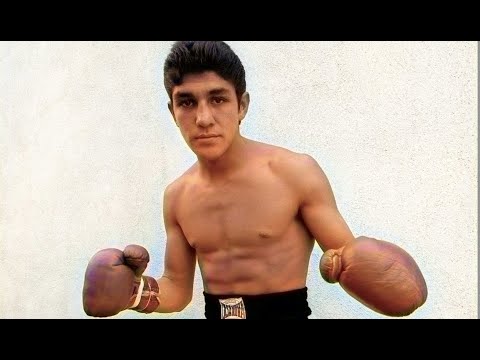
Mando Ramos: A Southern California Legend's Martial Arts Legacy Examined

What truly defines a martial artist? Is it the raw power, the technical prowess, or the indomitable spirit that transcends the arena? For those of us immersed in the rigorous world of Budo and martial arts, these questions are not mere academic exercises; they are the very foundation of our practice. Today, we delve into the life and legacy of a fighter whose story resonates far beyond the bright lights of his era. We're talking about Mando Ramos, a name synonymous with grit and determination to those who witnessed his rise from Southern California.

But before we step into the ring of his life, let's be clear: this isn't just another eulogy. This is an analysis. We're here at Budo and Martial Arts to dissect, understand, and learn. So, lace up your metaphorical gloves, and let's explore the enduring impact of Mando Ramos.

The Mando Ramos Enigma: Beyond the Canvas

Mando Ramos emerged from the vibrant and often unforgiving landscape of Southern California during the late 1960s and early 1970s. In an era where boxing and early forms of professional fighting were gaining traction, Ramos carved out a unique identity. He wasn't just a participant; he was a phenomenon, a fighter who captured the imagination of a generation. His popularity wasn't accidental. It stemmed from a potent combination of skill, charisma, and a fighting style that was both effective and, for the fans, exhilarating.

To truly appreciate Ramos, we must understand the cultural context. Southern California was, and remains, a crucible for athletic talent. The late '60s and early '70s saw a burgeoning interest in combat sports, fueled by media and a growing appetite for athletic heroes. Ramos was perfectly positioned to become one such icon. His fights were events, drawing crowds eager to witness his performances. But what was it about him that captivated so many? Was it the technique, the sheer tenacity, or something more primal?

"The true martial artist is not the one who wins every fight, but the one who faces every challenge with unwavering resolve." - A principle often echoed in the halls of Budo.

Ramos's career, though celebrated, often sits at the intersection of boxing and a broader understanding of combative arts. While his primary arena was boxing, the spirit of the martial artist – the discipline, the dedication, the constant self-improvement – was undeniably present. Many fighters from this era, even those in boxing, drew upon a broader understanding of combat, an instinctual grasp of what it takes to win a physical confrontation.

Contextualizing Ramos: A Martial Melting Pot

It's crucial to place Mando Ramos within the broader spectrum of combat sports and martial arts history. While his official record is in boxing, the principles of martial arts – discipline, respect (Rei), perseverance (Gaman), and the pursuit of self-perfection (Seiri) – are universal. The late 20th century was a period of significant cross-pollination. Techniques from various fighting styles were being explored, and the concept of a "fighter" was evolving.

In Southern California, this melting pot was particularly vibrant. Boxing gyms were often places where practitioners of other disciplines would hone their skills, and vice-versa. The intensity of sparring in boxing shares common ground with the rigorous training in arts like Judo, Karate, or even early forms of MMA. The focus on conditioning, strategic thinking, and the mental fortitude required to withstand punishment are tenets shared across many martial disciplines.

Consider the evolution of combat sports. While Mando Ramos was active, styles like Judo, Karate, and Taekwondo were gaining international recognition. Bruce Lee was revolutionizing martial arts philosophy with Jeet Kune Do, emphasizing adaptability and practicality. The seeds of what we now know as Artes Marciales Mixtas (MMA) were being sown, even if not formally recognized. Fighters like Ramos, through their dedication and performance, contributed to the overall narrative of human combat and athletic achievement. Their grit was a testament to the human will to overcome.

Documentary Deep Dive: Capturing the Warrior Spirit

The documentary focusing on Mando Ramos offers a valuable lens through which to view his life. Documentaries, at their best, are not just biographical accounts; they are explorations of character, context, and cultural impact. When examining a fighter, a good documentary goes beyond the win-loss record to explore the journey, the sacrifices, and the philosophy that guided them.

We look for authenticity in such films. Does it capture the essence of the fighter's spirit? Does it accurately portray the challenges they faced, both inside and outside the ring? For Ramos, the late 1960s and early 1970s were a dynamic period, and understanding his place within that requires a nuanced look. The documentary serves as a historical record, allowing new generations to connect with figures who shaped the landscape of combat sports. It allows us to analyze not just his boxing career, but the underlying martial spirit that fueled his public persona.

The presentation of such documentaries often touches upon the very essence of what it means to be a warrior. It’s about more than just physical conflict; it’s about the internal battle, the discipline required to step into the arena time and time again, and the resilience to face defeat and come back stronger. These are the qualities that resonate with practitioners of BUDO and all forms of traditional martial arts.

Lessons from the Legend: Core Principles

What can we, as dedicated martial artists, learn from the life and career of Mando Ramos? While the specific techniques of boxing might differ from, say, the intricate throws of Judo or the precise strikes of Karate Kyokushin, the underlying principles are remarkably consistent.

  • Unwavering Dedication: Ramos's ascent required years of relentless training. This mirrors the commitment needed in any discipline, whether it's mastering a kata or preparing for a marathon.
  • Mental Fortitude: The ability to perform under pressure, to absorb impact, and to maintain focus is paramount. This "mental game" is a cornerstone of MentalGame in all martial arts.
  • Adaptability: While Ramos was a boxer, the ability to adjust strategies based on an opponent is a universal combat principle. This echoes the philosophy of Jeet Kune Do, emphasizing flexibility in technique and strategy.
  • Grit and Resilience: Facing adversity, whether it's a tough opponent or personal setbacks, and continuing to push forward is the hallmark of a true warrior. This embodies the spirit of perseverance.
"The difference between a successful person and others is not a lack of strength, nor a lack of knowledge, but rather a lack of will." - Vince Lombardi. This sentiment is deeply ingrained in the philosophy of martial arts.

These are lessons that transcend the sport, offering guidance for life itself. The pursuit of excellence in any field requires a similar blend of physical preparation and mental toughness.

Guía de Entrenamiento: Desarrollo de la Fortaleza Mental

Cultivar la fortaleza mental es tan crucial como perfeccionar una técnica de combate. Aquí te presento un ejercicio práctico inspirado en los principios del Budo:

  1. Establece una Intención Clara: Antes de cada entrenamiento, visualiza tu objetivo. ¿Qué quieres lograr? ¿Qué desafío esperas superar? Anota esta intención.
  2. Enfrenta la Incomodidad: Durante tu entrenamiento, cuando sientas fatiga o frustración, no te detengas inmediatamente. Pregúntate: "¿Puedo hacer una repetición más? ¿Puedo mantener esta postura por 10 segundos más?" Empuja tus límites de forma controlada.
  3. Práctica de Conciencia Plena (Mindfulness): Dedica 5 minutos al día a la meditación o simplemente a observar tu respiración. Esto te entrena para mantener la calma bajo presión.
  4. Reflexión Post-Entrenamiento: Al finalizar, reflexiona sobre cómo manejaste los momentos difíciles. ¿Qué aprendiste? ¿Cómo puedes aplicar esta lección en tu próxima sesión o en tu vida diaria? Anota tus observaciones.
  5. Visualización de Éxito: Dedica tiempo a visualizarte ejecutando tus técnicas perfectamente, superando obstáculos, y logrando tus objetivos. La mente es una herramienta poderosa.

Equipo Esencial para tu Entrenamiento

Si bien Mando Ramos se centró en el boxeo, el equipamiento adecuado es fundamental para la práctica segura y efectiva de cualquier arte marcial. Para aquellos que buscan mejorar su rendimiento y disciplina, considerar el siguiente equipo puede ser beneficioso:

  • Guantes de Entrenamiento de Calidad: Ya sea para sparring o trabajo de saco, unos buenos guantes protegen tus manos y muñecas. Busca opciones de MMA o boxeo con un buen acolchado, de 14 oz o 16 oz para entrenamiento general.
  • Vendajes para Manos: Indispensables para brindar soporte adicional a las muñecas y nudillos antes de usar guantes.
  • Protector Bucal: Crucial para la seguridad durante el sparring o cualquier actividad de contacto.
  • Kimono de Entrenamiento (Gi): Para disciplinas como Judo, BJJ o Karate, un gi resistente es esencial. Considera kimonos de doble tejido para mayor durabilidad.
  • Esterillas de Entrenamiento: Si practicas artes de suelo o necesitas amortiguación para caídas y ejercicios, unas buenas esterillas son una inversión en seguridad.
  • Libros sobre Bushido y Filosofía Marcial: Para profundizar en los aspectos mentales y filosóficos, títulos como "El Libro de los Cinco Anillos" de Miyamoto Musashi son invaluables.

Preguntas Frecuentes

¿Fue Mando Ramos un artista marcial o un boxeador?

Mando Ramos es principalmente conocido por su carrera en el boxeo. Sin embargo, la disciplina, el coraje y la dedicación que demostró son cualidades fundamentales compartidas con los artistas marciales.

¿Qué lecciones podemos extraer de su carrera para el entrenamiento de artes marciales?

Podemos aprender sobre la importancia de la tenacidad, la fortaleza mental, la adaptabilidad y la dedicación constante, principios clave en cualquier disciplina marcial.

¿Por qué es relevante analizar la carrera de un boxeador en un blog de artes marciales?

Porque las artes marciales y los deportes de combate comparten un núcleo de valores y exigencias físicas y mentales. Explorar figuras icónicas de cualquier disciplina de combate nos enriquece a todos.

¿Cómo impactó el documental sobre Mando Ramos su legado?

Los documentales ayudan a preservar la memoria de figuras importantes, permitiendo a nuevas generaciones conocer su historia, sus desafíos y su impacto en el mundo del combate deportivo.

¿Qué otras figuras de la época de Ramos son de interés para los aficionados a las artes marciales?

Figuras como Bruce Lee, pionero de Jeet Kune Do, o campeones de Karate y Judo que ganaron popularidad internacional, son igualmente fascinantes desde una perspectiva marcial.

Para Profundizar en tu Camino

  • Historia de las Artes Marciales y su Evolución
  • Entrenamiento de Combate: Principios Universales
  • Filosofía BUDO: Más Allá de la Técnica

Veredicto del Sensei: ¿Merece la pena el estudio de Mando Ramos?

Absolutamente. Si bien Mando Ramos no practicaba un arte marcial tradicional en el sentido estricto, su vida es un testimonio del espíritu indomable que todos buscamos cultivar. Su historia nos recuerda que la disciplina, la resiliencia y la pasión son los verdaderos pilares de cualquier camino de combate. Es un recordatorio de que el coraje en la arena es un reflejo del coraje en la vida. En resumen, Ramos es un campeón de la tenacidad, y su legado ofrece valiosas lecciones para cualquier practicante, sin importar su disciplina.

Reflexión del Sensei: Tu Próximo Paso

Mando Ramos nos demostró la fuerza de la voluntad en el ámbito del combate. Ahora te pregunto a ti: ¿En qué área de tu entrenamiento o de tu vida estás cediendo ante la adversidad? ¿Estás dispuesto a enfrentar esa incomodidad con la misma determinación que Ramos mostró en el ring? El verdadero desafío no está en la victoria fácil, sino en la superación personal que surge de las pruebas difíciles.

``` GEMINI_METADESC: Explore Mando Ramos's legacy: a Southern California legend's career, the martial principles within, and his impact beyond the boxing ring. An analysis for Budo & Martial Arts enthusiasts.