Showing posts sorted by relevance for query Combat. Sort by date Show all posts

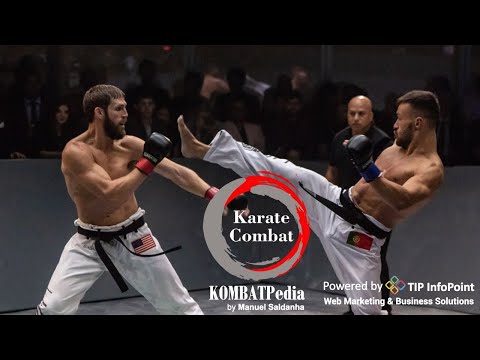
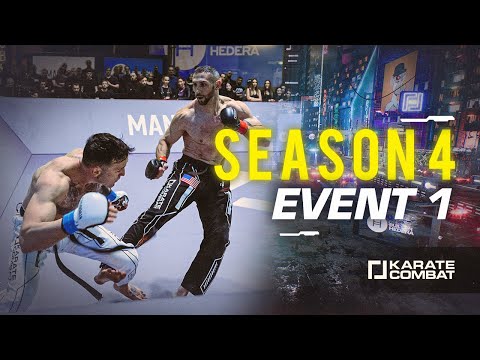
Karate Combat Season 4, Event 1: A Tactical Deep Dive into Karate's Premier League

The roar of the crowd, the sharp snap of a strike, the focused gaze of a warrior – these are the hallmarks of Karate Combat. But as the Season 4 Premiere kicks off with a middleweight title eliminator between Ross Levine and Igor De Castañeda, are we witnessing a true evolution of karate as a combat sport, or merely a dazzling spectacle? Today, we delve beyond the hype to dissect the fighters, the matchups, and the fundamental martial principles at play. This isn't just a preview; it's a lesson in what makes competitive karate a compelling—and sometimes controversial—field of study.

Table of Contents

The Heart of the Matter: Karate Combat's Vision

Karate Combat presents a vision of karate that is both electrifying and, to traditionalists, perhaps even jarring. They aim to showcase the effectiveness of karate techniques in a full-contact, ruleset that emphasizes striking power and athleticism. But does this format truly honor the centuries-old traditions and philosophies that underpin the art? As a seasoned practitioner and critic, I approach this spectacle with a keen eye for authenticity. We must ask: Is this a genuine advancement of martial prowess, or a modern adaptation that sacrifices depth for dynamism? The intention of Karate Combat seems clear: to elevate karate to a globally recognized combat sport, akin to MMA or Kickboxing. This Season 4 opener is not just about individual fights; it's a statement about the direction of competitive karate.
"Karate is not just a sport, it is a way of life." - A principle echoed by many masters, but how does it translate to a televised league?

Main Event: Levine vs. De Castañeda – A Title Shot on the Line

The main event, a middleweight title eliminator between Ross Levine and Igor De Castañeda, is the centerpiece of this event. Eliminator bouts are crucial; they test a fighter's mettle when the stakes are at their absolute highest. Levine, known for his tactical approach, will likely seek to control the distance and exploit any openings with precise strikes. De Castañeda, conversely, brings a reputation for aggression. The tactical chess match here will be immense. Will De Castañeda's pressure break Levine, or will Levine's calculated offense dismantle De Castañeda's charge? Observing their footwork, their defensive postures, and their offensive setups will reveal much about their understanding of *kiai* (the spirit or energy) and spatial awareness – critical elements in any striking art.
This fight represents more than just a personal victory; it's a crucial step in defining the future landscape of the middleweight division within Karate Combat. The winner solidifies their claim to a shot at the championship, a distinction that carries significant weight in the promotion's narrative. We must look for how each fighter adapts to the pressure of a high-stakes bout. Does their training in traditional karate principles translate effectively under the bright lights, or do they revert to more generalized combat instincts?

Chief Support: Kukulicic vs. Thorpe – Youthful Prospects Collide

In the chief support, we see the emergence of two lightweight prospects: Lazar Kukulicic and Mitchell Thorpe. Kukulicic, a qualified cancer nurse, brings an inspiring narrative into the Pit. This duality – the healer and the warrior – is a fascinating aspect of human nature often explored in martial philosophy. His presence suggests a deeper commitment to discipline and resilience, qualities honed through both his profession and his training. Thorpe, a protege of the renowned Pitbull Brothers, is expected to bring raw aggression and a relentless forward pressure. This matchup is a classic representation of contrasting styles: the disciplined, perhaps more technical approach of Kukulicic versus the explosive, pressure-fighting style of Thorpe. How will Kukulicic's background influence his fight strategy? Will he employ the calculated precision of karate, or will the intensity of competition push him towards a more generalized striking approach? Thorpe's aggressive style, nurtured by the Pitbull Brothers, is well-documented. His objective will undoubtedly be to overwhelm Kukulicic early. The key for Kukulicic will be to weather the initial storm and impose his own rhythm, using the principles of distance and timing inherent in karate.

Co-Main Event: Oliveira vs. Esquivel – A Clash of Styles and Momentum

Sthefanie Oliveira makes her promotional debut against the seasoned Mexican veteran Fabiola ‘La Parkita’ Esquivel. Esquivel’s viral head-kick finish against Ana Villanueva earned her accolades and solidified her reputation as a dangerous striker. This kind of highlight-reel finish often signals a fighter with exceptional timing and power, capable of ending a fight in an instant. For Oliveira, stepping into The Pit for the first time against such a fighter is a baptism by fire. The narrative here is clear: the rising prospect against the dangerous veteran with proven knockout power. Oliveira will need to be tactically astute, avoiding Esquivel's signature striking range while looking for opportunities to land her own offense. Esquivel, on the other hand, will aim to impose her power and experience, potentially looking to replicate her previous spectacular finish. We must observe if Esquivel’s viral moment was a flash in the pan or indicative of a consistently potent arsenal. For Oliveira, this debut is a test of her ability to adapt to the highest level of competition and to neutralize a demonstrably dangerous opponent.

Opening Bout: Azouz vs. Gasanov – Debutants and Rising Stars

The card opens with a lightweight bout between Tommy Azouz and Artur Gasanov. Azouz, a former French national team member, brings valuable experience and a winning momentum from his previous appearance in Season 3. His familiarity with the Karate Combat platform and his competitive pedigree suggest he will be a solid contender. Gasanov, often training in Dagestan alongside Karate Combat’s Myrza-Bek Tebuev, makes his debut for the organization. Dagestani fighters are renowned for their toughness, wrestling ability, and potent striking, making Gasanov a potentially explosive addition to the lightweight division. This fight pits a proven competitor on the Karate Combat stage against a debutant with a background steeped in a renowned combat sports region. Azouz will aim to use his experience to control the pace, while Gasanov will likely look to make a strong impression with his debut. The dynamic training environment of Dagestan often produces fighters with a well-rounded skill set, so Gasanov's debut could signal a new threat in the division. Observing Azouz's ability to manage an unknown quantity like Gasanov will be key.

Veredicto del Sensei: ¿Merece la pena?

Karate Combat is a fascinating experiment, pushing the boundaries of what traditional karate can be in a modern combat sports landscape. While some purists may scoff, the athleticism, the dedication, and the sheer intensity on display are undeniable. The production quality is high, the fighters are clearly committed, and the matchups offer genuine intrigue. For fans of striking martial arts, there is much to appreciate. It successfully translates the explosive power and dynamic techniques of karate into an exciting, rule-bound competition. However, it’s crucial to remember that this is a sport, a stylized representation of combat. The deeper philosophical and spiritual aspects of karate, the cultivation of character, and the lifelong journey of self-mastery, are often obscured by the need for immediate action and entertainment. **Mi Veredicto:** Cinturón Negro en Espectáculo, Cinturón Marrón en Tradición. Karate Combat delivers thrilling fights and showcases impressive striking talent, making it a compelling watch for fans of martial arts and combat sports. It serves as an excellent gateway to appreciate the physical demands and tactical nuances of karate, but it should not be seen as a definitive representation of the art's profound depths.

Equipo Esencial para tu Entrenamiento

To truly appreciate the dedication and physicality of these athletes, one must understand the commitment to training. Whether you're inspired by Karate Combat or traditional karate, the right gear is crucial.
  • Kimono de Karate (Gi): Look for a durable, high-quality gi that allows for freedom of movement. For competitive training, a slightly heavier weight fabric can withstand more rigorous sparring.
  • Guantillas de Competición: Essential for protecting hands and reducing the risk of cuts during sparring. Ensure they are approved for Karate Combat rules or similar organizations.
  • Espinilleras y Empeineras: Vital for protecting the lower legs and feet during sparring, especially when practicing kicking techniques.
  • Protector Bucal: A non-negotiable item for any full-contact training to prevent dental injuries.
  • Protector Genital (Cup): Recommended for all male practitioners during sparring.
  • Esterillas de Entrenamiento (Tatami): If you're practicing at home, a good set of tatami mats will provide necessary cushioning and grip.

Preguntas Frecuentes

  • What is Karate Combat?
    Karate Combat is a professional full-contact karate league that features striking-based matches adhering to specific rules designed to showcase karate techniques in a competitive, exciting format.
  • Are the fighters truly karateka?
    Yes, the fighters often have backgrounds in various traditional karate styles and related martial arts, adapting their skills for the Karate Combat ruleset.
  • Is Karate Combat dangerous?
    Like any full-contact combat sport, Karate Combat carries inherent risks. Fighters wear protective gear, and bouts are officiated by referees, but injuries can still occur.
  • How does Karate Combat differ from traditional karate tournaments?
    Traditional tournaments often focus on kata (forms) or point sparring with lighter contact. Karate Combat is full-contact, emphasizing knockouts and continuous striking action.
  • Where can I watch Karate Combat?
    Karate Combat events are typically broadcast on various platforms, including their official YouTube channel and sometimes through dedicated sports networks.

Para Profundizar en tu Camino

* Karate Kyokushin: Explore the world of full-contact karate and its legendary founder, Masutatsu Oyama. * Artes Marciales Mixtas: Understand how different martial arts converge and clash in the ultimate combat sports arena. * BUDO: Delve into the philosophical underpinnings of martial ways, moving beyond mere techniques to explore self-improvement and character development.

Reflexión del Sensei: Tu Próximo Paso

As you watch these warriors step into the Pit, consider this: What does "combat" truly mean to you? Is it merely the exchange of blows, or is it a crucible for forging the self? These fighters showcase remarkable physical prowess, but the true test lies in their discipline, their resilience, and their ability to maintain composure under duress. Now, contemplate: When faced with overwhelming pressure in your own life – be it in training, work, or personal challenges – do you react with calculated precision, or do you falter? **How will you apply the lessons of controlled aggression and unwavering focus beyond the dojo?** Share your thoughts and insights in the comments below.
GEMINI_METADESC: Expert analysis of Karate Combat Season 4, Event 1: Levine vs De Castañeda. Dive deep into fighter strategies, martial principles, and the evolution of karate as a combat sport.

Karate Combat: A Warrior's Deep Dive into the Art of Empty Hand**

Are you truly prepared to understand Karate Combat? Many mistake it for a mere spectacle, a shallow display of kicks and punches. But for those who have walked the dojo floor, who have felt the sting of sweat and the burn of disciplined exertion, Karate Combat represents something far more profound. It is the crystallization of centuries of martial evolution, a living testament to the warrior spirit. This isn't just about winning; it's about the journey, the refinement, and the unyielding pursuit of self-mastery through the art of the empty hand. Let us delve beyond the surface and explore the very essence of what makes Karate Combat a compelling force in the world of martial arts and combat sports.

The Genesis of Karate: From Okinawa to the Global Stage

Karate, as we know it today, did not spring forth fully formed. Its roots are deeply entwined with the history of Okinawa, where indigenous fighting traditions, known as Te, merged with Chinese martial arts techniques. This fusion, driven by necessity and survival under foreign occupation, gave birth to a unique system of self-defense. Early masters like Soken "Bushi" Matsumura and Anko Itosu were instrumental in codifying its principles, transforming it from a practical fighting method into a structured discipline.

"Karate is a defensive art from its very conception and a life's devotion." - Richard Kim

The introduction of Karate to mainland Japan in the early 20th century, spearheaded by figures like Gichin Funakoshi, marked a pivotal moment. Funakoshi's efforts to popularize Karate through demonstrations and the establishment of the Shotokan dojo were crucial. He emphasized not just the physical techniques but also the philosophical underpinnings – the Dojo Kun, or training hall rules, which stress principles like sincerity, politeness, courage, and self-control. This transition from a regional Okinawan art to a national Japanese martial art, and subsequently to a global phenomenon, is a testament to its efficacy and enduring appeal.

Karate Combat: Defining the Modern Arena

While traditional Karate often emphasizes forms (kata) and point-based competition, Karate Combat emerged to showcase a more direct, full-contact application of Karate techniques. The format is designed to test practitioners in a high-stakes environment, bridging the gap between traditional martial arts and modern combat sports like MMA. It demands not only technical proficiency but also resilience, strategic thinking, and the mental fortitude to perform under intense pressure.

The Principles at Play: Beyond the Punch

At its core, Karate is built upon several fundamental principles:

  • Kihon (Basics): The foundation of all Karate practice. This includes stances (dachi), strikes (tsuki, uchi), blocks (uke), and kicks (geri). Mastery of kihon is paramount for developing power, speed, and accuracy.
  • Kata (Forms): Prearranged sequences of movements simulating combat scenarios. Kata are not merely routines; they are intricate moving libraries of martial knowledge, honing technique, balance, and an understanding of applied combat.
  • Kumite (Sparring): The practical application of techniques against an opponent. Karate Combat takes kumite to an extreme, demanding full-contact engagement within a set of rules designed to protect fighters while allowing for decisive action.
  • Zanshin (Awareness): A state of continuous awareness and readiness, extending beyond the immediate action. It's the understanding that the fight is never truly over until one is completely safe and mentally prepared for any follow-up threat.
  • Mushin (No Mind): The state of mental clarity achieved when the mind is free from distracting thoughts, fear, or ego. In combat, Mushin allows for instinctive, fluid, and optimal responses.

Karate Combat tests these principles directly. The speed and power required to land effective strikes, the ability to evade and block incoming blows, and the mental resilience to stay in the fight – all are direct manifestations of these core Karate tenets. It forces practitioners to confront the practical efficacy of their training, often revealing flaws that traditional settings might mask.

Critique Marcial: The Spectacle vs. The Substance

As a seasoned observer and practitioner of martial arts, I approach Karate Combat with a critical eye. On one hand, it undeniably brings Karate to a wider audience, showcasing impressive athleticism and the devastating potential of Karate strikes. The sheer power generated by practitioners like Jorge Perez or Abdalla Shaick is breathtaking. The visual appeal is undeniable; the explosive kicks and focused punches captivate.

However, the debate rages: Does this full-contact format truly represent traditional Karate? My stance is nuanced. Traditional Karate, with its emphasis on precise technique, control, and often non-contact or semi-contact sparring, cultivates a different kind of warrior. The discipline required to execute a perfect kata, the mental focus for controlled sparring, and the philosophical journey of self-improvement are equally vital aspects of the art. Karate Combat, by necessity, streamlines these elements for a spectator sport. It prioritizes the "combat" aspect, which, while exciting, can sometimes overshadow the deeper martial and ethical principles.

"The ultimate aim of Karate is not victory or defeat, but the perfection of the character of its participants." - Gichin Funakoshi (paraphrased interpretation)

The question then becomes: is it still Karate? If the fundamental techniques and the spirit of disciplined combat are present, then yes. But it is a specific manifestation, a modernized iteration designed for a different purpose. It's akin to comparing classical ballet to a street dance crew. Both involve movement, artistry, and skill, but their contexts, objectives, and execution differ significantly. Karate Combat excels at demonstrating the combative effectiveness of Karate's striking arsenal, and this is valuable in its own right.

Equipo Esencial para tu Entrenamiento

While Karate Combat emphasizes raw technique, proper training gear is crucial for safety and progression, both in traditional dojos and for those inspired by the combatants you see in the ring. Investing in the right equipment is an investment in your development:

  • Karate Gi: Look for a durable, double-weave gi designed for full-contact training. A heavier gi can offer some protection and withstand the rigors of intense sparring.
  • Hand Protection: Padded sparring gloves are non-negotiable for Karate Combat and high-impact kumite. Ensure they offer good knuckle protection and wrist support.
  • Mouthguard: Essential for protecting your teeth and jaw. Custom-fitted mouthguards offer the best protection and comfort.
  • Groin Protection: A protective cup (jockstrap or compression shorts with a pouch) is vital for male practitioners.
  • Shin Guards: For intense kicking drills and sparring, padded shin guards are highly recommended.
  • Headgear: In full-contact sparring, headgear can significantly reduce the risk of concussions and facial injuries.

Guía de Entrenamiento: Desarrollando el "Golpe de Karate"

To emulate the power seen in Karate Combat, focus on these foundational elements. This is a simplified guide; a qualified instructor is essential for proper technique and safety.

  1. Posición (Dachi): Begin with a stable, balanced stance like the Zenkutsu-dachi (forward stance). Ensure your weight distribution is correct and your body is aligned.
  2. Cadencia y Rotación (Koshi): Power in Karate comes from hip rotation (koshi). Practice turning your hips explosively into your strikes. Imagine winding up before delivering a punch or kick.
  3. Concentración de la Fuerza (Kime): This is the explosive focus of energy at the moment of impact. Practice hitting a target (like a padded mitt held by a partner, or a makiwara if you have one) with a sharp, focused exhalation. The strike should be fast, then stop sharply.
  4. Secuencia de Movimientos: Combine stance, hip rotation, and a focused strike. For a punch, like a Gyaku-tsuki (reverse punch), practice stepping forward and rotating your hips to drive the punch with maximum force.
  5. Resistencia y Repetición: Train consistently. Perform repetitions of basic punches and kicks, focusing on form, power, and speed. Incorporate conditioning exercises like push-ups, squats, and core work to build the physical resilience needed for sustained combat.
  6. Práctica Aplicada (Kumite): Engage in controlled sparring with a partner. Focus on executing techniques with controlled power, observing your partner's reactions, and practicing defensive maneuvers. Gradual progression to full-contact sparring under strict supervision is the path to emulating Karate Combat.

Preguntas Frecuentes

What is the main difference between Karate Combat and traditional Karate competitions?

Karate Combat is a full-contact professional league emphasizing knockouts and decisive finishes, often with unique rulesets designed for viewer excitement. Traditional Karate competitions vary widely, from non-contact point sparring (like WKF) to semi-contact or full-contact styles (like Kyokushin), but often place greater emphasis on kata and adherence to strict traditional rules.

Are Karate Combat fighters considered true Karate masters?

This is a point of contention. Karate Combat fighters are undeniably skilled and powerful martial artists who demonstrate the combative application of Karate techniques. However, "mastery" in traditional Karate often encompasses a deeper philosophical understanding, extensive kata proficiency, and decades of dedicated practice rooted in specific dojo traditions, which may not be the primary focus in a professional combat league.

Is Karate Combat dangerous?

Like any full-contact combat sport, Karate Combat carries inherent risks of injury. However, the organization implements safety measures, including rule sets designed to mitigate severe harm and requiring fighters to wear protective gear.

Can Karate techniques be effectively used in MMA?

Absolutely. While Karate's focus on striking can be challenged by grappling, many Karate techniques, particularly powerful kicks and precise hand strikes, are highly effective and have been successfully integrated by many MMA fighters. The key is often blending Karate's striking prowess with complementary skills like wrestling and Jiu-Jitsu.

Veredicto del Sensei: ¿Merece la pena el espectáculo?

Karate Combat is a thrilling showcase of Karate's offensive capabilities. It's undeniably exciting to watch powerful athletes deliver devastating strikes and execute dynamic kicks. For those seeking to understand the practical, combat-oriented side of Karate, it offers a compelling glimpse. However, it is crucial to remember that this is a sport, a performance, and a highly specialized application of the art. It doesn't encompass the full spectrum of traditional Karate, which includes the rigorous self-discipline, philosophical depth, and intricate forms that are equally vital to its legacy. Think of it as a powerful, focused beam of light from a much larger, more complex lantern.

Mi Verdedicto:

  • Coreografía y Demostración Técnica: Cinturón Negro en Espectáculo Explosivo
  • Autenticidad como Arte Marcial Tradicional: Un Paso Más Allá de la Superficie, pero no el Viaje Completo.
  • Valor para el Practicante Moderno: Inspirador, pero debe complementarse con el estudio de los fundamentos.

Para Profundizar en tu Camino

Reflexión del Sensei: Tu Próximo Paso

Karate Combat te muestra la punta del iceberg de lo que un artista marcial puede lograr. Pero, ¿entiendes la profundidad de las aguas que yacen debajo? ¿Te conformas con la admiración del espectáculo, o sientes la llamada a explorar los principios que dan forma a esa fuerza? La próxima vez que veas una patada devastadora o un golpe certero, pregúntate: ¿qué disciplina, qué filosofía, qué mil horas de entrenamiento silencioso permitieron que ese golpe se materializara? La verdadera maestría no se encuentra en la victoria efímera, sino en la constancia del aprendizaje. Ahora, ve y entrena. Pero, más importante aún, ¡piensa por qué entrenas!

``` GEMINI_METADESC: Explore the essence of Karate Combat: its history, principles, and its place in the modern martial arts landscape. A critical analysis for every warrior.

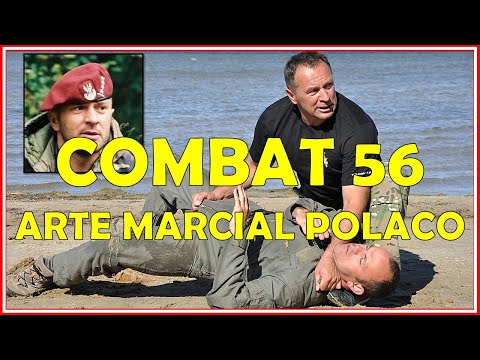
Combat 56: La Filosofía Marcial Polaca para la Supervivencia Detrás de Líneas Enemigas

¡Saludos, budokas y guerreros! Hoy no vengo a hablarles de coreografías elegantes o de técnicas de campeonato mundial. Vengo a desenterrar una joya del pragmatismo marcial, un sistema nacido en el crisol de la supervivencia y la eficiencia extrema: el **Combat 56**. Olviden las luces del espectáculo; esto es combate crudo, diseñado para misiones donde el error significa la muerte, y la victoria se mide en la capacidad de completar la tarea y regresar a casa. ¿Cuál es la intención de un practicante que busca información sobre Combat 56? Probablemente, la misma que la de un soldado de élite: adquirir un conocimiento práctico, brutalmente efectivo, que trascienda el deporte y se adentre en el terreno de la letalidad. Buscan comprender las aplicaciones de un arte marcial diseñado no para puntos, sino para incapacitar y sobrevivir. Mi misión como Sensei es desgranar este sistema, no solo en su técnica, sino en su filosofía intrínseca. El Combat 56 no es solo un conjunto de movimientos; es una mentalidad forjada en el fragor de operaciones especiales. Creado por el oficial polaco Arkadiusz Kups, un veterano de comandos de élite, este sistema nació de la necesidad imperiosa de sus tropas de élite de la Compañía 56. ¿Su propósito? Operar tras las líneas enemigas, un entorno donde cada segundo cuenta y cada movimiento debe ser decisivo. Esto no es para exhibiciones; es para la guerra.

Tabla de Contenidos

La Filosofía del Combat 56: Eficiencia y Supervivencia

La esencia del Combat 56 reside en su pragmatismo sin adornos. A diferencia de muchos sistemas que buscan la belleza del movimiento o la complejidad técnica, aquí el objetivo es uno solo: neutralizar la amenaza de la forma más rápida y segura posible. Se prioriza la economía de movimiento, la contundencia y la adaptabilidad a situaciones extremas. La filosofía subyacente es la del *Kyu Sho Jutsu* (técnicas de puntos vitales) llevado a su máxima expresión en un contexto de combate real y sin reglas. Arkadiusz Kups entendió que en una operación especial, el tiempo es un lujo que raramente se tiene. Enfrentarse a múltiples adversarios, con o sin armamento, en entornos desconocidos y bajo estrés extremo, exige un sistema que sea intuitivo, fácil de aprender en un tiempo limitado y brutalmente eficaz. Esto implica despojar al arte de cualquier técnica que no aporte un beneficio directo y contundente a la supervivencia. No hay espacio para el "arte por el arte".

Orígenes y Desarrollo: Un Arte Nacido en la Elite Polaca

El Combat 56 se gestó en las entrañas de las fuerzas especiales polacas. La Compañía 56, unidad de comandos de élite, requería un sistema de combate cuerpo a cuerpo que estuviera a la altura de las misiones más peligrosas: infiltración, sabotaje y supervivencia en territorio hostil. Kups, con su experiencia y conocimiento de diversas disciplinas marciales y de combate, destiló lo esencial, creando un método enfocado en la efectividad inmediata.
El desarrollo de Combat 56 se centró en la simplicidad y la adaptabilidad. Se estudiaron situaciones reales de combate, se analizaron los puntos débiles de las técnicas tradicionales frente a la agresión desinhibida, y se priorizaron aquellos movimientos que garantizaban una mayor probabilidad de éxito en escenarios de alto riesgo. No se trataba de ganar un torneo, sino de volver con vida.

Principios Clave del Combat 56

Los pilares sobre los que se asienta el Combat 56 son claros y contundentes: * **Simplicidad Radical**: Cada técnica debe ser fácil de recordar y ejecutar bajo estrés. No hay movimientos superfluos. * **Eficacia Inmediata**: El objetivo es incapacitar rápidamente al oponente, no prolongar el combate. * **Uso del Entorno**: El Combat 56 enseña a utilizar cualquier objeto o elemento del entorno como arma o defensa. * **Economía de Movimiento**: Máximo daño con el mínimo esfuerzo. * **Adaptabilidad**: El sistema está diseñado para funcionar contra oponentes armados o desarmados, y en diversas posturas y posiciones. * **Penetración y Control**: La idea es cerrar la distancia rápidamente, dominar al oponente y aplicar la técnica decisiva.
"En el combate real, la sutileza es un lujo que muy pocos pueden permitirse. La fuerza bruta bien aplicada, la velocidad y la intención clara, eso es lo que marca la diferencia." - Arkadiusz Kups

Técnicas Fundamentales: Simplicidad y Poder

El Combat 56 no se basa en un repertorio vastísimo de katas o movimientos elaborados. Se enfoca en una selección precisa de técnicas, refinadas hasta su máxima expresión de efectividad: * **Golpes Directos y Potentes**: Puñetazos rectos, ganchos y uppercuts dirigidos a puntos vulnerables (mandíbula, plexo solar, riñones). Se busca la máxima transferencia de energía. * **Patadas Bajas y Medias**: Enfocadas en desestabilizar al oponente, afectar sus piernas o atacar la zona inguinal. Las patadas altas son secundarias, ya que pueden ser más riesgosas y consumir más energía. * **Clinch y Control**: Técnicas de agarre para controlar al oponente, romper su equilibrio y prepararlo para un golpe decisivo o una proyección. * **Proyecciones y Derribos Rápidos**: El objetivo no es el suelo para una larga lucha, sino derribar al oponente para rematarlo o escapar. * **Uso de Armas Improvisadas**: Cualquier objeto puede ser un arma. Se enseña a identificar y utilizar elementos del entorno. Es importante entender que el Combat 56 no busca la demostración de fuerza física pura, sino la aplicación inteligente de la fuerza, la técnica y la intención. Un golpe bien dirigido a un punto de presión puede ser más efectivo que una docena de golpes sin dirección.

Combat 56 vs. Deportes de Combate: Una Perspectiva Crítica

Aquí es donde la conversación se vuelve polémica, algo que, como Sensei, disfruto enormemente. El Combat 56 opera bajo un conjunto de reglas radicalmente diferente al de cualquier deporte de combate. En el MMA, el Karate, el Judo o el Kickboxing, existen normativas que, si bien buscan la seguridad del atleta, también limitan la aplicación de técnicas letales. Por ejemplo, en el MMA y el Kickboxing, las patadas a la ingle o los golpes a la nuca están prohibidos. En Judo, el objetivo principal es el ippon (proyección perfecta), no la incapacitación inmediata del oponente. El Karate tradicional, aunque filosóficamente profundo, puede carecer de la presión realista de un combate en la calle. El Combat 56, al no tener restricciones, prioriza la neutralización total. Un golpe que en un ring deportivo sería una falta grave, aquí podría ser la diferencia entre vivir o morir. ¿Significa esto que los deportes de combate son inútiles? ¡Absolutamente no! Proporcionan una base física y técnica invaluable, así como una disciplina mental. Sin embargo, el Combat 56 existe en un plano diferente, uno donde la supervivencia es el único objetivo.

Aplicaciones en Defensa Personal: ¿Un Arma para el Civil?

Aquí debemos ser extremadamente cautelosos. Combat 56 es un sistema militar diseñado para operaciones de combate, no para la defensa personal cotidiana de un ciudadano. Su potencia y enfoque en la incapacitación requieren un entrenamiento riguroso y una mentalidad específica. Sin embargo, los principios de simplicidad, eficiencia y uso del entorno son trasladables. Un civil que entrena Combat 56 (si encuentra instructores cualificados y éticos) podría beneficiarse enormemente. Aprendería a reaccionar de forma instintiva, a identificar puntos vulnerables, a usar su entorno y a no dudar en aplicar la fuerza necesaria para asegurar su integridad. Pero ojo: la tentación de usar estas técnicas fuera de un contexto de legítima defensa podría tener consecuencias legales devastadoras. El Combat 56 es un arma, y como tal, debe ser manejada con responsabilidad y conocimiento de causa. No es un juego, y las repercusiones de su mal uso son graves.

Entrenamiento del Combatiente: Rigor y Realismo

El entrenamiento del Combat 56 se aleja de las sesiones de sparring prolongadas y de los desafíos técnicos complejos. Se centra en: * **Repetición Intensiva de Técnicas Básicas**: Para que se graben a nivel neuromuscular. * **Simulaciones de Combate (Drills)**: Escenarios realistas que imitan situaciones de alta presión, con adversarios (a menudo armados). * **Entrenamiento de Condición Física**: Resistencia, fuerza explosiva y capacidad para operar en condiciones adversas. * **Entrenamiento Mental**: Tolerancia al dolor, control del miedo, toma de decisiones bajo estrés. * **Uso de Armas Improvisadas**: Práctica constante con objetos cotidianos. El entrenamiento busca recrear el estrés y la imprevisibilidad del combate real, preparando al practicante para lo inesperado.

Equipo Esencial para tu Entrenamiento

Aunque el Combat 56 enfatiza el uso de elementos del entorno, un entrenamiento básico y seguro requiere cierto equipamiento:
  • Guantes de Boxeo o MMA: Para proteger tus manos al golpear y permitir un entrenamiento más intenso. Unos guantes de 16oz para sparring son ideales si se busca una base sólida.
  • Protector Bucal: Indispensable para cualquier tipo de combate, protege tus dientes y mandíbula.
  • Peto o Chaleco de Entrenamiento: Si vas a practicar golpes con intensidad, ayuda a amortiguar el impacto.
  • Kimono o Ropa Deportiva Resistente: Permite simular agarres y movimientos en ropa común. Para entrenamiento de agarre, considera un kimono de judo o jiu jitsu resistente.
  • Objetos de Entrenamiento Improvisados: Palos de escoba, botellas de plástico vacías, etc., para practicar el uso de armas improvisadas.
Para aquellos que deseen profundizar en la preparación física para este tipo de disciplina, un enfoque en el Conditioning y la Fuerza explosiva es fundamental.

Veredicto del Sensei: ¿Un Sistema para Todos?

El Combat 56 es, sin duda, uno de los sistemas de combate más brutales y eficientes jamás creados. Su enfoque en la supervivencia detrás de líneas enemigas lo convierte en una herramienta formidable. Es un testamento a la adaptabilidad humana y a la necesidad primordial de defenderse. Sin embargo, **¿es para todos? Mi respuesta es un rotundo no.** No es un deporte. No es una actividad recreativa. Es un sistema de combate con un único propósito: la neutralización de amenazas. Requiere una mentalidad seria, un entrenamiento riguroso y una profunda comprensión de las responsabilidades que conlleva. Para el practicante civil, debe ser abordado con la máxima cautela y bajo la guía de instructores extremadamente competentes y éticos. Su valor reside en su eficacia, su peligrosidad potencial en su mal uso.

Preguntas Frecuentes

  • ¿Qué diferencia principal hay entre Combat 56 y las Artes Marciales Deportivas?

    La diferencia fundamental radica en las reglas. El Combat 56 no tiene restricciones, buscando la incapacitación total del oponente. Los deportes de combate tienen normativas que limitan la letalidad para proteger al practicante.
  • ¿Es Combat 56 un sistema de Krav Maga?

    Aunque comparten el pragmatismo y el enfoque en la defensa real, el Combat 56 fue desarrollado de manera independiente por Arkadiusz Kups para unidades específicas de comandos polacos, centrándose en misiones detrás de líneas enemigas. El Krav Maga tiene orígenes y un enfoque más amplio en la defensa civil y militar.
  • ¿Puede un civil aprender Combat 56 de forma segura?

    Teóricamente sí, pero es crucial encontrar instructores altamente cualificados y con una sólida base ética. El sistema es inherentemente peligroso si se enseña o practica sin la debida supervisión y entendimiento de sus implicaciones.
  • ¿Qué tipo de entrenamiento físico requiere el Combat 56?

    Requiere una excelente condición física general, con énfasis en la fuerza explosiva, la resistencia cardiovascular y la capacidad de operar bajo estrés.

Para Profundizar en tu Camino

  • CombateEnLaCalle: Principios para la defensa en entornos urbanos.
  • DefensaPersonal: Técnicas y filosofías para protegerte.
  • MMA: Un análisis comparativo de los deportes de combate modernos.

Entrenamiento para Artes Marciales (Guía Básica Completa)

Aquí te ofrezco una puerta de entrada al mundo de las artes marciales y el entrenamiento. Si bien Combat 56 es para operaciones específicas, los fundamentos son universales. ▶️ CURSO GRATIS DE ARTES MARCIALES MIXTAS Si deseas una guía estructurada para tu propio entrenamiento en casa, considera este método que he desarrollado. 🎁 ADQUIERE EL MÉTODO DE AUTO-ENTRENAMIENTO BÁSICO ---

Reflexión del Sensei: Tu Próximo Paso

El Combat 56 nos enseña que la verdadera efectividad reside en la simplicidad y la contundencia. En un mundo donde a menudo buscamos la complejidad, la solución más directa, aquella que nace de la pura necesidad, suele ser la más poderosa. Ahora, guerrero, te lanzo la pregunta: ¿cuántas técnicas complicadas hay en tu arsenal marcial que raramente usas porque son difíciles de recordar o aplicar bajo presión? ¿No sería más sabio destilar tu práctica a un puñado de movimientos verdaderamente devastadores, que domines a la perfección? Demuestra tu conocimiento y tu opinión. **¿Es la simplicidad la clave suprema en el combate real, o hay espacio para la elegancia y la técnica avanzada incluso en las situaciones más extremas?** ¡Deja tu veredicto en los comentarios! ``` GEMINI_METADESC: Descubre Combat 56, el letal sistema de combate militar polaco creado por Arkadiusz Kups. Filosofía, técnicas, y comparativa con MMA y defensa personal.

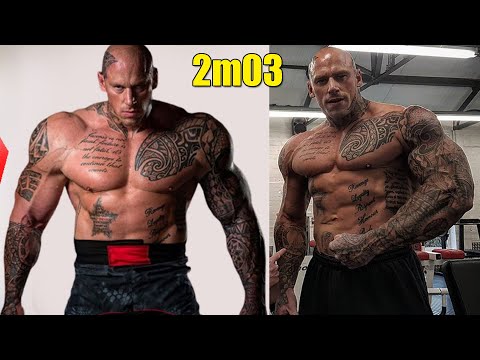
Martyn Ford: The 150kg, 2.03m Giant - Reality vs. Spectacle in Combat Sports

The world of combat sports is often a stage for larger-than-life personalities, and few embody this more than Martyn Ford. Standing at a colossal 2.03 meters and weighing in at a formidable 150 kilograms, Ford presents a physique that commands attention. But what happens when such a physical specimen steps into the arena, not just for a spectacle, but for a genuine test of combat? This is the question that hangs over Ford's foray into the world of "real fighting," a concept that, as a seasoned observer of martial arts and their cinematic portrayals, I find myself dissecting with both intrigue and a critical eye.

Table of Contents

The Spectacle of Martyn Ford

Martyn Ford's presence is undeniable. He is a physical anomaly, a "Quái Nhân" (Monster) as his original title suggests, capable of drawing crowds simply by his sheer scale. This is not new to the world of combat. Think of Butterbean, the heavyweight boxer who became a cult figure for his explosive, albeit brief, knockout power. Or consider the fascination with incredibly large individuals entering sports where size is often king. However, the crucial distinction lies between a spectacle designed for entertainment and the rigorous, disciplined path of martial arts mastery.

The core intention behind searching for content about Martyn Ford in a combat context often stems from curiosity about the extreme. Can such immense physical power overcome technical skill? Does sheer size translate to dominance in a fight? This is what I address as the Intention of Search: The Budoka Curious About Giants.

Intent of Search: The Budoka Curious About Giants

For the dedicated practitioner, the search is likely driven by a desire to understand how extraordinary physical attributes interact with martial principles. Questions arise such as:

  • How does an opponent with such a significant size advantage approach training?
  • What specific techniques would be most effective for someone of his build?
  • Can traditional martial arts principles be applied effectively to someone of this scale?
  • What are the psychological implications for both Ford and his opponents?
  • Is this a genuine display of combat prowess or a staged exhibition?

My aim is to dissect this, moving beyond the superficial fascination with size to explore the underlying martial and combat realities. We must differentiate between the Fighter and the Performer.

Beyond the Size: What Art Does Ford Represent?

When we speak of martial arts, we speak of systems honed over centuries, systems like Judo, Karate, BJJ (Brazilian Jiu-Jitsu), Kickboxing, and MMA (Mixed Martial Arts). Each possesses its own unique philosophy, techniques, and strategic considerations. A practitioner of Kyokushin Karate, for instance, relies on devastating full-contact strikes and conditioning, while a Judo master focuses on throws and grappling. Ford's journey, as presented, seems less about the deep study of a particular BUDO path and more about leveraging his imposing frame.

The question is not whether Ford *can* fight, but *how* he fights, and what understanding of combat he brings. Is he a student of striking, grappling, or a hybrid approach? The term "Thực Chiến" (Real Combat) in his title suggests a desire to prove his mettle, but it's crucial to analyze the context. Was this a sanctioned bout under a specific ruleset, like MMA or Kickboxing, or a more loosely defined encounter?

"The strength of a warrior is not in their muscles, but in their spirit." - A principle echoing across many martial traditions.

Ford's size offers inherent advantages in reach, power, and intimidation. However, these must be coupled with effective technique and conditioning. A fighter who relies solely on size without technical foundation is ultimately predictable and vulnerable. The Warrior Philosophy emphasizes adaptability and skill, not just brute force.

Critique: The Uninitiated in Combat

My primary concern with figures like Martyn Ford entering the combat arena, especially without a demonstrable history in a recognized martial art, is the potential for misrepresentation. The spectacle can overshadow the substance. When a 150kg giant enters a ring, the public often perceives it as a pure test of combat ability. However, if the opponent is also carefully selected, or if the rules are designed to highlight the size difference rather than test all-around combat skills, then what we are witnessing is not true artes marciales, but an exhibition.

True martial arts training, whether it’s the relentless conditioning of Kyokushin, the intricate techniques of Judo, or the strategic depth of BJJ, demands years of dedication. It involves not just physical training but mental fortitude, discipline, and a profound understanding of self-defense. The path of a martial artist is one of continuous learning and self-improvement, a journey symbolized by the quest for Martial Arts Mastery.

Ford's physical attributes are indeed remarkable. He possesses the raw material that many aspiring fighters dream of. However, translating that raw material into effective combat prowess requires a deep understanding of leverage, timing, distance management, and defensive strategy – concepts central to disciplines like Grappling and Lucha en Pie (stand-up fighting).

Real Fight Versus Staged Combat

The term "Đấu Thực Chiến" (Real Combat) is loaded. In the context of professional combat sports, it usually implies a sanctioned bout with established rules. However, the term can also be used to market events that are, to a degree, more about entertainment than pure competition.

Consider the differences:

  • MMA (Mixed Martial Arts): A highly regulated sport combining striking and grappling. Requires well-rounded skills.
  • Kickboxing/Boxing: Focuses on striking, with specific rules regarding techniques and targets.
  • Street Fight/Self-Defense Scenario: Unpredictable, no rules, often against untrained or unexpectedly dangerous opponents. This is where the true "real fight" lies, and it's rarely about overwhelming size alone.

My critical analysis hinges on whether Ford is truly engaging in the latter, or simply participating in a highly publicized exhibition match. While there is value in entertainment and showcasing physical presence, it's vital not to conflate it with the depth and discipline of martial arts. The journey of a true Martial Artist is one of constant refinement and learning, not just showcasing a powerful physique.

Martial Philosophy and the Physical Beast

A key principle in many martial philosophies, particularly those rooted in BUDO, is the idea of "Mushin" (no mind) or "Zanshin" (lingering awareness). These concepts, while perhaps seeming abstract when discussing a man of Ford's size, are fundamental. They speak to a state of heightened awareness, calm under pressure, and the ability to react intuitively rather than with conscious thought. Can a fighter like Ford achieve this state, or will his immense physical presence dominate his mental approach?

"Know your enemy and know yourself; in a hundred battles, you will never be defeated." - Sun Tzu, The Art of War. This applies even more critically when confronting vastly different physical attributes.

The challenge for Ford, and any fighter, is to integrate their physical gifts with a strategic mind and a disciplined spirit. Size is an advantage, but it can also be a liability if it leads to overconfidence or a lack of necessary agility. The Inner Strength and mental game are as crucial as any physical attribute in the realm of Combat Sports.

Training Guidelines for the Physically Gifted

For individuals blessed with Ford's physical gifts, training must be intelligent and comprehensive. It's not just about lifting heavier weights; it's about functional strength, explosive power, and conditioning that can sustain extended efforts. Here’s what I’d emphasize:

  1. Explosive Strength Training: Focus on compound movements like squats, deadlifts, and presses, but incorporate plyometrics and Olympic lifts to develop explosive power. Think about techniques that leverage momentum, such as powerful throws in Judo or devastating strikes in Kickboxing.
  2. Cardiovascular Conditioning: At 150kg, maintaining stamina is paramount. High-Intensity Interval Training (HIIT) and endurance work are crucial. A boxer or MMA fighter needs to be able to fight for multiple rounds, regardless of their size.
  3. Technique over Power (initially): While power is a gift, learning fundamental techniques in striking (e.g., jab, cross, hook, uppercut) and grappling (e.g., takedowns, submissions) is essential. Precision and timing can often overcome brute force. This is where dedicated study in disciplines like MMA or BJJ becomes invaluable.
  4. Flexibility and Mobility: Large athletes can sometimes be less flexible. Incorporating regular stretching and mobility drills is vital to prevent injuries and improve range of motion for techniques.
  5. Mental Fortitude and Strategy: Study the fight game. Understand ring generalship, defensive tactics, and how to manage an opponent's strengths. This is where the Martial Philosophy truly comes into play.

The goal is to become a well-rounded combatant, not just a large man who hits hard. The pursuit of Martial Arts Mastery requires this holistic approach.

Equipment Essential for Your Training

For anyone inspired to train, whether you're built like Martyn Ford or starting from scratch, having the right equipment can make a significant difference. Investing in quality gear is an investment in your progress and safety. Here are some essentials:

  • Push-Up Bars: For varied and deeper push-ups, reducing wrist strain. Look for sturdy, non-slip models.
  • Doorway Pull-Up Bar: Essential for developing back and bicep strength. Ensure it fits your doorframe securely.
  • Dumbbells (Adjustable or Set): Versatile for a wide range of strength exercises. Adjustable dumbbells are space-saving.
  • Training Mat: For comfort and safety during floor exercises, stretching, and grappling. A thick, durable mat is recommended.
  • Gym and Martial Arts Apparel: Comfortable, breathable clothing that allows for a full range of motion is key. Consider specialized gear like Karate gis or BJJ kimonos if you're training those specific arts.
  • Gym Apparel: Focus on moisture-wicking fabrics and a comfortable fit.

Proper equipment can enhance your Workout, improve your safety, and keep you motivated on your Martial Arts Journey.

Veredict of the Sensei: Is It Worth Watching?

Watching Martyn Ford step into a combat environment is, undeniably, a spectacle. His physical presence alone is captivating, and for those interested in the "what if" scenarios of size in combat, it offers a unique viewing experience. However, as a critic of martial arts and combat sports, I approach it with a discerning eye. If the intention is to witness the application of refined martial skill, disciplined technique, and strategic combat, then one might be disappointed.

If, however, you are looking for the sheer, raw power and the psychological draw of a physical anomaly testing himself, it can be intriguing. It serves as a potent reminder of the diverse forms combat can take. Is it a masterclass in BUDO or technical fighting? Likely not. But as a demonstration of physical force and an exploration of human potential at its extreme, it holds a certain fascination. It’s a fight that sparks conversation, and that, in itself, has value.

Cinturón Negro en Presencia Física, Cinturón Blanco en Técnica Marcial Refinada.

Frequently Asked Questions

What is Martyn Ford's fighting background?
Martyn Ford is primarily known for his physique and acting roles. His background in competitive, sanctioned combat sports is limited, with much of his public engagement in fighting being presented as more of an exhibition or a test of his physical prowess rather than a career in traditional martial arts or professional fighting.
What does "Đấu Thực Chiến" mean?
"Đấu Thực Chiến" translates from Vietnamese to "Real Combat" or "Actual Battle." It implies a genuine fight, often contrasted with training or staged performances.
Can size alone win a fight?
While size is a significant advantage in combat, it is rarely enough to win against a skilled opponent. Technique, strategy, conditioning, and mental fortitude are crucial elements that can overcome a size disparity. Many martial arts disciplines focus on principles that allow smaller individuals to defeat larger ones.
Is Martyn Ford a professional martial artist?
Martyn Ford is not typically classified as a professional martial artist in the traditional sense. He is more accurately described as a bodybuilder, actor, and personality who has engaged in exhibition combat.

Further Deepening Your Path

The allure of physical dominance is strong, but remember that true strength in combat, as in life, is a confluence of mind, body, and spirit. Ford's journey, whatever its outcome, serves as a talking point, a reflection on how we perceive power and combat readiness.

Reflexión del Sensei: Tu Próximo Paso

Ford's immense size is a gift, but is it a gift he truly understands how to wield within the intricate dance of combat? If you were to face a giant, would your first instinct be to match his power, or to use strategy and technique to exploit his vulnerabilities? Reflect on this: In your own training, are you merely building strength, or are you cultivating the wisdom and skill to apply that strength effectively when it truly matters? The true warrior knows that size is but one variable in the equation of conflict.

``` GEMINI_METADESC: Critically analyze Martyn Ford's presence in combat sports. Explore the line between spectacle and reality, examining technique, martial philosophy, and the true meaning of 'Real Combat.'

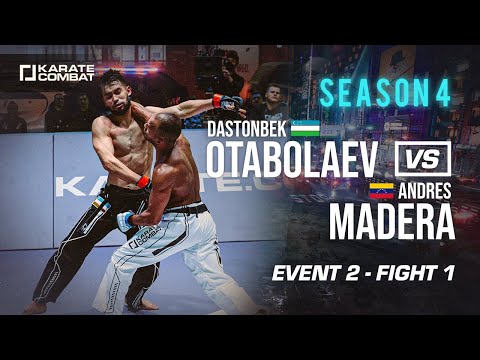
Karate Combat Season 4, Event 2: A Gritty Clash Between Otabolaev and Madera

A New Era of Karate Combat

Greetings, warriors and seekers of the Way. You find yourselves at the digital dojo of Budo and Martial Arts, where we dissect not just techniques, but the very soul of combat. Today, we turn our analytical gaze to the electrifying spectacle of Karate Combat Season 4, Event 2, a night that promised raw power and strategic brilliance. The air crackled with anticipation as Dastonbek Otabolaev prepared to face Andres Madera. But was this merely a fight, or a living testament to the principles that have guided martial artists for centuries?

The question that burns in the minds of practitioners everywhere is: what truly defines success in a modern combat sport derived from ancient traditions? Is it the explosive power, the flawless technique, or the indomitable spirit? We embark on a deep dive, looking beyond the superficial to understand the true essence of this contest.

The Warriors: Otabolaev vs. Madera

On one side of the squared circle stood Dastonbek Otabolaev, a name that has begun to echo through the halls of Karate Combat. Representing Uzbekistan, Otabolaev embodies the fierce determination often associated with Central Asian martial traditions. His approach is typically characterized by relentless pressure, a powerful striking arsenal, and a willingness to engage in close-quarters exchanges. He is a practitioner who understands that true victory lies not just in landing blows, but in imposing one's will upon the opponent.

Opposing him was Andres Madera, a fighter hailing from the Dominican Republic. Madera brings a different flavor to the Karate Combat arena. Known for his speed, agility, and sharp, precise techniques, he often favors a more tactical, counter-striking approach. His ability to evade, redirect, and capitalize on openings makes him a dangerous adversary for any opponent. The contrast in styles promised a fascinating dynamic: the immovable object meeting the irresistible force, or perhaps, a master of offensive pressure against a strategist of defensive mastery.

Dissecting the Bout: A Technical Breakdown

The bout itself was a masterclass in strategic engagement. From the opening bell, Otabolaev sought to establish his dominance, advancing with purposeful strikes. His low kicks were potent, aiming to chop down Madera’s base, while his punches were delivered with concussive force. There were moments where Otabolaev’s raw power seemed overwhelming, forcing Madera to defend and absorb significant punishment.

However, Madera proved to be an exceptionally resilient and intelligent fighter. He absorbed Otabolaev’s initial onslaught with calculated composure, often using deft head movement and footwork to minimize the damage. As the rounds progressed, Madera began to find his rhythm. His counter-strikes became more frequent and accurate. A well-timed jab here, a sharp cross there – each landed blow was a testament to his patience and observational skills. The true battle was not just in the exchanges, but in the moments between them, where tactical decisions were made in fractions of a second.

What was particularly compelling was the application of Karate principles within the modern, high-octane environment of Karate Combat. We saw traditional stances adapted for dynamic movement, and the principles of Ki (energy) being channeled not just into power, but into the timing and precision of each technique. The fighters weren't just throwing punches; they were executing a plan, a dance of conflict honed by years of dedication.

One could observe the difference in their approach to distance. Otabolaev tried to keep the fight at punching range, where his power was most effective. Madera, conversely, sought to control the mid-range, utilizing his reach and speed to land quick combinations before Otabolaev could fully commit. This strategic back-and-forth, a constant adjustment of range and timing, is what elevates a fight from mere aggression to a true martial art.

"The supreme art of war is to subdue the enemy without fighting." - Sun Tzu, The Art of War. While direct combat was inevitable here, the underlying principle of strategic positioning and minimizing unnecessary engagement was evident in Madera's approach.

Beyond the Punches: The Bushido Spirit

The Karate Combat league, more than many other combat sports, strives to connect the modern athlete with the ancient warrior ethos. This bout between Otabolaev and Madera was a prime example. Both fighters displayed incredible heart and resilience. When one was pressed, the other did not falter; instead, they found a way to respond, to adapt, and to continue pushing forward. This unwavering commitment is the bedrock of the Bushido code – the way of the warrior.

We witnessed moments of controlled aggression, where power was tempered by technique, and moments of quiet contemplation in the fighters' corners, where strategy was refined. This duality – the fierce external battle and the calm internal focus – is the essence of true martial training. It's about mastering oneself as much as mastering the opponent. The ability to remain composed under pressure, to execute complex actions when your body is screaming in protest, this is where the true depth of martial arts is revealed.

The outcome of the fight, regardless of who stood victorious, was a demonstration of the values that Karate Combat seeks to champion: discipline, respect, courage, and perseverance. These are not just qualities for the ring; they are principles that can transform a life, guiding individuals through challenges far greater than any physical confrontation.

Sharpening the Blade: Training for the Karate Combat Arena

To compete at the level seen in Karate Combat requires a rigorous and multifaceted training regimen. It’s not enough to simply practice Karate katas or spar sporadically. The demands of this sport necessitate a holistic approach, blending traditional martial arts conditioning with modern athletic training.

For fighters like Otabolaev and Madera, training likely includes:

  1. Technical Drilling: Repetitive practice of strikes, blocks, and footwork combinations to build muscle memory and refine technique. This ensures that movements become instinctive under duress.
  2. Sparring Sessions: High-intensity sparring, both conditioned and free, to simulate the pressures of a real fight. This helps fighters adapt to different styles and scenarios.
  3. Strength and Conditioning: A robust strength and conditioning program focusing on explosive power, muscular endurance, cardiovascular health, and injury prevention. This is where the foundational strength for powerful strikes and sustained pressure is built.
  4. Flexibility and Agility Training: Essential for evasion, dynamic movement, and preventing injuries. Exercises like dynamic stretching, plyometrics, and agility drills are crucial.
  5. Mental Preparation: Visualization, meditation, and strategic analysis to hone focus, build confidence, and develop fight IQ. The mental game is as critical as the physical.

The dedication required is immense. Early mornings, late nights, pushing through pain – these are the hallmarks of any serious martial artist’s journey. It’s a constant pursuit of self-improvement, seeking to unlock greater potential with each passing day.

While raw talent and dedication are paramount, the right equipment can significantly enhance training and performance. For those inspired by the striking power and technical prowess seen in Karate Combat, consider the following:

  • High-Quality Karate Gi: Look for a gi that is durable, offers a good range of motion, and can withstand intense training. A heavier weave gi is often preferred for its durability and snap.
  • Training Gloves: For sparring sessions, investing in proper sparring gloves is crucial. These protect your hands and your training partners. Opt for gloves specifically designed for striking sports that offer adequate padding.
  • Mouthguard: Non-negotiable for any sparring or combat training. Protect your teeth and jaw.
  • Shin Guards and Instep Protectors: Essential for full-contact sparring, protecting against kicks and foot strikes.
  • Duffel Bag: A sturdy bag to carry all your gear to and from the dojo or gym. Consider a bag that can compartmentalize wet and dry gear.

Investing in quality Karate merchandise is not just about practicality; it’s about showing respect for the art and your training.

Sensei's Verdict: Was This a Masterclass?

Karate Combat Season 4, Event 2, delivered a compelling contest between Dastonbek Otabolaev and Andres Madera. While both fighters showcased commendable skills and heart, Madera's strategic adaptability and precision proved to be the deciding factor in this encounter. He weathered the storm and found the openings to secure his victory.

Was it a masterclass? From Madera's perspective, it was certainly a performance demonstrating tactical brilliance and resilience under pressure. For Otabolaev, it was a tough lesson, a reminder that even the most powerful offense must be tempered with defensive awareness and strategic patience. As a viewer, it was an engaging display of modern karate fighting, showcasing the evolution of traditional techniques within a dynamic, competitive framework.

Sensei's Rating:
Mastery of Strategy: 4.5/5 Stars
Raw Power & Heart: 4/5 Stars
Authenticity of Karate Spirit: 4/5 Stars

Frequently Asked Questions

What is Karate Combat?

Karate Combat is a professional fighting league that showcases a modern, full-contact version of Karate, incorporating aspects of traditional Karate techniques with a focus on exciting, fan-friendly action.

Who won the fight between Otabolaev and Madera?

Andres Madera won the bout against Dastonbek Otabolaev.

Is Karate Combat the same as traditional Karate?

While rooted in traditional Karate principles, Karate Combat is a full-contact sport with specific rulesets designed for competitive fighting, making it distinct from traditional, non-contact or semi-contact Karate disciplines.

How can I improve my own Karate training?

Focus on consistent technical practice, engage in rigorous conditioning, spar regularly (with proper safety gear), and cultivate mental discipline. Seek guidance from qualified instructors and always strive for self-improvement.

Deepen Your Journey

The path of martial arts is one of lifelong learning. To continue your exploration:

"The fight is won or lost far away from the arena, on the minds of the warriors." - Unknown. This sentiment perfectly encapsulates the strategic depth witnessed in the Otabolaev vs. Madera bout.

Reflection of the Sensei: Your Next Step

This fight was more than just a series of exchanges; it was a living demonstration of strategy, resilience, and the enduring spirit of the martial artist. Now, I pose a question to you, my students of the digital dojo:

When faced with an opponent whose style seems diametrically opposed to your own, do you adapt your strategy, or do you stubbornly cling to your ingrained methods, hoping brute force or familiarity will prevail?

Consider this carefully. Your answer, and how you apply it, will reveal much about your own journey.

``` GEMINI_METADESC: Analyze Karate Combat Season 4, Event 2: Otabolaev vs. Madera. Deep dive into strategy, technique, the Bushido spirit, and training. Sensei's verdict.

The Unforeseen Warrior: Analyzing the BKFC Upset of Burns vs. Tate

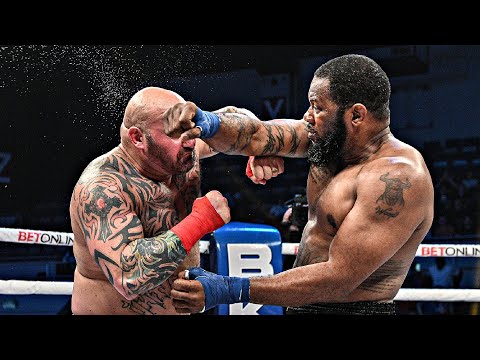
What is called by many as the biggest upset in BKFC! Josh Burns faced Frank Tate in the main event from BKFC 17! This contest wasn't just a display of raw power, but a stark reminder that in the unyielding arena of combat sports, the script can be rewritten in an instant. The very notion of an "upset" challenges our preconceived notions of dominance and can ignite fierce debate among fight enthusiasts. Does it diminish the victor's skill, or highlight the underdog's hidden potential? The roar of the crowd, the clash of bare knuckles, the visceral drama of the BKFC – it all coalesces into a spectacle that demands our attention, especially from a martial arts perspective. Beyond the spectacle, however, lies the deeper narrative of strategy, resilience, and the ever-present possibility of the unexpected. This bout, in particular, serves as a potent case study.

A Shifting Landscape: BKFC and the Art of Bare-Knuckle Combat

BKFC, or Bare Knuckle Fighting Championship, has carved a unique niche in the modern combat sports landscape. It strips away the layers of protective gear, leaving only the fundamental elements of striking and defense. This raw, unadulterated form of combat, while perhaps not as technically intricate as some traditional martial arts, demands a different kind of courage and precision. The stakes are undeniably higher with every landed blow. The fight between Josh Burns and Frank Tate was a pivotal moment, not just for the participants, but for the perception of the sport itself. When an outcome defies expectations, it forces us to re-evaluate what we understand about skill, preparation, and the unpredictable nature of a fight. This is where the true art of combat analysis begins – looking beyond the result to understand the "how" and "why."

The Main Event: Tate's Challenge and Burns' Resilience

The original fight card for BKFC 17 featured Joey Beltran against Frank Tate in the main event. However, the narrative that truly captured the imagination, and indeed caused a stir, was the performance of Josh Burns. When an underdog like Burns steps into the ring against a seemingly more favored opponent, the underlying narrative often centers on their journey, their training, and their unwavering belief.
The question that lingers is not just *who* won, but *how* they navigated the complexities of the fight. Did Burns employ a specific strategy learned from years of dedicated entrenamiento? Did Tate underestimate the raw grit and ki that Burns brought to the ring? These are the dialogues we must engage in to truly appreciate the martial spirit at play.

Unpacking the Tactics: What We Saw in the Ring

While the original broadcast might have focused on the shock value, a deeper martial arts analysis can reveal the tactical nuances. For instance, how did Burns manage distance? What was his defensive posture against Tate's offensive flurries? In bare-knuckle boxing, timing, head movement, and the ability to absorb punishment are as crucial as the power of a punch. Consider the principles derived from historical martial arts. The ability to adapt to an opponent's strengths and exploit their weaknesses is a timeless lesson. A fighter who can maintain composure under pressure, even when seemingly outmatched, demonstrates a profound level of mental fortitude – a core tenet of BUDO.
"The supreme art of war is to subdue the enemy without fighting." - Sun Tzu. While this fight was a physical contest, the psychological battle leading up to and during the bout is equally significant. Burns' victory could be seen as a triumph of mental preparation as much as physical prowess.

The "Upset" Factor: More Than Just a Surprise

The term "upset" in combat sports often carries a dual meaning. On one hand, it signifies a deviation from predicted outcomes, exciting the purists and casual observers alike. On the other, it can prompt a critical re-examination of the fighters involved and the very nature of prediction in combat. Could this have been an instance where years of disciplined artes marciales training, perhaps in a less publicized discipline, gave Burns an edge in resilience or adaptability that was underestimated? We must always consider that the journey to the ring is rarely as straightforward as a win-loss record suggests.

Training Regimens and Philosophical Underpinnings

Understanding the training methodologies behind fighters like Burns and Tate is key to appreciating their performances. While BKFC focuses on striking, the underlying conditioning, agility drills, and mental preparation are often drawn from a broader spectrum of martial arts principles. A fighter might possess the raw power for a knockout, but without the discipline to maintain a consistent training regimen, the ability to absorb pressure, and the mental clarity to execute a plan, that power can be rendered ineffective. This is where the philosophy of BUDO – the way of the warrior – comes into play, emphasizing not just physical skill but character development and self-mastery.

The Role of Strategy in Bare-Knuckle Combat

In a sport where a single punch can end the fight, strategy is paramount. It's not just about throwing heavy shots; it's about setting traps, controlling the center of the ring, and managing energy reserves. The fight between Burns and Tate likely involved a complex dance of offensive and defensive maneuvers, perhaps influenced by different martial backgrounds. If Tate relied on a particular offensive style, how did Burns counter it? Did he employ footwork reminiscent of traditional boxing or perhaps incorporate evasive techniques more akin to some Karate or Jiu-Jitsu defensive postures? Analyzing these elements allows us to move beyond mere spectacle and into the realm of genuine martial arts analysis.

Beyond the BKFC Ring: Lessons for All Practitioners

The "upset" in this BKFC bout offers valuable lessons for anyone involved in martial arts or combat sports:
  • The Underdog Factor: Never underestimate the power of preparation, heart, and a well-executed strategy.
  • Adaptability is Key: The ability to adjust one's approach mid-fight can be the difference between victory and defeat.
  • Mental Fortitude: The psychological aspect of combat is as crucial as the physical. Staying calm under pressure is a hallmark of a seasoned warrior.
  • The Ever-Evolving Nature of Combat: What we consider an "upset" today might be the norm tomorrow as fighters continue to innovate and push boundaries.
This fight serves as a potent reminder that in the dynamic world of combat sports, the unexpected is always a possibility. It’s this unpredictability that fuels our passion and keeps us engaged, eager to witness the next chapter unfold.

Veredicto del Sensei: ¿Merece la pena?

This BKFC bout, particularly the narrative surrounding Josh Burns' performance, is a fascinating case study in combat sports dynamics. While not a traditional martial arts contest in the vein of Karate or Judo, it showcases the raw, unadulterated application of striking power and resilience under extreme pressure. The "upset" factor adds a layer of intrigue that sparks debate. For those interested in the broader spectrum of combat and the psychology of fighting, it's a compelling watch. It reminds us that heart, grit, and a sound strategy can often overcome perceived disadvantages. Calificación: Cinturón Negro en Psicología del Combate

Equipo Esencial para tu Entrenamiento

While BKFC is bare-knuckle, many practitioners looking to improve their striking and conditioning might benefit from specific gear.
  • Hand Wraps: Essential for protecting your knuckles and wrists during any striking training.
  • Boxing Gloves: For sparring sessions, 14-16oz gloves are standard for safety.
  • Mouthguard: Non-negotiable for any form of combat or high-impact training to protect your teeth and jaw.
  • Jump Rope: A classic tool for improving cardiovascular fitness, agility, and footwork – fundamental for any fighter.
  • Duffel Bag: To carry all your essential entrenamiento gear to the gym or dojo.

Recursos para Profundizar

To further understand the nuances of combat sports and martial philosophy:
  • Explore the history of striking arts in our article on Karate.
  • Delve into the mental game with our insights on BUDO and the warrior's spirit.
  • Discover the tactical side of Artes Marciales Mixtas.

Preguntas Frecuentes

What is BKFC?

BKFC stands for Bare Knuckle Fighting Championship, a professional combat sports promotion that features boxing matches with no gloves.

What makes a fight an "upset"?

An upset occurs when a competitor who is considered the underdog, often with lower odds or a less impressive record, defeats a favored opponent.

Is bare-knuckle fighting a martial art?

While BKFC is a form of combat sport, traditional martial arts like Karate, Judo, or Kung Fu often involve a broader philosophical and technical scope, including forms, weapon training, and defensive principles beyond pure striking.

How important is conditioning in BKFC?

Crucial. Without gloves, fighters must rely on precise power and defense. Excellent cardiovascular conditioning and the ability to absorb impact are vital for lasting through rounds.

Where can I watch BKFC fights?

BKFC events are typically available via pay-per-view through their official website or other designated streaming platforms.

Para Profundizar en tu Camino

"Victory is reserved for those who are willing to pay the price." - Bruce Lee. This adage resonates deeply when analyzing any combat sport, especially one as demanding as bare-knuckle fighting. The price is paid in sweat, discipline, and an unwavering commitment to one's craft.

Reflexión del Sensei: Tu Próximo Paso

The echoes of the crowd may fade, but the lessons learned in the crucible of combat endure. This BKFC bout, with its unexpected twist, serves as a powerful metaphor for life. Are you the favorite, coasting on past glories, or the underdog, honing your skills in the shadows, ready to seize your moment? In your training, in your challenges, in your daily life – how do you prepare for the fight that no one sees coming? ``` GEMINI_METADESC: Analyze the BKFC upset of Josh Burns vs. Frank Tate from a martial arts perspective. Explore strategy, conditioning, and the true meaning of an upset in combat sports.