
As a Sensei who has dedicated a lifetime to the rigorous path of Budo and martial arts, I've seen countless individuals enter the dojo with a singular goal: to burn fat, get stronger, and look better. And while these are valid aspirations, they often miss the deeper currents that truly transform a practitioner. The original prompt mentioned a "30 minute fat burning home workout for beginners," aiming for "achievable, low impact results." While such routines have their place, particularly for those just stepping onto the path, they can be a superficial starting point if not infused with the profound principles that underpin true martial development. Are we merely seeking to shed physical weight, or are we ready to confront the internal battles that forge resilience, discipline, and an unyielding spirit?
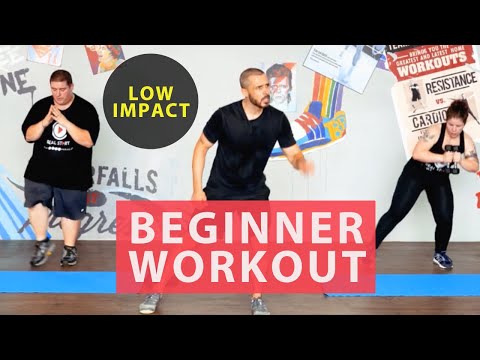
The essence of Budo is not merely in the external display of technique, but in the internal cultivation of character. It's about understanding that the "fat burning" many seek is often a metaphor for burning away the lethargy, the excuses, and the mental inertia that hold us back. This journey, especially for beginners, requires a mindful approach that prioritizes foundational strength, unwavering discipline, and a philosophical underpinning that transcends mere physical exertion.
Table of Contents
- The True Meaning of the Beginner's Path
- Beyond the Clock: Core Budo Principles for Any Workout
- A Budo-Inspired Home Training Regimen
- The Art of Practice: Filming and Understanding Your Progress
- Essential Gear for Your Home Dojo
- Sensei's Verdict: The Long Game of Fitness
- Frequently Asked Questions
- Deeper Dives into the Warrior's Way
The True Meaning of the Beginner's Path
The modern fitness landscape is often dominated by quick fixes and trendy routines. While a "30 minute fat burning home workout" might seem appealing, it risks reducing the profound practice of martial arts training to a mere calorie-counting exercise. True martial development, however, is a lifelong journey. For beginners, the initial focus should be on cultivating a stable foundation, understanding correct form, and developing the mental fortitude to persevere. This isn't just about shedding a few pounds; it's about forging a disciplined approach that will serve you far beyond the physical realm. The "Real Start" and "Real Start Plus" plans, mentioned in the original context, hint at this deeper commitment – a commitment to "real people with real people" suggests an inclusive, grounded approach, which aligns with the Budo spirit. However, we must elevate this beyond mere "low impact, realistic, and effective" to something truly transformative.
Welcome to Budo and Martial Arts. Today, we move beyond the superficial to explore how the enduring principles of martial discipline can inform even the most basic home workouts, turning a simple exercise session into a profound act of self-mastery.
Beyond the Clock: Core Budo Principles for Any Workout
The goal of burning fat is often a gateway, but the true destination lies in building strength, stamina, and unwavering discipline. These are the cornerstones of Budo, and they can be integrated into any training regimen, regardless of its duration or specific exercises.
- Discipline (Kiritsu - 起律): This is the bedrock. Committing to a training schedule, even when motivation wanes, is paramount. It's about showing up for yourself.
- Patience (Nintai - 忍耐): Results take time. True fitness, like mastery in any art, is a marathon, not a sprint. Avoid the temptation of shortcuts.
- Mindfulness (Zanshin - 残心): Be present in your movements. Understand how your body feels, how each motion affects you. This awareness is crucial for preventing injury and maximizing effectiveness.
- Intent (Sen - 先): Every movement should have purpose. Even in a simple squat, there's an intention to strengthen, to support, to prepare for future challenges.
- Respect (Rei - 礼): Respect for the practice, for your body, and for the space you train in. This fosters a positive mindset and enhances focus.
"The way of the warrior is to know when to fight and when to wait." This principle extends to training. Know when to push your limits and when to focus on foundational consistency.
A Budo-Inspired Home Training Regimen
While a dedicated 30-minute routine can be a starting point, let's infuse it with martial intent. This is not about complex katas, but about applying the principles of focused, deliberate movement. We'll structure this as a progressive workout, focusing on compound movements that engage multiple muscle groups, promoting functional strength and efficient calorie expenditure.
Warm-up (5 minutes)
- Dynamic Stretching: Arm circles, leg swings (forward, backward, sideways), torso twists, and high knees. Focus on controlled, fluid movements.
- Joint Rotations: Gently rotate wrists, ankles, neck, and hips. This prepares the joints for more rigorous activity.
- Light Cardio: Jogging in place or jumping jacks (low impact variations if needed) to elevate the heart rate gradually.
Core Workout (20 minutes)
Perform each exercise for 45 seconds, followed by 15 seconds of rest. Complete 3-4 rounds of the entire circuit.
- Bodyweight Squats: Focus on maintaining a straight back and pushing your hips back as if sitting into a chair. Ensure your knees track over your toes. This builds lower body strength and foundational stability, crucial for stances in Karate or grappling in Judo.
- Push-ups (on knees or toes): Engage your core and keep your body in a straight line from head to heels. This develops upper body power, essential for striking arts like Karate or Kickboxing.
- Lunges (alternating legs): Step forward, lowering your hips until both knees are bent at approximately 90 degrees. The front knee should be directly above the ankle, and the back knee should hover just above the floor. This improves balance and leg strength, vital for dynamic movement.
- Plank: Hold a push-up position on your forearms, keeping your body in a straight line from head to heels. Engage your core muscles. This builds incredible core strength, the powerhouse of all martial arts techniques.
- Glute Bridges: Lie on your back with knees bent and feet flat on the floor. Lift your hips off the ground, squeezing your glutes at the top. This strengthens the posterior chain, vital for power generation.
- Bird-Dog: Start on your hands and knees. Extend your right arm forward and your left leg backward simultaneously, keeping your core engaged and back straight. Alternate sides. This enhances core stability and coordination.
Cool-down (5 minutes)
- Static Stretching: Hold stretches for major muscle groups (quadriceps, hamstrings, chest, shoulders, triceps) for 30 seconds each. Focus on deep breathing to aid recovery.
- Mindful Breathing: Sit or lie down comfortably. Focus on slow, deep inhales and exhales. This helps to calm the nervous system and reflects the meditative aspects of Aikido or Zen practices.
The Art of Practice: Filming and Understanding Your Progress
The original context mentions "filming." This is a powerful tool, not just for marketing, but for self-assessment. When you film yourself, you can objectively analyze your form.
"Observe yourself as you would observe your opponent." - Miyamoto Musashi (paraphrased).
Reviewing your own movements allows you to identify inefficiencies, weak points, and areas where your technique deviates from the ideal. In martial arts, precision is paramount. A slight misalignment in a punch or a kick can not only reduce its effectiveness but also increase the risk of injury. This self-observation is a critical aspect of martial development, helping you to internalize correct patterns and avoid ingrained bad habits. This analytical approach is key whether you are practicing Kyokushin Karate, MMA grappling, or even a simple home fitness routine.
Essential Gear for Your Home Dojo
While many home workouts can be done with bodyweight alone, a few key pieces of equipment can significantly enhance your training and expand your options. Investing in proper gear shows respect for your practice.
- Comfortable Workout Mat: Essential for floor exercises, protecting your joints and providing grip.
- Resistance Bands: Versatile for adding resistance to bodyweight exercises, increasing intensity and targeting specific muscle groups.
- Jump Rope: An excellent tool for cardiovascular conditioning. Look for a speed rope for a greater challenge.
- Durable Training Shoes: Provide support and stability for dynamic movements.
- Water Bottle: Hydration is critical for performance and recovery.
For those looking to invest further, consider a good quality Karate Gi if you're studying the art formally, or a supportive Grappling dummy for BJJ or Judo practice.
Sensei's Verdict: The Long Game of Fitness
The concept of a "30 minute fat burning home workout for beginners" can serve as an entry point. However, it should not be the destination. True fitness, akin to mastery in any martial art, is about consistency, dedication, and a deeper understanding of the principles that govern physical and mental conditioning. The low-impact, achievable nature is suitable for beginners, but the real "results" are measured not just in weight lost, but in discipline gained, resilience built, and the unwavering spirit cultivated. This is not a fleeting trend; it is the forging of a warrior's body and mind.
Frequently Asked Questions
Q1: Is a 30-minute workout truly effective for fat loss?
Yes, consistency over time is more important than duration in a single session. A 30-minute workout, performed regularly and with proper intensity, can be highly effective for fat loss, especially when combined with a balanced diet. The key is to make it a sustainable habit.
Q2: How can I ensure I'm using proper form at home?
Utilize mirrors to check your alignment. Film yourself and compare your movements to instructional videos from reputable martial arts sources. Focus on controlled, deliberate execution rather than speed.
Q3: What's the difference between a general workout and Budo training?
General workouts often focus solely on physical outcomes. Budo training integrates physical conditioning with mental discipline, philosophical understanding, and character development. Every exercise in Budo has a purpose beyond the immediate physical result.
Q4: I'm a complete beginner. Where should I start with martial arts after this workout?
Seek out a reputable local dojo. Look for instructors who emphasize not just technique but also the philosophy and history of the art. Trying introductory classes in styles like Karate, Judo, or Taekwondo can be a great starting point.
Deeper Dives into the Warrior's Way
To truly understand the depths of martial training and its application beyond the physical, I encourage you to explore these resources:
- BUDO: The Philosophy and Practice of Japanese Martial Arts
- The Tenets of Kyokushin Karate
- Understanding the Strategic Depth of MMA
- Principles of Effective Self-Defense
If you wish to support the continuation of authentic martial arts content, consider exploring exclusive NFTs through our store.
This journey of self-improvement is ongoing. The physical challenges are merely the tools through which we forge an unshakeable spirit. The true victory is not in the sweat on the floor, but in the discipline etched into your soul.
Reflection of the Sensei: Your Next Step
Does the pursuit of "fat burning" truly satisfy the warrior's hunger, or is it a distraction from the deeper cultivation of strength, resilience, and purpose? Reflect on your motivations: are you training to merely change your appearance, or to fundamentally transform your character? Where do you see the greatest "fat" – physical or otherwise – that needs burning away in your life?
``` GEMINI_METADESC: Explore how Budo principles transform basic home workouts into profound self-mastery, focusing on discipline, intent, and the unseen battles of fitness.
No comments:
Post a Comment