Table of Contents
- The Rise of the Wolf
- A Physique Forged in Discipline
- The Tyrant's Reign: A Cascade of Victories
- Beyond the Dohyo: The Spirit of a Champion
- Chiyonofuji vs. The World: A Tactical Masterclass
- Veredicto del Sensei: ¿Un Icono Inmortal?
- Equipo Esencial para tu Entrenamiento
- Guía de Entrenamiento: La Mentalidad del Campeón
- Preguntas Frecuentes
- Para Profundizar en tu Camino
The Rise of the Wolf
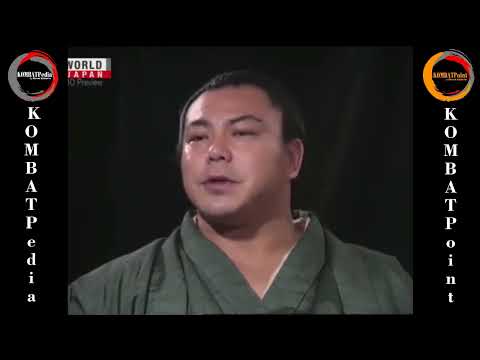
The scent of sweat, the roar of the crowd, the immense, almost primal tension before the clash of titans. This is the world of Grand Sumo, a realm where tradition meets raw power, and where legends are forged not just in muscle, but in spirit. Today, we delve into the life and legacy of a man who didn't just participate in this ancient sport, but defined an era: Chiyonofuji Mitsugu (千代の富士 貢).
Chiyonofuji, often dubbed "The Wolf of the Ring," was more than just a successful wrestler; he was a phenomenon. His electrifying presence, his stoic demeanor, and his astonishing string of victories captivated Japan and the martial arts world. But what truly set him apart? Was it merely his overwhelming success, his chiseled physique that defied the typical sumo wrestler's form, or the striking, almost fierce beauty that emanated from him even in defeat?
This isn't just a eulogy; it's an exploration. We will dissect the essence of Chiyonofuji, examining the discipline, the philosophy, and the sheer indomitable will that propelled him to heights few have ever reached in the sumo wrestling world. Prepare yourselves, for we are about to witness the power of a true Budo warrior.
A Physique Forged in Discipline
In a sport often characterized by immense girth, Chiyonofuji presented a striking anomaly. His muscular build was a testament to a rigorous, almost obsessive training regimen. While many sumo wrestlers focused on accumulating mass, Chiyonofuji sculpted his body into a weapon of lean power and explosive agility. This was not mere aesthetics; it was a strategic advantage.
"The human body is a machine that can be perfected. Every drop of sweat shed in training is an investment in future victory." - A principle echoed in the dedication of athletes like Chiyonofuji.
His training was legendary. Early mornings in the stable, endless repetitions of basic exercises, intense conditioning drills, and a strict diet that prioritized strength and readiness. He understood that true power in combat is not just about size, but about efficient, explosive force. This dedication is a cornerstone of any true martial arts discipline, whether it be Karate, Judo, or the demanding art of Grand Sumo.
The Tyrant's Reign: A Cascade of Victories
Chiyonofuji's career is a ledger of unparalleled achievements. From his debut in 1968 to his retirement in 1991, he shattered records and redefined what it meant to be a yokozuna, the highest rank in sumo.
- 31 Top Division Championships: A record that stood for years, showcasing his consistent dominance.
- 65 Consecutive Wins: An astonishing feat of endurance and skill, earning him the nickname "The Wolf" for his predatory prowess.
- Yokozuna Status: Attained in 1981, he embodied the ideals of this revered rank – strength, dignity, and integrity.
- Record for Most Wins in a Calendar Year: Demonstrating his relentless fighting spirit.
These aren't just numbers; they represent countless hours of sweat, pain, and unwavering focus. Each victory was a testament to his mental fortitude as much as his physical prowess. In the UFC or any MMA bout, you see a similar dedication, a drive to push beyond perceived limits. The principles are universal across combat sports.
Beyond the Dohyo: The Spirit of a Champion
What separated Chiyonofuji from mere athletes was his deep connection to the spirit of Budo. While sumo is a sport, its roots are steeped in ancient Shinto rituals and a philosophy of self-mastery. Chiyonofuji embodied this. His stoicism, his respect for his opponents, and his unwavering commitment to excellence reflected the core tenets of bushido, the warrior's code.
"The way of the warrior is to master oneself. True strength lies not in overpowering others, but in conquering one's own weaknesses." - Miyamoto Musashi, 'The Book of Five Rings.'
He understood that the mental game is paramount. The ability to remain calm under pressure, to analyze an opponent's movements, and to execute techniques with precision, even when fatigued, are hallmarks of a true Martial Artist. This mental resilience is transferable to any field, from intense kickboxing matches to the challenges of everyday life.
Chiyonofuji vs. The World: A Tactical Masterclass
Chiyonofuji's style was characterized by its deceptive simplicity and brutal effectiveness. He wasn't one for elaborate throws or flashy maneuvers. Instead, he relied on impeccable timing, powerful thrusts (tachi-ai), and masterful grappling to gain an advantage. His signature move, the uwatenage (overarm throw), executed with devastating precision, often ended bouts swiftly.
His ability to read his opponents was uncanny. He would patiently absorb initial attacks, waiting for the slightest opening, then explode with overwhelming force. This is a tactic seen in all forms of combat sports. Think of Jon Jones in MMA, or a skilled Judo black belt waiting for the perfect moment to execute an ippon seoi nage. The underlying principle – patience, observation, decisive action – remains constant.
Consider the fight against his fiercest rival, Futabayama Sadaji. Their bouts were legendary, a clash of styles and wills that drew unprecedented attention. These encounters weren't just physical duels; they were strategic chess matches played out with immense physical force.
Veredicto del Sensei: ¿Un Icono Inmortal?
Chiyonofuji Mitsugu transcended the sport of Grand Sumo. He was a beacon of dedication, a testament to the power of disciplined training, and a living embodiment of the warrior spirit. His legacy is not just in the records he set, but in the inspiration he provided to countless aspiring athletes and martial artists worldwide.
His approach to training, his mental fortitude, and his respectful yet fierce competitive spirit are lessons that remain relevant today. In an era dominated by fleeting trends, Chiyonofuji’s enduring impact serves as a powerful reminder of the timeless values of perseverance, self-mastery, and the pursuit of excellence.
Cinturón Negro en Legado.
Equipo Esencial para tu Entrenamiento
While Grand Sumo requires a unique training environment, many of the principles and conditioning methods can be adapted. For those inspired by Chiyonofuji's dedication to physical perfection, consider the following:
- Gi/Kimono de Alta Calidad: Para Judo, BJJ, o incluso Karate, un gi de doble tejido es esencial para resistir el riguroso entrenamiento.
- Guantes de Sparring (16oz+): Si te inclinas hacia deportes de combate como el kickboxing o el MMA, la protección es primordial.
- Esterillas de Entrenamiento: Para entrenamientos en casa que involucren suelo o caídas seguras.
- Kettlebells y Pesas Rusas: Ideales para desarrollar fuerza funcional y explosividad, emulando la potencia de los luchadores de sumo.
- Makiwara (Hecho en Casa o Comprado): Una herramienta tradicional para desarrollar la potencia de golpeo en artes como el Karate Kyokushin.
Guía de Entrenamiento: La Mentalidad del Campeón
Chiyonofuji's success wasn't solely physical. Cultivating a champion's mindset is crucial. Here’s an exercise to build that mental toughness:
- Establece un Objetivo Desafiante: Elige una meta de entrenamiento que te saque de tu zona de confort (ej: dominar un kata avanzado, mejorar tu resistencia en sprints, aprender una nueva técnica de grappling).
- Planifica tu Camino: Divide tu objetivo en pasos más pequeños y manejables. Crea un calendario de entrenamiento realista.
- Enfrenta la Adversidad: Cuando surjan dificultades (días de baja motivación, fatiga, fracasos), en lugar de rendirte, analízalos. ¿Qué puedes aprender?
- Visualiza el Éxito: Dedica 5-10 minutos al día a visualizarte ejecutando tus técnicas perfectamente, alcanzando tu objetivo, sintiendo la satisfacción.
- Practica la Gratitud y la Reflexión: Al final de cada sesión, agradece la oportunidad de entrenar. Reflexiona sobre lo que salió bien y lo que se puede mejorar.
- Mantén la Disciplina: La clave es la constancia. Incluso en los días difíciles, realiza una versión modificada de tu entrenamiento. La voluntad de continuar cuando es difícil es lo que forja el carácter de un campeón.
Preguntas Frecuentes
- ¿Fue Chiyonofuji el mejor luchador de sumo de todos los tiempos?
- Muchos lo consideran así, o al menos uno de los más grandes. Sus récords y dominio en su era son innegables, aunque la comparación entre épocas es siempre subjetiva.
- ¿Qué significa "The Wolf of the Ring"?
- Este apodo se originó por su ferocidad, su implacable estilo de lucha y su apariencia afilada, similar a la de un lobo acechando a su presa.
- ¿Es el entrenamiento de sumo aplicable a otras artes marciales?
- Sí, los principios de disciplina, fuerza, resistencia y mentalidad son universales. Las técnicas específicas varían, pero la base de dedicación es la misma.
- ¿Cuál fue la mayor rivalidad de Chiyonofuji?
- Aunque tuvo muchas grandes peleas, sus enfrentamientos con Futabayama Sadaji son considerados algunos de los más icónicos en la historia del sumo.
Para Profundizar en tu Camino
- Grand Sumo: Historia y Tradición
- La Filosofía del Budo: Más Allá de la Técnica
- El Poder de la Mente en el Combate: Estrategias de Éxito
Watch more GRAND SUMO on NHK WORLD-JAPAN! Link to NHK WORLD-JAPAN
Learn more about GRAND SUMO here! Link to GRAND SUMO Information
Reflexión del Sensei: Tu Próximo Paso
Chiyonofuji nos enseñó que la fuerza reside no solo en el cuerpo, sino en la indomable voluntad del espíritu. Nos mostró que la excelencia se alcanza a través de la disciplina implacable y el respeto por el camino elegido. Ahora, dime tú, ¿cuál es esa "bestia" dentro de ti, esa debilidad o ese miedo que te impide alcanzar tu máximo potencial en tu propio dojo, ya sea físico o metafórico? ¿Y qué acción concreta, por pequeña que sea, darás hoy para empezar a domarla?
``` GEMINI_METADESC: Descubre la leyenda de Chiyonofuji, 'El Lobo del Ring', y su impacto en Grand Sumo. Lecciones de disciplina, fuerza y filosofía marcial para tu camino.