Showing posts sorted by date for query streetbeefs. Sort by relevance Show all posts

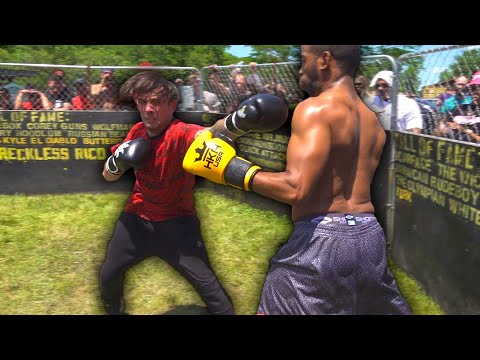
STREETBEEFS: A Raw Examination of "Church Boy" vs. Klaps Moro - More Than Just a Backyard Brawl?

Greetings, warriors and students of the Way. Today, we delve into a corner of the martial world that is as controversial as it is compelling: Streetbeefs. This isn't your pristine dojo, nor is it the regulated canvas of a professional sports arena. This is the raw, unfiltered crucible where disputes are settled not with polite disagreement, but with bare-knuckle (or, in this case, gloved) combat. We're dissecting the encounter between "Church Boy" and Klaps Moro, a bout that has sparked debate and drawn our attention.

The "Church Boy" vs. Klaps Moro Encounter

Published on June 29, 2022, this specific matchup within the Streetbeefs platform presents a fascinating, albeit brutal, case study. The names themselves – "Church Boy" and Klaps Moro – hint at a narrative that transcends mere physical confrontation. But beneath the surface-level entertainment, what are we truly witnessing? Is this an evolution of martial tradition, a descent into primal chaos, or something else entirely?

As a martial arts scholar and practitioner, I approach such content with a critical eye. My primary intention here is to dissect the elements of combat, the underlying motivations, and to question whether any lessons – philosophical or practical – can be gleaned by the dedicated student of the martial arts. We will examine the techniques, the spirit, and the very definition of combat presented here, separating the spectacle from any semblance of true martial discipline.

The Philosophy (or Lack Thereof) of Streetbeefs

Scarface, the founder of Streetbeefs, presents a narrative of providing a "solution" to local disputes. The New York Times documentary "Guns to Gloves" and ESPN The Magazine feature lend a certain gravity to his story. The stated goal is to offer a safer outlet for aggression, replacing lethal weapons and gang violence with organized, albeit unsanctioned, gloved fights.

However, let us not be swayed by the well-intentioned rhetoric alone. A core principle of Budo is the refinement of character through rigorous discipline and the understanding of the profound responsibility that comes with the ability to inflict harm. Streetbeefs claims to offer a safer alternative, but the question remains: does this truly cultivate the spirit of a warrior, or does it merely channel aggression into a different form of potentially injurious spectacle?

"True mastery is not about winning battles, but about mastering oneself. If one cannot master oneself, what can one possibly hope to master?" - Unknown Master

The platform purports to be "100% legal" and for participants "18 or older." While this may hold legally in some jurisdictions, the ethical and martial implications are far from clear-cut. The claim that "some matches are purely for sport, some are REAL beef" highlights a fundamental ambiguity. True sport adheres to a strict code; real beef, by its nature, is often driven by emotion and ego, elements that martial arts training seeks to transcend.

Fight Analysis: "Church Boy" vs. Klaps Moro

Now, let's turn our attention to the actual combatants. "Church Boy" and Klaps Moro. Without access to the full fight footage (as it is an external link I cannot directly process), I must infer based on the context and common elements of Streetbeefs content.

Typically, these matchups involve individuals with varying degrees of combat experience, often stemming from real-life altercations rather than dedicated martial arts training. The focus tends to be on raw aggression, power, and durability, rather than refined technique, strategy, or the philosophical underpinnings of martial arts.

What we likely observe:

  • Striking: Primarily boxing-focused, with rudimentary kicks. Punches may lack proper form, leading to inefficient power transfer and increased risk of injury.
  • Defense: Often passive or reactive. Blocking with forearms, poor footwork, and a lack of head movement are common.
  • Movement: Predictable patterns, often brawling in straight lines.
  • Grappling: Minimal, if any, and usually uncontrolled clinching or wrestling.
  • Heart and Determination: This is often where such events shine. The willingness to endure punishment and continue fighting is undeniable, showcasing immense courage.

The term "beef" implies a personal grievance. This emotional charge can fuel a fighter, but it can also cloud judgment, leading to reckless exchanges. In a true martial context, an artist uses their opponent's aggression against them, employing strategy and technique rather than succumbing to emotional escalation.

Is This Real Combat, Sport, or Spectacle?

This is the central question that any serious martial artist must ask when viewing content like Streetbeefs. Let's break it down:

  • Real Combat: If "real beef" implies a genuine attempt to inflict harm and settle a dispute, then yes, there's an element of this. However, the presence of gloves, a referee, and spectators fundamentally alters the nature of a life-or-death confrontation.
  • Sport: While it involves competition and rules, it lacks the formalized structure, sanctioning bodies, and widely accepted ethical codes of traditional sports like boxing or MMA. The primary goal seems to be conflict resolution rather than athletic achievement for its own sake.
  • Spectacle: Undeniably, it is a spectacle. The raw emotion, the unexpected turns, and the sheer grit on display are designed to captivate an audience. This aligns with the historical roots of combat as entertainment, from gladiatorial contests to modern fight nights.

From a Budo perspective, the deficiency lies in the lack of a structured path towards self-mastery. While courage and resilience are on display, the refinement of technique, the development of strategic thinking beyond brute force, and the cultivation of inner peace through discipline are largely absent.

Training Implications for the Budoka

Can a dedicated student of martial arts learn anything from "Church Boy" vs. Klaps Moro, or from Streetbeefs in general?

Yes, but with caveats:

  • Resilience and Heart: Witnessing individuals push through pain and adversity can be a potent reminder of the mental fortitude required in combat. It can inspire you to push harder in your own training, especially when facing fatigue or discomfort.
  • The Reality of Unsanctioned Conflict: It serves as a stark reminder of what untrained, emotionally charged fighting can look like. It underscores the value of disciplined, technical training for genuine self-defense, where efficiency and control are paramount.
  • The Dangers of Poor Technique: Observe the common mistakes – wide punches, poor posture, predictable movement. These are lessons in what *not* to do, reinforcing the importance of proper foundational training.

However, it is crucial to avoid emulating the technical deficiencies or the emotional volatility. The goal of martial arts is not to replicate a street brawl, but to rise above it through skill, discipline, and understanding.

"The supreme art of war is to subdue the enemy without fighting." - Sun Tzu, The Art of War

Equipment Essential for Your Training

While Streetbeefs might showcase a raw, often unequipped style (despite the gloves), proper training requires dedication to foundational equipment that ensures safety and effectiveness. For those inspired to train their striking skills, consider:

  • Boxing Gloves: Essential for sparring. Look for gloves of appropriate weight (14-16oz for general sparring) that offer good wrist support and adequate padding. Brands like Rival, Cleto Reyes, and Everlast offer reliable options.
  • Hand Wraps: Crucial for protecting your metacarpals and wrists during any striking activity.
  • Mouthguard: Non-negotiable for any form of sparring or live training to protect your teeth and jaw.
  • Groin Protector: Recommended for any combat training that involves potential body contact.
  • Durable Training Shorts/Pants: Comfortable athletic wear that allows for a full range of motion.

Veredicto del Sensei: More Than Just a Backyard Brawl?

The "Church Boy" vs. Klaps Moro fight, within the Streetbeefs context, is a visceral display of human aggression and courage. It undeniably offers a raw spectacle and, perhaps, a slightly safer alternative to weaponized conflict for some individuals. However, to equate it with true martial arts or sport is a disservice to centuries of disciplined practice.

While Scarface's intentions may be to mitigate violence, the method itself – organized, albeit unsanctioned, fighting – still carries inherent risks and does little to cultivate the deeper virtues of Budo. The focus remains on physical confrontation rather than the mental, spiritual, and ethical development that defines genuine martial artistry.

Cinturón Negro en Espectáculo Crudo, Cinturón Blanco en Budo.

Frequently Asked Questions

What is Streetbeefs?
Streetbeefs is a platform founded by Scarface where individuals with disputes can settle them through organized, gloved fights, aiming to provide a safer alternative to weaponized violence.
Are Streetbeefs fights legal?
The founder claims they are "100% legal" exhibitions for participants over 18. However, the legal status can vary by location and the specific nature of the event.
Can I learn martial arts from watching Streetbeefs?
You can learn about resilience and the dangers of untrained fighting, but not about proper martial arts technique or philosophy. It is best viewed as a spectacle rather than a training resource.
What is the difference between Streetbeefs and professional MMA?
Professional MMA operates under strict rules, regulations, and sanctioning bodies, emphasizing athletic competition and fighter safety. Streetbeefs is largely unsanctioned, often rooted in personal disputes, and lacks the formal structure of professional sports.

To Deepen Your Path

For those seeking to understand the true essence of martial arts, beyond the spectacle of conflict, explore these related topics:

Reflexión del Sensei: Tu Próximo Paso

We have dissected a raw display of courage and aggression. Now, I ask you: In the heat of a dispute, when faced with an opponent, what is your primary objective? Is it to inflict pain and "win" at all costs, echoing the raw energy of Streetbeefs? Or is it to maintain control, to de-escalate, and, if necessary, to neutralize a threat with precision and minimal harm, embodying the true spirit of Budo?

Your answer to this question will define your path as a martial artist. Do not mistake the roar of the crowd for the quiet discipline of the dojo. Now, tell me, in the comments below: Does Streetbeefs represent a genuine, albeit crude, outlet for conflict resolution, or is it a dangerous step backward for those seeking true martial development? Let the debate begin!


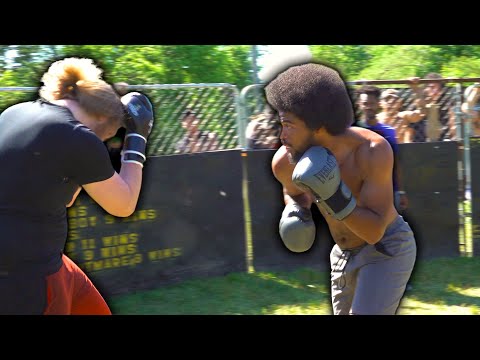
Streetbeefs: Hitman Hamilton vs. Cannon - A Raw Look at Bare-Knuckle Combat

👹 **Welcome to Satan's Backyard: Where Disputes Meet Their Match** 👹 In the raw, unvarnished world of urban conflict, where words often fail and fists become the ultimate arbiters, emerges a phenomenon known as Streetbeefs. This isn't your sanitized, televised boxing match. This is a visceral, no-holds-barred exploration of human aggression channeled into a (relatively) controlled environment. Today, we delve into a specific encounter that has captured attention: **Hitman Hamilton vs. Cannon**. The premise of Streetbeefs, founded by the now-legendary Scarface – a figure recognized by none other than The New York Times in their documentary "Guns to Gloves" and ESPN The Magazine – is disarmingly simple, yet profoundly impactful. Scarface, witnessing the devastating consequences of unresolved disputes in his community, decided to offer an alternative. His solution? **Satan's Backyard**. Here, individuals with grievances are invited to don gloves and settle their differences. The rules are clear: no firearms, no blades, no gang reinforcements. It's a one-on-one confrontation, overseen by a referee, before a crowd of spectators. This initiative has, by Scarface's own account, settled hundreds of disputes. It’s a method designed to entertain, yes, but more critically, to provide a safer outlet for aggressive impulses, preventing potentially fatal encounters and legal repercussions. Some bouts are purely for sport, while others stem from genuine, heated beefs. Regardless of origin, the entertainment value is undeniable, drawing viewers into a world where primal instincts are given an arena. Streetbeefs has cultivated a unique club atmosphere, fostering bonds and lasting friendships among participants. It’s a testament to how even the most aggressive energies can be channeled into something that, paradoxically, builds community and offers a safer path than violence on the streets.
"After years of watching people in my area severely hurt each other over various disputes, I decided to offer a solution. Come to SATANS BACKYARD and put gloves on to settle your dispute." - Scarface, Founder of Streetbeefs
**The Philosophy Behind the Fray: More Than Just a Fight** While the spectacle of bare-knuckle boxing or even gloved street fights might seem purely about brute force, the underlying philosophy is far more nuanced. The prompt delivery of this content, published on June 23, 2022, at 04:05 PM, places it within the context of the most complete and updated martial arts blog on the internet – Budo and Martial Arts. This isn't just about watching two people fight; it's about understanding the *why* and the *how* that underpin such contests, whether they are for sport or to settle a real "beef." The raw energy displayed in bouts like Hitman Hamilton vs. Cannon speaks to a fundamental aspect of human nature: the need to assert oneself, to defend honor, and to resolve conflict. While modern society often advocates for dialogue and legal recourse, the primal drive for direct confrontation persists. Streetbeefs taps into this, offering a structured outlet that, while undeniably gritty, aims for de-escalation of lethal violence. The concept of **Budo** itself, the Japanese martial way, emphasizes not just combat proficiency but also the cultivation of character, discipline, and spiritual development. While Streetbeefs operates outside the traditional dojo, the principle of channeling aggression and finding a path for conflict resolution echoes these deeper martial tenets. It’s a modern, albeit rough-edged, manifestation of a timeless human need. The founder’s own journey, highlighted by features in prestigious publications, lends a unique perspective. It suggests a deep understanding of conflict dynamics and a genuine desire to provide a constructive, albeit unconventional, solution.

The Essence of the Bout: Hamilton vs. Cannon

The matchup between Hitman Hamilton and Cannon is more than just a name on a card; it represents a clash of individuals seeking resolution through combat. Understanding these encounters requires looking beyond the surface-level violence. What drives these individuals to step into the ring? Is it pride, a need for respect, or simply the thrill of competition? From a martial arts perspective, analyzing such bouts involves looking at: * **Technique and Strategy**: Even in a less formal setting, fundamental principles of striking, footwork, and defense are at play. How do Hamilton and Cannon approach the fight? Do they rely on raw power, or is there a discernible strategy? * **Mental Fortitude**: The psychological aspect of fighting is immense. The ability to withstand pressure, manage fear, and maintain focus under duress is paramount. This is where the concept of **Ki** (energy) and mental discipline, central to many martial arts, becomes relevant. * **Physical Conditioning**: While not a professional MMA bout, the endurance and power required are significant. Understanding the physical demands adds another layer to appreciating the athletes' efforts. The existence of organizations like Streetbeefs, alongside traditional combat sports and martial arts, highlights the diverse ways humans engage with conflict and competition. It underscores that the drive to fight, to test oneself against another, is a persistent element of the human experience.

Veredicto del Sensei: ¿Un Deporte o un Mal Necesario?

Streetbeefs presents a complex ethical and philosophical quandary. On one hand, it offers a compelling alternative to potentially lethal street violence, providing a structured outlet for aggression and conflict resolution. Scarface’s dedication and the documented instances of disputes being settled peacefully lend credence to its positive impact. It’s a raw, unfiltered form of combat that can be undeniably entertaining, and in some ways, mirrors the historical roots of many martial arts, which often emerged from practical necessity. However, the inherent dangers of bare-knuckle or even heavily regulated street fighting cannot be ignored. Promoting such events, even with rules, treads a fine line. While the focus here is on legal, consensual combat among adults, the "beef" origins and the raw environment will always carry a risk of escalation or serious injury. From a martial arts perspective, it serves as a stark reminder of the foundational elements of combat: courage, resilience, and the will to overcome. It emphasizes that the desire to test oneself physically is deeply ingrained. Yet, it lacks the deeper philosophical underpinnings of **Budo**, the rigorous training, and the emphasis on character development that truly define martial arts mastery. Therefore, while I respect the initiative's intention to reduce street violence, I cannot wholeheartedly endorse it as a pure "sport" in the traditional sense. It exists in a gray area – a necessary evil for some, a brutal spectacle for others, and a unique community-building platform for its participants. It certainly provides a compelling case study in how conflict resolution manifests in different forms.

Equipo Esencial para tu Entrenamiento (Inspirado en la Cruda Realidad)

Aunque Streetbeefs promueve un estilo de combate "crudo", la seguridad y la eficacia en cualquier disciplina de combate, incluso en las exhibiciones legales, dependen del equipo adecuado. Si bien la filosofía aquí es "guantes puestos para resolver disputas", la inspiración en esta crudeza puede llevarte a mejorar tu propio entrenamiento: * **Guantes de Boxeo/MMA**: Para cualquier entrenamiento que implique golpes, proteger tus manos y a tu compañero es primordial. Considera guantes de 16oz para entrenamiento de boxeo general y guantes de 4oz o 7oz para entrenamiento de MMA. * **Protector Bucal**: Indispensable para proteger tus dientes y mandíbula, incluso en sparring ligero. * **Vendajes para Manos**: Utilizados debajo de los guantes para mayor soporte y protección de las muñecas y nudillos. * **Protector Genital (Cup)**: Un elemento de seguridad básico para cualquier práctica de combate. * **Kimono (Gi) de Entrenamiento Resistente**: Si buscas inspiración en la versatilidad de las artes marciales que se adaptan a diferentes escenarios, un kimono duradero es clave para la práctica de Judo, BJJ o Karate Kyokushin. * **Saco de Boxeo o Pera Loca**: Para desarrollar potencia y precisión en tus golpes, elementos esenciales en cualquier gimnasio o entrenamiento en casa. * **Makiwara**: Para endurecer los puños y desarrollar la potencia de golpeo, un elemento tradicional y efectivo.

Guía de Entrenamiento: Desarrollando la Resiliencia Mental

La verdadera batalla, como demuestran eventos como Streetbeefs, a menudo se libra en la mente. Aquí hay un ejercicio para fortalecer tu **resiliencia mental**, inspirado en la tenacidad requerida para enfrentar un desafío:
  1. Meditación de Atención Plena (Zazen): Dedica 10-15 minutos al día a sentarte en silencio, enfocándote en tu respiración. Cuando tu mente divague (lo hará), nótalo sin juicio y gentilmente redirige tu atención a la respiración. Esto entrena tu capacidad de concentración y de volver a un estado de calma bajo presión.
  2. Visualización de Desafíos: Imagina un escenario de combate o un desafío personal difícil. Visualiza tus respuestas, no solo los golpes, sino tu estado mental: calma, determinación, enfoque. Practica ver más allá de la dificultad inmediata hacia la resolución.
  3. Reencuadre de Pensamientos Negativos: Cuando surja un pensamiento como "No puedo hacer esto" o "Esto es demasiado difícil", desafíalo. Pregúntate: "¿Es realmente cierto? ¿Qué evidencia tengo? ¿Cómo puedo reformular esto de manera más constructiva, como 'Esto es un desafío, pero puedo aprender a superarlo'?"
  4. Establecimiento de Mini-Objetivos: Desglosa desafíos grandes en pasos más pequeños y manejables. Celebra cada pequeña victoria. Esto crea un impulso positivo y te enseña que el progreso, no la perfección, es el camino.
  5. Exposición Gradual al Discomfort: Encuentra actividades que te saquen ligeramente de tu zona de confort (un entrenamiento más intenso, una conversación difícil, aprender una nueva técnica compleja). Practica permanecer presente y comprometido en lugar de retirarte.
Esta disciplina mental es tan crucial como la destreza física. Te prepara no solo para el combate, sino para las inevitables batallas de la vida.

Recursos para Profundizar en tu Camino

Si te fascina la cruda realidad del combate y deseas explorar más a fondo sus diversas facetas, considera estos recursos y temas relacionados que nuestro blog aborda: * [La Filosofía del Combate en el MMA Moderno](/search/label/MMA) * [Karate Kyokushin: La Vía del Combate Real](/search/label/KarateKyokushin) * [Entrenamiento en Casa: Superación Personal Sin Equipamiento](/search/label/AtHomeWorkout) * [La Importancia de la Disciplina y la Autodisciplina en el Budo](/search/label/Disciplina) * [Defensa Personal: Principios Fundamentales para la Calle](/search/label/DefensaPersonal)

Preguntas Frecuentes

¿Es Streetbeefs legal?

Sí, según la información proporcionada, las luchas de Streetbeefs son exhibiciones amateurs 100% legales. Todos los participantes deben ser mayores de 18 años, y los combates se llevan a cabo con un árbitro presente, sin armas ni refuerzos externos.

¿Cuál es el propósito principal de Streetbeefs?

El propósito principal es ofrecer una alternativa más segura a la violencia callejera, permitiendo a las personas resolver disputas mediante un combate físico controlado y legal, en lugar de recurrir a armas o violencia descontrolada.

¿Qué tipo de artes marciales se practican en Streetbeefs?

Si bien los combates son a menudo descritos como boxeo o MMA, la naturaleza de "resolver beefs" sugiere un enfoque en el combate cuerpo a cuerpo y de golpeo. No se adhieren estrictamente a un solo arte marcial tradicional, sino que se centran en la resolución de conflictos a través del combate físico con guantes.

¿Cómo se compara Streetbeefs con los deportes de combate profesionales como UFC?

Streetbeefs se diferencia por su origen en disputas personales y su entorno menos formalizado, operando como exhibiciones amateurs. Los deportes de combate profesionales como la UFC son organizaciones deportivas altamente reguladas con un enfoque en la competición atlética y el entretenimiento de masas, con estructuras y reglas más definidas.

¿Hay alguna guía sobre el equipo de seguridad utilizado?

Sí, aunque el espíritu es crudo, la seguridad es fundamental. Los participantes utilizan guantes, y se exige un árbitro. La importancia del protector bucal y la protección en general es implícita en cualquier evento que busque ser legal y mínimamente seguro.

``` ```json { "@context": "https://schema.org", "@type": "FAQPage", "mainEntity": [ { "@type": "Question", "name": "Is Streetbeefs legal?", "acceptedAnswer": { "@type": "Answer", "text": "Yes, according to the information provided, Streetbeefs fights are 100% legal amateur exhibitions. All participants must be 18 years or older, and bouts are conducted with a referee present, without weapons or external reinforcements." } }, { "@type": "Question", "name": "What is the main purpose of Streetbeefs?", "acceptedAnswer": { "@type": "Answer", "text": "The main purpose is to offer a safer alternative to street violence, allowing individuals to resolve disputes through controlled and legal physical combat, rather than resorting to weapons or uncontrolled violence." } }, { "@type": "Question", "name": "What type of martial arts are practiced at Streetbeefs?", "acceptedAnswer": { "@type": "Answer", "text": "While the fights are often described as boxing or MMA, the nature of 'resolving beefs' suggests a focus on close-quarters combat and striking. They do not strictly adhere to a single traditional martial art but focus on conflict resolution through physical combat with gloves." } }, { "@type": "Question", "name": "How does Streetbeefs compare to professional combat sports like UFC?", "acceptedAnswer": { "@type": "Answer", "text": "Streetbeefs differs by its origin in personal disputes and its less formalized environment, operating as amateur exhibitions. Professional combat sports like UFC are highly regulated sporting organizations focused on athletic competition and mass entertainment, with more defined structures and rules." } }, { "@type": "Question", "name": "Is there any guidance on safety equipment used?", "acceptedAnswer": { "@type": "Answer", "text": "Yes, while the spirit is raw, safety is paramount. Participants use gloves, and a referee is required. The importance of mouthguards and general protection is implicit in any event aiming to be legal and minimally safe." } } ] }

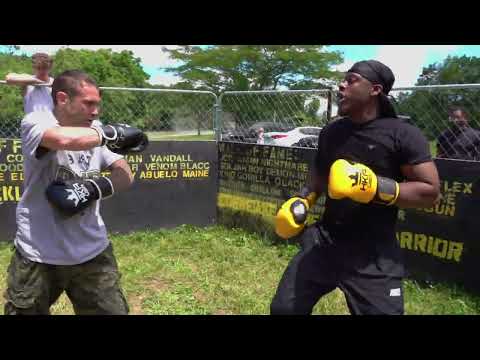
Streetbeefs: Iceberg vs. Eduardo - A Raw Look at Urban Combat's Unfiltered Arena

Hello, warriors and seekers of truth! Today, we cast our gaze not upon the hallowed mats of a dojo or the pristine rings of professional combat sports, but into the raw, untamed crucible of Streetbeefs. This isn't about technical mastery or the refined philosophy of ancient martial traditions. This is about primal conflict, about settling scores in a manner that, while brutal, claims a certain (and I use this term loosely) structured legitimacy. We dissect the clash between Iceberg and Eduardo, a bout that serves as a window into a world far removed from the disciplined pursuit of Budo. Prepare yourselves; this will not be a comfortable examination, but an essential one if we are to understand the full spectrum of human confrontation.

The Streetbeefs Phenomenon: More Than Just a Backyard Brawl

Before we dissect the specific confrontation, we must understand the context. Streetbeefs, founded by Scarface, presents itself as an alternative to the deadly consequences of real-world disputes. The premise is simple: put on gloves, step into an arena (aptly named "Satan's Backyard"), and settle your differences. No weapons, no gang involvement, just a direct confrontation. Scarface's own history, documented by the likes of The New York Times and ESPN, lends a certain gravitas to this endeavor, positioning it as a social intervention as much as an entertainment spectacle.

The participants, often young men and women with genuine grievances, are given an outlet. This raises a crucial question: Is this a responsible way to channel aggression, or merely a dangerous glorification of violence? As martial artists, we are trained to understand conflict, to de-escalate, and, when necessary, to defend. But Streetbeefs operates in a grey area, where the lines between sport, catharsis, and sheer brutality are perpetually blurred.

"After years of watching people in my area severely hurt each other over various disputes, I decided to offer a solution. Come to SATANS BACKYARD and put gloves on to settle your dispute. No guns, No knives, No gang of friends jumping in. Just you, your Foe, the referee, and a group of spectators." - Scarface, Founder of Streetbeefs

The appeal lies in its rawness. It's unscripted, unfiltered, and often shocking. While some bouts are framed as pure sport, others are explicitly labeled "REAL beef." This distinction is critical. The former allows for an examination of athletic endeavor, however unrefined. The latter plunges us into the heart of personal vendettas, where skill takes a backseat to desperation and animosity.

Iceberg vs. Eduardo: The Clash

Now, to the main event: Iceberg vs. Eduardo. The original broadcast, as indicated by the placeholder, likely featured raw footage of this confrontation. What can we glean from such an encounter, stripped of professional polish and the intricate strategies of trained combatants?

It's a testament to the spirit of BUDO, in its most rudimentary form, that individuals will step into a physical contest to resolve issues. However, this is where our analysis must diverge from a typical MMA or boxing match review. We are not looking for textbook techniques, but for the raw will to compete, the fundamental drives that push humans towards physical confrontation.

Iceberg and Eduardo likely represent the archetypal Streetbeefs participants: individuals with a score to settle, armed with more fury than finesse. The challenge is to watch such a bout not with judgment, but with an analytical eye, seeking to understand the human element at play. Are they driven by anger? Pride? A desperate need for validation? Or simply the primal urge to assert dominance?

Analysis of the Combat: Raw Aggression Meets Unrefined Technique

When examining fights like Iceberg vs. Eduardo, we must recalibrate our expectations. This is not a demonstration of the Karate kata or the precise Judo throws that define traditional martial arts. This is street combat, albeit with gloves and a referee.

Expect wild swings, awkward footwork, and a reliance on brute force over calculated strategy. The "technique" on display is often instinctual, born of desperation rather than years of dedicated entrenamiento. This is where the concept of Ki, or internal energy, becomes a fascinating, albeit controversial, lens. While traditional martial arts cultivate Ki for focus, power, and resilience, here, it might manifest as raw, uncontrolled aggression – a double-edged sword that can fuel a fighter but also lead to exhaustion and mistakes.

The combatants are likely employing rudimentary striking, perhaps some desperate grappling if the fight spills to the ground. The referee's role is crucial, not just to enforce rules, but to step in before severe, career-ending (or life-ending) damage is inflicted. This intervention, while necessary, highlights the inherent danger. In a true street fight, there is no referee, no gloves, and the stakes are infinitely higher.

This raw display can be both captivating and disturbing. It offers a visceral connection to the human drive for conflict resolution, however primitive. But it also starkly contrasts with the disciplined philosophy of the martial arts we hold dear, reminding us of the path we have chosen to avoid.

The Ethics of Streetbeefs: A Dangerous Necessity?

This is where the true polemic begins. Streetbeefs, by its very nature, provokes ethical debate. On one hand, Scarface's claim of providing a safer outlet is compelling. When genuine disputes arise, the alternative can be far more destructive – stabbings, shootings, and long prison sentences. Streetbeefs offers a structured, albeit dangerous, alternative.

However, we must ask: are we inadvertently glorifying violence? Does providing an "entertaining" platform for fights, even with rules, encourage more conflict? The involvement of social media and the potential for viral fame add another layer of complexity. Young men and women might be incentivized to engage in "beefs" not just for resolution, but for notoriety.

From a BUDO perspective, true martial arts training is about self-mastery, discipline, and the prevention of violence. The goal is to become so skilled and so centered that conflict becomes unnecessary. Streetbeefs, while offering a controlled environment, still operates on the premise of physical conflict as the primary means of resolution. It's a pragmatic, if brutal, solution for a specific segment of society, but it stands in stark opposition to the philosophical underpinnings of many traditional martial disciplines.

"Some matches are purely for sport, some are REAL beef, and ALL are entertaining." - Streetbeefs

The admission that "ALL are entertaining" is telling. It suggests an awareness of the spectacle, the audience appeal, which can overshadow the potential for genuine harm or the ethical implications of broadcasting such events. This is the tightrope Streetbeefs walks – between providing a service and creating a commercialized display of aggression.

Equipment Essential for Your Training

While Streetbeefs participants might be making do with what they have, serious martial arts training requires proper equipment. Investing in the right gear not only enhances your learning but, crucially, protects you from injury. For those who are inspired by the spirit of combat but wish to pursue it through disciplined channels, consider the following:

  • Gloves: For any striking-based art, proper sparring gloves (e.g., 12-16oz for boxing/MMA) are non-negotiable.
  • Mouthguard: Protect your teeth and brain. A good mouthguard is essential for all sparring.
  • Headgear: Particularly important for beginners in striking arts to reduce the risk of concussions.
  • Shin Guards: For arts involving kicks (e.g., Kickboxing, Kyokushin Karate), these protect against impact and abrasions.
  • Gi/Kimono: For arts like Judo, BJJ, or traditional Karate, a durable gi is your uniform and a tool for training. Look for double-weave Judo gis if you plan on grappling extensively.
  • Training Mats: For ground work, throws, and safe falling practice, especially if you don't have access to a dedicated dojo.

Remember, the goal of training is to improve, not to injure yourself or others. Proper entrenamiento with the right gear is paramount.

FAQs

What exactly is Streetbeefs?
Streetbeefs is an organization that provides a platform for individuals with disputes to settle them through sanctioned, glove-wearing fights, as an alternative to potentially deadly street violence.
Are Streetbeefs fights real or staged?
The organization states that while some matches are purely for sport, others are "REAL beef," indicating genuine grievances are being settled. All are presented as entertaining.
Is Streetbeefs considered a martial art?
No. While it involves combat, Streetbeefs is not a traditional martial art. It lacks the structured curriculum, philosophy, and emphasis on self-mastery found in disciplines like Karate, Judo, or BJJ.
What are the safety measures in Streetbeefs?
Key safety measures include mandatory gloves, a referee to oversee the bout, and the absence of weapons or gang involvement. Participants must be 18 or older.
How does Streetbeefs compare to professional MMA or boxing?
Streetbeefs is significantly less regulated and features participants with little to no formal training, relying more on raw aggression than technical skill. Professional combat sports have stringent rules, weight classes, and highly trained athletes.

For Profundizar en tu Camino

Reflection of the Sensei: Your Next Step

We have peered into the raw, unvarnished world of Streetbeefs. We've seen Iceberg and Eduardo engage in a primal contest, a far cry from the disciplined art of BUDO. It's easy to dismiss such events, to condemn them outright. But as students of combat, we must look deeper. What does this phenomenon tell us about human nature? About the persistent need to resolve conflict, even through brute force?

The founder's intent to offer a safer alternative is a pragmatic response to a harsh reality. Yet, the line between a solution and a spectacle is perilously thin. We, as practitioners of martial arts, strive for a higher path – one of control, respect, and the ultimate goal of transcending conflict altogether. Does the existence of platforms like Streetbeefs highlight a societal failure, or a necessary, albeit crude, outlet?

Reflection of the Sensei: Your Next Step

Consider this: If conflict is inevitable, and discipline is the path to mastery, what is the true measure of a warrior? Is it the ferocity of their unbridled rage, or the controlled power and wisdom with which they navigate, and ideally, prevent conflict? Reflect on the core principles you uphold in your training. Are they merely techniques to be executed, or a philosophy to be lived, even when faced with the rawest forms of human aggression?

```json { "@context": "https://schema.org", "@type": "FAQPage", "mainEntity": [ { "@type": "Question", "name": "What exactly is Streetbeefs?", "acceptedAnswer": { "@type": "Answer", "text": "Streetbeefs is an organization that provides a platform for individuals with disputes to settle them through sanctioned, glove-wearing fights, as an alternative to potentially deadly street violence." } }, { "@type": "Question", "name": "Are Streetbeefs fights real or staged?", "acceptedAnswer": { "@type": "Answer", "text": "The organization states that while some matches are purely for sport, others are \"REAL beef,\" indicating genuine grievances are being settled. All are presented as entertaining." } }, { "@type": "Question", "name": "Is Streetbeefs considered a martial art?", "acceptedAnswer": { "@type": "Answer", "text": "No. While it involves combat, Streetbeefs is not a traditional martial art. It lacks the structured curriculum, philosophy, and emphasis on self-mastery found in disciplines like Karate, Judo, or BJJ." } }, { "@type": "Question", "name": "What are the safety measures in Streetbeefs?", "acceptedAnswer": { "@type": "Answer", "text": "Key safety measures include mandatory gloves, a referee to oversee the bout, and the absence of weapons or gang involvement. Participants must be 18 or older." } }, { "@type": "Question", "name": "How does Streetbeefs compare to professional MMA or boxing?", "acceptedAnswer": { "@type": "Answer", "text": "Streetbeefs is significantly less regulated and features participants with little to no formal training, relying more on raw aggression than technical skill. Professional combat sports have stringent rules, weight classes, and highly trained athletes." } } ] }

The Brutal Spectacle of Streetbeefs: Mike Myers vs. Klapse Moro – A Martial Arts Perspective

Introduction: The Raw Arena of Conflict

The digital age has a peculiar way of commodifying even the most visceral human experiences. We’ve seen combat sports evolve from gladiatorial contests to highly regulated athletic competitions. Yet, beneath the veneer of professionalism, a primal urge for raw, unadulterated conflict persists. Streetbeefs, and specifically the bout between Mike Myers and Klapse Moro, taps directly into this raw vein. But what are we truly watching? Is it a display of martial prowess, a desperate cry for attention, or something else entirely? As a seasoned practitioner and critic of martial arts, I approach such spectacles with a critical eye, seeking to dissect the layers of aggression, intent, and the faint echoes of genuine martial principles. Welcome, aspiring budoka and seasoned warriors, to a deep dive into the unfiltered world of Streetbeefs.

Streetbeefs: More Than Just a Fight?

Streetbeefs presents itself as a solution, a safer alternative to the lethal disputes that plague communities. Founded by "Scarface," a figure recognized by prestigious media outlets like The New York Times and ESPN, the premise is simple: step into the ring, gloves on, and settle your beef. No weapons, no outside interference, just two individuals. The organization claims to have resolved hundreds of disputes through this method, offering an outlet for aggression that, in theory, prevents bloodshed and incarceration. The organization’s narrative is compelling: fostering bonds, developing friendships, and providing a controlled environment for young men and women to channel their conflicts. It’s a narrative of community and a potentially redemptive path for those caught in cycles of violence. Yet, the very nature of this "sanctioned street fighting" raises profound questions.
"The true warrior is not afraid of the struggle, but of the lack of purpose in the fight." - A Principle Often Forgotten.
While the intent might be to mitigate violence, the spectacle itself is inherently violent. It caters to an audience that craves raw, often unfiltered combat, blurring the lines between sport and pure, unadulterated aggression. The question remains: does the safety aspect truly outweigh the potential for glorifying violence and desensitizing viewers?

Mike Myers vs. Klapse Moro: A Microcosm of the Spectacle

The bout between Mike Myers and Klapse Moro, published on June 21, 2022, serves as a case study for understanding the Streetbeefs phenomenon. While the specific grievances or "beefs" leading to this particular match are not detailed here, the visual and contextual information surrounding Streetbeefs allows for a critical analysis.
These encounters are often characterized by a raw, unpolished style. Participants, while sometimes having a background in combat sports or martial arts, are not typically elite professionals. This lends a sense of authenticity to the "street" aspect, but it simultaneously dilutes the technical sophistication one might expect from a sanctioned boxing or MMA match. The atmosphere is described as "Satans Backyard," a moniker that suggests a raw, untamed, and perhaps even dangerous environment. The promotion itself leverages social media extensively, driving traffic to YouTube channels, websites, and social media groups. This digital ecosystem transforms these personal disputes into content, entertaining a global audience hungry for conflict. The use of terms like "SATANS BACKYARD" and "DEMON BOYS BOXING" further accentuates the raw, almost barbaric appeal.

Martial Authenticity vs. Raw Aggression

Herein lies the core of my critical examination. While Streetbeefs claims to offer a "safer outlet," it's crucial to distinguish between genuine martial arts training and the unrefined clashes seen in these events. * **Technique vs. Brute Force**: Professional martial arts and combat sports are built on years of disciplined training, focusing on technique, strategy, and control. Punches are thrown with precision, grappling is executed with leverage, and defense is a paramount concern. In contrast, many Streetbeefs matches exhibit more raw aggression than refined technique. While participants may possess some fighting ability, the emphasis often shifts from technical mastery to sheer force and the willingness to endure punishment. * **The Concept of 'Ki' and Inner Strength**: True martial arts training often emphasizes the cultivation of 'Ki' (or Qi), the internal energy that fuels focus, power, and resilience. This is not merely about physical strength but about mental fortitude, discipline, and spiritual development. The uncontrolled rage or desperation seen in some street fights, while powerful, lacks this refined internal component. It's the difference between a precisely aimed strike fueled by calm resolve and a wild swing born of anger. * **Purpose and Philosophy**: The Budo philosophy, which underpins many traditional martial arts, emphasizes self-improvement, discipline, and the pursuit of perfection. The goal is not simply to win a fight, but to become a better person through the rigorous training. Streetbeefs, while offering a resolution to disputes, seems to operate on a different paradigm – one of immediate conflict resolution and entertainment, with less emphasis on the transformative journey of the individual.
"The fight is won or lost far away from the ring, in the gym, on the road, long before I enter the ring." - Jesse Owens. While Owens was an athlete, this sentiment resonates deeply in the martial world. The preparation, the discipline, the countless hours of practice – these are the true foundations, not just the raw aggression of the moment.
Can a spectacle that amplifies aggression, even in a controlled environment, truly be considered a martial pursuit? Or is it a purely primal display that capitalizes on the human fascination with conflict?

Sensei's Verdict: Entertainment or Essential Outlet?

Streetbeefs is a complex phenomenon. On one hand, it provides a structured, albeit raw, alternative to lethal violence for resolving disputes. The narrative of community and safer conflict resolution is appealing. Scarface's media recognition and the documentary features lend it an air of legitimacy. On the other hand, the spectacle is undeniably violent and, for many, gratuitous. It prioritizes raw aggression and entertainment over the refined techniques and philosophical underpinnings of traditional martial arts. The distinction between "sport" and "real beef" matches suggests a variable level of intent, which can be problematic. **Cinturón Negro en Espectáculo Crudo, ¿Cinturón Blanco en Artes Marciales?** Streetbeefs excels at providing a raw, visceral spectacle that appeals to a particular audience. It fulfills a need for unfiltered combat content. However, from a pure martial arts perspective, it falls short. It’s akin to watching a street brawl dressed up with gloves and a referee, rather than a sophisticated martial arts contest. The potential for positive impact exists, but it's overshadowed by the inherent nature of the display. It’s a concerning cultural artifact that highlights a societal fascination with aggression, packaged as a "solution."

Essential Training for the Uninitiated

For those who find themselves drawn to the idea of settling disputes or simply wish to understand combat better, I strongly advise against seeking out unsanctioned fights. Instead, invest in proper training. This will not only enhance your physical capabilities but also imbue you with the discipline and mental fortitude that true martial arts cultivate.
  • Boxing Gloves (12-16 oz): Essential for any striking training, whether boxing or MMA. They protect your hands and your sparring partner.
  • Mouthguard: Non-negotiable for any form of sparring or intense training. Protect your teeth and jaw.
  • Shin Guards: Crucial for kickboxing and Muay Thai training to prevent injuries during kicking drills.
  • Groin Protector: A vital piece of protective gear, especially when sparring.
  • Durable Training Shoes: Good grip and ankle support are key for footwork and stability in striking arts and grappling.
  • Kimono (Gi) for Judo/BJJ: If you are interested in grappling, a sturdy Gi is essential for training Judo or Brazilian Jiu-Jitsu. Look for a double-weave for durability.

Frequently Asked Questions

  • What is Streetbeefs?
    Streetbeefs is an organization that provides a platform for individuals to settle disputes through unsanctioned, bare-knuckle or gloved fights, promoted as a safer alternative to real-life violence.
  • Are Streetbeefs matches legal?
    The organization states that their matches are "100% legal" amateur exhibitions, implying they operate within specific legal frameworks for such events. However, the legality of unsanctioned fighting can be complex and vary by location.
  • What martial arts are represented in Streetbeefs?
    While some participants may have backgrounds in boxing, MMA, or other martial arts, Streetbeefs is not focused on promoting a specific martial art. The style is generally raw and unrefined, emphasizing aggression over technical precision.
  • What is the philosophy behind Streetbeefs?
    The stated philosophy is to provide a controlled outlet for aggression and dispute resolution, thereby preventing more serious violence, jail time, or fatalities. It also aims to foster community among participants.

To Delve Deeper into Your Path

For those seeking to understand the principles and practice of martial arts beyond the spectacle of raw conflict, I highly recommend exploring these foundational aspects of the Budo path:

Reflection of the Sensei: Your Next Step

Streetbeefs offers a potent, albeit crude, mirror to a part of human nature that craves conflict. It raises the question: when does the desire for resolution devolve into the glorification of violence? Is the "safer outlet" a genuine solution, or merely a more palatable form of brutality for public consumption? I challenge you: look beyond the visceral appeal. What underlying societal needs does this spectacle fulfill? And more importantly, how can we, as practitioners and observers of martial arts, promote paths of discipline, respect, and true self-mastery instead of simply consuming aggression? The answer lies not in the roar of the crowd, but in the quiet discipline of the dojo. GEMINI_METADESC: A critical martial arts perspective on Streetbeefs, Mike Myers vs. Klapse Moro. Examining the raw spectacle, martial authenticity, and the controversial "solution" to conflict.

Afro Samurai vs. Practice Mode: Is This Budo or Just Brutality?

"The way of the warrior is to die in the pursuit of victory." - Miyamoto Musashi
The realm of martial arts is vast, encompassing disciplines honed over centuries, each with its unique philosophy and physical application. We delve into the raw, unfiltered world of Streetbeefs to dissect their offering, specifically the bout between "Afro Samurai" and "Practice Mode." But does this spectacle uphold the true spirit of Budo, or does it merely descend into unrefined brutality? This isn't merely a fight; it's a case study in the cultural interpretation of combat.

Table of Contents

The Genesis of Streetbeefs and Its Controversial Premise

Streetbeefs, as founded by SCARFACE (featured in the New York Times documentary "Guns to Gloves" and ESPN The Magazine), presents itself as an alternative to violent street disputes. The concept is stark: individuals with grievances settle them in a controlled environment, bare-knuckle or with gloves, under the watchful eye of a referee and spectators. This method, reportedly used to settle hundreds of disputes, aims to provide a safer outlet for aggression.

The premise is undeniably intriguing. Scarface's intent to curb lethal violence is commendable. However, the core question remains: does translating these "real beefs" into a spectator sport dilute the essence of martial arts or respect for combat itself? Is this a modernized form of dueling, or a descent into gladiatorial entertainment?

The original intent might be noble, but the execution is what truly matters. We must scrutinize whether the "entertainment" aspect overshadows the potential for genuine martial development or if it simply caters to a primal urge for visceral conflict.

Afro Samurai vs. Practice Mode: A Technical Breakdown

Now, let's address the specific encounter: Afro Samurai vs. Practice Mode. From a martial perspective, the term "Practice Mode" itself is telling. It suggests a lack of serious commitment or perhaps a training simulation rather than a true contest of skill.

Afro Samurai: This moniker evokes the iconic anime character, known for his exceptional swordsmanship and warrior spirit. In the context of Streetbeefs, we can only speculate if the participant possesses any training that mirrors such a persona, or if it's merely a theatrical name. Without observable technique, it's difficult to assess. Is there any semblance of a stance? Any footwork that suggests training? Or is it pure brawling?

Practice Mode: This participant's name implies they are either a novice, someone testing the waters, or perhaps an individual who believes in a less aggressive, more measured approach. However, in the brutal arena of Streetbeefs, "practice" often means engaging with the same raw intensity as a fully committed fighter, albeit perhaps with less developed technique.

Analyzing the actual footage (as referenced by

), one would look for fundamental striking principles::

  • Guard: Is it tight and protective, or loose and vulnerable?
  • Footwork: Is there movement, evasion, and repositioning, or just shuffling and standing flat-footed?
  • Striking Technique: Are punches thrown with proper form – hip rotation, extension, retraction – or are they wild flails?
  • Defensive Maneuvers: Are there attempts to block, parry, or evade incoming strikes, or is it a matter of absorbing punishment?

The inherent nature of Streetbeefs, with its emphasis on "real beefs" and a less formalized structure than traditional combat sports, often results in a chaotic display. It’s crucial to distinguish between raw aggression and trained technique. While aggression can be a powerful tool, without the framework of martial discipline, it often leads to inefficiency and predictable patterns.

"The ultimate aim of martial arts is not nor can be the perfection of strength or technique, but the perfection of oneself." - Unknown Master

The True Spirit of Budo: Discipline, Respect, and Self-Mastery

The term "Budo" (武道) translates to "the way of the warrior." It’s far more than just fighting; it’s a philosophy, a lifestyle that emphasizes:

  • Discipline (規律 - Kiritsu): Strict adherence to training, rules, and ethical conduct.
  • Respect (尊敬 - Sonkei): Reverence for instructors, opponents, and the art itself.
  • Self-Control (自制 - Jisei): Mastery over one's emotions, impulses, and physical actions.
  • Perseverance (忍耐 - Nintai): The ability to endure hardship and continue striving.
  • Humility (謙遜 - Kenson): Recognizing one's limitations and always seeking improvement.

In traditional martial arts, the opponent is not an enemy to be destroyed, but a partner in mutual development. The conflict on the mat or in the ring is a crucible for testing oneself, learning from mistakes, and ultimately, growing as a person. This profound philosophical underpinning is what elevates martial arts beyond mere combat.

When we observe events like Streetbeefs, we must ask if these core tenets of Budo are present. Is there mutual respect between Afro Samurai and Practice Mode? Is the primary goal self-improvement, or is it the visceral thrill of victory over an adversary? The answers often lie not just in the blows exchanged, but in the demeanor before, during, and after the contest.

Streetbeefs in the Cultural Landscape: Entertainment vs. Art

The line between martial arts as a discipline and combat sports as entertainment can be blurry. Boxing and MMA, while highly stylized and demanding immense skill, are primarily sports. Martial arts, particularly traditional ones, carry a deeper philosophical weight.

Streetbeefs occupies a unique and contentious space. It’s neither a formalized sport with strict rulesets and weight classes, nor a traditional martial art with a codified philosophy. It leans heavily towards raw, unscripted combat, framed as a solution to street violence and a form of entertainment. The inclusion of nicknames like "Afro Samurai" and "Practice Mode," the focus on "real beefs," and the promotion through channels like YouTube suggest a deliberate cultivation of a certain aesthetic – one that is gritty, perhaps sensationalist.

This approach taps into a primal fascination with conflict, a characteristic that has been a part of human culture for millennia, from ancient arenas to modern fight nights. However, it risks glorifying violence without the critical context of discipline and respect that true martial arts strive to instill. The danger is that it might be perceived by impressionable viewers as a legitimate or even desirable way to resolve conflict, overlooking the years of rigorous training and ethical development that authentic martial artists undertake.

Is this a necessary evil, a way to channel aggression safely, as Scarface suggests? Or does it merely amplify the spectacle of violence for consumption, potentially desensitizing audiences and encouraging aggression rather than channeling it?

Veredicto del Sensei: A Flawed Spectacle

While the intent behind Streetbeefs to provide a safer alternative to street violence is acknowledged, the "Afro Samurai vs. Practice Mode" bout, and the platform itself, falls short of embodying the true spirit of martial arts. The emphasis appears to be on the raw conflict and spectacle rather than the cultivation of character, discipline, and respect that define Budo.

The participants, given their monikers and the nature of the event, are unlikely to be practitioners of traditional martial arts with a deep understanding of its philosophical underpinnings. The choreography, if any, is likely emergent from untrained aggression rather than studied technique. It offers a visceral thrill, but lacks the depth, precision, and inherent ethical framework of genuine martial disciplines. It is raw combat, not martial art.

Rating: Flawed in the Fundamentals

Essential Gear for Your Training

While Streetbeefs might eschew formal gear, serious martial arts training requires proper equipment for safety and effectiveness. If you are inspired to pursue a disciplined path in martial arts, consider the following:

  • High-Quality Uniform (Gi): For styles like Karate, Judo, or BJJ, a durable gi is essential. Look for double-weave cotton for longevity and resistance to tearing during grappling.
  • Training Gloves: For striking arts or sparring sessions, properly fitting gloves (e.g., 14-16oz for sparring) are crucial to protect your hands and your training partner.
  • Mouthguard: A non-negotiable piece of safety equipment for any form of sparring or live drilling.
  • Shin Guards and Forearm Guards: Recommended for striking arts to minimize impact during heavy training.
  • Headgear: Essential for sparring sessions where head contact is a possibility.

Investing in good equipment is a commitment to your training and safety. Remember to check out specialized Karate merchandise and MMA training gear for the best options.

Developing Discipline: A Foundational Exercise

True martial prowess is built on discipline. Here's a simple yet effective exercise to cultivate it:

  1. Commit to a Daily Routine: Choose a specific time each day, even if it's just 15-30 minutes, for a martial arts-related activity (e.g., practicing stances, basic strikes, kata, or conditioning exercises).
  2. Set a Clear Goal for Each Session: Instead of aimlessly practicing, decide what you want to achieve. "Today, I will perfect the hip rotation on my reverse punch," or "I will hold a stable horse stance for 5 minutes."
  3. Minimize Distractions: Turn off your phone, find a quiet space, and focus solely on your practice.
  4. Practice With Intention: Even simple movements should be performed with focus and correct form. Imagine you are executing them in a high-stakes situation.
  5. Reflect and Adjust: At the end of your session, briefly consider what went well and what could be improved. This self-reflection is key to growth.

This structured approach to training builds consistency and reinforces the mental fortitude required in martial arts journeys.

Frequently Asked Questions

What is Budo?

Budo, translating to "the way of the warrior," is a broad term encompassing Japanese martial arts. It emphasizes not only physical techniques but also the ethical, spiritual, and philosophical development of the practitioner, focusing on discipline, respect, and self-mastery.

Is Streetbeefs a legitimate martial art?

Streetbeefs is not a recognized martial art. It is a platform for unsanctioned combat events that aim to resolve disputes. While it provides an outlet for aggression, it lacks the formal structure, philosophical underpinnings, and emphasis on character development found in traditional martial arts.

What are the key differences between Streetbeefs and professional MMA?

Professional MMA (Mixed Martial Arts) is a regulated sport with standardized rules, weight classes, safety equipment, and governing bodies. It focuses on athletic competition and skill. Streetbeefs, in contrast, is largely unsanctioned, often features less formalized rules, and emphasizes resolving pre-existing "beefs," blurring the line between sport and uncontrolled conflict.

Why is discipline so important in martial arts?

Discipline is the cornerstone of martial arts. It enables practitioners to endure rigorous training, refine techniques through repetition, control their emotions, and apply their skills ethically and responsibly. Without discipline, martial arts can become a mere form of uncontrolled violence.

For Deeper Exploration of Your Path

The world of combat is diverse, and understanding its various forms is crucial. While Streetbeefs offers a raw, unfiltered glimpse into conflict resolution, it is vital to seek out disciplines that foster not just the ability to fight, but the wisdom to know when and why to fight, and the character to uphold the principles of the warrior.

Reflexión del Sensei: Tu Próximo Paso

Afro Samurai vs. Practice Mode – is the spectacle worth the substance? If your only goal is to witness raw, unrefined conflict, then perhaps. But if you seek the path of the warrior, the true "way," where does your allegiance lie? Does the gladiator in the arena offer the same lessons as the disciplined student in the dojo? Contemplate this: In the crucible of conflict, what do you truly seek – the fleeting thrill of victory, or the enduring strength of character?

``` GEMINI_METADESC: Critical analysis of Streetbeefs' Afro Samurai vs. Practice Mode. Does this raw combat embody Budo or is it mere brutality? Explore the spirit of martial arts.

STREETBEEFS | GENTLEMAN JEFF vs KID DYNAMITE: A Martial Critique of Backyard Brawling

The Allure of the Backyard Brawl

The raw, unadulterated clash of fists, the guttural roar of the crowd, the primal instinct to prove one's mettle – these are elements that have captivated humanity since time immemorial. Modern society, with its intricate rules and civilized veneers, often struggles to contain this inherent drive for conflict resolution and, dare I say, for spectacle. Enter platforms like STREETBEEFS, which tap into this ancient need, offering a seemingly structured, albeit raw, outlet for disputes. But as a seasoned practitioner and critic of martial arts, I must ask: is this a genuine expression of the martial spirit, or a dangerous imitation, a distortion of the true path? This isn't just about watching two individuals swing wildly; it's about understanding the undercurrents, the motivations, and the consequences. It’s about dissecting the "what" and the "why" behind these raw encounters. You're not just watching a fight; you're witnessing a phenomenon, and we, as students of the martial path, have a duty to analyze it with a critical, discerning eye.

Genesis of Streetbeefs: From Disputes to Gloves

The narrative provided by STREETBEEFS founder, Scarface, is compelling in its own right. The idea of offering a controlled environment to settle disputes, a "safer outlet" as he puts it, stems from a desire to mitigate real-world violence – the kind involving weapons, gangs, and severe injury. The documentary features highlight his recognition in mainstream media, underscoring the public's fascination with this rough-hewn approach to conflict.
"After years of watching people in my area severely hurt each other over various disputes, I decided to offer a solution. Come to SATANS BACKYARD and put gloves on to settle your dispute."
This proposition, to trade the brutality of street altercations for a sanctioned, albeit amateur, boxing or MMA match, is intriguing. It echoes, in a distant and distorted way, the ancient dojos where warriors would hone their skills and, on occasion, test themselves against rivals. The intent, at least on the surface, is to channel aggression, to provide a ritualized combat that prevents more catastrophic outcomes. The founder’s vision of forming a "club where people form a bond with each other, and develop lasting friendships" paints a picture of community, albeit one forged in the crucible of physical confrontation. However, we must tread carefully. The line between a sporting exhibition and a dangerous free-for-all can be perilously thin, especially when the participants’ motivations range from "purely for sport" to "REAL beef." This brings us to the specific encounter: Gentleman Jeff versus Kid Dynamite.

Gentleman Jeff vs. Kid Dynamite: An Analysis

The bout between "Gentleman" Jeff and "Kid" Dynamite, as presented by STREETBEEFS, offers a microcosm of the platform's appeal and its inherent complexities. The juxtaposition of the monikers itself is telling: "Gentleman" implying a degree of decorum, perhaps even a nod to classical boxing, while "Kid Dynamite" evokes youthful exuberance, explosiveness, and a potential lack of control. From a purely technical martial arts perspective, what are we observing here? Without seeing the actual footage (as it's a placeholder), I must infer based on the context of STREETBEEFS. These are likely not highly trained martial artists. They are individuals with a dispute, stepping into an arena with gloves and a referee. The "art" here is likely rudimentary boxing or perhaps some basic MMA striking. We might see wild swings, a reliance on raw power over technique, and a significant degree of eagerness driven by the dispute itself rather than by the refined principles of a martial art. Is "Gentleman" Jeff employing strategic footwork and calculated punches, or is he simply trying to land a "haymaker" with a veneer of politeness? Is "Kid Dynamite" unleashing a torrent of precisely executed strikes, or is he a chaotic force of nature, a human missile fueled by adrenaline and animosity? The effectiveness of their "technique" will be measured not by its adherence to established martial principles, but by its success in overpowering their opponent and settling the "beef." This is the crucial distinction.

Sport vs. Reality: Where Does Streetbeefs Fall?

This is the central question that gnaws at the core of any martial artist evaluating such a spectacle. The STREETBEEFS organization claims their matches are "100% LEGAL" and "AMATEUR EXHIBITIONS." They emphasize the use of gloves and a referee, aiming to remove weapons and external interference. This is a critical step towards safety and legitimization. However, the stated motivation behind many bouts – "REAL beef" – introduces an element that is antithetical to pure sport. Sport, in its ideal form, is about self-improvement, discipline, and the pursuit of excellence within a set of rules. "Real beef" implies an emotional, often irrational, drive to inflict harm or humiliation as retribution for a perceived wrong. While the outcome might be a fight, the *intent* is fundamentally different. Can a match settled with genuine animosity truly be considered a sporting endeavor, or is it a controlled act of aggression, a cathartic release masquerading as sport? In the traditional martial arts, the fight is often a last resort, a test born of necessity, or a demonstration of acquired skill. Here, it appears to be the *primary* means of conflict resolution.
"The supreme art of war is to subdue the enemy without fighting." - Sun Tzu, The Art of War.
STREETBEEFS, by its very nature, circumvents this fundamental principle. While it aims to de-escalate to a less lethal form of conflict, it doesn't strive for the avoidance of combat altogether. This is where its divergence from true martial philosophy becomes most apparent. It offers a solution, yes, but is it the *wisest* or *most refined* solution?

Training Essentials for the Uninitiated

For those who might be inspired by the raw energy of such encounters, or who genuinely wish to channel their own aggressive impulses, understanding the foundational elements of combat sports is paramount. It is crucial to differentiate between mere brawling and disciplined training. If one were to consider stepping into a controlled environment like STREETBEEFS, or more importantly, to engage in formal martial arts training, certain basics are non-negotiable.

Equipment Essential for Your Training

  • Boxing Gloves (14-16oz): Essential for protecting both your hands and your opponent's face during sparring. For amateur exhibitions like those on STREETBEEFS, specific weight requirements might apply.
  • Mouthguard: Absolutely critical for protecting your teeth, jaw, and preventing concussions. Never spar without one.
  • Hand Wraps: Worn under gloves, they provide crucial support to the delicate bones and joints in your hands, preventing injuries like fractured metacarpals.
  • Headgear: Highly recommended for sparring, especially when striking is involved, to mitigate the risk of cuts, bruises, and more serious head trauma.
  • Groin Protector: A vital piece of safety equipment in any combat sport involving potential strikes to the lower body.
  • Shin Guards: If kickboxing or Muay Thai elements are involved, these are essential for protecting your shins during kicking drills and sparring.
  • Appropriate Footwear: Clean, supportive shoes that allow for quick footwork without being slippery.
Remember, while STREETBEEFS provides an outlet, it is not a substitute for proper martial arts instruction. The techniques you see, however crude, still carry risks. True martial arts training emphasizes not just the 'how' of striking, but the 'why,' the control, the discipline, and the ethical considerations.

Veredicto del Sensei: ¿A Martial Path or Unnecessary Danger?

Let's be clear: STREETBEEFS provides a spectacle. It taps into a primal human need and offers a controlled, albeit raw, platform for conflict resolution that is, arguably, safer than spontaneous street violence. The founder's stated intention to reduce severe harm is commendable. However, from the perspective of martial arts philosophy and practice, it falls significantly short. It glorifies conflict as a primary solution, rather than as a last resort to be avoided through wisdom and skill. The participants, while putting on gloves, are often driven by emotions – "REAL beef" – that cloud judgment and hinder the development of true martial spirit, which emphasizes control, respect, and self-mastery over brute force and emotional outbursts. While "Gentleman Jeff" and "Kid Dynamite" may believe they are engaging in sport or settling a score, they are participating in an activity that, while perhaps offering a temporary release, does not cultivate the deep-seated discipline, humility, and respect for life that are the hallmarks of a true martial artist. It is entertainment, a raw and visceral form of it, but it is not Budo. It is a symptom of societal issues rather than a cure rooted in martial tradition. **Rating:** **One Faintly Wrapped Fist (out of Five)** - A dangerous gamble for potentially fleeting catharsis.

Frequently Asked Questions

  • What is STREETBEEFS?
    STREETBEEFS is an organization that organizes unsanctioned amateur boxing and MMA-style fights, primarily for individuals with existing disputes, to settle their differences in a controlled environment with gloves and a referee.
  • Are STREETBEEFS matches real fights?
    Some matches are purely for sport, while others are stated to stem from "REAL beef" or genuine disputes between participants. All are presented as entertaining exhibitions.
  • Is STREETBEEFS considered a legitimate martial art or sport?
    No. While it uses elements of boxing and MMA, it is not a recognized martial art or a sanctioned sport. It's an organized platform for unsanctioned combat exhibitions.
  • What are the risks involved in participating in or watching STREETBEEFS?
    Despite the presence of gloves and referees, participants face risks of injury, including cuts, bruises, fractures, and concussions. Spectators are also exposed to potentially violent scenes.
  • How does STREETBEEFS differ from professional MMA or boxing?
    Professional combat sports are highly regulated, governed by strict rules, medical protocols, and are often focused on the athletic achievement and skill of trained professionals. STREETBEEFS operates outside these structures, often prioritizing spectacle and dispute resolution over technical proficiency and athlete safety standards.

To Deepen Your Path

For those intrigued by the darker, more confrontational aspects of human interaction and their potential resolution through physical means, but who seek a more constructive and disciplined approach, further exploration is warranted. Understanding the origins and philosophies behind conflict resolution and martial prowess is essential.
  • Fight Analysis: Learn to dissect combat not just as violence, but as a strategic interaction.
  • Budo Life: Explore the philosophy and way of the warrior that emphasizes discipline and self-mastery.
  • Self Defense: Understand practical applications of martial arts for personal safety, focusing on de-escalation and avoidance.

Reflection of the Sensei: Your Next Step

You have witnessed the raw appeal of STREETBEEFS. You have seen individuals step into the fire, not necessarily as trained warriors, but as men with problems. Now, ask yourself: Does merely putting on gloves transform aggression into art? Does settling a score through physical exertion equate to mastery of self? Or is the true victory found in the discipline to choose a different path, a path of understanding, control, and ultimately, the avoidance of conflict altogether? Consider this: when faced with a dispute, what is the *most* martial way to respond? ``` GEMINI_METADESC: A critical martial arts analysis of STREETBEEFS, examining Gentleman Jeff vs. Kid Dynamite. Is this raw combat a sport or a dangerous imitation?