Showing posts sorted by date for query running tips. Sort by relevance Show all posts

The Mythic Clash: Batman vs. Superman - A Martial Sensei's Analysis of the "Fight"

The Unlikely Arena: Why Analyze Fictional Combat?

Greetings, warriors and seekers of truth. Welcome to Budo and Martial Arts, your sanctuary for the deeper understanding of combat, philosophy, and the warrior spirit. Today, we venture into a realm not typically found within dojo walls, but one that nonetheless sparks fervent debate and captivates imaginations: the epic confrontation between Batman and Superman. You might scoff, asking, "Sensei, why waste precious training time dissecting a superhero brawl?" I say to you: every conflict, real or imagined, reveals something about skill, strategy, intent, and the very nature of power. The "FULL FIGHT BATMAN VS SUPERMAN" by JONI FILM, published on March 16, 2023, at 11:13 PM, serves as our canvas. This isn't merely about CGI spectacle; it's an opportunity to examine the theoretical application of combat principles against seemingly insurmountable odds. Can human ingenuity and trained skill truly challenge god-like power? Let us find out.

Batman: The Pinnacle of Human Martial Prowess

Before we even consider Superman, we must honor the meticulously crafted discipline of the Batman. Bruce Wayne is not gifted with powers; he is forged through an unparalleled regimen of training. His mastery spans: * Multiple Martial Arts: From the brutal efficiency of Kyokushin Karate and Judo to the intricate joint locks of BJJ and the stealth of Ninjitsu, Batman's arsenal is encyclopedic. He has trained under legendary masters, absorbing techniques like a sponge. Think of his grappling, his strikes, his throws – each is a testament to years, decades, of dedicated practice. * Peak Human Conditioning: His strength, speed, and endurance are not supernatural, but the absolute limit of what a human body can achieve. This speaks to relentless workout routines and rigorous conditioning. * Strategic Genius: Batman's greatest weapon is his mind. He studies his opponents, exploiting weaknesses with surgical precision. This tactical acumen is as crucial as any physical technique. He understands fight analysis on a profound level. * Improvisation: Faced with the overwhelming might of Superman, Batman's ability to weaponize his environment and use unconventional tactics is paramount. He represents the ultimate expression of human potential through the martial path. His dedication is a beacon for anyone pursuing self-improvement through martial arts training.

Superman: A God Among Men, But a Fighter?

Superman, on the other hand, embodies raw, unadulterated power. His abilities – super strength, flight, heat vision, invulnerability – place him in a different category entirely. However, does this translate to effective combat prowess against an equally determined, albeit physically inferior, foe? * Raw Power vs. Technique: The fundamental question is whether Superman's inherent abilities are enough. Does he possess the refined technique of a seasoned martial artist, or does he rely solely on brute force? Many beings with immense power lack the discipline and humility to truly master their abilities. They become reckless. * The Kryptonite Factor: The narrative often introduces Kryptonite as Superman's Achilles' heel. This highlights the importance of understanding vulnerabilities, a key tenet in self-defense and hand-to-hand combat. Even the strongest can be felled by a well-placed weakness. * Fighting Style: Historically, Superman's "fighting style" has been depicted as somewhat clumsy or reliant on simply overpowering opponents. While he can certainly fight, is it with the trained precision of a martial artist, or the destructive force of a natural disaster? This is where the debate truly ignites.
"The supreme art of war is to subdue the enemy without fighting." - Sun Tzu, The Art of War. While Batman often engages, his ultimate goal is to prevent greater conflict. Superman's power, if unchecked by wisdom, can *become* the greater conflict.

The Choreography of the Impossible: Interpreting the "Fight"

When we analyze a film like "FULL FIGHT BATMAN VS SUPERMAN," we're not watching a real martial arts contest. We are observing choreography, visual storytelling, and the interpretation of creators. The "fight" itself becomes a narrative device. * Pacing and Impact: How is the fight staged? Are the blows delivered with weight and consequence, or are they a flurry of lights and sounds? A masterfully choreographed fight, like those seen in classic Karate films or modern MMA bouts, conveys the effort and skill involved. * Strategic Exchanges: Does Batman employ tactics designed to neutralize Superman's powers? Does he use his gadgets, exploit the environment, or aim for pressure points? Or is it a slugfest where Batman's resilience is merely plot armor? A true martial perspective looks for the strategic intent behind each action. * The Role of the Environment: Does the fight take advantage of its surroundings? A skilled combatant uses their environment. Batman, in particular, excels at this. We should look for instances where he uses the urban landscape as a weapon or a shield. * The "Why": The most crucial element is not *how* they fight, but *why*. Is this a battle of ideologies, a misunderstanding, or a desperate struggle for survival? The motivation behind the conflict shapes the interpretation of the action.

Beyond the Blows: The Underlying Philosophies

This "fight" is more than just a physical contest; it's a clash of philosophies embodied by two iconic figures. * Justice vs. Order: Batman represents a gritty, street-level justice, often operating outside the law but guided by a strict moral code born from tragedy. He is the vigilante, the protector of the shadows. His approach is pragmatic, often brutal, but ultimately aimed at systemic change. * Inherent Goodness vs. Fear: Superman embodies hope, idealism, and immense power wielded with restraint. He is the beacon, the symbol of what humanity can aspire to be. His challenge is often to uphold truth and justice when faced with cynicism and fear. * The Nature of Power: The core of their conflict often lies in how power should be used. Batman fears unchecked power and believes in preparation and counter-measures. Superman believes in his inherent goodness and the responsibility that comes with his gifts. This echoes debates within Budo about responsibility and the ethical application of skill.
"There is no victory in the martial arts. Only the path to self-mastery. The true fight is within." - A principle echoed by many martial masters, applicable even to these fictional titans.

Veredicto del Sensei: Does the "Fight" Earn a Black Belt?

From a purely martial arts perspective, the "FULL FIGHT BATMAN VS SUPERMAN" can be appreciated as a narrative spectacle rather than a practical demonstration of combat. * **Choreography:** If the CGI and staging are impressive, it earns a nod for visual storytelling. However, it rarely reflects genuine martial physics or strategy applicable to real-world combat. * **Authenticity:** The depiction of Batman's diverse martial arts skills might be *inspired* by real disciplines, but the effectiveness against Superman is largely fantastical. Superman's "fighting" is often a display of power rather than technique. * **Spirit:** The fight *can* succeed if it captures the spirit of the characters and their ideologies. Does it highlight Batman's tactical brilliance and determination against overwhelming odds? Does it show Superman grappling with the responsibility of his power? If so, it touches upon the warrior's spirit. **Cinturón Negro en Espectáculo, Nivel Principiante en Realismo Marcial.** The spectacle is undeniable, but let us not mistake cinematic fantasy for practical martial application. It's a testament to imagination, not to the precise execution of a well-rehearsed kata.

Training Essentials for Aspiring Heroes (and Villains)

While you may not face Kryptonians, the principles of dedicated training apply to all. To build your own foundational strength, consider:
  • A Solid Martial Arts Foundation: Choose a discipline that resonates with you. Karate for striking, Judo or BJJ for grappling, Taekwondo for kicks. Consistency is key.
  • Strength and Conditioning: Bodyweight exercises like at-home workouts, push-ups, squats, and planks build functional strength. Consider adding resistance bands for versatility.
  • Cardiovascular Endurance: Running, swimming, or cycling are vital for sustained effort, especially in prolonged engagements. Explore running tips to build your stamina.
  • Mental Fortitude: Cultivate self-discipline, focus, and the ability to remain calm under pressure. Meditation and mindfulness are invaluable tools.
  • Strategic Thinking: Study the art you practice. Understand principles of leverage, timing, and distance. Watch matches, read texts, and analyze your own sparring.

Preguntas Frecuentes

  • Q: Can Batman really beat Superman in a fight?
    A: In the realm of fiction, "can" is determined by the storyteller. In a realistic scenario, Batman's best chance lies in preparation, exploiting specific weaknesses (like Kryptonite), and employing overwhelming tactical advantage, not direct physical confrontation.
  • Q: Which martial arts does Batman use?
    A: Batman's training is said to encompass over a dozen martial arts, including various forms of Karate, Judo, BJJ, Ninjutsu, Kenpo, Aikido, and more. He is a polymath of combat.
  • Q: Is Superman a good fighter?
    A: Superman possesses immense power but often lacks the refined technique and strategic nuance of a true martial artist. His "fighting" is more often a display of overwhelming force.
  • Q: What is the philosophical lesson from Batman vs. Superman?
    A: The conflict explores themes of power, responsibility, fear versus hope, and the balance between order and justice. It questions whether raw power or disciplined strategy is the ultimate victor.
  • Q: How can I train like Batman?
    A: Focus on mastering multiple martial arts, achieving peak physical conditioning through rigorous training, developing sharp tactical intelligence, and cultivating unwavering mental discipline. It's a lifelong pursuit.

Para Profundizar en tu Camino

Explore these related topics to deepen your understanding of the warrior's path:

Reflexión del Sensei: Tu Próximo Paso

We have dissected a battle of titans, a clash of myths. But what does it truly teach us? Does the overwhelming power of Superman render all training futile? Or does Batman's indomitable spirit and learned skill prove that human dedication can, in its own way, challenge the impossible? **Consider this:** If the greatest power requires no training, what value does training hold? And if strategy and discipline can overcome raw power, then where does your own relentless training truly lie? Is your battle against an external foe, or against the limits of your own potential? Ponder this in your training, in your life, and let your actions be your answer. ```json { "@context": "https://schema.org", "@type": "FAQPage", "mainEntity": [ { "@type": "Question", "name": "Can Batman really beat Superman in a fight?", "acceptedAnswer": { "@type": "Answer", "text": "In the realm of fiction, 'can' is determined by the storyteller. In a realistic scenario, Batman's best chance lies in preparation, exploiting specific weaknesses (like Kryptonite), and employing overwhelming tactical advantage, not direct physical confrontation." } }, { "@type": "Question", "name": "Which martial arts does Batman use?", "acceptedAnswer": { "@type": "Answer", "text": "Batman's training is said to encompass over a dozen martial arts, including various forms of Karate, Judo, BJJ, Ninjutsu, Kenpo, Aikido, and more. He is a polymath of combat." } }, { "@type": "Question", "name": "Is Superman a good fighter?", "acceptedAnswer": { "@type": "Answer", "text": "Superman possesses immense power but often lacks the refined technique and strategic nuance of a true martial artist. His 'fighting' is more often a display of overwhelming force." } }, { "@type": "Question", "name": "What is the philosophical lesson from Batman vs. Superman?", "acceptedAnswer": { "@type": "Answer", "text": "The conflict explores themes of power, responsibility, fear versus hope, and the balance between order and justice. It questions whether raw power or disciplined strategy is the ultimate victor." } }, { "@type": "Question", "name": "How can I train like Batman?", "acceptedAnswer": { "@type": "Answer", "text": "Focus on mastering multiple martial arts, achieving peak physical conditioning through rigorous training, developing sharp tactical intelligence, and cultivating unwavering mental discipline. It's a lifelong pursuit." } } ] }

The Unseen Battle: Deconstructing Dulay vs. Gallegos and the Essence of Combat

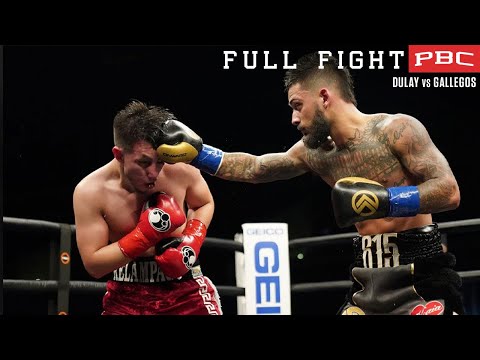
The roar of the crowd, the glint of sweat under the arena lights, the raw exchange of power – these are the elements that captify us in professional boxing. But what lies beneath the surface? Beyond the scores and the knockouts, what are the fundamental principles of martial prowess being tested? On November 21, 2020, Austin Dulay and Jose Luis Gallegos stepped into the ring for a 10-round lightweight showdown that, while appearing straightforward on the surface, offers a profound lesson in the application of technique, strategy, and mental fortitude. This bout, broadcast on PBC on FS1, serves as a compelling case study for any practitioner of the martial arts, whether their focus is the precise striking of Karate, the grappling of Judo, or the dynamic exchanges of MMA.

Table of Contents

Deduction of Intent: What Does This Fight Truly Teach Us?

The primary intention of any viewer seeking out a full fight replay is, ostensibly, entertainment. They wish to witness the spectacle, the drama, and the outcome of a high-stakes contest. However, for the dedicated martial artist, the intent runs deeper. They are not merely spectators; they are students. They seek to understand the *how* and *why* behind the actions. They analyze the footwork, the defensive maneuvers, the offensive strategies, and the mental resilience displayed. The intention, therefore, is to extract actionable knowledge – techniques to incorporate, strategic principles to adopt, and the mental conditioning required to perform under pressure. This fight, with Dulay's controlled performance against Gallegos' relentless pressure, offers a rich tapestry of such lessons, extending beyond the realm of pure boxing into the universal principles of combat.

The Technical Duel: Decoding Dulay's Dominance

Austin Dulay, a 135-pound contender, showcased a masterclass in controlled aggression. His wide unanimous decision victory was not a matter of luck, but a testament to superior skill, speed, and an exceptional work rate. As a southpaw representing Nashville, Dulay employed a strategic approach that stifled Gallegos' preferred pressuring style. His "strong straight left hands and uppercuts" were not just powerful punches; they were calculated tools designed to disrupt Gallegos' rhythm and maintain distance. The effectiveness of his "quick pot shots from the outside" highlights a crucial principle in striking arts: the ability to land damaging blows while remaining relatively safe. This is a concept echoed in the precision required in Karate's point sparring or the range management in Muay Thai.
"The effective way to do it, is to do it." - Walt Disney. In combat, the most effective technique is the one successfully applied. Dulay's consistent execution of his strategy against Gallegos' aggression proves this maxim.

Strategy vs. Pressure: A Tactical Chess Match

Jose Luis Gallegos embodied the spirit of a fighter who refuses to yield. His "pressuring style" is a common tactic in combat sports, designed to overwhelm an opponent and force them into uncomfortable situations. However, Dulay's strategy was to meet this pressure not with equal force, but with calculated counters and superior ring generalship. He didn't simply absorb the pressure; he diffused it, redirected it, and exploited the openings it created. This is the essence of fighting smart, not just hard. A martial artist must understand when to absorb, when to evade, and when to counter. Gallegos' inability to "solve Dulay's quick pot shots" illustrates the consequence of a predictable offensive strategy against a more adaptable opponent.

The Southpaw's Edge: Navigating Stance Differences

The bout featured several "unintentional headbutts," a common occurrence when an orthodox fighter faces a southpaw. This phenomenon underscores the inherent complexities of differing stances in combat. The angles of attack, the lines of defense, and the natural foot placement are all altered, requiring a higher degree of spatial awareness and adaptation from both fighters. For those studying Karate, the understanding of stances (like *Zenkutsu-dachi* or *Kokutsu-dachi*) is paramount, and this principle extends to the dynamic footwork required in boxing. Dulay, as the southpaw, had a distinct angle of attack with his lead left hand, a weapon he used to great effect.

The Fights Within the Fight: Unseen Battles of Will

While the judges' scorecards favored Dulay overwhelmingly with scores of 100-90, 100-90, and 99-91, the narrative of a "rugged 10 rounds" suggests that Gallegos, despite being out-pointed, was a constant threat. Every round represents a mini-battle of wills, a test of endurance, and a series of tactical adjustments. The fact that Gallegos "never made it easy" speaks volumes about his heart and determination. In the martial arts, victory is not solely measured by the final score but by the entirety of the struggle, the resilience shown in the face of adversity, and the commitment to the principles of one's art.

Beyond the Main Event: Molina's U.S. Debut

The undercard featured another compelling bout: the six-round lightweight fight between Fernando Molina and Jose Zaragoza. At 18 years old, Molina, an "unbeaten prospect" and decorated amateur, made an "impressive U.S. debut." His performance, culminating in a unanimous decision, demonstrated the power of a well-timed strike – the "perfectly timed right uppercut" that dropped Zaragoza in the second round. This single moment highlights the efficacy of targeted power, a principle central to many striking arts. Even against a more experienced opponent like the 32-year-old Zaragoza, Molina's speed and "ring savvy" proved decisive. The statistics – Molina landing 107 of 370 punches compared to Zaragoza's 61 of 377 – paint a clear picture of his efficiency and control. This bout underscores the importance of conditioning and technical execution, even when facing a fighter with more professional experience.

Veredicto del Sensei: More Than Just a Scorecard

This fight between Dulay and Gallegos, and the undercard bout featuring Molina and Zaragoza, are more than just boxing matches; they are living demonstrations of martial principles. Dulay's victory is a testament to strategic application, superior conditioning, and the effective use of advantageous angles. Gallegos, though on the losing side of the scorecards, displayed remarkable tenacity, a core tenet of any warrior's spirit. Molina's debut showcases the potent combination of youthful energy, honed amateur skills, and the decisive impact of a well-placed offensive. **Cinturón Negro en Estrategia Táctica y Ejecución.**

Guía de Entrenamiento: Developing a Superior Work Rate

A high work rate is crucial in any combat sport. It's not just about throwing more punches, but about maintaining effective output throughout the duration of a fight or training session. Here's how to cultivate it:
  1. Cardiovascular Conditioning: Engage in regular high-intensity interval training (HIIT), steady-state cardio like running or cycling, and sparring sessions that push your endurance limits.
  2. Strength and Power: Develop explosive strength through exercises like squats, deadlifts, plyometrics, and medicine ball throws. This allows you to generate power efficiently without expending excessive energy.
  3. Technical Efficiency: Perfect your techniques until they become second nature. The more efficient your movements, the less energy you expend for the same result. Focus on streamlining your combinations and defensive actions.
  4. Mental Stamina: Train your mind to push past perceived limits. Visualization exercises, mindfulness, and pushing yourself during drills are key to building mental toughness.
  5. Active Recovery: Incorporate active recovery techniques like light stretching, foam rolling, and proper nutrition to ensure your body can handle the demands of consistent high-level training.

Equipo Esencial para tu Entrenamiento

To truly emulate the dedication seen in professional bouts and to safely advance your martial arts journey, having the right equipment is paramount. For striking arts like boxing and Karate, consider:
  • Guantes de Boxeo de Alta Calidad: Opt for gloves that offer good wrist support and adequate padding for both offense and defense, typically 10oz to 16oz depending on your training.
  • Muñequeras (Wraps): Essential for protecting your hands and wrists during intense training and sparring.
  • Protector Bucal: A non-negotiable piece of safety equipment in any striking-based martial art.
  • Kimono de Karate Resistente: For Karate practitioners, a durable double-weave gi is ideal for training that involves dynamic movements and potential grappling.
  • Esparraguera (Shin Guards): Crucial for sparring in styles like Kickboxing or Muay Thai to prevent leg injuries.
  • Makiwara o Saco de Boxeo: For developing striking power and conditioning your hands (use with proper technique and caution).

Preguntas Frecuentes

  • ¿Qué significa "PBC on FS1"?
    PBC stands for Premier Boxing Champions, a boxing series. FS1 is a sports television channel owned by Fox Sports, indicating where the event was broadcast.
  • What is a "southpaw" in boxing?
    A southpaw is a boxer who leads with their right foot and throws their left hand (jab and cross) from a more forward position. This contrasts with the more common orthodox stance.
  • Is Jose Luis Gallegos a known contender?
    While not always the headline fighter, Jose Luis Gallegos has a significant professional record and has faced numerous contenders, often in challenging matchups.
  • How important is work rate in martial arts?
    Work rate, the continuous output of effective techniques, is incredibly important. It dictates pace, scores points, and can wear down an opponent both physically and mentally.

Para Profundizar en tu Camino

To further your understanding of combat sports and martial arts philosophy, explore these related topics:

Reflexión del Sensei: Tu Próximo Paso

This analysis of Dulay vs. Gallegos reveals that the essence of martial arts isn't just in the devastating knockout or the flawless technique, but in the persistent application of principles. Dulay's control, Gallegos' resilience, and Molina's explosive debut are all facets of the warrior's path. The question for you now is not merely about observing these fights, but about *integrating* them. Are you merely a spectator of the martial arts, or are you an active participant in its ongoing evolution? How will you translate the lessons of strategy, work rate, and resilience from this boxing match into your own training regime today? GEMINI_METADESC: Analyze the Dulay vs. Gallegos boxing match from a martial arts perspective. Learn about strategy, technique, southpaw advantages, and training insights.

EliteXC - Uprising (2007): A Budo Master's Appraisal of a Pivotal MMA Event

The Crucible of Combat: Setting the Stage for Uprising

Greetings, warriors and seekers of the martial way. Today, we delve into the raw, unadulterated heart of mixed martial arts with a critical examination of EliteXC - Uprising, held at the Neal S. Blaisdell Arena on September 15, 2007. This event, published on February 17, 2022, represents more than just a collection of fights; it's a snapshot of an evolving combat sport, a testament to the dedication of its athletes, and a subject ripe for dissection from the perspective of true Budo.

As a Sensei with decades steeped in the philosophy and practice of countless martial disciplines, I approach such events not merely as entertainment, but as living texts. Each bout, each exchange, offers lessons in strategy, resilience, and the unyielding spirit that defines a true warrior. EliteXC, in its era, was a significant player, aiming to carve its niche in a landscape dominated by giants. Uprising was one of its grand stages, showcasing a blend of seasoned veterans and rising stars.

Deconstructing the Card: A Fight-by-Fight Analysis

Let us peel back the layers of this event, bout by bout, and assess the martial merit on display. My intention is not merely to recount results, but to distill the essence of each confrontation, drawing parallels to fundamental martial principles.

Tyson Nam vs. Albert Manners (2:21)

The opening bout. While often brief, these initial clashes set the tone. Nam, known for his explosive striking, against Manners. Here, we look for fundamental defense, the application of basic striking techniques, and the crucial ability to adapt under pressure. A good opening signals discipline; a chaotic one, a lack of preparedness. Did Manners understand the threat Nam presented? Did Nam exhibit controlled aggression or reckless abandon?

Kala Hose vs. Jeff Fox (16:02)

Hose, a Hawaiian native, fighting on home soil. This is where the crowd's energy can be a double-edged sword. We examine how fighters handle the roar of their supporters. Is it a source of strength or a distraction? Fox's approach would reveal his strategic thinking. Were their styles complementary or clashing in a way that exposed weaknesses? In martial arts, understanding your opponent's psyche is as vital as understanding their technique.

Mark Kurano vs. Jose Diaz (19:49)

Another pairing that demands attention to the foundational elements. Diaz's background often leaned towards grappling. How did Kurano manage distance and striking against a potential takedown threat? This is a classic striker vs. grappler dynamic, a staple in the evolution of MMA. The ability to transition seamlessly between ranges is a hallmark of modern combatants.

Mark Oshiro vs. Nui Wheeler (25:07)

More local talent gracing the octagon. We often see fighters from specific regions develop distinct styles influenced by their training environments. This bout would reveal the local flavor of Oahu's fight scene. Were there elements of traditional Hawaiian martial arts or prevalent striking styles that influenced their approach? Observing these regional nuances enriches our understanding of the global tapestry of combat sports.

Brandon Wolff vs. Chad Klingensmith (30:25)

A bout that might have flown under the radar for some, but for the discerning martial artist, every fight offers a lesson. We'd analyze Wolff's offensive pressures against Klingensmith's defensive capabilities. Did Klingensmith employ effective counters, or was he simply reacting? The importance of proactive defense and calculated offense cannot be overstated in any fight.

Jake Shields vs. Renato Verissimo (44:50)

This is where the event begins to escalate. Jake Shields, a prominent grappler and later a UFC champion, against Renato Verissimo, a highly respected BJJ black belt. This was a clash of titans in the grappling world, a true test of ground superiority. Shields' methodical pressure and Verissimo's submission artistry. Here, we see the application of advanced grappling theory. Did Shields manage to implement his game plan, or did Verissimo's jiu-jitsu prove too potent? This bout embodies the grappling evolution within BUDO.

Joey Villasenor vs. Riki Fukuda (55:45)

Villasenor, a well-known fighter with KO power, facing Fukuda, a dynamic Japanese contender. This bout promised fireworks. We look for striking defense, the ability to absorb punishment, and the killer instinct. Fukuda's reputation for toughness against Villasenor's explosive hands. This is where the concept of 'Ki'—one's inner energy and fighting spirit—is often tested and displayed. Did one fighter manage to impose their will and deliver the decisive blow?

Gina Carano vs. Tonya Evinger (1:17:31)

The emergence of Gina Carano was a significant moment for women's MMA. Carano, with her striking background and undeniable charisma, faced Evinger, a fighter known for her grit. This fight is a microcosm of the challenges and triumphs faced by female athletes in a male-dominated sport. We analyze Carano's striking effectiveness and Evinger's ability to overcome the spotlight on her opponent. Did Evinger employ a strategy to neutralize Carano's strengths, or did Carano's star power shine through? This bout is crucial for understanding the historical development of women in martial arts.

Nick Diaz vs. Mike Aina (1:26:31)

Nick Diaz. A name synonymous with controversy, resilience, and a unique, almost unconventional fighting style. Against Mike Aina, this bout was poised to be a technical and psychological battle. Diaz’s striking often incorporates elements of boxing, kickboxing, and a strong offensive grappling game. We dissect his footwork, his infamous Stockton swagger, and his ability to absorb damage while continuing to press forward. Aina's strategy would be key: could he weather the storm and exploit any openings? This is a prime example of the fight analysis I often conduct, looking for the deeper tactical nuances.

Robbie Lawler vs. Murilo Rua (1:51:08)

A main event featuring two established, dangerous strikers. Robbie Lawler, a legend of the sport, known for his devastating power and granite chin. Murilo Rua, "Ninja Rua," a formidable opponent with a versatile skill set. This fight was designed to be a main-event war. We examine the nuances of their striking exchanges, their defensive strategies, and their ability to maintain composure under extreme pressure. This is where we see the culmination of years of entrenamiento and combat experience. A true test of will and skill. The question lingers: did it deliver the expected brutal beauty?

Technical Prowess and Philosophical Undertones

Beyond the individual matchups, EliteXC - Uprising offers broader insights into the state of MMA in 2007. The blend of fighters from various backgrounds—striking arts like boxing and Muay Thai, grappling arts like Brazilian Jiu-Jitsu, and wrestling—highlights the sport's inherent eclecticism.

We must ask: How effectively were these diverse skill sets integrated? Did fighters exhibit a true understanding of cross-training, or were they merely performing techniques from different disciplines in isolation? The true mastery of MMA lies not just in knowing multiple arts, but in seamlessly weaving them into a cohesive, adaptable strategy. This is the essence of 'all-around' fighting, a concept deeply rooted in the pursuit of complete martial proficiency.

"The ultimate aim of martial arts is not to be better than others, but to be better than your former self."

This quote, often attributed to various masters, finds its resonance here. Each fighter on the Uprising card was striving for that personal best, pushing their limits against formidable opponents. The interviews, too, are valuable. They offer glimpses into the mindset of these athletes, their preparation, and their reflections immediately post-fight. Listening to fighters like Gina Carano, Nick Diaz, and Robbie Lawler provides a direct window into the pressures and triumphs of professional combat.

The interviews with BJ Penn, a true martial arts icon, offer additional layers of insight, not just into his perspective, but into the broader fighting community of the time. These segments are crucial for understanding the human element behind the spectacle.

Veredicto del Sensei: ¿Merece la pena?

EliteXC - Uprising (2007) is a fascinating artifact for any serious student of mixed martial arts. While not every bout may reach stratospheric levels of technical brilliance or raw, unadulterated warfare, the event showcases significant talent and pivotal moments in the sport's history. The inclusion of future stars like Nick Diaz and Robbie Lawler, alongside the burgeoning presence of Gina Carano, makes this a historically relevant piece of martial arts cinema.

For the casual viewer, it's an entertaining night of fights. For the dedicated practitioner, it's a valuable case study in strategic application, fighter mentality, and the ongoing evolution of combat sports. The interviews add significant depth, offering a look behind the curtain.

Calificación del Sensei: Un Sólido Cinturón Negro en Relevancia Histórica y Potencial de Aprendizaje.

Equipo Esencial para tu Entrenamiento

To truly understand the demands placed upon these athletes, it is vital to equip yourself properly for your own training journey. Whether you are honing striking skills, perfecting grappling techniques, or building cardiovascular endurance, the right gear is crucial for safety, performance, and progression.

  • Guantes de Entrenamiento (14oz-16oz): Essential for striking practice, whether with pads, heavy bags, or light sparring. They protect your hands and wrists while offering a realistic feel for combat.
  • Protector Bucal (Mouthguard): Non-negotiable for any sparring or intense training. Protects your teeth, jaw, and tongue, and can help mitigate concussions.
  • Espinilleras: Crucial for kickboxing and Muay Thai training to prevent shin injuries during partner drills or pad work.
  • Kimono de Judo o Jiu-Jitsu (Gi): For grappling disciplines, a durable Gi is necessary for practicing throws, takedowns, and ground techniques. Look for a double-weave for enhanced durability.
  • Botas de Lucha o Zapatillas Ligeras: Provide ankle support and traction, vital for footwork and dynamic movements in striking and wrestling.
  • Parches de Entrenamiento (Focus Mitts & Thai Pads): For striking drills with a partner, these are indispensable for developing accuracy, speed, and power.

Investing in quality equipment is an investment in your longevity and safety as a martial artist. Do not cut corners when it comes to protecting your body.

Guía de Entrenamiento: Desarrollando la Resiliencia del Luchador

The fighters at Uprising displayed incredible mental fortitude. This resilience isn't solely built in sparring sessions; it's cultivated through dedicated, structured training that challenges both body and mind. Here’s a practical approach:

  1. Dominio de las Bases: Dedicate at least 30% of your training time to perfecting fundamental techniques. For strikers, this means jab, cross, hook, uppercut, basic kicks. For grapplers, it's fundamental pins, escapes, sweeps, and basic submissions. Repetition breeds muscle memory and confidence.
  2. Sparring Controlado (Randori): Engage in sparring sessions (whether striking or grappling) with a focus on learning, not just winning. Practice specific techniques, work on maintaining composure when pressured, and communicate with your partner. Start with light contact and gradually increase intensity as comfort and skill grow.
  3. Cardiovascular Conditioning: High-intensity interval training (HIIT) is excellent for simulating fight pace. Incorporate sprints, burpees, jump rope, and circuit training. Build your aerobic base with longer, steady-state cardio sessions (running, cycling) on separate days. Consider the running tips for endurance building.
  4. Strength and Power Development: Focus on compound movements: squats, deadlifts, presses, rows. Incorporate plyometrics (box jumps, medicine ball throws) to develop explosive power.
  5. Mental Conditioning: Practice meditation or mindfulness exercises. Visualize success and specific fight scenarios. Develop coping mechanisms for frustration or adversity during training. Learning to manage your mental strength is paramount.
  6. Active Recovery and Flexibility: Dedicate time to stretching, foam rolling, and active recovery (light swimming, yoga). This prevents injuries and aids in performance. Explore resources on flexibility and stretching.

Remember, consistency is key. A structured training regimen, incorporating these elements, will build the physical and mental toughness required to face any challenge.

Preguntas Frecuentes

  • Q: Was EliteXC Uprising a significant event in MMA history?
    A: Yes, it was a notable event for EliteXC, showcasing a mix of established fighters and rising stars, and contributing to the broader landscape of MMA in the late 2000s.
  • Q: Who were the main event fighters at EliteXC Uprising?
    A: The main event featured Robbie Lawler against Murilo Rua.
  • Q: Did Gina Carano fight at this event?
    A: Yes, Gina Carano fought Tonya Evinger at EliteXC - Uprising.
  • Q: What martial arts were represented at this event?
    A: The event showcased a variety of martial arts commonly seen in MMA, including striking arts (boxing, Muay Thai), grappling arts (Brazilian Jiu-Jitsu), and wrestling.

Para Profundizar en tu Camino

Reflexión del Sensei: Tu Próximo Paso

EliteXC - Uprising offered a compelling display of the modern martial artist's capabilities. It highlighted the intricate dance between power and technique, aggression and strategy, individual will and the unforgiving nature of combat. The athletes who step onto such a stage are not merely performers; they are modern-day warriors, testing their mettle and pushing the boundaries of human potential.

We have dissected the bouts, analyzed the techniques, and considered the philosophical underpinnings. Now, the question turns inward:

Reflexión del Sensei: Tu Próximo Paso

As you review these performances, what specific element—a defensive maneuver, a strategic adjustment, an act of sheer willpower—resonates most deeply with your own training? How will you integrate that insight, not just into your physical practice, but into the challenges you face outside the dojo? Is your approach to conflict and self-improvement as deliberate and refined as that of the warriors you witness?

Now, it is your turn to engage. Share your thoughts: Did any particular fight captivate you? Do you believe the integration of various martial arts at this event was truly seamless, or did you observe limitations? Let your voices be heard in the comments below. Prove your understanding, or challenge my assessment. The true learning begins when dialogue ignites.

``` GEMINI_METADESC: Analyze EliteXC - Uprising (2007) from a Budo master's perspective. Dive deep into fight analysis, technical breakdowns, and the philosophical lessons of MMA.

Muay Thai: Why Saenchai Remains Undefeated and Unbeatable

Would you voluntarily invite a brutal beating, a swift kick to the face that makes you question your very existence? Most sane individuals would recoil at the thought. Yet, this raw, unyielding reality is precisely why one must never trifle with a Muay Thai master, particularly when that master is the legendary **Saenchai**. In the unforgiving arena of combat sports, certain figures transcend mere skill to embody an art form, and Saenchai is a testament to the unparalleled power and devastating efficacy of Muay Thai. The question isn't whether a Muay Thai master *can* be beaten, but rather, if it's even wise to step into the ring with one who has honed their craft to such an exquisite degree. This isn't about mere physical prowess; it's about a deep-seated understanding of timing, leverage, strategy, and the warrior's spirit – the very essence of *Budo*.

The Unseen Foundations of Muay Thai Mastery

While the flashy kicks and devastating elbows of Muay Thai are what often capture the public's imagination, the true mastery lies in the unseen foundations. It’s in the countless hours spent developing an almost supernatural conditioning, the relentless repetition of techniques until they become instinct, and the cultivation of a mental fortitude that borders on the stoic.

For Saenchai, this journey began in his youth, a common path for many Muay Thai practitioners. The "Art of Eight Limbs" demands a holistic approach to training. It integrates striking with fists, elbows, knees, and shins, alongside crucial grappling and clinching techniques. This comprehensive arsenal makes Muay Thai a truly formidable combat system, often referred to as the "science of eight limbs."

"The supreme art of war is to subdue the enemy without fighting." - Sun Tzu, The Art of War. While Saenchai's prowess often leaves opponents demoralized before the fight even truly begins, his mastery is demonstrated in his ability to dismantle them within the rules of engagement, showcasing a different facet of strategic dominance.

Saenchai's Legacy: More Than Just Wins

To understand why Saenchai remains an icon, we must look beyond his impressive win record. His style is characterized by an almost playful yet utterly precise execution. He's known for his deceptive movement, his ability to absorb punishment without flinching, and his uncanny knack for turning an opponent's attack into his own opening. This isn't just fighting; it's a high-stakes chess match played out with the human body.

His career, spanning decades, has seen him compete against a vast array of styles and opponents, often in grueling conditions and under immense pressure. Yet, he consistently emerged victorious, not by brute force alone, but through a sophisticated blend of technique, strategy, and an indomitable will. This resilience and adaptability are hallmarks of true martial artistry, a principle deeply ingrained in the philosophies of masters across various disciplines, from the Kyokushin Karate dojos to the Judo mats.

The Philosophy of the "Art of Eight Limbs"

Muay Thai is often misunderstood as a purely aggressive, brute-force fighting style. However, at its core, it embodies a profound philosophy. The "Art of Eight Limbs" emphasizes discipline, respect, humility, and the constant pursuit of self-improvement. The ritualistic pre-fight dance, the Wai Kru Ram Muay, is a demonstration of respect for one's teacher, their opponents, and the art itself.

This respect extends to the training regimen. The intense training, the conditioning, and the mental preparation are all acts of devotion to the craft. It’s about forging not just a fighter, but a complete individual, a concept that resonates deeply within the broader sphere of martial arts, including the principles guiding Budo.

Key Elements of Muay Thai's Devastating Effectiveness:

  • Powerful Striking: The integrated use of fists, elbows, knees, and shins delivers devastating force.
  • Clinch Work: The ability to control and strike within the clinch is a unique and highly effective aspect of Muay Thai.
  • Devastating Kicks: The infamous roundhouse kick, delivered with full hip rotation and shin conditioning, can end a fight instantly.
  • Iron Conditioning: Practitioners endure rigorous physical training to withstand incredible punishment and maintain offensive pressure.
  • Mental Fortitude: The psychological aspect of enduring pain and maintaining focus under duress is paramount.

Training Regimen: The Crucible of a Champion

What separates a legend like Saenchai from an average practitioner? It's the sheer dedication to an unrelenting training regimen. This isn't about casual gym sessions; it's a lifestyle demanding immense sacrifice and discipline. A typical day for a high-level Muay Thai fighter involves multiple grueling sessions:

  1. Morning Run: Often several miles, focusing on cardiovascular endurance – essential for maintaining pace throughout a fight. This mirrors the importance of running tips for any combat athlete, regardless of their discipline.
  2. Midday Training: This session typically involves pad work, bag work, and technique drills, focusing on precision, power, and combinations. Practicing strikes against a makiwara or heavy bag is crucial for developing power.
  3. Afternoon Session: This often includes clinch work, sparring, and conditioning exercises like push-ups, sit-ups, and sprints.
  4. Evening Sparring/Technical Work: Sometimes a final session focuses on live sparring or refining specific techniques.

This relentless cycle builds not only physical strength and technique but also an ironclad mental game. The ability to push through pain and exhaustion is a direct result of this demanding Martial Arts Training, a principle shared by athletes in MMA, Kickboxing, and beyond.

Why Muay Thai Stands Apart in the Modern Combat Landscape

In an era dominated by the cross-disciplinary nature of MMA, Muay Thai continues to hold its own as a premier striking art. Its effectiveness is undeniable, proven time and again in mixed martial arts contests worldwide. Fighters who possess strong Muay Thai backgrounds often have a significant advantage in striking exchanges.

The "Art of Eight Limbs" offers a complete striking system that is both devastatingly effective and deeply rooted in tradition. Its principles of discipline, respect, and continuous improvement are timeless, making it more than just a fighting style – it's a path to self-mastery. The legend of Saenchai is a living embodiment of this philosophy, a reminder that true mastery in the martial arts is a lifelong pursuit.

Veredicto del Sensei: ¿Merece la pena?

Saenchai isn't just a fighter; he's a phenomenon. His longevity, adaptability, and sheer skill in Muay Thai are unparalleled. He exemplifies the pinnacle of the "Art of Eight Limbs," demonstrating that with dedication, discipline, and a deep understanding of the art, mastery is achievable. He doesn't just win fights; he showcases the art of Muay Thai in its most potent and beautiful form. He is, without hyperbole, a true legend whose techniques and spirit continue to inspire. Calificación: Cinturón Negro Honorífico en Leyenda Viviente

Equipo Esencial para tu Entrenamiento

Para aquellos inspirados por la ferocidad y la gracia de Muay Thai, el equipo adecuado es fundamental para un entrenamiento seguro y efectivo. Invertir en equipo de calidad no solo mejora tu rendimiento, sino que también previene lesiones, permitiéndote entrenar de manera constante y progresar.

  • Guantes de Muay Thai/Boxeo: Indispensables para el trabajo con sacos, manoplas y sparring. Busca unos que ofrezcan buen soporte para la muñeca y acolchado adecuado. Los Karate merchandise, aunque diferentes, comparten la idea de equipamiento específico.
  • Vendas para Manos: Protegen tus nudillos y muñecas durante sesiones intensas.
  • Espinilleras: Cruciales para proteger tus espinillas de los impactos y desarrollar la resistencia necesaria para los golpes de patada característicos del Muay Thai.
  • Protector Bucal: Obligatorio para sparring y cualquier tipo de combate para proteger tus dientes y mandíbula.
  • Pantalones Cortos de Muay Thai: Diseñados para ofrecer máxima libertad de movimiento en las piernas, facilitando las patadas y el juego de pies.
  • Saco de Boxeo o Mancuernas: Para desarrollar potencia y resistencia en casa o en el gimnasio.
  • Camiseta de entrenamiento transpirable: Que te mantenga fresco y cómodo.

Preguntas Frecuentes

¿Es Muay Thai efectivo para la defensa personal?
Absolutamente. Muay Thai enseña el uso de armas naturales del cuerpo (puños, codos, rodillas, espinillas) de forma devastadora, lo que lo hace muy práctico para situaciones de defensa personal. Su énfasis en el clinch y las técnicas de control también es muy valioso.
¿Cuál es la diferencia principal entre Muay Thai y Kickboxing?
La diferencia clave radica en el uso de codos y rodillas, así como en el clinch. Muay Thai permite el uso de codos y rodillas de manera extensa, y el clinch es una parte integral del arte, donde los luchadores pueden controlar a su oponente para lanzar golpes. El kickboxing varía en sus reglas, pero generalmente prohíbe los golpes de codo y limita el uso del clinch.
¿Cuánto tiempo se tarda en volverse competente en Muay Thai?
La competencia es un camino continuo. Sin embargo, con entrenamiento regular (3-4 veces por semana), un estudiante puede desarrollar una base sólida de técnicas y acondicionamiento en 6 meses a un año. Alcanzar un nivel de maestría como el de Saenchai lleva décadas de dedicación.
¿Por qué Saenchai es considerado el mejor?
Saenchai es considerado uno de los mejores por su longevidad en la cima, su habilidad para adaptarse a diferentes oponentes y estilos, su dominio técnico excepcional, su carisma dentro y fuera del ring, y su capacidad para realizar técnicas complejas con aparente facilidad, a menudo burlándose de sus oponentes de manera estratégica.

Para Profundizar en tu Camino

Reflexión del Sensei: Tu Próximo Paso

Reflexión del Sensei: Tu Próximo Paso

Saenchai no nació maestro; se hizo a través de una disciplina férrea y una pasión inquebrantable. ¿Es tu entrenamiento un reflejo de la misma dedicación? ¿O es simplemente un pasatiempo? ¿Estás dispuesto a sacrificar la comodidad por la maestría, a enfrentar tus límites una y otra vez hasta que desaparezcan? La verdadera prueba no está en los aplausos, sino en la convicción con la que te levantas cada mañana para enfrentar el desafío del dojo, ya sea físico o mental.

``` GEMINI_METADESC: Explora por qué el legendario Saenchai de Muay Thai es considerado imbatible. Descubre las técnicas, la filosofía y el entrenamiento que lo convierten en una leyenda viviente del arte de las ocho extremidades.

The Unmistakable Aura of a Warrior: Deconstructing Giga Chikadze's Training Regimen

Esteemed practitioners of the martial way, welcome. Today, we dissect not merely a video, but the very essence of dedication and martial prowess. Our subject, Giga Chikadze, often labelled a "sports model," exhibits a kinetic artistry that transcends superficial labels. His movements, his conditioning, his evident commitment to the physical and mental rigors of combat—these are the hallmarks of a true warrior, irrespective of his chosen profession. The question is not *if* he possesses the talent for mixed martial arts, but rather, how such raw capability is honed and expressed. We have all witnessed moments of exceptional athleticism, flashes of brilliance that hint at a deeper potential. Chikadze's training clips reveal a symphony of motion: the lightning-fast kicks that seem to defy gravity, the precision of his punches, a speed and fluidity that speak volumes about his conditioning and innate talent. These are not the random actions of a gifted athlete; they are the cultivated outputs of rigorous discipline. While the term "real-life ninja" is often used hyperbolically, it evokes a specific set of skills and philosophies—stealth, adaptability, mastery of movement, and often, a connection to ancient martial traditions like Ninjutsu. Whether Giga Chikadze has formally trained in Ninjutsu is secondary to the observable fact that his movements embody the *spirit* of such an art. His efficiency, his deceptive speed, and his ability to control space are qualities that resonate deeply within the martial world. It begs the question: what underlying principles guide such development?
"The ultimate aim of martial arts is not merely to triumph over the enemy, but to triumph over oneself." - Traditional Budo Proverb
In this analysis, we move beyond the superficial admiration of his athleticism to explore the *why* and *how* of his formidable presence. We will delve into the likely components of such a regimen, the mental fortitude required, and the martial philosophies that might underpin his approach.

The Pillars of Chikadze's Martial Conditioning

To achieve such a level of kinetic expression requires a multi-faceted approach, integrating strength, speed, endurance, flexibility, and a sharp tactical mind.

1. Explosive Power and Speed Development

Chikadze's kicks and strikes are characterized by their sudden onset and rapid extension. This suggests a training regimen focused on: * **Plyometrics**: Exercises like jump squats, box jumps, and medicine ball throws develop explosive power by utilizing the stretch-shortening cycle. These movements mimic the rapid engagement and release of muscle fibers needed for powerful strikes. * **Sprinting and Agility Drills**: Short bursts of high-intensity running, shuttle runs, and cone drills enhance anaerobic capacity and the ability to change direction explosively. This translates directly to footwork on the mat. * **Resistance Training (Specific)**: Incorporating exercises that mimic striking motions with light resistance, such as cable punches or banded kicks, can improve speed and power transfer.

2. Unyielding Endurance: The Foundation of Sustained Performance

The ability to maintain a high level of output throughout a demanding match is paramount. This points to: * **High-Intensity Interval Training (HIIT)**: Alternating between short periods of intense exertion and brief recovery mimics the ebb and flow of combat. This is crucial for building the stamina needed for MMA or other close-quarters combat. * **Long-Distance Cardiovascular Training**: While seemingly counterintuitive for explosive sports, a strong aerobic base is essential for recovery between high-intensity bursts and overall resilience. Consistent running, as discussed in running tips, builds this vital foundation. * **Circuit Training**: Moving through a series of strength and conditioning exercises with minimal rest effectively builds both muscular and cardiovascular endurance.

3. The Art of Movement: Flexibility and Mobility

The fluidity and range of motion displayed by Chikadze are not accidental. They are the result of dedicated work on: * **Dynamic Stretching**: Performed before training, dynamic stretches prepare the muscles for movement, increasing range of motion and reducing the risk of injury. Leg swings, arm circles, and torso twists are examples. * **Static Stretching and Yoga**: Post-training static stretching and practices like yoga or flexibility exercises improve overall mobility, allowing for higher kicks and more complex evasive maneuvers. This is a cornerstone of BUDO philosophy, emphasizing harmony and flow.

Beyond the Physical: The Mental Game

A practitioner of Chikadze's caliber is not merely a physical specimen; he is a mental warrior. The discipline required to show up daily, to push through pain and fatigue, to strategize and adapt—these are cultivated mental attributes. * **Discipline and Consistency**: The very act of adhering to a rigorous training schedule demonstrates profound self-discipline. This is the bedrock upon which all martial progress is built, a concept deeply embedded in the Budo Life. * **Focus and Concentration**: The ability to remain focused amidst chaos, to anticipate an opponent's move, and to execute one's own plan requires intense mental concentration, a skill honed through practices like meditation (though not explicitly stated for Chikadze, it is a common trait among elite martial artists). * **Resilience and Adaptability**: Martial arts training, much like life, is fraught with setbacks. The capacity to learn from defeat, to adapt strategies, and to persevere when faced with challenges is crucial. This ties into the broader themes of superación personal.
"In martial arts, the mind must be like a mirror, reflecting without distortion." - Miyamoto Musashi, The Book of Five Rings
Chikadze’s journey, as far as these clips suggest, is a testament to the power of dedicated training. He embodies the warrior spirit, demonstrating that labels are secondary to the undeniable truth of one's abilities and commitment. Whether he steps into the competitive MMA arena or continues to impress in his current capacity, his dedication serves as an inspiration.

Veredicto del Sensei: ¿Merece la pena?

Absolutely. Giga Chikadze's training footage is a masterclass in dedication and the raw expression of martial talent. While the "sports model" moniker might invite skepticism from hardened martial artists, his demonstrated physical capabilities—speed, power, agility, and fluidity—are undeniable indicators of elite conditioning and potential. He possesses the core attributes that make a formidable combatant. His clips are not just impressive; they are instructive, showcasing the tangible results of rigorous, intelligent training. If this is what he achieves outside the formal structures of professional combat sports, imagine his potential within them.

Equipo Esencial para tu Entrenamiento

While Giga Chikadze’s personal regimen is proprietary, a practitioner aiming to emulate his conditioning would benefit from:
  • Zapatillas Deportivas de Alto Rendimiento: Para agilidad y absorción de impacto durante ejercicios de pies y saltos.
  • Ropa de Entrenamiento Transpirable: Para maximizar la comodidad y el rendimiento durante sesiones intensas.
  • Guantes de Boxeo/MMA (para trabajo de saco/esparring ligero): Si se busca desarrollar la técnica de golpeo en un entorno seguro.
  • Cuerda de Saltar: Un pilar para el acondicionamiento cardiovascular y la coordinación.
  • Pesas Libres y Kettlebells: Para un entrenamiento de fuerza versátil y funcional.
  • Bandas de Resistencia: Ideales para el entrenamiento de velocidad y potencia, mimicking striking motions.

Guía de Entrenamiento: Ejercicio de Agilidad de Reacción

This drill focuses on improving reaction time and footwork, inspired by the deceptive movements of martial artists like Chikadze.
  1. Setup: Place cones or markers in a small, irregular pattern (e.g., a circle with some cones inside and outside) within a 5x5 meter area. You can also use a sparring partner or coach to call out movements.
  2. Starting Stance: Assume an athletic stance, feet shoulder-width apart, knees slightly bent, weight balanced on the balls of your feet.
  3. Initiation: Have a partner or coach call out a direction (e.g., "Left!", "Right!", "Forward!", "Back!") or a number corresponding to a cone.
  4. Execution: React instantly to the command. If a direction is called, move quickly in that direction, maintaining your athletic stance. If a cone is called, sprint to that cone, touch it, and immediately return to the center.
  5. Progression: Increase the speed of commands. Have the caller use verbal cues combined with hand signals. Introduce combinations of movements (e.g., "Left, then touch cone 3").
  6. Focus: Keep your eyes up, scanning your environment. Stay light on your feet. The goal is to minimize wasted movement and react with maximum efficiency.
  7. Duration: Perform for 30-60 second intervals, with 30-60 seconds of rest. Repeat for 3-5 rounds.

Preguntas Frecuentes

What makes Giga Chikadze's training stand out?

His exceptional speed, power, fluidity of movement, and apparent dedication to conditioning suggest a highly effective training regimen that combines explosive power development with robust endurance and flexibility.

Is "real-life ninja" a literal description?

The term is largely metaphorical, highlighting his impressive agility, deceptive speed, and efficient movement. While he may not have formal Ninjutsu training, his physical capabilities evoke qualities associated with ninja arts.

Can someone without formal martial arts background achieve such a physique?

Yes, with extreme dedication, intelligent training, and proper conditioning, athletes from various disciplines can develop remarkable martial attributes. However, formal martial arts training provides the technical framework and tactical understanding essential for combat.

What are the key takeaways for aspiring martial artists from Chikadze's clips?

The importance of consistent, hard training; the integration of strength, speed, and endurance; the development of fluid movement; and the mental fortitude required to excel.

Is it beneficial to analyze training clips of fighters?

Absolutely. Observing how high-level practitioners train can provide invaluable insights into effective conditioning methods, technical execution, and the dedication required for mastery. It’s a form of learning through observation.

Para Profundizar en tu Camino

Reflexión del Sensei: Tu Próximo Paso

We have dissected the visible manifestations of Giga Chikadze's martial spirit. But what lies beneath the surface? Are you merely an observer, content to admire from afar? Or do you recognize the echoes of your own aspirations within his dedication? Consider this: if a "sports model" can cultivate such formidable martial attributes, what prevents you from unlocking your own latent potential? Is your training merely a routine, or a ritual of self-mastery? The answer, as always, lies not in the observation, but in the unwavering execution. Now, go forth and train with intention. GEMINI_METADESC: Explore Giga Chikadze's intense training, revealing the martial principles behind his speed, power, and agility. An expert analysis for aspiring warriors and Budo practitioners.

BKFC 24: Joe Riggs Steps Back Into the Arena - Can He Reclaim Glory?

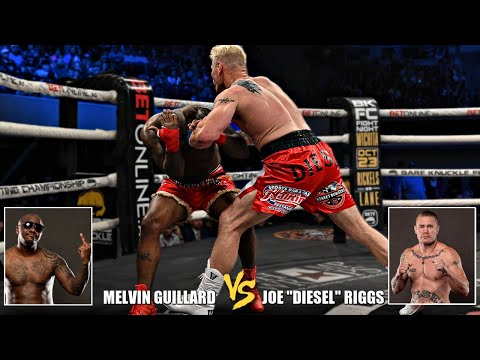
The roar of the crowd, the palpable tension before the bell, the primal dance of combat – these are the elements that draw us to the brutal ballet of combat sports. We've seen warriors rise and fall, legends forged in the crucible of competition. Today, we turn our attention to a fighter whose grit and resilience are as undeniable as his past performances: Joe "Diesel" Riggs. Many of you might recall Riggs's encounter with Melvin Guillard, a fight that, while perhaps not the most technically refined display of the martial arts, certainly held a certain raw energy. However, our focus today shifts to a new chapter, a pivotal moment in Riggs's career as he prepares to step back into the BKFC (Bare Knuckle Fighting Championship) arena.

A New Challenge: Joe Riggs vs. Lorenzo Hunt at BKFC 24

The date is April 30th, 2022. The venue: the Montana ExpoPark in Great Falls, Montana. The event: BKFC 24. And at the heart of it all, Joe "Diesel" Riggs, a man who has never shied away from a fight, is set to challenge for the light heavyweight championship against the formidable Lorenzo Hunt. This isn't just another fight; it's a testament to the indomitable spirit of a warrior. Riggs, with a professional record of 3-1-1 in bare-knuckle boxing, faces the reigning champion, Hunt, who boasts an impressive 6-1 record. The odds may seem stacked, but in the unforgiving world of combat, determination and heart often write their own narratives.
"The true warrior is one who can be both warrior and scholar; one who understands the art of combat and the philosophy behind it." - A principle echoed by many martial arts masters.

The Philosophy of Bare-Knuckle Combat

While many martial arts emphasize technique, strategy, and discipline, bare-knuckle boxing strips the contest down to its most fundamental elements: raw power, sheer will, and the ability to absorb punishment. It's a brutal, unforgiving sport that demands an incredible level of mental fortitude and physical toughness. Is bare-knuckle fighting a true art form? This is a question that sparks fervent debate among martial artists. Some argue that its lack of rules and emphasis on brute force disqualifies it from the esteemed lineage of traditional martial arts. Others, however, see it as a modern iteration of ancient combative practices, a visceral expression of human aggression and resilience.
"To know your enemy and know yourself, you need not fear the result of a hundred battles." - Miyamoto Musashi, "The Book of Five Rings"
Riggs embodies the latter perspective. His journey through various combat sports, from MMA to bare-knuckle boxing, showcases a warrior's adaptability and an unyielding desire to test himself against the best.

Joe Riggs's Journey: From MMA to BKFC

Joe Riggs is no stranger to the fight game. His career in mixed martial arts spanned over a decade, facing some of the toughest competitors in the sport. His transition to bare-knuckle boxing signifies a desire to embrace a more direct, unfiltered form of combat. In the raw, unadorned world of BKFC, Riggs has proven his mettle. His previous performances have been marked by a relentless forward pressure and a willingness to engage in slugfests. Now, he stands on the precipice of championship glory.

BKFC 24: A Card Stacked with Action

Beyond the main event, BKFC 24 promises a night of thrilling matchups. The full card, as of the publication of this article, is as follows: * Lorenzo Hunt [c] vs. Joe Riggs * Leo Bercier vs. Bryant Acheson * Andy Nguyen vs. Cassandra Robb * Louie Lopez vs. Rusty Crowder * Kai Stewart vs. Daniel Gary * Sawyer Depee vs. William Dunkle * Billy Wagner vs. Bryan Mortensen * Timmy Mason vs. Arthur Walcott-Ceesay * Dallas Davison vs. Eric Lopez * James Dennis vs. Brian Maxwell *Please note: Fight cards are always subject to change, a common occurrence in the unpredictable world of combat sports.*

Veredicto del Sensei: ¿Merece la pena?

From a martial arts purist's perspective, bare-knuckle boxing might raise eyebrows. The emphasis on raw power over refined technique, the absence of grappling and submissions, can be seen as a departure from the holistic development espoused by many traditional arts. However, to dismiss it entirely is to ignore the immense courage, discipline, and sheer willpower required to compete. Joe Riggs's return to the BKFC spotlight is a compelling narrative of a fighter who thrives in the most intense environments. His upcoming bout against Lorenzo Hunt is more than just a championship fight; it's a demonstration of the enduring spirit of combat. If you appreciate grit, courage, and a no-holds-barred approach to competition, BKFC 24 and the main event featuring Joe Riggs are undoubtedly worth your attention. **Cinturón Negro en Determinación.**

Equipo Esencial para tu Entrenamiento

While bare-knuckle boxing requires minimal equipment in the ring, proper training demands dedication and the right gear. For those inspired by the toughness and resilience of fighters like Joe Riggs, focusing on fundamental conditioning is key.
  • Boxing Gloves (16oz for Sparring): Essential for protecting your hands and your training partners during sparring sessions.
  • Hand Wraps: Crucial for added wrist and hand support, preventing injuries during intense striking training.
  • Mouthguard: Non-negotiable for any form of combat sports to protect your teeth and jaw.
  • Shin Guards: Important for kickboxing or Muay Thai training, offering protection during leg strike drills.
  • Jump Rope: An excellent tool for cardiovascular conditioning and footwork development.
  • Durable Workout Apparel: Comfortable and flexible clothing that allows for a full range of motion.
For those looking to deepen their understanding of the striking arts, consider investing in quality equipment that reflects the spirit of discipline and training. Explore options for high-quality Karate gi or specialized MMA training gear to enhance your practice.

Guía de Entrenamiento: Fortaleciendo tu Mandíbula y Resiliencia

Inspired by the toughness of bare-knuckle fighters? Here's a foundational workout to build resilience. This regimen focuses on strength, conditioning, and a mental toughness that mirrors the spirit of the fight.
  1. Jaw Strengthening Exercises:
    • Chewing Gum: Start with 15-30 minutes of chewing gum daily, focusing on using both sides of your jaw.
    • Resistance Jaw Exercises: Use a jaw exerciser tool (available online) for controlled resistance training. Follow the manufacturer's instructions carefully.
    • Isometric Jaw Holds: Place your thumb under your chin and push upwards while resisting with your jaw muscles. Hold for 10-15 seconds. Repeat 5-10 times.
  2. Cardiovascular Conditioning:
    • Running: Aim for at least 3-4 sessions per week. Incorporate interval training (sprints followed by jogging) for maximum cardiovascular benefit. Look for tips to improve your running.
    • Jump Rope: 15-20 minutes of continuous jumping, varying speeds and techniques.
    • Shadow Boxing: 5-10 rounds of intense shadow boxing, focusing on power and speed.
  3. Core Strength and Stability:
    • Plank Variations: Hold standard planks, side planks, and dynamic planks for extended periods (60 seconds or more).
    • Russian Twists: With or without weight, focus on controlled rotation.
    • Leg Raises: Build lower abdominal strength.
  4. Mental Fortitude:
    • Meditation: Practice daily meditation to improve focus and emotional control. Consider exploring Zen meditation principles.
    • Visualization: Spend time visualizing yourself performing under pressure, overcoming challenges.
    • Setting Small Goals: Break down larger objectives into smaller, achievable steps to build confidence and momentum.
Remember, consistent practice is key. As with any training, listen to your body and consult with a fitness professional if you have any underlying health conditions.

Preguntas Frecuentes

  • When is BKFC 24 taking place? BKFC 24 is scheduled for Saturday, April 30th, 2022.
  • Who is Joe Riggs fighting at BKFC 24? Joe "Diesel" Riggs will face Lorenzo Hunt for the light heavyweight championship.
  • Where can I watch BKFC 24? The event will be available via Pay-Per-View. Links for PPV and live tickets are provided in the article.
  • What is BKFC? BKFC stands for Bare Knuckle Fighting Championship, a promotion that hosts fights without gloves.
  • Is bare-knuckle fighting considered a martial art? This is a debated topic. While it shares roots with combative disciplines, its focus on unadorned striking and lack of rules distinguish it from many traditional martial arts.

Para Profundizar en tu Camino

The spirit of combat and the journey of self-improvement are universal. Explore these related topics to further enrich your understanding and practice:

Reflexión del Sensei: Tu Próximo Paso

Riggs's return to the BKFC arena is a stark reminder that the warrior's path is rarely linear. It is a journey marked by challenges, setbacks, and the unwavering courage to step back into the fray. As you watch these warriors test their limits, ask yourself: What is the greatest challenge you are currently avoiding? And what "bare-knuckle" resolve will you muster to face it? The arena of life, like that of combat, demands bravery. ``` GEMINI_METADESC: Joe Riggs faces Lorenzo Hunt for the BKFC light heavyweight title at BKFC 24. Explore the fight, bare-knuckle philosophy, and Riggs's warrior spirit.

World Vale Tudo Championship 11: A Brutal Reckoning or a Flawed Spectacle?

Welcome, warriors and scholars, to the hallowed halls of Budo and Martial Arts, where we dissect not just techniques, but the very soul of combat. Today, we delve into a forgotten corner of MMA history: World Vale Tudo Championship 11. You might come here seeking the refined elegance of a Karate kata or the raw power of a Kyokushin knockout, but prepare yourselves. This event is a raw, unfiltered blast from the past, a time when the rules were looser, the stakes felt higher, and the "Vale Tudo" ethos was at its most visceral. But does this raw intensity translate into meaningful martial art, or is it merely a chaotic brawl masquerading as a sport? Let's find out.

The Event: World Vale Tudo Championship 11 (Recife, May 27, 2000)

The year is 2000. The mixed martial arts landscape was a wild frontier, a far cry from the structured promotions of today. World Vale Tudo Championship (WVC) was one of the organizations pushing the boundaries, and WVC 11, held in Recife, Brazil, was a testament to this raw, unadulterated approach. Forget the sanitised PPV events; this was about bringing fighters from diverse backgrounds – wrestling, striking, and pure grit – into a single arena to test the absolute limits of their skills. The "Vale Tudo" (anything goes) philosophy was more than just a name; it was a declaration of intent. Here, the lines between martial art and primal struggle blurred, offering a fascinating, albeit often brutal, spectacle.

Fight Analysis: Deconstructing the Bouts

Let us examine the battles that unfolded on that fateful night:

  1. Phil Ensminger vs. Alaor Soares (4:01): The opening bout set a fierce tone. Ensminger, known for his striking prowess, met Soares in a contest that promised fireworks. This early encounter is crucial for understanding the overall tenor of the event. Did it showcase technical superiority or simply an exchange of blows?
  2. Andrey Semenov vs. Fabricio Madeirada (8:09): Semenov, a formidable Russian sambo practitioner, faced Madeirada. Sambo, with its emphasis on grappling and throws, often presents a stark contrast to pure striking arts. Observing how these styles clashed here provides valuable insight into the effectiveness of different martial disciplines under pressure.
  3. Amar Suloev vs. Luis Alberto (14:40): Suloev, another fighter with a strong grappling background, entered the octagon. His fights were often characterized by aggressive takedowns and ground control. How did he fare against Luis Alberto? This bout is a prime example of the stylistic clashes that defined Vale Tudo.
  4. Luiz Claudio Das Dores vs. Alberto Prima (21:29): This matchup further illustrates the diverse talent pool of WVC. The dynamics between Das Dores and Prima reveal the strategic approaches fighters adopted in an era where adaptability was key.
  5. Andrey Semenov vs. Phil Ensminger (28:49): A rematch or a second chance for one of the fighters? Semenov and Ensminger met again, suggesting a tournament format or a desire to settle a score. Analyzing this second encounter allows us to see if strategies evolved or if the initial outcome was definitive.
  6. Amar Suloev vs. Alberto Prima (39:24): Suloev returns, this time facing Prima. These repeated appearances for fighters highlight the demanding nature of the WVC format. Was this a testament to their conditioning, or simply a consequence of a smaller roster?
  7. Amar Suloev vs. Andrey Semenov (52:56): The climax. Two seasoned competitors, Suloev and Semenov, battling for supremacy. This final bout should, in theory, showcase the peak of the event's martial artistry and competitive spirit. It's here we can truly judge the efficacy of their respective arts.
"The ultimate aim of martial arts is not victory or defeat, but the perfection of the character." - A principle often espoused, but how did it hold up in the raw crucible of WVC 11?

The "Vale Tudo" Philosophy: Grit or Gimmick?

The term "Vale Tudo" itself evokes images of unbridled combat. In its purest form, it represents a commitment to fighting with whatever tools are available, irrespective of style or discipline. This philosophy, deeply rooted in Brazilian jiu-jitsu and its lineage, emphasizes effectiveness above all else. However, as events like WVC 11 progressed, the line between genuine martial application and spectacle often became blurred. Was this a true test of martial prowess, or a calculated display of aggression for entertainment?

The lack of stringent rules, while exciting for some, often led to a focus on brute force and survival rather than the nuanced application of technique. While a fighter like Jon Jones in UFC demonstrates a sophisticated blend of styles, the fighters at WVC 11 were often stripped down to their most basic, instinctual forms. This raises the perennial question: does increased constraint in rules ultimately foster greater martial development, or does absolute freedom lead to truer expression?

Martial Arts Authenticity in Question

Herein lies the crux of our critique. While WVC 11 showcased incredible heart and determination, we must ask: how much *traditional* martial art was truly on display? Sambo, as practiced by Semenov, is a formidable combat sport with deep roots. However, the transitions, the ground-and-pound, the sheer ferocity, sometimes overshadowed the subtle principles of leverage and control that define arts like Judo or BJJ at their highest levels.

Compare this to the more structured environments found in, say, Kyokushin Karate, where the emphasis on full-contact sparring and unbroken spirit is paramount, or the highly technical Judo, focused on throws and submissions. WVC 11, by its very nature, often sacrificed this specificity for raw, unadulterated combat. Is this a failing of the event, or simply a reflection of a different evolutionary path for martial arts?

We have seen fighters like Cyril Gane transition from striking backgrounds to MMA with remarkable success, showcasing a level of technical fluidity that was perhaps less common in the era of WVC. This suggests a progression in the sport, moving towards a more integrated and refined approach to combat.

Veredicto del Sensei: ¿Merece la pena?

World Vale Tudo Championship 11 is a historical artifact, a raw glimpse into the untamed wild west of modern mixed martial arts. For those seeking a pure, philosophical exploration of martial arts principles, this event might feel… lacking. The raw aggression, while undeniably captivating, often overshadows technical nuance and strategic depth. It's less a martial arts seminar and more a gladiatorial contest.

However, for the student of combat sports history, for the aficionado of raw human will, WVC 11 offers invaluable lessons. It demonstrates the sheer tenacity of the human spirit and the fundamental drive to overcome an opponent. It is a brutal reminder of how far MMA has evolved, forcing us to appreciate the discipline and structure that modern promotions bring.

Calificación: Cinturón Negro en Tenacidad, Naranja en Sutileza Técnica.

Equipo Esencial para tu Entrenamiento

While WVC 11 might have embraced a "no-holds-barred" approach to competition, your personal training journey requires the right gear. Investing in quality equipment is not a luxury; it's a necessity for safe and effective development. Whether you're honing your striking or perfecting your grappling, the right tools make a difference.

  • Guantes de Entrenamiento de Calidad: For striking drills and light sparring, ensure you have well-padded gloves (e.g., 14-16oz) to protect your hands and your training partners.
  • Kimono (Gi) para Judo o Jiu-Jitsu: If your path involves grappling, a durable, well-fitting Gi is essential. Look for double-weave fabrics for longevity in Judo or BJJ.
  • Protector Bucal: Non-negotiable for any form of sparring. Protect your teeth and jaw.
  • Espinilleras y Guantes de Boxeo/Kickboxing: For striking arts, these are fundamental for safe practice and conditioning.
  • Esterillas de Entrenamiento (Tatami): For any home practice involving throws, takedowns, or groundwork, a safe surface is paramount.

Remember, even the most basic training can be enhanced with the right equipment. For those seeking more advanced gear, exploring Karate merchandise or specialized MMA equipment can provide that extra edge.

Guía de Entrenamiento: Cultivando la Resiliencia del Guerrero

The spirit of Vale Tudo, while not always refined, was undeniably about resilience. Let's focus on building that inner strength and conditioning, applicable to any martial art:

  1. Cardiovascular Endurance (The Foundation):
    • Running/Jumping Jacks: Begin with 15-20 minutes of steady-state cardio. Gradually increase duration or intensity. Consider interval training for explosive power. If you're just starting, focus on running tips for beginners and safe progression.
    • Burpees: A full-body exercise that tests both strength and stamina. Aim for sets of 10-15 repetitions, repeated 3-5 times with short rests.
  2. Strength & Power (The Striking Force):
    • Bodyweight Circuits: Squats, push-ups (various grips), lunges, planks. Perform these in a circuit fashion for maximum effect.
    • Plyometrics: Jump squats, clap push-ups (if ready), box jumps. These develop explosive power crucial for striking and takedowns.
    • Makiwara Training (Optional, with caution): If you practice Karate or similar striking arts, a makiwara can build devastating hand conditioning and power. No-equipment workouts are effective, but progress cautiously.
  3. Grappling Conditioning (The Ground Game):
    • Sprawls & Takedown Defense Drills: Practice explosive hip movement and a solid base. Simulate defending takedowns repeatedly.
    • Shuttle Runs & Agility Drills: Crucial for quick changes of direction, essential in grappling.
  4. Mental Fortitude (The Unbreakable Will):
    • Meditation (Zazen): Sit for 10-15 minutes daily, focusing on your breath. This builds focus and emotional control, vital for managing the pressure of combat.
    • Visualization: Mentally rehearse techniques, strategies, and overcoming challenges. This primes your mind for action.

Remember, consistency is key. Even a short, intense session is better than none. For those looking for at-home workouts, focus on compound movements and cardiovascular health.

Preguntas Frecuentes

  • What is Vale Tudo?
    Vale Tudo, Portuguese for "anything goes," is a combat sport emphasizing unrestricted fighting. It predates modern MMA and often featured minimal rulesets.
  • Is WVC 11 considered an MMA event?
    Yes, WVC 11 is considered a precursor to modern MMA, showcasing early mixed-style combat.
  • What martial arts were represented?
    While specific disciplines varied, participants often came from backgrounds such as Sambo, Brazilian Jiu-Jitsu, Muay Thai, and Boxing, among others, reflecting the diverse landscape of combat sports at the time.
  • How did WVC 11 differ from modern MMA?
    WVC 11 featured a much less regulated environment, with fewer weight classes, less standardized rules (e.g., no gloves in some bouts), and often a more brutal, less refined style of fighting compared to today's professional MMA organizations.
  • Is WVC 11 good for learning martial arts?
    It's more valuable for understanding the history and evolution of combat sports and the raw aspects of fighting spirit. For learning specific techniques and philosophies, dedicated martial arts training in structured disciplines is recommended.

Para Profundizar en tu Camino

  • BUDO: Explore the philosophy and principles behind traditional martial arts.
  • Fight Analysis: Learn to dissect combat encounters and understand tactical approaches.
  • Martial Arts History: Delve deeper into the origins and evolution of various combat disciplines.

Remember, the path of the martial artist is one of continuous learning. WVC 11, for all its brutality, is a crucial chapter in that ongoing story.

Reflexión del Sensei: Tu Próximo Paso

We've witnessed the raw, untamed spirit of WVC 11. It forces us to confront a fundamental question: In the pursuit of effectiveness, how much of our disciplined art do we shed? When the arena is stripped bare, and the only rule is to win, what remains of the warrior's code? Does true mastery lie in the application of every possible technique, regardless of form, or in the disciplined refinement of a chosen path? Consider this:

"The wave of the ocean does not know it is water; it is merely a wave. Yet it is water. Does the fighter know he is a martial artist; or is he merely a fighter?"

Now, reflect. In the heat of competition, or even the quiet intensity of training, when all the external noise fades, what defines *your* martial identity? Is it the techniques you wield, or the principles you uphold? Examine your motivations, your training, and your character. The answer reveals more than just your fighting style; it reveals your very essence.

``` GEMINI_METADESC: Explore World Vale Tudo Championship 11 (WVC 11) with a martial arts expert's critical analysis. Was it pure combat or flawed spectacle? Learn about Vale Tudo, fight breakdowns, and martial arts authenticity.