Showing posts sorted by date for query mentalgame. Sort by relevance Show all posts

ROYAL FC: Hamid Hannachi vs. Youssef Bakar - A Martial Arts Masterclass Analysis

Intention: The search intent here is clearly to find and analyze a specific martial arts fight, likely for entertainment and learning. The user wants to understand the techniques, strategies, and perhaps the spirit behind the combat. This demands a deep dive into the fight's mechanics, the fighters' styles, and the underlying martial principles, framed within a cinematic review from a martial arts expert's perspective.

Introduction: The Clash of Titans

Welcome, fellow practitioners and aficionados of the Way of Combat. Today, we dissect a contest that promises raw power and tactical brilliance: Hamid Hannachi versus Youssef Bakar at ROYAL FC. This isn't just another bout; it's a narrative woven with the threads of different martial disciplines, a testament to the dedication required to step onto the canvas. As your Sensei, I’m here to guide you through the intricacies, the moments of brilliance, and the underlying philosophy that elevates a mere fight into a profound lesson.

The digital realm often inundates us with fleeting images and superficial analyses. But here, within the hallowed grounds of Budo and Martial Arts, we delve deeper. We seek not just victory, but the understanding of the principles that lead to it. We explore the fusion of **#artesmarciales**, **#BUDO**, and the raw essence of **#lucha**. Are you ready to witness the embodiment of conflict and discipline?

The Combatants: A Tale of Styles

Understanding the fighters is paramount to appreciating the dance of combat. Hamid Hannachi and Youssef Bakar are not merely names on a poster; they represent distinct approaches to the martial arts. One might embody the explosive power and directness of striking arts, while the other could showcase the intricate grappling and control found in ground fighting disciplines. It is in this juxtaposition of styles that the true spectacle and learning occur.

When two athletes with contrasting backgrounds meet, the chessboard of combat is set. Will the striker keep the fight standing, dictating the tempo with precise kicks and punches? Or will the grappler seek to close the distance, initiate a clinch, and take the fight to their preferred domain, the ground? This is the fundamental question that hangs in the air before the first bell rings. The strategic interplay between distance management, offensive pressures, and defensive reactions forms the core of this battle.

"The supreme art of war is to subdue the enemy without fighting." - Sun Tzu, The Art of War. While this bout ensures a fight, the principle of understanding your opponent's strategy and exploiting their weaknesses without them realizing it, is a constant undercurrent.

Round-by-Round Breakdown: Where Strategy Meets Ferocity

The true narrative of any fight unfolds round by round. The initial exchange often sets the tone. We must observe how each fighter implements their game plan. Is Hannachi employing the footwork and evasiveness characteristic of a seasoned Karateka, perhaps looking for an opening for a decisive strike? Or is Bakar reminiscent of a Jiu-Jitsu practitioner, patiently waiting to secure a takedown and apply his submission skills?

The second round usually sees adjustments. Fatigue may begin to creep in, forcing fighters to either accelerate their attacks or conserve energy. This is where mental fortitude, the **#ki** and inner strength, becomes critical. A fighter might start to show signs of frustration, or perhaps a newfound confidence if their initial strategy is proving successful. We are looking for moments of tactical genius – a perfectly timed counter, a relentless offensive surge, or a masterful defensive maneuver that turns the tide.

The final round is often a war of attrition. For the fighters, it's about digging deep, transcending physical limitations, and accessing reserves of willpower. For us, the observers, it's the culmination of the narrative. Who has the superior conditioning? Who can maintain their technique under extreme pressure? The outcome of these final minutes can be a testament to years of rigorous **#entrenamiento** and dedication to the **#artesmarciales**.

Choreography and Technique: The Art in the Action

Beyond the raw aggression, lies the intricate choreography of combat. Each movement, from the subtle shift of weight to the explosive launch of a kick, is a product of countless hours of practice. We analyze the effectiveness of the techniques employed. Are Hannachi's strikes sharp and direct, indicative of striking disciplines like Karate or Kickboxing? Does Bakar's approach to the clinch and ground work reflect the sophisticated techniques of Judo or Brazilian Jiu-Jitsu?

Pay close attention to the transitions. How does a fighter move from striking to grappling, or vice versa? These are often the most revealing moments, showcasing a fighter's versatility and mastery. A seamless transition can catch an opponent off guard, creating an opportunity for a decisive blow or submission. This fluidity is the hallmark of a truly complete martial artist. The economic use of energy in each movement, the balance maintained, and the precision of impact are all elements of high-level technique.

We also look for authenticity. While the spectacle of a fight is undeniable, its value as a martial art lesson diminishes if the techniques are sloppy or purely performative. The goal is to see genuine application of principles honed through disciplined practice. This is what separates a mere brawl from a display of martial prowess. We are looking for techniques that are effective in a real combat scenario, not just for show.

Philosophical Undertones: Beyond the Physical

At its core, Budo is more than just physical confrontation; it's a path to self-mastery and spiritual development. How do Hannachi and Bakar embody this? Does one display remarkable composure under pressure, a sign of a developed **#MentalGame**? Does the other show resilience in the face of adversity, a testament to **#InnerStrength**? These are the subtle indicators of a deeper martial journey.

The concept of **#Mushin** – a mind free from thought, reacting instinctively – is often tested in such contests. Can the fighters shed the ego, the fear, and the desire to win, and simply *act*? The ability to perform under duress, to react appropriately without overthinking, is the ultimate aim of rigorous martial arts training. This fight, like any high-level contest, serves as a crucible for these principles.

"Winning isn't everything, but the will to win is." - Vince Lombardi. While the outcome is crucial for the fighters, the pursuit of excellence and the unwavering commitment to their craft are lessons for us all.

Veredicto del Sensei: Is This Fight Worth Your Time?

ROYAL FC: Hamid Hannachi vs. Youssef Bakar is more than just a fight; it's a compelling case study in contrasting martial arts philosophies and tactical execution. The technical prowess displayed, the strategic battles within the bout, and the underlying resilience of the competitors make this a valuable watch for any serious martial artist. While the outcome hinges on the brutal efficiency of combat, the journey through each round offers profound lessons in discipline, adaptability, and the unwavering spirit of the warrior.

Cinturón Negro en Análisis Táctico. This bout provides ample material for study, demonstrating key principles applicable across various martial disciplines. It’s a fight that rewards a keen eye and a mind open to learning. Don't just watch it; *study* it.

Essential Equipment for Your Training

To engage effectively in any martial art, the right equipment is crucial. It not only provides protection but also enhances performance and simulates real-world conditions. For striking arts, quality gloves are non-negotiable. For grappling, durable Gis are essential.

  • Sparring Gloves: For striking disciplines like Karate or Kickboxing, a good pair of 10oz or 12oz sparring gloves offers protection for both hands and your opponent.
  • MMA Gloves: If you are training in disciplines that blend striking and grappling, MMA gloves offer a balance, allowing for hand strikes while providing some dexterity for grappling.
  • Training Gi: For Judo, Jiu-Jitsu, or Karate, a robust Gi made of durable material (like double-weave for Judo) is essential. It needs to withstand significant stress during training and competition.
  • Mouthguard: Always protect your teeth and jaw. A well-fitting mouthguard is a basic necessity for any combat sport.
  • Shin Guards: Crucial for kickboxing and Muay Thai training to prevent injuries during leg strike exchanges.

Training Guide: Enhancing Your Sparring Acumen

Sparring is where theory meets practice, but it can be daunting for beginners. Here’s a structured approach to improve your sparring sessions, focusing on observation and tactical awareness.

  1. Pre-Fight Visualization: Before entering the gym or stepping onto the mat, visualize the type of opponent you might face. Consider their likely style based on the discipline. This mental preparation is key.
  2. Active Observation: In your next sparring session, focus not just on your own movements, but on your partner's. Identify their preferred techniques, their stance, their reactions to your attacks, and their breathing patterns.
  3. Sparring with Purpose: Instead of just "fighting," set a specific goal for each sparring round. For example: "Focus on keeping my guard up," or "Attempt three takedown entries," or "Practice the O-soto-gari."
  4. Post-Sparring Review: After the session, take a moment to reflect. What worked? What didn't? Did you achieve your goal for the round? Discuss with your training partners or instructor.
  5. Drill Specific Transitions: If you noticed a gap in your transition game (e.g., striking to grappling), dedicate time in subsequent sessions to drilling those specific movements until they become more fluid.

Frequently Asked Questions

  • What martial arts styles are likely represented by Hamid Hannachi and Youssef Bakar? Based on typical ROYAL FC matchups, Hannachi might represent a striking art like Karate or Kickboxing, while Bakar could be a grappler from Judo or Jiu-Jitsu, creating a classic striker-vs-grappler dynamic.
  • How important is conditioning in a fight like this? Conditioning is paramount. In a high-paced fight, superior stamina allows a fighter to maintain technique and aggression when their opponent begins to fade, often deciding the outcome in later rounds.
  • Can the techniques shown in this fight be applied to self-defense? Many of the core principles and techniques, such as effective striking, distance management, and defensive grappling, are directly applicable to self-defense. However, the specific context and rules of the sport differ from real-world scenarios.

For Deeper Understanding

"The ultimate aim of martial arts is not victory or defeat, but the perfection of the human character." - This sentiment, echoed by many masters, reminds us that contests like this are arenas for growth, not just battles of strength.

Reflexión del Sensei: Tu Próximo Paso

You have witnessed the analysis of a clash, but the true test lies not in observing, but in embodying. Now, I ask you: When you face your next challenge, whether on the mat, in your work, or in your personal life, do you react from a place of trained instinct, or from a mind clouded by doubt and ego? How will you bridge the gap between seeing the art and living the art?

Unleashing the Power Within: Mastering the 27 Core Movements of Okinawan Karate

The Genesis of Karate: From Okinawa to Your Dojo

Greetings, warriors! Today, we delve into the very heart of the martial arts, tracing its roots back to the sun-drenched shores of Okinawa, the undisputed birthplace of Karate. For centuries, this island has been the crucible where techniques were forged, philosophies refined, and the indomitable spirit of the warrior cultivated. But what if the traditional dojo walls are beyond your reach? Does that mean the path of Karate is closed to you? Absolutely not.

Ageshio Japan, deeply embedded in the Okinawan martial landscape, brings you a profound training program designed for the modern practitioner. This isn't just about physical conditioning; it's about unlocking the latent power within, a power accessible to anyone willing to commit. We are thrilled to present a masterclass led by the venerable Yoshimasa Kakazu, a 10th Dan instructor of Shorin-ryu, who will guide us through 27 fundamental movements that form the bedrock of Karate.

The true essence of Karate lies not in grand displays, but in the diligent, repetitive refinement of basic principles. This session is your invitation to transcend physical limitations and bring the authentic spirit of Okinawan Karate directly into your home. Prepare to train, to sweat, and to grow. Ossu!

The Wisdom of Yoshimasa Kakazu: A 10th Dan Perspective

When we speak of Karate, especially the classical styles of Okinawa, names of true masters echo through the annals of martial history. Yoshimasa Kakazu, a 10th Dan instructor of Shorin-ryu, embodies the pinnacle of this tradition. His lineage, his dedication, and his profound understanding of the art are a testament to a lifetime devoted to the path of Budo. Shorin-ryu, meaning "the style of the young forest," is renowned for its emphasis on speed, agility, and economical movement, principles that Kakazu Sensei embodies.

His instruction transcends mere technique. It is a distillation of decades of practical application, philosophical contemplation, and the relentless pursuit of perfection. Through these 27 core movements, he offers not just a curriculum, but a philosophy. He teaches us that the journey of a thousand miles begins with a single step – or in this case, a single, perfectly executed block, strike, or stance. His approach is a powerful reminder that mastery is built upon a foundation of unwavering discipline and a deep respect for the fundamentals, a concept central to the BUDO philosophy.

"The true martial artist does not seek victory, but strives for self-perfection. Each movement, no matter how basic, is an opportunity for growth." - Attributed to Okinawan Karate Masters

Deconstructing the 27 Core Movements

What are these 27 movements? They are not arbitrary. Each one is a building block, a fundamental expression of combative principles honed over generations. You will encounter foundational blocks (uke), devastating strikes (tsuki and uchi), crucial evasive maneuvers, and essential stances (dachi) that provide stability and power. These are the building blocks for all Karate katas and combat applications.

Consider the simplicity and effectiveness of a basic gedan barai (downward block). In the hands of a novice, it is merely a gesture. But when executed with the correct body mechanics, focus, and intention—as taught by Kakazu Sensei—it becomes a formidable defense, capable of neutralizing an attack before it even lands. Similarly, a straight punch (choku zuki) delivered with hip rotation and proper alignment is a weapon of considerable force. These 27 movements are the alphabet of Karate; mastering them allows you to compose the epic poems of combat.

The beauty of this curated set of movements lies in its universality. Whether your goal is self-defense (SelfDefense), physical fitness (Fitness), or spiritual development (SpiritualDevelopment), these 27 movements provide the essential framework. They are the distilled essence, the fundamental grammar of Karate, applicable across various styles including Okinawan Karate and beyond.

The Unwavering Path: Why Daily Practice is Non-Negotiable

In the relentless pursuit of mastery, there are no shortcuts. This is a truth that resonates across all martial arts, from the precision of Judo to the fierce spirit of Kyokushin Karate. Kakazu Sensei's emphasis on daily practice is not a suggestion; it is a command. The human body and mind are instruments that require constant tuning. Neglect them, and their resonance fades.

Think of a musician practicing scales. Each repetition might seem monotonous, yet it is this very repetition that builds muscle memory, refines technique, and instills the discipline necessary for complex performances. In Karate, daily practice ingrains the movements into your very being. It enhances your Ki, improves your conditioning (Conditioning), and sharpens your reflexes to a razor's edge. It is the consistent effort, the unwavering commitment, that transforms a practitioner into a martial artist.

This consistent effort also builds mental fortitude. Facing the challenge of practicing a movement for the hundredth, or perhaps the thousandth, time cultivates patience, resilience, and a deep understanding of perseverance. This is the core of SelfImprovement and MentalGame. It is through this daily grind that we learn to overcome our own limitations, a far more significant victory than any external fight.

"Repetition is the mother of skill. Do not scorn the basics; they are the foundation upon which all greatness is built." - A principle echoed in many dojos.

Ageshio Japan: Your Gateway to Authentic Okinawan Karate

Ageshio Japan is more than just an organization; it is a bridge. A bridge connecting the rich, historical legacy of Okinawan Karate to the global community of martial arts enthusiasts. Located on Okinawa, the spiritual homeland of Karate, their mission is twofold: to share the profound charm and depth of Okinawan Karate with the world and to foster the growth of Okinawan Karate tourism. They are dedicated to providing an authentic experience, allowing you to learn directly from the source, from the Masters who carry the torch of tradition.

Whether you are a seasoned practitioner seeking advanced training or a complete beginner eager to embark on your martial arts journey, Ageshio Japan offers a spectrum of programs. From structured dojo trainings to bespoke training plans tailored to your individual needs, their offerings are designed to enrich your understanding and elevate your skill. They are a vital resource for anyone passionate about the martial way, providing insights into the lives and teachings of Okinawan Karate Grand Masters.

If you're looking to deepen your martial arts experience, their website is an invaluable resource. You'll find information on upcoming programs, details on Okinawan Karate history, and how to connect with the living legends of this art. They are truly facilitating a connection, a vital link for your personal MartialArtsJourney. Explore their offerings and take the first step towards an unforgettable TransformativeExperience.

Website: https://ift.tt/sbzRFCl
Facebook: https://ift.tt/0NaTW7h
Instagram: https://ift.tt/Jj5ENw6
Trip Advisor: https://bit.ly/2nKFj0C

Essential Training Gear for Your Home Dojo

To truly embrace the discipline of daily Karate practice at home, having the right equipment can make a significant difference. While Karate is famously accessible with minimal gear, certain items can enhance your training, safety, and overall experience. For anyone serious about mastering these 27 movements and progressing in their KarateSpirit, consider these essentials:

  • Karate Gi: A durable, well-fitting Karate uniform (gi) is crucial. Look for a double-weave cotton gi for durability, especially if you plan on practicing dynamic movements or light sparring. Ensure it allows for freedom of movement. For those serious about KarateMerchandise, a quality gi is a worthy investment.
  • Training Mat: Depending on your flooring, a specialized martial arts mat or a firm yoga mat can provide cushioning for stances and break falls, protecting your joints and preventing slips during dynamic drills.
  • Hand Protection: For practicing strikes, even on a makiwara or heavy bag (if available), consider basic padded mitts or fingerless gloves. This can help prevent minor injuries and allow for more vigorous practice.
  • Footwear: While many practice barefoot, some prefer lightweight, flexible martial arts shoes or even clean, flat-soled athletic shoes for added grip and support on harder surfaces.
  • Training Partner (Optional): While these drills are designed for solo practice, eventually, a training partner can offer invaluable feedback and allow you to practice CombateCuerpoACuerpo scenarios.

Investing in the right gear shows commitment to your training and respect for the art. It transforms your space into a genuine MartialArtsTraining environment.

Frequently Asked Questions

  • Can beginners truly learn Karate from a video? Absolutely. While direct instruction from a qualified Sensei is ideal, foundational movements like these 27 core techniques can be effectively learned and practiced from detailed video instruction. The key is diligent observation, repetition, and self-correction.
  • How long should I practice these 27 movements daily? Consistency is more important than duration. Aim for at least 20-30 minutes of focused practice daily. Quality over quantity – ensure each movement is performed with correct form, power, and intention.
  • What is the difference between Okinawan Karate and other styles like Japanese Karate? Okinawan Karate is the original form from which many Japanese styles evolved. It often emphasizes more direct, linear techniques and a deeper connection to traditional Budo principles. Styles like Shotokan or Wado-ryu, while rooted in Karate, have developed distinct characteristics.
  • Is this program suitable for women's self-defense? Yes. The fundamental principles of Karate, including blocks, strikes, and stances taught here, are highly effective for self-defense. The physical conditioning and mental focus developed will significantly enhance your ability to protect yourself.

Sensei's Reflection: Your Next Move

You have now been presented with the blueprint: 27 fundamental movements, the wisdom of a 10th Dan master, and the unwavering principle of daily practice. The birthplace of Karate has extended an invitation into your home. The path is clear, but the journey is yours alone to walk.

This isn't merely about learning a sequence of physical actions. It's about forging discipline, cultivating resilience, and unlocking a deeper understanding of yourself and the world around you. The real test of a martial artist is not in the flashy techniques, but in the quiet dedication to the basics, day in and day out.

Reflection of the Sensei: Your Next Step

If you had to choose just ONE of these 27 movements to perfect in the next week, which would it be, and *why* do you believe its mastery will bring you the most significant benefit, not just in Karate, but in facing the daily battles of life?

For Deeper Exploration on Your Path

``` ``` GEMINI_METADESC: Master the 27 core movements of Okinawan Karate with 10th Dan instructor Yoshimasa Kakazu. Learn daily practice routines for home and unlock your true martial potential.

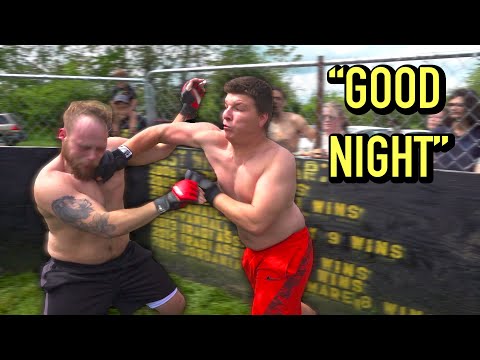
Budo & Martial Arts: Streetbeefs | Bobby Knuckles vs. Ronan - A Raw Look at Settling Disputes**

Welcome, warriors, to another profound exploration within the hallowed halls of Budo and Martial Arts. Today, we descend into a realm that often blurs the lines between sport, necessity, and raw human conflict: the world of unsanctioned, yet legally framed, combat. We're dissecting the phenomenon of Streetbeefs, specifically focusing on the bout between Bobby Knuckles and Ronan. But this isn't just about a single fight. It's about the underlying philosophy, the desperate need for an outlet, and the potent questions it raises about conflict resolution in the modern age.

The Genesis of Streetbeefs: From Beefs to Gloves

The genesis of Streetbeefs, as articulated by its founder, Scarface, is rooted in a grim observation: escalating disputes in his community were leading to severe, often life-altering, violence. The documentary "Guns to Gloves" and features in ESPN The Magazine paint a picture of a man seeking a practical, albeit unconventional, solution. The core concept is deceptively simple: replace the chaos of knives, guns, and gang-involved brawls with a regulated, one-on-one, gloved confrontation. This isn't merely about entertainment; it's presented as a vital societal pressure valve.

The website and associated social media channels, including those of @Lord Besteban, are not just platforms for promoting fights. They are the nexus of this burgeoning community, a digital extension of what Scarface terms "Satan's Backyard." The explicit statement that "OUR MATCHES ARE 100% LEGAL. ALL PARTICIPANTS MUST BE 18 OR OLDER" is crucial. It frames Streetbeefs not as lawlessness, but as a managed, albeit raw, form of conflict resolution operating within the letter, if not always the spirit, of the law. The aim is to de-escalate, to offer an alternative that prevents fatalities and incarceration, fostering instead camaraderie and understanding—a true #BUDO in its most primal sense of disciplined action.

Analyzing Bobby Knuckles vs. Ronan: Beyond the Brawl

While the original content provides the names of the combatants, Bobby Knuckles and Ronan, and the context of their bout being published on May 23, 2020, a deeper martial arts analysis requires more than just the event details. We must infer the nature of the confrontation. Streetbeefs, by its very definition, often pits individuals with genuine personal grievances against each other. This isn't a meticulously trained sparring session; it's a crucible where raw aggression meets the necessity of imposed rules.

In a fight like Bobby Knuckles vs. Ronan, we would typically observe a blend of styles. Given the promotion's focus on boxing and MMA elements, expect to see rudimentary boxing techniques, perhaps some wild grappling exchanges, and a heavy emphasis on heart and conditioning. The term "Bobby Knuckles" itself evokes images of untrained, powerful strikes – a testament to raw power rather than refined technique. Ronan, by contrast, might represent a slightly more controlled, yet equally determined, approach. The "purely for sport" matches stand apart from "REAL beef," and it's the latter that offers the most potent, if brutal, insight into human conflict.

The effectiveness of such bouts lies not in the technical brilliance of the participants, but in their resolve and ability to withstand pressure. We see a raw display of #combat, where mental fortitude is as critical as physical prowess. The lack of extensive martial arts training in many participants means that fundamental principles of distance, timing, and defense often take a backseat to sheer will and the adrenaline of the moment. This is where the spectacle becomes both compelling and concerning.

"I've settled hundreds of disputes in our area with this method, and hope to settle THOUSANDS more, all while entertaining my viewers." - Scarface, Streetbeefs Founder

The Philosophical Underpinnings: A Safer Outlet?

The core philosophy behind Streetbeefs presents a fascinating paradox. On one hand, it champions discipline and regulated conflict, moving away from lethal weapons and indiscriminate violence. On the other, it inherently relies on aggression and confrontation. This is where the discussion transcends mere #fight analysis and delves into the realm of #martialphilosophy.

Is Streetbeefs a legitimate evolution of conflict resolution, a modern interpretation of dueling, or simply a way to monetize aggression? Scarface's intention to "provide a safer outlet for aggressive young men and women to solve disagreements without killing each other or going 2 jail" is a noble goal. It acknowledges the primal need for dominance and resolution that traditional martial arts also seek to address, albeit through a more structured and ethical framework. The emphasis on forming bonds and lasting friendships within the "club" suggests a community aspect that goes beyond the individual bouts.

However, one must question the long-term impact. Does offering a regulated outlet for aggression truly neutralize it, or does it simply provide a platform for its expression, potentially glorifying it? This is a debate that resonates deeply within the martial arts community. While traditional #BUDO emphasizes self-control, humility, and the avoidance of conflict where possible, Streetbeefs operates on the premise that conflict is inevitable and must be channeled. The question remains: does channeling it through a spectacle truly diminish its destructive potential, or merely reframe it?

Cultural Impact and the Spectacle

Streetbeefs has carved out a significant niche online, attracting viewers drawn to the raw, unvarnished nature of these encounters. The mention of being featured in The New York Times and ESPN The Magazine underscores its cultural resonance. It taps into a primal fascination with combat, a theme as old as humanity itself. The "Satan's Backyard" moniker, the "Demon Boys Boxing" channels, and the explicit merchandise all contribute to a distinct aesthetic – one that leans into the darker, more visceral aspects of human nature.

The fusion of genuine disputes with entertainment is a potent combination. It offers viewers a glimpse into conflict resolution stripped bare of professional sports' polish. While some matches are "purely for sport," the inclusion of "REAL beef" injects a level of consequence and emotional intensity that professional fights often struggle to replicate. This rawness is, undoubtedly, a major draw for its audience. The **#BUDOYArtesMarciales** blog aims to dissect such phenomena, understanding the motivations behind them and their place within the broader landscape of martial arts and combat sports.

This phenomenon also raises questions about the ethics of spectating. Are we merely passive observers, or do we, by consuming and sharing this content, inadvertently encourage such confrontations? The line between observing a societal pressure release and endorsing potentially harmful behavior is fine and often blurred in the digital age. The **#CommunityOfWarriors** spirit Scarface cultivates might be genuine, but it exists within a framework that is inherently confrontational.

Training Considerations for Unsanctioned Combat

For those who find themselves drawn to participating in events like Streetbeefs, or even those who wish to understand the demands, specific training considerations arise. While formal martial arts training is beneficial, the environment of Streetbeefs often requires a different kind of preparation.

1. Conditioning is King: Without the refined techniques of professional fighters, endurance and sheer physical grit become paramount. High-intensity interval training (HIIT) and extensive cardiovascular work are essential. Think of the type of **#conditioning** that prepares you for prolonged, intense effort rather than technical exchanges.

2. Basic Striking Proficiency: While formal technique might be secondary, knowing how to throw a basic punch (jab, cross, hook) and avoid being hit effectively is crucial. Boxing fundamentals are invaluable here. The concept of "knowing your limits" is vital, understanding when to press and when to conserve energy.

3. Mental Fortitude: This is perhaps the most critical element. The ability to manage adrenaline, overcome fear, and push through pain is developed through consistent practice and by confronting one's own limitations. This is where the spiritual development aspect of martial arts, even in this raw form, comes into play. The **#MentalGame** is everything.

4. Understanding the Ruleset: Each Streetbeefs event operates under specific rules. Understanding these—what's allowed, what's forbidden, the referee's role—is non-negotiable. This is the most basic form of respecting the discipline, even if it's a discipline forged in backyard brawls.

Essential Equipment for Your Training

While Streetbeefs often emphasizes raw confrontation, proper equipment is non-negotiable for safety and performance, both in training and in actual bouts. For those serious about preparing for such encounters, or even for general **#MartialArtsTraining**, the following are essential:

  • Boxing Gloves (16oz Recommended): For sparring and actual bouts. Lighter gloves increase the risk of injury for both participants. These are crucial for reducing knockout power slightly and protecting hands.
  • Mouthguard: Absolutely essential to protect your teeth, jaw, and prevent concussions. A custom-fitted mouthguard is ideal.
  • Groin Protector (Cup): In any combat sport, protecting this vulnerable area is paramount.
  • Hand Wraps: Worn under boxing gloves, these provide crucial support to the wrist and hand bones, preventing fractures and sprains.
  • Shin Guards: If incorporating kicks or MMA-style sparring, these protect against bruising and cuts.
  • Headgear: For high-impact sparring, headgear can significantly reduce the risk of cuts and superficial injuries.
  • Durable Training Attire: Comfortable shorts and t-shirts that allow for a full range of motion are necessary.

Investing in quality **#MartialArtsMerchandise** and training gear is not a luxury; it is a fundamental aspect of responsible training and injury prevention. This is where the practical side of **#BUDO** meets the reality of **#combat**.

Veredicto del Sensei: Brutal Honesty or Necessary Evil?

Streetbeefs presents a complex ethical and philosophical challenge. On one hand, Scarface's initiative is a bold attempt to mitigate the lethal consequences of street violence by offering a controlled, albeit raw, alternative. The commitment to legality and participant safety (within the context of a fight) is commendable. It provides an outlet, a community, and a spectacle that undeniably entertains.

However, as a practitioner and student of true #Budo, I must remain critical. The glorification of violence, even when regulated, is a slippery slope. While it may prevent some deaths, does it truly instill the principles of self-control, humility, and the avoidance of conflict that are the cornerstones of traditional martial arts? The emphasis on "winning the beef" rather than mastering oneself is a significant divergence. It’s a raw, often brutal, testament to human nature's need to resolve disputes, but it lacks the deep ethical framework that defines martial arts as a path to self-improvement.

Streetbeefs offers a fascinating case study in conflict resolution and the primal appeal of combat. It is, in its own way, a form of #fight culture, raw and unfiltered. But it is not, by any traditional definition, a martial art. It is a necessary evil for some, perhaps, but a far cry from the disciplined pursuit of perfection that defines the true martial path.

Rating: 3 out of 5 **"Gloves of Necessity"** - Necessary for its intended purpose, but lacking the soul of martial arts.

Frequently Asked Questions

What is the main purpose of Streetbeefs?

The main purpose of Streetbeefs, according to its founder, is to provide a legal and safer alternative for individuals with disputes to settle their differences through one-on-one combat, thereby reducing real-world violence involving weapons and gangs.

Are Streetbeefs matches professional fights?

No, Streetbeefs matches are described as amateur exhibitions. While participants may have some fighting experience, they are not professional athletes in the traditional sense, and the events are not sanctioned professional sporting contests.

What kind of training is recommended for Streetbeefs participants?

Participants are recommended to focus on raw conditioning, basic boxing and MMA techniques, mental fortitude to handle adrenaline and fear, and a thorough understanding of the specific event rules.

How does Streetbeefs differ from traditional martial arts?

Traditional martial arts focus on self-improvement, discipline, humility, and conflict avoidance. Streetbeefs focuses on channeling aggression to resolve disputes through combat, prioritizing an outlet for conflict over the broader philosophical development of the individual.

To Further Your Journey

``` GEMINI_METADESC: Explore the raw reality of Streetbeefs with Bobby Knuckles vs. Ronan. An in-depth analysis from a martial arts perspective on conflict, sport, and the Budo spirit.

Budo & AM Presents: STREETBEEFS - Florida Boy vs. World Wonder: A Raw Examination of Modern Combat

Introduction: The Siren Call of the Unsanctioned

Hello, fellow practitioners and enthusiasts of the martial way. Today, we delve into a phenomenon that blurs the lines between sport, spectacle, and raw human conflict: Streetbeefs. The contest between Florida Boy and World Wonder, though seemingly a simple street fight, offers a stark, unfiltered glimpse into the primal urges that still simmer beneath the surface of our civilized world. Are these mere brawls for the amusement of the masses, or do they hold a twisted reflection of the warrior spirit? As a Sensei with decades steeped in the traditions of *Budo* and a keen eye for the cinematic portrayal of combat, I find myself compelled to dissect this. This isn't about glorifying violence; it's about understanding its roots, its consequences, and what, if anything, remains of the martial principles when the rules are minimal and the stakes feel undeniably real.
"The supreme art of war is to subdue the enemy without fighting." - Sun Tzu, The Art of War. A principle seemingly antithetical to the very existence of Streetbeefs.

Streetbeefs: Anarchy or Controlled Chaos?

Streetbeefs presents itself as a solution: a controlled environment where disputes can be settled without resorting to lethal weapons or gang affiliations. The founder, Scarface, a figure recognized by the New York Times and ESPN, conceptualized this platform as a way to redirect aggressive energy. He offers an arena, a referee, and gloves – a stark contrast to the anarchy of real street altercations. Yet, the term "Satan's Backyard" and the raw, unpolished nature of the fights conjure images far removed from the disciplined dojos of traditional *Budo*. The organization claims its matches are 100% legal amateur exhibitions, with participants aged 18 and over. This legal veneer, however, does little to mask the underlying reality: these are often real beefs, settled physically. While some matches might be purely for sport, the inherent rawness suggests a deep well of unresolved conflict being tapped. Streetbeefs posits itself as a club, fostering bonds and friendships among participants, providing a safer outlet for aggressive individuals. This narrative of community and safety is compelling, but does it truly honor the spirit of martial arts, or merely co-opt its aesthetic for entertainment?
The *ki* – the vital energy – that flows through a disciplined martial artist is honed through rigorous training, introspection, and respect. In Streetbeefs, this energy often manifests as unfettered aggression. Is there any *Bushido*, any code, being upheld when the primary motivation appears to be the spectacle of a physical confrontation? This is where my critical eye, honed by years of studying both the theory and practice of combat, becomes most engaged.

Florida Boy vs. World Wonder: The Matchup

The specific encounter between Florida Boy and World Wonder falls under the Streetbeefs banner, implying it adheres to their ruleset. While specific details of their *personal* beef are often secondary to the event itself, the names themselves evoke a certain imagery. "Florida Boy" suggests a localized, perhaps impulsive, conflict, while "World Wonder" hints at a broader, perhaps more seasoned, individual. The core of the contest, as with all Streetbeefs events, is the physical confrontation. Unlike the Marquess of Queensberry rules, which emphasize strategic striking and defensive art, Streetbeefs often lean towards a more primal exchange. The visual documentation of these events, often circulated widely, showcases a different kind of combat than seen in professional MMA or traditional martial arts tournaments. The emphasis is less on intricate technique and more on resilience and raw power. This is where the debate truly ignites: can these unsanctioned brawls be considered a form of *combate* in the same vein as Judo, Karate, or Boxing?

The Budo Perspective: Beyond the Brawl

From a *Budo* standpoint, the martial arts are a path of self-mastery, discipline, and ethical development, not merely a means of settling disputes. The core principles of respect, humility, and continuous self-improvement are paramount. When we observe Streetbeefs, we must ask: * **What is the underlying intention?** Is it truly to foster community and provide a safer outlet, or is it primarily for the voyeuristic entertainment of viewers? The latter, if dominant, detracts from any genuine martial merit. * **Is there a measurable improvement in the participants?** Beyond the immediate resolution of a conflict, does participating in Streetbeefs cultivate the discipline and character that are hallmarks of *Budo*? Or does it merely reinforce aggression? * **Where is the respect for the opponent?** While gloves are worn, the often visceral nature of the exchanges can border on disrespect, especially when compared to the formal bows and adherence to etiquette seen in traditional dojos. The founder's background, being featured in the New York Times and ESPN Magazine, lends a certain legitimacy to the *organization*, but not necessarily to the *activity* as a martial art. The transition from "Guns to Gloves" is a powerful narrative, but the question remains: are these gloves truly channeling a martial spirit, or simply channeling aggression into a slightly less destructive, yet still raw, form?
"Karate is a defensive art. In its highest sense, it is a process of engaging with the opponent, understanding them, and finding harmony with them. It is not about fighting." - Gichin Funakoshi, Founder of Shotokan Karate. This sentiment is often lost in the heat of a streetbeef.
The concept of *Ki* is central to many Eastern martial arts. It represents a disciplined, controlled energy. In Streetbeefs, we often see raw, uncontrolled energy—what some might call *rage*—manifesting. While adrenaline is undoubtedly a factor, the lack of structured *breathing techniques* and meditative practices common in *Budo* suggests that the *Ki* is not being cultivated or channeled, but rather unleashed.

Training for the Unpredictable: Lessons from the Street

While I cannot endorse Streetbeefs as a form of legitimate martial arts training, there are elements of their approach that, when viewed through a critical lens, offer some tactical insights for self-defense or sport. **Guía de Entrenamiento: Resiliencia y Adaptación** 1. **Resistencia Física:** El entrenamiento cardiovascular es fundamental. Sesiones de carrera continua (como se promueve en #EmpezarACorrer) y ejercicios de acondicionamiento general (#Conditioning) son esenciales para soportar combates prolongados. 2. **Fuerza Funcional:** Incorporar ejercicios de fuerza que imiten movimientos de combate. Flexiones, sentadillas, levantamientos y ejercicios con el propio peso corporal (#NoEquipment, #AtHomeWorkout) preparan el cuerpo para el impacto. 3. **Golpeo Básico:** Aunque Streetbeefs no se centra en la técnica refinada, entender los principios del golpeo es vital. Practicar golpes rectos, ganchos y uppercuts con un enfoque en la potencia y la sincronización puede ser útil. Considera el uso de guantes de boxeo para proteger tus manos si practicas esto. 4. **Conciencia del Entorno:** La mayor diferencia entre un ring y la calle es la falta de reglas y la imprevisibilidad. Un buen entrenamiento para la calle implica estar consciente de todo lo que te rodea, no solo de tu oponente. Esto va más allá del mero entrenamiento físico y entra en el dominio de la #Autodisciplina y la #Mentalidad. 5. **Control Emocional:** Este es el punto más crítico. Un verdadero artista marcial aprende a controlar sus emociones, especialmente el miedo y la ira. El objetivo es mantenerse tranquilo bajo presión, una habilidad que requiere meditación y práctica constante (#MentalGame, #SelfMastery). Streetbeefs, lamentablemente, parece fomentar la emoción descontrolada. El objetivo final de cualquier entrenamiento marcial debe ser el desarrollo integral del individuo, tanto física como mentalmente. Si bien Streetbeefs puede ofrecer una forma cruda de prueba de fuego, carece de la profundidad y la guía necesarias para un crecimiento marcial auténtico.

Veredict of the Sensei: Entertainment vs. Martial Integrity

Streetbeefs, y por extensión el combate de Florida Boy vs. World Wonder, reside en un territorio ético y marcial muy ambiguo. **Calificación:** Cinturón Negro en Espectáculo Crudo, Cinturón Blanco en *Budo*. **Análisis:** La iniciativa de Scarface de ofrecer una alternativa a la violencia armada es, en cierto nivel, loable. La organización tiene méritos en cuanto a su capacidad para canalizar agresión y potencialmente prevenir tragedias mayores. La documentación y difusión de estos eventos, aunque a menudo explícita, ciertamente capta la atención. Sin embargo, desde la perspectiva de las artes marciales tradicionales, esto es fundamentalmente un espectáculo. Carece de la estructura, la filosofía, el respeto mutuo y el objetivo de autoperfeccionamiento que definen al *Budo*. Si bien hay elementos de lucha y resistencia, equiparar esto con Karate, Judo, o incluso MMA sancionado sería un error fundamental. Es un fenómeno social y una forma de entretenimiento crudo, pero no representa el camino marcial. La pregunta que debemos hacernos no es solo si es legal o entretenido, sino si eleva el espíritu humano o simplemente lo reduce a su forma más básica y reactiva.

Equipment for Controlled Combat

While Streetbeefs emphasizes a raw, often minimal approach to equipment, certain items are crucial for safety, even in unsanctioned bouts. * **Boxing Gloves:** Essential for hand protection and reducing the severity of facial injuries. For raw bouts, 16oz or heavier gloves are typical. * **Mouthguard:** Non-negotiable. Protects teeth, jaw, and can help prevent concussions. * **Groin Protection:** Highly recommended, as groin strikes are common in uncontrolled environments. * **Hand Wraps:** Used beneath gloves to further support the wrists and prevent fractures. * **Athletic Cup:** Similar to groin protection, it is a critical piece of protective gear. For those looking to train in more structured environments, consider: * **Kimono de Judo/BJJ:** For grappling arts, a durable double-weave gi is essential. * **Guantes de MMA:** Designed for grappling and striking, with open fingers for grip. * **Protector Bucal a Medida:** Offers superior comfort and protection compared to standard boil-and-bite models.

Frequently Asked Questions

* **What is Streetbeefs?** Streetbeefs is an organization that provides a platform for individuals to settle disputes through unsanctioned boxing or mixed martial arts matches, aiming to offer a safer alternative to real-world violence. * **Are Streetbeefs matches legal?** The organization claims their matches are legal amateur exhibitions, but the legality can vary by location and specific circumstances. Participants are typically required to be 18 or older. * **How does Streetbeefs differ from professional MMA?** Streetbeefs lacks the strict regulations, professional training, and emphasis on martial technique found in professional MMA. It often involves pre-existing personal conflicts and a more raw, less refined style of fighting. * **Is Streetbeefs a form of martial arts?** From a traditional *Budo* perspective, Streetbeefs is not considered a martial art. While it involves physical combat, it lacks the philosophical underpinnings, ethical codes, and focus on self-mastery inherent in traditional martial arts. * **What is the role of the founder, Scarface?** Scarface founded Streetbeefs with the intention of providing a controlled outlet for aggression and dispute resolution. His background has been documented in major media outlets.

For Further Deepening of Your Path

* The Philosophy of Budo * Essential Training Drills for Martial Artists * Understanding Combat Sports vs. Martial Arts

Reflection of the Sensei: Your Next Step

We have dissected Streetbeefs, Florida Boy vs. World Wonder, and the chaotic realm of unsanctioned combat. We've seen an attempt to control primal urges, wrapped in the guise of a solution. But now, I pose this question to you, the discerning student of the martial way: **When faced with conflict, is your first instinct to seek a 'streetbeef' or to embody the principles of 'Budo' – seeking harmony, understanding, and, if necessary, applying skill with controlled intention, not uncontrolled rage?** Reflect on this not just in the dojo, but in every interaction of your life. GEMINI_METADESC: An incisive martial arts critique of Streetbeefs, analyzing the Florida Boy vs. World Wonder fight from a Budo perspective, questioning its legitimacy as combat.

PRIDE FC 16: Beast from the East - A Martial Masterclass in the Ring

The roar of the crowd, the scent of anticipation, the clash of titans – these are the elements that define true martial arts spectacle. Today, we journey back to September 24, 2001, to the hallowed grounds of the Osaka Castle Hall for PRIDE Fighting Championships 16: "Beast from the East." This wasn't just another fight night; it was a crucible where diverse martial disciplines converged, tested, and, in some cases, were redefined under the unforgiving spotlight of professional combat. As your Sensei, I'm here to dissect this event not just as a fan, but as a critic of the martial spirit itself. Are you ready to learn?

Welcome to the Arena

Hello and welcome, true martial artists and curious minds, to Budo and AM. You are watching PRIDE FC 16 – "Beast from the East" (2001), an event that echoes through the annals of combat sports history. Published on May 2, 2022, this viewing transports us back to a pivotal moment. In the world of combat, a single event can illuminate the strengths and weaknesses of entire martial disciplines. PRIDE FC, in its golden era, was a master of showcasing these contrasts. Forget the sanitized versions of combat; this was raw, intense, and unyielding. Let us delve into the heart of this event and extract the lessons that still resonate today. Is PRIDE FC 16 merely a relic of the past, or a living testament to the evolution of martial arts? The answer lies in the crucible of the ring.

Gary Goodridge vs. Yoshiaki Yatsu: The Clash of Styles

The opening bout featured Gary Goodridge, a formidable heavyweight known for his brutal striking and formidable grappling, against Yoshiaki Yatsu, a Japanese professional wrestler with a reputation for toughness. This pairing immediately presented a classic styles clash. Goodridge, a product of disciplines like kickboxing and MMA, brought explosive power. Yatsu, on the other hand, represented the storied tradition of Japanese professional wrestling, a discipline that, while theatrical, emphasizes strength, leverage, and submission holds.

From a martial perspective, the critical question was: could Yatsu's grappling prowess and sheer grit overcome Goodridge's more refined, cross-trained attack? Goodridge's approach often involved overwhelming opponents with combinations, looking for the knockout or a dominant ground position. Yatsu's strategy likely revolved around clinching, imposing his physical strength, and perhaps even utilizing power slams. The ability to transition between stand-up and grappling is paramount in modern MMA, and this fight was an early testament to that necessity.

Key takeaway: The synergy between different martial arts is often the deciding factor. Can a specialist withstand the onslaught of a well-rounded fighter? This fight was the first interrogation.

Assuerio Silva vs. Yoshihisa Yamamoto: Power Meets Precision

Next, we saw Assuerio Silva, a Brazilian powerhouse with a background in capoeira and wrestling, face Yoshihisa Yamamoto, a Japanese fighter whose style was less clearly defined but often leaned towards aggressive striking. Silva's capoeira background offered a unique visual and tactical element – spinning kicks, evasive footwork, and unpredictable attacks. Yamamoto, however, was not one to be intimidated. He embodied the "never-say-die" spirit often seen in Japanese combatants.

This bout was a study in contrasts: the unorthodox, acrobatic precision of Silva versus the determined, perhaps more conventional, striking of Yamamoto. How does one defend against attacks that come from unexpected angles, delivered with the fluidity of a dance? Yamamoto's training likely focused on fundamental striking defense and counter-offense, but facing the sheer creativity of Silva would have been a unique challenge. This is where the concept of "Ki" (or Qi) in martial arts becomes relevant – not as a mystical force, but as the embodiment of one's fighting spirit and readiness. Yamamoto would need every ounce of his inner strength and focus to weather Silva's storm.

"The essence of martial arts is not just about striking or grappling, but about the ability to adapt and overcome the unexpected." - A principle often discussed among veteran coaches.

Murilo Rua vs. Daijiro Matsui: The Brazilian Uprising

Murilo "Ninja" Rua, a rising star from Brazil's renowned Chute Boxe Academy, stepped into the ring against Daijiro Matsui, a Japanese fighter known for his diverse skill set, including striking and submission attempts. Rua was a symbol of the new breed of MMA fighters emerging from Brazil, characterized by relentless aggression, powerful Muay Thai striking, and tenacious ground-and-pound. Matsui, while perhaps less heralded on the international stage, was a seasoned competitor who had faced many top-tier opponents.

This fight was significant as it highlighted the growing influence of Brazilian Jiu-Jitsu and Muay Thai on the global MMA landscape. Rua's aggressive style, a blend of striking and submissions, represented a significant evolution in combat. Matsui’s task was to disrupt Rua’s rhythm, utilize his own submission skills, and perhaps exploit any defensive gaps. The speed and ferocity with which Rua fought were hallmarks of the Chute Boxe style, a testament to intense #entrenamiento.

Ricardo Arona vs. Guy Mezger: The Strategic Battle

Ricardo Arona, a Brazilian Submission Wrestling champion, faced Guy Mezger, an American fighter with a background in Kickboxing and Shootfighting. Arona was a master strategist, known for his suffocating top control and meticulous fight planning. Mezger, a veteran of the early UFC and PRIDE, was known for his toughness, powerful punches, and ability to fight through adversity. This was a high-stakes chess match within the violent arena.

The intrigue here lay in Arona's ability to dictate the pace and location of the fight. His wrestling background allowed him to secure takedowns, and once on the ground, his BJJ expertise was formidable. Mezger, conversely, needed to keep the fight standing, utilize his striking to keep Arona at bay, and avoid the Brazilian's dangerous submission game. The effectiveness of a fighter's strategy hinges on their ability to impose their strengths while neutralizing their opponent's. Mezger had the experience, but Arona possessed the calculated precision that often wins these types of engagements. The importance of game planning in #EntrenamientoDeMMA cannot be overstated here.

Semmy Schilt vs. Akira Shoji: The Unconventional Warfare

Semmy Schilt, a Dutch kickboxer with a considerable size advantage and a background in Kyokushin Karate, was matched against Akira Shoji, a Japanese fighter renowned for his unorthodox style and incredible resilience. Shoji was known for his "bushido" spirit, often fighting through injuries and demonstrating a wide array of submission attempts and surprising strikes. Schilt, with his powerful kicks and striking defense honed in Kyokushin, presented a different kind of threat.

This bout was a fascinating clash between power-based striking and unpredictable, gritty fighting. Schilt's size and power were obvious advantages, but Shoji's resilience and unconventional attacks could neutralize pure physical strength. How does a disciplined striker like Schilt, with his roots in #Kyokushin, deal with an opponent who fights with such heart and unpredictable ferocity? This is where the mental game, the #MentalGame, becomes crucial. Shoji's ability to absorb punishment and continue fighting embodies the true warrior spirit that transcends mere technique.

Don Frye vs. Gilbert Yvel: Primal Aggression Unleashed

The co-main event featured Don Frye, an iconic American brawler with a background in wrestling and boxing, against Gilbert Yvel, a Dutch fighter known for his explosive power and often controversial, aggressive style. Frye was legendary for his no-nonsense approach, his toughness, and his willingness to engage in brutal slugfests. Yvel, nicknamed "The Hurricane," was a dangerous striker with knockout power in both hands and a penchant for spectacular finishes.

This fight promised pure, unadulterated combat. It wasn't about intricate submissions or technical striking; it was about raw aggression, willpower, and the ability to withstand punishment. Frye's wrestling base gave him an advantage in clinches and takedowns, but Yvel's striking power meant that even a single clean shot could end the fight. This is where the concept of #Fuerza and raw aggression take center stage. The "Beast from the East" moniker might as well have applied to this matchup, a true test of who could impose their will.

"In the heat of battle, technique can falter, but pure heart and the will to survive will always prevail." - A sentiment often expressed by fighters like Frye.

Antônio Rodrigo Nogueira vs. Mark Coleman: A Grudge Match for the Ages

The main event was a heavyweight collision between two absolute legends: Antônio Rodrigo "Minotauro" Nogueira and Mark Coleman. Nogueira, a Brazilian Jiu-Jitsu master and one of the greatest heavyweights of all time, was known for his incredible submission skills and ability to overcome adversity on the ground. Coleman, a former UFC champion and an Olympic wrestler, was a brute force, known for his powerful takedowns and devastating ground-and-pound. Their history was already etched in their previous encounter, making this a deeply personal #Combate.

This was more than just a fight; it was a battle for supremacy in the heavyweight division, a culmination of contrasting styles and fierce rivalry. Nogueira's technical brilliance on the mat against Coleman's raw wrestling power and aggression. The success of either fighter depended on their ability to impose their game. Could Nogueira survive Coleman's initial onslaught and secure a submission? Or would Coleman's wrestling dominate, leading to another ground-and-pound victory? The strategic nuances of #Grappling and wrestling were on full display, showcasing the pinnacle of heavyweight combat. This matchup perfectly encapsulated the essence of #BUDO and the warrior's journey.

Veredicto del Sensei: The Enduring Legacy of PRIDE 16

PRIDE FC 16: "Beast from the East" was more than just a collection of fights; it was a vibrant tapestry of martial arts woven together with raw courage and athletic brilliance. From the opening bell to the final submission, the event delivered a compelling narrative of how different disciplines collide and evolve. The fighters showcased not just their technical prowess but the indomitable spirit that defines a true warrior. While MMA has continued to evolve, the foundation laid by events like this, with their emphasis on diverse styles and compelling matchups, remains crucial. It was a night that celebrated the art of combat in its purest form. Cinturón Negro en Espectáculo y Combate.

Equipo Esencial para tu Entrenamiento

To truly understand and appreciate the commitment required by these athletes, proper training is paramount. Whether you're aiming for the grappling finesse of Nogueira, the striking power of Frye, or the unyielding spirit of Shoji, the right gear can make a significant difference.
  • Guantes de Entrenamiento (MMA/Sparring): For striking drills and sparring sessions, investing in quality MMA gloves (typically 4-6 oz for sparring, heavier for bag work) is essential to protect your hands and your training partners.
  • Protector Bucal (Mouthguard): Non-negotiable for any sparring or live drilling. Protect your teeth and reduce the risk of concussions.
  • Espinilleras (Shin Guards): Crucial for Muay Thai and kickboxing training to protect your shins from kicks and to deliver powerful kicks without injury.
  • Kimono/Gi para Jiu-Jitsu: If you're delving into the ground game, a durable BJJ gi is necessary for training and competition. Look for double-weave options for increased longevity, especially if you plan on facing opponents who employ tough grappling techniques.
  • Protector Genital (Groin Protector): An often overlooked but vital piece of safety equipment for both striking and grappling.
Investing in quality gear is a sign of respect for your own training and the martial arts themselves. It's a step towards embracing the discipline and dedication seen in fighters like those at PRIDE 16.

Preguntas Frecuentes

Is PRIDE FC 16 considered a landmark event in MMA history?

Yes, PRIDE FC 16 was a significant event that showcased the growing appeal and professionalism of mixed martial arts, featuring highly anticipated matchups and highlighting the diverse martial arts talent of the era.

What martial arts were most prominent at PRIDE FC 16?

The event featured a wide array of martial arts, including Brazilian Jiu-Jitsu, wrestling, Muay Thai, kickboxing, Kyokushin Karate, and Japanese professional wrestling, reflecting the diverse backgrounds of the fighters.

Was Antônio Rodrigo Nogueira's victory over Mark Coleman at PRIDE FC 16 controversial?

Their first fight at Pride 26 was controversial, but at PRIDE FC 16, Nogueira secured a submission victory via armbar in the second round, definitively answering their rivalry with a clean win.

What made PRIDE FC unique compared to other MMA organizations at the time?

PRIDE FC was known for its unique format (ring instead of a cage), its focus on heavyweight divisions, its highly produced intros and fighter presentations, and its ability to attract global talent, creating a distinct spectacle.

How did the "Beast from the East" theme influence the event?

The theme likely referred to the powerful fighters from Asia, particularly Japan, and the raw, untamed nature of combat presented at the event, hinting at the ferocity and strength of the competitors.

Para Profundizar en tu Camino

The world of combat sports is vast and interconnected. To truly grasp the significance of events like PRIDE FC 16, explore these related topics:

  • #BUDO: Understand the philosophical underpinnings of Japanese martial arts.
  • #ArtesMarcialesMixtas: Delve deeper into the history and evolution of MMA.
  • #KarateCommunity: Explore the roots of striking arts that influenced fighters.
  • #Grappling: Learn about the crucial ground fighting techniques seen in MMA.

Reflexión del Sensei: Tu Próximo Paso

We have witnessed the raw power, the strategic brilliance, and the sheer courage displayed at PRIDE FC 16. But the ultimate lesson lies not in the victories or defeats, but in the application of these martial principles to your own life. Do you approach challenges with the calculated precision of Arona, the relentless aggression of Frye, or the unyielding spirit of Shoji? How will you embody the "Beast from the East" in your own daily battles? Now, let the critique begin: Which fighter's approach resonates most with your own martial philosophy, and why? Speak your truth in the comments below. Your voice is part of this evolving dialogue. ``` GEMINI_METADESC: An in-depth martial arts critique of PRIDE FC 16: Beast from the East (2001), analyzing key fights, fighter strategies, and the enduring legacy of this iconic MMA event.

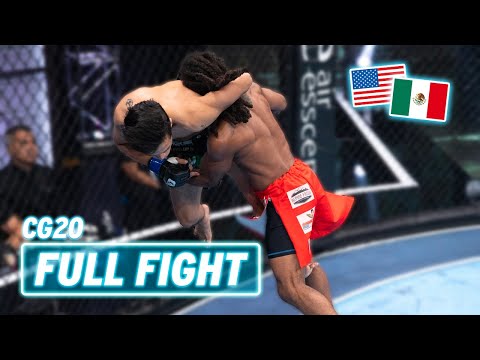
MMA Showdown: Monreal vs. Daniel - A Masterclass in Global Combat

Introduction: The Essence of Combat

Welcome, disciples, to Budo and Martial Arts. Today, we dissect not merely a fight, but a narrative etched in the octagon, a testament to the relentless pursuit of mastery. We're examining the highly anticipated bout between Monreal and Daniel, a clash broadcast under the banner of Combate Global. This isn't just about entertainment; it's about understanding the principles that govern combat, whether in the structured environment of an MMA fight or the unyielding reality of self-defense. Are we merely spectators, or are we students, absorbing the lessons embedded in every strike, every grapple, every moment of strategic brilliance?

The Crucible of Conflict: Monreal vs. Daniel

The publication date of April 30, 2022, marks this bout as a recent yet significant event in the evolving landscape of mixed martial arts. Combate Global, known for showcasing raw talent and compelling matchups, presented a platform where two warriors, Monreal and Daniel, would test their mettle. My role here is not to be a mere fan, but a critic, a scholar of combat, analyzing the intricate dance of aggression and defense that unfolds when two trained individuals engage with the intent to overcome. What drives a fighter to step into that confined space? It's a blend of courage, skill, and an unshakeable will to prove themselves.
The very essence of martial arts lies in the application of technique under pressure. While the flashy moves and knockout punches capture the casual observer's eye, the true beauty lies in the underlying principles: timing, distance, leverage, and the mental fortitude to execute under duress. Monreal and Daniel were tasked with demonstrating these principles. Did they succeed? Let's delve deeper.
"The ultimate aim of martial arts is not for victory or defeat, but for the perfection of the character." - Gichin Funakoshi
This bout, like any true test of martial skill, offers more than just a contest of physical prowess. It’s a microcosm of the broader martial philosophy, where discipline, respect, and continuous self-improvement are paramount.

Technical Breakdown: A Symphony of Strikes and Submissions

When we speak of MMA, we are referencing a discipline that melds the most effective techniques from various martial arts. This fight between Monreal and Daniel was a prime example. We must analyze the *types* of techniques employed:
  • Striking Arsenal: Did Monreal favor Muay Thai clinch and elbows, or did Daniel bring the crisp boxing of Western boxing? Were there elements of Karate's linear power or Taekwondo's dynamic kicks? Observing the footwork, the defensive guard, and the offensive combinations is crucial. A fighter who can seamlessly transition between offensive and defensive striking is a master of distance and timing.
  • Grappling Prowess: The ground game is where many MMA fights are won or lost. We look for successful takedowns, submission attempts (chokes, armbars, leg locks), and defensive grappling. Did we see the positional dominance of Brazilian Jiu-Jitsu (BJJ), the explosive power of Judo throws, or the utilitarian takedowns of wrestling? The ability to control an opponent, whether standing or on the mat, is a mark of a well-rounded fighter.
  • Transitional Flow: The most exciting moments often occur during transitions – escaping a submission, reversing a position, or chaining striking into a takedown. A fighter who can move fluidly between these phases demonstrates a high level of conditioning and technical understanding.
The question is, how effectively did Monreal and Daniel utilize their respective arsenals? Were there moments of technical brilliance that exemplify the pinnacle of #MartialArtsTraining? Or were there lapses that revealed areas ripe for improvement, offering valuable lessons to the aspiring #Fighter?

Strategic Overview: The Mind of the Warrior

Beyond the physical, the intellectual battle is often the deciding factor in combat sports. A fighter’s strategy is their roadmap to victory, a carefully constructed plan designed to exploit their opponent’s weaknesses and leverage their own strengths.
  • Game Plan Execution: Did Monreal and Daniel stick to their perceived game plans? Did one fighter successfully impose their will on the other, dictating the pace and the engagement range?
  • Adaptability: In the heat of battle, plans often crumble. The true mark of a warrior is their ability to adapt. When a strategy fails, can they pivot? Can they recognize and exploit unexpected opportunities? This mental flexibility is a cornerstone of true #MentalGame mastery.
  • Fight IQ: This encompasses a fighter's ability to read their opponent, manage the clock, understand risk versus reward, and make split-second decisions. A high Fight IQ often compensates for physical disadvantages.
"There are no shortcuts to any place worth going." - Beverly Sills (A principle that resonates deeply within the martial path)
The mental fortitude required to compete at this level is immense. It's about pushing past fear, doubt, and physical exhaustion.

Historical Context: MMA's Evolution on Global Platforms

Combate Global, while perhaps not as globally dominant as some other organizations, plays a crucial role in fostering #MartialArtists and providing them with a platform. The very existence of such promotions speaks to the growth and global appeal of MMA. From the early days of UFC 1, where stylistic clashes were raw and unpredictable, to the highly technical and strategic bouts we see today, MMA has evolved dramatically. This evolution mirrors the journey of many traditional martial arts. Initially focused on self-defense or battlefield application, many arts developed into codified systems with specific training methodologies and philosophical underpinnings. MMA, in its own way, is doing the same, distilling the most effective combat techniques into a singular, albeit complex, discipline. The continuous influx of talent from diverse backgrounds, like #Judo, #Karate, #Kickboxing, and #BJJ, enriches the sport and pushes its boundaries.

Sensei's Verdict: Beyond the Win/Loss

After scrutinizing the engagement between Monreal and Daniel, one must look beyond the final scorecard. Did they embody the warrior spirit? Did they display technical proficiency, strategic thinking, and commendable heart?
Cinturón Negro en Demostración de Voluntad
Monreal and Daniel, regardless of the outcome, provided a spectacle that was more than just a fight. They offered a glimpse into the dedication and sacrifice inherent in martial pursuits. The true victory lies in the lessons learned, both for the competitors and for us, the observers who seek to understand the deeper meaning of combat.

Training Essentials for the Aspiring Combatant

To even contemplate stepping into a competitive MMA bout, or to simply train effectively, a solid foundation is indispensable. Here are the key areas every aspiring combatant must focus on:
  • Comprehensive Skill Acquisition: Master striking fundamentals, grappling techniques (both offensive and defensive), and the crucial transitions between them.
  • Physical Conditioning: Develop explosive power, cardiovascular endurance, muscular strength, and flexibility. This requires a rigorous training regimen that includes strength and conditioning, as well as sport-specific drills.
  • Mental Toughness: Cultivate discipline, focus, resilience, and the ability to perform under pressure. This is often honed through meditation, visualization, and consistent sparring.
  • Nutrition and Recovery: Fuel your body correctly and prioritize rest for optimal performance and injury prevention.

Resources for Deeper Study

To truly grasp the nuances of combat sports and martial arts, continuous learning is vital. Seek out knowledge from reliable sources:
  • Books: Dive into classic texts like Miyamoto Musashi's "The Book of Five Rings" for strategic insights, or delve into the technical manuals of various martial arts.
  • Documentaries: Explore the lives and philosophies of martial arts masters and fighters.
  • Seminars and Workshops: Attend training sessions led by experienced instructors to gain hands-on experience and mentorship.

Frequently Asked Questions

Q: Is MMA the ultimate martial art?
A: MMA is a sport that tests the effectiveness of combined martial arts disciplines in a competitive setting. It is not necessarily "the ultimate" art, as many traditional arts focus on different aspects like self-cultivation, philosophy, or specialized self-defense scenarios.

Q: How important is the mental aspect in an MMA fight?
A: The mental aspect is paramount. A fighter with superior mental fortitude, strategic thinking, and the ability to overcome fear and pressure often defeats a physically stronger opponent.

Q: What is the difference between Budo and MMA?
A: Budo is a broader term encompassing traditional Japanese martial ways, often with a strong emphasis on character development and self-mastery beyond combat effectiveness. MMA is a modern combat sport that synthesizes techniques from various martial arts for competitive fighting.

Q: How can I start training for MMA?
A: Begin by finding a reputable gym that offers MMA training. Focus on building a strong foundation in core disciplines like Muay Thai, Boxing, BJJ, and Wrestling.

Dive Deeper into Your Path

Reflection of the Sensei: Your Next Step

We have dissected the physical and strategic elements of the Monreal vs. Daniel bout, but the true measure of a martial engagement lies in what it awakens within *you*. Consider this: in your own daily life, when faced with a challenge – be it a difficult task, a conflict with another, or an internal struggle – do you approach it with the calculated precision of a trained fighter, the adaptability of a seasoned strategist, or do you falter, overwhelmed by the pressure? Reflect on the 'why' behind every action. Is your goal merely to 'win' the immediate battle, or to emerge from it a more refined individual? ``` GEMINI_METADESC: Analyze the thrilling MMA bout between Monreal and Daniel from Combate Global. Explore techniques, strategy, and the warrior's spirit. Sensei's expert breakdown.