Showing posts sorted by date for query kimono karate kyokushin. Sort by relevance Show all posts

¿Es el Karate Kyokushin un Camino Efectivo hacia la Maestría Marcial? Análisis Crítico del "Oleaje de Oyama"

¿Alguna vez te has detenido a observar el fragor de un combate de Karate Kyokushin y te has preguntado si toda esa intensidad, todo ese contacto pleno, es realmente el camino más directo hacia la eficacia marcial? Muchos llegan a nuestro dojo buscando respuestas, pero la mayoría trae consigo un bagaje de mitos y malentendidos. Hoy, vamos a desmantelar algunos de ellos y a examinar si el legado del Gran Maestro Masutatsu Oyama sigue resonando con la misma fuerza en el vertiginoso mundo de las artes marciales modernas, especialmente frente a titanes como el MMA.

El Karate Kyokushin, a menudo percibido como la vanguardia del karate de contacto pleno, es un bastión de disciplina y resistencia. Pero, ¿es esta dureza una virtud incondicional o puede convertirse en un arma de doble filo si no se entiende su contexto filosófico y práctico? Mi propia travesía, marcada por innumerables sudorosas sesiones de entrenamiento y el eco de los golpes resonando en el dojo, me ha enseñado que la respuesta es mucho más compleja de lo que aparenta.

Introducción Crítica: Más Allá del Contacto Pleno

El mundo de las artes marciales es un tapiz intrincado, tejido con hilos de tradición, innovación y, a menudo, de simplificación excesiva. El Karate Kyokushin, fundado por el legendario Masutatsu Oyama, se presenta con una imagen de brutalidad controlada, un estilo que abraza el combate de contacto pleno como piedra angular. Pero, ¿es esta adhesión inquebrantable al contacto la clave de su efectividad, o es una de las muchas herramientas en su arsenal, a menudo magnificada en detrimento de otros aspectos cruciales?

Mi propio viaje marcial me ha llevado a través de diversas disciplinas, y el Kyokushin dejó una marca indeleble. La dureza de sus entrenamientos es innegable, forjando cuerpos y mentes capaces de soportar una presión considerable. Sin embargo, mi experiencia me dicta que la verdadera maestría no reside únicamente en la capacidad de recibir y dar golpes con fuerza bruta, sino en la comprensión profunda de cuándo y cómo aplicar cada técnica. El Kyokushin ofrece una plataforma excepcional para esto, pero es fundamental no caer en la trampa de reducirlo a un mero ejercicio de resistencia.

Los Pilares del Kyokushin: Filosofía de la Dureza y la Superación

El Karate Kyokushin, traducido a menudo como "la asociación de la verdad última", se cimienta sobre principios que trascienden la mera técnica física. El Gran Maestro Oyama infundió en su estilo una filosofía de superación personal arraigada en la disciplina férrea y el coraje de enfrentar la adversidad de frente. La famosa frase, "El Karate-Do es una búsqueda para perfeccionar el carácter", resuena con particular fuerza en el Kyokushin, donde el contacto pleno en el kumite se convierte en un espejo que refleja las debilidades y fortalezas del practicante.

Esta filosofía se manifiesta en la exigencia de los entrenamientos, en la prohibición de ataques a la cabeza con las manos (lo que promueve una defensa sólida y el uso de otras armas corporales), y en la cultura de respeto y humildad que debe permear el dojo. No se trata solo de ser "duro", sino de usar esa dureza como catalizador para el crecimiento interior. La resistencia al dolor, la capacidad de levantarse tras una caída, la concentración bajo presión; estos son los frutos tangibles de un entrenamiento dedicado bajo el paraguas del Kyokushin. A menudo veo practicantes de otros estilos, que evitan el contacto real, quedar desconcertados ante la intensidad. ¿Es esa desconexión un fallo de sus métodos o una validación del Kyokushin?

"El Karate-Do es una búsqueda para perfeccionar el carácter. El entrenamiento constante es la llave. La fuerza física y la agudeza mental son el resultado." - Masutatsu Oyama (adaptado)

La disciplina es el aceite que mantiene en movimiento la maquinaria del Kyokushin. Desde la formalidad de los saludos hasta la rigurosidad de los katas, cada aspecto del entrenamiento está diseñado para moldear no solo el cuerpo, sino también la mente. Esta autodisciplina es una semilla que, una vez plantada, germina en todas las facetas de la vida del practicante, demostrando que el Karate Kyokushin es mucho más que un deporte de combate.

El Kumite Kyokushin: Un Análisis del Combate de Contacto Pleno

La joya de la corona del Karate Kyokushin es, sin duda, su kumite. A diferencia de muchos estilos de Karate que emplean un contacto ligero o preestablecido (go-hon kumite, ippon kumite), el Kyokushin practica el jiyu kumite con contacto pleno. Esto significa que los golpes y patadas se lanzan con potencia y se conectan, buscando el efecto buscado, pero siempre dentro de un marco de control y reglas específicas.

¿Qué implica esto en la práctica?:

  • Potencia Real: Los golpes no son meras demostraciones; deben tener la intención de causar impacto. Esto enseña al practicante a lanzar técnicas con autoridad y a anticipar la fuerza real de un oponente.
  • Resistencia Física: El contacto continuo exige una resistencia cardiovascular y muscular excepcional. Los peleadores deben ser capaces de mantener un ritmo alto bajo asalto.
  • Técnicas Amplias: Incluye golpes con puño, patadas a la cabeza y al cuerpo, y patadas bajas (geri). Sorprendentemente, también se permiten algunas técnicas de derribo y agarre limitado, lo que le da una dimensión más tridimensional que el karate tradicional de "sólo golpeo".
  • Defensa Activa: Ante la ausencia de ataques a la cabeza con la mano, los practicantes desarrollan una defensa sólida basada en el bloqueo, la absorción de impactos y los movimientos de cabeza y cuerpo.

Sin embargo, aquí es donde surgen las críticas y los debates. ¿Es este estilo de combate, al no permitir ataques directos a la cabeza con el puño, una preparación incompleta para un combate callejero o incluso para el MMA, donde dichos ataques son la norma? Algunos argumentan que la necesidad de absorber golpes en el cuerpo o de esquivar ataques a la cabeza promueve una defensa más robusta y una mayor capacidad de "aguantar" el castigo. Otros, sin embargo, ven una limitación inherente.

La verdad, como suele suceder, es matizada. El Kyokushin enseña a lidiar con la presión del impacto de una manera que pocos estilos pueden igualar. La capacidad de mantener la compostura y seguir atacando mientras se recibe un golpe en el torso es una habilidad de combate invaluable. No obstante, para una aplicación total en el MMA, la integración de técnicas específicas para la cabeza y el juego de suelo se vuelve indispensable.

Desarrollo Físico y Mental: El Crisol del Entrenamiento

Mi propia experiencia en el Kyokushin fue una metamorfosis. Los entrenamientos son, para ser franco, brutales. Las sesiones de kihon (técnicas básicas) se extienden hasta el agotamiento. El cardio se lleva al límite. Y el kumite, el kumite es un horno donde se forja el acero de la voluntad. He visto a muchos llegar con grandes aspiraciones y ser forzados a confrontar sus propias limitaciones, sus miedos, su tendencia a rendirse.

Los beneficios físicos son evidentes:

  • Resistencia Cardiovascular: Los combates prolongados y los ejercicios de alta intensidad garantizan un corazón de hierro.
  • Fuerza y Potencia: El énfasis en la técnica correcta y el lanzamiento de golpes con todo el cuerpo desarrollan una potencia explosiva.
  • Flexibilidad y Agilidad: Las patadas, especialmente las altas, y los movimientos de evasión promueven una buena movilidad articular y agilidad.
  • Tolerancia al Dolor y Resiliencia: El contacto pleno enseña a manejar el dolor y a seguir adelante a pesar de la incomodidad, una habilidad vital en cualquier aspecto desafiante de la vida.

Pero es el desarrollo mental lo que realmente distingue al Kyokushin. La autodisciplina no es una opción, es un requisito. La perseverancia se cultiva gota a gota, golpe a golpe. Te enseñan a caer y a levantarte, no solo físicamente, sino figuradamente. En momentos de adversidad, ese recuerdo del entrenamiento riguroso, de las veces que pensaste que no podías más pero lo hiciste, se convierte en un ancla de fortaleza. Esta es la esencia de la superación personal que Oyama buscaba inculcar.

"La fuerza no viene de la capacidad física. Viene de una voluntad indomable." - Mahatma Gandhi (Adaptado al contexto marcial)

Este entrenamiento integral, que golpea tanto el cuerpo como el espíritu, es lo que confiere al practicante de Kyokushin una mentalidad de guerrero, preparada no solo para el combate, sino para los desafíos inherentes a la existencia humana.

Kyokushin vs. MMA: ¿Una Batalla de Estilos o una Sinergia Inesperada?

Aquí es donde el debate se enciende. Muchos aficionados al MMA ven el Karate Kyokushin como un estilo "limitado" debido a la prohibición de ataques a la cabeza con el puño y su enfoque predominantemente en el combate de pie. "¿Cómo puede ser efectivo contra un luchador de Jiu-Jitsu brasileño en el suelo, o contra un boxeador que lanza jabs y ganchos a la cara?", preguntan con razón.

Mi respuesta: el Kyokushin no fue diseñado para ser MMA, pero ofrece herramientas formidables que pueden integrarse perfectamente.

  • Potencia de Golpeo: Los peleadores de Kyokushin desarrollan una potencia de golpeo y patada considerable. Un Mae Geri (patada frontal) o un Mawashi Geri (patada circular) lanzados con la intención Kyokushin pueden ser devastadores contra el cuerpo, las piernas o incluso el brazo que bloquea.
  • Resistencia al Dolor: La capacidad de absorber golpes, especialmente en el torso, es crucial en MMA. Un peleador de Kyokushin suele tener una mayor tolerancia al castigo, lo que le permite seguir presionando.
  • Condición Física: La resistencia cardiovascular y la potencia muscular que se desarrollan en el Kyokushin son excepcionales, ideales para mantener un ritmo alto en un combate de MMA.
  • Mentalidad: La dureza mental, la determinación y la capacidad de superar el dolor son activos invaluables en el MMA.

Históricamente, peleadores como Georges St-Pierre han mostrado la influencia del karate de contacto en su juego. Si bien un practicante de Kyokushin puro podría enfrentar desafíos contra un especialista en grappling o un boxeador consumado sin entrenamiento adicional en esas áreas, la base que ofrece el Kyokushin es sólida. La clave está en la versatilidad y la voluntad de integrar, no en la exclusión. Muchos peleadores de MMA han descubierto el valor de las patadas potentes del Kyokushin o su inquebrantable temple. No es una competencia de "esto contra aquello", sino una apreciación de las fortalezas que cada arte aporta.

Debemos considerar que el MMA moderno es una síntesis, y el Kyokushin es una fuente de potencia y resiliencia que puede enriquecer esa síntesis. **El Karate Kyokushin no es un sustituto del MMA, pero es un componente potentísimo y valioso.**

Defensa Personal: ¿Realidad vs. Ideal en el Kyokushin?

Cuando hablamos de defensa personal, el debate sobre el Kyokushin se vuelve aún más agudo. Por un lado, el contacto pleno y la dureza mental entrenada parecen ser la receta perfecta para una confrontación real. Por otro, las reglas del dojo, que excluyen los golpes a la cabeza con la mano, y la falta de entrenamiento en agarres y lucha en el suelo, presentan lagunas evidentes.

Mi perspectiva es la siguiente: el Kyokushin proporciona una base física y mental para la defensa personal que pocos estilos igualan. La capacidad de generar potencia con golpes y patadas, la resistencia para soportar un ataque inicial, y la fortaleza mental para no ceder ante el miedo, son activos incalculables. Un practicante de Kyokushin puede, con alta probabilidad, incapacitar a un agresor con una patada bien colocada en el muslo o el cuerpo. El combate cuerpo a cuerpo, el manejo de la distancia, y la capacidad de mantener la calma bajo estrés son lecciones aprendidas en el dojo.

Sin embargo, la defensa personal real rara vez se desarrolla en un ring con reglas. Los agresores no avisan, atacan de forma impredecible y a menudo con desventajas físicas o en inferioridad numérica. Aquí es donde el Kyokushin puede quedarse corto si no se complementa:

  • Ataques a la Cabeza: La falta de entrenamiento en recibir y lanzar golpes de puño a la cabeza es una omisión significativa.
  • Lucha en el Suelo (Grappling): La mayoría de los altercados reales terminan en el suelo. Un conocimiento, aunque sea básico, de cómo defenderse de un ataque en esta posición es vital. El Kyokushin tradicional ofrece poco en este aspecto.
  • Armas y Múltiples Oponentes: El dojo no suele preparar para escenarios que involucran armas o múltiples atacantes.

Por lo tanto, mientras que el Kyokushin es una excelente base para desarrollar la fortaleza y el coraje necesarios en la defensa personal, los practicantes deben ser conscientes de sus limitaciones. La integración de técnicas específicas para la defensa contra golpes a la cabeza, agarres y, si es posible, algún conocimiento de grappling, lo convertiría en un sistema de defensa personal mucho más completo. Es un punto crucial que a menudo se pasa por alto en la veneración del contacto pleno.

Veredicto del Sensei: ¿Un Camino Hacia la Maestría?

Entonces, ¿funciona el Karate Kyokushin? La respuesta es un rotundo sí, pero con matices importantes. Si tu objetivo es desarrollar una resistencia física y mental formidable, una disciplina férrea, y una potencia de golpeo significativa, el Kyokushin es un camino directo y exigente.

Si buscas una preparación "completa" para el MMA sin añadir entrenamiento adicional, o una solución mágica para todas las situaciones de defensa personal, podrías encontrar que el Kyokushin, por sí solo, tiene huecos. Sin embargo, la base que ofrece es de una solidez asombrosa. La dureza, la perseverancia y la capacidad de enfrentar el dolor son lecciones universales que trascienden cualquier disciplina específica.

Mi veredicto: Cinturón Negro en Resistencia y Determinación, Marrón en Aplicación Integral para MMA y Defensa Personal (sin complementos).

El Karate Kyokushin es una escuela de vida. Te enseña sobre ti mismo, te obliga a crecer y te equipa con herramientas para enfrentar no solo oponentes, sino los desafíos inherentes a la existencia. Su legado de dureza y verdad sigue siendo relevante, siempre y cuando se aborde con una mente abierta y un deseo de integrar sus lecciones en un panorama marcial más amplio.

Equipo Esencial para tu Entrenamiento Kyokushin

Para embarcarte en el riguroso camino del Karate Kyokushin, necesitas el equipo adecuado que te proteja y te permita entrenar con eficacia. Aquí tienes una guía de lo esencial:

  • Gi (Kimono) de Karate: Busca un gi resistente, de algodón grueso (doble tejido si es posible), que pueda soportar los rigores del kumite y el entrenamiento constante.
  • Protectores Bucales: Indispensables para proteger tus dientes y mandíbula durante el sparring.
  • Guantes de Boxeo/MMA (Opcional para entrenamiento específico): Si bien el Kyokushin no usa guantes en el kumite tradicional, pueden ser útiles para entrenamientos de saco o para prepararte para sesiones de cross-training en MMA. Elige guantes de unos 10-12 oz para protección general.
  • Vendajes para Manos: Cruciales para proteger tus muñecas y nudillos durante golpes potentes.
  • Pantalones de Karate Resistentes: A menudo, los pantalones de los gis de Kyokushin son más reforzados para permitir patadas bajas y movimientos amplios.
  • Shin Guards (Espinilleras) y Empeineras (Opcional para kumite competitivo): Algunas escuelas pueden requerirlas para entrenamientos de kumite con contacto, aunque en competición oficial de Kyokushin no se usan la mayoría de protecciones.

Invierte en equipo de calidad, ya que será tu mejor aliado para mantenerte seguro y enfocado en tu desarrollo marcial.

Guía de Entrenamiento: Los Fundamentos del Kyokushin

El Kyokushin se construye sobre una base sólida de técnicas fundamentales. Aquí tienes un esquema para un entrenamiento básico, centrado en los principios del estilo:

  1. Calentamiento (10-15 min):
    • Cardio ligero: Trote, jumping jacks, saltos de cuerda.
    • Movilidad articular: Rotaciones de cuello, hombros, caderas, rodillas, tobillos.
    • Estiramientos dinámicos: Brazos, piernas, tronco.
  2. Kihon (Técnicas Básicas) (20-30 min):
    • Posiciones: Zenkutsu Dachi (posición adelante), Kokutsu Dachi (posición atrás), Kiba Dachi (posición a caballo). Practica la correcta transferencia de peso y el centro de gravedad bajo.
    • Bloqueos: Gedan Barai (bloqueo bajo), Jodan Uke (bloqueo alto), Soto Uke (bloqueo exterior). Enfócate en la rigidez y la trayectoria corta y directa.
    • Golpes de Puño: Choku Tsuki (puño recto frontal), Gyaku Tsuki (puño recto cruzado). Busca la rotación de cadera y la extensión completa.
    • Patadas: Mae Geri (frontal), Mawashi Geri (circular), Mikazuki Geri (media luna). Trabaja la elevación de la rodilla y la explosividad en el impacto.

    Práctica: Realiza cada técnica 10-20 repeticiones por lado en cada posición.

  3. Kata (Formas) (15-20 min):

    Elige un kata fundamental como Taikyoku Sono Ichi, Ni, San y practícalo con enfoque en la precisión de cada movimiento, la respiración (ibuki) y la potencia (kime) en el golpe final.

  4. Kumite (Combate) (20-30 min):

    Ejercicios de Reflejos y Ataque/Defensa:

    • Sanbon Kumite: Ataque de tres pasos (ej: tres golpes de puño seguido de bloqueo y contraataque).
    • Gohon Kumite: Ataque de cinco pasos.
    • Jiyu Kumite (Sparring): Combate libre con contacto controlado. Enfócate en mantener una guardia alta, moverte constantemente y aplicar las técnicas aprendidas. Recuerda las reglas del Kyokushin: no puñetazos a la cara, sí patadas a la cabeza y al cuerpo, y derribos permitidos.
  5. Acondicionamiento Físico (10-15 min):

    Flexiones, sentadillas, abdominales, ejercicios de core, y estiramientos estáticos para mejorar la recuperación y la flexibilidad.

  6. Enfriamiento y Meditación (5 min):

    Respiración profunda, relajación y un momento de reflexión sobre el entrenamiento.

Este es un ejemplo básico. Adapta la intensidad y duración según tu nivel y las indicaciones de tu instructor.

Preguntas Frecuentes

¿El Karate Kyokushin es peligroso? Como cualquier arte marcial de contacto, existe un riesgo inherente de lesiones. Sin embargo, el Kyokushin se practica bajo reglas estrictas y con un fuerte énfasis en el control. Las lesiones graves son menos comunes que en otros deportes de combate de alto impacto, pero pueden ocurrir. Un buen instructor y el uso de equipo de protección adecuado minimizan los riesgos.

¿Necesito experiencia previa en artes marciales para empezar Kyokushin? No. El Karate Kyokushin es accesible para principiantes. Los dojos suelen tener programas diseñados para enseñar los fundamentos a personas sin experiencia previa.

¿El Kyokushin enseña lucha en el suelo (grappling)? Tradicionalmente, el Kyokushin se centra en el combate de pie y solo incluye derribos limitados. No enseña técnicas de sumisión o lucha en el suelo de manera extensiva como lo hacen el Judo o el Jiu-Jitsu brasileño. Si buscas eso, deberías considerar un entrenamiento complementario.

¿Puedo usar el Karate Kyokushin para defensa personal? Sí, pero con consideraciones. Proporciona una base sólida en resistencia física, mentalidad de lucha y potencia de golpeo. Sin embargo, para una defensa personal completa, es recomendable complementar el entrenamiento con técnicas específicas para ataques a la cabeza, agarres y situaciones de múltiples oponentes.

¿Cuál es la diferencia principal entre Kyokushin y otros estilos de Karate? La principal diferencia radica en el kumite de contacto pleno. Mientras que muchos otros estilos practican formas de sparring más ligeras o preestablecidas, el Kyokushin permite golpes y patadas contundentes conectando. Además, el Kyokushin tiene un enfoque más amplio en la resistencia física y mental a través de entrenamientos extremadamente duros.

Para Profundizar en tu Camino

Si el Karate Kyokushin ha capturado tu interés, te animo a explorar más a fondo:

Reflexión del Sensei: Tu Próximo Paso

Hemos desgranado la esencia del Karate Kyokushin, sus fortalezas indomables y sus áreas de potencial mejora. Hemos visto cómo la dureza y la resistencia forjan un carácter inquebrantable, pero también hemos reconocido que la maestría marcial completa requiere una visión más amplia, una síntesis de lo mejor de cada arte.

Ahora te toca a ti:

¿Te conformas con la fuerza de un solo pilar, o buscas construir un templo marcial completo, integrando el oleaje del Kyokushin con las mareas de otras disciplinas? ¿Dónde reside, en tu opinión, el verdadero equilibrio entre la pureza de un estilo y la adaptabilidad del guerrero moderno?

Comparte tus pensamientos y defiende tu posición. Que el debate comience en los comentarios.

``` ```json { "@context": "https://schema.org", "@type": "FAQPage", "mainEntity": [ { "@type": "Question", "name": "¿El Karate Kyokushin es peligroso?", "acceptedAnswer": { "@type": "Answer", "text": "Como cualquier arte marcial de contacto, existe un riesgo inherente de lesiones. Sin embargo, el Kyokushin se practica bajo reglas estrictas y con un fuerte énfasis en el control. Las lesiones graves son menos comunes que en otros deportes de combate de alto impacto, pero pueden ocurrir. Un buen instructor y el uso de equipo de protección adecuado minimizan los riesgos." } }, { "@type": "Question", "name": "¿Necesito experiencia previa en artes marciales para empezar Kyokushin?", "acceptedAnswer": { "@type": "Answer", "text": "No. El Karate Kyokushin es accesible para principiantes. Los dojos suelen tener programas diseñados para enseñar los fundamentos a personas sin experiencia previa." } }, { "@type": "Question", "name": "¿El Kyokushin enseña lucha en el suelo (grappling)?", "acceptedAnswer": { "@type": "Answer", "text": "Tradicionalmente, el Kyokushin se centra en el combate de pie y solo incluye derribos limitados. No enseña técnicas de sumisión o lucha en el suelo de manera extensiva como lo hacen el Judo o el Jiu-Jitsu brasileño. Si buscas eso, deberías considerar un entrenamiento complementario." } }, { "@type": "Question", "name": "¿Puedo usar el Karate Kyokushin para defensa personal?", "acceptedAnswer": { "@type": "Answer", "text": "Sí, pero con consideraciones. Proporciona una base sólida en resistencia física, mentalidad de lucha y potencia de golpeo. Sin embargo, para una defensa personal completa, es recomendable complementar el entrenamiento con técnicas específicas para ataques a la cabeza, agarres y situaciones de múltiples oponentes." } }, { "@type": "Question", "name": "¿Cuál es la diferencia principal entre Kyokushin y otros estilos de Karate?", "acceptedAnswer": { "@type": "Answer", "text": "La principal diferencia radica en el kumite de contacto pleno. Mientras que muchos otros estilos practican formas de sparring más ligeras o preestablecidas, el Kyokushin permite golpes y patadas contundentes conectando. Además, el Kyokushin tiene un enfoque más amplio en la resistencia física y mental a través de entrenamientos extremadamente duros." } } ] }

The Unmistakable Signs of a True Martial Arts Devotee (Are You One of Us?)

Have you ever found yourself unconsciously mimicking a stance while waiting in line, or perhaps instinctively blocking a rogue shopping cart? Does the mere mention of "O-soto-gari" send a shiver of excitement down your spine? If your mind immediately races to classic cinema showdowns or the intricate philosophies behind the Bushido code, then welcome, brother/sister. You're not just a practitioner; you're one of the initiated. The path of Budo is not merely a hobby; it’s a profound transformation, a discipline that seeps into the very marrow of your being. But how do we discern true passion from mere fleeting interest? How do we know when the dojo has truly become our second home, and our gi our second skin?

The Unconscious Dojo: When Life Becomes Practice

The first, and perhaps most telling, sign of true martial arts addiction is when the dojo's influence spills into the mundane. You're not just training on the mat; you're training everywhere. Observe the casual observer: they see a person waiting for a bus. You, the devotee, see an opportunity to perfect your Kihon, your basic stances, maintaining perfect posture. That sudden urge to execute a swift Mawashi-geri at a particularly irritating telemarketer? A classic symptom. We’ve all been there, haven't we? That moment in the supermarket aisle when you absentmindedly practice your Tsuki on an unsuspecting cereal box, only to realize the stares you're receiving.

This isn't mere eccentricity; it’s the ingrained muscle memory and the persistent mental conditioning that Budo instills. It speaks to a deep internalization of the principles of balance, focus, and readiness. It’s the spirit of the warrior manifesting in everyday actions, a constant, subtle dance of preparedness.

The Endless Scroll: Immersed in the Digital Dojo

In this digital age, the dojo is never truly closed. For the addicted, the internet becomes an extension of the training floor. Hours melt away, not in frivolous scrolling, but in the relentless pursuit of knowledge. Watching instructional videos, analyzing fight footage, devouring documentaries on legendary masters – this is your daily bread. You find yourself comparing the footwork of a Kyokushin Karateka to that of a Judo practitioner, dissecting the efficiency of a Wing Chun centerline theory versus the explosive power of Muay Thai.

This isn't just passive consumption; it's active study. You’re not merely watching; you are learning, assimilating, constantly seeking to refine your understanding. The legends you admire – perhaps a Miyamoto Musashi, a Mas Oyama, or a Jigoro Kano – become your virtual mentors, their teachings guiding your every thought.

"The ultimate aim of martial arts is not academic or intellectual, but physical and spiritual." - Unknown Master

Sanctuary of the Sweat: The Dedicated Training Space

For those truly consumed, a single room is no longer enough; a dedicated space becomes a necessity. This is more than just a corner with a punching bag. It's a shrine. It’s where the sweat drips and the spirit soars. Here, you organize your precious tools: the well-worn makiwara, the trusty kiai-inducing focus mitts, perhaps even a carefully curated selection of martial arts weaponry – a bo staff leaning against the wall, a bokken resting on a stand. This space is your personal laboratory, your forge. Here, you push your limits, test new techniques, and reconnect with the core of your practice.

The mere existence of such a space signifies a commitment that transcends casual interest. It’s a testament to the fact that martial arts are not just something you *do*, but something you *live*. It’s an investment in your journey, a tangible manifestation of your dedication.

The Sacred Circle: Respecting the Warrior's Time

Those closest to us often become the first to understand the depth of our passion. They learn, sometimes the hard way, that when the gi is on, or when the focus is absolute, disturbance is not an option. The frantic calls, the urgent requests – they often fall on deaf ears during the sacred hours of training. This isn't rudeness; it's recognition. It’s an unspoken agreement that this time is non-negotiable, a period of intense personal development where external distractions must yield.

Your family and friends, if they are truly understanding, will learn to respect these boundaries. They see not stubbornness, but the profound importance you place on your chosen path. They understand that this discipline is building a better version of you, a more focused, resilient, and capable individual.

The Collector's Obsession: Weapons and Wisdom

Beyond the physical, the true devotee develops a hunger for the history, the philosophy, the very soul of martial arts. This often manifests as a collector’s spirit, not just for physical artifacts but for knowledge. You find yourself drawn to the stories of legendary weapons – the katana of a samurai, the nunchaku of Bruce Lee. You begin to amass a personal library of texts, from Sun Tzu's "The Art of War" to treatises on Zen and martial philosophy.

This isn't just about accumulating objects; it's about connecting with the lineage and the legacy. Each weapon displayed, each book carefully preserved, is a reminder of the generations of practitioners who walked this path before you, their struggles and triumphs fueling your own resolve. It’s a tangible link to the martial heritage.

The Expert's Insight: Knowing the Styles and the Masters

Can you differentiate the fluidity of Aikido from the directness of Karate? Can you name the most influential Judo masters of the 20th century? If the answer is a resounding yes, congratulations – you've likely crossed the threshold into true martial arts devotion. You’ve moved beyond simply performing techniques to understanding the underlying principles, the historical context, and the philosophical underpinnings of each style.

This deep knowledge isn’t acquired overnight. It’s the result of countless hours of research, training, and spirited debate. You've likely engaged in heated discussions about the effectiveness of certain techniques in real-world scenarios, or the merits of traditional training versus modern approaches. This intellectual engagement is as crucial as the physical. It shapes your understanding and refines your practice.

The Guru's Shadow: Following a Revered Instructor

A pivotal aspect of the martial arts journey is often finding a mentor who inspires and guides. This isn't just about attending classes; it's about forming a bond built on trust and shared dedication. You find yourself not only attending their every session but seeking their wisdom outside the dojo, following their teachings religiously. You understand that their experience and insight are invaluable, a shortcut through the labyrinth of self-discovery.

This reverence for an instructor is a sign of respect for the lineage and the transfer of knowledge. It acknowledges that while personal exploration is vital, the guidance of a seasoned master can illuminate the path, preventing countless pitfalls and accelerating growth. It’s about recognizing that true mastery is often built upon the shoulders of those who came before.

The Spectator Sport: Competitions and Championships

The thrill of competition is a powerful draw for many martial artists. Attending tournaments, whether as a participant or a spectator, offers a unique insight into the application of skills under pressure. You find yourself drawn to the intensity, the strategy, the sheer willpower displayed. You analyze the bouts, perhaps mentally critiquing the fighters' techniques or celebrating their triumphs.

This engagement with competition demonstrates an appreciation for the practical application of martial arts. It’s a recognition that while self-improvement is paramount, testing one’s skills against others is a vital component of growth for many disciplines. It signifies an understanding of the martial spirit in its most direct and challenging form.

The Ultimate Dream: Aspiring to Mastery

And then there are the dreams. The vivid, exhilarating dreams where you are the undisputed master, effortlessly executing perfect techniques, perhaps facing down imaginary foes with calm resolve. These nocturnal visions are perhaps the most potent indicator of your deep immersion. You don’t just train; you aspire. You envision yourself not just as a practitioner, but as a true embodiment of martial principles.

This aspiration for mastery is the engine that drives continuous improvement. It’s the recognition that the journey of Budo is a lifelong pursuit, a path with no true end, only constant evolution. It’s the understanding that the ultimate goal is not just physical prowess, but a profound inner transformation.

Veredicto del Sensei: ¿Es esto una Adicción o una Vocación?

Let's be brutally honest. If you've nodded along to more than a few of these points, then yes, you are indeed "addicted" to martial arts. But is this a bad thing? Absolutely not. This isn't the destructive addiction of a vice; this is the consuming passion of a life dedicated to a noble pursuit. This "addiction" is a testament to your commitment, your discipline, and your willingness to grow. It means you've tapped into something profound – a practice that enriches your mind, strengthens your body, and fortifies your spirit. The benefits of this path are immeasurable, fostering resilience, respect, and a deep sense of self-awareness.

At BYAM Budo y Artes Marciales, we understand this deep-seated passion. We exist to serve this very community. Whether you're seeking the perfect Kimonos for Judo, durable gear for Karate, or insightful books to deepen your understanding of Budo philosophy, we are here to support your journey. We offer quality training equipment and a wealth of content designed to fuel your martial arts fire.

Equipo Esencial para tu Entrenamiento

  • Guantes de Sparring (16oz recomendados para la mayoría de disciplinas de combate): Protege tus manos y las de tu compañero.
  • Kimono de Doble Tejido para Judo o Jiu-Jitsu: Durabilidad y resistencia para los rigores del grappling.
  • Espinilleras y Guantes de Karate: Esenciales para la seguridad en el entrenamiento de Karate y Kickboxing.
  • Sacos de Boxeo y Pera Loca: Herramientas fundamentales para mejorar la potencia, la velocidad y la resistencia.
  • Esterillas de Entrenamiento: Para ejercicios de suelo, caídas y para amortiguar el impacto.

Recursos para Profundizar

  • Libros sobre Filosofía Marcial: Explora los principios del Bushido, Zen y otras escuelas de pensamiento.
  • DVDs de Maestros Reconocidos: Aprende técnicas avanzadas y perspectivas únicas de instructores legendarios.
  • Equipamiento de Entrenamiento Específico: Desde makiwaras hasta maniquíes de madera (Muk Yan Jong).

Preguntas Frecuentes

¿Es normal soñar con artes marciales si soy un devoto?

Absolutamente. Los sueños reflejan la profunda inmersión mental y física en tu práctica. Es una señal de que las artes marciales se han convertido en una parte integral de tu psique.

¿Debería preocuparme si practico movimientos en público?

Si bien puede atraer miradas, no es motivo de preocupación si se hace de forma discreta y respetuosa. Indica una fuerte conexión con tu entrenamiento, pero siempre es prudente ser consciente del entorno.

¿Cómo puedo equilibrar mi "adicción" a las artes marciales con mi vida social y familiar?

La clave es la comunicación y el respeto mutuo. Explica la importancia de tu entrenamiento a tus seres queridos. Dedica tiempo de calidad a ellos fuera de tus sesiones de práctica, y es probable que comprendan y apoyen tu pasión.

¿Dónde puedo encontrar equipo de artes marciales de alta calidad?

Busca tiendas especializadas en artes marciales o proveedores en línea de confianza. Sitios como BYAM Budo y Artes Marciales ofrecen una amplia gama de productos para diversas disciplinas.

Para Profundizar en tu Camino

Reflexión del Sensei: Tu Próximo Paso

Ahora te digo: ¿cuál de estos signos resuena más profundamente contigo? ¿Cuál crees que es el verdadero indicador de una pasión inquebrantable? No me des una respuesta fácil. Reflexiona sobre cómo estas manifestaciones de tu devoción impactan tu vida, no solo en el dojo, sino en cada aspecto de tu existencia. Y si te atreves, comparte tu verdad en los comentarios. Demuéstrame que este fuego marcial arde con la misma intensidad en ti.

``` ```json { "@context": "https://schema.org", "@type": "FAQPage", "mainEntity": [ { "@type": "Question", "name": "Is it normal to dream about martial arts if I'm a devotee?", "acceptedAnswer": { "@type": "Answer", "text": "Absolutely. Dreams reflect deep mental and physical immersion in your practice. It's a sign that martial arts have become an integral part of your psyche." } }, { "@type": "Question", "name": "Should I worry if I practice moves in public?", "acceptedAnswer": { "@type": "Answer", "text": "While it might attract stares, it's not a cause for worry if done discreetly and respectfully. It indicates a strong connection to your training, but it's always wise to be aware of your surroundings." } }, { "@type": "Question", "name": "How can I balance my martial arts 'addiction' with my social and family life?", "acceptedAnswer": { "@type": "Answer", "text": "The key is communication and mutual respect. Explain the importance of your training to your loved ones. Dedicate quality time to them outside your practice sessions, and they will likely understand and support your passion." } }, { "@type": "Question", "name": "Where can I find high-quality martial arts equipment?", "acceptedAnswer": { "@type": "Answer", "text": "Look for specialized martial arts stores or trusted online retailers. Sites like BYAM Budo y Artes Marciales offer a wide range of products for various disciplines." } } ] }

El Movimiento del Dragón: Desarrollando la Espalda y el Espíritu del Guerrero

¿Sientes que tu poder se diluye como el agua, sin la fuerza centrípeta para anclar tus golpes? ¿Buscas una espalda que no solo proyecte fuerza física, sino también la resonancia del espíritu marcial? Muchos llegan al dojo buscando "el mejor ejercicio para la espalda", creyendo erróneamente que la respuesta se encuentra en rutinas de gimnasio genéricas. Permíteme decirte algo, budoka: la fuerza de tu columna vertebral es el reflejo de tu propia columna moral y tu conexión con el universo marcial. En este camino, no solo construimos músculos, forjamos el carácter.
La práctica de las artes marciales, cuando se aborda con la profundidad que merece, trasciende el mero desarrollo físico. Es una alquimia que transforma el cuerpo y la mente, alineando tu energía vital (el **Ki**) con la intención de tus movimientos. Una espalda robusta y bien trabajada es la base de la potencia en un **pull-up** (dominada), la estabilidad en un **remo con barra**, y la conexión profunda necesaria para ejecutar un **O-soto-gari** con la autoridad de un maestro, no de un novato. Pero, ¿cómo podemos integrar este desarrollo físico con la esencia del **Budo**? ¿Cómo podemos asegurarnos de que nuestra búsqueda de fuerza en la espalda no se convierta en un ejercicio aislado, sino en una extensión de nuestro camino marcial?

Tabla de Contenidos

Introducción al Movimiento del Dragón

La fuerza de la espalda, en el contexto de las artes marciales, no es solo un asunto de bíceps y dorsales. Es la fuente de tu potencia de giro, la raíz de tu estabilidad al recibir un ataque y el ancla que te permite proyectar tu energía con precisión. Imagina la potencia de un dragón: su movimiento es fluido, poderoso y emanana de su núcleo, su columna vertebral. Ese es el "Movimiento del Dragón" que buscamos. Tradicionalmente, artes como el **Karate**, el **Judo** y el **Aikido** exigen una espalda fuerte. En el Karate, la potencia de un golpe de puño o una patada se origina en la torsión del tronco, anclada por una espalda firme. En el Judo, la capacidad de proyectar a un oponente (nage-waza) depende de la fuerza de tus caderas y tu espalda para generar el "kuzushi" (desequilibrio). Incluso en el **Kyokushin Karate**, conocido por su dureza y el énfasis en el **combate** directo, una espalda resistente es vital para absorber y entregar golpes.

Ejercicios Fundamentales para la Espalda en el Budo

Si bien la práctica marcial en sí misma es el mejor "ejercicio", hay movimientos específicos que amplifican este desarrollo. No se trata de levantar pesas hasta el agotamiento sin propósito, sino de realizar movimientos que mejoren tu capacidad de **combate** y tu conexión con los principios del **Budo**.
  • Dominadas (Pull-ups y Chin-ups): Estos son los reyes indiscutibles para la musculatura dorsal. Las dominadas (agarre prono) enfatizan los dorsales y los músculos del antebrazo, esenciales para la potencia de tracción en **lucha** y agarres. Los chin-ups (agarre supino) involucran más los bíceps y el dorsal ancho, cruciales para tirar y controlar a un oponente en el **grappling**. Para un practicante serio, dominar estas técnicas es tan fundamental como aprender un kata.
  • Remo con Barra (Barbell Rows): Este ejercicio simula la acción de tirar de un oponente o de un arma. Trabaja el dorsal ancho, el trapecio y los romboides, mejorando la fuerza de la parte media de la espalda y la postura. Asegúrate de mantener una espalda recta y un core activado; la forma es más importante que la carga.
  • Peso Muerto (Deadlifts): Aunque es un ejercicio de cuerpo completo, el peso muerto es un constructor de potencia masiva para la cadena posterior, incluyendo la espalda baja. La capacidad de levantar peso del suelo con control, manteniendo la columna neutra, es una habilidad transferible a casi cualquier arte marcial, desde el **Judo** hasta el **MMA**.
  • Ejercicios de Tracción con Polea (Lat Pulldowns): Para aquellos que aún no dominan las dominadas, las poleas ofrecen una alternativa adaptable. Permiten controlar la resistencia y enfocarse en el movimiento de tirar, imitando la acción de derribo o control en muchas disciplinas.
Estos ejercicios no son un fin en sí mismos, sino herramientas para potenciar tu práctica marcial.

La Esencia del Combate Integrada en tu Entrenamiento

La diferencia entre un culturista y un artista marcial radica en la aplicación y la intención. Un movimiento de tracción realizado con la mentalidad de desequilibrar a un oponente, o de proteger tu línea central, es marcial. Un **remo con barra** ejecutado con la disciplina del **Karate-do**, cada repetición como un golpe de puño enfocado, es budo. Piensa en los movimientos de tu arte marcial:
"La verdadera fuerza reside no en la masa muscular, sino en la conexión entre el cuerpo, la mente y el espíritu. Un movimiento inútil es una oportunidad perdida."
Incorpora esta mentalidad: * **Enfócate en la Postura y el Equilibrio**: Cada ejercicio debe realizarse con la conciencia de mantener una base sólida y una columna vertebral erguida, similar a la postura de guardia en **Artes Marciales Mixtas (MMA)** o la estabilidad en el **Judo**. * **Simula Movimientos de Combate**: Al hacer ejercicios de tracción, imagina que estás jalando a un adversario hacia ti para un derribo o control. Al hacer peso muerto, concibe la fuerza necesaria para levantar y mantener la calma bajo presión. * **Controla el Movimiento**: La velocidad sin control es peligrosa. Cada repetición debe ser deliberada, enfatizando la contracción muscular y la conexión mente-músculo, no la mera repetición por completar una serie.

Yoga y Meditación para la Columna Vertebral del Guerrero

No todo es fuerza bruta. La flexibilidad y la movilidad de la espalda son cruciales para la prevención de lesiones y la ejecución fluida de técnicas. Aquí es donde el yoga y la meditación, disciplinas intrínsecamente ligadas al desarrollo marcial, brillan. El **yoga**, con sus posturas (asanas) diseñadas para mejorar la flexibilidad y la fuerza del core, complementa perfectamente el entrenamiento de resistencia. * Postura de la Cobra (Bhujangasana): Abre el pecho y fortalece la parte baja de la espalda, mejorando la lordosis natural y contrarrestando las horas pasadas encorvado. * Postura del Guerrero II (Virabhadrasana II): Aunque se enfoca en las piernas, la estabilidad y la alineación del torso son fundamentales, enseñando la importancia de la base y el equilibrio. * Postura del Arco (Dhanurasana): Estira intensamente la columna vertebral y fortalece la espalda, mejorando la flexibilidad necesaria para movimientos dinámicos y para absorber impactos. La **meditación**, por su parte, aunque no trabaja directamente los músculos, fortalece la columna vertebral en un sentido más profundo: la resiliencia mental y la capacidad de mantener la calma bajo presión. Un guerrero con una espalda físicamente fuerte pero mentalmente frágil es un guerrero incompleto. La meditación, como el **Zazen** o la meditación de atención plena, te enseña a controlar tu mente, a observar tus pensamientos sin reaccionar impulsivamente, una habilidad vital en cualquier situación de **combate** o defensa personal.

La Disciplina como Piedra Angular

Permíteme ser claro: la clave para desarrollar una espalda fuerte y, más importante aún, un espíritu de guerrero inquebrantable, es la **disciplina**. La constancia en el entrenamiento, la adherencia a un plan, la voluntad de seguir practicando incluso cuando la motivación flaquea – eso es lo que distingue a un campeón de un aspirante.
"El camino del guerrero es difícil, pero cada paso dado con determinación te acerca a tu meta. La debilidad no reside en el tropiezo, sino en la negación a levantarse."
La disciplina se forja en cada repetición bien hecha, en cada sesión de entrenamiento completada, en cada estiramiento realizado con consciencia. Es la suma de pequeños esfuerzos consistentes lo que lleva a grandes resultados.

Equipo Esencial para tu Entrenamiento

Para optimizar tu entrenamiento y asegurar la seguridad y efectividad, considera el siguiente equipo:
  • Barra de Dominadas para Puerta o Estación Independiente: Fundamental para desarrollar la fuerza de tracción en casa.
  • Mancuernas y/o Barra con Discos: Imprescindibles para ejercicios como remo, peso muerto y variaciones.
  • Esterilla de Yoga: Para tus prácticas de yoga y meditación, proporcionando comodidad y agarre.
  • Guantes de Boxeo y/o MMA: Si bien no son directamente para la espalda, son esenciales para el entrenamiento de **combate** general y te mantienen enfocado en el arte marcial.
  • Kimono de Artes Marciales (Gi): El uniforme tradicional, que puede añadir resistencia y un elemento de **BUDO** a tus ejercicios de agarre y movimiento si lo usas durante entrenamientos específicos.

Para Profundizar en tu Camino

El desarrollo de la fuerza física y espiritual es un viaje continuo. Te invito a explorar más sobre los principios que rigen el camino marcial:

Preguntas Frecuentes

  • ¿Cuánto tiempo tardaré en notar resultados en mi espalda?
    Los resultados varían según la genética, la dieta y la consistencia de tu entrenamiento. Sin embargo, con una práctica disciplinada, deberías empezar a notar mejoras en fuerza y resistencia en 4-6 semanas.
  • ¿Es suficiente con entrenar solo la espalda?
    Absolutamente no. Un programa de entrenamiento equilibrado que incluya entrenamiento de cuerpo completo y, sobre todo, la práctica de tu arte marcial principal, es crucial para evitar desequilibrios musculares y maximizar tu potencial.
  • ¿Debo incluir ejercicios de peso muerto si tengo problemas de espalda?
    Si tienes problemas de espalda preexistentes, es imperativo consultar a un profesional de la salud o a un fisioterapeuta antes de incorporar el peso muerto o cualquier otro ejercicio de alta intensidad. La técnica es primordial.
  • ¿Cómo puedo mejorar mi Ki para mis movimientos?
    El desarrollo del Ki está intrínsecamente ligado a la meditación, la respiración consciente y la práctica sincera de tu arte marcial. Enfócate en la conexión mente-cuerpo y la intención detrás de cada movimiento.

Reflexión del Sensei: Tu Próximo Paso

Hemos desentrañado cómo la fuerza de tu espalda es un pilar fundamental en tu camino marcial, un reflejo de tu conexión con el **Budo**. No se trata solo de la estética, sino de la funcionalidad, la potencia y la resiliencia que necesitas para enfrentar cualquier desafío, dentro y fuera del tatami. Ahora, la pregunta que te lanzo, como un kiai resonante: **¿Estás entrenando tu espalda para ser un arma de destrucción o un ancla de estabilidad y poder controlado? ¿Tu espalda te impulsa hacia adelante, o te frena con debilidades ocultas?** Reflexiona sobre ello, y más importante aún, actúa.

Budo's True Warriors: 6 Undeniable Signs You're More Than Just a Fighter

Martial arts. The very word evokes images of disciplined warriors, breathtaking techniques, and ancient traditions. For centuries, disciplines like Karate, Taekwondo, Judo, and Jiu-Jitsu have shaped not just bodies, but spirits across the globe. Yet, in the crucible of combat and competition, a critical distinction emerges: the difference between a mere 'fighter' and a 'true martial artist'. The latter transcends the physical exchange, embodying the profound principles of Budo – a way of life, a path of constant self-cultivation. Are you just engaging in combat, or are you truly walking the path? Let us examine the signs, the undeniable hallmarks, that separate the skilled combatant from the authentic martial artist.

The Unseen Strength: Humility

Many enter the martial world driven by ego, a desire to prove their superiority. This is the mark of a fighter. A true martial artist, however, carries their victories with quiet grace and their defeats with profound reflection. Humility is not weakness; it is the bedrock upon which true mastery is built. Such individuals harbor a deep respect for their training partners and opponents, understanding that each encounter is an opportunity to learn and refine. They recognize that the journey of martial arts is a lifelong pursuit, an endless horizon of self-improvement. They know that every Black Belt started as a white belt, and that even the most accomplished master has more to discover. This internal acknowledgment prevents arrogance and fosters continuous growth.

"Mastering others is strength. Mastering yourself is true power." - Lao Tzu

Think about your last sparring session. Did you focus on dominating, or on understanding your opponent's movements and your own reactions? The answer reveals much.

Master of the Self: Self-Control

The heat of a fierce exchange, the adrenaline surge, the frustration of a missed technique – these are the moments that test the mettle of any combatant. A fighter might lash out, become reckless, or crumble under pressure. A true martial artist, however, possesses formidable self-control. Their discipline extends beyond the dojo walls; it is an intrinsic part of their being. They understand that raw emotion is a chaotic force that clouds judgment and leads to critical errors. By mastering their emotions, they maintain clarity, precision, and strategic thinking, even when pushed to their limits. This mastery allows them to respond rather than react, to choose the most effective course of action rather than being swept away by impulse.

Consider the famed discipline of Kyokushin Karate. Its practitioners are trained to endure immense physical and mental pressure, not by succumbing to pain, but by harnessing their inner fortitude. This is self-control in action.

The Sacred Fire: Respect for the Art

Fighters often view martial arts solely as a means to an end – victory, self-defense, or physical conditioning. A true martial artist, however, views their chosen discipline as something sacred. They delve into its origins, study its history, understand its cultural context, and honor its traditions. This deep appreciation for the art itself transforms practice from mere repetition into a ritual of reverence. They understand that the techniques and philosophies passed down through generations are not arbitrary; they are the distilled wisdom of countless practitioners who faced similar challenges. This respect fuels their dedication and ensures they preserve and transmit the essence of the art, not just its physical manifestations.

Are you merely learning moves, or are you seeking to understand the lineage and philosophy behind them? A quick search for the history of Aikido or the development of Karate can offer profound insights into this respect.

Body and Mind: The Dual Pursuit of Fitness

Physical prowess is undoubtedly crucial in any martial pursuit. A fighter understands the necessity of a strong physique. But a true martial artist recognizes that their body is merely the vessel for their art; it must be both a powerful weapon and a finely tuned instrument. This requires holistic physical and mental fitness. They engage in rigorous training not just to build muscle or endurance, but to enhance coordination, agility, speed, and resilience. Simultaneously, they cultivate their mental faculties – sharpening focus, improving strategic thinking, and building mental toughness. This dual pursuit ensures they are not only capable of delivering powerful strikes or executing complex techniques but are also mentally prepared to adapt, strategize, and overcome any obstacle.

This integrated approach mirrors the philosophy behind many Budo disciplines, where the mind and body are seen as interconnected pathways to mastery.

The Unyielding Spirit: Perseverance

The path of the martial artist is rarely smooth. There will be plateaus, injuries, setbacks, and moments of doubt. A fighter might quit when faced with overwhelming adversity. A true martial artist embodies perseverance. They understand that struggle is not an endpoint but a catalyst for growth. They greet challenges not with despair, but with determination. Each failed attempt, each painful defeat, becomes a lesson learned, a stepping stone towards eventual success. This resilience, this refusal to surrender, is a testament to their inner strength and their unwavering commitment to the journey. They understand that true mastery is forged in the fires of hardship.

Think of the legendary careers of fighters like Jon Jones or Cyril Gane; their resilience in the face of intense pressure and competition is a prime example of this principle.

The Warrior's Heart: Kindness and Compassion

Perhaps the most profound differentiator: a fighter might wield their skills for dominance or personal gain. A true martial artist, however, understands that power comes with responsibility. They possess a heart of kindness and compassion. Their skills are honed not for wanton aggression, but for the protection of others and the betterment of the world. They use their abilities judiciously, never seeking to inflict unnecessary harm. They embody the principle that true strength lies not in the ability to destroy, but in the capacity to protect and uplift. This ethical compass guides their actions both inside and outside the dojo, making them not just skilled practitioners, but positive forces in society.

"The object of the do is to seek perfection of character." - Jigoro Kano

This sentiment is echoed across many martial traditions, emphasizing that the ultimate goal of training is personal development and service to others.

Gear Up for Your Journey

To truly embody the principles of Budo, the right equipment can be an invaluable ally. Whether you are honing your striking power, refining your grappling, or maintaining your physical and mental conditioning, quality gear makes a difference. Consider investing in:

  • Durable Uniforms (Gi/Kimono): Essential for traditional arts like Judo and Karate. Look for materials that can withstand rigorous training, such as a double-weave Judo gi or a sturdy Karate gi.
  • Protective Sparring Gear: For arts involving full contact, investing in high-quality MMA gloves, headgear, and shin guards is paramount for safe and effective training.
  • Training Equipment: A good quality punching bag or a makiwara can significantly improve your striking power and technique at home.
  • Comfortable Training Apparel: For conditioning or arts that require more freedom of movement, comfortable and breathable training shorts and t-shirts are a must.

At BYAM Budo y Artes Marciales, we understand the importance of quality gear. Explore our extensive collection of uniforms, protective equipment, and training accessories designed to support your journey towards martial arts mastery.

Frequently Asked Questions

What is Budo?

Budo, literally meaning "martial way," refers to the philosophies and practices of Japanese martial arts that focus on self-cultivation, discipline, and spiritual development, beyond mere combat effectiveness. It's a way of life.

Is there a difference between a fighter and a martial artist?

Yes, significantly. A fighter primarily focuses on winning combat encounters. A true martial artist integrates the physical skills with ethical principles, self-discipline, humility, and continuous personal growth, viewing their art as a path to self-perfection.

Can anyone become a true martial artist?

Absolutely. While talent can play a role, the core of being a true martial artist lies in the consistent application of principles like humility, self-control, respect, perseverance, and compassion. It's a journey available to anyone dedicated to the path.

How important is physical fitness in Budo?

Extremely important, but it's only half the equation. Budo emphasizes both physical conditioning (strength, speed, endurance, agility) and mental conditioning (focus, strategy, emotional control, resilience). One without the other is incomplete.

Can martial arts principles be applied outside of training?

Indeed. The principles of Budo – discipline, respect, perseverance, humility – are designed to be integrated into all aspects of life, leading to personal growth and a more positive impact on the world.

For Deeper Exploration on Your Path

Reflexion del Sensei: Your Next Step

We've examined the qualities that elevate a practitioner from a mere combatant to a true martial artist. Now, look inward. Are you merely going through the motions, or are you striving for genuine embodiment? If you recognize yourself in these signs, how can you further cultivate them in your daily life, both on and off the mat? If you see the fighter, what specific, actionable steps can you take starting *today* to nurture the seeds of Budo within you?

``` ```json { "@context": "https://schema.org", "@type": "FAQPage", "mainEntity": [ { "@type": "Question", "name": "What is Budo?", "acceptedAnswer": { "@type": "Answer", "text": "Budo, literally meaning \"martial way,\" refers to the philosophies and practices of Japanese martial arts that focus on self-cultivation, discipline, and spiritual development, beyond mere combat effectiveness. It's a way of life." } }, { "@type": "Question", "name": "Is there a difference between a fighter and a martial artist?", "acceptedAnswer": { "@type": "Answer", "text": "Yes, significantly. A fighter primarily focuses on winning combat encounters. A true martial artist integrates the physical skills with ethical principles, self-discipline, humility, and continuous personal growth, viewing their art as a path to self-perfection." } }, { "@type": "Question", "name": "Can anyone become a true martial artist?", "acceptedAnswer": { "@type": "Answer", "text": "Absolutely. While talent can play a role, the core of being a true martial artist lies in the consistent application of principles like humility, self-control, respect, perseverance, and compassion. It's a journey available to anyone dedicated to the path." } }, { "@type": "Question", "name": "How important is physical fitness in Budo?", "acceptedAnswer": { "@type": "Answer", "text": "Extremely important, but it's only half the equation. Budo emphasizes both physical conditioning (strength, speed, endurance, agility) and mental conditioning (focus, strategy, emotional control, resilience). One without the other is incomplete." } }, { "@type": "Question", "name": "Can martial arts principles be applied outside of training?", "acceptedAnswer": { "@type": "Answer", "text": "Indeed. The principles of Budo – discipline, respect, perseverance, humility – are designed to be integrated into all aspects of life, leading to personal growth and a more positive impact on the world." } } ] }

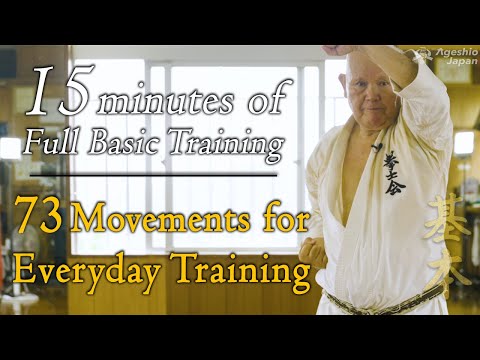
Mastering the Fundamentals: A Deep Dive into 73 Okinawan Karate Movements with Hanshi Yoshimasa Kakazu

Introduction: The Essence of Okinawan Karate

Let us be blunt. In the cacophony of modern martial arts, where flashy techniques and fleeting popularity often overshadow true substance, the purity of Okinawan Karate can seem like a distant echo. Yet, for those who seek the bedrock of a martial path, the original teachings from the birthplace of Karate are an unparalleled treasure. Today, we dissect a compelling resource: the instructional video featuring the esteemed Shorin-ryu Hanshi 10th dan, Yoshimasa Kakazu. This isn't just another exercise video; it's a portal into the very soul of Karate, a testament to the power of fundamentals.

The promise? 73 basic movements, designed for daily practice, right in your home. But can a 15-minute routine truly distill centuries of martial wisdom? Can the essence of Karate be captured and transmitted through a screen? We delve deep to answer these questions, examining not just the techniques, but the philosophy underpinning them, as presented by a master who embodies the spirit of the Okinawan dojo.

Part 1: Building the Foundation – 24 Essential Movements

Kakazu Sensei wastes no time. The video opens with a powerful assertion: Karate is not confined to the meticulously swept floors of a dojo. It is a way of life, a practice that can and *should* permeate every aspect of our existence, starting with dedicated daily training. This is the first lesson: consistency over intensity. A daily 15-minute commitment, performed with full intent (zanshin), is far more potent than sporadic, exhaustive sessions.

The initial 24 movements are the very scaffolding of Karate. Forget gratuitous flair; here we find the raw materials:

  • Punches: Straight, powerful extensions of the body, emphasizing correct fist formation and the generation of force from the hips and core. It's not just about punching the air; it's about projecting power through an imaginary opponent.
  • Blocks: The forearm is the primary instrument, but the entire body must engage. These aren't passive deflections; they are active deflections designed to redirect force, control distance, and set up counter-offensives.
  • Kicks: Precision, speed, and a sharp, snapping motion are paramount. Kakazu Sensei demonstrates kicks that are not only powerful but also economical, conserving energy while maximizing impact.
  • Footwork: The foundation of all movement. The drills focus on maintaining balance, changing direction efficiently, and covering distance without telegraphing intentions. This is the dance of combat, the silent conversation of movement.

Observe the hikite (pulling hand) – it's not merely for show; it's integral to hip rotation and power generation. Notice the rootedness of the stances; they are not static postures but dynamic platforms from which explosive movement can originate. This is where the martial artist learns to be both an immovable object and an unstoppable force.

"The true purpose of Karate is to build character, discipline, and a strong mind. Techniques are merely the means to this end." - A principle echoed by many Okinawan masters.

Part 2: Expanding the Arsenal – 27 Advanced Techniques

Once the foundational blocks are solid, Kakazu Sensei introduces a new layer of complexity and application. The next 27 movements delve into closer-range combat, requiring a higher degree of spatial awareness and coordination.

  • Elbow Strikes: These are devastating weapons when used correctly. The video emphasizes generating power through short, explosive movements, often using the entire body's weight.
  • Knee Strikes: Similar to elbow strikes, knee strikes demand precision and timing, particularly effective in clinching situations.
  • Throws: While Karate is primarily known for strikes, its Okinawan roots include effective grappling and throwing techniques (nage-waza). These movements teach balance disruption and leveraging an opponent's momentum against them.

This section is a critical reminder that Karate is a complete martial art. To dismiss its grappling and close-quarters aspects is to misunderstand its lineage. The integration of these techniques with the striking arsenal creates a truly formidable practitioner, capable of adapting to a variety of combat scenarios. Mastering these requires not just physical repetition but a mental shift – understanding leverage, timing, and the geometry of conflict.

Part 3: Refining the Craft – 22 Combinations and Flow

The final 22 movements are where the art truly begins to coalesce. This isn't just about individual techniques anymore; it's about the seamless transition between them, the creation of fluid combinations that overwhelm an opponent.

Here, we see the application of principles learned earlier:

  • Combinations: Punch-block-kick sequences, or more complex chains that exploit openings created by prior movements. The focus is on natural transitions, minimizing wasted motion and maximizing offensive pressure.
  • Advanced Kicks: More complex kicks, perhaps incorporating spins or multiple chambers, demanding greater flexibility and control.
  • Agility Drills: Movements designed to enhance speed, explosive power, and the ability to change direction instantly.

This is the stage where the practitioner moves from simply executing techniques to *applying* them with intent and strategy. It’s about developing Ki – the vital energy – and channeling it through precise, powerful actions. The sheer number of movements (73 in total) might seem daunting, but the beauty lies in their interconnectedness. Each movement is a building block, and these final combinations are the masterpiece taking shape.

Veredicto del Sensei: ¿Vale la Pena Ver el Video?

Cinturón Negro en Enseñanza de Fundamentos. This video is a valuable asset for any Karate practitioner, regardless of style or experience level. Kakazu Sensei's instruction is clear, precise, and imbued with the authority of decades of dedicated practice. The emphasis on fundamental movements and daily home practice is a timely reminder in an era often obsessed with novelty. While seeing the techniques in person at the Kenshikai dojo in Okinawa would undoubtedly offer deeper insights, this video provides an excellent, accessible foundation. It doesn't replace a qualified instructor, but it powerfully supplements home training.

Guía de Entrenamiento: Integrando los Movimientos de Kakazu Sensei

To truly benefit from the 73 movements, a structured approach is essential. Here’s how to integrate them into your daily regimen:

  1. Part 1 (Days 1-7): Focus exclusively on the first 24 movements. Practice each movement 10-20 times, ensuring correct form, balance, and power generation. Pay close attention to the hip rotation and breathing.
  2. Part 2 (Days 8-14): Integrate the next 27 movements. Spend time understanding the mechanics of elbow/knee strikes and the basic principles of throws. Ensure your foundational techniques remain sharp.
  3. Part 3 (Days 15-21): Introduce the final 22 movements. Focus on linking techniques smoothly. Practice combinations slowly at first, then gradually increase speed.
  4. Week 4 Onwards: Cycle through all 73 movements, aiming for fluidity and power. Use the video as a reference but strive to perform from memory. Incorporate applications (bunkai) mentally or with a training partner.
  5. Daily Practice: Even 15 minutes daily is better than hours once a week. Maintain Zanshin throughout your practice.

Recursos para Profundizar en tu Camino Marcial

To truly embody the principles of Okinawan Karate, consider these resources:

  • Kimono de Karate de Alta Calidad: Look for kimonos de doble tejido designed for durability and freedom of movement. A well-fitting gi enhances your practice.
  • Guantes de Entrenamiento: For sparring practice, investing in guantes de 16oz para sparring can protect your hands and your partner's.
  • Libros sobre Bushido y Filosofía Marcial: Understanding the warrior's code is as crucial as physical training. Explore texts on Bushido and the philosophy of the samurai.
"Karate is a lifetime pursuit. There is no end to learning, only constant improvement." - Attributed to many Karate masters.

Preguntas Frecuentes

¿Es necesario tener experiencia previa en Karate para seguir este video?

No, aunque tener una base ayuda, el video está diseñado para ser accesible. La claridad de Kakazu Sensei permite a los principiantes comenzar a construir una base sólida. Sin embargo, se recomienda buscar instrucción presencial para correcciones personalizadas.

¿Puedo realmente mejorar mi Karate solo con este video y práctica en casa?

Este video es una herramienta excelente para el entrenamiento diario y la mejora de los fundamentos. Sin embargo, para un desarrollo marcial completo, la guía de un instructor calificado en un dojo es insustituible para el sparring, el bunkai (aplicaciones) y la corrección técnica detallada.

¿Qué significa "Shorin-ryu Hanshi 10th dan"?

"Shorin-ryu" es uno de los estilos principales de Karate Okinawense. "Hanshi" es un título honorífico otorgado a maestros de alto nivel (generalmente 8º Dan o superior) con décadas de experiencia. "10th dan" indica el rango más alto posible en la mayoría de las organizaciones de Karate.

¿Por qué tantos movimientos básicos en Karate?

Los movimientos básicos (Kihon) son los cimientos sobre los que se construye todo el arte. Dominar el Kihon asegura potencia, precisión, equilibrio y eficiencia, principios cruciales para cualquier técnica, por compleja que sea.

¿Es la práctica de Karate útil para la defensa personal real?

El Karate tradicional, especialmente cuando se entrena con aplicaciones prácticas y se enfoca en la mentalidad combativa, puede ser muy efectivo para la defensa personal. Sin embargo, la efectividad depende en gran medida de la calidad del entrenamiento y del enfoque del practicante. Estilos como el Kyokushin (Karate Kyokushin) a menudo incluyen entrenamiento más enfocado en el combate real.

Para Profundizar en tu Camino

```

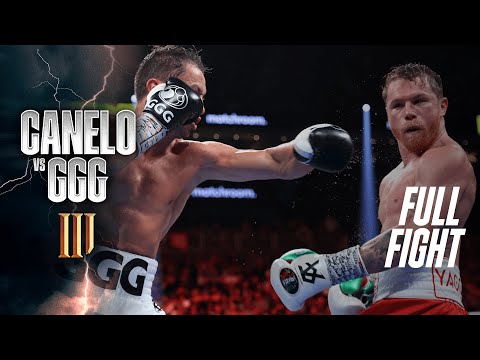
FULL FIGHT ANALYSIS: Canelo vs. GGG III - A Masterclass or a Missed Opportunity?

The sweet science. Boxing. For millennia, humanity has found a primal, captivating rhythm in the clash of fists, a testament to skill, heart, and sheer will. It’s a dance of strategy and power, where every feint, every jab, every uppercut tells a story of dedication and pain. But in the modern arena, amidst the glitz and the hype, how often do we witness true martial artistry, a genuine test of the warrior's spirit? Too often, the spectacle overshadows the substance.

Enter Saúl 'Canelo' Álvarez and Gennadiy 'GGG' Golovkin. Their saga is more than just a rivalry; it's a narrative woven into the fabric of contemporary boxing, a chapter that fans have devoured, debated, and desperately craved more of. Their first two encounters were seismic events, etched in controversy and leaving an insatiable thirst for a definitive conclusion. Today, we dissect their third dance, not just as a boxing match, but as a potential lesson in the enduring principles of combat. Was it a final, masterful demonstration of Budo principles, or a poignant reminder of how the game can sometimes betray the art?

The History: A Trilogy Forged in Controversy

The saga began on September 16, 2017. The air crackled with anticipation. Canelo Álvarez, the Mexican phenom, met Gennadiy Golovkin, the "Triple G" terror from Kazakhstan. This wasn't just a fight; it was a clash of titans, a stylistic chess match played at a furious pace. The bout, a brutal, back-and-forth war, ended in a split draw.

A draw? For many, it felt like an injustice. Spectators, pundits, and fellow martial artists scrutinized the scorecards, many convinced Golovkin had done enough to secure victory. The visceral impact of Golovkin's power shots, the relentless pressure he applied, seemed to eclipse Canelo's more tactical, albeit potent, counter-punching. This controversial outcome, rather than satiating the fanbase, ignited a bonfire of demand for a rematch. It highlighted a recurring theme in combat sports: the subjective nature of judging and the enduring power of raw aggression versus calculated defense. This is a debate that echoes through countless martial disciplines, from the striking arts of Karate to the intricate throws of Judo.

The Rematch: Canelo's Ascent, GGG's Stride

One year later, on September 15, 2018, the stage was set for redemption. The anticipation was even greater, the stakes higher. The rematch delivered another high-octane affair, a testament to both fighters' grit and skill. This time, the narrative shifted. Canelo, adapting and growing, clinched a majority decision victory.

Yet, even in victory, the controversy lingered. Arguments persisted that Golovkin's consistent output and powerful blows warranted a different result. It’s a familiar dilemma: does the cleaner, more technically precise fighter win, or the one who imposes his will and lands the heavier blows? This dance between technical merit and overwhelming force is a core philosophical question in martial arts. How does one truly measure victory when both participants display such profound mastery and warrior spirit? The debates raged on, ensuring that the desire for a final, unambiguous chapter remained.

Canelo vs. GGG III: The Anticipation and the Reality

The boxing world held its breath. A potential third fight between these two warriors was the stuff of dreams for fight fans. Both fighters, acknowledging their storied history, expressed openness to a rubber match. Canelo, by then firmly established as the undisputed king of the super-middleweight division, saw it as a chance to definitively close the book on his greatest rival. Golovkin, older but no less dangerous, viewed it as his final opportunity to reclaim his perceived throne and etch his name in boxing immortality against the man who had twice denied him undisputed victory.

On September 17, 2022, it finally happened. The trilogy was complete. But this time, the story felt different. Canelo, despite a hand injury he sustained early in the fight, controlled the bout with calculated aggression. His defense was tighter, his counter-punches sharp, and his ring generalship masterful. Golovkin, while still possessing his signature power and a warrior's heart, struggled to impose his will against a more seasoned and defensively astute Canelo. The unanimous decision for Álvarez was clear, decisive, and largely uncontroversial. The debate this time wasn't about who won, but rather about the aged warrior facing his prime.

Style vs. Substance: A Martial Perspective

From a martial artist's perspective, the Canelo-Golovkin rivalry offers a rich tapestry of contrasting philosophies. Canelo embodies the astute counter-puncher, a master of timing, distance, and calculated risk. His style is reminiscent of a skilled swordsman, waiting for the opponent's opening to deliver a decisive, precise strike. He understands the importance of defense not just as a means of avoiding damage, but as a platform for offense. This echoes principles found in **Tai Chi**, where yielding and redirecting an opponent's force is paramount.

Golovkin, on the other hand, is the embodiment of relentless pressure and concussive power. His "Triple G" moniker isn't just for show; his punches carry the weight of a sledgehammer. He represents the direct, overwhelming force, a style that demands unwavering commitment and a chin of granite. This approach shares similarities with the powerful, forward-moving strategies seen in some styles of **Kyokushin Karate** or the unyielding advance of a **Sumo** wrestler.

The third fight showcased Canelo’s evolution. He demonstrated that while power is a formidable weapon, the strategic application of skills – defense, timing, and adapting to an opponent's weaknesses – can overcome sheer aggression, especially as a fighter ages. It's a lesson that transcends boxing, a principle observed across numerous disciplines, from the fluid movements of **Aikido** to the strategic positioning in **Judo**.

"The supreme art of war is to subdue the enemy without fighting." - Sun Tzu, The Art of War. While Canelo didn't win without a fight, his strategic control in the third bout demonstrated a masterful subduing of GGG's strengths.

Beyond the Trilogy: The Ever-Evolving World of Combat

While the Canelo-Golovkin saga captured the boxing world's imagination, it’s crucial to remember that the landscape of combat sports is vast and ever-changing. Exciting matchups are constantly brewing across various disciplines. Consider the heavyweight boxing clashes, such as the highly anticipated bouts featuring **Tyson Fury** and **Deontay Wilder**, each bringing a unique blend of power and personality to the ring. These fights remind us that raw power and the "knockout punch" remain a thrilling, albeit unpredictable, element in combat.

The rise of **Mixed Martial Arts (MMA)**, with its fusion of striking, grappling, and submission arts, has further broadened the definition of a complete fighter. Athletes like **Jon Jones** and **Cyril Gane** showcase incredible versatility, blending techniques from **Muay Thai**, **Brazilian Jiu-Jitsu (BJJ)**, **Wrestling**, and **Karate** into a formidable arsenal. This cross-disciplinary approach mirrors the ancient martial philosophies that encouraged the study of multiple weapons and fighting styles to achieve true mastery. The ability to seamlessly transition between striking and grappling, as seen in fights at **UFC** events, demonstrates a holistic understanding of combat that few single-discipline fighters can match.

Equipo Esencial para tu Entrenamiento

For aspiring boxers and martial artists seeking to emulate the dedication and skill displayed by Canelo and Golovkin, proper training equipment is paramount. Investing in the right gear not only enhances performance but also significantly reduces the risk of injury. Here’s a foundational list:

  • Guantes de Boxeo/MMA (14-16oz): Essential for sparring and heavy bag work to protect your hands and wrists.
  • Vendas para Manos: Crucial for added wrist and knuckle support during intense training sessions.
  • Protector Bucal: Non-negotiable for any form of sparring or competitive fighting to protect your teeth and jaw.
  • Protector de Ingle: Vital for protecting sensitive areas during sparring.
  • Kimono (Judo/BJJ): For grappling-focused disciplines, a durable gi is essential for practicing throws and groundwork. Look for high-quality, double-weave fabrics for longevity.
  • Cuerda de Saltar: An indispensable tool for improving footwork, coordination, and cardiovascular endurance – a staple for any fighter’s conditioning.
  • Saco de Boxeo o Pera Loca: For developing power, speed, and accuracy in striking.
  • Rodilleras y Coderas: Useful for conditioning drills and protecting against impact during certain training exercises.

Whether you're training in boxing, **Judo**, **Karate**, or **BJJ**, the right equipment is an investment in your journey. Consider exploring specialized **Karate Merchandise** or **MMA Gear** from reputable brands to ensure quality and durability.

Guía de Entrenamiento: El "Golovkin Jab" y la "Canelo Counter"

Let's break down two fundamental elements that defined the early exchanges between these titans. While complex strategies are involved, understanding these core concepts can elevate your own training.

  1. El Jab de Golovkin (La Presión Constante):
    • Posición: Mantén una guardia sólida, pies bien plantados, ligeramente separados, rodillas flexionadas.
    • El Movimiento: Extiende tu brazo de lanzar (generalmente el izquierdo para un diestro) rápidamente, girando ligeramente la muñeca al contacto para maximizar el impacto. Tu cuerpo debe transferir peso hacia adelante de manera sutil.
    • El Propósito: No es solo un golpe de alcance; es para medir distancia, mantener al oponente a raya, interrumpir su ritmo y preparar golpes más potentes. GGG lo usaba implacablemente para dictar el espacio.
    • Entrenamiento: Practica miles de jabs contra un saco pesado, enfocándote en la velocidad, la extensión completa y la rápida retracción a la guardia. Visualiza a tu oponente y golpea puntos específicos.
  2. La Contra de Canelo (El Golpe Preciso en el Momento Justo):
    • Posición: Similar a la guardia de boxeo, pero con una mayor flexibilidad y movilidad en la parte superior del cuerpo.
    • El Movimiento: Permite que el oponente lance su golpe (ej. un jab o un recto). En el instante en que su puño sale, usa tu guardia para bloquear, desviar, o incluso deslizarte ligeramente, y contraataca con un golpe potente (un gancho o un recto) a un punto vulnerable. La clave es la sincronización perfecta.
    • El Propósito: Capitalizar el error del oponente, castigar su ofensiva y tomar el control de la pelea. Canelo es un maestro en encontrar la brecha y golpear con autoridad.
    • Entrenamiento: El *sparring* es crucial aquí. Trabaja con un compañero que entienda el concepto de lanzar golpes específicos. Practica el bloqueo/desvío y contraataque simultáneamente. Usa el "espejo" (golpear solo cuando el compañero golpea) para refinar el tiempo.

Dominar estos elementos requiere innumerables horas de práctica dedicada, la filosofía de perseverancia y la disciplina que son pilares de las **Artes Marciales Mixtas (MMA)** y del **Budo** en general.

"The difference between a novice and a master is not that the master never makes mistakes, but that the master learns from every mistake. The master has failed more times than the novice has even tried." - Bruce Lee. This philosophy underpins the entire journey of martial arts mastery.

Veredicto del Sensei: ¿Merece la pena?

The Canelo vs. Golovkin trilogy is a landmark achievement in modern boxing. While the first two fights were marred by controversial decisions, they showcased an incredible rivalry between two supremely talented warriors. The third fight, though perhaps lacking the same level of back-and-forth drama, provided a definitive conclusion and a masterclass in boxing strategy from Canelo Álvarez. From a martial perspective, it served as a powerful reminder that while raw power and aggression are potent forces, the disciplined application of skill, timing, and strategic defense often prevails, especially in the twilight of a legendary career.

Calificación del Sensei: Cinturón Negro en Rivalidad, Maestro en Estrategia.

Preguntas Frecuentes

  • ¿Por qué fue tan controvertida la primera pelea entre Canelo y Golovkin?
    La controversia se debió principalmente a las tarjetas de los jueces. Muchos observadores creían que Golovkin había ganado claramente, pero la pelea terminó en un empate dividido, lo que dejó a muchos sintiendo que se le robó la victoria.
  • ¿Fue la tercera pelea tan emocionante como las dos primeras?
    Si bien la tercera pelea fue estratégicamente fascinante y demostró la maestría de Canelo, muchos fanáticos la encontraron menos emocionante que las dos primeras, que fueron batallas más reñidas y llenas de acción impredecible.
  • ¿Qué aprendemos de la técnica de ambos peleadores desde una perspectiva marcial?
    Canelo demuestra la importancia de la defensa, el tiempo y el contraataque preciso, similar a las tácticas de algunos estilos de Karate y Judo. Golovkin representa la fuerza bruta, la presión implacable y la búsqueda del nocaut, un enfoque visto en disciplinas como el Kyokushin Karate. La trilogía ilustra cómo diferentes filosofías marciales pueden coexistir y competir en el mismo ring.
  • ¿Es probable que haya una cuarta pelea entre Canelo y Golovkin?
    Dada la edad de Golovkin y la dominante victoria de Canelo en la tercera pelea, una cuarta contienda parece muy improbable. Canelo ha indicado que desea continuar consolidando su legado en otras divisiones, mientras que GGG podría estar considerando el final de su carrera.

Para Profundizar en tu Camino

Reflexión del Sensei: Tu Próximo Paso

The roar of the crowd, the sweat, the exhaustion, the controversy, and ultimately, the definitive victory. This trilogy offered more than just punches; it offered lessons. Canelo's strategic adaptation and Golovkin's unyielding spirit are echoes of timeless martial principles. But now, I ask you:

When the final bell rings in your own life's battles, will you be remembered for your raw power, or for the wisdom and adaptability with which you navigated the storm? How will *you* write the final chapter of your own saga?

``` ```json { "@context": "https://schema.org", "@type": "FAQPage", "mainEntity": [ { "@type": "Question", "name": "Why was the first fight between Canelo and Golovkin so controversial?", "acceptedAnswer": { "@type": "Answer", "text": "The controversy stemmed from the judges' scorecards. Many observers believed Golovkin had clearly won, but the fight ended in a split draw, leaving many feeling he was robbed of a victory." } }, { "@type": "Question", "name": "Was the third fight as exciting as the first two?", "acceptedAnswer": { "@type": "Answer", "text": "While strategically fascinating and showcasing Canelo's mastery, many fans found the third fight less exciting than the first two, which were closer, more unpredictable battles." } }, { "@type": "Question", "name": "What can we learn from both fighters' techniques from a martial perspective?", "acceptedAnswer": { "@type": "Answer", "text": "Canelo demonstrates the importance of defense, timing, and precise counter-punching, akin to strategies in Karate and Judo. Golovkin embodies raw power, relentless pressure, and the pursuit of a knockout, a style seen in disciplines like Kyokushin Karate. The trilogy illustrates how different martial philosophies can compete effectively." } }, { "@type": "Question", "name": "Is a fourth fight between Canelo and Golovkin likely?", "acceptedAnswer": { "@type": "Answer", "text": "Given Golovkin's age and Canelo's dominant performance in the third fight, a fourth bout seems highly improbable. Canelo aims to solidify his legacy in other divisions, while GGG may be considering retirement." } } ] }