Showing posts sorted by date for query gi-bjj. Sort by relevance Show all posts

Takanoyama Shuntarō: The "Small But Mighty" Master of Judo Throws in Sumo

Introduction: The Anomaly of Takanoyama

Have you ever watched a martial artist, seemingly outmatched by their opponent's size and strength, still emerge victorious? This isn't magic; it's the elegant application of technique, timing, and an indomitable spirit. In the world of Sumo, a sport often defined by sheer mass, one wrestler stood out, not for his bulk, but for his brilliance. Takanoyama Shuntarō, hailing from the Czech Republic, shattered expectations, proving that in combat, as in life, technique and tenacity can indeed conquer brute force. This analysis dives deep into his arsenal, dissecting the throws that made him a beloved figure and a testament to the "small but mighty" principle.

Takanoyama's Unique Journey: Defying Sumo's Giants

Takanoyama Shuntarō, born Martin Koselecta, carved a unique path in the hallowed dohyo of professional Sumo. As a European venturing into a deeply traditional Japanese sport, he faced an uphill battle from the outset. The average weight of a top-division Makuuchi wrestler often exceeds 150 kg. Takanoyama, however, consistently competed in the 80-100 kg range. This stark physical disparity could have been a career-ending limitation. Instead, it became his greatest teacher, forcing him to hone an exceptional understanding of leverage, timing, and evasive footwork. His speed and mastery of judo principles, a natural fit for his agile frame, allowed him to outmaneuver and defeat opponents who dwarfed him. He wasn't just a novelty; he was a strategic genius on the mat.

Technique Breakdown: The Arsenal of a Smaller Wrestler

The brilliance of Takanoyama lay in his ability to execute techniques that maximized his advantages while neutralizing his opponents' size. He didn't rely on overwhelming power; he employed precision and speed. Let's examine some of his signature finishes that consistently saw him victorious:

Kote-nage (Armlock Throw)

Takanoyama's kote-nage was a masterclass in deception and leverage. The core of this technique involves establishing a firm grip on the opponent's wrist (kote). From there, instead of forcing the throw, he artfully used the opponent's own forward momentum or attempted forward movement against them. A swift rotation of his body, combined with a pulling action on the captured wrist, redirected their energy, causing them to lose balance and be thrown over his back or to the side. This is a classic judo throw, but Takanoyama's execution, particularly the precise timing and angle, made it devastatingly effective against larger sumo wrestlers.

Koshi-guruma (Hip Wheel)

Another technique that highlights his judo background is the koshi-guruma. This throw involves wrapping one of Takanoyama's legs around the opponent's hip, creating a fulcrum. With a simultaneous pull forward and a powerful twist of his torso, he would elevate and unbalance his opponent, using his hip as the pivot point. The momentum generated would send the larger wrestler crashing down. The effectiveness here lies in getting the leg placement correct and generating the rotational force quickly, preventing the opponent from stabilizing or counteracting.

Oshi-dashi (Push Out)

While Takanoyama excelled in throwing techniques, his oshi-dashi, or push out, was a pure display of his speed and agility. This technique requires an explosive burst of energy to drive the opponent backward. Takanoyama, with his lighter frame, could generate rapid forward pressure. He would use quick, powerful shoves, often targeting the opponent's upper body and shoulders, to force them out of the ring. His ability to maintain balance and drive forward while his opponent was attempting to resist or counter was crucial to its success. It’s a testament to his conditioning and lower body strength.

Sukuinage (Beltless Arm Throw)

This technique, often seen in judo, involves an arm throw where the grip is established differently, often without a traditional belt grip. Takanoyama would secure a grip on his opponent's arm and, using a scooping motion with his body, throw them over his hip. The key here is to get under the opponent's center of gravity and use their own weight to complete the throw. His agility allowed him to make the necessary adjustments to create the throwing angle, turning a potential disadvantage into an offensive opportunity. It’s a dynamic throw that requires excellent body control.

Uchimuso (Inner Thigh Throw)

Takanoyama's mastery of judo skills shone through in his uchimuso. This throw involves attacking the opponent's legs or inner thigh area. He would use his grappling ability to secure a grip, often on the opponent's leg or gi near the thigh. With a precise hip movement and a lifting or sweeping action, he would unbalance the opponent, using their own forward pressure or stability against them. This technique requires significant timing and the ability to get low and deep, something Takanoyama was adept at, allowing him to execute it even against much larger opponents.

Beyond Technique: The Mental Game

What truly set Takanoyama apart, and what offers the most profound lessons for any martial artist, was his mental fortitude. He entered a sport steeped in tradition, where size was king, and had to overcome not only his physical limitations but also potential cultural barriers. His ability to persevere through rigorous training, maintain focus, and execute complex techniques under pressure is a testament to his inner strength and dedication. He proved that a warrior's heart and a sharp mind are often more critical than sheer physical dominance.

"In the martial path, it is not the size of the warrior that matters, but the size of their heart."

This adage resonates deeply when we consider Takanoyama's career. He embodied this philosophy, turning perceived weaknesses into strengths through sheer willpower and intelligent application of skill.

Lessons for Every Budoka: Perseverance and Adaptability

The journey of Takanoyama Shuntarō offers invaluable lessons for every practitioner of martial arts, regardless of their style or size. His career is a powerful reminder that:

  • Technique over Brute Force: Superior technique, timing, and leverage can overcome significant size and strength disparities.
  • Adaptability is Key: Understanding your own physical attributes and adapting your strategy and techniques accordingly is crucial for success.
  • Mental Strength is Paramount: True mastery is forged not just in the body, but in the mind. Perseverance, discipline, and a positive attitude are essential tools.
  • Embrace Challenges: Difficulties, whether physical limitations or external obstacles, can be catalysts for growth and innovation.

As martial artists, we face our own challenges, whether it's mastering a difficult technique breakdown, improving our mental strength, or simply staying dedicated. Takanoyama’s story encourages us to push past our perceived limits and continually refine our skills and our spirit.

Cross-Training: Expanding Your Martial Horizon

While Takanoyama's primary discipline was Sumo, his effective use of judo principles demonstrates the power of cross-training. For martial artists today, broadening one's skillset beyond a single discipline is not just beneficial, it's increasingly essential. Exploring different combat sports and martial arts can:

  • Introduce new strategic perspectives.
  • Develop different physical attributes (e.g., grappling, striking, flexibility).
  • Enhance problem-solving skills on the mat.
  • Provide a more well-rounded understanding of combat.

Whether it's incorporating Judo throws into your BJJ, understanding striking principles from Kickboxing for your Muay Thai training, or learning defensive strategies from Aikido, the martial world is interconnected. Embracing this diversity makes you a more complete and adaptable fighter.

Essential Gear for Your Training

To effectively train in disciplines like Judo, Sumo, or any other martial art, having the right equipment is crucial. For Judo practitioners, a high-quality Judo gi is paramount. Look for a durable, double-weave gi that can withstand the rigors of throws and grappling. For those interested in simulating Sumo or practicing specific throwing drills, sturdy mats are essential for safety. Consider investing in:

  • High-Quality Judo Gi: Look for brands known for durability and fit. A good gi enhances grip and withstands pulling forces.
  • Training Mats: Essential for safe practice of throws, falls (ukemi), and groundwork.
  • Wrestling Shoes: For styles that require precise footwork and grip on the mat.
  • Resistance Bands: Excellent for strength and conditioning, mimicking pulling and pushing motions relevant to grappling.

Exploring gear can also lead you to discover resources like specialized training manuals or online courses focused on specific technique breakdowns.

Frequently Asked Questions

What made Takanoyama unique in Sumo?

Takanoyama Shuntarō was unique due to his significantly smaller stature compared to his peers, competing between 80-100 kg in a sport dominated by wrestlers over 150 kg. He compensated with exceptional speed, agility, and judo-based techniques.

What are some key Judo techniques Takanoyama utilized?

He effectively employed techniques such as Kote-nage (armlock throw), Koshi-guruma (hip wheel), Sukuinage (beltless arm throw), and Uchimuso (inner thigh throw), adapting them for the Sumo ring.

How did Takanoyama overcome his size disadvantage?

He leveraged his speed, agility, and precise execution of Judo throws. His strategy focused on outmaneuvering opponents, using their momentum against them, and exploiting openings rather than relying on brute strength.

What broader lessons can martial artists learn from Takanoyama?

Martial artists can learn about the importance of technical mastery, adaptability, mental fortitude, perseverance in the face of adversity, and the strategic advantage of speed and timing over sheer size.

For Deeper Insight

Sensei's Reflection: Your Next Step

Takanoyama's story is more than just a series of successful throws; it's a living testament to the power of a determined spirit. He demonstrated that the physical ring of a dojo, or the clay of the dohyo, is but one arena. The true battlefield often lies within, where the fight against doubt and limitation is waged. Ask yourself:

"When faced with an opponent, or a challenge, that seems insurmountable due to size or perceived advantage, do you instinctively shrink, or do you instinctively seek the angle, the leverage, the technique that will allow you to prevail?"

Reflect on this. True martial arts mastery isn't just about knowing techniques; it's about embodying the spirit to apply them when it matters most. Now, let your actions speak louder than your thoughts.

```
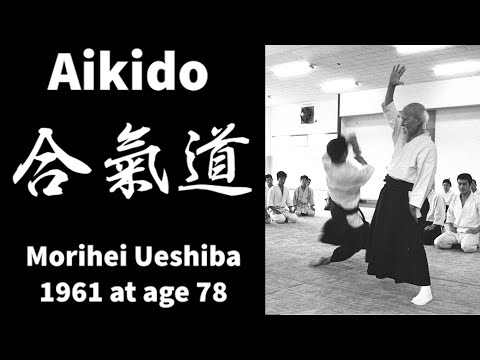
Aikido's Essence: Analyzing O'Sensei Ueshiba's 1961 Masterclass

Introduction: A Glimpse into the Soul of Budo

This rare 1961 footage, capturing a 78-year-old Morihei Ueshiba, the revered founder of Aikido, is far more than just a martial arts demonstration. It's a profound window into the very essence of Budo, a concept that transcends mere physical combat. Many today, particularly those drawn to the explosive dynamism of MMA or the brutal efficiency of Kyokushin Karate, might question the relevance of Aikido's fluid movements. Does its emphasis on blending and redirection hold water in a world that often values brute force? Let me tell you, this video is the answer. It's a masterclass in principles that are eternally valid, not just for the dojo, but for life itself. We will dissect this gem, exploring Ueshiba's techniques, his philosophy, and the enduring legacy of Budo.

Ueshiba in Action: The Art of Blending and Redirecting

Watching Ueshiba Sensei at this advanced age is awe-inspiring. His movements, while perhaps not possessing the raw power of a younger man, are imbued with an almost supernatural grace and precision. The documentary showcases his mastery of Aikido techniques – the effortless throws, the seemingly gentle yet devastating joint locks. He doesn't meet force with force; instead, he becomes one with his attacker's energy, subtly redirecting their momentum. This is the core of Aikido, and it's a principle that many arts, even the fiercely competitive BJJ or Judo, can learn from. The seemingly passive nature of his defense is, in reality, a highly active and intelligent application of physics and timing. He demonstrates that true strength lies not in overpowering an opponent, but in understanding and harmonizing with their movements. Have you ever sparred with someone who just seems to *flow* with your attacks, nullifying them before they even land? That's the echo of Ueshiba Sensei's teaching.
"The true meaning of martial arts is to unify the world." - Morihei Ueshiba

The Philosophy of Aikido: Harmony, Compassion, and Unity

Beyond the physical application, Ueshiba Sensei's words in this documentary reveal a philosophy that is both deeply spiritual and remarkably practical. He speaks of Aikido not as a means of destruction, but as a path to reconciliation. Harmony, balance, and compassion are not mere buzzwords here; they are the foundational pillars of his art. This stands in stark contrast to some of the more combative depictions of martial arts in popular culture, where violence is often glorified without consequence. Ueshiba's vision is one of connection, of resolving conflict not through aggression, but through understanding and empathy. It’s a message that resonates even more powerfully today, in our often fragmented and contentious world. This philosophy is the very heart of BUDO, the "Way of the Warrior," which demands not just martial prowess but moral integrity.

Budo: More Than Just Fighting

The term Budo itself is crucial here. It's not simply "martial arts" in the Western sense. It encompasses the entire way of life, the philosophy of the warrior, drawing heavily from principles like Bushido. This means more than just mastering techniques for a fight. It's about self-cultivation, rigorous discipline, and unwavering honor. Ueshiba Sensei embodies this perfectly. His practice was a lifelong dedication to refining not just his body, but his mind and spirit. The documentary offers a fleeting glimpse, but it's enough to understand that for masters like him, the training never truly ends. It's a constant pursuit of self-improvement, a journey that shapes one's character in profound ways.
"The martial way is a thing of daily practice. It is a continuous process of refinement. The master is simply a student who never quit." - Attributed to various martial arts masters

Training and Self-Cultivation: The Path to Inner Peace

The practice of martial arts, as exemplified by Ueshiba's Aikido, is a powerful tool for inner growth. It offers a structured path to control one's ego, to confront and overcome fear and anger, and to cultivate a deep sense of inner peace. This isn't just about learning to defend yourself physically; it's about building mental resilience. The physical demands – improving fitness, flexibility, and coordination – are significant, but the mental benefits are arguably even greater. In a world rife with stress and anxiety, the discipline and focus required in martial arts training provide an invaluable sanctuary. It's a lifelong pursuit, a journey of personal development that extends far beyond the dojo mats. The principles learned in Karate, Judo, or Aikido can positively impact every facet of life.

Veredicto del Sensei: A Timeless Testament

This 1961 documentary is not just a historical artifact; it's a living testament to the enduring power of Budo. Ueshiba Sensei, even at 78, displays a level of mastery that transcends time and style. While the martial arts landscape has evolved dramatically, with hyper-realistic sports like MMA and UFC capturing global attention, the core principles demonstrated here remain vital. The emphasis on harmony, respect, and self-cultivation is a counterbalance to the often aggressive narratives surrounding combat sports. This film is essential viewing for anyone who seeks a deeper understanding of martial arts, not just as a means of fighting, but as a path to becoming a better human being. Rating: 10/10 Cinturones Negros en Sabiduría y Maestría.

Essential Equipment for Your Training

To embark on your own martial arts journey, whether it's Aikido, Karate, Judo, or any other discipline, the right equipment is essential. At BYAM Budo y Artes Marciales, we understand the needs of practitioners at all levels.
  • Gi (Uniforme): A durable, comfortable Gi is fundamental. For arts like Judo and Aikido, a heavier weave might be preferred for grip resistance.
  • Protective Gear: Depending on your style, consider sparring headgear, mouthguards, and shin guards for safe combat training.
  • Training Mats (Tatami): Essential for safe practice of throws and falls, especially in arts like Judo and Aikido.
  • Training Weapons: For specific disciplines, wooden bokken (swords) or jo (staffs) are necessary.
Investing in quality gear enhances your training experience and ensures safety. Explore our range of Martial Arts Merchandise to find what you need.

Frequently Asked Questions

  • What is Budo? Budo is a Japanese term that refers to the systematic practice of martial arts, emphasizing not only combat techniques but also spiritual and moral development.
  • Is Aikido effective for self-defense? Yes, Aikido's principles of blending, redirection, and using an attacker's momentum can be highly effective for self-defense, though its effectiveness in highly aggressive scenarios is a subject of ongoing debate.
  • What is the difference between Budo and Bushido? Bushido is the code of honor and conduct of the samurai warrior class, while Budo is the broader term encompassing the practices and philosophies of martial arts derived from that warrior tradition.
  • How can martial arts training improve mental health? Through discipline, focus, stress reduction techniques, and the cultivation of inner peace and self-control.

For a Deeper Dive into Your Path

Reflexión del Sensei: Tu Próximo Paso

Ueshiba Sensei demonstrated that true mastery lies in harmonization, not domination. In a world that often rewards aggression and competition, can you find the strength in yielding? Can you apply the principles of blending and redirecting not just against a physical opponent, but against the challenges and conflicts of your daily life? The video is a lesson; your response to its message is the application. ```json { "@context": "https://schema.org", "@type": "FAQPage", "mainEntity": [ { "@type": "Question", "name": "What is Budo?", "acceptedAnswer": { "@type": "Answer", "text": "Budo is a Japanese term that refers to the systematic practice of martial arts, emphasizing not only combat techniques but also spiritual and moral development." } }, { "@type": "Question", "name": "Is Aikido effective for self-defense?", "acceptedAnswer": { "@type": "Answer", "text": "Yes, Aikido's principles of blending, redirection, and using an attacker's momentum can be highly effective for self-defense, though its effectiveness in highly aggressive scenarios is a subject of ongoing debate." } }, { "@type": "Question", "name": "What is the difference between Budo and Bushido?", "acceptedAnswer": { "@type": "Answer", "text": "Bushido is the code of honor and conduct of the samurai warrior class, while Budo is the broader term encompassing the practices and philosophies of martial arts derived from that warrior tradition." } }, { "@type": "Question", "name": "How can martial arts training improve mental health?", "acceptedAnswer": { "@type": "Answer", "text": "Through discipline, focus, stress reduction techniques, and the cultivation of inner peace and self-control." } } ] }

El Legado del Guerrero: Piernas de Acero Sin la Sombra de la Sentadilla

¡Saludos, Budokas y Buscadores del Camino Marcial! Si has llegado hasta aquí, es probable que busques el poder de unas piernas de hierro forjado, capaces de impulsarte en un golpe demoledor, resistir en una defensa férrea o recorrer el camino con la firmeza de un roble. Pero, ¿qué sucede si el rey de los ejercicios, la sentadilla, te es vedada por una lesión, un consejo médico, o simplemente porque tu espíritu se rebela ante su repetición monótona? ¿Significa eso el fin de tu aspiración a unas extremidades inferiores dignas de un guerrero? ¡Absolutamente no! Como Sensei, mi misión es desmantelar mitos y ofrecerte la verdad desnuda, la sabiduría práctica que te permitirá forjar la fuerza que anhelas, independientemente de las limitaciones. Hoy, desvelaremos los secretos para construir piernas colosales, no a través de un único ejercicio, sino mediante un enfoque holístico, un tapiz de movimientos y disciplinas que resonarán en tu alma marcial. Prepárate para una lección que transformará tu perspectiva sobre el desarrollo físico y te conectará con la esencia del *budo*.

Tabla de Contenidos

La Filosofía Detrás de la Fuerza: Más Allá de un Solo Movimiento

La búsqueda de la fuerza física, en el contexto del *budo* y las artes marciales, trasciende la mera hipertrofia muscular. No se trata de tener las piernas más grandes, sino las más funcionales, las más resistentes y las más explosivas. Un guerrero no necesita solo potencia, sino la capacidad de canalizarla con precisión, mantenerla durante combates prolongados y recuperarse rápidamente. Miyamoto Musashi, en su célebre "Libro de los Cinco Anillos", enfatizó la importancia de la adaptabilidad y la visión de conjunto. Su estrategia no se basaba en un solo golpe o una sola técnica, sino en la comprensión profunda del todo. Aplicado al entrenamiento, esto significa que confiar en un único ejercicio, por efectivo que sea, es una debilidad estratégica. Las piernas son nuestros cimientos, la base desde la cual lanzamos ataques, absorbemos impactos y nos desplazamos con agilidad. Ignorar su desarrollo completo o buscar atajos es un error que muchos principiantes cometen, y que a veces, incluso practicantes avanzados, repiten por falta de escrutinio.

El Verdadero Enemigo: La Monotonía y la Falta de Visión Integral

Seamos honestos: la sentadilla es el rey, sí, pero no el único monarca del reino de las piernas. El cuerpo humano es una máquina asombrosa que responde a la variedad y al desafío. La monotonía es el sedante de la progresión. Cuando un músculo se acostumbra a la misma carga y al mismo estímulo, su respuesta de crecimiento y fortalecimiento se aplana. Por eso, la queja de "no me gusta hacer sentadillas" o la incapacidad física para realizarlas no son excusas para la debilidad, sino un llamado a la creatividad y a la sabiduría marcial para encontrar caminos alternativos. Trabajar todos los músculos de las piernas —cuádriceps, isquiotibiales (femorales), gemelos (pantorrillas) y glúteos— es crucial. Cada uno juega un papel distinto pero interconectado en la potencia de tu tren inferior. Un desequilibrio, por ejemplo, unos cuádriceps desarrollados pero unos isquiotibiales débiles, puede llevar a lesiones y a una pérdida de eficiencia en tus movimientos marciales.
"La vida es como el camino que se recorre. Mira las huellas que dejas, ¿son firmes y profundas, o débiles y superficiales?" - Inspirado en los principios del Budo.

El Arte de las Zancadas (Lunges): Un Pilar Fundamental

Las zancadas, o *lunges*, son un ejercicio multiarticular que imita muchos de los patrones de movimiento que encontramos en las artes marciales. Ofrecen un estímulo poderoso para los cuádriceps, los glúteos y, de manera secundaria, para los isquiotibiales y el core. A diferencia de la sentadilla, la zancada trabaja cada pierna de forma unilateral, lo que ayuda a corregir desequilibrios de fuerza y a mejorar la estabilidad y el equilibrio, habilidades vitales en cualquier disciplina de combate. La forma correcta es esencial:
  1. Da un paso largo hacia adelante, manteniendo la espalda recta y el torso erguido.
  2. Flexiona ambas rodillas hasta que la rodilla trasera casi toque el suelo, formando ángulos de aproximadamente 90 grados en ambas piernas.
  3. Asegúrate de que tu rodilla delantera no sobrepase la punta de tu pie.
  4. Empuja con el talón de la pierna delantera para volver a la posición inicial.
  5. Repite con la otra pierna.
Puedes progresar en intensidad añadiendo peso. Las mancuernas en cada mano, una barra sobre los hombros, o incluso llevar un objeto pesado (como un saco de arroz, reminiscentes de métodos de entrenamiento más antiguos) aumentarán el desafío. Las zancadas hacia atrás o laterales también ofrecen variantes excelentes para trabajar diferentes fibras musculares y mejorar la agilidad.

El Poder Explosivo de los Saltos: Despertando la Furia Primigenia

Los saltos, en sus innumerables formas, son la manifestación pura de la potencia explosiva de las piernas. En el *budo*, la capacidad de generar fuerza rápidamente es a menudo más decisiva que la fuerza máxima estática. Piensa en el impulso para una patada alta, el salto para evitar un derribo, o la explosión para cerrar la distancia. Los saltos entrenan tus fibras musculares de contracción rápida, mejoran la potencia del tobillo y la rodilla, y elevan tu capacidad cardiovascular a niveles sorprendentes. Variedades como:
  • Saltos en el lugar (Jumping Jacks modificados sin brazos): Básicos pero efectivos para calentar y activar.
  • Saltos de tijera (Split Squat Jumps): Alternando la pierna delantera en cada salto, simulando la potencia de una patada.
  • Saltos al cajón (Box Jumps): Excelentes para la potencia vertical y la fuerza del cuádriceps.
  • Saltos laterales (Lateral Jumps): Cruciales para la agilidad y la potencia en movimientos de esquiva o cambio de dirección.
  • Saltos con una pierna (Single-leg Hops): Desafían el equilibrio y la fuerza unilateral de manera extrema.
Estos ejercicios, realizados con la intención marcial correcta, no son solo movimientos; son explosiones de energía contenida que buscan liberarse con propósito.

El Ring y el Tatami como Laboratorios de Fuerza

Consideremos por un momento el boxeo y las artes marciales tradicionales. ¿Por qué los púgiles y los practicantes de karate o taekwondo suelen tener piernas tan desarrolladas? La respuesta está en la naturaleza de sus movimientos. En el **boxeo**, cada golpe, cada movimiento defensivo, cada esquiva y cada desplazamiento (el *footwork*) requiere una base sólida y activa en las piernas. La resistencia para lanzar una andanada de golpes o para mantener una defensa activa durante varios asaltos se construye en las pantorrillas, los cuádriceps y los glúteos. Los desplazamientos laterales, los pivots y las explosiones para entrar y salir del rango de golpeo son ejercicios de fuerza-resistencia de alta intensidad para el tren inferior.
En disciplinas como el **Karate** o el **Taekwondo**, las patadas son el pan de cada día. Desde la patada frontal básica hasta giros y saltos complejos, cada patada exige potencia, control y resistencia en las piernas. Las posiciones de lucha (como el *Kiba-dachi* o "posición a caballo") son en sí mismas ejercicios isométricos que fortalecen cuádriceps y glúteos. Los desplazamientos rápidos en el kata o el combate (*kumite*) desarrollan la agilidad y la potencia de las piernas. Incluso disciplinas como el **Judo** o el **BJJ**, aunque más enfocadas en el agarre, dependen enormemente de la fuerza de las piernas para generar palanca, mantener la posición, realizar derribos (como el famoso O-soto-gari) y controlar al oponente en el suelo. La resistencia de los gemelos y la potencia de los glúteos son fundamentales para evitar ser desequilibrado o para generar la fuerza necesaria en un *sweep*. Invertir tiempo en la práctica de estas disciplinas, o incorporar sus movimientos específicos en tu entrenamiento, te proporcionará un desarrollo de piernas funcional y estético, directamente aplicable a tus objetivos marciales.

Nutrición y Descanso: Los Aliados Silenciosos del Guerrero

Ningún entrenamiento, por riguroso que sea, dará sus frutos sin el soporte adecuado. Los músculos crecen y se reparan durante el descanso, no durante el entrenamiento. La **nutrición** es el combustible y los materiales de construcción. * **Proteínas:** Son los ladrillos con los que se construyen los músculos. Asegúrate de consumir fuentes de proteína de alta calidad como pollo, pescado, huevos, legumbres y, si es necesario, suplementos como la proteína de suero. * **Carbohidratos:** Proporcionan la energía necesaria para entrenamientos intensos y para la recuperación. Opta por carbohidratos complejos como avena, arroz integral, patatas y batatas. * **Grasas Saludables:** Son esenciales para la producción hormonal y la salud general. Encuéntralas en aguacates, frutos secos, semillas y aceite de oliva. * **Hidratación:** Bebe abundante agua a lo largo del día, especialmente antes, durante y después del entrenamiento. El **descanso** adecuado implica dormir entre 7 y 9 horas por noche. Permitir que tu cuerpo se recupere es tan crucial como cualquier ejercicio que realices. Ignorar este aspecto es como intentar construir un castillo de arena durante la marea alta.

Equipo Esencial para tu Entrenamiento

Si bien muchos de estos ejercicios pueden realizarse con el peso corporal, para maximizar las ganancias y progresar de manera continua, cierta inversión en equipo es recomendable.
  • Mancuernas o Kettlebells: Indispensables para añadir resistencia a zancadas, sentadillas de una pierna (como la búlgaro dividida) y una multitud de otros ejercicios. Empieza con un par de peso moderado y prepárate para adquirir pesos mayores a medida que progreses.
  • Bandas de Resistencia: Ideales para el calentamiento, la activación de glúteos y para añadir una resistencia variable a ejercicios como las zancadas o los puentes de glúteo.
  • Cajón para Saltos (o un banco estable): Permite realizar saltos al cajón con seguridad. Si no dispones de uno, un banco robusto o incluso escalones estables pueden servir para empezar.
  • Guantes de Entrenamiento (opcional): Si decides incorporar movimientos de boxeo, unos guantes adecuados son importantes para proteger tus manos.
  • Kimono de Entrenamiento (para Judo/BJJ): Si te inclinas por la lucha, un kimono resistente (Gi) es esencial para el agarre y el entrenamiento de técnicas de proyección y suelo. Un buen kimono de Judo o BJJ es una inversión duradera.

Guía de Entrenamiento: Rutina de Piernas Sin Sentadillas

Esta es una rutina de ejemplo. Adáptala a tu nivel y aumenta la intensidad gradualmente. Realiza esta rutina 1-2 veces por semana, asegurándote de tener al menos 48 horas de descanso entre sesiones.
  1. Calentamiento (10-15 minutos):
    • Movilidad articular: Círculos de tobillos, rodillas, caderas y caderas.
    • Estiramientos dinámicos: Elevación de rodillas, patadas de glúteo, zancadas dinámicas (sin bajar tanto).
    • Activación: Bandas de resistencia para glúteos (band walks, clamshells).
    • Saltos suaves o Skipping (3-5 minutos).
  2. Zancadas (Lunges): 3 series de 10-12 repeticiones por pierna.
    • Empieza con peso corporal.
    • Añade mancuernas o kettlebells cuando puedas completar las repeticiones con buena forma.
    • Considera zancadas inversas o laterales para variedad.
  3. Saltos de Tijera (Split Squat Jumps): 3 series de 8-10 repeticiones por pierna.
    • Enfócate en la explosividad al cambiar de pierna.
    • Mantén el torso erguido.
  4. Peso Muerto Rumano (Romanian Deadlifts - RDLs): 3 series de 10-12 repeticiones.
    • Excelente para isquiotibiales y glúteos.
    • Mantén la espalda recta y siente el estiramiento en los isquiotibiales.
    • Utiliza mancuernas, kettlebells o barra.
  5. Elevación de Talones (Calf Raises): 3 series de 15-20 repeticiones.
    • De pie, sobre un escalón si es posible para un mayor rango de movimiento.
    • Puedes añadir peso.
  6. Puente de Glúteo (Glute Bridges): 3 series de 15-20 repeticiones.
    • Énfasis en contraer los glúteos en la parte superior.
    • Puedes añadir peso sobre tus caderas o usar bandas de resistencia.
  7. Saltos al Cajón (Box Jumps): 3 series de 6-8 repeticiones.
    • Enfócate en aterrizar suavemente y con control.
    • Empieza con una altura baja y aumenta progresivamente.
  8. Enfriamiento y Estiramientos Estáticos (10-15 minutos):
    • Estira cuádriceps, isquiotibiales, gemelos y glúteos. Mantén cada estiramiento durante 30 segundos.

Veredicto del Sensei: ¿Es Posible?

La respuesta es un rotundo **SÍ**. Es perfectamente posible y, de hecho, muy recomendable, construir unas piernas poderosas y funcionales sin depender exclusivamente de las sentadillas. La clave reside en la comprensión de la anatomía muscular, la aplicación de principios de entrenamiento inteligente y la voluntad de explorar el vasto repertorio de movimientos que ofrecen las artes marciales y el acondicionamiento físico. Si bien la sentadilla es una herramienta fantástica, su exclusión no es una sentencia de debilidad. Es, más bien, una oportunidad para la innovación y el descubrimiento de nuevas fortalezas. **Calificación Cinematográfica:** ¡Cinturón Negro en Adaptabilidad!

Preguntas Frecuentes

  • ¿Cuánto tiempo tardaré en ver resultados? Los resultados varían según la consistencia, la dieta y la genética. Sin embargo, con un entrenamiento dedicado y una nutrición adecuada, puedes empezar a notar mejoras en fuerza y definición en 4-8 semanas.
  • ¿Puedo combinar estos ejercicios con sentadillas si mi lesión mejora? Absolutamente. Una vez recuperado, integrar las sentadillas en tu rutina puede ser beneficioso, pero siempre escuchando a tu cuerpo y sin descuidar la variedad que has aprendido.
  • ¿Qué tan importantes son los ejercicios de pantorrilla? Las pantorrillas son cruciales para la estabilidad, la potencia en el salto y la resistencia. No las descuides; son el motor silencioso de tus movimientos.
  • ¿Puedo hacer esta rutina en casa sin equipo? Sí, puedes empezar con peso corporal y luego añadir resistencia progresivamente con elementos caseros (mochilas con libros, botellas de agua pesadas) o comprando bandas de resistencia.
  • ¿Qué significa "ki" y cómo se relaciona con la fuerza de las piernas? El *ki* (o *chi*) es la energía vital o fuerza espiritual que fluye a través de todo ser. En el contexto marcial, se manifiesta como intención, poder y fluidez. Un *ki* fuerte y bien dirigido se traduce en movimientos más potentes y eficientes, y esto incluye la explosividad y la estabilidad de tus piernas.

Para Profundizar en tu Camino

Si buscas expandir tu conocimiento sobre el desarrollo marcial, el entrenamiento funcional y la filosofía que lo sustenta, te invito a explorar estos recursos de nuestro blog:

Reflexión del Sensei: Tu Próximo Paso

Has absorbido la sabiduría de que la fuerza no reside en un solo movimiento, sino en la diversidad, la inteligencia y la persistencia. Has aprendido que el cuerpo marcial es un organismo unificado, donde la potencia de las piernas es un pilar fundamental, accesible incluso ante la adversidad. Ahora, te enfrentas a una elección: seguir repitiendo lo conocido, o abrazar la enseñanza y aplicar estos principios. Mi pregunta para ti, guerrero, es esta: Si mañana tuvieras que luchar por tu vida en un terreno desconocido, ¿confiarías tu destino únicamente a la sentadilla, o estarías preparado con el arsenal de movimientos y la fortaleza integral que hemos forjado hoy? La respuesta a esta pregunta es la medida de tu compromiso. Ahora te toca a ti. ¿Crees que estas alternativas son suficientes para rivalizar con la fuerza bruta de la sentadilla? ¿Has experimentado alguna de estas técnicas con éxito? ¿O acaso tienes un secreto marcial que compartir que desmienta mi análisis? ¡Demuéstralo en los comentarios! Tu voz enriquece nuestro dojo digital. ```

BJJ Crash Course: Mastering the Art of Ground Combat for Absolute Beginners

Ah, Brazilian Jiu-Jitsu. A realm where the earth itself becomes your adversary and your ally. Many approach the mats with a thirst for knowledge, a desire to conquer, yet they are often met with a deluge of jargon and complexity that can feel like an impassable tidal wave. You seek to understand BJJ, to navigate its intricate dance of leverage and control, but the sheer volume of information threatens to drown you before you even tie your white belt. Fear not, fledgling warrior. Today, we embark on a journey, not through endless videos or conflicting forums, but into the very heart of what makes BJJ a martial art unlike any other. This is not merely a guide; it is a foundational lesson from a Sensei who has seen countless beginners falter and, more importantly, flourish.

Table of Contents

What Exactly is Brazilian Jiu-Jitsu?

At its core, Brazilian Jiu-Jitsu is a martial art and combat sport system that emphasizes ground fighting and grappling. Its genesis lies in Judo, meticulously refined by the Gracie family in Brazil. Unlike striking-focused martial arts where distance and impact are paramount, BJJ shifts the battlefield to the ground. Here, strength and size become secondary to the art of leverage, technique, and understanding the human body's mechanics. It is a profound discipline that cultivates not only physical prowess but also acute mental fortitude, strategic thinking, and a deep sense of self-awareness. Many dismiss it as mere "wrestling," a superficial understanding that misses the intricate chess match unfolding on the mats. BJJ is about control, about suffocating an opponent's options until submission is the only recourse. It is the ultimate test of who understands the human form better, who can manipulate it more effectively.

"The BJJ practitioner's goal is not to inflict damage, but to control and neutralize their opponent through submission holds."

The beauty of BJJ lies in its democratic nature. As Helio Gracie famously stated, it was developed so that a smaller, weaker individual could defend themselves against a larger, stronger attacker. This principle holds true today. Regardless of your age, gender, or initial physical condition, with consistent dedication and intelligent training, proficiency is an achievable goal. It is a testament to the power of applied knowledge over brute force, a concept often forgotten in the modern pursuit of physical dominance.

Laying the Foundation: Your First Steps on the Mat

Embarking on your BJJ journey requires more than just enthusiasm; it demands prudence. The first, and perhaps most critical, step is finding a reputable academy. Do not be swayed by flashy advertising or the allure of a famous name alone. Seek out schools with experienced instructors who prioritize safety and proper technique. A good gym will offer beginner-friendly classes – often called "intro" or " Fundamentals" classes – where the curriculum is designed to introduce you to the core concepts without overwhelming you. Observe a class if possible. Is the atmosphere welcoming? Do students seem to be learning and supporting each other, or is it a cutthroat environment from day one? Remember, BJJ is a physical sport, and the risk of injury is real. A wise instructor will emphasize control, technique, and a gradual progression to prevent unnecessary harm. Inquire about their approach to injury prevention and their mat etiquette.

Consider the lineage and philosophy of the instructors. Are they promoting a balanced approach to BJJ, one that encompasses self-defense, sport grappling, and personal development? This is crucial for long-term growth.

Essential Gear: The Warrior's Uniform

Once you've found your training home, the next step is acquiring the necessary equipment. The cornerstone of traditional BJJ training is the gi (pronounced "gee"). This is not merely a uniform; it is an integral part of the art. Crafted from durable cotton weaves, the gi provides grips for both attacker and defender, influencing the dynamics of the fight. For beginners, a standard single-weave or lightweight double-weave gi is usually sufficient. As you progress, you might explore heavier weaves for durability or specific cuts for mobility. Attached to the gi is the belt, a visible representation of your journey. Starting at white, the belt system (white, blue, purple, brown, black) signifies mastery and experience. But before you even step onto the mats for your first roll, consider other protective gear. A mouthguard is non-negotiable for protecting your teeth and jaw. Similarly, a jockstrap with a cup offers vital protection for male practitioners. Some academies may also recommend shin guards or knee pads for specific drills. Investing in quality gear is an investment in your safety and longevity in the sport.

The Core Principles: Leverage Over Raw Power

This is where the magic of BJJ truly unfolds. The entire system is built upon the principle that a smaller, weaker person can successfully defend against a larger, stronger opponent by using proper technique and leverage. Think of a simple lever: a small amount of force applied at the correct point can move a much larger object. BJJ applies this to the human body. Instead of muscling through a position, you learn to use your hips, your base, and your opponent's own weight and momentum against them. This is why a wiry blue belt can often submit a powerful, untrained larger individual.

Key concepts to grasp early on include:

  • Hip Movement (Hips are Key): Your hips are your primary tool for creating angles, generating power, and escaping bad positions. Learning to shrimp, bridge, and swivel your hips is fundamental.
  • Base and Posture: In grappling, "base" refers to your stable structure, making it difficult for your opponent to unbalance you. "Posture" is maintaining an upright, strong frame, especially when on the bottom.
  • Connection: Maintaining a close connection with your opponent is vital for control and for preventing them from creating space to execute their own techniques.
"In BJJ, the difference between winning and losing often comes down to who understands leverage and body mechanics better, not who can lift more."

Understanding these principles will fundamentally change how you perceive combat. It's not about overpowering; it's about outsmarting, outmaneuvering, and out-understanding your opponent.

Understanding the Battlefield: Guard, Mount, and Back

BJJ strategy revolves around achieving and maintaining dominant positions while avoiding disadvantageous ones. There are three primary dominant positions that beginners must understand:

  • Guard: When you are on your back and your opponent is between your legs, you are in the guard position. This is a defensive position, but a skilled practitioner can use the guard offensively to sweep (reverse position) or submit their opponent. There are many variations, such as closed guard, open guard, and spider guard.
  • Mount: This is perhaps the most dominant position. You are on top of your opponent, sitting on their torso, facing their head. From mount, you have excellent control and numerous options for attacks like chokes and armbars. Maintaining good base is crucial to prevent your opponent from escaping.
  • Back Mount (Control of the Back): Having your opponent's back is considered the most dominant position in BJJ. You are behind them, with hooks (your legs) wrapped around their hips, controlling their posture and limiting their movement. From here, the Rear Naked Choke (RNC) is a highly effective submission.

Conversely, positions like being "stacked" in guard, being flattened out underneath side control, or being exposed in the turtle position are ones you'll want to escape as quickly as possible. Learning to transition between these positions efficiently is the essence of BJJ strategy.

Building Blocks: Essential BJJ Maneuvers

As mentioned, BJJ techniques can be broadly categorized. For a beginner, mastering the fundamentals is paramount. Trying to learn advanced techniques before you have a solid grasp of the basics is like trying to build a skyscraper on a foundation of sand – it will inevitably collapse.

Key Fundamental Techniques Include:

  • Takedowns: Safely bringing your opponent from a standing position to the ground. This could include basic Judo throws like O Goshi or Seoi Nage, or wrestling-style shots. The focus here is on control and not exposing yourself to danger.
  • Guard Passes: Techniques used to move from being controlled in your opponent's guard to a dominant position like side control or mount. Examples include the knee slice pass and the toreando pass.
  • Sweeps: Techniques used from the guard position to reverse your opponent and end up in a dominant position yourself. A basic scissor sweep or hip bump sweep are essential early learns.
  • Submissions: Techniques designed to force an opponent to tap out due to pain or the threat of injury. Fundamental submissions include the armbar (hyperextending the elbow), the kimura (a shoulder lock), and the triangle choke (using your legs to constrict blood flow to the brain). From the mount and back control, the cross-collar choke and Rear Naked Choke (RNC) are foundational.

Focus on understanding the setup, the execution, and the control principles behind each fundamental technique. Don't just memorize the movements; understand why they work.

The Dojo's Crucible: Drills, Sparring, and Growth

Your BJJ training will primarily consist of three components:

  • Drills: These are repetitive exercises designed to ingrain specific movements and techniques into your muscle memory. You might drill a guard pass 50 times with a partner, focusing on the precise footwork and body positioning. Drills build efficiency and technical accuracy.
  • Positional Sparring (Situational Sparring): Instead of a full, free-flowing roll, positional sparring focuses on specific scenarios. For example, you might start in mount and the defender's goal is to escape, while the attacker's goal is to maintain mount or advance to another dominant position. This allows for focused practice on specific situations without the pressure of a full match.
  • Live Sparring (Rolling): This is the application of all your learned techniques in a dynamic, unpredictable environment against resisting opponents. It's where you test your skills, discover your weaknesses, and learn to adapt. It’s crucial to roll with people of different sizes, skill levels, and styles. This is where true progress is made, but it must be done with control and respect. Remember the goal is to learn, not to "win" at all costs.

Consistency is the bedrock of progress in BJJ. Attending classes regularly, listening to your instructors, and approaching each session with a growth mindset are essential. BJJ is a marathon, not a sprint. Embrace the challenges, celebrate the small victories, and never stop learning.

Sensei's Verdict: Is BJJ for You?

Brazilian Jiu-Jitsu is a demanding yet profoundly rewarding martial art. It tests your physical limits, your strategic mind, and your resilience. If you seek a discipline that offers unparalleled self-defense capabilities, a comprehensive physical workout that builds functional strength and flexibility, and a mental challenge that fosters discipline, patience, and problem-solving skills, then BJJ is undoubtedly for you.

However, be prepared for the initial learning curve. You will be uncomfortable, you will get tangled, and you will be submitted – frequently. This is part of the process. The true value lies not in avoiding submission, but in learning from each instance, refining your technique, and developing the mental toughness to persevere. If you are willing to embrace the struggle, the growth potential is immense. It is a martial art that truly transforms individuals from the inside out.

"The mats do not lie. Your ego will be checked at the door. What remains is the honest pursuit of skill and understanding."

Essential Equipment for Your Training

To begin your BJJ journey effectively and safely, consider investing in the following:

  • A quality BJJ Gi: Look for durability and a comfortable fit. Brands like Fuji, Hayabusa, and Tatami offer excellent options for beginners and experienced practitioners alike.
  • Mouthguard: Essential for protecting your teeth and jaw during sparring. Custom-fitted mouthguards offer the best protection and comfort.
  • Protective Cup (for men): Crucial for safeguarding sensitive areas during grappling.
  • Flip-flops or sandals: For wearing outside the mats to maintain hygiene.
  • Gym Bag: To carry your gear.
  • Water Bottle: Staying hydrated is key during intense training sessions.

For those interested in no-gi grappling, which often uses shorts and a rashguard instead of a gi, consider investing in good grappling shorts and a compression rashguard for optimal fit and mobility.

Frequently Asked Questions

Is BJJ suitable for women?

Absolutely. BJJ was developed with the principle of a smaller person defending against a larger one, making it exceptionally well-suited for women. Many academies have a strong female presence, and women often excel due to their focus on technique and leverage.

How long does it take to get a blue belt?

This varies significantly by academy and individual progress, but typically ranges from 1 to 3 years of consistent training. Your instructor will promote you when they feel you have demonstrated sufficient technical knowledge and skill.

Do I need to be strong to start BJJ?

No. BJJ emphasizes technique and leverage over brute strength. While strength can be an advantage, it's the skillful application of techniques that truly determines success, especially against larger opponents.

What is the difference between BJJ and Judo?

While BJJ originated from Judo, it has evolved significantly. Judo focuses heavily on takedowns and standing throws, with limited ground fighting. BJJ places a much greater emphasis on ground grappling, positional control, and submission holds.

Is BJJ dangerous?

Like any physical combat sport, BJJ carries risks of injury. However, with proper instruction, a focus on safety, controlled sparring, and good mat etiquette, the risks can be significantly minimized. Most injuries occur due to ego-driven actions or lack of technical understanding.

Deepen Your Understanding

To continue your exploration of martial arts and combat, consider these related topics:

Sensei's Final Challenge

You now possess the foundational knowledge to step onto the mats with clarity. But knowledge without application is mere theory. The true learning begins when you face resistance, when you apply these principles under pressure.

My question to you is this: Will you be a practitioner who merely goes through the motions, or will you be a student who relentlessly seeks understanding? When faced with the discomfort of a submission or the frustration of a failed technique, will you crumble, or will you analyze, adapt, and rise stronger? The path of the martial artist is paved with these choices. Choose wisely, and demonstrate your commitment not with words, but with sweat and perseverance on the mats.

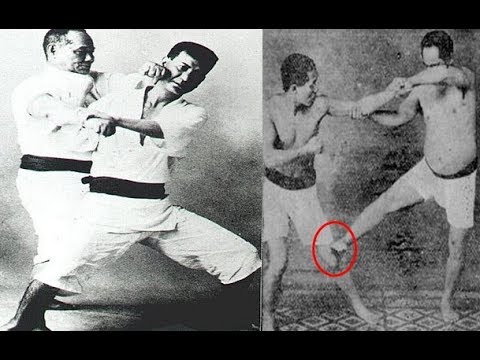
Motobu Ryu Karate Jutsu: The Uncompromising Warrior's Path

Is the pursuit of martial arts merely about graceful movements and disciplined forms? Or is it about the raw, unyielding capacity to survive, to defend, to prevail when faced with genuine adversity? For many, the pristine beauty of Karate katas is the apex of their practice. But what about those who believe the true essence of Budo lies in the unforgiving crucible of real combat? Today, we confront a style that unapologetically prioritizes the latter: Motobu Ryu Karate Jutsu.

Introduction: Beyond the Kata

Karate, a discipline now recognized and respected across the globe, boasts a rich tapestry of styles. Yet, within this vast lineage, Motobu Ryu Karate Jutsu stands apart. Hailing from the historical heartland of Okinawa, Japan, this style is not for the faint of heart or the purely aesthetic practitioner. It is a path forged in practicality, a testament to the warrior spirit that prioritizes effectiveness above all else. We will dissect its history, its brutal efficacy, and its underlying philosophy, examining how it has carved its niche and influenced the broader landscape of martial arts.

The Genesis of a Warrior: Choki Motobu's Legacy

The architect of this formidable system was Choki Motobu (1870-1944). Born into a prominent Okinawan family with deep martial roots, Motobu was exposed from a young age to not just Karate, but also Judo and Kendo. However, it was his innate prowess and perhaps a rebellious spirit that led him to forge his own path. Dismissive of what he perceived as overly stylized or impractical techniques in some contemporary Karate forms, Motobu developed his distinct approach, christening it Motobu Ryu Karate Jutsu.

What truly set Motobu Ryu apart was its radical departure from an over-reliance on pre-arranged forms (katas). Motobu’s doctrine was brutally simple: the martial art’s ultimate purpose is to ensure survival and dominance in genuine, life-threatening confrontations. His style was honed for the gritty reality of street fights, not for polite demonstration. This unwavering focus on pragmatism is the bedrock upon which Motobu Ryu was built.

"The highest Karate is not in the forms (kata), but in the actual fighting." - Choki Motobu

Striking with Purpose: The Core of Motobu Ryu

The technical arsenal of Motobu Ryu Karate Jutsu is as direct as its philosophy. It thrives on close-range combat, emphasizing explosive, powerful strikes designed for maximum impact. Forget elaborate, sweeping kicks; here, the focus is on the immediate and the decisive.

  • Punches: Varied and potent, delivered with bone-jarring force.
  • Kicks: Primarily low kicks and powerful knee strikes, designed to incapacitate quickly.
  • Elbow Strikes: Brutally effective in confined spaces, a hallmark of close-quarters combat.

One of the most distinctive and devastating techniques within Motobu Ryu is the "Ippon Ken", or one-knuckle punch. This specialized strike targets vulnerable points with pinpoint accuracy, capable of inflicting significant damage. It’s a testament to Motobu’s belief in exploiting weaknesses with overwhelming force.

But Motobu Ryu is not solely about striking. Recognizing that a true warrior must be adaptable, Choki Motobu judiciously incorporated elements of throws, joint locks, and grappling. This holistic approach ensured his students were not merely strikers, but well-rounded combatants, capable of handling a multitude of scenarios. It's this integration that elevates Motobu Ryu beyond a simple striking art.

Goshin Jutsu: The Art of Survival

At its philosophical core, Motobu Ryu is defined by "Goshin Jutsu" – the art of self-defense techniques. This principle is not a mere suggestion; it is the absolute directive. Motobu instilled in his students that the primary function of martial arts training is to cultivate the skills necessary for survival in dire circumstances. The abstract beauty of a kata pales in comparison to the concrete reality of neutralizing a threat.

Beyond the physical, Motobu Ryu Karate Jutsu is a profound path of self-development. It demands the cultivation of mental fortitude and spiritual discipline. This is not just about learning to fight; it’s about becoming a better human being through the rigors of intense training. Choki Motobu viewed the martial journey as a lifelong endeavor of self-improvement, urging his disciples to hone their minds and spirits with the same dedication they applied to their physical conditioning.

"Mastery of the art of fighting means mastery of oneself. Without self-mastery, no true victory is possible." - A principle echoing in the halls of Motobu Ryu.

A Ripple Through Combat: Motobu Ryu's Enduring Impact

The legacy of Motobu Ryu Karate Jutsu extends far beyond its Okinawan origins. Many of Choki Motobu's students rose to become influential martial arts masters themselves, carrying the torch of his practical approach across the globe. The style’s unwavering emphasis on effective techniques and real-world self-defense has resonated deeply, influencing even seemingly disparate disciplines like Krav Maga and Brazilian Jiu-Jitsu. The pragmatic, no-nonsense approach to combat became a blueprint for survival-oriented systems.

Furthermore, the powerful, direct striking methods of Motobu Ryu have been observed and assimilated into the repertoires of various other martial arts and combat sports, including the dynamic arts of Muay Thai and Kickboxing. The influence is undeniable: a testament to the universal language of effective fighting.

Essential Training for the Motobu Practitioner

To truly embrace the spirit of Motobu Ryu, training must mirror its core tenets. While traditional Karate training often involves extensive kata practice, a Motobu Ryu practitioner should focus on drills that simulate real combat scenarios. This means:

  • Conditioning: Building the raw physical power and resilience necessary for sustained, intense exchanges. This includes strength training, cardiovascular endurance, and impact conditioning.
  • Striking Drills: Repetitive practice of punches, kicks, elbows, and knees, focusing on speed, power, and accuracy. Emphasis should be placed on close-range combinations.
  • Sparring (Kumite): Full-contact sparring, conducted with appropriate safety gear, is crucial. This is where theory meets reality, allowing practitioners to test techniques under pressure. Motobu Ryu sparring often eschews point-based systems for a more decisive outcome.
  • Close-Quarters Techniques: Specific drills focusing on clinching, throws, and joint manipulation. Understanding how to control an opponent in grappling exchanges is vital.
  • Application Focus: Constantly asking "How does this apply in a real fight?" This mindset shifts training from rote memorization to dynamic problem-solving.

Consider the benefits of dedicated impact training equipment. A well-maintained makiwara can develop powerful, bone-strengthening strikes, while a sturdy punching bag is essential for practicing combinations and power generation. For those serious about grappling aspects, a good quality BJJ gi or wrestling singlet can be invaluable for practicing throws and control techniques.

Sensei's Verdict: Is Motobu Ryu True Budo?

From my perspective, the fire that burned within Choki Motobu was undeniably the fire of Budo. He stripped away the non-essentials and focused on the heart of combat: survival and efficacy. Does Motobu Ryu Karate Jutsu prioritize flash over substance? Absolutely not. It demands dedication, courage, and a willingness to confront uncomfortable truths about conflict. It’s a style that embodies the warrior spirit, forging resilience not just in the body, but in the very soul. While some may find its directness unpalatable compared to more ritualistic arts, its dedication to practical application makes it a potent and historically significant branch of the martial tree.

Rating: A Resounding "Cinturón Negro en Realismo Combativo" (Black Belt in Combat Realism).

Frequently Asked Questions

What is the main difference between Motobu Ryu and other Karate styles?
Motobu Ryu places a significantly greater emphasis on practical, real-world combat effectiveness and less on traditional forms (katas) for their own sake. It's designed for survival, not demonstration.
Is Motobu Ryu Karate Jutsu suitable for self-defense?
Absolutely. Its entire foundation is built upon the principles of "Goshin Jutsu" – effective self-defense techniques applicable in street situations.
What is the "Ippon Ken"?
The "Ippon Ken" is a specialized one-knuckle punch technique within Motobu Ryu, known for its power and ability to target vulnerable points with precision.
Can beginners train in Motobu Ryu?
While the style is demanding, dedicated beginners can certainly learn. However, they must possess a strong mindset for practical application and be prepared for intense physical and mental training.

To Dive Deeper into Your Path

Sensei's Reflection: Your Next Step

Choki Motobu challenged the status quo, prioritizing brutal efficacy. He understood that the ultimate test of a martial art is not in its beauty, but in its ability to protect life. Now, I ask you: In your own training, are you preparing for the beautiful dance of the dojo, or the brutal reality of the street? Where does your true focus lie, and are you willing to shed the comfortable and embrace the uncompromising?

``` ```json { "@context": "https://schema.org", "@type": "FAQPage", "mainEntity": [ { "@type": "Question", "name": "What is the main difference between Motobu Ryu and other Karate styles?", "acceptedAnswer": { "@type": "Answer", "text": "Motobu Ryu places a significantly greater emphasis on practical, real-world combat effectiveness and less on traditional forms (katas) for their own sake. It's designed for survival, not demonstration." } }, { "@type": "Question", "name": "Is Motobu Ryu Karate Jutsu suitable for self-defense?", "acceptedAnswer": { "@type": "Answer", "text": "Absolutely. Its entire foundation is built upon the principles of \"Goshin Jutsu\" – effective self-defense techniques applicable in street situations." } }, { "@type": "Question", "name": "What is the \"Ippon Ken\"?", "acceptedAnswer": { "@type": "Answer", "text": "The \"Ippon Ken\" is a specialized one-knuckle punch technique within Motobu Ryu, known for its power and ability to target vulnerable points with precision." } }, { "@type": "Question", "name": "Can beginners train in Motobu Ryu?", "acceptedAnswer": { "@type": "Answer", "text": "While the style is demanding, dedicated beginners can certainly learn. However, they must possess a strong mindset for practical application and be prepared for intense physical and mental training." } } ] }

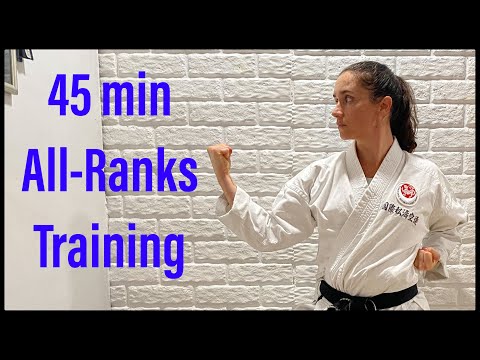
Unleash Your Inner Warrior: The BYAM 45-Minute Karate Workout for All Ranks

Welcome, warriors, to the hallowed grounds of BYAM, where the spirit of BUDO and artes marciales is not just discussed, but forged. Forget your fleeting fitness trends; today, we delve into a training regimen that harks back to the essence of martial discipline. Are you truly prepared to test your mettle? Our signature "Karate Workout: 45-Minute All Ranks Class" is not merely a session; it's a crucible designed to temper your body and sharpen your mind. Whether you're a fresh-faced beginner stepping onto the dojo floor for the first time, or a seasoned practitioner seeking to refine your edge, this workout promises to sculpt strength, hone agility, and build a resilience that transcends the mat. Prepare yourselves, for we are about to unlock the secrets of a training method that demands every ounce of your commitment.

The Forge of Readiness: Dynamic Warm-up

Before the true engagement, every warrior must prepare. Our session ignites with a dynamic warm-up, a calculated sequence designed not just to elevate your heart rate, but to awaken every fiber of your being. We begin with light, rhythmic movements – the gentle hum of a generator before the storm. This transitions seamlessly into a series of targeted stretches, focusing on the pillars of power: the legs, hips, and back. But this is no mere calisthenics. We weave in fundamental Karate techniques – the decisive tsuki (punch), the piercing geri (kick), and the resolute uke (block). Each motion is a whisper of the combat to come, a priming of the mind and body for the trials ahead. This isn't just about physical readiness; it's about entering the mental zone.

Heart of the Battle: Cardio & Strength Fusion

With the forge of readiness stoked, we plunge into the heart of the workout: a potent blend of cardiovascular exertion and muscular conditioning. This is where raw power meets enduring stamina. We employ a diverse arsenal of exercises, each selected to assault different muscle groups while maintaining an elevated heart rate. Imagine the explosive power of jumping jacks, the all-encompassing challenge of burpees, the foundation-building strength of lunges, the primal force of squats, and the unyielding resolve of push-ups.

But we are martial artists, not mere athletes. We infuse these fundamental movements with the spirit of combat. Engage in furious shadowboxing, envisioning your opponent, channeling your ki. Execute rigorous kicking drills, each strike a testament to your power and precision. This isn't just about burning calories; it's about cultivating the explosive power and relentless spirit required in any fight.

"The true warrior is not one who fears the fight, but one who understands its necessity and prepares with unwavering dedication."

The Calm After the Storm: Cool-down & Stretching

Victory, or even a hard-fought session, demands respect for recovery. The brutal intensity must yield to deliberate calm. Our cool-down is not an afterthought; it is a crucial phase of restoration, designed to mitigate injury and accelerate muscle repair. We transition to gentle, restorative exercises, focusing once again on the critical posterior chain – legs, hips, and back. This period also incorporates mindful breathing techniques, drawing inspiration from the Zen principles of meditation. Breathe deeply, release tension, and allow your mind to return from the battlefield of exertion to a state of focused tranquility. This is where true mastery begins – understanding the balance between exertion and recovery.

The Sensei's Edge: What Sets This Workout Apart

In a world saturated with generic fitness routines, the BYAM 45-Minute Karate Workout stands as a beacon of authentic martial training. What differentiates it? It is built on the foundational principle of inclusivity. Regardless of whether you hold a white belt or a black belt, this workout respects your journey. Beginners will discover a challenging yet achievable path, while seasoned practitioners will find ample opportunity for refinement and pushing their limits.

Furthermore, our focus transcends mere physical conditioning. We cultivate holistic fitness. You will emerge not just stronger, faster, and more enduring, but with a heightened sense of overall well-being. This is the power of integrating BJJ, Judo, Aikido, and Taekwondo principles into your regimen.

Crucially, we imbue this workout with the profound philosophy of Budo. Martial arts, in their purest form, are not solely about combat; they are about sculpting character. Discipline, unwavering focus, and profound respect – for oneself, for the art, and for fellow practitioners – are the cornerstones of this discipline. This workout is your path to not only superior physical condition but to becoming a more refined, resilient, and principled individual.

Training Guide: Executing the BYAM 45-Minute Karate Workout

To truly internalize this discipline, one must practice with precision. Follow these steps rigorously:

  1. Dynamic Warm-up (10 minutes):
    • Light Jogging/Skipping: 3 minutes
    • Leg/Hip/Back Dynamic Stretches (e.g., leg swings, hip circles, torso twists): 3 minutes
    • Basic Karate Punches (Tsuki), Blocks (Uke), and Stances (Dachi) practice: 4 minutes
  2. Cardio & Strength Circuit (25 minutes):

    Perform each exercise for 45 seconds, followed by 15 seconds of rest. Complete 4 rounds.

    • Jumping Jacks
    • Burpees
    • Forward Lunges (alternating legs)
    • Squats
    • Push-ups (modify on knees if needed)
    • Shadowboxing with fluid combinations
    • High Kicks (alternating legs, focus on form and power)
  3. Cool-down & Stretching (10 minutes):
    • Gentle static stretching focusing on major muscle groups (hold each stretch for 30 seconds): Hamstrings, quadriceps, hip flexors, glutes, back, shoulders.
    • Deep Diaphragmatic Breathing exercises: Practice slow, controlled inhales and exhales to calm the nervous system.

Essential Gear for Your Training

While this workout emphasizes minimal equipment, certain items can enhance your experience and support your progress. For the dedicated martial artist, investing in quality gear is a testament to your commitment.

  • Comfortable Training Attire: Opt for breathable fabrics that allow for a full range of motion. For Karate, a traditional Karate gi is ideal, but for general fitness, athletic shorts and a t-shirt suffice.
  • Training Mat: A good quality workout mat provides cushioning for ground exercises and stretches, protecting your joints.
  • Water Bottle: Hydration is paramount. Keep a reusable water bottle handy to replenish fluids throughout your session.
  • Optional: Training Gloves: For shadowboxing and kicking drills, light training gloves can offer a bit of protection and help build hand conditioning.

Frequently Asked Questions

Q1: I'm a complete beginner. Can I really do this workout?
Absolutely. The workout is structured to be scalable. Modify exercises as needed (e.g., knee push-ups, fewer repetitions) and focus on proper form over speed. The goal is consistent progress, not immediate perfection.

Q2: How often should I perform this workout?
For optimal results and recovery, aim to perform this workout 2-3 times per week, allowing at least one day of rest or lighter activity in between sessions.

Q3: Does this workout replace actual Karate training?
This workout is designed as a supplementary training tool to enhance your physical conditioning, agility, and stamina. It is not a substitute for instruction under a qualified Martial Arts Master who teaches technique, strategy, and the deeper philosophical aspects of Karate.

Q4: What if I don't have 45 minutes? Can I shorten it?
Yes, you can adapt. Focus on completing at least one full round of the Cardio & Strength Circuit and a brief cool-down. Prioritize consistency over duration. Even 20-30 minutes of focused training is immensely beneficial.

Deepen Your Path

The journey of martial arts is one of continuous learning and refinement. To further enrich your understanding and practice, explore these related topics:

"The way of the warrior is to train and prepare, not for one battle, but for all battles." - Miyamoto Musashi

Reflexión del Sensei: Tu Próximo Paso

This 45-minute Karate workout is a microcosm of the martial journey: demanding, rewarding, and transformative. It challenges your physical limits while demanding mental fortitude. But the true test lies not in completing the workout itself, but in how you integrate its lessons into your life. Does the discipline you cultivate on the mat carry over into your daily endeavors? Does the resilience you build when pushing through fatigue empower you to face life’s unexpected challenges? Or is this merely another session to be checked off a list?

Consider this: If a 45-minute workout requires such focused effort and discipline, what level of commitment do the grander battles of life demand? Where will you find your reserves of strength and perseverance when the real stakes are on the line? The answer lies not in a gym, but within you. Now, prove it.

```json { "@context": "https://schema.org", "@type": "FAQPage", "mainEntity": [ { "@type": "Question", "name": "I'm a complete beginner. Can I really do this workout?", "acceptedAnswer": { "@type": "Answer", "text": "Absolutely. The workout is structured to be scalable. Modify exercises as needed (e.g., knee push-ups, fewer repetitions) and focus on proper form over speed. The goal is consistent progress, not immediate perfection." } }, { "@type": "Question", "name": "How often should I perform this workout?", "acceptedAnswer": { "@type": "Answer", "text": "For optimal results and recovery, aim to perform this workout 2-3 times per week, allowing at least one day of rest or lighter activity in between sessions." } }, { "@type": "Question", "name": "Does this workout replace actual Karate training?", "acceptedAnswer": { "@type": "Answer", "text": "This workout is designed as a supplementary training tool to enhance your physical conditioning, agility, and stamina. It is not a substitute for instruction under a qualified Martial Arts Master who teaches technique, strategy, and the deeper philosophical aspects of Karate." } }, { "@type": "Question", "name": "What if I don't have 45 minutes? Can I shorten it?", "acceptedAnswer": { "@type": "Answer", "text": "Yes, you can adapt. Focus on completing at least one full round of the Cardio & Strength Circuit and a brief cool-down. Prioritize consistency over duration. Even 20-30 minutes of focused training is immensely beneficial." } } ] }