Showing posts sorted by date for query Wu Tang Collection. Sort by relevance Show all posts

Wu Tang Collection - 18 Fatal Strikes: A Cinematic Martial Arts Examination

Este análisis de "Wu Tang Collection - 18 Fatal Strikes" va más allá de una simple reseña. Nos sumergimos en el corazón de las artes marciales y su representación en el cine, examinando si esta obra logra capturar la esencia del Budo o se queda en un mero espectáculo de golpes. ¿Cumplen las técnicas enseñadas por el monje la promesa de las "18 Estilos de Palma de Buda", o es solo un pretexto para la violencia cinematográfica?

Intención del Budoka: ¿Autenticidad Marcial o Entretenimiento?

La pregunta fundamental que un practicante de artes marciales se hará al ver esta película es: ¿qué puedo aprender de ella? ¿Hay una base de técnicas reales o es una fantasía desenfrenada? Nuestra intención aquí es desgranar la representación de las artes marciales, la filosofía implícita en el enfrentamiento entre el bien y el mal, y el valor de este tipo de cine para la comunidad marcial.

La Trama: El Monje Herido y el Legado de los 18 Golpes

La premisa es clásica dentro del cine de artes marciales: un maestro venerable, en este caso un Abad Monje, es herido y encuentra refugio en el hogar de dos jóvenes. Estos jóvenes, interpretados por Tung Wei y Dean Shek, se ven arrastrados a un conflicto mortal al convertirse en el blanco del temido Ejército Ching, liderado por el villano Wong Wu Ti (interpretado por Shi Chung Tien). El monje, en su lecho de recuperación, decide transmitir sus conocimientos, los legendarios "18 Estilos de Palma de Buda" (十八羅漢手), a sus salvadores. La esperanza es que estos jóvenes puedan usar estas técnicas para defenderse y vengar los agravios infligidos por el tiránico líder.

Análisis Marcial: ¿Son Reales los 18 Estilos de Palma de Buda?

Aquí es donde el crítico marcial debe ser implacable. Los "18 Estilos de Palma de Buda" son una referencia recurrente en el cine de kung fu, a menudo asociados con los monasterios Shaolin. Si bien la historia se basa en elementos de la tradición, es crucial entender que estas representaciones cinematográficas raramente son una transcripción literal de técnicas de combate. El cine de artes marciales, especialmente de la era clásica, utilizaba estas leyendas para dar un peso místico y heroico a las coreografías.

En la práctica, los 18 estilos probablemente se refieren a un conjunto de movimientos y principios fundamentales. Podrían incluir:

  • Técnicas de golpeo con la palma (Buda Palm).
  • Bloqueos firmes y penetrantes.
  • Movimientos circulares y evasivos.
  • Principios de fuerza interna (Neijin) y enfoque mental.
  • Estrategias para contrarrestar ataques comunes.

Sin embargo, la coreografía de películas como esta, con direcciones de Yang Shi-qing, a menudo prioriza el espectáculo sobre la aplicabilidad directa. Veremos si las secuencias de lucha muestran una comprensión de la distancia, el timing, la gestión del desequilibrio y la aplicación de fuerza de una manera que resuene con los principios del Budo o el Kung Fu auténtico. Es probable que veamos golpes estilizados, saltos imposibles y una resistencia sobrehumana a los impactos, elementos que, si bien son entretenidos, se alejan del realismo de un combate de lucha o pelea.

"La fuerza de un guerrero no reside solo en sus puños, sino en la claridad de su mente y la rectitud de su corazón." - Principio del Budo.

La Representación de los Villanos: El Rol de Wong Wu Ti

Wong Wu Ti, interpretado por Shi Chung Tien (a menudo visto en papeles de villano en películas de Shaw Brothers), es el arquetipo del antagonista malvado y poderoso. Su rol es encarnar la tiranía y la opresión contra las que los héroes deben luchar. En el contexto de las artes marciales chinas, a menudo vemos un conflicto entre los métodos "demoníacos" o "malvados" y los métodos "ortodoxos" o "budistas". El Ejército Ching y su líder representan esa fuerza corrupta.

El desafío para los protagonistas no es solo superar en habilidad a los secuaces de Wong Wu Ti, sino también resistir la tentación de usar la violencia de manera indiscriminada. La verdadera prueba del Budo es mantener la integridad incluso en medio de la batalla.

Coreografía y Dirección de Combate: El Sello de Yang Shi-qing

Yang Shi-qing fue un director prolífico en el género de artes marciales. Su trabajo, junto con la interpretación de actores como Tung Wei (quien a menudo realizaba sus propias acrobacias y coreografías), tiende a ser enérgico y visualmente atractivo. Esperamos ver una dinámica de combate que refleje el estilo de la época, con movimientos rápidos, secuencias de ataque y defensa bien coordinadas y, posiblemente, algunos elementos de acrobacia.

Al analizar la coreografía, buscaremos:

  • Claridad en los movimientos: ¿Se pueden seguir las acciones de los combatientes?
  • Uso del espacio: ¿Los luchadores se mueven de manera fluida dentro del escenario?
  • Impacto y realismo: ¿Los golpes parecen tener peso? ¿Las reacciones de los oponentes son creíbles?
  • Creatividad: ¿Hay técnicas o combinaciones interesantes que destaquen?

Aunque la película se titule "18 Fatal Strikes", la realidad es que el cine de artes marciales rara vez muestra el impacto letal y las consecuencias brutales de un combate real. La "fatalidad" suele ser una hipérbole para añadir dramatismo.

Veredicto del Sensei: ¿Merece la pena?

"Wu Tang Collection - 18 Fatal Strikes" es un producto de su tiempo, un ejemplo del cine de kung fu que deleitaba a las audiencias con acción y un sentido de justicia marcial. No esperes un documental sobre técnicas de defensa personal o una profunda exploración filosófica del Budo. Su valor reside en su capacidad para entretener, para contar una historia de superación y para presentar emocionantes secuencias de combate.

Si eres un fanático del cine de artes marciales de las décadas pasadas, encontrarás elementos que disfrutar. Si buscas una instrucción detallada en técnicas de combate, es mejor recurrir a otros recursos. La película es un recordatorio de cómo el cine popularizó y, a veces, idealizó las artes marciales, creando leyendas que inspiran a muchos a dar sus primeros pasos en el dojo.

Calificación del Sensei: Cinturón Negro en Entretenimiento Clásico.

Equipo Esencial para tu Entrenamiento

Si la visión de este tipo de películas te inspira a entrenar, es fundamental contar con el equipo adecuado. La seguridad y la eficacia de tu entrenamiento dependen de ello.

  • Kimono de entrenamiento: Para estilos como el Judo o el Jiu Jitsu Brasileño (BJJ), un kimono resistente (doble tejido para Judo, de algodón pesado para BJJ) es esencial. Busca marcas reconocidas que ofrezcan durabilidad y un buen ajuste.
  • Guantes de sparring: Si practicas disciplinas con golpeo como Kickboxing, Muay Thai o MMA, unos guantes de 16oz son estándar para el sparring. Aseguran una buena protección para ti y tu compañero.
  • Protector bucal: Indispensable en cualquier forma de combate que implique contacto.
  • Esterillas de entrenamiento (Tatami/Mats): Para prácticas de suelo o caídas, unas buenas esterillas son cruciales para prevenir lesiones.
  • Espinilleras y protectores de empeine: Esenciales para el entrenamiento de patadas en disciplinas como Taekwondo o Karate.

Para aquellos interesados en la fuerza y la resistencia, el equipo de calistenia o pesas libres puede complementar un buen entrenamiento en casa o en el gimnasio.

Guía de Entrenamiento: Principios de la Palma de Buda (Adaptados)

Aunque los 18 estilos específicos de Buda de la película son ficticios, podemos extraer principios aplicables al entrenamiento de golpeo de palma y fuerza interna.

  1. Postura Fundamental (Zhan Zhuang): Comienza cada sesión de entrenamiento con posturas estáticas como el Ma Bu (postura de caballo) o el Gong Bu (postura de arco y flecha). Mantén la columna erguida, los hombros relajados y la mente enfocada. Esto desarrolla la fuerza de las piernas y el equilibrio.
  2. Movimiento de la Palma de Buda (Simulado):
    • Fase 1: Generación de Fuerza: Practica el movimiento de la palma desde la cadera y el centro del cuerpo (Dantian). Imagina que canalizas energía desde tus pies, a través de tus piernas y torso, hasta la palma. El movimiento debe ser fluido, no solo de brazo.
    • Fase 2: El Golpe de Palma: Ejecuta el golpe de palma con la parte frontal o lateral de la palma. El objetivo es golpear con la máxima potencia concentrada en un punto. Visualiza la energía "rompiendo" el objetivo.
    • Fase 3: Retracción y Enfoque: Retrae la mano de forma controlada, manteniendo la conexión con tu centro. Mantén el enfoque mental incluso después del golpe.
  3. Entrenamiento de Resistencia y Golpes: Complementa con ejercicios de resistencia y fuerza. Puedes usar un saco de boxeo pesado o un makiwara (si tienes experiencia y el equipo adecuado) para practicar la potencia y la resistencia de tus golpes de palma. Recuerda, la técnica correcta es primordial para evitar lesiones.
  4. Desarrollo de la Fuerza Interna (Neijin): Dedica tiempo a ejercicios de meditación y respiración profunda. El objetivo es sentir la conexión entre la mente y el cuerpo, y aprender a dirigir la energía de manera consciente. Esto es clave para que los "golpes de palma" tengan un impacto real, más allá de la fuerza física bruta.

Preguntas Frecuentes

¿Es la "Colección Wu Tang - 18 Fatal Strikes" una película históricamente precisa sobre las artes marciales chinas?

No, la película se basa en leyendas y tropos del cine de kung fu. Si bien puede inspirarse en elementos de la historia de los monasterios Shaolin, la representación de las técnicas y los eventos está dramatizada para el entretenimiento.

¿Qué son los "18 Estilos de Palma de Buda"?

Es un término comúnmente utilizado en el cine de artes marciales, a menudo asociado con el templo Shaolin. Representa un conjunto de técnicas de golpeo con la palma y principios filosóficos asociados, más que un sistema de combate codificado de manera rígida en la vida real.

¿Qué tipo de arte marcial se practica en esta película?

La película se enmarca dentro del género del cine de kung fu, que suele ser una amalgama estilizada de varias artes marciales chinas, con énfasis en el espectáculo y la acción rápida.

¿Puedo aprender técnicas de defensa real viendo esta película?

Si bien la película puede inspirar a alguien a entrenar, no debe considerarse una guía de defensa personal práctica. Las técnicas mostradas están altamente estilizadas y no reflejan la complejidad de una situación de combate real.

Para Profundizar en tu Camino

Reflexión del Sensei: Tu Próximo Paso

Esta película, como tantas otras, nos presenta héroes que superan adversidades imposibles mediante la maestría de un arte. Pero, ¿es la fuerza física lo único que define a un guerrero? ¿O reside la verdadera fortaleza en la disciplina, la perseverancia y el código moral que uno elige seguir, incluso cuando nadie está mirando? Considera esto: cuando te enfrentes a tu propio "Wong Wu Ti" —ya sea una dificultad en tu entrenamiento, un desafío en tu vida personal o un momento de duda—, ¿a qué fuente recurrirás para encontrar tu fuerza? ¿A la furia ciega o a la claridad del Budo?

``` GEMINI_METADESC: Análisis crítico de 'Wu Tang Collection - 18 Fatal Strikes'. Examinamos la autenticidad de sus artes marciales, la filosofía del Budo y la coreografía de Yang Shi-qing.
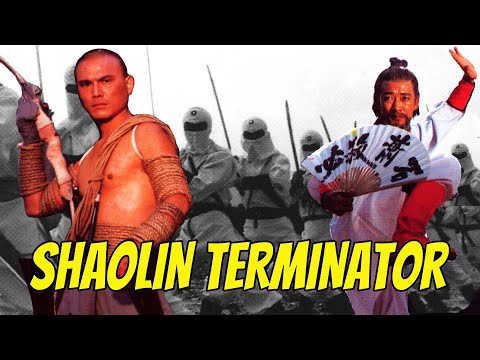
Wu Tang Collection - Shaolin Terminator: A Budo & AM Cinematic Critique

The world of martial arts cinema is a vast and often bewildering landscape, a terrain where genuine skill clashes with theatrical flourish, and where the spirit of Budo can either be honored or brutally misrepresented. Today, we turn our critical eye to a film that promises a potent blend of Shaolin prowess and relentless action: Wu Tang Collection - Shaolin Terminator. Directed by Charles Lee and starring the formidable Elton Chong, this film plunges us into a narrative of oppression and resistance, where the iconic Shaolin tradition confronts the shadowy threat of ninjas and avaricious lords. But does this cinematic offering truly embody the principles it purports to showcase, or is it merely another fleeting spectacle in the annals of exploitation cinema?

Introduction: The Shaolin Legacy and Cinematic Illusion

The mention of "Shaolin" immediately conjures images of disciplined monks, unparalleled martial arts mastery, and a philosophy deeply rooted in spiritual development. For centuries, the Shaolin Temple has been the cradle of some of the most influential combat systems in the world. When a film claims to be part of the "Wu Tang Collection" and features a "Shaolin Terminator," the expectations are naturally high. We anticipate not just a display of kicks and punches, but a narrative that respects the dedication, sacrifice, and philosophical underpinnings of these ancient arts. As practitioners, we are driven by a desire to see these principles accurately portrayed, to find lessons in cinematic struggles that can inform our own journey on the BUDO path. However, the martial arts film genre, especially from certain eras and regions, often prioritizes spectacle over substance. This raises a crucial question: does Shaolin Terminator deliver on its promise, or does it fall prey to the common pitfalls of cheap thrills and superficial combat?

The Narrative's Struggle: Oppression and Shaolin's Response

The premise of Shaolin Terminator presents a classic conflict: the righteous struggle against tyranny. Elton Chong, as "The Shaolin Kid," finds himself defending an orphan girl and indentured slaves from the clutches of the villainous Lord Kong, portrayed by Eagle Han Ying. Kong, along with his "posse of renegade Ninjas," is depicted as a ruthless exploiter, forcing laborers to toil in his gold mines. This setup immediately positions the film within a tradition of heroic narratives where martial arts are employed not for sport or personal gain, but as a tool for justice and liberation. The inclusion of ninjas adds an exotic, albeit often stereotyped, element of covert warfare and assassination techniques. From a narrative standpoint, the film aims to tap into universal themes of good versus evil, freedom versus oppression, and the inherent responsibility of those with martial skill to protect the vulnerable. This is a narrative thread that resonates deeply within the martial ethos, where the ultimate purpose of training is not violence, but the preservation of peace and righteousness. The question remains, however, how effectively are these themes woven into the fabric of the film, and how do the action sequences serve or detract from the story's intended message?

Cinematic Combat Analysis: Coreography and Authenticity

When analyzing any martial arts film, the choreography of the fight sequences is paramount. For those of us who dedicate years to honing our bodies and minds in disciplines like Karate, Judo, or MMA, the authenticity and effectiveness of on-screen combat are scrutinized with a keen eye. Shaolin Terminator features Elton Chong, a performer known for his physicality. The presence of "renegade Ninjas" suggests a blend of acrobatic movements, stealth tactics, and potentially distinct weapon styles, contrasting with the more grounded Shaolin techniques. We must ask: are the movements fluid and believable, or do they devolve into exaggerated flailing? Is there evidence of genuine martial arts principles at play, such as proper footwork, balance, and the application of force? Or are we subjected to repetitive, uninspired sequences that prioritize speed and flashy edits over skill? A truly great martial arts film showcases techniques that, while perhaps heightened for dramatic effect, still retain a core of practical application. We look for the rhythm of the fight, the strategy between combatants, and the physiological impact of each blow. Does Chong's portrayal of "The Shaolin Kid" demonstrate this nuanced approach, or does it lean towards the more simplistic hero archetype?

"The true warrior is not one who conquers others, but one who conquers himself. This film must show not just the conquest of enemies, but the inner discipline that fuels it."

The effectiveness of the antagonists is also crucial. Lord Kong and his ninjas must present a credible threat. Are their fighting styles distinct and challenging? Do their actions reflect the ruthless nature ascribed to them? The clash between different martial disciplines can be a source of great cinematic interest, but it requires careful staging to ensure that the resulting combat is engaging and plausible within the film's established reality. A common failing in lesser films is the lack of consequence for the actions of the characters; punches and kicks that should incapacitate are often shrugged off. We will examine whether Shaolin Terminator avoids this pitfall.

The Spirit of Budo: Beyond the Fist

Beyond the physical confrontation, the true essence of martial arts cinema lies in its ability to convey the philosophical underpinnings of the disciplines it represents. The term "Budo" itself signifies "the way of the warrior," encompassing not just combat techniques but also moral and spiritual development. The Shaolin tradition, in particular, is intertwined with Buddhist principles of compassion, mindfulness, and self-control. Does Shaolin Terminator explore these deeper aspects? Is "The Shaolin Kid" driven by a thirst for revenge, or by a genuine desire to uphold justice and alleviate suffering? The film's depiction of Lord Kong's avarice and cruelty provides a stark contrast to the supposed ideals of the Shaolin. This contrast, if explored effectively, can serve as a powerful vehicle for communicating the importance of character, integrity, and the ethical application of power. A film that merely showcases a series of fights without touching upon the internal struggle of its protagonist, or the moral implications of violence, misses a critical opportunity to elevate itself beyond mere entertainment.

We must consider if the film presents moments of introspection, of training that goes beyond physical conditioning, and of characters grappling with difficult moral choices. The path of the warrior is arduous, demanding not only strength of body but also unwavering strength of spirit. Does Elton Chong's character embody this duality? Or is he simply a skilled fighter who dispenses justice through brute force? The distinction is vital for those who seek genuine insight into the martial way.

Sensei's Verdict: A Fight Worth Watching?

Wu Tang Collection - Shaolin Terminator, at its core, attempts to deliver a classic martial arts narrative: the virtuous hero confronting a powerful, corrupt force. Elton Chong takes on the mantle of "The Shaolin Kid," tasked with liberating the oppressed from the clutches of Lord Kong and his ninja assassins. While the plot offers a familiar framework for action, the execution of its martial arts sequences and the depth of its philosophical exploration are crucial to its success as more than just a disposable genre flick. We have analyzed the potential for authentic choreography, the thematic resonance of the struggle against tyranny, and the vital, yet often overlooked, spirit of Budo that should permeate such a narrative.

Ultimately, Shaolin Terminator serves as a competent, if not groundbreaking, entry in the martial arts cinema canon. The fight choreography, while perhaps not reaching the sublime heights of some legendary productions, is generally well-executed and energetic, with Elton Chong showcasing his physical capabilities effectively. The clash between Shaolin styles and ninja tactics provides moments of visual interest. The narrative, though straightforward, effectively conveys the archetypal struggle between good and evil. However, the film's exploration of the deeper philosophical tenets of Budo remains somewhat superficial, prioritizing action over profound introspection. It is a film that entertains with its combat, but offers limited spiritual or ethical guidance.

Does it uphold the Shaolin legacy? To a degree. It showcases the skill and the fight for justice.
Does it embody the true spirit of Budo? Only in glimpses. The emphasis is on the external conflict rather than the internal journey.

For fans of classic kung fu films and energetic fight scenes, Shaolin Terminator offers a satisfying dose of action. It’s a film that understands the primal appeal of the hero defending the weak, executed with a decent level of technical proficiency. It may not redefine the genre, but it certainly provides an engaging spectacle.

Rating: 3 out of 5 Belts (A Solid **Black Belt in Choreography**, but falls short on the philosophical depth required for a Grandmaster title).

Training Essentials for the Aspiring Shaolin Warrior

To embody the spirit of "The Shaolin Kid" and truly understand the dedication required, one must engage in rigorous training. While Shaolin Terminator focuses on the external conflict, the foundation lies in internal discipline and physical conditioning. Here are some essential elements:

  • Stance Training (Dachi): Mastering fundamental stances like the Kiba-dachi (horse stance) and Zenkutsu-dachi (front stance) builds leg strength, stability, and endurance.
  • Striking Drills: Practicing punches (Tsuki) and kicks (Geri) against a training partner or equipment like a makiwara develops power, accuracy, and timing.
  • Forms Practice (Kata): Learning and refining kata, such as those derived from Shaolin traditions, enhances memory, coordination, body mechanics, and the understanding of combat applications.
  • Flexibility and Conditioning: Shaolin practitioners are known for their incredible flexibility and stamina. Regular stretching, agility drills, and cardiovascular training are crucial.
  • Mindfulness and Meditation: The spiritual aspect is paramount. Daily meditation, like Zazen, cultivates focus, emotional control, and the awareness of one's surroundings and inner state.

Resources for Deeper Understanding

To truly appreciate the martial arts depicted and the philosophy behind them, delving into authentic resources is essential. While Shaolin Terminator provides entertainment, these materials offer profound insight:

  • Books on Shaolin Kung Fu: Seek out texts that detail the history, philosophy, and techniques of Shaolin martial arts.
  • Biographies of Martial Arts Masters: Learning about figures like Bodhidharma or modern masters provides context for the dedication and evolution of these arts.
  • Documentaries on Martial Arts History: Visual explorations of the origins and development of various styles can be incredibly informative.
  • Official Federation Websites: Reputable martial arts federations often provide historical context and technical information.

Frequently Asked Questions

What is the "Wu Tang Collection"?

The "Wu Tang Collection" is a curated series of martial arts films, often focusing on classic kung fu cinema, known for their action-packed fight sequences and historical narratives. It aims to preserve and showcase important works in the genre.

Is Elton Chong a real martial artist?

Yes, Elton Chong is a Hong Kong martial artist and actor. He has a background in martial arts and has starred in numerous kung fu films, demonstrating considerable skill in his performances.

Are ninjas historically accurate in Shaolin films?

The inclusion of ninjas in films primarily set in Shaolin monasteries is often a cinematic device for dramatic effect, blending different historical martial traditions. While ninjas and Shaolin monks existed contemporaneously, their direct combat interaction in such films is usually fictionalized for entertainment.

What are the core principles of Shaolin martial arts?

Shaolin martial arts are deeply influenced by Chan (Zen) Buddhism, emphasizing not only physical prowess but also discipline, patience, compassion, and spiritual development. Techniques are often inspired by animal movements and aim for efficiency and effectiveness.

How does the "Terminator" aspect relate to Shaolin?

The "Terminator" moniker in the title is likely a stylistic choice to imply relentless, unstoppable combat prowess attributed to the Shaolin character, rather than a direct link to the science fiction franchise. It suggests a character who is exceptionally skilled and determined in their fight.

For Further Exploration on Your Path

``` GEMINI_METADESC: Critically analyze "Wu Tang Collection - Shaolin Terminator" from a martial arts perspective. Explore choreography, Budo spirit, and cinematic authenticity with Sensei's insights.

Wu-Tang Collection: More Than Just Blades and Bruce Lee - A Martial Arts Film Deep Dive

The name "Wu-Tang Collection" often conjures images of masked warriors, lightning-fast fists, and the echoes of Bruce Lee's legend. But what happens when this formidable moniker graces a film that steps outside the traditional kung fu narrative? Today, we dissect "Wu Tang Collection - Ebony, Ivory and Jade," a cinematic offering that, while bearing the collection's name, presents a distinctly different flavor of martial arts action. Prepare yourselves, for this is not your average Shaolin temple sermon. This is a deep dive into a film that challenges our preconceptions and, dare I say, might even provoke a rumble in the dojo of film criticism.

Introduction: Beyond the Expected

When the title "Wu Tang Collection" appears, a martial arts aficionado's mind races. Visions of intricate choreography, stoic masters, and philosophical underpinnings of combat flood the senses. However, "Ebony, Ivory and Jade" dares to stray from this well-trodden path. It's a film that, while ostensibly part of a curated collection, presents a unique proposition. Is it a genuine extension of the spirit of the Wu-Tang legacy, or a deviation that tests the very definition of what belongs within its hallowed halls? As your Sensei, I am here to guide you through this labyrinth, to separate the genuine from the imitation, and to determine if this film truly embodies the principles of Budo, or if it's merely a fleeting shadow.

Film Details: A Glimpse Behind the Curtain

Let's first establish the foundational elements of this cinematic endeavor. Directed by the prolific Cirio H. Santiago, a name synonymous with a particular brand of genre filmmaking, "Ebony, Ivory and Jade" stars Rosanne Katon, Colleen Camp, and Sylvia Anderson. The premise, as presented, is deceptively simple: an American track team arrives in the Philippines for an international competition. Among them are Ginger and Pam, affectionately known as "Ivory" and "Ebony," who reunite with their friend Jackie, or "Jade." The narrative takes a sharp turn when the trio finds themselves the unfortunate targets of a local gang, leading to a desperate struggle for survival that hinges on their "fighting skills."

The true measure of a martial artist is not in the flashy techniques, but in the unwavering spirit when faced with adversity.

Plot Analysis: More Than Just a Kidnapping

The plot of "Ebony, Ivory and Jade" is, at its core, a classic exploitation film setup. A group of unsuspecting individuals is thrust into a dangerous situation, forcing them to tap into latent abilities to overcome their oppressors. While the initial description might sound like a straightforward damsel-in-distress narrative with a twist, the true interest for us lies in *how* this struggle unfolds. Does the film merely offer a superficial portrayal of women fighting back, or does it delve into the nuances of their training, their motivations, and the psychological impact of their predicament? The presence of the "fighting skills" element is our primary focus. Are these skills presented with any degree of realism, or are they mere plot devices? The potential for exploring themes of resilience, self-reliance, and the unexpected strengths that lie within us is palpable. However, the question remains: does Santiago's direction elevate this premise beyond the exploitative, or does it succumb to its more sensationalist tendencies?

Martial Arts Breakdown: Authenticity and Choreography

This is where the core of our critical examination lies. As disciples of the martial way, we understand that the representation of combat on screen is a delicate dance between spectacle and substance. For "Ebony, Ivory and Jade," the key question is: do the fighting skills on display possess any genuine martial merit? Were the actresses trained in specific disciplines? Is the choreography fluid, logical, and effective within the context of a real confrontation, or is it a series of disjointed, over-the-top moves designed purely for visual flair? We must analyze:

  • Technique: Are the strikes, blocks, and grappling movements recognizable forms from established martial arts, or are they invented for the film?
  • Realism: Do the fighters exhibit an understanding of distance, timing, and leverage? Or are the fights a series of impossible feats?
  • Pacing: Is the action frenetic and chaotic, or is there a discernible rhythm and strategy to the combat sequences?
  • Impact: Do the blows feel earned? Is there a sense of danger and consequence, or does everyone simply bounce back after being hit?

While the film might not feature seasoned martial arts masters like a Donnie Yen or a Yuen Woo-ping, it is crucial to assess the effort made to portray believable conflict. The "fighting skills" alluded to must be examined with a discerning eye, separating genuine martial arts principles from cinematic license. The Philippines itself has a rich history of indigenous martial arts, such as Kali and Eskrima. Does the film draw upon these traditions, or does it present a more generic, Westernized interpretation of combat?

Performances and Direction: The Human Element

Beyond the physical confrontation, the characters' journeys are vital. Rosanne Katon, Colleen Camp, and Sylvia Anderson are tasked with portraying women thrust into extraordinary circumstances. Do they convey fear, determination, and growth? Does their portrayal add emotional weight to the action, or are they simply archetypes moving through a series of staged fights? Cirio H. Santiago's direction is also under scrutiny. His films often possess a raw energy, but can he imbue "Ebony, Ivory and Jade" with enough narrative cohesion and character development to transcend its genre trappings? The effectiveness of the film hinges not only on the combat but on whether the audience can connect with the protagonists' plight.

The Wu-Tang Connection: Does it Hold Water?

This is the elephant in the room. The "Wu-Tang Collection" is curated to represent a certain caliber and style of martial arts cinema, often focusing on the golden age of Hong Kong filmmaking and the philosophical depth of Budo. How does "Ebony, Ivory and Jade," a product of Filipino filmmaking and a more exploitation-oriented narrative, fit into this esteemed collection? Is its inclusion a testament to its unique brand of action, its representation of female empowerment through combat, or is it a more tenuous association based on the shared theme of fighting? We must ask: does this film resonate with the core tenets that define the Wu-Tang legacy – the pursuit of mastery, the discipline of the warrior, the philosophical underpinnings of conflict? Or does it merely borrow the name for marketability?

Discipline is the bridge between goals and accomplishment. Without it, even the most fervent desire remains a dream.

Veredict of the Sensei: Worthy of the Name?

After much deliberation and a critical analysis of its components, "Ebony, Ivory and Jade" presents a complex case. While it may not possess the intricate choreography of a classic Shaw Brothers production or the profound philosophical weight of some entries in the martial arts canon, it offers a different, yet potent, form of empowerment. The film champions female agency in the face of brutal aggression, showcasing a raw and determined fight for survival. The action, while perhaps not textbook perfect, is certainly spirited and serves the narrative effectively. It taps into a primal instinct for self-preservation that resonates deeply within the martial spirit, even if the techniques are not the most refined.

Cinturón Negro en Determinación Femenina

Training Guide: Developing Your "Fighting Skills"

The film's narrative hinges on the protagonists' ability to defend themselves. While not explicitly detailed, we can infer that a basic level of physical conditioning and self-defense knowledge would be paramount. Here's how you can begin developing your own foundational fighting skills:

  1. Basic Stances and Footwork: Understand how to maintain balance and move efficiently. Practice shifting your weight and maintaining a stable base. This is the bedrock of all combat.
  2. Striking Fundamentals: Learn basic punches (jab, cross, hook, uppercut) and kicks (front kick, roundhouse kick, side kick). Focus on proper form and power generation from the core, not just the limbs.
  3. Blocking and Evasion: Develop the ability to deflect or avoid incoming attacks. This is crucial for survival and requires good reflexes and spatial awareness.
  4. Conditioning: Engage in cardiovascular exercises (running, jumping jacks) and strength training (bodyweight exercises, resistance bands) to build stamina and power.
  5. Sparring (with caution): Once you have a solid foundation, controlled sparring with a trained partner is essential to apply techniques under pressure. Always prioritize safety and proper supervision.

Essential Gear for Your Training

To embark on your martial arts journey and to potentially replicate the resilience shown by the characters in "Ebony, Ivory and Jade," consider equipping yourself with the following:

  • Comfortable Training Attire: Lightweight and breathable clothing that allows for full range of motion. For styles like Judo or Karate, a durable Karate Gi or Judo Gi is essential.
  • Hand Wraps and Gloves: Crucial for protecting your hands and wrists during striking practice and sparring. For striking arts, consider kickboxing gloves or MMA gloves depending on your focus.
  • Mouthguard: Non-negotiable for any form of sparring to protect your teeth and jaw.
  • Shin Guards and Forearm Guards: Recommended for higher-intensity sparring to prevent injuries.
  • Training Mat: Useful for ground work, breakfalls, and general comfort during floor exercises.

Frequently Asked Questions

  • Q: Is "Ebony, Ivory and Jade" a traditional martial arts film?
    A: While it features fighting, it leans more towards exploitation and action-thriller elements rather than being a traditional martial arts film focused on discipline and philosophy.
  • Q: Who directed "Ebony, Ivory and Jade"?
    A: The film was directed by Cirio H. Santiago.
  • Q: What martial arts are depicted in the film?
    A: The film doesn't explicitly focus on specific martial arts but rather on general "fighting skills" for self-defense and escape, likely influenced by Filipino martial arts and generic combat tropes.
  • Q: Is this film part of the actual Wu-Tang Clan's cinematic universe?
    A: No, it is part of the "Wu-Tang Collection," a curated series of martial arts films, but not directly produced or affiliated with the musical group Wu-Tang Clan.

Further Exploration: Deepen Your Path

The spirit of the warrior is a continuous journey. If "Ebony, Ivory and Jade" has ignited a spark within you, I encourage you to explore these related topics within our archives:

Reflection of the Sensei: Your Next Step

This film, "Ebony, Ivory and Jade," presents us with a raw, unpolished narrative of survival. It forces us to confront the question: when faced with immediate danger, what are your capabilities? Beyond the screen, in the arena of your own life, do you possess the inner fortitude, the "fighting skills" of spirit and mind, to navigate your own adversities? Or do you rely solely on the hope that danger will not find you? Reflect on this: In the face of an unexpected challenge, are you the observer, the victim, or the warrior who rises?

Now, the dojo awaits your response. Do you believe this film, despite its deviations, earns its place in the Wu-Tang Collection? Or is it a misstep that dilutes the legacy? Let the debate commence in the comments below. Show me your conviction!

GEMINI_METADESC: A critical Sensei analyzes 'Ebony, Ivory and Jade' from the Wu-Tang Collection, discussing its plot, martial arts portrayal, and connection to Budo.

Wu-Tang Collection: King of the Kickboxers - A Martial Arts Masterclass or a Flick?

Introduction: The Call to the Dojo

Every aspiring martial artist, every seasoned practitioner, seeks inspiration. We pore over the greats, we study the techniques, but sometimes, we find ourselves drawn to the silver screen, searching for echoes of our own discipline. The "Wu-Tang Collection" has long been a treasure trove for such seekers, and "King of the Kickboxers" is a film that promises raw, unadulterated combat. But does it deliver? Does it capture the essence of the martial spirit, or is it merely a shallow imitation, a spectacle for the uninitiated? Today, we delve deep, not just into the film's narrative, but into the very heart of its martial arts representation. Prepare yourselves, for we are about to dissect this cinematic offering with the precision of a well-placed strike.

The Architects of Violence: Director and Cast

Directed by Lucas Lowe, "King of the Kickboxers" brings together a cast that, on paper, suggests a certain level of combat pedigree. We have Loren Avedon as Jake, the protagonist driven by vengeance. Richard Jaeckel and Don Stroud lend their presence, while Billy Blanks steps into the formidable shoes of Kahn, the heavyweight kickboxing champion whose brutality defines the film's central conflict. Blanks, a renowned martial artist and filmmaker in his own right, brings a palpable physicality to the role of the antagonist. However, the question remains: can the direction and the performances elevate a familiar revenge plot into something more profound? Can they convey the *why* behind the fight, not just the *how*?

The Serpent's Coil: Plot and Protagonist's Path

The narrative of "King of the Kickboxers" is a well-trodden path in martial arts cinema: revenge. Jake witnesses his brother's demise at the hands of the merciless kickboxing champion, Kahn. This tragic event fuels Jake's quest for retribution. But the journey to confront Khan is not a straight line. Jake understands that brute force alone will not suffice against such a powerful foe. He seeks out Phang, a figure of legend, the only one who has ever managed to put Khan on the defensive. This quest for training is where the film can truly shine, exploring the dedication, sacrifice, and mental fortitude required to master one's craft. It's a chance to showcase the arduous path of a martial artist, far removed from the quick fixes often portrayed.

"The true opponent is not the one across from you, but the one within." - A timeless principle often forgotten in the heat of cinematic battle.

The narrative structure presents an opportunity to explore the philosophy of martial arts. Jake's transformation from a vengeful victim to a disciplined warrior under Phang's tutelage is crucial. Does the film delve into the ethical considerations of violence? Does it portray the psychological toll of seeking revenge? Or does it simply rely on flashy kicks and punches to carry the story? These are the questions we must ask as viewers who appreciate more than just the spectacle.

The Crucible of Combat: Analyzing the Fighting

This is where the film truly stands or falls for the discerning martial arts enthusiast. "King of the Kickboxers" prominently features kickboxing, a dynamic and aggressive striking art. We need to examine the choreography. Are the movements fluid and realistic, reflecting the principles of kickboxing, or are they overly stylized and theatrical? Do the fighters display proper footwork, defensive awareness, and effective combinations, or are they performing a dance of death that lacks genuine technical merit?

Billy Blanks, as Kahn, has the potential to showcase powerful, explosive techniques. Loren Avedon, as Jake, must evolve visually and physically under Phang's tutelage. Does his fighting style improve convincingly? Are the techniques taught by Phang rooted in practical application, or are they merely plot devices? We look for authenticity in stances, in the execution of kicks and punches, and in the transitions between striking and grappling, even if grappling is secondary in this film.

The film's portrayal of a "heavyweight kickboxing champion" should ideally reflect the power and precision of such athletes. The "running camera" aspect, while aiming for a gritty realism, can sometimes detract from the clarity of the action. Can we still discern the techniques being employed? Does the editing enhance or hinder our understanding of the combat?

A critical point for any martial arts film is the depiction of training sequences. This is where the true discipline is often shown. Do Jake's training montages with Phang reveal effective drills? Do they illustrate the grueling nature of preparation? Or are they simply a montage of sweat and grunts set to music? For those who practice Judo, Karate, or MMA, these sequences are often the most informative, offering glimpses into principles that can be applied to their own training.

Beyond the Blows: The Spirit of the Warrior

The term "King of the Kickboxers" evokes a sense of dominance, but true mastery in martial arts extends far beyond physical prowess. It encompasses mental fortitude, discipline, and a deep understanding of oneself. Does "King of the Kickboxers" touch upon these deeper aspects? The character of Phang, as the legendary trainer, is a crucial figure. Does he impart wisdom beyond mere technique? Does he teach Jake about control, about the responsibility that comes with power, or about the ethical application of martial skills?

"Victory over others is temporary. Victory over oneself is eternal." - A profound truth often lost in films driven solely by external conflict.

The film presents a classic "good versus evil" scenario, but the most compelling martial arts narratives explore the shades of gray, the internal struggles, and the philosophical underpinnings of combat. Does Jake's desire for revenge ultimately corrupt him, or does he find a path towards redemption through mastering himself? The exploration of concepts like Budo – the way of the warrior – or the pursuit of Mushin (no-mind) can elevate a simple action flick into something more meaningful. For practitioners of Kickboxing, understanding the mental game is as vital as the physical technique.

Veredicto del Sensei: Is It Worth Your Sweat?

After dissecting the narrative, the performances, and the potential for authentic martial arts representation, "King of the Kickboxers" presents a mixed bag. As a pure action film focused on kickboxing, it delivers some entertaining sequences, largely thanks to the presence of Billy Blanks and the commitment of Loren Avedon. The revenge plot, while predictable, provides a clear motivation for the conflict. However, for the dedicated martial artist seeking deep philosophical insights or groundbreaking technical instruction, the film falls somewhat short.

The choreography, while energetic, occasionally veers into the realm of cinematic exaggeration rather than pure technical demonstration. The training sequences offer glimpses of discipline but don't provide a detailed blueprint for self-improvement. The philosophical underpinnings are present but often superficial, serving the plot rather than being explored in depth.

Cinturón Negro en Entretenimiento de Acción, Cinturón Blanco en Profundidad Filosófica.

If you're looking for a nostalgic kickboxing flick with some solid action, "King of the Kickboxers" can satisfy that craving. If you're seeking a profound exploration of the martial spirit or detailed technical breakdowns, you might need to look elsewhere, perhaps to documentaries or more critically acclaimed martial arts films. It’s a decent watch, but don't expect it to redefine your understanding of the martial way.

Training Regimen: Building Your Own Khan-Slaying Physique

Whether you're inspired by Jake's quest for revenge or Kahn's sheer power, the path to becoming a more capable fighter requires dedication. Here’s a fundamental regimen to build a strong base:

  1. Warm-up (10-15 minutes): Begin with light cardio like jogging in place, jumping jacks, or skipping rope. Follow with dynamic stretches such as arm circles, leg swings, torso twists, and high knees. This prepares your muscles and reduces the risk of injury.
  2. Striking Fundamentals (20-30 minutes):
    • Stance: Practice your fighting stance (e.g., orthodox or southpaw for kickboxing). Focus on balance, a solid base, and keeping your guard up.
    • Punches: Execute jabs, crosses, hooks, and uppercuts. Focus on proper form: rotating your hips and shoulders, extending your arm fully but not locking it, and snapping the punch back quickly. Practice these on a makiwara if available, or focus on form with shadowboxing.
    • Kicks: Work on basic kicks like front kicks, roundhouse kicks, and side kicks. Emphasize hip rotation, chambering your leg, extending through the target, and retracting. Practice with control and focus on technique over power initially.
  3. Core Strength and Conditioning (15-20 minutes): A strong core is vital for power and stability.
    • Plank variations: Standard plank, side planks.
    • Crunches and Leg Raises: For abdominal strength.
    • Russian Twists: For rotational core power.
    • Burpees: An excellent full-body conditioning exercise that builds explosive power.
  4. Sparring Drills (Optional, with a partner): If you have a training partner and protective gear, engage in controlled sparring. Focus on applying techniques learned, defensive maneuvers, and footwork. Start with light contact and focus on timing and distance.
  5. Cool-down and Flexibility (10-15 minutes): Static stretching is crucial for recovery and maintaining flexibility. Hold stretches for major muscle groups (quadriceps, hamstrings, calves, glutes, chest, shoulders, triceps) for 20-30 seconds.

Essential Gear for Your Training Journey

To train effectively and safely, having the right equipment is key. Investing in quality gear not only enhances your experience but also protects you during intense sessions. For kickboxing and general striking arts, consider the following:

  • Boxing Gloves: For striking drills and sparring, 12-16oz gloves are standard for general training. Ensure a good fit to protect your wrists.
  • Hand Wraps: Essential for wrist support and protecting your knuckles under the gloves.
  • Mouthguard: Crucial for protecting your teeth and jaw, especially during sparring.
  • Shin Guards: For leg kick protection during sparring or when practicing kicks against pads.
  • Groin Protector: A mandatory piece of safety equipment for all male practitioners during sparring.
  • Training Shoes: Lightweight, flexible shoes that offer good traction and support for footwork.
  • Kickboxing Pads/Focus Mitts: If training with a partner, these are invaluable for practicing and improving striking accuracy and power.
  • Duffel Bag: A sturdy bag to carry all your gear to and from the training space.

When looking for specific items, such as the best judo gis or durable karate merchandise, always research brands known for quality and durability in the martial arts community.

For Deeper Insight into Your Path

Frequently Asked Questions

Q1: Is "King of the Kickboxers" based on a true story?

A1: No, the film is a fictional narrative and not based on a true story. It follows a common revenge plot structure found in many martial arts films.

Q2: Who is Phang in the movie?

A2: Phang is the legendary martial artist who trains Jake. He is portrayed as the only person capable of standing against the formidable kickboxing champion, Kahn.

Q3: What martial arts are depicted in the film?

A3: The primary martial art depicted is kickboxing. However, the training sequences might incorporate elements from other disciplines depending on the interpretation of the trainers and choreography.

Q4: Is Billy Blanks a real kickboxer?

A4: Yes, Billy Blanks is a highly accomplished martial artist and kickboxer, a seven-time world karate and kickboxing champion. He is also the creator of the Tae Bo fitness program.

Q5: How does this film compare to other Wu-Tang Collection movies?

A5: "King of the Kickboxers" is generally considered a solid, albeit somewhat standard, entry in the Wu-Tang Collection. It offers good action for fans of 80s/90s martial arts cinema but might not reach the cult status of some other titles within the collection that are known for more unique styles or storytelling.

Sensei's Reflection: Your Next Move

We have examined "King of the Kickboxers" through the lens of the martial artist, dissecting its plot, its action, and its underlying spirit. It serves as a reminder that while cinematic battles can be exhilarating, the true journey of a martial artist lies in consistent training, self-mastery, and the relentless pursuit of improvement—both within the dojo and in the arena of life. The film, for all its flaws, can still be a catalyst, sparking the desire to train harder, to understand the philosophy behind the techniques, and to embody the warrior's ethos.

Sensei's Reflection: Your Next Move

Now, consider this: If Jake's brother was killed, and Jake seeks revenge, is his path truly that of a martial artist, or that of a vigilante? Where does the line blur between righteous retribution and personal vendetta? And more importantly, when you face your own "Khans"—be they in physical combat, a difficult task, or an internal struggle—does your first instinct lead you to destruction, or to self-improvement? Reflect on this, and let your training, not just your fists, provide the answer.

``` GEMINI_METADESC: A deep martial arts analysis of 'King of the Kickboxers' (Wu-Tang Collection), scrutinizing its fight scenes, plot, and philosophical depth. Sensei's verdict.

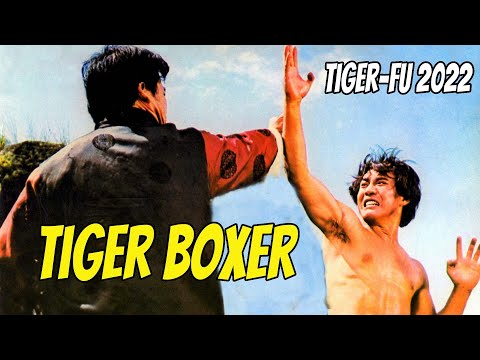
Wu-Tang Collection: Tiger Boxer - A Deep Dive into a Rare Taiwanese Kung Fu Gem

"The true martial artist is not just about fighting; it's about understanding the spirit, the history, and the philosophy that underpins every strike and block."

Today, we delve into a film that might escape the notice of many casual fans of martial arts cinema, yet it holds a certain raw charm and historical significance: Wu-Tang Collection - Tiger Boxer. This Taiwanese production, directed by Lam Gwok Leung, is a rarity, offering a glimpse into a specific era of martial arts filmmaking. But is it merely an obscure relic, or does it possess the fighting spirit to captivate a modern audience, especially those who approach martial arts with the dedication of a seasoned budoka?

The Intrigue of Obscurity: Why "Tiger Boxer" Matters

In the vast ocean of martial arts films, many gems remain hidden, especially those from regions and eras less documented than the Hong Kong golden age. Tiger Boxer, with its Mandarin dialogue and English subtitles, falls into this category. Its scarcity is precisely what makes it an object of interest for collectors and devoted students of cinematic BUDO.

The premise, as often is the case in classic kung fu, is deceptively simple: a pretty girl becomes the catalyst for conflict between two brothers, both depicted as expert fighters. This setup, while familiar, is the fertile ground upon which intricate choreography and dramatic tension are built. The core question for any martial arts enthusiast is not *if* there will be fighting, but *how* it will be portrayed. Will it be a sterile, unrealistic display, or will it capture the essence of lucha and pelea?

Deconstructing the Fight: Coreografía and Authenticity

The cast, featuring Wen Chiang Lung, Chen Ping, Yue Lung, Lee Wai, Man Man, and Hing Oi Wa, tackles the demanding task of bringing the story's fisticuffs to life. In analyzing films like this, my critical eye, honed by years of practice and study, looks beyond mere spectacle. I seek the authenticity of the movements, the strategic application of techniques, and the underlying principles that guide the action.

The "Tiger Boxer" moniker itself suggests a style rooted in powerful, direct strikes, perhaps drawing inspiration from the tiger style of Southern Chinese kung fu, known for its fierce, commanding movements and strong stances. Does the film visually represent this? Are the techniques grounded in recognizable karate, judo, or even earlier forms of kungfu? The effectiveness of such films often hinges on the believable execution of techniques, even when dramatized. A well-executed sequence can teach as much about combat principles as a live demonstration, provided the viewer knows what to look for.

One must consider the context of Taiwanese martial arts cinema during its production. Were there distinct regional styles being showcased? How did these productions differ from their Hong Kong counterparts? These are the questions that elevate a casual viewing into a learning experience. A truly exceptional entrenamiento film doesn't just entertain; it educates. It inspires us to analyze our own training, to refine our stances, and to understand the practical application of every move.

Philosophical Underpinnings: Beyond the Punch

While the synopsis focuses on a love triangle leading to conflict, the true value of martial arts cinema often lies in the unspoken philosophy. What are the brothers fighting for? Is it pride, honor, love, or simply the brutal necessity of survival? The concept of brotherhood, a cornerstone in many BUDO traditions, is tested here. How do these martial artists, presumably trained in discipline and respect, navigate such profound personal conflict?

The "Wu-Tang Collection" itself evokes a certain reverence, often associated with films that, while perhaps not mainstream blockbusters, hold a special place in the hearts of purists. This collection frequently features films that prioritize genuine martial arts over stylistic embellishments. This suggests that Tiger Boxer might offer a more traditional, less Hong Kong-esque approach to its action.

"The strength of a warrior is not in the power of his punch, but in the depth of his resolve and the clarity of his mind."

When we watch these films, we are not just passive observers. We are students, analyzing the application of principles like Mushin (no-mind), Zanshin (awareness), and Kiai (spirit-scream). Does the film subtly convey these ideas through its characters' actions and reactions? A truly great martial arts film integrates philosophy seamlessly into its narrative and action, making the audience contemplate deeper meanings.

Equipo Esencial para tu Entrenamiento

Watching films like Tiger Boxer can reignite the passion for training. To make the most of this inspiration, having the right gear is crucial for effective practice.

  • Kimono de Karate o Judo de Doble Tejido: Para entrenamientos intensos, un gi robusto es esencial. Busca materiales duraderos que soporten el grappling y los movimientos bruscos.
  • Guantes de Entrenamiento (10-16 oz): Si tu práctica incluye kickboxing o MMA, unos guantes de buena calidad son indispensables para proteger tus manos y las de tu compañero de entrenamiento.
  • Protector Bucal: Fundamental para cualquier tipo de sparring o combate simulado.
  • Esterillas de Entrenamiento (Tatami): Para prácticas de BJJ, Judo o Aikido, las esterillas son vitales para la seguridad durante las caídas y el trabajo en el suelo.
  • Saco de Boxeo o Makiwara: Para desarrollar potencia de golpeo y resistencia. Un buen saco de boxeo es una inversión duradera para tu entrenamiento en casa.

Guía de Entrenamiento: El Golpe de Puño "Tigre"

Inspirados por el título "Tiger Boxer", podemos simular un ejercicio básico para desarrollar un golpe de puño potente y directo, enfatizando la conexión del cuerpo. Este ejercicio se centra en la explosividad y la transferencia de peso, principios comunes en muchos estilos de kung fu.

  1. Posición Inicial: Adopta una postura de caballo (Ma Bu) o una postura de arco y flecha (Gong Bu) firme. Tus pies deben estar bien plantados, y el cuerpo relajado pero tenso.
  2. Rotación de Cadera: Imagina que tu cadera es un resorte. Inicia una rotación explosiva de cadera en la dirección del golpe. Este movimiento debe ser el motor principal.
  3. Transferencia de Peso: Simultáneamente, transfiere tu peso hacia adelante (si estás en Gong Bu) o mantén la base sólida y rota la cadera (en Ma Bu). La potencia viene de la tierra, a través de tus piernas, cadera y torso.
  4. Extensión del Brazo: El golpe de puño debe salir recto y rápido, como una garra de tigre. El puño debe girar en el último momento, presentando los nudillos superiores (dedos índice y medio) al impacto. No extiendas el brazo completamente hasta el bloqueo; mantén una ligera flexión para absorber y evitar lesiones.
  5. Retracción Rápida: Tan importante como el golpe es la retracción. Trae el puño de vuelta a la guardia de forma inmediata y controlada, listo para el siguiente movimiento o para defender.
  6. Respiración: Coordina el golpe con una exhalación corta y explosiva (Kiai). Esto ayuda a tensar la musculatura del core y a proyectar la energía.
  7. Repetición: Practica lentamente al principio, enfocándote en la forma y la conexión de todo el cuerpo. Una vez que la forma sea correcta, incrementa la velocidad y la potencia. Realiza series de 10-15 repeticiones, descansando brevemente entre ellas.

Veredicto del Sensei: ¿Merece la pena?

Tiger Boxer no es una película de kung fu de alto presupuesto con coreografías de vanguardia. Tampoco aspira a ser un tratado filosófico profundo. Sin embargo, para el verdadero aficionado a las artes marciales, y particularmente a la historia del cine de este género, es una pieza de valor. Su rareza, su origen taiwanés y su enfoque en las "fierce fisticuffs" le otorgan un lugar en la colección de quienes buscan comprender la evolución y diversidad del cine de kung fu.

Si buscas acción pura y sin adornos, una ventana a un estilo de filmación menos pulido pero a menudo más crudo, entonces Tiger Boxer podría ofrecerte una experiencia gratificante. Si esperas la sofisticación de Yuen Woo-ping o la intensidad de Bruce Lee, quizás te decepcione. Pero si aprecias la historia y la variedad, este film es un testimonio de la persistencia del género.

Calificación del Sensei: "Cinturón Negro Honorífico por su Rareza". Un visionado interesante para historiadores del cine marcial y coleccionistas.

Preguntas Frecuentes

¿Qué estilo de kung fu se muestra principalmente en "Tiger Boxer"?

Basándonos en el título "Tiger Boxer", es probable que el film destaque un estilo que incorpore movimientos poderosos y directos, reminiscente del estilo del tigre en el kung fu del sur de China. Sin embargo, la representación exacta puede variar y ser una mezcla de diferentes técnicas comunes en el cine de artes marciales de la época.

¿Es recomendable "Tiger Boxer" para principiantes en artes marciales?

Para principiantes absolutos, podría ser más beneficioso comenzar con películas que tengan coreografías más claras y técnicas más fácilmente identificables. Sin embargo, si un principiante tiene un interés particular en la historia del cine de kung fu o en estilos de lucha más crudos, el film puede ser una adición interesante a su aprendizaje, siempre y cuando se aborde con una mentalidad crítica y de investigación.

¿Por qué la "Wu-Tang Collection" es importante para los aficionados al cine de kung fu?

La "Wu-Tang Collection" es conocida por rescatar y distribuir películas de kung fu que de otro modo serían difíciles de encontrar. A menudo incluye títulos menos conocidos pero significativos que ofrecen una visión más amplia y diversa del género, más allá de los éxitos de taquilla más populares.

¿Dónde puedo encontrar más información sobre el director Lam Gwok Leung?

Información detallada sobre directores de cine menos conocidos puede ser escasa. A menudo, la mejor fuente son las bases de datos especializadas en cine asiático, foros de coleccionistas y, por supuesto, analizando la filmografía presente en colecciones como la "Wu-Tang Collection".

Para Profundizar en tu Camino

Reflexión del Sensei: Tu Próximo Paso

Este film, con su premisa de conflicto fraternal y su título evocador, nos invita a reflexionar sobre la naturaleza de la competencia y la cooperación en las artes marciales. ¿Cuándo un desafío entre hermanos se convierte en una lucha destructiva, y cuándo se convierte en una oportunidad para elevar el nivel de ambos? ¿Es la belleza de una mujer tan poderosa como la fuerza de un "Tiger Boxer"? Piensa en las dinámicas de poder y las lealtades que se ponen a prueba. ¿Cómo aplicarías estos principios de lealtad y conflicto en tu propio dojo o en tu vida diaria? ¿Priorizarías la armonía o la confrontación para alcanzar la maestría?

``` GEMINI_METADESC: Explore 'Tiger Boxer' from the Wu-Tang Collection: a deep dive into this rare Taiwanese kung fu gem, its choreography, philosophy, and relevance for modern martial artists.

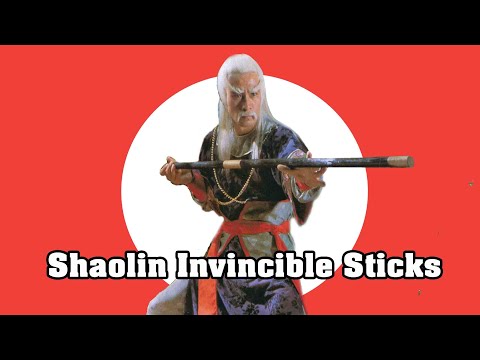
Wu-Tang Collection: Shaolin Invincible Sticks - A Masterclass in Pole Combat?

The name "Wu-Tang Collection" immediately conjures images of raw, unadulterated martial arts cinema, a treasure trove for any devotee of the **BUDO** and the visceral thrill of **combatsports**. Today, we dissect a gem from this collection: Shaolin Invincible Sticks. This isn't just another kung fu flick; it's a testament to the enduring power of traditional weapon-based combat, a cinematic exploration of discipline, rivalry, and the very essence of **lucha**.

Many come to these films seeking spectacle, the flashy maneuvers that dazzle the eye. But beneath the surface lies a deeper narrative, a reflection of the arduous **MartialArtsJourney**. Are these films mere entertainment, or do they hold valuable lessons for the modern practitioner? Let us delve into the philosophy and technique presented within Shaolin Invincible Sticks, and see if it truly earns its place as a masterclass in pole combat.

The Invincible Sticks Clan: Setting the Stage

Directed by the seasoned Lee Tso Nam, Shaolin Invincible Sticks introduces us to a world where lineage and skill are paramount. The narrative centers around Wong Tao's portrayal of the aspiring leader of the Invincible Sticks Clan. This is not simply a struggle for power; it's a deep dive into the martial ethos that defines such groups. The **MartialArtsJourney** is often fraught with internal conflict, and the clan's quest for control serves as a microcosm of this universal struggle.

Opposing Wong Tao's character is the formidable Air Splitting Pole Fighter, brought to life by Chang Yi. Their confrontations are the meat of the film, showcasing the destructive potential and elegant beauty of the staff as a weapon. The very concept of an "Invincible Sticks Clan" hints at a martial tradition built on a specific, highly refined skill set. In the world of **BUDO**, specialization often leads to mastery, and it is this mastery we are about to witness.

Pole Combat as a Narrative Device: The Art of the Staff

The staff, or bo in Japanese, is one of the oldest and most versatile martial arts weapons. Its use transcends borders and styles, from the Okinawan kobudo traditions to the Chinese gun shu. In Shaolin Invincible Sticks, the staff is not merely an extension of the body; it's a character in itself. The film's title isn't hyperbole; it highlights the central role of this weapon in defining the clan's identity and the conflict.

Wong Tao and Chang Yi engage in a series of duels that are choreographed to showcase the unique capabilities of the staff. We see sweeping strikes designed to control distance and disarm opponents, powerful thrusts aimed at vital points, and intricate parries that turn an adversary's force against them. The visual language of the film emphasizes the weapon's reach, its ability to generate momentum, and its capacity for both devastating offense and robust defense.

"The staff is the mother of all weapons." This ancient saying resonates deeply when watching masters like Wong Tao and Chang Yi. Their movements, while cinematic, echo centuries of practical application in close-quarters combat and battlefield scenarios.

For practitioners of **lucha** and **combatsports**, observing these weapon-based fights offers valuable insights into principles that apply even to unarmed combat: range management, timing, commitment to movement, and the strategic use of leverage. The film's dedication to showcasing staff work makes it a compelling watch for anyone interested in the **MartialArtsMastery** of traditional weapons.

Choreography: Grace, Power, and Deadly Intent

The effectiveness of any martial arts film hinges on its fight choreography, and Shaolin Invincible Sticks, directed by Lee Tso Nam, does not disappoint. The clashes between Wong Tao and Chang Yi are the film's centerpiece, meticulously crafted to display the fluidity and lethality of pole combat. We witness sequences that blend speed and precision, demonstrating the weapon's capacity for both rapid-fire attacks and decisive, powerful blows.

The choreographers understood the physics of the staff: the centrifugal force that amplifies strikes, the leverage that allows for blocks and counters with minimal effort, and the sheer reach that creates an advantage against unarmed opponents or those with shorter weapons. Chang Yi's "Air Splitting" moniker is well-earned, as his movements appear to cut through the air itself. Wong Tao, as the clan's future leader, must embody both the tradition and the innovation required to maintain dominance.

It's crucial to distinguish between stylized choreography and practical application. While these cinematic battles are heightened for dramatic effect, they are rooted in the fundamental principles of **gun shu** and other staff fighting arts. The sequences are not just visually impressive; they serve the narrative by illustrating the skill, dedication, and sometimes ruthless nature required to be a true warrior within the clan's hierarchy. The raw energy of these fights is palpable, a testament to the performers' dedication and the director's vision.

Beyond the Blows: Discipline and Rivalry in Budo

While the action is undeniably a major draw, Shaolin Invincible Sticks also touches upon deeper themes relevant to the **BUDO** philosophy. The rivalry between Wong Tao and Chang Yi is more than a personal dispute; it represents the eternal tension between tradition and change, individual ambition and the collective good. This internal conflict is a recurring motif in the **WarriorPhilosophy**.

The Invincible Sticks Clan, as an organization, demands immense discipline from its members. The mastery of the staff is not achieved overnight; it requires years of dedicated training, sacrifice, and adherence to strict rules. This mirrors the **SelfMastery** sought in all traditional martial arts. The film subtly portrays the character development that arises from such rigorous training – the cultivation of patience, resilience, and mental fortitude.

"The path of martial arts is a path of constant self-improvement, not just of the body, but of the mind and spirit." This ancient wisdom is echoed in the film's portrayal of the characters' journeys.

The film prompts us to consider the nature of leadership in a martial context. Is it merely about who can fight the best, or does it involve wisdom, responsibility, and the ability to unite a group? Wong Tao's quest for leadership is therefore not just a physical challenge, but a test of character. This aspect elevates the film beyond a simple action spectacle, inviting viewers to contemplate the **InnerStrength** and **SpiritualDevelopment** that are the true hallmarks of a martial artist.

Sensei's Verdict: A True Test of Skill?

Shaolin Invincible Sticks, while perhaps not reaching the dizzying heights of cinematic perfection, stands as a robust example of weapon-based martial arts cinema. Lee Tso Nam’s direction, coupled with the dedicated performances of Wong Tao and Chang Yi, delivers exciting and technically proficient **pole combat**. The choreography is well-executed, showcasing the versatility and danger of the staff with a satisfying blend of grace and power.

Does it offer a perfect representation of **BUDO** principles? Like many films of its era, it emphasizes spectacle. However, the underlying themes of discipline, rivalry, and the arduous **MartialArtsJourney** are present and lend substance to the action. It serves as an excellent primer for those interested in **kobudo** or Chinese staff arts, illustrating fundamental principles in an engaging format.

Sensei's Rating: Bronze Staff of Mastery

It's a film that respects its core subject matter, delivering solid action that resonates with the spirit of traditional martial arts. While not a documentary, it captures the essence of dedication required for weapon-based **training**. It's a worthwhile viewing for any enthusiast of **artes marciales**, **lucha**, and **combatsports**.

Essential Equipment for Your Training

For those inspired by the pole combat showcased in Shaolin Invincible Sticks, the primary piece of equipment is, of course, the staff itself. However, safety and proper technique are paramount, whether you're training with weapons or unarmed.

  • Training Staff (Bo): Opt for a sturdy yet lightweight staff, typically made of hardwood like oak or ash, or modern materials like fiberglass or carbon fiber. Beginners often start with a length that is roughly their own height.
  • Protective Gear: When engaging in sparring or practicing with partners, protective gear is essential. This includes headgear, mouthguards, padded gloves (such as **boxing gloves** for general striking practice), and shin guards. For **Judo** or **BJJ** training, a durable **kimono de judo** or **gi de jiu jitsu** is standard.
  • Training Mats: For practices involving throws, groundwork, or falling techniques (like those seen in **Aikido** or **Judo**), good quality **tatami mats** or **yoga mats** are crucial for safety.
  • Workout Apparel: Comfortable and flexible clothing is key. Breathable fabrics that allow for a full range of motion are ideal. For **Kyokushin Karate** training, a white gi is traditional.

Investing in quality **martial arts merchandise** and training tools can significantly enhance your practice and ensure your safety as you embark on your own **MartialArtsTraining**.

Frequently Asked Questions

Q1: Is the staff fighting shown in the movie realistic for self-defense?
A: While the film showcases impressive techniques, real-world self-defense scenarios often require simpler, more direct actions due to unpredictable environments and the legal ramifications of using a weapon. However, the principles of reach, leverage, and control demonstrated are fundamental.

Q2: What martial arts are represented by the "Invincible Sticks Clan"?
A: The film draws inspiration from traditional Chinese martial arts that prominently feature the staff, such as various forms of **Kung Fu** and **Wushu**. The name itself suggests a lineage dedicated to mastering the staff.

Q3: Can I learn staff fighting without formal training?
A: While it's possible to learn basic movements from resources like this film or online tutorials, formal training under a qualified instructor is highly recommended to develop proper technique, prevent injuries, and understand the nuances and safety protocols involved.

Q4: What is the "Wu-Tang Collection" and why is it significant?
A: The Wu-Tang Collection is a series of films focusing on classic Hong Kong martial arts cinema. These films are often celebrated for their authentic fight choreography, showcasing a wide array of **artes marciales** and providing a valuable historical record of the genre.

To Deepen Your Path

If the world of traditional weaponry and disciplined combat has captivated you, consider exploring these related topics:

Sensei's Reflection: Your Next Step

The kinetic energy of Shaolin Invincible Sticks is undeniable. It showcases a weapon that, in the hands of a master, becomes an extension of the soul, a tool for both creation and destruction. But the true lesson lies not just in the flourish of the staff, but in the dedication it took to achieve such proficiency. The **WarriorPhilosophy** teaches us that every great technique is born from countless hours of sweat, repetition, and unwavering focus. The film presents the climax, but the true story is in the training.

Now, I ask you: When faced with a daunting task, a complex technique, or a personal challenge, do you focus solely on the desired outcome, or do you embrace the rigorous, often unglamorous, process of training that leads to mastery? Reflect on this, and let your actions in the dojo, and in life, speak louder than any cinematic display.

``` GEMINI_METADESC: Explore the martial arts classic "Shaolin Invincible Sticks" from the Wu-Tang Collection. Analyze pole combat choreography, Budo philosophy, and its impact on martial arts cinema.