Showing posts sorted by relevance for query Zanshin. Sort by date Show all posts

The Unseen Arts: Decoding the Core Principles Beyond Kamaru Usman vs. Jorge Masvidal 2

The electrifying clash between Kamaru Usman and Jorge Masvidal at UFC 261 might have been a spectacle of raw power and precise striking, but beneath the surface of that celebrated "Performance of the Night" lies a universe of martial principles that resonate across *all* combat disciplines. Many spectators see only the brutal exchange, the knockout, or the submission. But what truly separates a fleeting victory from enduring mastery? Is it simply the punch landed, or the deep-seated understanding of movement, timing, and the opponent's intent? Today, we dissect this seemingly singular event to unearth universal truths in the #ArtesMarciales and #Combate.

Table of Contents

The UFC 261 Rematch: A Superficial Glance

Kamaru Usman's dominant performance against Jorge Masvidal was a masterclass in welterweight championship fighting. His jab, his wrestling, his ability to control distance – it was all on display. Masvidal, known for his explosive striking and resilience, found himself unable to penetrate Usman's formidable defense and relentless pressure. The knockout was decisive, a testament to Usman's power and strategic execution. But as practitioners of the martial path, we are trained to see beyond the immediate result. We question: what underlying principles were at play that allowed for such a disparity in this particular encounter?
"To win one hundred victories in one hundred battles is not the acme of skill. To subdue the enemy without fighting is the acme of skill." - Sun Tzu, The Art of War. While Usman and Masvidal certainly fought, the *control* Usman exerted over the engagement speaks volumes about this ancient wisdom.

Beyond the Canvas: Fundamental Martial Truths

The UFC octagon, while a modern arena, is built upon millennia of martial tradition. The concepts that govern a samurai's sword, a judoka's throw, or a karateka's strike are present even in the high-stakes environment of MMA. Let's examine how these manifest, using the Usman-Masvidal bout as our case study.

The Principle of Sen no Sen and Go no Sen

In Japanese martial arts, timing is everything. We speak of *Sen no Sen* (taking initiative) and *Go no Sen* (responding to an opponent's initiative). Usman, for the most part, dictated the rhythm of the fight. His forward pressure, his constant jabbing, was a form of proactive *Sen no Sen*. He wasn't waiting for Masvidal to commit; he was controlling the space and forcing Masvidal to react. Masvidal, a counter-striker by nature, found it difficult to implement his *Go no Sen* effectively because Usman rarely gave him a clear opening. When Masvidal did attempt to launch his own attacks, Usman was already in position to defend or counter, demonstrating a superior grasp of initiative.

Understanding Kuzushi and Tsukuri in Striking

While often associated with Judo throws, the concepts of *Kuzushi* (breaking balance) and *Tsukuri* (fitting in, creating the opportunity) are vital in striking as well. Usman's jab wasn't just a punch; it was a tool to disrupt Masvidal's stance and posture, a subtle *Kuzushi*. Each time Masvidal's weight shifted or his guard adjusted to Usman's lead, Usman was looking for the *Tsukuri* – the moment to land a more significant strike or initiate a takedown. The fight wasn't just about throwing punches; it was about continuously unbalancing the opponent and exploiting those moments of vulnerability.

Maai: The Crucial Distance Element

*Maai* refers to the distance between combatants. This is not just physical space, but also temporal and psychological. Usman is a master of controlling *Maai*. He was adept at keeping Masvidal at the end of his punches, where Masvidal's power was diminished, but his own jab could find its mark. He dictated when the distance closed for wrestling or clinch work, and when it expanded for striking exchanges. Masvidal, conversely, struggled to establish his preferred striking range, being constantly pressured by Usman’s strategic control of *Maai*. This constant negotiation of distance is a silent battle within every confrontation, and a cornerstone of #MartialArtsTraining.
"The difference between a good fighter and a great fighter is that the great fighter makes the opponent fight his fight." - An anonymous MMA coach. This perfectly encapsulates Usman's approach to Maai against Masvidal.

The Importance of Zanshin Post-Confrontation

*Zanshin* is the state of relaxed alertness, the continuous awareness of one's surroundings and potential threats, even after a decisive action. It's often demonstrated in traditional arts by holding a posture after a kata. In a fight like Usman vs. Masvidal, *Zanshin* means not becoming complacent after landing a blow or securing a dominant position. It's the readiness to defend against a desperate counter-attack or to transition to the next phase of the fight seamlessly. Usman's ability to maintain his composure and tactical awareness, even after the knockout, exemplifies this crucial concept. He didn't celebrate prematurely; he remained in a state of readiness. This is what truly separates a one-time winner from a champion.

Applying These Principles in Your Training

You don't need to step into an octagon to benefit from these profound martial truths. Whether you practice #Judo, #Karate, #BJJ, #Kickboxing, or any form of #SelfDefense, consciously incorporating these concepts will elevate your game.
  • Sen no Sen / Go no Sen: Practice drills where you must react to a stimulus and also initiate attacks with specific timing. Sparring sessions should focus not just on "winning" but on controlling the tempo.
  • Kuzushi / Tsukuri: In striking, practice setting up your shots. Use feints, jabs, and footwork to disrupt your partner's balance before launching your primary attack. In grappling, focus on the transitions that lead to dominant positions or submissions.
  • Maai: Dedicate training time solely to understanding distance. Practice moving in and out of range effectively, and learn to feel the optimal distance for your techniques.
  • Zanshin: After completing a technique in practice, hold your position for an extra beat. Consciously scan your surroundings. Make it a habit to remain aware, even when you think the "fight" is over.

These are not merely techniques; they are philosophies of engagement. They are the invisible forces that shape combat, turning physical exchanges into strategic dances.

Equipo Esencial para tu Entrenamiento

  • Guantes de Boxeo/MMA: Para la práctica de golpes y defensa (mínimo 12oz para sparring).
  • Espinilleras y Guantes de Patada: Esenciales para entrenamiento de #Taekwondo y #KarateKyokushin.
  • Kimono (Gi): Imprescindible para #Judo y #BJJ, para practicar agarres y proyecciones. Busca un kimono de doble tejido para mayor durabilidad.
  • Protector Bucal y Tibial: Obligatorio para cualquier tipo de sparring que involucre contacto.
  • Esterilla de Entrenamiento (Tatami): Crucial para practicar técnicas de suelo y caídas seguras.
  • Comba de Saltar: Una herramienta económica pero increíblemente efectiva para mejorar la agilidad y la resistencia cardiovascular.

Guía de Entrenamiento: Desarrollando el Zanshin

  1. Meditación de Conciencia: Dedica 5-10 minutos diarios a sentarte en silencio. Enfócate en tu respiración y en registrar las sensaciones de tu cuerpo y los sonidos a tu alrededor sin juzgarlos. Esto entrena tu mente para estar presente.
  2. Práctica de Movimiento Consciente: Elige un kata de tu arte marcial (ej. un kata de #Karate como Heian Shodan) o una secuencia de movimientos básicos. Ejecútalo lentamente, prestando atención a cada posición, cada respiración, y al espacio que te rodea. Al finalizar, mantén la última postura durante 15-30 segundos, observando tu entorno.
  3. Sparring con Énfasis en la Transición: Durante tus sesiones de sparring (ya sea de pie o en suelo), no te centres solo en el punto o la sumisión final. Practica activamente la transición de una fase a otra (ej. de golpeo a agarre, de lucha en pie a lucha en el suelo). Tras ganar una posición dominante o finalizar una técnica, mantén la conciencia de tu oponente y del entorno por unos segundos antes de reiniciar.
  4. Ejercicios de Percepción: Pídele a un compañero que realice movimientos sutiles mientras tú te concentras en otra cosa (ej. mirar un punto fijo). Intenta detectar el movimiento con tu visión periférica. O, con los ojos cerrados, intenta percibir la proximidad de tu compañero.
  5. Reflexión Post-Entrenamiento: Al final de cada sesión, dedica un momento a recordar las situaciones en las que tu concentración decayó y aquellas en las que te sentiste plenamente alerta. Anota qué factores contribuyeron a cada estado.

Preguntas Frecuentes

¿Es necesario practicar un arte marcial tradicional para entender estos principios?

No. Si bien las artes marciales tradicionales como el #Judo, #Karate y #Aikido a menudo enfatizan estos conceptos de manera explícita, los principios de timing, distancia, equilibrio y conciencia son universales y se aplican en cualquier disciplina de combate, incluyendo el #MMA y el #Kickboxing.

¿Cómo puedo mejorar mi control de la distancia (Maai) si soy un oponente más pequeño?

Los luchadores más pequeños a menudo sobresalen en el control de la distancia mediante el uso de movimientos más rápidos y precisos. Enfócate en el juego de pies, el uso de fintas para medir la distancia y el contraataque. Un luchador pequeño y ágil puede ser mortal si mantiene a su oponente mayor fuera de su zona de poder.

¿El "rendimiento de la noche" en UFC se basa solo en la técnica o también en la mentalidad?

El "Performance of the Night" se otorga a menudo por la espectacularidad de una finalización, pero la capacidad de lograr esa finalización tan limpiamente, como hizo Usman, casi siempre implica una mentalidad superior: control, confianza, y la ejecución impecable de principios marciales, que incluyen el Zanshin y la correcta aplicación de Sen no Sen.

¿Qué papel juega la filosofía de Budo en las MMA modernas?

La filosofía de #BUDO, que abarca la autodisciplina, el respeto, la perseverancia y la mejora continua, es fundamental. Incluso en un deporte de combate competitivo, estos valores ayudan a los atletas a superar desafíos, recuperarse de derrotas y mantener una carrera a largo plazo. La mentalidad es a menudo la diferencia entre el talento y la leyenda.

Para Profundizar en tu Camino

Ahora, budoka, te pregunto: ¿Qué principio marcial sientes que has descuidado en tu entrenamiento y cómo puedes empezar a integrarlo desde tu próxima sesión? Reflexiona, sé honesto contigo mismo, y comparte tus pensamientos. El camino del guerrero se nutre de la autoconciencia y el intercambio.

``` GEMINI_METADESC: Explore the deep martial principles behind Usman vs. Masvidal 2. Learn about Sen no Sen, Maai, Kuzushi, and Zanshin for your own martial arts journey.
El Arte de Levantar un KO: ¿Suerte o Fortaleza Mental del Guerrero?

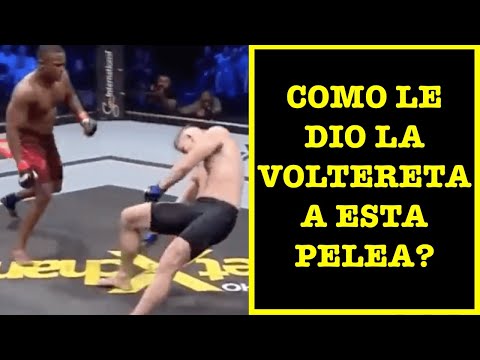
¿Cuántas veces hemos visto en el fragor del combate, ya sea sobre el tatami, el ring o la jaula, a un guerrero tambalearse, con la mirada perdida, al borde del precipicio de la derrota? Parecen árboles meciéndose ante un huracán, a un suspiro de caer. Y justo en ese instante, cuando la esperanza parece extinguida, de la nada emerge un golpe. Un latigazo de pura voluntad que, contra toda lógica, cambia el curso de la batalla. ¿Es mera fortuna, un golpe de suerte cósmica, o el reflejo de una fortaleza mental inquebrantable, un principio fundamental del BUDO que trasciende el dolor y la confusión?

El Fenómeno del KO de Pie: Más Allá de la Debilidad

Hemos sido testigos de innumerables momentos que desafían la razón en disciplinas como el boxeo, las artes marciales mixtas (MMA), el kickboxing, el Muay Thai y, por supuesto, en el vertiginoso mundo de la UFC. Un peleador recibe un impacto demoledor, sus piernas se vuelven gelatina, su equilibrio es una burla. El cuerpo grita "detente", pero el espíritu del guerrero se niega a rendirse. Y de esa tensión insostenible, de ese borde del abismo, surge un contraataque, un golpe de suerte que, como un rayo en cielo despejado, redefine la contienda.

La aparente fragilidad de estos guerreros es engañosa. No se trata de una debilidad inherente, sino de la **consecuencia física de un impacto brutal**. Lo que distingue a un verdadero artista marcial es su capacidad para recuperarse, para encontrar un resquicio de lucidez en medio de la tormenta sensorial. No es solo el cuerpo el que lucha, es la mente. Es la voluntad de seguir adelante, de honrar el entrenamiento y la disciplina que lo han llevado hasta ese punto.

Análisis Técnico: El Golpe de Suerte o el Golpe de Desesperación

¿Qué ocurre realmente cuando un peleador está "noqueado de pie"? El impacto ha sacudido el sistema nervioso central, afectando el equilibrio, la visión y la coordinación. El cerebro lucha por procesar la información. En este estado, los movimientos se vuelven instintivos, menos calculados. Los golpes lanzados desde esta posición son, a menudo, el resultado de la memoria muscular y de la desesperada urgencia por defenderse o retomar el control.

Estos "golpes de suerte" no nacen de la nada. Son el subproducto de:

  • Memoria Muscular Profunda: Años de repetición de katas y técnicas de combate han grabado patrones de movimiento en el cuerpo del artista marcial. Incluso en un estado alterado, el cuerpo puede recurrir a estos patrones.
  • Reacción Instintiva de Defensa: Ante una amenaza inminente, el cuerpo reacciona. Un golpe que entra puede ser respondido con un movimiento de retirada y un contraataque casi reflejo.
  • Voluntad de Persistencia ("Fudoshin"): La mente "inmutable" del guerrero que se niega a ceder, incluso cuando el cuerpo está al límite.

Desde una perspectiva de MMA o boxeo, un golpe lanzado en estas condiciones es menos probable que sea un ataque preciso y calculado. Es más probable que sea una explosión de energía, un intento desesperado por crear distancia o por sorprender al oponente que está presionando. Y a veces, esa aleatoriedad se convierte en su mayor arma.

"En la batalla, la sorpresa es tu mayor aliada. Y un golpe lanzado desde la desesperación puede ser el más sorprendente de todos."

La Filosofía del Budo Ante la Adversidad: Mushin y Zanshin

Aquí es donde las artes marciales tradicionales y el BUDO nos ofrecen una perspectiva más profunda. Los momentos de crisis en el combate son pruebas de fuego para los principios filosóficos que sustentan estas disciplinas.

  • Mushin (無心): La Mente Sin Mente. Es el estado de conciencia libre de pensamientos distractores, miedos o dudas. En el combate, cuando un peleador está "noqueado de pie" pero aún actúa, puede haber entrado, paradójicamente, en un estado de Mushin. La mente está tan abrumada por la sensopercepción que se libera de la "mente pensante" y actúa puramente por instinto y entrenamiento. Es la ausencia de ego, la ausencia de duda que permite que el cuerpo responda.
  • Zanshin (残心): La Mente que Perdura. Es el estado de alerta continua, de conciencia prolongada incluso después de que la acción principal ha concluido. Un artista marcial que, tras recibir un golpe devastador, mantiene su Zanshin, es capaz de evaluar la situación, mantener su postura defensiva y, crucialmente, estar listo para reaccionar. El golpe de suerte no es solo un ataque; es también la manifestación de un Zanshin que no ha sido extinguido por el impacto.

La capacidad de mantener Mushin y Zanshin bajo una presión extrema es lo que diferencia a un buen peleador de un maestro. Los estudios de filosofía marcial como "El Libro de los Cinco Anillos" de Miyamoto Musashi profundizan en estos conceptos, enfatizando la importancia de la adaptabilidad y la conciencia constante.

"Un verdadero guerrero no lucha contra la adversidad; la incorpora y la utiliza." - Proverbio del Budo

Estudios de Caso en el Cine Marcial: Cuando la Pantalla Refleja la Realidad

El cine marcial, si bien a menudo exagerado, ha sabido capturar la esencia de estos momentos dramáticos. Películas de kung fu, de karate, y por supuesto, films de MMA y UFC, nos han mostrado innumerables peleadores tambaleándose, al borde del KO, solo para desatar un contraataque milagroso. Piensen en escenas icónicas donde el héroe, magullado y casi vencido, encuentra la fuerza para lanzar un golpe final que decide la pelea.

Si bien Hollywood puede embellecer la realidad, la premisa subyacente es la misma: la tenacidad mental puede ser tan decisiva como la habilidad técnica. Un ejemplo en el cine sería una escena donde un personaje ha sido repetidamente golpeado, su cuerpo está agotado, pero sus ojos, llenos de determinación, encuentran un punto débil en su oponente. En ese instante, se lanza un ataque poco ortodoxo, un "golpe de suerte" que, alimentado por la pura voluntad de ganar, resulta ser efectivo.

En el mundo real, hemos visto destellos de esto en peleadores como Cyril Gane o incluso en momentos de combates de leyendas de la UFC como Jon Jones, quienes han mostrado una capacidad para recuperarse de situaciones adversas y encontrar una victoria inesperada. La clave no es la ausencia de golpes recibidos, sino la habilidad de seguir luchando una vez que han sido recibidos.

Equipo Esencial para tu Entrenamiento

Para prepararte para cualquier eventualidad en el combate, ya sea un intercambio controlado o una situación de defensa personal, contar con el equipo adecuado es fundamental. Un buen entrenamiento no solo fortalece el cuerpo y la mente, sino que también te enseña a utilizar el equipo de manera efectiva.

  • Guantes de Boxeo/MMA: Imprescindibles para proteger tus manos y las de tu compañero de entrenamiento. Elige un peso adecuado para sparring (14-16 oz para boxeo, guantes de MMA para grappling y golpeo).
  • Espinilleras: Protegen tus tibias y peronés de impactos y patadas, permitiendo un entrenamiento más intenso en kickboxing y Muay Thai.
  • Protector Bucal: Un elemento de seguridad básico para proteger tus dientes y mandíbula. No negociable en cualquier disciplina de contacto.
  • Kimono de Judo/BJJ: Si practicas disciplinas de suelo, un buen kimono de judo o BJJ es esencial para el agarre y la resistencia. Busca un tejido de doble tejido para mayor durabilidad.
  • Esterillas de Entrenamiento: Para entrenar caídas, técnicas de grappling o ejercicios de calentamiento y enfriamiento sin riesgo de lesiones.

Guía de Entrenamiento: Fortaleciendo tu Mente de Guerrero

Entrenar la fortaleza mental es tan importante como el desarrollo físico. Aquí tienes un ejercicio práctico inspirado en los principios del BUDO:

  1. Preparación: Encuentra un lugar tranquilo. Siéntate en una postura cómoda (meditación Zazen, o simplemente con la espalda recta). Cierra los ojos.
  2. Respiración Consciente: Enfócate en tu respiración. Siente cómo entra y sale el aire. Cuando tu mente divague (y lo hará), simplemente reconoce el pensamiento sin juzgarlo y redirige suavemente tu atención a la respiración. Haz esto durante 5-10 minutos.
  3. Visualización de Adversidad: Ahora, visualiza una situación de estrés relacionada con tu entrenamiento. Puede ser un combate difícil, una técnica que te cuesta dominar, o la fatiga extrema. Imagina que te encuentras en ese punto de debilidad.
  4. Reacción Controlada: En lugar de dejarte llevar por la frustración o el pánico, respira profundamente. Recuerda tu disciplina y tu entrenamiento. Visualízate reaccionando con calma, quizás encontrando una solución inesperada o simplemente manteniendo la compostura. Imagina ese "golpe de suerte" mental: una idea clara, una decisión firme.
  5. Retorno a la Calma: Vuelve a centrarte en tu respiración, sintiendo la calma y la fuerza que emana de tu control mental. Abre los ojos lentamente.

Practica esto regularmente. El objetivo es entrenar tu mente para no colapsar bajo presión, para que, al igual que el cuerpo, pueda recurrir a recursos inesperados cuando más lo necesites. Esto te ayudará a mejorar tu resistencia y tu fortaleza mental en cualquier situación.

Preguntas Frecuentes

¿Es realmente posible "noquearse de pie" y seguir luchando?
Sí, es posible. Aunque la persona puede estar desorientada y con el equilibrio afectado, mientras no haya una pérdida total de conciencia, el cuerpo puede reaccionar. El impacto debilita, pero no siempre incapacita por completo.

¿Qué papel juega la suerte en estos golpes que cambian la pelea?
La suerte es un factor, pero no el único. La suerte favorece a la mente preparada. Los años de entrenamiento, la memoria muscular y la fortaleza mental son los verdaderos artífices que permiten que esa "suerte" se materialice.

¿Pueden las artes marciales tradicionales enseñar a recuperarse de un KO?
Absolutamente. Principios como Mushin y Zanshin, la meditación y el entrenamiento de la resistencia mental son herramientas clave que ayudan a los practicantes a mantener la lucidez y la capacidad de reacción en situaciones extremas.

¿Hay algún peleador famoso conocido por recuperarse de golpes duros y ganar?
Sí, a lo largo de la historia del boxeo y las MMA, ha habido numerosos peleadores conocidos por su capacidad de "aguantar" y recuperarse de golpes significativos para dar la vuelta a la pelea. La lista es extensa y varía según la disciplina y la época.

Para Profundizar en tu Camino

Veredicto del Sensei: ¿Merece la pena?

La pregunta no es si estos momentos de "golpe de suerte" ocurren, sino qué nos enseñan sobre la naturaleza humana y el espíritu del guerrero. Vemos la fragilidad física ante un impacto devastador, sí, pero más importante aún, vemos la indomable fuerza de la voluntad. No es un milagro aleatorio, es la manifestación de años de disciplina, de un cuerpo entrenado para reaccionar y de una mente que se niega a rendirse. Estos eventos, ya sea en el boxeo, MMA, UFC o cualquier disciplina marcial, son un poderoso recordatorio de que el combate no termina hasta que el árbitro lo detiene, o hasta que uno decide rendirse.

Reflexión del Sensei: Tu Próximo Paso

Observa los videos, lee sobre los grandes maestros, pero más importante aún, mira dentro de ti. ¿Cuándo fue la última vez que sentiste que estabas "noqueado de pie" en tu vida, sea en el entrenamiento, en el trabajo o en tus relaciones personales? ¿Cómo reaccionaste? ¿Encontraste ese golpe de suerte, esa chispa de resiliencia, o te dejaste caer? La verdadera lección no está en el KO del oponente, sino en tu propia capacidad para levantarte cuando creías que ya no podías más. **¿Estás entrenando tu cuerpo para soportar el golpe, o tu mente para levantarse después de caer?**

``` GEMINI_METADESC: Descubre cómo un peleador "noqueado de pie" puede cambiar el combate con un golpe de suerte. Análisis del Budo, Mushin, Zanshin y la fortaleza mental del guerrero.

Kendo's Silent Blade: Deconstructing the Tachi no Kata Kagami Biraki 2022

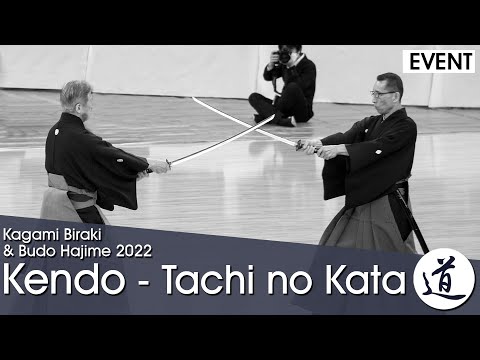
As a Sensei, I’ve witnessed countless demonstrations, each a fleeting glimpse into the profound depth of martial traditions. Yet, some moments resonate with an intensity that demands deeper analysis. The Kagami Biraki 2022 Kendo demonstration at the Nippon Budokan, featuring Toyomura Azumori and Kurita Waichiro, is one such moment. It’s not merely a display of swordsmanship; it’s a philosophical dialogue executed with steel, a testament to the enduring spirit of Budo. This isn't about flashy moves designed to entertain the masses, but about the meticulous execution of form, the embodiment of principles forged over centuries. Today, we delve into the essence of this demonstration, dissecting its technical brilliance and its spiritual significance, going far beyond what a casual viewer might perceive.

Table of Contents

The Sacred Dance: Kagami Biraki and Budo Hajime

The Kagami Biraki, or "opening the mirror," is far more than a simple New Year's tradition. It symbolizes a renewed clarity, a shedding of the old to embrace the new with a purified spirit. When this ceremony is intrinsically linked with Budo Hajime, the "first practice of the year," it elevates the act of training from a mere physical pursuit to a spiritual undertaking. The Nippon Budokan, a hallowed ground for Japanese martial arts, serves as the perfect stage for this convergence. Here, amidst the echoes of history, masters Toyomura Azumori and Kurita Waichiro, both Hanshi 8th Dan – the pinnacle of their respective arts – present the Tachi no Kata. This isn't just a demonstration; it's a living testament to the tradition, a visual sermon on the principles of Kendo. The absence of Oshiruko, the traditional sweet soup, due to sanitary concerns, highlights the adaptability of Budo in the face of modern challenges, a testament to its resilience and its focus on what truly matters.

Echoes of the Shogunate: The Genesis of Kagami Biraki

To truly appreciate the Kagami Biraki, one must understand its historical roots, deeply entwined with the feudal era of Japan. The Shogunate era was a time when martial prowess was not just a skill but a way of life, a defining characteristic of the samurai class. The "opening of the mirror" held symbolic significance, often tied to rituals that cleansed and renewed the spirit before embarking on new endeavors, much like a warrior preparing for battle or a leader for a new campaign. This historical context imbues the Budo Hajime with a weight that transcends mere physical exertion. It’s a recommitment to the warrior's path, a reaffirmation of the discipline, honor, and self-mastery that are the cornerstones of any true martial art. The reconstruction in armor during the ceremony is not a theatrical flourish; it’s a visceral reminder of the martial heritage that Budo seeks to preserve and perpetuate.

Tachi no Kata: A Masterclass in Long Sword Dynamics

The Tachi no Kata, demonstrating the use of the long sword (tachi), is a foundational element within Kendo. It's not about sparring; it's about the perfection of fundamental techniques, the embodiment of correct posture, movement, and striking. Toyomura Azumori and Kurita Waichiro, with their 8th Dan ranks, showcase a level of precision and control that is breathtaking. Observe their footwork: the *ashi sabaki*. It's not just about moving from point A to point B. Each step is economical, powerful, and balanced, generating momentum that flows seamlessly into the strike. Their posture is erect yet relaxed, a testament to years of dedicated training. The sword itself is an extension of their will. The cuts – *suburi* and the specific forms within the kata – are executed with a clear intent, a decisive spirit. One can discern the principles of *maai* (distance), *metsuke* (gaze), and *kiai* (spirit's cry, though often subtle in kata). The interaction between the two masters is a silent conversation, a dance of mutual respect and understanding. One advances, the other retreats or blocks, not out of fear, but out of a deep comprehension of the forms and the energy flow. This kata is a blueprint, a teaching tool that distills the essence of swordsmanship into its purest form. It's in these seemingly simple movements that the complexity and beauty of Kendo lie.
"The true swordsman does not fear the sword; he *is* the sword." - A principle often passed down through generations of Kendo masters.

The Spirit of the Sword: Mushin and Zanshin in Motion

Beyond the physical execution, the Tachi no Kata embodies profound philosophical concepts central to Budo. The concept of *Mushin* – "no mind" – is paramount. It's a state of un-self-consciousness, where the mind is free from distracting thoughts and emotions, allowing instinct and training to take over. In the flawless movements of Toyomura and Kurita, we see *Mushin* in action. Their actions are pure, unadulterated by doubt or hesitation. Equally crucial is *Zanshin*, the state of continuous awareness and readiness. Even after a strike is completed, the Kenshi must maintain their focus, aware of their surroundings and prepared for any eventuality. This is not just about the end of a sequence; it's about the perpetual state of alertness. In the demonstration, even as the swords are lowered, the masters' posture, their gaze, speaks volumes about their unwavering *Zanshin*. It’s a reminder that in the martial path, the learning and the vigilance never truly cease. This demonstration is a powerful argument against the notion that traditional martial arts are obsolete. The principles of focus, discipline, and spiritual development cultivated through forms like the Tachi no Kata are timeless and transferable to any arena of life, be it a modern MMA bout or the challenges of daily existence.

Veredict of the Sensei: More Than Just a Sword Fight

The Kagami Biraki 2022 Kendo demonstration by Toyomura Azumori and Kurita Waichiro is a profound exhibition of martial artistry. It’s a masterclass in the execution of the Tachi no Kata, showcasing not only technical perfection but also the deep philosophical underpinnings of Kendo. **Technical Proficiency**: 10/10 – The precision, balance, and power displayed by both Hanshi are exemplary. Every movement is deliberate and imbued with intent. **Philosophical Embodiment**: 10/10 – The demonstration is a living embodiment of Mushin and Zanshin, demonstrating the spiritual core of Budo. **Educational Value**: 9/10 – While a beginner might find it hard to grasp the nuances without guidance, for anyone with a foundation in martial arts, this is an invaluable lesson. **Overall Impact**: 9.5/10 – A powerful reminder of the beauty, discipline, and depth inherent in traditional martial arts. This demonstration isn't just about swords; it's about the cultivation of the self through rigorous practice. It underscores the fact that even in an era dominated by Artes Marciales Mixtas and rapid combat, the slow, deliberate refinement of form holds immense value. It teaches patience, control, and a deep respect for tradition – lessons that are as vital today as they were centuries ago.

Essential Equipment for the Aspiring Kenshi

To embark on the path of Kendo, specific equipment is necessary to train safely and effectively. Investing in quality gear is crucial for both performance and injury prevention.
  • Shinai (Bamboo Sword): The primary training tool. Beginners typically start with a standard size and weight.
  • Bokken (Wooden Sword): Used for practicing basic forms (kata) and for more forceful striking drills where the shinai might break.
  • Kendo Gi (Uniform): A specialized, durable cotton uniform consisting of a jacket and trousers, designed to withstand the rigors of training.
  • Hakama: The traditional pleated skirt-like trousers worn over the gi, signifying a more advanced level of practice or for specific ceremonies.
  • Men (Helmet): The protective headgear, including a metal grille, padded forehead, and throat protector.
  • Do (Chest Protector): A hard, lacquered protector for the torso.
  • Kote (Gloves): Padded gloves providing protection for the hands and wrists.
  • Tare (Waist Protector): A padded apron-like protector worn around the waist and hips, often with decorative cords.
For those serious about Kendo, consider exploring specialized KarateMerchandise sites that often carry Kendo equipment, or look for reputable Kendo equipment suppliers. A good quality Kendo set is an investment in your martial journey.

Resources to Deepen Your Kendo Journey

The path of the sword is long and requires continuous learning. To truly understand the depths of Kendo, beyond what a single demonstration can offer, explore these resources:
  • BUDO & Kendo History: Delve into the historical context and evolution of Japanese martial arts.
  • Technique Breakdowns: Seek out detailed analyses of specific Kendo techniques and katas.
  • Martial Arts Philosophy: Explore texts and discussions on principles like Mushin, Zanshin, and the broader Warrior Philosophy.

Frequently Asked Questions

Q1: What is the main difference between Tachi no Kata and sparring in Kendo? A1: Tachi no Kata focuses on the precise execution of fundamental forms and techniques with a partner, emphasizing correct posture, movement, and spirit. Sparring (Ji-geiko) is about applying these techniques in a dynamic, unscripted exchange with an opponent, aiming to score valid points. Q2: Is Kendo dangerous given the use of swords? A2: While "swords" (shinai and bokken) are used, Kendo is practiced with extensive protective gear (Men, Do, Kote, Tare) and under strict supervision. The emphasis is on controlled strikes to specific target areas, making it a safe martial art when practiced correctly. Q3: How long does it take to become proficient in Kendo? A3: Proficiency in Kendo is a lifelong pursuit. Basic competency and understanding of forms can be achieved within a few years of consistent training, but mastery, as exemplified by Hanshi 8th Dan practitioners, takes decades of dedicated practice. Q4: What does "Hanshi 8th Dan" signify in Kendo? A4: Hanshi is an honorific title denoting a high level of mastery and significant contribution to the art. 8th Dan is typically the highest dan rank in many Kendo organizations, signifying an exceptional level of skill, knowledge, and embodiment of Kendo principles.

Sensei's Reflection: Your Next Step

The Kagami Biraki demonstration offers a profound glimpse into the heart of Kendo. It’s a testament to the power of tradition, the discipline of form, and the enduring pursuit of self-mastery through the way of the sword. We’ve dissected the techniques, explored the philosophy, and understood the context. But knowledge without application is like a sword without an edge.

Reflexión del Sensei: Tu Próximo Paso

As you contemplate the elegant, powerful movements of Toyomura Azumori and Kurita Waichiro, I ask you this: When you face your own "mirror" – your challenges, your training, your daily life – do you see clarity and readiness, or do you see hesitation and distraction? How will you cultivate your own *Mushin* and *Zanshin* not just on the training floor, but in every moment? The answer lies not in contemplation alone, but in committed action. What single, deliberate step will you take today to sharpen your own blade? --- CREDITS: Footage by Seido Co., Ltd.: https://ift.tt/41pfg73 (en) https://ift.tt/Fn93JL7 (fr) https://ift.tt/1zVBxJ7 (jp) https://ift.tt/AqNd0hT (en) https://ift.tt/RNEi1Pl (fr) MUSIC: Future Gladiator by Kevin MacLeod Link: https://ift.tt/5mjg6yi License: https://ift.tt/tAp96Ks Original source: [Original Source Link/Information - if available] GEMINI_METADESC: Explore the profound Kendo Tachi no Kata demonstration at Kagami Biraki 2022. Sensei analyzes technique, history, and philosophy.

El Arte del Combate Silencioso: Estrategias Psicológicas en las Artes Marciales

¿Alguna vez te has encontrado en un dojo, preparándote para un combate simulado, y has sentido una presión más allá de la física? ¿Has notado cómo la mirada de tu oponente, un gesto sutil o una palabra bien colocada pueden desestabilizar tu centro, minar tu confianza y abrirte a una vulnerabilidad que nada tiene que ver con la técnica? Si tu respuesta es sí, entonces has rozado los bordes de lo que en las artes marciales llamamos el "combate silencioso" – esas estrategias psicológicas que, usadas con maestría, pueden ser tan devastadoras como un golpe perfectamente ejecutado.

En el mundo de las artes marciales, a menudo nos centramos en el entrenamiento físico, en la perfección de katas y técnicas, en la fuerza bruta y la agilidad. Sin embargo, los maestros más experimentados saben que la batalla se gana tanto en la mente como en el cuerpo. La psicología del combate es un campo tan crucial como el entrenamiento de la fuerza o la velocidad. No se trata de "psicología oscura" en el sentido de manipulación egoísta, sino de comprender la mente del adversario y la propia para alcanzar el estado de Mushin (mente sin mente), un estado de fluidez y respuesta intuitiva crucial en cualquier lucha.

La Mente del Guerrero: El Campo de Batalla Invisible

En el BUDO y en todas las artes marciales genuinas, el verdadero campo de batalla no es el tatami ni la jaula de MMA. Es la mente. El combate más feroz es el que se libra contra las propias dudas, miedos e inseguridades. Un guerrero que no domina su propia psique es un guerrero vulnerable, sin importar cuán fuertes sean sus puños o cuántas patadas espectaculares conozca. La capacidad de mantener la calma bajo presión, de leer las intenciones del oponente y de proyectar confianza son habilidades marciales tan fundamentales como un buen O-soto-gari en Judo o un Gyakuzuki en Karate.

Los antiguos maestros de Japón, como Miyamoto Musashi en su legendario "Libro de los Cinco Anillos", entendieron esto hace siglos. Musashi no solo hablaba de la técnica de la espada, sino de la estrategia, del posicionamiento mental y de la importancia de comprender la naturaleza del adversario. Su enfoque en la observación, la anticipación y el control del propio estado mental sentó las bases para una comprensión holística del combate.

"Si conoces al enemigo y te conoces a ti mismo, no debes temer el resultado de cien batallas." - Sun Tzu, El Arte de la Guerra.

Principios Psicológicos en el Budo

El Budo (el camino del guerrero) integra principios que trascienden la mera técnica física. Conceptos como Zanshin (conciencia perpetua), Fudoshin (mente inamovible) y Heijoshin (mente tranquila) son pilares de la preparación mental.

  • Zanshin: Mantener un estado de alerta y conciencia incluso después de haber ejecutado una técnica. Esto te permite reaccionar a cualquier contraataque o amenaza inesperada. Es la anticipación constante, la percepción de que la pelea puede continuar en cualquier momento.
  • Fudoshin: La capacidad de mantener la calma y el equilibrio mental ante el caos, el miedo o la agresión. Un guerrero con Fudoshin no se deja desestabilizar por la fuerza del oponente, por un golpe inesperado o por la presión del momento. Su centro de gravedad mental es inquebrantable.
  • Heijoshin: Un estado de calma y ecuanimidad, incluso en medio de la acción más intensa. Permite tomar decisiones claras y precisas, sin la interferencia de emociones paralizantes como el pánico o la ira descontrolada. Es la serenidad del estratega que ve el panorama completo.

Estos principios no son meras filosofías; son herramientas activas que se entrenan. El entrenamiento en Kyokushin Karate, por ejemplo, con su énfasis en el sparring duro y la resiliencia, enseña a los practicantes a mantener Fudoshin y Heijoshin. Del mismo modo, la meditación Zazen, practicada en escuelas de Zen y algunas de Aikido, cultiva Zanshin y la claridad mental necesarias para el combate cuerpo a cuerpo.

Estrategias de Desestabilización (y Cómo Contrarrestarlas)

Ahora, abordemos la parte que podría evocar la "psicología oscura" que se menciona en el contenido original. En un contexto de lucha (ya sea en un entrenamiento seguro o, teóricamente, en una situación de defensa personal), un oponente sin escrúpulos podría intentar desestabilizarte psicológicamente. Las tácticas varían, pero a menudo incluyen:

  • Provocación verbal: Insultos, burlas, comentarios sarcásticos diseñados para sacarte de tu centro, provocarte ira y hacerte cometer errores.
  • Lenguaje corporal amenazante: Miradas fijas e intensas, gestos agresivos, posturas desafiantes que buscan intimidar.
  • Fintas y engaños: Movimientos rápidos o ataques simulados para confundir, crear pánico o forzarte a revelar tu estrategia.
  • Explotación de debilidades percibidas: Si un oponente nota que tienes miedo a cierta técnica o que te incomoda alguna situación, intentará explotarla repetidamente.

¿Cómo se contrarrestan estas tácticas? La clave reside en la aplicación rigurosa de los principios del Budo:

  • Mantén tu centro (Fudoshin): No permitas que las palabras o acciones de tu oponente dicten tu estado emocional. Respira profundo, enfócate en tu propio eje. El objetivo es la neutralización, no la venganza.
  • Observa, no reacciones ciegamente (Zanshin): Analiza la amenaza real detrás de la provocación. ¿Es un ataque genuino o un intento de manipulación? La autoconciencia es tu mejor defensa.
  • Simplifica tu enfoque (Heijoshin): Cuando la mente está clara, las opciones se vuelven evidentes. Enfócate en los fundamentos: tu guardia, tu equilibrio, tu próximo movimiento basado en la observación, no en la reacción emocional.
  • Anticipación: Un practicante avanzado no espera al ataque, sino que lo percibe antes de que ocurra, basándose en la sutileza del lenguaje corporal, la tensión muscular y la intención detrás del movimiento.

Es importante recalcar que estas son estrategias para la neutralización de una amenaza, no para la crueldad. El objetivo final de las artes marciales es la autodisciplina y el respeto, no la dominación mezquina. Utilizar el conocimiento de la psique humana para humillar o herir innecesariamente va en contra del verdadero espíritu del Budo.

El Zen y la Calma del Combate

La conexión entre el Zen y las artes marciales es profunda. La práctica del Zen, especialmente la meditación Zazen, entrena la mente para estar presente, para observar los pensamientos y sensaciones sin juzgar ni aferrarse a ellos. Esto es fundamental para alcanzar Mushin, ese estado de acción sin conciencia del "yo", donde el movimiento fluye de forma natural y eficiente.

Cuando un artista marcial alcanza Mushin, sus acciones son instintivas, fluidas y perfectamente adaptadas a la situación. No hay duda, no hay sobreanálisis. Es la realización de la técnica en su forma más pura. Esto es lo que permite a un practicante experimentado parecer invulnerable ante las tácticas de presión de un oponente; su mente está tan enfocada en el "aquí y ahora" del combate que las provocaciones externas simplemente no penetran su estado de concentración.

La filosofía del Zen enseña a aceptar la impermanencia, a no temer el fracaso y a encontrar la serenidad en el desapego. Estas lecciones son directamente aplicables al combate. El miedo a ser golpeado, a ser derrotado o a cometer un error son barreras mentales. El Zen ofrece un camino para trascender estas barreras, permitiendo al practicante de artes marciales operar desde un lugar de fortaleza interior inquebrantable.

La Espiral Ascendente de la Maestría: Aplicación en el Entrenamiento

La maestría en artes marciales es un viaje continuo de autodescubrimiento y mejora. La integración de la estrategia psicológica en tu entrenamiento es lo que eleva tu práctica de la mera repetición de movimientos a un arte marcial integral.

Guía de Entrenamiento: Cultivando la Fortaleza Mental

  1. Meditación Diaria (Zazen): Dedica 10-15 minutos al día a la meditación sentada. Enfócate en tu respiración, observa tus pensamientos pasar sin apegarte a ellos. El objetivo es entrenar tu capacidad de concentración y tu desapego emocional.
  2. Sparring Consciente: En tus sesiones de sparring, más allá de la técnica, presta atención a tu estado mental. ¿Cómo reaccionas ante un golpe inesperado? ¿Te enfadas cuando te derriban? Identifica tus disparadores emocionales y trabaja conscientemente para mantener la calma (Heijoshin).
  3. Visualización de Combate: Antes de entrenar o dormir, visualiza escenarios de combate. Imagina a tu oponente usando tácticas de presión. ¿Cómo responderías con calma y control? Visualiza el éxito y la ejecución impecable de tus técnicas.
  4. Análisis Post-Combate: Después de cada sesión de sparring o combate, reflexiona sobre tu desempeño. No solo en términos técnicos, sino también mentales. ¿Qué funcionó? ¿Qué no funcionó? ¿Qué podrías haber hecho diferente para mantener un estado mental óptimo?
  5. Enfrenta tus Miedos (con precaución): Si tienes miedo a una técnica o a un tipo de oponente, no evites el problema. Busca un entorno seguro y controlado (como un dojo) para enfrentarlo progresivamente. La superación se encuentra en el otro lado del miedo.

Veredicto del Sensei: ¿Es Necesario un Conocimiento Profundo de la Psicología en las Artes Marciales?

Absolutamente. Ignorar el aspecto psicológico del combate es como intentar construir un castillo de arena en la orilla del mar. Puedes tener la mejor arena (técnica física), pero sin unos cimientos firmes (mente fuerte), tu estructura colapsará ante la primera marea (presión del oponente). Las artes marciales no son solo un deporte o una defensa; son un camino de autodesarrollo integral. La comprensión de la mente – tanto la propia como la del adversario – es una herramienta indispensable para cualquier practicante que aspire a la verdadera maestría. Aquellos que solo entrenan el cuerpo se quedan incompletos. Un verdadero artista marcial entrena el cuerpo, la técnica y, sobre todo, el espíritu.

Calificación del Sensei: Cinturón Negro en Profundidad Mental.

Equipo Esencial para tu Entrenamiento

Si bien la mente es el arma más poderosa, contar con el equipo adecuado puede mejorar significativamente tu experiencia de entrenamiento y la aplicación de estos principios psicológicos en un entorno seguro.

  • Kimono Resistente: Un buen kimono de Judo o un gi de BJJ de doble tejido es crucial para el grappling y para soportar la fricción del combate cuerpo a cuerpo. Busca materiales duraderos que no se rompan fácilmente.
  • Guantes de Sparring (MMA/Kickboxing): Para estilos que implican golpes, unos buenos guantes de 16oz protegen tus manos y las de tu compañero, permitiendo sesiones de sparring más largas y enfocadas en la técnica, sin la preocupación constante de la lesión.
  • Protector Bucal: Esencial para prevenir lesiones dentales y mandibulares, y para permitirte concentrarte en el combate sin el dolor o la incomodidad de un golpe mal recibido en la boca.
  • Esterillas o Tatami: Si entrenas en casa, un buen tatami o esterillas de alta densidad son vitales para practicar caídas (ukemi) y técnicas de suelo de forma segura, reduciendo el riesgo de lesiones y permitiéndote enfocarte en la fluidez del movimiento.
  • Libros sobre Filosofía Marcial: Para complementar tu entrenamiento físico y mental, considera adquirir textos clásicos como "El Libro de los Cinco Anillos" de Miyamoto Musashi o tratados sobre Zen y Budo. Son una fuente inagotable de sabiduría.

Preguntas Frecuentes

¿Cómo puedo diferenciar entre la psicología del combate y la manipulación dañina?
La diferencia principal radica en la intención y el resultado. La psicología del combate, en el Budo, busca la neutralización y el autodesarrollo a través de la disciplina y el respeto mutuo. La manipulación dañina busca el beneficio propio a expensas del otro, humillando o explotando debilidades.
¿Es posible entrenar la "mente inamovible" (Fudoshin) sin entrenamiento físico?
El Fudoshin se fortalece enormemente con el entrenamiento físico riguroso que te empuja a tus límites. Sin embargo, la meditación y las prácticas de autoconciencia son cruciales para cultivar esta fortaleza interna, independientemente del nivel físico.
¿Qué arte marcial es mejor para desarrollar la fortaleza mental?
Muchas artes marciales tradicionales, como el Karate Kyokushin, Aikido, Judo, Kendo y el Zen Budismo, ponen un fuerte énfasis en el desarrollo mental. La "mejor" arte marcial depende de tus objetivos personales, pero todas ofrecen herramientas para fortalecer la mente.
¿Cómo evito que el miedo arruine mi desempeño en el combate?
El miedo es una emoción natural. La clave no es eliminarlo, sino aprender a gestionarlo. Reconócelo, respira profundamente, enfócate en tu tarea y confía en tu entrenamiento. La práctica constante y la visualización positiva son tus aliados.

Para Profundizar en tu Camino

Reflexión del Sensei: Tu Próximo Paso

Has aprendido que la batalla más importante se libra en el campo de tu propia mente. ¿Te limitará tu psique, convirtiéndote en una marioneta de las circunstancias y de las intenciones ajenas? ¿O la dominarás, convirtiéndote en un guerrero sereno, adaptable y resiliente, capaz de fluir como el agua y ser inamovible como la montaña? La respuesta no está en este texto, sino en la disciplina y la introspección de tu propio entrenamiento diario.

``` GEMINI_METADESC: Domina tu mente en el combate. Aprende estrategias psicológicas clave en artes marciales para la autodisciplina, concentración y victoria.

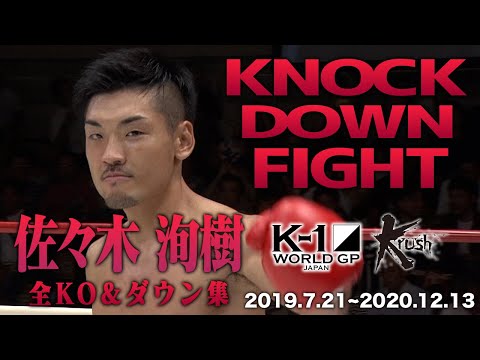
【武道と戦術】佐々木洵樹選手の「金的防御」に見る、究極の「残心」と「不動心」

武道の世界は、単なる技の応酬ではない。それは、心技体の調和、そして極限の状況下でいかに己を律し、勝利を掴むかという深遠なる哲学の探求である。多くの者は、一撃必殺の打撃や、流れるような投げ技に目を奪われがちだが、真の達人は、その技の「前後」に宿る精神性、すなわち「残心」と「不動心」の境地を極めている。

今回、我々はこの深淵なるテーマを、ある意外な、しかし極めて示唆に富む視点から紐解いていく。それは、K-1 WORLD GP JAPANとKrushのリングで数々の激闘を繰り広げた、佐々木洵樹選手の「金的防御」という、一見すると戦術論や技術論の範疇に収まるべき事象である。しかし、私がこの一点に焦点を当てるのは、単なる技術分析を超えた、武道の真髄に迫るものがあるからだ。

「金的防御」。それは、文字通り相手の急所である金的への攻撃を防ぐ技術だ。しかし、佐々木選手が見せるそれは、単なる防御動作ではない。そこには、相手の意表を突き、攻撃の勢いを殺し、そして何よりも自己の精神的動揺を一切排する、究極の「残心」と「不動心」が息づいている。この防御は、単に身体的なダメージを防ぐだけでなく、相手の攻撃によって生じうる精神的な動揺をも未然に防ぐ、高度な「心理戦」の色彩を帯びているのだ。

多くの武道家が、試合や稽古の中で、想定外の状況や、精神を揺さぶるような出来事に遭遇する。その際に、いかに平静を保ち、本来の力を発揮できるか。佐々木選手の「金的防御」は、その模範とも言える。相手が金的を狙うという、ある意味で「反則ギリギリ」の、あるいは「不意を突く」攻撃を仕掛けてきたとする。ここで冷静さを失えば、攻撃の勢いだけでなく、試合の流れも相手に渡してしまうだろう。

しかし、佐々木選手は違う。その瞬間、彼の身体は、まるで熟練された舞踏家のように、しかしその実、鋼鉄の意志によって制御されているかのように、自然かつ的確に急所を保護する。この動作に、一瞬の迷いも、過剰な力みもない。これは、単に反復練習によって身についた身体的な反射ではない。長年の鍛錬によって培われた、極限の状況下でも「心」が「動」じない、揺るぎない「不動心」の現れなのである。

さらに、この防御動作そのものが、一種の「残心」として機能している点も見逃せない。攻撃を無効化し、相手の意図を挫くだけでなく、その後の展開においても、自身の優位性を失わない。相手が「意図した効果」を得られなかったという事実、そしてそれに対する佐々木選手の冷静な対応は、相手に精神的なプレッシャーを与え、次の攻撃への意欲を削ぐ。まさに、「技」が「心」を制し、「心」が「技」を導く、武道の理想形と言えよう。

では、この「金的防御」という、一見地味な技術に、なぜ我々はここまで深く焦点を当てるべきなのだろうか? それは、これが、K-1という、勝敗が瞬時に決まる過酷な舞台で、佐々木選手が生き残り、勝利を積み重ねてきた「秘訣」の一端を垣間見せてくれるからだ。彼のファイトスタイルには、一撃必殺の破壊力だけでなく、相手の攻撃をいなし、最小限のエネルギーで最大の効果を生み出す、洗練された「戦術」が宿っている。

ここで、武道の古典に目を向けてみよう。

「勝つべき敵は、己自身である。」

これは、多くの武道家が座右の銘とする言葉だが、佐々木選手の「金的防御」は、この言葉を体現している。外部からの脅威(相手の攻撃)に対して、いかに内なる動揺(恐怖、怒り、焦り)を制するか。この一点において、彼は極めて高いレベルに達していると言える。

次に、より実践的な側面からこの技術を見ていこう。佐々木選手が金的防御を見せる場面は、多くの場合、相手がリーチの差を埋めようとしたり、あるいは劣勢を覆そうと、ややラフな戦法に出ようとする局面である。そこで、冷静に、かつ効果的に金的をガードできるかどうかが、試合の流れを左右する。

彼の防御は、無駄な動きが一切ない。最小限の身体の動きで、最大のリスクを回避している。これは、単に「身体的な訓練」だけでは到達できない境地だ。そこには、相手の動きを予測する「洞察力」、そしてその予測に基づき、瞬間的に最適な反応を選択する「判断力」が不可欠である。これらは、長年にわたる稽古、そして数多くの実戦経験によってのみ培われる。

武道における「金的防御」の進化:単なる回避から「残心」への昇華

伝統的な武道において、金的への攻撃は、しばしば「禁じ手」とされるか、あるいは極めて限定的にしか使用されない。しかし、現代の総合格闘技やキックボクシングにおいては、ルール上認められていない場合でも、意図的、あるいは偶発的に急所を狙う場面は少なくない。このような状況下で、いかに冷静に対応できるかは、選手の精神的な強靭さを示す指標となる。

佐々木選手の「金的防御」は、単なる「回避」や「防御」の域を超え、攻撃の意図を無効化し、相手の精神を揺さぶり、さらに自身の次の攻撃への布石とする、高度な「残心」の体現であると言える。相手が激しい攻撃を仕掛けてきたにも関わらず、それを冷静にいなし、試合の流れを自身のものにする。これは、まさに「残心」の真髄である。

「残心」とは、技を終えた後も、心身ともに緊張を保ち、油断なく次の動きに備える状態を指す。佐々木選手の金的防御は、この「残心」を、防御動作そのものに組み込んでいる。相手の攻撃が途切れた後、あるいは無効化された後、彼は微動だにせず、相手の次の動きを冷静に見極める。この「静」の中に秘められた「動」への準備こそが、彼の強さの源泉なのだ。

「不動心」の錬成:佐々木洵樹選手の精神的強靭さの秘密

「不動心」とは、いかなる状況下でも動じない、揺るぎない心の状態を指す。これは、武道家にとって究極の目標の一つであり、その達成は容易ではない。佐々木選手が、激しい打撃戦の最中に、金的攻撃という、通常であれば動揺を誘う攻撃に対して冷静に対応できるのは、彼がこの「不動心」を極めつつある証拠と言える。

彼の防御動作には、一切の迷いがない。それは、長年の厳しい稽古と、数多くの試合経験によって培われた、身体と精神が一体となった反応である。相手の攻撃を「予見」し、その攻撃が自分に到達する前に、最も効果的な防御策を発動する。この一連のプロセスは、まさに「不動心」の体現である。

この「不動心」があるからこそ、彼は相手の攻撃に動揺することなく、自身の戦略を遂行できる。そして、相手の攻撃の隙をついて、反撃に転じることができるのだ。彼のファイトスタイルは、単なる力任せの戦いではなく、精神的な強靭さを基盤とした、高度な戦術眼に裏打ちされている。

武道における「心理戦」:技術と精神の融合

武道は、単なる身体能力の競い合いではない。それは、相手の精神をも制する、高度な心理戦の側面を持つ。佐々木選手の「金的防御」は、この心理戦において、彼がどれほど優位に立っているかを示している。相手は、意図的に、あるいは偶発的に金的を狙ってくる。しかし、佐々木選手は動じない。

むしろ、相手の不意を突くような攻撃に対して、冷静かつ的確な防御を見せることで、相手に精神的なプレッシャーを与える。相手は、「狙い通りにいかない」というフラストレーションを感じ、次の攻撃への意欲を削がれる。一方、佐々木選手は、冷静さを保ち、自身のペースを維持する。

この心理的な駆け引きは、試合の行方を大きく左右する。佐々木選手が、数々の激闘を制してきた要因の一つに、この卓越した心理戦の能力があることは間違いないだろう。彼の「金的防御」は、単なる技術的な冴えだけでなく、相手の心理を読み、そして自身の精神を律するという、武道における「心」の重要性を、雄弁に物語っている。

ところで、多くの格闘技ファンは、派手なKOシーンに目を奪われがちだ。佐々木選手のKOシーンもまた、見る者を熱狂させるものだが、私はあえて、この「金的防御」という、一見地味だが極めて本質的な場面に焦点を当てたい。なぜなら、ここにこそ、彼の真の強さ、そして武道家としての深みが凝縮されているからだ。

試合の行方を左右する、わずか数秒の攻防。相手が隙を見て繰り出した、急所への攻撃。ここで、冷静さを失えば、一瞬にして試合は終わる。しかし、佐々木選手は、まるで禅僧が瞑想するかのように、静かに、そして的確に、その危機を回避する。

この防御動作は、単なる身体の反応ではない。それは、長年の鍛錬によって培われた、強固な精神力の表れだ。相手の意図を読み、その攻撃が到達する前に、身体が勝手に動く。そこには、恐怖も、焦りも、怒りもない。ただ、純粋な「反応」だけが存在する。

この「反応」こそが、「不動心」の現れであり、その後の展開を有利に進めるための「残心」の始まりなのである。

試合の結末だけが、強さの証明ではない。その過程で、いかに己の心を制御し、技術を研ぎ澄ますことができるか。佐々木選手の「金的防御」は、その問いに対する、一つの見事な答えを与えてくれる。

「金的防御」という、一見すると単純な技術に、これほどまでの深遠なる精神性を見出すことができるとは、武道の奥深さ、そして人間の精神の可能性には、尽きることがない。

Veredicto del Sensei: ¿Merece la pena?

佐々木洵樹選手の「金的防御」は、単なる技術的な冴えを超えた、武道における「残心」と「不動心」の極致を示す、極めて示唆に富む場面である。彼の冷静沈着な対応は、防御の極意のみならず、いかなる状況下でも自己を律し、勝利を掴むための精神的強靭さの重要性を、我々に教えてくれる。この一点に注目するだけでも、彼のファイトを見る価値は十分にある。総合的に見て、彼の試合は、単なるエンターテイメントに留まらず、武道の本質を学ぶための貴重な教材と言える。

Calificación: Cinturón Negro en Inteligencia Marcial y Control Mental.

Equipo Esencial para tu Entrenamiento

Aunque el tema principal es la defensa de "puntos sensibles", un entrenamiento marcial riguroso requiere el equipo adecuado para maximizar el aprendizaje y la seguridad. Aquí te presento algunos elementos esenciales:

  • Guantes de Boxeo/MMA: Para el entrenamiento de golpeo y sparring, protegen tus manos y las de tu oponente. Busca unos de 16oz para sparring pesado.
  • Protector Bucal: Fundamental para cualquier tipo de combate, protege tus dientes y mandíbula de impactos severos.
  • Protector de Ingle (Suspensory/Cup): Aunque no siempre se usa en entrenamientos de alto nivel para evitar la "costumbre", es vital para la autoprotección en situaciones de riesgo o para combates específicos donde se simulan ataques bajos.
  • Pantalones de Entrenamiento (Shorts de MMA/Judo Gi): Permiten libertad de movimiento para patadas bajas y técnicas de grappling.
  • Esterillas de Entrenamiento (Tatami/Mats): Para la práctica segura de caídas y técnicas de suelo.
  • Kimono de Judo/BJJ (Gi): Si practicas grappling, un gi de buena calidad, preferiblemente de doble tejido, es crucial para la durabilidad y el agarre.

Guía de Entrenamiento: El Principio del "Zanshin" (残心)

El Zanshin es un concepto fundamental en muchas artes marciales, que va más allá de la simple finalización de una técnica. Es un estado de alerta y conciencia continua. Aquí te presento un ejercicio para cultivar el Zanshin:

  1. Técnica Básica: Elige una técnica sencilla que hayas practicado durante un tiempo (ej: un golpe de puño recto, una patada frontal, una parada básica).
  2. Ejecución Consciente: Realiza la técnica elegida, pero presta atención extrema a cada fase: la preparación, la ejecución y la recuperación.
  3. Enfoque en la Recuperación: Una vez completada la técnica (ej: el puño ha vuelto a su posición o la patada ha finalizado su recorrido), no relajes inmediatamente tu postura ni tu mente. Mantén tu guardia, tu mirada fija en el objetivo (o en el espacio donde estaría el oponente), y conserva tu equilibrio y tu "presencia" en el espacio.
  4. Alerta Continua: Siente tu cuerpo, tu respiración, y tu entorno. Imagina que justo después de tu técnica, el oponente intenta un contraataque. ¿Estás listo para defenderte o atacar de nuevo?
  5. Integración: Practica esta fase de "alerta continua" durante al menos 3-5 segundos después de cada repetición de la técnica.
  6. Aplicación en Sparring: Intenta mantener este estado de Zanshin durante las sesiones de sparring. No te relajes ni un instante, incluso después de haber conectado un golpe o haber completado una proyección. La alerta constante es la verdadera defensa.

Este ejercicio simple, practicado con dedicación, te ayudará a interiorizar el concepto de Zanshin y a estar siempre preparado para lo que venga.

Preguntas Frecuentes

¿Qué es exactamente el "Kin-teki Bōgyo" (金的防御)?

Es la técnica o acción defensiva para proteger la zona genital masculina de un golpe. En el contexto de las artes marciales, su correcta ejecución y el estado mental que la acompaña son lo que la eleva de una simple acción a un principio marcial.

¿Se enseña la defensa de "puntos sensibles" en las artes marciales tradicionales?

Sí, aunque a menudo se considera una técnica de "último recurso" o se enseña con énfasis en la autodefensa y la disuasión. El enfoque principal sigue siendo el control, la disciplina y el respeto, pero el conocimiento de cómo neutralizar amenazas efectivas (incluyendo puntos sensibles) es parte integral de la preparación marcial.

¿Por qué es importante el "Zanshin" (残心) en combate?

El Zanshin te mantiene alerta y preparado para cualquier eventualidad, incluso después de haber ejecutado una técnica exitosa. Previene contraataques, te permite capitalizar nuevas oportunidades y es la manifestación de un espíritu marcial que nunca se relaja. Es la diferencia entre "ganar un asalto" y "ganar la pelea".

¿Cómo se cultiva el "Fudoshin" (不動心) o "Corazón Inmóvil"?

El Fudoshin se cultiva a través de la meditación (Zazen), la práctica rigurosa y repetitiva de las técnicas marciales, la confrontación con el miedo y la adversidad controlada (sparring, exámenes), y el estudio de la filosofía marcial. Se trata de desarrollar una resiliencia mental que te permita mantener la calma y el enfoque bajo presión extrema.

¿Es la defensa de "puntos sensibles" una táctica "suicida" o "desesperada"?

No necesariamente. En el contexto de la autodefensa, puede ser una respuesta necesaria ante una amenaza grave. En el contexto del combate deportivo como el de K-1, la prevención y la defensa de zonas vulnerables, incluso si el ataque no se produce, demuestra una anticipación táctica y un control mental excepcionales. No es un acto de desesperación, sino de inteligencia marcial.

Para Profundizar en tu Camino

Reflexión del Sensei: Tu Próximo Paso

Hemos desentrañado la profundidad oculta en la defensa de "puntos sensibles" de佐々木洵樹, elevándola a un estudio de "残心" y "不動心". Ahora te pregunto: En tu propio entrenamiento, ¿qué es lo que verdaderamente te mantiene alerta? ¿Es el miedo a fallar, la búsqueda de la perfección técnica, o la voluntad inquebrantable de proteger tu centro, tanto físico como mental, ante cualquier adversidad?

La próxima vez que entrenes, no te enfoques solo en la potencia de tu golpe o la fluidez de tu movimiento. Enfócate en el instante posterior. ¿Estás verdaderamente "presente"? ¿Tu mente está tan afilada como tu arma? Demuéstralo en los comentarios.

``` GEMINI_METADESC: Analiza la defensa de puntos sensibles de Koki Sasaki como estudio de Zanshin y Fudoshin. Descubre cómo la calma mental y la anticipación marcial definen la victoria.

The Philosophy of the Empty Hand: Decoding the Essence of Karate-Do

The Unseen Battlefield

The clang of weapons, the thud of leather on a heavy bag, the roar of a crowd – these are the external manifestations of combat. But what of the battlefield within? The true martial artist understands that the most significant struggles are often fought in the silent arena of the mind. This is especially true in the contemplative yet explosive world of Karate-Do, an art that, at its core, transcends mere physical confrontation. Today, we embark on a journey not to simply dissect punches and kicks, but to delve into the profound philosophy that makes Karate-Do a lifelong pursuit.

Beyond the Punch: The True Meaning of Karate-Do

The term "Karate-Do" itself offers our first clue: "Kara" (empty), "Te" (hand), and "Do" (way). So, the "Way of the Empty Hand." But what does this "emptiness" signify? Is it a literal absence of weapons, or something far more profound? I have seen countless practitioners, their hands laden with technique, yet their minds cluttered with ego and distraction. True Karate-Do, as taught by the masters of old, begins when the practitioner's hands are literally and metaphorically empty – devoid of malice, anger, and selfish desire. It is in this state of "Mushin" (no-mind) that the practitioner can react with unparalleled clarity and effectiveness.

"Karate is a lifetime study. The goal is not to win, but to perfect one's character." - Gichin Funakoshi

Many modern interpretations, unfortunately, focus solely on the "Te" – the physical techniques. They pursue knockout power and competitive victory, often at the expense of the "Do," the spiritual and ethical development. This is a critical misunderstanding, a common pitfall for those seeking superficial gains. The true intent of Karate-Do lies in self-improvement, in cultivating discipline, respect, and humility. The techniques are merely the vehicle, the tools to achieve a higher state of being.

The Pillars of the Empty Hand

Karate-Do is built upon a foundation of interconnected principles, each vital to the practitioner's growth. These aren't just abstract concepts; they are guiding forces that shape the very execution of a technique. Let us examine them:

  • Seiryoku Zenyo (Maximum Efficiency, Minimum Effort): This principle, famously associated with Jigoro Kano of Judo but deeply ingrained in Karate, emphasizes using an opponent's force against them, and achieving the desired outcome with the least amount of energy expenditure. It’s about leverage, timing, and understanding physics – not brute strength alone.
  • Jita Kyoei (Mutual Welfare and Benefit): This tenet underscores the importance of harmonious relationships and contributing to the well-being of society. In the dojo, it translates to respecting your training partners, helping them grow, and understanding that your progress is intertwined with theirs. It’s the antithesis of cutthroat competition detached from ethical considerations.
  • Zanshin (Remaining Mind/Awareness): After a technique is executed, the fight is not necessarily over. Zanshin is the state of continued awareness, a readiness to react to any subsequent threat. It’s about maintaining focus and vigilance, even in moments of perceived victory. Think of the boxer who has landed a blow but remains defensively aware of their opponent's counter.
  • Mushin (No Mind): As mentioned earlier, this is the state of being free from distracting thoughts – fear, anger, doubt, or even the thought of victory. It is a state of pure presence, allowing for instinctive, uninhibited action. It is the ultimate goal, a state of flowing with the moment.
  • Fudoshin (Immovable Mind): While Mushin is about an absence of thought, Fudoshin is about an unwavering mental fortitude. It is the calm, centered mind that cannot be shaken by adversity, fear, or surprise. A practitioner with Fudoshin stands firm, mentally and physically, regardless of the circumstances.

Kata: The Moving Meditation

For those unfamiliar with Karate, kata can appear as a series of stylized, almost dance-like movements. But to the seasoned practitioner, kata are intricate maps of combat, repositories of ancient wisdom passed down through generations. Each sequence, each block, each strike, and each stance within a kata tells a story of self-defense against imaginary opponents.

The practice of kata is a profound form of moving meditation. It demands meticulous attention to detail: precise footwork, correct breathing (Ibuki or Nogare), balance, and power generation (Kime). Performing a kata with mindfulness, focusing on the intent behind each movement, purifies the mind. It trains the body to execute techniques instinctively, preparing it for the sudden demands of a real confrontation. The repetition, the rigor, the deep concentration required – these elements strip away mental clutter, fostering the very principles of Zanshin and Mushin we discussed.

Consider the famous kata Bassai Dai. It's not just a series of movements; it's a simulated battle against multiple attackers, a test of evasion, parrying, striking, and maintaining composure under pressure. When practiced correctly, with the spirit of a true warrior, it becomes a powerful tool for self-discovery.

Bushido's Echo: The Warrior's Heart

Karate-Do, while originating in Okinawa with Chinese influences, shares a profound lineage with the samurai code of Bushido. The "Way of the Warrior" is not merely about fighting prowess; it is about integrity, loyalty, courage, and self-control. The ethical framework of Bushido is intrinsically linked to the philosophy of Karate-Do.

"There are no winners in Karate, only learners." - Mas Oyama

The emphasis on respect for the sensei and training partners, the strict etiquette within the dojo, the dedication to constant self-improvement – these are all echoes of the samurai spirit. A true martial artist, like a true samurai, understands that strength without character is a dangerous, ultimately destructive force. The pursuit of martial perfection is, therefore, inseparable from the pursuit of moral perfection. This ethical dimension is what elevates Karate-Do from a mere combat system to a path of life-long character development.

Mastering the Fundamentals: A Practical Approach

To embody the philosophy of Karate-Do, diligent practice of the fundamentals is paramount. Forget the flashy techniques seen in movies for a moment; true mastery lies in perfecting the basics. Here’s a structured approach:

  1. Stances (Dachi): Begin with a solid foundation. Practice Zenkutsu-dachi (forward stance), Kokutsu-dachi (back stance), Kiba-dachi (horse stance), and Nekoashi-dachi (cat stance). Focus on weight distribution, hip rotation, and maintaining a low center of gravity. Ensure your stances are stable and balanced.
  2. Basic Strikes (Tsuki/Uchi): Master the straight punch (Choku-zuki), reverse punch (Gyaku-zuki), and punches from various stances. Practice circular strikes (Mawashi-uchi) and hammer fists (Oroshi gan). Emphasize hip rotation for power and retraction of the supporting hand (Hikite) for balance and speed.
  3. Blocks (Uke): Develop strong defensive techniques. Practice Gedan-barai (down block), Jodan-uke (upper block), Soto-uke (outside block), and Uchi-uke (inside block). Focus on the sharpness of the block, the transition from readiness to execution, and maintaining a strong structure.
  4. Kicks (Keri): Start with foundational kicks like Mae-geri (front kick), Mawashi-geri (roundhouse kick), and Yoko-geri (side kick). Prioritize proper chambering of the knee, hip rotation, and extending the kick with control. Speed and precision are key, not just power.
  5. Kata Practice: Regularly practice your assigned kata, focusing on understanding the application (Bunkai) of each movement. Don't just go through the motions; visualize the opponent, feel the intent behind each action.
  6. Sparring (Kumite): Gradually engage in controlled sparring. This is where theory meets practice. Focus on timing, distance, recognizing opportunities, and applying techniques learned. Remember Jita Kyoei – spar with respect for your partner.

Consistency is the bedrock of progress. Aim for focused, quality training sessions over sporadic, intense bursts. Even 20-30 minutes of dedicated practice daily can yield significant results.

Essential Gear for Your Training Journey

While Karate-Do is an art of the "empty hand," proper equipment can significantly enhance your training safety and effectiveness. Investing in quality gear is a commitment to your practice.

  • Karategi (Uniform): A durable, well-fitting Karategi is essential. For beginners, a standard cotton uniform is sufficient. As you progress, consider a heavier, double-weave fabric for enhanced durability and presence during kata and kumite. Brands known for quality include Warrior Gear and Budo Supply.
  • Belt (Obi): Your belt signifies your rank and dedication. Ensure it is securely tied and appropriately colored for your level.
  • Protective Gear (for Kumite): For sparring, essential protective gear includes:
    • Mouthguard: Absolutely critical for preventing dental injuries.
    • Groin Protector: A non-negotiable item for male practitioners.
    • Hand Mitts (Kumite Gloves): Lightly padded gloves designed for kumite to protect knuckles and reduce impact.
    • Foot Protectors: Optional but recommended for added foot safety.
    • Chest Protector (WKF Approved): Mandatory for official competitions and highly recommended for intense sparring sessions.
  • Training Mats (Optional): If you are training at home, especially for grappling or falling techniques, consider investing in interlocking foam mats for safety.

Remember to always consult your dojo's specific requirements regarding equipment.

Sensei's Verdict: Is Karate-Do Still Relevant?

In an era dominated by MMA, where brute force and explosive athleticism often steal the spotlight, one might question the relevance of traditional Karate-Do. My answer is an emphatic **yes**. While the competitive landscape has evolved, the core principles of Karate-Do – discipline, self-control, respect, and the pursuit of character perfection – are more critical than ever. The ability to remain calm under pressure (Fudoshin), to act with presence and awareness (Zanshin and Mushin), and to employ efficiency over brute force (Seiryoku Zenyo) are universally applicable skills, far beyond the confines of a dojo.

Karate-Do, when practiced with the right intention, is not about fighting; it is about forging the self. It teaches you to overcome your own limitations, to face adversity with grace, and to contribute positively to the world. The techniques are a means to an end: the cultivation of a strong, ethical, and resilient individual. Therefore, Karate-Do is not just relevant; it is essential for navigating the complexities of modern life.

Cinturón Negro en Sabiduría Marcial.

Frequently Asked Questions

  • What is the main difference between Karate and other martial arts like Judo or Taekwondo?
    While all martial arts share common goals of self-improvement, Karate-Do primarily focuses on striking techniques using hands and feet, emphasizing linear movements and strong stances. Judo focuses on throws and grappling, while Taekwondo is renowned for its dynamic kicking techniques. The underlying philosophy, however, often converges on discipline and respect.
  • Do I need to be naturally athletic to start Karate?
    Absolutely not. Karate-Do is designed for individuals of all ages and physical conditions. The training process builds strength, flexibility, and coordination over time. The journey begins with the fundamentals, not with pre-existing athletic prowess.
  • Is Karate-Do useful for self-defense?
    Yes, but with an important caveat. Traditional Karate-Do teaches effective striking and defensive principles. However, real-world self-defense requires adapting these techniques to unpredictable situations and often involves de-escalation and awareness, aspects that are honed through consistent practice and the development of Zanshin and Fudoshin.
  • How long does it take to become a black belt?
    The time frame varies significantly depending on the style, the school, the individual's dedication, and the frequency of training. Typically, reaching the Shodan (first-degree black belt) level takes anywhere from 3 to 5 years of consistent, dedicated practice.

Deepen Your Understanding

The journey of martial arts is one of continuous learning. To further enrich your understanding of these profound disciplines, explore these related topics:

Reflexión del Sensei: Tu Próximo Paso

Have you truly emptied your hands, or are they still grasping at ego, at perceived victory, at the fleeting recognition of others? The essence of Karate-Do is not found in the perfection of a technique, but in the perfection of the self. This path is relentless, demanding honesty, perseverance, and a willingness to confront your own weaknesses with the same courage you would face an opponent. So, I ask you:

When you bow at the end of your next training session, will it be an empty gesture, or a sincere acknowledgment of the lessons learned and the commitment to continue your evolution?

``` GEMINI_METADESC: Explore the philosophical depth of Karate-Do, from the 'empty hand' meaning to principles like Mushin, Zanshin, and the ethical warrior code. Master fundamentals for self-improvement.