Showing posts sorted by date for query SelfDefense. Sort by relevance Show all posts

Unleashing the Power Within: Mastering the 27 Core Movements of Okinawan Karate

The Genesis of Karate: From Okinawa to Your Dojo

Greetings, warriors! Today, we delve into the very heart of the martial arts, tracing its roots back to the sun-drenched shores of Okinawa, the undisputed birthplace of Karate. For centuries, this island has been the crucible where techniques were forged, philosophies refined, and the indomitable spirit of the warrior cultivated. But what if the traditional dojo walls are beyond your reach? Does that mean the path of Karate is closed to you? Absolutely not.

Ageshio Japan, deeply embedded in the Okinawan martial landscape, brings you a profound training program designed for the modern practitioner. This isn't just about physical conditioning; it's about unlocking the latent power within, a power accessible to anyone willing to commit. We are thrilled to present a masterclass led by the venerable Yoshimasa Kakazu, a 10th Dan instructor of Shorin-ryu, who will guide us through 27 fundamental movements that form the bedrock of Karate.

The true essence of Karate lies not in grand displays, but in the diligent, repetitive refinement of basic principles. This session is your invitation to transcend physical limitations and bring the authentic spirit of Okinawan Karate directly into your home. Prepare to train, to sweat, and to grow. Ossu!

The Wisdom of Yoshimasa Kakazu: A 10th Dan Perspective

When we speak of Karate, especially the classical styles of Okinawa, names of true masters echo through the annals of martial history. Yoshimasa Kakazu, a 10th Dan instructor of Shorin-ryu, embodies the pinnacle of this tradition. His lineage, his dedication, and his profound understanding of the art are a testament to a lifetime devoted to the path of Budo. Shorin-ryu, meaning "the style of the young forest," is renowned for its emphasis on speed, agility, and economical movement, principles that Kakazu Sensei embodies.

His instruction transcends mere technique. It is a distillation of decades of practical application, philosophical contemplation, and the relentless pursuit of perfection. Through these 27 core movements, he offers not just a curriculum, but a philosophy. He teaches us that the journey of a thousand miles begins with a single step – or in this case, a single, perfectly executed block, strike, or stance. His approach is a powerful reminder that mastery is built upon a foundation of unwavering discipline and a deep respect for the fundamentals, a concept central to the BUDO philosophy.

"The true martial artist does not seek victory, but strives for self-perfection. Each movement, no matter how basic, is an opportunity for growth." - Attributed to Okinawan Karate Masters

Deconstructing the 27 Core Movements

What are these 27 movements? They are not arbitrary. Each one is a building block, a fundamental expression of combative principles honed over generations. You will encounter foundational blocks (uke), devastating strikes (tsuki and uchi), crucial evasive maneuvers, and essential stances (dachi) that provide stability and power. These are the building blocks for all Karate katas and combat applications.

Consider the simplicity and effectiveness of a basic gedan barai (downward block). In the hands of a novice, it is merely a gesture. But when executed with the correct body mechanics, focus, and intention—as taught by Kakazu Sensei—it becomes a formidable defense, capable of neutralizing an attack before it even lands. Similarly, a straight punch (choku zuki) delivered with hip rotation and proper alignment is a weapon of considerable force. These 27 movements are the alphabet of Karate; mastering them allows you to compose the epic poems of combat.

The beauty of this curated set of movements lies in its universality. Whether your goal is self-defense (SelfDefense), physical fitness (Fitness), or spiritual development (SpiritualDevelopment), these 27 movements provide the essential framework. They are the distilled essence, the fundamental grammar of Karate, applicable across various styles including Okinawan Karate and beyond.

The Unwavering Path: Why Daily Practice is Non-Negotiable

In the relentless pursuit of mastery, there are no shortcuts. This is a truth that resonates across all martial arts, from the precision of Judo to the fierce spirit of Kyokushin Karate. Kakazu Sensei's emphasis on daily practice is not a suggestion; it is a command. The human body and mind are instruments that require constant tuning. Neglect them, and their resonance fades.

Think of a musician practicing scales. Each repetition might seem monotonous, yet it is this very repetition that builds muscle memory, refines technique, and instills the discipline necessary for complex performances. In Karate, daily practice ingrains the movements into your very being. It enhances your Ki, improves your conditioning (Conditioning), and sharpens your reflexes to a razor's edge. It is the consistent effort, the unwavering commitment, that transforms a practitioner into a martial artist.

This consistent effort also builds mental fortitude. Facing the challenge of practicing a movement for the hundredth, or perhaps the thousandth, time cultivates patience, resilience, and a deep understanding of perseverance. This is the core of SelfImprovement and MentalGame. It is through this daily grind that we learn to overcome our own limitations, a far more significant victory than any external fight.

"Repetition is the mother of skill. Do not scorn the basics; they are the foundation upon which all greatness is built." - A principle echoed in many dojos.

Ageshio Japan: Your Gateway to Authentic Okinawan Karate

Ageshio Japan is more than just an organization; it is a bridge. A bridge connecting the rich, historical legacy of Okinawan Karate to the global community of martial arts enthusiasts. Located on Okinawa, the spiritual homeland of Karate, their mission is twofold: to share the profound charm and depth of Okinawan Karate with the world and to foster the growth of Okinawan Karate tourism. They are dedicated to providing an authentic experience, allowing you to learn directly from the source, from the Masters who carry the torch of tradition.

Whether you are a seasoned practitioner seeking advanced training or a complete beginner eager to embark on your martial arts journey, Ageshio Japan offers a spectrum of programs. From structured dojo trainings to bespoke training plans tailored to your individual needs, their offerings are designed to enrich your understanding and elevate your skill. They are a vital resource for anyone passionate about the martial way, providing insights into the lives and teachings of Okinawan Karate Grand Masters.

If you're looking to deepen your martial arts experience, their website is an invaluable resource. You'll find information on upcoming programs, details on Okinawan Karate history, and how to connect with the living legends of this art. They are truly facilitating a connection, a vital link for your personal MartialArtsJourney. Explore their offerings and take the first step towards an unforgettable TransformativeExperience.

Website: https://ift.tt/sbzRFCl
Facebook: https://ift.tt/0NaTW7h
Instagram: https://ift.tt/Jj5ENw6
Trip Advisor: https://bit.ly/2nKFj0C

Essential Training Gear for Your Home Dojo

To truly embrace the discipline of daily Karate practice at home, having the right equipment can make a significant difference. While Karate is famously accessible with minimal gear, certain items can enhance your training, safety, and overall experience. For anyone serious about mastering these 27 movements and progressing in their KarateSpirit, consider these essentials:

  • Karate Gi: A durable, well-fitting Karate uniform (gi) is crucial. Look for a double-weave cotton gi for durability, especially if you plan on practicing dynamic movements or light sparring. Ensure it allows for freedom of movement. For those serious about KarateMerchandise, a quality gi is a worthy investment.
  • Training Mat: Depending on your flooring, a specialized martial arts mat or a firm yoga mat can provide cushioning for stances and break falls, protecting your joints and preventing slips during dynamic drills.
  • Hand Protection: For practicing strikes, even on a makiwara or heavy bag (if available), consider basic padded mitts or fingerless gloves. This can help prevent minor injuries and allow for more vigorous practice.
  • Footwear: While many practice barefoot, some prefer lightweight, flexible martial arts shoes or even clean, flat-soled athletic shoes for added grip and support on harder surfaces.
  • Training Partner (Optional): While these drills are designed for solo practice, eventually, a training partner can offer invaluable feedback and allow you to practice CombateCuerpoACuerpo scenarios.

Investing in the right gear shows commitment to your training and respect for the art. It transforms your space into a genuine MartialArtsTraining environment.

Frequently Asked Questions

  • Can beginners truly learn Karate from a video? Absolutely. While direct instruction from a qualified Sensei is ideal, foundational movements like these 27 core techniques can be effectively learned and practiced from detailed video instruction. The key is diligent observation, repetition, and self-correction.
  • How long should I practice these 27 movements daily? Consistency is more important than duration. Aim for at least 20-30 minutes of focused practice daily. Quality over quantity – ensure each movement is performed with correct form, power, and intention.
  • What is the difference between Okinawan Karate and other styles like Japanese Karate? Okinawan Karate is the original form from which many Japanese styles evolved. It often emphasizes more direct, linear techniques and a deeper connection to traditional Budo principles. Styles like Shotokan or Wado-ryu, while rooted in Karate, have developed distinct characteristics.
  • Is this program suitable for women's self-defense? Yes. The fundamental principles of Karate, including blocks, strikes, and stances taught here, are highly effective for self-defense. The physical conditioning and mental focus developed will significantly enhance your ability to protect yourself.

Sensei's Reflection: Your Next Move

You have now been presented with the blueprint: 27 fundamental movements, the wisdom of a 10th Dan master, and the unwavering principle of daily practice. The birthplace of Karate has extended an invitation into your home. The path is clear, but the journey is yours alone to walk.

This isn't merely about learning a sequence of physical actions. It's about forging discipline, cultivating resilience, and unlocking a deeper understanding of yourself and the world around you. The real test of a martial artist is not in the flashy techniques, but in the quiet dedication to the basics, day in and day out.

Reflection of the Sensei: Your Next Step

If you had to choose just ONE of these 27 movements to perfect in the next week, which would it be, and *why* do you believe its mastery will bring you the most significant benefit, not just in Karate, but in facing the daily battles of life?
For Deeper Exploration on Your Path

``` ``` GEMINI_METADESC: Master the 27 core movements of Okinawan Karate with 10th Dan instructor Yoshimasa Kakazu. Learn daily practice routines for home and unlock your true martial potential.

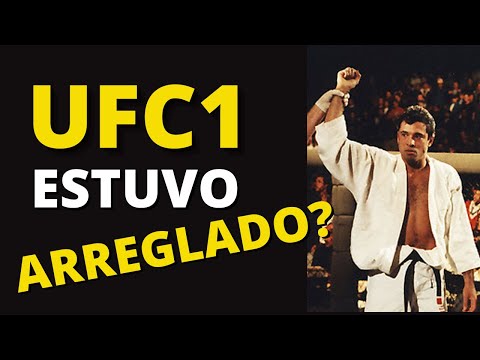
The Gracie Conspiracy: Unraveling the Jiu-Jitsu Bias in Early UFC

Did Rorion Gracie rig the early Ultimate Fighting Championship (UFC) to ensure his brother, Royce, claimed victory? This isn't just locker-room talk; it's a question that has echoed through martial arts circles since the promotion's inception. Welcome, warriors and scholars, to Budo and Martial Arts, where we dissect the legends and the controversies that shape our world. Today, we delve deep into the shadowy corners of UFC's genesis, examining the whispers of conspiracy that surround the Gracie family's dominance.

The Genesis of the Controversy

The year is 1993. The UFC, a brutal, no-holds-barred tournament, explodes onto the scene, promising to answer the age-old question: "Which martial art is the most effective in a real fight?" Enter Royce Gracie, a slender Brazilian known for his seemingly passive yet devastating Brazilian Jiu-Jitsu (BJJ). Royce would go on to win UFC 1, UFC 2, and UFC 4, submitting larger, stronger opponents with his family's grappling art. This unprecedented success, however, sowed seeds of doubt. Was it pure skill, or was there a guiding hand, a deliberate orchestration by Rorion Gracie, one of the event's primary organizers and Royce's elder brother? This question ignites a firestorm among martial artists. For some, it's an insult to the art and Royce's achievements. For others, it's a logical dissection of how power and influence might have shaped the nascent sport. Let's peel back the layers and examine the evidence, not with blind faith, but with the critical eye of a seasoned martial artist.

UFC 1: The Brazilian Jiu-Jitsu Upset

UFC 1 was a revelation. Royce Gracie, often the smallest competitor, moved through the bracket with a quiet intensity. His opponents – a boxer, a karateka, a sumo wrestler, and a taekwondo practitioner – were all formidable in their respective disciplines but lacked the grappling prowess to counter his submissions. He secured three victories, all by submission, showcasing the efficacy of BJJ in a way the world had never witnessed.
The immediate impact was undeniable. BJJ, previously a niche art known primarily within Brazil, was suddenly thrust into the global spotlight. Fighters and fans alike were forced to acknowledge a new paradigm in combat sports. But with this sudden, dramatic shift, questions arose. How could a seemingly unassuming practitioner dominate such a diverse field of martial artists?
"The ultimate aim of martial arts is not a victory or a defeat, but the perfection of the character of its practitioners." - Unknown Master

The Gracie Advantage: Rules, Opponents, and Tactics

Critics of the "Gracie conspiracy" theory often point to several factors that may have unfairly benefited Royce: * **Tournament Format:** The early UFC tournaments were single-elimination events. This meant that if Royce lost, his tournament was over. However, for opponents who had to fight multiple times in a single night, fatigue became a significant factor. Royce, with his efficient grappling, often finished fights quickly, conserving energy. * **Rule Set:** The initial lack of weight classes was a massive advantage for Royce, who was consistently the smallest competitor. While this tested the "any style" concept, it also meant he faced opponents who could simply overpower him physically if they could keep the fight standing. * **Opponent Selection:** Skeptics suggest that Rorion, as a key organizer, may have had influence over who participated. While direct evidence of manipulation is scarce, the narrative suggests a curated field designed to highlight BJJ's strengths. For instance, the inclusion of fighters with known weaknesses in grappling, or the peculiar circumstances surrounding certain matchups, fueled speculation. * **The "Gracie Diet" and Conditioning:** While not a conspiracy, the Gracie family's unique dietary approaches and their rigorous, often unconventional training methods also contributed to their fighters' resilience and conditioning, giving them an edge.

Rorion Gracie's Role: Promoter or Puppeteer?

Rorion Gracie was instrumental in bringing the UFC to life, driven by a vision to prove the superiority of Brazilian Jiu-Jitsu. His passion and business acumen were undeniable. He was the driving force behind the concept and the initial organization. This close involvement, however, is precisely what fuels the conspiracy theories. Did Rorion strategically shape the event – the rules, the matchups, the presentation – to ensure Royce's success? The argument is that a Gracie victory was not just a personal triumph but a crucial marketing tool for their burgeoning martial art. A loss for Royce, especially early on, could have severely damaged the credibility of BJJ and, by extension, the UFC itself. One common point of contention is the apparent willingness of opponents to "tap out" quickly to Royce's submissions. While BJJ practitioners argue this is a testament to the effectiveness and pain compliance of the techniques, others suggest that either fighters didn't fully understand the danger, or perhaps, in some instances, there was an unspoken agreement or underestimation of the threat.

Counterarguments: The Purity of BJJ

Despite the murmurs of conspiracy, a powerful counter-narrative exists: Royce Gracie was simply that good. Brazilian Jiu-Jitsu, when mastered, is an incredibly effective art, particularly for smaller individuals against larger, less experienced grapplers. * **Technical Superiority:** Royce's command of BJJ was evident. His transitions, escapes, and submissions were fluid and technically brilliant. He exploited openings with precision, demonstrating a deep understanding of leverage and body mechanics. * **Mental Fortitude:** Royce displayed remarkable calmness under pressure. While opponents often raged or fatigued, he remained composed, waiting for his opportunity. This mental game is a hallmark of disciplined martial arts training. * **The "Ultimate Fighter" Ethos:** The UFC was designed to be a test of "real" fighting. Royce's success proved that raw size and power could be overcome by technique and strategy. To dismiss his wins as a conspiracy diminishes the transformative impact BJJ had on the martial arts landscape. * **No Concrete Proof:** While speculation abounds, there is no irrefutable evidence, no leaked documents or credible testimonies, definitively proving Rorion orchestrated the outcomes. The narrative relies heavily on interpretation and the inherent distrust of a powerful promoter's influence.

Veredicto del Sensei: A Masterclass in Combat or Calculated Deception?

Let's be clear: The early UFC was a wild west. Rules were minimal, and the emphasis was on raw, unadulterated combat. Royce Gracie's dominance was real, and it fundamentally altered the course of martial arts. He faced formidable opponents and submitted them with a technique that, at the time, was largely unknown and unprepared for. However, to ignore the influence of Rorion Gracie as a promoter would be naive. Rorion's goal was to sell BJJ, and he leveraged his position to create a platform where it could shine. Whether this extended to actively manipulating matchups or rules to guarantee wins is a question that likely will never be definitively answered. The lack of clear rules regarding weight classes and the sheer novelty of the format created an environment ripe for exploitation, whether intentional or not. My analysis leans towards this: Royce's skill was genuine, but the *circumstances* created by Rorion's promotional efforts undoubtedly favored Royce's style and minimized potential threats. It was a masterclass in not just fighting, but in spectacle and marketing. The "conspiracy" lies less in fixing fights and more in brilliantly shaping the narrative and the environment to showcase BJJ's strengths. **Cinturón Negro en Marketing y Dominio Marcial.**

Training for the Street: Lessons from the Gracie Era

Even if one believes there was an element of conspiracy, the lessons from Royce Gracie's performances are invaluable for anyone interested in **#SelfDefense** or **#CombateEnLaCalle**. 1. **The Ground is King:** Never underestimate the importance of grappling. A skilled Jiu-Jitsu practitioner can neutralize superior strength and size on the ground. This reinforces the need for **#Grappling** training. 2. **Control the Fight:** Royce dictated where the fight went – to the ground. Understanding how to initiate or resist a takedown, and how to control an opponent's posture, is crucial. 3. **Submission Over Damage:** While striking arts focus on KO power, grappling emphasizes joint locks and chokes. These are efficient ways to end a confrontation. 4. **Mindset is Paramount:** Royce's calm demeanor in the face of aggression is a masterclass in mental toughness. A clear head under duress is more dangerous than any physical attribute. These principles remain vital today, impacting how martial arts are taught and practiced globally.

Resources for Deeper Study

To truly grasp the context of the early UFC and the Gracie legacy, further study is essential.

Equipo Esencial para tu Entrenamiento

  • Gi (Kimono): Essential for practicing traditional BJJ and Judo. Look for durable, double-weave kimonos for longevity.
  • Rash Guards: Ideal for no-gi grappling and MMA training to prevent mat burn and improve hygiene.
  • Mouthguard: Non-negotiable for any combat sport training to protect your teeth and jaw.
  • Training Partners: The most critical piece of equipment. Find a reputable academy with experienced instructors.

Recursos para Profundizar

Frequently Asked Questions

Q1: Was Royce Gracie the only Gracie fighting in early UFC? A1: Royce was the primary competitor representing the Gracie family in the early tournaments (UFC 1, 2, 4). Other family members have since competed in various MMA organizations. Q2: Did Rorion Gracie have a direct financial stake in Royce winning? A2: As a co-founder and promoter, Rorion had a vested interest in the success of the UFC and the positive representation of BJJ, which directly benefited his family's academies and brand. Q3: Are there any documented instances of Rorion rigging matches? A3: There is no definitive, publicly verified proof of Rorion rigging specific matches. The "conspiracy" is largely built on speculation regarding rule-making, opponent selection, and the overall narrative control Rorion wielded as promoter. Q4: How did other martial arts react to BJJ's dominance in early UFC? A4: Many traditional martial arts were forced to re-evaluate their training methodologies. The success of BJJ spurred innovation and cross-training, leading to the development of modern **#ArtesMarcialesMixtas** and a greater emphasis on grappling in various styles.

Para Profundizar en tu Camino

Reflexión del Sensei: Tu Próximo Paso

We've dissected the legend, the whispers, and the undeniable impact of the Gracie family on the UFC. But consider this, student: If the entire spectacle was, in part, a masterful piece of marketing, what does that say about the power of storytelling in martial arts? Are we truly just practitioners of physical combat, or are we also students of perception, of narrative, of the very essence of what makes an art form endure? Does the "how" matter more than the "what," or can both coexist in a beautiful, brutal dance? Ponder this. GEMINI_METADESC: Explore the Gracie UFC conspiracy theory: Did Rorion Gracie rig early UFC events for brother Royce? Expert analysis of BJJ, rules, and martial arts impact.

Mastering the Unarmed Strike: 28 Bare-Handed Techniques for True Self-Protection

The art of self-defense is as old as humanity itself. In a world that can often feel unpredictable, possessing the knowledge and skill to protect yourself and your loved ones is not merely an advantage; it's a fundamental necessity. This isn't about aggression; it's about awareness, strategy, and the ability to de-escalate or neutralize threats when necessary. For millennia, martial traditions across the globe have refined techniques for unarmed combat, distilled into practical methods passed down through generations. Today, we delve into the essence of bare-handed defense, exploring 28 core techniques that form the bedrock of effective personal protection. Whether you're a seasoned practitioner or a curious beginner, understanding these principles can empower you to face adversity with confidence.

Table of Contents

The Philosophy of Unarmed Defense: More Than Just Fists

At its heart, effective self-defense is not about replicating the brutal spectacle often portrayed in cinema. It is a profound discipline that integrates physical prowess with mental fortitude. The true mastery of bare-handed techniques stems from understanding the underlying principles: awareness of your surroundings, understanding human anatomy, and mastering leverage and timing. A true martial artist seeks to neutralize a threat with the minimum necessary force, prioritizing escape and de-escalation whenever possible. This philosophy, deeply rooted in traditions like BUDO and the rigorous training of Karate or Judo, emphasizes respect for oneself and the opponent, even in the direst of circumstances.
"The supreme art of war is to subdue the enemy without fighting." - Sun Tzu, The Art of War. While this speaks to strategy, the principle extends to personal defense. The most effective defense is often avoiding the confrontation altogether.

The Importance of Pre-emptive Awareness

Before any physical technique can be deployed, the most critical element is situational awareness. Recognizing potential threats, understanding body language, and knowing your environment are the first lines of defense. This proactive mindset, often honed through practices like meditation and mindfulness within Martial Arts, allows you to anticipate danger and react before a physical confrontation even begins.

Foundational Principles of Bare-Handed Combat

Bare-handed techniques rely on a deep understanding of physics and biology. Unlike armed combat, where the weapon extends your reach and power, unarmed defense focuses on manipulating the opponent's structure, exploiting vulnerabilities, and generating force through efficient body mechanics.
  • Balance and Structure: Understanding how to maintain your own balance while disrupting your opponent's is paramount. Techniques often involve shifting weight, applying pressure to weak points, and using the opponent's momentum against them.
  • Leverage over Strength: You don't need to be the strongest to win a fight. Mastering leverage allows a smaller individual to control or overpower a larger adversary. This is a cornerstone of arts like Judo and BJJ.
  • Targeting Vulnerabilities: Human anatomy has specific pressure points and vulnerable areas (eyes, throat, groin, joints) that, when targeted effectively, can incapacitate an attacker quickly.
  • Economy of Motion: In a high-stress situation, wasted movements are a recipe for disaster. Efficient, direct techniques are key. This principle is central to the Karate philosophy of "Ichigeki Hissatsu" (one strike, one kill).

Essential Striking Techniques

Strikes are often the most immediate and visceral aspect of bare-handed defense. The goal is to deliver maximum impact with precision and speed.
  1. Punches: The basic straight punch (tsuki) is fundamental, but variations like the hook and uppercut, delivered with proper hip rotation and body weight transfer, increase their effectiveness.
  2. Elbow Strikes: Powerful and close-range, elbow strikes can inflict significant damage. Variations include upward, downward, forward, and spinning elbow strikes.
  3. Knee Strikes: Devastating at close quarters, knee strikes target the torso and legs. A well-placed knee can quickly end an altercation.
  4. Palm Heel Strikes: Often safer for the defender's hand than a fist, the palm heel can deliver concussive force, particularly effective against the nose or chin.
  5. Knife Hand (Shuto): A chopping strike with the edge of the hand, historically used in Karate to target the neck or collarbone.
  6. Finger Strikes: While risky, directed thrusts to the eyes or throat can be highly effective in disabling an attacker.
  7. Headbutts: Used judiciously and with a stable base, a headbutt can be a powerful close-range weapon, particularly targeting the nose or brow.
  8. Foot Stomps: An immediate and often overlooked technique, stomping on an opponent's foot, especially the instep, can cause intense pain and disrupt their balance.

Crucial Blocking and Evasion

Defense is not just about absorbing or deflecting attacks; it's about preventing them from landing effectively.
  1. Parries: Using the hand or arm to redirect an incoming strike, often setting up a counter-attack.
  2. Deflections: Similar to parries but with a broader, sweeping motion to move an attacker's limb off-line.
  3. Blocks (Uke): Solid blocks that absorb or break an incoming strike. Examples include rising blocks, downward blocks, and inside/outside blocks, common in styles like Karate and Taekwondo.
  4. Evasion (Tai Sabaki): Moving the body out of the line of attack. This is a highly efficient defensive strategy, emphasizing minimal movement for maximum effect, a core principle in arts like Aikido and Judo.
  5. Veering/Angling: Stepping off the line of attack at an angle, often used in conjunction with a block or parry.

Effective Grappling and Control

When distance closes, grappling techniques become essential for controlling an opponent.
  1. Clinch Control: Establishing dominant grips and body positioning to restrict an opponent's movement and set up strikes or takedowns.
  2. Takedowns (Nage Waza): Techniques designed to bring an opponent to the ground. Examples include hip throws (like the O-goshi in Judo), leg sweeps, and shoulder throws.
  3. Holds and Pins: Once on the ground, maintaining control is key. Pins prevent an opponent from escaping or counter-attacking.
  4. Limb Control: Grabbing and manipulating an opponent's limbs to control their posture or set up joint locks.

Vital Joint Manipulations and Pressure Points

These techniques exploit the body's biomechanical weaknesses for rapid incapacitation.
  1. Arm Locks (Kansetsu Waza): Applying painful pressure to joints like the elbow or wrist. A common example is the wrist lock (kote gaeshi), which can force an attacker to release their grip or submit.
  2. Chokes (Shime Waza): Applying pressure to the neck to restrict blood flow or breathing. Effective chokes can quickly render an opponent unconscious.
  3. Joint Manipulation: Applying pressure to hyper-extend or twist joints like the knee or ankle. This requires precision and can lead to serious injury if not applied correctly.
  4. Pressure Point Strikes: Targeting specific nerve clusters or sensitive areas (e.g., the temple, behind the ear, solar plexus) with precise strikes to cause pain, disorientation, or temporary paralysis.

Scenario Drills and Application

Theory is one thing; application is another. Real-world self-defense often involves chaotic, unpredictable situations.
  1. Multiple Attackers: Strategies for managing threats from more than one assailant, focusing on controlling space and prioritizing targets.
  2. Ground Defense: Techniques for surviving and escaping bad positions when taken to the ground, a critical skill in MMA and BJJ.
  3. Weapon Defense (Basic): Introduction to disrupting an attacker's grip or control of a common weapon like a knife or stick, emphasizing distance and redirection.
  4. Escapes from Holds: Releasing oneself from common grabs and holds, such as bear hugs or wrist grabs.
  5. Verbal De-escalation: Using clear, assertive communication to diffuse potentially violent situations before they escalate. This is a vital, often underemphasized, component of true self-protection.

The Essence of the Fight: Simplicity and Directness

In the crucible of a real confrontation, complex techniques often fail. The most effective bare-handed defenses are simple, direct, and flow naturally from defensive movements to offensive applications. Consider the rapid-fire punches and evasive footwork seen in traditional Karate or the decisive grappling transitions in MMA. The common thread is efficiency.

Training Your Bare-Handed Arsenal

Developing proficiency in these 28 techniques requires consistent and intelligent training.
  1. Technical Repetition (Shuren): Practicing individual techniques thousands of times to build muscle memory. This is the foundation of all martial arts training.
  2. Sparring (Kumite / Randori): Controlled, live practice against resisting opponents to test techniques under pressure. Styles like Kyokushin Karate are renowned for their full-contact sparring, emphasizing the practical application of strikes.
  3. Conditioning: Building the physical attributes – strength, speed, endurance, flexibility – necessary to execute techniques effectively and withstand physical duress. This includes strength training, cardiovascular work, and flexibility exercises.

Equipment Essentials for Your Training

While bare-handed defense requires no equipment, training effectively does benefit from certain tools.
  • Training Mats (Tatami): Essential for safe practice of takedowns and ground techniques.
  • Punching Mitts and Focus Mitts: For practicing striking accuracy, power, and combinations with a partner.
  • Heavy Bag: To develop power, endurance, and practice striking combinations.
  • Shin Guards and Mouthguards: Crucial for safe sparring, protecting against kicks and accidental impacts.
  • Gloves (Sparring Gloves): Essential for protecting hands and knuckles during sparring sessions in arts like MMA or Kickboxing. For bare-handed practice that mimics reality, thinner 4oz or 7oz MMA gloves can be a good compromise.
  • Books and Videos on Martial Arts Techniques: A wealth of knowledge can be gained from studying the works of masters. Look for resources on Karate, Judo, BJJ, and SelfDefense.

Veredict of the Sensei: Is Bare-Handed Defense Enough?

In an ideal world, mastering these 28 bare-handed techniques, deeply rooted in traditions like Karate and Judo, provides a formidable foundation for self-protection. They offer the ability to defend against common unarmed assaults, control an aggressor, and create opportunities to escape. However, the modern world presents threats beyond bare fists. While these techniques are invaluable, they are most potent when integrated with a broader strategy: situational awareness, de-escalation, and, when necessary, the judicious use of legal self-defense tools. Relying solely on physical techniques without a holistic approach is a gamble. The true victory lies in navigating life's challenges safely and intelligently. Cinturón Negro en Fundamentos, pero ¿Cinturón Negro en la Vida Real?

Frequently Asked Questions

  • Q: How quickly can I learn these techniques?
    A: True mastery takes years of dedicated practice. While you can learn the basics of these 28 techniques relatively quickly with good instruction, becoming proficient enough to rely on them under pressure requires consistent training and sparring.
  • Q: Are these techniques legal to use?
    A: The legality of self-defense techniques depends heavily on your location, the specific situation, and the degree of force used. The principle of "reasonable force" is key. The goal is always to stop an attack and escape, not to inflict unnecessary harm.
  • Q: Can these techniques be applied by anyone, regardless of size or strength?
    A: Yes, the principles of leverage, timing, and targeting vulnerabilities allow individuals of any size to effectively defend themselves. This is a cornerstone of many martial arts.
  • Q: What is the most important technique among these 28?
    A: There isn't a single "most important" technique. The most critical element is *awareness*. Knowing when and how to act is more important than any single strike or block.

Further Deepen Your Path

To truly embody the principles of martial arts and self-defense, continuous learning is essential. Explore these related topics:

Reflexión del Sensei: Tu Próximo Paso

We have dissected 28 bare-handed techniques, each a building block in the edifice of self-protection. But knowledge without application is like a sword without a whetstone – sharp in theory, dull in practice. Consider this: in a moment of genuine danger, will your body remember the precise sequence of movements, or will it default to instinct forged in sweat and repetition? The real test isn't knowing these techniques; it's making them a part of you. So, the question is: what are you doing *today* to bridge the gap between knowing and *being*? GEMINI_METADESC: Master bare-handed self-defense with 28 essential techniques. Learn striking, blocking, grappling, and vital point tactics from a seasoned Sensei. Enhance your protection skills.

Streetbeefs: When Real Grievances Meet the Sweet Science – A Critical Analysis

The Raw Arena of Streetbeefs

Welcome, aspiring warriors and seasoned practitioners, to a discussion that delves into the gritty, unvarnished world of Streetbeefs. Forget the pristine mats of a dojo or the polished canvas of a professional boxing ring for a moment. We are about to enter what they call "Satan's Backyard," a crucible where genuine disputes are settled, not with polite bows and controlled techniques, but with bare-knuckle (or at least, gloved) ferocity. Today, we dissect their "Title Match" between Money Meir and Hollywood. Is this a legitimate evolution of combat sports, a cathartic release, or merely a spectacle of primal aggression?

The very name "Streetbeefs" conjures images of raw, unfiltered conflict. But as with any form of combat, there's a methodology, a history, and a philosophy—however unconventional—at play. My duty as your Sensei is to peel back the layers, to analyze the techniques (or lack thereof), the spirit, and the underlying message, much like I would dissect a classic kung fu film or a high-stakes MMA bout.

The Budoka's Burning Question

As a martial artist, your mind doesn't just see a fight; it dissects it. You're not just watching a spectacle; you're seeking knowledge. The intent behind seeking out content like Streetbeefs is multifaceted. Perhaps you're curious about the raw effectiveness of unfiltered combat. Maybe you're fascinated by the psychological aspect of settling disputes through physical confrontation. Or, more likely, you're trying to understand if there's any *Budo*—any true martial way—to be found in such an environment. You want to know: What can I, as a practitioner of [Karate](search/label/karate), [Judo](search/label/judo), [BJJ](search/label/bjj), or [MMA](search/label/MMA), learn from this? Does this raw display offer any insights into [Self-Defense](search/label/SelfDefense) or the nature of human conflict?

My analysis will address these questions, moving beyond the superficial to explore the core principles, or the *absence* of them, within the Streetbeefs phenomenon. We'll touch upon the efficacy of their approach, the underlying philosophy of founder Scarface, and whether this truly serves as a safer alternative to societal violence.

Analyzing the "Title Match": Money Meir vs. Hollywood

The promotional material for Streetbeefs highlights its raw nature. When Money Meir and Hollywood step into "Satan's Backyard," what are we truly witnessing? Are these trained fighters employing refined techniques, or are they channeling raw aggression honed by genuine grievances? The distinction is crucial. A trained martial artist, regardless of style—be it the striking precision of [Kickboxing](search/label/Kickboxing), the grappling art of [Judo](search/label/judo), or the intricate submissions of [BJJ](search/label/bjj)—brings a level of control, strategy, and conditioned reflex that untrained individuals simply lack.

In this specific "Title Match," we must ask: What were the dominant strategies? Did one fighter exhibit superior [Agility](search/label/Agility) or [Fuerza](search/label/Fuerza)? Was there any semblance of defensive technique, or was it a flurry of desperate blows? The documentary snippets and the founder's own words suggest a focus on settling disputes, not necessarily on showcasing martial prowess. This means we might see more brawling than boxing, more desperation than discipline. This doesn't diminish the entertainment value for some, but from a martial arts perspective, it requires a different lens of analysis. We look for moments of natural instinct, the raw courage, and the eventual exhaustion that exposes the fundamental differences between a trained fighter and someone fighting out of sheer necessity or anger.

"When you strip away the art, you're left with the combatant. And in combat, instinct is the most primal weapon." - A thought I often ponder when observing raw encounters.

Beyond the Blood: The Philosophy of Streetbeefs

The narrative provided by Streetbeefs founder, Scarface, is central to understanding this phenomenon. He presents his organization as a solution to real-world violence, offering a controlled environment—"Satan's Backyard"—where individuals can settle their disputes physically, without resorting to weapons or escalating into gang violence. He cites his own experience, and mentions features in publications like the New York Times and ESPN The Magazine, lending a degree of credibility to his claims of impact.

This philosophy hinges on the idea of providing a *safer outlet*. The argument is that by channeling aggression into structured, albeit amateur, bouts, young men and women can resolve conflicts and even forge friendships. It's a concept that resonates with certain aspects of [Budo](search/label/BUDO), which emphasizes discipline and self-control, albeit in a vastly different context. While traditional martial arts aim for character development and spiritual growth, Streetbeefs appears to prioritize conflict resolution and de-escalation of street violence through controlled physical confrontation.

The emphasis on "100% LEGAL" and "18 or older" participants, along with the presence of a referee, are critical elements in differentiating this from outright lawlessness. It attempts to create a framework, a * ruleset*, however rudimentary, for conflict. It speaks to a desire for order within chaos, a fundamental human need.

The Dichotomy: Genuine Animosity or Athletic Endeavor?

This is where the critical analysis becomes most potent. Streetbeefs operates in a gray area, explicitly stating that "SOME MATCHES ARE PURELY FOR SPORT, some are REAL beef." This duality is both its allure and its most controversial aspect. When "real beef" is involved, the emotional stakes are incredibly high. This can lead to heightened aggression, desperation, and a potential disregard for the safety protocols that would be paramount in professional combat sports like [MMA](search/label/MMA) or [Boxing](search/label/Boxing).

However, the very act of stepping into the ring, of donning gloves, and adhering to a referee's command, introduces an element of sport. The participants, even if fueled by animosity, are engaging in a regulated activity. This is where the connection, however tenuous, to martial arts principles can be explored. The courage to face an opponent, the discipline to follow rules, and the resilience to endure punishment are all elements that resonate with the martial spirit. Yet, the lack of formal training, the unpredictability of the "beef," and the primary objective of settling a score rather than demonstrating skill, places it a significant distance from the disciplined paths of [Karate](search/label/Karate), [Judo](search/label/Judo), or [Taekwondo](search/label/Taekwondo).

It’s a fascinating anthropological study: the intersection of primal human conflict and the structured, albeit amateur, framework of sport. Does the sport element mitigate the danger, or does the raw "beef" make the sport element secondary and potentially more hazardous?

Essential Gear for Your Own (Controlled) Sparring

While Streetbeefs operates on a different level, the principle of using protective gear is paramount for any safe combat training. Whether you're practicing [Karate](search/label/Karate), [Boxing](search/label/Boxing), or preparing for [MMA](search/label/MMA), safety must be your first consideration. Remember, the goal is to train, not to injure.

  • Headgear: Crucial for absorbing impact and preventing concussions during sparring. Look for well-padded, adjustable headgear.
  • Mouthguards: Non-negotiable. Protect your teeth, jaw, and even prevent certain types of concussions.
  • Hand Wraps: Essential for supporting the wrists and knuckles, preventing injuries during striking practice.
  • Gloves: Sparring gloves should be appropriately padded (e.g., 14-16oz for general sparring) to cushion blows for both you and your partner. For training specific striking techniques, consider bag gloves or focus mitts.
  • Groin Protector: A vital piece of protective equipment, especially during drills involving kicks or grappling.
  • Shin Guards: If you're engaged in sparring that involves kicks, shin guards are essential for preventing severe bruising and abrasions.

Investing in quality protective gear is an investment in your longevity as a martial artist. It allows you to push your limits safely, which is a core principle of any effective training regimen.

The "Satans Backyard" Training Regimen: What We Can Learn

While we would never advocate for replicating the raw conditions of Streetbeefs, there are elements of its underlying philosophy that can be adapted for constructive martial arts training. The core idea Scarface champions is providing a controlled outlet for aggression and conflict resolution.

  1. Controlled Sparring Sessions: In your dojo, under the guidance of a qualified instructor, engage in regular sparring. This isn't about "winning" at all costs, but about applying techniques, testing timing, and developing defensive reflexes. Focus on control and safety.
  2. Setting Clear Rules: Just as Streetbeefs has referees and a general framework, ensure your sparring sessions have clear boundaries. What techniques are allowed? What actions are forbidden? This fosters discipline and respect.
  3. Mindset of Resolution, Not Domination: While competition is inherently about overcoming an opponent, the martial arts mindset should focus on mutual improvement. View your sparring partner as someone helping you grow, not just an obstacle to be crushed. This fosters a healthier training environment.
  4. Physical Conditioning: The fighters in Streetbeefs, while perhaps untrained, often exhibit raw endurance. As martial artists, we must complement our technical skills with rigorous conditioning. This includes cardiovascular fitness, strength training, and flexibility. For example, implementing drills that mimic the demands of prolonged striking exchanges can be beneficial. Consider circuit training or interval sprints to build explosive power and stamina, much like preparing for an intense [MMA](search/label/MMA) bout.

The key is to extract the *principle* of controlled conflict resolution and apply it within a safe, structured, and ethical martial arts framework. The goal is to learn, improve, and build character, not just to "win a beef."

Sensei's Verdict: Entertainment or Evolution?

Streetbeefs presents a fascinating, albeit troubling, case study. From a purely cinematic or entertainment perspective, it taps into a primal human fascination with conflict. The rawness, the genuine emotion, and the unpredictability make for compelling viewing for some audiences. However, as a platform for martial arts or genuine conflict resolution, its efficacy is highly questionable.

While the intention to provide a safer alternative to street violence is commendable, the execution often falls short of the discipline and skill inherent in true martial arts. It risks glorifying untrained violence and misunderstanding the profound depth of character development that real martial arts practice cultivates. It’s a raw spectacle, but it lacks the refined technique, strategic depth, and philosophical underpinnings that define mastery in the martial ways.

Cinturón Negro en Entretenimiento Crudo, Blanco de Cinturón en Técnica Marcial.

Frequently Asked Questions

  • What is Streetbeefs?
    Streetbeefs is an organization that provides a platform for individuals to settle real-life disputes through organized, unsanctioned boxing or MMA-style matches, often referred to as "real beefs."
  • Is Streetbeefs considered a professional sport?
    No, Streetbeefs operates as unsanctioned amateur exhibitions. Participants are typically not professional athletes, and the matches are not regulated by major sporting bodies.
  • What are the safety measures in Streetbeefs?
    Streetbeefs emphasizes that matches are legal and have referees. Participants must be 18 or older, and weapons are forbidden. However, due to the nature of untrained participants and potential real-life animosity, the inherent risks are significant.
  • Does Streetbeefs teach martial arts?
    The primary goal of Streetbeefs is conflict resolution through physical confrontation, not the teaching of martial arts techniques or philosophy. While some participants may have prior experience, it is not a prerequisite, and formal training is not provided.

Deepen Your Martial Path

"The supreme art of war is to subdue the enemy without fighting." - Sun Tzu, The Art of War. A principle often lost in the heat of primal conflict, yet foundational to true mastery.

Reflexión del Sensei: Tu Próximo Paso

Streetbeefs offers a raw, unfiltered glimpse into conflict resolution outside the traditional martial arts framework. It forces us to confront questions about violence, sport, and safety. But now, the true test lies not in observing, but in applying.

The Question: Knowing the risks and the potential for uncontrolled aggression in such environments, how can you, as a dedicated martial artist, better embody the principles of control, discipline, and the pursuit of peaceful resolution in your *own* life and training? Does watching such raw conflict reinforce your commitment to your chosen path, or does it reveal a potential deficiency in its ability to address societal problems?

Meditate on this. Discuss it with your peers. Your answer will reveal much about your own understanding of the martial way.

``` GEMINI_METADESC: Analyze the raw combat of Streetbeefs: Money Meir vs. Hollywood. Explore its philosophy, safety, and relation to martial arts with Sensei's critical eye. Is it entertainment or a flawed evolution?

The Unseen Force: Deconstructing the 9 "Most Powerful" Martial Arts in the World

Introduction: Beyond the Hype

Hello, warriors, and welcome to Budo and Martial Arts. Today, we confront a question that ignites debates in dojos and online forums alike: "What are the most powerful martial arts in the world?" This is a question fraught with subjective interpretation, often fueled by cinematic portrayals and hyperbolic claims. As a Sensei who has dedicated a lifetime to the study and practice of various combat disciplines, I find such lists inherently flawed, yet undeniably intriguing. They force us to examine what "power" truly means in a martial context. Is it brute force? Effectiveness in sport? Lethality in self-defense? Or perhaps the depth of its philosophical underpinnings? We live in an age where information is abundant, yet wisdom can be scarce. The internet is awash with "Top 10" lists, but few delve into the substance behind the spectacle. My mission today is not merely to present another such list, but to dissect the very notion of power within the martial arts, analyzing the systems often cited, and challenging you to think critically. Prepare yourselves; this is not a passive viewing. This is a lesson.
"The supreme art of war is to subdue the enemy without fighting." - Sun Tzu, The Art of War

Deconstructing "Power": A Martial Perspective

The term "powerful" is a nebulous descriptor when applied to martial arts. In the realm of combat, power can manifest in several ways: * **Physical Power**: The ability to generate force through striking, grappling, or throws. This is often what the uninitiated associate with power, envisioning devastating punches or immovable stances. * **Technical Efficacy**: The efficiency and effectiveness of techniques under pressure. A technically sound practitioner can overcome a physically stronger but less skilled opponent. * **Strategic Acumen**: The ability to read an opponent, control distance, timing, and adapt to the flow of combat. This is the realm of the seasoned warrior. * **Mental Fortitude**: The resilience, discipline, and emotional control that allows one to perform under duress. This "inner strength" is often the most potent, yet least visible, form of power. * **Adaptability**: The capacity to apply principles across different scenarios, be it sport, self-defense, or even everyday challenges. A truly powerful martial art cultivates a holistic development of these facets. Focusing solely on one element, such as raw striking power, while neglecting others like mental resilience or technical adaptation, creates an incomplete and potentially vulnerable practitioner. The *true* power lies not in the style itself, but in the practitioner's mastery of its principles and their ability to integrate them.

The Contenders: A Critical Look

When lists of "powerful" martial arts emerge, certain styles consistently appear. Let's examine some common candidates through a critical lens, focusing on their strengths and potential limitations: 1. **Mixed Martial Arts (MMA)**: * **Core Principle**: The ultimate application of a wide range of combat skills. MMA is less a single art and more a sport that demands proficiency in striking (boxing, Muay Thai, Karate), grappling (Brazilian Jiu-Jitsu, Judo, wrestling), and the transitions between them. * **Power Defined**: Its power lies in its *comprehensiveness*. A skilled MMA fighter is a multi-disciplinary threat, capable of winning on the feet or on the ground. * **Critique**: While undeniably effective in its competitive context, MMA is a sport with rules. Its "power" is often defined within those parameters. Traditional martial arts principles like situational awareness outside a ring or the ethical application of force are not its primary focus. * **Keyword Integration**: #MMA, #ArtesMarcialesMixtas, #EntrenamientoDeMMA, #UFC, #CombateCuerpoACuerpo, #Grappling, #Kickboxing 2. **Brazilian Jiu-Jitsu (BJJ)**: * **Core Principle**: Ground fighting, leverage, and submission holds. BJJ emphasizes taking an opponent to the ground and neutralizing their size and strength advantages through joint locks and chokeholds. * **Power Defined**: Superiority in ground control and submission techniques. It can allow a smaller, weaker individual to defeat a larger, stronger one. * **Critique**: Its effectiveness is heavily reliant on the ability to get the fight to the ground. Against multiple opponents, or in situations where standing is critical, its advantage diminishes. The sport aspect also introduces rulesets that might not apply in a real-world confrontation. * **Keyword Integration**: #BJJ, #jiujitsu, #judo, #grappling, #LuchaEnPie (as a counterpoint), #SubmissionHolds, #GroundFighting 3. **Muay Thai (The Art of Eight Limbs)**: * **Core Principle**: Striking art utilizing punches, kicks, elbows, and knee strikes, combined with clinch work. * **Power Defined**: Devastating offensive striking power, conditioning, and clinch control. Its techniques are designed to inflict damage efficiently. * **Critique**: While a formidable striking art, it traditionally lacks ground fighting techniques. Its effectiveness in a purely ground-based scenario or against a skilled grappler without significant adaptation would be tested. * **Keyword Integration**: #MuayThai, #Striking, #ElbowStrikes, #KneeStrikes, #ClinchWork, #Kickboxing 4. **Boxing**: * **Core Principle**: Punching techniques, footwork, head movement, and defensive strategies. * **Power Defined**: Precision, speed, and concussive force in punches. Elite boxers possess exceptional hand-eye coordination and offensive timing. * **Critique**: Like Muay Thai, boxing is primarily a stand-up striking art and offers limited defense against kicks, takedowns, or ground attacks. * **Keyword Integration**: #Boxing, #PunchingTechniques, #Footwork, #HandEyeCoordination, #DefensaPersonal (as a contrast) 5. **Kyokushin Karate**: * **Core Principle**: Full-contact Karate emphasizing conditioning, powerful direct strikes, and a strong mental component. * **Power Defined**: Raw, uncompromising power through full-contact sparring and rigorous physical conditioning. It instills immense resilience and fighting spirit. * **Critique**: Traditional Kyokushin sparring often has rules against punches to the face and certain joint manipulations, which can differ from the dynamic of a street fight or MMA match. * **Keyword Integration**: #Kyokushin, #KarateKyokushin, #KarateSpirit, #FullContactKarate, #Conditioning, #BUDO 6. **Sambo**: * **Core Principle**: A Russian martial art and combat sport combining aspects of Judo, wrestling, and various folk styles. It emphasizes throws, takedowns, joint locks, and submissions. * **Power Defined**: Its strength lies in its blend of striking and grappling, offering a robust system for both standing and ground combat. * **Critique**: While comprehensive, its specific techniques and emphasis can vary between its sport and combat sambo variations. * **Keyword Integration**: #Sambo, #Judo, #Wrestling, #Grappling, #CombatSambo, #RussianMartialArts 7. **Wing Chun**: * **Core Principle**: A concept-based Chinese martial art emphasizing simultaneous blocking and striking, efficient close-range combat, and sensitivity training. * **Power Defined**: Economy of motion, directness, and centerline control. It's designed to overwhelm an opponent with rapid, efficient techniques from a close distance. * **Critique**: Often criticized for its limited effectiveness against longer-range attacks or skilled grapplers if the practitioner cannot close the distance effectively. Its traditional training methods can sometimes lack the dynamic pressure-testing found in modern combat sports. * **Keyword Integration**: #WingChun, #KungFu, #ChineseMartialArts, #CloseRangeCombat, #CenterlineControl, #ConceptBasedMartialArts 8. **Savate (French Boxing)**: * **Core Principle**: A unique striking art combining elegant kicking techniques with boxing punches. * **Power Defined**: Precision, agility, and powerful kicks delivered with athletic grace. It offers a dynamic mix of long and short-range striking. * **Critique**: While a complete striking system, it typically lacks extensive grappling or ground fighting components. * **Keyword Integration**: #Savate, #FrenchBoxing, #KickingTechniques, #Agility, #StrikingArt 9. **Krav Maga**: * **Core Principle**: A military self-defense system developed in Israel, focusing on practical, brutal, and efficient techniques designed for real-world confrontations. * **Power Defined**: Uncompromising effectiveness for survival. It emphasizes aggressive counter-attacks, targeting vulnerable points, and disengaging quickly. * **Critique**: As a self-defense system, it is not typically practiced as a sport and lacks the structured sparring and rule sets that hone technique against resisting opponents over extended periods. Its focus is purely on practical application, not on traditional martial arts philosophies or competitive development. * **Keyword Integration**: #KravMaga, #SelfDefense, #RealWorldCombat, #MilitarySelfDefense, #DefensaPersonal, #SurvivalSkills

Defining Effectiveness: From Dojo to Street

The true measure of a martial art's "power" depends on the context for which it's being evaluated. * **For Sport Competition**: MMA, BJJ, Boxing, Muay Thai, Judo, and Wrestling often rank high due to their established rule sets, competitive environments, and the rigorous testing of techniques against resisting opponents. * **For Self-Defense**: Systems like Krav Maga, or traditional arts with a strong emphasis on practical application (e.g., certain styles of Karate, Wing Chun, Aikido *when trained realistically*), might be considered "powerful." Their focus is on survival and neutralizing threats quickly. * **For Personal Development**: Arts that emphasize discipline, character building, and philosophical depth (e.g., traditional Karate, Taekwondo, Aikido, Judo, Kung Fu, Budo in general) offer profound "power" in shaping the individual. The debate often arises when people conflate these contexts. An art that excels in sport may not be ideal for street survival, and an art focused on philosophical development might not produce the most effective street fighter without adaptation.

The Foundation: Training and Philosophy

No matter the style, the *depth* of training and the *philosophy* behind it are paramount. A disciplined, consistent approach under skilled instruction is what transforms techniques into genuine skill.
"There are no good or bad martial arts. There are only good or bad martial artists." - Anonymous Master
The concept of **Ki** (or Qi), the vital life force, is central to many traditional Asian martial arts. While often misunderstood or sensationalized, it represents an underlying principle of energy, focus, and intention that, when cultivated, can enhance physical technique. Masters of **BUDO** and other traditional paths understand that true power emanates from a wellspring of disciplined practice, mental clarity, and an unwavering spirit. The rigorous **entrenamiento** required builds not just physical prowess, but **Fuerza** and **Resistencia** that transcend the physical.

Real-World Applicability: Fact vs. Fiction

The portrayal of martial arts in films often creates misconceptions. While visually stunning, fight choreography rarely reflects the chaos, brutality, and unpredictability of a real conflict. Arts that emphasize direct, simple, and overwhelming techniques often fare better in scenarios outside the ring. Consider the principle of **economy of motion**. In a life-or-death situation, wasted energy is a fatal flaw. Arts that teach practitioners to achieve maximum effect with minimum effort, like Wing Chun or elements of Judo's leverage, possess a practical power.

Essential Gear for Your Training Journey

Regardless of the martial art you choose, proper equipment is crucial for safe and effective training. Investing in quality gear not only enhances your practice but also demonstrates your commitment to the art.
  • Uniform (Gi/Kimono): For arts like Judo, Karate, or BJJ, a durable, well-fitting uniform is essential. Look for double-weave fabrics for Karate and BJJ if you anticipate intense sparring.
  • Gloves: For striking arts like Boxing, Muay Thai, or MMA training, well-padded gloves (e.g., 16oz for sparring) protect your hands and your training partners.
  • Mouthguard: A non-negotiable piece of safety equipment for any sparring situation.
  • Shin Guards: Important for arts involving significant kicking, like Muay Thai or Taekwondo.
  • Training Mats: For arts involving throws or ground work, mats provide necessary cushioning.
For those seeking to deepen their understanding of martial philosophy and history, consider exploring a curated selection of texts.

Recommended Resources for Deeper Study:

  • Books on Bushido: Understanding the warrior's code is fundamental to many East Asian martial traditions.
  • Biographies of Masters: Learning from the lives and experiences of legendary figures offers invaluable insights.
  • Historical Texts: Works like Miyamoto Musashi's "The Book of Five Rings" provide strategic and philosophical depth.

Frequently Asked Questions

  • Q: Is it possible for one martial art to be definitively "more powerful" than another?
    A: Power is context-dependent. An art effective in sport may not be in self-defense, and vice-versa. The practitioner's skill, dedication, and the specific application context are more critical than the art's label.
  • Q: How important is the physical aspect versus the mental aspect in martial arts?
    A: Both are crucial and interconnected. Physical training builds discipline and resilience, while mental fortitude allows you to apply techniques effectively under pressure. True mastery requires the integration of both.
  • Q: Should I choose a traditional martial art or a modern combat sport?
    A: This depends on your goals. If you seek self-defense and character development, traditional arts offer a strong foundation. If competitive prowess is your aim, combat sports provide the most direct path. Many find value in cross-training.
  • Q: What role does Ki (Qi) play in martial arts?
    A: Ki is often seen as the vital energy that, when cultivated through focused practice, enhances a practitioner's physical power, mental clarity, and overall presence. It's about harnessing internal energy for external expression.

The True Measure of Power

The question of the "most powerful" martial arts is a gateway to a deeper understanding, not a definitive answer. The true power resides not in a specific style, but in the diligent, consistent, and intelligent practice of any art that fosters discipline, resilience, adaptability, and a profound understanding of oneself and the dynamics of conflict.

The Sensei's Reflection: Your Next Step

The next time you witness a display of martial prowess, whether in film, competition, or real life, resist the urge to simply label it "powerful." Instead, ask yourself: What specific attributes are being demonstrated? How do these attributes serve the practitioner's goal? And, most importantly, how can these principles of power—physical, technical, strategic, and mental—be cultivated within your own journey? The answer lies not in the style, but in the cultivator.

For Deeper Exploration on Your Path

``` GEMINI_METADESC: Critically analyze the 9 "most powerful" martial arts. Sensei Budo & AM dissects MMA, BJJ, Muay Thai, Karate, Krav Maga & more, defining true power beyond hype for effective training and self-defense.

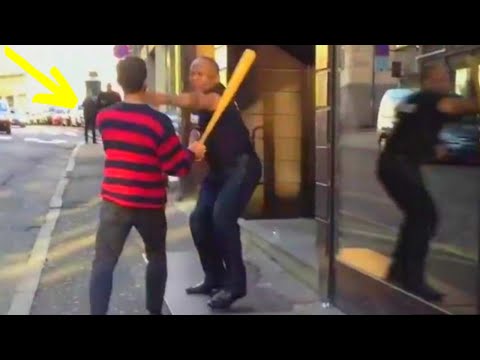
The Unarmed Response: When Weapons Threaten Your Path

The cold glint of steel, the menacing barrel of a firearm – these are not elements of training, but harbingers of true peril. Imagine the scenario: a weapon, a direct threat, and the sudden, icy grip of fear. What is the untrained mind to do? While the ideal solution is always de-escalation and avoidance, the stark reality is that sometimes, we are thrust into situations where survival demands a response. This is where the spirit of martial arts, refined over centuries, offers a glimmer of hope, albeit a dangerous one.

Today, we delve into the crucial, yet often terrifying, subject of self-defense against armed assailants. We acknowledge, with the gravitas it deserves, that *any* confrontation with a weapon is inherently perilous. There are no guaranteed victories, only calculated risks and the desperate will to survive. While professional self-defense training is paramount, for those who find themselves without it, understanding core principles can be the razor's edge between life and death.

This is a topic that demands clarity, respect, and a profound understanding of the inherent risks. Let us dissect this challenge, not with bravado, but with the sober analysis of a seasoned warrior.

Understanding the Threat: More Than Just Metal

A weapon is an extension of an attacker's will, amplifying their ability to inflict harm. Whether it's a knife, a club, or a firearm, the immediate danger is the increased reach and lethality. However, it's crucial to remember that the weapon itself is not the sole threat. The attacker's intent, their skill level, their emotional state, and the environment all play critical roles.

Ignoring the human element – the fear, the desperation, the potential for mistakes – is a fatal flaw in any self-defense strategy. The martial arts teach us to read not just the physical attack, but the intent behind it. This requires intense observation and a calm, analytical mind, even when faced with imminent danger.

"There is no real victory in war. There is only the survival of the fittest. The best we can do is to prepare for the worst." - Miyamoto Musashi (paraphrased for context)

The notion of "disarming" an attacker is a romanticized concept often seen in cinema. In reality, it is an incredibly high-risk maneuver that should only be considered as a last resort when all other options have been exhausted. The primary goal should always be to *create distance* and *escape*, not to engage in a direct struggle for the weapon.

The Psychology of Fear: Your Greatest Enemy

Fear is a natural, primal response. In a high-stress situation involving weapons, it can be paralyzing. Your heart pounds, your vision tunnels, and rational thought becomes difficult. The first, and perhaps most important, step in defending against a weapon is to manage this fear.

This is where the concept of mental fortitude, cultivated through years of Budo training, becomes invaluable. Practices like Zazen meditation, deep breathing exercises, and visualization techniques are not mere philosophical embellishments; they are tools to control the physiological and psychological impact of fear. The aim is to achieve a state of controlled awareness, where you can still think and react effectively.

Consider the difference between a panicked reaction and a calculated response. Panic leads to erratic, ineffective movements. A controlled reaction, even under extreme duress, allows for strategic decision-making. Can you de-escalate the situation verbally? Can you create an opportunity to flee? These are questions that a calm mind can answer.

Core Principles of Defense: Striking the Balance

When direct confrontation is unavoidable, a few guiding principles can increase your chances of survival:

  • Create Distance: If possible, put as much space as you can between yourself and the weapon. This makes it harder for the attacker to reach you.
  • Use the Environment: Obstacles like tables, chairs, or even crowds can be used to your advantage to block or deflect an attack.
  • Attack Vital Targets: If you must engage, focus on disabling the attacker quickly. This means targeting vulnerable areas like the eyes, throat, or groin. This is not about a prolonged fight, but about creating a window of opportunity to escape.
  • Control the Weapon Arm: If you are close enough to make contact, attempting to control the arm wielding the weapon is crucial. This can involve trapping, striking, or redirecting. However, this is extremely dangerous.
  • Commit to Escape: The ultimate goal is not to win a fight, but to survive. Once an opportunity to escape presents itself, take it immediately. Do not hesitate.

These principles are universal, applicable across various martial arts disciplines. From the devastating kicks of Taekwondo to the close-quarters grappling of BJJ, the underlying goal when facing a weapon is survival and evasion.

Weapon-Specific Strategies: A Measured Approach

While general principles apply, understanding the specific nature of the weapon can inform your response.

Weapon Type Key Considerations Potential Strategies (High Risk)
Knife Close range, swift attacks, potential for multiple cuts. Control the weapon arm (very difficult), create distance, use objects as shields.
Blunt Object (Stick, Club) Can be used for striking at a distance, powerful impact. Block or parry the strike, move off-line, target the attacker's balance.
Firearm Extreme range, lethal force, requires immediate and decisive action. Seek cover immediately, move unpredictably if caught in the open, close distance ONLY if escape is impossible and the attacker is disoriented.

It is vital to reiterate: these are not recommendations for direct engagement, but a grim assessment of extreme circumstances. A firearm, in particular, presents a threat that is almost impossible to overcome without specialized training and ideally, an immediate opportunity to escape or seek cover.

Training for the Worst: Practical Application

How does one prepare for such dire situations? The answer lies in rigorous, realistic training.

A Workshop for Reality: Training Against Weapon Threats

  1. Sparring with Simulated Weapons: Under the guidance of experienced instructors, practice with padded weapons to understand distance, timing, and defensive movements. This is not about "winning" but about developing reflexes and situational awareness.
  2. Adversarial Drills: Simulate attacks with a focus on creating openings for escape. These drills should be designed to increase stress and test your ability to perform under pressure.
  3. Physical Conditioning: Develop explosive power, agility, and cardiovascular endurance. You need to be able to move quickly and decisively. Think about exercises that build strength and endurance for dynamic movements.
  4. Situational Awareness Exercises: Practice observing your surroundings, identifying potential threats, and planning escape routes even in everyday situations.
  5. De-escalation Techniques: Learn verbal strategies to calm aggressive individuals and avoid physical confrontation. This is a crucial, often overlooked, aspect of self-defense.

Remember, the goal of training is not to become a weapon yourself, but to develop the skills and mindset to survive an encounter with one. The spirit of BUDO emphasizes discipline, respect, and the pursuit of mastery, not aggression.

Veredict of the Sensei: Prudence Over Prowess

Facing a weapon is the ultimate test of a martial artist's training, and often, the most pragmatic strategy is survival through avoidance and escape, not through combat. The cinematic portrayal of disarming a gunman with bare hands is largely fantasy. Real-world self-defense against weapons is about making difficult choices under extreme duress.

If you are forced to defend yourself, your actions must be decisive, focused on creating an escape opportunity, and aimed at disabling the threat as quickly as possible. This requires a level of training and mental preparation that goes far beyond casual practice. While some arts may offer principles that can be applied, the inherent danger cannot be overstated. Your life is the prize, and prudence is your sharpest weapon.

Rating: Three out of Five Belts: Critical Knowledge, Extreme Risk.

Equipment Essential for Your Training

To train safely and effectively for scenarios that *might* involve weapons, specialized gear is necessary. This gear is designed to simulate impact without causing serious injury, allowing you to practice defensive techniques realistically.

  • Padded Training Weapons: Rubber knives, foam batons, and similar training tools are essential for drills. They allow practitioners to understand range and simulate attacks without the extreme danger of real weapons.
  • Protective Gear: Headgear, mouthguards, groin protectors, and padded training suits (like those used in full-contact Karate or MMA) are crucial for safety during drills involving simulated weapons.
  • Training Mats: For practicing throws, takedowns, and ground defense, high-density training mats are indispensable to prevent injuries.
  • Reflex Training Tools: While not directly for weapon defense, tools like reflex bags or reaction balls can help improve hand-eye coordination and reaction time, which are vital in any high-stress situation.

Investing in proper training equipment is not a sign of aggression, but a commitment to safe and effective preparation for the most dangerous of encounters. For those serious about self-defense, consider looking for quality martial arts merchandise focused on protective gear.

Frequently Asked Questions

Q1: Is it ever possible to disarm someone with a weapon?
A: While technically possible in very specific, controlled circumstances with extensive training, attempting to disarm an armed assailant is extraordinarily dangerous and generally not recommended. The risk of severe injury or death is extremely high.

Q2: What is the most important thing to do if someone points a weapon at me?
A: Your primary goal should be to survive. This often means de-escalating the situation verbally if possible, creating distance, or seeking immediate escape and cover. Direct confrontation is a last resort.

Q3: Can traditional martial arts techniques defend against modern weapons?
A: Some fundamental principles like body mechanics, evasion, and targeting vital points are applicable. However, the specific techniques of many traditional arts were not designed for modern weaponry, especially firearms. Adaptability and a focus on survival principles are key.

Q4: How can I train for weapon defense without putting myself in excessive danger?
A: Seek out qualified instructors who offer realistic, controlled training scenarios using padded training weapons and protective gear. Focus on de-escalation, escape routes, and understanding the psychology of conflict.

For Further Deepening of Your Path

"The supreme art of war is to subdue the enemy without fighting." - Sun Tzu, The Art of War. In the context of weapon defense, this ancient wisdom is more relevant than ever.

Reflection of the Sensei: Your Next Step

We have journeyed through the perilous terrain of defending against armed threats. We have acknowledged the raw danger and the need for extreme caution. Now, I ask you: In the face of overwhelming odds, where does true strength lie? Is it in the mastery of a devastating technique, or in the wisdom to recognize when the greatest victory is achieved by walking away unharmed? Ponder this deeply, for the answer shapes not only your martial path, but your very life.

``` GEMINI_METADESC: Explore critical self-defense against weapons. Learn to manage fear, understand threats, and prioritize survival with expert insights on high-risk scenarios.