Showing posts sorted by date for query Self Defense for Beginners. Sort by relevance Show all posts

The Undeniable Power of Kyokushin Karate: More Than Just a Documentary

Welcome, fellow seekers of the Way. You arrive at BYAM Budo y Artes Marciales not merely by chance, but by a shared pursuit of something profound – the essence of martial arts. Today, we strip away the polished veneer of typical documentaries to confront the raw, unadulterated truth of Kyokushin Karate. Forget mere entertainment; we are here to dissect its strength, its rigorous philosophy, and the transformative fire it ignites within its practitioners. Prepare yourselves, for this is not a passive viewing; it is an immersion into the heart of combat sports, the depth of martial philosophy, and the tangible reality of training.

I. The Unyielding Essence of Kyokushin Karate

Let's address the elephant in the room immediately. When we speak of "The Strongest Karate," we are not exaggerating. Kyokushin, translating to "the ultimate truth" in Japanese, is not a style for the faint of heart. Forged by the legendary Masutatsu Oyama, its very name is a testament to its demanding nature. This is not about flashy kata performed in a sterile dojo; this is about forging physical and mental fortitude through relentless dedication. Its techniques are honed in the crucible of full-contact sparring and brutal training regimens that would break lesser men. Oyama understood that true strength isn't just about throwing punches; it's about developing the unyielding spirit, the Seishin, that allows a warrior to stand firm against any adversity.

Think about it: when you hear the term "Kyokushin," what comes to mind? Likely images of bone-jarring roundhouse kicks, powerful punches, and intense, unyielding sparring matches. This is the stark reality of Oyama's vision. He sought to create a martial art that tested the limits of human endurance, a discipline that would not only teach combat effectiveness but also instill an unbreakable will. This emphasis on realism, on facing an opponent with full commitment, is what separates Kyokushin from many other forms that prioritize form over function. It's a stark reminder that in the face of true conflict, there is no room for pretense.

"The difference between a hobby and a calling is the level of sacrifice you are willing to make." - A principle deeply ingrained in Kyokushin training.

This commitment to "ultimate truth" means confronting one's own limitations, pushing past perceived barriers, and emerging stronger. The rigorous Kihon (basics), the demanding Kata (forms), and the sheer intensity of Kumite (sparring) all serve a singular purpose: to build a warrior from the inside out.

II. The Warrior's Mindset: Embracing the Martial Philosophy

But Kyokushin Karate is far more than a mere combat system. It is a profound vehicle for self-discovery, a living embodiment of the Budo spirit. The principles etched into the dojo walls – humility, respect, perseverance, and self-control – are not abstract concepts. They are the very bedrock upon which a Kyokushin practitioner builds their character. This philosophy transcends the physical exchanges; it is a guide for navigating the complexities of life itself.

Consider the weight of Osu! – the all-encompassing expression of respect, gratitude, and perseverance. It’s not just a word; it’s a commitment. It’s what you utter when you’re tired, when you’re sore, when you want to quit but choose not to. This constant reinforcement of mental toughness, coupled with the respect shown to instructors and fellow students, cultivates a warrior's mindset. You learn to face challenges head-on, not with aggression, but with calm resolve. This is the essence of martial philosophy, a concept often lost in the modern world's pursuit of superficial victories.

The development of Zanshin (awareness) and Mushin (no-mind state) are not merely training goals; they are pathways to a more balanced and conscious existence. When you can react instinctively yet calmly under pressure, whether in a sparring match or a stressful life situation, you have truly begun to understand Kyokushin's deeper teachings. This journey fosters a profound sense of self-awareness, harmonizing the mind, body, and spirit – a balance that is increasingly rare in our chaotic world.

"The mind must be stilled. Only then can the body move with true purpose." - A foundational principle in the study of martial arts strategy.

III. Kyokushin's Impact on the Global Combat Sports Arena

Kyokushin Karate's uncompromising approach has undeniably left an indelible mark on the landscape of combat sports. It's a discipline that has consistently produced individuals with exceptional physical conditioning, mental fortitude, and a deep understanding of striking dynamics. These practitioners, forged in the intense environment of Kyokushin kumite, have translated their skills onto stages worldwide, proving the efficacy of their training.

We've seen Kyokushin exponents excel in various full-contact disciplines, often demonstrating superior conditioning and a never-say-die attitude. Their resilience in the face of powerful opponents and their ability to absorb punishment while continuing to fight are hallmarks of their training. Think of the famous historical bouts and the sheer grit displayed by these fighters. This raw, electrifying spectacle continues to captivate audiences, offering a compelling demonstration of martial arts prowess in its most direct and challenging form. The influence of Kyokushin's full-contact ethos can be seen, whether directly or indirectly, in many modern combat sports, pushing the boundaries of what athletes are capable of.

Whether it's through direct competition or the influence of their fighting spirit, Kyokushin Karate continues to enrich the world of combat sports, offering a testament to the power of dedicated, full-contact training. It’s a constant reminder that strength forged in truth can overcome many obstacles.

IV. Forging Bonds: The Kyokushin Karate Community

Here at BYAM Budo y Artes Marciales, we understand that the martial journey is rarely a solitary one. The dojo is a microcosm of society, a place where bonds are forged through shared sweat, mutual respect, and common goals. The Kyokushin Karate community is a prime example of this – a global network of individuals united by a passion for this demanding art.

This isn't just about training partners; it's about building a support system. In the shared struggle of pushing limits, enduring difficult training sessions, and learning from mistakes, friendships and a profound sense of camaraderie develop. This shared experience extends beyond the dojo itself. Online forums, social media groups, and gatherings all contribute to a vibrant tapestry of connection. It's a place where knowledge is exchanged, encouragement is freely given, and the principles of Budo are lived out collectively. You are never truly alone on this path.

We aim to be a nexus for these connections, a place where enthusiasts of Kyokushin and other martial disciplines can converge. By engaging in discussions, sharing personal experiences – the triumphs and the setbacks – we can all learn and grow. This collective effort nurtures not only individual progress but also a deeper, collective understanding and appreciation of the martial arts. Join us, and discover the strength that comes from being part of something greater than yourself.

V. Gear Up for Glory: Essential Kyokushin Merchandise

Our commitment to your martial arts journey extends beyond mere philosophical discourse. We believe that the right equipment can significantly enhance your training experience and serve as a constant reminder of your dedication. That’s why we offer a curated selection of high-quality Kyokushin merchandise and related gear.

From durable training uniforms that withstand the rigors of intense practice to comfortable apparel that embodies the spirit of the warrior, each item is selected with purpose. We offer books that delve deeper into Kyokushin's history and philosophy, training aids that can supplement your dojo practice, and accessories that let you carry the martial spirit with you every day. Think of it as arming yourself, not just for the physical fight, but for the mental and spiritual one as well.

For those serious about their Kyokushin training, consider investing in a high-quality Kyokushin gi. A well-made uniform is crucial for both comfort and durability during intense sparring sessions. Beyond the gi, explore our range of training equipment designed to help you hone your techniques, such as focus mitts for speed and accuracy drills, or even a makiwara to build devastating power. Supporting our platform through these purchases not only equips you for your path but also allows us to continue providing valuable content and fostering the martial arts community.

Equipo Esencial para tu Entrenamiento

  • Kyokushin Gi (Uniforme): Busca un tejido resistente y un corte que permita una amplia movilidad. Doble tejido es ideal para la durabilidad.
  • Guantes de Sparring (14-16oz): Esenciales para la seguridad durante el kumite.
  • Protector Bucal: No negociable para cualquier tipo de sparring.
  • Espinilleras y Empeineras: Recomendadas para entrenamiento de contacto completo.
  • Libros sobre Kyokushin y Budo: Para complementar tu aprendizaje técnico y filosófico.

Conclusion

Kyokushin Karate is far more than a martial art; it is a transformative way of life. It is a discipline that instills unwavering discipline, profound resilience, and an indomitable spirit. Through its practice, we uncover our innermost strength, empowering us not just to face challenges, but to conquer them with grace and steely determination. Join us at BYAM Budo y Artes Marciales, where we don't just discuss the beauty of martial arts; we celebrate its power, foster a thriving community, and provide the resources to enrich your personal martial arts journey. Together, let us embrace the raw power of Kyokushin Karate and embark on an enduring path of self-discovery and ultimate mastery.

Preguntas Frecuentes

  • What makes Kyokushin Karate different from other Karate styles? Kyokushin is distinct due to its emphasis on full-contact sparring with minimal protective gear, its rigorous physical conditioning, and its philosophical commitment to "the ultimate truth" in combat and life.
  • Is Kyokushin Karate suitable for beginners? Yes, Kyokushin offers specialized beginner classes designed to gradually introduce practitioners to its demanding techniques and philosophy, focusing on safety and foundational skills.
  • What are the main benefits of practicing Kyokushin Karate? Benefits include enhanced physical fitness, improved discipline and self-control, increased mental toughness, boosted confidence, and a deep understanding of respect and perseverance.
  • Can Kyokushin Karate be used for self-defense? Absolutely. The full-contact nature of Kyokushin training directly prepares practitioners for realistic self-defense scenarios, emphasizing practical application and resilience.

Reflexión del Sensei: Tu Próximo Paso

You have absorbed the essence, the philosophy, and the undeniable power of Kyokushin. Now, consider this: How does the "ultimate truth" of Kyokushin manifest not just in the dojo, but in the mundane moments of your daily life? Are you truly living with the discipline, respect, and perseverance you claim to embody?

For further exploration into the world of martial arts and combat sports, check out these related articles:

``` ```json { "@context": "http://schema.org", "@type": "FAQPage", "mainEntity": [ { "@type": "Question", "name": "What makes Kyokushin Karate different from other Karate styles?", "acceptedAnswer": { "@type": "Answer", "text": "Kyokushin is distinct due to its emphasis on full-contact sparring with minimal protective gear, its rigorous physical conditioning, and its philosophical commitment to \"the ultimate truth\" in combat and life." } }, { "@type": "Question", "name": "Is Kyokushin Karate suitable for beginners?", "acceptedAnswer": { "@type": "Answer", "text": "Yes, Kyokushin offers specialized beginner classes designed to gradually introduce practitioners to its demanding techniques and philosophy, focusing on safety and foundational skills." } }, { "@type": "Question", "name": "What are the main benefits of practicing Kyokushin Karate?", "acceptedAnswer": { "@type": "Answer", "text": "Benefits include enhanced physical fitness, improved discipline and self-control, increased mental toughness, boosted confidence, and a deep understanding of respect and perseverance." } }, { "@type": "Question", "name": "Can Kyokushin Karate be used for self-defense?", "acceptedAnswer": { "@type": "Answer", "text": "Absolutely. The full-contact nature of Kyokushin training directly prepares practitioners for realistic self-defense scenarios, emphasizing practical application and resilience." } } ] }

Okinawan Karate: More Than Just Strikes - A Deep Dive into the Warrior's Path

In the vast universe of martial arts, the profound legacy of Japan stretches its influence far beyond the iconic shores of Okinawan Karate. While Karate stands as a titan, it is but one star in a constellation of disciplines that have ignited passion in enthusiasts across the globe. Alongside the thunderous power of Okinawan Karate, we find the yielding strength of Judo, the circular grace of Aikido, and the disciplined precision of Kendo. What binds these diverse arts? A common thread, as potent as any physical technique: their unwavering emphasis on spiritual development. Practitioners are not merely acquiring the tools of combat; they are embarking on a quest to sculpt better individuals, refined souls. Join us, students, on a journey through the profound philosophies and rigorous practices that forge the very essence of the martial arts world.

The Legacy Beyond Okinawa

The influence of Japanese martial arts is undeniable, a testament to centuries of refinement and philosophical depth. Many practitioners begin their journey with a single art, perhaps drawn by the dynamic movements of Karate or the strategic throws of Judo. However, a true appreciation for Budo, the "Way of Martial Arts," reveals a rich tapestry of interconnected principles.

The Way of the Warrior: A Life Philosophy

Is martial arts merely about fighting? A dangerous misconception, and one that undermines the very soul of Budo. True martial arts encompasses far more than mere physical combat; it is a comprehensive way of life. The real essence lies not in the blow landed, but in the continuous pursuit of self-improvement, the cultivation of unwavering character, and the profound journey of spiritual growth. The ancient samurai warriors, masters of their craft and their minds, understood this interconnectedness intimately. Their training was a holistic endeavor, seeking the perfect harmony of mind, body, and spirit. This timeless philosophy continues to resonate, shaping the teachings and the very spirit of various martial arts disciplines today.

"The warrior is one who digests his experiences and is not discouraged by them." - Miyamoto Musashi, The Book of Five Rings

Okinawan Karate: A Legacy Unparalleled

Among the most iconic martial arts to emerge from Japan, Okinawan Karate stands with a legacy that traces its proud roots back to the Ryukyu Kingdom. Renowned for its emphasis on explosive, powerful strikes delivered with fluid, almost dance-like movements, this discipline embodies the indomitable spirit and resilience of the Okinawan people. Practitioners of Karate do not merely acquire formidable self-defense skills; they cultivate profound virtues: unwavering discipline, deep-seated respect for their peers and instructors, and the tenacious spirit of perseverance in the face of adversity.

The sheer effectiveness of Karate's striking techniques, from the devastating Uraken (reverse punch) to the precise Gedan Barai (downward block), is legendary. Yet, beneath the surface of these physical applications lies a deep philosophical wellspring. The rigorous repetition of kata—prearranged forms that simulate combat—is not just muscle memory training; it is a meditative practice, a way to ingrain principles of balance, timing, and intention.

The Spiritual Essence of Martial Arts

In the disciplined world of martial arts, physical techniques are inextricably intertwined with deep, foundational spiritual principles. Ancient traditions, notably the profound philosophies of Zen Buddhism and the naturalistic reverence of Shintoism, have deeply influenced the philosophical underpinnings of these arts. Practices such as mindful meditation (Zazen), controlled breathing exercises (Kokyu ho), and pervasive mindfulness are not mere add-ons; they are integral components of many martial arts training regimens. These practices are the crucible in which practitioners forge mental fortitude, sharpen unwavering focus, and cultivate profound self-awareness.

Consider the concept of Mushin, the "no-mind" state often sought in Karate and other arts. It is not about being empty-headed, but about achieving a state of spontaneous, uninhibited action, free from conscious thought or fear. This is the spiritual essence—the ability to react instinctively and effectively under pressure. This state is cultivated through thousands of hours of dedicated practice and introspective training.

Unveiling the "Ways of the Warrior"

Beyond the striking prowess of Okinawan Karate, a pantheon of other esteemed "ways of the warrior" have garnered international acclaim and devoted followings. Judo, masterfully originating from Jigoro Kano's vision, champions the principle of "Seiryoku Zenyo" – maximum efficiency with minimal effort. It teaches us how to use an opponent's strength and momentum against them, a profound lesson in leverage and strategy.

Then there is Aikido, the art of peaceful harmony, founded by the legendary Morihei Ueshiba. Aikido’s philosophy centers on blending with and redirecting an opponent's energy, neutralizing aggression without causing undue harm. It is a testament to the principle that true strength lies not in brute force, but in adaptability and control.

And we cannot forget Kendo, the "way of the sword." This discipline meticulously preserves the spirit and techniques of the ancient samurai through rigorous, disciplined training, steeped in tradition and unwavering respect for the weapon and the opponent.

Martial Arts as a Path to Personal Growth

To engage with martial arts is to embark on a profoundly transformative journey. It is an experience that molds individuals, forging them into disciplined, confident, and compassionate human beings. The relentless pursuit of perfection in technique, coupled with the deep commitment to self-improvement, transcends the confines of the dojo and permeates every aspect of a practitioner's life. Martial arts offer a holistic approach to personal development, instilling invaluable virtues that positively influence relationships, career paths, and overall well-being.

The lessons learned on the mat – patience, perseverance, humility – are directly applicable to challenges faced off the mat. Facing a difficult boss? Remember the patience required to master a complex kata. Dealing with a personal setback? Recall the resilience built from countless sparring sessions and the commitment to rise after being thrown. This is the true power of Budo.

Building a Thriving Martial Arts Community

Martial arts not only bestow invaluable physical and mental benefits upon their practitioners but also cultivate a powerful sense of camaraderie and belonging. By training together, side-by-side, artists develop deep, enduring bonds, sharing hard-won experiences and offering unwavering support to one another on their individual paths. This interconnectedness fosters a vibrant, dynamic community where knowledge, wisdom, and mutual respect are continuously exchanged, enriching the journey for every single person involved.

A strong martial arts community provides a crucial support system. In moments of doubt or struggle, the encouragement of fellow practitioners can be the difference between quitting and pushing through. Sharing insights on techniques, discussing philosophical quandaries, and celebrating each other's progress builds a collective strength that empowers everyone.

Unlocking the Warrior Within

Embracing the path of martial arts is, in essence, an act of unlocking the latent, often untapped, potential residing within each individual. Through unwavering dedication, relentless perseverance, and an unyielding commitment to lifelong learning, practitioners embark on a profoundly transformative journey that extends far beyond mere physical techniques. The true, potent power lies in the awakening of the warrior within—an individual who embodies unwavering discipline, profound humility, and unshakeable determination in all endeavors.

Veredict of the Sensei: Does Okinawan Karate Live Up to the Hype?

This exploration into Okinawan Karate and its place within the broader martial arts landscape reveals an art form steeped in history, discipline, and profound philosophy. The documentary, while not explicitly reviewed here, sets the stage for understanding Karate's global impact. From the rigorous physicality to the mental fortitude it cultivates, Karate offers a complete system for self-development. However, like all martial arts, its true value lies in the practitioner's commitment to its underlying principles.

Rating: Cinturón Negro en Profundidad Filosófica

Essential Equipment for Your Training

While the spirit of the warrior can be honed with minimal equipment, certain items can significantly enhance your training experience and safety, particularly for Okinawan Karate and related disciplines:

  • Karate Gi: Look for a durable, comfortable Karate Gi made from cotton or a poly-cotton blend. A heavier gi is often preferred for competitive Karate and provides better durability for intense training.
  • Karate Belt: A sturdy Karate belt (Obi) is essential. Start with a white belt and progress through the ranks as you master techniques and demonstrate understanding of the principles.
  • Mouthguard: For sparring sessions (kumite), a well-fitting mouthguard is crucial to protect your teeth and jaw.
  • Groin Protector: Safety first. A groin protector is highly recommended for all male practitioners engaging in sparring.
  • Optional: Karate Training Mitts/Pads: For partner drills, training mitts and pads can be useful for practicing strikes safely and effectively.

For those interested in Judo, a robust Judo Gi (often heavier and designed for gripping) is essential. For Kendo, specialized protective gear and a bamboo sword (Shinai) are necessary.

Frequently Asked Questions

Is Okinawan Karate effective for self-defense?
Yes, Okinawan Karate, particularly styles that emphasize practical application and sparring, can be very effective for self-defense. Its focus on powerful strikes, blocks, and evasive movements provides a solid foundation.
What is the main difference between Karate and Judo?
Karate primarily focuses on striking techniques (punches, kicks, blocks), while Judo emphasizes grappling, throwing, and submission techniques. Both share a common emphasis on discipline and character development.
Can beginners start with any martial art?
Absolutely. Most martial arts schools are welcoming to beginners and offer foundational classes. The key is to find an art and an instructor that resonate with your personal goals and learning style.
How important is meditation in martial arts?
Meditation, or similar mindfulness practices, is highly important in many martial arts as it helps develop focus, emotional control, mental clarity, and a deeper understanding of oneself, which are all crucial for effective technique and personal growth.

Deepen Your Journey

To truly grasp the breadth and depth of the martial path, I encourage you to explore these related areas:

Reflection of the Sensei: Your Next Step

We have traversed the landscape of Okinawan Karate and its kin, glimpsing the profound philosophy that underpins these ancient disciplines. We've seen that the true battle is not against an external foe, but against the limitations within oneself. Now, I pose this question to you, my students:

When you bow at the end of training, are you bowing to your opponent, your instructor, or are you bowing to the improved version of yourself that you are striving to become? What does that bow truly signify in your life outside the dojo?

Ponder this. Discuss it. Let it fuel your practice. The journey of the warrior is a continuous one, and the deepest lessons are often found in the quiet moments of reflection.

``` ```json { "@context": "https://schema.org", "@type": "FAQPage", "mainEntity": [ { "@type": "Question", "name": "Is Okinawan Karate effective for self-defense?", "acceptedAnswer": { "@type": "Answer", "text": "Yes, Okinawan Karate, particularly styles that emphasize practical application and sparring, can be very effective for self-defense. Its focus on powerful strikes, blocks, and evasive movements provides a solid foundation." } }, { "@type": "Question", "name": "What is the main difference between Karate and Judo?", "acceptedAnswer": { "@type": "Answer", "text": "Karate primarily focuses on striking techniques (punches, kicks, blocks), while Judo emphasizes grappling, throwing, and submission techniques. Both share a common emphasis on discipline and character development." } }, { "@type": "Question", "name": "Can beginners start with any martial art?", "acceptedAnswer": { "@type": "Answer", "text": "Absolutely. Most martial arts schools are welcoming to beginners and offer foundational classes. The key is to find an art and an instructor that resonate with your personal goals and learning style." } }, { "@type": "Question", "name": "How important is meditation in martial arts?", "acceptedAnswer": { "@type": "Answer", "text": "Meditation, or similar mindfulness practices, is highly important in many martial arts as it helps develop focus, emotional control, mental clarity, and a deeper understanding of oneself, which are all crucial for effective technique and personal growth." } } ] }

Taekwondo at Home: A 20-Minute Beginner's Blueprint for Fitness and Flexibility

Have you ever watched the lightning-fast kicks and disciplined stances of Taekwondo masters and thought, "I could never do that"? Or perhaps you believe true martial arts training demands a formal dojo and expensive equipment. I stand before you today to shatter that illusion. The essence of Budo, the Way of the Warrior, isn't confined by walls or limited by what you own. It resides within, waiting to be awakened.

Taekwondo, a Korean martial art renowned for its spectacular kicks and rigorous discipline, is often perceived as inaccessible to the beginner. But I tell you, the seeds of mastery are sown in the simplest of movements. This isn't just about physical prowess; it's about forging mental fortitude, unwavering self-discipline, and a keen awareness of your own capabilities. Are you truly seeking to improve your fitness, unlock your flexibility, and build the foundational agility that underpins all effective combat skills? Then prepare yourself. Today, we embark on a journey – a 20-minute Taekwondo-inspired workout you can perform in your own living space, requiring nothing but your will and your body. This is your first step, but it is a step taken with the precision of a *Dollyo Chagi* and the power of a focused punch.

The Prelude: Warming Up the Warrior's Body

Before the first strike, before the first block, comes the most crucial element of any training session: the warm-up. Neglect this, and you invite weakness, inefficiency, and potentially, injury – the ultimate saboteur of a martial artist's journey. We are not machines; we are living, breathing vessels of energy, and energy must be channeled, not forced. Think of this as preparing your battlefield, ensuring every muscle fiber, every joint, is ready for the controlled explosion of movement.

  1. Jogging in Place (2-3 minutes): Elevate your heart rate. Feel the blood begin to flow, carrying oxygen to your extremities. This isn't a sprint; it's a gentle awakening, a steady increase in tempo.
  2. Dynamic Stretches:
    • Toe Touches: Standing or seated, reach for your toes. Feel the stretch in your hamstrings. This isn't about touching your toes; it's about engaging the posterior chain.
    • Arm Circles: Forward and backward, small and large. Loosen the shoulders, the core of your striking power.
    • Lunges: Step forward, bending both knees to 90 degrees. Feel the stretch in your hip flexors and quads. This prepares your legs for the power generation needed in kicks.

This phase is your mental preparation as much as your physical one. As you move, visualize the techniques to come. Clear your mind of distractions. You are in the dojo now.

The Core of the Practice: Essential Taekwondo Movements

Many believe Taekwondo is solely about elaborate kicks. While they are its hallmark, the foundation lies in precise stances, powerful punches, and intelligent blocking. This workout focuses on the fundamental movements that form the bedrock of any Taekwondo practitioner's skillset. We will refine your ability to generate power, maintain balance, and protect yourself, all without needing a heavy bag or a sparring partner. Remember, the true opponent is often within – complacency, doubt, and lack of technique.

1. The Swift Front Kick (Ap Chagi)

The Ap Chagi is the quintessential Taekwondo kick. It is direct, fast, and can be used for both offense and defense. Its power comes not just from leg extension, but from the full-body engagement that drives it forward. Imagine striking a vital point with the ball of your foot.

  1. Assume a natural stance, feet shoulder-width apart, a slight bend in your knees. Maintain a strong core.
  2. Lift your right knee towards your chest, chambering the kick. Keep your body balanced.
  3. Extend your right leg forward with a snapping motion, striking with the ball of your foot (or heel, depending on the target and purpose). Aim for a specific point.
  4. Retract your leg quickly, bringing your knee back towards your chest.
  5. Return your foot to the starting position.
  6. Repeat with the left leg.
  7. Perform 10 repetitions on each leg. Focus on control and form over speed.

2. The Devastating Roundhouse Kick (Dollyo Chagi)

The Dollyo Chagi is perhaps the most recognized Taekwondo kick, known for its power and versatility. It requires hip rotation and a precise trajectory to maximize impact. This isn't just a leg swing; it's a transfer of energy originating from your core.

  1. Start in the same natural stance.
  2. Lift your right knee, chambering the kick as you would for a front kick.
  3. As you begin to extend your leg, pivot on your left foot (the supporting leg). Rotate your hips explosively.
  4. Bring your right leg around in a circular, horizontal path, striking with the instep or the ball of your foot. Your heel should lead the motion initially.
  5. Bring your leg back along the same path, retracting your knee.
  6. Return your foot to the ground.
  7. Repeat with the left leg.
  8. Perform 10 repetitions on each leg. Feel the hip rotation; it's the engine of this kick.

3. The Piercing Side Kick (Yeop Chagi)

The Yeop Chagi is a linear, powerful kick that travels horizontally. It's known for its destructive potential, often used to break through an opponent's guard or impart significant force. Control is paramount here, as the trajectory is unforgiving.

  1. From your natural stance, lift your right knee, turning it outwards so your thigh is parallel to the ground.
  2. Pivot on your left foot, turning your body slightly sideways.
  3. Extend your right leg straight out to the side with a powerful, slicing motion. Strike with the edge of your foot (your blade).
  4. Retract your leg along the same path, bringing your knee back.
  5. Return your foot to the ground.
  6. Repeat with the left leg.
  7. Perform 10 repetitions on each leg. Focus on keeping your supporting leg firm and your chamber controlled.

4. The Focused Punch (Jireugi)

While Taekwondo emphasizes kicks, the punch remains a critical tool. A well-placed Jireugi can create openings, disrupt an opponent, or deliver a finishing blow. The power comes from your hips and core, channeled through a straight fist.

  1. Assume a natural fighting stance, slightly staggered.
  2. Form a tight fist with your right hand, thumb outside.
  3. Twist your hips and shoulders as you extend your right arm forward in a straight line, aiming for a target at chest or face level. Your fist should rotate as it extends, ending palm down.
  4. Bring your arm back to its starting position with control.
  5. Repeat with your left hand.
  6. Perform 10 repetitions with each hand. Visualize striking through your target, not just at it.

5. The Steadfast Block (Makgi)

Defense is not passive; it is an active engagement designed to neutralize an incoming threat. Taekwondo blocks, or Makgi, are designed to deflect, parry, or absorb strikes. This simple block trains basic defensive mechanics.

  1. Adopt a stable stance.
  2. Raise your right arm to shoulder height, forearm vertical, creating a barrier. Your elbow should be slightly bent.
  3. Simultaneously, bring your left arm across your body, elbow bent, ready to defend the other side.
  4. Lower your arms slowly to the starting position.
  5. Switch sides: Raise your left arm to shoulder height, bringing your right arm across your body.
  6. Perform 10 repetitions with each arm. Focus on the solidity of the block and maintaining your balance.

The Respite: Cooling Down and Recovery

The battle is over, but the warrior's work is not. Just as a blacksmith cools a freshly forged blade to temper its strength, so too must you cool your body to aid recovery and prevent stiffness. This is where flexibility truly begins to blossom, where the body repairs and grows stronger.

  1. Walking in Place (2-3 minutes): Gradually decrease your heart rate. Let your breathing return to normal.
  2. Static Stretches: Hold each stretch for 20-30 seconds.
    • Hamstring Stretches: Lie on your back and pull one knee towards your chest, then extend your leg upwards.
    • Quad Stretches: Stand and pull your heel towards your glutes, keeping your knees together.
    • Shoulder Stretches: Cross one arm across your body, gently pulling it closer with the other.

This cool-down is not an afterthought; it is integral to your progress, fostering resilience and preparing you for the next session.

Your First Victory: Embracing the Path

You have completed your first 20-minute Taekwondo-inspired workout. This is not merely exercise; it is the foundational practice of a martial art that has shaped warriors for centuries. You’ve done it at home, with no equipment, proving that dedication and a willingness to learn are the most potent tools in any practitioner's arsenal. This routine is designed to ignite your fitness, enhance your flexibility, and build the agility vital for dynamic movement.

The path of the martial artist is one of continuous learning. Master these fundamental movements, and you will find yourself ready to explore the deeper complexities of Taekwondo and its underlying philosophy. Always remember the golden rules: warm up diligently, cool down thoroughly, and practice with intent.

Consider this your initial *Dan Bon* – your first rank. It signifies not an end, but a beginning. The real challenge lies not in completing this single workout, but in the consistency of your practice.

Reflection of the Sensei: Your Next Step

This workout is but a single strike in a lifetime of practice. Do you believe that mastering these basic techniques is sufficient for actual self-defense? Or does the true art of Taekwondo, in your eyes, lie solely in its competitive aspects? I challenge you to contemplate this: Where does the true power of a martial art reside – in its flashy displays, or in its practical application and the character it builds? Your answer, and how you choose to train, will define your journey.

Frequently Asked Questions

1. Can I really get fit doing this workout at home?

Absolutely. Consistency is key. While this 20-minute routine is a fantastic starting point, performing it regularly will significantly improve your cardiovascular health, muscular endurance, and overall fitness. For advanced training, you might eventually consider equipment like a kicking shield or training dummies, but the foundation is built here.

2. I'm not flexible at all. Is Taekwondo suitable for me?

Taekwondo is excellent for improving flexibility. The dynamic warm-up and static cool-down stretches are specifically designed to increase your range of motion over time. Don't be discouraged by initial limitations; the practice itself is the solution. Many beginner workouts focus on gradual improvement.

3. How often should I do this workout?

For beginners, aiming for 3-4 times a week is a good starting point. Allow for rest days to let your body recover and adapt. As you progress, you can increase the frequency or duration, or incorporate more advanced martial arts training routines.

4. What's the difference between Taekwondo and Karate?

While both are striking martial arts, Taekwondo is renowned for its high, acrobatic kicks and emphasis on leg techniques, whereas Karate often features more powerful, linear hand strikes and lower stances. Both arts build discipline and physical conditioning, but their technical focus differs. Exploring resources on Kyokushin Karate versus Taekwondo can highlight these distinctions.

5. How do I progress from here?

Once you're comfortable with these basic movements, focus on perfecting your form, increasing repetitions, and exploring variations. Seek out a qualified instructor if possible. You can also delve into resources like Budo philosophy or specific technique breakdowns available through channels dedicated to martial arts community content.

``` ```json { "@context": "https://schema.org", "@type": "FAQPage", "mainEntity": [ { "@type": "Question", "name": "Can I really get fit doing this workout at home?", "acceptedAnswer": { "@type": "Answer", "text": "Absolutely. Consistency is key. While this 20-minute routine is a fantastic starting point, performing it regularly will significantly improve your cardiovascular health, muscular endurance, and overall fitness. For advanced training, you might eventually consider equipment like a kicking shield or training dummies, but the foundation is built here." } }, { "@type": "Question", "name": "I'm not flexible at all. Is Taekwondo suitable for me?", "acceptedAnswer": { "@type": "Answer", "text": "Taekwondo is excellent for improving flexibility. The dynamic warm-up and static cool-down stretches are specifically designed to increase your range of motion over time. Don't be discouraged by initial limitations; the practice itself is the solution. Many beginner workouts focus on gradual improvement." } }, { "@type": "Question", "name": "How often should I do this workout?", "acceptedAnswer": { "@type": "Answer", "text": "For beginners, aiming for 3-4 times a week is a good starting point. Allow for rest days to let your body recover and adapt. As you progress, you can increase the frequency or duration, or incorporate more advanced martial arts training routines." } }, { "@type": "Question", "name": "What's the difference between Taekwondo and Karate?", "acceptedAnswer": { "@type": "Answer", "text": "While both are striking martial arts, Taekwondo is renowned for its high, acrobatic kicks and emphasis on leg techniques, whereas Karate often features more powerful, linear hand strikes and lower stances. Both arts build discipline and physical conditioning, but their technical focus differs. Exploring resources on Kyokushin Karate versus Taekwondo can highlight these distinctions." } }, { "@type": "Question", "name": "How do I progress from here?", "acceptedAnswer": { "@type": "Answer", "text": "Once you're comfortable with these basic movements, focus on perfecting your form, increasing repetitions, and exploring variations. Seek out a qualified instructor if possible. You can also delve into resources like Budo philosophy or specific technique breakdowns available through channels dedicated to martial arts community content." } } ] }

Morihei Ueshiba: The Last Master's Testament to Aikido's Harmonious Force

Who Was Morihei Ueshiba?

Morihei Ueshiba, O-Sensei, the revered founder of Aikido, was a martial artist whose life spanned from 1883 to 1969. His legacy is not merely recorded history; it's a living testament to a profound understanding of combat and philosophy that transcends mere physical prowess. For decades, his name has echoed through the halls of martial arts, synonymous with a unique and powerful system. But what truly set Ueshiba apart? Was he merely a skilled technician, or was he something more – a philosopher-warrior whose insights continue to shape practitioners today? This exploration delves into the essence of the man and the art he birthed, challenging the conventional notions of martial efficacy and exploring the deeper currents of Budo.

The Philosophy of Harmony: Aikido's Core

At the heart of Aikido lies a philosophy that initially seems counterintuitive to the world of combat: harmony. Ueshiba O-Sensei didn't teach his students to meet force with force, but rather to blend with an opponent's energy, redirecting their momentum and neutralizing their aggression. This principle, often misunderstood as passive, is in reality a sophisticated application of physics and psychology. It requires immense sensitivity, precise timing, and an unwavering inner calm – the very definition of Ki mastery. This approach differentiates Aikido fundamentally from many artes marciales focused primarily on striking or overpowering an opponent. It’s a dance of control, a conversation of movement where the ultimate goal is not to inflict damage, but to resolve conflict with minimal harm. This core tenet is the bedrock upon which the entire art of Aikido is built, a revolutionary concept in the often brutal world of combate.
"The true meaning of martial arts is not to be the strongest, but to be the most harmonious." - Morihei Ueshiba

A Glimpse into the Master's Final Class

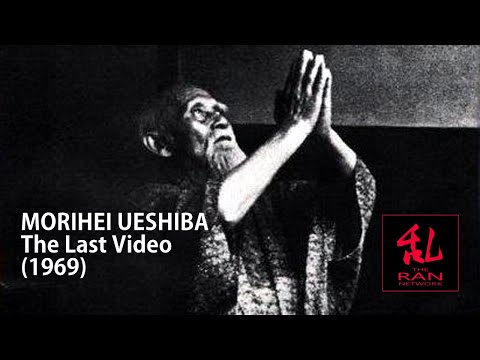
The year 1969 marked a poignant moment in martial arts history: Morihei Ueshiba's final class at the Aikikai Hombu Dojo in Tokyo. A video recording of this session offers a deeply moving glimpse into the spirit of a master at the twilight of his life. We witness an elderly Ueshiba, physically frail, battling illness, yet still able to command the respect and attention of his assembled students. What unfolds is not a display of raw power, but a demonstration of exquisite technique and profound understanding. His movements, though perhaps lacking the explosive speed of his youth, retained an uncanny fluidity, a dancer's grace married with a warrior's precision. He executed throws and techniques with an apparent effortlessness that belied the complexity and effectiveness of his art. This final performance serves as a powerful testament not just to his exceptional skill, but to a lifetime dedicated to the pursuit of martial perfection. It’s a visual lesson that transcends words, showcasing the enduring power and aesthetic beauty inherent in Budo.

The Enduring Legacy and Transmission of Teachings

Ueshiba's final class was more than just a demonstration; it was a distillation of his life's work, a living transmission of principles passed down through generations. The impact of O-Sensei's teachings is immeasurable, permeating the global community of martial artists. His philosophy of harmony, resolution, and self-improvement continues to be practiced and taught by his students, and their students, and so on. This lineage, this unbroken chain of transmission, is the true measure of a master's impact. Aikido, as a discipline, is not static; it evolves through the practitioners who embody its principles. The legacy of Morihei Ueshiba isn't confined to historical records or video archives; it lives and breathes in every dojo where his art is practiced with sincerity and dedication. His influence extends far beyond the confines of Aikido, resonating with anyone seeking a deeper understanding of human potential and conflict resolution.

Martial Arts: More Than Just Fighting

O-Sensei's final demonstration serves as a powerful reminder that the martial path is far more profound than mere combat. While the ability to defend oneself is a crucial aspect of many lucha systems, the true essence of martial arts, as Ueshiba taught, lies in discipline, self-mastery, and personal growth. It’s about cultivating inner strength, developing resilience, and fostering a spirit of peaceful resolution. This holistic approach, this emphasis on character development alongside physical technique, is a cornerstone of his philosophy. It’s a lesson that has been passed down through the ages, influencing not only practitioners of Aikido but a broad spectrum of individuals dedicated to self-improvement. The journey through BUDO is a journey of transformation, where the dojo becomes a microcosm of life itself.

Deepening Your Understanding: Resources and Gear

For those captivated by the philosophy and practice of Aikido and artes marciales in general, a wealth of resources exists to support your journey. Books offer historical context and philosophical depth, videos provide visual demonstrations of techniques and principles, and online courses offer structured learning from experienced instructors. Many reputable Aikido schools worldwide welcome beginners eager to explore this unique art form. When it comes to training, the right equipment can significantly enhance your experience and safety. High-quality training gear is essential for effective practice and injury prevention.

Equipo Esencial para tu Entrenamiento

  • Kimono de Aikido (Gi): Look for a durable, double-weave cotton gi that allows for freedom of movement and can withstand the rigors of throws and grappling. Brands like Karate and Judo gis often offer suitable alternatives.
  • Hakama: While not essential for beginners, the hakama is traditional attire for Aikido practitioners and allows for practice of specific techniques.
  • Jo y Bokken: Training staffs (Jo) and wooden swords (Bokken) are crucial for practicing weapon-based techniques, which are integral to Aikido's curriculum. Ensure they are made from solid, resilient wood.
  • Training Mats (Tatami): Proper matting is vital for safety during practice, especially for falls (ukemi).
For those interested in acquiring martial arts merchandise, numerous online stores cater to every need, from specialized training equipment to apparel that reflects the spirit of the arts. Investing in high-quality products from reputable sellers not only supports your training but also honors the dedication and craftsmanship associated with these disciplines.

Veredicto del Sensei: Legacy Embodied

Morihei Ueshiba's final performance is a powerful and poignant testament to the enduring spirit of martial arts. It’s not about the physical strength of youth, but the cultivated wisdom and refined technique that comes with decades of dedication. While some might dismiss older practitioners or focus solely on the combative aspects, Ueshiba’s demonstration highlights the profound beauty, control, and philosophical depth that true mastery entails. It’s a reminder that the "last master" doesn't signify an ending, but a living legacy that continues to inspire and guide. For its authentic portrayal of a martial art's philosophical core and its demonstration of mastery transcending physical limitations, this event, as captured in its final showing, earns a "Cinturón Negro en Sabiduría Marcial."

Guía de Entrenamiento: El Arte del Hakkō-ryu

While Aikido is the art Ueshiba founded, many of its principles echo foundational concepts found in older Japanese jujutsu systems. One such lineage, often associated with its characteristic joint-locking and pressure-point techniques, is Hakkō-ryu (八光流). While not directly taught by Ueshiba in his final class, understanding its principles can illuminate the depth of Japanese martial arts.

Pasos para Comprender los Principios del Hakkō-ryū:

  1. Entender la Filosofía Central: Hakkō-ryu se traduce como "Escuela de la Octava Luz". Su filosofía se centra en la armonía y el uso de la fuerza del oponente, similar a Aikido, pero a menudo con un énfasis más directo en el control a través de puntos de presión (Kyūsho) y técnicas de luxación (Kansetsu-waza).
  2. Estudiar Movimiento y Equilibrio: La base de Hakkō-ryū, como en muchas artes japonesas, es el movimiento corporal eficiente y el control del centro de gravedad. La postura debe ser baja y estable, permitiendo movimientos fluidos y respuestas rápidas.
  3. Practicar el "Te-no-uchi" (Mano-dentro): Este concepto se refiere al control fino de la muñeca y el antebrazo para aplicar torsiones y presiones precisas sobre las articulaciones del oponente. No es solo fuerza bruta, sino una manipulación experta.
  4. Familiarizarse con los Puntos de Presión (Kyūsho): Identificar y comprender la ubicación y efecto de los puntos de presión es crucial. La aplicación de presión en estos puntos puede incapacitar a un oponente sin necesidad de fuerza excesiva.
  5. Integrar la Respiración (Kokyū): La respiración juega un papel vital en la generación de potencia y en el mantenimiento de la calma. Coordinar la respiración con el movimiento y la aplicación de técnicas es fundamental.
  6. Entrenar Ukemi (Caídas): La habilidad para caer de manera segura es un pilar en cualquier arte que involucre proyecciones o luxaciones. El entrenamiento constante de ukemi es esencial para la seguridad y para ganar confianza.

Nota del Sensei: Es vital abordar el estudio de sistemas como Hakkō-ryū con un instructor calificado. La información aquí proporcionada es introductoria y no sustituye la guía práctica y la supervisión experta en un Dojo.

Frequently Asked Questions

What is the primary philosophy behind Aikido?

The primary philosophy of Aikido, as founded by Morihei Ueshiba, is to harmonize with an opponent's movements, redirect their force, and resolve conflict peacefully, emphasizing self-improvement and spiritual development over aggression.

Was Morihei Ueshiba an older man during his last class?

Yes, by 1969, Morihei Ueshiba was in his late 80s and frail due to illness, yet his final demonstration showcased his profound skill and dedication.

What distinguishes Aikido from other martial arts like Karate or Judo?

Unlike striking arts like Karate or grappling arts like Judo, Aikido primarily focuses on blending with an opponent's motion, using circular movements, throws, and joint locks to neutralize an attack without relying on brute strength or direct confrontation.

Is Aikido effective for self-defense?

Aikido's principles of redirection and control can be very effective for self-defense, particularly against larger or more aggressive opponents. However, its effectiveness is highly dependent on the practitioner's skill level and the specific situation.

Where can I find resources to learn more about Aikido or O-Sensei?

You can find extensive resources through books detailing Ueshiba's life and philosophy, official Aikido federation websites, documentaries, and by attending classes at a local Aikikai-affiliated dojo.

Para Profundizar en tu Camino

Reflexión del Sensei: Tu Próximo Paso

O-Sensei demonstrated that true mastery is not about the accumulation of power, but the refinement of spirit and the understanding of universal principles. His final class was a silent sermon on grace, control, and the non-violent resolution of conflict. Now, ask yourself: In the face of resistance in your own life – be it a difficult task, a personal conflict, or a physical challenge – do you instinctively meet force with force, or do you seek to blend, redirect, and harmonize? Have you truly embraced the idea that your greatest strength lies not in overpowering your circumstances, but in mastering yourself?

BJJ Crash Course: Mastering the Art of Ground Combat for Absolute Beginners

Ah, Brazilian Jiu-Jitsu. A realm where the earth itself becomes your adversary and your ally. Many approach the mats with a thirst for knowledge, a desire to conquer, yet they are often met with a deluge of jargon and complexity that can feel like an impassable tidal wave. You seek to understand BJJ, to navigate its intricate dance of leverage and control, but the sheer volume of information threatens to drown you before you even tie your white belt. Fear not, fledgling warrior. Today, we embark on a journey, not through endless videos or conflicting forums, but into the very heart of what makes BJJ a martial art unlike any other. This is not merely a guide; it is a foundational lesson from a Sensei who has seen countless beginners falter and, more importantly, flourish.

Table of Contents

What Exactly is Brazilian Jiu-Jitsu?

At its core, Brazilian Jiu-Jitsu is a martial art and combat sport system that emphasizes ground fighting and grappling. Its genesis lies in Judo, meticulously refined by the Gracie family in Brazil. Unlike striking-focused martial arts where distance and impact are paramount, BJJ shifts the battlefield to the ground. Here, strength and size become secondary to the art of leverage, technique, and understanding the human body's mechanics. It is a profound discipline that cultivates not only physical prowess but also acute mental fortitude, strategic thinking, and a deep sense of self-awareness. Many dismiss it as mere "wrestling," a superficial understanding that misses the intricate chess match unfolding on the mats. BJJ is about control, about suffocating an opponent's options until submission is the only recourse. It is the ultimate test of who understands the human form better, who can manipulate it more effectively.

"The BJJ practitioner's goal is not to inflict damage, but to control and neutralize their opponent through submission holds."

The beauty of BJJ lies in its democratic nature. As Helio Gracie famously stated, it was developed so that a smaller, weaker individual could defend themselves against a larger, stronger attacker. This principle holds true today. Regardless of your age, gender, or initial physical condition, with consistent dedication and intelligent training, proficiency is an achievable goal. It is a testament to the power of applied knowledge over brute force, a concept often forgotten in the modern pursuit of physical dominance.

Laying the Foundation: Your First Steps on the Mat

Embarking on your BJJ journey requires more than just enthusiasm; it demands prudence. The first, and perhaps most critical, step is finding a reputable academy. Do not be swayed by flashy advertising or the allure of a famous name alone. Seek out schools with experienced instructors who prioritize safety and proper technique. A good gym will offer beginner-friendly classes – often called "intro" or " Fundamentals" classes – where the curriculum is designed to introduce you to the core concepts without overwhelming you. Observe a class if possible. Is the atmosphere welcoming? Do students seem to be learning and supporting each other, or is it a cutthroat environment from day one? Remember, BJJ is a physical sport, and the risk of injury is real. A wise instructor will emphasize control, technique, and a gradual progression to prevent unnecessary harm. Inquire about their approach to injury prevention and their mat etiquette.

Consider the lineage and philosophy of the instructors. Are they promoting a balanced approach to BJJ, one that encompasses self-defense, sport grappling, and personal development? This is crucial for long-term growth.

Essential Gear: The Warrior's Uniform

Once you've found your training home, the next step is acquiring the necessary equipment. The cornerstone of traditional BJJ training is the gi (pronounced "gee"). This is not merely a uniform; it is an integral part of the art. Crafted from durable cotton weaves, the gi provides grips for both attacker and defender, influencing the dynamics of the fight. For beginners, a standard single-weave or lightweight double-weave gi is usually sufficient. As you progress, you might explore heavier weaves for durability or specific cuts for mobility. Attached to the gi is the belt, a visible representation of your journey. Starting at white, the belt system (white, blue, purple, brown, black) signifies mastery and experience. But before you even step onto the mats for your first roll, consider other protective gear. A mouthguard is non-negotiable for protecting your teeth and jaw. Similarly, a jockstrap with a cup offers vital protection for male practitioners. Some academies may also recommend shin guards or knee pads for specific drills. Investing in quality gear is an investment in your safety and longevity in the sport.

The Core Principles: Leverage Over Raw Power

This is where the magic of BJJ truly unfolds. The entire system is built upon the principle that a smaller, weaker person can successfully defend against a larger, stronger opponent by using proper technique and leverage. Think of a simple lever: a small amount of force applied at the correct point can move a much larger object. BJJ applies this to the human body. Instead of muscling through a position, you learn to use your hips, your base, and your opponent's own weight and momentum against them. This is why a wiry blue belt can often submit a powerful, untrained larger individual.

Key concepts to grasp early on include:

  • Hip Movement (Hips are Key): Your hips are your primary tool for creating angles, generating power, and escaping bad positions. Learning to shrimp, bridge, and swivel your hips is fundamental.
  • Base and Posture: In grappling, "base" refers to your stable structure, making it difficult for your opponent to unbalance you. "Posture" is maintaining an upright, strong frame, especially when on the bottom.
  • Connection: Maintaining a close connection with your opponent is vital for control and for preventing them from creating space to execute their own techniques.
"In BJJ, the difference between winning and losing often comes down to who understands leverage and body mechanics better, not who can lift more."

Understanding these principles will fundamentally change how you perceive combat. It's not about overpowering; it's about outsmarting, outmaneuvering, and out-understanding your opponent.

Understanding the Battlefield: Guard, Mount, and Back

BJJ strategy revolves around achieving and maintaining dominant positions while avoiding disadvantageous ones. There are three primary dominant positions that beginners must understand:

  • Guard: When you are on your back and your opponent is between your legs, you are in the guard position. This is a defensive position, but a skilled practitioner can use the guard offensively to sweep (reverse position) or submit their opponent. There are many variations, such as closed guard, open guard, and spider guard.
  • Mount: This is perhaps the most dominant position. You are on top of your opponent, sitting on their torso, facing their head. From mount, you have excellent control and numerous options for attacks like chokes and armbars. Maintaining good base is crucial to prevent your opponent from escaping.
  • Back Mount (Control of the Back): Having your opponent's back is considered the most dominant position in BJJ. You are behind them, with hooks (your legs) wrapped around their hips, controlling their posture and limiting their movement. From here, the Rear Naked Choke (RNC) is a highly effective submission.

Conversely, positions like being "stacked" in guard, being flattened out underneath side control, or being exposed in the turtle position are ones you'll want to escape as quickly as possible. Learning to transition between these positions efficiently is the essence of BJJ strategy.

Building Blocks: Essential BJJ Maneuvers

As mentioned, BJJ techniques can be broadly categorized. For a beginner, mastering the fundamentals is paramount. Trying to learn advanced techniques before you have a solid grasp of the basics is like trying to build a skyscraper on a foundation of sand – it will inevitably collapse.

Key Fundamental Techniques Include:

  • Takedowns: Safely bringing your opponent from a standing position to the ground. This could include basic Judo throws like O Goshi or Seoi Nage, or wrestling-style shots. The focus here is on control and not exposing yourself to danger.
  • Guard Passes: Techniques used to move from being controlled in your opponent's guard to a dominant position like side control or mount. Examples include the knee slice pass and the toreando pass.
  • Sweeps: Techniques used from the guard position to reverse your opponent and end up in a dominant position yourself. A basic scissor sweep or hip bump sweep are essential early learns.
  • Submissions: Techniques designed to force an opponent to tap out due to pain or the threat of injury. Fundamental submissions include the armbar (hyperextending the elbow), the kimura (a shoulder lock), and the triangle choke (using your legs to constrict blood flow to the brain). From the mount and back control, the cross-collar choke and Rear Naked Choke (RNC) are foundational.

Focus on understanding the setup, the execution, and the control principles behind each fundamental technique. Don't just memorize the movements; understand why they work.

The Dojo's Crucible: Drills, Sparring, and Growth

Your BJJ training will primarily consist of three components:

  • Drills: These are repetitive exercises designed to ingrain specific movements and techniques into your muscle memory. You might drill a guard pass 50 times with a partner, focusing on the precise footwork and body positioning. Drills build efficiency and technical accuracy.
  • Positional Sparring (Situational Sparring): Instead of a full, free-flowing roll, positional sparring focuses on specific scenarios. For example, you might start in mount and the defender's goal is to escape, while the attacker's goal is to maintain mount or advance to another dominant position. This allows for focused practice on specific situations without the pressure of a full match.
  • Live Sparring (Rolling): This is the application of all your learned techniques in a dynamic, unpredictable environment against resisting opponents. It's where you test your skills, discover your weaknesses, and learn to adapt. It’s crucial to roll with people of different sizes, skill levels, and styles. This is where true progress is made, but it must be done with control and respect. Remember the goal is to learn, not to "win" at all costs.

Consistency is the bedrock of progress in BJJ. Attending classes regularly, listening to your instructors, and approaching each session with a growth mindset are essential. BJJ is a marathon, not a sprint. Embrace the challenges, celebrate the small victories, and never stop learning.

Sensei's Verdict: Is BJJ for You?

Brazilian Jiu-Jitsu is a demanding yet profoundly rewarding martial art. It tests your physical limits, your strategic mind, and your resilience. If you seek a discipline that offers unparalleled self-defense capabilities, a comprehensive physical workout that builds functional strength and flexibility, and a mental challenge that fosters discipline, patience, and problem-solving skills, then BJJ is undoubtedly for you.

However, be prepared for the initial learning curve. You will be uncomfortable, you will get tangled, and you will be submitted – frequently. This is part of the process. The true value lies not in avoiding submission, but in learning from each instance, refining your technique, and developing the mental toughness to persevere. If you are willing to embrace the struggle, the growth potential is immense. It is a martial art that truly transforms individuals from the inside out.

"The mats do not lie. Your ego will be checked at the door. What remains is the honest pursuit of skill and understanding."

Essential Equipment for Your Training

To begin your BJJ journey effectively and safely, consider investing in the following:

  • A quality BJJ Gi: Look for durability and a comfortable fit. Brands like Fuji, Hayabusa, and Tatami offer excellent options for beginners and experienced practitioners alike.
  • Mouthguard: Essential for protecting your teeth and jaw during sparring. Custom-fitted mouthguards offer the best protection and comfort.
  • Protective Cup (for men): Crucial for safeguarding sensitive areas during grappling.
  • Flip-flops or sandals: For wearing outside the mats to maintain hygiene.
  • Gym Bag: To carry your gear.
  • Water Bottle: Staying hydrated is key during intense training sessions.

For those interested in no-gi grappling, which often uses shorts and a rashguard instead of a gi, consider investing in good grappling shorts and a compression rashguard for optimal fit and mobility.

Frequently Asked Questions

Is BJJ suitable for women?

Absolutely. BJJ was developed with the principle of a smaller person defending against a larger one, making it exceptionally well-suited for women. Many academies have a strong female presence, and women often excel due to their focus on technique and leverage.

How long does it take to get a blue belt?

This varies significantly by academy and individual progress, but typically ranges from 1 to 3 years of consistent training. Your instructor will promote you when they feel you have demonstrated sufficient technical knowledge and skill.

Do I need to be strong to start BJJ?

No. BJJ emphasizes technique and leverage over brute strength. While strength can be an advantage, it's the skillful application of techniques that truly determines success, especially against larger opponents.

What is the difference between BJJ and Judo?

While BJJ originated from Judo, it has evolved significantly. Judo focuses heavily on takedowns and standing throws, with limited ground fighting. BJJ places a much greater emphasis on ground grappling, positional control, and submission holds.

Is BJJ dangerous?

Like any physical combat sport, BJJ carries risks of injury. However, with proper instruction, a focus on safety, controlled sparring, and good mat etiquette, the risks can be significantly minimized. Most injuries occur due to ego-driven actions or lack of technical understanding.

Deepen Your Understanding

To continue your exploration of martial arts and combat, consider these related topics:

Sensei's Final Challenge

You now possess the foundational knowledge to step onto the mats with clarity. But knowledge without application is mere theory. The true learning begins when you face resistance, when you apply these principles under pressure.

My question to you is this: Will you be a practitioner who merely goes through the motions, or will you be a student who relentlessly seeks understanding? When faced with the discomfort of a submission or the frustration of a failed technique, will you crumble, or will you analyze, adapt, and rise stronger? The path of the martial artist is paved with these choices. Choose wisely, and demonstrate your commitment not with words, but with sweat and perseverance on the mats.

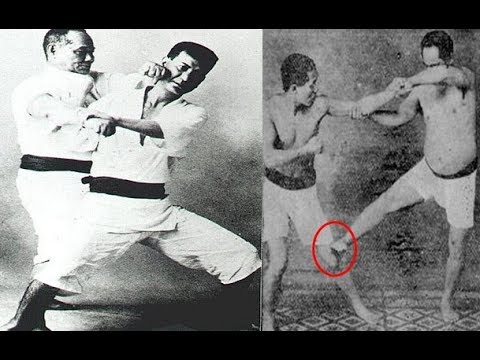
Motobu Ryu Karate Jutsu: The Uncompromising Warrior's Path

Is the pursuit of martial arts merely about graceful movements and disciplined forms? Or is it about the raw, unyielding capacity to survive, to defend, to prevail when faced with genuine adversity? For many, the pristine beauty of Karate katas is the apex of their practice. But what about those who believe the true essence of Budo lies in the unforgiving crucible of real combat? Today, we confront a style that unapologetically prioritizes the latter: Motobu Ryu Karate Jutsu.

Introduction: Beyond the Kata

Karate, a discipline now recognized and respected across the globe, boasts a rich tapestry of styles. Yet, within this vast lineage, Motobu Ryu Karate Jutsu stands apart. Hailing from the historical heartland of Okinawa, Japan, this style is not for the faint of heart or the purely aesthetic practitioner. It is a path forged in practicality, a testament to the warrior spirit that prioritizes effectiveness above all else. We will dissect its history, its brutal efficacy, and its underlying philosophy, examining how it has carved its niche and influenced the broader landscape of martial arts.

The Genesis of a Warrior: Choki Motobu's Legacy

The architect of this formidable system was Choki Motobu (1870-1944). Born into a prominent Okinawan family with deep martial roots, Motobu was exposed from a young age to not just Karate, but also Judo and Kendo. However, it was his innate prowess and perhaps a rebellious spirit that led him to forge his own path. Dismissive of what he perceived as overly stylized or impractical techniques in some contemporary Karate forms, Motobu developed his distinct approach, christening it Motobu Ryu Karate Jutsu.

What truly set Motobu Ryu apart was its radical departure from an over-reliance on pre-arranged forms (katas). Motobu’s doctrine was brutally simple: the martial art’s ultimate purpose is to ensure survival and dominance in genuine, life-threatening confrontations. His style was honed for the gritty reality of street fights, not for polite demonstration. This unwavering focus on pragmatism is the bedrock upon which Motobu Ryu was built.

"The highest Karate is not in the forms (kata), but in the actual fighting." - Choki Motobu

Striking with Purpose: The Core of Motobu Ryu

The technical arsenal of Motobu Ryu Karate Jutsu is as direct as its philosophy. It thrives on close-range combat, emphasizing explosive, powerful strikes designed for maximum impact. Forget elaborate, sweeping kicks; here, the focus is on the immediate and the decisive.

  • Punches: Varied and potent, delivered with bone-jarring force.
  • Kicks: Primarily low kicks and powerful knee strikes, designed to incapacitate quickly.
  • Elbow Strikes: Brutally effective in confined spaces, a hallmark of close-quarters combat.

One of the most distinctive and devastating techniques within Motobu Ryu is the "Ippon Ken", or one-knuckle punch. This specialized strike targets vulnerable points with pinpoint accuracy, capable of inflicting significant damage. It’s a testament to Motobu’s belief in exploiting weaknesses with overwhelming force.

But Motobu Ryu is not solely about striking. Recognizing that a true warrior must be adaptable, Choki Motobu judiciously incorporated elements of throws, joint locks, and grappling. This holistic approach ensured his students were not merely strikers, but well-rounded combatants, capable of handling a multitude of scenarios. It's this integration that elevates Motobu Ryu beyond a simple striking art.

Goshin Jutsu: The Art of Survival

At its philosophical core, Motobu Ryu is defined by "Goshin Jutsu" – the art of self-defense techniques. This principle is not a mere suggestion; it is the absolute directive. Motobu instilled in his students that the primary function of martial arts training is to cultivate the skills necessary for survival in dire circumstances. The abstract beauty of a kata pales in comparison to the concrete reality of neutralizing a threat.

Beyond the physical, Motobu Ryu Karate Jutsu is a profound path of self-development. It demands the cultivation of mental fortitude and spiritual discipline. This is not just about learning to fight; it’s about becoming a better human being through the rigors of intense training. Choki Motobu viewed the martial journey as a lifelong endeavor of self-improvement, urging his disciples to hone their minds and spirits with the same dedication they applied to their physical conditioning.

"Mastery of the art of fighting means mastery of oneself. Without self-mastery, no true victory is possible." - A principle echoing in the halls of Motobu Ryu.

A Ripple Through Combat: Motobu Ryu's Enduring Impact

The legacy of Motobu Ryu Karate Jutsu extends far beyond its Okinawan origins. Many of Choki Motobu's students rose to become influential martial arts masters themselves, carrying the torch of his practical approach across the globe. The style’s unwavering emphasis on effective techniques and real-world self-defense has resonated deeply, influencing even seemingly disparate disciplines like Krav Maga and Brazilian Jiu-Jitsu. The pragmatic, no-nonsense approach to combat became a blueprint for survival-oriented systems.

Furthermore, the powerful, direct striking methods of Motobu Ryu have been observed and assimilated into the repertoires of various other martial arts and combat sports, including the dynamic arts of Muay Thai and Kickboxing. The influence is undeniable: a testament to the universal language of effective fighting.

Essential Training for the Motobu Practitioner

To truly embrace the spirit of Motobu Ryu, training must mirror its core tenets. While traditional Karate training often involves extensive kata practice, a Motobu Ryu practitioner should focus on drills that simulate real combat scenarios. This means:

  • Conditioning: Building the raw physical power and resilience necessary for sustained, intense exchanges. This includes strength training, cardiovascular endurance, and impact conditioning.
  • Striking Drills: Repetitive practice of punches, kicks, elbows, and knees, focusing on speed, power, and accuracy. Emphasis should be placed on close-range combinations.
  • Sparring (Kumite): Full-contact sparring, conducted with appropriate safety gear, is crucial. This is where theory meets reality, allowing practitioners to test techniques under pressure. Motobu Ryu sparring often eschews point-based systems for a more decisive outcome.
  • Close-Quarters Techniques: Specific drills focusing on clinching, throws, and joint manipulation. Understanding how to control an opponent in grappling exchanges is vital.
  • Application Focus: Constantly asking "How does this apply in a real fight?" This mindset shifts training from rote memorization to dynamic problem-solving.

Consider the benefits of dedicated impact training equipment. A well-maintained makiwara can develop powerful, bone-strengthening strikes, while a sturdy punching bag is essential for practicing combinations and power generation. For those serious about grappling aspects, a good quality BJJ gi or wrestling singlet can be invaluable for practicing throws and control techniques.

Sensei's Verdict: Is Motobu Ryu True Budo?

From my perspective, the fire that burned within Choki Motobu was undeniably the fire of Budo. He stripped away the non-essentials and focused on the heart of combat: survival and efficacy. Does Motobu Ryu Karate Jutsu prioritize flash over substance? Absolutely not. It demands dedication, courage, and a willingness to confront uncomfortable truths about conflict. It’s a style that embodies the warrior spirit, forging resilience not just in the body, but in the very soul. While some may find its directness unpalatable compared to more ritualistic arts, its dedication to practical application makes it a potent and historically significant branch of the martial tree.

Rating: A Resounding "Cinturón Negro en Realismo Combativo" (Black Belt in Combat Realism).

Frequently Asked Questions

What is the main difference between Motobu Ryu and other Karate styles?
Motobu Ryu places a significantly greater emphasis on practical, real-world combat effectiveness and less on traditional forms (katas) for their own sake. It's designed for survival, not demonstration.
Is Motobu Ryu Karate Jutsu suitable for self-defense?
Absolutely. Its entire foundation is built upon the principles of "Goshin Jutsu" – effective self-defense techniques applicable in street situations.
What is the "Ippon Ken"?
The "Ippon Ken" is a specialized one-knuckle punch technique within Motobu Ryu, known for its power and ability to target vulnerable points with precision.
Can beginners train in Motobu Ryu?
While the style is demanding, dedicated beginners can certainly learn. However, they must possess a strong mindset for practical application and be prepared for intense physical and mental training.

To Dive Deeper into Your Path

Sensei's Reflection: Your Next Step

Choki Motobu challenged the status quo, prioritizing brutal efficacy. He understood that the ultimate test of a martial art is not in its beauty, but in its ability to protect life. Now, I ask you: In your own training, are you preparing for the beautiful dance of the dojo, or the brutal reality of the street? Where does your true focus lie, and are you willing to shed the comfortable and embrace the uncompromising?

``` ```json { "@context": "https://schema.org", "@type": "FAQPage", "mainEntity": [ { "@type": "Question", "name": "What is the main difference between Motobu Ryu and other Karate styles?", "acceptedAnswer": { "@type": "Answer", "text": "Motobu Ryu places a significantly greater emphasis on practical, real-world combat effectiveness and less on traditional forms (katas) for their own sake. It's designed for survival, not demonstration." } }, { "@type": "Question", "name": "Is Motobu Ryu Karate Jutsu suitable for self-defense?", "acceptedAnswer": { "@type": "Answer", "text": "Absolutely. Its entire foundation is built upon the principles of \"Goshin Jutsu\" – effective self-defense techniques applicable in street situations." } }, { "@type": "Question", "name": "What is the \"Ippon Ken\"?", "acceptedAnswer": { "@type": "Answer", "text": "The \"Ippon Ken\" is a specialized one-knuckle punch technique within Motobu Ryu, known for its power and ability to target vulnerable points with precision." } }, { "@type": "Question", "name": "Can beginners train in Motobu Ryu?", "acceptedAnswer": { "@type": "Answer", "text": "While the style is demanding, dedicated beginners can certainly learn. However, they must possess a strong mindset for practical application and be prepared for intense physical and mental training." } } ] }