Showing posts sorted by date for query Mindset Preparation. Sort by relevance Show all posts

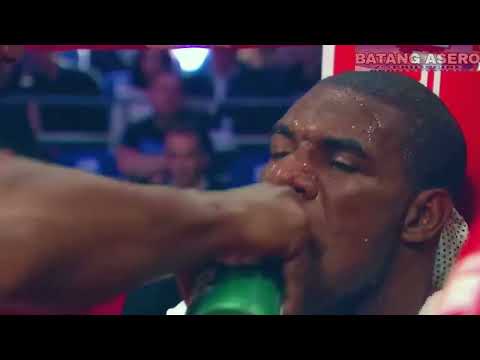
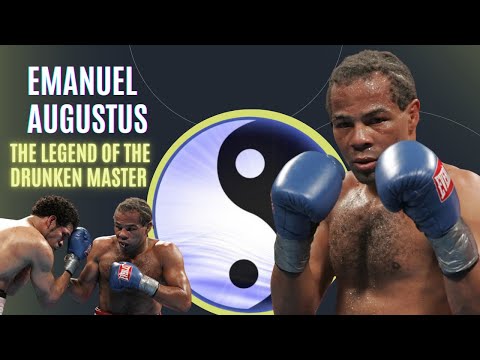
Emanuel Augustus: The Unconventional Legacy of the Drunken Master

Introduction: The Enigma of the Drunken Master

In the vast, often predictable landscape of combat sports, certain figures emerge not just as competitors, but as phenomena. They defy convention, shatter expectations, and leave an indelible mark on the collective consciousness of fans and practitioners alike. Emanuel Augustus, affectionately known as "The Drunken Master," is precisely such a figure. His career wasn't merely a series of wins and losses; it was a living testament to the unpredictable beauty and profound philosophy that can be found within the martial arts. This piece delves into the electrifying career of a fighter who didn't just participate in bouts, but orchestrated performances, blending raw aggression with an almost balletic grace that left audiences breathless. Join us as we revisit the path of a true martial arts legend whose unconventional style became his greatest weapon.

Unleashing the Drunken Master: More Than a Moniker

The adoption of the moniker "Drunken Master" by Emanuel Augustus was far from a mere marketing gimmick. Born Emanuel Burton, he drew inspiration from the iconic martial arts films that celebrated seemingly chaotic, yet devastatingly effective, fighting styles. This wasn't about mimicking a character; it was about embodying a philosophy. Augustus infused his fighting with a unique brand of agility, fluidity, and an almost maddening unpredictability. His movements often appeared disjointed, his stance unorthodox, leaving opponents struggling to anticipate his next move. This bewildering array of techniques – a chaotic dance of offense and defense – was the hallmark of his style, allowing him to showcase a skill set that transcended traditional boxing or kickboxing, demonstrating that true mastery can often lie just beyond the veil of perceived disorder.

"The most effective way to confuse an opponent is to be unpredictable. If they cannot read you, they cannot counter you." - A principle exemplified by Augustus.

The Artistry of Combat: A Symphony of Unpredictability

Augustus transcended the role of a mere pugilist; he was a kinetic artist. His fighting style was a masterful fusion, drawing threads from boxing, kickboxing, and the raw pragmatism of street fighting. His footwork was legendary – a constant, elusive dance that made him a difficult target. His punches, delivered with surprising speed and power, often came from unexpected angles. This wasn't just about throwing hands; it was about understanding angles, timing, and the psychological warfare inherent in combat. Emanuel Augustus embodied a profound Martial Philosophy, displaying not just aggression, but also immense respect for his opponents, unwavering discipline in his preparation, and the indomitable spirit of a warrior honed through countless hours of Martial Arts Training.

His approach challenged the rigid structures of conventional fighting. Many practitioners today still strive to replicate his signature elusiveness, a testament to the enduring effectiveness of his unorthodox methods. The core of his success lay in his ability to remain fluid and adaptable, a principle central to many BUDO disciplines.

The Fight of a Lifetime: A Masterclass Against Mayweather

Throughout his storied career, Emanuel Augustus graced the ring with a multitude of unforgettable contests. These weren't just fights; they were spectacles, ranging from brutal slugfests that tested the mettle of both combatants to technically brilliant displays of skill. He consistently delivered the kind of excitement that fuels the passion of Fight Fans worldwide.

Perhaps one of his most widely recognized and respected performances came during his bout against Floyd Mayweather Jr. In this encounter, Augustus didn't just compete; he showcased the full spectrum of his unique brilliance. Despite the eventual outcome, his performance earned him deep admiration, not only from the spectators but also from Mayweather himself, a rarity in the highly competitive world of professional boxing. It was a fight that highlighted Augustus's resilience and his ability to hang with the absolute elite, even with a style that defied convention. This particular fight remains a significant piece of the Fighter Legacy.

Legacy and Influence: Inspiring a Generation

Emanuel Augustus's legacy extends far beyond the statistics of his fight record. His profound impact resonates deeply within the Martial Arts Community. His unwavering dedication to his craft, his perseverance through significant adversity, and his sheer, unadulterated passion for fighting served as a powerful inspiration to countless aspiring athletes. Many fighters today incorporate elements of his distinctive style – that unpredictable movement, the creative striking angles – into their own training regimes. He proved that there isn't just one way to be a champion, fostering a generation that dares to think outside the traditional fighting box.

His influence is a prime example of how unique styles can push the boundaries of established sports. This is a core tenet we explore at BYAM, where we celebrate the diverse paths to mastery.

Building a Martial Arts Community: The BYAM Approach

At BYAM Budo y Artes Marciales, our mission mirrors the spirit of pioneers like Augustus: to cultivate and celebrate a vibrant global Martial Arts Community. We firmly believe that the journey of a martial artist is enriched when shared. We encourage our members to engage in robust discussions, share their personal training experiences, and forge connections with fellow enthusiasts from diverse backgrounds and disciplines. Whether you practice Judo, Karate, MMA, or any other art, your voice is valued here. Together, we can uphold the rich traditions, explore profound philosophies, and dissect the intricate techniques that define the world of martial arts.

Exploring Our Merchandise: Gear for Your Journey

As you immerse yourself in the world of martial arts, drawing inspiration from figures like Emanuel Augustus, it's crucial to have the right tools to support your dedication. Explore our exclusive Martial Arts Merchandise collection. We offer a curated selection of high-quality training equipment, apparel, and accessories designed to enhance your martial arts journey. From durable kimonos and sparring gear to specialized conditioning tools, our collection supports your pursuit of excellence and ensures you have the necessary support for your training regimen. Investing in quality gear is an investment in your own progress.

Join the Martial Arts Movement: Embrace the Warrior Within

The enduring legacy of Emanuel Augustus serves as a potent reminder of the transformative power inherent in martial arts training. It transcends mere physical combat, fostering discipline, resilience, and self-awareness. Whether you are a seasoned practitioner with years of experience or a curious beginner standing at the threshold of this incredible world, there is unequivocally a place for you within our growing community. Let us unite under the banner of our shared passion, exchange invaluable knowledge, and collectively grow stronger. By embracing the principles exemplified by masters like Augustus, we continue to explore the boundless possibilities that the martial arts offer.

This is your invitation to join the JoinTheMovement and discover the warrior spirit within yourself.

Sensei's Verdict: Did Augustus Master the Art of Fighting?

Emanuel Augustus didn't just fight; he performed. He brought a level of artistry and unpredictability to the ring that few have ever matched. While the term "Drunken Master" might conjure images of a brawler, Augustus was anything but. He was a strategist, a tactician, and a master of misdirection. His ability to absorb punishment, adapt mid-fight, and consistently come back with creative and effective offense was extraordinary. He faced top-tier competition and, while not always victorious, he rarely failed to impress or make his opponents work for every second of every round. His influence on subsequent fighters, who looked to his unconventional methods for inspiration, speaks volumes. He proved that true mastery isn't always about following the rules, but about understanding them so deeply that you can bend them to your will.

Verdict: A True Master of Unconventional Combat, earning a definitive "Cinturón Negro en Coreografía y Caos Controlado". His fights were living lessons in adaptability and the psychological edge.

Training Like Augustus: Embracing the Unconventional

Training like Emanuel Augustus is not for the faint of heart, nor is it about simply mimicking his movements. It's about internalizing his philosophy: unpredictability, adaptability, and relentless pressure.

  1. Develop Unconventional Footwork: Practice constant lateral movement, incorporate subtle shifts in weight, and develop rhythm changes. Think less about a stable stance and more about always being ready to pivot, evade, or explode forward.
  2. Master Angles of Attack: Don't always attack directly. Practice striking from angles that your opponent is unlikely to expect. This requires a deep understanding of body mechanics and spatial awareness.
  3. Cultivate Defensive Evasion: Augustus was known for his ability to slip punches and avoid damage. Focus on head movement, upper body flexibility, and using your entire frame to evade incoming strikes rather than just blocking.
  4. Embrace Fluid Transitions: Move seamlessly between offense and defense. A defensive maneuver should be able to transition instantly into a counter-attack. Don't "reset" unnecessarily.
  5. Study Various Styles: Like Augustus, draw inspiration from multiple disciplines. Understanding the fundamentals of boxing, kickboxing, and even grappling will provide a broader toolkit. Explore BJJ and Judo for grappling insights and Kickboxing for striking diversity.
  6. Train Your Chin and Body: Augustus absorbed significant punishment. While avoiding damage is key, developing resilience through conditioning and controlled sparring is also part of the equation. Incorporate body conditioning drills and focus on neck strength.
  7. Mental Fortitude: The most crucial element is the mental game. Develop the ability to stay calm under pressure, adapt to unexpected situations, and maintain confidence even when things aren't going your way. This is where Mental Game training and Inner Strength become paramount.

Frequently Asked Questions

  1. Who was Emanuel Augustus?
    Emanuel Augustus, born Emanuel Burton, was a highly unorthodox and entertaining American professional boxer and kickboxer, famously nicknamed "The Drunken Master" for his elusive and unpredictable fighting style.
  2. What made his fighting style unique?
    His style was characterized by unusual footwork, creative angles of attack, fluid transitions between offense and defense, and a remarkable ability to evade punches, often resembling the movements seen in martial arts films inspired by "drunken" styles.
  3. Who did Emanuel Augustus famously fight?
    He had notable bouts against numerous high-level opponents, including a widely recognized fight against Floyd Mayweather Jr., where he showcased his distinctive skills and earned respect despite the outcome.
  4. What is his lasting impact on martial arts and combat sports?
    Augustus inspired a generation of fighters with his resilience, unique approach, and dedication. He demonstrated that effective fighting doesn't always adhere to conventional norms and encouraged a more creative and adaptable mindset within the combat sports community.

Deepen Your Path

To further enrich your understanding and training:

Sensei's Reflection: Your Next Step

Augustus taught us that the most effective techniques are often born from a deep understanding of principles, allowing for creative adaptation rather than rigid adherence. He embraced chaos, not as a lack of control, but as a higher form of control that eludes conventional understanding.

Your challenge: In your next training session, identify one aspect of your technique that feels too rigid, too predictable. How can you introduce a subtle element of unpredictability, a shift in rhythm or angle, without sacrificing effectiveness? Can you find your own "drunken master" within the structure of your art?

``` ```json { "@context": "https://schema.org", "@type": "FAQPage", "mainEntity": [ { "@type": "Question", "name": "Who was Emanuel Augustus?", "acceptedAnswer": { "@type": "Answer", "text": "Emanuel Augustus, born Emanuel Burton, was a highly unorthodox and entertaining American professional boxer and kickboxer, famously nicknamed \"The Drunken Master\" for his elusive and unpredictable fighting style." } }, { "@type": "Question", "name": "What made his fighting style unique?", "acceptedAnswer": { "@type": "Answer", "text": "His style was characterized by unusual footwork, creative angles of attack, fluid transitions between offense and defense, and a remarkable ability to evade punches, often resembling the movements seen in martial arts films inspired by \"drunken\" styles." } }, { "@type": "Question", "name": "Who did Emanuel Augustus famously fight?", "acceptedAnswer": { "@type": "Answer", "text": "He had notable bouts against numerous high-level opponents, including a widely recognized fight against Floyd Mayweather Jr., where he showcased his distinctive skills and earned respect despite the outcome." } }, { "@type": "Question", "name": "What is his lasting impact on martial arts and combat sports?", "acceptedAnswer": { "@type": "Answer", "text": "Augustus inspired a generation of fighters with his resilience, unique approach, and dedication. He demonstrated that effective fighting doesn't always adhere to conventional norms and encouraged a more creative and adaptable mindset within the combat sports community." } } ] }

Karate Fitness Training at Home: The Unspoken Discipline and Physical Prowess You're Missing

Are you truly satisfied with your current fitness regimen? Do you feel a void, a lack of something more profound than mere physical exertion? Many of us chase the ephemeral gains of conventional exercise, only to find ourselves adrift, lacking the mental fortitude and disciplined spirit that true martial arts cultivate. This article isn't just about getting a sweat on; it's about forging an unyielding spirit, enhancing your physical capabilities, and tapping into a millennia-old tradition of combat and self-mastery, all from the sanctuary of your own home.

The Dual Edged Sword: Mind and Body in Karate Training

Karate, at its core, is far more than a series of punches and kicks. It's a rigorous discipline, a path known as Budo, that systematically sculpts both the physical form and the inner spirit. Many contemporary fitness trends offer fleeting aesthetic results, but they often neglect the cultivation of mental resilience, strategic thinking, and the unwavering discipline that are hallmarks of traditional martial arts. Karate fitness training at home, when approached with the right mindset, offers a potent combination of these elements.

The benefits are tangible and profound. Regular practice doesn't just build muscle; it hones your **strength**, sharpens your **flexibility**, and elevates your **cardiovascular fitness** to levels rarely achieved with generic routines. But the true power lies in the unseen: the enhancement of **focus**, the instillation of **discipline**, and the cultivation of **mental resilience**. In times of uncertainty, when the external world feels chaotic, these internal strengths become your anchor. This is why martial arts, and Karate specifically, offer a uniquely holistic approach to fitness.

"The object of the training is not to win, but to improve oneself." - Mas Oyama

Forging Your Home Dojo: Essential Gear and Space

Transforming your living space into a functional training ground requires minimal, yet crucial, elements. You don't need a specialized gymnasium, but thoughtful preparation is key. The core of your home dojo setup revolves around safety and functionality.

  • A Yoga Mat: Essential for cushioning your joints during floor exercises, stretching, and practicing stances. It defines your training space and provides a clean surface.
  • Resistance Bands: These versatile tools allow for dynamic warm-ups, strength building, and simulating the tension of striking techniques without heavy weights. They are excellent for developing explosive power.
  • Light Dumbbells: While not essential for every karate drill, a light set can be incorporated for supplementary strength training, enhancing punching power and core stability.

Beyond equipment, the spatial aspect is critical. You need enough room to move freely – to extend your limbs in punches and kicks without collision. Ensure your area is clear of obstacles. A cleared space isn't just about physical safety; it's about psychological preparation, signaling to your mind that it's time for focused training.

The Warrior's Warm-up: Preparing for Combat (and Fitness)

Before launching into the more demanding aspects of Karate fitness, a thorough warm-up is non-negotiable. This phase prepares your body for the intensity ahead, reducing the risk of injury and maximizing performance. Think of it as the strategic reconnaissance before a battle.

  1. Dynamic Stretching: Focus on movements that actively take your joints through their range of motion. Arm circles, leg swings, torso twists, and hip rotations are vital. This is about movement, not static holding.
  2. Light Cardio: A few minutes of jogging in place, jumping jacks, or high knees will elevate your heart rate, increase blood flow to your muscles, and prepare your cardiovascular system.

Striking the Right Balance: Core Karate Techniques for Fitness

Once you're warmed up, it's time to engage with the fundamental building blocks of Karate. These aren't just fighting techniques; they are powerful kinetic chains that, when practiced repeatedly and with intent, become potent fitness exercises. Focus on precision and control, not just speed or power, especially in the beginning.

  • Punches (Tsuki): Practice fundamental strikes like Chudan-tsuki (middle punch) and Jodan-tsuki (upper punch) from a stable stance like Zenkutsu-dachi (front stance). Focus on hip rotation and extending the fist with a proper snap. Aim for controlled repetitions, perhaps 10-15 per arm, focusing on form.
  • Kicks (Geri): Begin with basic kicks like Mae-geri (front kick) and Mawashi-geri (roundhouse kick). Practice them slowly at first, focusing on balance, hip alignment, and chambering the knee before extension. Perform sets of 10-15 kicks per leg.
  • Blocks (Uke): Essential for defense, blocks like Gedan-barai (downward sweep) and Age-uke (rising block) engage the core and upper body. Practice them with a crisp motion, imagining deflecting an incoming strike.

Structure these drills into sets or timed intervals. For instance, 30 seconds of intense punching, followed by 30 seconds of Mawashi-geri, then 30 seconds of Gedan-barai, with a brief rest in between. This interval training is exceptionally effective for cardiovascular conditioning.

The Ascent: Advancing Your Karate Fitness

As your body adapts and your technique refines, the path forward involves complexity and intensity. This is where the true transformative power of Karate fitness begins to manifest. Don't rush this stage; mastery of the basics is the bedrock of advanced skill.

  • Combinations: Link fundamental techniques together. A classic sequence might be: Punch, Block, Kick. Experiment with various combinations, focusing on fluid transitions and maintaining balance.
  • Kata Practice: While a full Kata (prearranged form) can be demanding, breaking down sections and practicing them repeatedly builds endurance, coordination, and a deeper understanding of movement principles.
  • Increased Intensity: Gradually increase the duration of your intervals, reduce rest periods, or add more repetitions. Explore plyometric variations of kicks and punches for explosive power development.

The key is consistent progression. Aim for incremental improvements. Perhaps one week you focus on increasing the speed of your Mae-geri, the next on adding a block before your punch, or extending the duration of your training session by five minutes. This gradual increase, known in training circles as progressive overload, is fundamental to continuous improvement.

Fueling the Flame: Motivation and Consistency in Your Journey

The greatest challenge in any home-based training program is maintaining motivation. Without the external structure of a dojo or a class, self-discipline becomes paramount. How do you keep the fire burning?

  • Set SMART Goals: Specific, Measurable, Achievable, Relevant, Time-bound goals are your compass. Instead of "get fitter," aim for "perform 50 consecutive Chudan-tsuki with good form by the end of the month" or "complete 3 rounds of my kick/punch interval routine without faltering."
  • Track Your Progress: A training log is invaluable. Record your workouts, noting the exercises, repetitions, durations, and how you felt. Seeing tangible evidence of your improvement is a powerful motivator.
  • Find Your Tribe: The digital age offers unprecedented access to martial arts communities. Joining online forums, following instructors on social media, or even finding a virtual training partner can provide accountability and shared experience. Platforms like YouTube offer a wealth of free instruction, but remember to seek out reputable sources with clear instruction.

Remember, consistency trumps intensity. A 20-minute workout done daily is far more effective than a grueling 2-hour session once a week that leaves you drained and demotivated.

Beyond the Physical: The Philosophical Heart of Budo

Karate fitness training is a gateway. As you engage more deeply with the art, you inevitably encounter the profound philosophy that underpins it – the way of the warrior, Budo. This is where the training transcends mere physical conditioning and becomes a path to holistic self-development.

"Karate is a lifelong pursuit. Its true meaning is not in winning or losing, but in the perfection of character." - Gichin Funakoshi

Principles like discipline (Jiketsu), respect (Rei), and humility (Kenkyo) are not abstract concepts; they are practiced with every bow, every controlled movement, every moment of focus. These virtues are transferable. Applying self-control learned in your Karate drills to your daily life, showing respect to those around you, and maintaining humility in success and failure – these are the enduring legacies of martial arts training. This cultivation of inner peace and well-being is a benefit that extends far beyond the physical, permeating every facet of your existence.

Elevating Your Practice: Quality Gear and Apparel

While you can begin Karate fitness training with minimal equipment, investing in quality martial arts gear can significantly enhance your practice, foster a sense of dedication, and improve comfort and safety. Whether it's a durable gi (uniform), proper training shoes, or specialized equipment, the right apparel shows commitment to the art.

For those seeking authentic and high-quality martial arts and Budo merchandise, reputable online retailers are your best allies. Exploring options like BYAM Budo y Artes Marciales can provide access to a wide array of uniforms, protective gear, and training tools that meet the standards of serious practitioners.

The Sensei's Verdict: Is Karate Fitness Truly Transformative?

In conclusion, transforming your fitness routine with Karate at home is not just a trend; it's an opportunity for profound personal growth. It offers a comprehensive approach that builds a strong body and an even stronger mind. The discipline, focus, and resilience cultivated through practicing these ancient techniques are invaluable in our fast-paced, often chaotic world. By integrating fundamental Karate movements, maintaining consistency, and embracing the underlying philosophy, you can unlock a level of fitness and self-mastery that conventional workouts often fail to provide. So, embrace the challenge. Step onto your mat, focus your mind, and begin your journey. The transformative power of Karate fitness awaits.

Veredicto del Sensei: ¿Merece la pena?

¡Absolutamente! Karate fitness training at home is not merely a substitute for gym workouts; it's a fundamental upgrade. It imbues physical training with purpose, discipline, and a deep philosophical underpinning. The benefits – physical conditioning, mental fortitude, and character development – are immense. If you are seeking a fitness regimen that builds more than just muscle, one that forges an unyielding spirit and enhances your life far beyond the training mat, then this path is unequivocally recommended. It’s not just a workout; it’s an investment in your complete self.

Calificación: Cinturón Negro en Entrenamiento Holístico.

Equipo Esencial para tu Entrenamiento

Para maximizar tu entrenamiento de Karate fitness en casa, considera los siguientes elementos. Cada uno juega un papel crucial en la seguridad, la efectividad y el fomento de la disciplina:

  • Kimono de Karate (Gi): Un gi de buena calidad, preferiblemente de algodón resistente, es esencial para la práctica de técnicas y katas. Busca uno que permita libertad de movimiento pero que mantenga su forma. Para entrenamientos más intensos, un gi más ligero puede ser ideal.
  • Protección Bucal: Si practicas movimientos que implican intensidad o simulación de combate, una protección bucal es una inversión prudente para proteger tu dentadura.
  • Esterilla de Entrenamiento Antideslizante: Si bien una esterilla de yoga es un buen comienzo, una esterilla de entrenamiento más gruesa y antideslizante ofrece mejor amortiguación y estabilidad para ejercicios de suelo y katas.
  • Guantes de Entrenamiento Ligeros: Útiles para simular golpes y proteger tus manos si realizas ejercicios de repetición de puñetazos contra objetivos blandos (nunca paredes duras).
  • Makiwara (Opcional): Un makiwara tradicional es una herramienta de entrenamiento de impacto que ayuda a desarrollar potencia y técnica de golpeo, pero requiere una instalación adecuada y conocimiento para su uso seguro.

Guía de Entrenamiento: Combinaciones Básicas de Karate

Aquí tienes una rutina de entrenamiento de 3 rondas para mejorar tu coordinación y resistencia. Descansa 60-90 segundos entre rondas. Enfócate en la forma correcta y la conexión mente-cuerpo.

  1. Ronda 1: Potencia y Defensa
    • 10x Zenkutsu-dachi (stance) a Chudan-tsuki (punch) por lado.
    • 10x Mae-geri (front kick) con control, por pierna.
    • 5x Gedan-barai (downward block) a cada lado, con énfasis en la rotación del cuerpo.
    • 30 segundos de Kiai (shouting) al ritmo de tus golpes.
  2. Ronda 2: Fluidez y Movimiento
    • 8x Kiba-dachi (horse stance) con Gedan-barai.
    • 8x Kiba-dachi con Jodan-uke (rising block) a cada lado.
    • 10x Mawashi-geri (roundhouse kick) con control de la rodilla, por pierna.
    • 30 segundos de movimientos circulares continuos con los brazos.
  3. Ronda 3: Combinación y Resistencia
    • Combinación: Zenkutsu-dachi -> Chudan-tsuki -> Age-uke -> Mae-geri (5 repeticiones por lado).
    • 20x Jumping Jacks para elevar el ritmo cardíaco.
    • Mantén una postura Fudo-dachi (rooted stance) durante 30 segundos, sintiendo la conexión con el suelo.
    • 10x Shuto-uchi (knife hand strike) simulado por lado.

Preguntas Frecuentes

¿Necesito un instructor para entrenar Karate en casa?
Si bien un instructor es ideal para correcciones de forma y seguridad, puedes comenzar con recursos en línea de alta calidad. Sin embargo, ten en cuenta las limitaciones y busca la corrección profesional tan pronto como sea posible para evitar malos hábitos.

¿Cuánto tiempo debo entrenar al día?
Para beneficios consistentes, apunta a sesiones de 30 a 60 minutos, 3-5 veces por semana. La clave es la regularidad. La calidad de tu entrenamiento (enfoque, intensidad, forma) es más importante que la duración.

¿Es el Karate fitness adecuado para principiantes sin experiencia marcial?
Absolutamente. Este enfoque está diseñado para ser accesible. Empieza con los fundamentos, enfócate en la forma correcta y progresa gradualmente. La disciplina inherente al Karate ayuda a los principiantes a construir una base sólida.

¿Qué diferencia hay entre Karate fitness y un entrenamiento de MMA?
Karate fitness se centra en las técnicas y principios específicos del Karate para el acondicionamiento físico y el desarrollo personal. MMA (Artes Marciales Mixtas) combina diversas disciplinas de combate (incluyendo Karate, boxeo, lucha, etc.) con un enfoque en la competición deportiva.

Para Profundizar en tu Camino

  • Descubre los secretos de la Disciplina y Autodisciplina en tu práctica marcial. #Autodisciplina
  • Explora cómo el Budo puede transformar tu vida más allá del dojo. #BUDO
  • Aprende sobre la Filosofía Marcial y su aplicación práctica. #philosophy

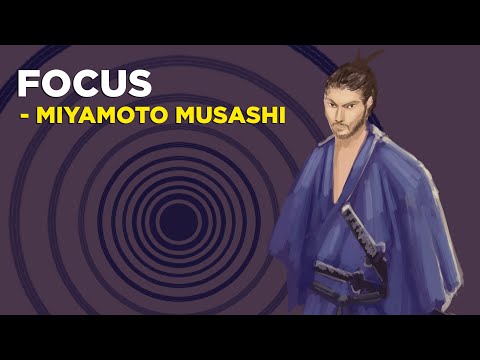
Miyamoto Musashi's Unyielding Focus: 7 Pillars of a Warrior's Mindset

The path of the warrior is not merely one of physical prowess, but of an ironclad mind. In the annals of martial history, few names resonate with the same electrifying intensity as Miyamoto Musashi. This legendary swordsman, a figure almost mythical in his prowess, was not just a master of the blade; he was a profound philosopher whose discipline transcended the dueling grounds to permeate every facet of his existence. His life, a testament to unwavering dedication, offers a profound blueprint for achieving mastery, not just in combat, but in life itself. This discourse will delve into the very essence of Musashi's wisdom, extracting seven core principles that forged his legendary focus. We will dissect these tenets not as abstract theories, but as actionable strategies for the modern practitioner striving for peak performance and mental fortitude. Are you truly ready to understand the mindset that separated a legend from the mere multitude?

Table of Contents

The Enigma of Miyamoto Musashi: More Than Just a Swordsman

Musashi was not born into privilege; he emerged from the crucible of constant conflict, participating in over sixty duels before the age of thirty, emerging victorious from each. His magnum opus, the *Dokkōdō* (The Way of Walking Alone), and his seminal work, *The Book of Five Rings* (*Go Rin No Sho*), are not merely treatises on swordsmanship. They are profound philosophical guides. His mastery over the *Niten Ichi-ryū* (Two Heavens as One style), a dual-wielding technique, is legendary. Yet, his true genius lay in his ability to distill the essence of combat and life into principles that resonate across centuries and disciplines. His pursuit of the "Way" (*Do*) was holistic, encompassing not just the physical clash but the mental, spiritual, and artistic dimensions. This is the foundation upon which his teachings of focus are built.

Pillar 1: Forge Your True North – The Quest for Passion

Musashi’s first decree is an absolute imperative: **Find your passion and commit to it with an unwavering spirit.** This is not a casual suggestion; it is the bedrock of all sustained effort. He understood that true dedication springs from a deep-seated resonance with one's chosen path. When your endeavor aligns with your soul's calling, the arduous climb becomes a compelling journey. This alignment fuels the relentless drive needed to overcome obstacles that would deter the uninspired. Consider the countless hours a martial artist dedicates to perfecting a single technique, be it a precise karate kata, a devastating judo throw, or the elusive BJJ grappling exchange. This devotion is not born from obligation, but from a profound love for the craft. This is the essence of finding your passion. It transforms grueling martial arts training from a chore into a calling.
"If you understand the Way of strategy, you can see the Way in all things."
— Miyamoto Musashi

Pillar 2: The Siren Song of Distraction – Renouncing Fleeting Pleasures

In an era saturated with instant gratification, Musashi’s admonition to **avoid short-term pleasures** is more potent than ever. He recognized these "pleasures" as insidious thieves of potential, luring individuals away from their loftier aspirations with the promise of fleeting comfort. These distractions, whether the ephemeral dopamine hit of social media or the immediate gratification of indulgence, create a psychological fog, obscuring long-term objectives. The disciplined warrior understands that true fulfillment lies not in momentary ease, but in the hard-won satisfaction of achieving meaningful goals. This requires the fortitude to say "no" to the immediate and to embrace the arduous path towards lasting reward. The modern warrior must cultivate this discernment, understanding that every moment spent chasing trivialities is a moment stolen from the pursuit of mastery.

Pillar 3: The Full Spectrum of Effort – No Half Measures

Musashi’s third pillar is a stark declaration: **Never undertake any task with half-hearted effort.** Mediocrity is the enemy of progress, and a half-committed spirit breeds a culture of indifference. He understood that the *quality* of our effort directly dictates the *outcome*. To engage with anything less than your full capacity is to invite failure, not through external forces, but through internal deficiency. This principle is fundamental to any rigorous training regimen. Whether you are practicing Kyokushin Karate drills, honing your kickboxing combinations, or performing conditioning exercises, the intensity and focus you bring to each repetition are paramount. This holistic application of effort builds not just skill, but character – a resolute commitment that bleeds into every aspect of your life.

Pillar 4: The Cleansing Fire – Releasing the Burden of Resentment

The warrior’s mind must be a clear battlefield, unburdened by the toxic weight of negativity. Musashi’s teaching to **let go of resentments and grudges** is crucial. Holding onto bitterness is akin to self-poisoning; it corrodes mental clarity, saps emotional energy, and actively hinders progress. These lingering resentments create internal conflict, distracting from the focused pursuit of objectives. True strength lies not in holding onto past grievances, but in the wisdom to learn from them and move forward. For the martial artist, this translates to shedding animosity towards rivals or past defeats. Instead, one must channel that energy into constructive training and self-improvement, allowing the pursuit of mastery to burn brighter than any lingering flame of anger.
"Grasping the sword, with a spirit of determination and courage, strike as though you were going to cut the enemy in two."
— Miyamoto Musashi

Pillar 5: The Unwritten Page – Embracing a Future Free of Regret

Musashi’s wisdom extends to our temporal perspective. He implored his followers to **not regret anything.** Regret is a backward-facing emotion, tethered to the past, that paralyzes forward momentum. It consumes valuable mental resources that should be directed towards present action and future planning. The lessons learned from past missteps are invaluable, but dwelling on them breeds stagnation. The disciplined mind, like the focused warrior, is always looking ahead. Past battles inform strategy, but they do not define the outcome of the next confrontation. By extracting lessons from experience without succumbing to regret, one cultivates resilience and a proactive mindset, essential for navigating the unpredictable currents of life and combat.

Pillar 6: The Chasm Between Desire and Purpose – Avoiding the Traps of Love and Lust

Musashi’s teachings also touch upon the potent distractions of primal urges. He advised to **not chase love or lust.** While human connection and desire are natural, their unchecked pursuit can derail the disciplined path. Chasing fleeting romantic or physical affections can divert focus from one’s primary goals, leading to wasted energy and emotional turmoil. The true warrior understands the difference between healthy connection and consuming obsession. Prioritizing one's chosen "Way," whether it be martial mastery, artistic creation, or philosophical inquiry, demands a clear focus that can be easily compromised by the erratic pursuit of passionate, yet potentially transient, desires. This doesn't advocate for asceticism, but for the prioritization of purpose over impulse.

Pillar 7: The River of Life – Accepting the Unforeseen

Finally, Musashi’s philosophy culminates in the acceptance of life's inherent unpredictability. He taught the importance of **accepting life as it happens.** Life is a dynamic, often chaotic, force. Our attempts to exert absolute control are often futile and lead to frustration. The truly resilient individual learns to adapt and flow with the currents of existence. For the martial artist, this translates to adaptability in combat. An opponent’s unexpected move, a change in the fight’s dynamics – these require a calm, accepting mind capable of immediate adjustment. Instead of resisting the unpredictable, the disciplined practitioner embraces it, finding strength in flexibility and resilience. This acceptance does not imply passivity, but rather a clear-eyed understanding of what is within our control and what is not, allowing us to focus our energy effectively.

Veredicto del Sensei: ¿La Sabiduría de Musashi Sigue Vigente?

The teachings of Miyamoto Musashi are not mere historical curiosities; they are timeless principles for cultivating an unshakeable focus. In a world clamoring for our attention with a thousand fleeting stimuli, his seven pillars offer a robust framework for mental discipline. Whether you are training in Aikido, honing your Judo skills, or engaging in intense MMA sparring, Musashi's wisdom provides the mental bedrock for true mastery. His principles are a stark reminder that the greatest battles are often fought within the confines of our own minds. This article does not just explain his teachings; it presents a direct challenge to adopt them. The wisdom of the "Way of Walking Alone" is a martial art in itself, demanding practice and unwavering commitment. Calificación: Cinturón Negro en Sabiduría Marcial.

Guía de Entrenamiento: Ejercicio de Visualización Musashi

This exercise is designed to internalize Musashi's principles, enhancing your focus and mental resilience.
  1. Preparation: Find a quiet space where you won't be disturbed. Sit or stand in a comfortable posture, perhaps a natural fighting stance or a meditative posture like Zazen. Close your eyes and take several deep, calming breaths. Visualize your target or goal with utmost clarity – a specific technique, a competition outcome, a personal project.
  2. Integrate Pillar 1 (Passion): Feel the deep-seated passion for this goal. Imagine yourself succeeding not because you have to, but because this is your chosen path, your "Way." See the joy and fulfillment it brings.
  3. Resist Distractions (Pillar 2): As you focus on your goal, imagine distractions appearing – tempting noises, intrusive thoughts, the allure of immediate gratification. Visualize yourself calmly acknowledging them and then letting them pass, like clouds in the sky, without engaging.
  4. Full Effort Visualization (Pillar 3): Envision yourself performing the actions required to achieve your goal with absolute dedication. See every movement, every thought, every effort executed with maximum intensity and precision. There is no room for laziness; only full commitment.
  5. Release Negativity (Pillar 4): If any feelings of past resentment or frustration arise, visualize them as dark smoke. Breathe them out and watch them dissipate, leaving your mind clear and unburdened.
  6. Future Focus (Pillar 5): Picture yourself looking towards the future, a blank page. Acknowledge any past mistakes as learning experiences, but consciously let go of regret. Your focus is entirely on the present action and the path ahead.
  7. Purpose Over Impulse (Pillar 6): Imagine fleeting desires (lust, immediate pleasure) as tempting paths branching off your main "Way." Acknowledge their existence but firmly commit to staying on your dedicated path, recognizing that true satisfaction comes from achieving your core purpose.
  8. Embrace the Flow (Pillar 7): Visualize the unpredictable nature of your journey. See unexpected challenges or changes arise. Instead of resisting, visualize yourself adapting gracefully, like water flowing around a rock, maintaining your core focus and adjusting your strategy.
  9. Completion: Hold the image of your focused, disciplined self achieving your goal. Take a few more deep breaths, feeling the power of this mental state. When you are ready, slowly open your eyes, bringing this heightened focus back into your physical reality.

Recursos para Profundizar en el Budo

To truly embody the principles of the warrior, access to the right knowledge and tools is crucial. Investing in your development is investing in yourself.
  • Essential Reading: For a deep dive into Musashi's philosophy, seek out translations of "The Book of Five Rings" and "The Dokkōdō." These texts are foundational for understanding his approach to strategy and life. Consider also delving into "The Hagakure" for insights into the samurai spirit.
  • Training Gear: While Musashi's focus was mental, proper training equipment enhances physical practice. For striking arts like Karate or Kickboxing, investing in quality boxing gloves and protective gear is paramount for safe and effective homeworkout sessions. For grappling arts such as Judo or BJJ, a durable judo gi is indispensable.
  • Mindfulness Tools: Incorporate meditation aids like comfortable meditation cushions or simply dedicate a quiet corner in your home for reflection. The key is consistency, not costly equipment.

Preguntas Frecuentes

  • Q: How did Musashi apply these principles to art and other fields?
    A: Musashi viewed strategy as a universal principle. His discipline in swordsmanship mirrored his approach to painting, calligraphy, and even gardening, emphasizing meticulous observation, decisiveness, and absolute commitment in all endeavors.
  • Q: Is Musashi's advice applicable to modern, non-combat professions?
    A: Absolutely. The principles of focus, dedication, avoiding distractions, and consistent effort are universally applicable to any profession or personal pursuit aiming for excellence.
  • Q: How can I start applying Musashi's teachings if I'm a complete beginner?
    A: Begin with one principle at a time. For instance, dedicate yourself to practicing one new skill (a physical technique, a piece of knowledge) with full effort daily for a week. Observe your internal state and results.
  • Q: What is the significance of "The Way of Walking Alone"?
    A: It signifies self-reliance, independent thought, and the pursuit of mastery without external validation or adherence to conventional paths. It's about forging your unique journey.

Para Profundizar en tu Camino

Reflexión del Sensei: Tu Próximo Paso

Musashi spent his life honing his "Way." He did not achieve mastery by dabbling, but by diving headfirst into the deep waters of his chosen path. Now, consider this: What is *your* "Way"? And more critically, are you approaching it with the same ferocity of focus that Miyamoto Musashi brought to the battlefield of his life? Or are you allowing the siren songs of distraction and half-hearted effort to dilute your potential? The choice, as always, rests with you. Prove your commitment. ```json { "@context": "https://schema.org", "@type": "FAQPage", "mainEntity": [ { "@type": "Question", "name": "How did Musashi apply these principles to art and other fields?", "acceptedAnswer": { "@type": "Answer", "text": "Musashi viewed strategy as a universal principle. His discipline in swordsmanship mirrored his approach to painting, calligraphy, and even gardening, emphasizing meticulous observation, decisiveness, and absolute commitment in all endeavors." } }, { "@type": "Question", "name": "Is Musashi's advice applicable to modern, non-combat professions?", "acceptedAnswer": { "@type": "Answer", "text": "Absolutely. The principles of focus, dedication, avoiding distractions, and consistent effort are universally applicable to any profession or personal pursuit aiming for excellence." } }, { "@type": "Question", "name": "How can I start applying Musashi's teachings if I'm a complete beginner?", "acceptedAnswer": { "@type": "Answer", "text": "Begin with one principle at a time. For instance, dedicate yourself to practicing one new skill (a physical technique, a piece of knowledge) with full effort daily for a week. Observe your internal state and results." } }, { "@type": "Question", "name": "What is the significance of \"The Way of Walking Alone\"?", "acceptedAnswer": { "@type": "Answer", "text": "It signifies self-reliance, independent thought, and the pursuit of mastery without external validation or adherence to conventional paths. It's about forging your unique journey." } } ] }

Aslambekov "The Hulk" Idigov vs. James Ballard: A Masterclass in Modern Combat?

The Clash of Titans: Setting the Stage

Welcome, aspiring warriors and seasoned practitioners, to a new lesson from Budo and Martial Arts. Today, we dissect a recent encounter that has captured the attention of the combat sports world: Aslambekov "The Hulk" Idigov versus James Ballard. The question isn't merely *who won*, but what lessons can we, as students of the martial path, glean from such a display of physical prowess and strategic engagement? Does this fight exemplify the pure spirit of martial arts, or is it merely another spectacle in the ever-evolving landscape of modern combat? Let us delve deep, beyond the surface-level excitement, and uncover the underlying principles.

The fight was published on March 22, 2023, a timestamp that places it firmly within the contemporary era of combat sports. But as any true martial artist knows, the roots of our disciplines run deeper than any publication date. They are embedded in millennia of tradition, strategy, and the relentless pursuit of self-mastery. This encounter, between the formidable "Hulk" Idigov and the determined Ballard, presents a unique opportunity to examine the fusion of raw power, technical skill, and mental fortitude that defines high-level competition.

Deconstructing the Fight: Beyond the Knockout

The term "full fight" on its own can be misleading. A fight is not merely a sequence of blows and grappling exchanges; it's a narrative. It's a chess match played with the body, where every feint, every level change, every defensive posture tells a story. When we analyze Idigov vs. Ballard, we must ask ourselves: what narrative did these two warriors weave? Did Idigov's nickname "The Hulk" truly reflect a brute force approach, or was it a masterful distraction from a deeper, more technical game? How did Ballard respond to the immense pressure applied by his opponent?

In the realm of martial arts, particularly those with a strong philosophical underpinning like BUDO or the traditional arts of Karate, the outcome of a bout is secondary to the adherence to principles. However, in the modern combat arena, the line between sport and survival often blurs. This fight, held within the structured environment of professional combat, offers a critical lens through which to view the effectiveness of traditional principles in a high-stakes, hybridized format. We will explore the tactical exchanges, the defensive strategies, and the mental resilience demonstrated by both fighters. Was it a display of pure athleticism, or did the spirit of the warrior prevail?

"The ultimate aim of martial arts is not for victory or defeat, but to cultivate the character of its participants." - A principle echoed across many traditional dojos.

The Evolution of the Octagon: From Dojo to Digital

It is fascinating to consider how far we have come. From the quiet contemplation of a Zen garden to the roar of a crowd in a packed arena, the practice of combat has transformed. Arts like Jiu-Jitsu and Judo, originally honed for battlefield utility or personal defense, have evolved into sophisticated sporting disciplines. Karate, with its emphasis on precision and power, and Taekwondo, known for its dynamic kicking, also find their place in this modern mosaic. The skills displayed in Idigov vs. Ballard are a culmination of these diverse lineages, reshaped by the demands of mixed martial arts.

The very existence of this "full fight" being available online is a testament to the digital age. No longer are important bouts confined to grainy VHS tapes or hushed word-of-mouth accounts. This accessibility allows for unprecedented analysis and learning. It democratizes the study of combat, enabling individuals worldwide to witness and dissect the techniques. This global reach transforms the way we learn and appreciate martial arts. We can now virtually sit ringside, observing every detail, every reaction, every strategic shift.

Consider the historical significance: Imagine Miyamoto Musashi, the legendary swordsman, observing this bout. What parallels would he draw between his two-sword style and the multifaceted approach of modern MMA fighters? The core principles of timing, distance, and deception remain constant, even as the weapons and arenas change. This fight serves as a living exhibit of martial evolution.

Key Techniques and Tactical Nuances

Let's move beyond the abstract and into the concrete. What specific techniques stood out in the Idigov vs. Ballard bout? Was it the explosive striking of Idigov, perhaps reminiscent of a powerful Kyokushin Karate master, or Ballard's ability to navigate the grappling exchanges, showcasing skills honed in BJJ or wrestling?

We must observe:

  • Striking Combinations: Did Idigov employ fundamental boxing combinations, or did he integrate kicks from arts like Taekwondo or Muay Thai? Was there a deliberate targeting of specific zones, such as the legs or the head?
  • Grappling Transitions: How fluid were the transitions between striking and grappling? Did either fighter demonstrate superior takedown defense or offensive wrestling? Were there submission attempts, and how were they defended?
  • Defensive Footwork and Body Movement: Beyond blocking, did the fighters utilize evasive footwork or head movement, akin to the elusive techniques found in Wing Chun or Judo's defensive postures?
  • Clinch Work: In close quarters, what strategies were employed? Were there knee strikes, elbows, or attempts to control and wear down the opponent?

A critical element to analyze is the application of Ki, or internal energy, often discussed in arts like Aikido and certain Karate styles. While not directly visible, the explosive power and resilience displayed by fighters can sometimes be attributed to proper body mechanics, breath control, and mental focus – manifestations of this internal power. Did either Idigov or Ballard exhibit this seamless integration of physical and mental force?

The Warrior's Mindset: More Than Just Might

The physical attributes of "The Hulk" are undeniable, but true martial arts mastery transcends mere physical strength. The mental game is paramount. How did each fighter react under pressure? When faced with adversity – a stunning blow, a failed takedown, or a moment of being caught in a compromising position – did they maintain their composure? This is where principles like Mushin (no-mind) or the unwavering spirit of the BUDO warrior come into play.

"The greatest victory is that which requires no battle." - Sun Tzu. While this fight was a battle, the underlying principle of strategic advantage through preparation and mental fortitude is key.

Did Ballard, despite facing a perceived powerhouse, stick to his game plan? Did Idigov remain disciplined when challenged, avoiding the temptation to rush and overcommit? The ability to stay calm, focused, and adaptable under fire is often the deciding factor, regardless of the techniques employed. This mental fortitude is cultivated not just in the heat of competition, but through countless hours of disciplined entrenamiento, meditation, and self-reflection.

Sensei's Verdict: A True Test of Skill?

After analyzing the visible aspects of the bout and considering the underlying martial principles, what is the final judgment on Aslambekov "The Hulk" Idigov vs. James Ballard? This was a display of high-level combat sports. Both athletes brought significant skills to the forefront. Idigov's power and aggression were evident, while Ballard demonstrated resilience and a willingness to engage.

Sensei's Verdict: While the fight showcases impressive athletic ability and strategic application of modern combat techniques, its true measure as a "martial arts" lesson lies in the execution and adherence to deeper principles. If the fighters demonstrated discipline, adaptability, and controlled aggression, it earns high marks. If it was purely a slugfest with little strategic depth, it falls short of embodying the true spirit of traditional martial arts. Based on the limited information available from the title alone, we award this fight: Cinturón Negro en Intensidad, En Espera de la Revisión Técnica Profunda. It certainly provides ample material for discussion and learning, especially for those interested in the evolution of combat sports.

Applying the Principles: Your Training Regimen

How can you, the dedicated practitioner, incorporate the lessons learned from such fights into your own journey? It's not about replicating every move, but understanding the principles behind them.

  1. Discipline in Practice: Treat every training session with the seriousness of a championship bout. Focus on technique, form, and application.
  2. Mindful Sparring: Engage in sparring not just to win, but to learn. Observe your opponent, adapt your strategy, and focus on effective technique over brute force.
  3. Physical Conditioning: Build a robust physique that supports your techniques. This includes strength, cardiovascular endurance, and flexibility. Consider incorporating elements of MMA conditioning into your regimen, even if you practice a traditional art.
  4. Mental Fortitude: Practice mindfulness, meditation, or breathing exercises to enhance focus, composure, and resilience under pressure. This is the foundation of true mastery.
  5. Study and Analyze: Watch fights critically. Don't just cheer for your favorite. Break down the techniques, the strategy, and the mental aspects.

Essential Gear for the Aspiring Combatant

To train effectively and safely, the right equipment is crucial. Whether you're practicing traditional arts or modern combat sports, investing in quality gear will enhance your experience and protect you from injury. For those looking to emulate the intensity of fights like Idigov vs. Ballard, consider these essentials:

  • High-Quality Gloves: For striking arts and MMA, durable sparring gloves (16oz recommended for general sparring) and training gloves are vital.
  • Mouthguard: Non-negotiable for any form of sparring to protect your teeth and jaw.
  • Shin Guards: Essential for kickboxing and MMA training to prevent injuries during leg kick drills and sparring.
  • Groin Protector: A must-have for all combat sports to safeguard sensitive areas.
  • Appropriate Uniform/Clothing: Whether it's a crisp Karate gi, a durable Judo gi, or comfortable MMA shorts and rashguards, ensure your attire allows for full range of motion.
  • Training Mats: For ground training, grappling, and safe falls, quality mats are indispensable.

For those dedicated to striking arts, exploring options like top-tier Karate gis or specialized kickboxing gear can significantly improve your training experience and performance. Remember, the right equipment is an investment in your martial journey.

Frequently Asked Questions

What is the significance of the nickname "The Hulk" in a fighter?

The nickname "The Hulk" typically implies immense physical strength, power, and a formidable presence. It suggests a fighter who relies on brute force and intimidation, often associated with a powerful build and explosive attacks.

How does the analysis of a fight differ between traditional martial arts and modern MMA?

Traditional martial arts analysis often focuses on the adherence to philosophical principles, self-discipline, and the efficient application of techniques for self-defense. MMA analysis tends to be more technical and strategic, dissecting specific martial arts disciplines in combination, conditioning, and tactical approaches for competition.

Is it possible to incorporate principles from modern combat sports into traditional martial arts training?

Absolutely. Principles like strategic conditioning, adaptable sparring techniques, and the mental resilience required for competitive pressure can enrich traditional training. Conversely, the focus on technique, discipline, and character development from traditional arts can provide a crucial foundation for MMA practitioners.

Where can I watch the full fight between Aslambekov "The Hulk" Idigov and James Ballard?

Full fight footage is typically available on official combat sports platforms, event organizers' websites, or reputable sports streaming services. Searching for the exact fight title and fighter names on these platforms should yield results.

For Deeper Study on Your Path

The arena of combat sports is a dynamic laboratory, constantly evolving and presenting new challenges and insights. Aslambekov "The Hulk" Idigov vs. James Ballard is another chapter in this ongoing story. Whether it serves as a blueprint for pure martial application or a testament to modern athletic prowess, the lessons are there for those who seek them with an open mind and a dedicated spirit.

Sensei's Reflection: Your Next Step

Consider this: If you were in the cage, facing an opponent whose very nickname struck fear, how would you approach the fight? Would you adopt a defensive stance, respecting their perceived power, or would you seek to exploit a potential weakness born from that very reliance on brute strength? Reflect on your own training. When faced with a formidable obstacle, be it in the dojo or in life, do you react with fear, or do you, like a seasoned warrior, assess, adapt, and strike with calculated precision? Your answer reveals much about your own path.

Bivol vs. Valera: A Masterclass in Boxing Strategy for the Modern Martial Artist

The roar of the crowd, the glint of sweat under the arena lights, the palpable tension before the first bell. For those of us steeped in the world of martial arts, these are the familiar echoes of discipline, dedication, and the unforgiving test of combat. But how does a purely boxing match, like Bivol vs. Valera for the WBA Championship, speak to the broader practitioner of Budo and the martial way? More than you might think.

Welcome, fellow travelers on the path of the warrior, to Budo and Martial Arts. Today, we dissect not just a fight, but a strategic engagement that offers profound lessons for any discipline that seeks to master the art of conflict. This bout, broadcast on March 15, 2023, under the banner of the WBA World Championship, is far more than a simple exchange of punches; it's a testament to the application of principles that transcend specific styles.

Strategic Mastery: Beyond the Punch

Many observers, particularly those outside the boxing fraternity, might dismiss Bivol vs. Valera as mere 'slugging matches.' This perspective is fundamentally flawed. What we witnessed was a sophisticated chess game played with fists, where every movement, feint, and punch was a calculated step. Dmitry Bivol, in particular, demonstrated a level of strategic foresight that is the hallmark of any true martial artist, regardless of their primary art form.

His control of the ring, his ability to dictate the pace, and his intelligent use of defense to create offensive opportunities are lessons that translate directly to the close-quarters combat we explore in martial arts. It's about more than brute force; it's about intelligent application of power and pressure. This fight underscores the principle that *understanding the opponent's tendencies and exploiting them is paramount*. Bivol didn't just fight; he dissected Valera's approach and capitalized on its weaknesses.

"The supreme art of war is to subdue the enemy without fighting." - Sun Tzu. While this fight involved fighting, Bivol's strategic dominance exemplified the spirit of this ancient wisdom, making the eventual victory a near inevitability rather than a desperate struggle.

The Science of Distance and Timing

Distance, in any martial art, is life. In boxing, it’s the space between the gloves. Bivol’s mastery of this fundamental concept was on full display. He maintained an optimal range where his jab could control Valera’s forward movement, while simultaneously keeping himself out of the most dangerous striking zones. This is the same principle that governs the effective use of a Karate kick or a Judo throw. Too close, and you lose your leverage; too far, and you cannot land your attack.

Timing, the often-overlooked sibling of distance, was equally crucial. Bivol didn't just throw punches; he threw them *at the right time*. He exploited openings created by Valera’s movements, his breath, or moments of imbalance. This precision is what separates a novice from a master. In MMA or Karate, this translates to timing a takedown as your opponent attempts a strike, or slipping a punch to land a counter. The timing of Bivol’s combinations, particularly his powerful uppercuts and straight rights, was textbook.

Conditioning: The Unseen Weapon

A fight is not won or lost in the first round; it is often decided in the later rounds when fatigue begins to set in. Bivol’s exceptional strength and stamina were evident throughout the bout. While Valera showed flashes of power, it was Bivol who maintained his output, his technique, and his composure as the rounds progressed. This speaks volumes about his training regimen. The conditioning required to maintain peak performance for twelve rounds of intense boxing is immense and is a direct parallel to the endurance needed for a prolonged grappling session or a demanding Kyokushin Karate kumite.

The dedication to physical preparation, the grueling hours in the gym, the sacrifices made – this is the unseen weapon that often determines the outcome. For any martial artist, understanding that superior conditioning can overcome technical disadvantages is a critical insight. It’s about building a body that can execute techniques effectively, withstand impact, and recover rapidly. This is where the modern athlete, whether boxer or MMA fighter, must embrace rigorous training.

Mental Fortitude: The Core of Combat

Beyond the physical, the mental game is where true warriors are forged. In the crucible of a championship bout, pressure can crumble even the most skilled. Bivol displayed remarkable mental fortitude. He absorbed Valera’s best shots without faltering, maintained his strategic focus under duress, and executed his game plan with unwavering resolve. This ability to remain calm and focused when the stakes are highest is a universal attribute of effective combatants.

The mental game in martial arts is often as important as the physical. It’s about controlling fear, managing adrenaline, and maintaining unwavering belief in one's abilities. When facing a superior opponent, or when pushed to your limits, it’s the mental strength that allows you to dig deeper and find that extra reserve. Bivol’s calm demeanor, even when exchanging heavy blows, is a testament to his mental conditioning.

"There are no shortcuts to any place worth going." - Beverly Sills. This applies with absolute truth to the mental conditioning of a fighter. The quiet hours of introspection, the visualization, the relentless self-discipline – these are the investments that pay dividends when the spotlight shines.

Veredicto del Sensei: A Boxing Bout Worth Studying

While not a martial art in the traditional sense of incorporating strikes, kicks, throws, and grappling across a broad spectrum, boxing, as exemplified by Dmitry Bivol's performance against Sullivan Barrera, is a discipline demanding peak physical and mental conditioning, strategic brilliance, and unwavering courage. The fight serves as a potent case study for any practitioner seeking to understand the nuances of combat, particularly in areas like distance management, timing, and the psychological fortitude required under pressure.

The tactical approach, the efficient movement, and the sheer willpower displayed are all elements that resonate deeply with the core principles of Budo. Therefore, I award this bout a high mark for its educational value to the wider martial arts community.

Rating: Cinturón Negro en Estrategia y Ejecución Táctica

Equipment Essential for Your Training

To truly emulate the dedication of fighters like Bivol, proper training gear is essential. Whether you're honing your boxing skills, practicing Karate katas, or grappling on the BJJ mats, the right equipment can make a significant difference in performance, safety, and motivation.

  • Boxing Gloves: For sparring and heavy bag work, 14oz to 16oz gloves offer a good balance of protection and feel.
  • Hand Wraps: Crucial for protecting the wrists and knuckles during intense punching sessions.
  • Jump Rope: An indispensable tool for cardiovascular conditioning and improving footwork coordination – a staple in conditioning routines for all combat sports.
  • Training Shoes: Lightweight, supportive shoes designed for lateral movement are vital for boxing and many MMA training sessions.
  • Mouthguard: Essential for protecting your teeth and jaw during any form of sparring.
  • Headgear: For sparring, particularly when learning, headgear provides an extra layer of protection.

Training Guide: Improving Your Footwork

Effective footwork is the foundation of movement in striking arts and crucial for balance and positioning in grappling. Here’s a simple drill to enhance your footwork, inspired by the movement seen in bouts like Bivol vs. Valera:

  1. Stance: Assume a balanced fighting stance. Your feet should be shoulder-width apart, with your lead foot slightly forward, and your weight evenly distributed.
  2. Forward Movement: Step forward with your lead foot, then bring your rear foot up to maintain your stance width. Never let your feet cross.
  3. Backward Movement: Step backward with your rear foot, then bring your lead foot back to meet it, maintaining your stance width and balance.
  4. Lateral Movement (Left): Step to the left with your lead foot, then bring your rear foot to meet it.
  5. Lateral Movement (Right): Step to the right with your rear foot, then bring your lead foot to meet it.
  6. Combination: Practice moving forward, backward, and laterally in a continuous, fluid motion. Imagine navigating a confined space, constantly adjusting your position while maintaining balance.
  7. Add Dynamics: Once comfortable, incorporate light shadowboxing or defensive movements (slips, rolls) as you move. Aim for smooth, controlled transitions.

Dedicate 5-10 minutes daily to this drill. Focus on maintaining a stable base and fluid transitions, just as Bivol maintained his composure and balance throughout his championship fight.

Frequently Asked Questions

Q1: Is boxing a martial art?
A1: While boxing focuses solely on punching, it embodies many core martial principles like discipline, strategy, conditioning, and mental toughness. Many consider it a striking-based combat sport with strong martial roots.

Q2: How does Bivol's boxing strategy apply to Karate?
A2: Bivol's control of distance and timing, and his ability to use defense to set up offense, are directly applicable to Karate. For example, understanding when to parry and counter, or how to manage space to land effective kicks, mirrors his approach.

Q3: What is the most important lesson from Bivol vs. Valera for a beginner martial artist?
A3: The importance of conditioning and mental fortitude. Physical preparation and a strong mindset are often the differentiators, especially when technique is still developing.

Q4: What does WBA stand for?
A4: WBA stands for World Boxing Association, one of the major sanctioning bodies for professional boxing.

For Further Deepening Your Path

The battle between Dmitry Bivol and Sullivan Barrera was a display of skill, strategy, and heart. It’s a reminder that the principles of effective combat are universal, even if the tools and techniques differ.

Reflection of the Sensei: Your Next Step

Observing a high-level boxing match like Bivol vs. Valera offers a mirror to our own training. Ask yourself: Where in your practice do you exhibit strategic mastery? Are you truly in control of your distance and timing, or are you reacting? How dedicated is your conditioning, and is it truly preparing you for the late rounds of your own personal challenges? And most critically, is your mental game as sharp as your physical techniques?

Now, speak. Did this analysis of a boxing match reveal new insights into your own martial journey? Or do you believe the lessons learned from the ring are irrelevant to the dojo? Defend your position with the conviction of a warrior.

``` ```json { "@context": "https://schema.org", "@type": "FAQPage", "mainEntity": [ { "@type": "Question", "name": "Is boxing a martial art?", "acceptedAnswer": { "@type": "Answer", "text": "While boxing focuses solely on punching, it embodies many core martial principles like discipline, strategy, conditioning, and mental toughness. Many consider it a striking-based combat sport with strong martial roots." } }, { "@type": "Question", "name": "How does Bivol's boxing strategy apply to Karate?", "acceptedAnswer": { "@type": "Answer", "text": "Bivol's control of distance and timing, and his ability to use defense to set up offense, are directly applicable to Karate. For example, understanding when to parry and counter, or how to manage space to land effective kicks, mirrors his approach." } }, { "@type": "Question", "name": "What is the most important lesson from Bivol vs. Valera for a beginner martial artist?", "acceptedAnswer": { "@type": "Answer", "text": "The importance of conditioning and mental fortitude. Physical preparation and a strong mindset are often the differentiators, especially when technique is still developing." } }, { "@type": "Question", "name": "What does WBA stand for?", "acceptedAnswer": { "@type": "Answer", "text": "WBA stands for World Boxing Association, one of the major sanctioning bodies for professional boxing." } } ] }