Welcome, warriors and seekers of the Way, to Budo and Martial Arts. Today, we delve into a sparring session that has ignited discussion, a clash between Billy Pasulatan and the much-talked-about UFC contender, Paddy Pimblett. The question echoing in the dojo and across forums is stark: does this encounter, billed as a "FULL FIGHT," truly reflect the depth and integrity of martial arts training, or is it merely a spectacle for the fight-hungry masses?
The initial publication date of February 14, 2023, at 12:51 PM, placed this event squarely in the public eye, coinciding with the growing buzz around fighters like Jeka Saragih and their potential path to the UFC. But as a seasoned Sensei, my gaze is not solely on the potential UFC aspirations, but on the *spirit* of the martial exchange itself. Does the spectacle overshadow the substance? Does the pursuit of viral moments erode the foundational principles we strive to uphold?
Let us begin this dissection, not with raw emotion, but with a critical eye honed by years of practice and observation.
The initial framing of "MANTAP🔥Susul Jeka Saragih Ke UFC.? FULL FIGHT Billy Pasulatan VS Paddy Pimblett" immediately signals an intent. It’s designed to capture attention, to leverage the explosive popularity of the UFC and the rising stars within it. While the allure of seeing a potential future UFC champion in action is undeniable, we must ask ourselves: what are we truly watching? Is it a genuine showcase of martial skill under pressure, or a performance tailored for likes and shares?
Paddy Pimblett, known for his charismatic personality and impressive performances in the octagon, naturally draws a crowd. Billy Pasulatan, too, is a known figure in certain martial arts circles. However, when the term "FULL FIGHT" is used for a sparring session, a red flag should be raised for any serious practitioner. Sparring, by its very nature, is a training tool. It's a controlled environment designed for learning, testing techniques, and building resilience. It is not, by definition, a "fight." The distinction is crucial, not just for semantics, but for the integrity of the martial arts we study.
"The true warrior is not one who wins a thousand battles, but one who can stand firm even when defeated." - Miyamoto Musashi
This quote, from the legendary swordsman, reminds us that victory in the heat of combat is only one facet of martial prowess. The ability to learn from every encounter, controlled or otherwise, is paramount. The question remains: what lessons were learned here, and for whom?
Deconstructing the Exchange: More Than Just a Sparring Match?
When we analyze the footage (or the reports of it), we must look beyond the raw aggression. What techniques were employed? What was the defensive posture? Was there an emphasis on control and safety, or did it devolve into something closer to an uncontrolled brawl?
Paddy Pimblett’s style in the UFC is characterized by aggression, a willingness to trade, and effective submission skills. Billy Pasulatan, on the other hand, brings his own set of skills to the table. In a sparring context, the ideal scenario involves both practitioners testing their arsenals while respecting the boundaries of training. This means:
* **Controlled Striking**: Punches and kicks are thrown with precision, but often with a focus on accuracy and speed rather than knockout power. Pads or guards are sometimes used, or fighters deliberately pull their strikes.
* **Strategic Grappling**: Takedowns and ground exchanges are executed with an understanding of leverage and submission, but with a conscious effort to avoid injury.
* **Situational Awareness**: Both individuals are mindful of the other's well-being, understanding that their training partners are essential to their own development.
The term "FULL FIGHT" implies a level of intensity that can blur these lines. If the intention was simply to simulate a high-stakes MMA bout, then the question becomes whether this is the most effective or responsible way to prepare, especially if the context was not a professional sanctioned bout.
The implications of this exchange extend beyond the individuals involved. It influences the perception of martial arts for a wider audience. When the lines between training and fighting become blurred in popular media, it can foster misunderstandings about the discipline, respect, and dedication that underpin true martial arts mastery.
The Warrior's Code: Where Does This Encounter Stand?
The *Bushido*, the Way of the Warrior, emphasizes virtues such as integrity, respect, courage, and self-control. While this sparring session might have showcased courage and perhaps a degree of skill, the framing and context raise questions about integrity and respect.
Was this a mutual learning experience, or was it an exhibition designed to capitalize on the fame of one participant? If the latter, does it serve the broader martial arts community? It's easy to get caught up in the hype, to cheer for the knockout, or the slick submission. But a true Sensei guides their students to look deeper.
Consider the underlying *ki* (or *qi*) – the vital energy that flows through all things. In martial arts, the cultivation and channeling of this energy are as important as physical technique. A sparring session that prioritizes spectacle over mindful exchange can disrupt this flow, leading to ego-driven performances rather than genuine growth.
"The way of martial arts is one of verticality and horizontality. To strike with verticality means to strike directly. To strike with horizontality means to strike indirectly." - Miyamoto Musashi
This duality applies not only to combat but also to our approach to training. Is our approach vertical – direct, focused on the essence of martial development? Or is it horizontal – spread thin, chasing fleeting trends and external validation?
Lessons from the Sparring Ring: Applying Principles to Your Training
Regardless of how this particular exchange is perceived, it offers valuable lessons for every martial artist:
* **Understand the Purpose of Sparring**: Sparring is a tool, not the end goal. Its effectiveness lies in intelligent application, clear communication with your partner, and a commitment to learning.
* **Respect Your Training Partners**: They are not your enemies. They are fellow travelers on the Way, essential to your progress. Treat them with the respect you wish to receive.
* **Guard Your Ego**: The desire for glory or to "win" a sparring session can lead to recklessness and injury. True martial artists focus on improvement, not just immediate victory.
* **Seek Authentic Instruction**: Look for instructors who prioritize fundamental principles, safety, and ethical conduct over flashy displays.
For those looking to engage in striking, practicing with focus mitts and pads under the guidance of a skilled instructor is a cornerstone. For grappling, rolling with controlled intensity and a focus on technique is key.
### Guide to Training: Effective Sparring Principles
1. **Pre-Sparring Discussion**: Before any sparring session, discuss the focus with your partner. Are you working on defense, specific techniques, or conditioning?
2. **Warm-up Thoroughly**: Ensure both participants are physically prepared to prevent injuries.
3. **Establish Rules of Engagement**: Agree on the level of intensity. Will strikes be pulled? Are certain submissions off-limits?
4. **Communicate During Sparring**: Use verbal cues or subtle body language to indicate when something is wrong or needs adjustment. "Tap early, tap often" is not just for submissions but for indicating discomfort or a need to stop.
5. **Post-Sparring Debrief**: Discuss what worked, what didn't, and what was learned. This is where the real growth happens.
Essential Gear for the Aspiring Martial Artist
To engage in effective and safe training, having the right equipment is crucial. Whether you're focusing on striking or grappling, investing in quality gear ensures both your protection and the longevity of your training journey.
Striking Gloves: For MMA sparring, 4oz to 6oz gloves are standard. For Muay Thai or Boxing, aim for 10oz to 16oz gloves depending on the intensity and purpose (drilling vs. sparring). Look for brands known for durability and good padding, such as Fairtex, Twins Special, or Title.
Shin Guards: Essential for Muay Thai, Kickboxing, and many Karate disciplines. Ensure a snug fit that covers the shin and instep. Brands like Top King or Adidas offer excellent options.
Mouthguard: Non-negotiable for any striking or high-impact grappling. Custom-fitted mouthguards offer the best protection.
Groin Protector: Particularly important in MMA and Muay Thai to protect against accidental low blows.
Training Mats: If you're training takedowns or groundwork at home, interlocking foam mats provide a safer surface than hard floors.
Sparring Partners: The most essential piece of "equipment"! Find a reputable dojo or gym with experienced practitioners and instructors.
Veredicto del Sensei: A True Test of Martial Worth?
Let's call this what it is: a high-profile sparring session, likely intended for promotional purposes, that has been amplified into something more. While it may offer a glimpse into the potential of fighters like Pimblett, it falls short of being a definitive testament to martial arts philosophy.
The "FULL FIGHT" moniker, in this context, is misleading. It risks trivializing the discipline, the years of dedication, and the underlying principles that define a true martial artist. While exciting to watch, such exchanges should be understood for what they are – training exercises, not the culmination of a warrior's journey.
**Cinturón Negro en Marketing, Cinturón Blanco en Integridad Marcial.** This session, as presented, prioritizes the spectacle and the potential for viral content over the deeper, more subtle lessons of the martial Way.
Frequently Asked Questions
What is the difference between sparring and a full fight? Sparring is a controlled training exercise where practitioners test techniques and strategies with emphasis on learning and safety. A full fight is a competitive contest with the objective of defeating an opponent, often with higher stakes and intensity.
Is Paddy Pimblett considered a top UFC contender? Yes, Paddy Pimblett has gained significant popularity and is considered a rising star in the UFC's lightweight division due to his exciting fighting style and charisma.
What is Jeka Saragih's connection to the UFC? Jeka Saragih is an Indonesian fighter who earned a UFC contract through his performance in Dana White's Contender Series, making him a significant figure for Asian MMA.
How important is the "spirit" of martial arts in modern combat sports? The spirit of martial arts, encompassing discipline, respect, and self-control, remains crucial. While modern combat sports emphasize competition, these core principles are vital for long-term development and responsible athleticism.
Deepening Your Understanding
To truly grasp the nuances of martial arts and their application in combat sports, I urge you to explore these related topics:
The flickering images of a sparring match, amplified by social media, can easily distract us from the enduring path of martial arts. We are bombarded with highlights, knockouts, and the promise of quick fame. But the true Way is built not on fleeting moments of glory, but on consistent, mindful practice.
This encounter between Billy Pasulatan and Paddy Pimblett serves as a potent reminder. Are you training to impress, or are you training to *become*? Are you seeking the validation of the crowd, or the quiet affirmation of self-mastery?
Reflexión del Sensei: Tu Próximo Paso
When you next step onto the mat, or into the ring, or even when you simply decide to engage in your daily training regimen, ask yourself this: Are you fighting the opponent in front of you, or are you battling the ego within? The answer to that question will shape your entire martial journey.
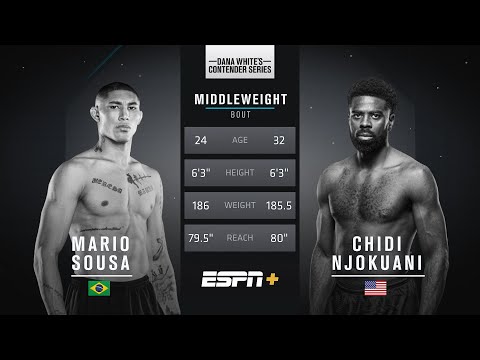
The roar of the crowd, the blinding lights, the sheer pressure of stepping into the cage – these are the familiar elements of modern combat sports. But what truly separates the pretenders from the contenders? Is it raw power? Unyielding spirit? Or is it something more profound, something honed through countless hours of sweat, failure, and sheer grit? The recent Dana White's Contender Series (DWCS) bout between Chidi Njokuani and Mario Sousa offers a compelling case study, culminating in a spectacular third-round knockout victory for Njokuani. But beyond the highlight reel KO, this fight speaks volumes about the irreplaceable value of experience in the crucible of combat. Today, we dissect not just a knockout, but the philosophy that underpins it.
The Dana White's Contender Series KO: More Than Just a Knockout
On the surface, Chidi Njokuani’s performance against Mario Sousa on DWCS Season 5 was a resounding success. A third-round knockout, earning him a coveted UFC contract. This is the narrative that flashes across screens and ignites social media. However, for those who understand the deeper currents of martial arts, this victory is a testament to a different kind of power: the power of accumulated knowledge, the silent language of experience. Njokuani didn't just land a lucky punch; he navigated a complex dance, adapting and overcoming until the opportune moment arrived. This fight serves as a potent reminder that in the martial world, skill without experience is like a sword without an edge.
"A thousand days of training to learn one skill, ten thousand days of training to learn the way." - Miyamoto Musashi, The Book of Five Rings
This isn't merely about surviving; it's about *understanding*. It's about recognizing subtle shifts in an opponent's stance, anticipating their intentions before they manifest, and knowing precisely when to commit and when to conserve energy. Njokuani’s KO was the *result* of these learned responses, not the entirety of his fight.
Njokuani vs. Sousa: A Masterclass in Calculated Aggression
Let's break down the confrontation. Mario Sousa, a determined fighter, presented his own set of challenges. Yet, from the outset, Njokuani exhibited a measured approach. He didn't rush in blindly, eager to impress. Instead, he absorbed Sousa’s initial output, testing the waters, gathering data with every exchange. This strategic patience is a hallmark of experienced martial artists. They understand that every fight is a conversation, and jumping into the first sentence often leads to misinterpretation and error.
The early rounds likely involved intricate exchanges, feints, and tactical probing. While the broadcast may have focused on the action, seasoned observers would have seen Njokuani’s calculated pressure, his ability to maintain composure under duress, and his subtle adjustments based on Sousa’s reactions. This is where the intangible "experience" truly shines – in the ability to adapt on the fly, to pivot strategy without breaking rhythm, and to weather storms without losing focus.
The Spirit of the Warrior: Experience as the Ultimate Weapon
What is this "experience" I speak of? It is the distillation of countless hours spent drilling techniques until they become instinct, sparring against a diverse array of opponents, studying the nuances of movement, and understanding the psychological warfare inherent in combat. It is the wisdom gained from both victory and defeat, the quiet understanding that a fight is rarely won by sheer force alone.
Consider the ancient warriors of Japan. Their training wasn't just about physical prowess; it was a holistic pursuit of self-mastery. The samurai, the ninja, the monks of Shaolin – all understood that true effectiveness stemmed from a profound connection between mind, body, and spirit, forged through years of rigorous discipline and unwavering commitment. Njokuani’s journey, from his DWCS appearance to his subsequent UFC debut against Marc-Andre Barriault, is a modern manifestation of this age-old principle. He is now poised to face another challenge, and his experience will be his greatest asset.
From Submission Threats to Third-Round Dominance
Reports suggest that Sousa may have posed submission threats during the bout. This is where the true mettle of an experienced fighter is tested. In such moments, panic is the enemy. An inexperienced fighter might expend precious energy struggling unnecessarily or making impulsive, error-prone decisions. An experienced fighter, however, sees these moments as opportunities to refine defensive skills, to regain positional advantage, or even to set traps for their opponent. Njokuani’s ability to navigate these perilous situations and ultimately secure the knockout demonstrates a level of composure and technical proficiency that can only be built over time. It’s the difference between reacting and responding, between chaos and control.
MMA and the Echoes of Traditional Budo
While MMA, with its blend of striking, grappling, and submission arts, might seem a world away from the traditional disciplines like Karate, Judo, or Kendo, the core principles remain remarkably similar. The emphasis on discipline, respect, perseverance, and the constant pursuit of self-improvement are universal. The KO achieved by Njokuani isn't just a product of modern MMA training; it's underpinned by the same foundational understanding of timing, distance, and impact that has been refined over centuries in traditional martial arts.
Think of the devastating leg kicks in Kyokushin Karate, the precision of a Judo throw, or the explosive power of a Muay Thai knee. All these elements, when combined and refined through the crucible of MMA competition, create the modern warrior. Njokuani's victory is a testament to how diverse martial disciplines, when integrated and honed by experience, can lead to formidable effectiveness. It begs the question: how much of his success can be attributed to the legacy of martial arts that came before him?
Veredicto del Sensei: ¿Merece la pena?
**Cinturón Negro en Demostración de Experiencia Marcial.**
Chidi Njokuani’s performance on DWCS was more than just a victory; it was an education. He exemplified how a deep well of experience translates into tactical superiority, composure under pressure, and ultimately, a decisive finish. While the spectacular knockout is what captures the headlines, it is the underlying journey of countless hours of training, adaptation, and learning that truly earns the respect of any true martial artist. This fight serves as a powerful reminder that in the pursuit of martial mastery, time spent honing one’s craft is an investment that always yields dividends. Njokuani's subsequent UFC debut against Marc-Andre Barriault is a direct consequence of this earned wisdom.
Equipo Esencial para tu Entrenamiento
To truly embody the spirit of martial arts, the right equipment can significantly enhance your training. For striking disciplines, quality gloves are paramount for protecting your hands and your training partners. If your focus leans towards grappling, a durable judo or BJJ gi is indispensable for developing fundamental techniques. For those interested in striking power, a well-constructed makiwara or heavy bag can be invaluable tools for developing force and resilience.
Guantes de Entrenamiento de MMA (10-14 oz): Esenciales para cualquier disciplina de combate que involucre golpes, asegurando protección para manos y sparring partners.
Kimono de Doble Tejido (Judogi/BJJ Gi): Durabilidad y resistencia para técnicas de agarre y proyección. Busca uno que permita libertad de movimiento.
Protector Bucal y Espinilleras: Equipo de seguridad básico para sparring, crucial para prevenir lesiones.
Vendajes para Manos: Siempre úsalos debajo de los guantes para una protección adicional de las muñecas y nudillos durante entrenamientos intensos.
Guía de Entrenamiento: Cultivando la "Experiencia" en Combate
The concept of "experience" in martial arts isn't just about time served; it's about how that time is utilized. Here's how you can actively cultivate experience in your own training:
Variedad en el Sparring: Seek out partners with different styles, strengths, and weaknesses. Train with judokas, kickboxers, wrestlers, and pure strikers. Each new encounter is a lesson learned.
Repetición con Propósito: Don't just go through the motions. For every technique you drill, ask yourself: "Under what circumstances would I use this? What counters does it have?" Understand the context.
Análisis Post-Combate: After every sparring session or training drill, take a moment to reflect. What worked? What didn't? Why? Identify specific moments of success or failure and dissect them.
Estudio de Maestros: Watch fights not just for the knockouts, but for the strategy, the movement, the adjustments. Study the methods of fighters known for their ring IQ and longevity. Consider fighters like Jon Jones or (MMA legends who have navigated complex careers).
Simulación de Presión: Incorporate drills that simulate fatigue and stress. Train with added resistance or in challenging environments to build mental fortitude. This mirrors the pressure faced in real combat scenarios.
Preguntas Frecuentes
¿Es posible ganar experiencia sin competir en combates reales?
Sí, una combinación de sparring intenso y variado, estudio teórico y simulación de escenarios de presión puede construir una base sólida de experiencia. Sin embargo, la competición real ofrece un nivel de estrés y adaptación único.
¿Cuánto tiempo se tarda en adquirir "experiencia" significativa en artes marciales?
No hay un plazo fijo. La "experiencia" no es solo el tiempo, sino la calidad del entrenamiento y la capacidad de aprendizaje. Algunos pueden desarrollar una gran experiencia en 5 años de entrenamiento dedicado, mientras que otros pueden estancarse en 15 años.
¿Cómo afecta la edad a la experiencia en las artes marciales?
Si bien la juventud puede ofrecer ventajas físicas, la experiencia acumulada con la edad proporciona una mayor inteligencia de combate, una mejor gestión del ritmo y una comprensión más profunda de la estrategia, compensando a menudo la disminución de la agilidad física.
¿Es la experiencia más importante que el talento natural?
En el camino marcial, la experiencia es un multiplicador del talento. Un luchador talentoso sin experiencia puede ser superado fácilmente por uno menos talentoso pero tácticamente superior y con más rodaje.
Njokuani’s KO on DWCS was a victory for experience. But how does one truly *measure* experience? Is it merely the number of rounds fought, or the depth of lessons learned from each exchange, win or lose? Consider this: when faced with an unfamiliar challenge, do you rely on raw instinct, or on a practiced, adaptable strategy forged in the fires of past encounters? Your answer to this question will reveal the current state of your martial journey.
```
GEMINI_METADESC: Analyze Chidi Njokuani's DWCS KO win, exploring how martial arts experience translates to combat effectiveness, composure, and strategy.
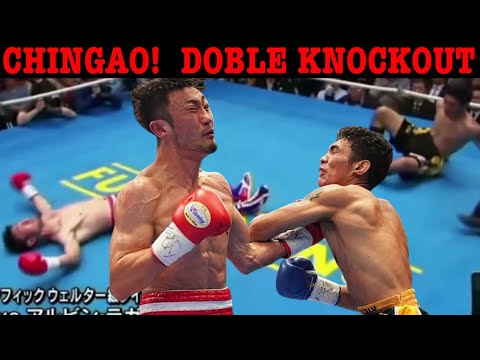
La esencia de las artes marciales y los deportes de combate reside en la disciplina, la técnica depurada y la búsqueda incesante de la victoria. Sin embargo, la naturaleza misma de la confrontación humana, con su inherente imprevisibilidad, a veces nos regala espectáculos que escapan a toda lógica, momentos que rozan lo absurdo y que, para el ojo crítico del practicante experimentado, son tanto una fuente de asombro como de una peculiar diversión. Hoy, mis alumnos, vamos a desentrañar una de esas rarezas del cuadrilátero y la jaula: el **doble nocaut**.
¿Alguna vez has presenciado cómo dos guerreros, en el fragor de la batalla, se asestan golpes simultáneos con tal precisión que ambos caen inertes sobre el tatami o el octágono? Es un fenómeno tan infrecuente como desconcertante, una anomalía que desafía la propia dinámica del combate. Como Sensei, he visto incontables combates, he estudiado la biomecánica del golpeo y la defensa, y debo admitir que el doble K.O. es una de esas ocurrencias que te obligan a replantearte la "ciencia" de la pelea. Pero más allá de la rareza, ¿qué nos dice este evento sobre la naturaleza del combate y la psicología del peleador?
La Química del Caos: ¿Cómo Sucede un Doble Nocaut?
La pregunta fundamental es: ¿cómo es posible que dos contendientes se noqueen mutuamente al mismo tiempo? No es magia, aunque lo parezca. Es la intersección de factores técnicos, temporales y, a menudo, de una pizca de mala fortuna o exceso de confianza.
* **La Sincronización Perfecta:** El elemento clave es la coincidencia casi milimétrica en el momento del impacto. Ambos peleadores deben lanzar un golpe con la potencia suficiente para ser efectivo, y ambos deben aterrizar en un punto vulnerable del oponente, todo ello en un lapso de tiempo ínfimo. Piensen en ello: el tiempo de reacción, la distancia, el ángulo de ataque, la velocidad del golpe... todo debe alinearse de forma casi sobrenatural.
* **La Ofensiva Desenfrenada:** Frecuentemente, los dobles K.O. ocurren cuando ambos combatientes, en un arrebato de agresividad, deciden lanzar su mejor golpe al unísono. Hay una especie de "fiebre de combate" que los embarga, donde la defensa se vuelve secundaria ante el impulso de acabar con el oponente. Se lanzan a la yugular, y el resultado es un choque de fuerzas que termina por derribar a ambos.
* **El Factor "Sorpresa" Mutua:** Si bien ambos buscan el K.O., es probable que ninguno espere que el otro sea tan audaz o esté tan bien sincronizado. La sorpresa inherente a la situación puede contribuir a la falta de equilibrio o a una peor absorción del golpe, acelerando la caída.
Si bien en el boxeo profesional, donde las reglas son estrictas y el arbitraje es constante, estos eventos son excepcionales, en las artes marciales mixtas (MMA) y en combates menos regulados, la posibilidad se amplifica. La variedad de técnicas, la mayor libertad de movimiento y, a veces, un menor énfasis en la precisión técnica a favor de la potencia bruta, abren la puerta a estas situaciones insólitas.
"En el fragor de la batalla, la distancia es el peor enemigo del golpe. Cuando dos lanzan a la vez, la distancia deja de importar. Solo queda el impacto." - Sensei (una verdad acuñada en el dojo)
Más Allá de la Risa: Lecciones Marciales Ocultas
Es fácil reírse de la imagen de dos gladiadores vencidos por sus propios puños simultáneos. Se percibe una vergüenza inherente en la derrota, especialmente una tan poco "heroica". Sin embargo, desde la perspectiva del artista marcial, hay lecciones valiosas:
* **La Importancia del Timing y la Distancia:** Un doble K.O. es el recordatorio más crudo de que el combate es un juego de tiempo y espacio. Fallar en el timing o permitir que el oponente controle la distancia puede tener consecuencias catastróficas.
* **El Peligro de la Agresividad Descontrolada:** La línea entre la audacia y la imprudencia es fina. Buscar el golpe definitivo es vital, pero hacerlo sin considerar las defensas y el ritmo del oponente puede llevar a la propia caída. El concepto de **Mushin** (mente sin mente), esa fluidez y reactividad instintiva, es fundamental para evitar caer en trampas de este tipo.
* **El Respeto por el Adversario:** Aunque parezca cómico, cada combate es una manifestación del coraje. Ambos peleadores entraron dispuestos a arriesgarlo todo. Incluso en estas situaciones raras, el respeto por el esfuerzo y el riesgo es esencial.
¿El Fin de la Carrera o un Nuevo Comienzo?
En el contexto de las grandes promociones como la UFC, un doble K.O. no solo detiene la pelea de forma inmediata, sino que también plantea interrogantes sobre el futuro de los involucrados. A diferencia de un K.O. tradicional, donde uno emerge victorioso, aquí ambos salen derrotados. Esto puede significar una prolongada ausencia de la competición, una oportunidad para la reflexión y el reentrenamiento, o simplemente una anécdota para la historia del deporte.
Promotores como Dana White siempre buscan el espectáculo, y sin duda, un doble K.O. es un espectáculo. Sin embargo, para los atletas, es una interrupción abrupta y, a menudo, frustrante de su camino.
El Doble Nocaut en el Espectro de las Peleas Raras
Este fenómeno se une a otras curiosidades del mundo del combate:
* **El Autonocaut:** Peleadores que, por un mal movimiento o un golpe mal ejecutado, se dan a sí mismos el K.O.
* **El K.O. por Descalificación:** Donde una infracción grave termina la contienda.
* **Los Nocauts "Lentos":** Donde un golpe parece no tener efecto inmediato, pero el peleador cae segundos después.
Sin embargo, el doble K.O. posee una particularidad que lo distingue: es una batalla entre dos, que termina con una derrota compartida. Es la metáfora perfecta de cómo, en ocasiones, la búsqueda de la victoria absoluta puede llevarnos a nuestra propia perdición si no mantenemos el equilibrio y la conciencia.
Veredicto del Sensei: ¿Merece la Pena la Búsqueda del Doble K.O.?
Rotundamente no. Si bien presenciarlo puede ser impactante y hasta cómico, buscar activamente la situación que lleva a un doble K.O. es un error táctico garrafal. Implica sacrificar la defensa por una ofensiva que, en ese contexto, te deja expuesto a la misma debilidad que buscas explotar en tu rival. La meta en las artes marciales no es la rareza, sino la eficacia, la estrategia y la superación personal. Un doble K.O. es una casualidad, no una táctica. Es el universo diciéndote que, a veces, en la búsqueda de la dominación, uno puede caer presa de su propio impulso.
Equipo Esencial para tu Entrenamiento
Si bien el doble K.O. es una rareza, el entrenamiento serio requiere equipamiento adecuado para asegurar la seguridad y la efectividad. Para cualquier practicante de disciplinas de golpeo o grappling, contar con el material correcto es fundamental.
Guantes de Boxeo/MMA: Imprescindibles para proteger tus manos y las de tu compañero de entrenamiento. Elige el peso adecuado para sparring (14-16oz) o competición.
Protector Bucal: Vital para prevenir lesiones dentales y mandibulares.
Espinilleras y Empeineras: Cruciales para el entrenamiento de patadas en disciplinas como Karate, Taekwondo o Muay Thai, protegiendo tanto al que golpea como al que recibe la patada.
Kimono/Gi: Esencial para Judo y Jiu-Jitsu Brasileño (BJJ), permitiendo el entrenamiento de técnicas de agarre y proyección. Busca un tejido resistente y cómodo.
Cabezal de Sparring: Para mitigar el impacto de los golpes en la cabeza durante sesiones de entrenamiento intensas.
Considerar la compra de un kimono de Karate de buena calidad o unos guantes de MMA duraderos puede marcar una gran diferencia en tu desarrollo.
Guía de Entrenamiento: El "Golpe Consciente"
En lugar de buscar el K.O. a ciegas, enfoquémonos en la precisión y la conciencia. Practica este ejercicio para mejorar tu timing y tu capacidad de evaluar la distancia y la intención del oponente.
Encuentra un Compañero de Entrenamiento: Preferiblemente alguien con un nivel de habilidad similar.
Posición de Guardia: Ambos adopten una posición de guardia natural y equilibrada.
Movimiento Lento: Comiencen a moverse lentamente, como si estuvieran en una danza, manteniendo la distancia.
Fintas y Amenazas: Cada uno lanza fintas y amagos de golpe, observando la reacción del otro. No busquen golpear, solo leer la intención y la defensa.
El Golpe "Esperado": En un momento dado, uno de los dos decide lanzar un golpe real (un jab, un directo). El otro debe reaccionar intentando bloquearlo o esquivarlo, *pero también* lanzando su propio contraataque si la oportunidad se presenta, calculando la distancia y el timing.
Evaluación y Ajuste: Después de cada intercambio, deténganse y discutan. ¿La distancia fue correcta? ¿La defensa fue oportuna? ¿El contraataque fue viable? Ajusten su aproximación.
Repetir y Aumentar la Intensidad: Gradualmente, aumenten la velocidad y la potencia, pero siempre manteniendo la conciencia de la posición del oponente y la distancia. El objetivo es aprender a golpear cuando la oportunidad es clara y el riesgo es controlado, no lanzar golpes al vacío.
Este ejercicio, más que un simple entrenamiento de golpeo, es una lección de **Kansetsu Waza** (técnicas de articulación) en su sentido más amplio: entender las articulaciones del combate, los tiempos y las interacciones.
Recursos para Profundizar
Para aquellos que deseen comprender mejor el mundo del combate y sus manifestaciones, tanto reales como cinematográficas, recomiendo la exploración de los siguientes recursos:
Análisis de Combates Clásicos: Estudia las estrategias de grandes campeones como Jon Jones o el enfoque de luchadores como Cyril Gane.
Textos Clásicos del Budo: Lecturas como "El Libro de los Cinco Anillos" de Miyamoto Musashi ofrecen una perspectiva filosófica invaluable.
Preguntas Frecuentes
¿Qué tan común es realmente un doble nocaut?
Es extremadamente raro. Requiere una sincronización casi perfecta de golpes potentes por parte de ambos contendientes.
¿Se considera una victoria para alguien?
No. En un doble nocaut, ambos peleadores son declarados noqueados y la pelea se detiene, generalmente resultando en un "no-contest" (sin resultado) o una decisión basada en las reglas de la competición específica.
¿Puede ocurrir en artes marciales tradicionales como Karate o Taekwondo?
Aunque menos frecuente debido a la naturaleza del combate (a menudo más controlada o basada en puntos), teóricamente podría ocurrir si ambos lanzan ataques simultáneos y potentes en un punto vulnerable. Sin embargo, es mucho más probable en deportes de contacto con mayor libertad de golpeo como MMA o boxeo.
¿Los peleadores se recuperan de un doble nocaut?
Sí, los peleadores suelen recuperarse, aunque la conmoción cerebral es un riesgo real. La recuperación dependerá de la gravedad del impacto para cada individuo.
¿Cuál es la diferencia entre un doble nocaut y un doble K.O. técnico?
Un doble nocaut se refiere a que ambos caen por golpes lícitos y simultáneos. Un doble K.O. técnico podría implicar situaciones donde ambos peleadores son incapaces de continuar por razones no directamente relacionadas con un golpe específico, o una decisión arbitral conjunta. Sin embargo, en la jerga popular, a menudo se usan indistintamente.
El doble nocaut nos enseña sobre la imprevisibilidad de la lucha. Nos muestra cómo la búsqueda desmedida de la victoria puede llevarnos a la derrota mutua. Ahora, medita sobre esto: ¿en qué otras áreas de tu vida persigues un objetivo con tal vehemencia que descuidas tu equilibrio, tu entorno o las consecuencias no deseadas de tu propia acción? ¿Y cómo podrías aplicar la disciplina del control, la observación y el timing para evitar caer en tu propio "doble nocaut" vital? Demuestra tu entendimiento en los comentarios.
```
GEMINI_METADESC: Análisis crítico del doble nocaut en MMA y boxeo. Descubre la rareza, causas y lecciones marciales de este peculiar fenómeno. Perspectiva de un Sensei.
¿Qué impulsa a un hombre a invertir su vida, su fortuna y su pasión en un deporte de combate que muchos tildan de brutal? La historia de Dana White y las Artes Marciales Mixtas (MMA) es un fascinante estudio de carácter, visión y, sobre todo, un profundo amor por la esencia del enfrentamiento humano. Hoy, no analizaremos una técnica de Karate ni debatiendo un kata de Judo. Hoy, nos adentramos en el alma del promotor que cambió el panorama de los deportes de combate para siempre. No se trata solo de peleas; se trata de la narrativa, del corazón y del fuego que arde en cada guerrero.
El Llamado del Combate
Dana White no siempre fue el rostro visible de la UFC, la organización de MMA más grande del mundo. Sus inicios están envueltos en el fragor de las calles de Boston, un caldo de cultivo para la resiliencia y el ingenio. Como muchos jóvenes, White encontró en la lucha y el boxeo una forma de canalizar energía y aprender las duras lecciones de la vida. Pero no era solo la violencia superficial lo que le atraía; era la disciplina subyacente, la estrategia en bruto y la cruda demostración de coraje.
"El verdadero artista marcial no es quien vence a todos, sino quien se vence a sí mismo." - Proverbio Zen. Esta es la mentalidad que, de forma innata o aprendida, moldea a los líderes de esta industria.
Este amor por el deporte de combate se manifestaría más tarde, no como un peleador, sino como un visionario. La fuente de este conocimiento, como él mismo relata, proviene de una profunda inmersión en el mundo de la lucha, un mundo que comprendió desde sus cimientos más rudos.
El Nacimiento de una Obsesión
La historia personal de Dana White con las MMA es, en sí misma, un combate. Él mismo narra cómo, tras un incidente, tuvo que "desaparecer" temporalmente de Boston. Fue durante este período que el destino, o quizás la pura coincidencia, le puso frente a la incipiente escena de las Artes Marciales Mixtas en otros lugares. La idea de un deporte que fusionara disciplinas de golpeo y lucha, donde la técnica y la estrategia fueran llevadas al extremo, resonó profundamente en su alma de observador del combate.
No se trataba de la simple exhibición de fuerza bruta. White vio en las MMA un crisol de habilidades marciales: la precisión del Karate, la fluidez del Judo y el BJJ, la potencia del Kickboxing, y la resistencia del Sumo. Reconoció el potencial de un espectáculo deportivo que no solo probaba la fuerza física, sino también la fortaleza mental, la adaptabilidad y el espíritu de Budo. Su fascinación no era pasajera; se convirtió en una obsesión que marcaría el rumbo de su vida.
De las Calles a la Jaula: La Visión de White
La visión de White no se limitaba a admirar el combate. Él entendía que para que las MMA explotaran, necesitaban una estructura profesional, una promoción impecable y, sobre todo, un líder que creyera en ellas con la misma vehemencia que él. Encontró en figuras como Cyril Gane y luchadores icónicos la encarnación de este espíritu competitivo. Los primeros pasos fueron inciertos, enfrentando la incredulidad y el escepticismo de un público acostumbrado a deportes más tradicionales.
Sin embargo, White poseía una cualidad fundamental que lo distingue: la capacidad de vender una idea. Su carisma, su fe inquebrantable y su profundo conocimiento del negocio del espectáculo le permitieron sortear obstáculos. Vio más allá de las críticas iniciales que tachaban las MMA de "peleas de perros", reconociendo el arte marcial intrínseco y el potencial atlético que convergían en la jaula. Comprendió que la emoción cruda del MMA era un imán irresistible para una nueva generación de aficionados. Su objetivo era claro: crear la plataforma definitiva donde los guerreros pudieran demostrar su valía, un lugar donde la leyenda de luchadores como Jon Jones pudiera nacer y florecer.
La Toma de UFC: Una Apuesta de Alto Riesgo
La oportunidad de oro se presentó cuando Dana White, junto a sus socios Frank Fertitta y Lorenzo Fertitta, adquirieron la UFC en 2001. En ese momento, la organización estaba al borde de la quiebra, luchando por hacerse un hueco en el saturado mundo del entretenimiento deportivo. Muchos habrían visto esto como una sentencia de muerte, pero para White, era el campo de batalla perfecto. Vio la oportunidad de transformar un producto imperfecto en un fenómeno global.
La estrategia fue audaz: invertir fuertemente en la producción, enfocarse en la narrativa de los peleadores, y, crucialmente, utilizar la televisión y la plataforma digital para difundir la emoción de las artes marciales mixtas. Documentales, reality shows como "The Ultimate Fighter", y una agresiva campaña de marketing convirtieron a luchadores previamente desconocidos en estrellas. El carisma de White, su forma directa y a menudo polémica de comunicarse, se convirtió en una herramienta poderosa para generar expectación. Él no tenía miedo de la controversia; la usaba para mantener a la UFC en el centro de la conversación. La historia de la adquisición de UFC no es solo un éxito empresarial, es una epopeya de fe en un deporte emergente y en el poder del espíritu combativo humano.
Más Allá del Golpe: El Espíritu Marcial de las MMA
Muchos críticos se centran en la espectacularidad del golpeo o la sumisión, pero el verdadero atractivo de las MMA, y lo que Dana White supo capitalizar, es la manifestación de principios marciales profundos. Cada pelea es un microcosmos del Budo: la preparación rigurosa, la disciplina férrea, la capacidad de adaptación ante la adversidad, y la confrontación mental antes de la física. Un luchador de Kyokushin comparte el mismo espíritu de perseverancia que un practicante de Aikido, aunque sus métodos sean distintos.
La UFC, bajo la dirección de White, ha presentado al mundo una galería de guerreros que encarnan estas virtudes. Hemos visto la tenacidad de los luchadores de lucha, la precisión de los pateadores, la astucia de los sometedores. Dana White, aunque no practica estas disciplinas, ha demostrado una comprensión intuitiva de lo que hace que un peleador sea especial. Su habilidad para identificar y promocionar talento, a menudo basándose en una especie de instinto marcial, es innegable. Él entiende que detrás de cada KO espectacular o sumisión brutal, hay años de entrenamiento, sacrificios y una búsqueda implacable de la maestría.
"El verdadero luchador no es aquel que gana, sino el que nunca deja de luchar." - Inspirado en el espíritu de los samuráis. Esta es la mentalidad que White ha sabido explotar y celebrar.
Veredicto del Sensei: El Legado de Dana White
Dana White no es un maestro de artes marciales en el sentido tradicional. No imparte lecciones de Karate ni demuestra técnicas de Judo en un tatami. Sin embargo, su impacto en el mundo de los deportes de combate es innegable y comparable al de los grandes maestros que dieron forma a estilos ancestrales. Ha tomado un conjunto de disciplinas marciales dispersas y, a través de su visión y tenacidad, ha creado un escenario global donde brillan los principios de Budo.
Su historia de cómo se enamoró de las MMA es una lección de pasión, visión empresarial y la capacidad de ver el potencial donde otros solo ven caos. Ha construido un imperio sobre la base de la confrontación honesta, el atletismo de élite y una narrativa cautivadora.
¿Merece la pena analizar su figura? Absolutamente. Su historia es un testimonio de cómo una creencia inquebrantable puede transformar un nicho deportivo en un fenómeno cultural.
Calificación del Sensei: Cinturón Negro en Promoción y Visión Marcial
Equipo Esencial para tu Entrenamiento
Si la historia de Dana White te inspira a entrenar o profundizar en tu práctica de artes marciales, el equipo adecuado es fundamental. No necesitas un gimnasio de UFC, pero sí elementos que potencien tu desarrollo.
Guantes de entrenamiento de calidad: Para proteger tus manos durante el sparring y los entrenamientos de golpeo. Busca unos de 14-16 oz si tu disciplina lo requiere, como en MMA o Kickboxing.
Kimono o Gi resistente: Indispensable para disciplinas como Judo, BJJ o Judo. Un doble tejido para Judo asegura durabilidad.
Protector bucal: Una pieza de equipo de seguridad básica pero vital para cualquier entrenamiento con contacto.
Vendas para manos: Para soporte adicional de muñecas y nudillos antes de usar guantes.
Esterillas de entrenamiento: Si practicas disciplinas de suelo o necesitas amortiguación para ejercicios de fuerza y acondicionamiento.
Para los más serios, considerar un makiwara para entrenar el golpeo o un saco de boxeo pesado puede ser una excelente inversión. El Karate, por ejemplo, se beneficia enormemente de la práctica constante de técnicas de golpeo.
Preguntas Frecuentes
¿Quién es Dana White? Es el presidente de UFC, la organización más grande de Artes Marciales Mixtas (MMA) a nivel mundial, conocido por su papel clave en el crecimiento y éxito del deporte.
¿Cómo se interesó Dana White en las MMA? Se enamoró de las MMA al ver su potencial como fusión de diversas disciplinas marciales y la cruda demostración de habilidad y coraje, lo que lo llevó a adquirir y transformar UFC.
¿Qué es UFC? UFC (Ultimate Fighting Championship) es una organización de promoción de Artes Marciales Mixtas que organiza peleas y eventos a nivel internacional.
¿Cuál es la relación entre Dana White y el "espíritu marcial"? Aunque no es un practicante de artes marciales, White demostró una profunda comprensión intuitiva del valor del Budo (camino del guerrero), promoviendo el deporte como una plataforma para la demostración de disciplina, coraje y maestría técnica.
La historia de Dana White es un recordatorio potente: la pasión, combinada con una visión clara y la audacia de actuar, puede redefinir industrias enteras. Él no inventó las MMA, pero les dio una voz, un escenario y un propósito que resonó globalmente.
Reflexión del Sensei: Tu Próximo Paso
Ahora, la pregunta para ti, budoka: ¿Has identificado esa "pasión latente" en tu propia vida, ese campo donde podrías dejar tu huella, ya sea en el tatami, en el ring, o en tu propia disciplina diaria? ¿Estás dispuesto a luchar por ella con la misma determinación que Dana White luchó por las MMA?
```
GEMINI_METADESC: Descubre la apasionante historia de Dana White y cómo su visión forjó el imperio de las MMA en UFC. Análisis del espíritu marcial en el deporte.
What is it that draws us to the raw, unfiltered spectacle of men and women testing their limits in combat? For centuries, humanity has been captivated by martial prowess, from the ancient Olympic pankration to the samurai's duel. Today, few arenas command such attention as the octagon, the birthplace of modern Mixed Martial Arts (MMA) and the epicentre of the Ultimate Fighting Championship (UFC). But how did we arrive at this point? Is MMA merely a brutal display of violence, or does it embody a profound lineage of warrior traditions? As a student of the Budo and a critic of martial arts cinema, I can assure you, the story is far richer and more complex than it appears on the surface. This is not just about knockouts and submissions; it's about the evolution of combat, the test of human spirit, and the enduring philosophy that underpins every strike, every grapple, every moment of victory and defeat. Prepare yourselves, for we are about to embark on a journey through the history of MMA and the UFC, viewed through the critical lens of a martial arts Sensei.
From Ancient Roots to Modern Arenas
The concept of "mixed martial arts" isn't a recent invention. Long before the UFC, combatants across the globe honed diverse skill sets to overcome their opponents. Think of the ancient Greeks and their pankration, a devastating blend of boxing and wrestling. Consider the Shaolin monks, who synthesized numerous fighting styles into a cohesive system. Even the legendary Miyamoto Musashi, with his unique "Niten Ichi-ryū" (Two Heavens as One style), advocated for mastering a multitude of weapons and strategies, not limiting oneself to a single approach. This fundamental principle – that a true warrior must be versatile – echoes through the ages and is the very soul of MMA. The desire to find the most effective way to fight, regardless of the discipline, is as old as conflict itself.
"Know the enemy and know yourself; in a hundred battles, you will never be in danger." - Sun Tzu, The Art of War. In MMA, "knowing yourself" means understanding your own strengths and weaknesses across various martial disciplines.
The very essence of MMA is this very principle: the cross-pollination of techniques, the ultimate test of martial effectiveness. It's a modern manifestation of an ancient human drive to excel in combat by embracing a holistic approach to fighting.
The Gritty Genesis of Mixed Martial Arts
Before the polished spectacle of today's UFC, MMA's roots were far more primal. Various organizations and historical events laid the groundwork. In Brazil, for instance, the Gracie family developed Brazilian Jiu-Jitsu (BJJ), emphasizing ground fighting and submissions. They famously promoted "Gracie Challenges," where practitioners would face exponents of other martial arts to prove the superiority of their grappling techniques. These were no-holds-barred affairs, testing not just skill but raw courage and endurance.
Elsewhere, Vale Tudo ("anything goes") tournaments in Brazil became legendary for their brutality and lack of rules. These were often chaotic, dangerous events that, while ethically questionable by modern standards, served as crucial proving grounds for different martial arts. They highlighted the strengths of grappling arts like BJJ and wrestling when pitted against striking disciplines like Karate or Taekwondo. The realization dawned: no single art held a monopoly on effective combat. A fighter needed a well-rounded arsenal.
The UFC's Crucible: Forging a Sport
The true revolution, however, began in 1993 with the inception of the Ultimate Fighting Championship. Initially conceived as a tournament to determine the most effective martial art, the early UFC events were stark, raw, and controversial. Eight fighters, representing diverse backgrounds like Karate, Kung Fu, Boxing, Kickboxing, Sumo, and Brazilian Jiu-Jitsu, entered an eight-man elimination bracket. The goal was simple: find out who would win in a no-rules fight.
The early tournaments, particularly UFC 1, famously showcased the dominance of Royce Gracie, a slender BJJ practitioner who repeatedly submitted much larger, stronger opponents using his superior ground fighting skills. This was a paradigm shift. It forced practitioners of traditional striking arts to confront the efficacy of grappling and vice-versa. It shattered the myth that size and brute force alone determined victory.
"When you are in a fight, you cannot be looking for the perfect technique. You have to look for the technique that works in that moment, against that opponent." - A common sentiment echoed by many early MMA pioneers.
The UFC's early years were a chaotic, yet vital, experiment. It was a crucible where disparate martial arts collided, and from that collision, a new sport began to emerge. The initial lack of weight classes and the minimal ruleset, while horrifying to some, were precisely what allowed for this unprecedented comparison of martial effectiveness.
Evolution and Challenges: The Road to Mainstream
The raw, almost barbaric, nature of early MMA was a double-edged sword. It drew immense attention but also attracted significant criticism, leading to bans and widespread condemnation. Senator John McCain famously spearheaded efforts to ban the sport, deeming it "human cockfighting." This intense pressure forced the sport's governing bodies, including the UFC, to evolve.
Gradually, rules were introduced and refined. Weight classes were established to ensure fairer competition. Stricter regulations on fouls and fighting conduct were implemented. The introduction of gloves, the prohibition of certain dangerous techniques, and the refinement of judging criteria transformed MMA from a spectacle of raw violence into a legitimate, albeit still intense, sport.
The Fertitta brothers' purchase of the UFC in 2001, with Dana White at the helm, marked a turning point. Through strategic marketing, groundbreaking television deals, and the development of the reality show "The Ultimate Fighter," the UFC began its meteoric rise. This series, in particular, humanized the fighters, showcasing their dedication, sacrifice, and the rigorous training required. It allowed audiences to connect with the athletes on a deeper level, understanding the discipline and the "why" behind their pursuit. MMA, once a fringe phenomenon, was steadily gaining mainstream acceptance, appealing to fans of boxing, wrestling, judo, karate, and virtually every other combat sport.
The Warrior's Code in the Octagon
While the rules have evolved, the spirit of the warrior, the core tenets of Budo, remain relevant in modern MMA. The discipline required to train for an MMA bout is immense. Fighters must master striking, grappling, wrestling, and conditioning. This necessitates an unwavering commitment to self-improvement, a core principle in all traditional martial arts.
The concept of "Mushin" – a mind free from thought, a state of flow – is often displayed by elite MMA athletes. When a fighter operates in this state, their reactions are instinctive, honed by thousands of hours of practice. They are not thinking; they are *doing*. This is the pinnacle of martial training, whether in a dojo or an octagon.
Furthermore, the respect shown between competitors, particularly after a grueling fight, embodies the martial ideal. Despite the intense conflict within the cage, there is often a profound respect for the opponent's skill and courage. This is the embodiment of "respect for the adversary," a cornerstone of martial philosophy. The octagon, in its own way, has become a modern dojo for testing not just physical prowess, but mental fortitude, discipline, and the warrior spirit.
"The ultimate aim of martial arts is not to be better than others, but to be better than your former self." - This ancient proverb is lived out daily by MMA fighters who push their limits in training and competition.
The journey from ancient combat systems to the global phenomenon of MMA and the UFC is a testament to the enduring human fascination with conflict, skill, and the spirit of the warrior. It’s a continuous evolution, driven by the desire to find the most effective way to overcome an opponent, always pushing the boundaries of human capability.
Essential Gear for Your Training
For those inspired to explore the world of combat sports, whether it's MMA, BJJ, Muay Thai, or Karate, having the right equipment is crucial. Quality gear not only enhances your training but also provides essential protection.
Gloves: For striking disciplines like Muay Thai, Kickboxing, or MMA sparring, 16oz training gloves are a standard. They offer ample padding to protect your hands and your training partners.
Hand Wraps: Always use hand wraps beneath your gloves to provide extra support to your knuckles and wrists, preventing injuries during intense striking sessions.
Mouthguard: Non-negotiable for any sparring. A custom-fitted mouthguard offers the best protection against dental injuries.
Shin Guards: Essential for Muay Thai and Kickboxing training to protect against kicks and improve your kicking defense.
Brazilian Jiu-Jitsu Gi: For BJJ practitioners, a durable Gi (Kimono) is necessary. Look for a double-weave or heavy weave Gi for added resilience. Brands like Tatami or Fuji offer excellent options for both beginners and advanced practitioners.
Wrestling Shoes: Lightweight, supportive shoes with good grip are beneficial for wrestling and BJJ training on the mats.
MMA Gloves: Designed with open fingers for grappling, these are specific to MMA training and competition.
Investing in good Karate merchandise or Judo equipment can also significantly improve your training experience and safety. Remember, proper attire is a sign of respect for the art and your fellow practitioners.
Frequently Asked Questions
What does MMA stand for? MMA stands for Mixed Martial Arts.
Is MMA a real sport? Yes, MMA is recognized as a legitimate and highly demanding sport worldwide, with professional organizations like the UFC hosting major international events.
What is the difference between MMA and UFC? MMA is the sport itself, the combination of various martial arts. The UFC (Ultimate Fighting Championship) is the largest and most prominent organization that promotes MMA events.
Do MMA fighters train in only one martial art? No, successful MMA fighters train in a variety of disciplines, including striking arts (like Boxing, Muay Thai, Karate) and grappling arts (like Brazilian Jiu-Jitsu, Wrestling, Judo).
How dangerous is MMA? Like many full-contact combat sports, MMA carries inherent risks. However, stringent rules, weight classes, and safety equipment have significantly reduced the dangers compared to its early days.
We've traced the lineage of MMA from ancient battlefields to the roaring crowds of the UFC. We've seen how disparate martial arts, once rivals, have found common ground in the crucible of competition. The question remains: does the spirit of Budo truly endure in this modern gladiatorial arena? Or has the pursuit of spectacle overshadowed the path of self-mastery? Reflect on this: is the true essence of a martial art found in its ancient traditions, or in its capacity to adapt and prove its efficacy in the face of any challenge?
Reflexión del Sensei: Tu Próximo Paso
The journey from ancient combat systems to the global phenomenon of MMA and the UFC is a testament to the enduring human fascination with conflict, skill, and the spirit of the warrior. It’s a continuous evolution, driven by the desire to find the most effective way to overcome an opponent, always pushing the boundaries of human capability. Now, I pose this to you: If the goal of martial arts is to forge stronger individuals, both physically and mentally, does the modern MMA fighter, with their dedication to comprehensive training and their willingness to face diverse challenges, represent the ultimate evolution of the warrior spirit, or a dilution of ancient principles?
Let your thoughts flow. Debate. Disagree. Prove your stance. Your next move is on the mat… or in the comments below.
```
GEMINI_METADESC: Un Sensei desmantela la historia de MMA y UFC, analizando su evolución desde las raíces marciales hasta el deporte moderno. ¿Encarna el espíritu del Budo?