Showing posts sorted by date for query Cyril-Gane. Sort by relevance Show all posts

Budo's True Warriors: 6 Undeniable Signs You're More Than Just a Fighter

Martial arts. The very word evokes images of disciplined warriors, breathtaking techniques, and ancient traditions. For centuries, disciplines like Karate, Taekwondo, Judo, and Jiu-Jitsu have shaped not just bodies, but spirits across the globe. Yet, in the crucible of combat and competition, a critical distinction emerges: the difference between a mere 'fighter' and a 'true martial artist'. The latter transcends the physical exchange, embodying the profound principles of Budo – a way of life, a path of constant self-cultivation. Are you just engaging in combat, or are you truly walking the path? Let us examine the signs, the undeniable hallmarks, that separate the skilled combatant from the authentic martial artist.

The Unseen Strength: Humility

Many enter the martial world driven by ego, a desire to prove their superiority. This is the mark of a fighter. A true martial artist, however, carries their victories with quiet grace and their defeats with profound reflection. Humility is not weakness; it is the bedrock upon which true mastery is built. Such individuals harbor a deep respect for their training partners and opponents, understanding that each encounter is an opportunity to learn and refine. They recognize that the journey of martial arts is a lifelong pursuit, an endless horizon of self-improvement. They know that every Black Belt started as a white belt, and that even the most accomplished master has more to discover. This internal acknowledgment prevents arrogance and fosters continuous growth.

"Mastering others is strength. Mastering yourself is true power." - Lao Tzu

Think about your last sparring session. Did you focus on dominating, or on understanding your opponent's movements and your own reactions? The answer reveals much.

Master of the Self: Self-Control

The heat of a fierce exchange, the adrenaline surge, the frustration of a missed technique – these are the moments that test the mettle of any combatant. A fighter might lash out, become reckless, or crumble under pressure. A true martial artist, however, possesses formidable self-control. Their discipline extends beyond the dojo walls; it is an intrinsic part of their being. They understand that raw emotion is a chaotic force that clouds judgment and leads to critical errors. By mastering their emotions, they maintain clarity, precision, and strategic thinking, even when pushed to their limits. This mastery allows them to respond rather than react, to choose the most effective course of action rather than being swept away by impulse.

Consider the famed discipline of Kyokushin Karate. Its practitioners are trained to endure immense physical and mental pressure, not by succumbing to pain, but by harnessing their inner fortitude. This is self-control in action.

The Sacred Fire: Respect for the Art

Fighters often view martial arts solely as a means to an end – victory, self-defense, or physical conditioning. A true martial artist, however, views their chosen discipline as something sacred. They delve into its origins, study its history, understand its cultural context, and honor its traditions. This deep appreciation for the art itself transforms practice from mere repetition into a ritual of reverence. They understand that the techniques and philosophies passed down through generations are not arbitrary; they are the distilled wisdom of countless practitioners who faced similar challenges. This respect fuels their dedication and ensures they preserve and transmit the essence of the art, not just its physical manifestations.

Are you merely learning moves, or are you seeking to understand the lineage and philosophy behind them? A quick search for the history of Aikido or the development of Karate can offer profound insights into this respect.

Body and Mind: The Dual Pursuit of Fitness

Physical prowess is undoubtedly crucial in any martial pursuit. A fighter understands the necessity of a strong physique. But a true martial artist recognizes that their body is merely the vessel for their art; it must be both a powerful weapon and a finely tuned instrument. This requires holistic physical and mental fitness. They engage in rigorous training not just to build muscle or endurance, but to enhance coordination, agility, speed, and resilience. Simultaneously, they cultivate their mental faculties – sharpening focus, improving strategic thinking, and building mental toughness. This dual pursuit ensures they are not only capable of delivering powerful strikes or executing complex techniques but are also mentally prepared to adapt, strategize, and overcome any obstacle.

This integrated approach mirrors the philosophy behind many Budo disciplines, where the mind and body are seen as interconnected pathways to mastery.

The Unyielding Spirit: Perseverance

The path of the martial artist is rarely smooth. There will be plateaus, injuries, setbacks, and moments of doubt. A fighter might quit when faced with overwhelming adversity. A true martial artist embodies perseverance. They understand that struggle is not an endpoint but a catalyst for growth. They greet challenges not with despair, but with determination. Each failed attempt, each painful defeat, becomes a lesson learned, a stepping stone towards eventual success. This resilience, this refusal to surrender, is a testament to their inner strength and their unwavering commitment to the journey. They understand that true mastery is forged in the fires of hardship.

Think of the legendary careers of fighters like Jon Jones or Cyril Gane; their resilience in the face of intense pressure and competition is a prime example of this principle.

The Warrior's Heart: Kindness and Compassion

Perhaps the most profound differentiator: a fighter might wield their skills for dominance or personal gain. A true martial artist, however, understands that power comes with responsibility. They possess a heart of kindness and compassion. Their skills are honed not for wanton aggression, but for the protection of others and the betterment of the world. They use their abilities judiciously, never seeking to inflict unnecessary harm. They embody the principle that true strength lies not in the ability to destroy, but in the capacity to protect and uplift. This ethical compass guides their actions both inside and outside the dojo, making them not just skilled practitioners, but positive forces in society.

"The object of the do is to seek perfection of character." - Jigoro Kano

This sentiment is echoed across many martial traditions, emphasizing that the ultimate goal of training is personal development and service to others.

Gear Up for Your Journey

To truly embody the principles of Budo, the right equipment can be an invaluable ally. Whether you are honing your striking power, refining your grappling, or maintaining your physical and mental conditioning, quality gear makes a difference. Consider investing in:

  • Durable Uniforms (Gi/Kimono): Essential for traditional arts like Judo and Karate. Look for materials that can withstand rigorous training, such as a double-weave Judo gi or a sturdy Karate gi.
  • Protective Sparring Gear: For arts involving full contact, investing in high-quality MMA gloves, headgear, and shin guards is paramount for safe and effective training.
  • Training Equipment: A good quality punching bag or a makiwara can significantly improve your striking power and technique at home.
  • Comfortable Training Apparel: For conditioning or arts that require more freedom of movement, comfortable and breathable training shorts and t-shirts are a must.

At BYAM Budo y Artes Marciales, we understand the importance of quality gear. Explore our extensive collection of uniforms, protective equipment, and training accessories designed to support your journey towards martial arts mastery.

Frequently Asked Questions

What is Budo?

Budo, literally meaning "martial way," refers to the philosophies and practices of Japanese martial arts that focus on self-cultivation, discipline, and spiritual development, beyond mere combat effectiveness. It's a way of life.

Is there a difference between a fighter and a martial artist?

Yes, significantly. A fighter primarily focuses on winning combat encounters. A true martial artist integrates the physical skills with ethical principles, self-discipline, humility, and continuous personal growth, viewing their art as a path to self-perfection.

Can anyone become a true martial artist?

Absolutely. While talent can play a role, the core of being a true martial artist lies in the consistent application of principles like humility, self-control, respect, perseverance, and compassion. It's a journey available to anyone dedicated to the path.

How important is physical fitness in Budo?

Extremely important, but it's only half the equation. Budo emphasizes both physical conditioning (strength, speed, endurance, agility) and mental conditioning (focus, strategy, emotional control, resilience). One without the other is incomplete.

Can martial arts principles be applied outside of training?

Indeed. The principles of Budo – discipline, respect, perseverance, humility – are designed to be integrated into all aspects of life, leading to personal growth and a more positive impact on the world.

For Deeper Exploration on Your Path

Reflexion del Sensei: Your Next Step

We've examined the qualities that elevate a practitioner from a mere combatant to a true martial artist. Now, look inward. Are you merely going through the motions, or are you striving for genuine embodiment? If you recognize yourself in these signs, how can you further cultivate them in your daily life, both on and off the mat? If you see the fighter, what specific, actionable steps can you take starting *today* to nurture the seeds of Budo within you?

``` ```json { "@context": "https://schema.org", "@type": "FAQPage", "mainEntity": [ { "@type": "Question", "name": "What is Budo?", "acceptedAnswer": { "@type": "Answer", "text": "Budo, literally meaning \"martial way,\" refers to the philosophies and practices of Japanese martial arts that focus on self-cultivation, discipline, and spiritual development, beyond mere combat effectiveness. It's a way of life." } }, { "@type": "Question", "name": "Is there a difference between a fighter and a martial artist?", "acceptedAnswer": { "@type": "Answer", "text": "Yes, significantly. A fighter primarily focuses on winning combat encounters. A true martial artist integrates the physical skills with ethical principles, self-discipline, humility, and continuous personal growth, viewing their art as a path to self-perfection." } }, { "@type": "Question", "name": "Can anyone become a true martial artist?", "acceptedAnswer": { "@type": "Answer", "text": "Absolutely. While talent can play a role, the core of being a true martial artist lies in the consistent application of principles like humility, self-control, respect, perseverance, and compassion. It's a journey available to anyone dedicated to the path." } }, { "@type": "Question", "name": "How important is physical fitness in Budo?", "acceptedAnswer": { "@type": "Answer", "text": "Extremely important, but it's only half the equation. Budo emphasizes both physical conditioning (strength, speed, endurance, agility) and mental conditioning (focus, strategy, emotional control, resilience). One without the other is incomplete." } }, { "@type": "Question", "name": "Can martial arts principles be applied outside of training?", "acceptedAnswer": { "@type": "Answer", "text": "Indeed. The principles of Budo – discipline, respect, perseverance, humility – are designed to be integrated into all aspects of life, leading to personal growth and a more positive impact on the world." } } ] }
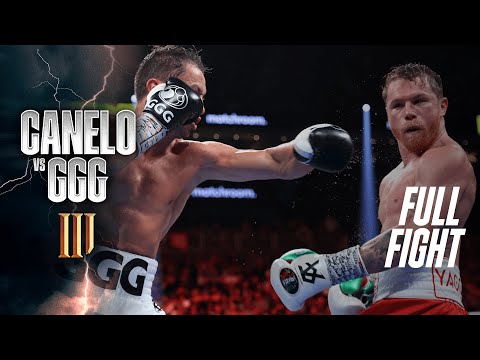
FULL FIGHT ANALYSIS: Canelo vs. GGG III - A Masterclass or a Missed Opportunity?

The sweet science. Boxing. For millennia, humanity has found a primal, captivating rhythm in the clash of fists, a testament to skill, heart, and sheer will. It’s a dance of strategy and power, where every feint, every jab, every uppercut tells a story of dedication and pain. But in the modern arena, amidst the glitz and the hype, how often do we witness true martial artistry, a genuine test of the warrior's spirit? Too often, the spectacle overshadows the substance.

Enter Saúl 'Canelo' Álvarez and Gennadiy 'GGG' Golovkin. Their saga is more than just a rivalry; it's a narrative woven into the fabric of contemporary boxing, a chapter that fans have devoured, debated, and desperately craved more of. Their first two encounters were seismic events, etched in controversy and leaving an insatiable thirst for a definitive conclusion. Today, we dissect their third dance, not just as a boxing match, but as a potential lesson in the enduring principles of combat. Was it a final, masterful demonstration of Budo principles, or a poignant reminder of how the game can sometimes betray the art?

The History: A Trilogy Forged in Controversy

The saga began on September 16, 2017. The air crackled with anticipation. Canelo Álvarez, the Mexican phenom, met Gennadiy Golovkin, the "Triple G" terror from Kazakhstan. This wasn't just a fight; it was a clash of titans, a stylistic chess match played at a furious pace. The bout, a brutal, back-and-forth war, ended in a split draw.

A draw? For many, it felt like an injustice. Spectators, pundits, and fellow martial artists scrutinized the scorecards, many convinced Golovkin had done enough to secure victory. The visceral impact of Golovkin's power shots, the relentless pressure he applied, seemed to eclipse Canelo's more tactical, albeit potent, counter-punching. This controversial outcome, rather than satiating the fanbase, ignited a bonfire of demand for a rematch. It highlighted a recurring theme in combat sports: the subjective nature of judging and the enduring power of raw aggression versus calculated defense. This is a debate that echoes through countless martial disciplines, from the striking arts of Karate to the intricate throws of Judo.

The Rematch: Canelo's Ascent, GGG's Stride

One year later, on September 15, 2018, the stage was set for redemption. The anticipation was even greater, the stakes higher. The rematch delivered another high-octane affair, a testament to both fighters' grit and skill. This time, the narrative shifted. Canelo, adapting and growing, clinched a majority decision victory.

Yet, even in victory, the controversy lingered. Arguments persisted that Golovkin's consistent output and powerful blows warranted a different result. It’s a familiar dilemma: does the cleaner, more technically precise fighter win, or the one who imposes his will and lands the heavier blows? This dance between technical merit and overwhelming force is a core philosophical question in martial arts. How does one truly measure victory when both participants display such profound mastery and warrior spirit? The debates raged on, ensuring that the desire for a final, unambiguous chapter remained.

Canelo vs. GGG III: The Anticipation and the Reality

The boxing world held its breath. A potential third fight between these two warriors was the stuff of dreams for fight fans. Both fighters, acknowledging their storied history, expressed openness to a rubber match. Canelo, by then firmly established as the undisputed king of the super-middleweight division, saw it as a chance to definitively close the book on his greatest rival. Golovkin, older but no less dangerous, viewed it as his final opportunity to reclaim his perceived throne and etch his name in boxing immortality against the man who had twice denied him undisputed victory.

On September 17, 2022, it finally happened. The trilogy was complete. But this time, the story felt different. Canelo, despite a hand injury he sustained early in the fight, controlled the bout with calculated aggression. His defense was tighter, his counter-punches sharp, and his ring generalship masterful. Golovkin, while still possessing his signature power and a warrior's heart, struggled to impose his will against a more seasoned and defensively astute Canelo. The unanimous decision for Álvarez was clear, decisive, and largely uncontroversial. The debate this time wasn't about who won, but rather about the aged warrior facing his prime.

Style vs. Substance: A Martial Perspective

From a martial artist's perspective, the Canelo-Golovkin rivalry offers a rich tapestry of contrasting philosophies. Canelo embodies the astute counter-puncher, a master of timing, distance, and calculated risk. His style is reminiscent of a skilled swordsman, waiting for the opponent's opening to deliver a decisive, precise strike. He understands the importance of defense not just as a means of avoiding damage, but as a platform for offense. This echoes principles found in **Tai Chi**, where yielding and redirecting an opponent's force is paramount.

Golovkin, on the other hand, is the embodiment of relentless pressure and concussive power. His "Triple G" moniker isn't just for show; his punches carry the weight of a sledgehammer. He represents the direct, overwhelming force, a style that demands unwavering commitment and a chin of granite. This approach shares similarities with the powerful, forward-moving strategies seen in some styles of **Kyokushin Karate** or the unyielding advance of a **Sumo** wrestler.

The third fight showcased Canelo’s evolution. He demonstrated that while power is a formidable weapon, the strategic application of skills – defense, timing, and adapting to an opponent's weaknesses – can overcome sheer aggression, especially as a fighter ages. It's a lesson that transcends boxing, a principle observed across numerous disciplines, from the fluid movements of **Aikido** to the strategic positioning in **Judo**.

"The supreme art of war is to subdue the enemy without fighting." - Sun Tzu, The Art of War. While Canelo didn't win without a fight, his strategic control in the third bout demonstrated a masterful subduing of GGG's strengths.

Beyond the Trilogy: The Ever-Evolving World of Combat

While the Canelo-Golovkin saga captured the boxing world's imagination, it’s crucial to remember that the landscape of combat sports is vast and ever-changing. Exciting matchups are constantly brewing across various disciplines. Consider the heavyweight boxing clashes, such as the highly anticipated bouts featuring **Tyson Fury** and **Deontay Wilder**, each bringing a unique blend of power and personality to the ring. These fights remind us that raw power and the "knockout punch" remain a thrilling, albeit unpredictable, element in combat.

The rise of **Mixed Martial Arts (MMA)**, with its fusion of striking, grappling, and submission arts, has further broadened the definition of a complete fighter. Athletes like **Jon Jones** and **Cyril Gane** showcase incredible versatility, blending techniques from **Muay Thai**, **Brazilian Jiu-Jitsu (BJJ)**, **Wrestling**, and **Karate** into a formidable arsenal. This cross-disciplinary approach mirrors the ancient martial philosophies that encouraged the study of multiple weapons and fighting styles to achieve true mastery. The ability to seamlessly transition between striking and grappling, as seen in fights at **UFC** events, demonstrates a holistic understanding of combat that few single-discipline fighters can match.

Equipo Esencial para tu Entrenamiento

For aspiring boxers and martial artists seeking to emulate the dedication and skill displayed by Canelo and Golovkin, proper training equipment is paramount. Investing in the right gear not only enhances performance but also significantly reduces the risk of injury. Here’s a foundational list:

  • Guantes de Boxeo/MMA (14-16oz): Essential for sparring and heavy bag work to protect your hands and wrists.
  • Vendas para Manos: Crucial for added wrist and knuckle support during intense training sessions.
  • Protector Bucal: Non-negotiable for any form of sparring or competitive fighting to protect your teeth and jaw.
  • Protector de Ingle: Vital for protecting sensitive areas during sparring.
  • Kimono (Judo/BJJ): For grappling-focused disciplines, a durable gi is essential for practicing throws and groundwork. Look for high-quality, double-weave fabrics for longevity.
  • Cuerda de Saltar: An indispensable tool for improving footwork, coordination, and cardiovascular endurance – a staple for any fighter’s conditioning.
  • Saco de Boxeo o Pera Loca: For developing power, speed, and accuracy in striking.
  • Rodilleras y Coderas: Useful for conditioning drills and protecting against impact during certain training exercises.

Whether you're training in boxing, **Judo**, **Karate**, or **BJJ**, the right equipment is an investment in your journey. Consider exploring specialized **Karate Merchandise** or **MMA Gear** from reputable brands to ensure quality and durability.

Guía de Entrenamiento: El "Golovkin Jab" y la "Canelo Counter"

Let's break down two fundamental elements that defined the early exchanges between these titans. While complex strategies are involved, understanding these core concepts can elevate your own training.

  1. El Jab de Golovkin (La Presión Constante):
    • Posición: Mantén una guardia sólida, pies bien plantados, ligeramente separados, rodillas flexionadas.
    • El Movimiento: Extiende tu brazo de lanzar (generalmente el izquierdo para un diestro) rápidamente, girando ligeramente la muñeca al contacto para maximizar el impacto. Tu cuerpo debe transferir peso hacia adelante de manera sutil.
    • El Propósito: No es solo un golpe de alcance; es para medir distancia, mantener al oponente a raya, interrumpir su ritmo y preparar golpes más potentes. GGG lo usaba implacablemente para dictar el espacio.
    • Entrenamiento: Practica miles de jabs contra un saco pesado, enfocándote en la velocidad, la extensión completa y la rápida retracción a la guardia. Visualiza a tu oponente y golpea puntos específicos.
  2. La Contra de Canelo (El Golpe Preciso en el Momento Justo):
    • Posición: Similar a la guardia de boxeo, pero con una mayor flexibilidad y movilidad en la parte superior del cuerpo.
    • El Movimiento: Permite que el oponente lance su golpe (ej. un jab o un recto). En el instante en que su puño sale, usa tu guardia para bloquear, desviar, o incluso deslizarte ligeramente, y contraataca con un golpe potente (un gancho o un recto) a un punto vulnerable. La clave es la sincronización perfecta.
    • El Propósito: Capitalizar el error del oponente, castigar su ofensiva y tomar el control de la pelea. Canelo es un maestro en encontrar la brecha y golpear con autoridad.
    • Entrenamiento: El *sparring* es crucial aquí. Trabaja con un compañero que entienda el concepto de lanzar golpes específicos. Practica el bloqueo/desvío y contraataque simultáneamente. Usa el "espejo" (golpear solo cuando el compañero golpea) para refinar el tiempo.

Dominar estos elementos requiere innumerables horas de práctica dedicada, la filosofía de perseverancia y la disciplina que son pilares de las **Artes Marciales Mixtas (MMA)** y del **Budo** en general.

"The difference between a novice and a master is not that the master never makes mistakes, but that the master learns from every mistake. The master has failed more times than the novice has even tried." - Bruce Lee. This philosophy underpins the entire journey of martial arts mastery.

Veredicto del Sensei: ¿Merece la pena?

The Canelo vs. Golovkin trilogy is a landmark achievement in modern boxing. While the first two fights were marred by controversial decisions, they showcased an incredible rivalry between two supremely talented warriors. The third fight, though perhaps lacking the same level of back-and-forth drama, provided a definitive conclusion and a masterclass in boxing strategy from Canelo Álvarez. From a martial perspective, it served as a powerful reminder that while raw power and aggression are potent forces, the disciplined application of skill, timing, and strategic defense often prevails, especially in the twilight of a legendary career.

Calificación del Sensei: Cinturón Negro en Rivalidad, Maestro en Estrategia.

Preguntas Frecuentes

  • ¿Por qué fue tan controvertida la primera pelea entre Canelo y Golovkin?
    La controversia se debió principalmente a las tarjetas de los jueces. Muchos observadores creían que Golovkin había ganado claramente, pero la pelea terminó en un empate dividido, lo que dejó a muchos sintiendo que se le robó la victoria.
  • ¿Fue la tercera pelea tan emocionante como las dos primeras?
    Si bien la tercera pelea fue estratégicamente fascinante y demostró la maestría de Canelo, muchos fanáticos la encontraron menos emocionante que las dos primeras, que fueron batallas más reñidas y llenas de acción impredecible.
  • ¿Qué aprendemos de la técnica de ambos peleadores desde una perspectiva marcial?
    Canelo demuestra la importancia de la defensa, el tiempo y el contraataque preciso, similar a las tácticas de algunos estilos de Karate y Judo. Golovkin representa la fuerza bruta, la presión implacable y la búsqueda del nocaut, un enfoque visto en disciplinas como el Kyokushin Karate. La trilogía ilustra cómo diferentes filosofías marciales pueden coexistir y competir en el mismo ring.
  • ¿Es probable que haya una cuarta pelea entre Canelo y Golovkin?
    Dada la edad de Golovkin y la dominante victoria de Canelo en la tercera pelea, una cuarta contienda parece muy improbable. Canelo ha indicado que desea continuar consolidando su legado en otras divisiones, mientras que GGG podría estar considerando el final de su carrera.

Para Profundizar en tu Camino

Reflexión del Sensei: Tu Próximo Paso

The roar of the crowd, the sweat, the exhaustion, the controversy, and ultimately, the definitive victory. This trilogy offered more than just punches; it offered lessons. Canelo's strategic adaptation and Golovkin's unyielding spirit are echoes of timeless martial principles. But now, I ask you:

When the final bell rings in your own life's battles, will you be remembered for your raw power, or for the wisdom and adaptability with which you navigated the storm? How will *you* write the final chapter of your own saga?

``` ```json { "@context": "https://schema.org", "@type": "FAQPage", "mainEntity": [ { "@type": "Question", "name": "Why was the first fight between Canelo and Golovkin so controversial?", "acceptedAnswer": { "@type": "Answer", "text": "The controversy stemmed from the judges' scorecards. Many observers believed Golovkin had clearly won, but the fight ended in a split draw, leaving many feeling he was robbed of a victory." } }, { "@type": "Question", "name": "Was the third fight as exciting as the first two?", "acceptedAnswer": { "@type": "Answer", "text": "While strategically fascinating and showcasing Canelo's mastery, many fans found the third fight less exciting than the first two, which were closer, more unpredictable battles." } }, { "@type": "Question", "name": "What can we learn from both fighters' techniques from a martial perspective?", "acceptedAnswer": { "@type": "Answer", "text": "Canelo demonstrates the importance of defense, timing, and precise counter-punching, akin to strategies in Karate and Judo. Golovkin embodies raw power, relentless pressure, and the pursuit of a knockout, a style seen in disciplines like Kyokushin Karate. The trilogy illustrates how different martial philosophies can compete effectively." } }, { "@type": "Question", "name": "Is a fourth fight between Canelo and Golovkin likely?", "acceptedAnswer": { "@type": "Answer", "text": "Given Golovkin's age and Canelo's dominant performance in the third fight, a fourth bout seems highly improbable. Canelo aims to solidify his legacy in other divisions, while GGG may be considering retirement." } } ] }

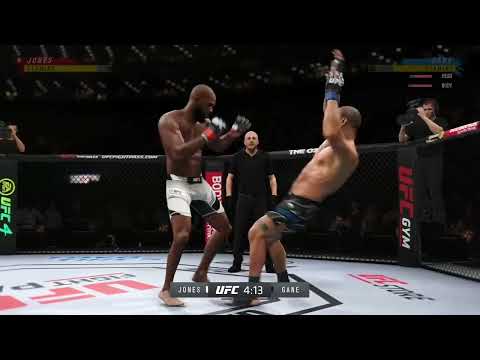
Jon Jones vs. Cyril Gane: A Deep Dive into the UFC Heavyweight Title Clash

Introduction: The Essence of the Showdown

When the worlds of martial arts collide in a bout that transcends mere competition, it becomes a spectacle that ignites the spirit of every enthusiast and draws in the curious alike. This is precisely the electrifying atmosphere building around the upcoming clash for the UFC Heavyweight Championship, pitting the legendary Jon Jones against the dynamic Cyril Gane. This encounter isn't just about belts; it's a profound exploration of martial philosophy, strategic brilliance, and the unyielding human will. As your Sensei, I see in this matchup a microcosm of everything we strive for in the dojo and beyond. We will dissect the nuances of this highly anticipated fight, not just as fans, but as students of the combative arts, examining the fighters, their statistical prowess, and how their individual journeys reflect timeless martial principles. Furthermore, we will touch upon the tangible aspects of our passion – the martial arts merchandise that connects us to this lineage – and its place within the vibrant ecosystem of combat sports, often fueled by platforms like AdSense.

Fighter Analysis: Striking Specialist vs. Versatile Warrior

The narrative of Jon Jones versus Cyril Gane is a captivating study in contrasts. On one side stands Jon Jones, a fighter whose name is synonymous with elite striking and an almost uncanny ability to dictate the pace and outcome of any fight. He is often heralded as a striking specialist, a master of distance, timing, and devastating accuracy. Yet, to label him solely as such would be a disservice to his evolution as a martial artist. Opposing him is Cyril Gane, a fighter who embodies the modern ideal of a versatile fighter. Gane's background, particularly in Muay Thai, has gifted him a powerful striking arsenal, but it's his seamless transitions into grappling and his adaptive approach that make him a truly formidable opponent. This matchup is a classic exhibition of how different training philosophies and developmental paths can converge in the brutal theater of the octagon. For us, as practitioners, this represents more than just a fight; it's a living testament to the diverse applications of martial principles and the strategic depth inherent in combat.

Jon Jones' Evolving Kickboxing Prowess

One of the most compelling narratives surrounding Jon Jones' move to heavyweight, and specifically this fight, is his display of advanced kickboxing skills. While his legendary status was built upon a foundation of striking, Jones has consistently demonstrated an ability to absorb new techniques and integrate them seamlessly. His arsenal has expanded, incorporating a wider array of kicks and more dynamic striking combinations. This evolution is a crucial lesson for all martial artists. It underscores that mastery is not a static destination but a continuous journey of adaptation and refinement. The spirit of Budo, the Way of the Warrior, demands perpetual learning. Seeing Jones, a seasoned champion, push the boundaries of his own skillset serves as a potent reminder that complacency is the enemy of progress in any martial discipline, whether it's Karate, Kickboxing, or Muay Thai.

"The art of war teaches us to rely not on the likelihood of the enemy's not coming, but on our own readiness to receive him; not on the probability of his not attacking, but rather on our having made ourselves indispensable as a means of his attack." - Sun Tzu, The Art of War. This principle is constantly at play in the octagon, as fighters adapt and prepare for every eventuality.

The Peril of the Ground Game in this UFC Bout

A critical aspect of this heavyweight showdown that cannot be overstated is the inherent danger of being caught on the ground. Both Jon Jones and Cyril Gane possess highly effective grappling abilities and a proven capacity to finish fights from dominant positions. Jones, with his extensive wrestling background and submission prowess, is a master of controlling his opponents and exploiting weaknesses on the mat. Gane, while perhaps more recognized for his striking, has also shown significant skill in wrestling defense and offensive grappling, capable of neutralizing threats and even securing takedowns. This bout is far from a one-dimensional striking contest; it's a high-stakes chess match where one misstep on the ground could prove catastrophic. This warning serves as a vital reminder for all combatants: versatility is paramount. One must be proficient in all ranges of combat to truly navigate the complexities of a fight, whether it’s in the UFC or a street encounter requiring swift self-defense.

Budo and the Deeper Meaning of the Fight

Beyond the raw athleticism and strategic maneuvering, fights like Jon Jones vs. Cyril Gane embody the core principles of Budo, the Japanese martial path. It’s not merely about achieving victory; it’s about the journey of self-improvement, the cultivation of character, and the embodiment of virtues such as discipline, respect, and unwavering perseverance. The dedication required to reach this elite level in sports like MMA, Kickboxing, or Judo mirrors the rigorous training mandated by martial arts philosophy. Each fighter, in their own way, is testing their limits, honing their mental fortitude, and demonstrating the physical and psychological resilience that defines a true warrior. This pursuit of excellence, the drive for self-mastery, is the essence of the martial spirit that resonates through generations, connecting practitioners across different disciplines and cultures.

Martial Arts Merchandise and the Sense of Community

In the vibrant ecosystem of combat sports, the connection fans and practitioners share with their heroes and disciplines extends to the tangible realm of martial arts merchandise. Supporting fighters like Jon Jones or Cyril Gane, or even specific arts like Kyokushin Karate or BJJ, is a powerful way to express passion and solidarity. The availability of MMA gear, kimonos for Judo and Brazilian Jiu-Jitsu, or specialized training equipment makes this connection accessible. Platforms often utilize AdSense to facilitate the sale of these items, effectively linking passionate audiences with the products that represent their dedication. This commercial aspect, while secondary to the art itself, plays a crucial role in fostering a sense of belonging and community among enthusiasts worldwide. It's a way to carry a piece of the dojo, the octagon, or the fight night spirit into everyday life.

Sensei's Verdict: A True Test of Martial Spirit

The anticipation for Jon Jones vs. Cyril Gane is immense, and rightly so. This isn't just a contest for a championship; it's a profound demonstration of contrasting yet complementary martial approaches. Jones' calculated aggression and evolving skillset against Gane's fluid versatility and powerful striking create a dynamic that promises a strategic masterpiece. Both fighters represent the pinnacle of dedication, discipline, and the relentless pursuit of self-improvement—hallmarks of the martial arts. The outcome will undoubtedly be a testament to who best embodies the principles of adaptability, resilience, and strategic acumen under immense pressure. It is a fight that will echo in the annals of combat sports history, serving as an inspiration for current and future generations of martial artists.

Training Guide: Enhancing Your Versatility

To truly embody the spirit of a well-rounded martial artist, focusing on versatility is key. Here's a practical approach to enhance your capabilities, applicable whether you train Karate, Judo, Kickboxing, or MMA:

  1. Cross-Train Strategically: If you primarily strike, dedicate time to grappling drills. If you're a grappler, focus on striking footwork and defense. For example, try incorporating basic Judo throws into your striking sparring sessions or practicing fundamental Karate stances and movements during your BJJ warm-ups.
  2. Develop Dynamic Mobility: True versatility requires more than just strength; it demands fluid movement. Incorporate dynamic stretching and mobility exercises, such as leg swings, torso rotations, and spinal waves, into your pre-training routine. This enhances your ability to transition smoothly between techniques and reduces the risk of injury.
  3. Sparring with Different Styles: Seek out training partners with diverse backgrounds. Sparring with a kickboxer as a grappler, or vice-versa, exposes you to different ranges, rhythms, and strategies. This is invaluable for developing adaptive defenses and offensive counters.
  4. Conditional Sparring Drills: Implement drills that force specific adaptations. For instance, start a round on the ground and have the objective to get back to your feet, or start standing and the objective is to secure a takedown. This hones your ability to function effectively in various phases of combat.
  5. Mindful Conditioning: Focus on conditioning that supports all aspects of your game. Include exercises that build explosive power (like plyometrics), cardiovascular endurance (long-distance running or HIIT), and core strength (planks, Russian twists).

To support your journey towards greater versatility and mastery in martial arts, having the right equipment is crucial. Investing in quality gear not only enhances your training experience but also ensures safety and durability. Whether you're perfecting your striking, refining your grappling, or engaging in full MMA sparring, consider the following:

  • High-Quality Sparring Gloves (16oz recommended for MMA/Kickboxing): Essential for protecting your hands and your training partners during striking drills and sparring. Brands known for durability and excellent padding are ideal.
  • Durable Kimono/Gi (Double Weave for Judo/BJJ): For grapplers, a sturdy kimono is indispensable. A double-weave gi offers greater longevity and resistance to the rigors of grappling.
  • Shin Guards and Mouthguards: Non-negotiable for striking training to prevent injuries. Ensure they offer adequate protection and a comfortable fit.
  • Training Matting: If you train at home, investing in proper matting can significantly improve safety for takedowns, falls, and ground work.
  • Resistance Bands and Jump Rope: Versatile and portable tools for enhancing strength, conditioning, and agility without requiring heavy equipment.

Frequently Asked Questions

Why is adaptability so important in martial arts?

Adaptability is crucial because real-world confrontations are unpredictable. A fighter who can seamlessly transition between striking and grappling, and adjust to an opponent's strategy, has a significant advantage. It reflects the core principle of martial arts: to overcome challenges through flexible and intelligent responses.

How does studying martial arts philosophy benefit a fighter?

Martial arts philosophy, such as that found in Budo, instills values like discipline, respect, perseverance, and self-control. These qualities are vital for consistent training, mental toughness during competition, and ethical conduct both inside and outside the dojo or octagon.

Is kickboxing sufficient for MMA, or is grappling necessary?

While kickboxing is a powerful striking art, it is generally not sufficient on its own for success in MMA. MMA demands proficiency in grappling for takedowns, ground control, and submissions. A well-rounded MMA fighter must integrate both striking and grappling disciplines.

What role does merchandise play in the combat sports community?

Martial arts merchandise serves as a tangible connection to the sport and its practitioners. It allows fans and athletes to express their identity, support their favorite fighters or disciplines, and foster a sense of belonging within the larger combat sports community.

For Deeper Exploration

The upcoming bout between Jon Jones and Cyril Gane is more than just a fight; it’s a dynamic exposition of martial arts principles in action. It highlights the blend of specialized skill and overall versatility that defines modern combat sports. As practitioners, we can learn immensely from observing such elite contests.

Sensei's Reflection: Your Next Step

Observing these champions, we see the dedication to honing specific weapons while simultaneously building a comprehensive arsenal. In your own training, are you merely practicing your strengths, or are you actively seeking to shore up your weaknesses? Are you a specialist who fears compromise, or a warrior who embraces the full spectrum of combat? Reflect on this: How will you integrate the lessons of versatility and continuous improvement from this epic clash into the very fabric of your own martial journey, starting today?

Budo's Verdict: Ayala vs. Gonzalez - A Raw Look at Boxing's Unscripted Drama

The roar of the crowd, the glint of sweat under the arena lights, the primal dance of two warriors facing off – this is the essence of combat sports. But beyond the spectacle, what truly defines a fight? Is it the flawless technique, the thunderous knockout, or the unwavering spirit that refuses to yield? Today, we delve into the raw, unvarnished reality of a boxing match: Gaston Ayala vs. Cristian Gonzalez. This isn't just about highlights; it's about dissecting the very soul of the battle.

The Essence of the Bout

The matchup between Gaston Ayala and Cristian Gonzalez, presented as a boxing event, serves as a microcosm of the broader world of combat. While boxing itself is a specific discipline, the underlying principles of dedication, strategy, and mental fortitude are universal across all martial arts. We're not just watching punches thrown; we're observing the culmination of countless hours of training, sacrifice, and the relentless pursuit of self-mastery.

Boxing, in its purest form, is a brutal ballet. It demands incredible physical conditioning, lightning-fast reflexes, and an iron will. Every jab, hook, and uppercut is a product of intense repetition and a deep understanding of timing and distance. This particular fight, while perhaps not reaching the legendary status of Ali-Frazier, offers valuable insights for any practitioner of the martial path.

"The supreme art of war is to subdue the enemy without fighting." - Sun Tzu

While Sun Tzu's wisdom speaks of strategic victory, a boxing ring is where that strategy is put to the ultimate test, often resulting in a direct confrontation. The "highlights" reel often focuses on the decisive moments, the knockdowns, and the explosive exchanges. But the true story lies in the rounds leading up to them, the subtle shifts in momentum, and the mental battles waged between each fighter.

Dissecting the Combat: Technique vs. Tenacity

In analyzing the encounter between Ayala and Gonzalez, we must move beyond the mere spectacle. From a martial perspective, it's crucial to observe the application of technique. Did Ayala employ superior footwork to create openings? Did Gonzalez demonstrate effective defensive strategies, such as the peek-a-boo guard or the Philly shell? These are the elements that separate mere brawlers from true martial artists.

We're looking for:

  • Stance and Balance: Was their base solid? Did they maintain their center of gravity throughout exchanges? A fighter who can't stay balanced is a fighter who will fall.
  • Punching Mechanics: Were punches thrown with proper hip rotation and body weight transfer? Or were they arm punches, lacking power and efficiency?
  • Defensive Awareness: Beyond simply blocking, did they utilize slips, rolls, and upper body movement to evade strikes?
  • Ring Generalship: Who dictated the pace and controlled the center of the ring? This often indicates a superior understanding of boxing strategy.

It's easy to be swayed by raw power or a dramatic knockdown. However, a seasoned martial eye seeks the underlying principles. A clean, economical combination that scores points is often more impressive, from a technical standpoint, than a wild flurry that misses its mark. We need to ask: was this a display of masterful boxing, or a testament to sheer grit and determination? Often, it's a potent mix of both.

The training required for such a fight is immense. It involves not just punching bags and sparring, but conditioning, strength work, and mental preparation. The endurance displayed in later rounds, when fatigue sets in, is as critical as the explosive power of an early knockout punch.

Beyond the Punch: The Mindset of a Warrior

The true martial artist understands that combat is as much a mental game as it is physical. A boxer's mindset is crucial. How does one handle adversity when knocked down? Does the spirit break, or does it ignite a fiercer resolve? This is where the concept of Ki, or internal energy, becomes relevant, even in a sport not explicitly focused on it.

A fighter who displays unwavering courage after absorbing heavy blows demonstrates a profound inner strength. This mental resilience, the ability to push past pain and doubt, is a hallmark of any serious martial practitioner. It's the "never give up" spirit that transcends specific techniques or styles.

"Defeat is not the opposite of success, it’s part of success." - Unknown Martial Artist

In the context of Ayala vs. Gonzalez, observing how each fighter reacted to being pressured is key. Did they adapt their strategy, or did they cling to what wasn't working? This adaptability is a core tenet of martial philosophy. The ability to flow like water, to bend without breaking, is a sign of true mastery.

Boxing's Place in the Martial Tapestry

While often viewed as a separate entity, boxing occupies a significant space within the broader martial arts landscape. It is one of the oldest forms of codified combat. Its influence can be seen in the striking techniques of many other disciplines, and its focus on disciplined training and competition has inspired generations.

The discipline required to become a competent boxer mirrors the dedication needed for any traditional art form. The endless hours spent perfecting a single punch, the sacrifice of social life for training, the mental fortitude to face opponents – these are shared values across the martial spectrum. Whether it's the sharp, precise movements of boxing or the flowing circularity of Aikido, the underlying commitment is the same.

Consider the evolution of Artes Marciales Mixtas (MMA). Boxing remains a foundational striking art within MMA. Fighters like Jon Jones and Cyril Gane, renowned for their MMA prowess, have backgrounds that often incorporate boxing techniques, demonstrating the enduring relevance of the sport. The raw power of a boxing knockout is a spectacle that continues to captivate audiences worldwide.

It's important to distinguish between the sport of boxing and its application in other contexts. While the rules of a boxing match are specific, the principles of striking, defense, and conditioning are transferable. This is why studying fights like Ayala vs. Gonzalez can be beneficial, even for practitioners of arts like Karate or Judo. It's about understanding different facets of combat.

Veredicto del Sensei: Is This a True Test of Martial Prowess?

Gaston Ayala vs. Cristian Gonzalez, as presented, is a clear demonstration of the sport of boxing. It showcases the dedication, the physical demands, and the mental fortitude inherent in this ancient discipline. From a pure boxing perspective, it offers an exciting display of skill and heart. However, to assess it as a "true test of martial prowess" in the broadest sense requires context.

If the question is whether it exemplifies the core principles of disciplined training, courage under fire, and strategic application of technique – then yes, it largely succeeds. The raw combat elements are undeniable. However, boxing operates within a strict rule set that limits its scope compared to arts designed for self-defense or broader combat scenarios.

Rating: 3.5 out of 5 Black Belts in Raw Combat Intensity.

While the fight delivers on excitement and demonstrates the dedication of the athletes, its applicability as a singular "martial" experience is confined to the realm of boxing. It's a powerful spectacle, but lacks the versatility found in more comprehensive martial systems.

Essential Equipment for Your Training

To truly engage with the spirit of any martial art, including the discipline that fuels boxers, the right equipment is paramount. Whether you're in a dojo, a boxing gym, or training at home, quality gear enhances both performance and safety.

  • Boxing Gloves: For sparring, 14-16oz gloves are standard for most weight classes to protect both hands and your partner. For bag work, 10-12oz gloves offer a good balance of protection and feedback.
  • Hand Wraps: Essential for protecting the metacarpals and wrists during intense training.
  • Mouthguard: A non-negotiable piece of safety equipment for any form of sparring or live-contact training.
  • Jump Rope: An excellent tool for cardiovascular conditioning and developing footwork, crucial for boxing and many other martial arts.
  • Focus Mitts and Thai Pads: If training with a partner, these are invaluable for practicing combinations and defensive maneuvers.
  • Durable Training Shoes: Offering good ankle support and grip, essential for dynamic movements.

Investing in quality martial arts merchandise is an investment in your training journey. It shows respect for the art and ensures you can train safely and effectively.

Frequently Asked Questions

What makes boxing a martial art?

Boxing is considered a martial art due to its emphasis on disciplined training, codified techniques, strategic combat, and the development of physical and mental attributes like discipline, courage, and resilience. While its scope is focused on punching, its roots and the dedication required place it within the martial tradition.

How does boxing differ from other martial arts?

The primary difference lies in its rule set and focus. Boxing strictly prohibits kicks, grappling, and strikes below the belt, focusing solely on punching with gloved hands. Other martial arts, like Karate, Taekwondo, Judo, or BJJ, incorporate a wider range of techniques, including kicks, throws, joint locks, and ground fighting.

Can boxing techniques be useful for self-defense?

Absolutely. Boxing's emphasis on powerful punching, evasive footwork, head movement, and defensive blocking provides a solid foundation for self-defense, especially in close-range encounters. However, it's crucial to supplement boxing training with other skills (like grappling or situational awareness) for comprehensive self-protection.

What is the importance of "highlights" in fight analysis?

Highlights offer a quick, exciting glimpse into the most impactful moments of a fight – knockdowns, impressive combinations, or dramatic comebacks. However, for a true martial understanding, they are insufficient. They often omit the strategic buildup, defensive nuances, and conditioning efforts that define a fighter's performance over the entire bout.

To Dive Deeper Into Your Journey

  • Kickboxing vs. Boxing: A Technical Showdown
  • The Role of Discipline in Mastering Any Martial Art
  • MMA Training: How Boxing Fits into the Modern Warrior's Arsenal

The confrontation between Gaston Ayala and Cristian Gonzalez is more than just a fight; it's a testament to the human spirit's capacity for struggle and triumph. It reminds us that every discipline, from the most complex martial art to the focused intensity of boxing, demands a profound commitment.

Reflexión del Sensei: Tu Próximo Paso

We've dissected the combat, explored the philosophy, and considered boxing's place in the vast world of martial arts. Now, I pose this question to you, the dedicated practitioner: In your own training, are you merely going through the motions, or are you actively seeking to understand the deeper principles that bind all martial disciplines? Are your "highlights" truly representative of your commitment, or do they mask the quiet hours of dedication that truly forge a warrior?

``` ```json { "@context": "https://schema.org", "@type": "FAQPage", "mainEntity": [ { "@type": "Question", "name": "What makes boxing a martial art?", "acceptedAnswer": { "@type": "Answer", "text": "Boxing is considered a martial art due to its emphasis on disciplined training, codified techniques, strategic combat, and the development of physical and mental attributes like discipline, courage, and resilience. While its scope is focused on punching, its roots and the dedication required place it within the martial tradition." } }, { "@type": "Question", "name": "How does boxing differ from other martial arts?", "acceptedAnswer": { "@type": "Answer", "text": "The primary difference lies in its rule set and focus. Boxing strictly prohibits kicks, grappling, and strikes below the belt, focusing solely on punching with gloved hands. Other martial arts, like Karate, Taekwondo, Judo, or BJJ, incorporate a wider range of techniques, including kicks, throws, joint locks, and ground fighting." } }, { "@type": "Question", "name": "Can boxing techniques be useful for self-defense?", "acceptedAnswer": { "@type": "Answer", "text": "Absolutely. Boxing's emphasis on powerful punching, evasive footwork, head movement, and defensive blocking provides a solid foundation for self-defense, especially in close-range encounters. However, it's crucial to supplement boxing training with other skills (like grappling or situational awareness) for comprehensive self-protection." } }, { "@type": "Question", "name": "What is the importance of \"highlights\" in fight analysis?", "acceptedAnswer": { "@type": "Answer", "text": "Highlights offer a quick, exciting glimpse into the most impactful moments of a fight – knockdowns, impressive combinations, or dramatic comebacks. However, for a true martial understanding, they are insufficient. They often omit the strategic buildup, defensive nuances, and conditioning efforts that define a fighter's performance over the entire bout." } } ] }

The Art of the Unexpected KO: A Martial Master's Analysis

The electrifying moment of a knockout. It's the crescendo of a combat sport, the definitive punctuation mark at the end of a fierce exchange. But have you ever stopped to consider the artistry, the sheer unpredictability, behind the most unusual knockouts? These aren't just accidental collisions; they are often the result of timing, precision, and a deep understanding of an opponent's vulnerability, sometimes in ways that defy conventional expectation.

Welcome, students of the Way, to Budo and Martial Arts, your ultimate sanctuary for all things martial. Here, we dissect not just the techniques, but the very spirit and philosophy that underpins these ancient and modern disciplines. Today, we delve into a spectacle that captivates audiences worldwide: the knockout. But we won't just be looking at ordinary KOs. We're examining the ones that make you scratch your head, the ones that showcase the beautiful, sometimes bizarre, chaos that combat can present.

Unveiling the Unconventional: Knockouts Beyond the Norm

In any martial pursuit, from the structured katas of Karate to the fluid grappling of Judo, the ultimate goal is often to neutralize an opponent. A knockout is perhaps the most visceral and definitive method of achieving this. However, the term "knockout" itself often conjures images of a powerful, textbook punch or kick. What happens when these predictable patterns are shattered? This is where the true fascination lies.

Consider the subtle art of deception in combat. A fighter might feign weakness, lure an opponent into a false sense of security, only to unleash a devastating counter. Or perhaps a misstep, a slip, a moment of imbalance, is exploited with brutal efficiency. These are the moments that separate a good fight from a legendary one, the events that become etched in the annals of combat sports history.

My own journey through various martial disciplines has shown me that victory rarely adheres to a pre-written script. I recall a sparring session in my youth, a seemingly innocuous exchange during a Judo practice. My opponent, known for his powerful throws, attempted a forceful Ouchi Gari. But as he committed, his footing shifted fractionally on the tatami. In that instant, instead of countering with a traditional hold, I simply applied a slight pressure to his elbow, guiding his own momentum into a fall that left him momentarily stunned. It wasn't a thunderous blow, but it was a definitive incapacitation – an unusual knockout born from observation and subtle leverage.

"The supreme art of war is to subdue the enemy without fighting." - Sun Tzu

While Sun Tzu speaks of strategic subjugation, the principle of exploiting weakness without brute force is a recurring theme in martial arts. An unusual knockout is often a testament to this very principle, albeit in a more immediate and dramatic fashion. It speaks to the fighter's ability to perceive and capitalize on opportunities that others might miss.

The Science and Spirit Behind the KO

What constitutes an "unusual" knockout? It's subjective, of course, but generally, it deviates from the expected. This could be:

  • Knockouts from unorthodox strikes: Techniques rarely seen in standard bouts, like spinning back kicks to the head or unexpected elbow strikes from obscure angles.
  • Knockouts from positional disadvantages: A fighter seemingly out of position, perhaps falling or off-balance, managing to land a fight-ending blow.
  • Knockouts caused by 'accidents' or peculiar circumstances: A fighter slipping, a referee's momentary distraction, or even a unique environmental factor leading to incapacitation.
  • Knockouts achieved through extreme strategic deception: The rare occasions where a fighter deliberately appears to be losing, only to turn the tide with a single, perfectly timed strike.

From a physiological standpoint, a knockout occurs when the brain is violently shaken within the skull, disrupting normal function. This can be caused by direct impact, rotational forces, or even sudden changes in pressure. The "unusual" aspect often lies not in the mechanism of the KO itself, but in the context and the technique that leads to it. It's the deviation from the expected physics of a fight that makes it memorable.

Consider the realm of Artes Marciales Mixtas (MMA). The sport's very nature, blending striking and grappling, creates a fertile ground for the unexpected. A fighter might be defending a takedown, only to land a devastating knee from the bottom. Or perhaps a submission specialist, known for their ground game, manages to land a surprising standing knockout with a well-placed punch.

Analyzing the Masters of the Unexpected

History is replete with fighters who possessed an uncanny ability to end a fight in spectacular fashion. While many are celebrated for their power, others are remembered for their sheer ingenuity and timing. Think of fighters who could land a knockout blow from seemingly nowhere, disrupting the flow of a fight that was otherwise going against them.

In Kyokushin Karate, for example, the emphasis on full-contact fighting means that even seemingly minor exchanges can have significant consequences. A perfectly timed gyaku-zuki (reverse punch) to the solar plexus, delivered with the full commitment of a Kyokushin practitioner, can end a fight as effectively as a head kick. The unusual element here is not the technique, but the devastating effectiveness achieved through unwavering commitment to the strike.

We often see highlights of fighters like Cyril Gane showcasing incredible technical prowess and adaptability in the UFC. His movement and counter-striking can lead to openings that appear almost accidental to the untrained eye, but are in fact the product of meticulous training and deep strategic thinking. The ability to create opportunities out of thin air is a hallmark of true martial mastery.

"The essence of Budo is that life is a continuous training, a struggle for self-improvement, and that one must strive to attain perfection in one's chosen art." - Mas Oyama

This quote from Mas Oyama, the founder of Kyokushin, reminds us that even the most spectacular moments in combat are the result of relentless dedication to training. An unusual knockout isn't just luck; it's often the culmination of thousands of hours spent honing reflexes, perfecting technique, and developing the mental fortitude to seize the moment.

Training for the Unpredictable: A Sensei's Perspective

As practitioners, how do we prepare ourselves for these unexpected moments, both as potential deliverers and recipients? It goes beyond simply drilling basic techniques.

Guiding Principles for Your Training

  1. Embrace Variety: Don't limit yourself to one style or approach. Cross-training in disciplines like BJJ, Kickboxing, and Judo broadens your understanding of combat dynamics.
  2. Develop Situational Awareness: Train to be aware of your surroundings, your opponent's posture, and subtle shifts in momentum. This is crucial for both offense and defense.
  3. Master the Fundamentals (and Deviate from Them): A strong foundation in basics allows you to adapt. Knowing how to deliver a powerful jab or execute a clean sweep means you can then experiment with variations and timing.
  4. Train Under Pressure: Sparring, especially with unpredictable partners, is essential. Simulate chaotic scenarios where you must think and react quickly. This is where MMA training excels.
  5. Study the 'Why': Understand the biomechanics, the psychology, and the philosophy behind martial arts. This deeper understanding allows for more creative and effective application of techniques.

The ability to execute a decisive strike when least expected is not a gift bestowed upon a select few. It's a skill cultivated through diligent practice, keen observation, and an open mind willing to explore the less conventional paths of combat.

Veredicto del Sensei: ¿Merece la pena analizar lo inusual?

Absolutely. While textbook techniques are the bedrock of martial arts, studying the unusual knockouts provides invaluable insights. It highlights the adaptability, creativity, and sheer unpredictability that are inherent in combat. These moments remind us that no fight is truly over until it's over, and that a deep understanding of martial principles can manifest in astonishing ways. They are not just exciting spectacles; they are lessons in the fluid, ever-evolving nature of conflict.

Calificación: Cinturón Negro en Espectáculo y Lección Marcial.

Equipo Esencial para tu Entrenamiento

To truly explore the depths of martial arts, having the right equipment can make a significant difference. Whether you are practicing striking, grappling, or a combination, consider these items:

  • Quality Sparring Gloves: Essential for any striking art or MMA. Look for 16oz for general sparring to provide adequate protection.
  • Durable Gi/Kimono: For Judo, BJJ, and traditional Karate. A double-weave gi offers longevity and resilience for tough training sessions.
  • Mouthguard: Non-negotiable for safety in any form of sparring or competition.
  • Training Mats (Tatami or similar): Crucial for safe practice of throws, takedowns, and ground techniques.
  • Focus Mitts and Thai Pads: For solo or partner striking drills, improving accuracy, power, and timing.

Recursos para Profundizar

For those seeking to deepen their understanding of the philosophy and practice of martial arts, consider these resources:

  • Books on Budo Philosophy: Works by Miyamoto Musashi, Sun Tzu, and modern martial arts masters offer profound insights.
  • Documentaries on Martial Arts History: Explore the origins and evolution of various styles.
  • Reputable Martial Arts Blogs and Forums: Engage with a community of practitioners and learn from their experiences.

Tabla de Contenidos

Preguntas Frecuentes

Q1: Are unusual knockouts a sign of luck or skill?

A1: While luck can play a role in any unpredictable event, unusual knockouts are often the result of high-level skill, exceptional timing, strategic deception, and a deep understanding of an opponent's tendencies. They are rarely pure chance.

Q2: Can traditional martial arts techniques lead to unusual knockouts?

A2: Absolutely. The effectiveness of a technique often depends on its application – the timing, power, and precision. A well-executed, yet less common, traditional strike or counter can be just as decisive as a flashy modern move.

Q3: How can I incorporate the study of unusual knockouts into my training?

A3: Watch fight footage critically, analyzing *why* a knockout occurred. Discuss these moments with your instructor and training partners. Try to replicate the principles you observe (e.g., timing, deception, exploiting imbalance) in your sparring sessions, always prioritizing safety.

Q4: Is it ethical to intentionally aim for an unusual or surprising KO?

A4: In competition, the goal is to win within the rules. If an unusual technique or situation leads to a legitimate knockout, it is a valid outcome. The focus should always be on skillful execution and respect for the opponent, rather than seeking to surprise for surprise's sake.

Para Profundizar en tu Camino


Reflexión del Sensei: Tu Próximo Paso

We have explored the thrilling, the unexpected, the moments that defy convention in the realm of knockouts. But the true lesson lies not just in the spectacle, but in the principles that govern it. Consider this:

When faced with the unexpected in life, do you freeze, or do you find the opening to strike with precision and intent?

Now, I leave you with this question. Ponder it. Discuss it. And most importantly, embody the answer in your training and your life. The path of Budo demands constant vigilance and adaptation. Do you possess it?

``` GEMINI_METADESC: Explore the thrilling world of unusual knockouts in combat sports. A martial arts master analyzes the skill, strategy, and philosophy behind these unpredictable moments.

The Man Who Possessed the Most Devastating Fists in History

"The supreme art of war is to subdue the enemy without fighting." - Sun Tzu, The Art of War. Though Sun Tzu spoke of strategy, the power of the fist, when wielded with precision and intent, can be the ultimate argument in a physical confrontation. But who truly stands out in the annals of martial history for their sheer destructive power?

Hello and welcome to Budo & Martial Arts, the most comprehensive and up-to-date martial arts blog on the internet. Today, we delve into a topic that ignites debate among practitioners and fans alike: the ultimate fist. We're not just talking about brute force; we're dissecting the anatomy of power, the psychology behind it, and the historical figures who embodied it. Prepare yourselves, for this lesson will not be for the faint of heart.

Many names might spring to mind: Mike Tyson, a whirlwind of destruction in boxing; Bruce Lee, whose "one-inch punch" remains legendary; perhaps even figures from ancient legends. But our focus today is on a man whose fists were less a weapon and more an extension of a profound philosophical and physical discipline. We're exploring the legacy of **Mas Oyama**, the indomitable founder of Kyokukushin Karate.

The Genesis of Unrivaled Power: Mas Oyama's Path

Masutatsu "Mas" Oyama (born Choi Yeong-eui) wasn't just a martial artist; he was a force of nature. His journey into the depths of martial arts began in Korea, where he studied various styles before moving to Japan. It was in Japan that his legend truly began to forge, shaped by an almost ascetic dedication to training and a burning desire to understand the absolute limits of the human body and spirit.

His early training in Karate, particularly in the Shotokan style under Gichin Funakoshi, laid the foundation. However, Oyama felt that traditional Karate, while effective, lacked the brutal realism and self-testing required to truly embody the spirit of Budo. He sought to push beyond theoretical application and into the realm of practical, undeniable power. This led him to undertake intense, solitary training in the mountains of Japan, a period often referred to as his "retrieval" or "reclusion" phase.

During this time, Oyama subjected himself to grueling physical conditioning, involving thousands of punches and kicks daily, meditation, and the study of Zen philosophy. He famously practiced breaking rocks, bottles, and, most notably, bull horns with his bare hands. This wasn't mere showmanship; it was a calculated process of honing his body into a weapon capable of delivering devastating blows. His objective was to develop a Karate style that was a pure fighting art, stripped of all non-essentials – a style that could be tested in real combat.

Kyokukushin Karate: The Embodiment of Oyama's Philosophy

The result of Oyama's relentless pursuit was Kyokukushin Karate, meaning "the ultimate truth in Karate." This style is renowned for its full-contact fighting rules, demanding incredible physical and mental fortitude from its practitioners. Unlike many other Karate styles that employ point-scoring or controlled sparring, Kyokukushin sanctions direct, hard-hitting combat, with techniques allowed to the body and head (though head punches are prohibited in competition to reduce concussions, a pragmatic adjustment that still maintains a high level of physicality). The emphasis is on conditioning the body to withstand powerful strikes and developing techniques that can end a fight decisively.

Oyama's philosophy was simple yet profound: true martial arts must be tested. He famously stated, "Karate is for fighting. It is not a religion. It is not a game." This conviction fueled his legendary challenges, including his fights against bulls, where he would aim to disable the animal with a single decisive blow. These events, while controversial, served to popularize his style and demonstrate the raw power he believed was inherent in dedicated martial arts training.

The Power of the Fists: Technique and Conditioning

What made Oyama's fists so legendary? It was a combination of factors, honed through decades of rigorous, almost superhuman dedication:

  • Extreme Conditioning: Oyama's training was notoriously brutal. He would condition his hands, knuckles, and forearms relentlessly, often by striking makiwara (striking boards) and heavy bags for hours on end. This toughened the bones and connective tissues, making his hands incredibly resilient and capable of delivering immense impact force without injury.
  • Scientific Application of Force: While rooted in tradition, Oyama's approach was also scientifically minded. He understood leverage, body mechanics, and the generation of power through hip rotation and the entire body's kinetic chain. His punches were not just arm extensions; they were explosive movements originating from the ground up.
  • Mental Fortitude (Mushin): Perhaps the most critical element was his mental state. Oyama trained to achieve "Mushin" – a state of no-mind or emptiness, where the practitioner acts instinctively and without hesitation or fear. This allowed him to unleash his power with absolute focus and commitment, unburdened by doubt.
  • The "Iron Fist" Technique: While no single "secret technique" existed, the cumulative effect of his conditioning and understanding of force led to what many described as an "iron fist." This wasn't a specific punch, but rather the characteristic hardness and devastating impact of all his strikes.

Challenging the Modern Martial Arts Landscape

In today's world, where mixed martial arts (MMA) dominate the combat sports landscape, it's easy to dismiss older, single-discipline approaches. However, the principles embodied by Mas Oyama and Kyokukushin Karate remain profoundly relevant. MMA fighters today, like **Jon Jones** or **Cyril Gane**, understand the critical importance of conditioning and the ability to deliver powerful strikes. While the rules and techniques may differ, the underlying pursuit of peak physical and mental performance is identical.

Consider the devastating low kicks of **Emanuel Augustus** or the sheer knockout power displayed by fighters in events like **UFC 283**. This power doesn't come from wishful thinking; it's the product of countless hours in the gym, pushing physical and mental boundaries. Oyama's legacy serves as a stark reminder that dedicated, hard-hitting training can forge power that transcends specific styles.

The debates around the effectiveness of traditional martial arts versus modern MMA are ongoing. Some argue that styles like Kyokukushin, with its emphasis on raw power and conditioning, possess elements that are timeless. Others point to the evolution of combat, where a broader skillset is necessary. But what is undeniable is that the spirit of Mas Oyama – the pursuit of self-mastery through relentless training and the courage to face any challenge – is a cornerstone of all authentic martial arts.

Veredicto del Sensei: ¿Merece la pena?

Mas Oyama and Kyokukushin Karate are not just about breaking boards or fighting bulls; they are a testament to human potential. The "fists" that were most powerful were not merely physical instruments, but embodiments of unwavering discipline, philosophical depth, and a willingness to face hardship head-on. Oyama didn't just possess powerful fists; he forged them through a lifetime dedicated to the ultimate truth of martial arts. His legacy continues to inspire fighters to push their limits and understand that true power comes from within, honed through dedication and an unbreakable spirit. Kyokukushin stands as a pillar of authentic martial endeavor, a direct challenge to complacency.

Equipo Esencial para tu Entrenamiento

To truly understand and emulate the spirit of relentless training that Mas Oyama championed, certain equipment is crucial. While Oyama himself often relied on the bare minimum to test his own capabilities, modern practitioners can benefit from tools that enhance safety, conditioning, and skill development:

  • Heavy Bag: Essential for developing power, speed, and stamina in your punches and kicks. Look for a durable bag that can withstand intense training sessions.
  • Makiwara: While challenging to find commercially, a makiwara is vital for conditioning the hands and knuckles, as Oyama did. Ensure proper technique to avoid injury.
  • Karate Gi (Kimono): A sturdy, double-weave gi, like those favored in Kyokukushin, can withstand the rigors of full-contact training and grappling. Karate merchandise often features high-quality gis designed for durability.
  • Protective Gear: For sparring, especially when starting, items like MMA gloves (16oz for sparring), shin guards, and groin protectors are indispensable for safety.
  • Training Mats: If you're practicing groundwork or conditioning exercises, good quality mats provide cushioning and prevent injuries.

Guía de Entrenamiento: Desarrollando tu "Puño de Hierro"

Emulating Mas Oyama's power requires a multi-faceted approach. Here's a breakdown of training principles:

  1. Base Conditioning: Start with foundational fitness. Focus on cardiovascular endurance through running or at-home workouts with no equipment, and build strength with bodyweight exercises.
  2. Punching Technique and Power Generation: Study the mechanics of a proper punch. Focus on hip rotation, grounding, and snapping the fist through the target. Practice with focus mitts and a heavy bag.
  3. Hand and Forearm Conditioning: Begin cautiously. Start by striking a padded makiwara or a sturdy heavy bag. Gradually increase intensity and frequency. Gradually introduce knuckle push-ups. Always listen to your body and prioritize safety.
  4. Mental Training (Mushin and Zanshin): Incorporate meditation and mindfulness practices. Zazen meditation can help cultivate the stillness and focus required for Mushin. Practicing forms (Katas) with full intent and awareness helps develop Zanshin (lingering awareness).
  5. Full Contact Sparring (with caution): Once you have a solid foundation, engage in controlled sparring sessions. Under the guidance of experienced instructors, this is where you learn to apply your power effectively and develop combat awareness. This is the core of Kyokushin training.

Preguntas Frecuentes

¿Fue Mas Oyama realmente invencible en combate?

Mas Oyama participated in many challenging bouts and demonstrations throughout his life. While he was an exceptionally powerful and skilled martial artist, the concept of "invincible" is often a mythologized ideal. His true strength lay in his dedication to pushing his limits and his ability to overcome immense physical and mental challenges.

¿Se permite el contacto total en Kyokukushin Karate?

Yes, Kyokukushin is known for its full-contact sparring. However, certain techniques, like head punches, are prohibited in competition to ensure fighter safety. The emphasis is on powerful, decisive strikes to the body and legs, demanding extreme conditioning.

¿Cómo puedo desarrollar la dureza en mis manos sin lesionarme?

Start slowly and gradually. Begin with conditioning exercises like knuckle push-ups on soft surfaces. Progress to striking a heavy bag with proper technique. If you acquire a makiwara, use it with extreme caution and follow expert guidance. Always warm up thoroughly and listen to your body. Pain is a signal to stop or adjust.

¿Son relevantes las técnicas de un solo estilo como Kyokukushin en el MMA moderno?

The principles of conditioning, power generation, and mental fortitude taught in Kyokukushin are highly relevant. While MMA requires a broader range of skills (grappling, wrestling), the ability to deliver devastating strikes and withstand punishment, as perfected in Kyokukushin, remains a crucial component of success.

¿Qué significa "ultimate truth" en Kyokukushin?

"Kyokushin" translates to "the ultimate truth." For Oyama, this ultimate truth referred to the pure, unadulterated essence of Karate as a fighting art, tested and proven through rigorous physical and mental discipline, stripped of all non-essential elements.

Para Profundizar en tu Camino

If you like what we do and want to support TRUE martial arts, we invite you to visit our store to buy exclusive content and merchandise. Follow us on social networks and do not forget to visit our main page. We also invite you to visit our other blogs.

Follow me on Facebook: Hugo Van Damme Sports.

Follow me on Twitter: Hugo Van Damme Sports.

"The more you sweat in training, the less you bleed in battle." - This adage, though not directly attributed to Oyama, perfectly encapsulates the philosophy behind his relentless pursuit of physical and mental conditioning.

Reflexión del Sensei: Tu Próximo Paso

Mas Oyama's "iron fists" were not a gift of nature, but a product of extraordinary will and discipline. Now, I ask you: What are you truly willing to sacrifice in your training to achieve your own "ultimate truth"? Are you content with mere technique, or do you seek the power that comes from forging yourself in the fires of adversity? Your answer will define your path.

``` GEMINI_METADESC: Explore the legendary power of Mas Oyama's fists and Kyokukushin Karate. Discover the training, philosophy, and combat effectiveness that made him a martial arts icon.