Showing posts sorted by date for query Body punching techniques. Sort by relevance Show all posts

Karate Fitness Training at Home: The Unspoken Discipline and Physical Prowess You're Missing

Are you truly satisfied with your current fitness regimen? Do you feel a void, a lack of something more profound than mere physical exertion? Many of us chase the ephemeral gains of conventional exercise, only to find ourselves adrift, lacking the mental fortitude and disciplined spirit that true martial arts cultivate. This article isn't just about getting a sweat on; it's about forging an unyielding spirit, enhancing your physical capabilities, and tapping into a millennia-old tradition of combat and self-mastery, all from the sanctuary of your own home.

The Dual Edged Sword: Mind and Body in Karate Training

Karate, at its core, is far more than a series of punches and kicks. It's a rigorous discipline, a path known as Budo, that systematically sculpts both the physical form and the inner spirit. Many contemporary fitness trends offer fleeting aesthetic results, but they often neglect the cultivation of mental resilience, strategic thinking, and the unwavering discipline that are hallmarks of traditional martial arts. Karate fitness training at home, when approached with the right mindset, offers a potent combination of these elements.

The benefits are tangible and profound. Regular practice doesn't just build muscle; it hones your **strength**, sharpens your **flexibility**, and elevates your **cardiovascular fitness** to levels rarely achieved with generic routines. But the true power lies in the unseen: the enhancement of **focus**, the instillation of **discipline**, and the cultivation of **mental resilience**. In times of uncertainty, when the external world feels chaotic, these internal strengths become your anchor. This is why martial arts, and Karate specifically, offer a uniquely holistic approach to fitness.

"The object of the training is not to win, but to improve oneself." - Mas Oyama

Forging Your Home Dojo: Essential Gear and Space

Transforming your living space into a functional training ground requires minimal, yet crucial, elements. You don't need a specialized gymnasium, but thoughtful preparation is key. The core of your home dojo setup revolves around safety and functionality.

  • A Yoga Mat: Essential for cushioning your joints during floor exercises, stretching, and practicing stances. It defines your training space and provides a clean surface.
  • Resistance Bands: These versatile tools allow for dynamic warm-ups, strength building, and simulating the tension of striking techniques without heavy weights. They are excellent for developing explosive power.
  • Light Dumbbells: While not essential for every karate drill, a light set can be incorporated for supplementary strength training, enhancing punching power and core stability.

Beyond equipment, the spatial aspect is critical. You need enough room to move freely – to extend your limbs in punches and kicks without collision. Ensure your area is clear of obstacles. A cleared space isn't just about physical safety; it's about psychological preparation, signaling to your mind that it's time for focused training.

The Warrior's Warm-up: Preparing for Combat (and Fitness)

Before launching into the more demanding aspects of Karate fitness, a thorough warm-up is non-negotiable. This phase prepares your body for the intensity ahead, reducing the risk of injury and maximizing performance. Think of it as the strategic reconnaissance before a battle.

  1. Dynamic Stretching: Focus on movements that actively take your joints through their range of motion. Arm circles, leg swings, torso twists, and hip rotations are vital. This is about movement, not static holding.
  2. Light Cardio: A few minutes of jogging in place, jumping jacks, or high knees will elevate your heart rate, increase blood flow to your muscles, and prepare your cardiovascular system.

Striking the Right Balance: Core Karate Techniques for Fitness

Once you're warmed up, it's time to engage with the fundamental building blocks of Karate. These aren't just fighting techniques; they are powerful kinetic chains that, when practiced repeatedly and with intent, become potent fitness exercises. Focus on precision and control, not just speed or power, especially in the beginning.

  • Punches (Tsuki): Practice fundamental strikes like Chudan-tsuki (middle punch) and Jodan-tsuki (upper punch) from a stable stance like Zenkutsu-dachi (front stance). Focus on hip rotation and extending the fist with a proper snap. Aim for controlled repetitions, perhaps 10-15 per arm, focusing on form.
  • Kicks (Geri): Begin with basic kicks like Mae-geri (front kick) and Mawashi-geri (roundhouse kick). Practice them slowly at first, focusing on balance, hip alignment, and chambering the knee before extension. Perform sets of 10-15 kicks per leg.
  • Blocks (Uke): Essential for defense, blocks like Gedan-barai (downward sweep) and Age-uke (rising block) engage the core and upper body. Practice them with a crisp motion, imagining deflecting an incoming strike.

Structure these drills into sets or timed intervals. For instance, 30 seconds of intense punching, followed by 30 seconds of Mawashi-geri, then 30 seconds of Gedan-barai, with a brief rest in between. This interval training is exceptionally effective for cardiovascular conditioning.

The Ascent: Advancing Your Karate Fitness

As your body adapts and your technique refines, the path forward involves complexity and intensity. This is where the true transformative power of Karate fitness begins to manifest. Don't rush this stage; mastery of the basics is the bedrock of advanced skill.

  • Combinations: Link fundamental techniques together. A classic sequence might be: Punch, Block, Kick. Experiment with various combinations, focusing on fluid transitions and maintaining balance.
  • Kata Practice: While a full Kata (prearranged form) can be demanding, breaking down sections and practicing them repeatedly builds endurance, coordination, and a deeper understanding of movement principles.
  • Increased Intensity: Gradually increase the duration of your intervals, reduce rest periods, or add more repetitions. Explore plyometric variations of kicks and punches for explosive power development.

The key is consistent progression. Aim for incremental improvements. Perhaps one week you focus on increasing the speed of your Mae-geri, the next on adding a block before your punch, or extending the duration of your training session by five minutes. This gradual increase, known in training circles as progressive overload, is fundamental to continuous improvement.

Fueling the Flame: Motivation and Consistency in Your Journey

The greatest challenge in any home-based training program is maintaining motivation. Without the external structure of a dojo or a class, self-discipline becomes paramount. How do you keep the fire burning?

  • Set SMART Goals: Specific, Measurable, Achievable, Relevant, Time-bound goals are your compass. Instead of "get fitter," aim for "perform 50 consecutive Chudan-tsuki with good form by the end of the month" or "complete 3 rounds of my kick/punch interval routine without faltering."
  • Track Your Progress: A training log is invaluable. Record your workouts, noting the exercises, repetitions, durations, and how you felt. Seeing tangible evidence of your improvement is a powerful motivator.
  • Find Your Tribe: The digital age offers unprecedented access to martial arts communities. Joining online forums, following instructors on social media, or even finding a virtual training partner can provide accountability and shared experience. Platforms like YouTube offer a wealth of free instruction, but remember to seek out reputable sources with clear instruction.

Remember, consistency trumps intensity. A 20-minute workout done daily is far more effective than a grueling 2-hour session once a week that leaves you drained and demotivated.

Beyond the Physical: The Philosophical Heart of Budo

Karate fitness training is a gateway. As you engage more deeply with the art, you inevitably encounter the profound philosophy that underpins it – the way of the warrior, Budo. This is where the training transcends mere physical conditioning and becomes a path to holistic self-development.

"Karate is a lifelong pursuit. Its true meaning is not in winning or losing, but in the perfection of character." - Gichin Funakoshi

Principles like discipline (Jiketsu), respect (Rei), and humility (Kenkyo) are not abstract concepts; they are practiced with every bow, every controlled movement, every moment of focus. These virtues are transferable. Applying self-control learned in your Karate drills to your daily life, showing respect to those around you, and maintaining humility in success and failure – these are the enduring legacies of martial arts training. This cultivation of inner peace and well-being is a benefit that extends far beyond the physical, permeating every facet of your existence.

Elevating Your Practice: Quality Gear and Apparel

While you can begin Karate fitness training with minimal equipment, investing in quality martial arts gear can significantly enhance your practice, foster a sense of dedication, and improve comfort and safety. Whether it's a durable gi (uniform), proper training shoes, or specialized equipment, the right apparel shows commitment to the art.

For those seeking authentic and high-quality martial arts and Budo merchandise, reputable online retailers are your best allies. Exploring options like BYAM Budo y Artes Marciales can provide access to a wide array of uniforms, protective gear, and training tools that meet the standards of serious practitioners.

The Sensei's Verdict: Is Karate Fitness Truly Transformative?

In conclusion, transforming your fitness routine with Karate at home is not just a trend; it's an opportunity for profound personal growth. It offers a comprehensive approach that builds a strong body and an even stronger mind. The discipline, focus, and resilience cultivated through practicing these ancient techniques are invaluable in our fast-paced, often chaotic world. By integrating fundamental Karate movements, maintaining consistency, and embracing the underlying philosophy, you can unlock a level of fitness and self-mastery that conventional workouts often fail to provide. So, embrace the challenge. Step onto your mat, focus your mind, and begin your journey. The transformative power of Karate fitness awaits.

Veredicto del Sensei: ¿Merece la pena?

¡Absolutamente! Karate fitness training at home is not merely a substitute for gym workouts; it's a fundamental upgrade. It imbues physical training with purpose, discipline, and a deep philosophical underpinning. The benefits – physical conditioning, mental fortitude, and character development – are immense. If you are seeking a fitness regimen that builds more than just muscle, one that forges an unyielding spirit and enhances your life far beyond the training mat, then this path is unequivocally recommended. It’s not just a workout; it’s an investment in your complete self.

Calificación: Cinturón Negro en Entrenamiento Holístico.

Equipo Esencial para tu Entrenamiento

Para maximizar tu entrenamiento de Karate fitness en casa, considera los siguientes elementos. Cada uno juega un papel crucial en la seguridad, la efectividad y el fomento de la disciplina:

  • Kimono de Karate (Gi): Un gi de buena calidad, preferiblemente de algodón resistente, es esencial para la práctica de técnicas y katas. Busca uno que permita libertad de movimiento pero que mantenga su forma. Para entrenamientos más intensos, un gi más ligero puede ser ideal.
  • Protección Bucal: Si practicas movimientos que implican intensidad o simulación de combate, una protección bucal es una inversión prudente para proteger tu dentadura.
  • Esterilla de Entrenamiento Antideslizante: Si bien una esterilla de yoga es un buen comienzo, una esterilla de entrenamiento más gruesa y antideslizante ofrece mejor amortiguación y estabilidad para ejercicios de suelo y katas.
  • Guantes de Entrenamiento Ligeros: Útiles para simular golpes y proteger tus manos si realizas ejercicios de repetición de puñetazos contra objetivos blandos (nunca paredes duras).
  • Makiwara (Opcional): Un makiwara tradicional es una herramienta de entrenamiento de impacto que ayuda a desarrollar potencia y técnica de golpeo, pero requiere una instalación adecuada y conocimiento para su uso seguro.

Guía de Entrenamiento: Combinaciones Básicas de Karate

Aquí tienes una rutina de entrenamiento de 3 rondas para mejorar tu coordinación y resistencia. Descansa 60-90 segundos entre rondas. Enfócate en la forma correcta y la conexión mente-cuerpo.

  1. Ronda 1: Potencia y Defensa
    • 10x Zenkutsu-dachi (stance) a Chudan-tsuki (punch) por lado.
    • 10x Mae-geri (front kick) con control, por pierna.
    • 5x Gedan-barai (downward block) a cada lado, con énfasis en la rotación del cuerpo.
    • 30 segundos de Kiai (shouting) al ritmo de tus golpes.
  2. Ronda 2: Fluidez y Movimiento
    • 8x Kiba-dachi (horse stance) con Gedan-barai.
    • 8x Kiba-dachi con Jodan-uke (rising block) a cada lado.
    • 10x Mawashi-geri (roundhouse kick) con control de la rodilla, por pierna.
    • 30 segundos de movimientos circulares continuos con los brazos.
  3. Ronda 3: Combinación y Resistencia
    • Combinación: Zenkutsu-dachi -> Chudan-tsuki -> Age-uke -> Mae-geri (5 repeticiones por lado).
    • 20x Jumping Jacks para elevar el ritmo cardíaco.
    • Mantén una postura Fudo-dachi (rooted stance) durante 30 segundos, sintiendo la conexión con el suelo.
    • 10x Shuto-uchi (knife hand strike) simulado por lado.

Preguntas Frecuentes

¿Necesito un instructor para entrenar Karate en casa?
Si bien un instructor es ideal para correcciones de forma y seguridad, puedes comenzar con recursos en línea de alta calidad. Sin embargo, ten en cuenta las limitaciones y busca la corrección profesional tan pronto como sea posible para evitar malos hábitos.

¿Cuánto tiempo debo entrenar al día?
Para beneficios consistentes, apunta a sesiones de 30 a 60 minutos, 3-5 veces por semana. La clave es la regularidad. La calidad de tu entrenamiento (enfoque, intensidad, forma) es más importante que la duración.

¿Es el Karate fitness adecuado para principiantes sin experiencia marcial?
Absolutamente. Este enfoque está diseñado para ser accesible. Empieza con los fundamentos, enfócate en la forma correcta y progresa gradualmente. La disciplina inherente al Karate ayuda a los principiantes a construir una base sólida.

¿Qué diferencia hay entre Karate fitness y un entrenamiento de MMA?
Karate fitness se centra en las técnicas y principios específicos del Karate para el acondicionamiento físico y el desarrollo personal. MMA (Artes Marciales Mixtas) combina diversas disciplinas de combate (incluyendo Karate, boxeo, lucha, etc.) con un enfoque en la competición deportiva.

Para Profundizar en tu Camino

  • Descubre los secretos de la Disciplina y Autodisciplina en tu práctica marcial. #Autodisciplina
  • Explora cómo el Budo puede transformar tu vida más allá del dojo. #BUDO
  • Aprende sobre la Filosofía Marcial y su aplicación práctica. #philosophy

The Unmistakable Signs of a True Martial Arts Devotee (Are You One of Us?)

Have you ever found yourself unconsciously mimicking a stance while waiting in line, or perhaps instinctively blocking a rogue shopping cart? Does the mere mention of "O-soto-gari" send a shiver of excitement down your spine? If your mind immediately races to classic cinema showdowns or the intricate philosophies behind the Bushido code, then welcome, brother/sister. You're not just a practitioner; you're one of the initiated. The path of Budo is not merely a hobby; it’s a profound transformation, a discipline that seeps into the very marrow of your being. But how do we discern true passion from mere fleeting interest? How do we know when the dojo has truly become our second home, and our gi our second skin?

The Unconscious Dojo: When Life Becomes Practice

The first, and perhaps most telling, sign of true martial arts addiction is when the dojo's influence spills into the mundane. You're not just training on the mat; you're training everywhere. Observe the casual observer: they see a person waiting for a bus. You, the devotee, see an opportunity to perfect your Kihon, your basic stances, maintaining perfect posture. That sudden urge to execute a swift Mawashi-geri at a particularly irritating telemarketer? A classic symptom. We’ve all been there, haven't we? That moment in the supermarket aisle when you absentmindedly practice your Tsuki on an unsuspecting cereal box, only to realize the stares you're receiving.

This isn't mere eccentricity; it’s the ingrained muscle memory and the persistent mental conditioning that Budo instills. It speaks to a deep internalization of the principles of balance, focus, and readiness. It’s the spirit of the warrior manifesting in everyday actions, a constant, subtle dance of preparedness.

The Endless Scroll: Immersed in the Digital Dojo

In this digital age, the dojo is never truly closed. For the addicted, the internet becomes an extension of the training floor. Hours melt away, not in frivolous scrolling, but in the relentless pursuit of knowledge. Watching instructional videos, analyzing fight footage, devouring documentaries on legendary masters – this is your daily bread. You find yourself comparing the footwork of a Kyokushin Karateka to that of a Judo practitioner, dissecting the efficiency of a Wing Chun centerline theory versus the explosive power of Muay Thai.

This isn't just passive consumption; it's active study. You’re not merely watching; you are learning, assimilating, constantly seeking to refine your understanding. The legends you admire – perhaps a Miyamoto Musashi, a Mas Oyama, or a Jigoro Kano – become your virtual mentors, their teachings guiding your every thought.

"The ultimate aim of martial arts is not academic or intellectual, but physical and spiritual." - Unknown Master

Sanctuary of the Sweat: The Dedicated Training Space

For those truly consumed, a single room is no longer enough; a dedicated space becomes a necessity. This is more than just a corner with a punching bag. It's a shrine. It’s where the sweat drips and the spirit soars. Here, you organize your precious tools: the well-worn makiwara, the trusty kiai-inducing focus mitts, perhaps even a carefully curated selection of martial arts weaponry – a bo staff leaning against the wall, a bokken resting on a stand. This space is your personal laboratory, your forge. Here, you push your limits, test new techniques, and reconnect with the core of your practice.

The mere existence of such a space signifies a commitment that transcends casual interest. It’s a testament to the fact that martial arts are not just something you *do*, but something you *live*. It’s an investment in your journey, a tangible manifestation of your dedication.

The Sacred Circle: Respecting the Warrior's Time

Those closest to us often become the first to understand the depth of our passion. They learn, sometimes the hard way, that when the gi is on, or when the focus is absolute, disturbance is not an option. The frantic calls, the urgent requests – they often fall on deaf ears during the sacred hours of training. This isn't rudeness; it's recognition. It’s an unspoken agreement that this time is non-negotiable, a period of intense personal development where external distractions must yield.

Your family and friends, if they are truly understanding, will learn to respect these boundaries. They see not stubbornness, but the profound importance you place on your chosen path. They understand that this discipline is building a better version of you, a more focused, resilient, and capable individual.

The Collector's Obsession: Weapons and Wisdom

Beyond the physical, the true devotee develops a hunger for the history, the philosophy, the very soul of martial arts. This often manifests as a collector’s spirit, not just for physical artifacts but for knowledge. You find yourself drawn to the stories of legendary weapons – the katana of a samurai, the nunchaku of Bruce Lee. You begin to amass a personal library of texts, from Sun Tzu's "The Art of War" to treatises on Zen and martial philosophy.

This isn't just about accumulating objects; it's about connecting with the lineage and the legacy. Each weapon displayed, each book carefully preserved, is a reminder of the generations of practitioners who walked this path before you, their struggles and triumphs fueling your own resolve. It’s a tangible link to the martial heritage.

The Expert's Insight: Knowing the Styles and the Masters

Can you differentiate the fluidity of Aikido from the directness of Karate? Can you name the most influential Judo masters of the 20th century? If the answer is a resounding yes, congratulations – you've likely crossed the threshold into true martial arts devotion. You’ve moved beyond simply performing techniques to understanding the underlying principles, the historical context, and the philosophical underpinnings of each style.

This deep knowledge isn’t acquired overnight. It’s the result of countless hours of research, training, and spirited debate. You've likely engaged in heated discussions about the effectiveness of certain techniques in real-world scenarios, or the merits of traditional training versus modern approaches. This intellectual engagement is as crucial as the physical. It shapes your understanding and refines your practice.

The Guru's Shadow: Following a Revered Instructor

A pivotal aspect of the martial arts journey is often finding a mentor who inspires and guides. This isn't just about attending classes; it's about forming a bond built on trust and shared dedication. You find yourself not only attending their every session but seeking their wisdom outside the dojo, following their teachings religiously. You understand that their experience and insight are invaluable, a shortcut through the labyrinth of self-discovery.

This reverence for an instructor is a sign of respect for the lineage and the transfer of knowledge. It acknowledges that while personal exploration is vital, the guidance of a seasoned master can illuminate the path, preventing countless pitfalls and accelerating growth. It’s about recognizing that true mastery is often built upon the shoulders of those who came before.

The Spectator Sport: Competitions and Championships

The thrill of competition is a powerful draw for many martial artists. Attending tournaments, whether as a participant or a spectator, offers a unique insight into the application of skills under pressure. You find yourself drawn to the intensity, the strategy, the sheer willpower displayed. You analyze the bouts, perhaps mentally critiquing the fighters' techniques or celebrating their triumphs.

This engagement with competition demonstrates an appreciation for the practical application of martial arts. It’s a recognition that while self-improvement is paramount, testing one’s skills against others is a vital component of growth for many disciplines. It signifies an understanding of the martial spirit in its most direct and challenging form.

The Ultimate Dream: Aspiring to Mastery

And then there are the dreams. The vivid, exhilarating dreams where you are the undisputed master, effortlessly executing perfect techniques, perhaps facing down imaginary foes with calm resolve. These nocturnal visions are perhaps the most potent indicator of your deep immersion. You don’t just train; you aspire. You envision yourself not just as a practitioner, but as a true embodiment of martial principles.

This aspiration for mastery is the engine that drives continuous improvement. It’s the recognition that the journey of Budo is a lifelong pursuit, a path with no true end, only constant evolution. It’s the understanding that the ultimate goal is not just physical prowess, but a profound inner transformation.

Veredicto del Sensei: ¿Es esto una Adicción o una Vocación?

Let's be brutally honest. If you've nodded along to more than a few of these points, then yes, you are indeed "addicted" to martial arts. But is this a bad thing? Absolutely not. This isn't the destructive addiction of a vice; this is the consuming passion of a life dedicated to a noble pursuit. This "addiction" is a testament to your commitment, your discipline, and your willingness to grow. It means you've tapped into something profound – a practice that enriches your mind, strengthens your body, and fortifies your spirit. The benefits of this path are immeasurable, fostering resilience, respect, and a deep sense of self-awareness.

At BYAM Budo y Artes Marciales, we understand this deep-seated passion. We exist to serve this very community. Whether you're seeking the perfect Kimonos for Judo, durable gear for Karate, or insightful books to deepen your understanding of Budo philosophy, we are here to support your journey. We offer quality training equipment and a wealth of content designed to fuel your martial arts fire.

Equipo Esencial para tu Entrenamiento

  • Guantes de Sparring (16oz recomendados para la mayoría de disciplinas de combate): Protege tus manos y las de tu compañero.
  • Kimono de Doble Tejido para Judo o Jiu-Jitsu: Durabilidad y resistencia para los rigores del grappling.
  • Espinilleras y Guantes de Karate: Esenciales para la seguridad en el entrenamiento de Karate y Kickboxing.
  • Sacos de Boxeo y Pera Loca: Herramientas fundamentales para mejorar la potencia, la velocidad y la resistencia.
  • Esterillas de Entrenamiento: Para ejercicios de suelo, caídas y para amortiguar el impacto.

Recursos para Profundizar

  • Libros sobre Filosofía Marcial: Explora los principios del Bushido, Zen y otras escuelas de pensamiento.
  • DVDs de Maestros Reconocidos: Aprende técnicas avanzadas y perspectivas únicas de instructores legendarios.
  • Equipamiento de Entrenamiento Específico: Desde makiwaras hasta maniquíes de madera (Muk Yan Jong).

Preguntas Frecuentes

¿Es normal soñar con artes marciales si soy un devoto?

Absolutamente. Los sueños reflejan la profunda inmersión mental y física en tu práctica. Es una señal de que las artes marciales se han convertido en una parte integral de tu psique.

¿Debería preocuparme si practico movimientos en público?

Si bien puede atraer miradas, no es motivo de preocupación si se hace de forma discreta y respetuosa. Indica una fuerte conexión con tu entrenamiento, pero siempre es prudente ser consciente del entorno.

¿Cómo puedo equilibrar mi "adicción" a las artes marciales con mi vida social y familiar?

La clave es la comunicación y el respeto mutuo. Explica la importancia de tu entrenamiento a tus seres queridos. Dedica tiempo de calidad a ellos fuera de tus sesiones de práctica, y es probable que comprendan y apoyen tu pasión.

¿Dónde puedo encontrar equipo de artes marciales de alta calidad?

Busca tiendas especializadas en artes marciales o proveedores en línea de confianza. Sitios como BYAM Budo y Artes Marciales ofrecen una amplia gama de productos para diversas disciplinas.

Para Profundizar en tu Camino

Reflexión del Sensei: Tu Próximo Paso

Ahora te digo: ¿cuál de estos signos resuena más profundamente contigo? ¿Cuál crees que es el verdadero indicador de una pasión inquebrantable? No me des una respuesta fácil. Reflexiona sobre cómo estas manifestaciones de tu devoción impactan tu vida, no solo en el dojo, sino en cada aspecto de tu existencia. Y si te atreves, comparte tu verdad en los comentarios. Demuéstrame que este fuego marcial arde con la misma intensidad en ti.

``` ```json { "@context": "https://schema.org", "@type": "FAQPage", "mainEntity": [ { "@type": "Question", "name": "Is it normal to dream about martial arts if I'm a devotee?", "acceptedAnswer": { "@type": "Answer", "text": "Absolutely. Dreams reflect deep mental and physical immersion in your practice. It's a sign that martial arts have become an integral part of your psyche." } }, { "@type": "Question", "name": "Should I worry if I practice moves in public?", "acceptedAnswer": { "@type": "Answer", "text": "While it might attract stares, it's not a cause for worry if done discreetly and respectfully. It indicates a strong connection to your training, but it's always wise to be aware of your surroundings." } }, { "@type": "Question", "name": "How can I balance my martial arts 'addiction' with my social and family life?", "acceptedAnswer": { "@type": "Answer", "text": "The key is communication and mutual respect. Explain the importance of your training to your loved ones. Dedicate quality time to them outside your practice sessions, and they will likely understand and support your passion." } }, { "@type": "Question", "name": "Where can I find high-quality martial arts equipment?", "acceptedAnswer": { "@type": "Answer", "text": "Look for specialized martial arts stores or trusted online retailers. Sites like BYAM Budo y Artes Marciales offer a wide range of products for various disciplines." } } ] }

Budo's True Warriors: 6 Undeniable Signs You're More Than Just a Fighter

Martial arts. The very word evokes images of disciplined warriors, breathtaking techniques, and ancient traditions. For centuries, disciplines like Karate, Taekwondo, Judo, and Jiu-Jitsu have shaped not just bodies, but spirits across the globe. Yet, in the crucible of combat and competition, a critical distinction emerges: the difference between a mere 'fighter' and a 'true martial artist'. The latter transcends the physical exchange, embodying the profound principles of Budo – a way of life, a path of constant self-cultivation. Are you just engaging in combat, or are you truly walking the path? Let us examine the signs, the undeniable hallmarks, that separate the skilled combatant from the authentic martial artist.

The Unseen Strength: Humility

Many enter the martial world driven by ego, a desire to prove their superiority. This is the mark of a fighter. A true martial artist, however, carries their victories with quiet grace and their defeats with profound reflection. Humility is not weakness; it is the bedrock upon which true mastery is built. Such individuals harbor a deep respect for their training partners and opponents, understanding that each encounter is an opportunity to learn and refine. They recognize that the journey of martial arts is a lifelong pursuit, an endless horizon of self-improvement. They know that every Black Belt started as a white belt, and that even the most accomplished master has more to discover. This internal acknowledgment prevents arrogance and fosters continuous growth.

"Mastering others is strength. Mastering yourself is true power." - Lao Tzu

Think about your last sparring session. Did you focus on dominating, or on understanding your opponent's movements and your own reactions? The answer reveals much.

Master of the Self: Self-Control

The heat of a fierce exchange, the adrenaline surge, the frustration of a missed technique – these are the moments that test the mettle of any combatant. A fighter might lash out, become reckless, or crumble under pressure. A true martial artist, however, possesses formidable self-control. Their discipline extends beyond the dojo walls; it is an intrinsic part of their being. They understand that raw emotion is a chaotic force that clouds judgment and leads to critical errors. By mastering their emotions, they maintain clarity, precision, and strategic thinking, even when pushed to their limits. This mastery allows them to respond rather than react, to choose the most effective course of action rather than being swept away by impulse.

Consider the famed discipline of Kyokushin Karate. Its practitioners are trained to endure immense physical and mental pressure, not by succumbing to pain, but by harnessing their inner fortitude. This is self-control in action.

The Sacred Fire: Respect for the Art

Fighters often view martial arts solely as a means to an end – victory, self-defense, or physical conditioning. A true martial artist, however, views their chosen discipline as something sacred. They delve into its origins, study its history, understand its cultural context, and honor its traditions. This deep appreciation for the art itself transforms practice from mere repetition into a ritual of reverence. They understand that the techniques and philosophies passed down through generations are not arbitrary; they are the distilled wisdom of countless practitioners who faced similar challenges. This respect fuels their dedication and ensures they preserve and transmit the essence of the art, not just its physical manifestations.

Are you merely learning moves, or are you seeking to understand the lineage and philosophy behind them? A quick search for the history of Aikido or the development of Karate can offer profound insights into this respect.

Body and Mind: The Dual Pursuit of Fitness

Physical prowess is undoubtedly crucial in any martial pursuit. A fighter understands the necessity of a strong physique. But a true martial artist recognizes that their body is merely the vessel for their art; it must be both a powerful weapon and a finely tuned instrument. This requires holistic physical and mental fitness. They engage in rigorous training not just to build muscle or endurance, but to enhance coordination, agility, speed, and resilience. Simultaneously, they cultivate their mental faculties – sharpening focus, improving strategic thinking, and building mental toughness. This dual pursuit ensures they are not only capable of delivering powerful strikes or executing complex techniques but are also mentally prepared to adapt, strategize, and overcome any obstacle.

This integrated approach mirrors the philosophy behind many Budo disciplines, where the mind and body are seen as interconnected pathways to mastery.

The Unyielding Spirit: Perseverance

The path of the martial artist is rarely smooth. There will be plateaus, injuries, setbacks, and moments of doubt. A fighter might quit when faced with overwhelming adversity. A true martial artist embodies perseverance. They understand that struggle is not an endpoint but a catalyst for growth. They greet challenges not with despair, but with determination. Each failed attempt, each painful defeat, becomes a lesson learned, a stepping stone towards eventual success. This resilience, this refusal to surrender, is a testament to their inner strength and their unwavering commitment to the journey. They understand that true mastery is forged in the fires of hardship.

Think of the legendary careers of fighters like Jon Jones or Cyril Gane; their resilience in the face of intense pressure and competition is a prime example of this principle.

The Warrior's Heart: Kindness and Compassion

Perhaps the most profound differentiator: a fighter might wield their skills for dominance or personal gain. A true martial artist, however, understands that power comes with responsibility. They possess a heart of kindness and compassion. Their skills are honed not for wanton aggression, but for the protection of others and the betterment of the world. They use their abilities judiciously, never seeking to inflict unnecessary harm. They embody the principle that true strength lies not in the ability to destroy, but in the capacity to protect and uplift. This ethical compass guides their actions both inside and outside the dojo, making them not just skilled practitioners, but positive forces in society.

"The object of the do is to seek perfection of character." - Jigoro Kano

This sentiment is echoed across many martial traditions, emphasizing that the ultimate goal of training is personal development and service to others.

Gear Up for Your Journey

To truly embody the principles of Budo, the right equipment can be an invaluable ally. Whether you are honing your striking power, refining your grappling, or maintaining your physical and mental conditioning, quality gear makes a difference. Consider investing in:

  • Durable Uniforms (Gi/Kimono): Essential for traditional arts like Judo and Karate. Look for materials that can withstand rigorous training, such as a double-weave Judo gi or a sturdy Karate gi.
  • Protective Sparring Gear: For arts involving full contact, investing in high-quality MMA gloves, headgear, and shin guards is paramount for safe and effective training.
  • Training Equipment: A good quality punching bag or a makiwara can significantly improve your striking power and technique at home.
  • Comfortable Training Apparel: For conditioning or arts that require more freedom of movement, comfortable and breathable training shorts and t-shirts are a must.

At BYAM Budo y Artes Marciales, we understand the importance of quality gear. Explore our extensive collection of uniforms, protective equipment, and training accessories designed to support your journey towards martial arts mastery.

Frequently Asked Questions

What is Budo?

Budo, literally meaning "martial way," refers to the philosophies and practices of Japanese martial arts that focus on self-cultivation, discipline, and spiritual development, beyond mere combat effectiveness. It's a way of life.

Is there a difference between a fighter and a martial artist?

Yes, significantly. A fighter primarily focuses on winning combat encounters. A true martial artist integrates the physical skills with ethical principles, self-discipline, humility, and continuous personal growth, viewing their art as a path to self-perfection.

Can anyone become a true martial artist?

Absolutely. While talent can play a role, the core of being a true martial artist lies in the consistent application of principles like humility, self-control, respect, perseverance, and compassion. It's a journey available to anyone dedicated to the path.

How important is physical fitness in Budo?

Extremely important, but it's only half the equation. Budo emphasizes both physical conditioning (strength, speed, endurance, agility) and mental conditioning (focus, strategy, emotional control, resilience). One without the other is incomplete.

Can martial arts principles be applied outside of training?

Indeed. The principles of Budo – discipline, respect, perseverance, humility – are designed to be integrated into all aspects of life, leading to personal growth and a more positive impact on the world.

For Deeper Exploration on Your Path

Reflexion del Sensei: Your Next Step

We've examined the qualities that elevate a practitioner from a mere combatant to a true martial artist. Now, look inward. Are you merely going through the motions, or are you striving for genuine embodiment? If you recognize yourself in these signs, how can you further cultivate them in your daily life, both on and off the mat? If you see the fighter, what specific, actionable steps can you take starting *today* to nurture the seeds of Budo within you?

``` ```json { "@context": "https://schema.org", "@type": "FAQPage", "mainEntity": [ { "@type": "Question", "name": "What is Budo?", "acceptedAnswer": { "@type": "Answer", "text": "Budo, literally meaning \"martial way,\" refers to the philosophies and practices of Japanese martial arts that focus on self-cultivation, discipline, and spiritual development, beyond mere combat effectiveness. It's a way of life." } }, { "@type": "Question", "name": "Is there a difference between a fighter and a martial artist?", "acceptedAnswer": { "@type": "Answer", "text": "Yes, significantly. A fighter primarily focuses on winning combat encounters. A true martial artist integrates the physical skills with ethical principles, self-discipline, humility, and continuous personal growth, viewing their art as a path to self-perfection." } }, { "@type": "Question", "name": "Can anyone become a true martial artist?", "acceptedAnswer": { "@type": "Answer", "text": "Absolutely. While talent can play a role, the core of being a true martial artist lies in the consistent application of principles like humility, self-control, respect, perseverance, and compassion. It's a journey available to anyone dedicated to the path." } }, { "@type": "Question", "name": "How important is physical fitness in Budo?", "acceptedAnswer": { "@type": "Answer", "text": "Extremely important, but it's only half the equation. Budo emphasizes both physical conditioning (strength, speed, endurance, agility) and mental conditioning (focus, strategy, emotional control, resilience). One without the other is incomplete." } }, { "@type": "Question", "name": "Can martial arts principles be applied outside of training?", "acceptedAnswer": { "@type": "Answer", "text": "Indeed. The principles of Budo – discipline, respect, perseverance, humility – are designed to be integrated into all aspects of life, leading to personal growth and a more positive impact on the world." } } ] }

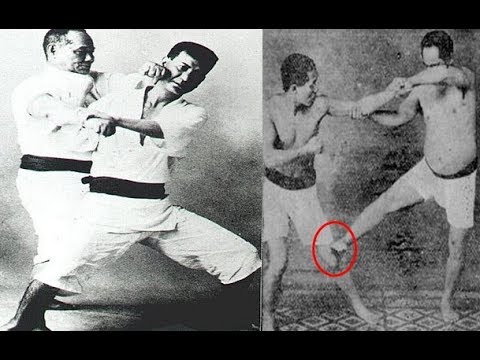
Motobu Ryu Karate Jutsu: The Uncompromising Warrior's Path

Is the pursuit of martial arts merely about graceful movements and disciplined forms? Or is it about the raw, unyielding capacity to survive, to defend, to prevail when faced with genuine adversity? For many, the pristine beauty of Karate katas is the apex of their practice. But what about those who believe the true essence of Budo lies in the unforgiving crucible of real combat? Today, we confront a style that unapologetically prioritizes the latter: Motobu Ryu Karate Jutsu.

Introduction: Beyond the Kata

Karate, a discipline now recognized and respected across the globe, boasts a rich tapestry of styles. Yet, within this vast lineage, Motobu Ryu Karate Jutsu stands apart. Hailing from the historical heartland of Okinawa, Japan, this style is not for the faint of heart or the purely aesthetic practitioner. It is a path forged in practicality, a testament to the warrior spirit that prioritizes effectiveness above all else. We will dissect its history, its brutal efficacy, and its underlying philosophy, examining how it has carved its niche and influenced the broader landscape of martial arts.

The Genesis of a Warrior: Choki Motobu's Legacy

The architect of this formidable system was Choki Motobu (1870-1944). Born into a prominent Okinawan family with deep martial roots, Motobu was exposed from a young age to not just Karate, but also Judo and Kendo. However, it was his innate prowess and perhaps a rebellious spirit that led him to forge his own path. Dismissive of what he perceived as overly stylized or impractical techniques in some contemporary Karate forms, Motobu developed his distinct approach, christening it Motobu Ryu Karate Jutsu.

What truly set Motobu Ryu apart was its radical departure from an over-reliance on pre-arranged forms (katas). Motobu’s doctrine was brutally simple: the martial art’s ultimate purpose is to ensure survival and dominance in genuine, life-threatening confrontations. His style was honed for the gritty reality of street fights, not for polite demonstration. This unwavering focus on pragmatism is the bedrock upon which Motobu Ryu was built.

"The highest Karate is not in the forms (kata), but in the actual fighting." - Choki Motobu

Striking with Purpose: The Core of Motobu Ryu

The technical arsenal of Motobu Ryu Karate Jutsu is as direct as its philosophy. It thrives on close-range combat, emphasizing explosive, powerful strikes designed for maximum impact. Forget elaborate, sweeping kicks; here, the focus is on the immediate and the decisive.

  • Punches: Varied and potent, delivered with bone-jarring force.
  • Kicks: Primarily low kicks and powerful knee strikes, designed to incapacitate quickly.
  • Elbow Strikes: Brutally effective in confined spaces, a hallmark of close-quarters combat.

One of the most distinctive and devastating techniques within Motobu Ryu is the "Ippon Ken", or one-knuckle punch. This specialized strike targets vulnerable points with pinpoint accuracy, capable of inflicting significant damage. It’s a testament to Motobu’s belief in exploiting weaknesses with overwhelming force.

But Motobu Ryu is not solely about striking. Recognizing that a true warrior must be adaptable, Choki Motobu judiciously incorporated elements of throws, joint locks, and grappling. This holistic approach ensured his students were not merely strikers, but well-rounded combatants, capable of handling a multitude of scenarios. It's this integration that elevates Motobu Ryu beyond a simple striking art.

Goshin Jutsu: The Art of Survival

At its philosophical core, Motobu Ryu is defined by "Goshin Jutsu" – the art of self-defense techniques. This principle is not a mere suggestion; it is the absolute directive. Motobu instilled in his students that the primary function of martial arts training is to cultivate the skills necessary for survival in dire circumstances. The abstract beauty of a kata pales in comparison to the concrete reality of neutralizing a threat.

Beyond the physical, Motobu Ryu Karate Jutsu is a profound path of self-development. It demands the cultivation of mental fortitude and spiritual discipline. This is not just about learning to fight; it’s about becoming a better human being through the rigors of intense training. Choki Motobu viewed the martial journey as a lifelong endeavor of self-improvement, urging his disciples to hone their minds and spirits with the same dedication they applied to their physical conditioning.

"Mastery of the art of fighting means mastery of oneself. Without self-mastery, no true victory is possible." - A principle echoing in the halls of Motobu Ryu.

A Ripple Through Combat: Motobu Ryu's Enduring Impact

The legacy of Motobu Ryu Karate Jutsu extends far beyond its Okinawan origins. Many of Choki Motobu's students rose to become influential martial arts masters themselves, carrying the torch of his practical approach across the globe. The style’s unwavering emphasis on effective techniques and real-world self-defense has resonated deeply, influencing even seemingly disparate disciplines like Krav Maga and Brazilian Jiu-Jitsu. The pragmatic, no-nonsense approach to combat became a blueprint for survival-oriented systems.

Furthermore, the powerful, direct striking methods of Motobu Ryu have been observed and assimilated into the repertoires of various other martial arts and combat sports, including the dynamic arts of Muay Thai and Kickboxing. The influence is undeniable: a testament to the universal language of effective fighting.

Essential Training for the Motobu Practitioner

To truly embrace the spirit of Motobu Ryu, training must mirror its core tenets. While traditional Karate training often involves extensive kata practice, a Motobu Ryu practitioner should focus on drills that simulate real combat scenarios. This means:

  • Conditioning: Building the raw physical power and resilience necessary for sustained, intense exchanges. This includes strength training, cardiovascular endurance, and impact conditioning.
  • Striking Drills: Repetitive practice of punches, kicks, elbows, and knees, focusing on speed, power, and accuracy. Emphasis should be placed on close-range combinations.
  • Sparring (Kumite): Full-contact sparring, conducted with appropriate safety gear, is crucial. This is where theory meets reality, allowing practitioners to test techniques under pressure. Motobu Ryu sparring often eschews point-based systems for a more decisive outcome.
  • Close-Quarters Techniques: Specific drills focusing on clinching, throws, and joint manipulation. Understanding how to control an opponent in grappling exchanges is vital.
  • Application Focus: Constantly asking "How does this apply in a real fight?" This mindset shifts training from rote memorization to dynamic problem-solving.

Consider the benefits of dedicated impact training equipment. A well-maintained makiwara can develop powerful, bone-strengthening strikes, while a sturdy punching bag is essential for practicing combinations and power generation. For those serious about grappling aspects, a good quality BJJ gi or wrestling singlet can be invaluable for practicing throws and control techniques.

Sensei's Verdict: Is Motobu Ryu True Budo?

From my perspective, the fire that burned within Choki Motobu was undeniably the fire of Budo. He stripped away the non-essentials and focused on the heart of combat: survival and efficacy. Does Motobu Ryu Karate Jutsu prioritize flash over substance? Absolutely not. It demands dedication, courage, and a willingness to confront uncomfortable truths about conflict. It’s a style that embodies the warrior spirit, forging resilience not just in the body, but in the very soul. While some may find its directness unpalatable compared to more ritualistic arts, its dedication to practical application makes it a potent and historically significant branch of the martial tree.

Rating: A Resounding "Cinturón Negro en Realismo Combativo" (Black Belt in Combat Realism).

Frequently Asked Questions

What is the main difference between Motobu Ryu and other Karate styles?
Motobu Ryu places a significantly greater emphasis on practical, real-world combat effectiveness and less on traditional forms (katas) for their own sake. It's designed for survival, not demonstration.
Is Motobu Ryu Karate Jutsu suitable for self-defense?
Absolutely. Its entire foundation is built upon the principles of "Goshin Jutsu" – effective self-defense techniques applicable in street situations.
What is the "Ippon Ken"?
The "Ippon Ken" is a specialized one-knuckle punch technique within Motobu Ryu, known for its power and ability to target vulnerable points with precision.
Can beginners train in Motobu Ryu?
While the style is demanding, dedicated beginners can certainly learn. However, they must possess a strong mindset for practical application and be prepared for intense physical and mental training.

To Dive Deeper into Your Path

Sensei's Reflection: Your Next Step

Choki Motobu challenged the status quo, prioritizing brutal efficacy. He understood that the ultimate test of a martial art is not in its beauty, but in its ability to protect life. Now, I ask you: In your own training, are you preparing for the beautiful dance of the dojo, or the brutal reality of the street? Where does your true focus lie, and are you willing to shed the comfortable and embrace the uncompromising?

``` ```json { "@context": "https://schema.org", "@type": "FAQPage", "mainEntity": [ { "@type": "Question", "name": "What is the main difference between Motobu Ryu and other Karate styles?", "acceptedAnswer": { "@type": "Answer", "text": "Motobu Ryu places a significantly greater emphasis on practical, real-world combat effectiveness and less on traditional forms (katas) for their own sake. It's designed for survival, not demonstration." } }, { "@type": "Question", "name": "Is Motobu Ryu Karate Jutsu suitable for self-defense?", "acceptedAnswer": { "@type": "Answer", "text": "Absolutely. Its entire foundation is built upon the principles of \"Goshin Jutsu\" – effective self-defense techniques applicable in street situations." } }, { "@type": "Question", "name": "What is the \"Ippon Ken\"?", "acceptedAnswer": { "@type": "Answer", "text": "The \"Ippon Ken\" is a specialized one-knuckle punch technique within Motobu Ryu, known for its power and ability to target vulnerable points with precision." } }, { "@type": "Question", "name": "Can beginners train in Motobu Ryu?", "acceptedAnswer": { "@type": "Answer", "text": "While the style is demanding, dedicated beginners can certainly learn. However, they must possess a strong mindset for practical application and be prepared for intense physical and mental training." } } ] }

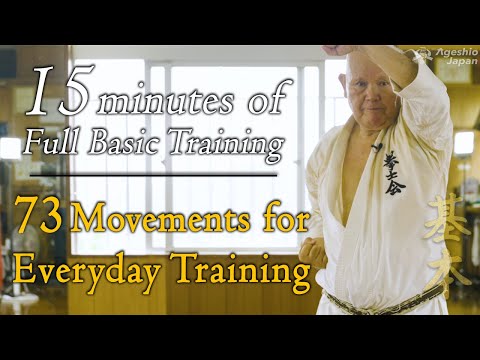
Mastering the Fundamentals: A Deep Dive into 73 Okinawan Karate Movements with Hanshi Yoshimasa Kakazu

Introduction: The Essence of Okinawan Karate

Let us be blunt. In the cacophony of modern martial arts, where flashy techniques and fleeting popularity often overshadow true substance, the purity of Okinawan Karate can seem like a distant echo. Yet, for those who seek the bedrock of a martial path, the original teachings from the birthplace of Karate are an unparalleled treasure. Today, we dissect a compelling resource: the instructional video featuring the esteemed Shorin-ryu Hanshi 10th dan, Yoshimasa Kakazu. This isn't just another exercise video; it's a portal into the very soul of Karate, a testament to the power of fundamentals.

The promise? 73 basic movements, designed for daily practice, right in your home. But can a 15-minute routine truly distill centuries of martial wisdom? Can the essence of Karate be captured and transmitted through a screen? We delve deep to answer these questions, examining not just the techniques, but the philosophy underpinning them, as presented by a master who embodies the spirit of the Okinawan dojo.

Part 1: Building the Foundation – 24 Essential Movements

Kakazu Sensei wastes no time. The video opens with a powerful assertion: Karate is not confined to the meticulously swept floors of a dojo. It is a way of life, a practice that can and *should* permeate every aspect of our existence, starting with dedicated daily training. This is the first lesson: consistency over intensity. A daily 15-minute commitment, performed with full intent (zanshin), is far more potent than sporadic, exhaustive sessions.

The initial 24 movements are the very scaffolding of Karate. Forget gratuitous flair; here we find the raw materials:

  • Punches: Straight, powerful extensions of the body, emphasizing correct fist formation and the generation of force from the hips and core. It's not just about punching the air; it's about projecting power through an imaginary opponent.
  • Blocks: The forearm is the primary instrument, but the entire body must engage. These aren't passive deflections; they are active deflections designed to redirect force, control distance, and set up counter-offensives.
  • Kicks: Precision, speed, and a sharp, snapping motion are paramount. Kakazu Sensei demonstrates kicks that are not only powerful but also economical, conserving energy while maximizing impact.
  • Footwork: The foundation of all movement. The drills focus on maintaining balance, changing direction efficiently, and covering distance without telegraphing intentions. This is the dance of combat, the silent conversation of movement.

Observe the hikite (pulling hand) – it's not merely for show; it's integral to hip rotation and power generation. Notice the rootedness of the stances; they are not static postures but dynamic platforms from which explosive movement can originate. This is where the martial artist learns to be both an immovable object and an unstoppable force.

"The true purpose of Karate is to build character, discipline, and a strong mind. Techniques are merely the means to this end." - A principle echoed by many Okinawan masters.

Part 2: Expanding the Arsenal – 27 Advanced Techniques

Once the foundational blocks are solid, Kakazu Sensei introduces a new layer of complexity and application. The next 27 movements delve into closer-range combat, requiring a higher degree of spatial awareness and coordination.

  • Elbow Strikes: These are devastating weapons when used correctly. The video emphasizes generating power through short, explosive movements, often using the entire body's weight.
  • Knee Strikes: Similar to elbow strikes, knee strikes demand precision and timing, particularly effective in clinching situations.
  • Throws: While Karate is primarily known for strikes, its Okinawan roots include effective grappling and throwing techniques (nage-waza). These movements teach balance disruption and leveraging an opponent's momentum against them.

This section is a critical reminder that Karate is a complete martial art. To dismiss its grappling and close-quarters aspects is to misunderstand its lineage. The integration of these techniques with the striking arsenal creates a truly formidable practitioner, capable of adapting to a variety of combat scenarios. Mastering these requires not just physical repetition but a mental shift – understanding leverage, timing, and the geometry of conflict.

Part 3: Refining the Craft – 22 Combinations and Flow

The final 22 movements are where the art truly begins to coalesce. This isn't just about individual techniques anymore; it's about the seamless transition between them, the creation of fluid combinations that overwhelm an opponent.

Here, we see the application of principles learned earlier:

  • Combinations: Punch-block-kick sequences, or more complex chains that exploit openings created by prior movements. The focus is on natural transitions, minimizing wasted motion and maximizing offensive pressure.
  • Advanced Kicks: More complex kicks, perhaps incorporating spins or multiple chambers, demanding greater flexibility and control.
  • Agility Drills: Movements designed to enhance speed, explosive power, and the ability to change direction instantly.

This is the stage where the practitioner moves from simply executing techniques to *applying* them with intent and strategy. It’s about developing Ki – the vital energy – and channeling it through precise, powerful actions. The sheer number of movements (73 in total) might seem daunting, but the beauty lies in their interconnectedness. Each movement is a building block, and these final combinations are the masterpiece taking shape.

Veredicto del Sensei: ¿Vale la Pena Ver el Video?

Cinturón Negro en Enseñanza de Fundamentos. This video is a valuable asset for any Karate practitioner, regardless of style or experience level. Kakazu Sensei's instruction is clear, precise, and imbued with the authority of decades of dedicated practice. The emphasis on fundamental movements and daily home practice is a timely reminder in an era often obsessed with novelty. While seeing the techniques in person at the Kenshikai dojo in Okinawa would undoubtedly offer deeper insights, this video provides an excellent, accessible foundation. It doesn't replace a qualified instructor, but it powerfully supplements home training.

Guía de Entrenamiento: Integrando los Movimientos de Kakazu Sensei

To truly benefit from the 73 movements, a structured approach is essential. Here’s how to integrate them into your daily regimen:

  1. Part 1 (Days 1-7): Focus exclusively on the first 24 movements. Practice each movement 10-20 times, ensuring correct form, balance, and power generation. Pay close attention to the hip rotation and breathing.
  2. Part 2 (Days 8-14): Integrate the next 27 movements. Spend time understanding the mechanics of elbow/knee strikes and the basic principles of throws. Ensure your foundational techniques remain sharp.
  3. Part 3 (Days 15-21): Introduce the final 22 movements. Focus on linking techniques smoothly. Practice combinations slowly at first, then gradually increase speed.
  4. Week 4 Onwards: Cycle through all 73 movements, aiming for fluidity and power. Use the video as a reference but strive to perform from memory. Incorporate applications (bunkai) mentally or with a training partner.
  5. Daily Practice: Even 15 minutes daily is better than hours once a week. Maintain Zanshin throughout your practice.

Recursos para Profundizar en tu Camino Marcial

To truly embody the principles of Okinawan Karate, consider these resources:

  • Kimono de Karate de Alta Calidad: Look for kimonos de doble tejido designed for durability and freedom of movement. A well-fitting gi enhances your practice.
  • Guantes de Entrenamiento: For sparring practice, investing in guantes de 16oz para sparring can protect your hands and your partner's.
  • Libros sobre Bushido y Filosofía Marcial: Understanding the warrior's code is as crucial as physical training. Explore texts on Bushido and the philosophy of the samurai.
"Karate is a lifetime pursuit. There is no end to learning, only constant improvement." - Attributed to many Karate masters.

Preguntas Frecuentes

¿Es necesario tener experiencia previa en Karate para seguir este video?

No, aunque tener una base ayuda, el video está diseñado para ser accesible. La claridad de Kakazu Sensei permite a los principiantes comenzar a construir una base sólida. Sin embargo, se recomienda buscar instrucción presencial para correcciones personalizadas.

¿Puedo realmente mejorar mi Karate solo con este video y práctica en casa?

Este video es una herramienta excelente para el entrenamiento diario y la mejora de los fundamentos. Sin embargo, para un desarrollo marcial completo, la guía de un instructor calificado en un dojo es insustituible para el sparring, el bunkai (aplicaciones) y la corrección técnica detallada.

¿Qué significa "Shorin-ryu Hanshi 10th dan"?

"Shorin-ryu" es uno de los estilos principales de Karate Okinawense. "Hanshi" es un título honorífico otorgado a maestros de alto nivel (generalmente 8º Dan o superior) con décadas de experiencia. "10th dan" indica el rango más alto posible en la mayoría de las organizaciones de Karate.

¿Por qué tantos movimientos básicos en Karate?

Los movimientos básicos (Kihon) son los cimientos sobre los que se construye todo el arte. Dominar el Kihon asegura potencia, precisión, equilibrio y eficiencia, principios cruciales para cualquier técnica, por compleja que sea.

¿Es la práctica de Karate útil para la defensa personal real?

El Karate tradicional, especialmente cuando se entrena con aplicaciones prácticas y se enfoca en la mentalidad combativa, puede ser muy efectivo para la defensa personal. Sin embargo, la efectividad depende en gran medida de la calidad del entrenamiento y del enfoque del practicante. Estilos como el Kyokushin (Karate Kyokushin) a menudo incluyen entrenamiento más enfocado en el combate real.

Para Profundizar en tu Camino

```

Mastering the Fundamentals: A Deep Dive into Yoshimasa Kakazu's "Karate 27 Basic Movements"

Welcome, disciples, to a critical examination from the heart of the dojo. Today, we dissect not just a video, but a philosophy embodied in motion: "Karate 27 Basic Movements," featuring the venerable Yoshimasa Kakazu. This isn't merely a tutorial; it's a window into the soul of Okinawan Shorin-ryu, presented by a 10th Dan master whose life is a testament to the pursuit of martial perfection. For those of you whose circumstances prevent regular dojo attendance, this resource promises to bring the essence of Karate into your home training space. Prepare yourselves, for we will delve beyond mere demonstration to unearth the profound significance of each fundamental movement.

Karate: More Than Just Empty Hands

Karate, a discipline born from the shores of Okinawa in the 19th century, whispers tales of resilience and adaptation. It is a fusion of indigenous fighting techniques and influences from the East, a martial art that blossomed into both a formidable self-defense system and a competitive sport. The very name, "Karate," translating to "empty hand," is a profound philosophical statement. It signifies the practitioner's reliance not on external weapons, but on the disciplined power, precision, and spirit honed within.

"The ultimate aim of Karate is not victory or defeat, but the perfection of character." - Gichin Funakoshi

This video, "Karate 27 Basic Movements," starring Yoshimasa Kakazu, embodies this very principle. It presents the foundational building blocks that allow for such character development, making it accessible even when a dojo is out of reach.

The Architecture of Aggression: Kakazu-Sensei's 27 Movements

Kakazu-sensei, a master of Shorin-ryu with a rank that commands respect, guides us through a curated selection of 27 fundamental movements. This isn't a random assortment; it's the skeletal structure upon which all advanced techniques are built. The video's brilliance lies in its clarity. Each movement is presented with meticulous detail, often in slow motion, allowing the viewer to absorb the nuances of posture, balance, and power generation.

These movements are intelligently categorized, providing a logical framework for understanding offensive and defensive principles. We have strikes, blocks, and kicks – the trinity of unarmed combat. Let us break them down, not just as physical actions, but as tactical applications.

The Power Within: Mastering the Strikes

Strikes are the voice of Karate, the direct expression of your intent. Kakazu-sensei meticulously demonstrates techniques that harness the body's natural kinetic chain, from the rooted stance to the explosive snap of the fist.

  • Front Punch (Choku-zuki): The most fundamental. Understanding its linear power is crucial.
  • Reverse Punch (Gyaku-zuki): The counter-punching staple, often delivered from a stable, rooted position.
  • Uppercut: An upward strike designed to target vulnerable areas, requiring a shift in center of gravity.
  • Knifehand Strike (Shuto-uchi): A powerful strike using the edge of the hand, versatile for both striking and conditioning.
  • Backfist Strike (Uraken-uchi): A rapid, often circular strike, excellent for catching opponents off guard.

Each of these strikes, when practiced correctly, trains not only the limbs but also the core, the hips, and the mind. It's a holistic development. The subtle rotations of the hips, the extension of the body – these are the secrets to generating devastating power from seemingly simple motions. This is where the Ki begins to flow, not as mysticism, but as tangible, directed energy.

The Unyielding Defense: Essential Blocks

A defender who cannot block is merely an aggressor waiting to be countered. The blocks taught by Kakazu-sensei are not passive deflections; they are active, energy-redirecting techniques designed to control distance and disrupt an opponent's attack.

  • Rising Block (Age-uke): A powerful upward block, often used against high attacks.
  • Outside Block (Soto-uke): Deflects attacks coming from the outside.
  • Inside Block (Uchi-uke): Controls strikes or advances from the inside.
  • Downward Block (Gedan-barai): A sweeping block to neutralize low attacks.
  • X Block (Juji-uke): A strong, two-armed block used to absorb or deflect powerful incoming strikes.

Mastering these blocks requires impeccable timing and a deep understanding of an opponent's trajectory. They teach patience, awareness, and the ability to absorb impact without faltering. This builds resilience, both physical and mental. When you block effectively, you control the space, dictating the flow of the combat.

The Swift Judgement: Fundamental Kicks

Kicks add range and dynamic power to a Karateka's arsenal. The fundamental kicks demonstrated are the bedrock for more complex aerial maneuvers and powerful sweeps.

  • Front Kick (Mae-geri): A direct, versatile kick, excellent for maintaining distance.
  • Side Kick (Yoko-geri): A powerful kick delivered from the side, utilizing hip rotation for maximum impact.
  • Roundhouse Kick (Mawashi-geri): A sweeping kick that can be used for both striking and setting up other techniques.
  • Back Kick (Ushiro-geri): A dangerous kick delivered backwards, often requiring significant spatial awareness.

The effectiveness of these kicks hinges on balance and precision. A poorly executed kick can leave you vulnerable. Kakazu-sensei's slow-motion demonstrations are invaluable here, highlighting the hip rotation, chambering of the knee, and the final extension and retraction. These movements train flexibility and explosive power in equal measure.

The Unseen Path: The Imperative of Daily Practice

The true genius of this instruction lies not just in the movements themselves, but in the philosophy of their application. Kakazu-sensei champions a principle as old as the martial arts: consistent, daily practice is the sole conduit to mastery. There are no shortcuts, only dedication.

"Repetition is the mother of skill. Practice makes permanent." - Master Hironori Ohtsuka

The 27 basic movements are not merely exercises; they are the building blocks of muscle memory. Daily repetition instills the techniques so deeply that they become instinctual, liberating the mind during actual combat. This consistent effort cultivates discipline, sharpens focus, and refines technique to an almost surgical degree. It transforms the physical into the subconscious, a vital aspect of Budo.

Veredicto del Sensei: Is This Essential Viewing?

From my perspective as a seasoned martial artist and critic, Yoshimasa Kakazu's "Karate 27 Basic Movements" is not just recommended; it is **essential**. For the individual practitioner training at home, it is a treasure trove. Kakazu-sensei's deep understanding of Shorin-ryu, combined with his clear, methodical instruction, makes this video an invaluable tool. Whether you are a beginner taking your first steps into the world of Karate or an advanced student seeking to refine your fundamentals, the clarity and depth offered here are exceptional.

This is a masterclass in the core principles of Karate. It provides the structural integrity for your future martial endeavors. It doesn't just teach movements; it imparts wisdom.

Rating: Cinturón Negro en Fundamentos.

Essential Equipment for Your Training

While Karate primarily relies on the "empty hand," proper preparation can significantly enhance your training and safety. Investing in the right gear ensures that your practice is effective and reduces the risk of injury, allowing you to focus on the art.

  • Karate Gi: A durable, well-fitting Karate uniform is fundamental. Look for a double-weave or heavy-duty cotton gi for striking arts like Shorin-ryu, as it will withstand rigorous training and retain its shape.
  • Training Matting: If training on hard surfaces, consider interlocking floor mats (like EVA foam) to provide cushioning for kicks, falls, and groundwork.
  • Hand Wraps: Essential for protecting your wrists and knuckles during intense punching drills.
  • Focus Mitts & Strike Pads: While not strictly necessary for this particular video, they are invaluable for partner drills and developing power, accuracy, and speed.
  • Optional: Makiwara: For advanced practitioners looking to develop striking power and resilience, a traditional makiwara can be a powerful training tool, though it requires careful instruction and use.

For those serious about their home training, consider exploring high-quality Karate merchandise and protective gear. Investing in your practice space is investing in your progress.

Training Guide: The Core 27 Movements

To truly internalize Kakazu-sensei's teachings, a structured approach to daily practice is key. Follow this guide, referencing the video meticulously:

  1. Warm-up (5-10 minutes): Begin with light cardio (jogging in place, jumping jacks) to increase blood flow, followed by dynamic stretching (arm circles, leg swings, torso twists).
  2. Basic Stance Practice (5 minutes): Focus on mastering the foundational stances like Heiko-dachi (parallel stance), Zenkutsu-dachi (front stance), and Kiba-dachi (horse stance). Ensure correct weight distribution, hip alignment, and posture.
  3. Strikes Practice (10-15 minutes):
    • Perform each strike (front punch, reverse punch, uppercut, knifehand, backfist) 10-15 times per side.
    • Focus on correct form: hip rotation, body extension, fist formation, and retraction.
    • Practice at varying speeds, from slow, controlled movements to explosive bursts.
  4. Blocks Practice (10-15 minutes):
    • Execute each block (rising, outside, inside, downward, X block) 10-15 times per side.
    • Pay attention to the path of the block, the bracing action, and the connection to your stance.
    • Visualize an incoming attack and the purpose of each block.
  5. Kicks Practice (10-15 minutes):
    • Perform each kick (front, side, roundhouse, back) 8-10 times per leg.
    • Prioritize balance and proper chambering of the knee.
    • Ensure a controlled retraction of the leg after each kick.
  6. Integration & Flow (5-10 minutes): Attempt to link 2-3 movements together. For example, a block followed by a counter-strike, or a stance transition into a kick. This begins to build the foundation for combinations.
  7. Cool-down (5 minutes): Static stretching, holding each stretch for 20-30 seconds, focusing on major muscle groups.

Remember: quality over quantity. It is better to perform five repetitions with perfect form than fifty with poor technique. This consistent, focused practice will build the strength and precision you seek.

Frequently Asked Questions

Is this video suitable for absolute beginners with no prior martial arts experience?

Yes, absolutely. Kakazu-sensei's instruction is detailed and slow, making it accessible for individuals starting their Karate journey at home. The focus on fundamentals is precisely what a beginner needs.

Can practicing these movements alone truly prepare someone for self-defense?

These movements are the foundational tools. While they provide the physical techniques, true self-defense preparation also requires understanding distance, timing, strategy, and the psychological aspects of conflict. This video provides an excellent starting point, but sparring and situational training are crucial for a complete understanding.

How does Shorin-ryu differ from other Karate styles?

Shorin-ryu, generally considered one of the older styles, emphasizes linear movements, speed, and agility, often with lower stances than some other styles. It focuses on practical application and efficient techniques, drawing heavily from its Okinawan roots.

What is the significance of the "27" movements? Is it an arbitrary number?

The number 27 likely represents a core curriculum of essential techniques deemed critical for foundational competency. While Karate encompasses many more movements, this selection distills the most vital strikes, blocks, and kicks, forming the bedrock of the art.

To Deepen Your Path

The journey of martial arts is one of continuous learning and refinement. To truly immerse yourself in the philosophy and practice, explore these resources:

"Karate is a lifelong pursuit. The true training begins when you think you know it all."

Reflection of the Sensei: Your Next Step

You have witnessed the meticulous dissection of fundamental Karate movements, a testament to the enduring power of disciplined practice. But knowledge without application is like a sword left to rust. Now, I pose this to you:

Are you merely a spectator of technique, or are you ready to forge your own spirit through the crucible of daily repetition? Which of these 27 movements, when practiced with true intent, will be the key to unlocking a hidden strength within you?

Your answer lies not in my words, but in your actions. Prove your commitment. Share your insights and your challenges in the comments below. Let this be the start of your debate, your dedication, your evolution.

``` ```json { "@context": "https://schema.org", "@type": "FAQPage", "mainEntity": [ { "@type": "Question", "name": "Is this video suitable for absolute beginners with no prior martial arts experience?", "acceptedAnswer": { "@type": "Answer", "text": "Yes, absolutely. Kakazu-sensei's instruction is detailed and slow, making it accessible for individuals starting their Karate journey at home. The focus on fundamentals is precisely what a beginner needs." } }, { "@type": "Question", "name": "Can practicing these movements alone truly prepare someone for self-defense?", "acceptedAnswer": { "@type": "Answer", "text": "These movements are the foundational tools. While they provide the physical techniques, true self-defense preparation also requires understanding distance, timing, strategy, and the psychological aspects of conflict. This video provides an excellent starting point, but sparring and situational training are crucial for a complete understanding." } }, { "@type": "Question", "name": "How does Shorin-ryu differ from other Karate styles?", "acceptedAnswer": { "@type": "Answer", "text": "Shorin-ryu, generally considered one of the older styles, emphasizes linear movements, speed, and agility, often with lower stances than some other styles. It focuses on practical application and efficient techniques, drawing heavily from its Okinawan roots." } }, { "@type": "Question", "name": "What is the significance of the \"27\" movements? Is it an arbitrary number?", "acceptedAnswer": { "@type": "Answer", "text": "The number 27 likely represents a core curriculum of essential techniques deemed critical for foundational competency. While Karate encompasses many more movements, this selection distills the most vital strikes, blocks, and kicks, forming the bedrock of the art." } } ] }