Showing posts sorted by relevance for query ki. Sort by date Show all posts

The Unseen Force: Mastering Ki in Martial Arts - Beyond the Hype

Greetings, warriors. It is I, your Sensei, and today we delve into a concept that has fueled countless myths, inspired legendary tales, and, frankly, been grossly misunderstood in the dojo and on the screen: Ki (気). You've heard the whispers, seen the exaggerated portrayals in films, perhaps even felt a faint resonance within your own training. But what is Ki, truly? Is it merely a mystical energy, or does it hold a tangible, practical significance for the dedicated martial artist?

Many practitioners approach Ki with either outright skepticism or an uncritical embrace of its esoteric interpretations. We've all witnessed the "no-touch knockout" in movies, or heard claims of masters manipulating life force. These are often sensationalized distortions. My goal today is to cut through the dogma, the mysticism, and the marketing, and bring you to the core of Ki – its practical application and philosophical underpinnings in the world of Budo and martial arts. Prepare yourselves, for this will be a lesson designed to challenge your perceptions and ignite a deeper understanding.

What is Ki, Really? Beyond the Myth

At its most fundamental level, Ki, often translated as "energy," "spirit," or "breath," is the vital force that animates all living beings. In the context of martial arts, it refers to the cultivated internal energy that enhances power, focus, awareness, and resilience. It is not a magical aura, nor is it some intangible force that defies the laws of physics. Instead, think of it as the unified expression of your physical, mental, and spiritual energy, channeled with intent.

Historically, many East Asian philosophies and practices, including martial arts, Taoism, and Buddhism, have recognized the existence and importance of this vital energy. Masters learned to harness and direct it, not through incantations or supernatural means, but through rigorous physical training, controlled breathing, mental discipline, and deep meditative practices. The goal was always to achieve a state of heightened awareness and efficient power generation – a far cry from the mystical energy blasts seen in popular culture.

Consider the difference between a raw, brute-force punch and a punch delivered with perfect posture, aligned intention, and focused breath. The latter carries a different quality, a more profound impact. This difference, practitioners would argue, is rooted in the cultivation and direction of Ki. It’s about leveraging your entire being, not just your muscles.

"To conquer 1000 enemies, is to conquer 1000 enemies. To conquer yourself, that is the true victory." - Zen Proverb

This proverb speaks directly to the internal journey of martial arts. Developing Ki is, in essence, the journey of conquering oneself. It's about mastering your own physical and mental faculties to their peak potential. It requires patience, persistence, and a willingness to look inward.

Ki in Practice: Tangible Applications in Combat

Dismissing Ki as mere superstition is a grave error that many modern combat sports enthusiasts make. The principles behind Ki, when stripped of their mystical veneer, translate into highly practical combat applications:

  • Power Generation (Koshi/Hara): The concept of power emanating from the core (hara or tanden) is central to Ki cultivation. This isn't about a magic center of gravity, but about efficient biomechanics. When your hips, core, and legs are aligned and engaged, you can generate significantly more power than relying solely on arm strength. This unified body movement is what experienced martial artists intuitively understand as "generating power from the Ki." Think of how a whip cracks – the energy travels from the handle to the tip. Your body works similarly when properly aligned.
  • Stability and Rooting (Maai): A strong Ki allows a practitioner to remain stable and grounded, even under duress. This is achieved through proper posture, weight distribution, and a connected, centered feeling. When an opponent tries to destabilize you, a strong Ki acts as an anchor, making you difficult to move. This is not about sheer muscular tension, but about a relaxed, yet unyielding, structure.
  • Focus and Intent (Zanshin/Mushin): Ki training cultivates intense mental focus and unwavering intent. This allows for heightened situational awareness, rapid decision-making, and the ability to execute techniques with precision under pressure. Zanshin, the state of lingering awareness, and Mushin, the "no-mind" state of spontaneous action, are direct manifestations of a well-developed Ki. Your actions become fluid, decisive, and often instinctive.
  • Resilience and Recovery: A practitioner with a strong Ki often exhibits greater resilience to pain and fatigue. This is not because they are immune to injury, but because they can better manage their physical and mental state, drawing on internal reserves to push through discomfort and recover more quickly. It’s about managing your internal energy economy.
  • Detecting Opponent's Intent: Advanced practitioners often speak of "feeling" an opponent's next move. This isn't telepathy. It's an acute sensitivity to subtle shifts in posture, breath, and tension developed through years of focused practice and awareness of Ki dynamics. You become attuned to the "energy" of the other person.

To deny these practical applications is to ignore the effectiveness of disciplines that have stood the test of time. The ability to generate power from the core, maintain balance, stay focused, and possess mental fortitude are universally recognized as crucial elements of effective combat.

The Scientific Perspective: Connecting Mind and Body

While the term "Ki" might sound mystical, modern science is increasingly validating many of the principles associated with its cultivation. Neuroscience, biomechanics, and sports psychology offer insights into how Ki-like effects are achieved:

  • Proprioception and Body Awareness: Years of martial arts training, particularly those emphasizing internal energy, significantly enhance proprioception – the body's awareness of its position and movement in space. This heightened awareness allows for more precise and powerful movements.
  • Core Strength and Stability: The focus on the 'hara' or 'tanden' in Ki cultivation directly aligns with the modern understanding of the importance of core strength for athletic performance. A strong, engaged core provides a stable base for all limb movements, maximizing force transfer and power.
  • Diaphragmatic Breathing and Stress Response: Controlled, deep breathing (often emphasized in Ki training) activates the parasympathetic nervous system, reducing stress, improving focus, and enhancing physical performance. This is a well-documented physiological response.
  • Mental Focus and Flow States: Practices aimed at cultivating Mushin or Zanshin are essentially training the brain to enter states of deep focus and flow. This reduces distractions, improves reaction times, and allows for peak performance, phenomena studied extensively in sports psychology.
  • Mind-Body Connection: The holistic approach of martial arts, integrating physical, mental, and breathwork, fosters a strong mind-body connection. This allows for a more efficient and coordinated use of physical capabilities, often perceived as an enhanced "energy."

Therefore, when we talk about Ki, we are often talking about the synergistic optimization of our physical and mental faculties, a phenomenon that science is now beginning to explain. It's not about supernatural energy, but about mastering the biological and psychological systems we possess.

Developing Your Ki: Practical Training Methods

Cultivating Ki is not an overnight process. It requires dedication, consistent practice, and a methodical approach. Here are several avenues to explore:

Guía de Entrenamiento: Respiración y Meditación

  1. Diaphragmatic Breathing (Abdominal Breathing): Sit or lie comfortably. Place one hand on your chest and the other on your abdomen. Inhale slowly through your nose, feeling your abdomen rise (your chest should move minimally). Exhale slowly through your mouth, drawing your navel towards your spine. Focus on the sensation of breath filling your lower belly. Practice this daily for 5-10 minutes.
  2. Standing Meditation (Tachidori/Mokuso): Stand with feet shoulder-width apart, knees slightly bent, back straight. Relax your shoulders and let your arms hang loosely, or adopt a natural posture. Close your eyes (or soften your gaze) and focus solely on your breath and the sensation of being grounded. Aim to clear your mind of extraneous thoughts. Start with 5-10 minute sessions, gradually increasing duration.
  3. Mindful Movement: Integrate mindfulness into every technique. As you execute a punch, feel the energy originating from your hara, traveling through your core, and exploding from your fist. As you perform a block, feel your connection to the ground and your stability. Every movement should be deliberate and aware.

Guía de Entrenamiento: Movimiento y Fuerza

  1. Kata/Form Practice: Performing martial arts forms (Katas) with intention and focus is a profound way to cultivate Ki. Focus on the flow, the power generation from the core, and the mindful transitions between movements. Don't just go through the motions; embody the spirit of each technique.
  2. Static Strength Holds: While not solely focused on Ki, exercises like horse stance (kiba dachi) or wall sits, performed with proper breathing and mental focus, help build the physical and mental fortitude that supports Ki development. Focus on relaxed tension rather than rigid strain.
  3. Sparring with Awareness: Engage in sparring (kumite or randori) with the intention of not just winning, but of applying your understanding of Ki. Focus on maintaining your center, generating power from your core, and staying mindful of your opponent's movements and energy.

The key is consistency and intent. Each practice session is an opportunity to deepen your connection to your own vital force.

Ki on Screen: When Hollywood Gets It Wrong

The cinematic portrayal of martial arts, while often entertaining, frequently distorts the concept of Ki to serve dramatic effect. This leads to widespread misconceptions.

The "No-Touch Knockout": This is perhaps the most egregious cinematic fantasy. The idea that a master can knock out an opponent without physical contact is pure fiction. While a skilled practitioner can certainly intimidate, unbalance, or psychologically affect an opponent, the physical act of incapacitation requires physical engagement. The dramatic effect of an opponent flying backward from a gesture is pure Hollywood magic, often achieved with wires, editing tricks, or the opponent’s cooperation.

Superhuman Abilities: Movies often depict martial artists performing feats impossible for the human body – jumping incredible heights, surviving impossible falls, or throwing punches with the force of a wrecking ball without proper biomechanical preparation. While martial arts training can push human limits, these portrayals often cross the line into fantasy, attributing these abilities to a mystical "Ki" rather than acknowledging the extreme training and genetic predisposition of stunt performers.

The "Energy Blast": The visual effects of energy beams or waves emanating from a martial artist's hands are another common trope. This is a visual metaphor for power, but it has no basis in reality. True power in martial arts comes from efficient technique, timing, leverage, and the unified application of the body's force, not from visible energy emissions.

"The fighting spirit of the warrior is the one that wins." - Miyamoto Musashi

Musashi's emphasis on the "fighting spirit" is a crucial reminder. While he was a master of technique, the mental and spiritual component—which we can relate to Ki—was paramount. But this spirit manifests through skill and strategy, not through magical displays.

These cinematic exaggerations do a disservice to the discipline and hard work that true martial artists undertake. They create unrealistic expectations and foster a misunderstanding of the genuine power that can be developed through dedicated practice.

Veredicto del Sensei: Beyond the Hype

Is Ki real? Yes. Is it a mystical force that allows for supernatural feats? No. The true power of Ki lies in the cultivation of a fully integrated mind-body connection, leading to optimized physical performance, enhanced mental clarity, and profound resilience. It is the disciplined expression of one's total self, channeled with unwavering intent.

For the serious martial artist, understanding and cultivating Ki is not about acquiring superpowers; it's about becoming a more effective, efficient, and complete human being. It’s the difference between a superficial display of force and the deep, resonant power of a master. When Hollywood gets Ki wrong, it distracts from the incredible, tangible benefits that dedication to this principle can yield.

Calificación: Cinturón Negro en Potencial Real

Equipo Esencial para tu Entrenamiento

While Ki cultivation is primarily an internal endeavor, certain external elements can support your journey:

  • Gi (Kimono de Karate, Judo, etc.): A well-fitting Gi, especially one made of durable, high-quality fabric, allows for freedom of movement while also providing resistance that can help build strength and power. For styles like Judo or Brazilian Jiu-Jitsu, a tougher double-weave Gi is recommended for grappling.
  • Training Mat (Tatami/Yoga Mat): For meditation, stretching, and floor exercises, a comfortable and supportive mat can prevent injury and enhance focus by providing a dedicated training space.
  • Comfortable Workout Apparel: For exercises focused on dynamic movement and breathwork, lightweight, breathable clothing is essential.
  • Books on Martial Philosophy: Texts on strategy, philosophy, and the history of Budo are invaluable for understanding the deeper principles that underpin Ki cultivation.

Investing in quality gear isn't about vanity; it's about creating an environment conducive to focused, safe, and effective training. Look for durable Kimono de Judo or robust Karate Gi that will withstand rigorous practice.

Preguntas Frecuentes

  • ¿Puedo desarrollar Ki sin un maestro? While a good teacher is invaluable for guiding your Ki development, it is possible to make progress through diligent self-study, disciplined practice of breathing and meditation techniques, and mindful application in your training.
  • ¿Es Ki diferente en cada arte marcial? The fundamental principles of Ki are universal, but its expression and emphasis vary. Karate might focus on explosive power, Aikido on blending and redirecting, and Tai Chi on fluidity and relaxation. However, all draw from the same wellspring of integrated vital energy.
  • ¿Cuánto tiempo se tarda en "sentir" Ki? This varies greatly. Some individuals are naturally more attuned and may feel subtle effects within months. For others, it may take years of dedicated practice to develop a noticeable connection to their internal energy. Patience and consistency are key.
  • ¿Está Ki relacionado con la fuerza física? Ki enhances the effectiveness of physical strength by optimizing its application. It allows you to generate more power with less perceived effort, but it does not replace the need for fundamental physical conditioning.

Para Profundizar en tu Camino

The path to mastering Ki is a lifelong journey of self-discovery and refinement. It demands that we look beyond the sensational, embrace discipline, and understand that true power is cultivated from within.

Reflexión del Sensei: Tu Próximo Paso

We have dissected the concept of Ki, separating the tangible from the fantastical. Now, I pose this question to you: In your last training session, did you simply go through the motions, or did you strive to embody the principle of unified action? Where did you feel your energy flow, and where did it stagnate? Reflect not on what you *saw* in movies, but on what you *felt* within yourself. Your answer will reveal the true state of your understanding and the path ahead.

``` GEMINI_METADESC: Master Ki (気) in martial arts beyond movie myths. Learn practical applications for power, focus, and resilience, with training tips and a Sensei's verdict.
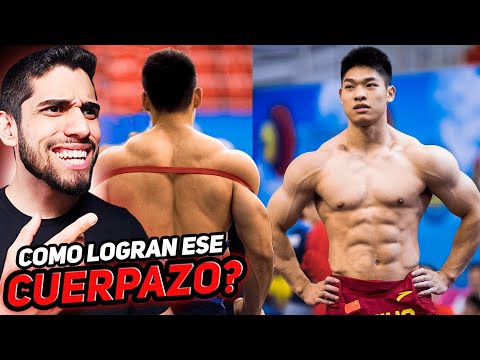

The 5 Asian Secrets to an Aesthetic Body: Beyond the Superficial

Hello and welcome to Budo and Martial Arts! You are watching "The 5 Asian Secrets to an Aesthetic Body," a topic that often gets lost in the noise of superficial fitness trends. Today, we're diving deep. Forget fleeting fads; we're exploring principles honed over centuries, rooted in the very essence of martial discipline. Are you chasing a physique that looks good, or one that *performs* – a body that embodies strength, resilience, and a profound connection between mind and matter? The pursuit of an "aesthetic body" in the West often focuses solely on external appearance. But what if the true secret lies not just in sculpted muscles, but in the cultivation of an inner power that *manifests* outwardly? This isn't just about looking like a fighter; it's about embodying the discipline, the mindset, and the holistic approach that defines a true warrior. This article will dissect those ancient secrets, revealing how Eastern philosophies and martial training techniques can forge a body that is not only visually striking but functionally superior. We'll move beyond simple aesthetics to explore principles that enhance your physical capabilities, mental fortitude, and overall well-being – the true hallmarks of a martial artist.

Table of Contents

The Philosophical Foundation: Mind Over Muscle

The Western concept of "aesthetic" often stops at the mirror. An Asian martial perspective, however, views the body as a temple, a vessel for inner power and spirit. The pursuit of an aesthetic physique is not about vanity; it's a byproduct of discipline, respect for one's self, and the rigorous cultivation of an unbreakable will. This is where the true journey begins, long before the first drop of sweat hits the mat. Think of the legends: Miyamoto Musashi, a swordsman of unparalleled skill, whose "Book of Five Rings" delves into strategy, perception, and the unwavering spirit of the warrior. His focus was not on his musculature, but on his *strategy*, his *awareness*, and his *readiness*. This mindset, when applied to physical training, naturally leads to a body that is efficient, powerful, and, yes, aesthetically pleasing in its functional form.
"There is a time for everything, a season for every activity under the heavens." - Ecclesiastes 3:1 (A universal truth echoed in martial philosophy)
The principles of Budo – the Way of the Warrior – emphasize self-control, perseverance, and the continuous pursuit of improvement. An "aesthetic body" that emerges from this path is not just about muscle size, but about posture, efficient movement, and the quiet confidence that radiates from within. It is a body honed by purpose, not by fleeting trends.

Wisdom of the East: Nutrition as Fuel for the Warrior

Forget the fad diets and the calorie-counting obsession. Traditional Asian approaches to nutrition are deeply intertwined with health, balance, and the cultivation of vital energy (Ki). The goal isn't just to reduce fat or build muscle; it's to nourish the body in a way that supports sustained energy, mental clarity, and robust health. Consider the principles of Traditional Chinese Medicine (TCM) or the dietary habits of Japanese monks. They emphasize whole, unprocessed foods, seasonal eating, and a mindful approach to consumption. * **Balance and Harmony**: Meals are often designed to be balanced in flavors (sweet, sour, salty, bitter, pungent) and elements, promoting equilibrium within the body. * **Mindful Eating**: The act of eating is considered sacred. Practicing slow, deliberate eating allows for better digestion and a greater appreciation of the food's energy. * **Herbs and Natural Foods**: Traditional diets often incorporate a wide array of herbs, roots, and teas believed to enhance health, longevity, and specific bodily functions. For instance, certain teas are known for their metabolic benefits, while specific herbs are used to improve digestion or boost immunity. * **Simplicity**: Often, the most potent nutritional strategies are the simplest. Relying on rice, vegetables, lean proteins (fish, tofu), and fermented foods provides a comprehensive spectrum of nutrients without the over-reliance on processed supplements common in Western fitness culture.
The result is a body that is lean, energetic, and resilient, capable of withstanding rigorous martial arts training. This isn't about achieving a specific body fat percentage; it's about optimizing your body's natural state for peak performance and longevity.

Nutrition Tips for the Budoka:

  • Prioritize whole foods: vegetables, fruits, lean proteins, and whole grains.
  • Stay hydrated with water and herbal teas.
  • Practice mindful eating – savor each bite.
  • Limit processed foods, excessive sugar, and unhealthy fats.
  • Listen to your body's signals.

The Integrated Training Regimen: Beyond Reps and Sets

Here's where the rubber meets the road, or rather, where the foot meets the mat. The Asian approach to physical conditioning is rarely compartmentalized. It's a holistic practice that integrates strength, flexibility, endurance, balance, and skill. This is the essence of martial arts training. Think about the diverse demands placed on a Karateka, a Judo practitioner, or a Shaolin monk. They need explosive power for a kick, unwavering stability for a throw, incredible stamina for prolonged combat, and refined motor control for intricate techniques. * **Functional Strength**: Instead of isolating muscles with machines, martial arts training emphasizes compound movements that mimic real-world actions. Think of the power generated in a punch or the stability required to execute an O-soto-gari. These are movements that build practical strength. * **Dynamic Flexibility and Mobility**: Flexibility in martial arts isn't just about touching your toes. It's about the ability to move limbs through a full range of motion *with control*, whether for a high kick or to evade an attack. Dynamic stretching and controlled movements are paramount. * **Endurance Through Intensity**: Martial arts training is inherently demanding. Sparring sessions, demanding katas, and conditioning drills build a type of cardiovascular and muscular endurance that is both powerful and sustainable. It’s not just about aerobic capacity, but about the ability to exert maximal force repeatedly. * **Balance and Proprioception**: From standing on one leg in Karate to maintaining posture during a grappling exchange, balance is fundamental. Martial arts training constantly challenges and improves your body's awareness of its position in space. * **Skill Integration**: The ultimate goal is not just a fit body, but a body that can *perform*. The aesthetic is a reflection of the skill and discipline cultivated. A well-executed kata or a fluid throw is a testament to this integrated approach.
"The ultimate aim of martial arts is not to be better than others, but to be better than your former self." - Unknown Master
This integrated approach means that every training session contributes to multiple aspects of physical fitness, creating a well-rounded and functional physique. If you’re looking to add discipline to your fitness regime, exploring Kyokushin Karate or Judo can offer incredible benefits.

The Art of Restoration: Sleep and Recovery

In the relentless pursuit of an aesthetic physique, rest is often the most neglected component. However, in Eastern philosophies and martial arts, recovery is as crucial as the training itself. It's during rest that the body adapts, repairs, and grows stronger. * **The Power of Sleep**: Adequate, quality sleep is non-negotiable. During sleep, the body releases growth hormone, repairs muscle tissue, and consolidates learning – essential for both physical development and mental acuity. Many Asian martial traditions emphasize the importance of a consistent sleep schedule, aligning with natural circadian rhythms. * **Active Recovery**: This isn't about doing nothing. Active recovery can involve light activities like walking, gentle stretching, or specific practices like Qigong or Tai Chi. These practices promote blood flow, reduce muscle soreness, and enhance overall recovery without stressing the body. * **Mindfulness and Stress Reduction**: Chronic stress elevates cortisol levels, which can hinder muscle growth and promote fat storage. Practices like meditation, deep breathing exercises, and even the mindful execution of katas can significantly reduce stress, aiding recovery. Neglecting rest is akin to trying to build a house on a crumbling foundation. The "aesthetic" you achieve will be fragile and unsustainable. True martial discipline understands that recovery is not a sign of weakness, but a critical element of strength.

Harnessing Internal Energy (Ki) for Dynamic Power

This is perhaps the most mysterious and profound of the Asian secrets. Ki (or Qi in Chinese) is often translated as "life force" or "vital energy." While the concept can seem esoteric, its practical application in martial arts is undeniable and directly contributes to a powerful, dynamic physique. Ki training is not about developing superficial muscle size; it's about cultivating a deep, internal power that can be projected outwards. This involves: * **Breath Control (Breathing Exercises)**: Techniques like diaphragmatic breathing, used extensively in practices like Aikido and Shaolin Kung Fu, focus on harnessing the breath to generate power and improve focus. Proper breathing can enhance oxygenation, calm the nervous system, and amplify physical force. * **Mind-Body Connection**: Cultivating Ki requires a profound integration of mind and body. Practices like Taekwondo or certain Karate styles emphasize intent and focus, directing internal energy to specific actions. This mental focus allows for explosive, efficient movements. * **Center of Gravity and Stability**: Much of Ki cultivation is about rooting oneself, connecting to the earth, and generating power from the core. This creates an incredibly stable and powerful base, essential for both defense and offense. A practitioner with strong Ki feels grounded and unmovable. * **Endurance and Resilience**: Strong Ki is believed to enhance overall stamina and the body's ability to withstand impact. It's a form of internal conditioning that complements external physical training. While it might not be visible on a DEXA scan, the effects of cultivated Ki are observable in the explosive power of a martial artist, their incredible stamina, their ability to remain calm under pressure, and the sheer presence they project. It's the invisible force that makes the visible body so compelling.

Veredicto del Sensei: ¿Merece la pena?

These "Asian secrets" are not hacks or shortcuts; they are principles of holistic development. They offer a path to an "aesthetic" body that is far more profound than mere external appearance. It’s about cultivating a body that is strong, resilient, efficient, and guided by a disciplined mind and spirit. This approach transcends fleeting fitness trends, offering a sustainable framework for lifelong health and self-mastery. It’s a journey that builds a physique not just for show, but for life. If your goal is merely to look good for a season, these secrets may seem too arduous. But if you seek true strength, inner peace, and a body that reflects your disciplined spirit, then this path is invaluable. Calificación: Cinturón Negro en Disciplina y Longevidad.

Equipo Esencial para tu Entrenamiento

While many of these principles require minimal equipment, certain items can enhance your practice and safety. For those looking to incorporate more martial arts into their fitness, consider:
  • Kimono de Entrenamiento (Gi): Essential for Judo, BJJ, Karate, and Aikido. Look for durable, comfortable fabrics like cotton or poly-cotton blends. For Judo, a heavier double-weave gi is recommended for durability.
  • Guantes de Boxeo/MMA: Crucial for striking practice and sparring to protect your hands and your partner.
  • Esterilla de Entrenamiento: For ground work, stretching, and floor exercises, especially if training at home.
  • Protección: Mouthguards and groin protection are vital for sparring.
  • Pesas Libres (Opcional): Dumbbells and kettlebells can supplement bodyweight training for functional strength.
  • Makiwara (Opcional): A traditional Karate training tool for striking conditioning.
Investing in quality gear not only enhances your training experience but also signifies respect for the martial arts you practice. For foundational strength, exploring bodyweight exercises is key, and these can be done anywhere with minimal equipment, aligning with the #NoEquipment and #AtHomeWorkout ethos.

Guía de Entrenamiento: La Postura del Guerrero (Zhan Zhuang)

One of the most fundamental practices for cultivating internal strength and an aesthetic, grounded posture is Zhan Zhuang, or "Standing Like a Tree." This is a cornerstone of internal martial arts like Wing Chun and Qigong.
  1. Find Your Stance: Stand with your feet shoulder-width apart, toes pointing slightly outward.
  2. Knees Slightly Bent: Soften your knees, but do not squat. Imagine you are about to sit down.
  3. Relax Your Shoulders: Let your shoulders drop, releasing any tension in your upper back.
  4. Slightly Tuck Your Chin: This helps lengthen your neck and align your spine.
  5. Gentle Arm Position: Most commonly, arms are held slightly in front of the chest, as if cradling a large ball. Your elbows should be bent and pointing downwards.
  6. Breathe Deeply and Naturally: Focus on abdominal breathing. Inhale through your nose, exhale through your nose or mouth.
  7. Relax Your Whole Body: Consciously release tension in your jaw, neck, face, and every other part of your body. The goal is relaxed power, not stiffness.
  8. Maintain for Time: Start with 3-5 minutes and gradually increase to 10-20 minutes or longer.
The key is to remain still, yet internally alive and connected. You should feel a subtle energy building and circulating. This practice builds incredible leg strength, core stability, and mental fortitude – a true foundation for an aesthetic and powerful physique.

Preguntas Frecuentes

  • Q: ¿Son estos secretos solo para artistas marciales?
    A: No, aunque están arraigados en las artes marciales, los principios de disciplina, nutrición consciente, entrenamiento integrado y recuperación son beneficiosos para cualquiera que busque mejorar su físico y bienestar general.
  • Q: ¿Cuánto tiempo se tarda en ver resultados?
    A: Los resultados varían según el individuo, la consistencia y la intensidad del esfuerzo. Sin embargo, los beneficios de la disciplina y la mentalidad de Budo se experimentan desde el principio, con mejoras físicas notables con el tiempo.
  • Q: ¿Qué es "Ki" y cómo puedo desarrollarlo si no entreno un arte marcial interno?
    A: Ki es la energía vital. Puedes empezar a cultivarlo a través de la respiración profunda, la meditación y manteniendo una conexión mente-cuerpo durante cualquier tipo de entrenamiento físico. Las prácticas de Yoga y Tai Chi también son excelentes para el desarrollo del Ki.
  • Q: ¿Puedo lograr este físico estético solo con dieta y sin entrenamiento?
    A: Una dieta adecuada es crucial, pero no puede construir un cuerpo estéticamente fuerte y funcional por sí sola. El entrenamiento, especialmente el que integra fuerza, flexibilidad y resistencia, es esencial para desarrollar la forma y la función.

Para Profundizar en tu Camino

Reflexión del Sensei: Tu Próximo Paso

Have you considered that the most "aesthetic" body is not one that merely mimics the superficial ideals of the moment, but one that is a true reflection of your inner discipline and capability? If you've been chasing a look, perhaps it's time to cultivate a *way of being*. Are you ready to train not just for appearance, but for purpose? To build a body that is a testament to your will, your resilience, and your connection to the ancient principles that forge true warriors? Now, let the debate begin. Do these "secrets" resonate with your experience, or do you believe I've missed a crucial element? Challenge me in the comments below. Your perspective is vital. GEMINI_METADESC: Discover the 5 core Asian secrets to building a truly aesthetic, functional body. Learn about discipline, nutrition, integrated training, recovery, and harnessing Ki, inspired by martial arts philosophy.

The Unvarnished Truth: When Masculine Resolve Meets Unchecked Arrogance in Combat

The primal urge to defend, to stand one's ground when provoked – this is not a matter of gender, but of innate human spirit. Yet, in our modern discourse, the concept of masculine resolve is often diluted, misunderstood, or even demonized. We are here, on Budo and Martial Arts, to peel back the layers of societal expectation and examine what happens when raw, unapologetic strength is met with arrogance. Today, we delve into the stark reality when men, shedding the pretense of perpetual gentleness, stand firm against ignorance. This isn't about dominance; it's about the fundamental principle of self-preservation and the restoration of balance. Welcome, seekers of truth and practitioners of the Way. You are witnessing "When Men Fight Back: Confronting Arrogance." This piece, published on May 6, 2022, is more than just a discussion; it's an exploration of power dynamics and the unyielding spirit that resides within. As the most comprehensive and up-to-date martial arts blog on the internet, we invite you to connect with us across all social networks. For the core of our philosophy, visit our main page: Budo and Martial Arts. We also encourage you to explore our sister blogs, each a testament to the diverse facets of the martial world. If you resonate with our commitment to authentic martial arts, consider supporting our vision by visiting our store for exclusive NFTs – a modern token for timeless principles.
***

Table of Contents

The Call to Arms: Deconstructing Arrogance

The phrase "When Men Fight Back" conjures images of raw power, of a force unleashed. But what truly ignites this reaction? It is not merely aggression; it is often the culmination of patience worn thin, of boundaries repeatedly tested, and of an inherent right to self-respect being trampled. Arrogance, particularly when it crosses the line into blatant disrespect or aggression, acts as a catalyst. It’s a signal that equilibrium has been severely disrupted, and a response is not just warranted, but necessary. We are not discussing gratuitous violence, but the fundamental human response to perceived threat or insult, amplified by the often-overlooked strength of masculine resolve. The notion that masculinity is something to be "snubbed" or discarded is a dangerous fallacy. True masculinity, rooted in principles like courage, integrity, and protectiveness, is not an antagonist to equality, but a vital component of a balanced society. When this essence is challenged by unchecked arrogance, the resulting "fight back" is not an act of aggression, but a declaration of existence.

Masculine Resolve vs. "Female Entitlement": A Dangerous Dichotomy

Let's be clear: the premise of "cocky women" getting "owned" is inflammatory. However, it forces us to confront uncomfortable truths about perceived gender roles and the modern interpretation of equality. If "equality" is interpreted as a license for arrogance or aggression, then a forceful response, regardless of gender, becomes inevitable. Masculine resolve, in its purest form, is not about overpowering the 'other,' but about standing firm in one's convictions and defending one's space and dignity. When this resolve is met with a brand of arrogance that dismisses the inherent rights and strengths of men, the ensuing confrontation is a lesson in realism. The term "entitlement" is a loaded one, often used to dismiss legitimate grievances or to mask underlying insecurities. However, when it manifests as a belief that one can act with impunity, regardless of the consequences or the rights of others, it breeds conflict. The "fight back" scenario, therefore, becomes less about a gender war and more about a clash between self-respect and a misplaced sense of superiority. The goal is not to "own" anyone, but to impart a difficult, yet crucial, lesson in mutual respect and the understanding that actions have repercussions.
"The supreme art of war is to subdue the enemy without fighting." - Sun Tzu, The Art of War. While this scenario depicts a confrontation, the ultimate goal of true martial wisdom is often to avoid the physical clash altogether, by establishing clear boundaries and demonstrating resolve that dissukes further aggression.

The Battlefield Within and Without: Ki and Mental Fortitude

The effectiveness of any physical response, be it in a structured martial art or a street confrontation, is deeply intertwined with one's internal state. This is where the concept of *ki* (or *qi*) becomes paramount. *Ki* is the vital life force, the energy that animates us. Cultivating strong *ki* is not about possessing supernatural powers, but about harnessing one's physical and mental energy into a focused, potent force. In a confrontation, whether it's a man defending his dignity or a practitioner executing a complex *kata*, a strong *ki* allows for clarity of thought, unwavering focus, and a decisive execution of movement. Arrogance, conversely, often stems from a weak internal foundation – a lack of true self-assurance that tries to compensate through bluster. It’s a facade that crumbles under pressure. The true "fight back" is not just physical; it is a mental and spiritual victory. It requires the discipline to remain calm under provocation, the wisdom to assess the situation accurately, and the courage to act decisively when necessary. This internal fortitude, the cultivation of *ki*, is a cornerstone of all authentic martial arts, from the rigid stances of Karate Kyokushin to the fluid movements of Judo.

Lessons from the Dojo and the Street

Authentic martial arts training, whether it's Karate, Judo, BJJ, or MMA, teaches invaluable lessons that extend far beyond the physical realm. The discipline required to master a technique, the perseverance needed to overcome difficult training sessions, and the humility learned from sparring with others – these are the building blocks of character. The street, however, is an unpredictable arena where formal techniques may not always apply directly, but the underlying principles of awareness, timing, and decisive action remain critical. The confidence gained from *dojo* training can translate into a powerful deterrent. A person who carries themselves with quiet confidence, who has trained their body and mind, is less likely to be perceived as an easy target for those with arrogant intentions. This isn't about seeking conflict, but about being prepared for it, should it find you. The ability to de-escalate, to verbally assert boundaries, and, if absolutely necessary, to defend oneself effectively, are all skills honed through dedicated martial arts practice.

The Art of Not Fighting, But Prevailing

The ultimate expression of martial prowess is not found in the most brutal knockout, but in the ability to achieve victory without resorting to physical violence. This is the essence of "subduing the enemy without fighting." It requires a profound understanding of human psychology, of leverage, and of the art of presence. A strong stance, unwavering eye contact, and a clear, firm voice can often defuse a volatile situation. However, when confronted by persistent arrogance that ignores these non-violent cues, the practitioner must be prepared to act. This is where the *BUDO* philosophy emphasizes readiness. It means understanding the principles of Self Defense, knowing how to create distance, how to block and control, and how to use an attacker's momentum against them. Think of the fundamental principles of Aikido, where redirection and blending are key, or the precise striking of Kyokushin Karate designed for full contact. These arts teach efficiency and effectiveness, ensuring that if a confrontation becomes unavoidable, the response is proportionate and decisive.
"The warrior must be able to stand alone, face any danger, and overcome any obstacle. This requires inner strength, discipline, and an unwavering spirit." - Miyamoto Musashi, The Book of Five Rings. This inner strength is what allows a man to not only fight back, but to stand his ground with dignity and purpose.

Veredicto del Sensei: The Uncomfortable Truth

This discussion, initiated by a provocative title, forces us to confront a complex issue. While the framing is sensationalist, the underlying theme of masculine resolve meeting arrogance is valid. True martial arts do not promote aggression, but they do advocate for the strength, discipline, and self-respect necessary to defend oneself and one's principles. The scenario highlights that when arrogance believes itself untouchable, reality often intervenes, sometimes forcefully. It is a stark reminder that respect is earned and must be mutual. The lesson is not about gender superiority, but about the consequences of overstepping boundaries and the inherent right to stand firm. **Rating:** Cinturón Negro en Desafiar Dogmas. Un análisis que, aunque provocador en su origen, nos obliga a reflexionar sobre la importancia de la resolución y el respeto en todas las interacciones humanas.

Equipo Esencial para tu Entrenamiento

To truly embody the principles discussed, dedicated training is paramount. While direct confrontation is best avoided, preparedness is key. For those looking to build their foundation, consider the following:
  • Karate Gi: A durable, well-fitting Karate Gi is essential for Karate training, allowing for full range of motion and providing a sense of traditional discipline.
  • Judo Gi (Judogi): For Judo and BJJ practitioners, a reinforced Judogi is crucial for gripping and control techniques.
  • Boxing Gloves: For striking arts and conditioning, quality boxing gloves (16oz for sparring) are vital for hand protection and power development.
  • Mouthguard: Always protect your teeth and jaw. A good mouthguard is non-negotiable for any sparring.
  • Training Mats: For home practice, especially for grappling or conditioning, investing in interlocking workout mats can prevent injuries.

Preguntas Frecuentes

Q1: ¿Es moralmente correcto "luchar" contra una mujer, incluso si es arrogante?
A1: Las artes marciales enseñan respeto y control. La confrontación física debe ser el último recurso, reservada para la defensa propia o de otros ante una amenaza inminente, independientemente del género del agresor. La arrogancia por sí sola no justifica la violencia, pero la agresión sí requiere una respuesta proporcionada.

Q2: ¿Cómo puede un hombre evitar ser percibido como "agresivo" al mostrar fuerza o confianza?
A2: La verdadera fuerza se manifiesta en la calma y el control. La confianza sin arrogancia se demuestra a través de la autoconciencia, la escucha activa y la capacidad de desescalar situaciones. El entrenamiento en artes marciales cultiva esta seguridad interior, que no necesita ser ostentosa.

Q3: ¿Qué papel juega el *ki* en una situación de combate real?
A3: El *ki* representa la energía vital y la concentración. En combate, un *ki* fuerte se traduce en claridad mental, resistencia y la capacidad de ejecutar técnicas de manera decisiva. Es la diferencia entre actuar por pánico y actuar con propósito.

Q4: ¿Son relevantes los principios de las artes marciales tradicionales en el contexto de las MMA modernas?
A4: Absolutamente. Si bien las Artes Marciales Mixtas integran diversas disciplinas, los principios fundamentales de disciplina, respeto, control mental (*ki*), y la eficiencia de movimientos de artes como Karate, Judo, o Taekwondo siguen siendo cruciales para el éxito y la longevidad del atleta.

Para Profundizar en tu Camino

Reflexión del Sensei: Tu Próximo Paso

We've dissected the provocative notion of men fighting back against arrogance. The core lesson here transcends gender; it is about the universal principle of self-respect and the consequences of unchecked ego. True strength lies not in aggression, but in the disciplined resolve to stand firm, to defend boundaries, and to cultivate an inner fortitude that cannot be easily shaken. The path of the martial artist is one of continuous refinement – of body, mind, and spirit. It demands honesty, courage, and an unwavering commitment to balance.

Reflexión del Sensei: Tu Próximo Paso

Consider this: Is your own resolve built on genuine strength and principles, or is it a fragile facade easily cracked by external validation or provocation? How do you practice the art of prevailing without resorting to the fight? Your answer, lived out in your daily actions, will reveal the true depth of your martial path. ``` GEMINI_METADESC: Explore the unvarnished truth when masculine resolve confronts arrogance. A martial arts perspective on respect, self-defense, and the cultivation of inner strength.

El Aikido: ¿Arte Marcial Letal o Filosófico Danza de Autodominio? Un Análisis Profundo

El Misterio del Aikido y el Ojo Crítico del Sensei

Aquí nos encontramos de nuevo, budokas. Hoy no analizaremos un golpe demoledor ni una patada voladora digna de Bruce Lee. Hoy nos sumergimos en las aguas, a veces turbias, del Aikido. ¿Cuántas veces han visto un documental de National Geographic, o un clip en YouTube, que presenta el Aikido como una forma de arte "letal", mostrando movimientos fluidos y controles aparentemente imparables? Y luego, ¿cuántas veces han sentido esa punzada de duda? "Esto se ve impresionante, pero... ¿funciona de verdad?" Esa es la pregunta que siempre resuena en el dojo. Como su Sensei, mi deber no es solo enseñarles técnicas, sino también agudizar su discernimiento marcial. El Aikido, creado por Morihei Ueshiba, es un fenómeno fascinante, un cruce entre filosofía profunda y arte de combate. Pero, ¿dónde reside su verdadera esencia? ¿En la supuesta "letalidad" que proclaman algunos, o en la disciplina interna que defiende su fundador? Prepárense, porque vamos a desmantelar el mito y a buscar la verdad marcial.

"Aikido de Artes Letales" de National Geographic - Más Allá de las Imágenes

Los documentales de National Geographic a menudo tienen una habilidad especial para capturar la esencia de algo, pero también, a veces, para simplificarla en exceso para una audiencia masiva. Cuando hablamos de "Aikido: Artes Letales", la propia denominación ya levanta una ceja. El Aikido, en su núcleo, se enfoca en la armonía y el control, no en la destrucción gratuita. Ueshiba mismo buscaba crear un arte que uniera a las personas, no que las separara violentamente. Lo que solemos ver en estos documentales son las demostraciones más espectaculares: caídas (ukemi) que desafían la gravedad, desvíos de fuerza que parecen mágicos, y técnicas de inmovilización que dejan al atacante en el suelo impotente. Visualmente, es hipnótico. **Es una danza, sí, pero ¿una danza letal?** Ahí es donde debemos aplicar nuestro espíritu crítico. A menudo, estas demostraciones se realizan bajo condiciones controladas, con *uke* (el que recibe la técnica) que coopera activamente, anticipando el movimiento y ejecutando la caída correctamente. Esto es crucial para la seguridad, pero difiere enormemente de la impredecibilidad y la resistencia de un ataque real. El documental puede presentar estas imágenes como la cúspide de la eficacia marcial, pero un practicante experimentado sabe que la verdad reside en la sutileza y en el contexto.
"La fuerza de un guerrero no se mide por su capacidad de destruir, sino por su habilidad para proteger." - Principio del Budo
La edición y la narrativa pueden resaltar la "letalidad" para atraer al espectador, pero es nuestra responsabilidad como estudiosos del arte marcial buscar la comprensión más allá de la superficie. ¿Se enfocó el documental en los principios filosóficos, en la práctica diaria y rigurosa, o simplemente en el "espectáculo" de las técnicas? La respuesta a esta pregunta es fundamental para entender si el Aikido es, en efecto, un arte marcial "letal" en el sentido que muchos imaginan.

Los Principios que Rigen el Aikido: Ki, Armonía y el Vacío

Para entender el Aikido, debemos ir más allá de las técnicas de proyección. Sus fundamentos son profundamente filosóficos y energéticos. * **Ki (Energía Vital)**: El concepto central. El Aikido busca canalizar y dirigir el *ki* del atacante, así como el propio, para lograr una acción coordinada. No se trata de fuerza bruta, sino de usar el cuerpo de manera eficiente para manipular la energía del oponente. Un maestro de Aikido no busca vencer por la fuerza, sino "entrar" en la línea de ataque y redirigirla con mínima resistencia. La meditación y ejercicios específicos son clave para desarrollar esta conexión con el *ki*. * **Armonía (Wa)**: Este principio es quizás el más contradictorio con la idea de "arte letal". El Aikido busca la armonía con el ataque, no la oposición directa. Es como un río que fluye alrededor de una roca; la roca permanece, pero el agua encuentra su camino. En Aikido, esto se traduce en movimientos circulares, el uso de la estructura corporal para desequilibrar al oponente, y la integración de la energía del atacante en el propio movimiento. * **Vacío (Mu / Mushin)**: Relacionado con el concepto de *Mushin* (mente sin mente), el Aikido ideal busca operar sin ego ni pensamiento preconcebido. Cuando la mente está clara y libre de distracciones o miedo, las reacciones son instintivas, fluidas y eficientes. El *mushin* permite al practicante responder al ataque de manera natural, sin tensión ni vacilación. Esto es un estado mental que requiere años de práctica y meditación Zazen. Estos principios, cuando se comprenden y aplican correctamente, hacen del Aikido un arte marcial único. Sin embargo, la dificultad radica en que su efectividad depende en gran medida de la maestría de estos conceptos abstractos, algo que rara vez se capta en un documental superficial.

Técnicas del Aikido: ¿Eficacia Real o Espejismo Marcial?

Las técnicas de Aikido se clasifican generalmente en inmovilizaciones (*osae waza*) y proyecciones (*nage waza*). Los movimientos clave implican giros de muñeca, manipulación de articulaciones, y el uso del *tai sabaki* (movimiento corporal) para tomar el control de la línea de fuerza del atacante. * **Proyecciones (Nage Waza)**: Ejemplos como el *Koshi-nage* (proyección de cadera) o el *Shiho-nage* (proyección en cuatro direcciones) son visualmente impactantes. Implican desequilibrar al oponente, a menudo girando sobre una pierna o utilizando la cadera y el cuerpo para generar palanca. La efectividad aquí depende de la sincronización perfecta y de la capacidad del *uke* para ejecutar la caída correctamente. En un escenario de combate real, donde la resistencia es activa y los movimientos son bruscos, lograr el desequilibrio necesario sin una preparación previa puede ser extremadamente difícil. * **Inmovilizaciones (Osae Waza)**: Técnicas como el *ikkyo* o el *gokyo* se centran en aplicar presión sobre las articulaciones (muñeca, codo, hombro) para controlar al oponente y llevarlo al suelo. Si bien son efectivas para someter a alguien sin causarle daño severo, la aplicación en una situación de alto estrés, donde el atacante puede estar intentando golpes o forcejeando activamente, requiere una comprensión profunda de la anatomía y una ejecución precisa. La crítica más común surge cuando se compara el Aikido con estilos de combate más directo y orientado a la competencia, como el Judo, el Karate, o las MMA. En estos campos, donde la resistencia real es un componente constante, la aplicación de muchas técnicas de Aikido se vuelve un desafío. A menudo, la "efectividad" mostrada en demostraciones no se traslada fácilmente a un entorno de *randori* (sparring libre) o a una pelea en la calle.

El Aikido en la Lucha Real: El Veredicto del Sensei

Aquí es donde la conversación se pone picante, y donde mi experiencia como artista marcial y crítico entra en juego. **¿Es el Aikido un arte marcial "letal" en el sentido práctico de la autodefensa o el combate deportivo?** Mi veredicto, basado en décadas de observación y práctica, es matizado: En su forma pura, tal como se enseña en muchos dojos, el Aikido **no es un arte marcial de combate directo y efectivo contra un agresor determinado y con intención de hacer daño serio.** Las demostraciones espectaculares a menudo ocultan la realidad de que el arte fue diseñado para proteger, no para herir mortalmente, y en un contexto donde el oponente coopera en cierta medida. Sin embargo, esto no lo invalida por completo. Los principios subyacentes del Aikido – el uso de la estructura, el movimiento corporal, la coordinación de la energía, el control de la distancia y la calma bajo presión – son herramientas valiosas. Un practicante de Aikido con años de entrenamiento puede poseer una **gran capacidad para evadir, desequilibrar y controlar a un oponente sin necesidad de golpes contundentes.** Esta habilidad, si se entrena con la perspectiva correcta y se complementa con otros conocimientos, puede ser una forma de defensa personal muy efectiva. La clave está en la **intención y el entrenamiento.** Si un practicante de Aikido se enfoca solo en las proyecciones fluidas y la armonía, y no en cómo aplicar esos principios contra un ataque violento y sin cooperación, entonces se queda en una forma de danza marcial. Pero si abraza la disciplina del *budo*, si entrena la respuesta ante la agresión real, y si integra los principios del Aikido con una mentalidad de supervivencia, entonces puede ser un componente valioso en su arsenal marcial. **En resumen:** El Aikido en sí mismo rara vez te enseñará a noquear a alguien o a someterlo rápidamente en una pelea callejera. Pero los principios que enseña, si se aplican con la mentalidad correcta y en un entorno de entrenamiento realista, pueden ser tremendamente efectivos para el control y la neutralización, evitando la escalada de violencia. No es "letal" en el sentido de un cuchillo o un golpe de nocaut, sino "letal" para el impulso del agresor, para su equilibrio y su capacidad de continuar el ataque.

El Camino del Guerrero: Aikido como Disciplina de Vida

Más allá de las técnicas, la verdadera profundidad del Aikido reside en su filosofía. El camino del Aikido es, en muchos sentidos, un camino de **autodescubrimiento y superación personal**. * **Disciplina Mental (Kokoro)**: Aprender a mantener la calma cuando te atacan, a no reaccionar con miedo o ira, es una lección que trasciende el tatami. El Aikido enseña a controlar las emociones, a pensar con claridad bajo presión, y a desarrollar una resiliencia mental inquebrantable. * **Humildad y Respeto**: El Aikido fomenta una actitud de humildad. Uno aprende a aceptar las propias limitaciones, a recibir las enseñanzas con respeto y a ver al "oponente" no como un enemigo a destruir, sino como un compañero en el camino del aprendizaje. Esta visión cambia radicalmente la forma de interactuar con el mundo. * **Autodominio**: La meta última del *budo* es el dominio de uno mismo. El Aikido, con su énfasis en la armonía y el control, es un camino formidable para lograrlo. Se trata de superar las debilidades internas, de refinar el carácter y de cultivar una fuerza interior que irradie hacia afuera.
"El Aikido es el camino de la paz. No se trata de derrotar al oponente, sino de vivir en armonía con el mundo." - Morihei Ueshiba
Es esta faceta del Aikido la que, a menudo, se pasa por alto cuando se enfoca únicamente en su supuesta "letalidad". La verdadera fuerza del Aikido no reside en cómo derriba a otros, sino en cómo se eleva el practicante.

Aikido vs. Otros Estilos de Combate: Una Tabla Comparativa Provocadora

Para poner el Aikido en perspectiva, comparemos su enfoque con otros estilos marciales. Esta tabla no busca declarar un "ganador", sino resaltar las diferencias fundamentales en su filosofía y aplicación.
Característica Aikido Karate (Tradicional/Kyokushin) Judo MMA (Artes Marciales Mixtas)
Objetivo Principal Armonía, control, autodominio. Neutralización sin daño severo. Golpeo directo y contundente (puños, patadas), defensa personal. Proyecciones, derribos, inmovilizaciones, luxaciones (en suelo). Competición. Combate integral: golpeo y lucha en todas las distancias. Competición.
Enfoque de la Técnica Movimientos circulares, manipulación de articulaciones, uso de la fuerza del oponente. Posición firme, golpes rectos y potentes, katas. Derribos, agarres, control de la distancia, juego de suelo. Combinación de técnicas de múltiples disciplinas (striking, grappling).
Aplicación en Combate Real (Debate) Efectivo para control y desequilibrio si se integra y entrena con realismo. Difícil contra ataques activos. Muy efectivo para autodefensa. Competitivo en combate de pie. Extremadamente efectivo para derribo y control en combate cercano. Considerado el más completo y efectivo para combate real por su entrenamiento integral.
Énfasis Filosófico Alto: Paz interior, armonía, no violencia. Medio-Alto: Disciplina, respeto, esfuerzo (Dojo Kun). Medio: Cortesía, coraje, sinceridad, honor, modestia, respeto, amistad, autodisciplina. Bajo-Medio: Determinación, coraje, superación.
Desarrollo de Ki/Energía Central: Canalización y manipulación. Implícito en algunas escuelas (Kime). Menor énfasis explícito, más en uso de palanca y estructura. Técnico, raramente explícito en términos de "Ki".
Competición Formal Rara vez (demostraciones). Común (Kumite, Kata). Muy común (Randori, Kata). Extremadamente común y estructurada.

Equipo Esencial para tu Entrenamiento

Aunque el Aikido se centra en el cuerpo y la mente, contar con el equipo adecuado puede mejorar tu experiencia de entrenamiento y garantizar tu seguridad.
  • Keikogi (Kimono de entrenamiento): Una chaqueta resistente y pantalones de algodón, a menudo blanca, diseñados para soportar tirones y movimientos bruscos. Busca uno de buen gramaje si planeas entrenar intensivamente.
  • Hakama: El pantalón amplio y plisado que usan los practicantes de Aikido de mayor rango. No es esencial para empezar, pero forma parte de la vestimenta tradicional.
  • Bokken: Espada de madera utilizada para practicar las formas de espada (suburi, aiki-ken).
  • Jo: Bastón de madera utilizado para practicar las formas de bastón (aiki-jo).
  • Tanto: Cuchillo de madera o goma utilizado para practicar técnicas de defensa contra ataques con arma.
  • Zafú y Zabuton: Cojín de meditación y estera para practicar la meditación Zen (Zazen), fundamental para el desarrollo del *ki* y la concentración.
Si estás buscando iniciar tu práctica de Aikido, considera visitar una tienda especializada en artes marciales. Un buen *keikogi* es una inversión que vale la pena para disfrutar de tus sesiones en el dojo.

Guía de Entrenamiento: Ejercicios para Desarrollar el Ki y la Movilidad

Aquí tienes una secuencia de ejercicios que puedes incorporar a tu rutina, ya sea en el dojo o en casa, para mejorar tu conexión con el *ki* y tu movilidad. Recuerda, la consistencia es clave.
  1. Respiración Profunda y Abdominal (Hara Breathing):
    • Siéntate en postura cómoda (piernas cruzadas o en seiza). Coloca una mano en el abdomen, justo debajo del ombligo (el *hara*), y la otra mano sobre el pecho.
    • Inhala lenta y profundamente por la nariz, sintiendo cómo tu abdomen se expande como un globo. La mano en el abdomen debe subir. Intenta que la mano en el pecho se mueva lo menos posible.
    • Exhala lentamente por la boca, contrayendo suavemente el abdomen y sintiendo cómo se desinfla.
    • Repite durante 5-10 minutos, enfocándote en la sensación de la energía moviéndose en tu centro.
  2. Movimientos Circulares y Ondulatorios:
    • De pie, con los pies separados al ancho de los hombros, relaja las rodillas y el tronco.
    • Comienza a mover la parte superior del cuerpo en círculos amplios y fluidos, como si estuvieras moviendo un gran aro. Deja que la energía fluya desde tu centro.
    • Experimenta con movimientos "ondulatorios", como si tu cuerpo fuera una cuerda sacudida. El objetivo es liberar la tensión y permitir que el cuerpo se mueva de forma natural y conectada.
    • Realiza estos movimientos durante 5 minutos, prestando atención a la sensación de conexión entre tu centro y tus extremidades.
  3. Ejercicios de Desequilibrio Controlado (con un compañero, si es posible):
    • De pie, cara a cara con tu *uke*, tomados de las manos (agarre suave).
    • Sin usar fuerza bruta, intenta desequilibrar a tu *uke* moviendo tu cuerpo de forma fluida, utilizando tus caderas y tu centro. Busca puntos de menor resistencia.
    • Tu *uke* debe intentar resistir sutilmente, permitiendo que tú sientas la "energía" de su resistencia y cómo redirigirla.
    • Alterna roles. El objetivo no es derribar, sino sentir cómo la energía y la estructura corporal pueden influir en el equilibrio del otro.
  4. Suburi (Golpes de práctica con Bokken):
    • Si tienes un *bokken*, practica los golpes básicos (ej: *Chudan-tsuki*, *Shomen-uchi*).
    • Enfócate en la conexión de todo el cuerpo, desde los pies hasta la punta del *bokken*. Siente cómo la energía fluye desde tu *hara* a través de tu cuerpo hasta el arma.
    • Mantén la respiración profunda y constante. Visualiza la energía (Ki) fluyendo y siendo liberada con cada golpe.
    • Realiza 10-20 repeticiones de cada golpe, enfocándote en la calidad del movimiento más que en la cantidad.
Estos ejercicios te ayudarán a desarrollar una comprensión más profunda del *ki* y a mejorar tu coordinación general. La clave es la práctica constante y la atención plena.

Preguntas Frecuentes

  • ¿Es el Aikido adecuado para mujeres o personas mayores?
    Absolutamente. El Aikido no se basa en la fuerza física bruta, sino en la técnica, la coordinación y el uso de la energía. Por lo tanto, es muy accesible para personas de todas las edades y géneros.
  • ¿Cuánto tiempo se tarda en aprender Aikido?
    Como cualquier arte marcial, el dominio lleva toda una vida. Se pueden aprender las técnicas básicas en unos meses, pero la comprensión profunda de los principios y la fluidez en su aplicación requiere años de práctica dedicada.
  • ¿Puedo usar mi Aikido en una pelea callejera?
    Como he explicado, su efectividad depende de muchos factores: el nivel de entrenamiento, la mentalidad del practicante y la naturaleza del ataque. Los principios del Aikido pueden ser útiles para controlar y desorientar a un agresor, pero no garantiza la victoria inmediata ni la ausencia de daño. Es recomendable complementar el entrenamiento con otras disciplinas si la autodefensa es una prioridad principal.
  • ¿Qué diferencia hay entre Aikido y Judo?
    Mientras que ambos son artes japonesas que utilizan proyecciones y llaves, el Judo se enfoca más en la competición y en derribos contundentes y juegos de suelo, mientras que el Aikido prioriza la armonía, la neutralización de ataques y el desarrollo espiritual, rara vez compitiendo formalmente.

Para Profundizar en tu Camino

Si este análisis ha despertado tu interés por el Budo y las artes marciales, te invito a explorar más en nuestro blog:

Reflexión del Sensei: Tu Próximo Paso

Hemos desgranado el Aikido, hemos mirado más allá de las proyecciones espectaculares, y hemos cuestionado su "letalidad". Ahora, la pregunta fundamental no es si el Aikido es letal, sino ¿qué has aprendido tú de este análisis? ¿Te has quedado atrapado en la imagen del documental, o has buscado la sustancia detrás de la forma?

Reflexión del Sensei: Tu Próximo Paso

Los principios de armonía, control y autodisciplina que defiende el Aikido, ¿cómo puedes aplicarlos en tu vida cotidiana, fuera del dojo? ¿Eres capaz de fluir con los ataques de la vida, o te resistes con fuerza bruta, agotando tu energía? La verdadera maestría marcial no se demuestra en el tatami, sino en la forma en que navegas por los desafíos del mundo. Ahora, dime tú: ¿Estás listo para buscar la armonía en tu propio caos? ¿O prefieres seguir resistiendo la marea con los puños cerrados? ``` GEMINI_METADESC: Análisis profundo del Aikido: ¿arte marcial letal o filosofía de vida? El Sensei desmantela mitos y explora su aplicabilidad real.

Gods of Destruction vs. Goku & Vegeta: A Martial Arts Master's Analysis of Ultimate Power

The question echoes through realms both mythical and martial: who possesses the ultimate power when the Gods of Destruction face off against Saiyan titans like Goku and Vegeta? This isn't just about raw energy blasts and planet-shattering force; it's a profound exploration of martial philosophy, strategic combat, and the very essence of power. Welcome, warriors, to Budo and Martial Arts, where we dissect not just the fights you see, but the principles that underpin them. This confrontation, a spectacle of divine might against the pinnacle of Saiyan evolution, prompts us to look beyond the superficial. It challenges us to consider what truly defines a "win" when power levels transcend mortal comprehension. Are we witnessing a mere clash of titans, or a complex dance of ideologies, where the ultimate victor is decided by more than just the last being standing?

Table of Contents

The Celestial Arena: Setting the Stage

The universe of Dragon Ball Z, and its subsequent iterations, has long captivated audiences with its blend of over-the-top action and surprisingly deep martial arts themes. When concepts like "Gods of Destruction" are introduced, the narrative transcends simple superheroics and ventures into territory where the very fabric of existence is at stake. This hypothetical battle – Gods of Destruction vs. Goku and Vegeta – is a thought experiment for any martial artist, forcing us to consider the limits of power and the nature of combat when earthly rules no longer apply. The idea of a "full fight" between such entities isn't just about spectacle; it's about understanding the escalation of power and strategy. It begs the question: what martial principles, if any, survive when faced with the destructive capability of beings that can unmake universes?

Understanding the Gods of Destruction: Beyond Mortal Limits

The Gods of Destruction, entities like Beerus, represent a level of power that dwarfs even the most formidable warriors seen in earlier sagas. Their role is not to conquer, but to maintain cosmic balance by eliminating anything that threatens it, often through sheer, overwhelming force. Their martial arts, if they can be called that, are less about technique and more about an innate, terrifying command over destructive energy. Consider Beerus, the most prominent example. His techniques are often depicted as effortless, yet capable of obliterating planets with a flick of his wrist or a mere sigh. This is not the disciplined, learned combat of a martial artist; it is the primal, untamed power of creation and destruction embodied. His "fight style" is less about a sequence of moves and more about an aura of inevitable destruction. It's a concept often explored in martial lore – the idea of a warrior so powerful that their mere presence or intention can overwhelm an opponent.
"The supreme art of war is to subdue the enemy without fighting." - Sun Tzu, The Art of War
While the Gods of Destruction don't necessarily adhere to the *bushido* code in its purest form, their destructive capacity serves as a humbling reminder of the vastness of power that exists beyond our comprehension, a concept that resonates deeply within the martial arts philosophy of humility and continuous self-improvement.

Goku & Vegeta: The Unrelenting Pursuit of Perfection

In stark contrast to the Gods' innate power, Goku and Vegeta embody the martial artist's eternal struggle for self-perfection. Their journey is one of relentless training, pushing their bodies and minds to unprecedented limits. They achieve new heights of power – Super Saiyan, Super Saiyan God, Super Saiyan Blue, Ultra Instinct, Ultra Ego – not through divine decree, but through sheer will, discipline, and the mastery of their own ki. Goku's philosophy often centers on the joy of fighting strong opponents and the desire to protect those he cares about. His "style" evolves, incorporating new techniques and strategies learned from various martial arts masters, both terrestrial and divine. Vegeta, on the other hand, is driven by pride and a fierce determination to surpass Goku, a rivalry that fuels his own incredible advancements. Their combat is characterized by speed, agility, and intricate techniques honed through years of dedicated practice. They utilize ki manipulation not just for raw power, but for enhanced speed, defensive barriers, and devastating energy attacks, all executed with a precision born of countless hours in the training dojo.

Martial Principles in a Cosmic Battle

When these two forces collide, it's a fascinating case study in applying martial principles to a conflict of astronomical proportions. * **Ki Control and Manipulation**: Both the Gods and the Saiyans demonstrate a mastery of ki, but with differing approaches. The Gods wield it as a raw, destructive force, while Goku and Vegeta refine it into precise, versatile tools for offense, defense, and mobility. The concept of mastering one's inner energy (`ki`) is fundamental to many Asian martial arts, from Karate's `kihon` to Tai Chi's flowing movements. * **Adaptability and Evolution**: The Saiyan's ability to grow stronger through battle (`Zenkai Boost`) and their pursuit of new transformations mirrors the martial artist's need to constantly adapt and evolve. Goku's mastery of Ultra Instinct, a technique learned from Whis, shows the influence of divine training on mortal combatants. * **Strategic Thinking vs. Overwhelming Power**: While the Gods rely on sheer destructive might, Goku and Vegeta often employ strategy. They analyze their opponents, exploit weaknesses, and coordinate their attacks. This reflects the martial arts adage that intelligence and strategy can overcome brute force. * **The Role of Form (Kata)**: Though not explicitly performing traditional katas, the fluid, precise movements and energy releases of Goku and Vegeta during their powered-up states can be seen as the ultimate, dynamic expression of combat forms, honed to perfection.
"Victory comes from the understanding of the opponent, not from the strength of the blow." - Miyamoto Musashi, The Book of Five Rings
This quote from Musashi, a legendary swordsman, highlights the critical difference. While the Gods possess immense strength, the Saiyans possess the understanding and adaptability that defines true martial prowess.

The Spirit of the Warrior: Bushido in the Face of Annihilation

Beyond the physical combat, the clash between divine beings and Saiyan warriors delves into philosophical territory. The Gods represent an almost indifferent power, a force of nature. Goku and Vegeta, however, fight with purpose: protection, self-improvement, and the spirit of combat itself. This echoes the principles of **Bushido**, the way of the warrior. While the Gods might not practice Bushido, Goku and Vegeta often embody its ideals: * **Courage**: Facing beings capable of destroying universes requires immense bravery. * **Benevolence**: Goku, in particular, often fights to protect Earth and innocent lives. * **Respect**: Even in battle, there's often a sense of respect for an opponent's strength, especially with characters like Beerus and Whis. * **Loyalty**: Their commitment to their families and friends is a driving force. * **Self-Control**: Mastering their emotions and their immense power, particularly evident in Vegeta's journey. The very act of the Gods of Destruction choosing to fight these mortals, and the Saiyans' unwavering resolve, presents a powerful narrative about the enduring spirit of the warrior, even when confronted with unimaginable odds.

Veredicto del Sensei: ¿Quién Reina en el Cosmos?

This is where the true debate lies, and where my analysis as a martial artist takes precedence over pure fan speculation. If we're talking about raw, innate, universe-ending power, the Gods of Destruction hold the undisputed advantage. Their job is to destroy, and they do it with an authority that transcends mortal comprehension. However, if we consider "winning" not just as annihilation but as the ultimate demonstration of skill, adaptability, strategy, and spirit, then the Saiyans, particularly Goku and Vegeta, present a compelling argument. Their capacity for growth, their learned techniques, their strategic combat, and their sheer willpower are the hallmarks of true martial mastery. They represent the *potential* of the warrior spirit to overcome even divine limitations through dedication and understanding. **Cinturón Negro en Potencial y Espíritu Marcial.** While the Gods might win the "destruction" match, Goku and Vegeta embody the enduring principles of the martial arts – the journey of self-improvement, the courage to face overwhelming odds, and the strategic mind that seeks victory through more than just force. Their spirit is what truly elevates them.

Focusing Your Inner Ki: Training for the Unimaginable

While we may not possess the ability to destroy planets, the principles demonstrated by both the Gods and the Saiyans offer valuable lessons for our own training. * **Discipline is Key**: Even the Gods of Destruction possess an innate level of control. For us, discipline in our daily training is paramount. Consistent practice builds the foundation for power and technique. * **Master Your Ki**: Understand and refine your `ki` (energy). This translates to proper breathing techniques, focused intention, and efficient movement in any martial art. * **Seek Continuous Improvement**: Never be complacent. Always look for ways to enhance your skills, learn new techniques, and push your physical and mental boundaries. * **Mind Over Matter**: The mental aspect of combat is crucial. Develop focus, resilience, and strategic thinking. Train not just your body, but your mind. * **Understand Your "Why"**: Just as Goku and Vegeta fight for specific reasons, understand your own motivation for training. Is it self-defense, physical health, mental discipline, or the pursuit of mastery?

Equipo Esencial para tu Entrenamiento

While you won't need a "God of Destruction" tier of equipment, certain items can greatly enhance your martial arts journey:
  • Kimono/Gi de Calidad: Invest in a durable and comfortable gi for Judo, Karate, or Jiu-Jitsu. Look for double-weave options for advanced practitioners.
  • Guantes de Boxeo/MMA: Essential for striking arts. For sparring, aim for 16oz gloves for safety.
  • Protección (Casco, Protector Bucal, Tibiales): Safety is non-negotiable when sparring or engaging in high-impact training.
  • Mochila de Entrenamiento/Bolsa de Arena (Sandbag): For at-home conditioning and strength building.
  • Esterilla de Yoga o Tatami: For ground work, stretching, and bodyweight exercises.

Preguntas Frecuentes

  • ¿Los Dioses de la Destrucción tienen un estilo de lucha definido?
    No en el sentido tradicional. Su poder es innato y destructivo, más una fuerza de la naturaleza que un arte marcial aprendido.
  • ¿Podrían Goku y Vegeta alcanzar el poder de un Dios de la Destrucción?
    Con sus transformaciones y el Ultra Instinto/Ultra Ego, se acercan a niveles divinos, pero el poder inherente de los Dioses sigue siendo distinto.
  • ¿Es importante la filosofía marcial en combates tan extremos?
    Absolutamente. La mentalidad, la estrategia y la voluntad son tan cruciales como la fuerza bruta, incluso en batallas cósmicas.
  • ¿Qué podemos aprender de los Dioses de la Destrucción para nuestro entrenamiento?
    La idea de control absoluto, aunque sea destructivo, y la capacidad de ejercer poder a voluntad son lecciones sobre la maestría de la energía interior.
  • ¿Cuál es la principal diferencia entre el poder divino y el poder de los Saiyans?
    El poder de los Dioses es innato y destructivo; el poder de los Saiyans es el resultado de entrenamiento, disciplina, y una constante búsqueda de superación.

Para Profundizar en tu Camino

* El Camino del Guerrero: Principios Filosóficos del Budo * Karate Tradicional vs. Moderno: ¿Una Batalla por la Relevancia? * Guía de Entrenamiento: Desarrolla tu Propio "Ki"

Reflexión del Sensei: Tu Próximo Paso

Si tuvieras la oportunidad de entrenar con un Dios de la Destrucción por un día, ¿qué buscarías aprender: su poder absoluto o su control supremo? Y si pudieras competir contra Goku o Vegeta, ¿priorizarías la fuerza bruta, la velocidad asombrosa, o la estrategia mental para inclinar la balanza a tu favor? La respuesta a estas preguntas revela la verdadera naturaleza de tu propio camino marcial. ``` ```json { "@context": "https://schema.org", "@type": "FAQPage", "mainEntity": [ { "@type": "Question", "name": "Do the Gods of Destruction have a defined fighting style?", "acceptedAnswer": { "@type": "Answer", "text": "Not in the traditional sense. Their power is innate and destructive, more a force of nature than a learned martial art." } }, { "@type": "Question", "name": "Could Goku and Vegeta reach the power level of a God of Destruction?", "acceptedAnswer": { "@type": "Answer", "text": "With their transformations and Ultra Instinct/Ultra Ego, they approach divine levels, but the inherent power of the Gods remains distinct." } }, { "@type": "Question", "name": "Is martial arts philosophy important in such extreme battles?", "acceptedAnswer": { "@type": "Answer", "text": "Absolutely. Mentality, strategy, and willpower are as crucial as brute strength, even in cosmic battles." } }, { "@type": "Question", "name": "What can we learn from the Gods of Destruction for our training?", "acceptedAnswer": { "@type": "Answer", "text": "The idea of absolute control, even if destructive, and the ability to exert power at will are lessons in mastering inner energy." } }, { "@type": "Question", "name": "What is the main difference between divine power and Saiyan power?", "acceptedAnswer": { "@type": "Answer", "text": "The Gods' power is innate and destructive; Saiyan power is the result of training, discipline, and a constant pursuit of self-improvement." } } ] }